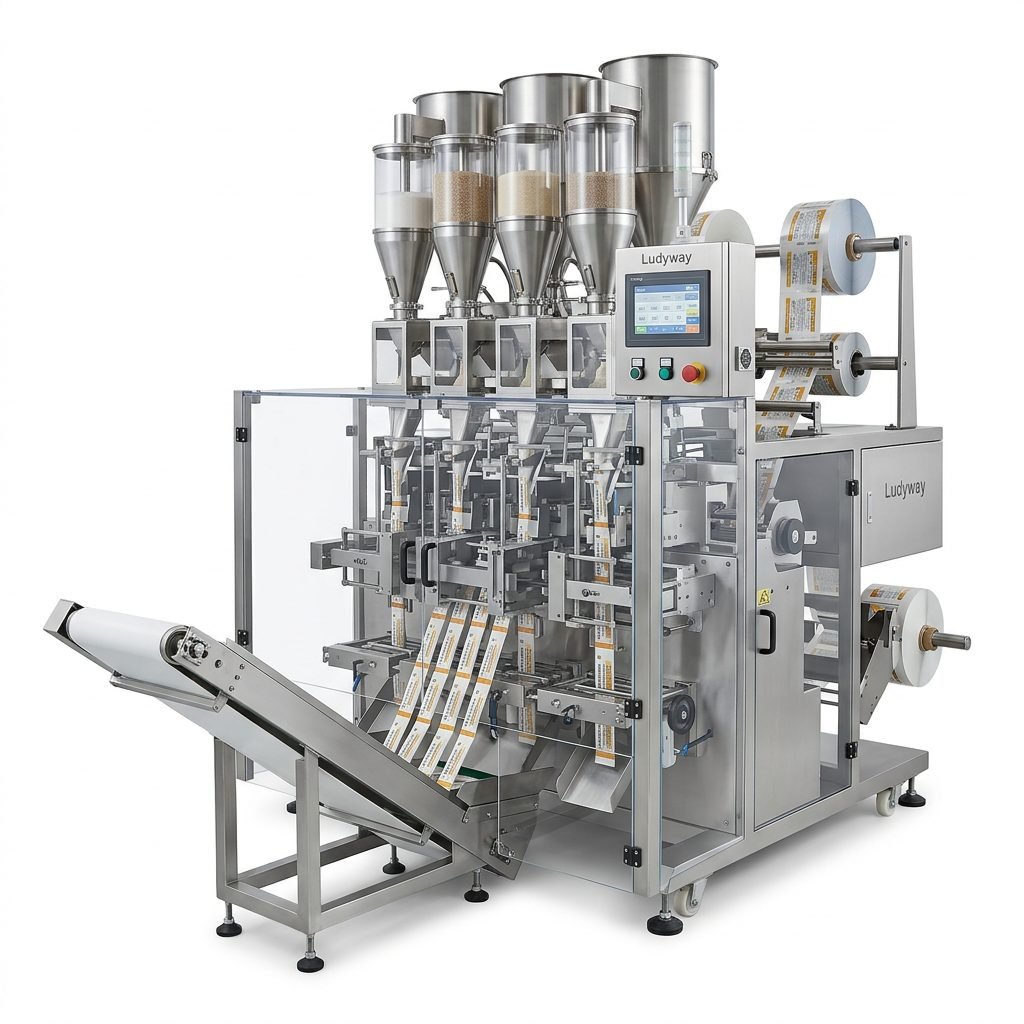
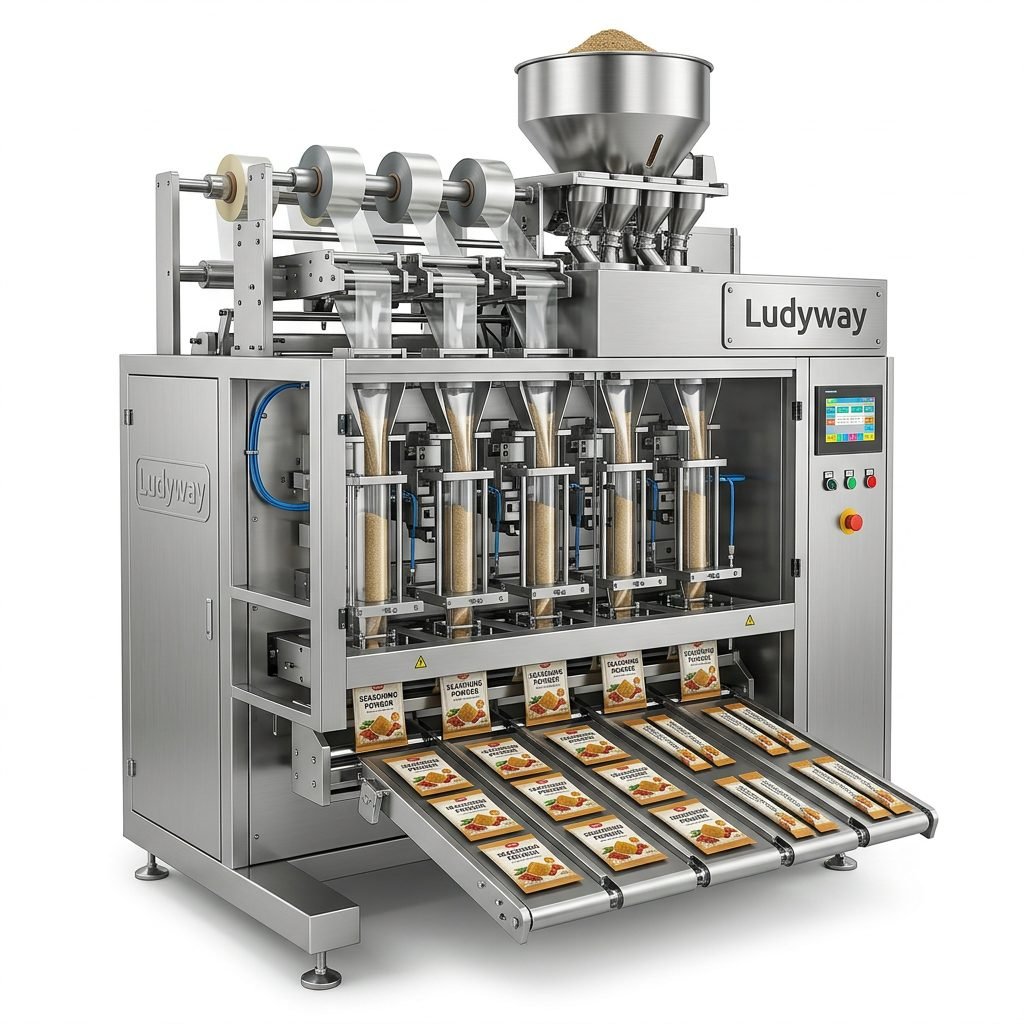
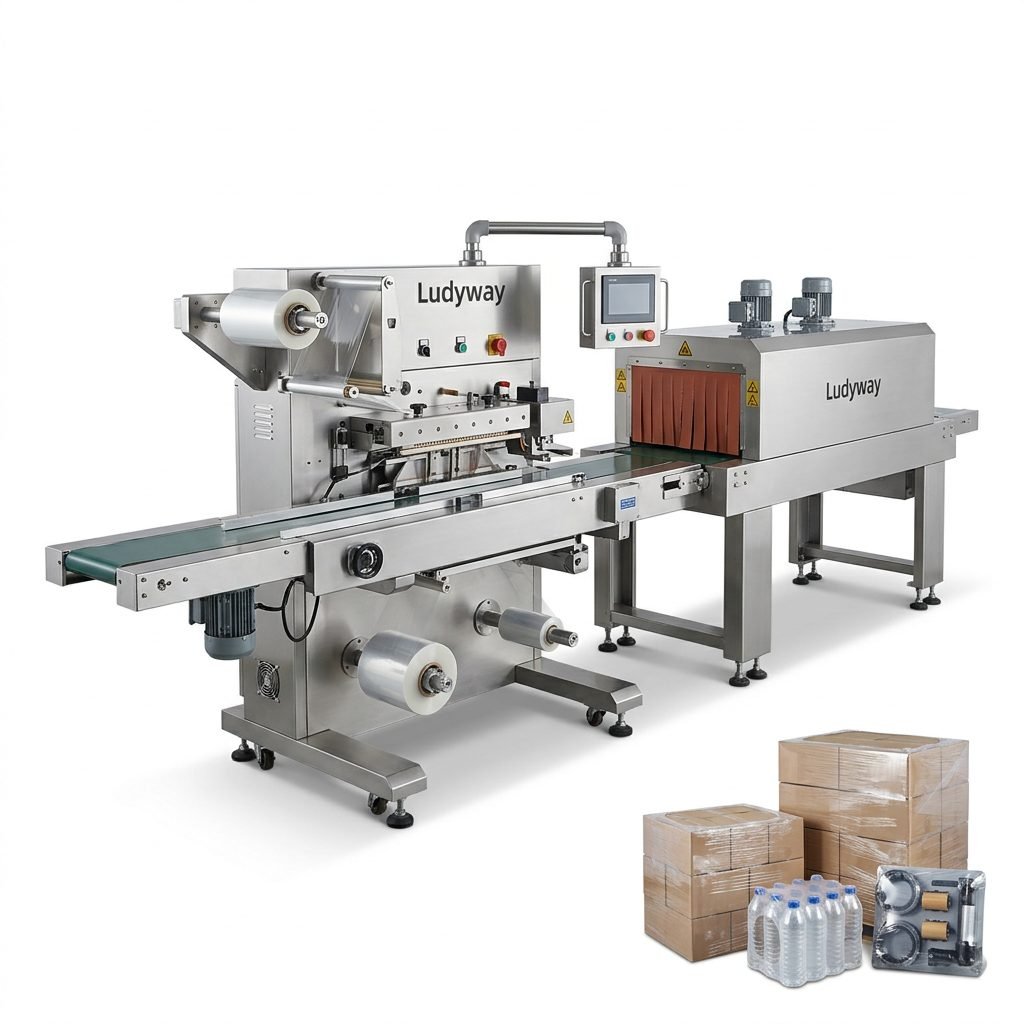
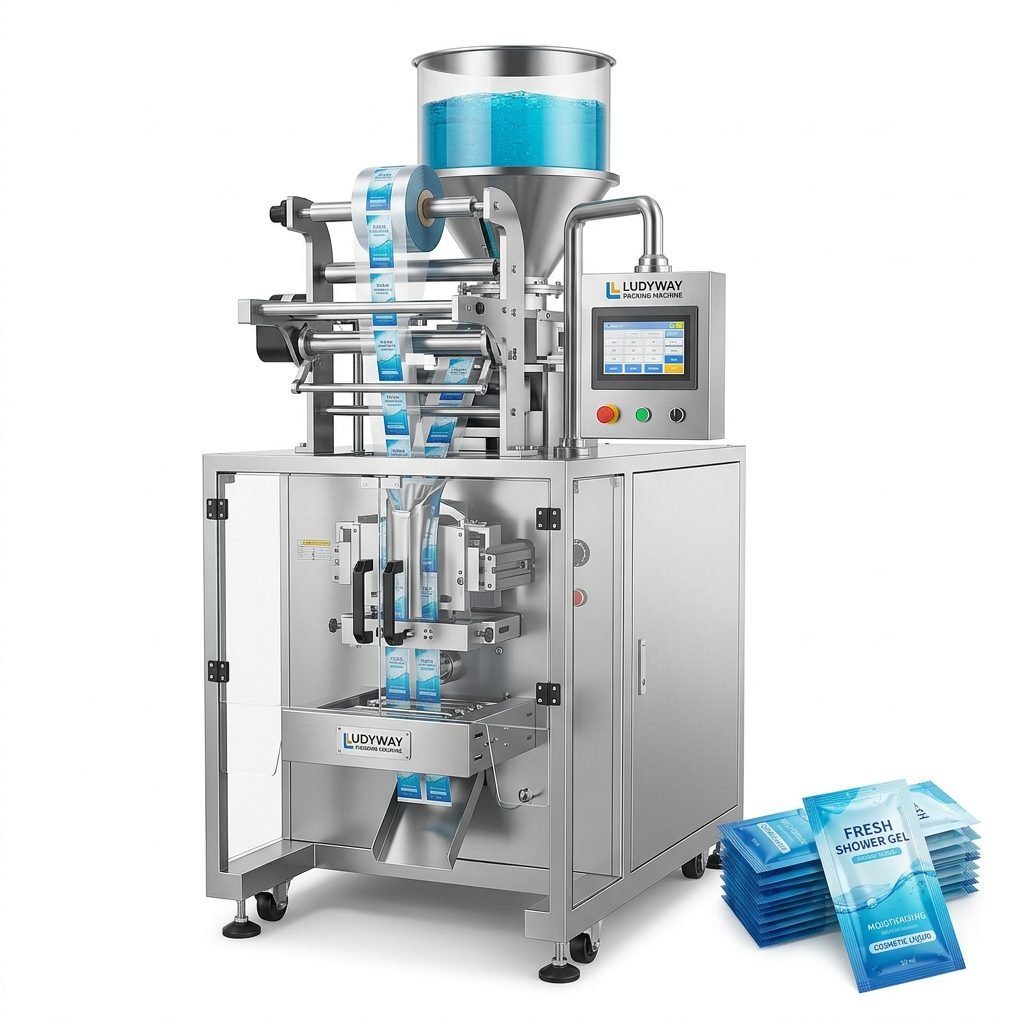
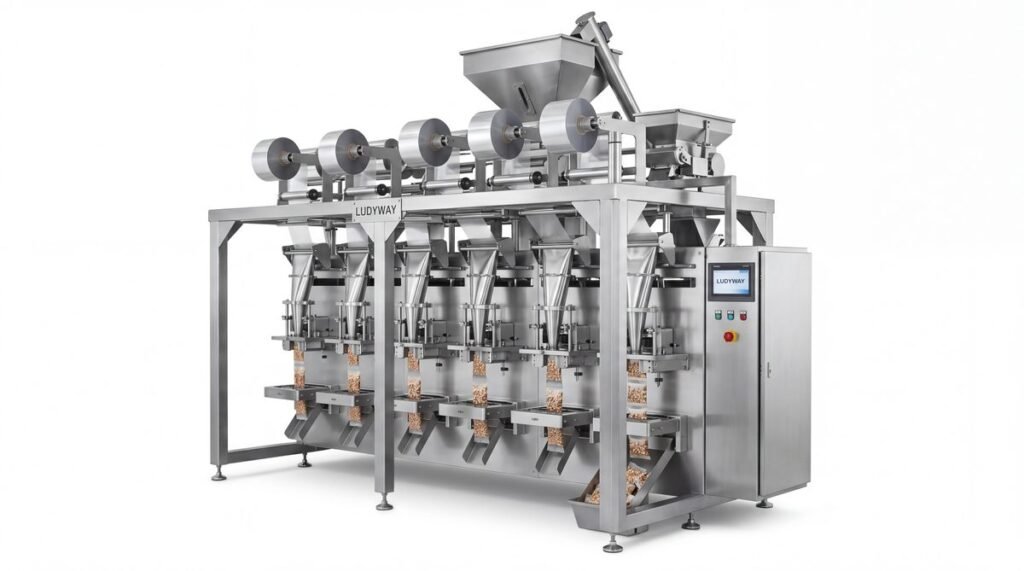
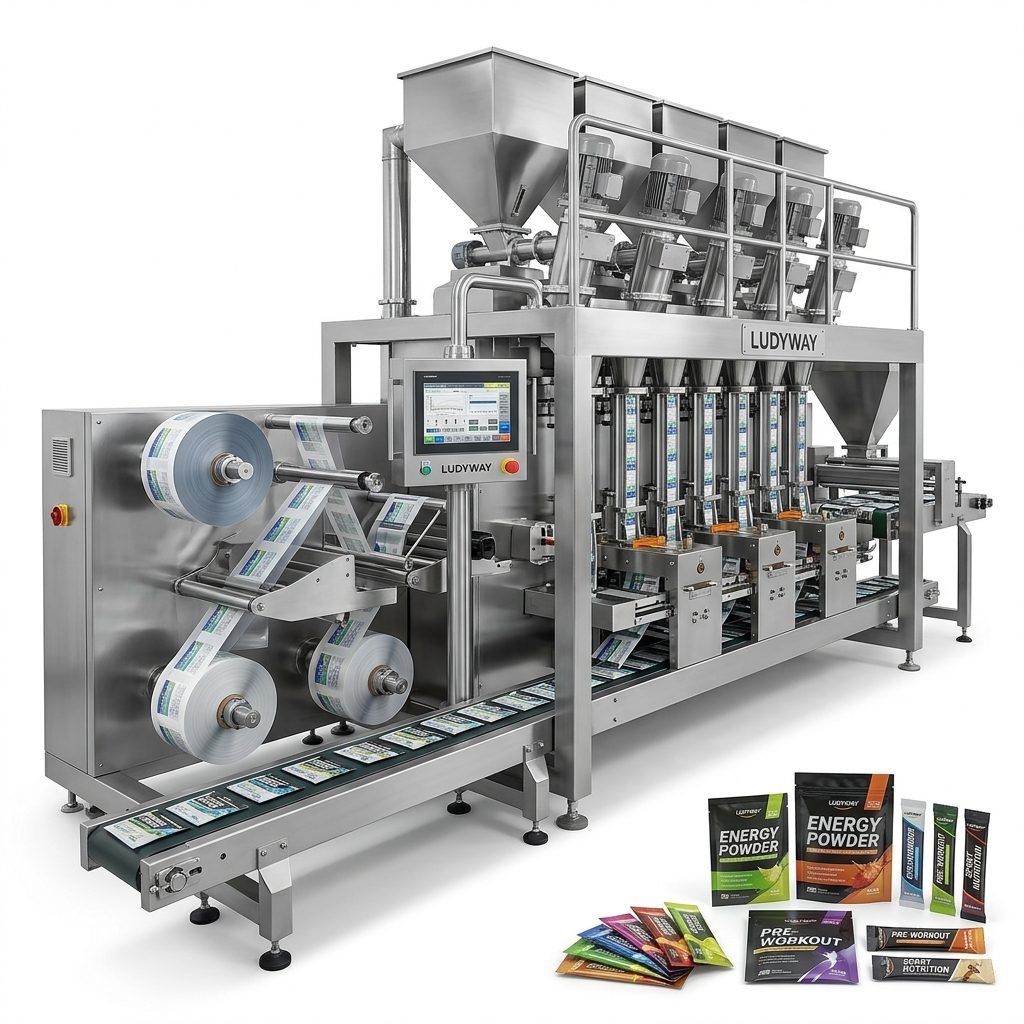
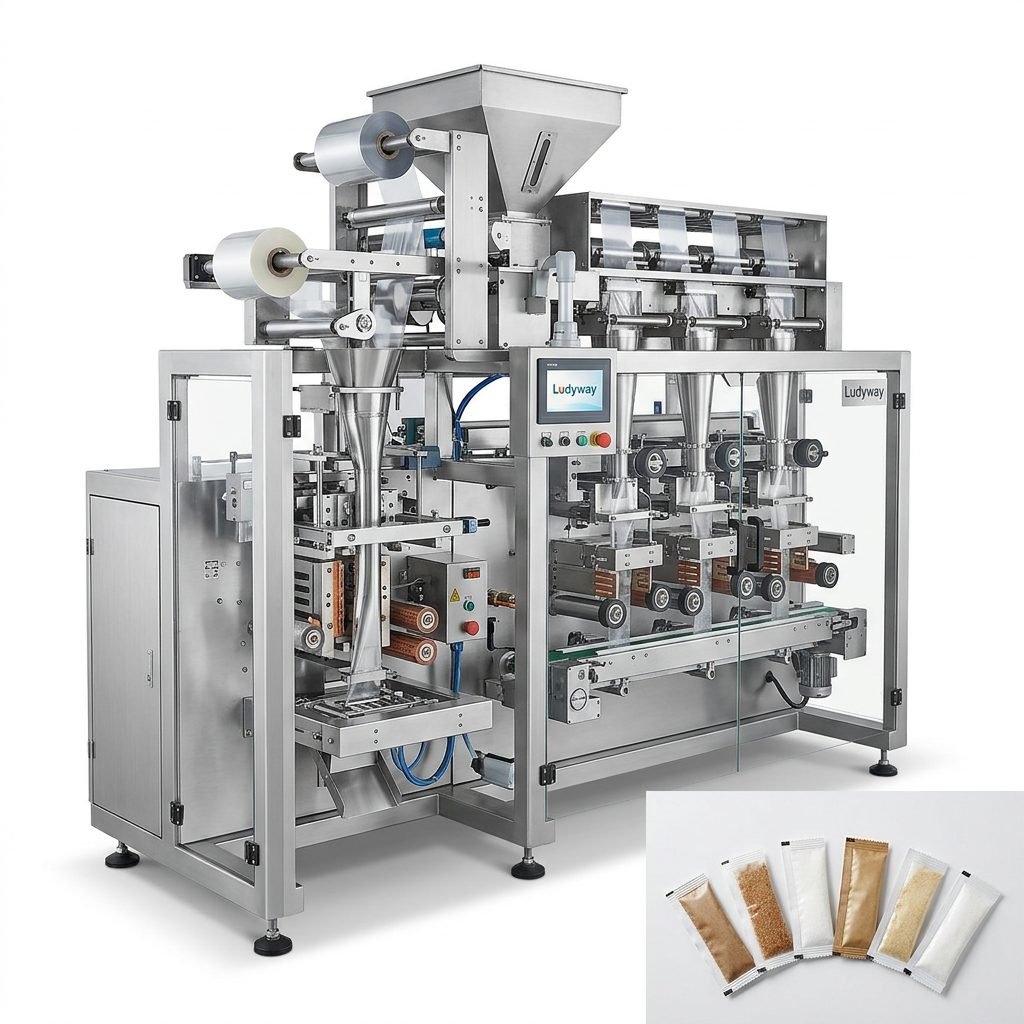
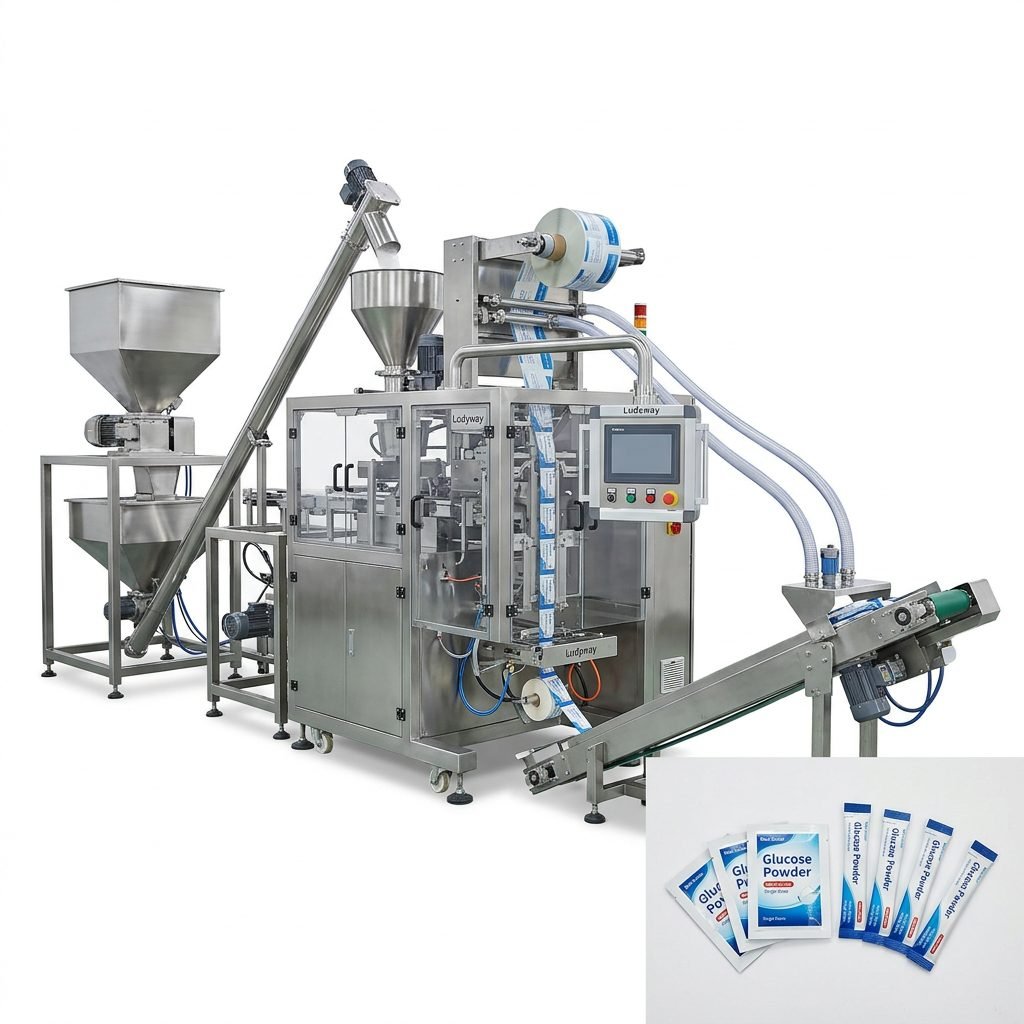
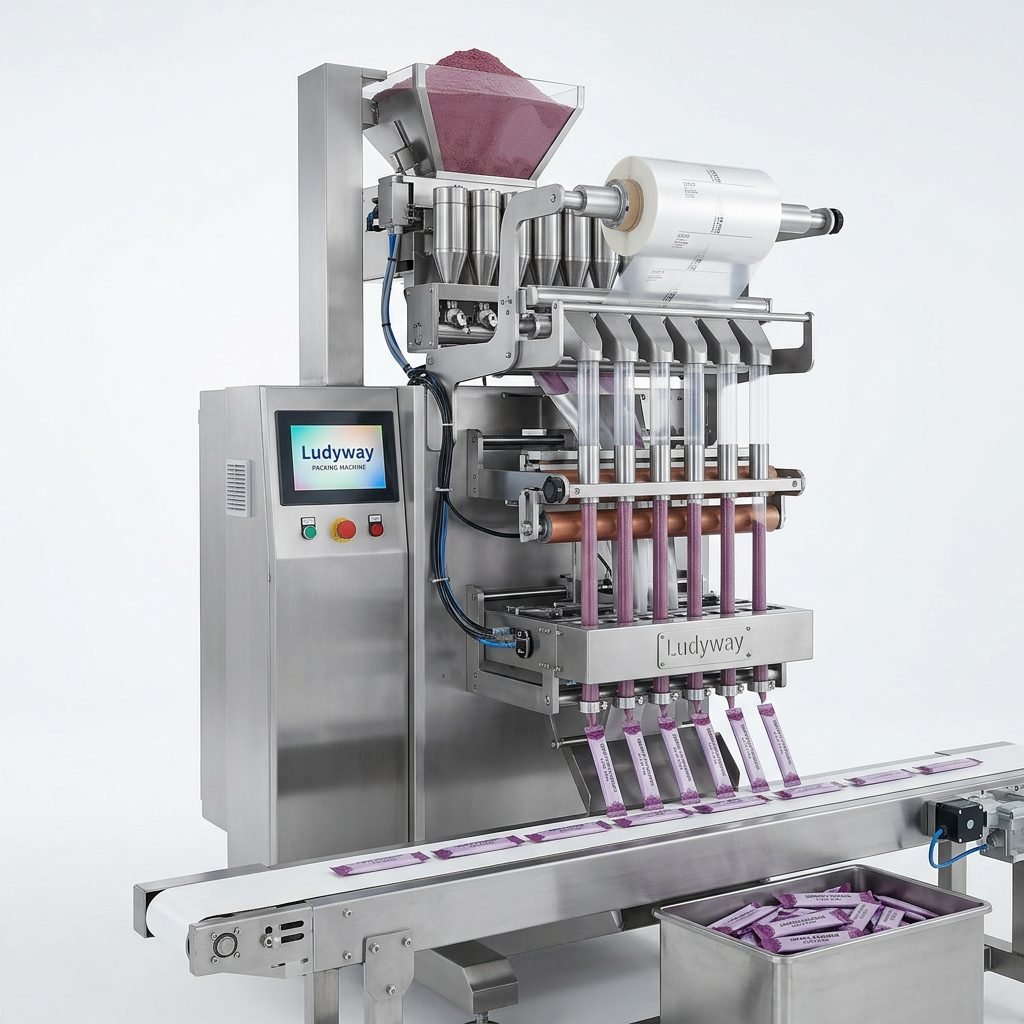
A plastic packing strip machine is a critical asset in high-volume packaging operations. Without a structured maintenance program, unexpected downtime and costly repairs can quickly erode productivity. Implementing a consistent maintenance routine ensures your equipment operates at peak efficiency, extends its service life, and maintains the quality of every sealed package.
Why Regular Plastic Packing Strip Machine Maintenance Matters
Neglecting routine upkeep leads to a cascade of issues: inconsistent sealing pressure, misaligned strip feeding, and excessive wear on heating elements. A well-maintained machine reduces energy consumption, minimizes material waste, and prevents the frustration of emergency shutdowns during critical production runs.

Daily Visual Inspection Checklist
Start every shift with a thorough visual walkthrough. Look for loose fasteners, worn drive belts, and any signs of material buildup around the sealing jaws. Pay close attention to the electrical connections and control panel indicators. Early detection of minor issues prevents them from escalating into major mechanical failures.
Key Inspection Points
- Heating Element Condition: Check for carbon deposits and uneven heating patterns.
- Feed Roller Alignment: Ensure the strip path is straight and the tension is consistent.
- Sensor Functionality: Verify all photoelectric and proximity sensors are clean and responsive.
- Pneumatic System: Drain moisture from filters and inspect hoses for cracks.
Developing a Strategic Lubrication Schedule
Friction is the enemy of precision packaging. Adhering to a proper lubrication protocol protects moving components from premature wear. Always use the manufacturer-recommended grease or oil, and never overlubricate, as excess lubricant can attract dust and contaminate packaging materials.
Monthly Lubrication Targets
| Component | Frequency | Lubricant Type |
|---|---|---|
| Cam Followers | Weekly | Lithium-based grease |
| Linear Bearings | Bi-weekly | Light machine oil |
| Gear Reducers | Monthly | Synthetic gear oil |
| Chain Drives | Monthly | Chain lubricant spray |
Mastering Strip Tension and Temperature Control
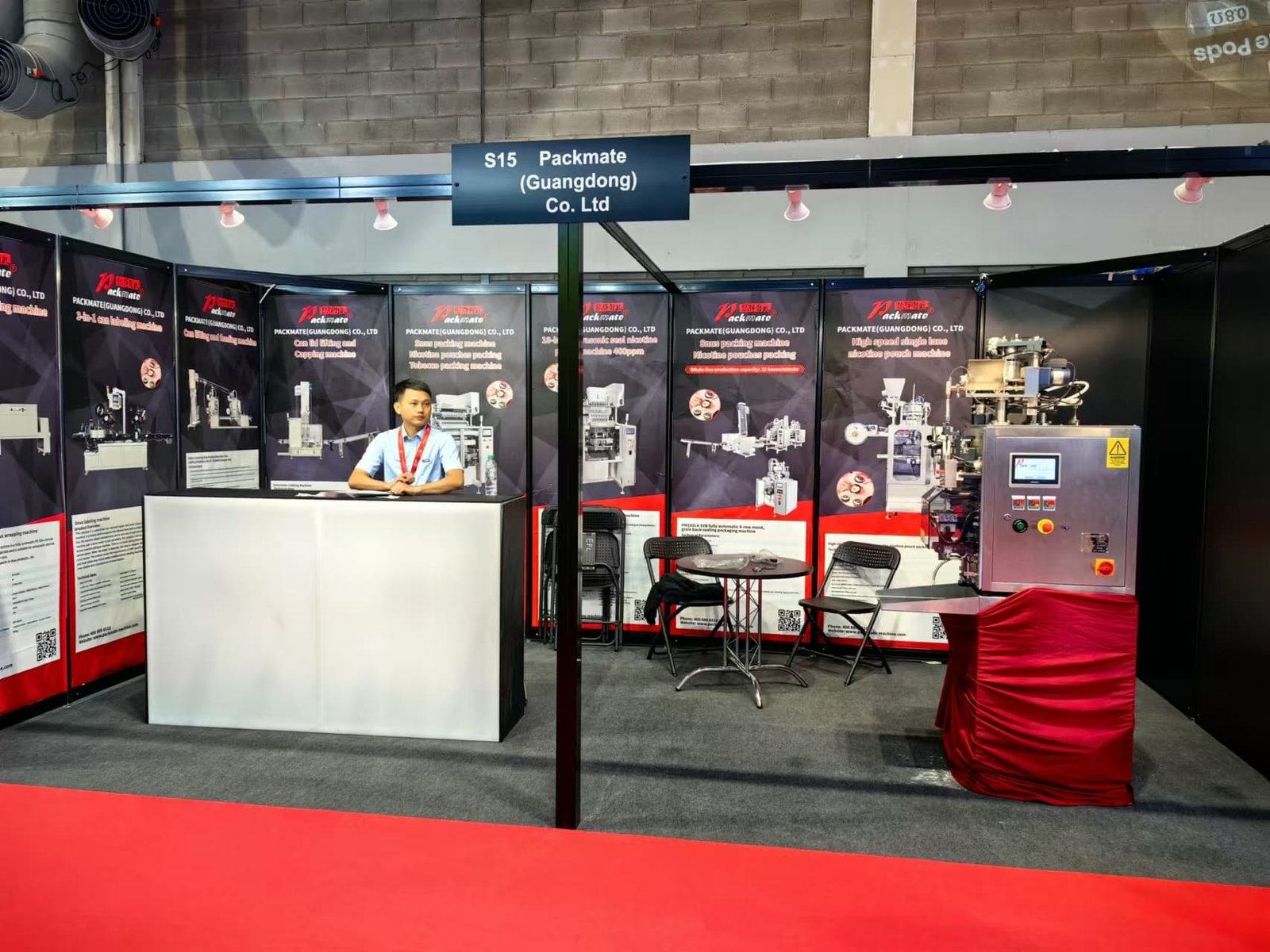
The heart of a plastic packing strip machine lies in its ability to precisely control sealing temperature and strip tension. If the temperature is too low, the seal will be weak and prone to failure. If it is too high, the strip can melt excessively or shrink, compromising package integrity. Calibrate thermocouples quarterly and always maintain a logbook of optimal settings for different film materials.
Common Temperature-Related Faults
- Overheating: Often caused by a faulty solid-state relay or a blocked cooling fan. Clean ventilation grilles during every preventive maintenance session.
- Fluctuating Temperature: Check for loose thermocouple connections or interference from nearby high-power equipment.
- Cold Seals: May indicate a worn heating cartridge or incorrect dwell time settings.
The Role of Clean Compressed Air in Machine Reliability
Many plastic packing strip machines rely on pneumatic actuators for cutting and sealing. Contaminated air introduces moisture and particles that can damage solenoid valves and cylinder seals. Install a high-quality air dryer and filter-regulator-lubricator (FRL) unit, and drain the compressor tank daily to keep the system dry and reliable.
Training Your Team for Operational Excellence
Even the most disciplined maintenance schedule will fail without a trained crew. Operators must understand the relationship between packaging machinery standards and daily machine performance. Conduct regular refresher courses on cleaning procedures, emergency stops, and the importance of reporting unusual noises or vibrations immediately.
Essential Operator Training Modules
- Startup and Shutdown Protocols: Correct sequences to avoid thermal shock.
- Strip Threading and Splice Techniques: Minimizing waste during roll changes.
- Control Panel Navigation: Adjusting parameters without compromising safety.
- Emergency Procedures: Rapid response to jam-ups or power failures.
For long-term reliability, partnering with an experienced equipment provider ensures access to genuine spare parts and technical expertise. Ludyway offers comprehensive after-sales support and advanced packaging solutions tailored to demanding production environments.
Keeping Detailed Maintenance Records
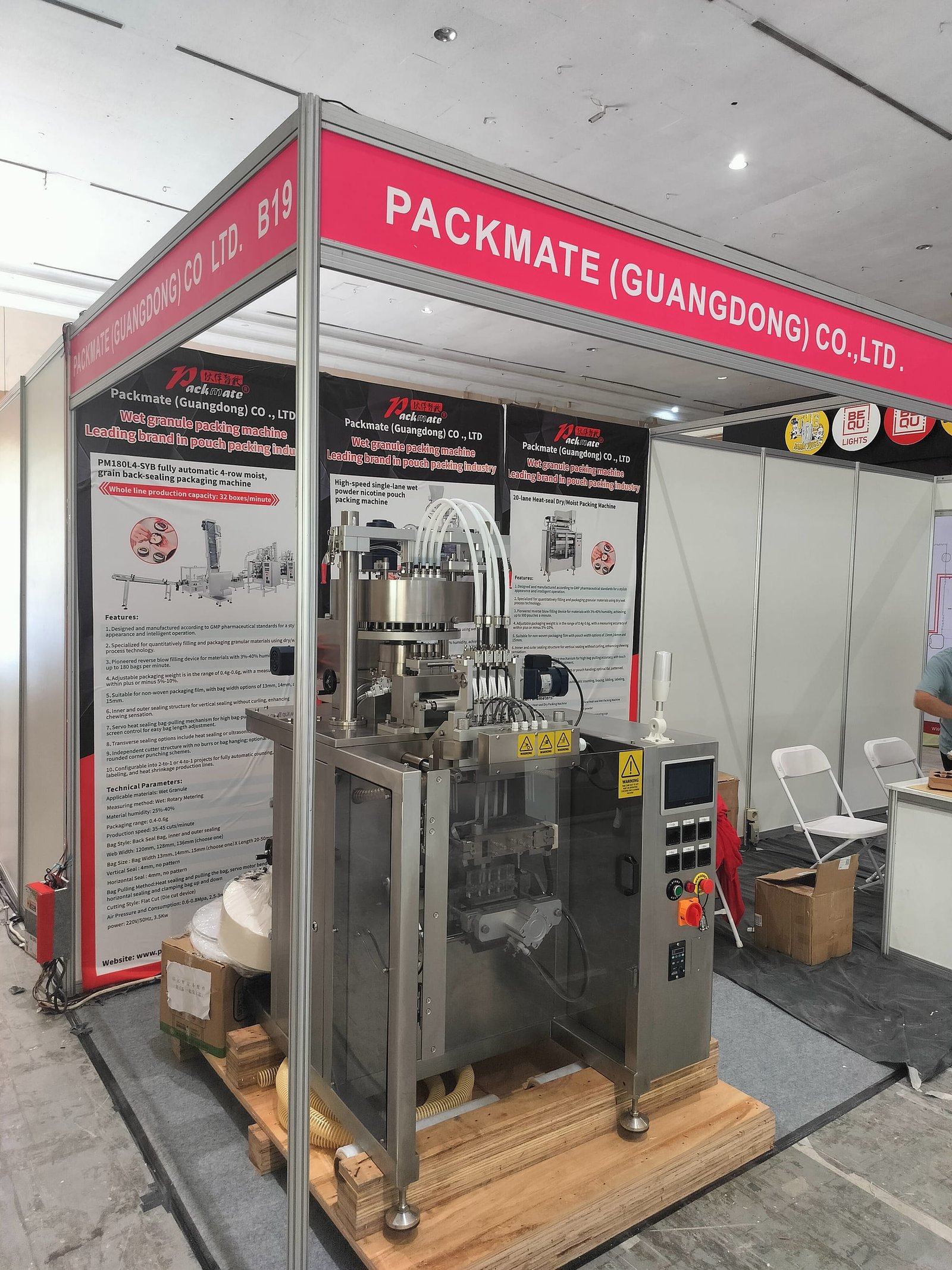
Documentation transforms random repairs into a predictive maintenance strategy. Use a digital log or CMMS software to track every service intervention, spare part consumed, and calibration check. Analyzing these records over time reveals repeat failure patterns, allowing you to schedule proactive replacements before breakdowns occur. This data-driven approach aligns with contemporary packaging industry intelligence that emphasizes optimization through operational insights.
What to Record in Every Log Entry
- Date and Time: Including shift information for operator accountability.
- Component Inspected: Specific part numbers and locations.
- Measurements: Actual temperatures, pressures, and alignment readings.
- Replaced Parts: Serial numbers of old and new components.
Storing Spare Parts for Minimal Downtime
Waiting for a critical component to ship can halt your entire line for days. Maintain an inventory of essential consumables such as heating elements, thermocouples, cutting blades, drive belts, and sensor modules. Store these parts in a climate-controlled, dust-free cabinet adjacent to the machine to reduce retrieval time during urgent repairs.
Quarterly Professional Servicing
While daily and monthly checks are vital, a deep-dive inspection by a qualified technician uncovers hidden wear. Professionals use specialized tools to measure motor current draw, check for electrical insulation breakdown, and validate the accuracy of temperature controllers. Scheduling these visits during planned maintenance windows ensures your plastic packing strip machine remains in optimal condition year-round.