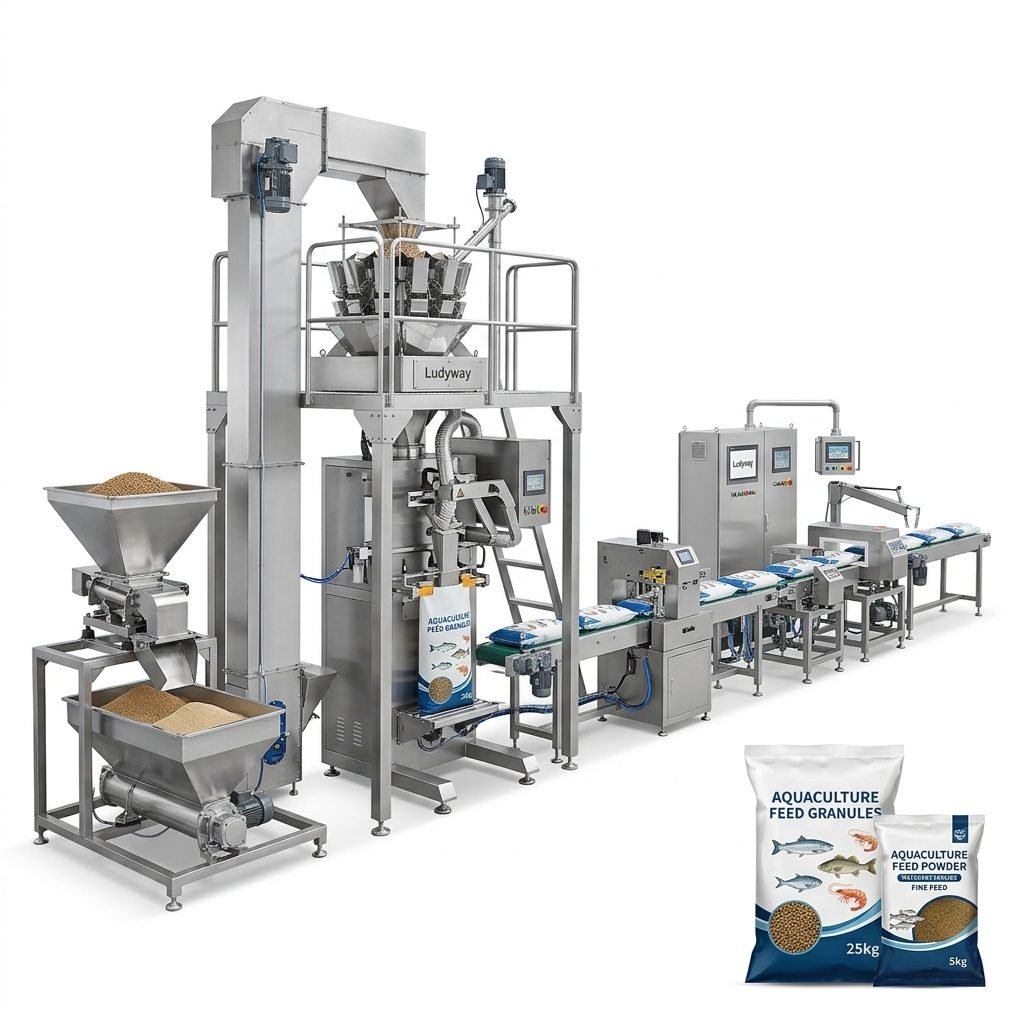
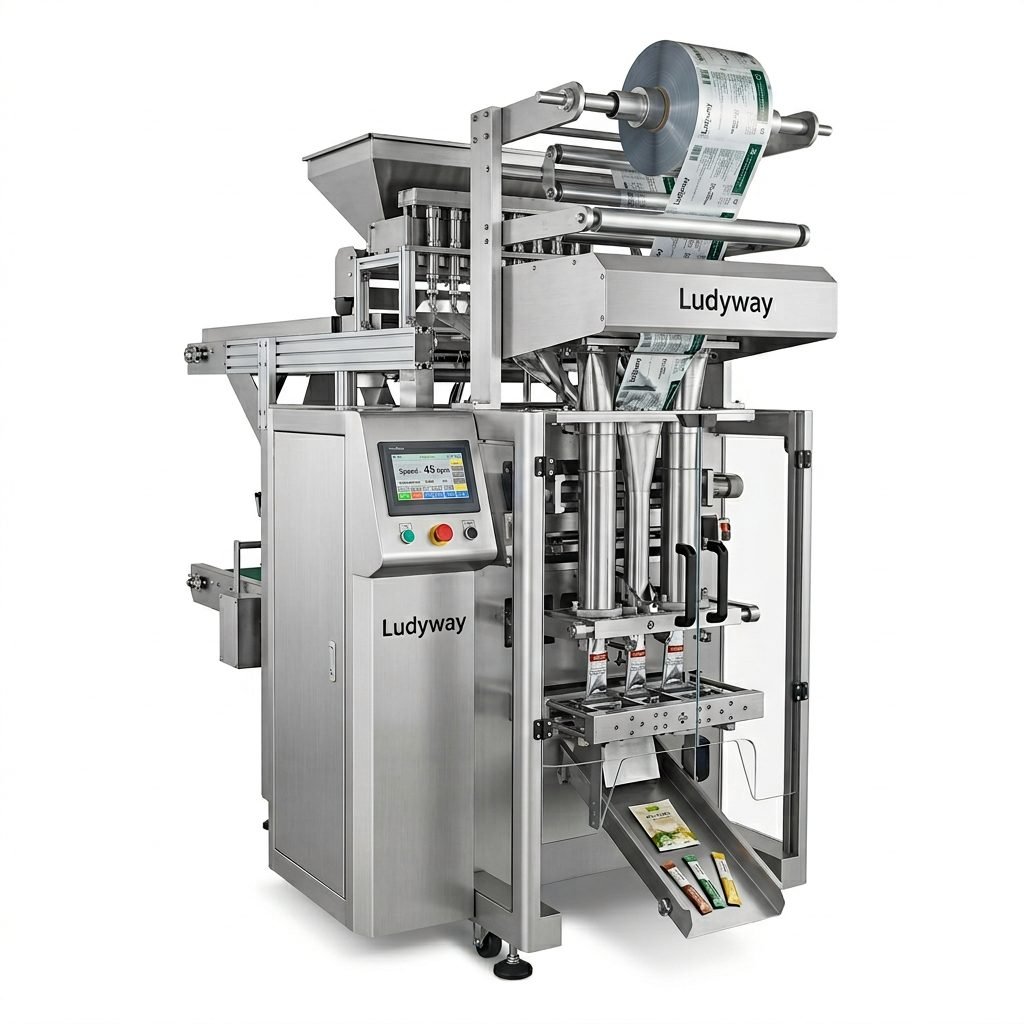
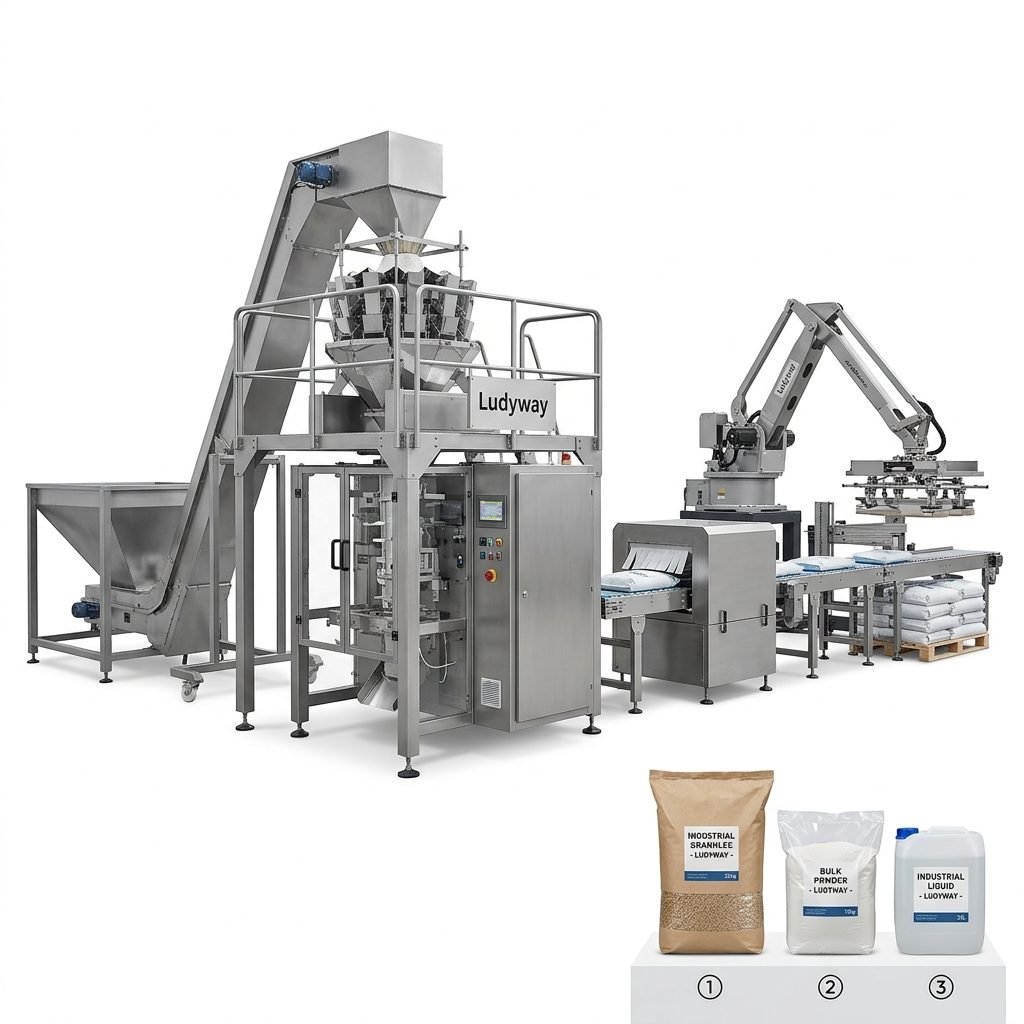
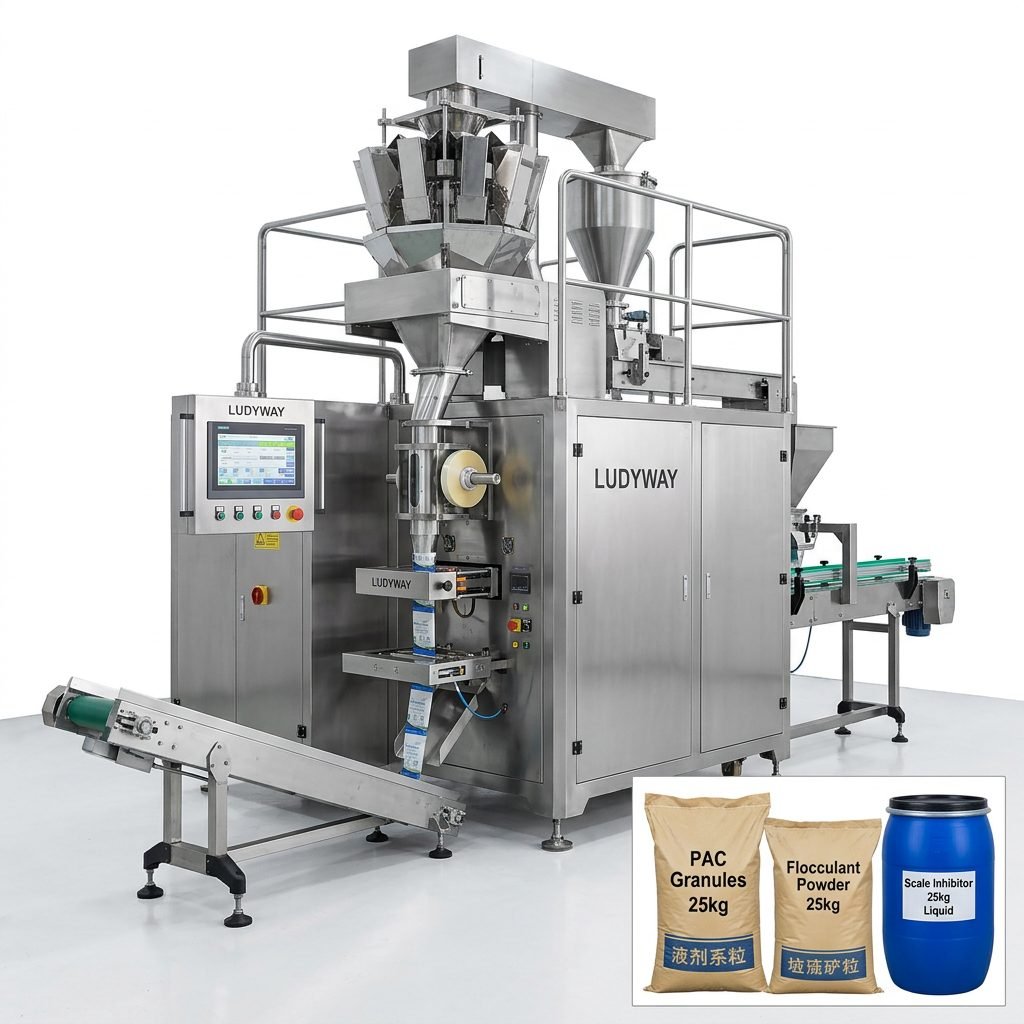
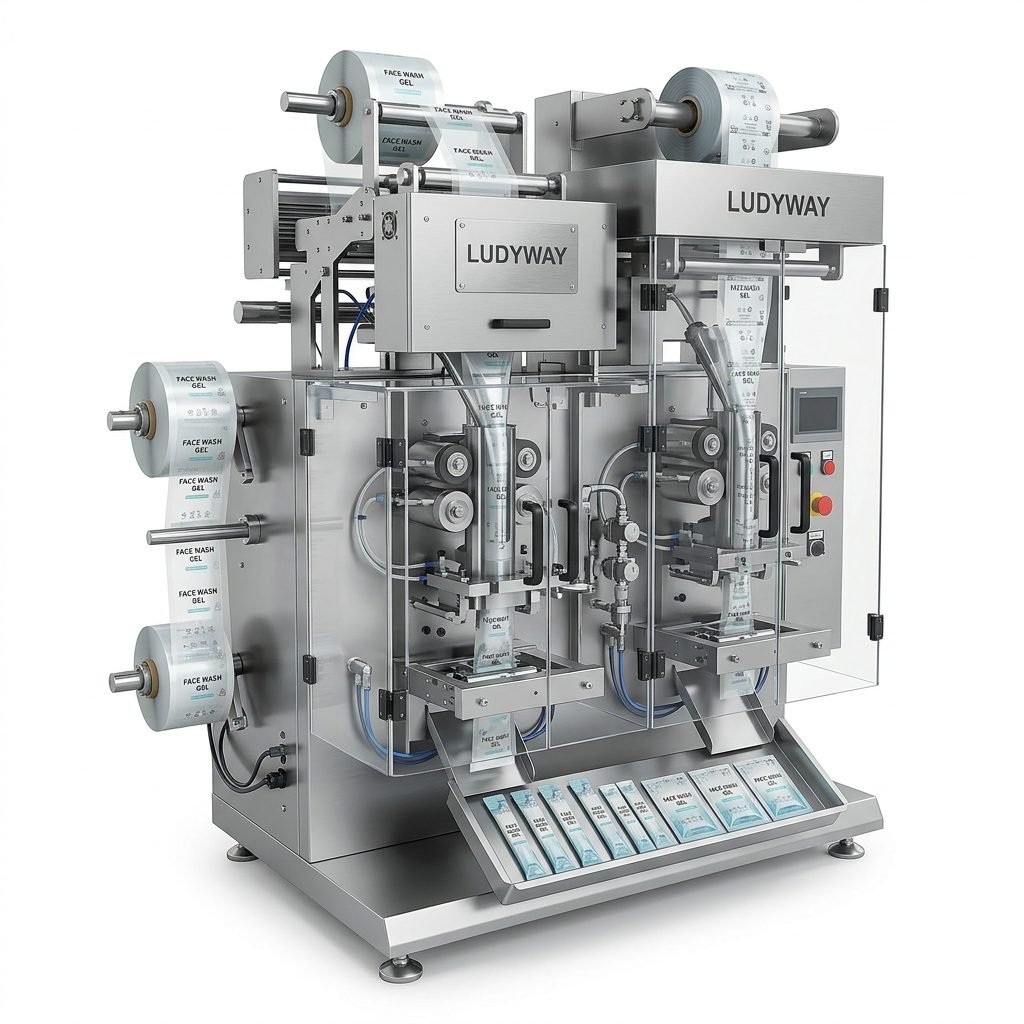
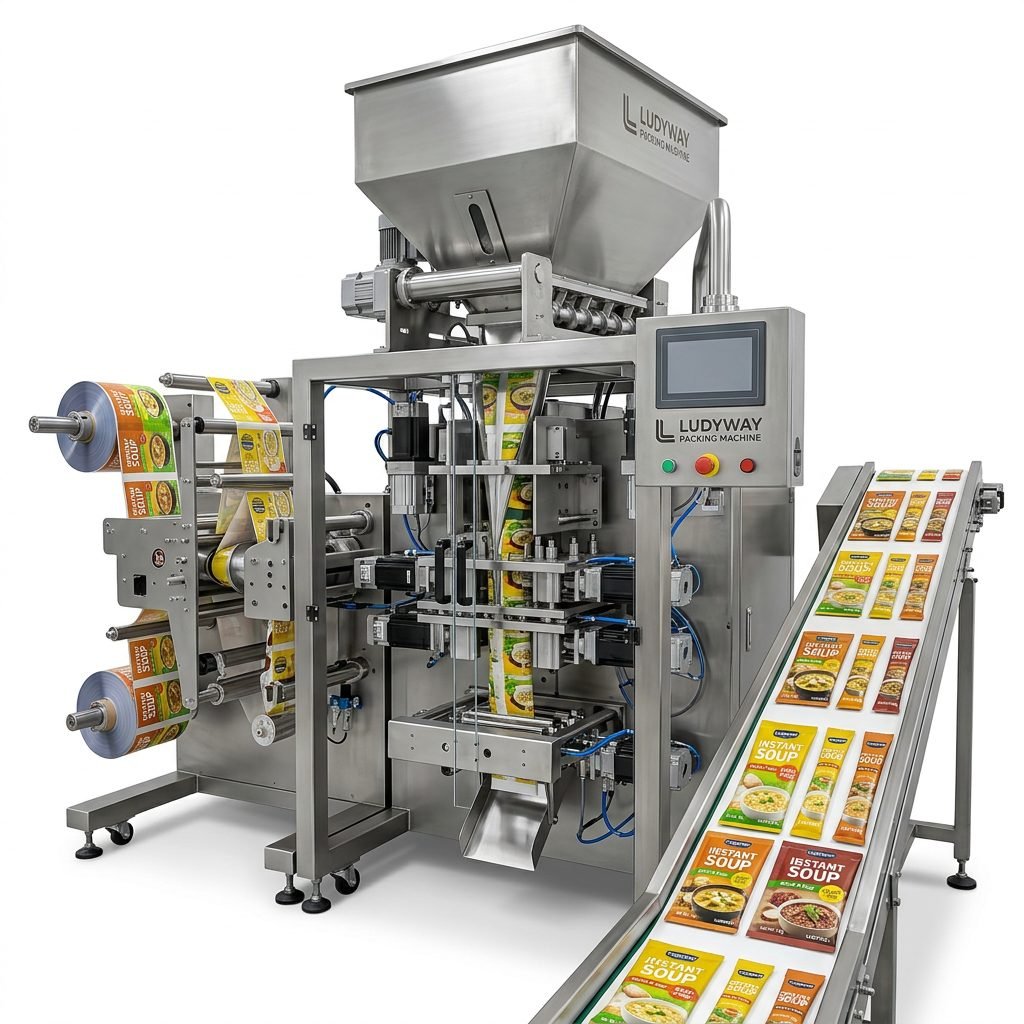
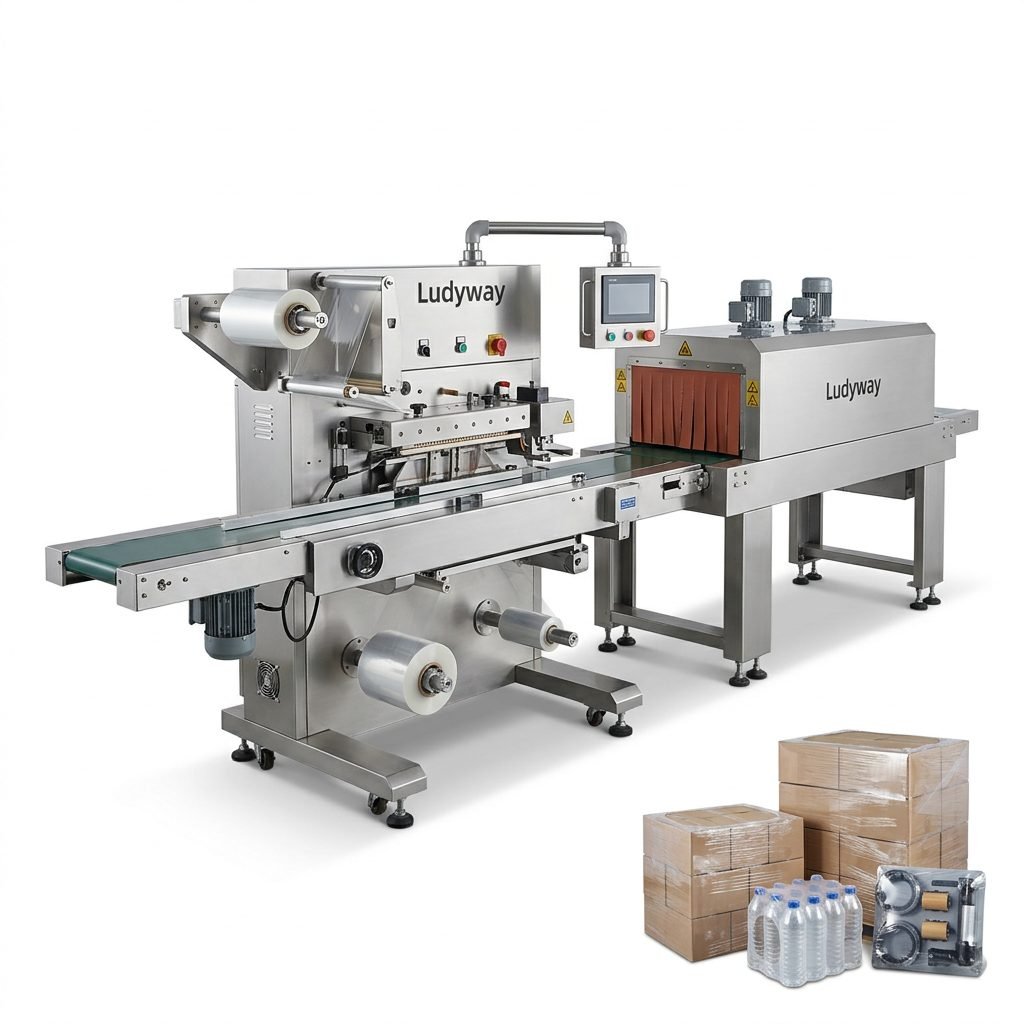
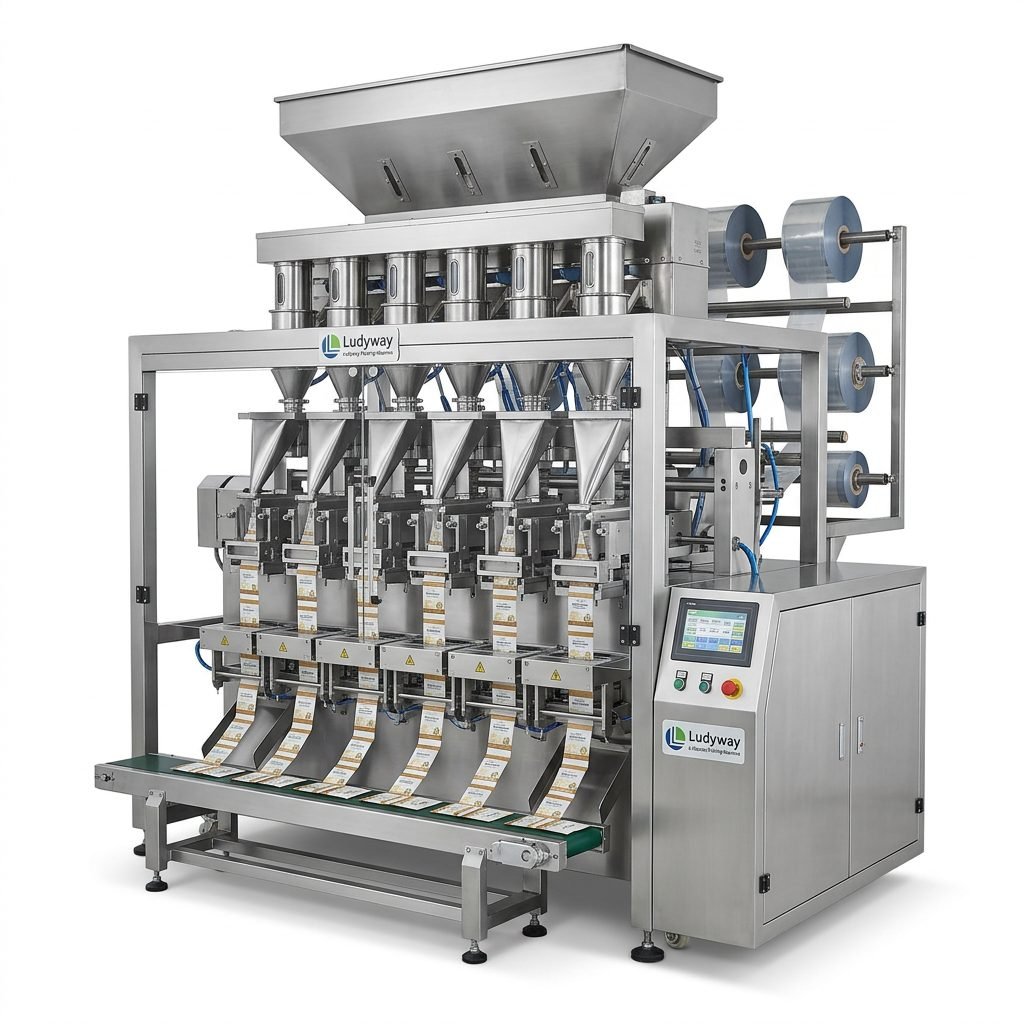
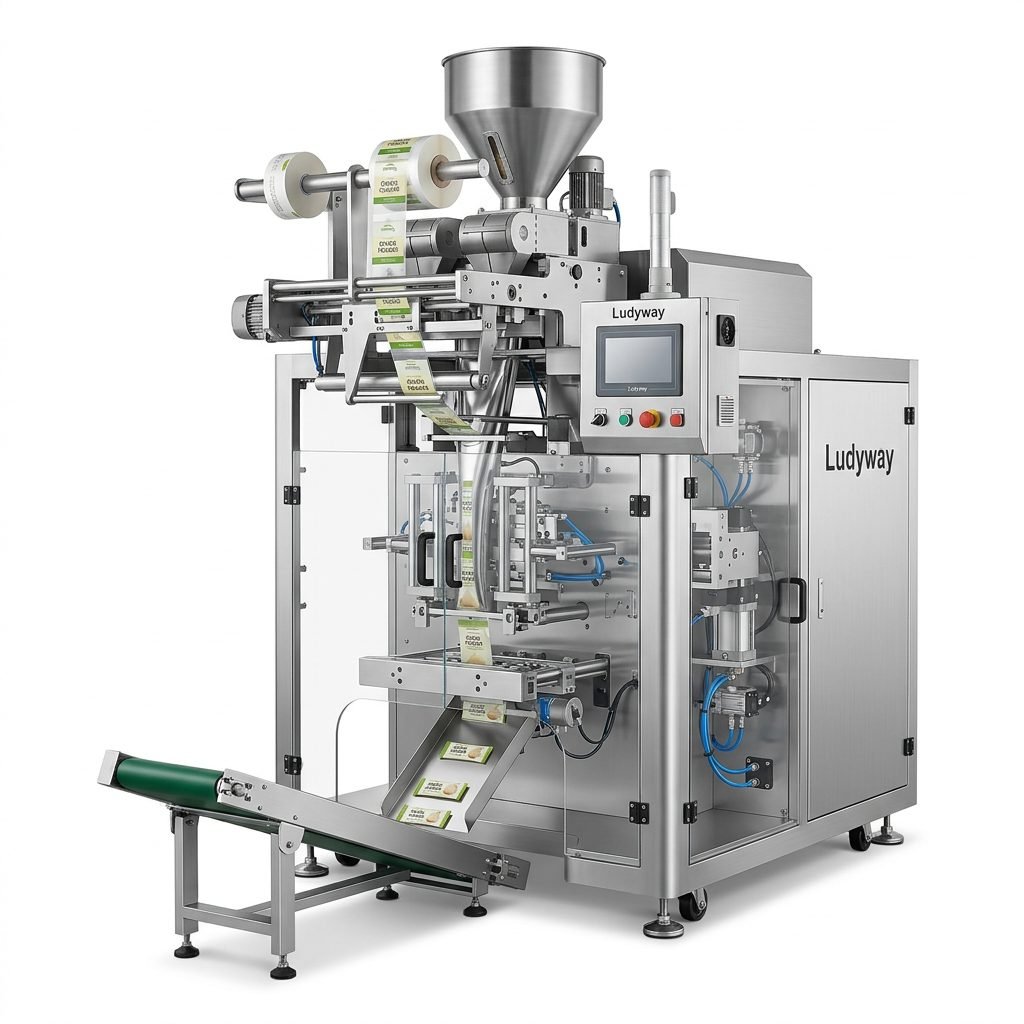
Proper maintenance is the single most important factor in maximizing the lifespan and efficiency of your snack food packaging machine. Whether you run a high-speed multi-lane stick pack system or a single-lane sachet filler, consistent care prevents costly downtime, reduces repair expenses, and ensures consistent product quality. A well-maintained machine also minimizes product giveaway, improves seal integrity, and keeps your production line running at peak capacity. This comprehensive guide covers the essential maintenance practices every operator and plant manager should follow.
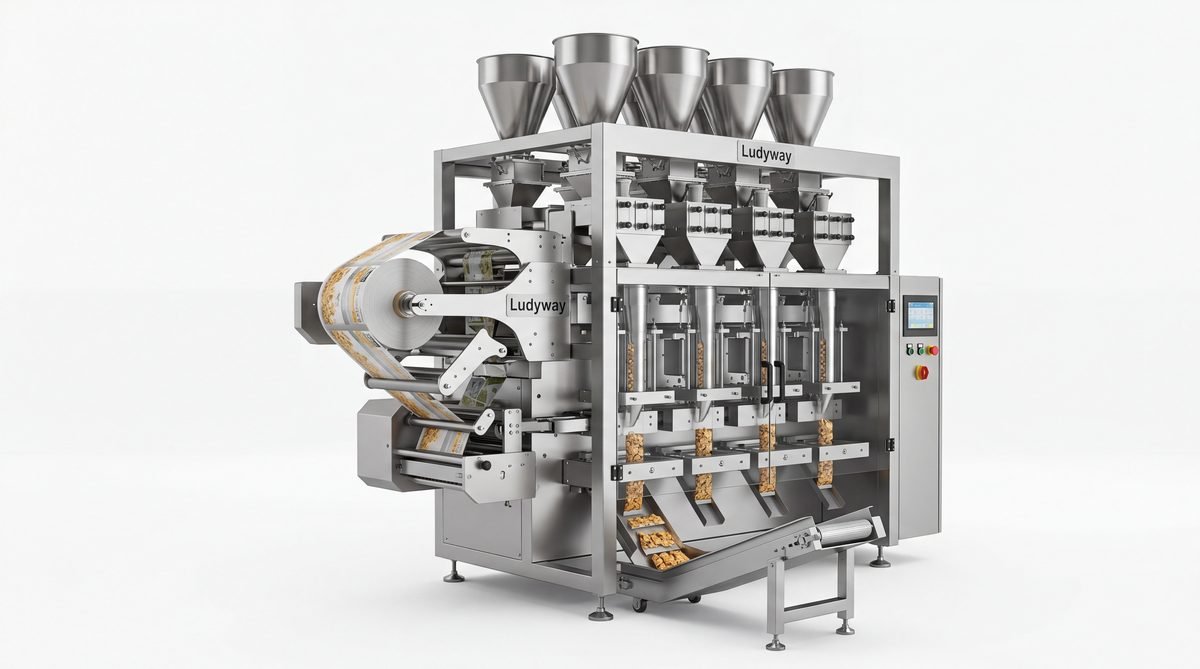
Daily Cleaning: The Foundation of Maintenance
Snack foods generate significant amounts of dust, salt, sugar, and seasoning particles that can accumulate on and inside your packaging equipment. These residues are not just a hygiene concern — they can damage sensitive components over time. A strict daily cleaning routine is non-negotiable for any facility handling food-grade packaging operations.
Key daily cleaning tasks include:
- Wipe down all external surfaces with food-safe cleaning agents after each shift to remove dust and product residue.
- Clean the forming tube and sealing jaws thoroughly — product buildup here directly affects seal quality and can cause leakers.
- Vacuum around the filling area and multi-head weigher to prevent cross-contamination between product batches.
- Inspect and clean the film tracking path, removing any adhesive residue or film fragments that could cause misalignment.
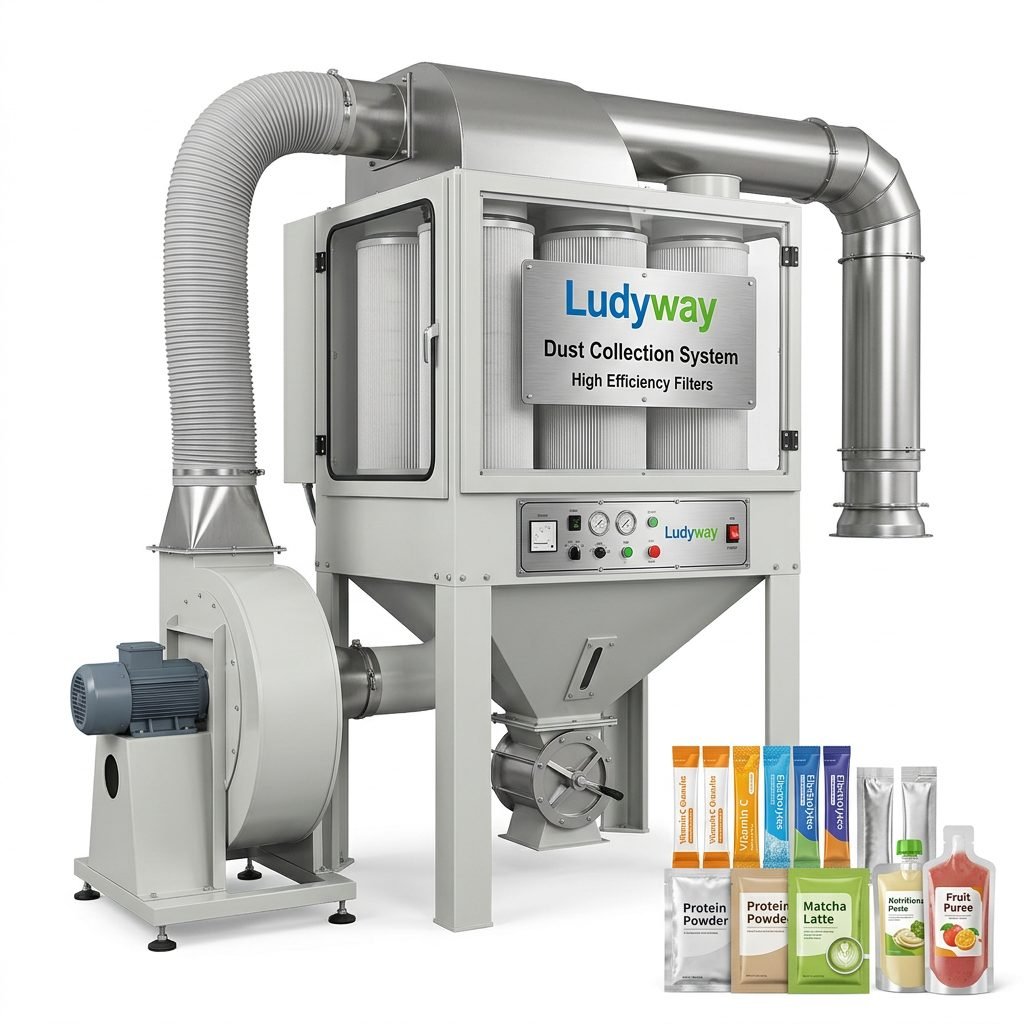
- Empty and sanitize the dust collection system if your machine is equipped with one, as clogged filters reduce suction efficiency.
Lubrication Schedule and Best Practices
Friction is the enemy of any high-speed packaging system. Without proper lubrication, bearings wear out prematurely, chains stretch, and motors draw excessive current. Establishing a documented lubrication schedule tailored to your specific machine model is essential for long-lasting performance.
Follow these lubrication best practices:
- Use only food-grade lubricants (H1-rated) for any lubrication points that could potentially contact product zones.
- Grease bearings every 200-500 operating hours, depending on the manufacturer’s recommendation and operating environment.
- Oil chains and sprockets weekly to prevent elongation and ensure smooth film transport.
- Check oil levels in gearboxes monthly and replace gear oil annually or after every 2,000 hours of operation.
- Never over-lubricate — excess grease attracts dust and creates a grinding paste that accelerates wear.
- Keep a lubrication log with dates, points serviced, and the type of lubricant used for traceability.
Critical Component Inspection Checklist
Regular inspections catch small issues before they become major failures. The following components demand particular attention in any snack food packaging operation:
| Component | Inspection Frequency | What to Look For | Action Required |
|---|---|---|---|
| Sealing Jaws | Daily | Wear patterns, Teflon coating damage, uneven heating | Clean or replace if seal quality deteriorates |
| Cutting Knives | Weekly | Blade sharpness, nicks, alignment | Sharpen or replace dull blades immediately |
| Film Unwind Assembly | Weekly | Bearing noise, tension consistency, alignment | Lubricate bearings; realign if film wanders |
| Multi-Head Weigher | Weekly | Load cell accuracy, hopper wear, sticky residue | Calibrate load cells; clean hoppers thoroughly |
| Temperature Controllers | Monthly | Actual vs. setpoint deviation, response time | Recalibrate or replace faulty thermocouples |
| Pneumatic Cylinders & Seals | Monthly | Air leaks, sluggish movement, seal cracks | Replace worn seals; check air pressure settings |
| Belts & Timing Belts | Monthly | Cracks, fraying, tension loss, tooth wear | Replace if any damage is visible |
| Electrical Connections | Quarterly | Loose terminals, corrosion, burnt contacts | Tighten connections; replace damaged wiring |
| Sensors & Photocells | Quarterly | Dust accumulation, alignment, response delay | Clean lenses gently; realign as needed |

Preventive Maintenance Schedule
A structured preventive maintenance program keeps your equipment running reliably and helps you plan for parts replacement before unexpected failures occur. Below is a recommended schedule that can be adapted to your specific machine and production volume:
| Interval | Maintenance Tasks | Responsible Party |
|---|---|---|
| Daily | Clean all product contact surfaces; inspect seals; check film alignment; verify temperature settings | Machine Operator |
| Weekly | Lubricate chains and open bearings; inspect cutting knives; check weigher accuracy; clean sensors | Operator + Maintenance Tech |
| Monthly | Inspect all belts for wear; check pneumatic system for leaks; verify all safety interlocks; deep clean dust collection unit | Maintenance Technician |
| Quarterly | Full calibration of temperature controllers and load cells; inspect electrical cabinets; replace worn consumables; check gearbox oil | Maintenance Team Lead |
| Semi-Annually | Replace gearbox oil; full inspection of all mechanical components; test emergency stop systems; verify tension control accuracy | Maintenance Team + Supervisor |
| Annually | Complete machine overhaul; replace all bearings in high-wear areas; replace timing belts; full electrical system audit; recalibrate all instruments | Qualified Service Technician |
Common Issues and Troubleshooting
Even with diligent maintenance, packaging machines can develop issues. Knowing how to quickly diagnose and resolve common problems minimizes downtime. Here are the most frequent challenges in snack food packaging and their solutions:
| Problem | Possible Cause | Solution |
|---|---|---|
| Inconsistent Seal Quality | Dirty sealing jaws, incorrect temperature, worn Teflon coating, film contamination | Clean jaws thoroughly; recalibrate temperature; replace Teflon tape; check film storage conditions |
| Film Tracking Off-Center | Misaligned rollers, uneven tension, worn guide rollers, incorrect film roll mounting | Realign all rollers; adjust tension settings; replace worn guide components; verify roll placement |
| Product Weight Variation | Load cell drift, product buildup in hoppers, vibration interference, incorrect settings | Recalibrate weigher; clean all hoppers; isolate machine from external vibration; verify product settings |
| Excessive Machine Vibration | Loose mounting bolts, worn bearings, unbalanced rotating parts, floor unevenness | Tighten all fasteners; replace worn bearings; check motor and drive alignment; level the machine |
| Frequent Film Breaks | Excessive tension, sharp edges on forming tube, poor film quality, incorrect heat settings | Reduce tension; polish or replace forming tube; verify film specifications; adjust temperature downward |
Electrical and Software System Care
Modern snack food packaging machines rely heavily on PLC controllers, servo drives, and sensor networks. Electrical system maintenance is just as critical as mechanical care. Dust and moisture are the primary threats to electronic components in food production environments.
Best practices for electrical system maintenance include:
- Keep control cabinets sealed and ensure cabinet door gaskets are in good condition to prevent dust ingress.
- Check cooling fans regularly — overheating is a leading cause of drive and PLC failure.
- Back up machine parameters and PLC programs after any configuration change and store backups in at least two locations.
- Inspect wiring harnesses for signs of heat damage, rodent activity, or chemical exposure quarterly.
- Update firmware as recommended by the equipment manufacturer, but always test updates during planned downtime.
- Refer to packaging machinery standards and resources for industry best practices on electrical safety.
Operator Training and Standard Operating Procedures
The best maintenance program in the world cannot compensate for improper machine operation. Every operator should receive thorough training on the specific snack packaging equipment they run. Training should cover startup and shutdown procedures, daily cleaning protocols, basic troubleshooting, and recognition of abnormal machine behavior such as unusual noises or vibrations. Maintain up-to-date SOPs that are easily accessible near each machine station, and conduct refresher training at least annually or whenever equipment is upgraded. Well-trained operators catch problems early and significantly extend equipment life.
Spare Parts Management
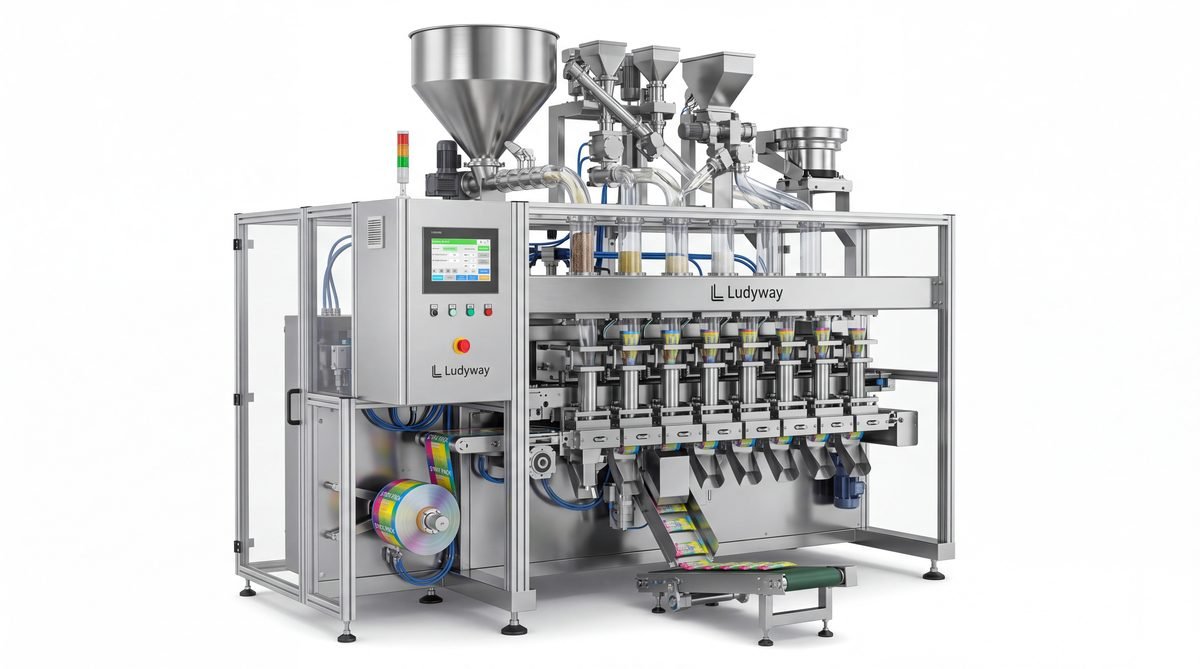
Waiting days or weeks for a replacement part can cripple your production schedule. A smart spare parts strategy keeps your snack packaging line running with minimal interruption. Identify the components most likely to wear or fail — sealing jaws, Teflon tape, cutting blades, belts, thermocouples, sensors, and pneumatic seals should all be kept in stock. Work with your equipment supplier, such as Ludyway, to develop a recommended spare parts list tailored to your machine model and production volume. Store spare parts in a clean, dry, organized location with clear labeling for quick access during emergencies.
Key spare parts to keep on hand:
- Sealing jaw assemblies with Teflon coating — these are high-wear consumables.
- Cutting knives and knife holders for both cross-cut and longitudinal cutting stations.
- Timing belts and drive belts specific to your machine model.
- Thermocouples and heating elements for the sealing system.
- Pneumatic cylinders, seals, and solenoid valves for actuation systems.
- Common sensors including registration sensors, proximity switches, and temperature probes.
- Film unwind and tension components such as bearings, shafts, and brake pads.
A disciplined approach to maintenance transforms your snack food packaging machine from a potential bottleneck into a reliable, high-performance asset. By combining daily cleaning, scheduled lubrication, regular component inspections, and strategic spare parts management, you can achieve years of dependable service while maintaining product quality and production efficiency. For more information on packaging industry standards, visit the PMMI packaging and processing association or consult flexible packaging industry resources for additional guidance on materials and equipment compatibility.