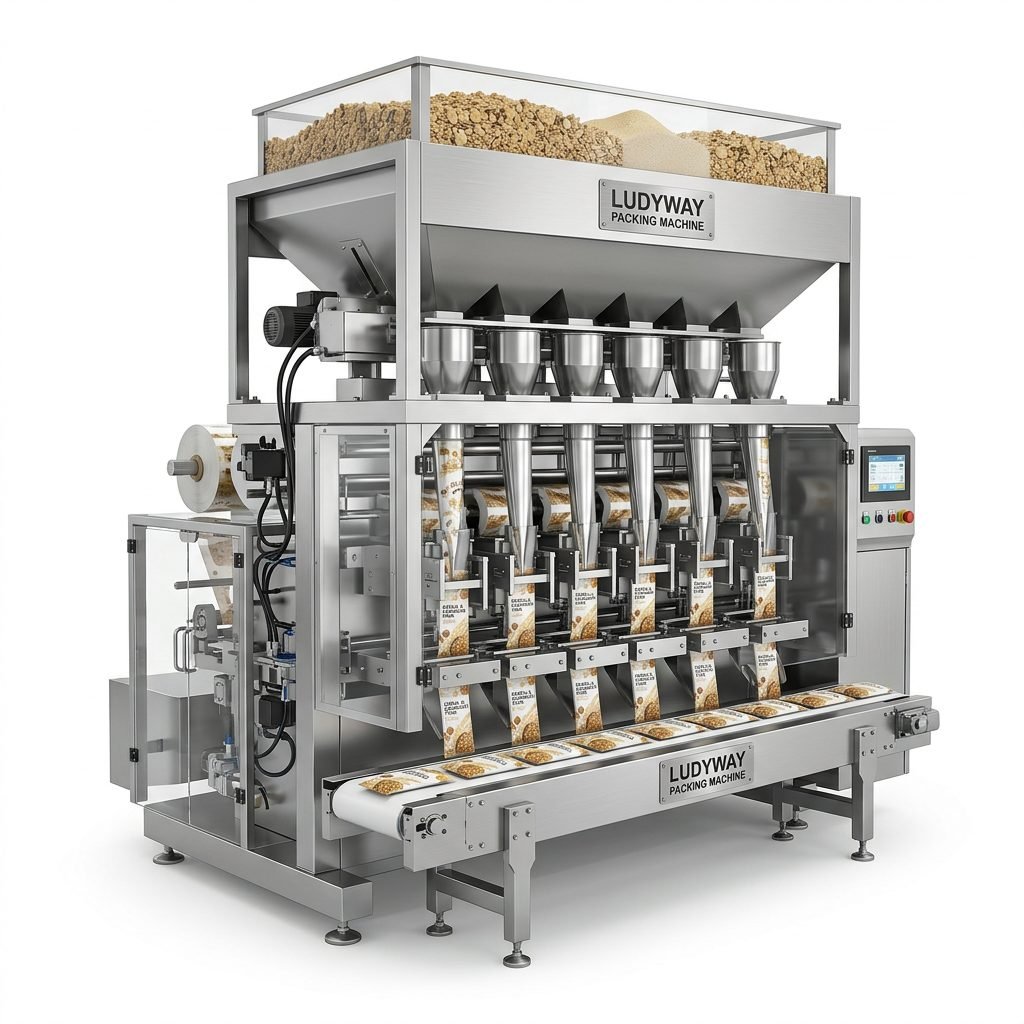
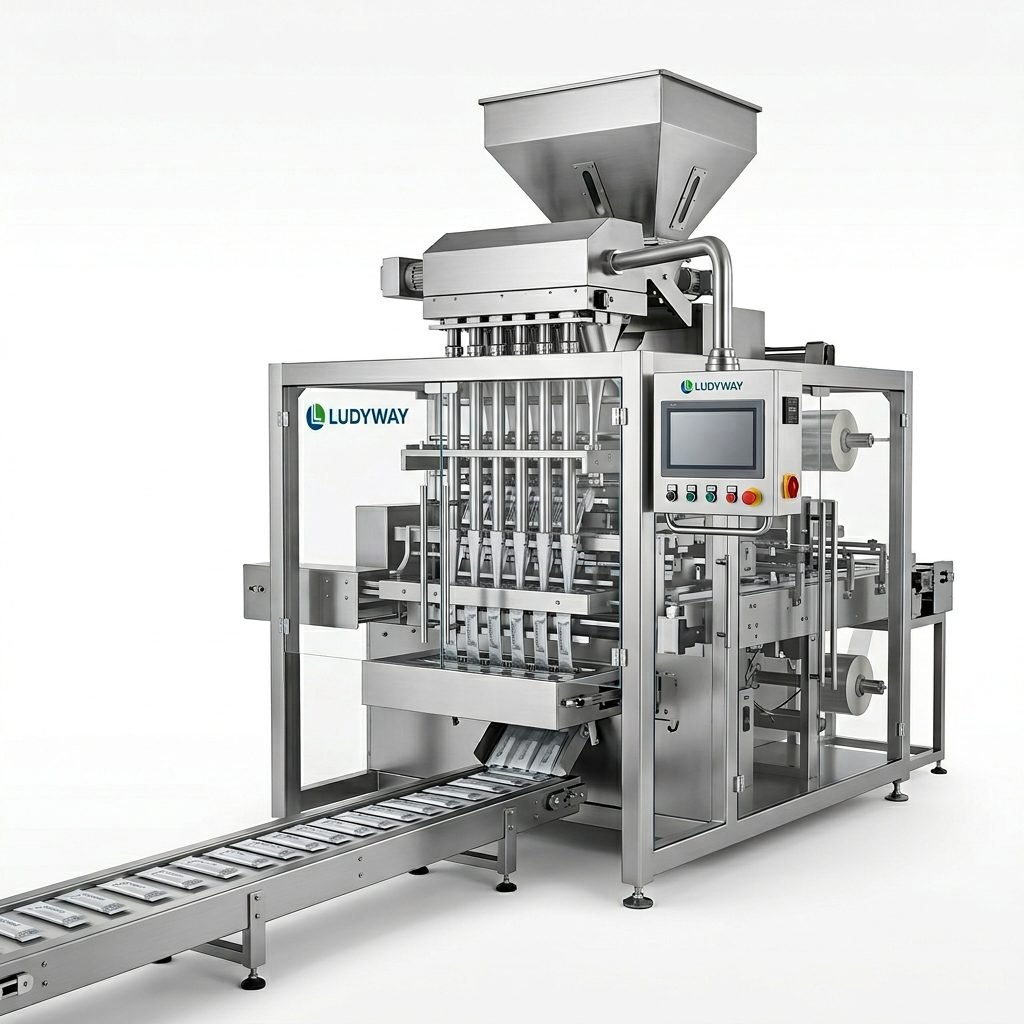
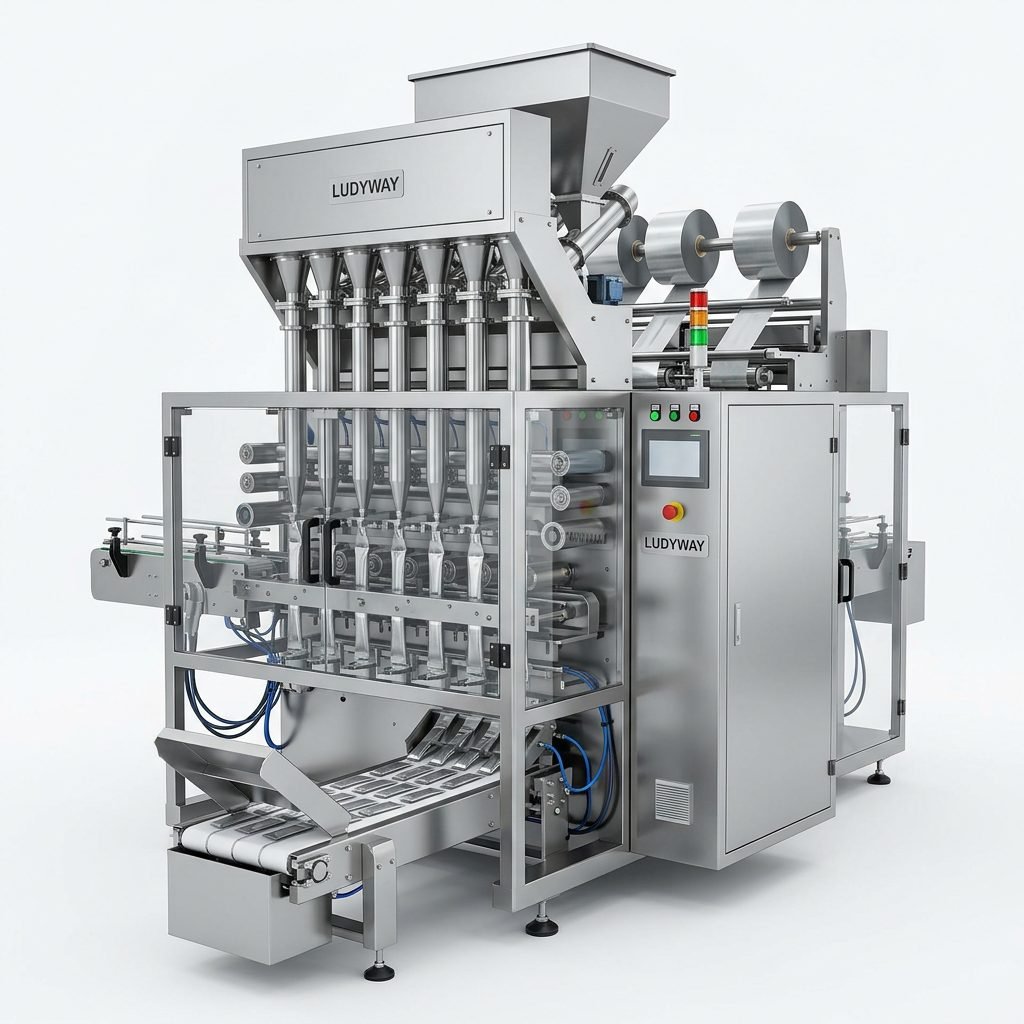
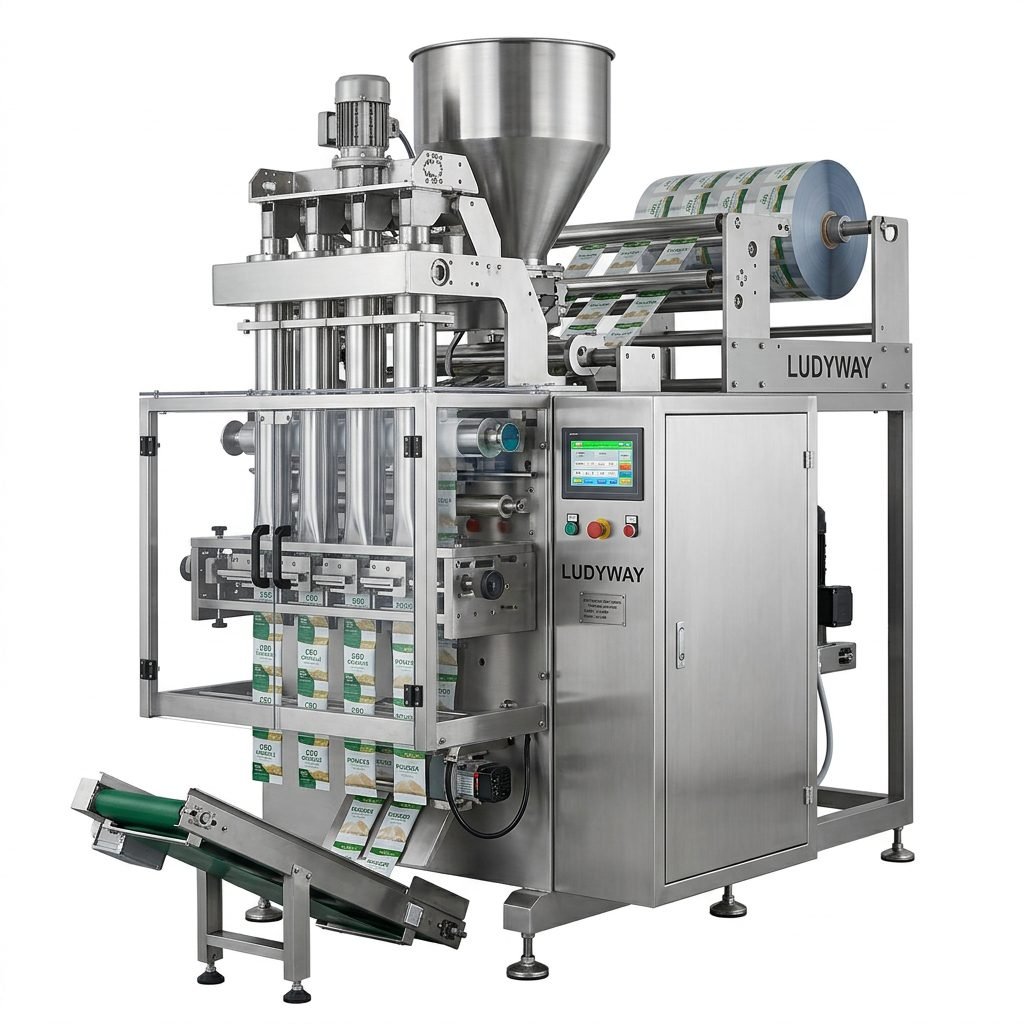
Investing in a new tea packing machine is a significant decision for any tea producer, co-packer, or startup entering the beverage market. Whether you are packaging loose-leaf tea, tea powder, herbal blends, or tea bags, the cost of equipment varies widely based on automation level, production speed, packaging format, and customization requirements. This guide provides a detailed breakdown of tea packing machine pricing, key factors that influence costs, and practical buying tips to help you make an informed investment.
Key Factors That Determine Tea Packing Machine Pricing
The final price of a tea packing machine is influenced by several interconnected variables. Understanding these factors helps you avoid overpaying for unnecessary features while ensuring you get the capabilities your production line truly needs.
1. Automation Level and Production Capacity
Entry-level semi-automatic machines that require manual feeding and operator assistance typically cost between $5,000 and $15,000. These are suitable for small-scale artisanal tea producers. In contrast, fully automated multi-lane systems capable of producing 400-600 sachets per minute can range from $60,000 to over $200,000, depending on lane count and integrated features. According to PMMI packaging industry data, automation continues to be the leading driver of equipment cost escalation across all packaging sectors.
2. Packaging Format and Machine Type
The type of packaging you require directly impacts machine complexity and cost:
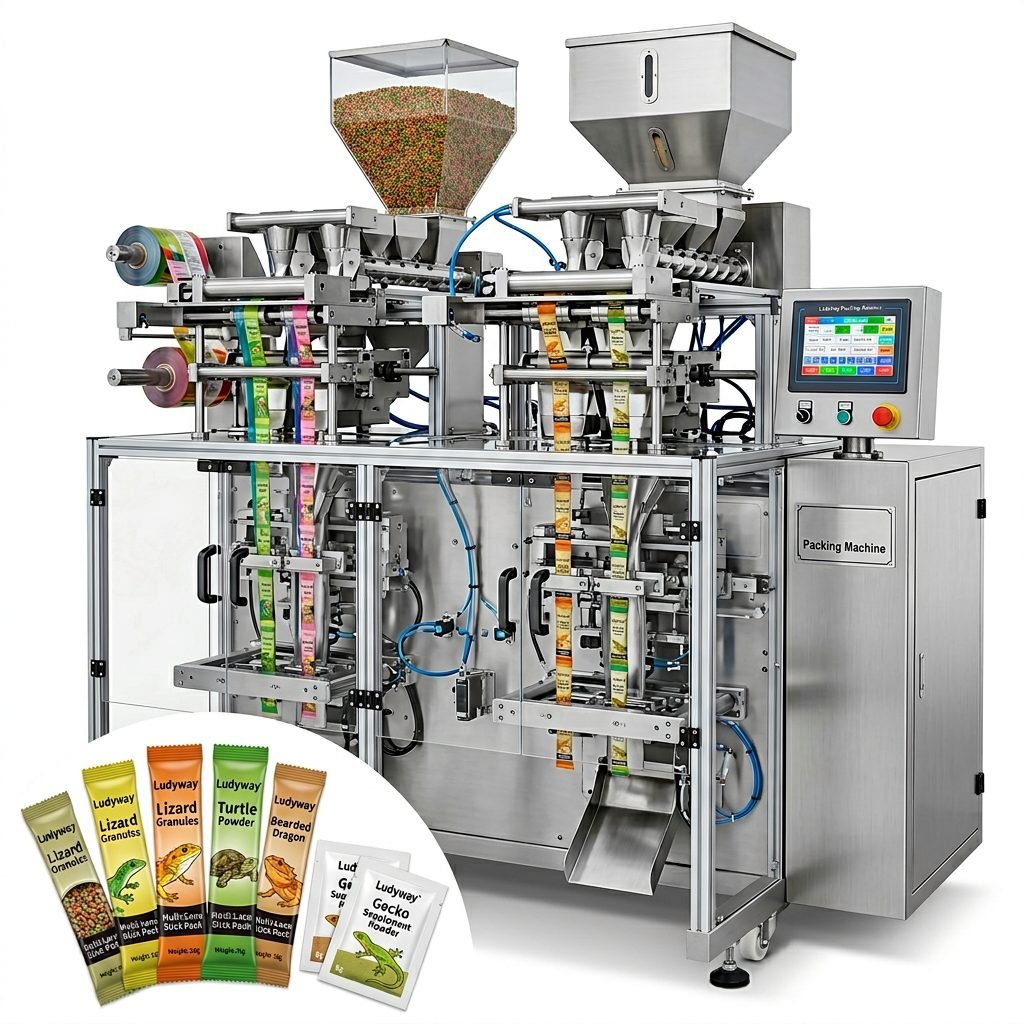
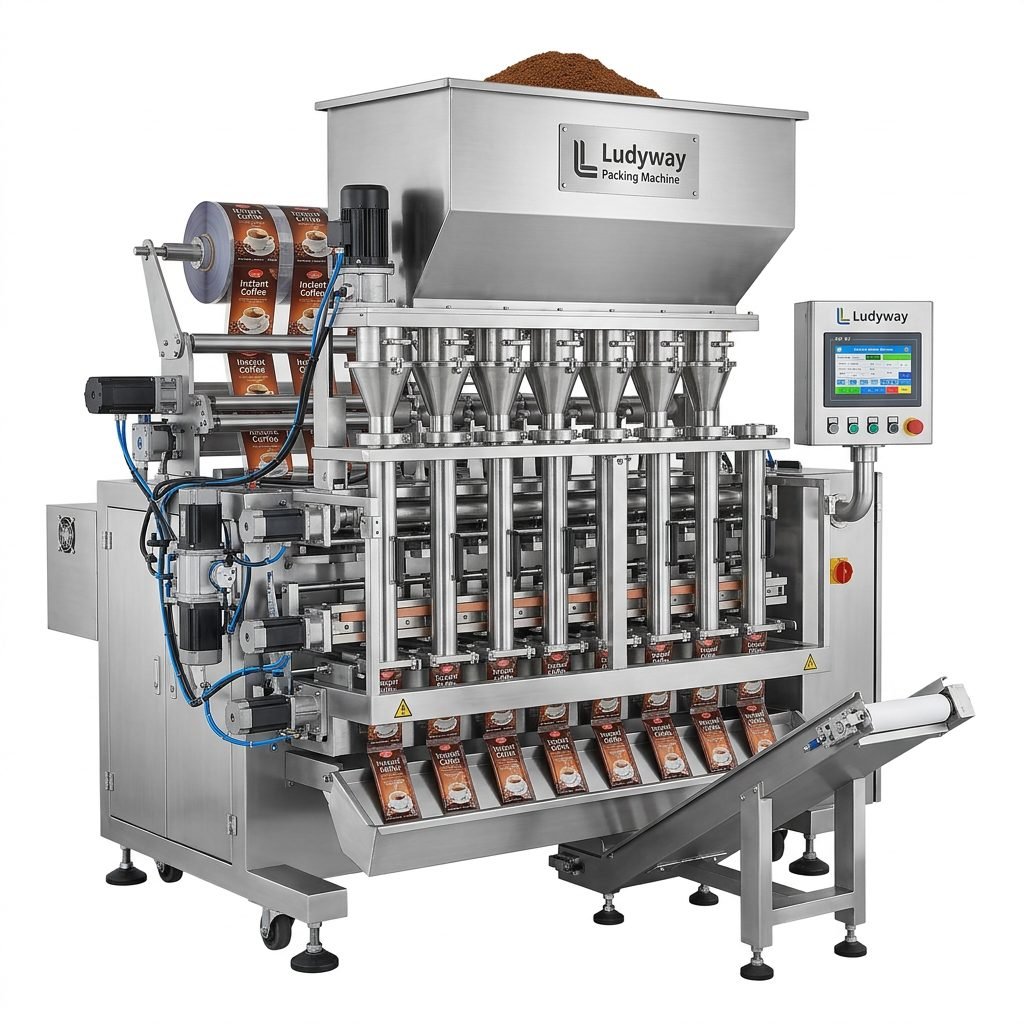
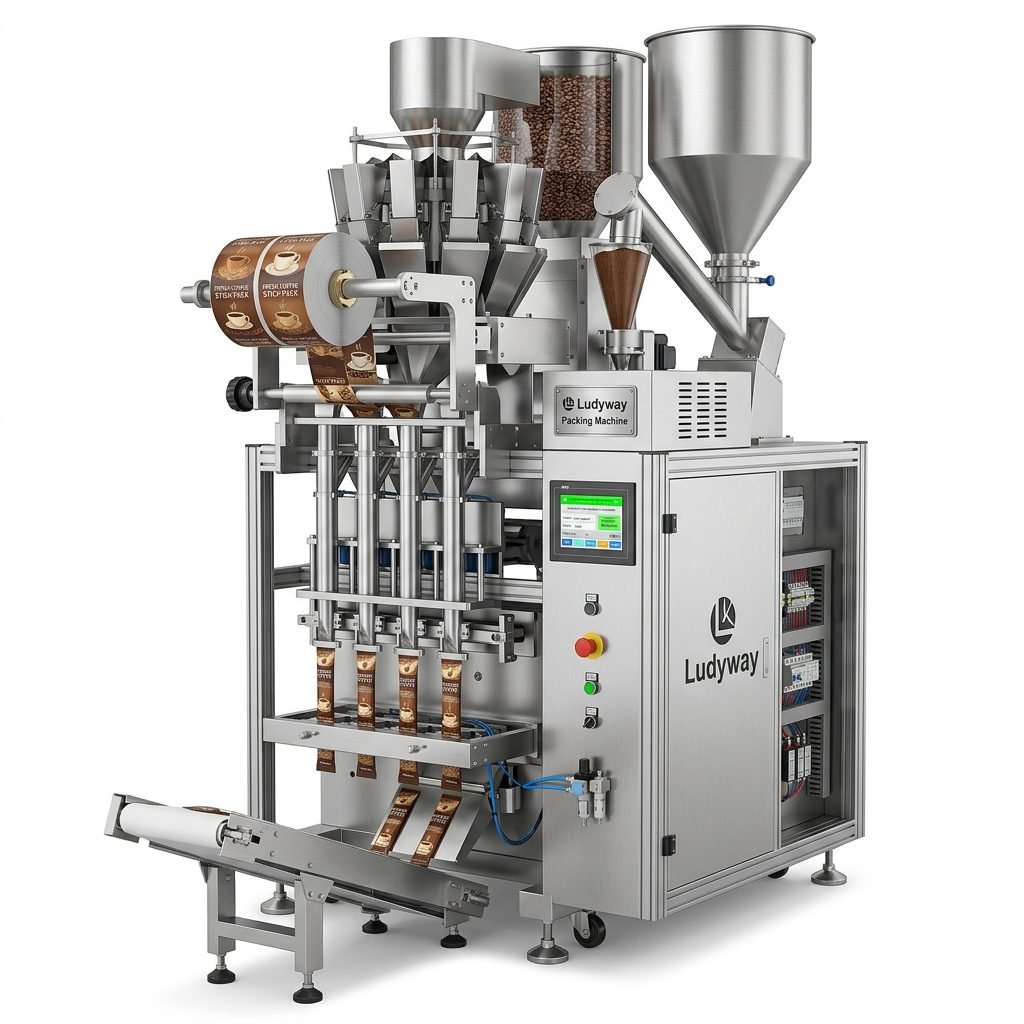
- Stick pack machines — Compact, narrow sachets ideal for single-serve tea powder; mid-range pricing due to specialized forming tubes.
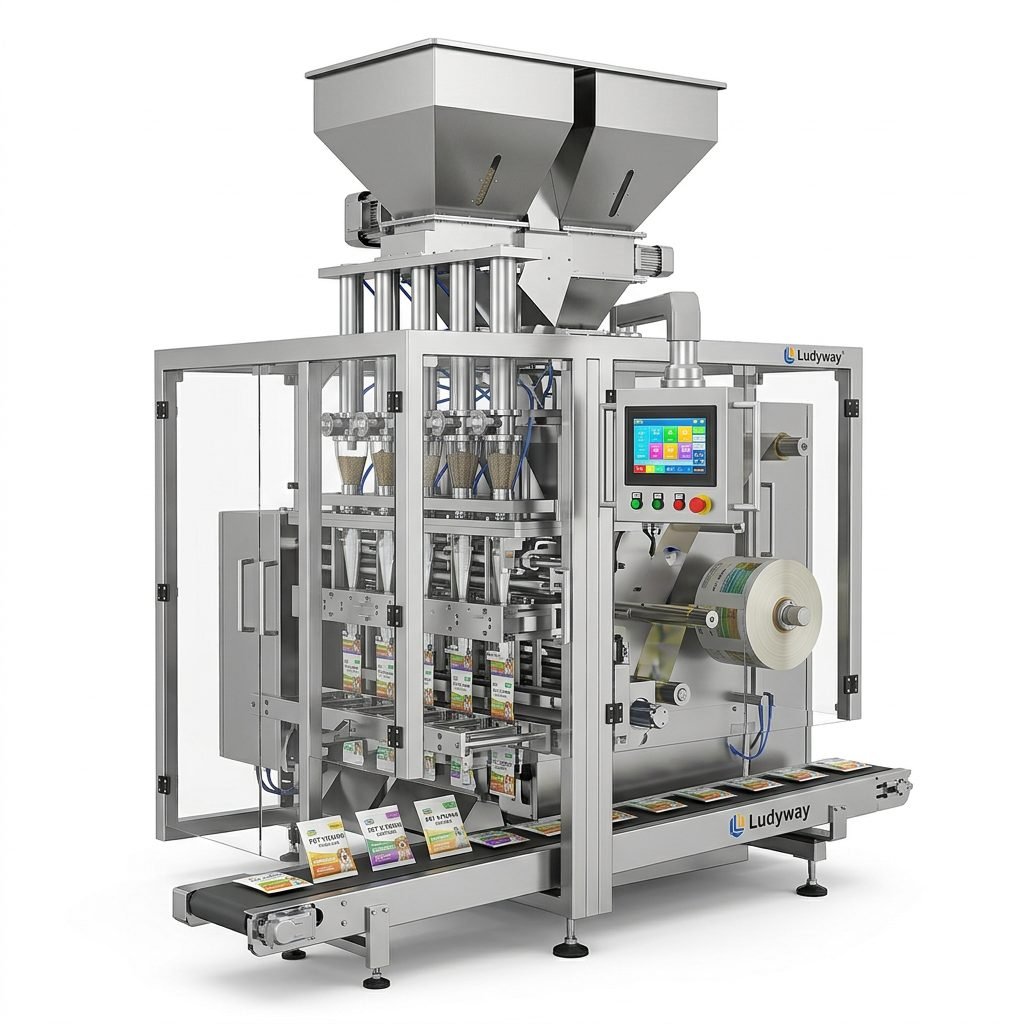
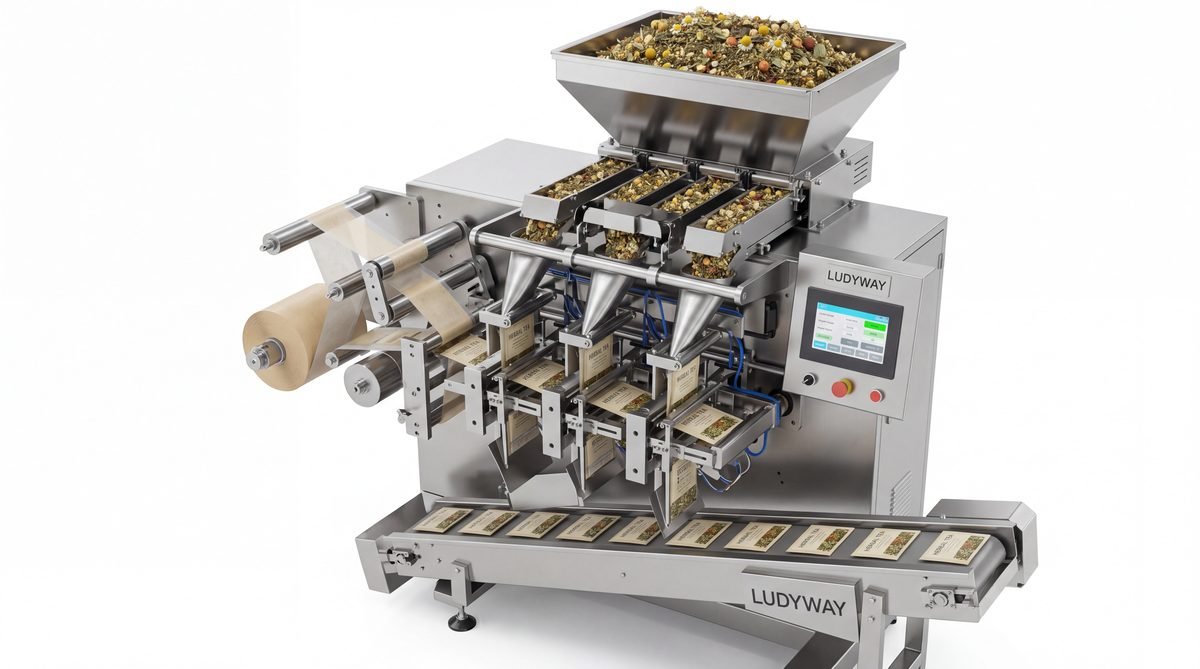
- Sachet/pouch machines — Flat rectangular or square packs; widely used for tea granules and herbal blends; broad price range available.
- Tea bag machines — Specifically designed for filter paper tea bags with string and tag attachment; highly specialized equipment.
- Multi-format machines — Flexible systems that can switch between stick pack, sachet, and pouch formats; premium pricing applies.
3. Multi-Lane Configuration
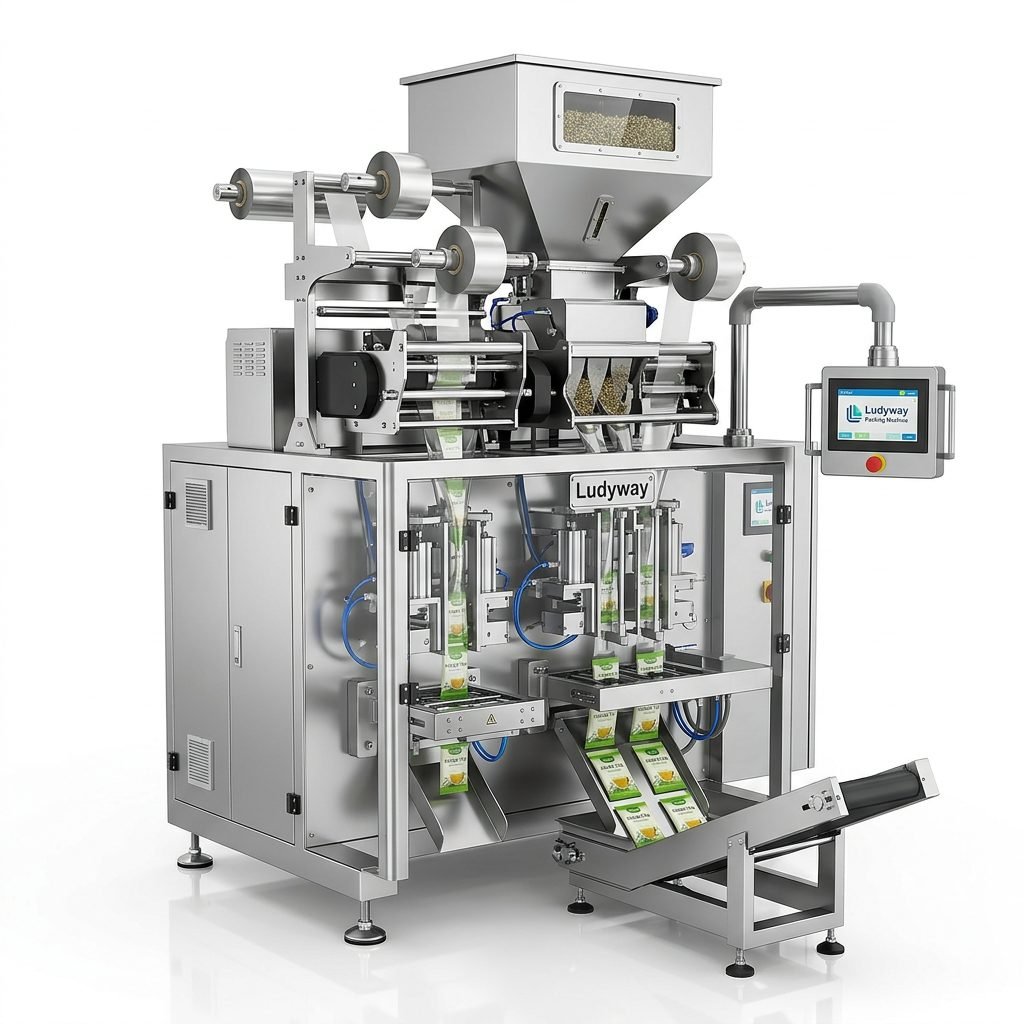
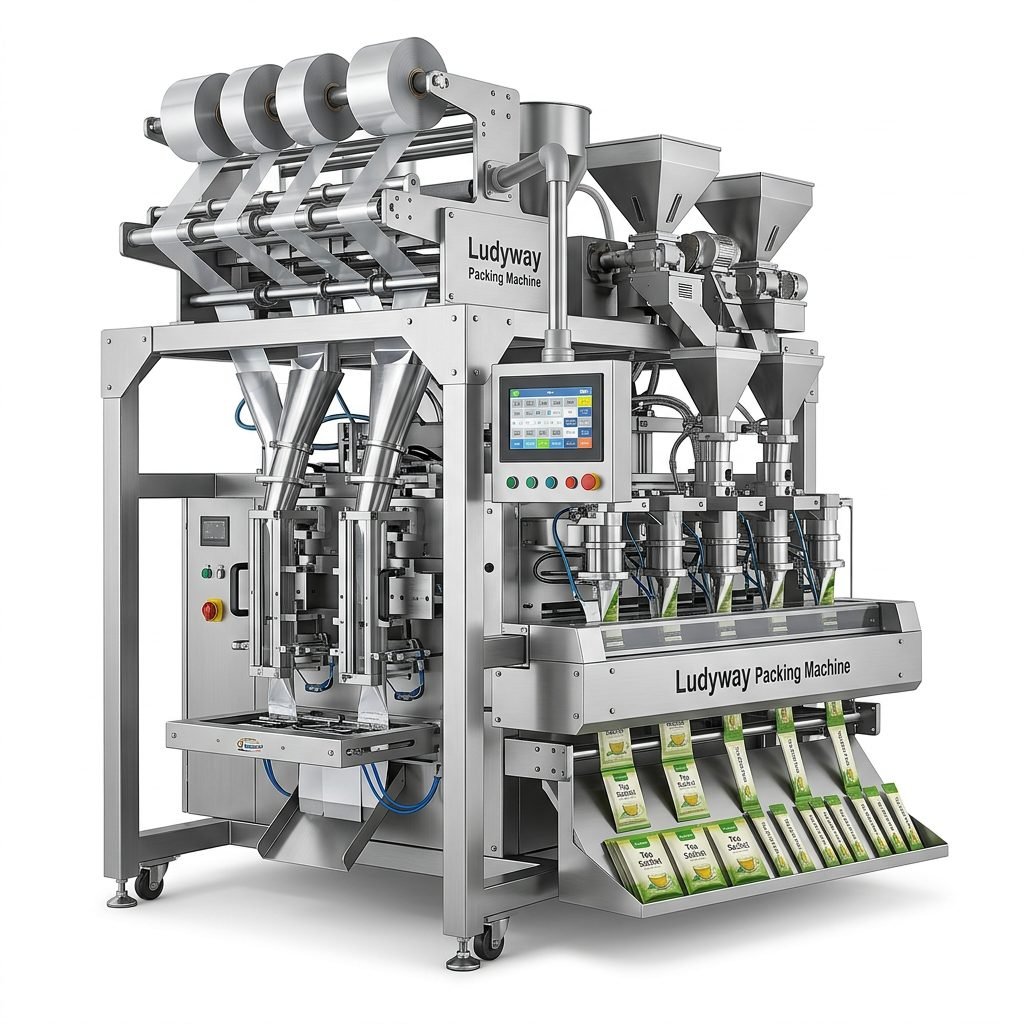
The number of lanes on a stick pack or sachet machine multiplies output but also adds to the upfront investment. A single-lane machine may cost $10,000-$20,000, while a 12-lane or 16-lane configuration can push the price beyond $150,000. However, the cost-per-unit-produced decreases significantly with higher lane counts, making multi-lane systems more economical for high-volume tea producers in the long run.
4. Material Construction and Compliance
Machines built with food-grade 304 or 316L stainless steel command higher prices than those using mixed materials. For tea products destined for regulated markets, equipment meeting FDA and EU food contact standards may include additional costs for certification and validation. The FDA food packaging regulations provide important guidance on compliance requirements for food contact surfaces and materials.
5. Additional Integrated Features
Optional add-ons can increase the base machine price by 20-50%:
- Nitrogen flushing systems for extended shelf life
- Automatic checkweigher and reject stations
- Inline printing and coding (batch numbers, expiration dates)
- Cartoning and case packing integration
- Remote monitoring and IoT connectivity
Tea Packing Machine Price Ranges by Configuration
The table below provides estimated price ranges based on typical configurations available in the market. Actual quotes will vary based on manufacturer, customization, and regional factors.
| Machine Type / Configuration | Estimated Price Range (USD) | Best Suited For |
|---|---|---|
| Semi-Automatic Single-Lane Sachet Machine | $5,000 – $15,000 | Small tea producers, startups, artisan brands |
| Automatic 4-6 Lane Stick Pack Machine | $25,000 – $55,000 | Medium-scale tea powder and granule packaging |
| High-Speed 8-12 Lane Multi-Lane System | $70,000 – $150,000 | Large-scale contract packers, international brands |
| Fully Automated Tea Bag Machine (with Tag) | $30,000 – $90,000 | Premium tea bag producers, retail brands |
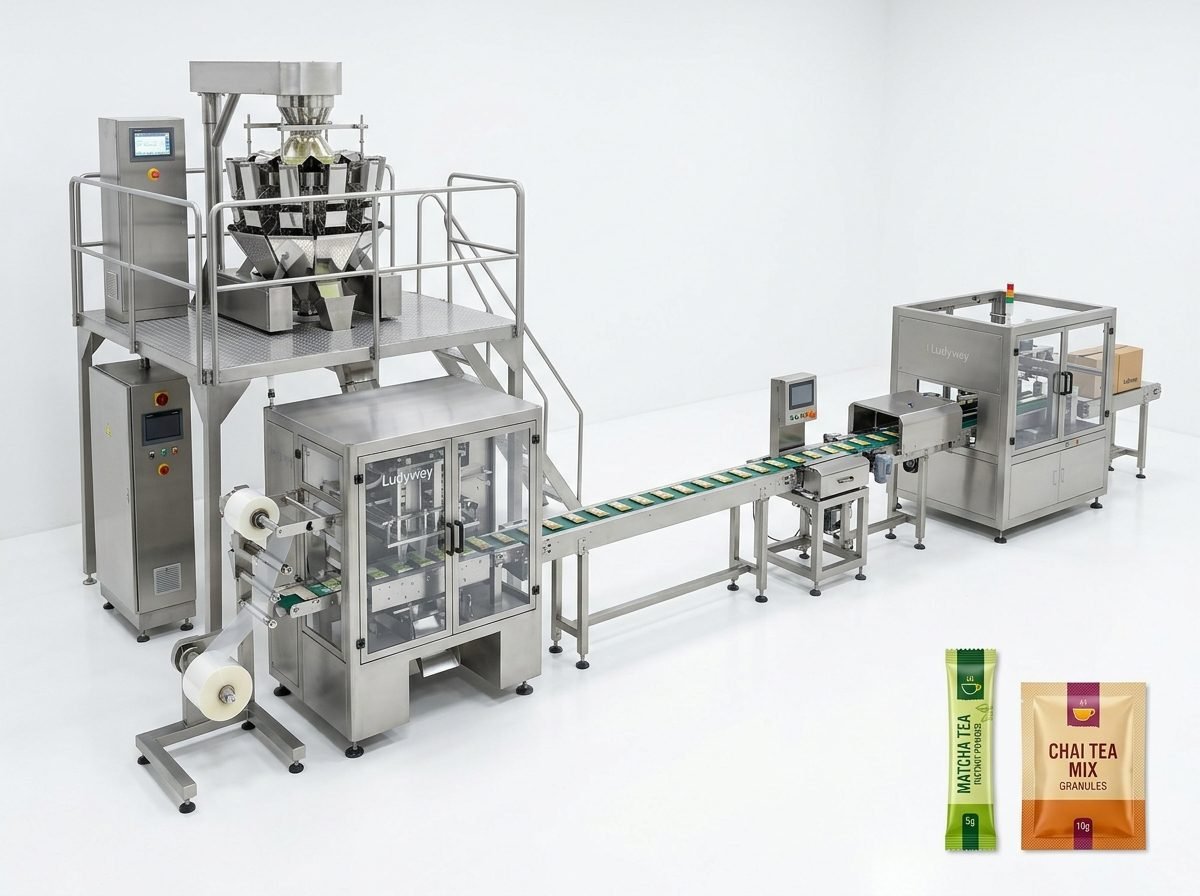
| Complete Turnkey Tea Packaging Line | $150,000 – $500,000+ | High-volume manufacturers, fully automated facilities |
Understanding Total Cost of Ownership
The purchase price is only part of the investment equation. Total cost of ownership (TCO) includes installation, training, maintenance, spare parts, and energy consumption over the machine’s lifespan. A machine priced 20% lower upfront may end up costing significantly more over five years if it requires frequent repairs, has higher downtime, or consumes more energy. The Flexible Packaging Association regularly publishes industry data that highlights the importance of evaluating lifecycle costs alongside initial equipment pricing.
Installation and Commissioning
Depending on the complexity, installation and commissioning can add $2,000 to $15,000 to your project. This typically includes on-site setup, operator training, and initial production ramp-up support. For international equipment purchases, travel and accommodation costs for engineers may apply separately.
Ongoing Maintenance and Spare Parts
Budget approximately 3-5% of the machine’s purchase price annually for routine maintenance and spare parts. Common wear items include sealing jaws, forming tubes, cutting blades, and heating elements. Machines with easily accessible spare parts and responsive technical support reduce long-term operational costs.

Buying Tips for Tea Packing Machines
Making the right purchase decision requires careful evaluation beyond simply comparing price quotes. Here are actionable tips to guide your buying process.
1. Define Your Production Requirements Clearly
Before requesting quotes, document your current and projected production volumes, packaging formats, product characteristics (granule size, density, flowability), and any regulatory requirements. A well-defined specification helps manufacturers recommend the most cost-effective machine configuration and prevents over-investment in unnecessary capabilities.
2. Request Detailed Quotes from Multiple Manufacturers
Compare at least three to five suppliers on:
- Machine specifications and included features
- Warranty terms and duration
- After-sales support availability in your region
- Delivery lead times and payment terms
- References from existing customers in the tea industry
3. Consider Future Scalability
A machine that meets your exact current needs may become a bottleneck within two years. Look for equipment that offers modular upgrade paths — such as adding more lanes, integrating cartoning systems, or upgrading control systems — without requiring a complete machine replacement.
4. Evaluate Manufacturer Reputation and Support
The cheapest quote rarely represents the best long-term value. Research each manufacturer’s track record, manufacturing facility size, engineering capabilities, and global service network. A manufacturer with 30+ years of industry experience and a modern production facility is more likely to provide reliable equipment and responsive support. For instance, Ludyway operates a 20,000㎡ manufacturing facility and has developed more than 50 packaging machine models, serving customers in over 100 countries with comprehensive turnkey packaging solutions for granule, powder, liquid, and pouch applications.
5. Test Your Product Before Committing
Always request product testing or sample runs with your actual tea material before finalizing a purchase. This validates that the machine can handle your specific product characteristics — particle size distribution, moisture content, and flow properties — at the promised production speed. Reputable manufacturers offer testing services either at their facility or through video demonstrations.
Common Mistakes to Avoid When Buying a Tea Packing Machine
- Focusing solely on price — The lowest bid often excludes essential features, uses inferior materials, or comes with limited after-sales support.
- Underestimating space requirements — Multi-lane machines and complete lines require substantial floor space; verify facility dimensions against equipment specifications.
- Ignoring utility requirements — Confirm compressed air, electrical power, and ventilation needs before installation to avoid unexpected infrastructure costs.
- Skipping operator training — Even the best machine underperforms without properly trained operators; include comprehensive training in your purchase agreement.
- Overlooking packaging material compatibility — Ensure the machine is compatible with your preferred film materials, including multi-layer laminates and sustainable packaging options.
Financing and Leasing Options
Many equipment manufacturers and third-party financial institutions offer leasing or financing programs that can reduce the initial capital outlay. Options may include equipment leasing with tax benefits, equipment financing loans, and deferred payment plans. Explore these alternatives if preserving working capital is a priority for your tea business. Industry resources from PMMI state of the industry reports provide valuable benchmarks for evaluating equipment investment timing and market conditions.
Conclusion: Making a Strategic Investment
A tea packing machine is a long-term production asset that directly impacts product quality, brand reputation, and operational profitability. By understanding the key pricing factors, evaluating total cost of ownership, and following a structured buying process, you can select equipment that delivers optimal value for your specific application. Take time to research manufacturers, test your products, and negotiate terms that protect your investment over the machine’s full lifecycle. The right packaging partner will provide not just a competitive quote but also ongoing technical support to keep your tea production running efficiently for years to come.