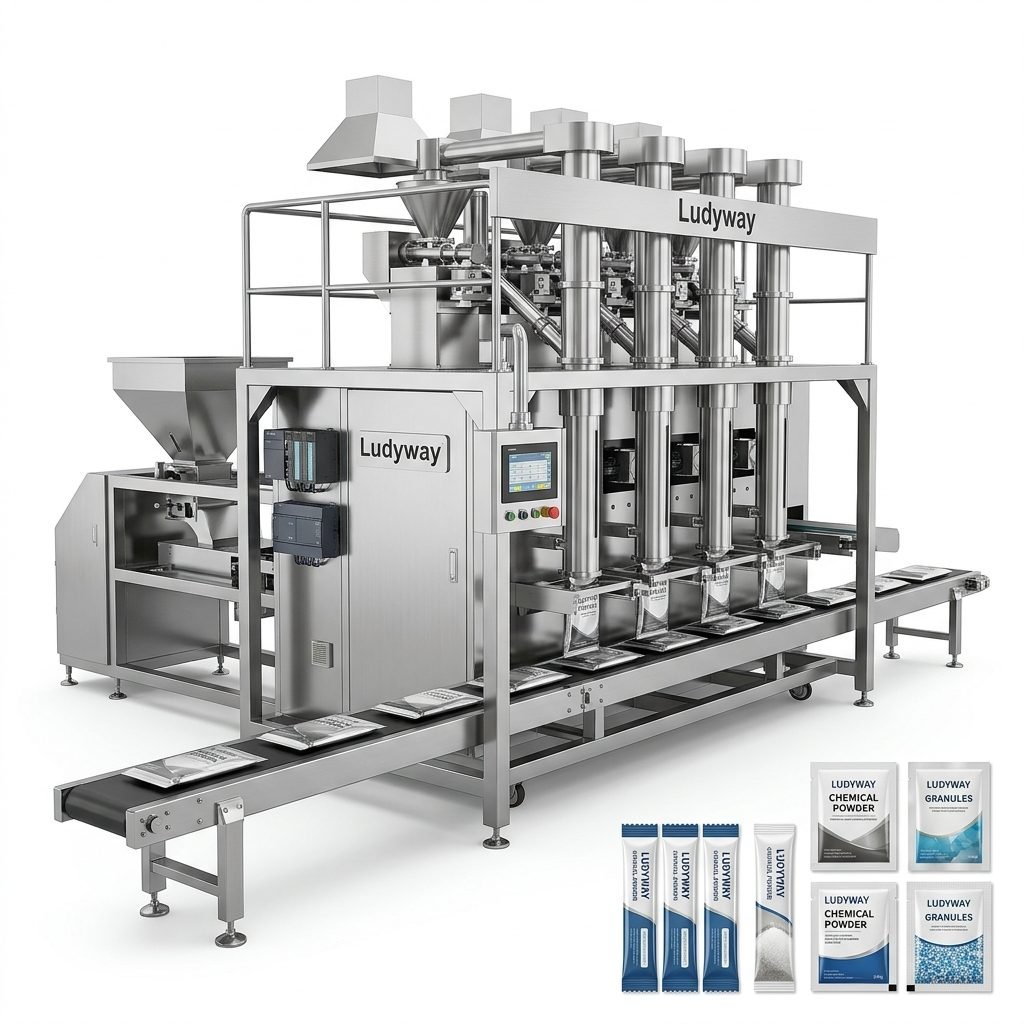
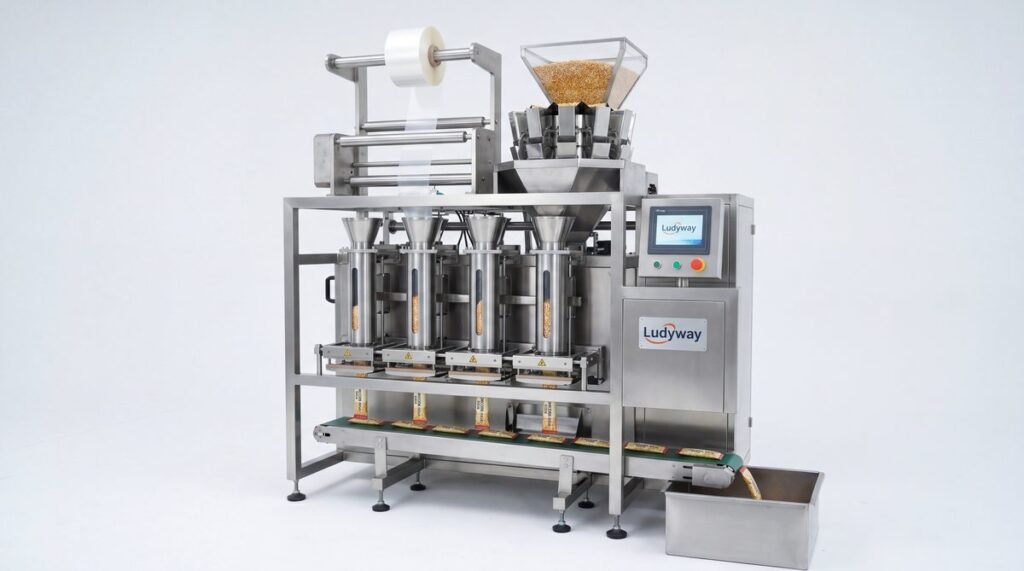
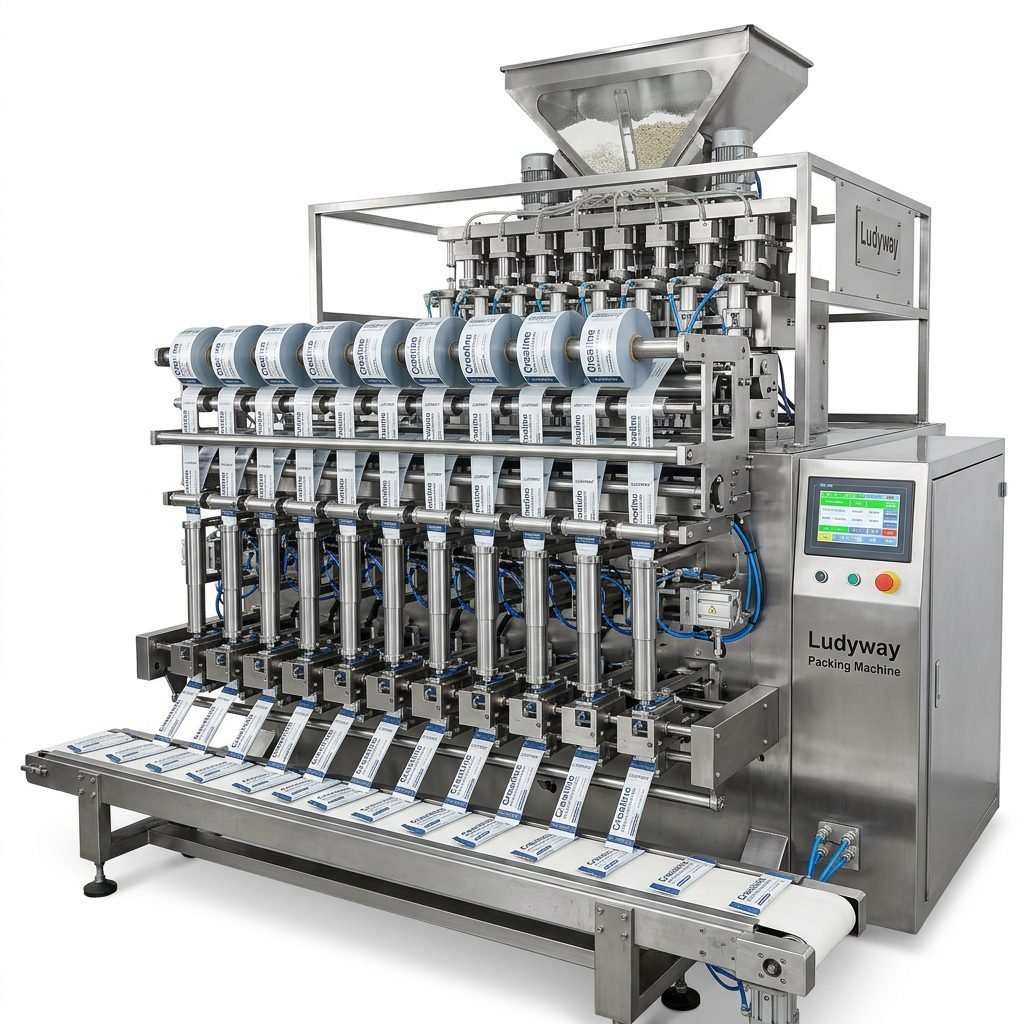
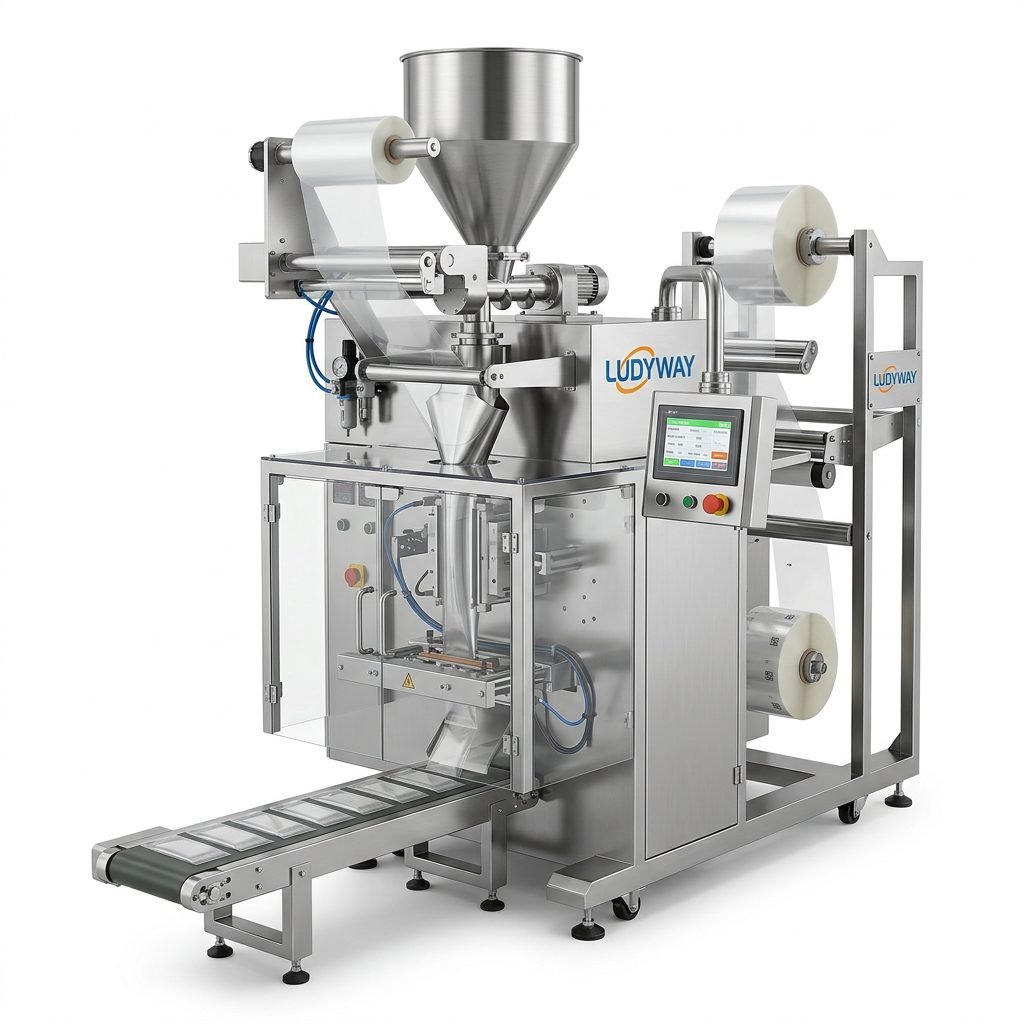
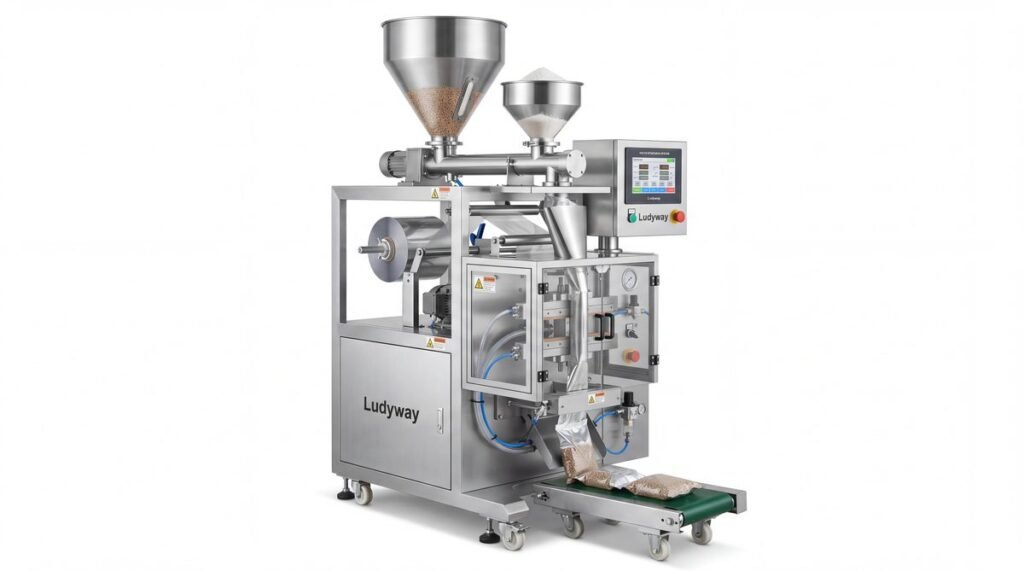
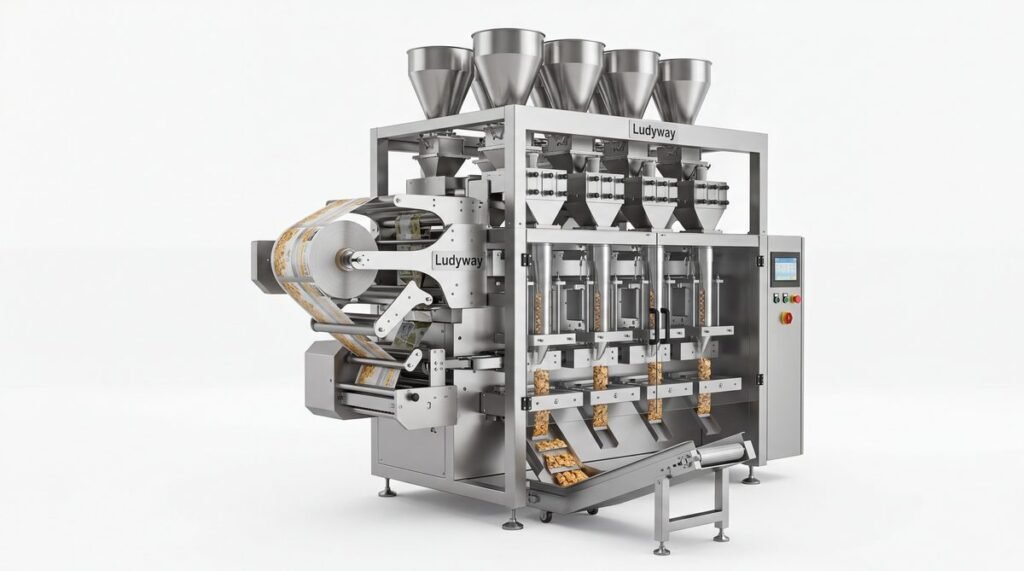
Investing in a tea air packing machine is a strategic decision for tea producers, distributors, and co-packers looking to preserve freshness, extend shelf life, and automate production. Whether you’re packing loose leaf tea, herbal blends, or powdered matcha, the cost of a tea air packing machine varies significantly based on automation level, production capacity, and packaging format. Understanding the full pricing landscape helps you budget accurately and avoid costly oversights. This guide breaks down the key factors that influence pricing, provides real-world price ranges, and offers practical buying tips to help you select the right equipment for your operation.

Key Factors That Influence Tea Air Packing Machine Costs
Before comparing specific price points, it’s essential to understand what drives cost differences between models. The final price of a tea packing machine is shaped by multiple technical and operational variables. Evaluating these factors against your production requirements helps you avoid overpaying for unnecessary features or underinvesting in critical capabilities.
1. Automation Level and Control System
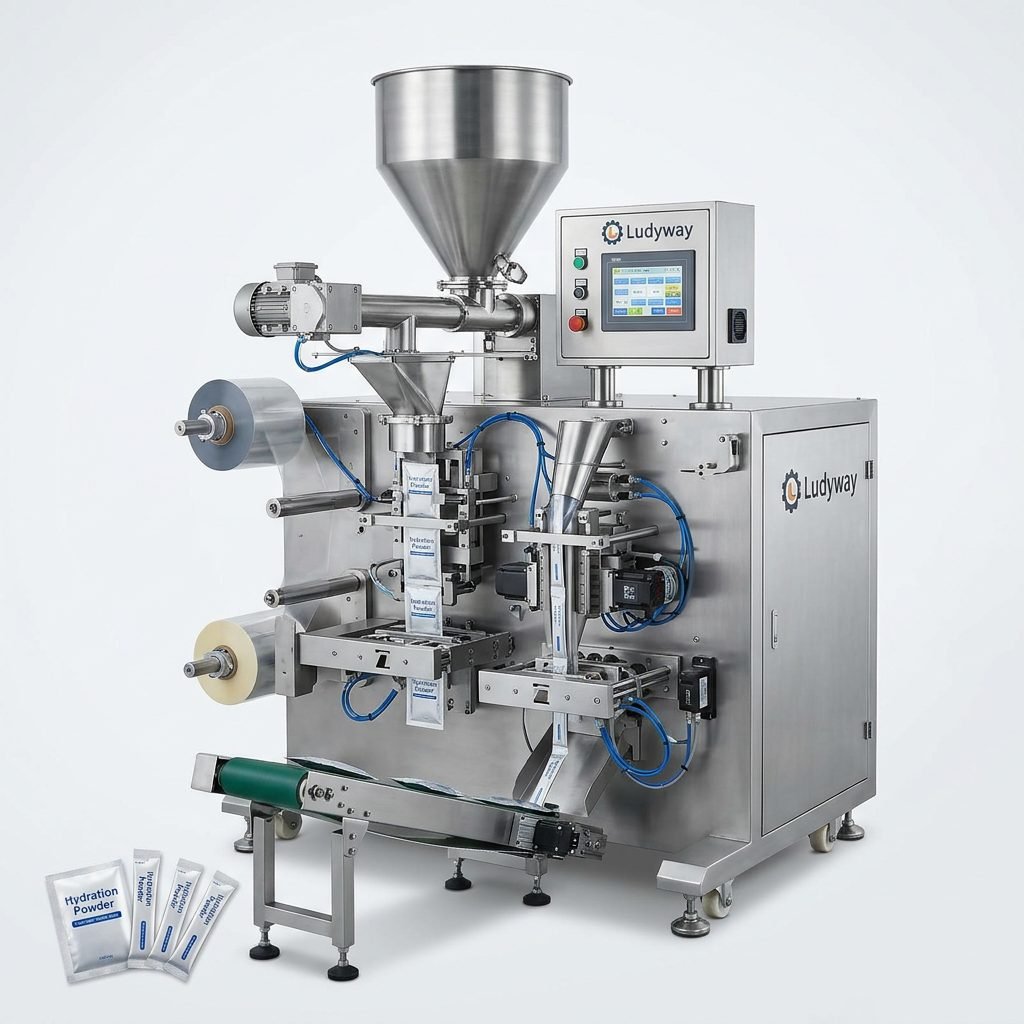
Semi-automatic machines require more operator involvement — manual feeding, pouch handling, or seal activation — and are generally priced between $5,000 and $15,000. Fully automatic systems with PLC touchscreen controls, servo-driven motors, and integrated sensors can range from $25,000 to over $120,000. The sophistication of the control system directly impacts both pricing and long-term reliability. Machines equipped with advanced HMI interfaces, recipe storage, and real-time production monitoring command higher upfront costs but reduce labor dependency and error rates.
2. Production Speed and Lane Configuration
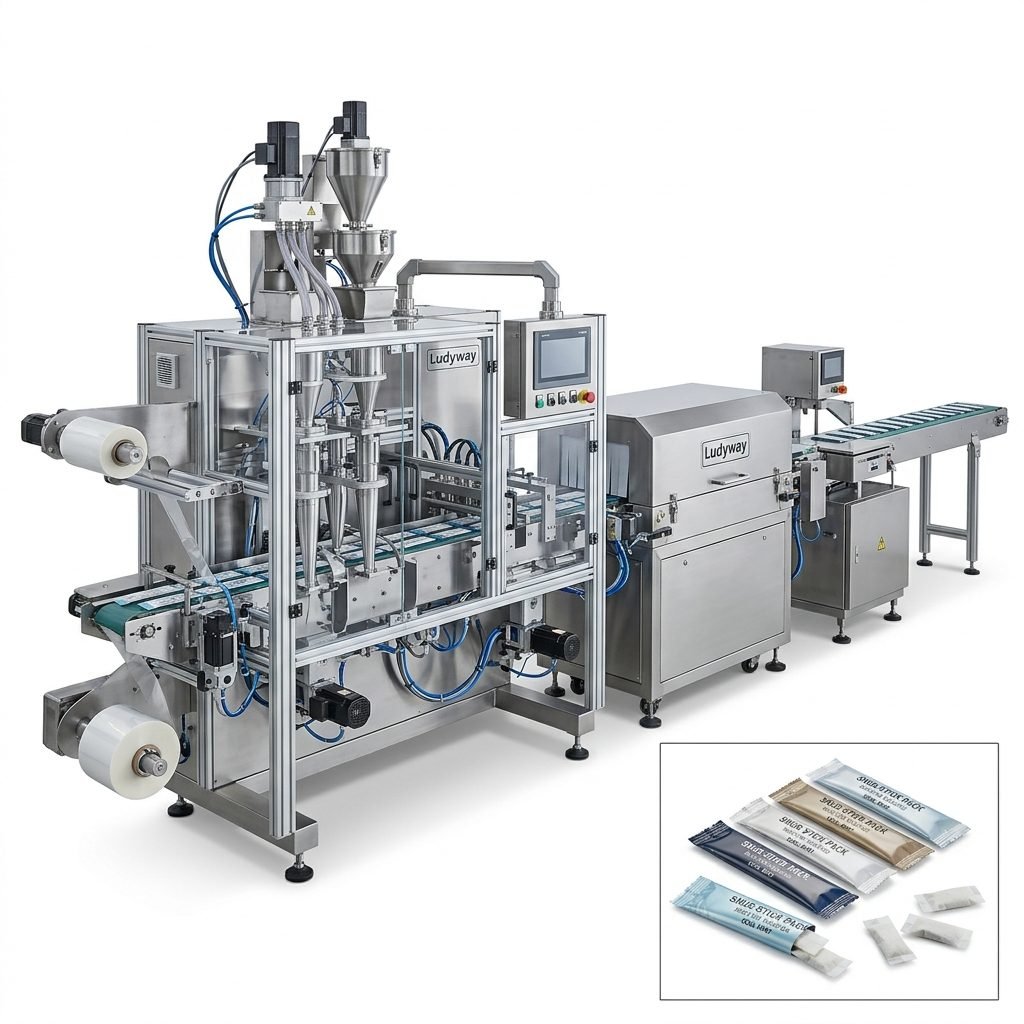
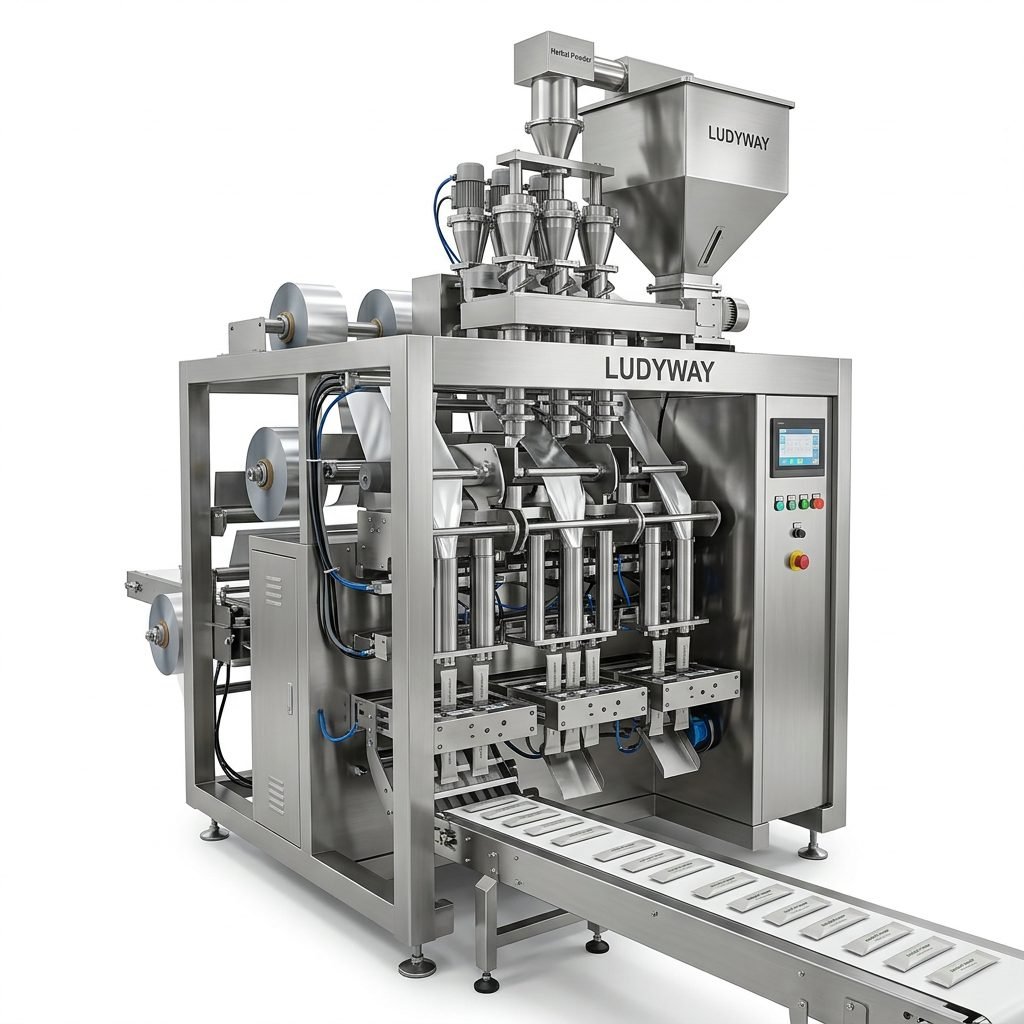
Single-lane machines are suitable for startups and small-batch producers, typically costing between $8,000 and $20,000. Multi-lane configurations — commonly 4, 6, 8, or 12 lanes — multiply throughput proportionally. A multi-lane stick pack machine with 8 lanes producing 400–600 packs per minute can cost $60,000 to $100,000. When evaluating speed, look beyond theoretical maximums and assess sustainable running speeds that maintain seal integrity and fill accuracy over extended shifts.
3. Packaging Format and Material Compatibility
Tea packaging comes in diverse formats — stick packs, sachets, pillow bags, gusseted pouches, and tea bag envelopes. Machines designed for multiple formats with quick-change tooling are more expensive but offer greater flexibility. Additionally, if your tea requires air-tight nitrogen flushing or vacuum sealing to preserve delicate aromas, expect an added investment of $5,000 to $20,000 for integrated gas flushing systems. Compatibility with biodegradable films, aluminum laminates, and paper-based materials also influences engineering complexity and cost.

4. Filling Technology and Accuracy
Volumetric cup fillers are cost-effective for free-flowing teas, while multi-head weighers and auger fillers deliver higher precision for premium blends and powdered teas. A multi-head weigher alone can add $15,000 to $40,000 to your total system cost. For operations where product giveaway directly impacts profitability — such as expensive matcha or specialty herbal blends — the higher accuracy justifies the investment. Load cell-based weighing systems with feedback loops maintain fill accuracy within ±0.5g or better.
5. Brand Origin and Manufacturing Quality
Equipment from German, Japanese, or Italian manufacturers is generally priced 2–3 times higher than comparable models from leading Asian manufacturers. However, many established packaging machine manufacturers in China now offer ISO-certified production, CE-marked machines, and international after-sales support at significantly more competitive price points. The total cost of ownership — including spare parts availability, technical support responsiveness, and machine longevity — should factor into your evaluation alongside the initial purchase price.
Tea Air Packing Machine Price Ranges by Type
The following table summarizes typical price ranges for different categories of tea packing machines. These figures reflect industry averages for new equipment and exclude shipping, installation, and optional accessories.
| Machine Type | Estimated Price Range (USD) | Best Suited For |
|---|---|---|
| Semi-automatic single-lane | $5,000 – $15,000 | Small workshops, startups, artisan brands |
| Automatic multi-lane (4–6 lanes) | $25,000 – $55,000 | Mid-size producers, contract packers |
| High-speed multi-lane (8–12 lanes) | $60,000 – $120,000 | Large-scale production, export-oriented brands |
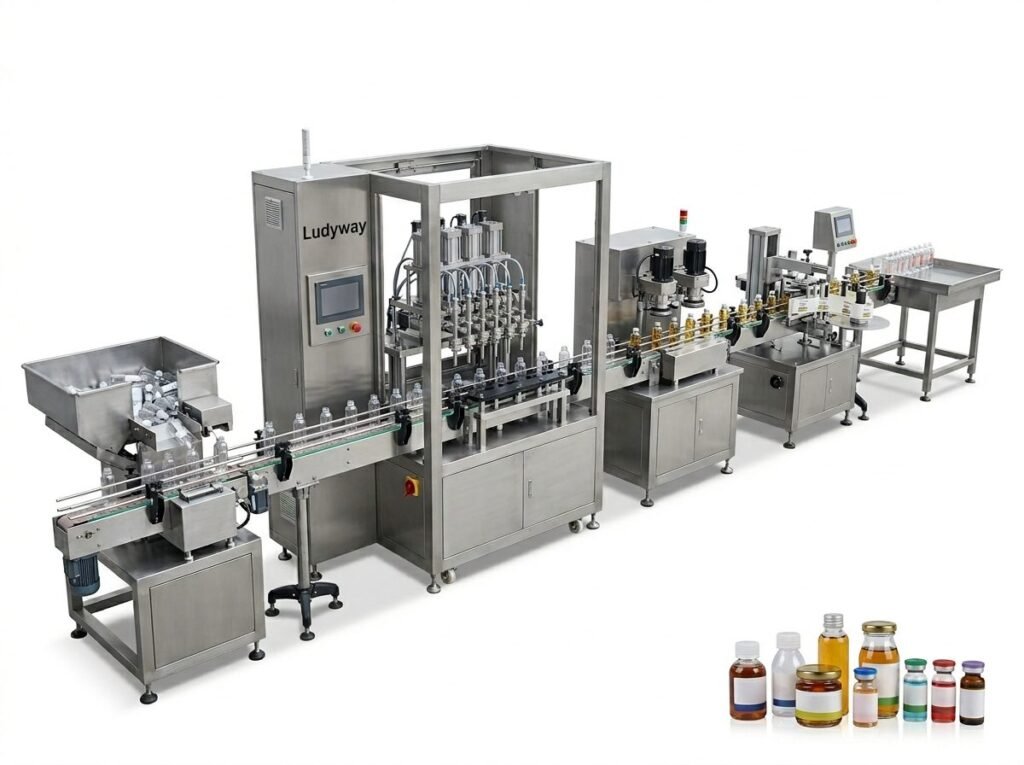
| Turnkey production line with auxiliary equipment | $100,000 – $250,000+ | Full-scale automated factories |
| Specialized nitrogen-flush tea packing system | $40,000 – $90,000 | Premium loose leaf, oxygen-sensitive blends |

Additional Costs Beyond the Base Machine Price
Focusing solely on the sticker price of a tea air packing machine can lead to budget shortfalls. Several ancillary costs should be factored into your total investment calculation. Planning for these expenses upfront prevents delays and unexpected financial strain during installation and ramp-up.
Freight, Duties, and Logistics
International shipping for machinery can range from $1,500 to $8,000 depending on origin, destination, and shipment size. Import duties and customs clearance fees vary by country but typically add 3%–12% of the declared machine value. Engage a customs broker early to understand your local tariff classifications and any applicable trade agreements that could reduce duty exposure.
Installation, Commissioning, and Training
On-site installation by a factory-trained technician may cost $2,000 to $7,000 including travel expenses. Comprehensive operator training and production line validation are often quoted separately. Some packaging machine suppliers bundle these services into the purchase price — a valuable negotiating point during procurement discussions.
Spare Parts and Consumables
Typical spare parts kits covering sealing jaws, thermocouples, belts, and sensors range from $500 to $3,000 depending on machine complexity. Budget for ongoing consumables such as lubricants, filters, and replacement cutting blades.
Facility Modifications and Utilities
Compressed air systems, electrical upgrades, dust extraction, and climate-controlled environments for sensitive tea packaging may require additional capital expenditures of $3,000 to $15,000. A site readiness assessment before machine delivery helps identify infrastructure gaps early.
Buying Tips for Tea Air Packing Machines
Making an informed purchasing decision requires more than comparing price tags. These actionable tips help you evaluate suppliers, negotiate effectively, and select equipment that aligns with your long-term growth strategy.
- Request a detailed quotation with line-item pricing. Ask suppliers to break down costs for the base machine, individual auxiliary modules, tooling, and service packages. Transparency in pricing signals a trustworthy manufacturing partner.
- Conduct a production capacity analysis. Calculate your required output in packs per minute or packs per 8-hour shift. Choose a machine that meets your current needs with at least 25%–30% capacity headroom for growth.
- Validate fill accuracy and seal integrity with your actual product. Never buy based on generic specifications alone. Send your tea blend to the supplier for sample testing and request video documentation of the trial run.
- Evaluate after-sales support infrastructure. Confirm spare parts availability, technical support response times, and whether remote diagnostic capabilities are included. A lower purchase price means little if downtime stretches for weeks waiting on parts.
- Visit the manufacturing facility when possible. Factory visits reveal quality control standards, production capabilities, and the engineering team’s depth of expertise that brochures cannot convey.
- Compare total cost of ownership over 5–7 years, not just upfront price. Factor in energy consumption, maintenance frequency, expected component life cycles, and operator training requirements.
- Check for certifications and compliance documentation. CE marking, ISO 9001 certification, and food-grade material compliance are critical for regulated markets.

Industry Resources and Further Reading
Staying informed about packaging industry trends, technology standards, and market data supports smarter investment decisions. The following authoritative resources provide valuable context for your equipment evaluation:
- PMMI Business Intelligence Library — Industry reports and packaging machinery market data.
- PMMI State of the Industry 2025 — Annual packaging sector performance and forecast.
- Flexible Packaging Association — Industry Resources — Flexible packaging data, regulatory guidance, and sustainability insights.
- ISO Packaging Standards — International standards for packaging machinery and materials.
Choosing the Right Partner for Your Packaging Investment
Selecting a tea air packing machine is a long-term commitment. Beyond specifications and pricing, the manufacturer’s engineering capability, production infrastructure, and customer support network fundamentally shape your ownership experience. A well-established manufacturer with a substantial manufacturing footprint and a global service presence reduces the risks associated with equipment procurement.
Ludyway is one of the largest packaging machine manufacturers in China, specializing in advanced packaging equipment solutions for the food, pharmaceutical, and health industries. With over 30 years of experience, a 20,000㎡ production facility, and more than 50 intelligent packaging machine models, the company supports clients in over 100 countries. For tea producers seeking reliable, cost-effective, and scalable packaging systems, working with an experienced partner ensures that your investment delivers consistent performance and long-term value.
Related Solutions
- Multi-Lane Stick Pack Machines for Tea and Powder Packaging
- Sachet Packaging Equipment for Herbal and Specialty Tea Blends
- Turnkey Packaging Line Solutions for the Tea Industry
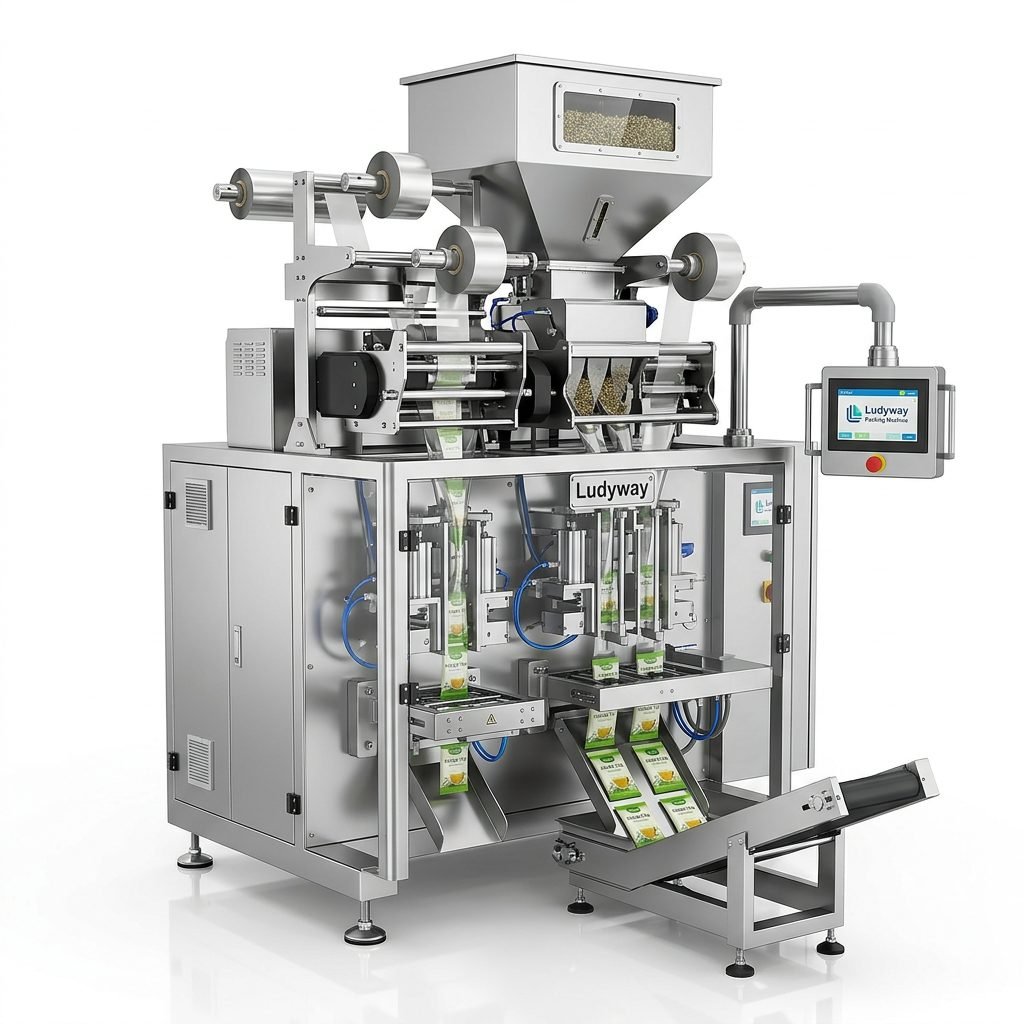
Frequently Asked Questions About Tea Packing Machine Pricing
How much does a small tea packing machine cost?
A basic semi-automatic single-lane tea packing machine typically costs between $5,000 and $15,000 USD, suitable for startups and small-scale producers with output requirements up to 30–40 packs per minute.
What is the ROI timeline for a tea air packing machine?
Most producers achieve full return on investment within 12 to 24 months through labor savings, increased throughput, and reduced product waste. Premium tea brands with higher margins often see even faster payback periods.
Are used tea packing machines a good option?
Used machines can reduce upfront costs by 40%–60% but carry risks related to wear on sealing components, outdated control systems, and limited warranty coverage. Always request a live demonstration and maintenance records before purchasing refurbished equipment.
What certifications should a tea packing machine have?
For international markets, look for CE marking, ISO 9001 quality management certification, and food-grade material compliance documentation. Machines handling organic or fair-trade certified teas may require additional certification traceability.