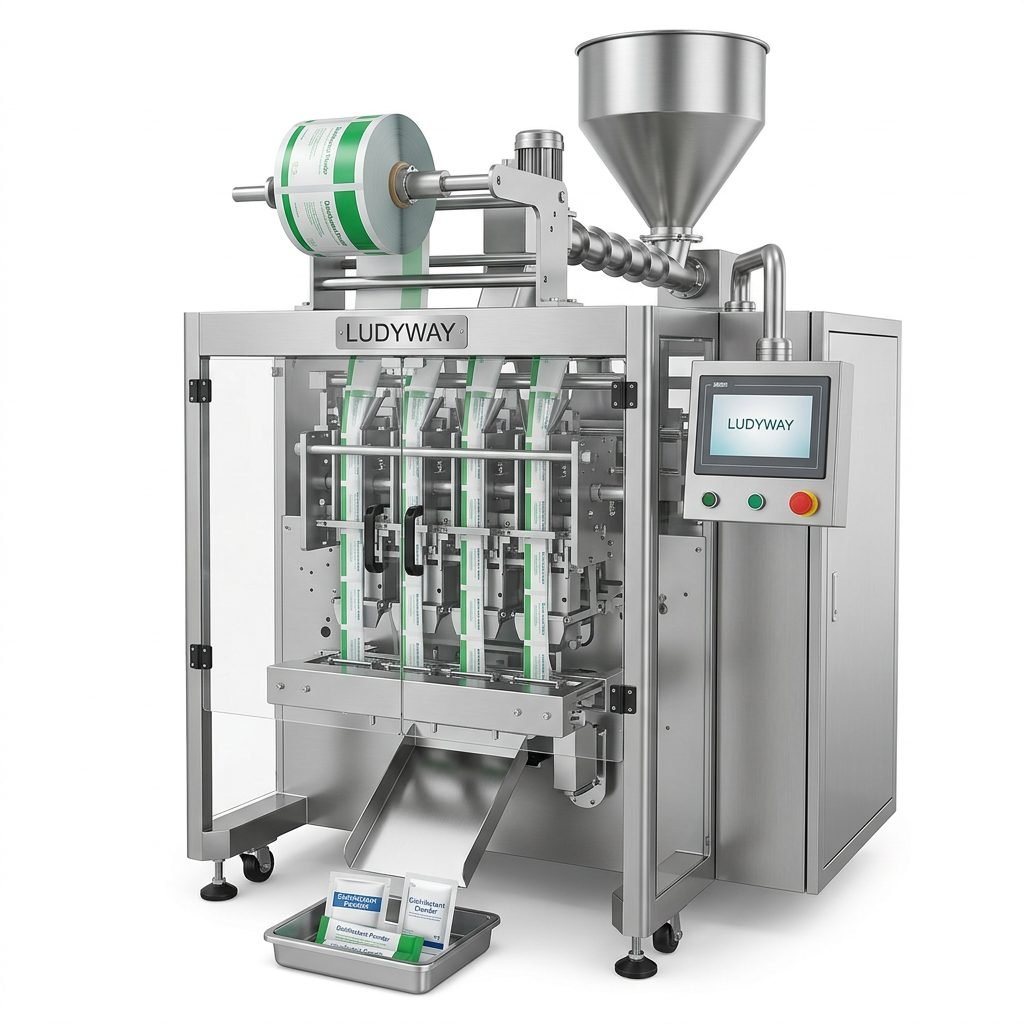
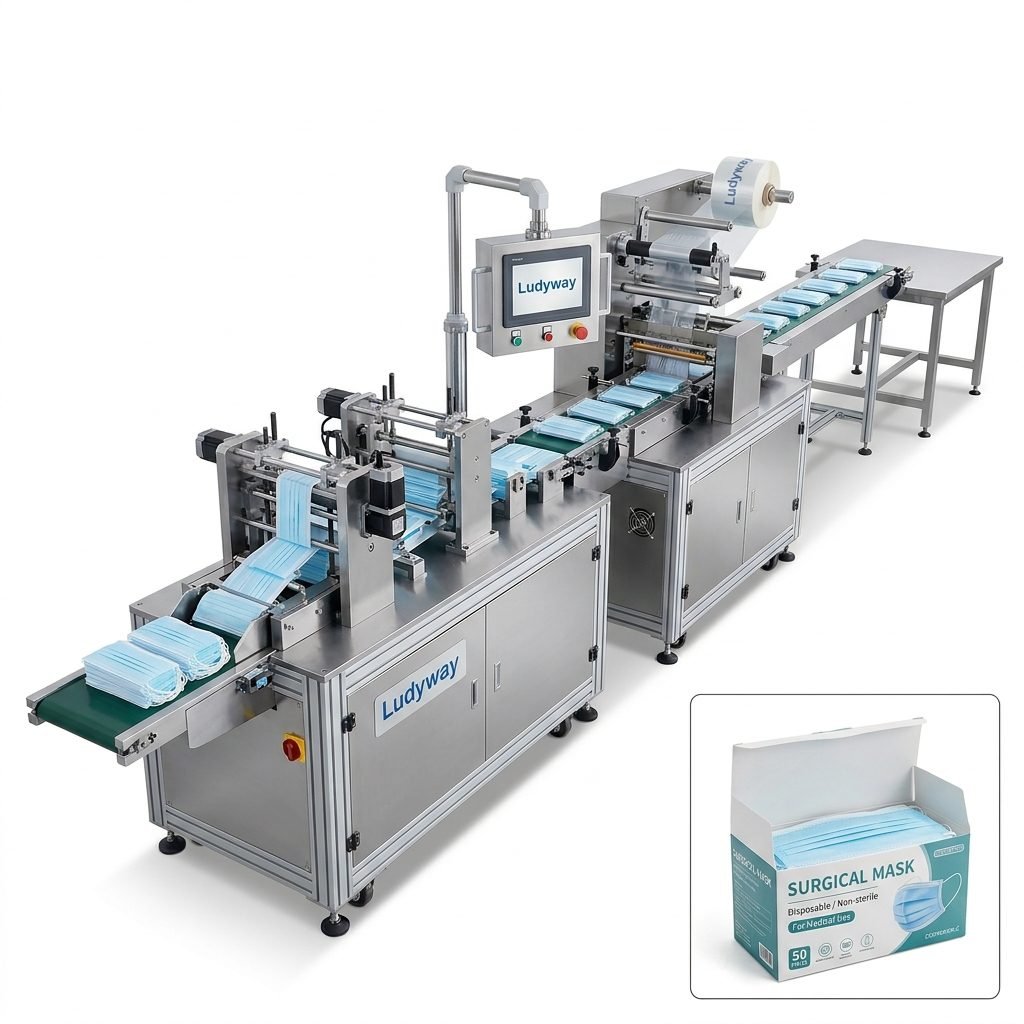
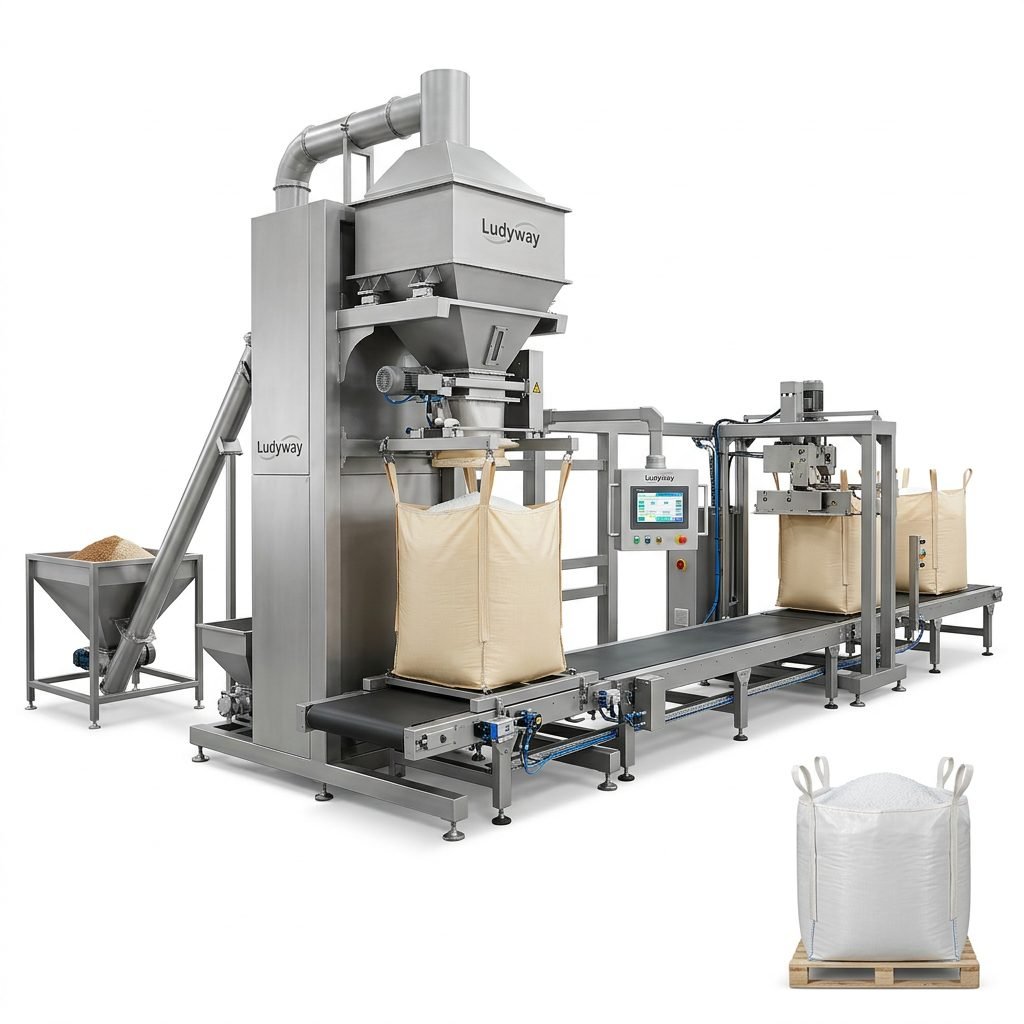
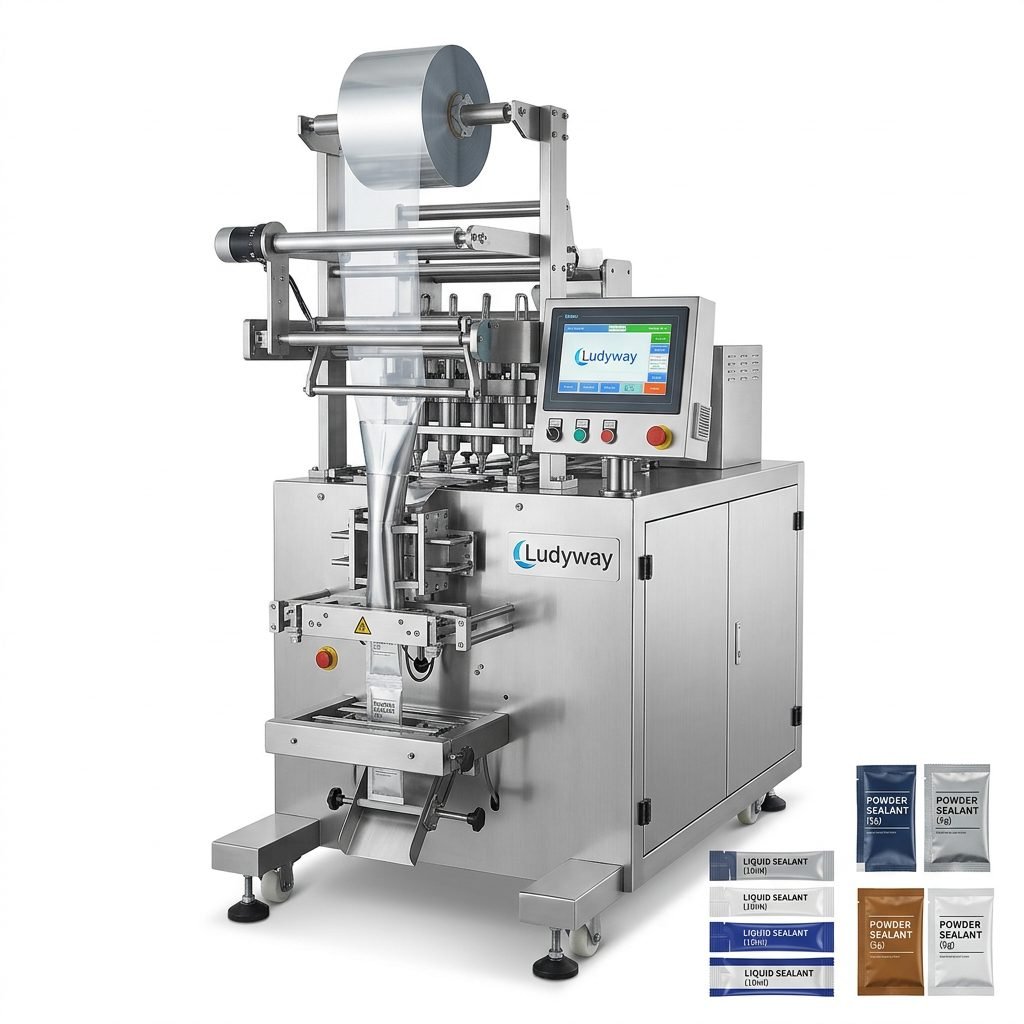
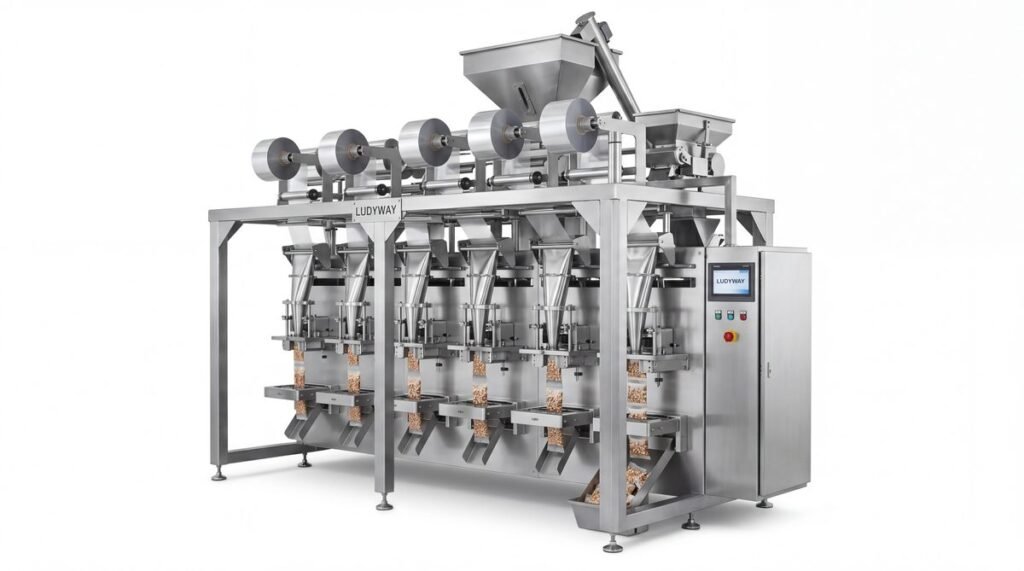
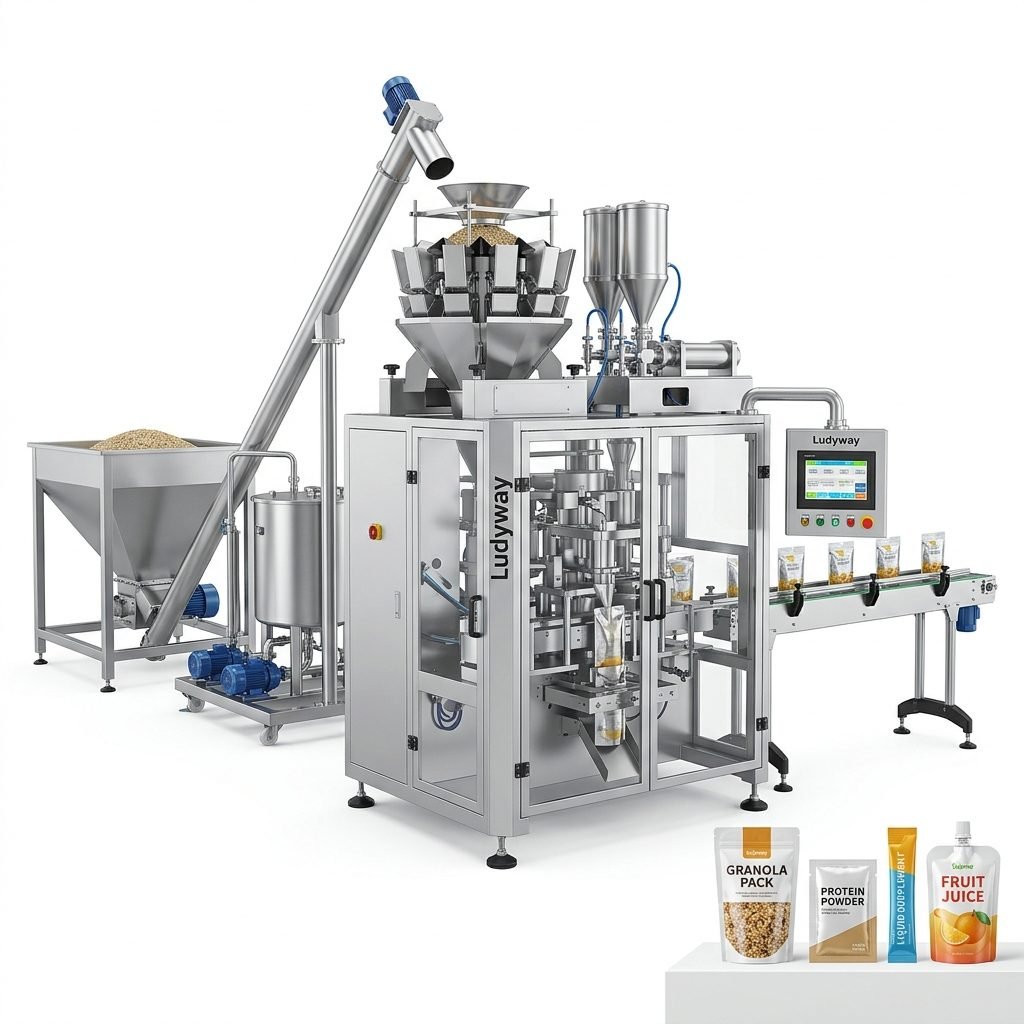
Stick packaging machines have become essential equipment for manufacturers across food, pharmaceutical, nutraceutical, and cosmetic industries. These machines produce convenient single-dose sachets that improve portion control, extend shelf life, and enhance consumer convenience. Choosing the right stick pack machine requires careful evaluation of your product characteristics, production goals, and operational requirements. This guide walks you through the key factors to consider when investing in a stick packaging solution.
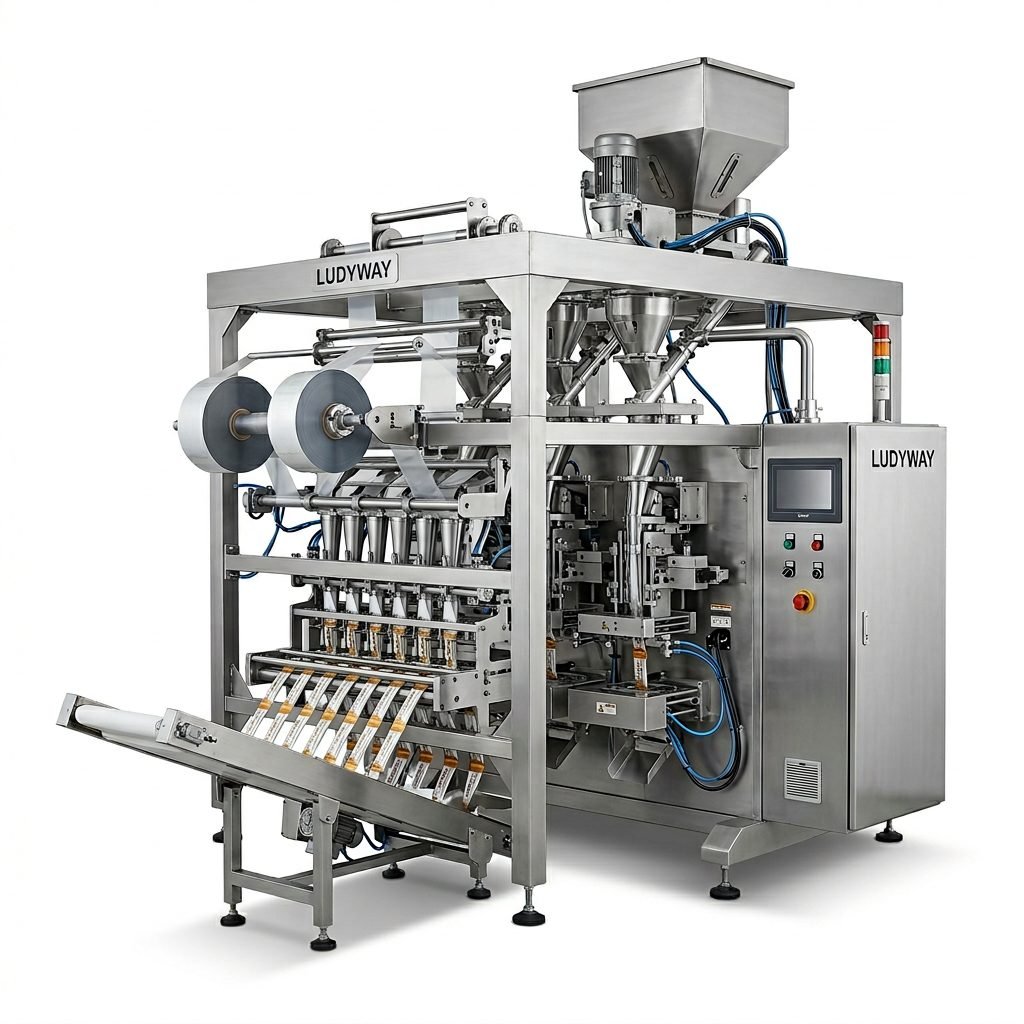
Understanding Stick Packaging Technology
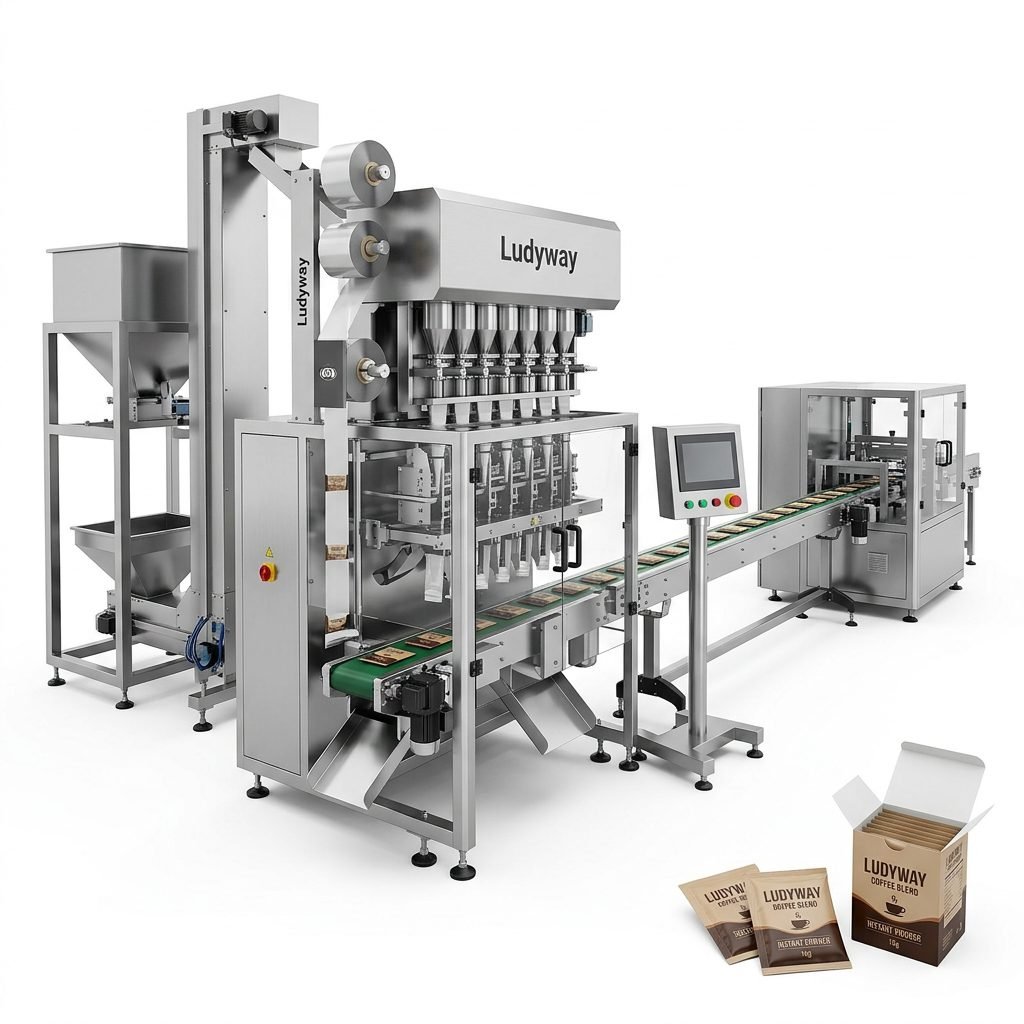
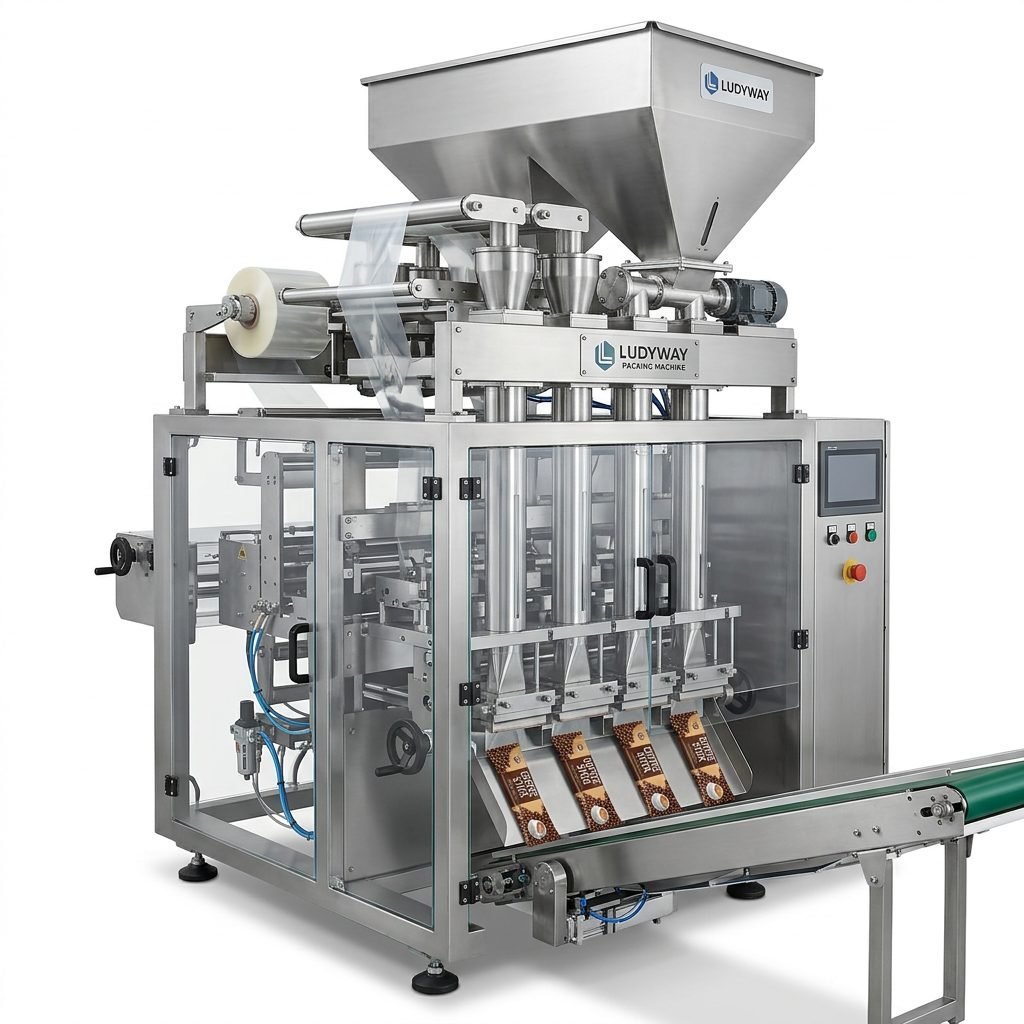
Stick packaging machines are vertical form-fill-seal (VFFS) systems specifically designed to produce narrow, elongated sachets commonly known as stick packs. These machines form packaging material into a tube, fill it with product, and seal it at precise intervals. The result is a compact, easily transportable single-serve package ideal for powders, granules, and liquids.
According to the 2026 State of the Industry Report from PMMI, the demand for flexible packaging formats including stick packs continues to grow, driven by consumer preference for convenience and portion-controlled products. The Flexible Packaging Association also highlights the increasing adoption of single-serve formats across multiple market segments.
Key Factors to Consider Before Purchasing
1. Product Characteristics and Compatibility
The physical properties of your product directly influence which machine configuration will work best. Powder density, flowability, particle size, and moisture sensitivity all affect dosing accuracy and packaging speed. Pharmaceutical powders may require GMP-compliant designs and validation documentation, while food products often need quick-changeover capabilities for multiple SKUs.
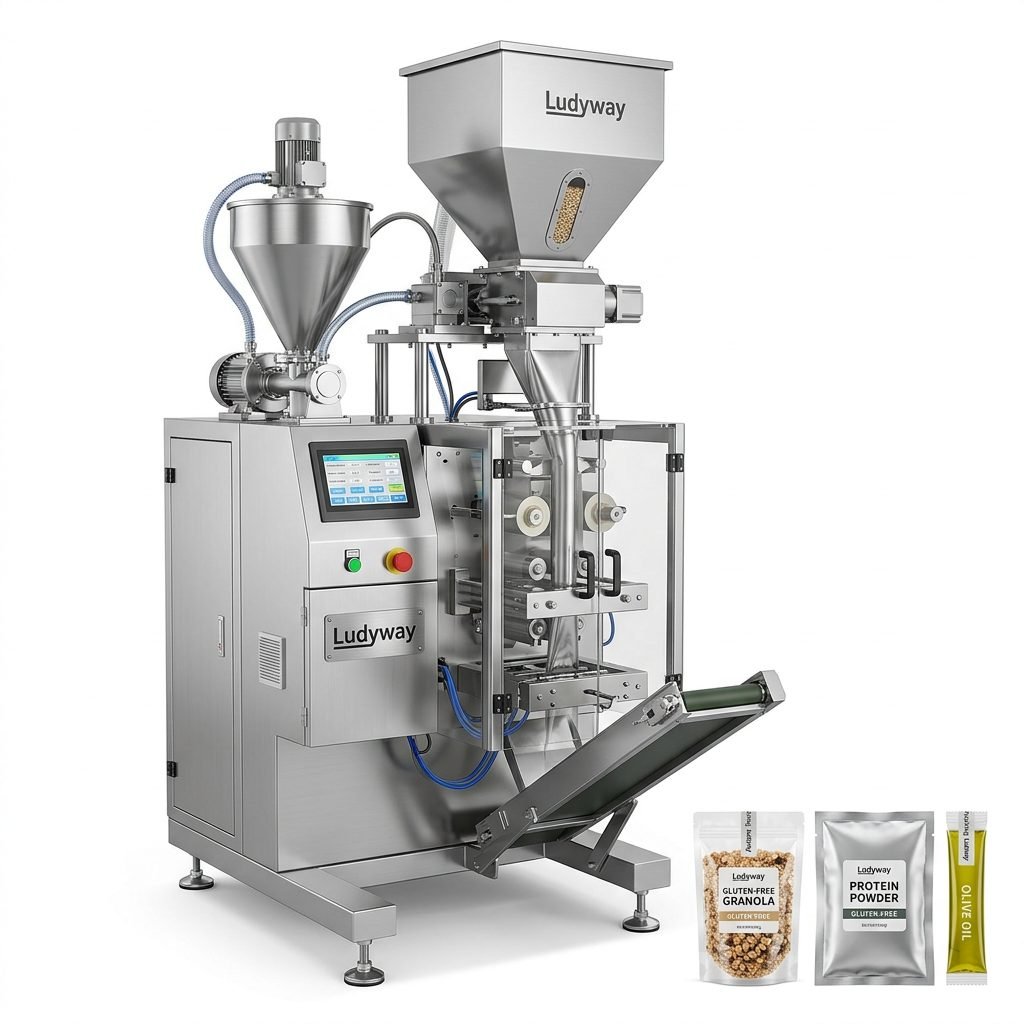
- Free-flowing powders (e.g., instant coffee, sugar): Compatible with volumetric cup fillers or auger fillers
- Non-free-flowing powders (e.g., cocoa powder, flour): May require agitator-assisted dosing systems
- Granules (e.g., seasonings, tea): Multi-head weighers or volumetric fillers work well
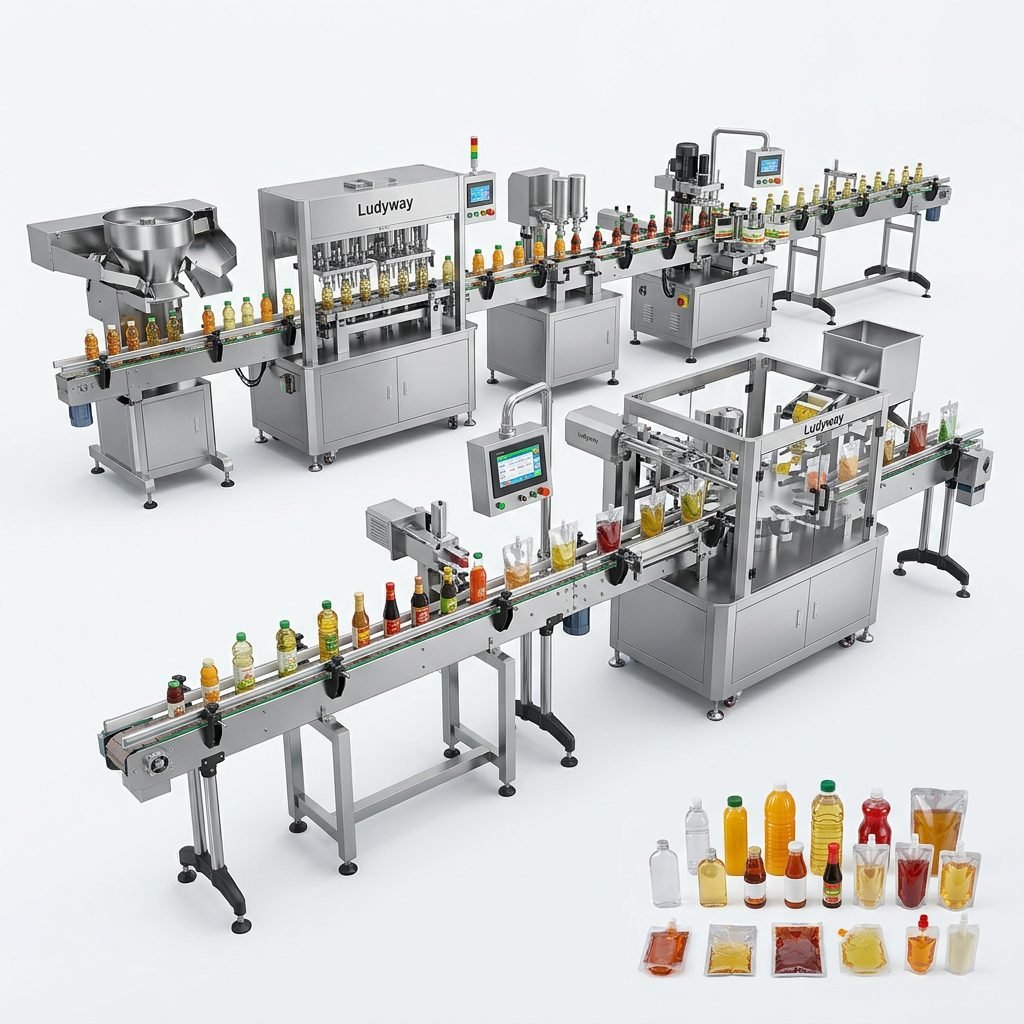
- Liquids, pastes, and gels (e.g., honey, lotions): Piston pumps or peristaltic filling systems are standard
2. Production Speed and Capacity Requirements
Stick packaging machines range from single-lane systems producing 30 to 80 packs per minute to high-speed multi-lane machines capable of 400 to 1,000+ packs per minute. Your required output should align with current production demands while allowing room for growth. Multi-lane configurations increase throughput without proportionally increasing floor space.
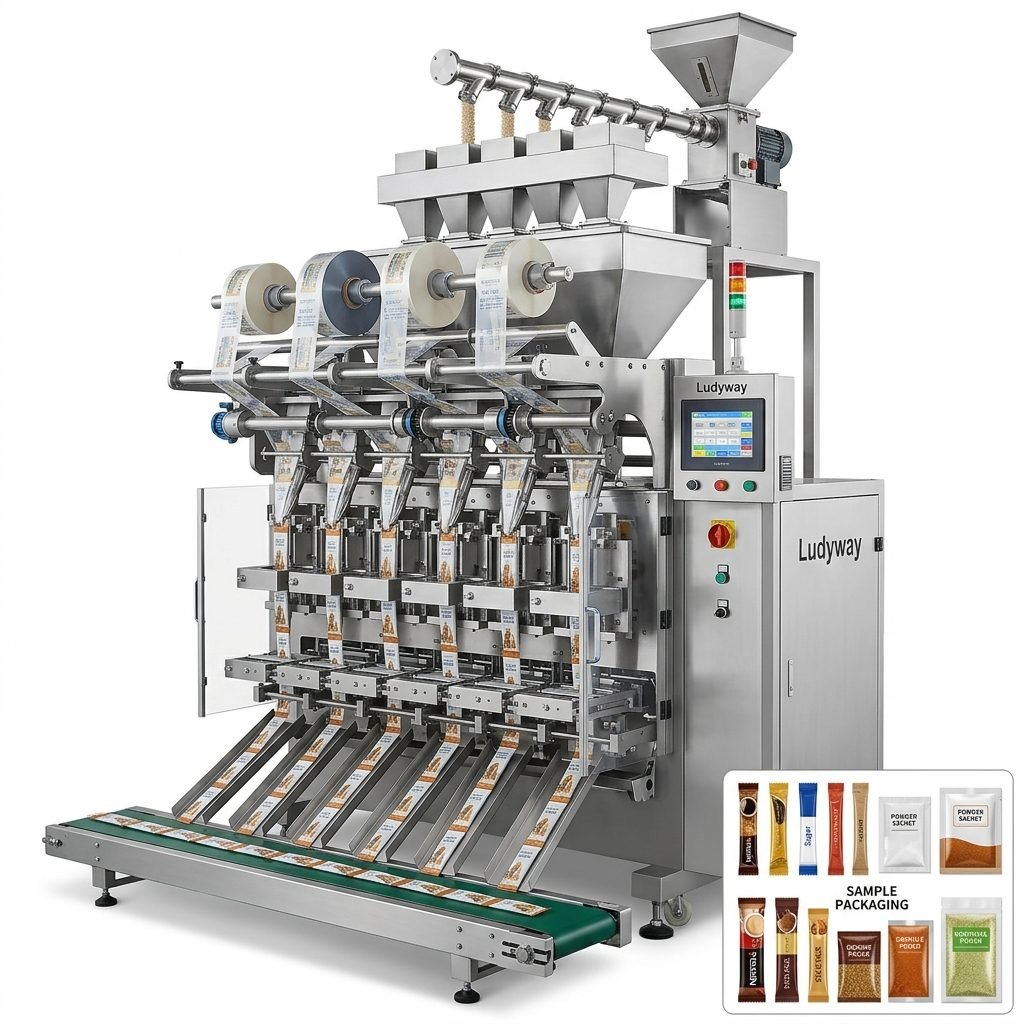
3. Packaging Material Compatibility
Stick pack machines must be compatible with your chosen packaging film. Common materials include laminated films (PET/AL/PE, PET/PE), paper-based laminates, and biodegradable films. The FDA food contact substance regulations and ISO packaging standards provide guidance on material selection. Machine sealing parameters—temperature, pressure, and dwell time—must be adjustable to accommodate different film specifications.
4. Filling Accuracy and Dosing Technology
Different dosing systems offer varying levels of accuracy:
| Dosing System | Best For | Accuracy Range | Typical Speed |
|---|---|---|---|
| Auger Filler | Powders (milk powder, protein) | ±0.5% to ±1% | Medium to High |
| Volumetric Cup Filler | Free-flowing granules | ±1% to ±2% | High to Very High |
| Multi-head Weigher | Granules, snacks, tea | ±0.2% to ±0.5% | High |
| Piston Pump | Liquids, creams, gels | ±0.5% to ±1% | Medium to High |
| Peristaltic Pump | Sterile liquids, sensitive products | ±0.5% to ±1% | Medium |
5. Machine Construction and Hygiene Standards
For food and pharmaceutical applications, machine construction materials and design are critical. Look for stainless steel frames, easy-to-clean surfaces, and tool-free changeover capabilities. Machines designed for washdown environments should have IP65 or higher-rated electrical components. The ISO 11607 standard provides requirements for packaging used in healthcare applications, including validation protocols.
6. Automation and Integration Features
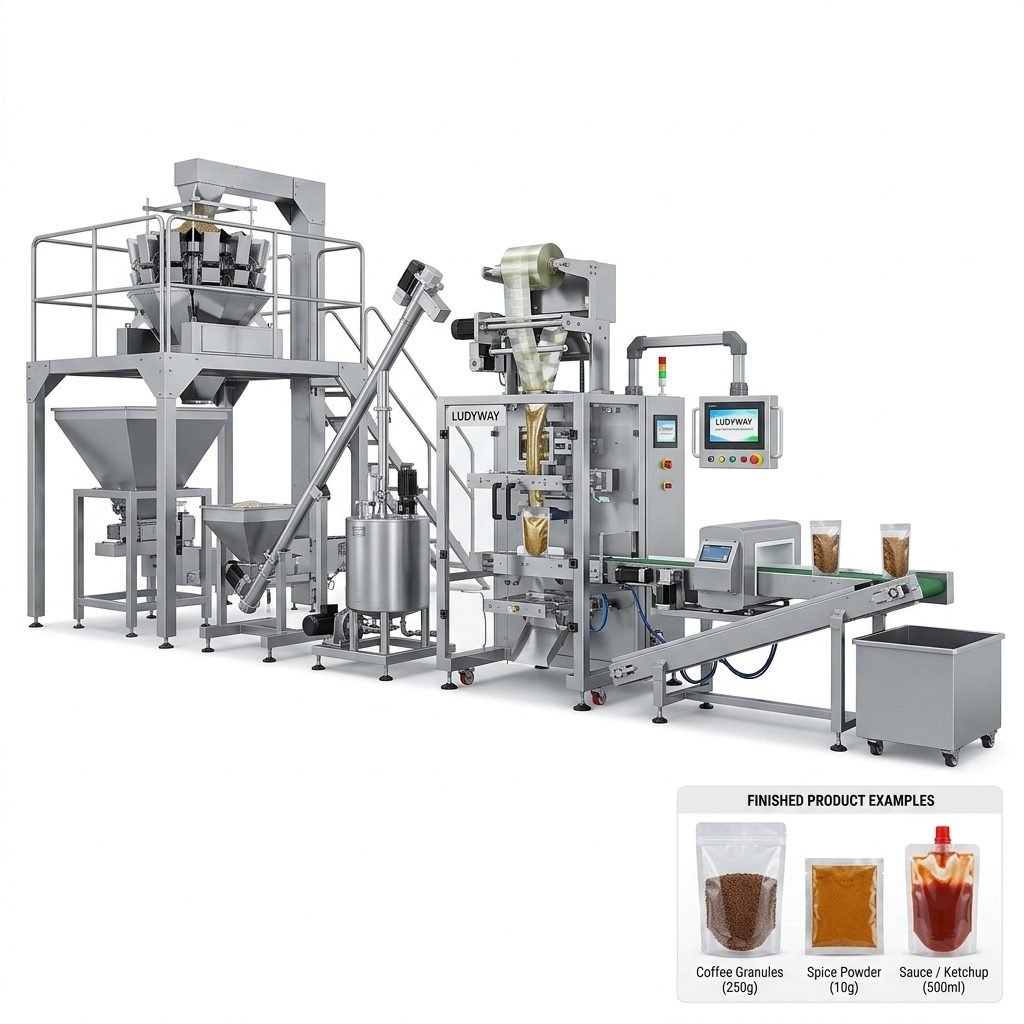
Modern stick packaging lines often integrate upstream and downstream equipment:
- Automatic feeding systems (bucket elevators, vacuum conveyors)
- In-line printing and coding (thermal transfer, inkjet)
- Checkweighers and metal detectors for quality assurance
- Cartoning machines and case packers for secondary packaging
- Palletizing systems for end-of-line automation
Single-Lane vs. Multi-Lane Stick Pack Machines
Understanding the differences between these configurations helps determine the right solution for your operation:
| Feature | Single-Lane Machine | Multi-Lane Machine |
|---|---|---|
| Output | 30–80 packs/min | 200–1,000+ packs/min |
| Floor Space | Compact footprint | Larger footprint, higher output density |
| Changeover Time | Quick, simpler adjustments | Longer, more complex |
| Ideal For | Small-medium batches, R&D, contract packaging | High-volume production, established brands |
| Initial Cost | Lower capital investment | Higher investment, lower per-unit cost |
Industry-Specific Requirements
Food and Beverage
Food-grade materials, easy sanitation, and quick flavor changeover are essential. Machines should comply with FDA or equivalent local food safety regulations. The European Commission packaging regulations and EPA sustainable materials management guidelines increasingly influence packaging machinery design choices.
Pharmaceuticals and Nutraceuticals
Stricter requirements include validated dosing accuracy, tamper-evident sealing, serialization capabilities, and cleanroom compatibility. Documentation such as IQ/OQ/PQ protocols is often required. Refer to ISO 11607-2 for packaging validation requirements specific to medical applications.
Cosmetics and Personal Care
Machines must handle a wide range of product viscosities—from watery serums to thick creams. Gentle product handling to preserve formulation integrity and aesthetic appearance of the stick pack are important considerations.
Evaluating Total Cost of Ownership
Purchase price alone does not reflect the full investment. Consider these ongoing costs:
- Spare parts availability and cost – Common wear items include sealing jaws, belts, and filling components
- Film waste rates – Efficient machines minimize material waste during startup and changeover
- Energy consumption – Servo-driven machines typically use less energy than pneumatic systems
- Operator training requirements – Intuitive HMI interfaces reduce training time and operator errors
- Maintenance schedules – Preventive maintenance programs extend machine life and reduce unplanned downtime
Questions to Ask Potential Suppliers
Before making a final decision, discuss these points with packaging machinery manufacturers:
- Can you provide product testing and sample packs before purchase?
- What is the expected delivery lead time and installation support?
- Do you offer remote diagnostics and technical support after installation?
- What warranties and service agreements are available?
- Can the machine be upgraded or reconfigured for future product lines?
- What documentation and certification packages do you supply?
Future-Proofing Your Investment
When selecting a stick packaging machine, consider how your needs may evolve. Modular designs that allow lane additions, format changes, or automation upgrades provide long-term flexibility. Machines with open architecture control systems are easier to integrate into Industry 4.0 and smart factory environments. As PMMI’s packaging machinery market research indicates, connectivity and data-driven manufacturing are becoming standard expectations in modern packaging operations.

Selecting the right stick packaging machine requires balancing product requirements, production volume, budget, and long-term operational goals. Working with an experienced packaging machinery partner can simplify this process. Ludyway Machinery, with over 30 years of experience and a 20,000-square-meter manufacturing facility, provides customized stick pack and multi-lane packaging solutions for manufacturers worldwide—offering equipment selection, system integration, and technical support from a single source.
By thoroughly evaluating your requirements and engaging with knowledgeable suppliers, you can identify a stick packaging solution that delivers reliable performance, consistent package quality, and strong return on investment. For additional guidance on packaging machinery selection, explore resources from PMMI and the Flexible Packaging Association, or consult the PACK EXPO International event for hands-on equipment evaluation.