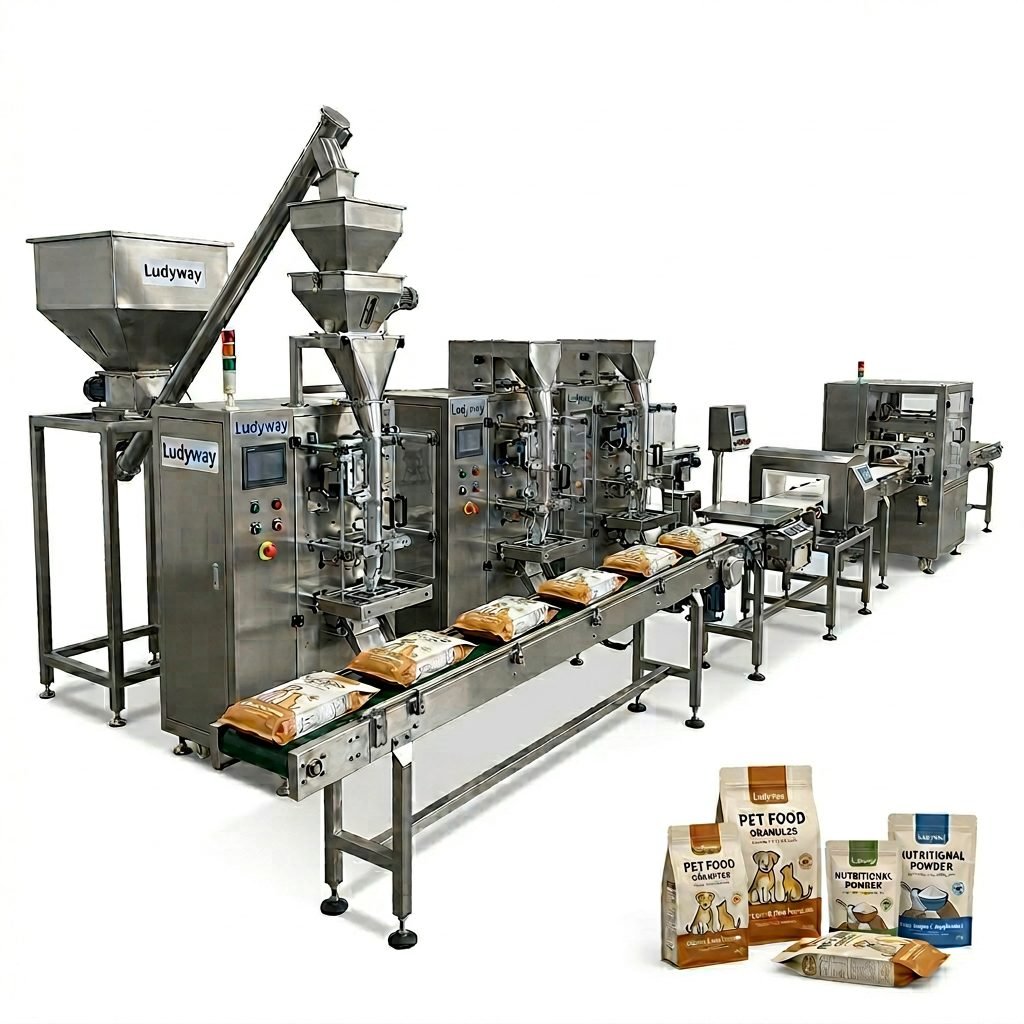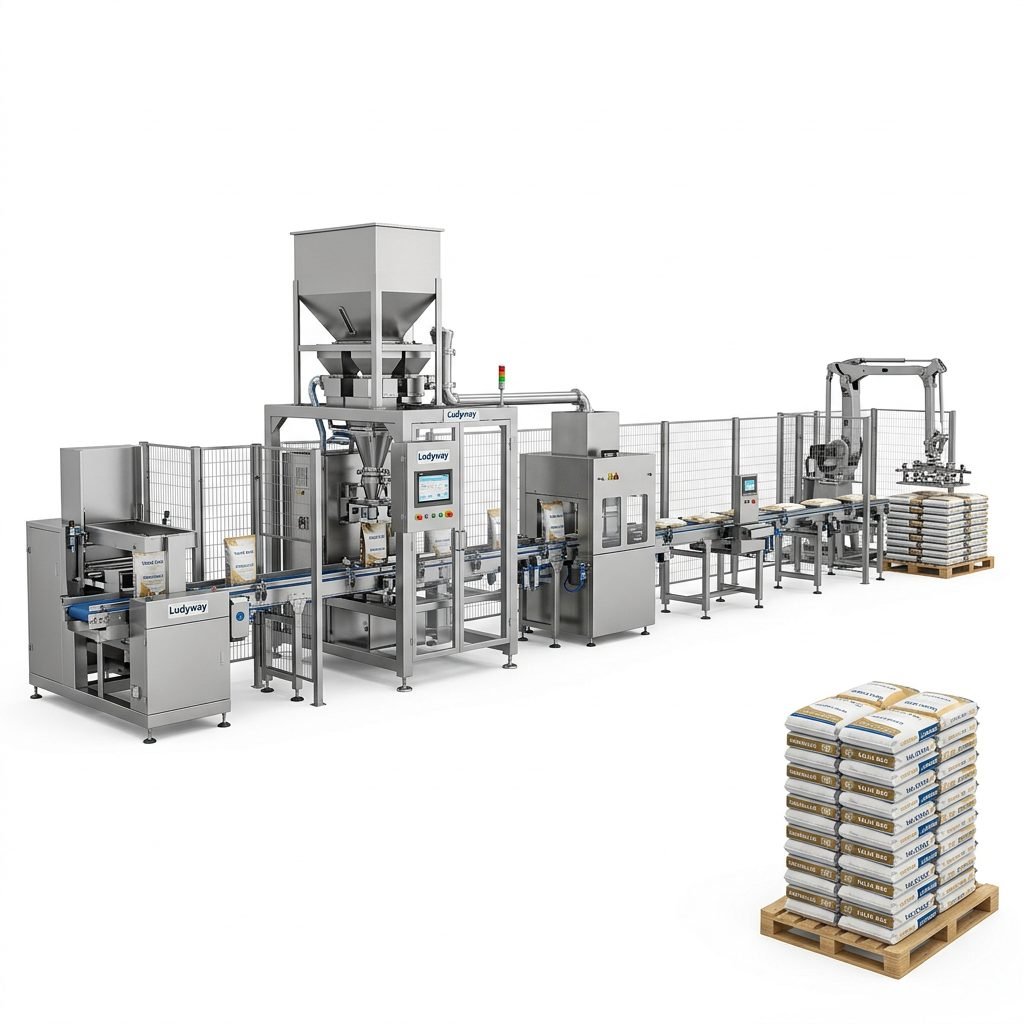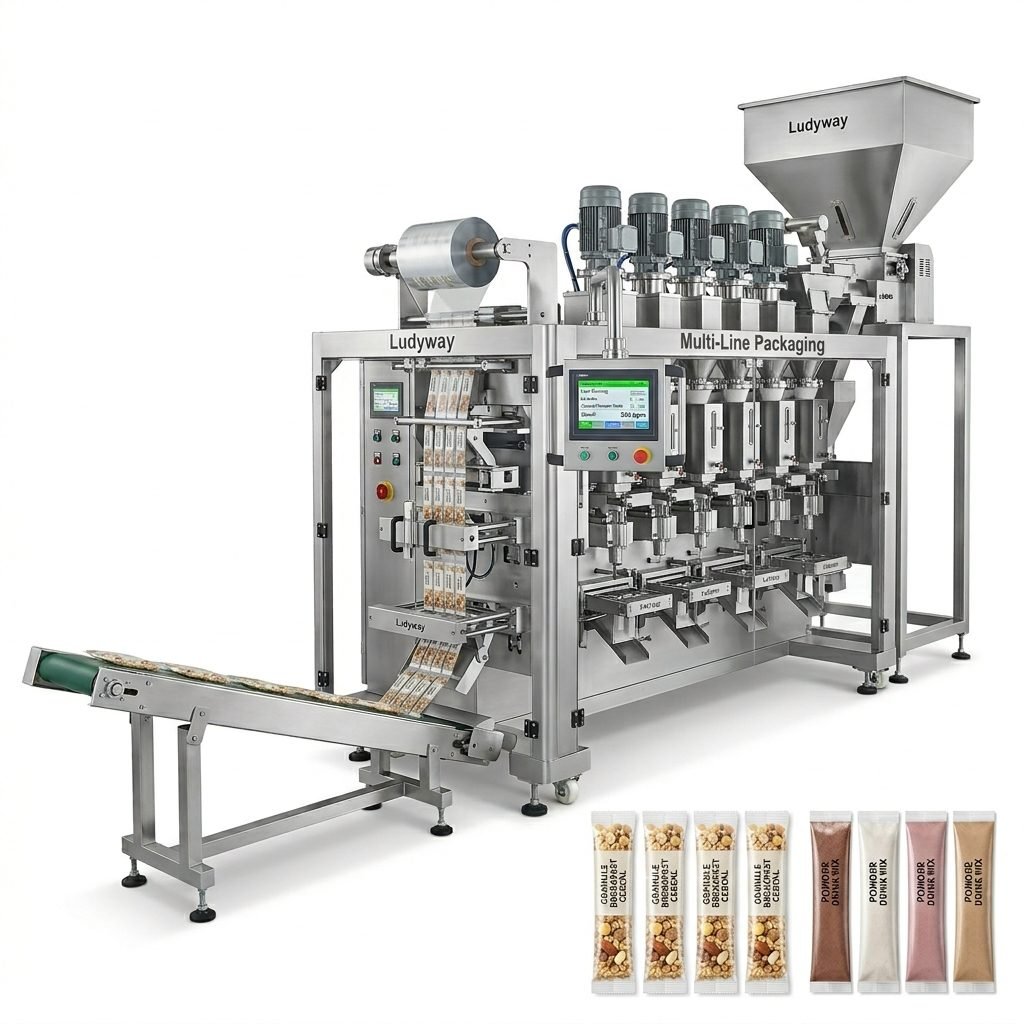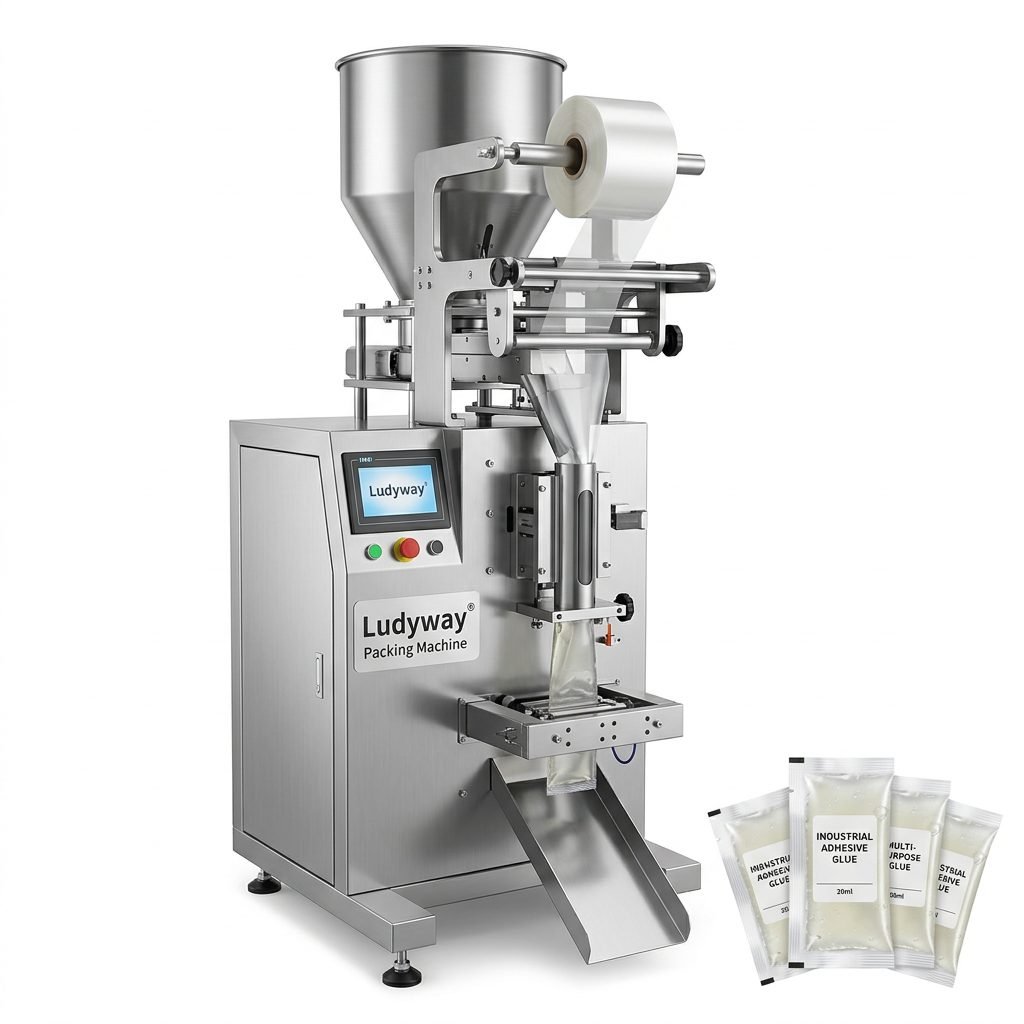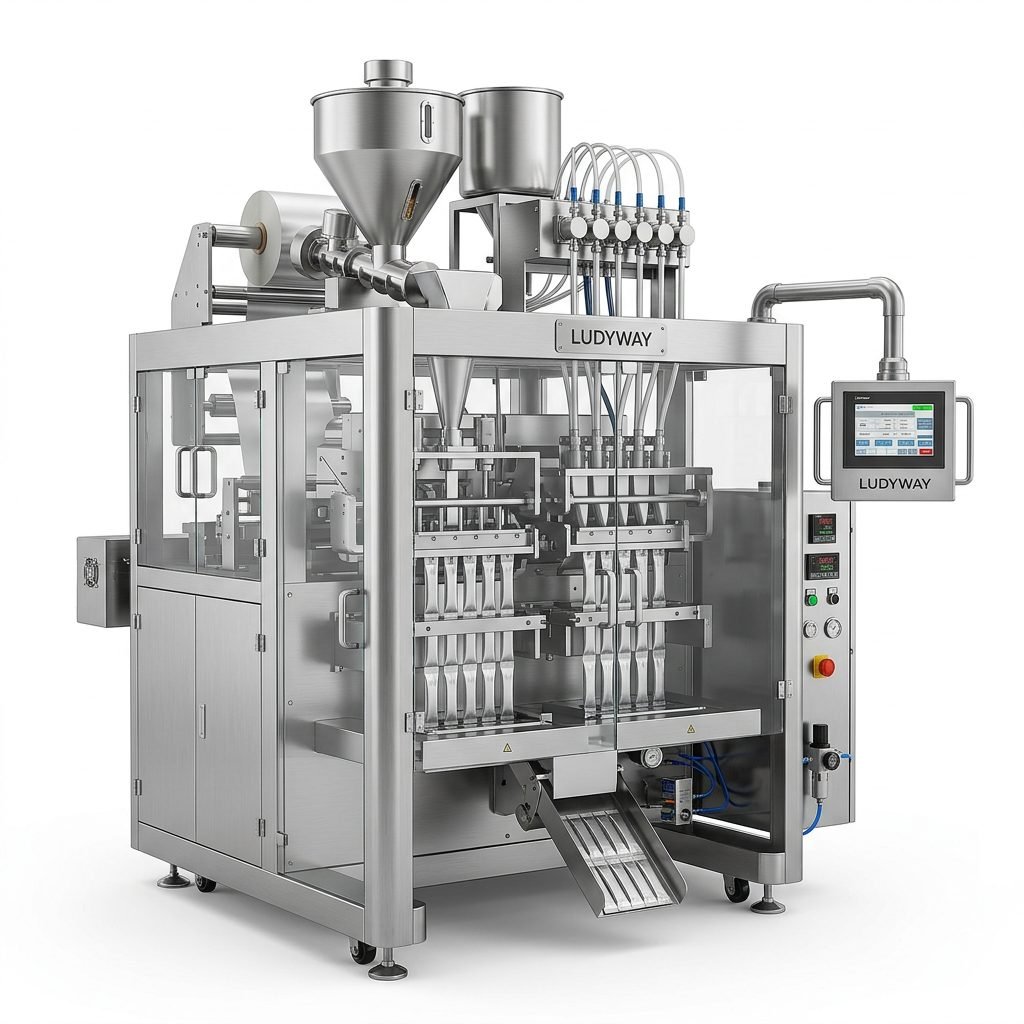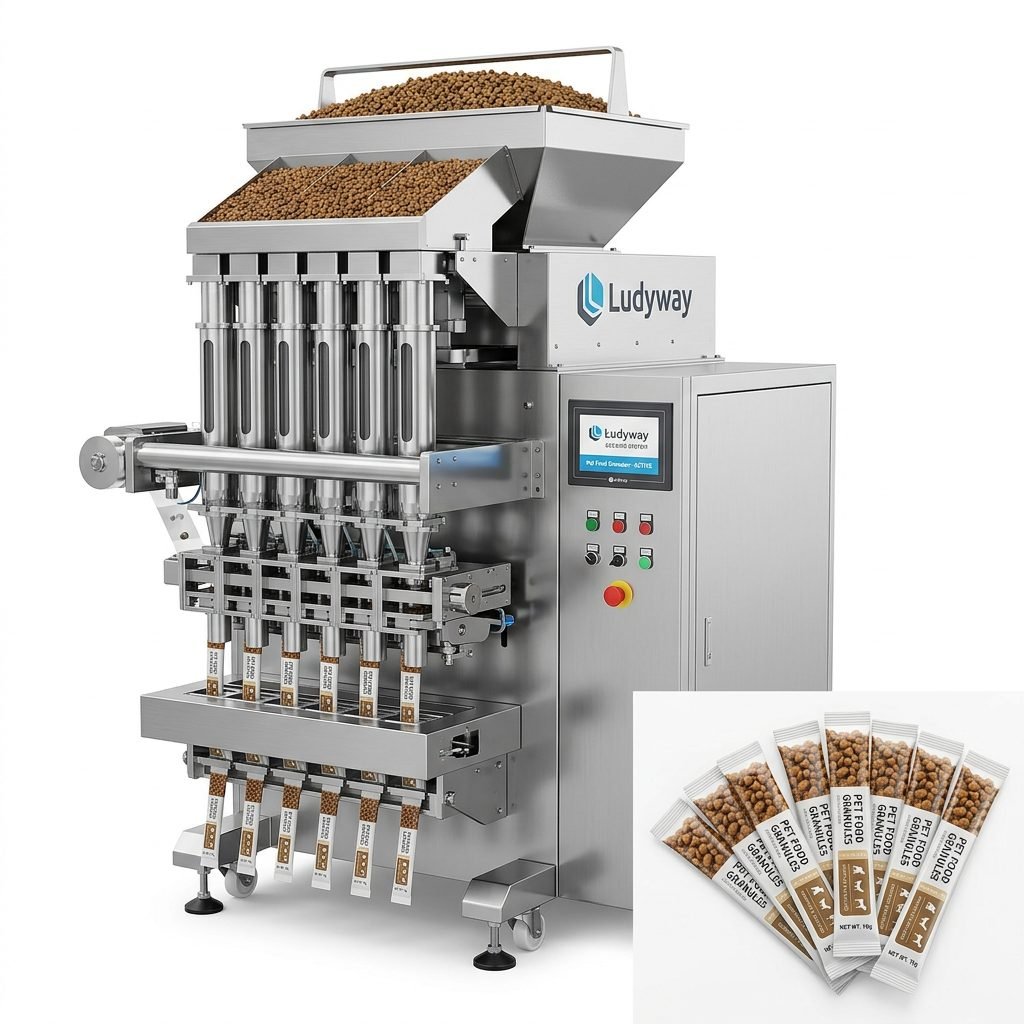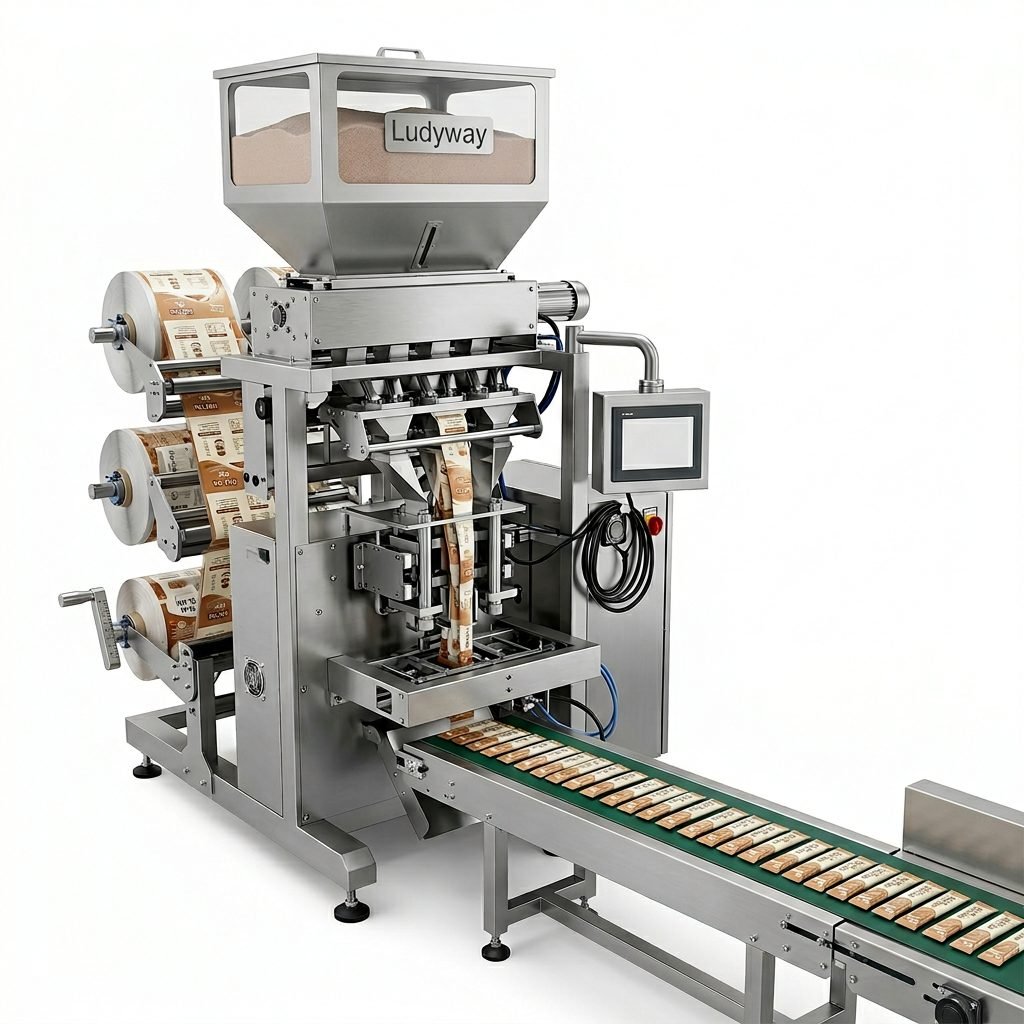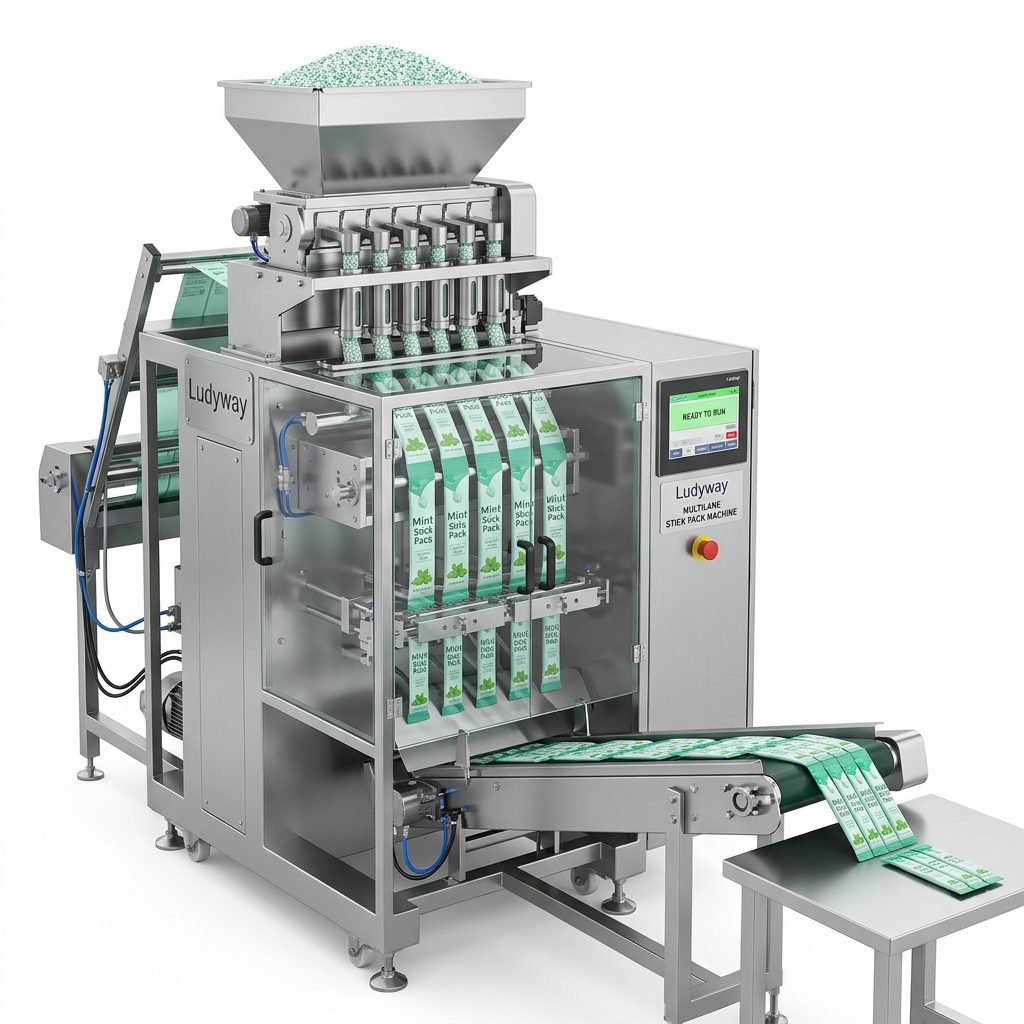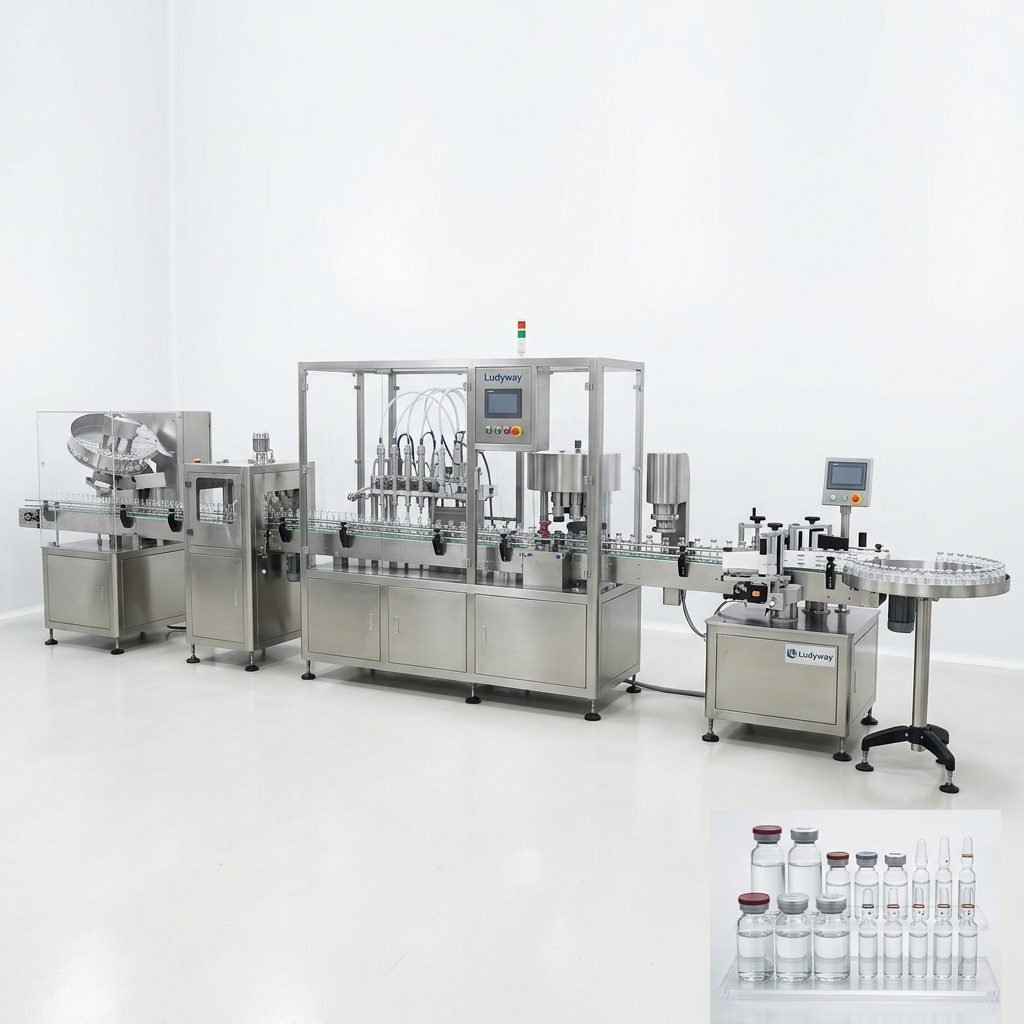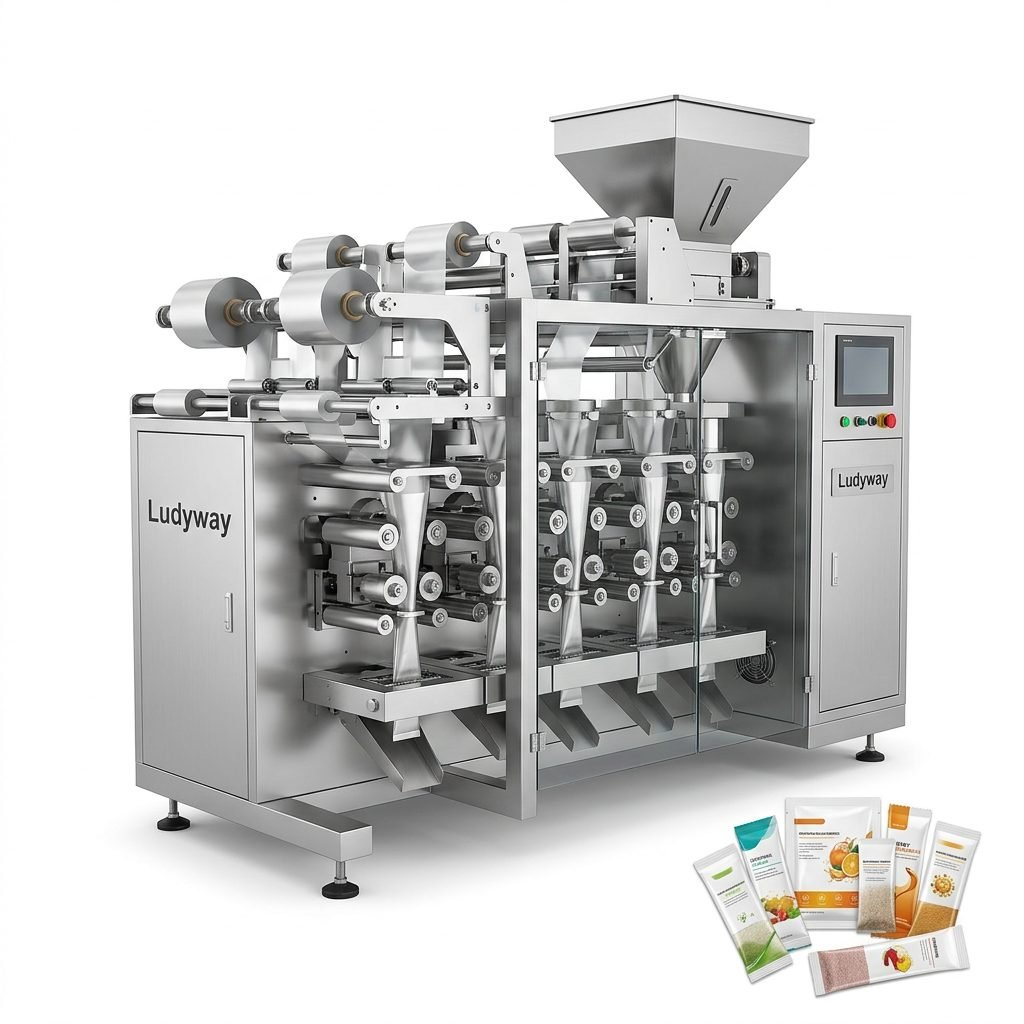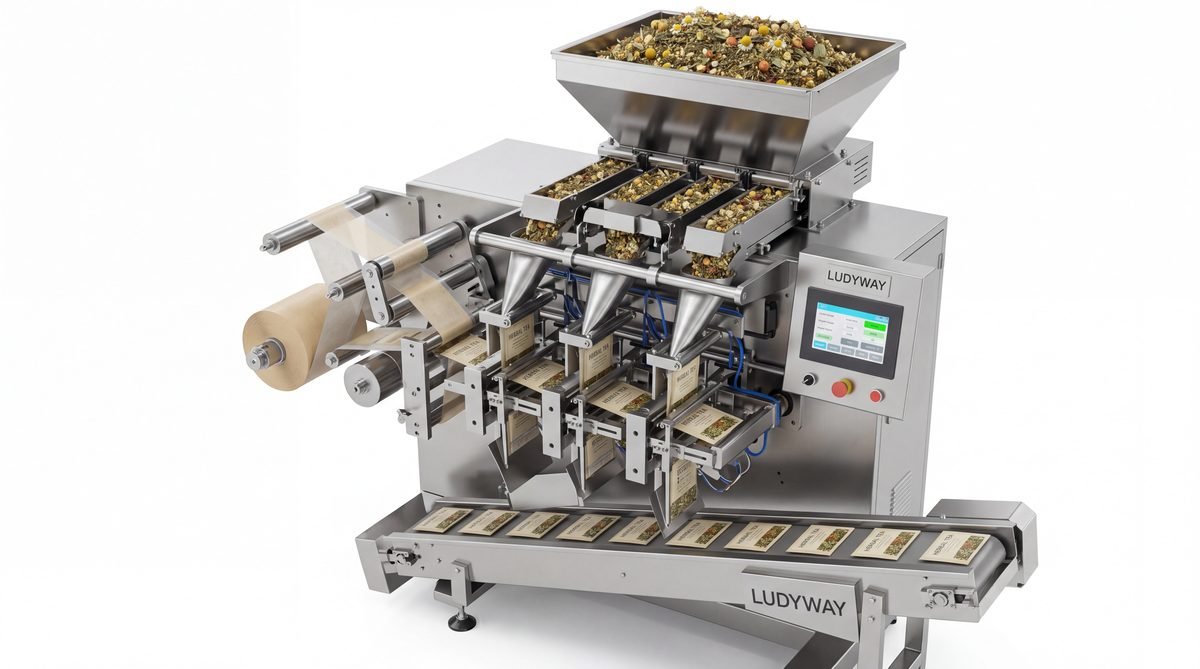
Keeping your small tea bag packing machine in peak condition is essential for consistent output, minimal downtime, and extended equipment life. Without a structured maintenance routine, even the most robust machinery can develop issues that affect seal integrity, filling accuracy, and overall production efficiency. This guide covers the essential practices you need to follow for reliable, long-term performance.
Why Routine Maintenance Matters
A small tea bag packing machine handles delicate materials, high-speed sealing, and precise portioning. Neglecting maintenance can lead to costly repairs and unscheduled stoppages. Regular upkeep ensures:
- Consistent seal quality and bag integrity
- Accurate filling weights and reduced product waste
- Extended lifespan of critical components
- Compliance with food safety and hygiene standards

Daily Cleaning Procedures
Product residue and dust are the primary enemies of a tea bag packing machine. At the end of each shift, operators should:
- Remove all loose tea particles from the filling area and seal jaws
- Wipe down surfaces with a dry, lint-free cloth; use food-grade cleaners if needed
- Inspect and clean the film path, tension rollers, and cutting blades
- Check the hopper and feeding mechanism for any buildup
Important: Never use compressed air around the sealing area as it can force fine tea dust into sensitive electronic components or bearing housings.
Weekly Cleaning Checklist
| Component | Action | Frequency |
|---|---|---|
| Sealing jaws | Clean with brass brush, check Teflon coating | Weekly |
| Film rollers | Remove adhesive residue, inspect bearings | Weekly |
| Cutting knife | Sharpen or replace if dull, clean debris | Weekly |
| Sensors | Wipe with isopropyl alcohol, check alignment | Weekly |
Lubrication and Mechanical Care
Proper lubrication minimizes friction and wear on moving parts. Follow the manufacturer’s lubrication chart and use only recommended food-grade lubricants. Key areas to monitor include:
- Cam followers and linear bearings on the forming tube assembly
- Chain drives and sprockets for the film pulling mechanism
- Seal jaw pivot points and actuator linkages
- Stripping bars and cut-off knife mechanisms
Over-lubrication can attract dust and cause buildup, so apply sparingly and wipe away excess immediately.
Critical Inspection Points
Routine inspections help catch problems before they escalate. Integrate these checks into your shift or weekly routine:
Sealing System
Temperature controllers, thermocouples, and heating elements must be checked regularly. A faulty temperature setting can cause weak seals, burnt film, or product leakage. Verify that actual temperatures match the set values using a calibrated probe.
Film Registration and Tracking
Misaligned film leads to off-center print, inconsistent package length, and sealing defects. Examine the photo-eye sensor for dust accumulation and confirm the registration mark sensitivity is adjusted correctly for the film type being used.
Filling Accuracy
For tea bag machines using volumetric cups or auger fillers, check dosing consistency daily. Variations in fill weight often indicate worn dosing components, inconsistent product density, or air pockets. Industry resources on packaging machinery standards provide detailed calibration guidance.

Common Issues and Troubleshooting
Addressing minor problems quickly prevents major breakdowns. Here is a quick reference for typical issues encountered with a small tea bag packing machine:
| Problem | Likely Cause | Solution |
|---|---|---|
| Weak or inconsistent seals | Dirty jaws, incorrect temperature, worn Teflon | Clean jaws, verify settings, replace Teflon tape |
| Film wrinkles or tearing | Misaligned rollers, incorrect tension | Adjust roller alignment, reset tension controls |
| Fill weight variation | Worn dosing auger, product bridging | Replace auger, install agitator if needed |
| Machine stops intermittently | Sensor misalignment, loose connections | Clean and realign sensors, tighten terminals |
Scheduled Preventive Maintenance
Beyond daily and weekly tasks, establish a comprehensive preventive maintenance program at monthly, quarterly, and annual intervals. A typical schedule includes:
- Monthly: Inspect and replace worn belts, check all pneumatic connections for leaks, verify emergency stop functionality
- Quarterly: Replace gearbox oil if applicable, calibrate temperature controllers and load cells, inspect electrical cabinets for dust ingress
- Annually: Complete overhaul of sealing system, replace all wear parts as a preventive measure, conduct a full machine alignment and timing check
Training and Documentation
Even the best maintenance plan fails without properly trained operators. Ensure all personnel understand basic cleaning procedures, safety protocols, and the importance of reporting unusual noises or performance changes. Maintain a logbook that records:
- Daily cleaning completion and any observations
- Parts replaced and the date of replacement
- Calibration results and adjustments made
- Unscheduled repairs and the root cause identified
When to Call a Professional
While many maintenance tasks can be handled in-house, certain situations require expert attention. Contact a qualified service technician if you encounter:
- Persistent sealing problems after jaw cleaning and temperature adjustment
- Frequent electrical trips or controller faults
- Unusual vibration or noise from the main drive system
- Software or PLC-related issues affecting machine logic
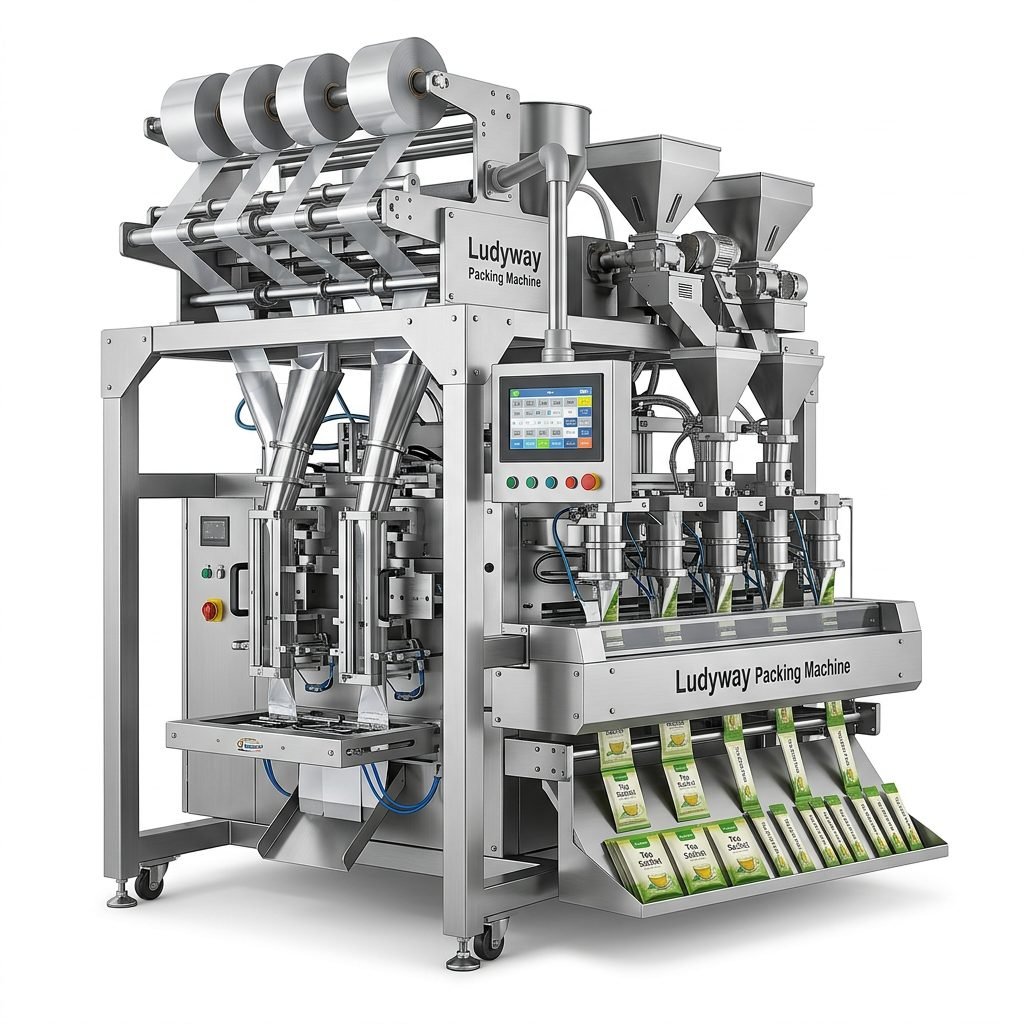
Ludyway, one of the largest packaging machine manufacturers in China, provides specialized support and genuine spare parts for a wide range of tea bag packing machinery, helping businesses maintain optimal performance across their production lines.
Explore packaging machinery market research and maintenance standards from PMMI