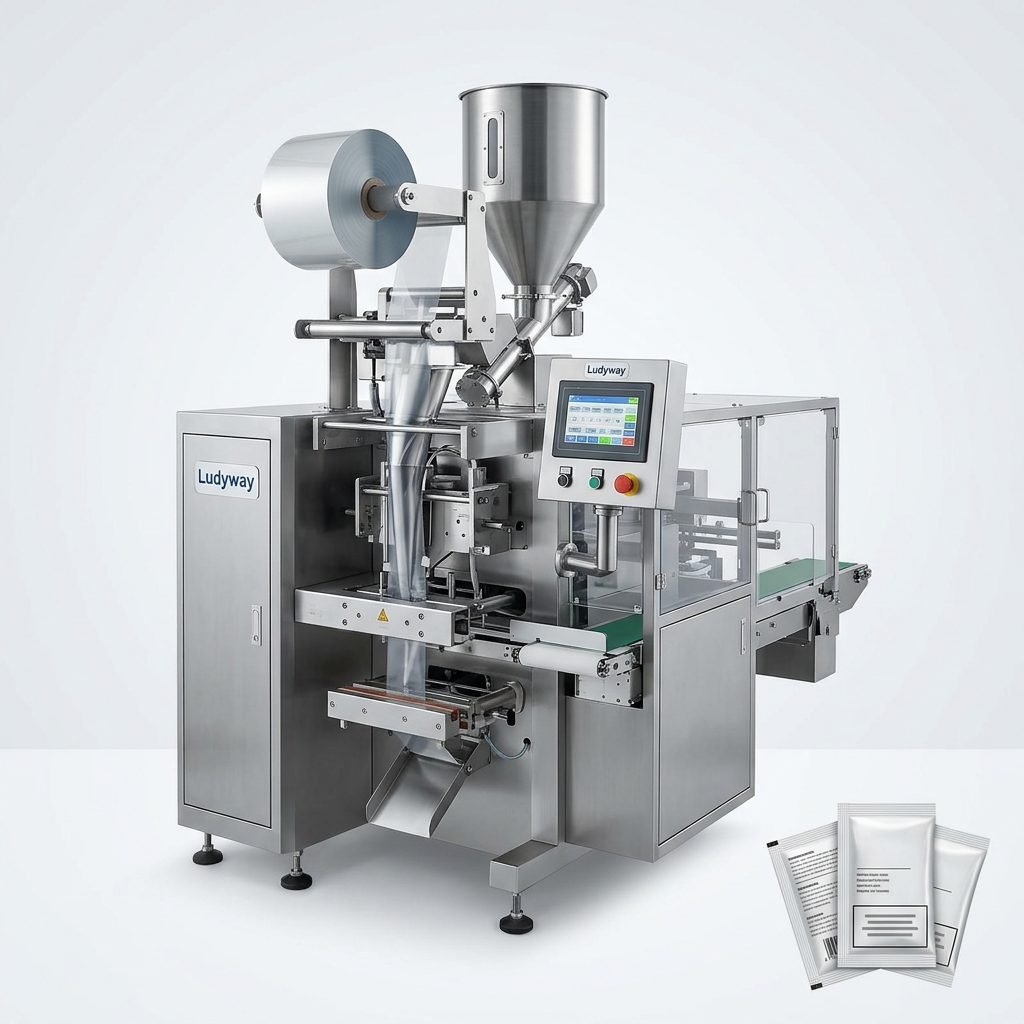
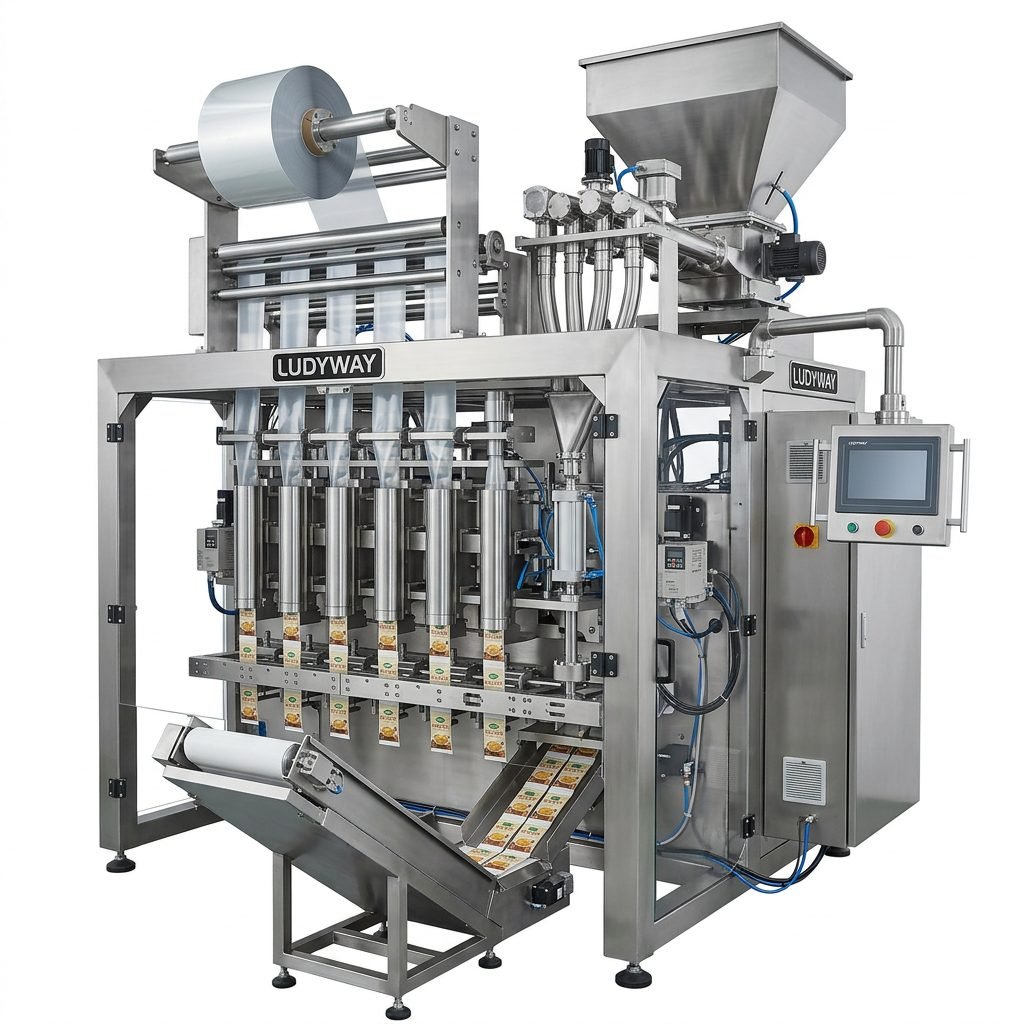
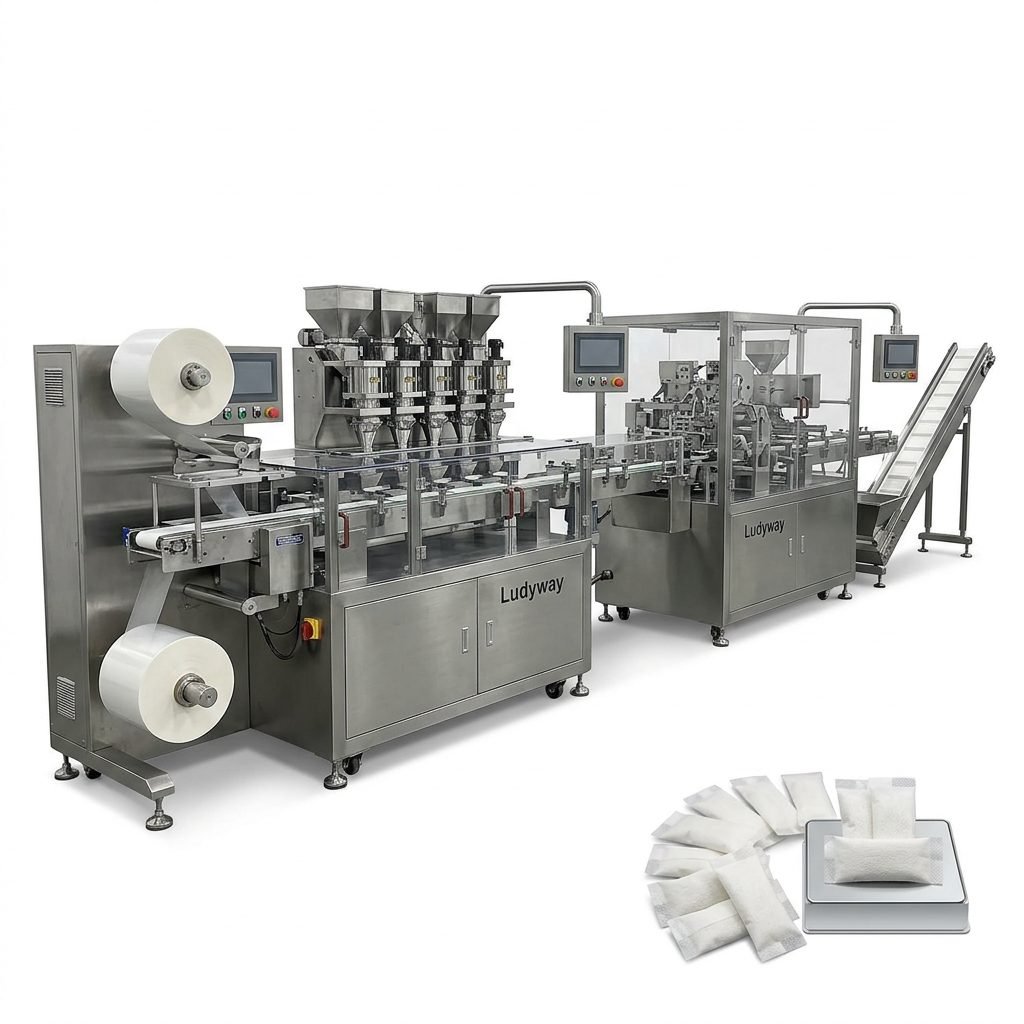
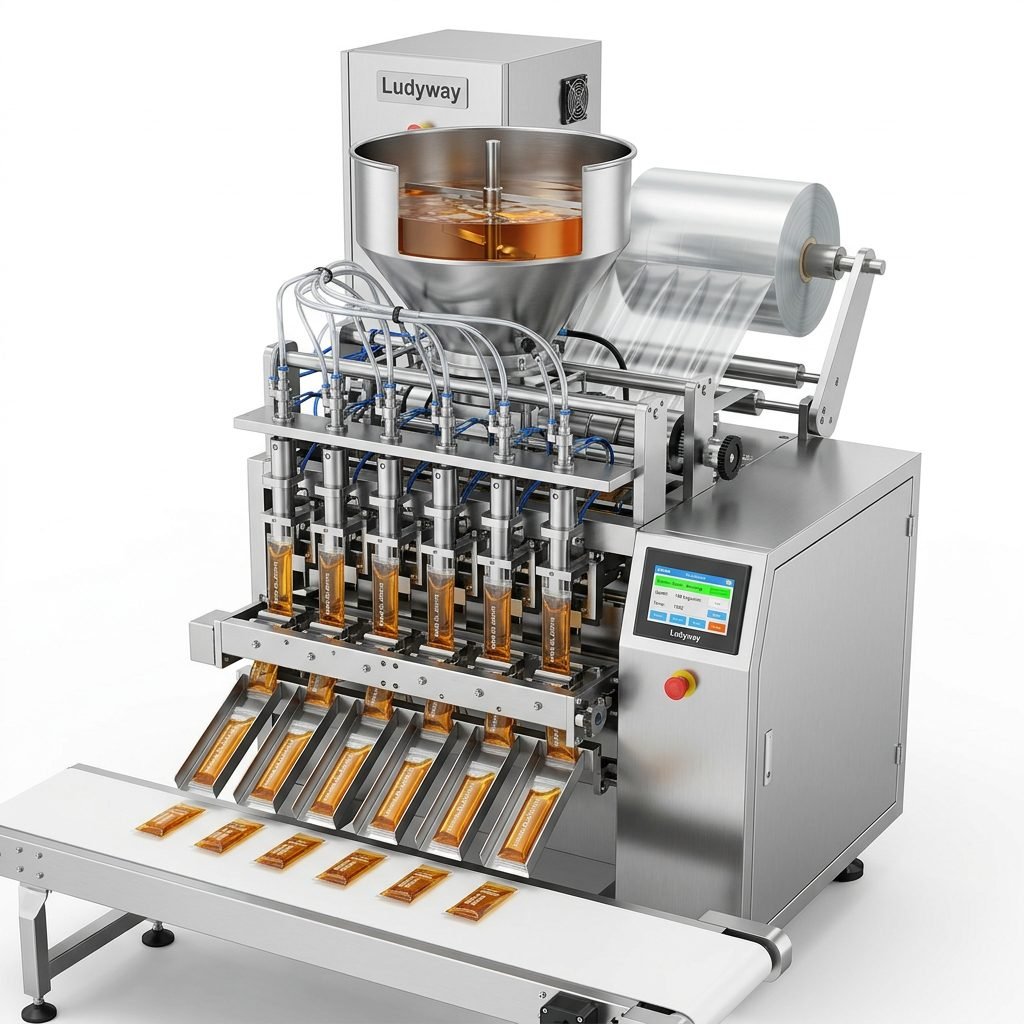
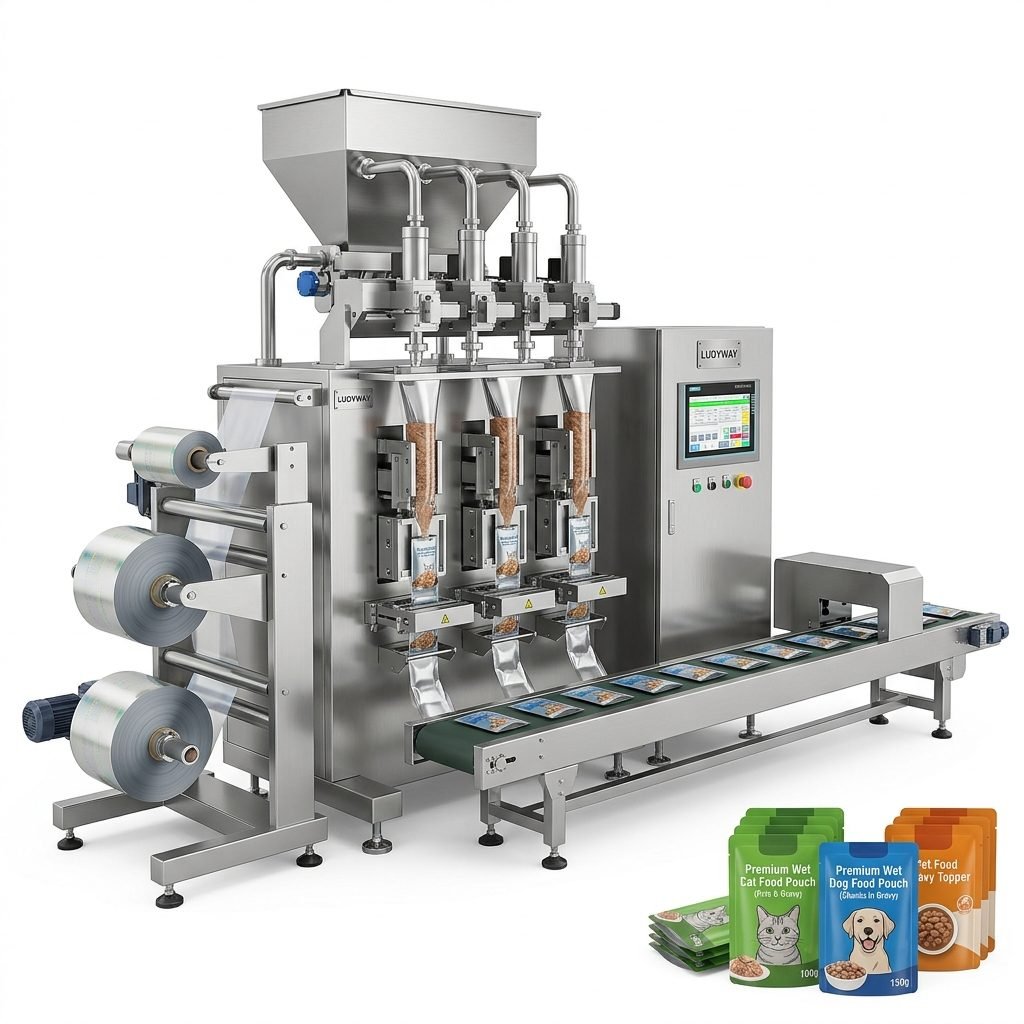
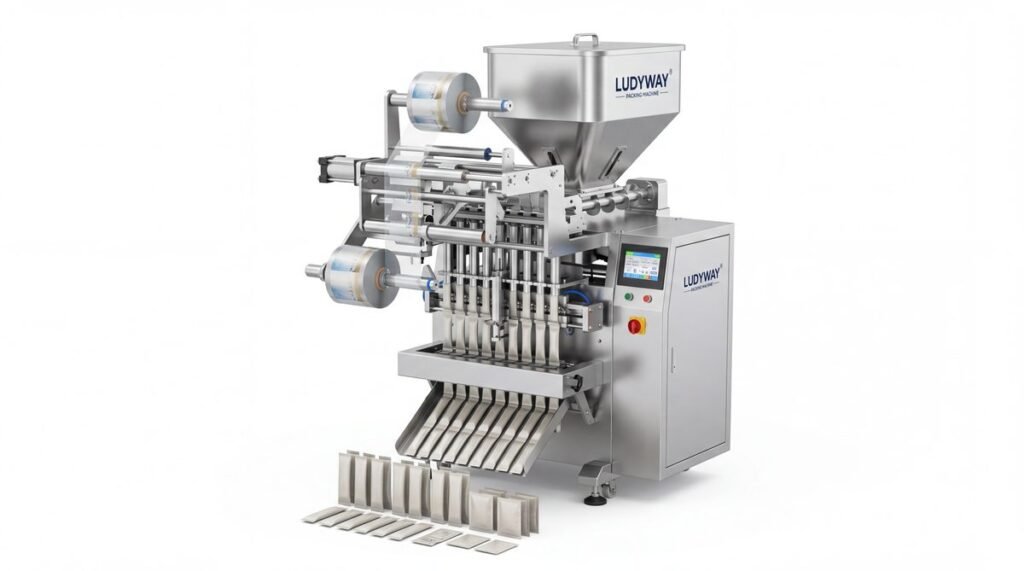
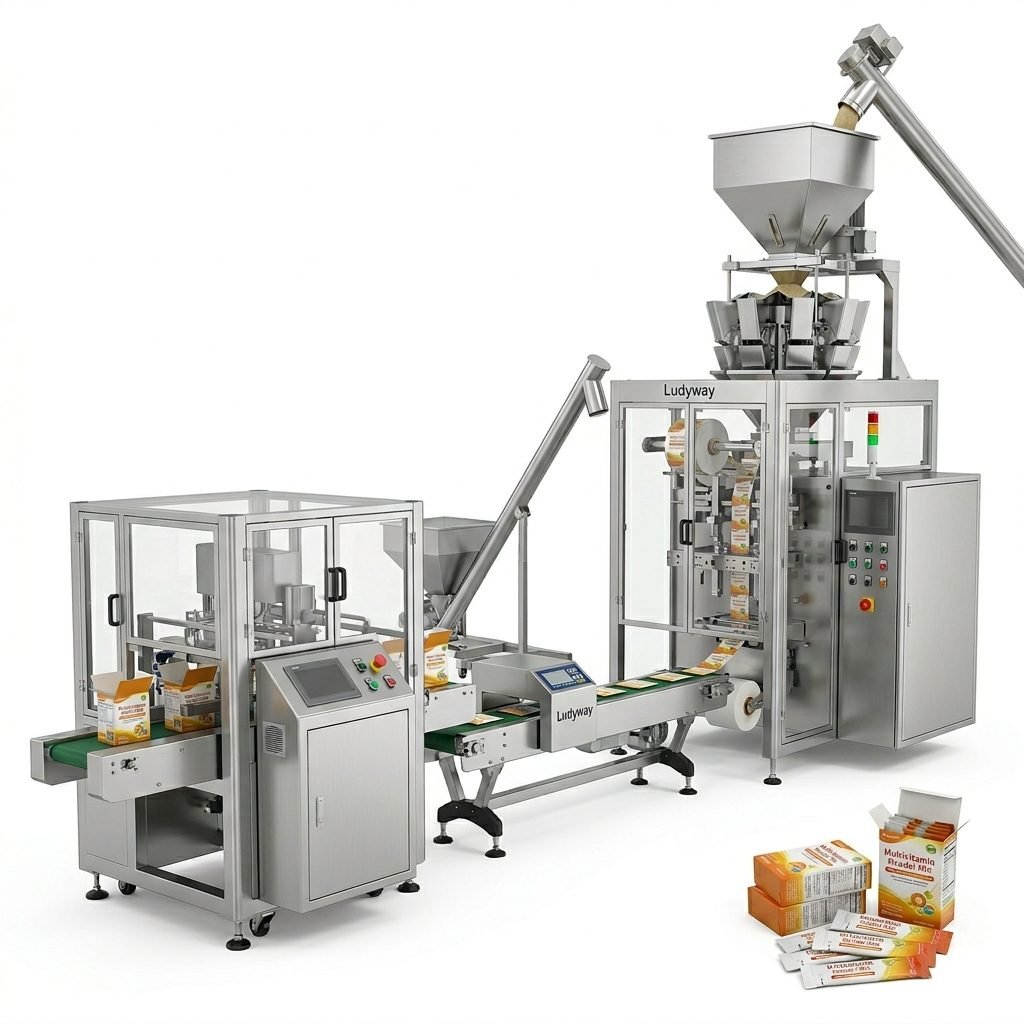
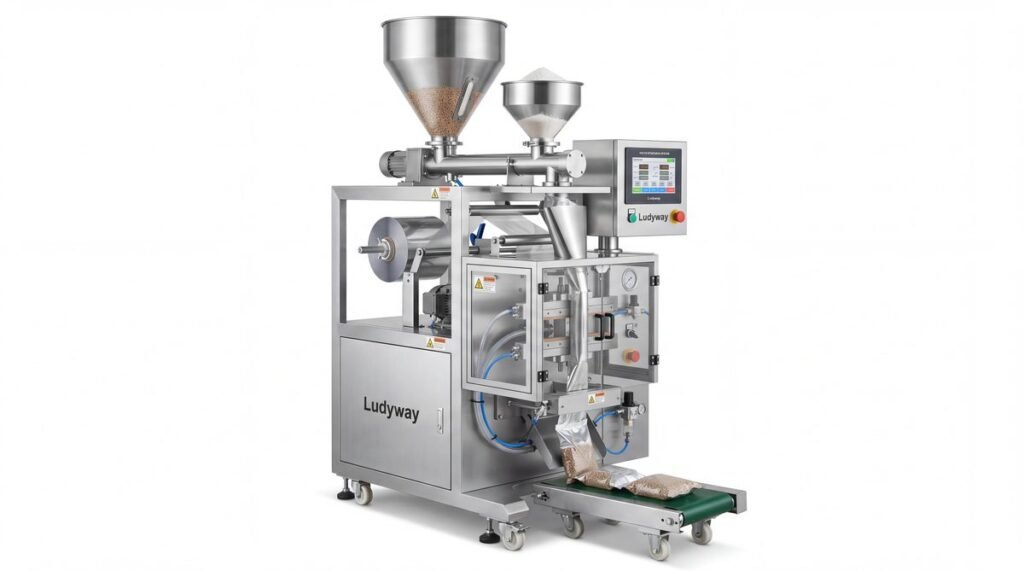
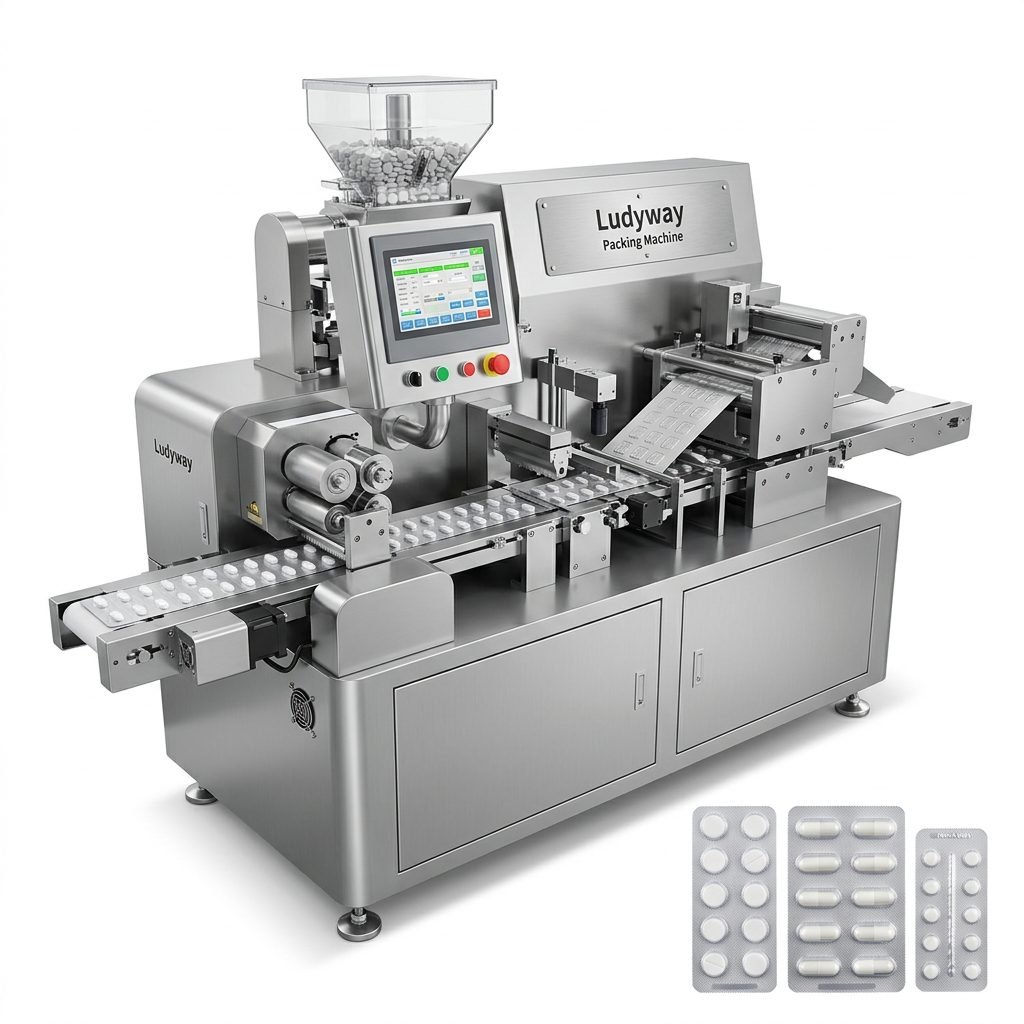
Purchasing a used packing machine is a cost-effective way to expand production capacity, but ensuring reliable performance and a longer service life requires a disciplined maintenance approach. Without proper care, even a well-built packaging machine can develop issues that lead to downtime, inconsistent filling, or costly repairs. This guide outlines the essential maintenance practices every operator and plant manager should follow.

1. Establish a Daily Cleaning and Inspection Routine
Dust, product residue, and debris are the enemies of any used packaging equipment. At the end of each shift, operators should:
- Wipe down all external surfaces with a dry, lint-free cloth to prevent buildup.
- Inspect sealing jaws and heating elements for carbonized residue that can affect seal integrity.
- Clean filling nozzles and hoppers to avoid cross-contamination and clogging.
- Check for loose fasteners, unusual vibrations, or visible wear on belts and chains.
A clean machine is easier to inspect, and early detection of minor issues prevents major failures. Pay special attention to areas where granule, powder, or liquid product tends to accumulate, as these can harden over time and interfere with moving components.
2. Lubricate Critical Moving Parts on Schedule
Friction is a primary cause of premature wear in packing machinery. All bearings, cam followers, linear guides, and chain drives require regular lubrication according to the manufacturer’s specifications. Use only the recommended grease or oil grades, as incompatible lubricants can degrade seals and cause component failure.
Key lubrication points include:
- Sealing jaw pivot points and actuator linkages
- Film unwind shafts and tension roller bearings
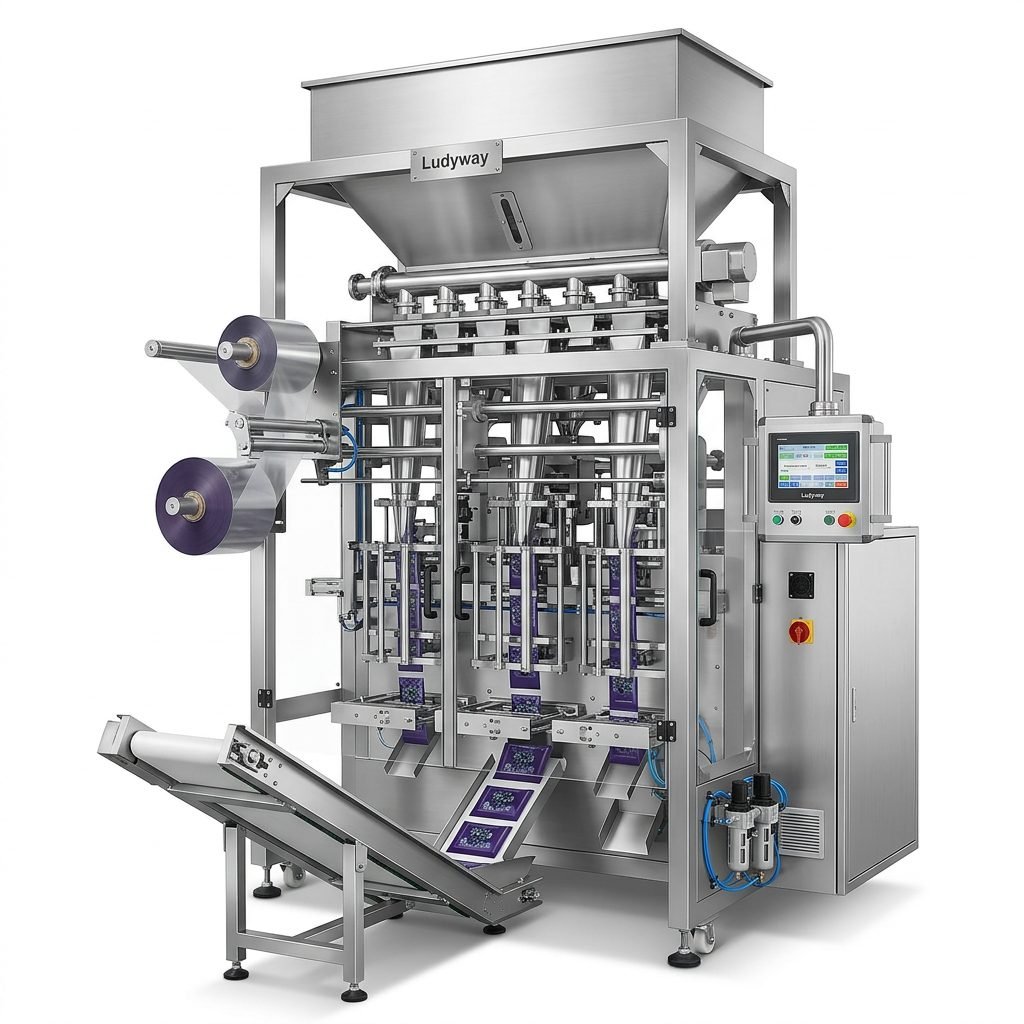
- Forming tube assemblies on vertical form fill seal machines
- Conveyor drive chains and gear reducers
Over-lubrication can be just as damaging as under-lubrication, attracting dust and creating abrasive paste. Follow the recommended intervals and quantities precisely.

3. Perform Regular Electrical and Control System Checks
The electrical system of a used packing machine deserves thorough attention. Over time, connections can loosen, sensors drift, and control components age. A quarterly electrical inspection should cover:
- Tightening all terminal block connections in the control cabinet
- Verifying sensor alignment and responsiveness on film registration, product detection, and safety interlocks
- Checking PLC, HMI, and servo drive parameters against baseline settings
- Inspecting cables and conduits for signs of heat damage or abrasion
Fluctuations in temperature or humidity inside the control panel can lead to intermittent faults that are difficult to diagnose. Ensure ventilation fans and filters are clean and functional at all times.
4. Calibrate and Align with Precision
Calibration drift is common in pre-owned equipment. If your machine produces inconsistent pouch lengths, off-center seals, or inaccurate fill weights, recalibration is likely overdue. Essential calibration tasks include:
- Load cell zeroing and span adjustment for multi-head weighers or auger fillers
- Film tracking alignment to ensure proper registration and minimal waste
- Temperature controller calibration for sealing jaws using an external thermocouple
- Pressure gauge verification on pneumatic systems
Document all calibration values in a logbook. This creates a reference point for future troubleshooting and helps identify gradual shifts before they cause rejected product.
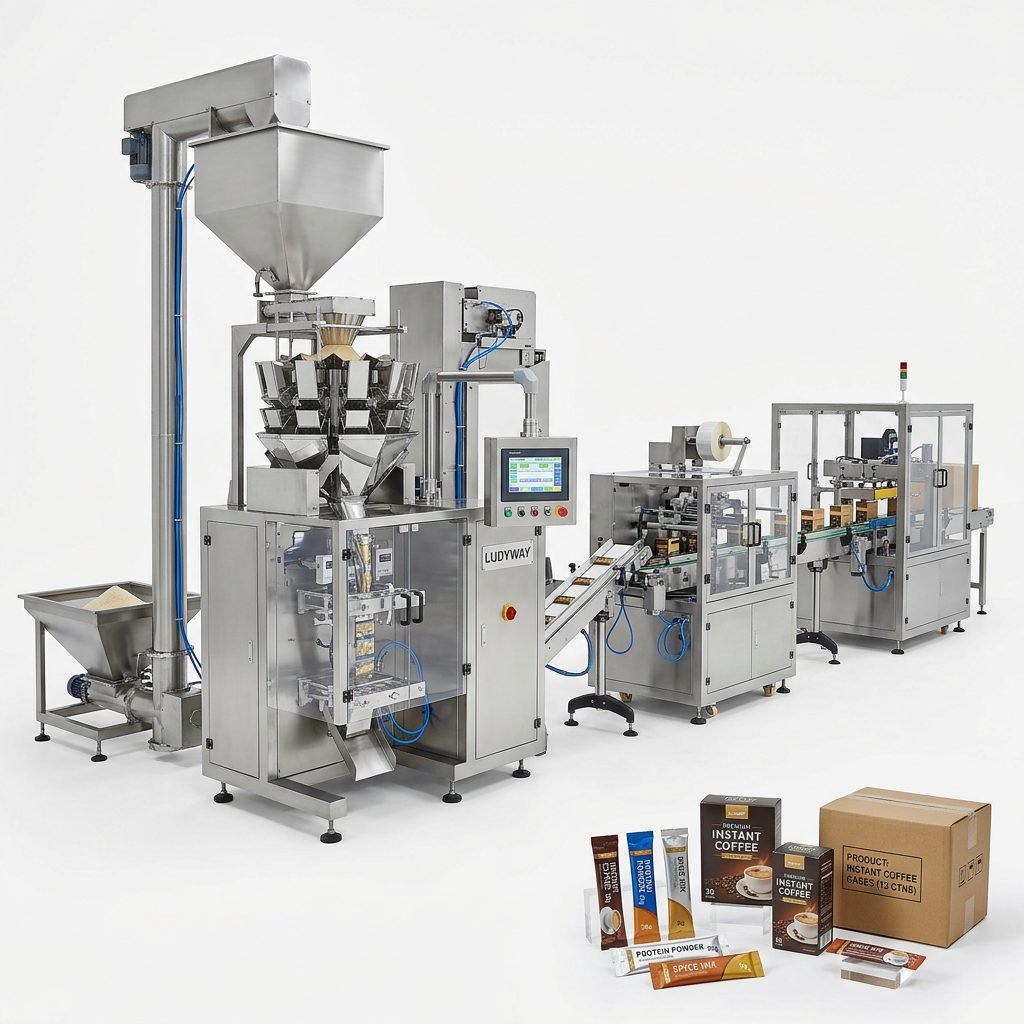
5. Troubleshoot Common Issues Proactively
Recognizing early warning signs saves both time and money. Below is a quick-reference guide for frequent packing machine problems and their likely causes:
| Symptom | Probable Cause | Recommended Action |
|---|---|---|
| Weak or leaking seals | Worn sealing jaws, incorrect temperature, or contaminated film path | Clean jaws, recalibrate temperature, check jaw flatness |
| Inconsistent fill volume | Auger wear, product bridging in hopper, load cell drift | Inspect auger, install agitator if needed, recalibrate weigher |
| Film tracking errors | Misaligned rollers, worn edge guides, tension imbalance | Realign rollers, replace guide bearings, adjust dancer arm |
| Excessive noise or vibration | Loose mounts, worn bearings, unbalanced rotating parts | Tighten all fasteners, replace bearings, check shaft alignment |
6. Follow a Structured Preventive Maintenance Schedule
A disciplined preventive maintenance plan is the backbone of equipment longevity. The table below outlines a recommended schedule for daily, weekly, monthly, and quarterly tasks:
| Frequency | Maintenance Task | Responsible Party |
|---|---|---|
| Daily | Surface cleaning, visual inspection, sensor wipe-down | Machine Operator |
| Weekly | Check belt tension, lubricate accessible fittings, inspect air filters | Maintenance Technician |
| Monthly | Deep clean filling system, test safety interlocks, verify sensor calibration | Maintenance Supervisor |
| Quarterly | Electrical system audit, replace worn wear strips, full lubrication service | Engineering Team |
| Annually | Gearbox oil change, drive belt replacement, comprehensive mechanical inspection | Service Provider or OEM |
7. Know When to Replace Worn Components
Even with excellent maintenance, certain consumable parts have a finite lifespan. Operating a machine with worn components compromises packaging quality and can accelerate damage to adjacent parts. Typical replacement intervals include:
- Sealing jaws and Teflon tape: Every 6–12 months depending on film type and production volume
- Cutting blades and knives: Inspect monthly; replace when cuts become ragged or incomplete
- Drive belts: Replace at first sign of cracking, glazing, or edge fraying
- Rubber rollers and pull belts: Monitor for hardening or loss of grip on film
Keeping an inventory of critical spare parts on hand minimizes downtime when replacements become necessary. Consult the original equipment documentation or reach out to a reputable packaging machine manufacturer for genuine replacement components.
8. Invest in Operator Training and Best Practices
The most sophisticated packaging system can only perform reliably when operated correctly. Well-trained operators are your first line of defense against preventable breakdowns. Training programs should cover:
- Proper machine startup and shutdown procedures to avoid thermal shock or mechanical stress
- Correct film threading paths and tension settings for different packaging materials
- Recognition of abnormal sounds, vibrations, or visual cues that signal developing faults
- Safe clearing of jams and basic troubleshooting without risking injury or damage
Encourage a culture where operators feel responsible for their equipment and empowered to report concerns immediately. Many catastrophic failures result from ignored early warnings.
9. Leverage Professional Servicing and Expert Support
While in-house maintenance teams handle daily and weekly tasks, periodic professional servicing adds another layer of protection. Experienced technicians can identify subtle issues that routine inspections might miss, such as early-stage bearing wear, control system anomalies, or structural fatigue. Companies like Ludyway, one of the largest packaging machine manufacturers in China with over 30 years of industry experience, provide specialized technical support, genuine spare parts, and rebuild services that can extend the useful life of your equipment significantly. Their engineering team supports more than 50 intelligent packaging machine models and serves customers in over 100 countries.
10. Maintain Detailed Service Records
Thorough documentation transforms maintenance from a reactive task into a strategic asset. Every service action, part replacement, calibration adjustment, and unusual observation should be recorded in a machine logbook. Over time, these records reveal patterns that enable predictive maintenance—anticipating failures before they occur based on historical data. Key data points to capture include:
- Date, time, and nature of each maintenance activity
- Parts replaced and their source
- Calibration values before and after adjustment
- Observations on component condition and estimated remaining life
- Downtime duration and root cause analysis for any unplanned stops
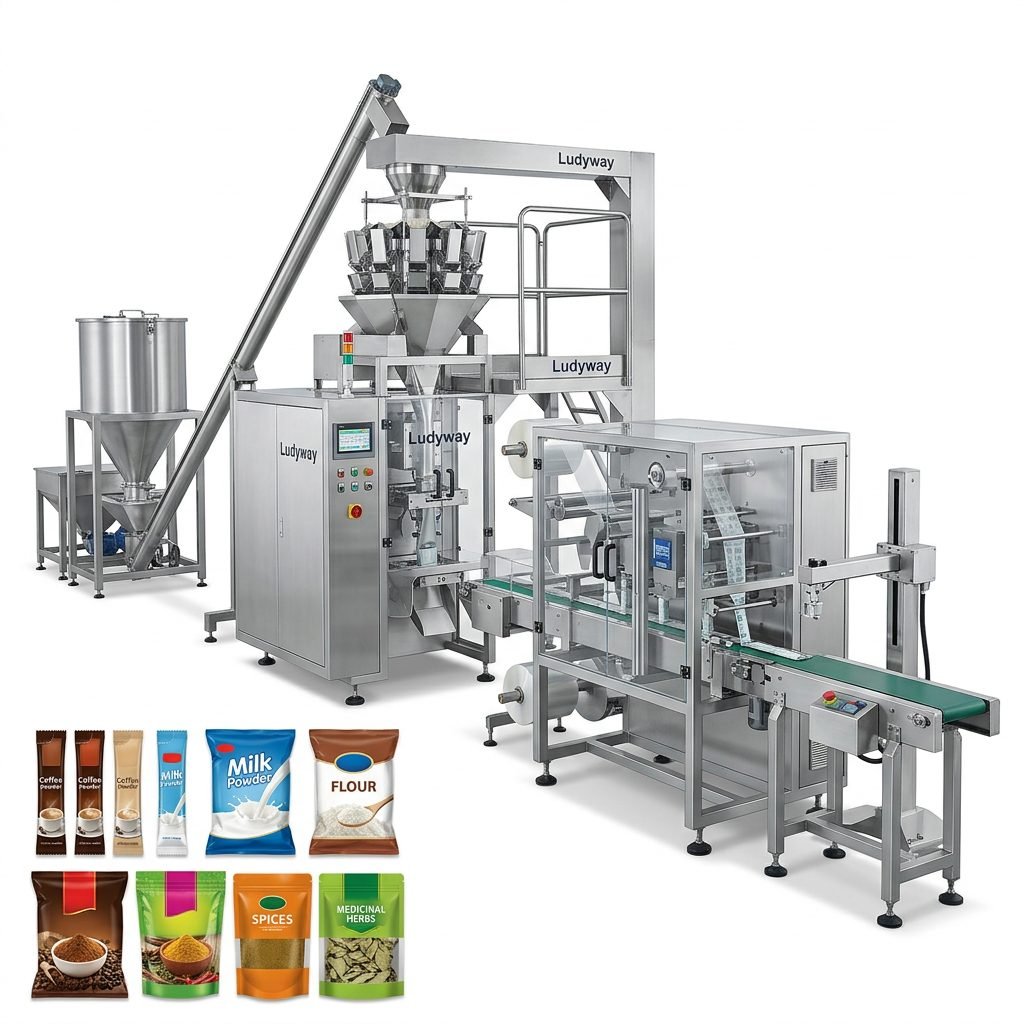
Maintaining a used packing machine for reliable performance and extended service life is not a one-time effort but an ongoing commitment. By combining daily diligence, structured preventive maintenance, operator training, and periodic professional servicing, you can achieve production efficiency that rivals new equipment at a fraction of the investment. The key is consistency—machines that receive regular, thoughtful care reward their operators with years of dependable operation.