Investing in a tea bag packaging machine is a critical decision for tea producers, herbal supplement manufacturers, and contract packagers. The price of these machines varies dramatically based on automation level, speed, format flexibility, and build quality. Understanding what drives costs and what features deliver real value is essential before making a capital equipment purchase. This comprehensive guide breaks down tea bag packaging machine price ranges, key features that impact cost, and practical buying advice to help you choose the right equipment for your production needs.
Tea Bag Packaging Machine Price Overview: What to Expect
The cost of a tea bag packaging machine typically ranges from $15,000 to over $250,000, depending on configuration, speed, and automation level. Entry-level single-lane machines suitable for small businesses and startups fall at the lower end, while high-speed multi-lane packaging systems with integrated weighing, filling, and cartoning capabilities command premium prices. The total investment should also account for installation, training, maintenance, and potential facility modifications.
Price Ranges by Machine Type
| Machine Category | Typical Price Range (USD) | Best Suited For |
|---|---|---|
| Single-Lane Sachet/Stick Pack Machine | $15,000 – $40,000 | Small-scale production, startups, niche tea brands |
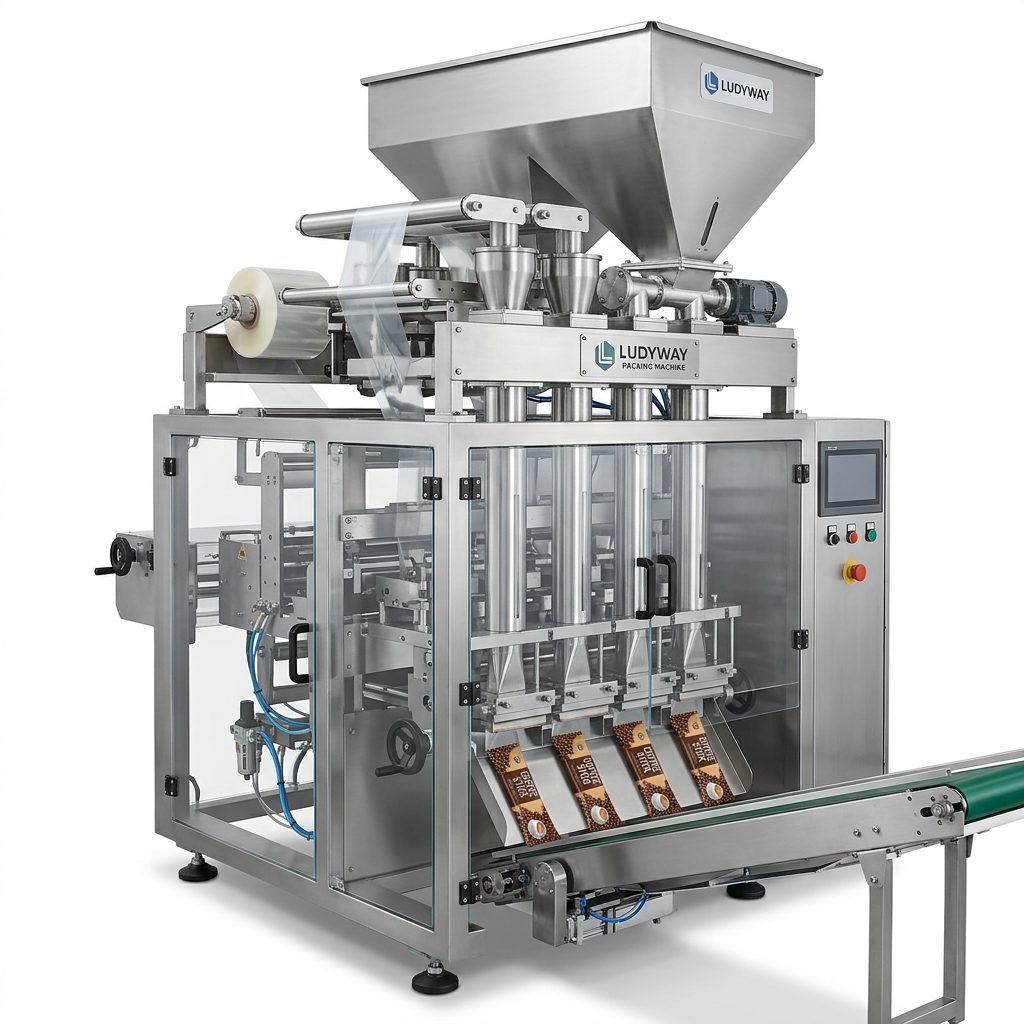
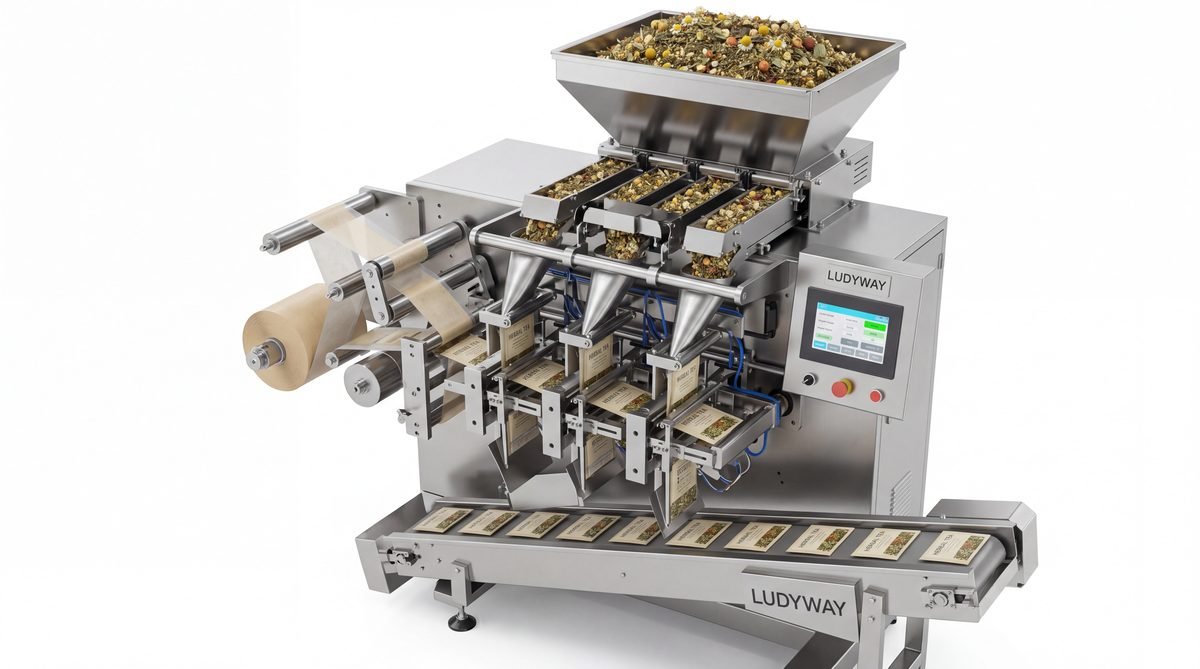
| Multi-Lane Stick Pack Machine (4–8 lanes) | $50,000 – $120,000 | Mid-volume production, co-packing operations |
| High-Speed Multi-Lane System (10–16 lanes) | $120,000 – $250,000+ | Large-scale manufacturing, international brands |
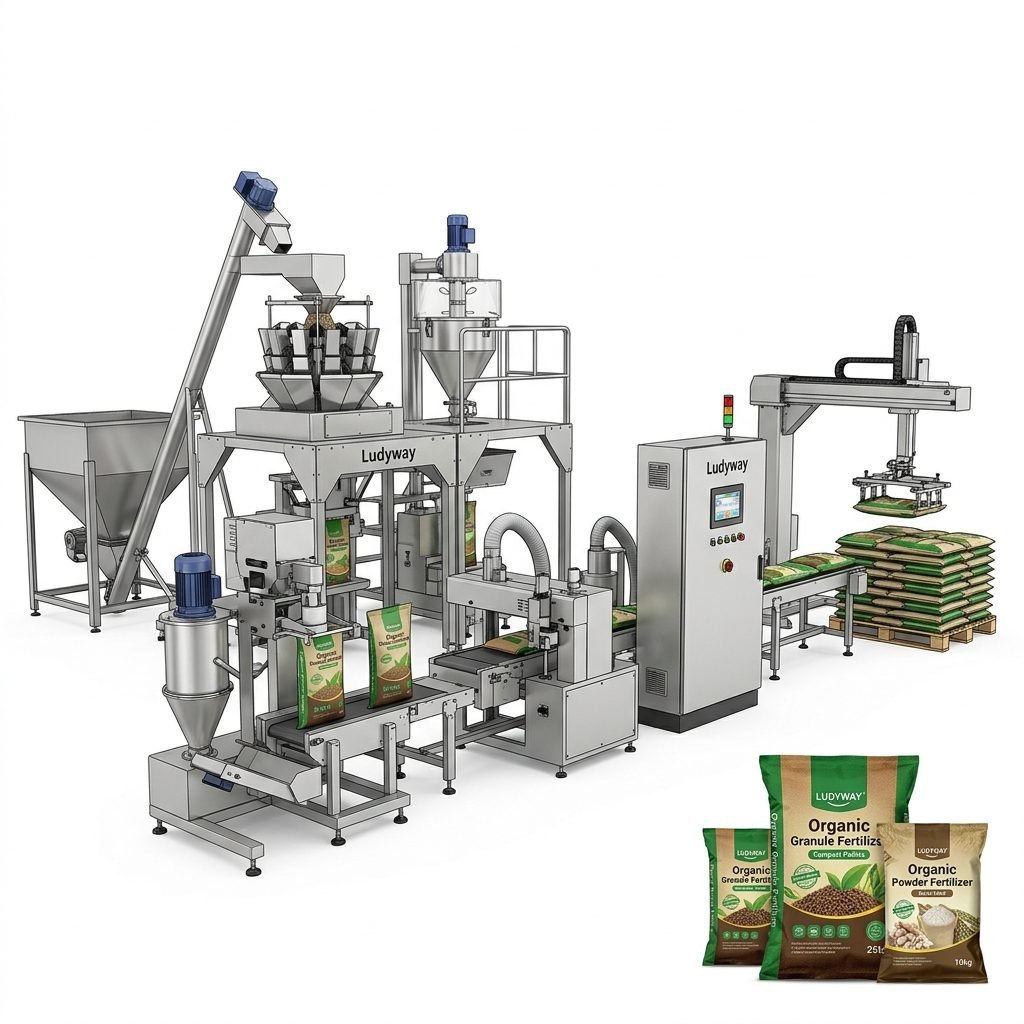
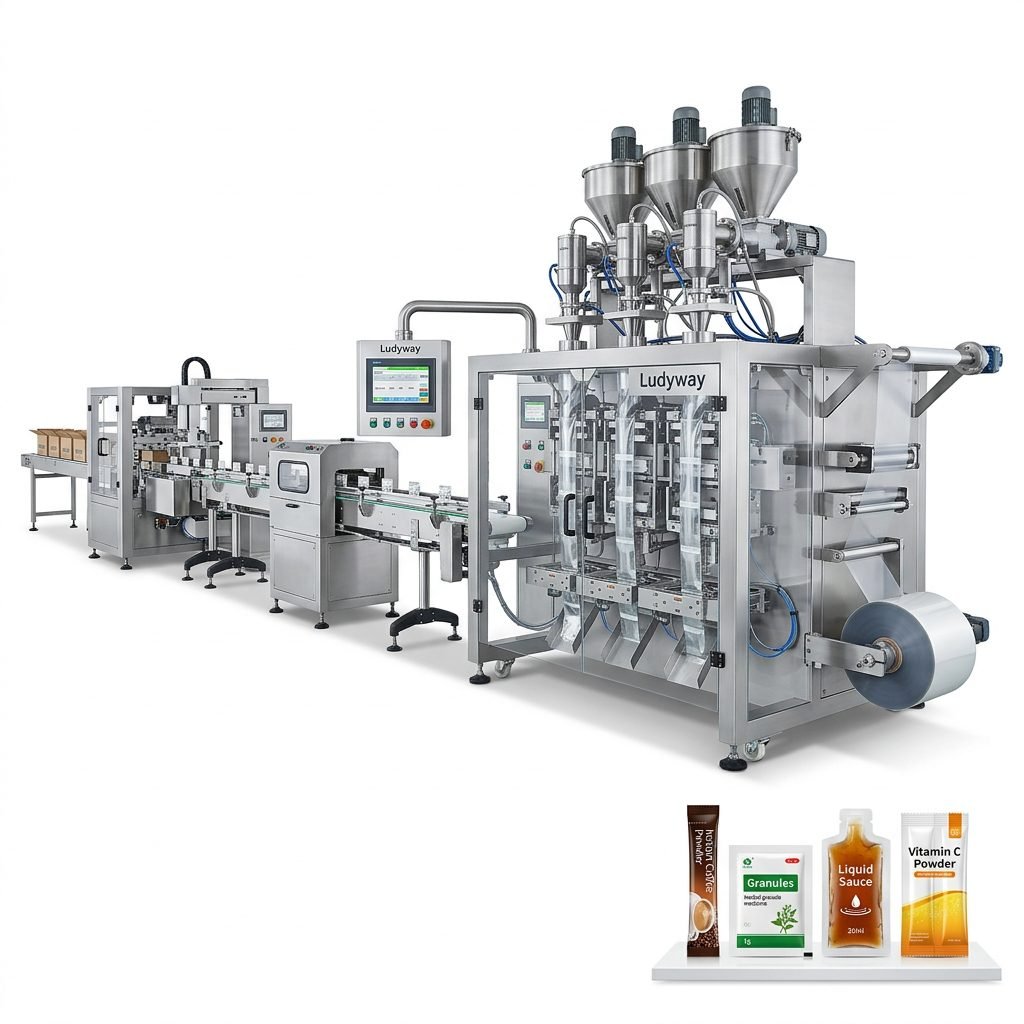
| Fully Integrated Turnkey Packaging Line | $200,000 – $500,000+ | End-to-end automated production facilities |
Key Factors That Influence Tea Bag Packaging Machine Price
Understanding the variables that affect equipment cost helps you make informed decisions and avoid overpaying for unnecessary features. Here are the primary cost drivers:
1. Automation Level and Lane Configuration
The number of lanes directly correlates with output capacity and price. A multi-lane stick pack machine with 8 lanes can produce 400–600 packs per minute, but costs significantly more than a single-lane unit producing 50–80 packs per minute. Higher automation levels reduce labor costs over time but require larger upfront investment.
2. Filling Technology and Precision
Auger fillers, volumetric cup fillers, and multi-head weighers each come with different price points and accuracy levels. Multi-head weighers offer the highest precision for tea granules and powder blends but add $20,000–$60,000 to the total machine cost. For applications requiring extremely accurate dosing of expensive tea ingredients, this investment often pays for itself through reduced product giveaway.
3. Packaging Format Versatility
Machines capable of producing multiple formats—including stick packs, sachets, and flat pouches—typically cost more than single-format machines but provide greater flexibility for product line expansion. Consider whether your business will benefit from format versatility before paying the premium.
4. Construction Materials and Compliance
Stainless steel construction, GMP-compliant design, and washdown capabilities for food-grade production environments add to manufacturing costs. Machines built to meet FDA, EU, or other regulatory standards for food contact materials will be priced higher than basic industrial models. According to FDA food contact substance regulations, packaging equipment must meet specific material safety requirements.

5. Integrated Auxiliary Equipment
Many tea packaging systems include optional modules such as nitrogen flushing systems for extended shelf life, date coding printers, checkweighers, and metal detectors. Each auxiliary component adds to the total system price. The ISO packaging standards provide guidance on quality requirements for integrated packaging systems.
Essential Features to Evaluate in a Tea Bag Packaging Machine
Beyond price, the right machine should deliver reliable performance, consistent seal quality, and operational efficiency. Focus on these critical features during your evaluation:
- Servo-driven sealing mechanisms for precise temperature control and consistent hermetic seals
- Quick-change tooling that enables rapid format changeovers between different bag sizes
- HMI touchscreen controls with recipe storage for multiple product configurations
- Automatic film tracking and tension control to minimize material waste and downtime
- Tear-notch and perforation options for consumer-friendly easy-open packaging
- Gas flushing capability to preserve tea freshness and extend shelf life
- Dust extraction systems for handling fine tea powders without contamination
Comparing Tea Bag Packaging Machine Types
Different machine configurations suit different production scales and tea product formats. Understanding the trade-offs helps align your purchase with actual business requirements.
Stick Pack Machines vs. Sachet Machines
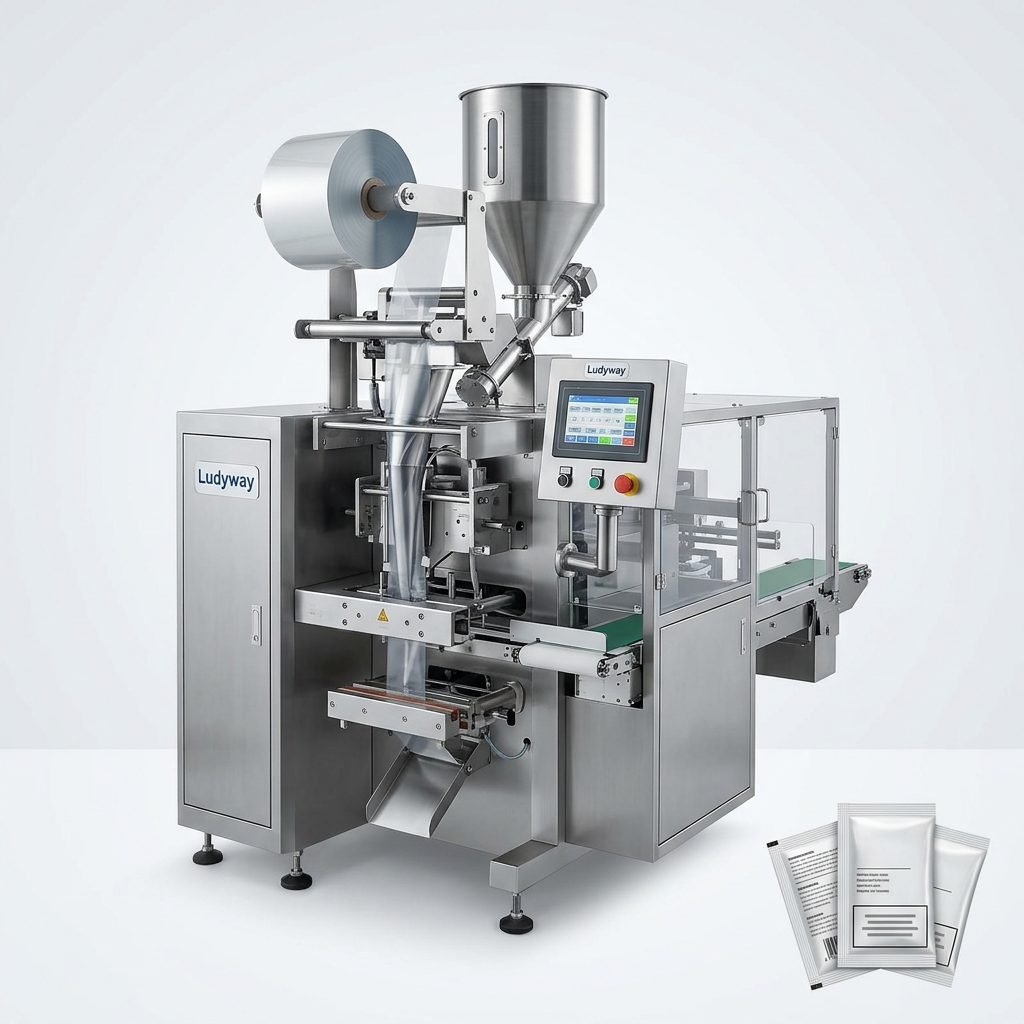
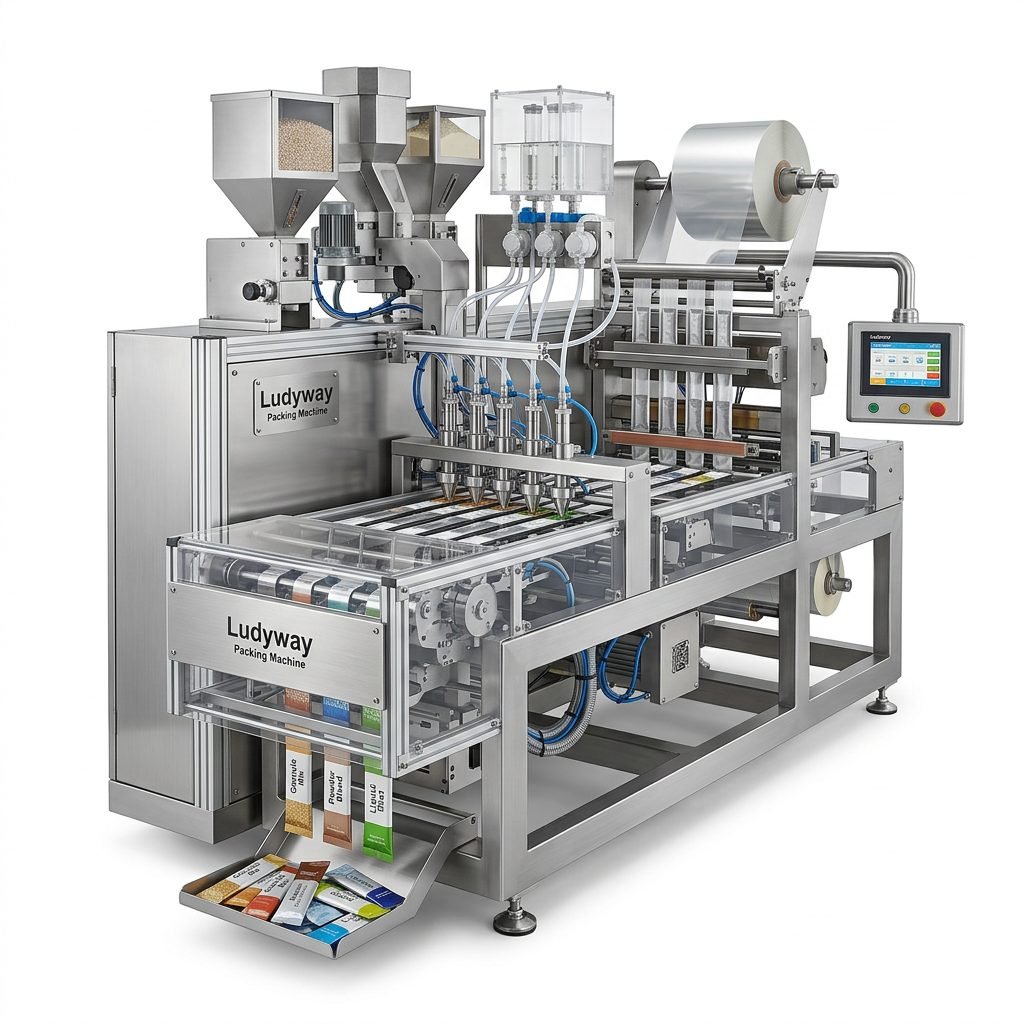
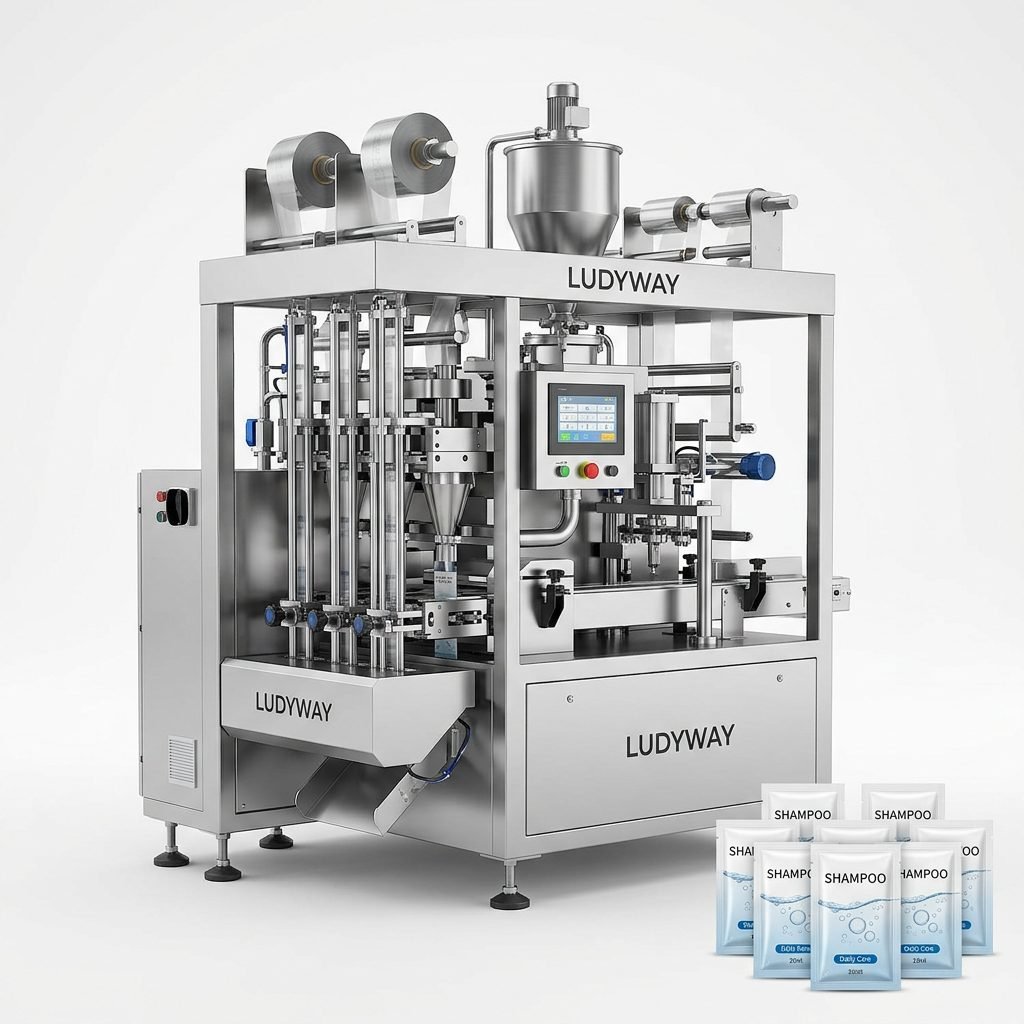
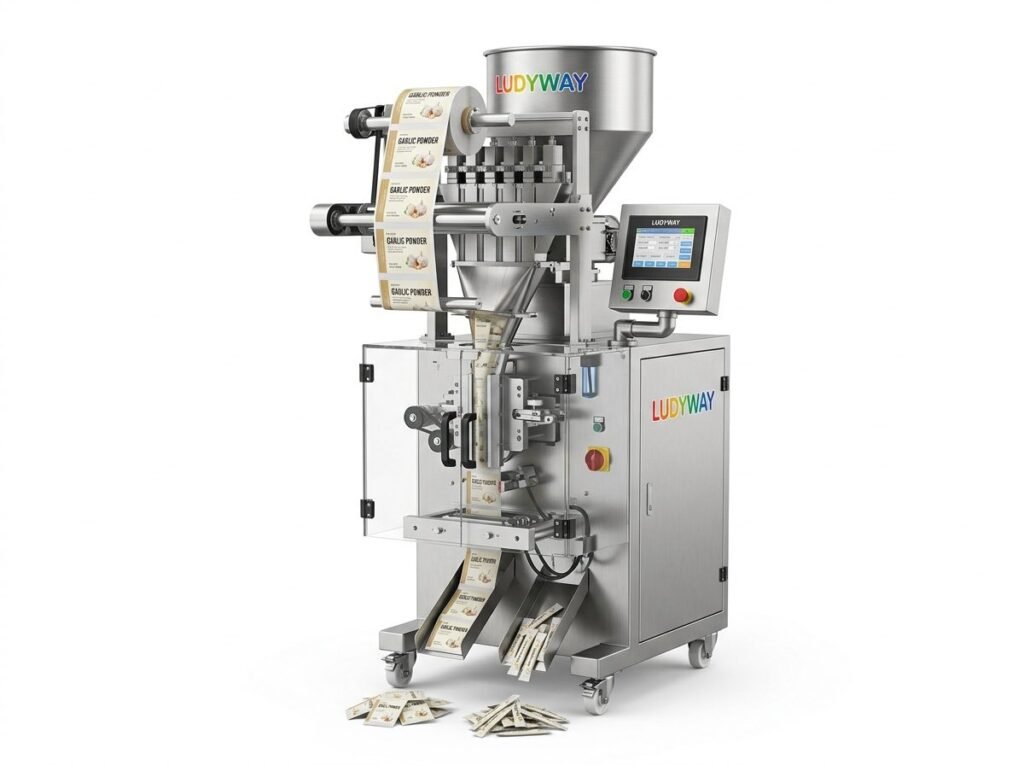
Stick pack machines produce slender, single-serve packages ideal for instant tea powders, matcha, and tea latte mixes. They typically operate at higher speeds than traditional sachet machines. Sachet packaging machines create flat, rectangular pouches suitable for loose leaf tea, herbal blends, and larger portion sizes. Some manufacturers offer dual-format machines capable of producing both styles.
Vertical Form Fill Seal (VFFS) for Tea
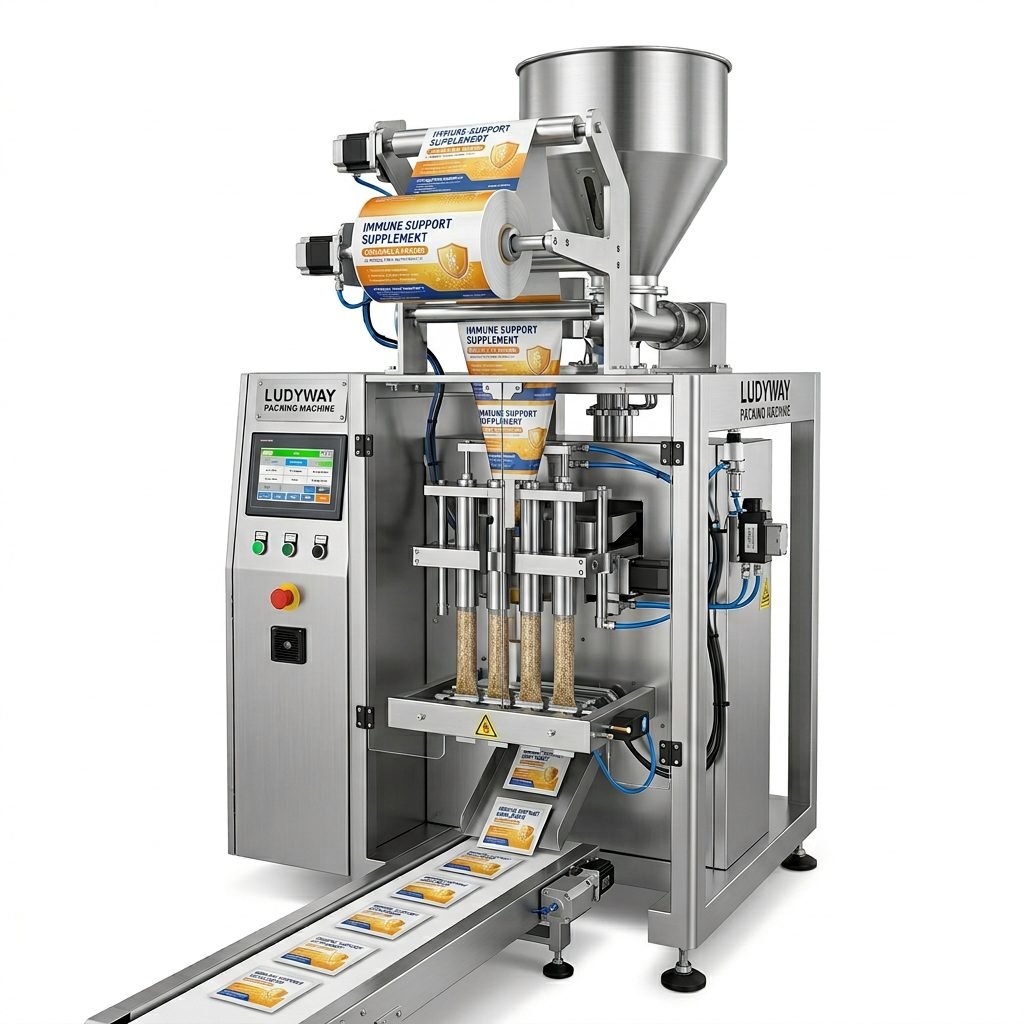
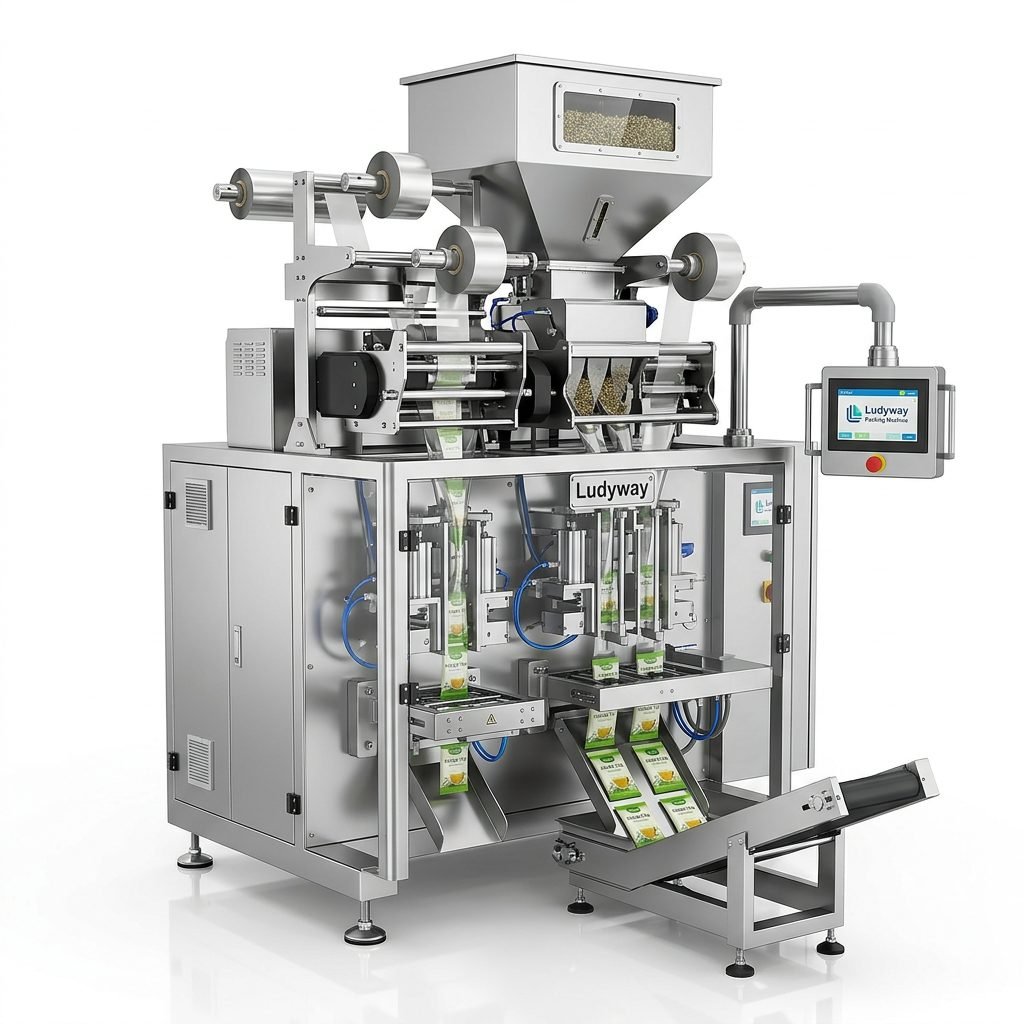
Vertical form fill seal technology dominates the tea packaging industry because it efficiently forms bags from roll stock film, fills product, and seals in a continuous vertical motion. VFFS machines are available in intermittent and continuous motion variants, with continuous motion models delivering the highest throughput for large-scale production.
Buying Guide: How to Select the Right Tea Bag Packaging Machine
Making the right equipment investment requires systematic evaluation of your production requirements, budget constraints, and growth plans. Follow this structured approach:
Step 1: Define Your Production Requirements
Calculate your current and projected output volumes, including peak season demands. Determine your target pack sizes, film materials, and any special features like resealable zippers or hanging holes. Document all product variations you plan to run on the machine.
Step 2: Evaluate Total Cost of Ownership
Look beyond the initial purchase price. Consider energy consumption, spare parts availability, maintenance requirements, and operator training costs. A slightly more expensive machine with higher efficiency and lower operating costs often delivers better long-term value than a budget alternative. The PMMI business intelligence resources provide valuable industry benchmarks for packaging equipment ROI analysis.
Step 3: Assess Supplier Capabilities
Choose a manufacturer with proven experience in tea packaging applications. Look for suppliers who offer factory acceptance testing, installation support, and comprehensive after-sales service. Companies like Ludyway, with over 30 years of industry expertise and a 20,000㎡ manufacturing facility, provide the engineering depth and global support network that ensure long-term equipment reliability and responsive technical assistance.

Step 4: Request Detailed Proposals and Testing
Before finalizing your purchase, request video demonstrations or in-person machine trials with your actual tea products. Verify seal integrity, fill accuracy, and production speed claims under realistic operating conditions. Ask for references from customers producing similar tea products.
Step 5: Plan for Installation and Training
Factor in facility preparation, utility connections, and operator training when budgeting for your equipment purchase. Proper installation and comprehensive training significantly reduce startup time and prevent costly operational errors. Review the Flexible Packaging Association resources for industry best practices on packaging line integration and workforce development.
Common Questions About Tea Bag Packaging Machine Investment
Prospective buyers frequently ask about financing options, lead times, and technology trends. Most packaging machinery manufacturers offer flexible payment terms, including Letters of Credit and installment plans. Typical lead times range from 8 to 16 weeks for standard models, with custom configurations requiring additional engineering time. For the latest packaging machinery market data and industry forecasts, consult the PMMI State of the Industry report which tracks packaging equipment trends and capital spending patterns across food and beverage sectors.

A well-chosen tea bag packaging machine is a strategic asset that drives productivity, ensures product quality, and supports brand growth. By understanding the factors that influence tea bag packaging machine price and rigorously evaluating your options against operational requirements, you can make a confident investment that delivers measurable returns for years to come. Whether you need a compact single-lane starter unit or a fully integrated high-speed packaging line, prioritizing build quality, supplier expertise, and after-sales support will protect your investment and keep your production running smoothly.