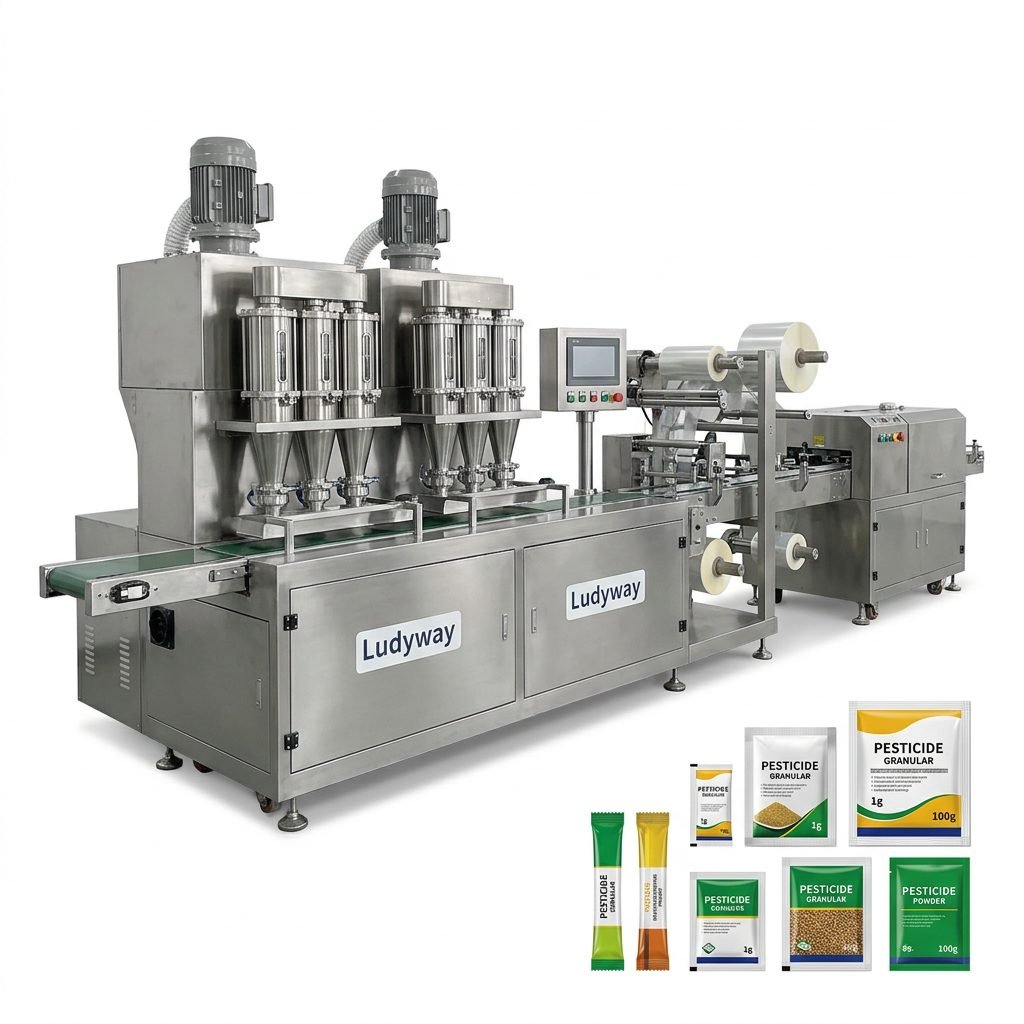
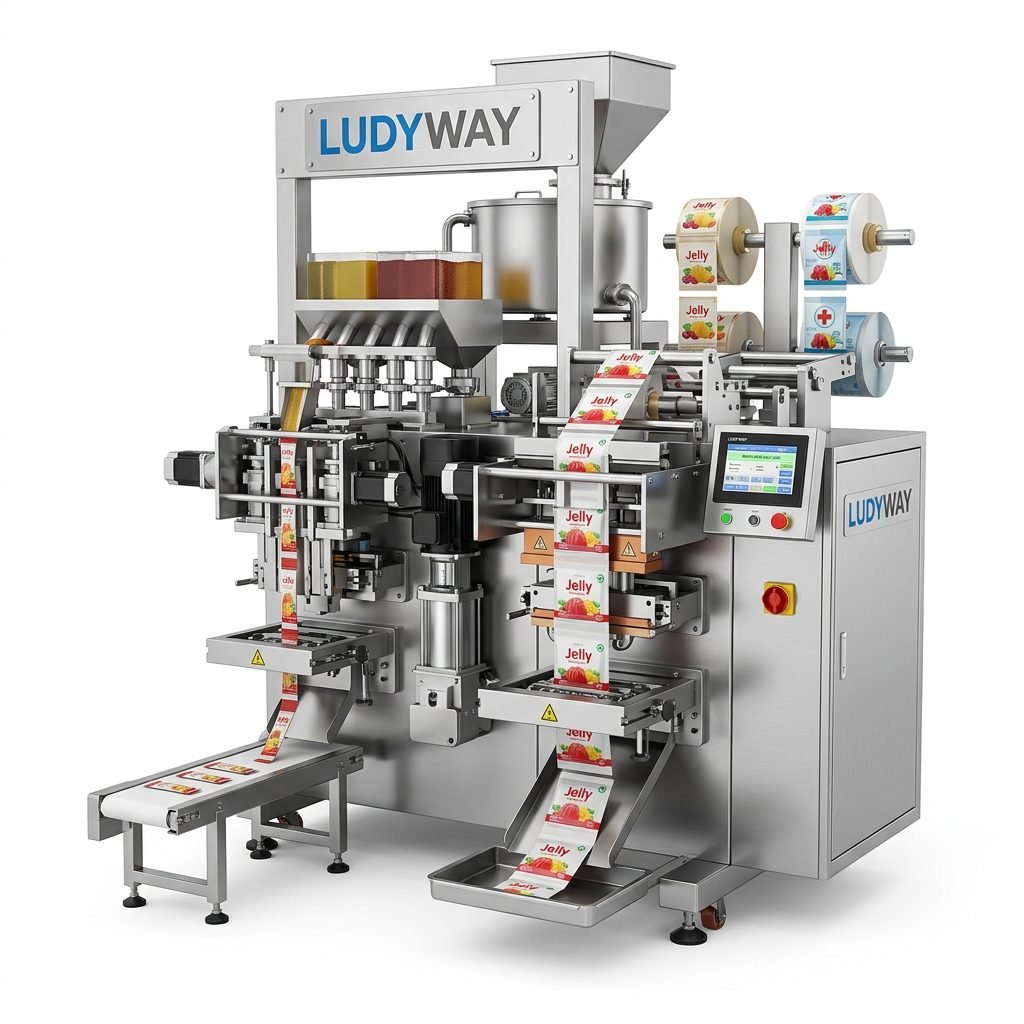
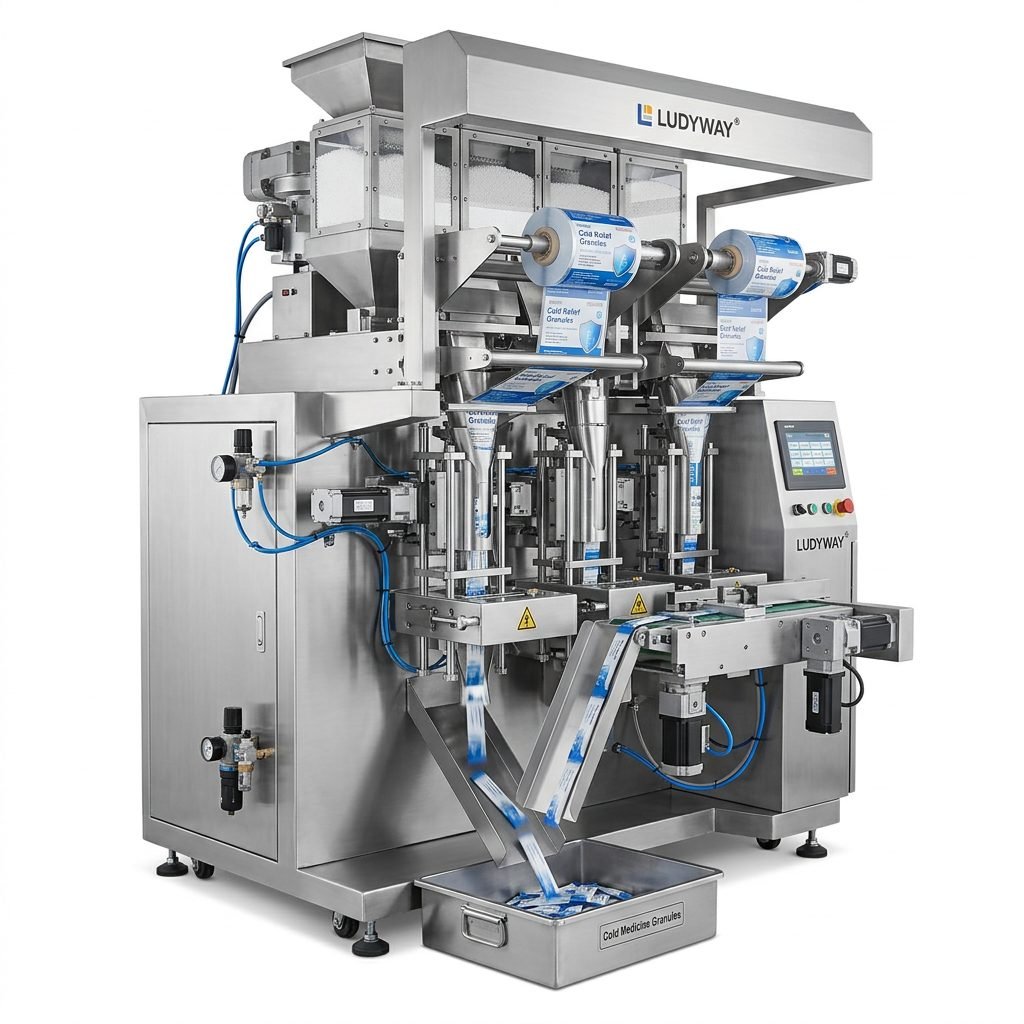
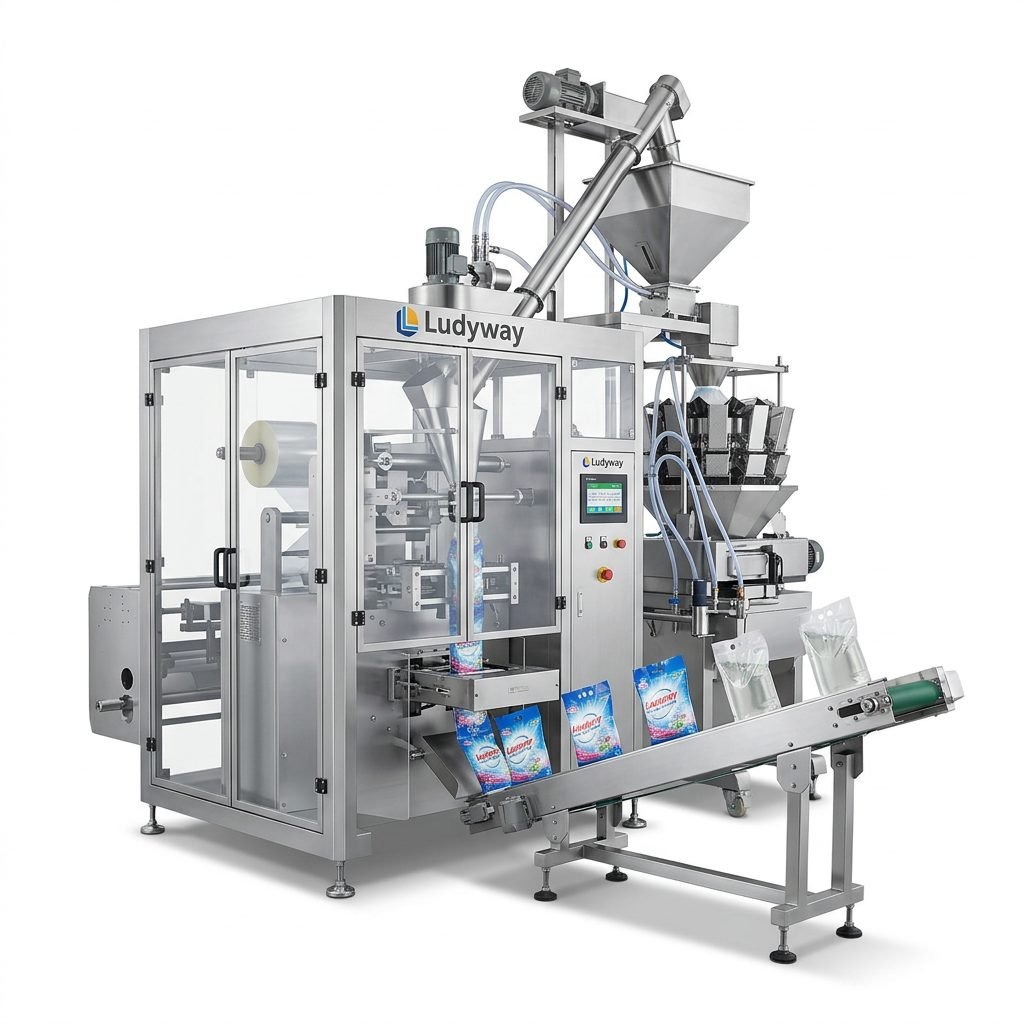
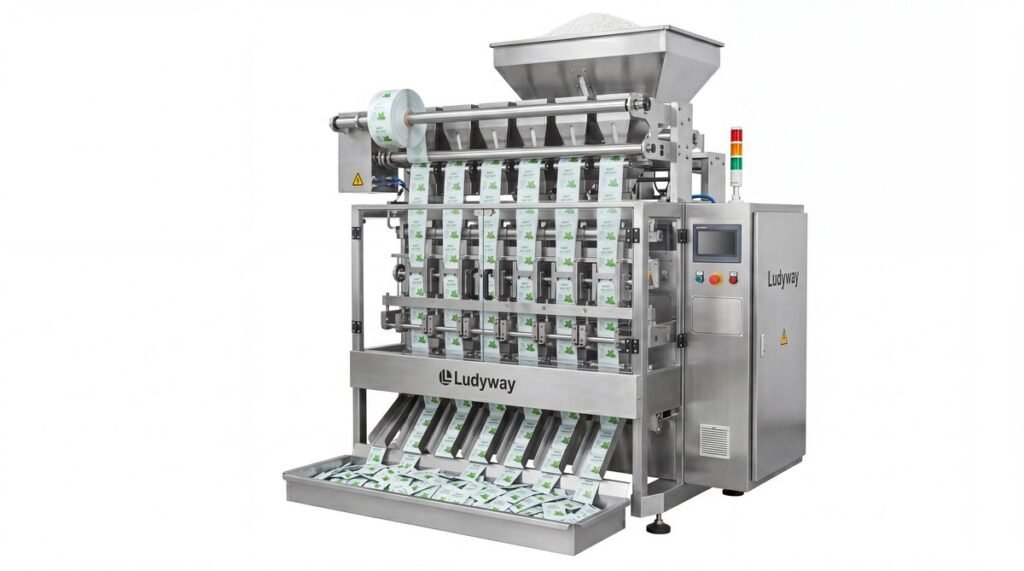
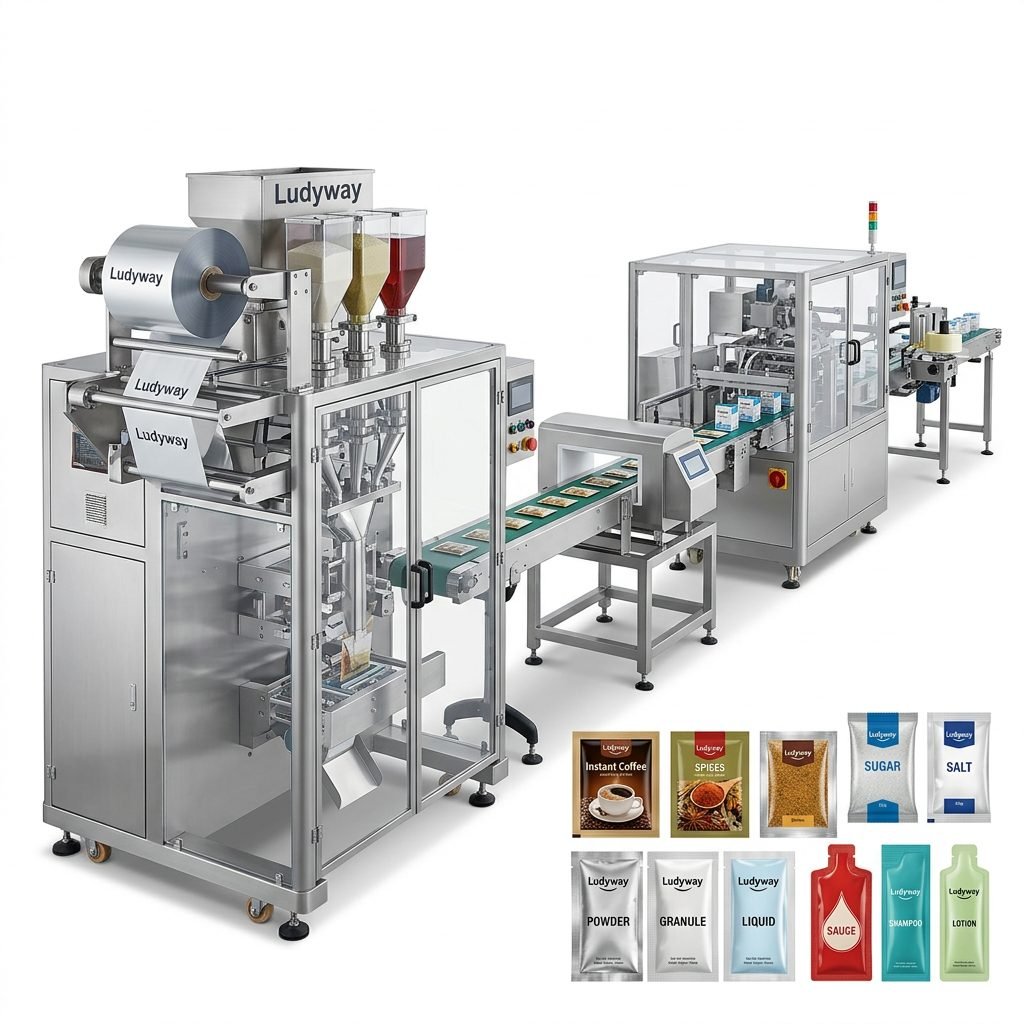
The global market for flexible packaging continues to expand, driving strong demand for efficient tea polythene cover packing machines. For businesses looking to invest in automated packaging equipment, understanding the cost structure is essential for budgeting and planning. A dedicated tea packaging machine typically integrates film unwinding, bag forming, filling, sealing, and cutting into one continuous process, using polythene or laminate films to create protective covers for tea products.
Key Factors That Influence Machine Cost
The price of a tea polythene cover packing machine is not fixed. It varies significantly based on several technical and commercial parameters. Before requesting a quotation, it is helpful to understand what drives the final price.
- Automation Level: Semi-automatic models are more affordable, while fully automatic systems with servo-driven controls and PLC touch screens cost more but dramatically increase output.
- Production Speed: Machines capable of producing 60-80 packs per minute naturally fall into a higher price bracket compared to basic models running at 15-25 packs per minute.
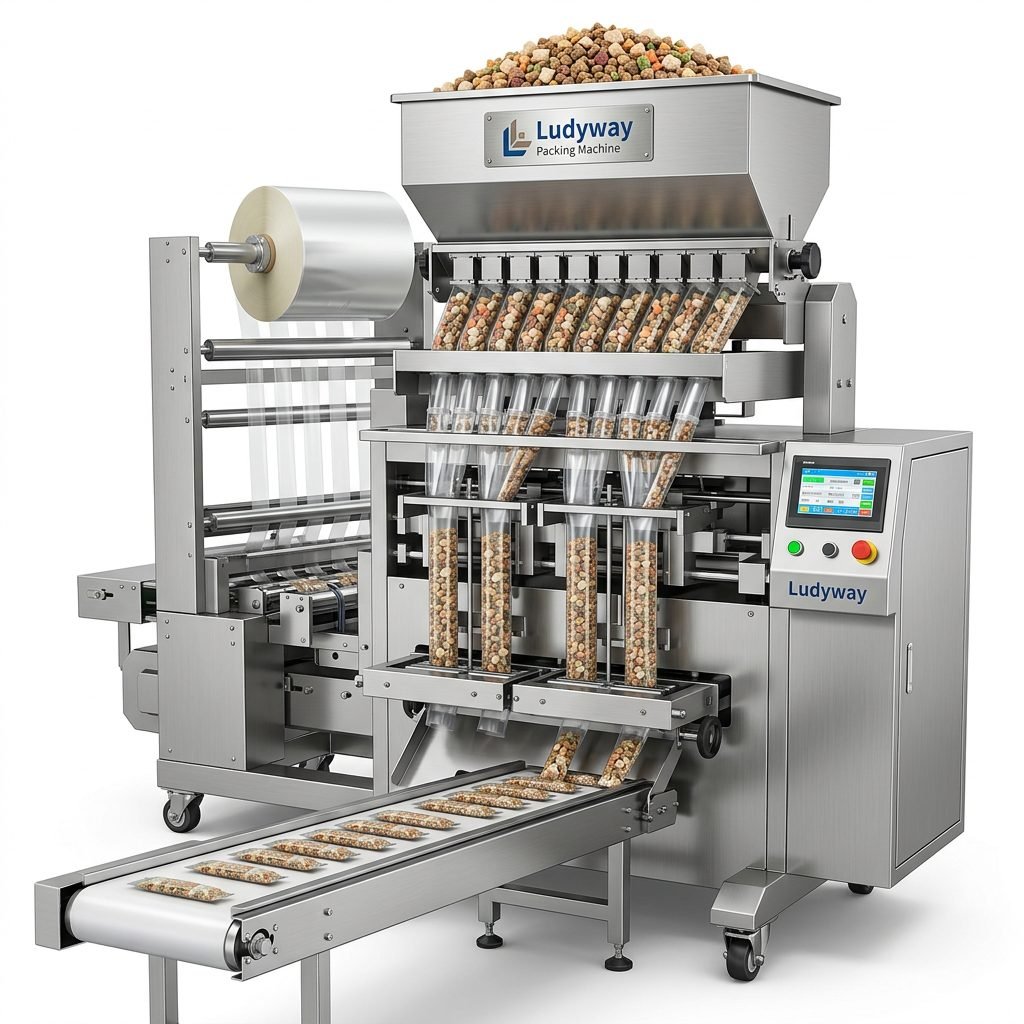
- Multi-Lane Configuration: Multi-lane stick pack or sachet machines can simultaneously produce multiple lanes of tea packs, raising the investment cost but multiplying throughput proportionally.
- Filling System Type: Volumetric cup fillers, auger fillers for powder tea, and multi-head weighers for granular tea all influence the machine price due to different precision levels and component costs.
- Material Construction: Machines built with 304 or 316 stainless steel for food-grade compliance cost more than those with mild steel frames, but they ensure hygiene and durability for tea packaging.
- Brand & Origin: Equipment manufactured in Germany, Japan, or Italy typically commands premium pricing compared to high-quality machines from experienced Chinese manufacturers.
Price Range Overview by Machine Type
The cost of a tea polythene cover packing machine can range from under $10,000 for basic entry-level units to over $80,000 for high-speed, multi-lane automated systems. The table below provides a general reference for different machine categories in the current market.

| Machine Configuration | Speed Range (packs/min) | Estimated Cost (USD) |
|---|---|---|
| Small Semi-Automatic Single Lane | 10–25 | $6,000 – $15,000 |
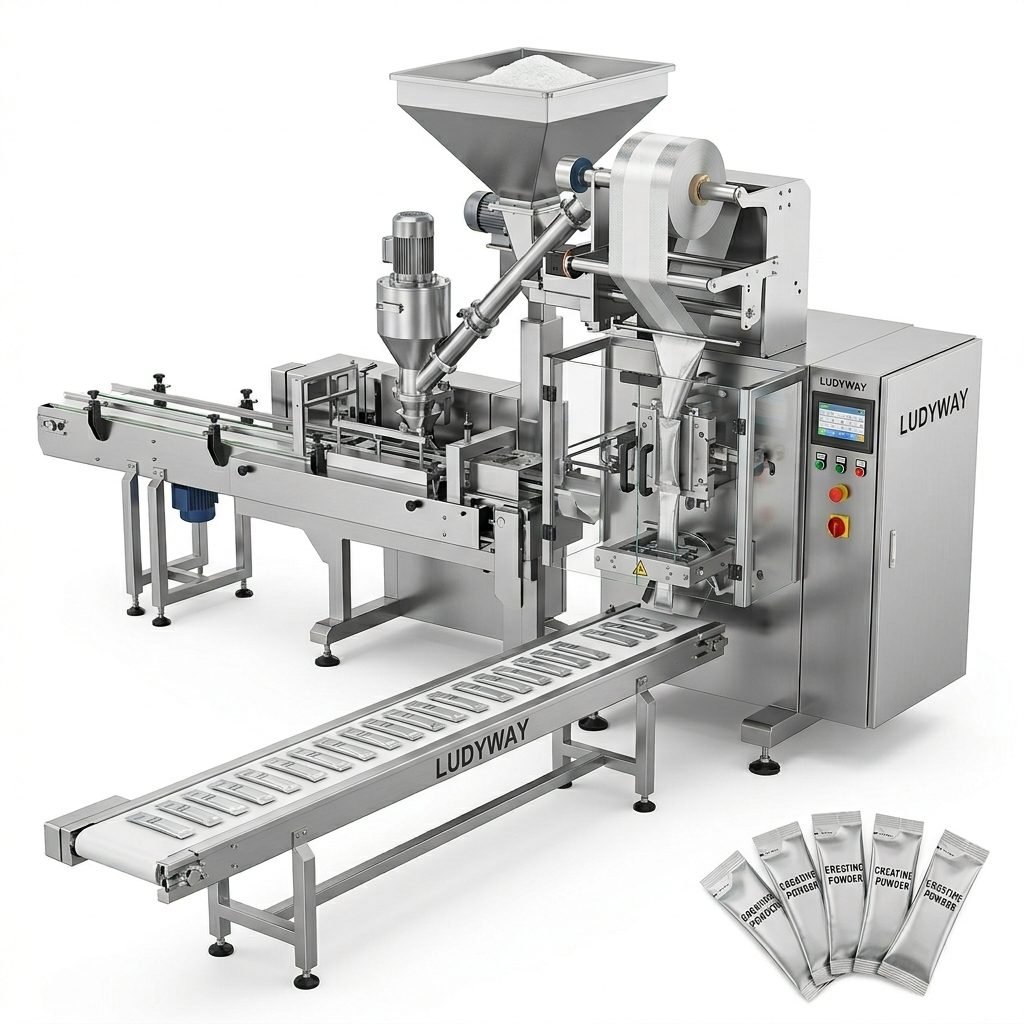
| Automatic Single Lane Sachet/Stick Pack | 30–60 | $12,000 – $28,000 |
| Multi-Lane Stick Pack (4-6 lanes) | 120–240 | $35,000 – $60,000 |
| Multi-Lane Stick Pack (8-12 lanes) | 300–600 | $50,000 – $85,000 |
| Complete Turnkey Tea Packaging Line | Custom | $80,000 – $200,000+ |
Additional Cost Considerations Beyond the Machine Price
When calculating the total investment for a tea polythene cover packing machine, do not overlook the following associated expenses that impact the overall project budget.
- Freight and Shipping: International shipping costs for heavy machinery can add several thousand dollars, depending on the destination port and incoterms.
- Import Duties and Taxes: Customs tariffs vary by country; consulting a local customs broker helps estimate these charges before ordering.
- Installation and Commissioning: On-site setup and training by factory engineers typically adds $1,500 to $5,000, plus travel expenses.
- Spare Parts Kit: A recommended set of wear parts (sealing jaws, cutting blades, belts, sensors) usually costs between $500 and $2,500.
- Auxiliary Equipment: Air compressors, product conveyors, date coders, and checkweighers are often required for complete line integration.

Single Lane vs. Multi-Lane: Cost vs. Capacity
Choosing between a single lane and multi-lane packaging machine is a critical decision. A single lane automatic machine at $15,000 may produce 40 packs per minute, while a 6-lane model at $45,000 can produce 240 packs per minute. The capital cost per lane decreases significantly in multi-lane configurations, making them more economical for large-scale tea producers aiming for high-volume output.
Typical Configuration for a Tea Polythene Cover Packing Machine
A standard automatic tea packaging machine from a reputable manufacturer includes several core components that collectively determine functionality and price. Understanding this configuration helps buyers evaluate quotations more accurately.
- Vertical Form Fill Seal (VFFS) Unit: The core mechanism for forming polythene film into a tube and creating the cover around the tea product.
- Precision Filling System: Auger filler for tea powder, volumetric cup filler for granular tea, or multi-head weigher for leaf tea blends.
- Sealing Mechanism: Heat-sealing jaws that create airtight longitudinal and transverse seals, often with serration or tear-notch options for easy opening.
- PLC Control Panel: Touch screen interface for adjusting bag length, filling volume, sealing temperature, and production speed with recipe storage.
- Film Registration System: Photoelectric sensor to maintain accurate registration of pre-printed film designs with precise bag cutting.
- Safety Features: Emergency stop buttons, safety guards, and CE-certified electrical components for operator protection.

How Packaging Material Affects Operating Costs
The polythene cover material itself represents an ongoing operating cost that should be factored into long-term planning. Film thickness, material composition, and whether the film is pre-printed or plain all affect per-pack material costs.
- Single-layer LDPE film: Economical, suitable for basic tea protection with typical thickness of 40-60 microns.
- Multi-layer laminate film: Higher cost but provides superior barrier properties against moisture and oxygen, extending tea shelf life.
- Pre-printed film: Adds branding value but increases material cost; requires precise registration control on the machine.
- Kraft paper/PE combinations: Growing in popularity for eco-friendly positioning, typically more expensive than plain polythene.
Return on Investment Considerations
Evaluating a tea polythene cover packing machine purely on purchase price misses the bigger picture. A machine costing $25,000 that replaces 3-4 manual workers can often pay for itself within 12 to 24 months through labor savings alone. Additional returns come from reduced material waste, higher production consistency, and improved pack quality that supports brand premium positioning. For high-output operations, faster multi-lane machines accelerate this payback period significantly.
Choosing a Reliable Supplier
Equipment cost should always be balanced against manufacturer reputation, after-sales support, and machine longevity. Experienced packaging machine manufacturers like Ludyway offer a comprehensive range of tea packaging solutions, from compact single-lane models to high-speed multi-lane stick pack and sachet systems, backed by technical expertise and global service support. Requesting detailed technical specifications, video demonstrations, and client references before purchasing helps ensure the chosen machine aligns with production requirements and long-term growth plans.
Market Trends Influencing Tea Packaging Machine Pricing
The packaging machinery market continues to evolve, with several trends shaping both equipment design and cost structures for tea polythene cover packing machines. Recent reports from PMMI Business Intelligence highlight steady growth in flexible packaging equipment demand globally.
- Servo Motor Technology: Increased adoption of servo-driven systems improves precision and reduces mechanical wear, though it raises initial machine cost.
- Industry 4.0 Integration: Smart features like remote monitoring, OEE tracking, and predictive maintenance add cost but improve operational efficiency.
- Sustainability Demands: Machines capable of running recyclable mono-material films and thinner gauges are increasingly required, sometimes at higher engineering cost.
- Compact Footprint Models: Space-saving designs for smaller production facilities are gaining popularity, with manufacturing costs varying by configuration.
Questions to Ask Before Requesting a Quote
To receive accurate pricing for a tea polythene cover packing machine, be prepared to discuss the following specifications with potential suppliers.
- What is the target production output per minute or per shift?
- Is the tea product in granule, powder, or leaf form?
- What are the desired bag dimensions (width and length range)?
- Is the film material plain or pre-printed?
- Are additional features like nitrogen flushing, date coding, or tear notches required?
- What are the local electrical specifications (voltage, phase, frequency)?
Understanding these variables and communicating them clearly will ensure that quotations are comparable and that the selected machine delivers the expected performance. Investing time in thorough specification definition before procurement often results in a more cost-effective and suitable machinery choice for long-term tea packaging operations.