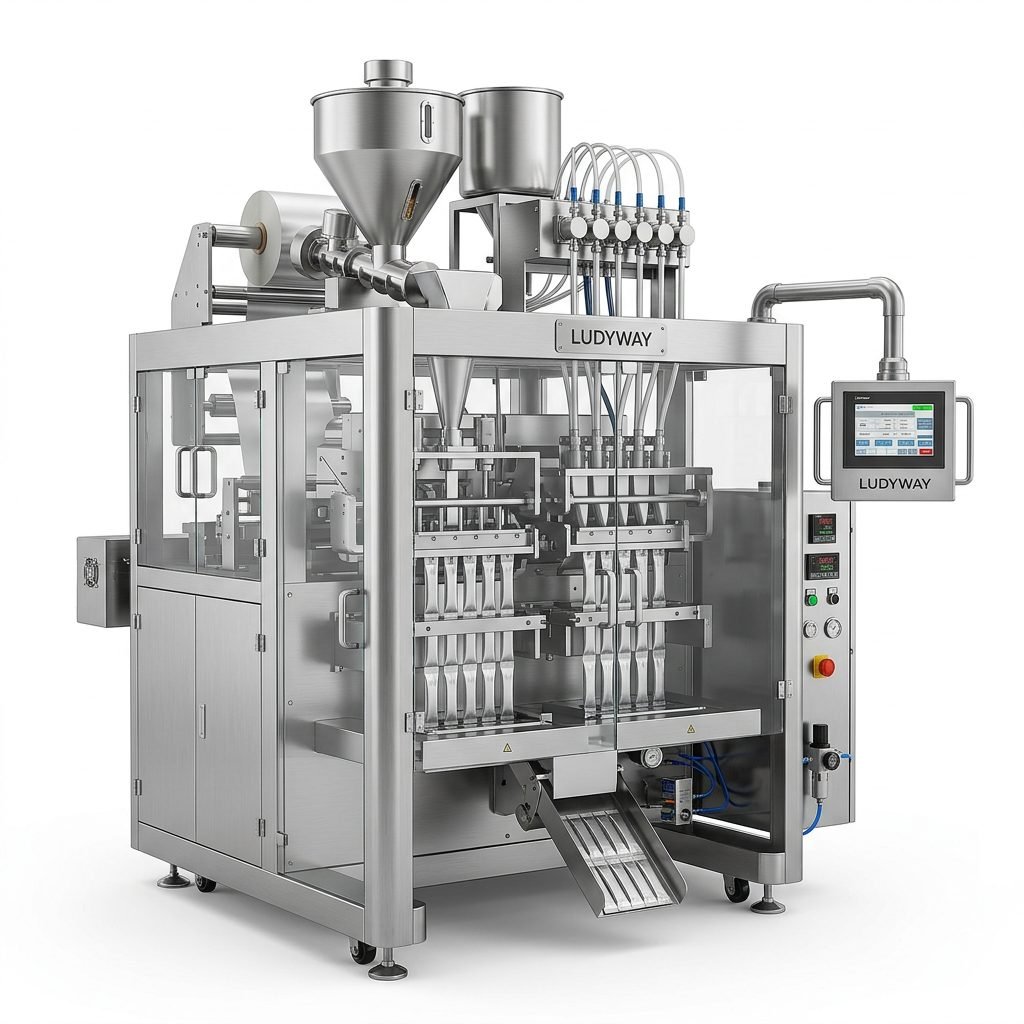
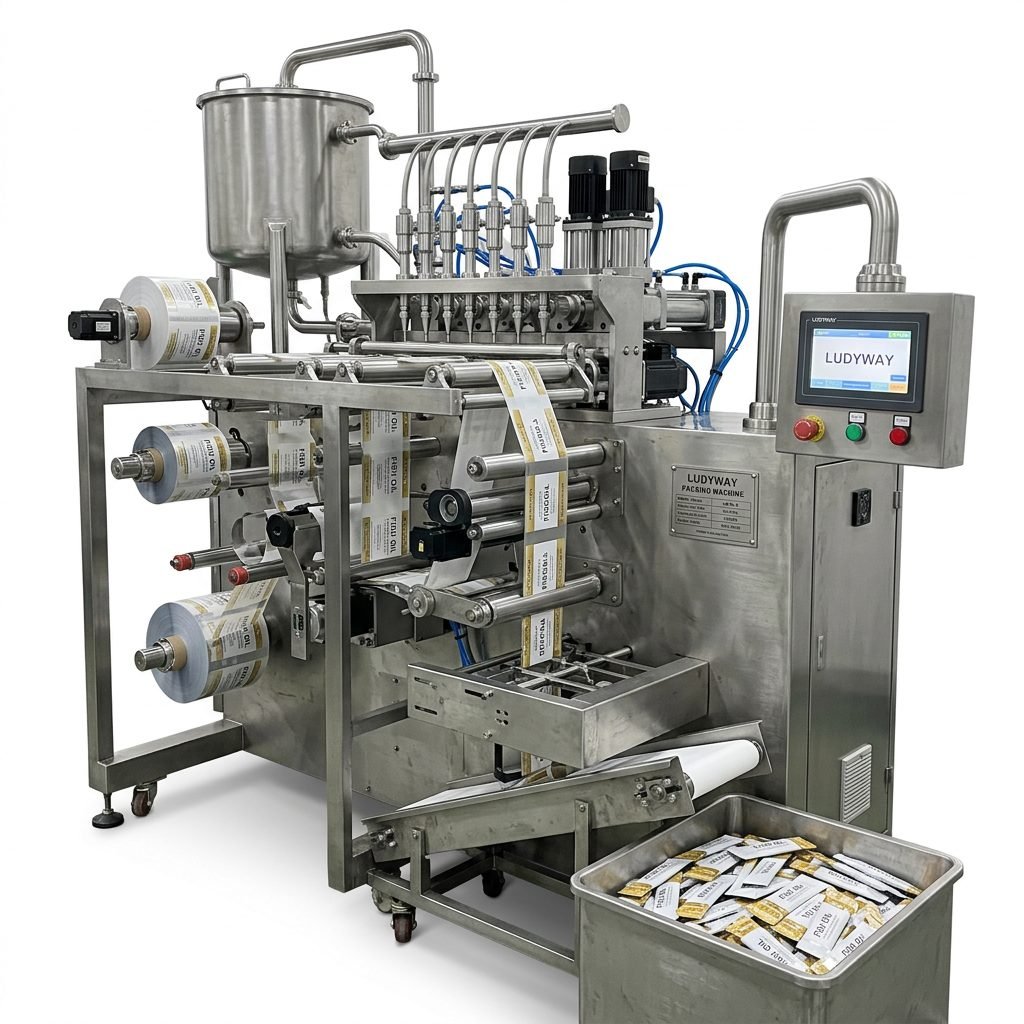
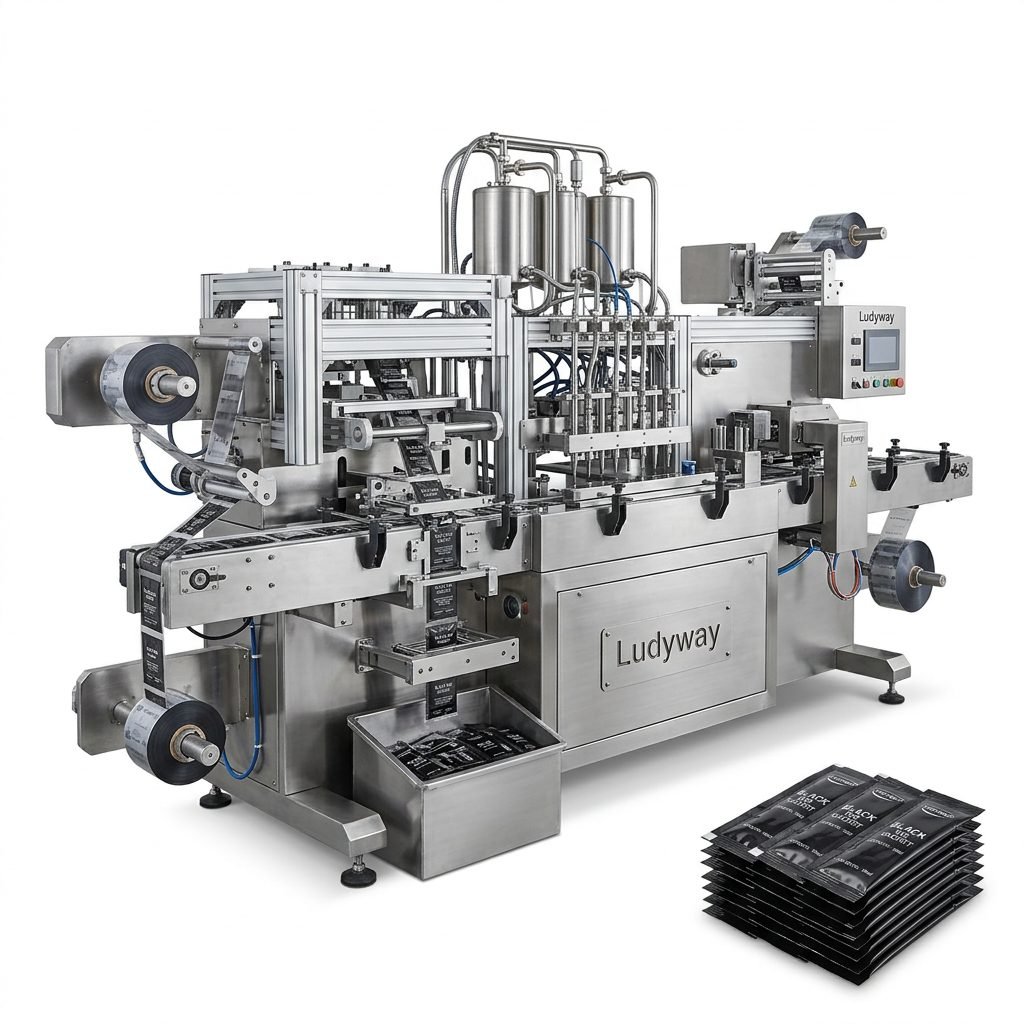
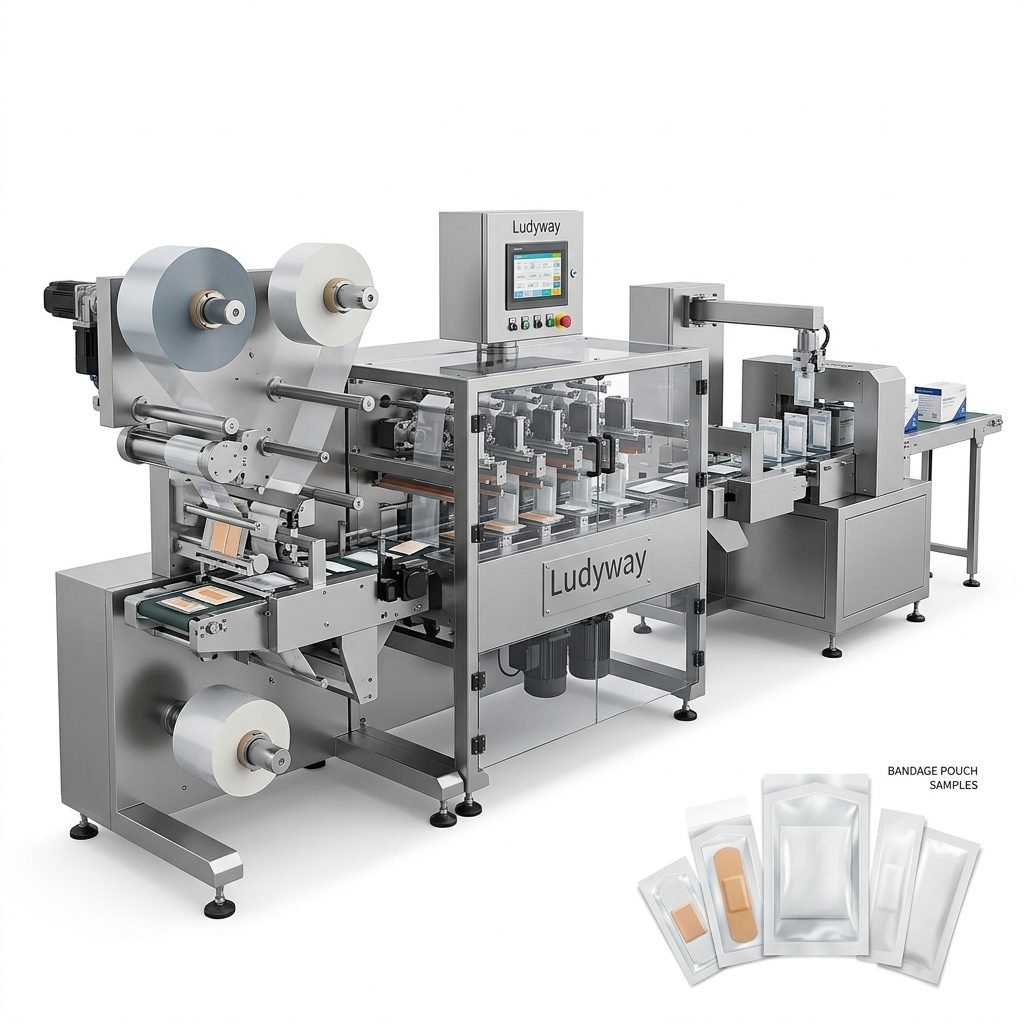
When evaluating packaging line investments, one of the most common questions from tea producers and co-packers is centered around budget planning and long-term value. The price of a tea auger packing machine is not a fixed number; it is influenced by a combination of engineering specifications, material contact parts, and the level of automation involved. For a standard semi-automatic vertical form fill seal unit equipped with a basic auger filler, the investment typically starts around $8,000 to $15,000. However, entry-level models often lack the precision required for ultra-fine tea dust or the flexibility to handle multiple blend varieties.
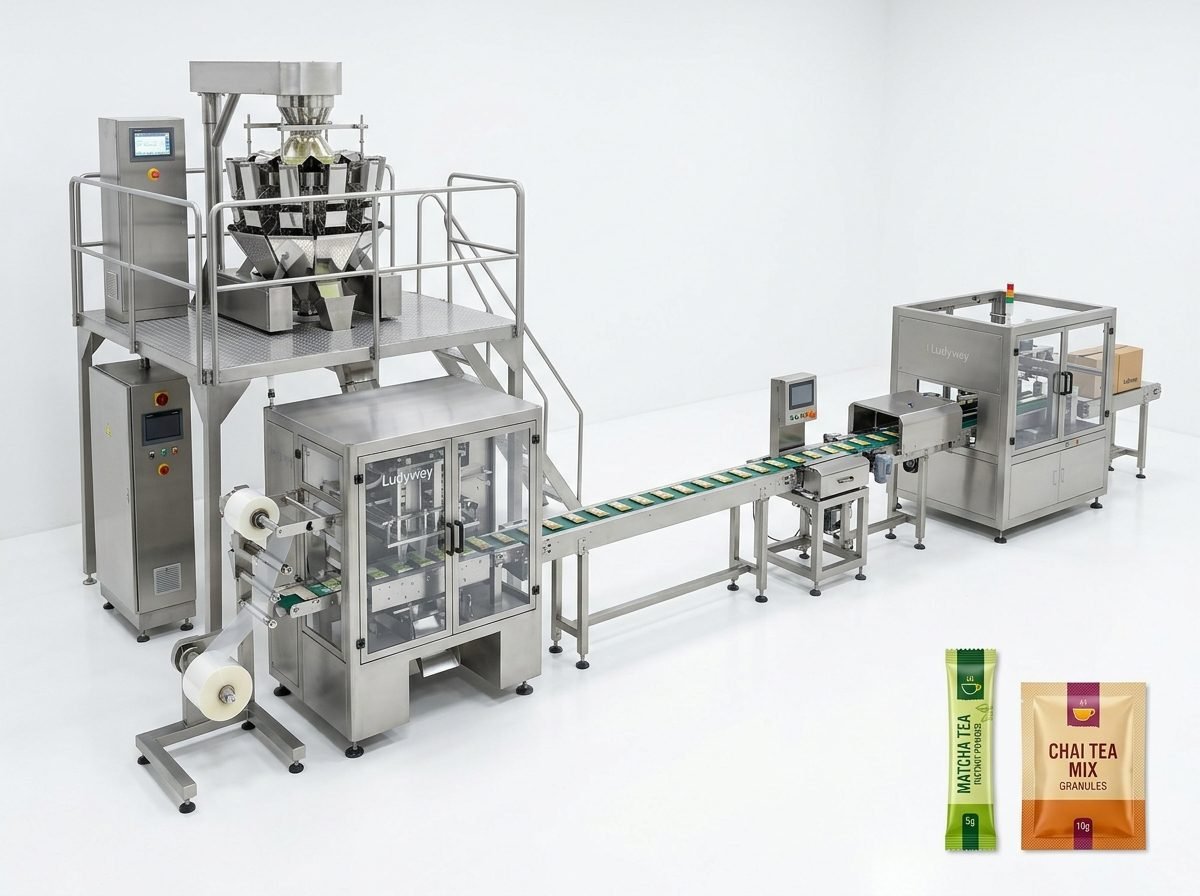
For mid-range production lines that include features like servo-driven augers, multi-head weighing combinations, and stainless steel 304 or 316 contact parts suitable for food-grade compliance, the cost generally ranges between $20,000 and $55,000. These systems often integrate a vertical packaging machine with a specialized auger dosing mechanism to ensure minimal product giveaway and consistent dose uniformity for black tea, green tea, or herbal blends. The higher capital outlay correlates directly with reduced labor dependency and improved seal integrity.
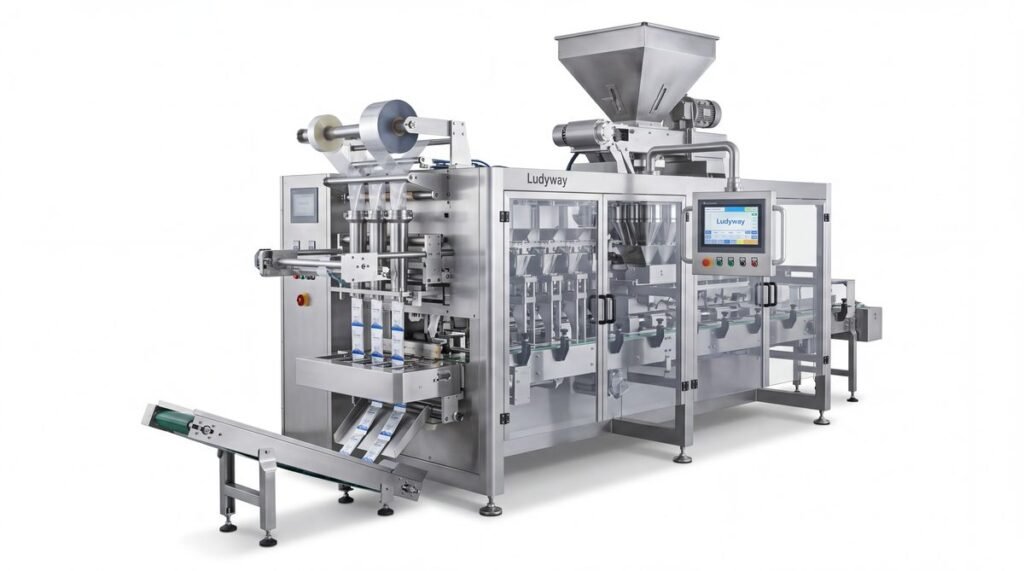
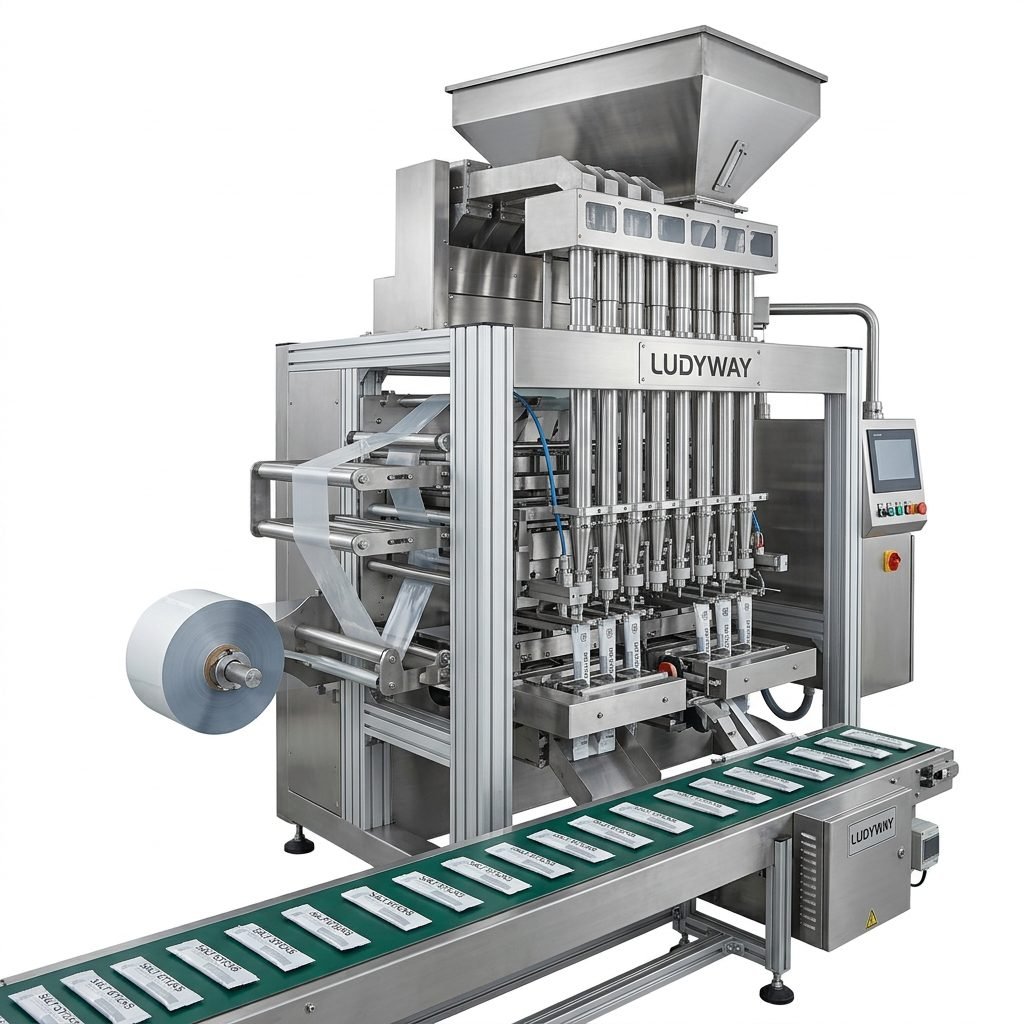
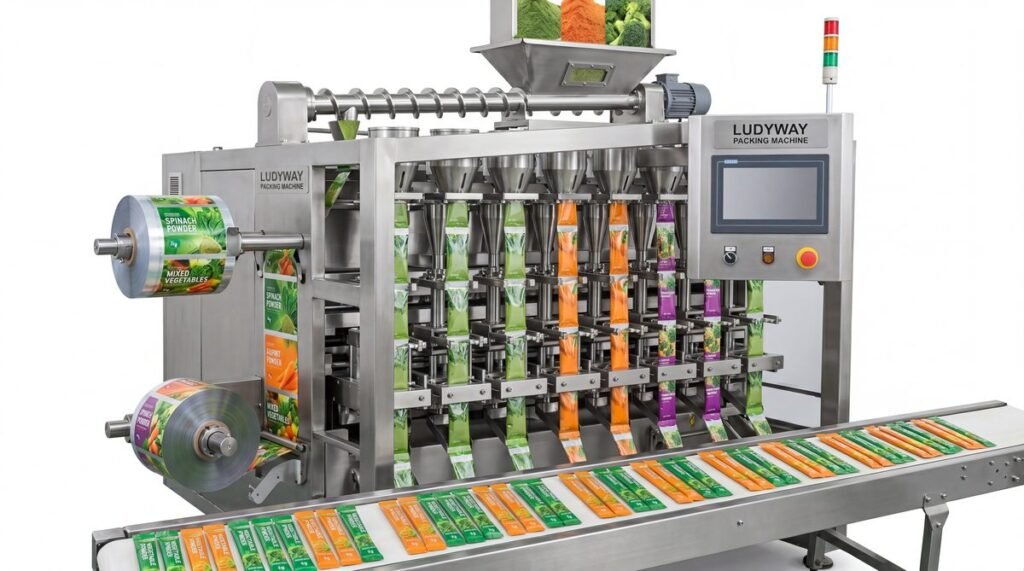
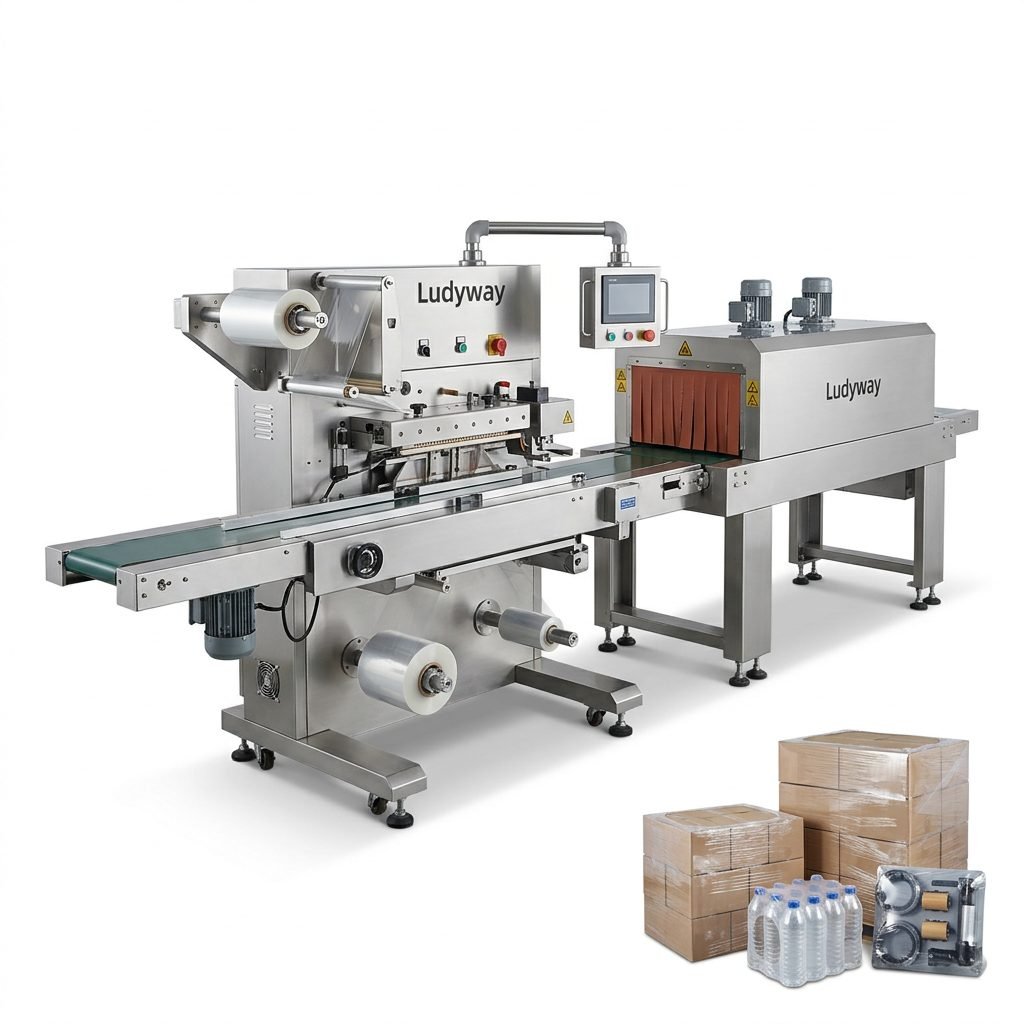
At the top of the market, completely automated turnkey systems designed for high-speed multi-lane sachet production represent a significant capital expenditure. A fully automatic 4-lane or 6-lane tea auger packing line, complete with a cartoning machine and a robotic palletizer, typically exceeds $70,000 and can climb to over $150,000 depending on the customized packaging formats and dust extraction accessories. Despite the higher initial cost, these high-throughput solutions drastically reduce the cost per unit, making them the preferred choice for major tea exporters and contract manufacturers.
Key Engineering Factors That Shift the Price
Understanding the technical components that drive manufacturing cost helps procurement teams make informed decisions. The primary cost drivers are often hidden beneath the stainless steel enclosure. The type of auger used for metering the leaf powder directly impacts the machine’s price tag. A basic volumetric cup filler is inexpensive, but an advanced servo-driven auger filler with closed-loop feedback offers superior accuracy for expensive matcha or powdered tea.
- Material of Construction: Machines built exclusively with 316 stainless steel for acidic tea mixes will command a premium over standard 304 stainless steel.
- Automation Level: The jump from a single-lane intermittent motion machine to a continuous multi-lane system hugely escalates cost due to complex servo controls.
- Gas Flushing Capability: Adding nitrogen flushing to displace oxygen inside the tea sachet introduces additional valving and sealing technology, increasing the price by several thousand dollars.
- Dust-Proofing: Tea powder is hygroscopic and airborne. IP65-rated dust-proof electrical cabinets and specialized sealing jaws are non-negotiable for longevity but add to the bottom line.
Price vs. Throughput: A Comparative Analysis
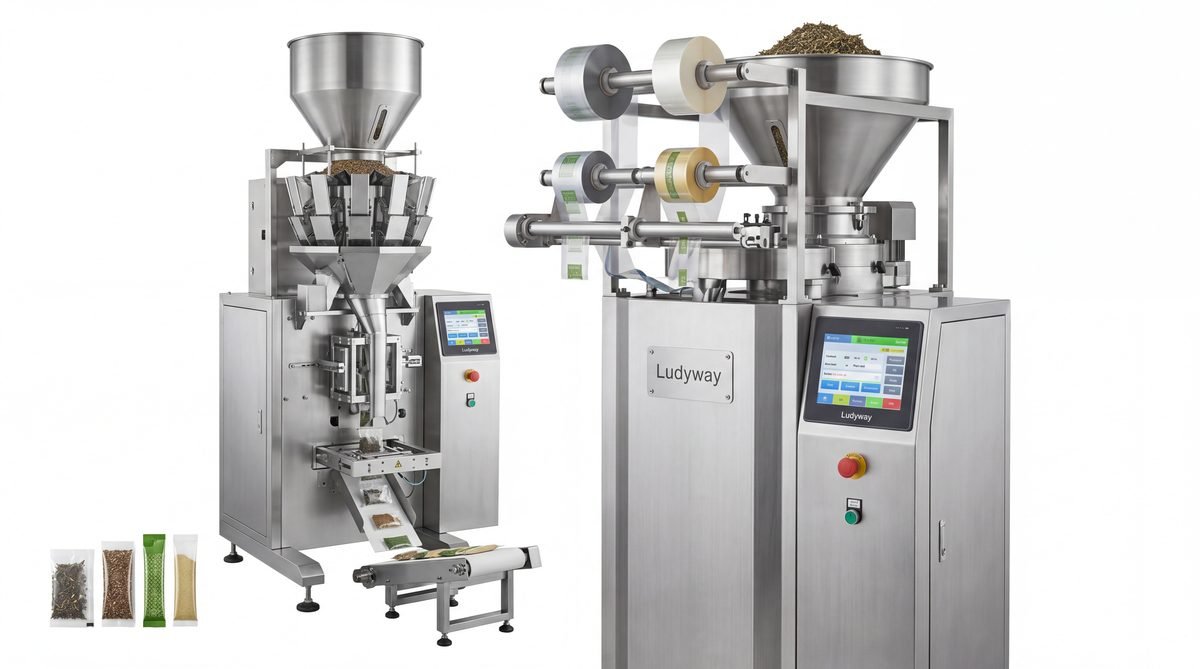
The hidden cost of a “cheap” auger packing machine often lies in its lack of speed and weight accuracy. A high-speed multi-lane sachet packaging machine operating at 60-80 cycles per minute per lane produces exponentially more volume than a single-lane unit. To illustrate the trade-off between upfront investment and output capacity, we can look at a general market range for various tea-specific configurations. Remember that specialized accessories for tea, like degassing valves or perforated tear notches, often come at an additional cost on top of the base machine price.
| Machine Configuration | Key Feature for Tea | Estimated Price Range (USD) |
|---|---|---|
| Single-Lane Auger VFFS | Basic volumetric auger, 304 SS | $8,000 – $18,000 |
| 2-Lane Servo Stick Pack | Servo-driven auger, dust-proof seals | $22,000 – $40,000 |
| 4-Lane High-Speed Sachet | Full 316 SS, N2 gas flushing | $45,000 – $75,000 |
| Complete Tea Turnkey Line | Auger filler + cartoner + palletizer | $80,000 – $150,000+ |
Avoiding Costly Mistakes in Specifying Equipment
Procuring the wrong auger configuration for your specific tea type results in expensive downtime and wasted raw material. Fine cut tea and herbal infusions behave differently than granulated instant tea, requiring different tooling and hopper agitation systems. Always request a factory acceptance test (FAT) using your actual product before wiring the final payment.
1. The Impact of Bagging Style on Equipment Footprint
The final presentation—whether a flat sachet, a 3-side seal stick pack, or a gusseted stand-up pouch—dictates the mechanical sealing units needed. Stick pack machines optimized for tea usually run faster but require a highly precise auger to fill the narrow opening without causing a messy spill that interferes with the seal integrity. Pillow style bags are more forgiving and often represent the most cost-effective entry point for startups.
2. Integration of Checkweighing and Quality Control
While a standalone auger filler might initially seem affordable, the lack of integrated feedback leads to product drift. Modern tea packing machines should interface with a dynamic checkweigher. If the checkweigher detects an underweight sachet, it signals the auger servo to adjust the rotation degree on the fly. Retrofitting this feedback loop later is technically challenging and often doubles the integration cost compared to specifying it in the original order.
3. The Long-Term Cost of Spare Parts
Tea dust is abrasive. Cheap carbon steel or aluminum parts in the product contact zone will wear out quickly, contaminating the product and requiring frequent shutdowns. Opting for heat-treated stainless steel augers, hoppers, and sealing jaws ensures a longer life cycle. We recommend verifying that the control system uses global brand PLCs and touch screens to guarantee local technical support and prevent obsolescence. As a notable player in the industry, Ludyway prioritizes robust stainless steel construction and internationally recognized electronic components in their machinery to mitigate these long-term operational risks.

Exploring Regional Pricing and Supplier Variances
Geographic location of the manufacturer plays a pivotal role in the quoted price of an auger tea packing machine. European-manufactured machinery often starts at a 30-50% premium over comparable Asian manufacturing. This premium sometimes covers advanced safety certifications and localized programming, though the core auger technology remains similar between top-tier Chinese manufacturers and their western counterparts. Asian-built machines, especially those utilizing Japanese or German control systems, currently offer the most competitive price-to-performance ratio for tea powder applications ranging from 1g to 50g fill weights.
Factory Location and Shipping (Crucial for Turnkey Projects)
When dealing with heavy industrial auger filling lines, crating and ocean freight can add three to seven percent to the total cost. It is vital to clarify whether the quoted price is Ex-Works (EXW) or includes Cost, Insurance, and Freight (CIF) to your nearest port. A seemingly lower base price from a distant factory can quickly evaporate once logistics and import duties are calculated.
Total Cost of Ownership (TCO) Analysis
Beyond the purchase order, owners must calculate the operational expenditure. A low-cost auger machine that wastes 2% of your premium organic tea bags via inaccurate fills costs significantly more over 12 months than a precise, automated system. When mapping out a profit and loss forecast, consider these recurring value streams and drains:
- Film Material Waste: Poor tracking and sealing waste film during startup cycles on non-servo machines.
- Product Giveaway: Every 0.1 gram of excess tea in each bag accumulates into tons of annual loss.
- Labor Allocation: A high-speed multi-lane auger system typically reduces operator intervention by 70% compared to a manual scoop-fill setup.
- Changeover Time: Tool-less design for the auger and forming tube allows operators to switch between chamomile and black tea in minutes, not hours.
Ultimately, the cost of a tea auger packing machine is a reflection of its speed, accuracy, and resilience against the corrosive nature of fine tea dust. Whether you are automating a startup micro-packery or expanding a multinational tea empire, aligning the auger specifications with the packaging format prevents capital waste. For an exact quotation tailored to your specific tea blend density, bag dimensions, and target output per minute, contact a packaging specialist or email us to discuss a custom configuration.