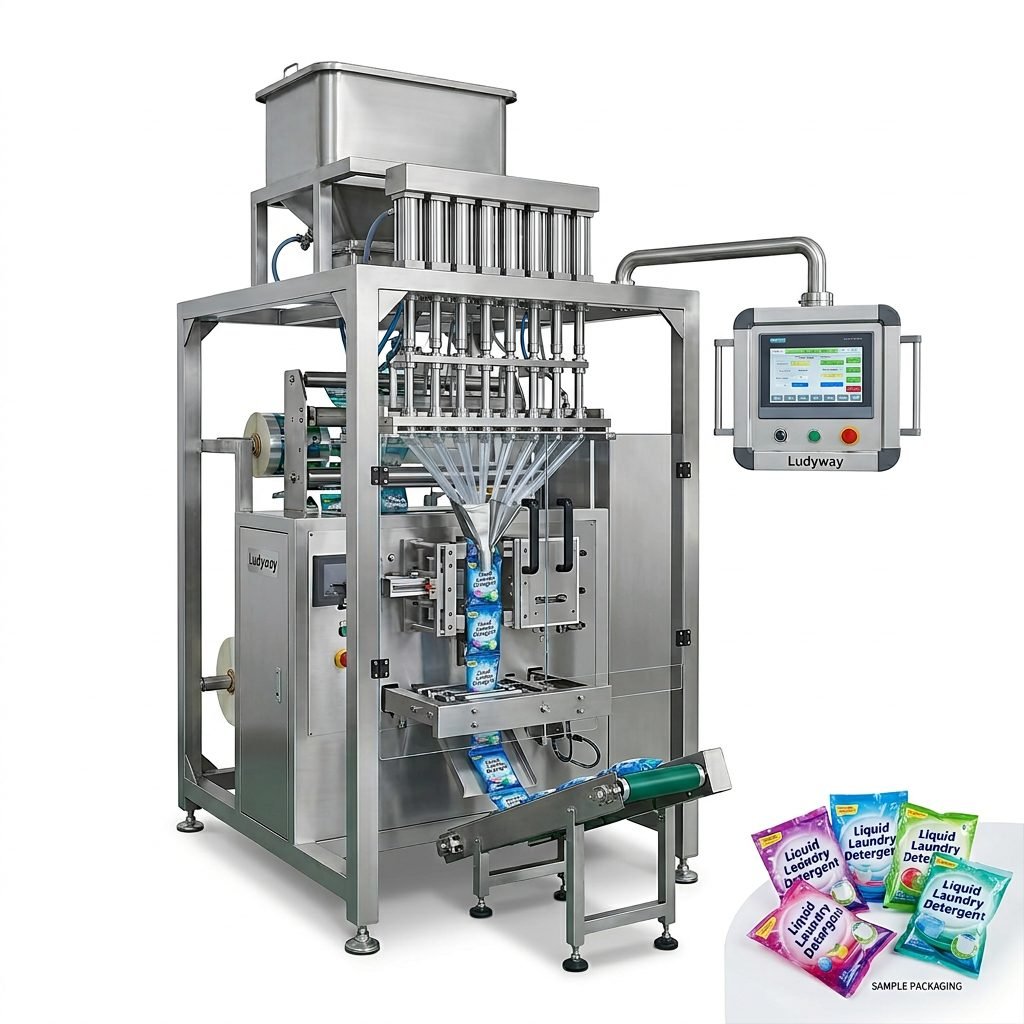
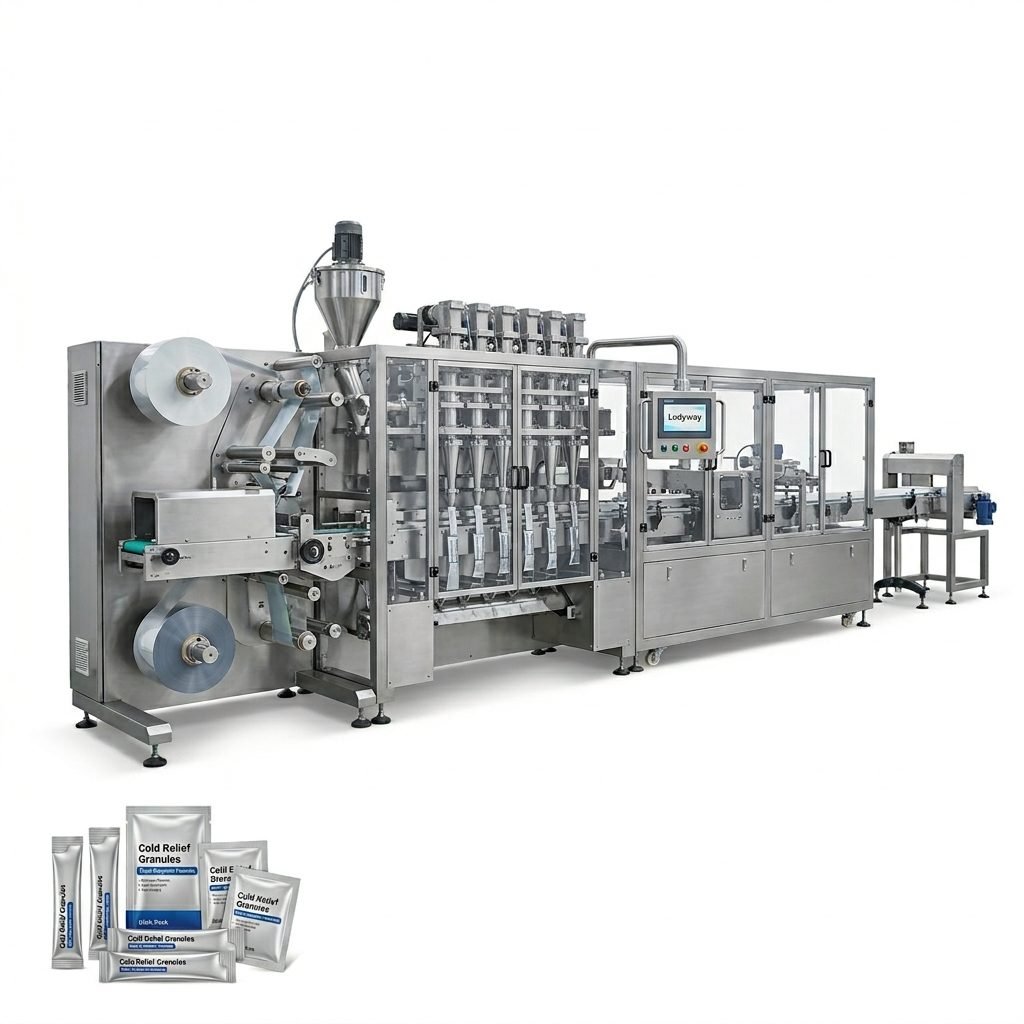
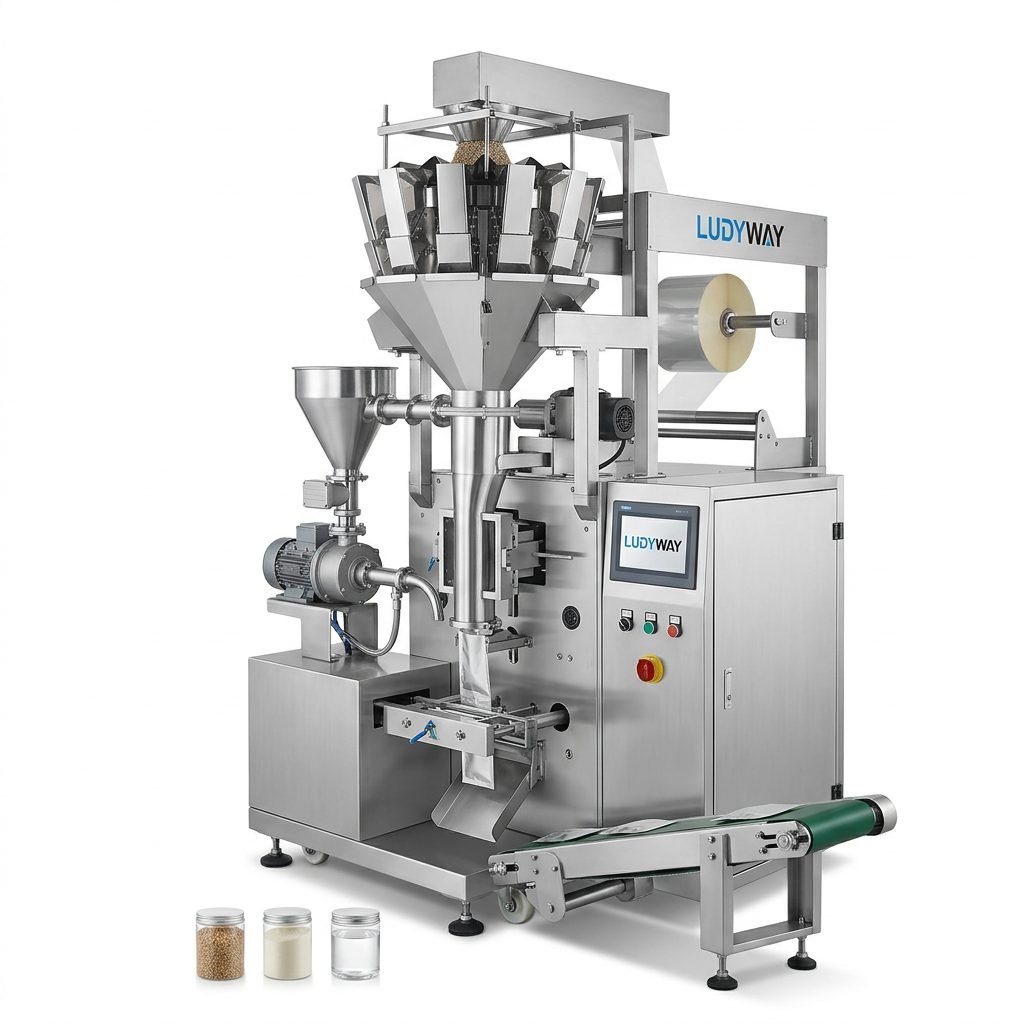
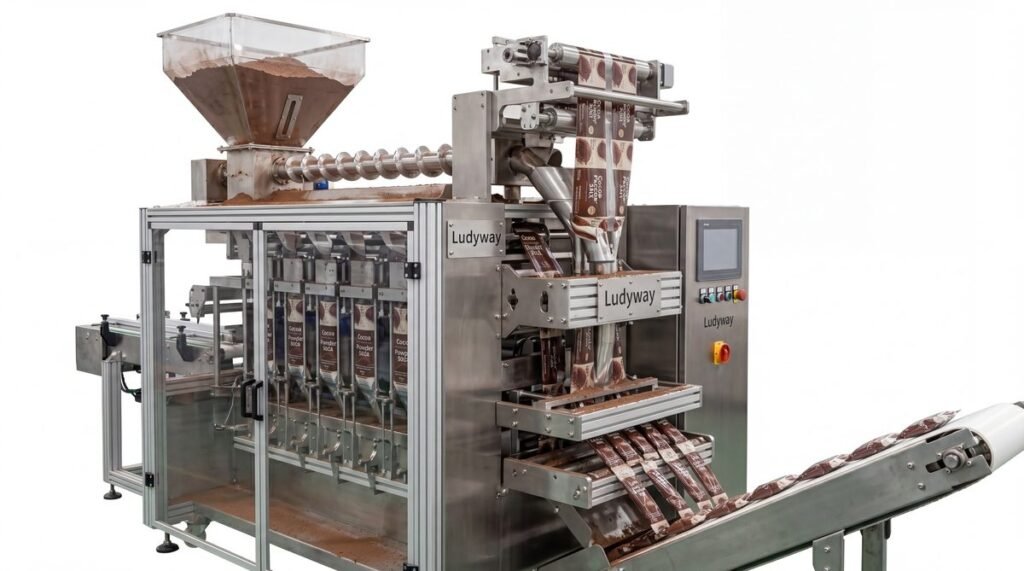
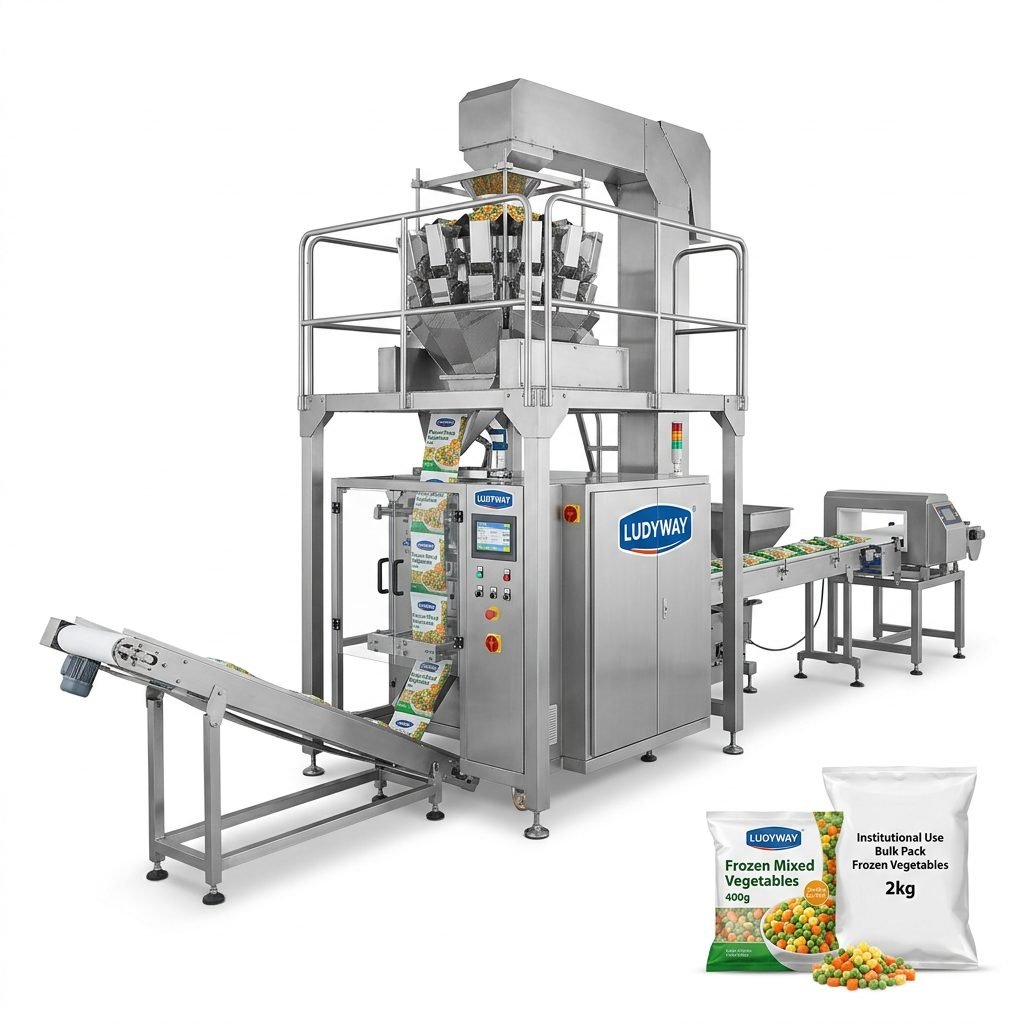
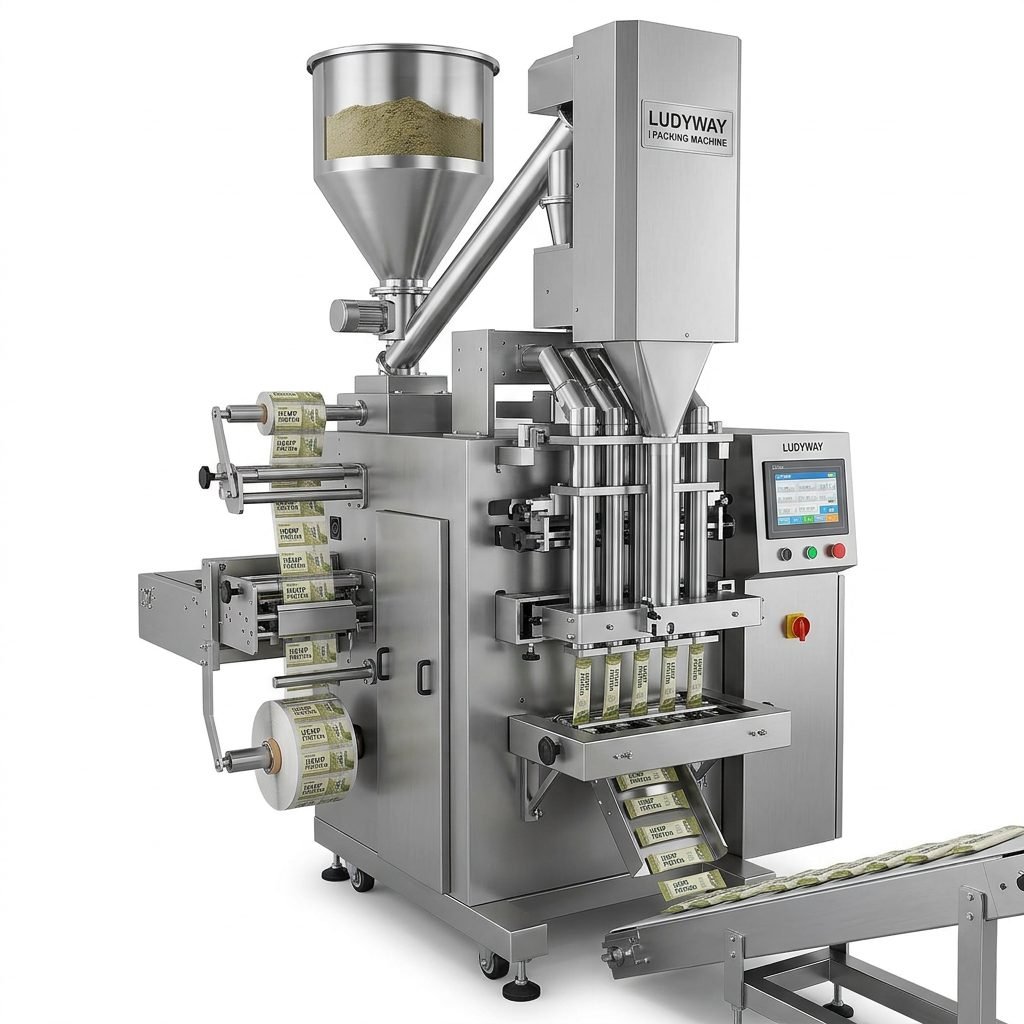
Proper maintenance is the backbone of any high-performance tube packing machine. Without a consistent care routine, even the most robust equipment can suffer from unexpected downtime, inaccurate fills, and costly repairs. This guide walks you through the essential steps to keep your packaging equipment running at peak efficiency, whether you operate a single lane or a fully automated multi-lane system.
Why Routine Maintenance Matters
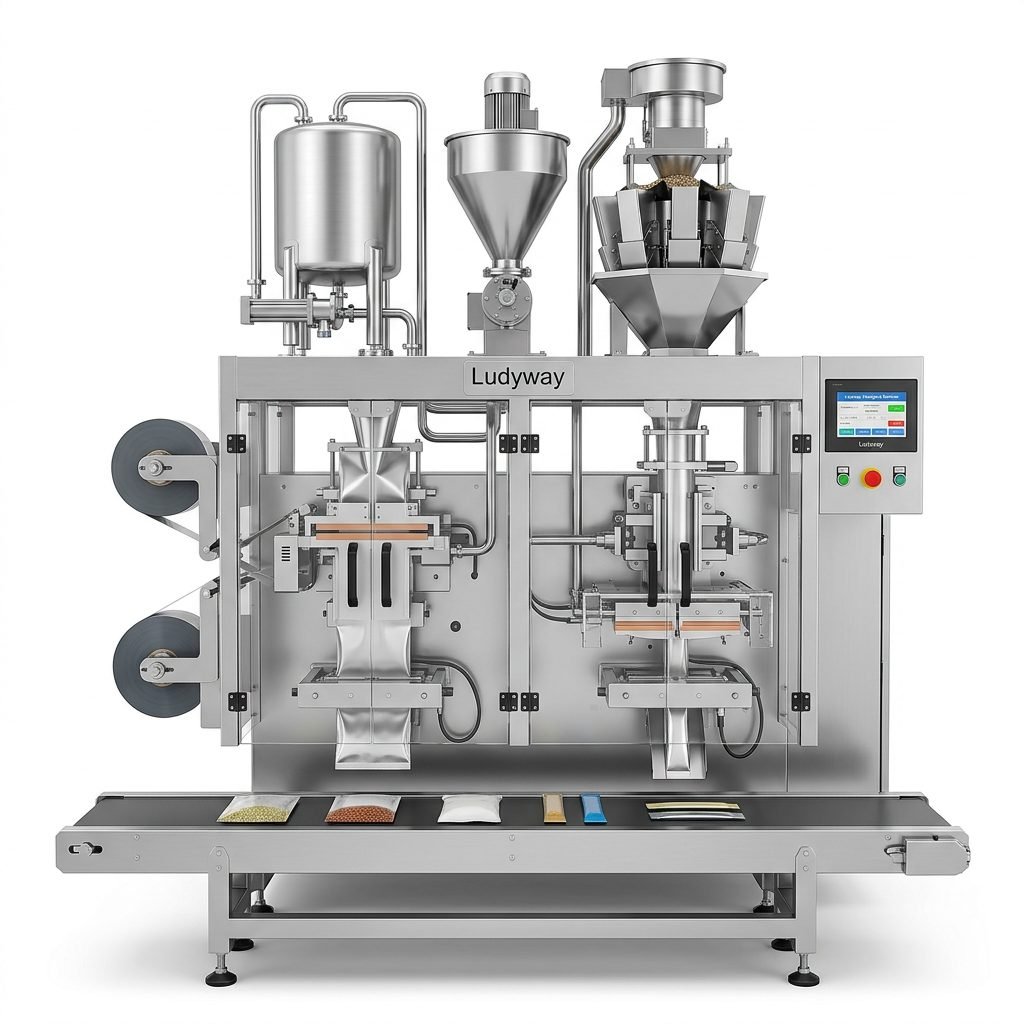
Skipping regular maintenance on a tube packing machine often leads to seal failures, product waste, and compromised packaging integrity. A well-maintained machine delivers consistent seal quality, reduces film waste, and extends the overall service life. For companies running automatic packaging systems around the clock, preventive maintenance is not optional—it is a critical part of production planning.
Daily Inspection Checklist for Reliable Operation
Operators should perform a quick visual and functional inspection at the start of every shift. The following table outlines the key checkpoints that help catch minor issues before they escalate into major failures.
| Inspection Area | What to Check | Frequency |
|---|---|---|
| Forming Tube | Alignment, surface scratches, film tracking | Daily |
| Sealing Jaws | Temperature accuracy, Teflon coating wear, residue buildup | Daily |
| Film Unwind Assembly | Tension consistency, brake function, roller smoothness | Daily |
| Filling Nozzles | Clogs, product dust accumulation, O-ring integrity | Daily |
| Control Panel | Error logs, temperature readings, sensor responsiveness | Daily |
Weekly Cleaning Procedures
Thorough cleaning prevents cross-contamination and keeps mechanical parts functioning smoothly. Follow these steps each week or during product changeovers for optimal results.
- Remove residual product from all contact surfaces using compressed air and a soft brush. Pay special attention to the filling station and forming tube area.
- Clean the sealing jaws with a non-abrasive cloth and an approved solvent. Built-up residue can cause uneven heat transfer and weak seals.
- Wipe down photoelectric sensors and film registration marks. Dirty sensors are a leading cause of miscuts and misaligned packaging.
- Inspect and clean the film path, including all rollers and guides. Even small amounts of dust can affect film tracking accuracy.
- Check and empty dust collection trays if your machine is equipped with them. Accumulated powder can interfere with moving parts.
Lubrication Best Practices
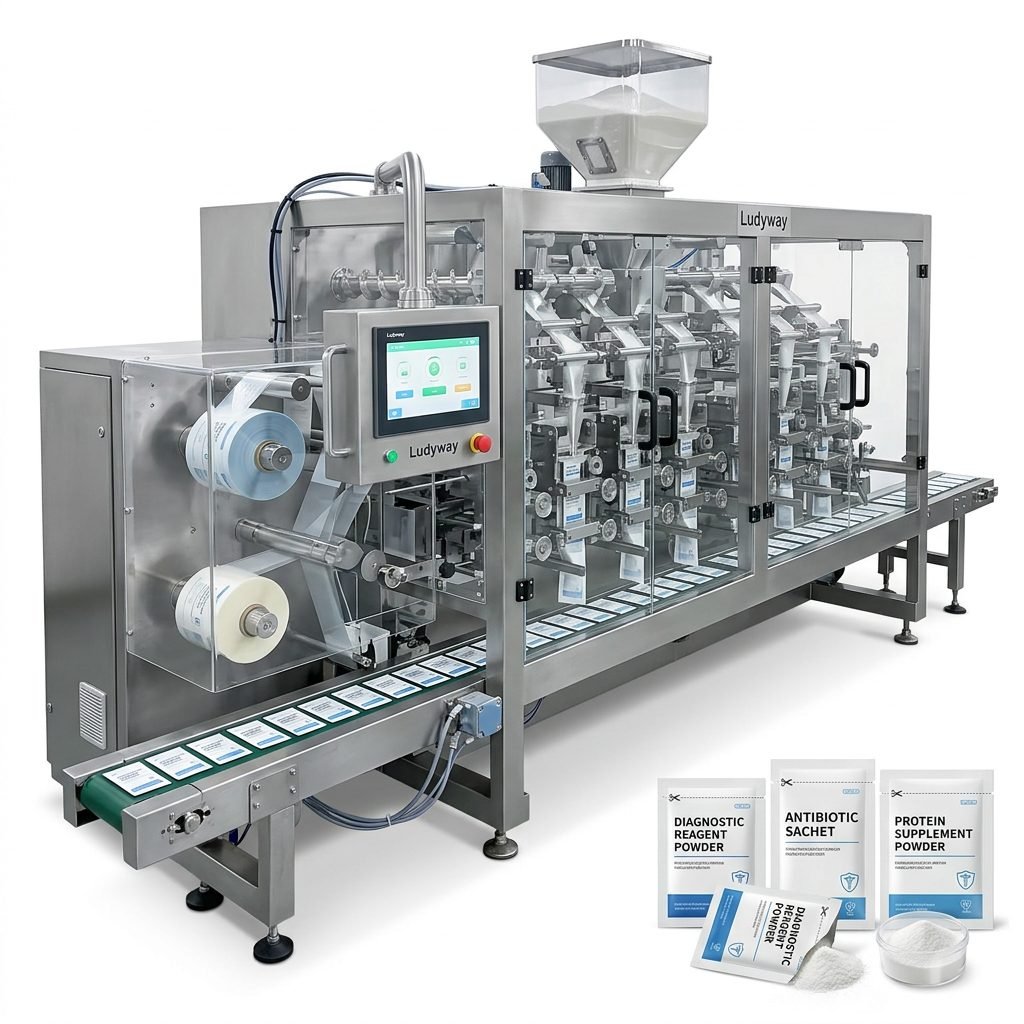
Proper lubrication reduces friction, prevents premature wear, and keeps the tube packing machine running quietly. However, over-lubrication can be just as damaging as under-lubrication.
- Use only manufacturer-recommended lubricants specified for food-grade or pharmaceutical-grade applications when required.
- Lubricate cam followers, linear bearings, and chain drives on a schedule that matches your production volume—typically every 40 to 80 operating hours.
- Avoid spraying lubricant near sealing areas or film paths. Contaminated film can lead to seal failures and product recalls.
- Keep a lubrication log to track when each component was serviced, which makes troubleshooting and audits significantly easier.
Common Issues and Troubleshooting Guide
When your packaging machine shows signs of trouble, quick diagnosis can save hours of downtime. The table below covers frequent problems and their likely causes.
| Problem | Possible Cause | Recommended Action |
|---|---|---|
| Crooked or misaligned seals | Worn forming tube or inconsistent film tension | Realign tube, adjust tension, replace worn parts |
| Weak or leaking seals | Incorrect temperature, dirty jaws, or worn Teflon | Recalibrate temperature, clean jaws, replace Teflon tape |
| Inconsistent fill weights | Clogged nozzles or faulty weighing sensor | Clean nozzles, recalibrate weighing system |
| Excessive film waste | Poor registration or incorrect bag length settings | Clean sensors, verify program settings |
| Unusual noise or vibration | Loose fasteners or insufficient lubrication | Tighten all bolts, follow lubrication schedule |
Preventive Maintenance Schedule
A structured preventive maintenance plan keeps your equipment reliable and minimizes unexpected breakdowns. Below is a recommended schedule that covers the most critical service intervals.
Monthly Maintenance Tasks
- Inspect all drive belts for tension, cracks, and wear—replace if necessary.
- Test all emergency stops and safety interlocks for proper function.
- Verify temperature controller calibration against a certified thermometer.
- Check pneumatic fittings and hoses for leaks or loose connections.
Quarterly Maintenance Tasks
- Perform a full inspection of all electrical connections and terminal blocks.
- Replace worn sealing jaw inserts and Teflon covers.
- Inspect and service the vacuum system if your machine includes gas flushing.
- Update software and firmware if your control system supports it.
Annual Maintenance Tasks
- Conduct a complete machine overhaul, including bearing replacement on high-wear shafts.
- Replace all rubber seals, O-rings, and gaskets throughout the filling system.
- Have a qualified technician inspect the main drive motor and gearbox.
- Review operational logs to identify recurring issues and plan upgrades.
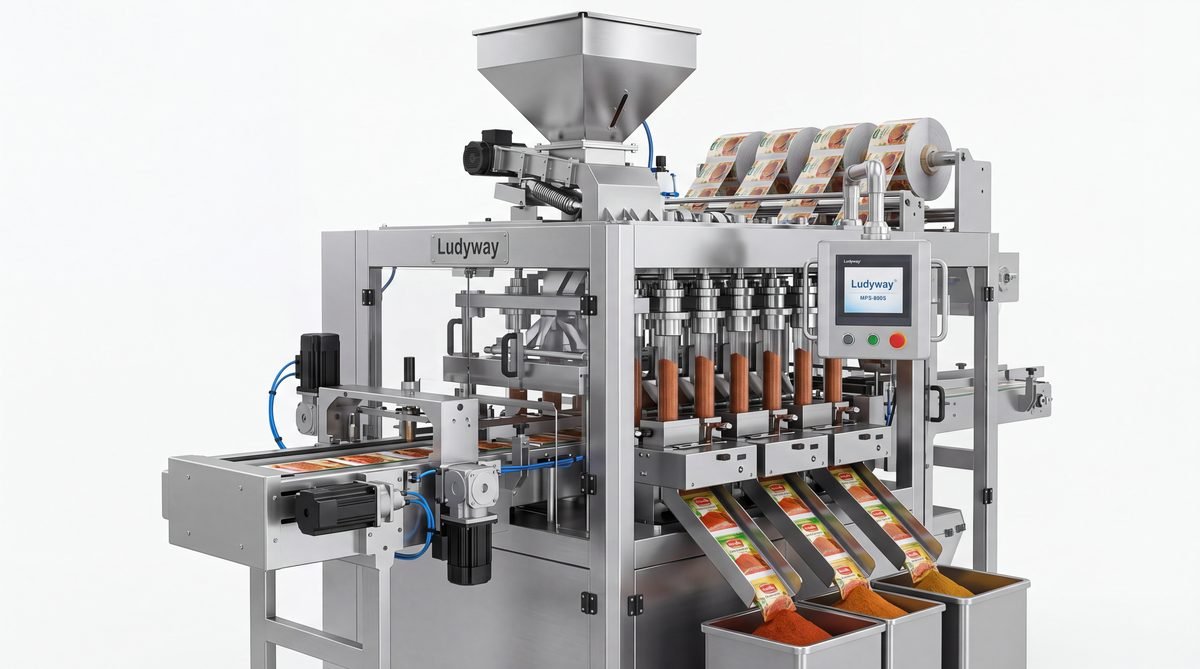
Operator Training: The Human Factor in Machine Longevity
Even the most meticulously maintained tube packing machine will underperform if operators are not properly trained. Investing in comprehensive training reduces human error, improves changeover efficiency, and helps operators identify early warning signs of mechanical issues.
Key training areas should include proper startup and shutdown sequences, correct film loading procedures, basic troubleshooting techniques, and a clear understanding of all safety protocols. Refresher sessions every six months keep skills sharp and reinforce good habits.
Spare Parts Management
Keeping critical spare parts on hand dramatically reduces downtime when something does go wrong. At a minimum, stock the following items for your tube packing machine:
- Sealing jaw inserts and Teflon tape rolls
- Forming tube assemblies in various sizes
- Drive belts and timing belts
- Photoelectric sensor units
- O-rings, gaskets, and seal kits
- Heater cartridges and thermocouples
Work with your equipment supplier to identify the exact parts list tailored to your specific machine model and production requirements.

When to Call a Professional Service Technician
While many maintenance tasks can be handled in-house, certain situations demand expert attention. Contact a qualified service technician if you encounter persistent seal quality issues that do not respond to routine adjustments, unusual electrical faults or control system errors, mechanical damage to drive components or the main frame, or if the machine requires firmware updates or major component replacement. Attempting complex repairs without proper training can void warranties and create safety hazards.
For companies seeking reliable, long-term packaging performance, partnering with an experienced manufacturer makes all the difference. Ludyway, one of the largest packaging machine manufacturers in China, offers advanced tube packing equipment backed by over 30 years of industry expertise and a modern 20,000㎡ manufacturing facility. Their engineering team provides comprehensive technical support, helping customers across more than 100 countries maintain peak equipment performance with professional guidance every step of the way.