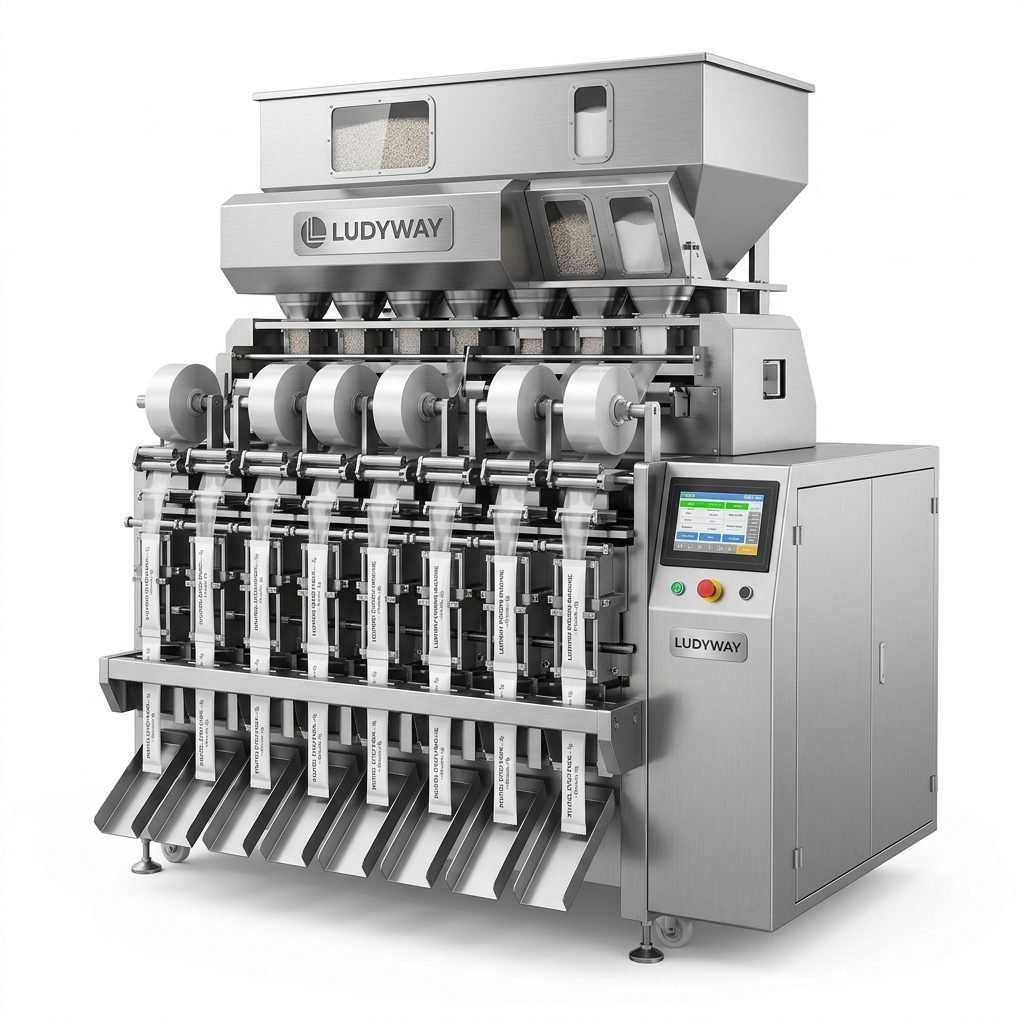
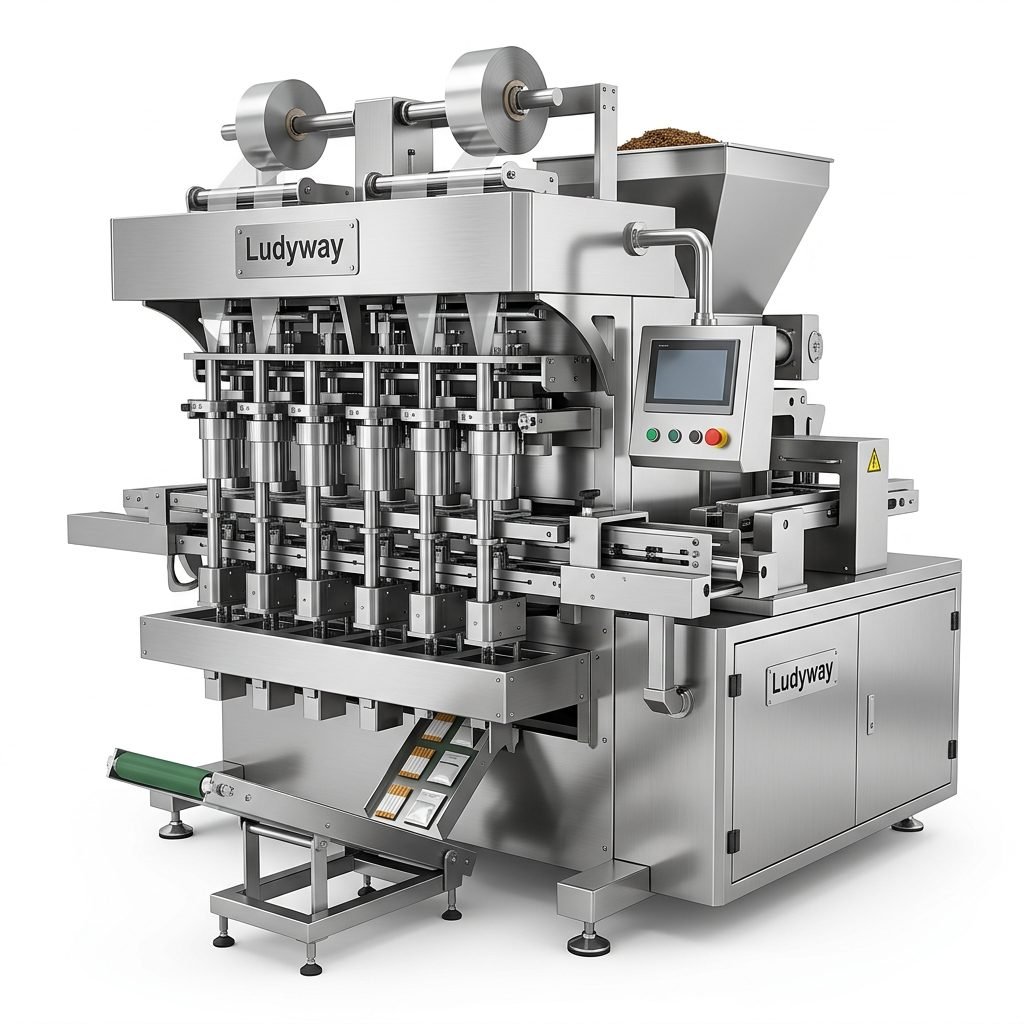
A Romaco blister packaging machine is a critical asset in pharmaceutical production lines. Its precision engineering demands consistent care to ensure optimal performance, regulatory compliance, and extended service life. This guide outlines a structured maintenance approach that helps operators and technicians maximize machine uptime while minimizing unexpected breakdowns.

Why Preventive Maintenance Matters
Blister packaging equipment operates under demanding conditions involving heat, pressure, and high-speed mechanical movements. Without a systematic maintenance program, small issues can escalate into costly repairs. Regular upkeep helps maintain seal integrity, forming accuracy, and overall production consistency. Well-maintained machines also consume less energy and produce fewer rejects.
Daily Maintenance Checklist
Daily routines are the foundation of equipment reliability. Operators should perform these checks before each shift to catch early signs of wear or misalignment.
- Visual inspection of forming and sealing stations for debris or product residue
- Clean the forming dies and sealing plates using approved non-abrasive cleaning agents
- Check temperature controllers for forming and sealing zones; verify readings against set points
- Inspect cooling water circulation for proper flow and temperature
- Verify safety interlocks and emergency stop functionality
- Examine the compressed air supply for correct pressure and moisture levels
- Wipe down all sensors and photoelectric cells with a lint-free cloth
Quick Reference: Daily Inspection Points
| Component | Check Item | Frequency |
|---|---|---|
| Forming Station | Die cleanliness, alignment | Every shift |
| Sealing Station | Plate temperature, residue | Every shift |
| Film Feed System | Tension, tracking accuracy | Every shift |
| Cooling System | Water flow, temperature | Every shift |
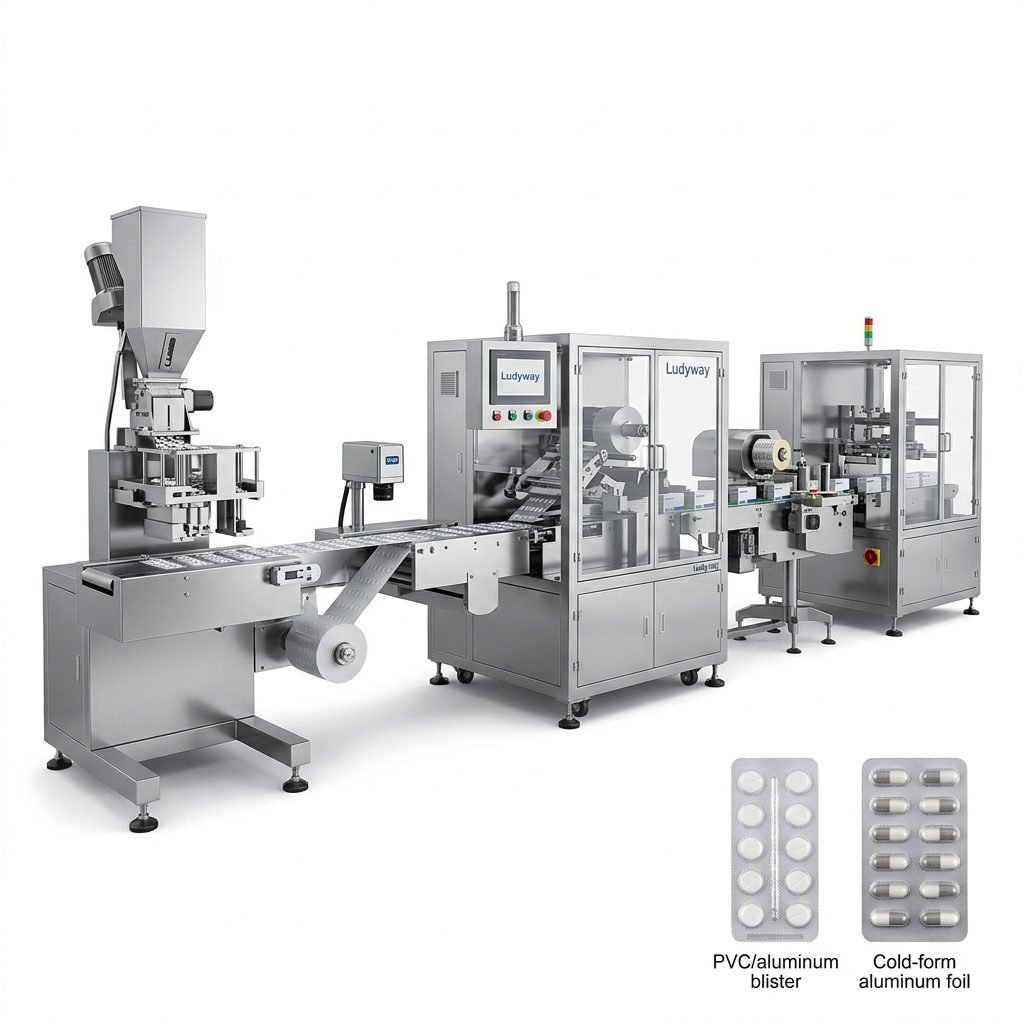
Weekly Maintenance Procedures
Weekly tasks go deeper into mechanical and electrical systems. These procedures help identify developing problems before they affect production quality.
- Lubricate all grease points according to the manufacturer’s lubrication chart; use only specified food-grade or pharmaceutical-grade lubricants
- Inspect drive chains and belts for proper tension and signs of elongation or cracking
- Check sealing roller surfaces for scratches, pitting, or uneven wear patterns
- Test heating element continuity and measure actual versus displayed temperatures
- Examine pneumatic cylinders and fittings for leaks; listen for unusual air discharge sounds
- Clean or replace air filters on control cabinets and pneumatic systems
- Verify indexing accuracy by running test cycles with registered film
Monthly and Quarterly Inspections
Long-interval inspections focus on components subject to cumulative wear. These tasks often require a maintenance technician with specialized knowledge of Romaco equipment.
Monthly Tasks
- Perform full calibration of temperature PID controllers and thermocouples
- Inspect electrical connections for tightness and signs of overheating
- Check gear box oil levels and condition; top up or replace as needed
- Test PLC backup battery voltage and replace if below specification
- Examine forming plug condition and replace if showing excessive wear
Quarterly Tasks
- Conduct full mechanical alignment of forming, sealing, punching, and cutting stations
- Inspect cam followers and bearings for smooth rotation and absence of play
- Review vacuum pump performance; clean or replace vanes and filters
- Update firmware and software backups if applicable
- Perform a complete safety system audit including light curtains and door switches
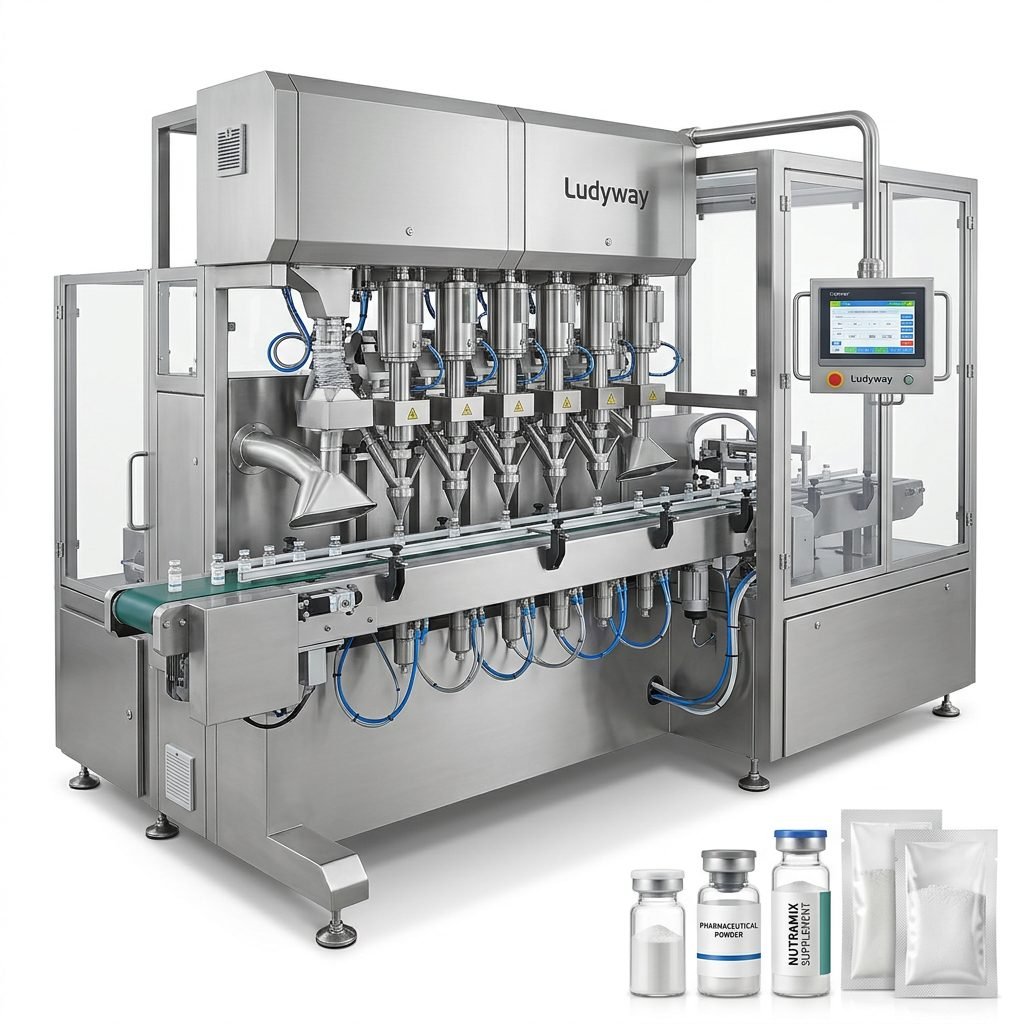
Common Troubleshooting Scenarios
Even with diligent maintenance, issues can arise. The table below addresses frequent problems operators encounter with blister packaging machines and their typical root causes.
| Symptom | Possible Cause | Recommended Action |
|---|---|---|
| Incomplete blister forming | Low forming temperature, insufficient vacuum, worn plug | Verify temperature set points, check vacuum pump, inspect forming plug |
| Weak or inconsistent seals | Contaminated sealing plate, incorrect temperature, uneven pressure | Clean sealing surface, recalibrate temperature, adjust pressure settings |
| Film tracking deviation | Misaligned guide rollers, uneven tension, worn bearings | Realign rollers, check tension settings, replace worn bearings |
| Excessive noise during operation | Dry bearings, loose components, worn gears | Lubricate all points, tighten fasteners, inspect gear mesh |
| Intermittent machine stops | Faulty sensor, loose wiring, PLC error | Clean sensors, check connections, review error logs |
Critical Spare Parts Inventory
Maintaining a well-stocked spare parts inventory reduces downtime significantly. The following components should be kept on hand based on their wear rate and lead time for replacement.
- Forming dies and plugs – specific to blister size and shape
- Sealing plates and rollers – knurled and smooth versions
- Heating cartridges and thermocouples – for forming and sealing stations
- Drive belts and timing belts – matched to OEM specifications
- Pneumatic seals and O-rings – complete kit for all cylinders
- Sensor and switch assemblies – proximity, photoelectric, and limit switches
- Cooling system components – pump seals, hoses, and fittings
- Electrical consumables – fuses, relays, contactors
Lubrication Best Practices
Proper lubrication is one of the most cost-effective maintenance activities. Using the right lubricant in the correct quantity prevents premature component failure and reduces energy consumption. Always follow the OEM lubrication schedule and never mix incompatible grease types. Pay special attention to high-temperature zones near forming and sealing stations, where lubricants can degrade faster.
For authoritative guidance on pharmaceutical packaging standards, refer to resources from PMMI – The Association for Packaging and Processing Technologies and regulatory information from the FDA Food Packaging and Food Contact Substances division. The ISO 11607 Packaging for Terminally Sterilized Medical Devices standard also provides essential framework for validating packaging processes.
Documentation and Record Keeping
Comprehensive maintenance logs are essential for regulatory audits and continuous improvement. Document every inspection, repair, and component replacement with the following details:
- Date and time of maintenance activity
- Technician name and qualification level
- Specific tasks performed with reference to SOP numbers
- Parts replaced including serial numbers where applicable
- Measurements recorded such as temperatures, pressures, and alignment values
- Follow-up actions required with target completion dates
Yearly Overhaul Recommendations
An annual comprehensive overhaul ensures the blister packaging machine remains in peak condition. This work should be performed by qualified technicians with extensive Romaco experience. Key overhaul activities include replacement of all wear components, complete recalibration of temperature and pressure systems, thorough inspection of electrical cabinets and wiring harnesses, and validation of all safety-critical functions. After reassembly, run a full qualification protocol before returning the machine to production.
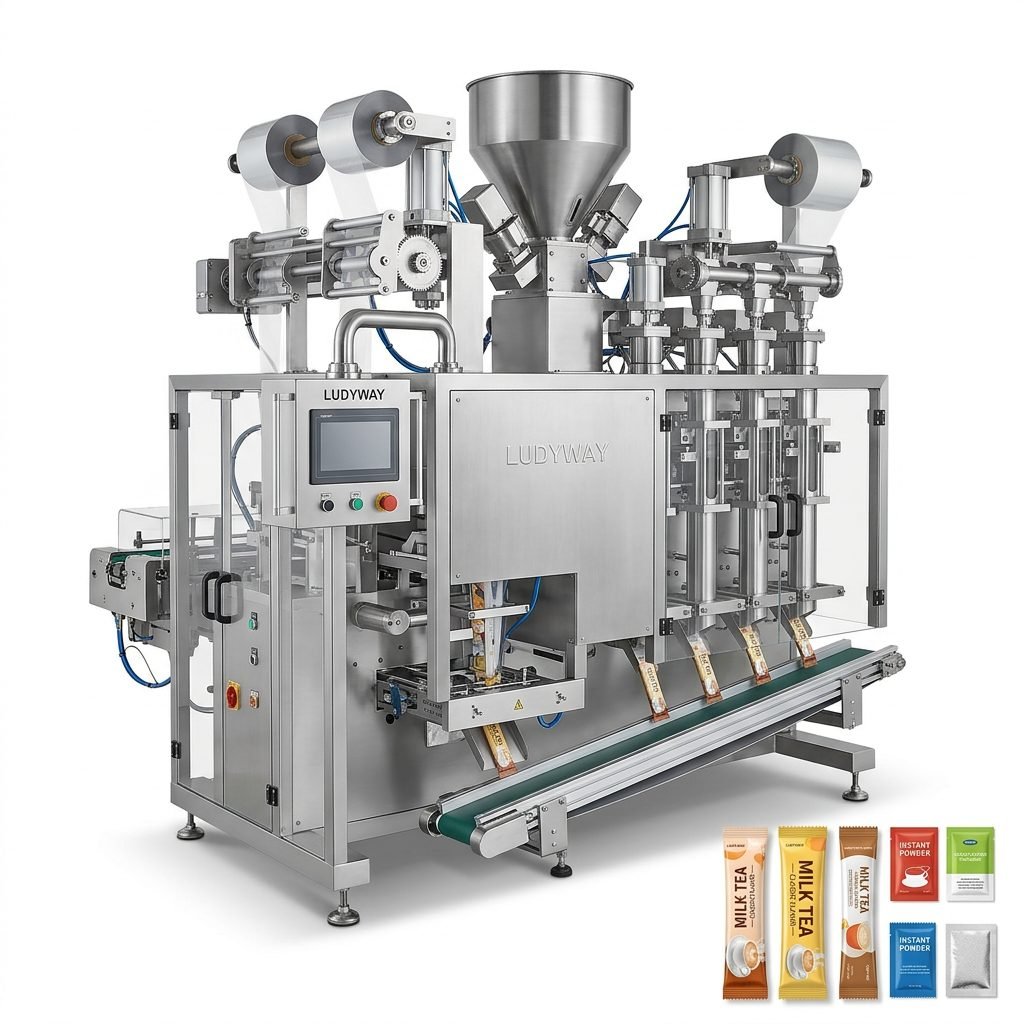
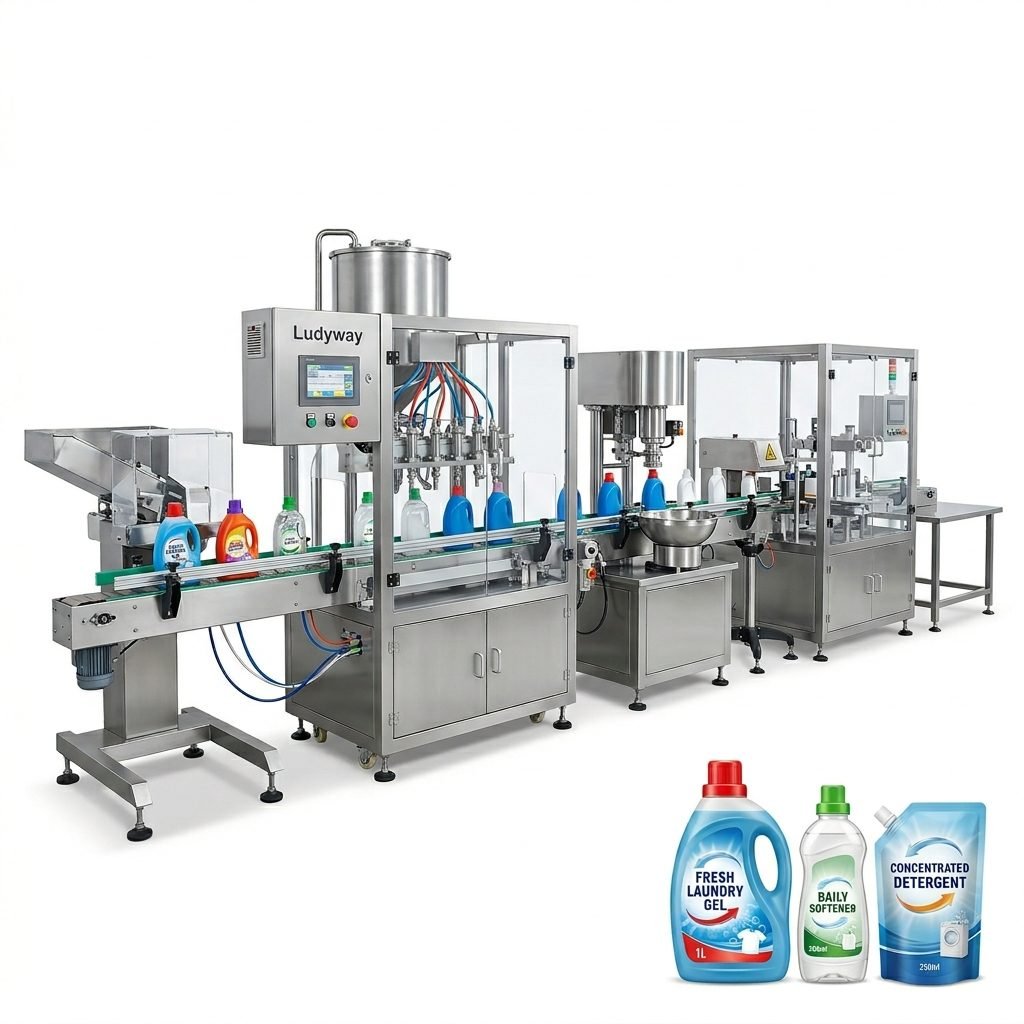
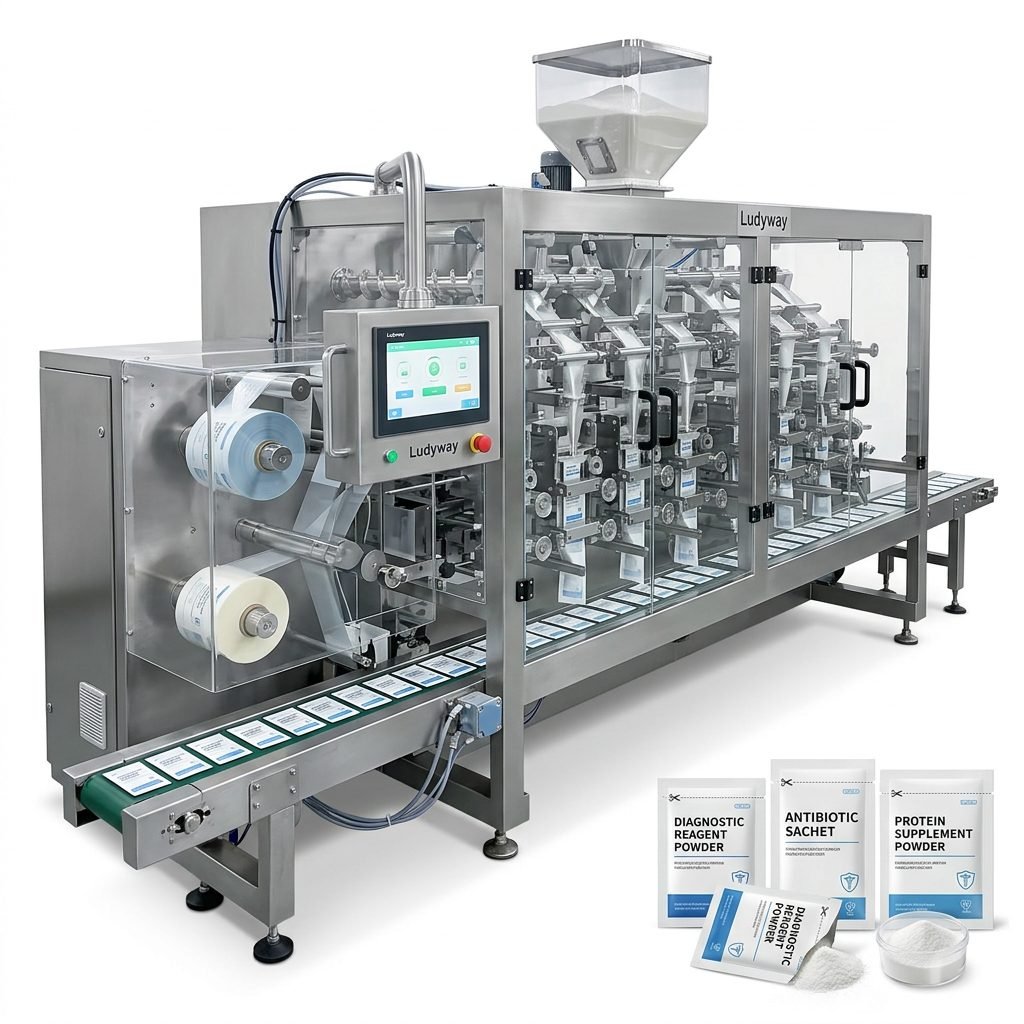
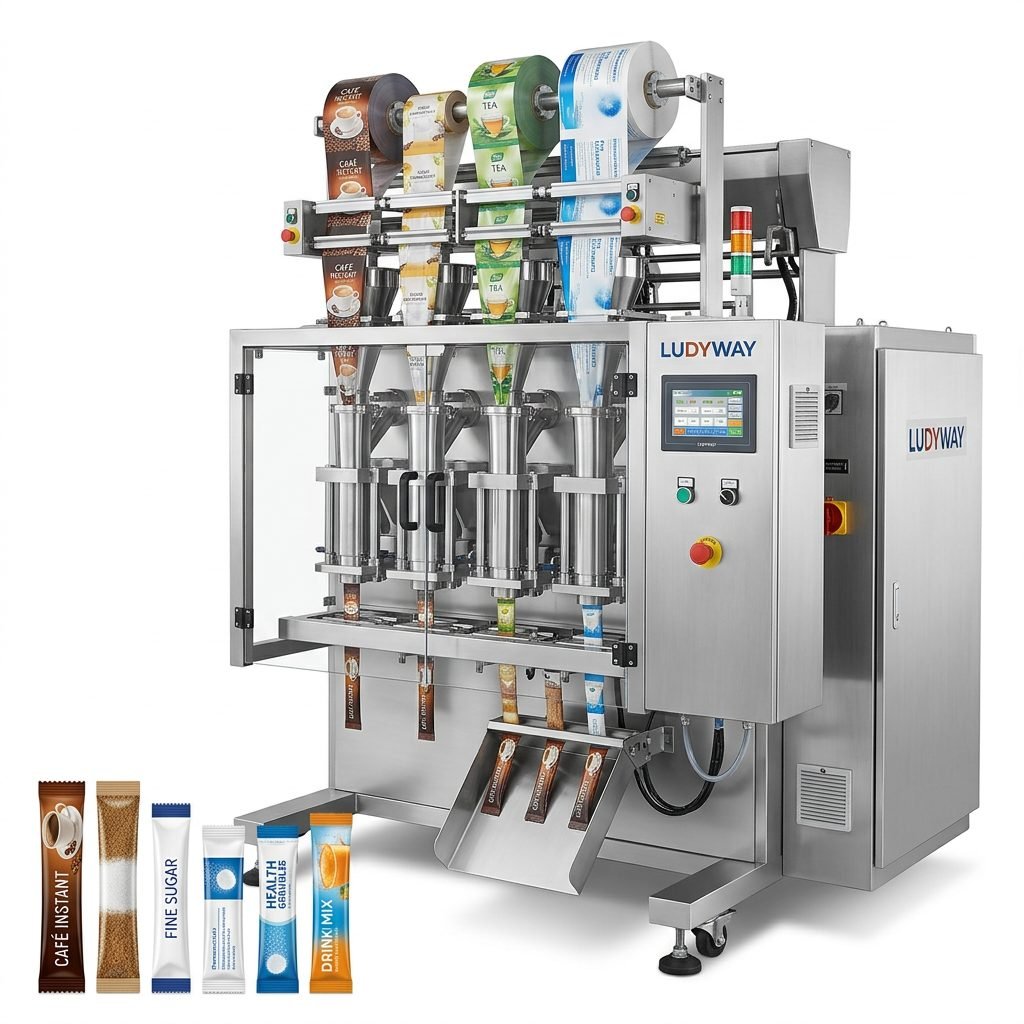
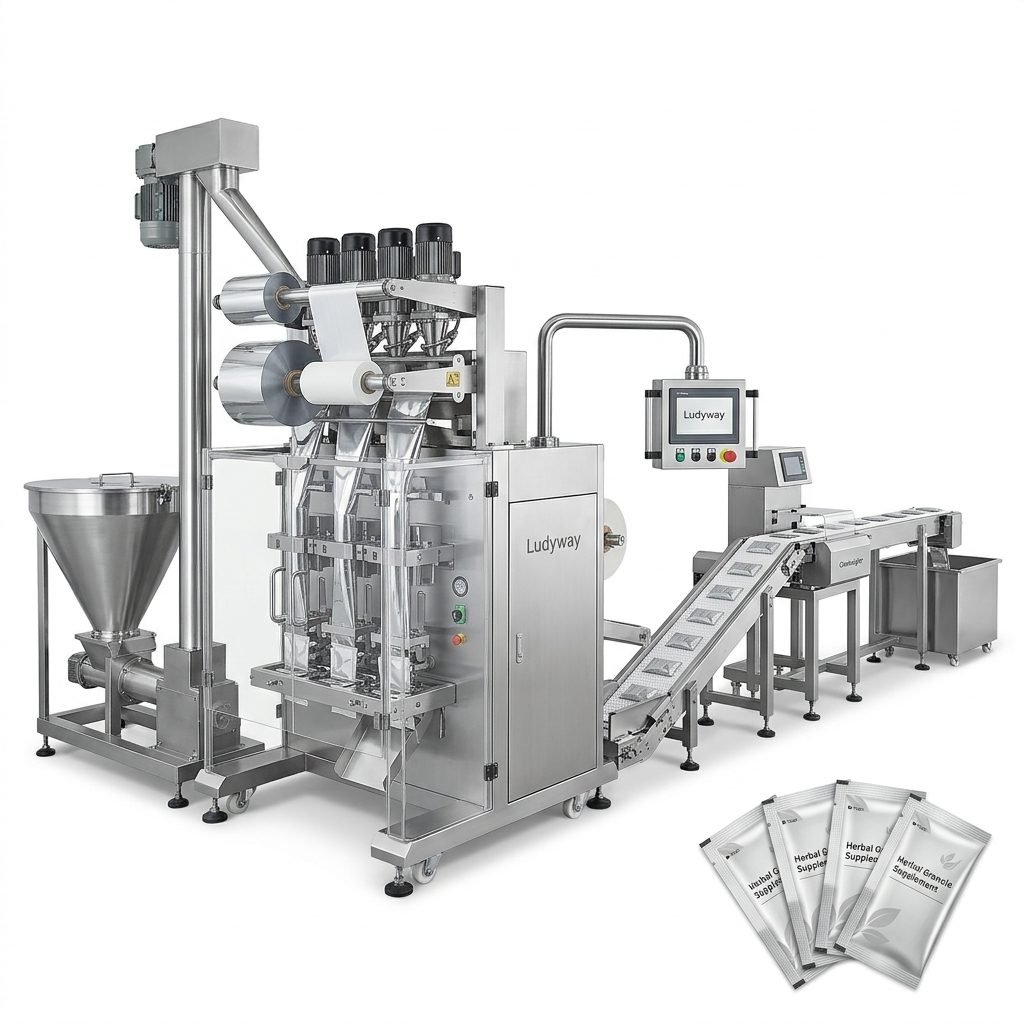
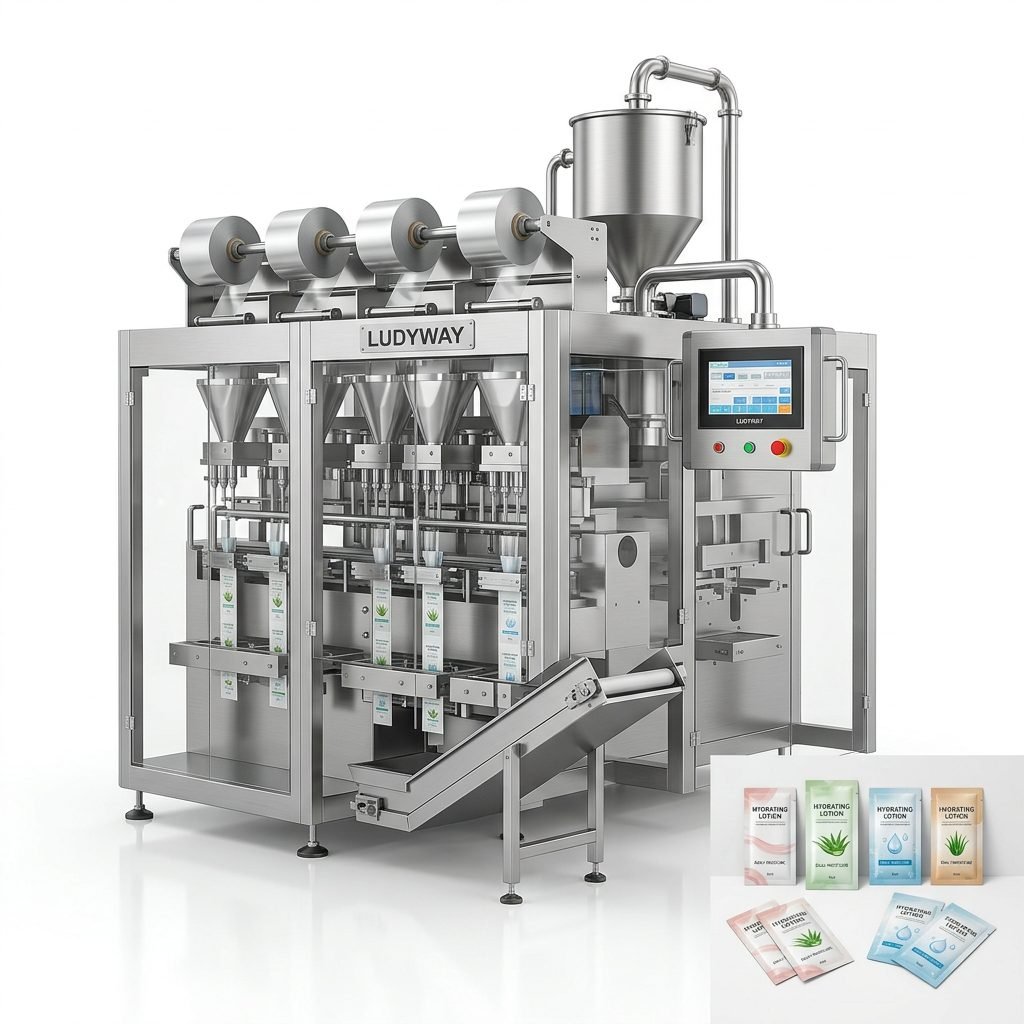
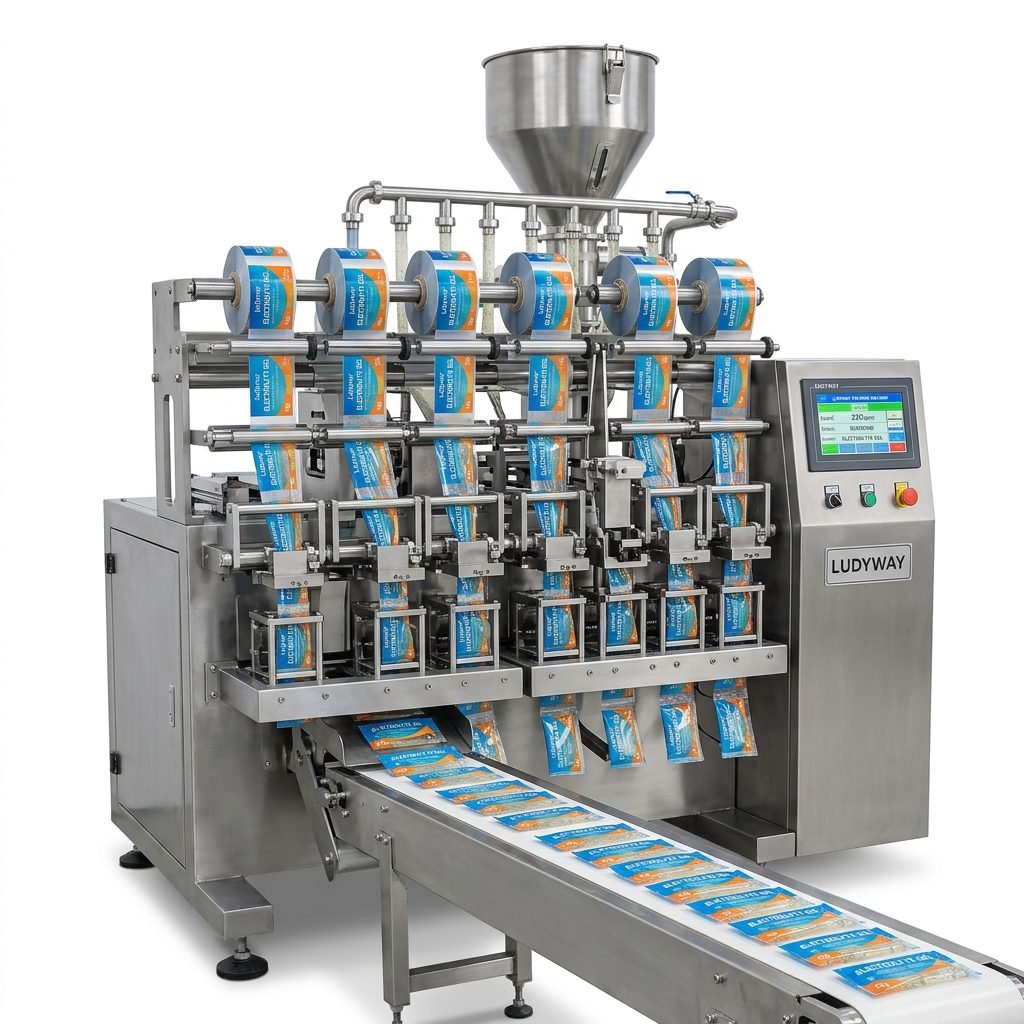
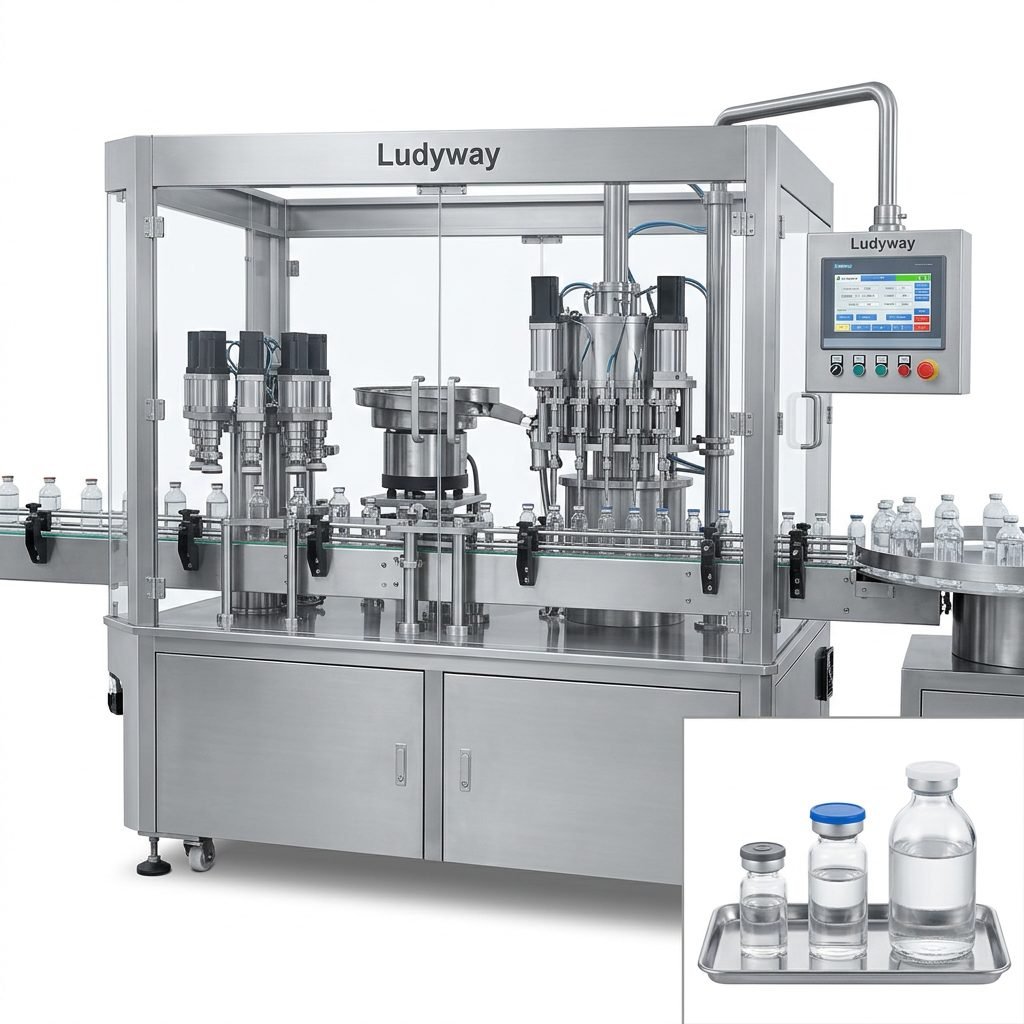
For companies seeking turnkey packaging solutions or complementary equipment, Ludyway offers extensive expertise as one of the leading packaging machine manufacturers, with over 50 intelligent packaging machine models serving customers across more than 100 countries. Their engineering team can provide guidance on integrating blister lines with downstream cartoning and case packing systems.

Operator Training and Safety Protocols
Well-trained operators are the first line of defense against machine damage. Every operator should complete a structured training program covering normal operation, basic troubleshooting, cleaning procedures, and emergency response. Emphasize the importance of never bypassing safety interlocks and always following lockout/tagout procedures during maintenance interventions. Regular refresher training keeps skills current and reinforces a culture of safety and quality.
Additional industry resources are available through the Flexible Packaging Association Industry Resources hub, which offers valuable data on packaging materials and sustainability practices relevant to blister packaging operations.
Conclusion
A structured maintenance program for your Romaco blister packaging machine is an investment that pays for itself through reduced downtime, consistent product quality, and extended equipment life. By following the daily, weekly, monthly, quarterly, and annual schedules outlined in this guide, production facilities can maintain high operational efficiency while meeting stringent pharmaceutical regulatory requirements. Always consult the official Romaco technical documentation for model-specific procedures and keep detailed records of all maintenance activities.