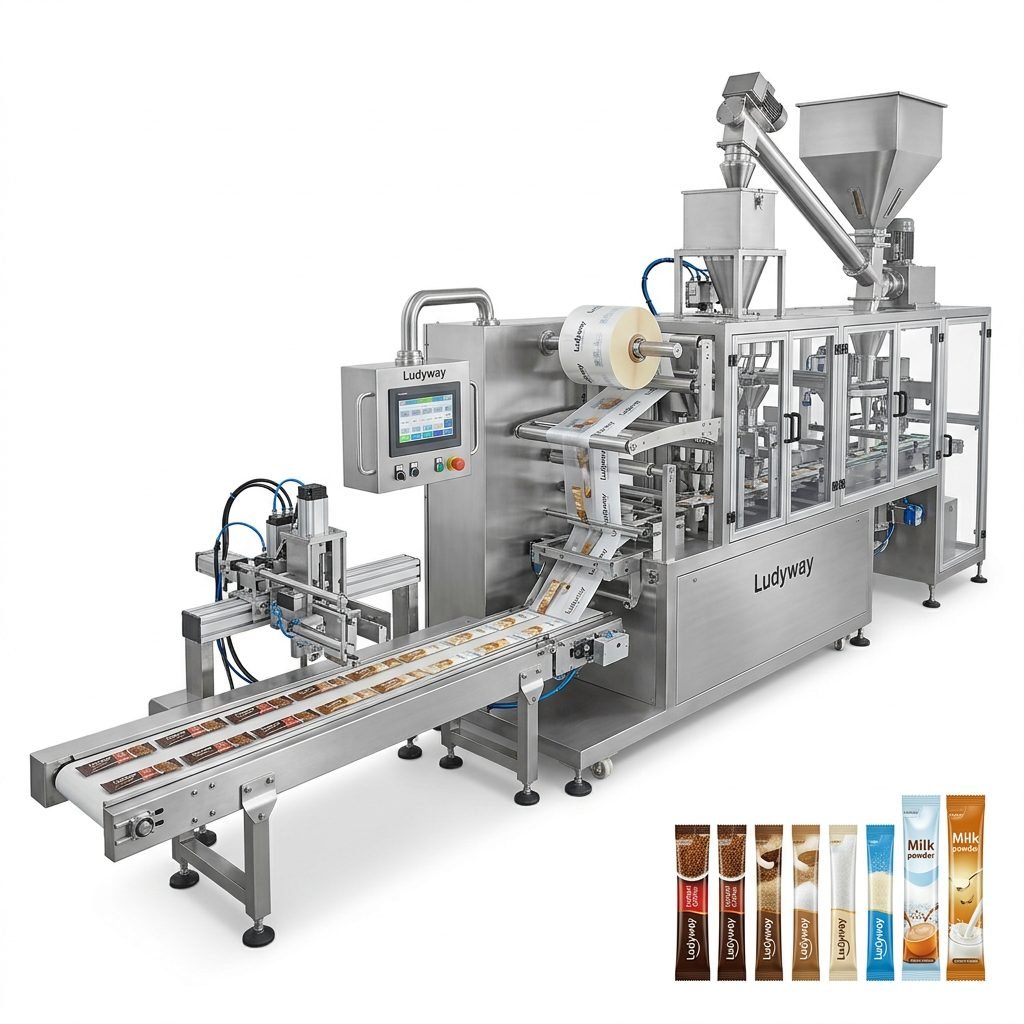
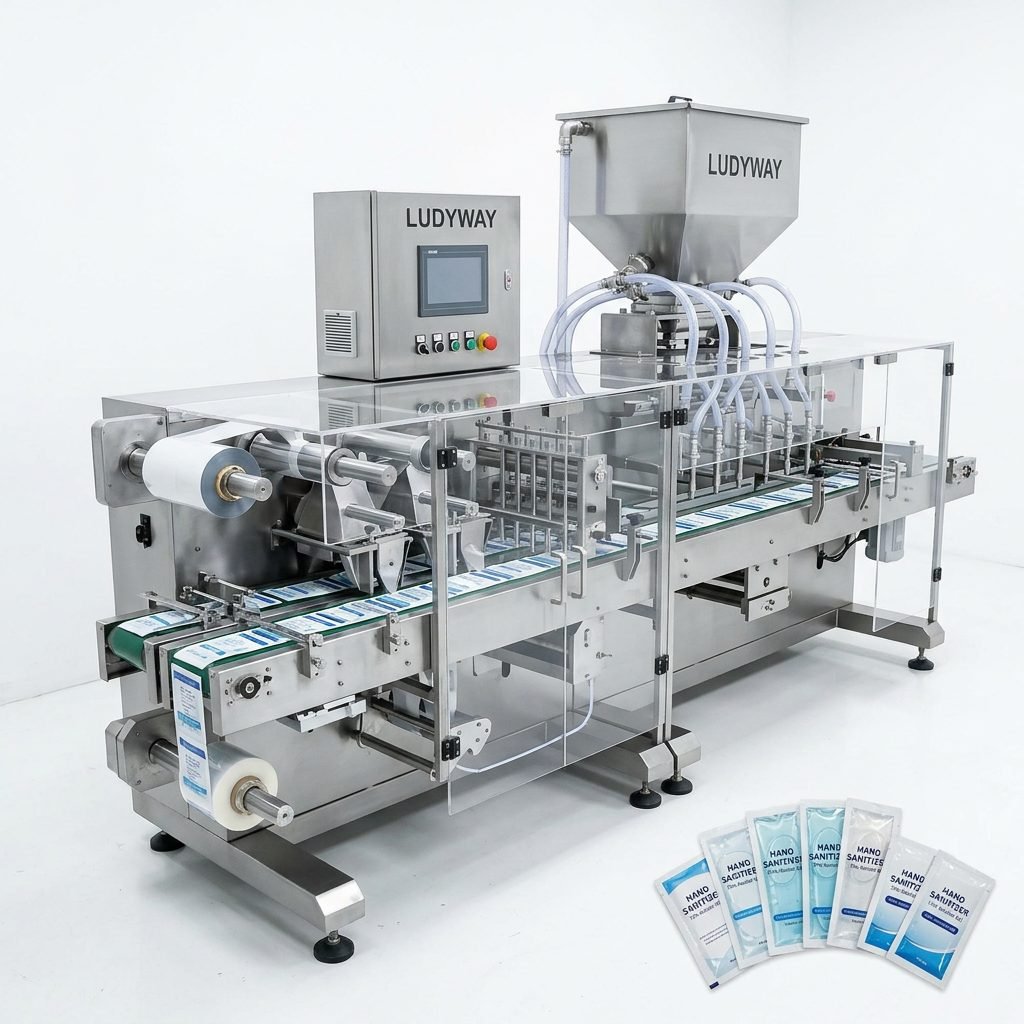
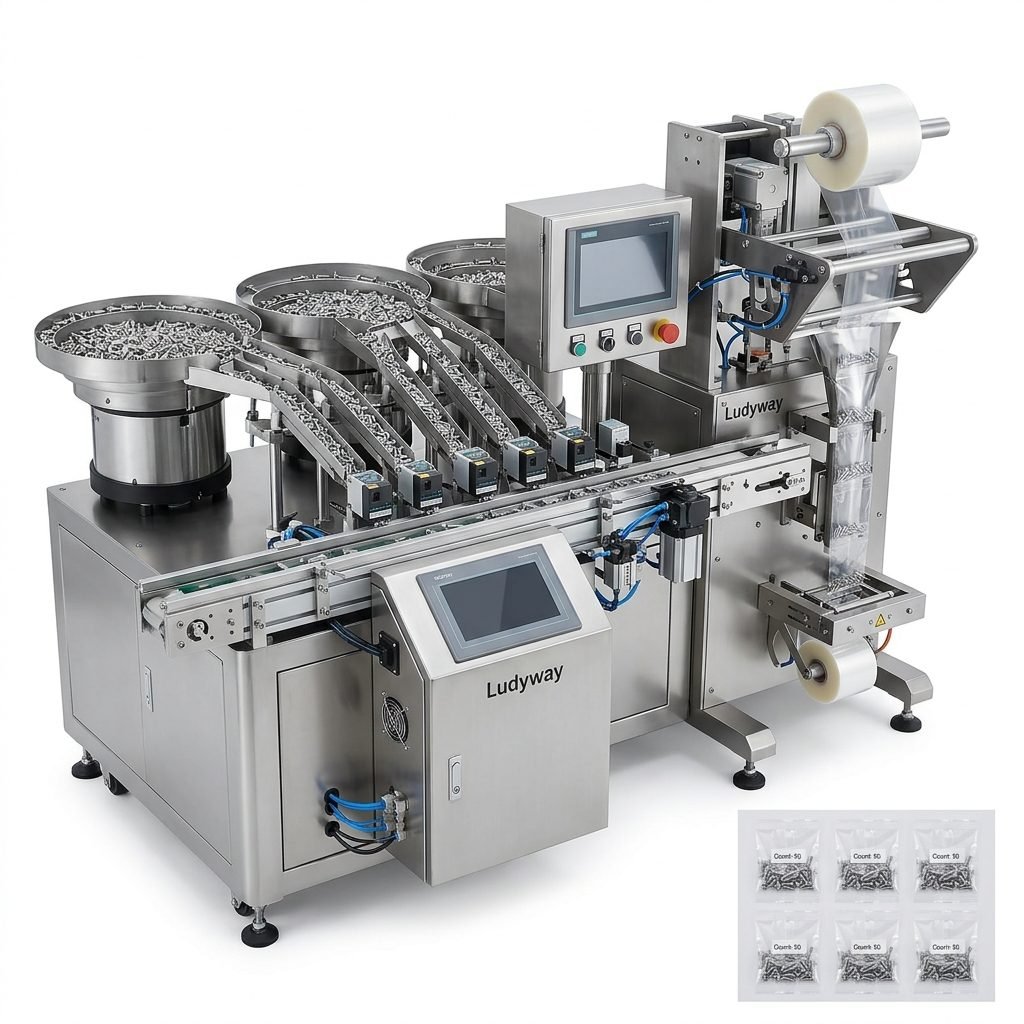
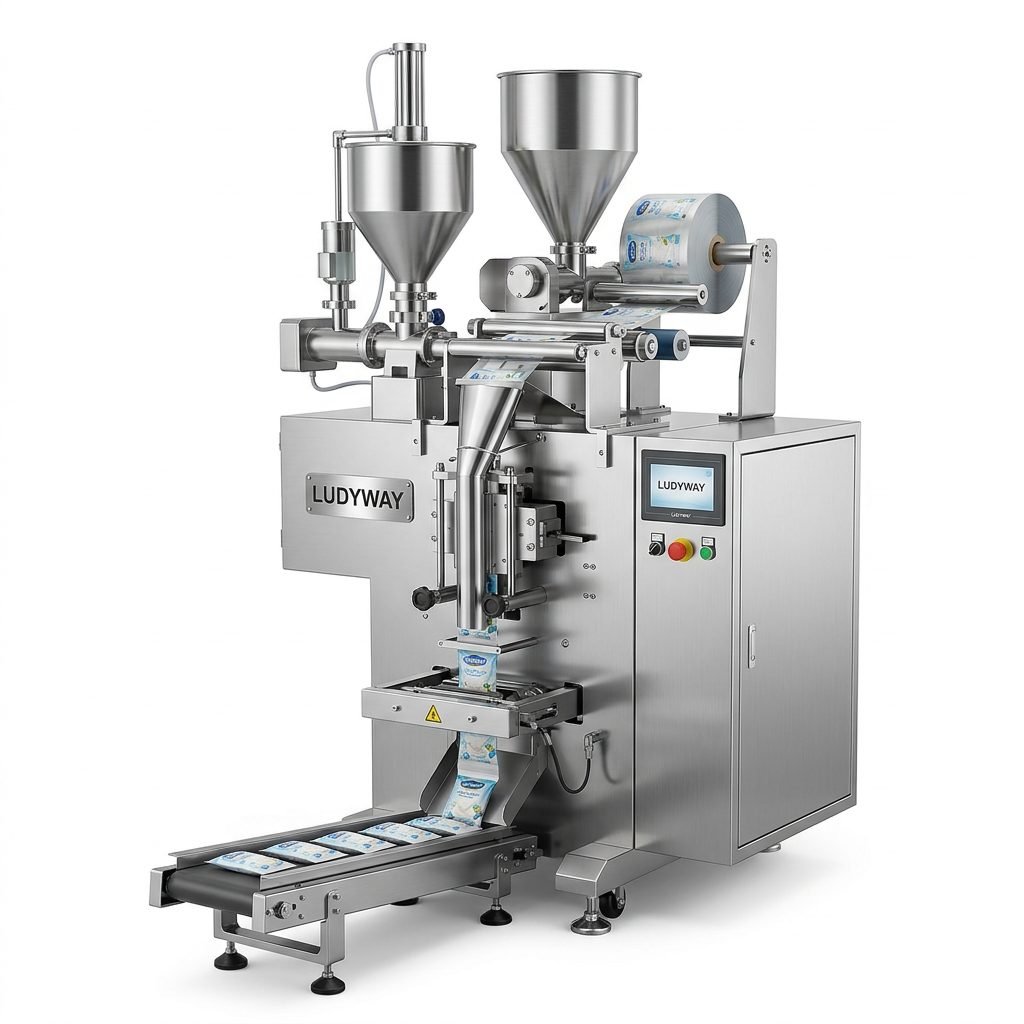
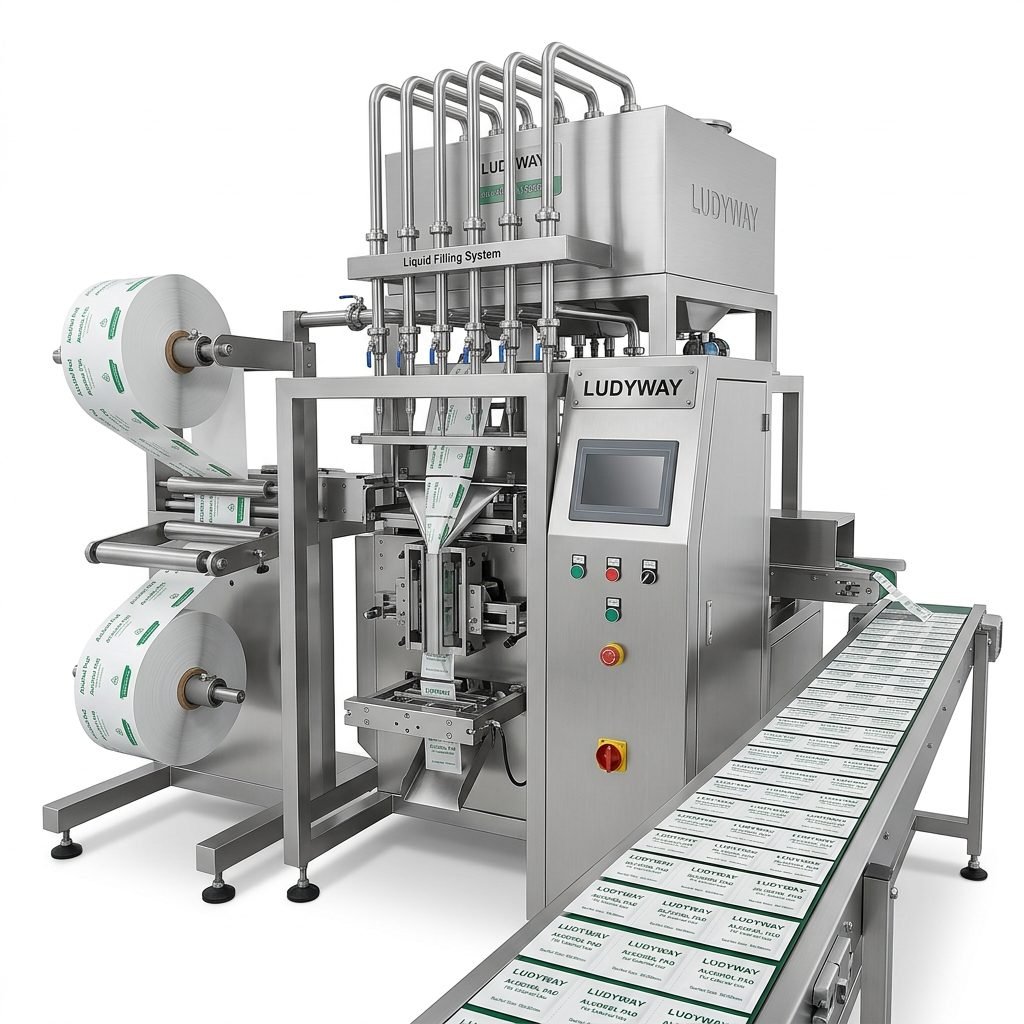
Blister packaging machines are the backbone of pharmaceutical and healthcare production lines. The ACG blister packing machine is known for its precision, speed, and reliability in forming, filling, and sealing blister packs. However, like any high-performance equipment, consistent maintenance is critical to ensure optimal output, minimize downtime, and extend the machine’s service life. Neglecting routine care can lead to defective seals, misaligned blisters, and costly production halts.
Understanding Your ACG Blister Packing Machine
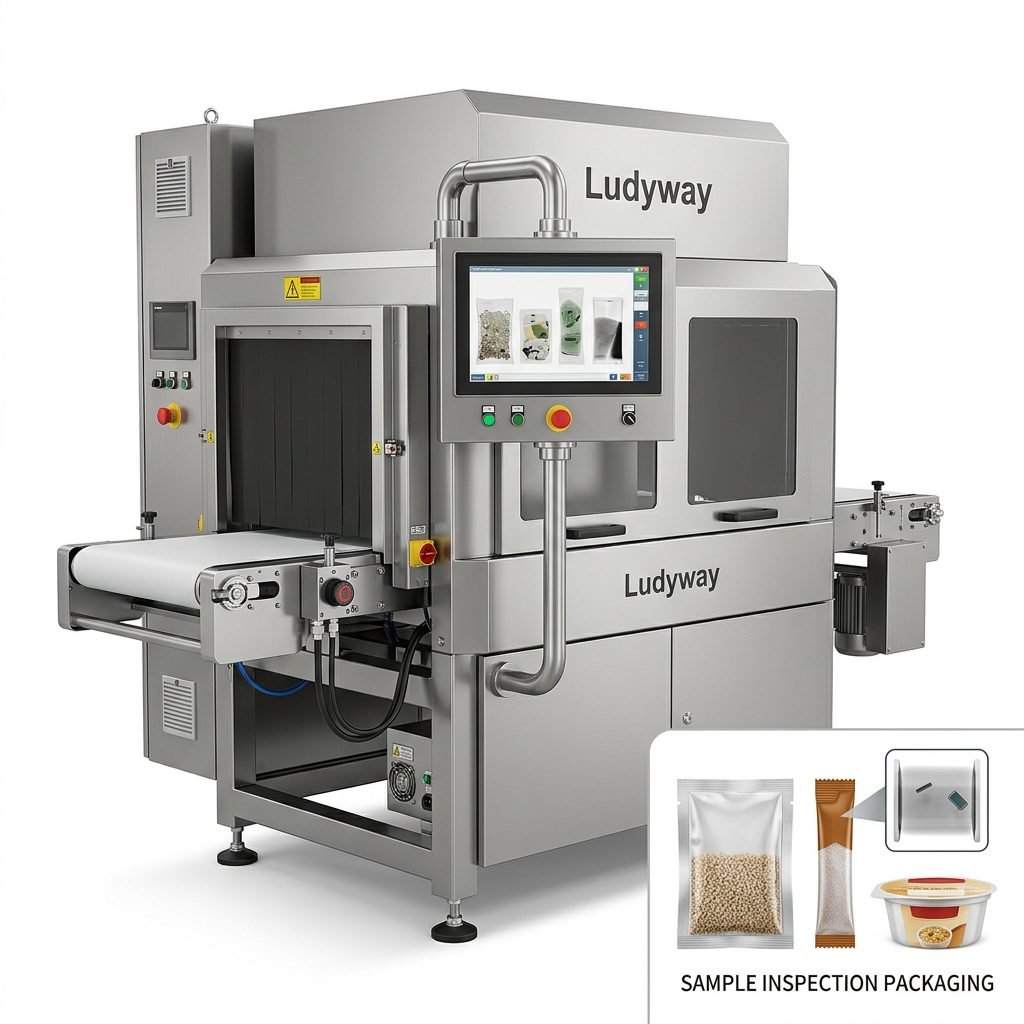
Before diving into maintenance routines, it helps to understand the core modules of a blister packing system. These typically include the forming station, where the blister cavities are created; the feeding and filling zone; the sealing station where lidding material is bonded; and the cutting and ejection unit. Each section has wear parts that require regular inspection. Familiarity with these components allows operators to spot early warning signs such as unusual vibrations, temperature fluctuations, or irregular film movement.
Key Components That Demand Attention
- Forming die and plug assist: Subject to mechanical stress and heat exposure
- Sealing rollers and heating plates: Critical for hermetic seal integrity
- Film unwind and tension control: Affects alignment and blister consistency
- Indexing and chain drive systems: Ensure precise movement between stations
- Cooling system and temperature sensors: Prevent overheating and material deformation
Daily Maintenance Checklist
A daily routine is your first line of defense against unexpected breakdowns. These tasks take only 15 to 20 minutes but can prevent hours of lost production time. Operators should perform these checks at the start of each shift and document findings in a maintenance log.
Cleaning the Forming and Sealing Stations
Product residue, dust, and film particles accumulate quickly around the forming platens and sealing rollers. Use a dry, lint-free cloth or compressed air to remove debris. Avoid abrasive cleaners that could scratch precision surfaces. Pay special attention to the sealing area, where residual heat can bake on contaminants over time.
Inspecting Film Path and Alignment
Walk the film path from the unwind roll through to the cutting station. Check that the forming film and lidding material track centered and without wrinkles. Misalignment can cause incomplete blister formation or poor seal quality. Verify that guide rollers spin freely and that static eliminators are functioning properly.
Lubrication Points Check
Refer to the machine’s lubrication chart and apply food-grade lubricant to designated grease nipples and oil points. Over-lubrication can be as harmful as under-lubrication, attracting dust and creating buildup. Stick to the manufacturer’s recommended intervals and quantities.
Weekly Preventive Maintenance
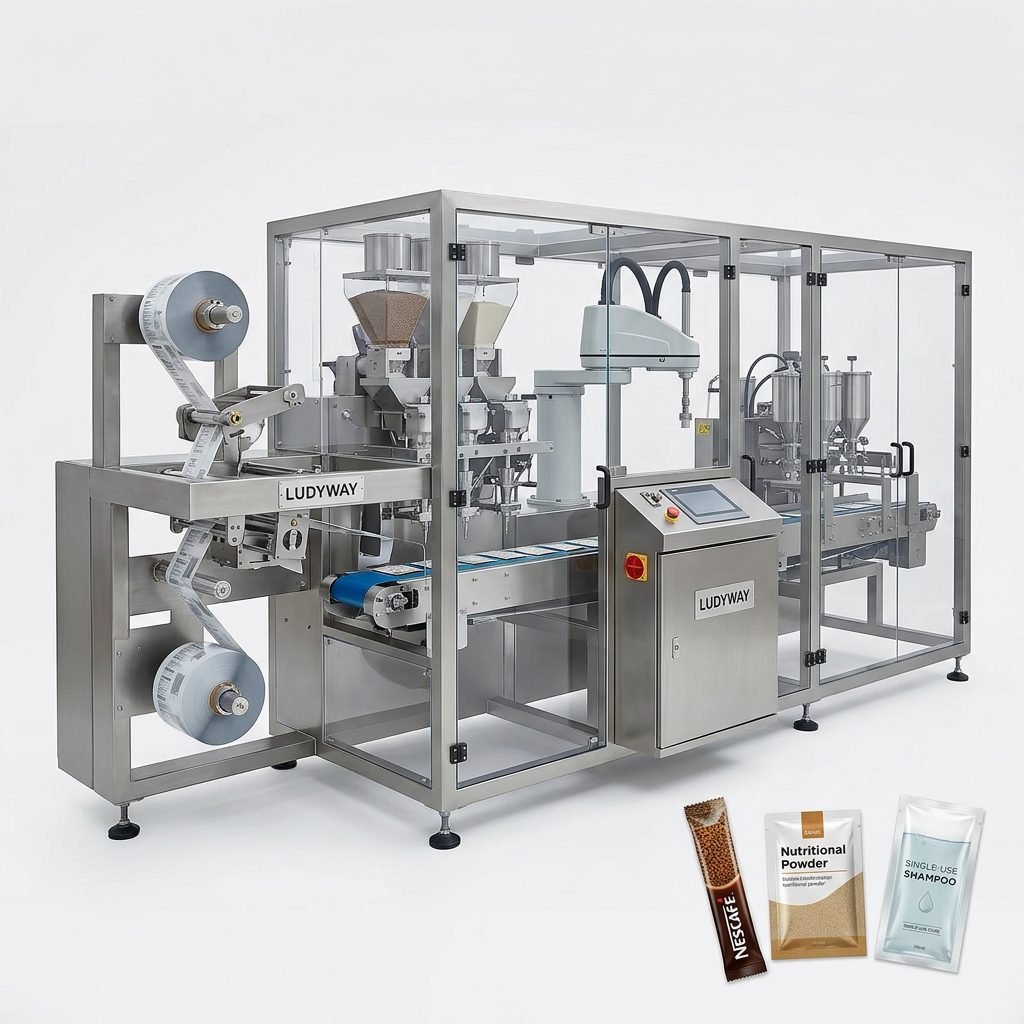
Weekly tasks go deeper into mechanical and electrical systems. These inspections require a trained maintenance technician who understands the interplay between pneumatic, electrical, and mechanical systems on the blister packing line.
Chain and Belt Tension Verification
Loose chains cause indexing errors, while overly tight belts accelerate bearing wear. Use a tension gauge to confirm specifications match the industry-recommended parameters. Listen for unusual clicking or grinding sounds during slow-speed operation, which may indicate worn sprockets or misaligned pulleys.
Sensor and Safety System Testing
Modern blister machines rely on multiple sensors—temperature probes, proximity switches, and vision inspection cameras. Test each sensor’s response and clean optical lenses with isopropyl alcohol. Never bypass safety interlocks during production; verify that emergency stops and guard door switches activate immediately when triggered.
Pneumatic System Inspection
Check air filters for moisture and contaminants, draining water traps as needed. Inspect all pneumatic hoses and fittings for leaks or cracks. Consistent air pressure is essential for the plug assist mechanism and sealing jaw actuation. Fluctuations can directly impact blister quality.
Monthly Deep Maintenance Schedule
A monthly deep-dive addresses components that wear gradually. This proactive approach prevents cumulative damage and helps plan spare parts inventory before critical failures occur. Below is a structured maintenance timeline reference:
| Maintenance Task | Frequency | Responsible Party |
|---|---|---|
| Forming station deep cleaning and inspection | Monthly | Maintenance Technician |
| Sealing roller surface evaluation and replacement if worn | Monthly / As Needed | Maintenance Supervisor |
| Electrical panel inspection and terminal tightening | Monthly | Qualified Electrician |
| Gearbox oil level check and top-up | Monthly | Maintenance Technician |
| Full calibration of temperature controllers and sensors | Monthly | Instrumentation Specialist |
| Chain drive lubrication and wear measurement | Monthly | Maintenance Technician |
Electrical Cabinet Inspection
Open the main electrical enclosure and inspect for dust accumulation, loose wiring, or signs of overheating. Tighten terminal block connections and verify that cooling fans are operational. Thermal imaging cameras can help identify hot spots that indicate failing components before they cause tripped breakers or control system faults.
Forming Tool and Sealing Die Evaluation
Remove the forming tooling and inspect cavity edges for wear, scoring, or material buildup. Even minor imperfections transfer to every blister produced. Similarly, examine the sealing die for uneven wear patterns that could compromise packaging integrity standards. Replace or resurface tooling at the first sign of degradation.

Common Issues and Troubleshooting Guide
Even with diligent maintenance, occasional issues arise. Knowing how to diagnose and address them quickly keeps production on track. The following table outlines frequent problems encountered on blister packing machines and their probable causes:
| Problem | Possible Cause | Recommended Action |
|---|---|---|
| Incomplete blister formation | Low forming temperature or insufficient vacuum | Verify heater settings; check vacuum pump and seals |
| Weak or leaking seals | Worn sealing rollers or incorrect temperature | Inspect roller surface; recalibrate temperature controller |
| Film tracking off-center | Misaligned guide rollers or tension issues | Realign rollers; adjust unwind brake tension |
| Excessive machine vibration | Loose mounting bolts or worn bearings | Tighten all fasteners; inspect and replace bearings |
| PLC or HMI communication errors | Electrical noise or loose communication cables | Check grounding; reseat connectors; update firmware |
Spare Parts Management Strategy
A well-stocked spare parts inventory prevents extended downtime. Critical spare parts should be identified based on the machine’s runtime history and the manufacturer’s recommendations. Prioritize items with long lead times or those known to wear predictably.
- High-priority spares: Sealing rollers, forming dies, heating elements, drive belts, sensor modules
- Medium-priority spares: Bearings, pneumatic cylinders, solenoid valves, guide rollers
- Consumables: Lubricants, cleaning supplies, static eliminator brushes, O-rings and gaskets
Establish relationships with trusted packaging machine suppliers who can provide genuine OEM parts and expedited shipping when urgent replacements are needed.
Documentation and Maintenance Records
Thorough documentation transforms maintenance from a reactive chore into a strategic advantage. Maintain digital or physical logs that record every inspection, repair, and parts replacement. This historical data reveals patterns—such as a bearing that fails every 18 months—enabling truly predictive maintenance. Audit-ready records also support regulatory compliance in pharmaceutical manufacturing environments.
What to Record in Maintenance Logs
- Date, time, and technician name for each maintenance activity
- Specific tasks performed and any abnormalities observed
- Parts replaced, including serial numbers and supplier information
- Machine runtime hours at the time of service
- Calibration verification results and any adjustments made
When to Call Professional Service Support
While in-house teams handle routine upkeep, certain situations demand specialized expertise. Major overhauls, control system upgrades, or persistent quality issues that resist troubleshooting warrant a call to the equipment manufacturer or a qualified service provider. Companies like Ludyway, one of the largest packaging machine manufacturers in China, offer comprehensive technical support and turnkey maintenance solutions for blister packaging systems across food, pharmaceutical, and health industries. Their engineering teams provide remote diagnostics, on-site repairs, and preventive maintenance contracts tailored to your production demands.
Operator Training and Best Practices
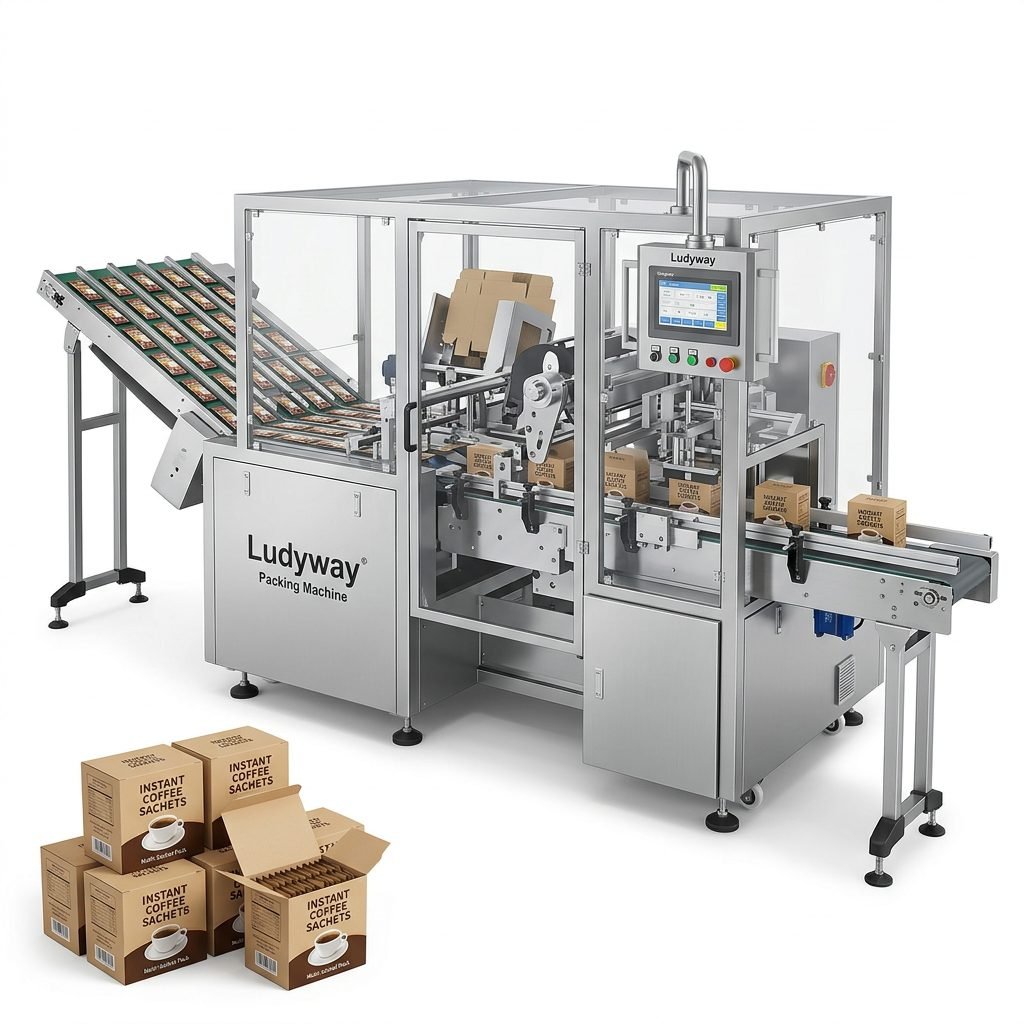
A well-trained operator is arguably the most valuable maintenance asset. Operators who understand normal machine behavior can detect subtle changes before they escalate. Implement a structured training program covering startup and shutdown procedures, cleaning protocols, basic troubleshooting, and emergency response. Encourage operators to report anomalies immediately rather than attempting to adjust parameters beyond their expertise.
Related Industry Resources
For further reading on packaging machinery standards, maintenance best practices, and industry trends, explore these authoritative sources:
- PMMI – Packaging Industry Business Intelligence
- PMMI – 2025 State of the Industry Report
- ISO – Packaging Standards Overview
- Flexible Packaging Association – Industry Resources
- FDA – Food Packaging and Food Contact Substances
- PACK EXPO International – Packaging Trade Show
Final Thoughts on Long-Term Reliability
An ACG blister packing machine represents a significant capital investment. Protecting that investment requires consistent, documented, and proactive maintenance. By combining daily operator checks with weekly technical inspections and monthly deep-dives, manufacturers can achieve years of reliable service with minimal unplanned downtime. The key is building a culture where maintenance is viewed not as a cost center but as a strategic driver of productivity and product quality. With the right approach, supported by knowledgeable partners and genuine spare parts, your blister packaging line will continue delivering precision-formed, securely sealed packages that meet the most stringent industry requirements.