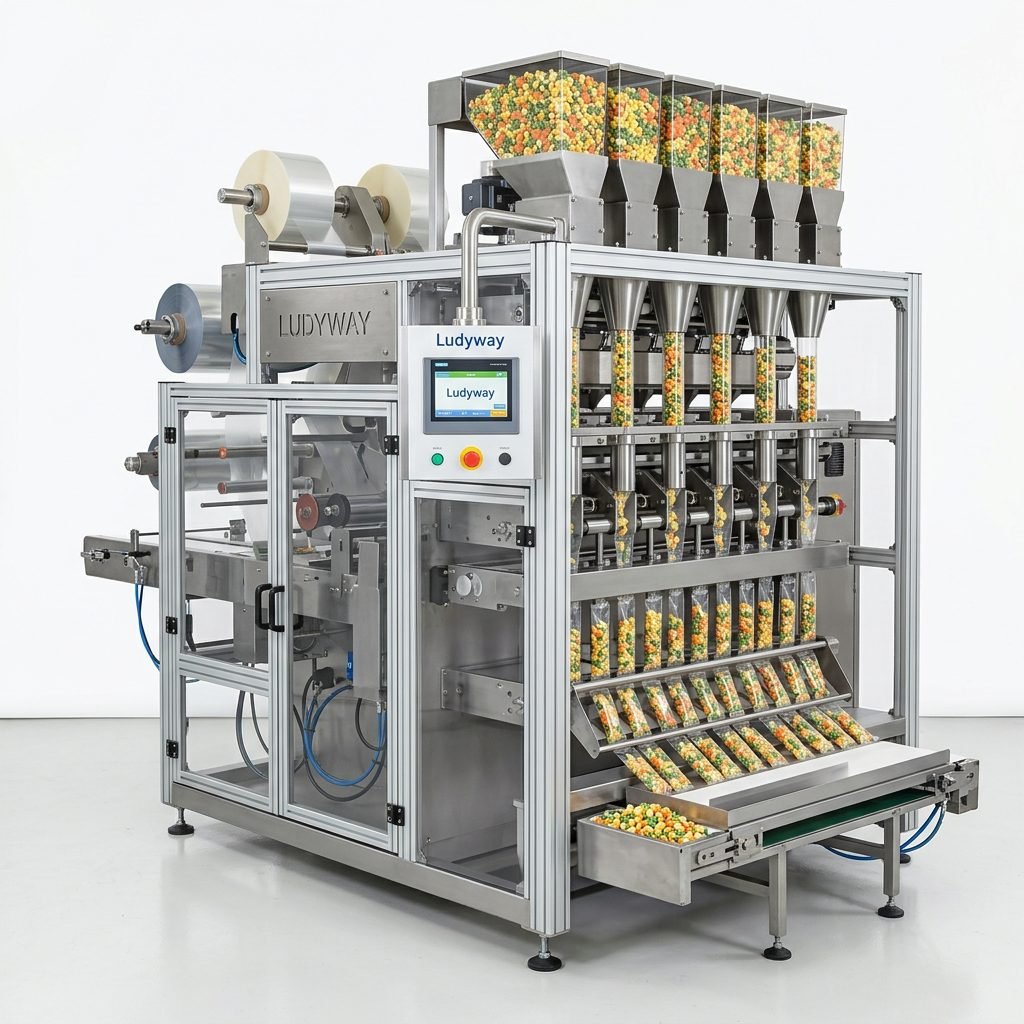
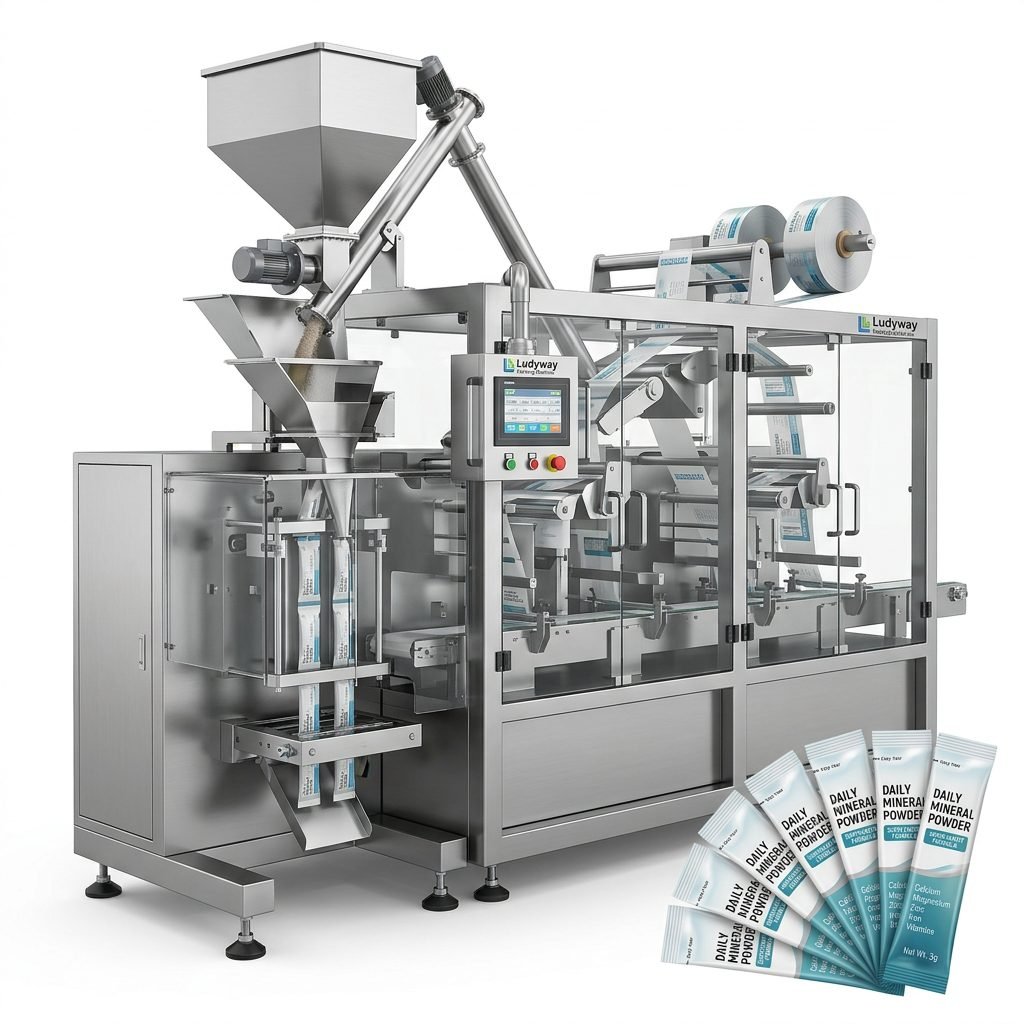
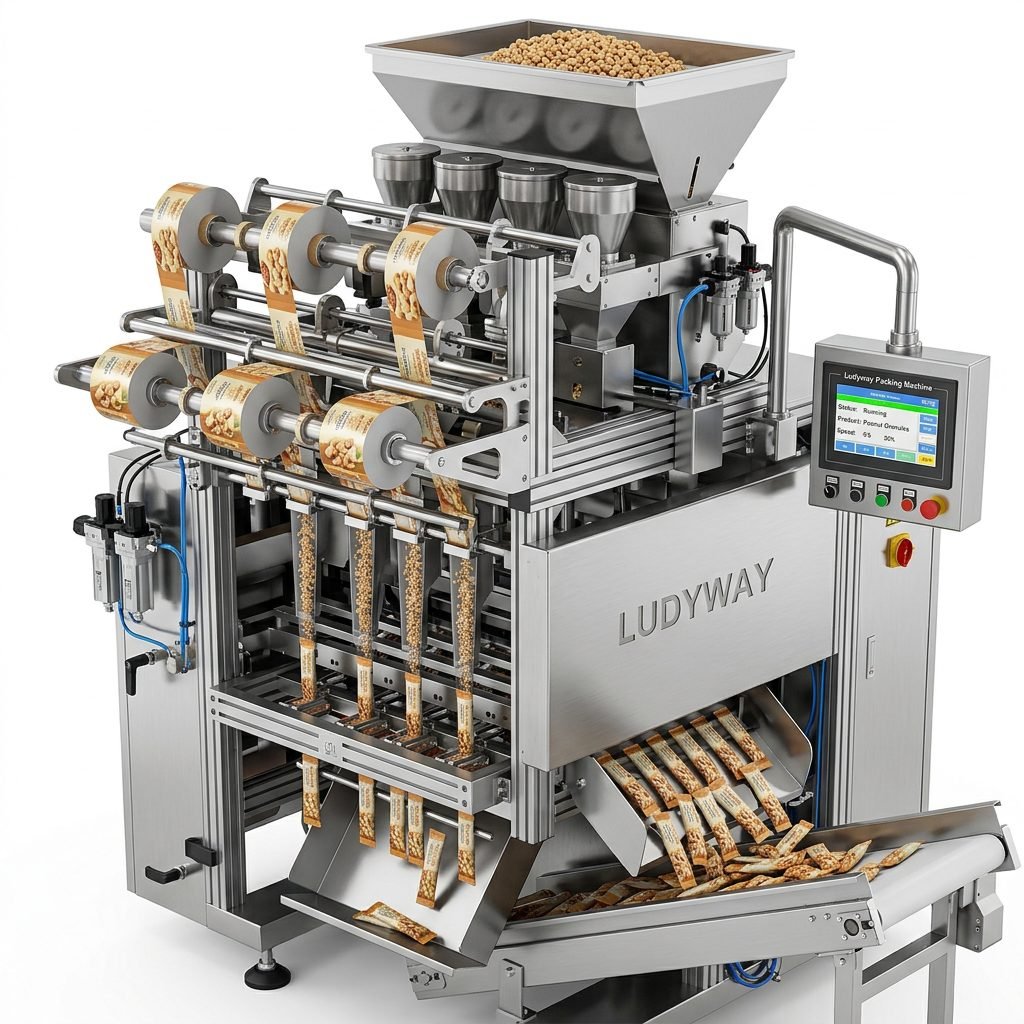
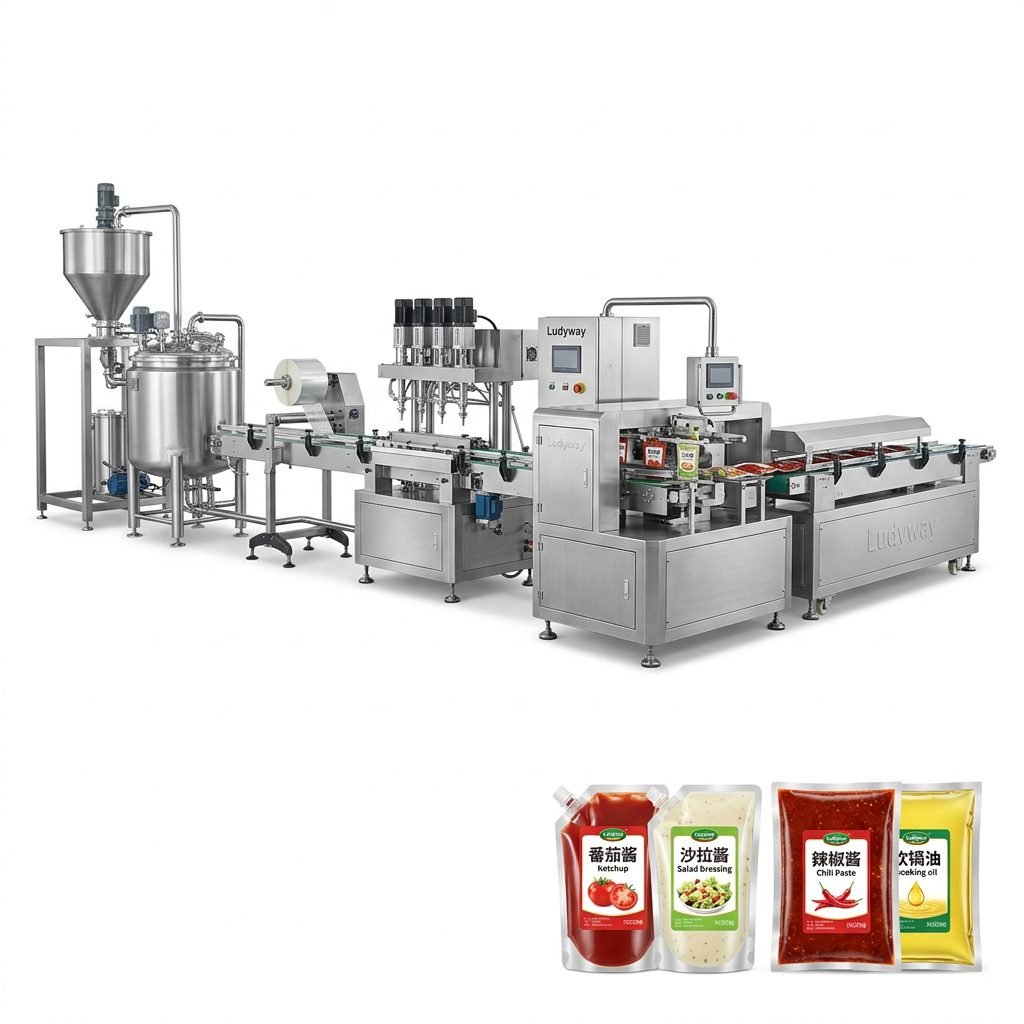
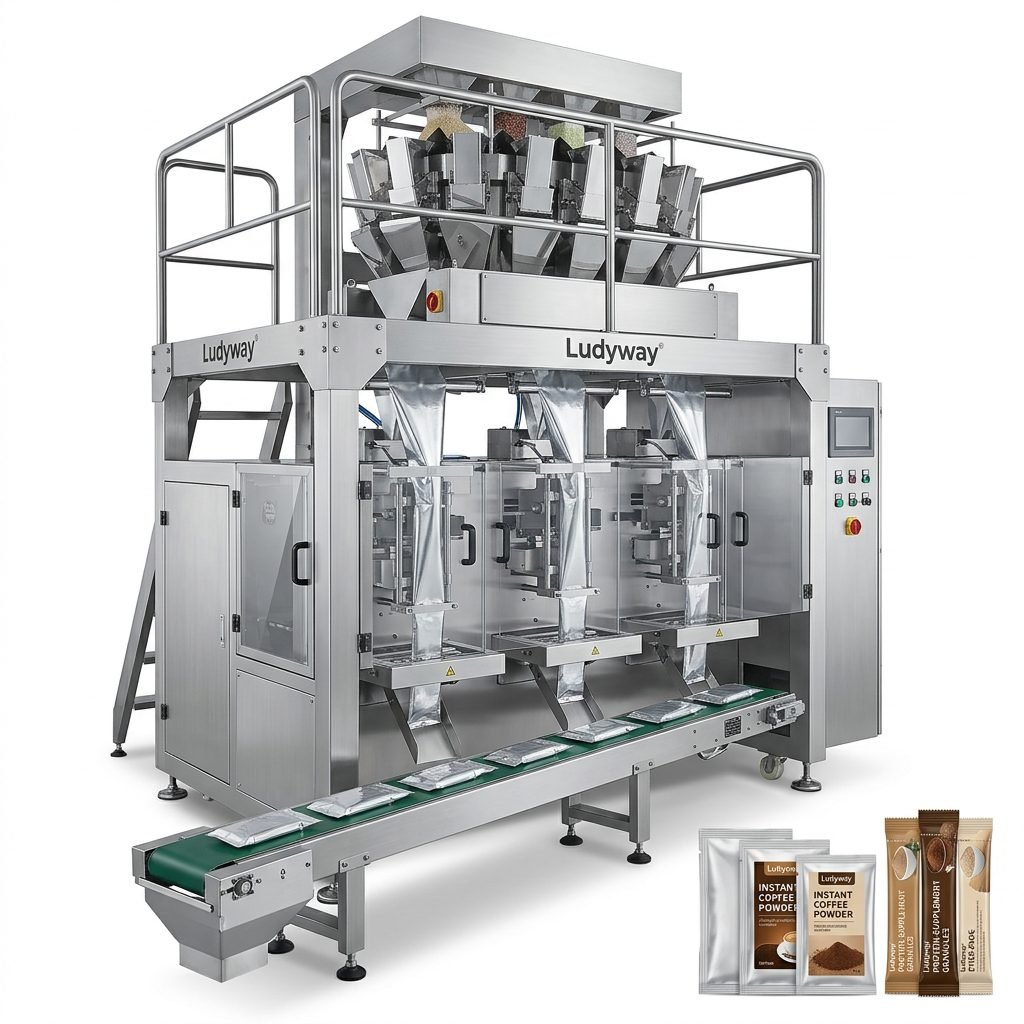
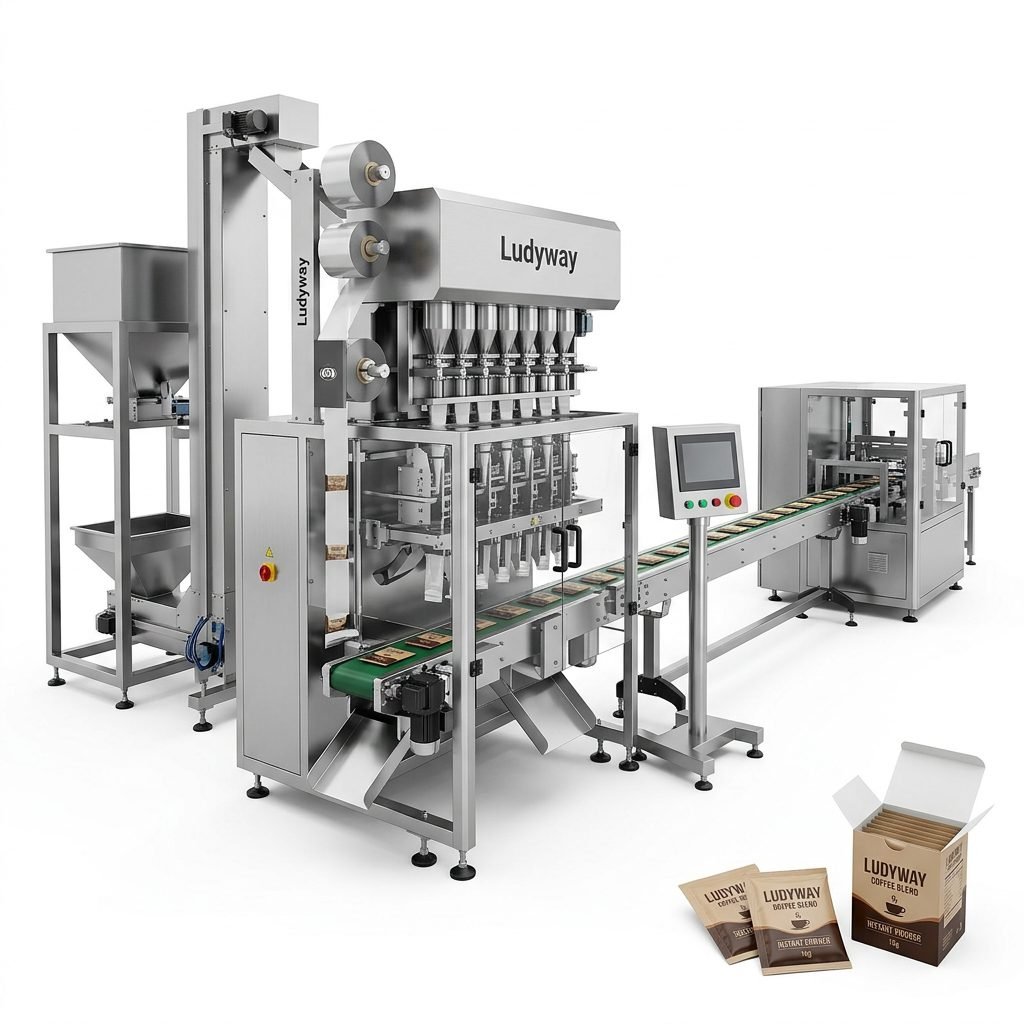
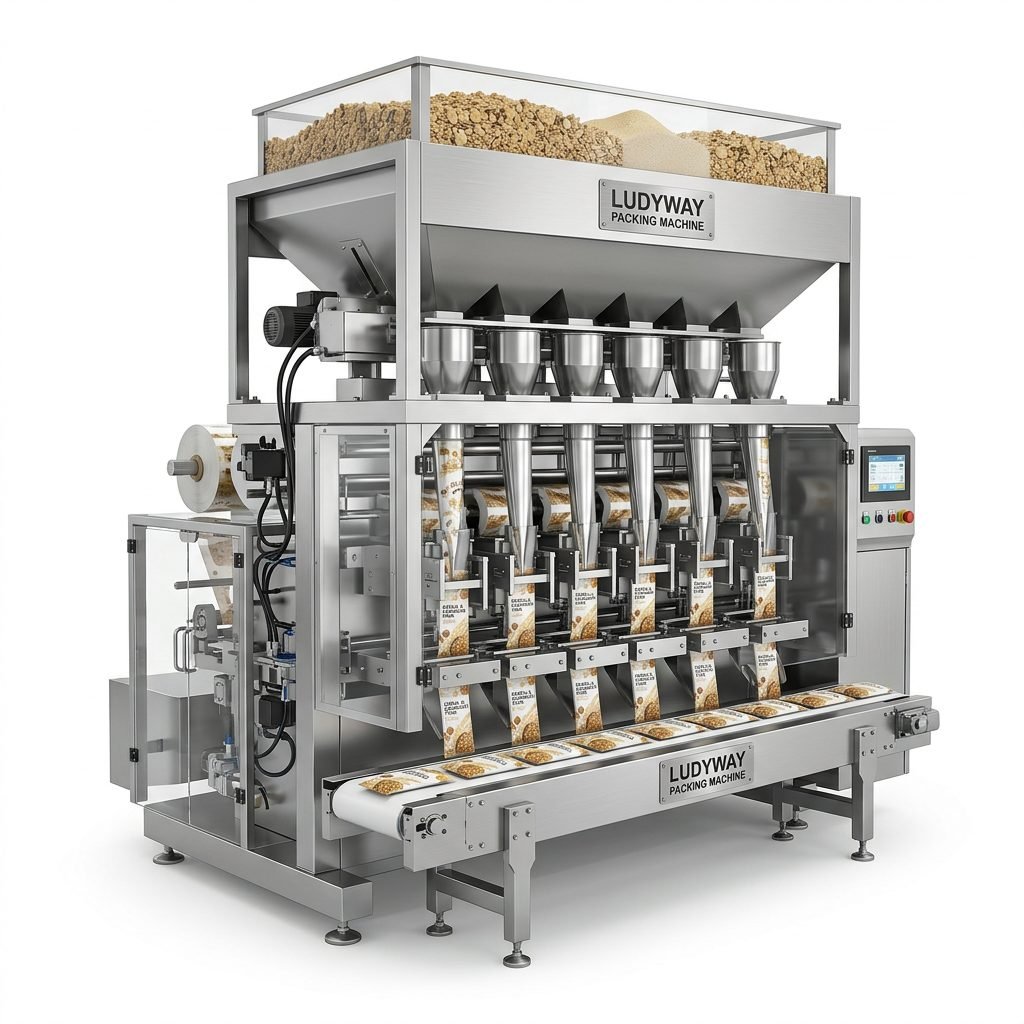
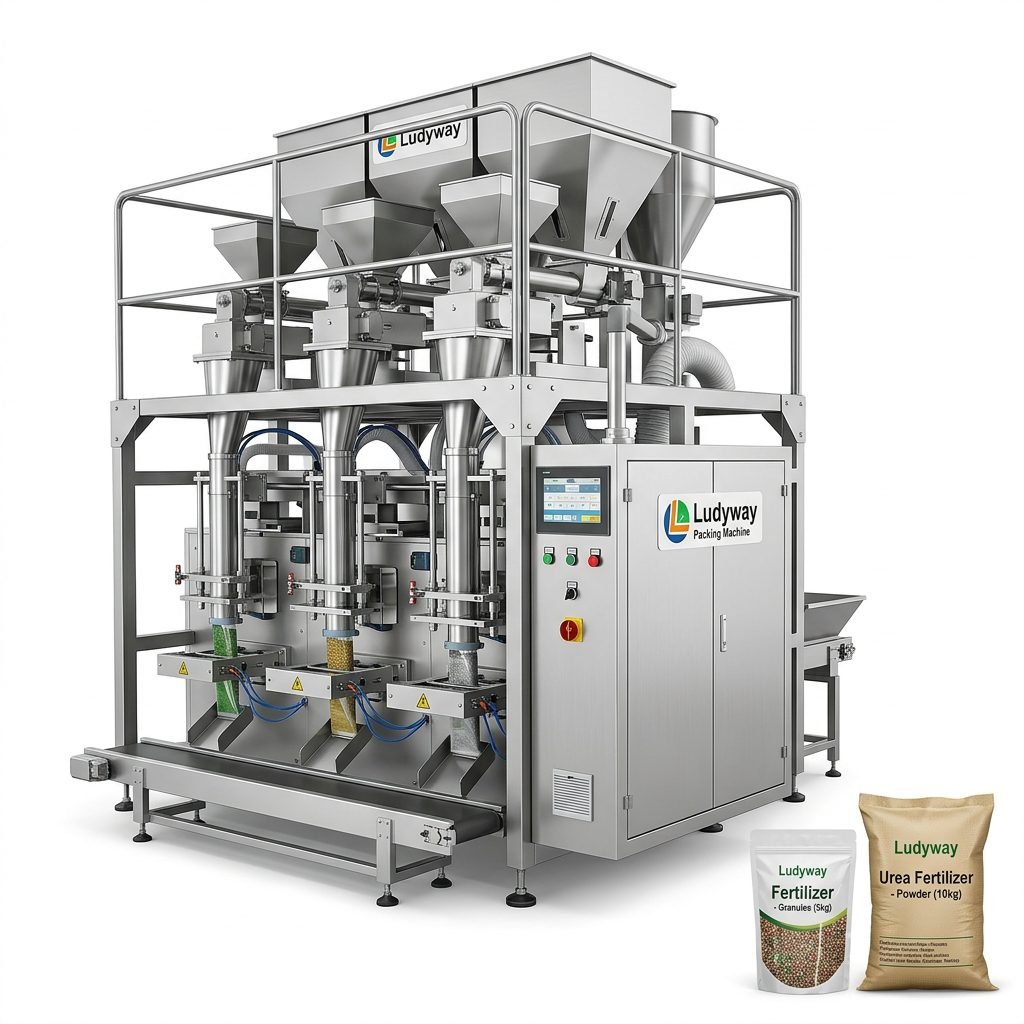
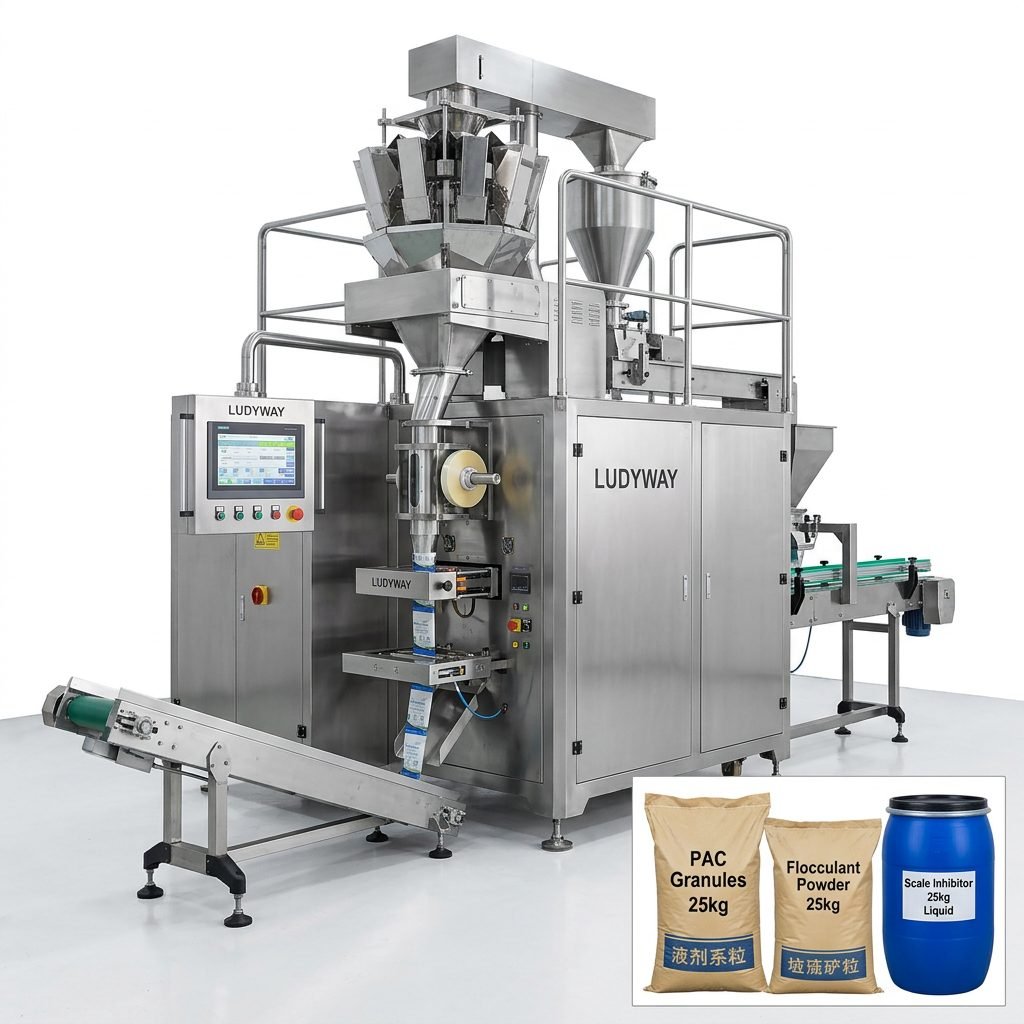
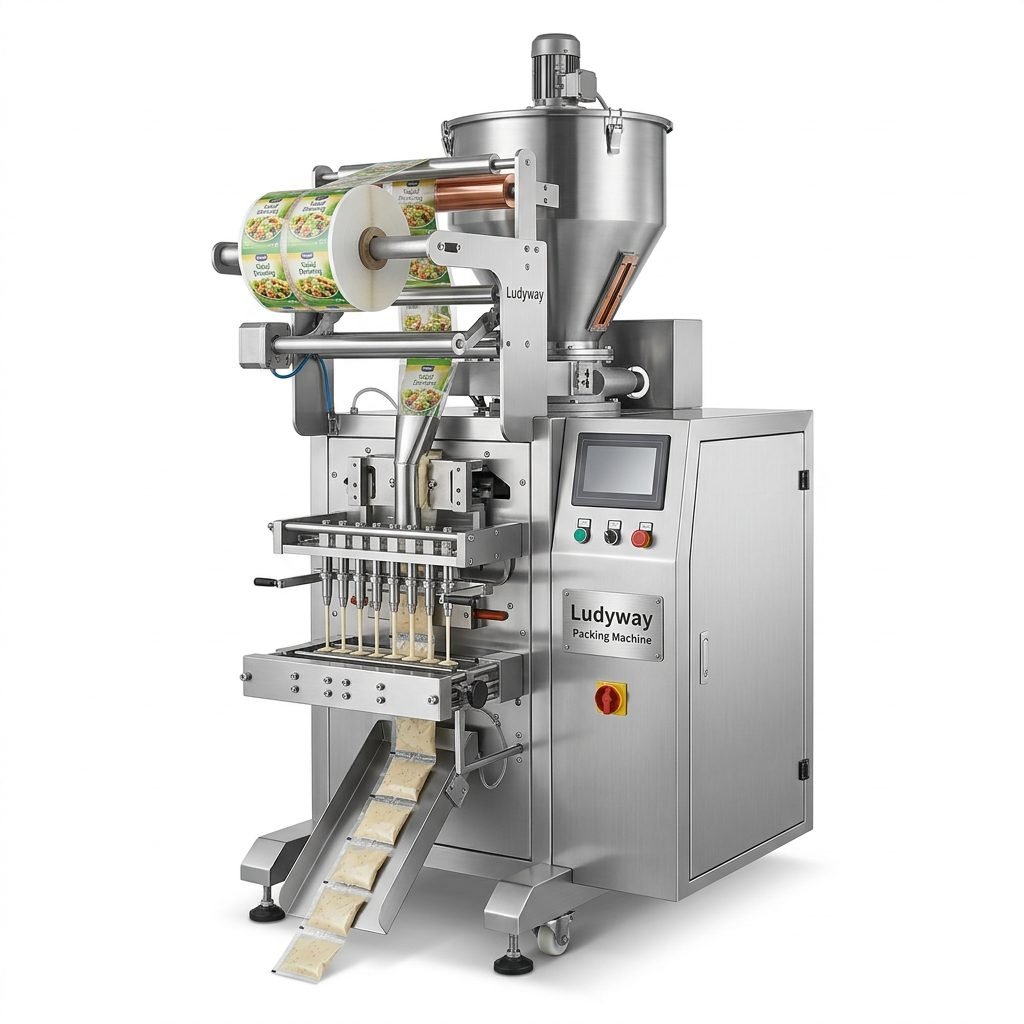
Maintaining a micron packaging machine is not just about keeping the equipment clean. It is a strategic investment in product quality, operational efficiency, and long-term machinery life. In high-precision industries like pharmaceuticals, nutraceuticals, and fine chemicals, even minor residue build-up or a slight misalignment can compromise the integrity of your production batch.
Whether you are running a multi-lane stick pack machine for powdered supplements or a high-speed sachet system for pharmaceutical granules, a robust maintenance protocol is essential. This guide provides practical, actionable steps to keep your micron packaging equipment in peak condition.
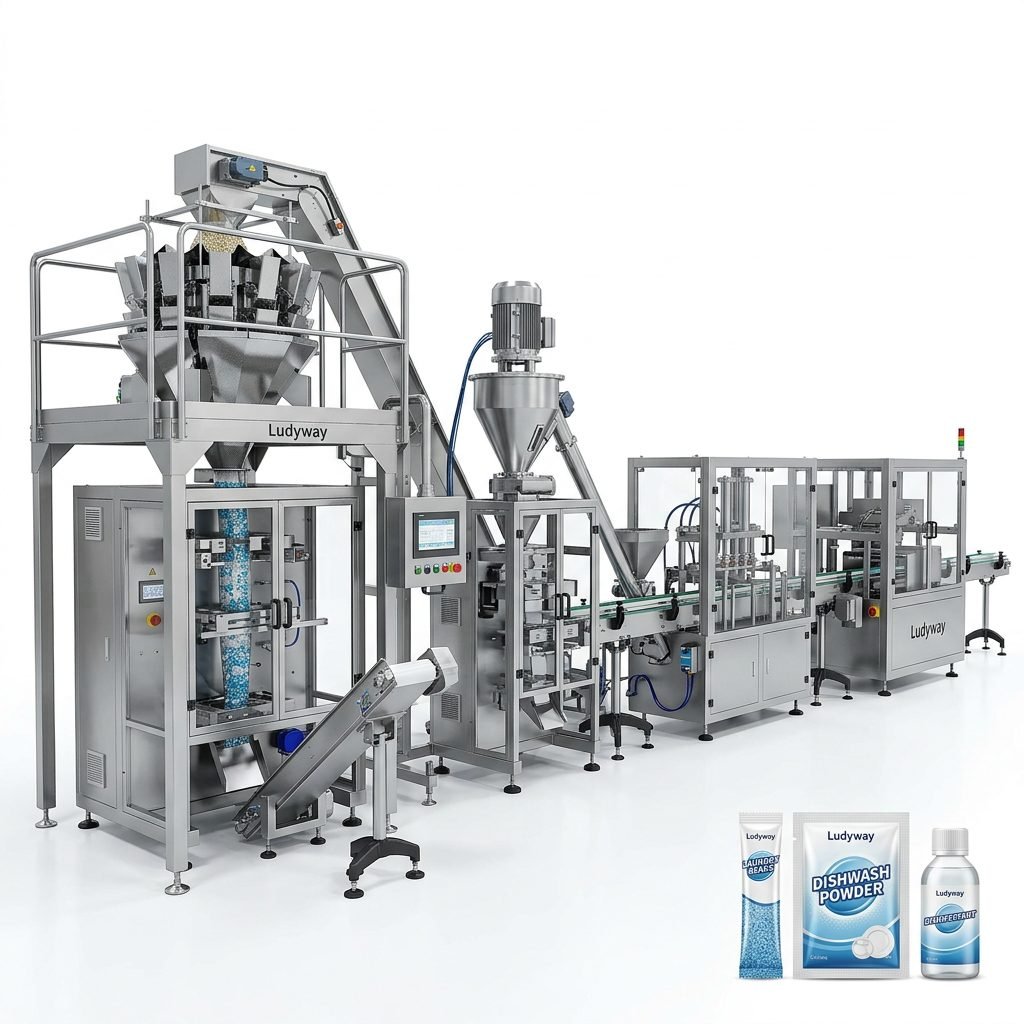
1. Prioritizing the Dry Clean and Dust Control
Micron-sized particles are notoriously invasive. They can easily penetrate seals and interfere with sensitive weighing sensors. Start every maintenance session with a thorough dry-clean process.
- Compressed Air Protocol: Use filtered, dry compressed air to blow away loose powder from sealing jaws and forming tubes. Be cautious not to blow debris deeper into the electronics.
- HEPA Vacuuming: A standard shop vac can recirculate ultra-fine dust. Always use a vacuum system equipped with a HEPA filter to safely capture micron dust without contaminating the surrounding environment.
- Surface Wiping: Use lint-free microfiber cloths. Avoid paper towels that can leave fibers behind, contributing to unexpected cross-contamination.
2. Deep Cleaning Product Contact Parts
For machines handling food-grade or active pharmaceutical ingredients (APIs), complete disassembly of contact parts is non-negotiable. This includes the hopper, auger fillers, and forming collars.
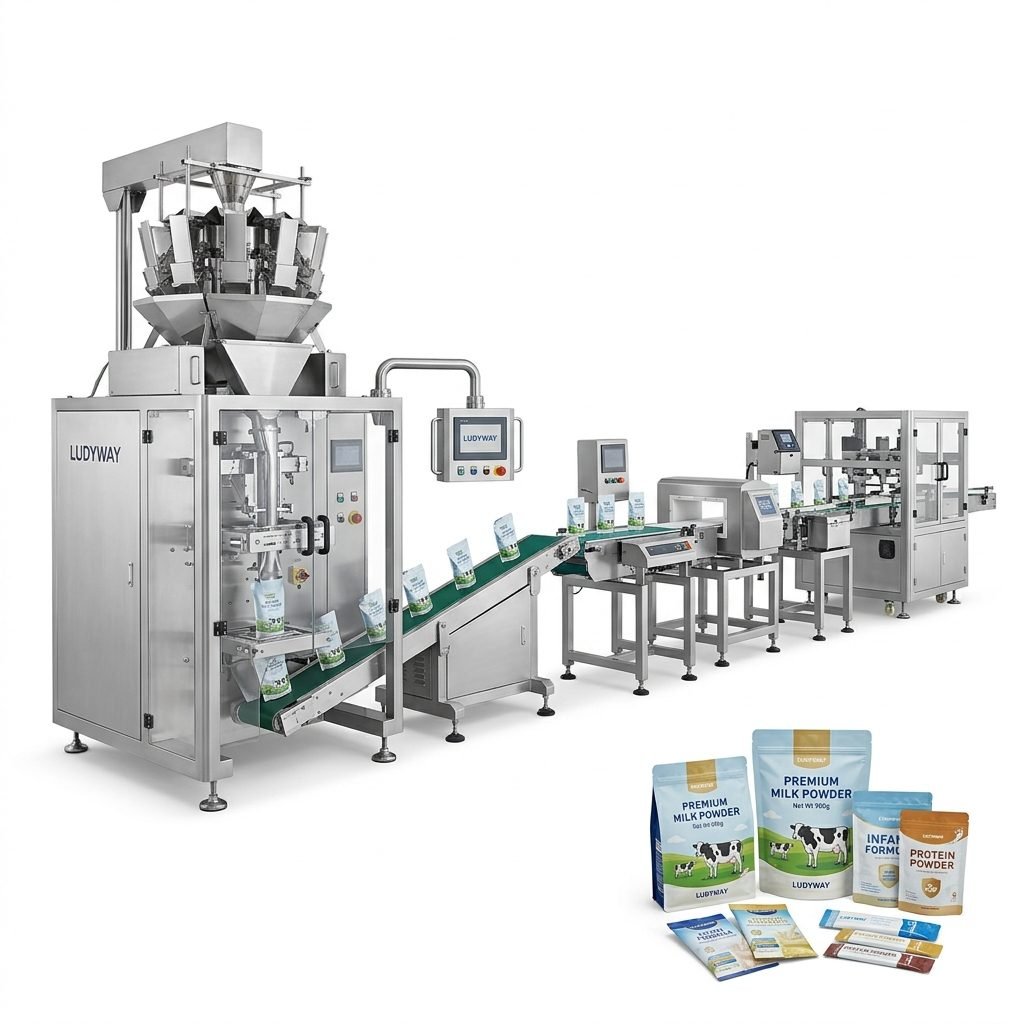

Follow this cleaning sequence for optimal results:
- Pre-Rinse: Remove loose residues. If using water, ensure electronics are shielded.
- Detergent Application: Use a neutral, low-foaming detergent suitable for the specific product residue (protein, oil, or starch-based).
- Final Rinse: Use deionized water to prevent water spots that can evolve into corrosion points.
- Sanitization: An isopropyl alcohol (IPA) wipe down ensures sterility and evaporates quickly, leaving no moisture behind.
3. Verifying Calibration and Sensor Accuracy
A visually clean machine is useless if it is electronically out of sync. Micron packaging often relies on extremely tight tolerance load cells. Vibrations from daily operation can drift the zero-point calibration.
Key Calibration Checkpoints
| Component | Maintenance Action | Frequency |
|---|---|---|
| Weighing Cells | Static calibration with certified test weights | Weekly |
| Temperature Controllers | Verify thermocouple accuracy with a surface probe | Monthly |
| Metal Detector | Test with certified ferrous, non-ferrous, and stainless steel wands | Shift Change |
| Level Sensors | Clean lens and test sensitivity to material bridging | Daily |
4. The Mechanical Overhaul: Lubrication and Tensioning
Micron machines operate at high speeds, often executing hundreds of strokes per minute. Friction is the enemy of precision. A critical part of your routine should involve inspecting moving parts and applying food-grade lubricants sparingly.
- Chain Tension: Check for slack. A stretched chain can cause intermittent slippage, leading to a misalignment of the photo-electric registration mark.
- Bearing Condition: Listen for grinding or squealing. Replace bearings at the first sign of failure to prevent catastrophic shaft damage.
- Sealing Jaw Parallelism: Verify that the top and bottom sealing jaws are perfectly parallel. An uneven gap results in leaky packages and wasted product.
5. Electrical Cabinet and Environmental Controls
The electrical enclosure must be positively pressurized to prevent dust ingress. Check the gaskets on the cabinet doors regularly. A blown gasket is an open invitation for conductive dust to settle on PLC circuits, causing shorts or erratic behavior.
Additionally, consider the environmental humidity in your production hall. If you are packaging hygroscopic products, implement a dehumidification strategy to prevent the powder from caking inside the filling tubes, which can disrupt the micron dosing mechanism.
6. Daily, Weekly, and Monthly Maintenance Schedule
Discipline is key. Use the following table as a baseline for your Standard Operating Procedure (SOP).
| Interval | Task List |
|---|---|
| Daily |
|
| Weekly |
|
| Monthly |
|
7. Common Pitfalls to Avoid
Even experienced operators can inadvertently cause damage during maintenance. Avoid these common errors:
- Over-Lubrication: Excess grease acts as a dust magnet, creating a grinding paste that accelerates wear on linear bearings.
- Using Metal Scrapers: Never use steel scrapers on sealing jaws or forming collars. You will create grooves that lead to film tearing. Use brass brushes or plastic scrapers only.
- Ignoring the Vacuum System: If your machine uses a vacuum belt for film transport, clogged filters reduce holding pressure, causing slippage and inaccurate bag length.
8. The Role of Genuine Spare Parts and OEM Support
When replacement parts are necessary, using genuine components ensures tolerances are maintained. Generic seals or springs often fail prematurely under high-speed conditions.
For complex micron dosing applications, partnering with a reliable equipment manufacturer is invaluable. Ludyway supports its global clientele with professional technical guidance and readily available engineered spare parts to minimize downtime and keep automated packaging lines running smoothly.
9. Integrating Technology into Maintenance: The Smart Factory Approach
Modern maintenance is shifting from reactive to predictive. IoT-enabled packaging machines can now monitor vibration, temperature, and motor load in real-time. By analyzing this data, you can predict a bearing failure weeks in advance and schedule service without interrupting an urgent order.
Integrate your maintenance logs with your packaging industry resources and MES system to track overall equipment effectiveness (OEE). A machine that is cleaned and calibrated religiously will consistently deliver higher OEE scores, ensuring throughput targets are met.
A meticulously maintained micron packaging machine safeguards your brand reputation by delivering accurate fill weights and pristine seals every time. By implementing this structured cleaning and mechanical checklist, you can significantly extend the lifespan of your equipment and protect your bottom line.