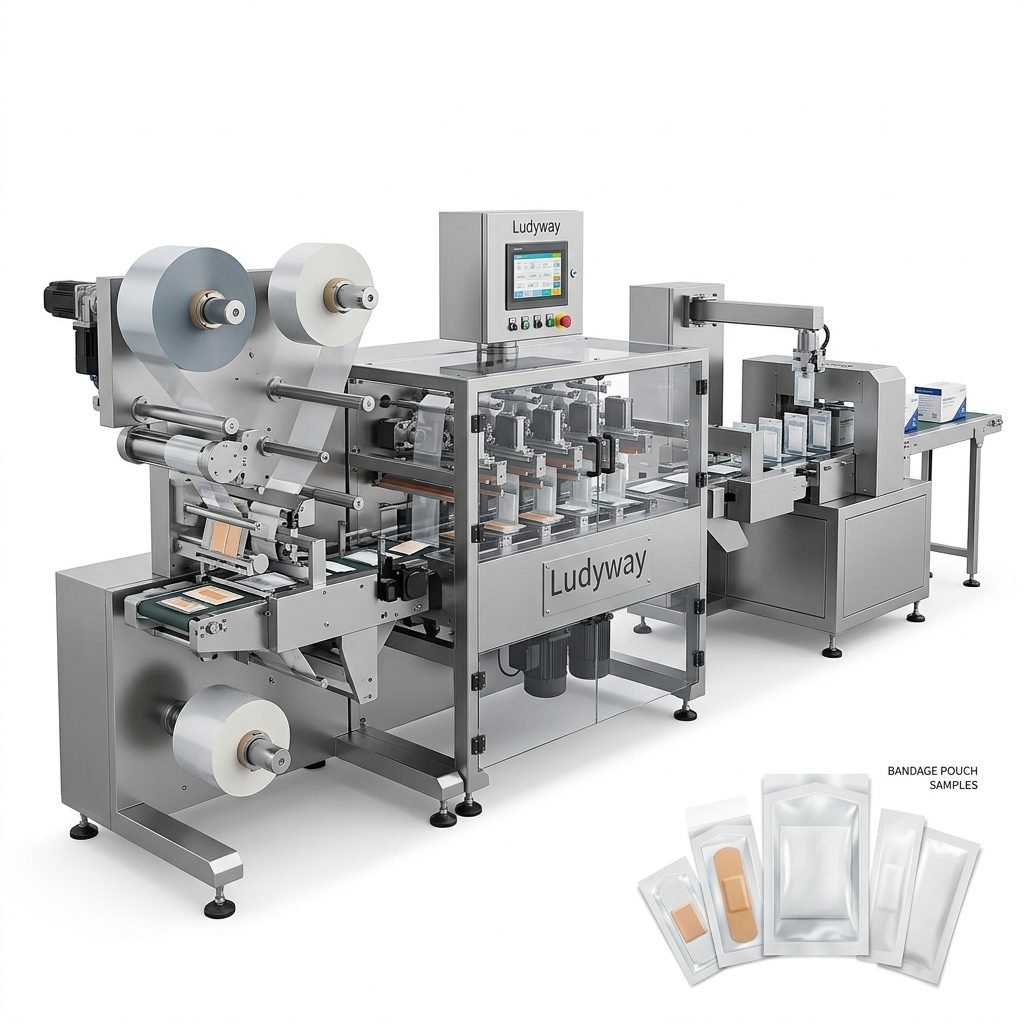
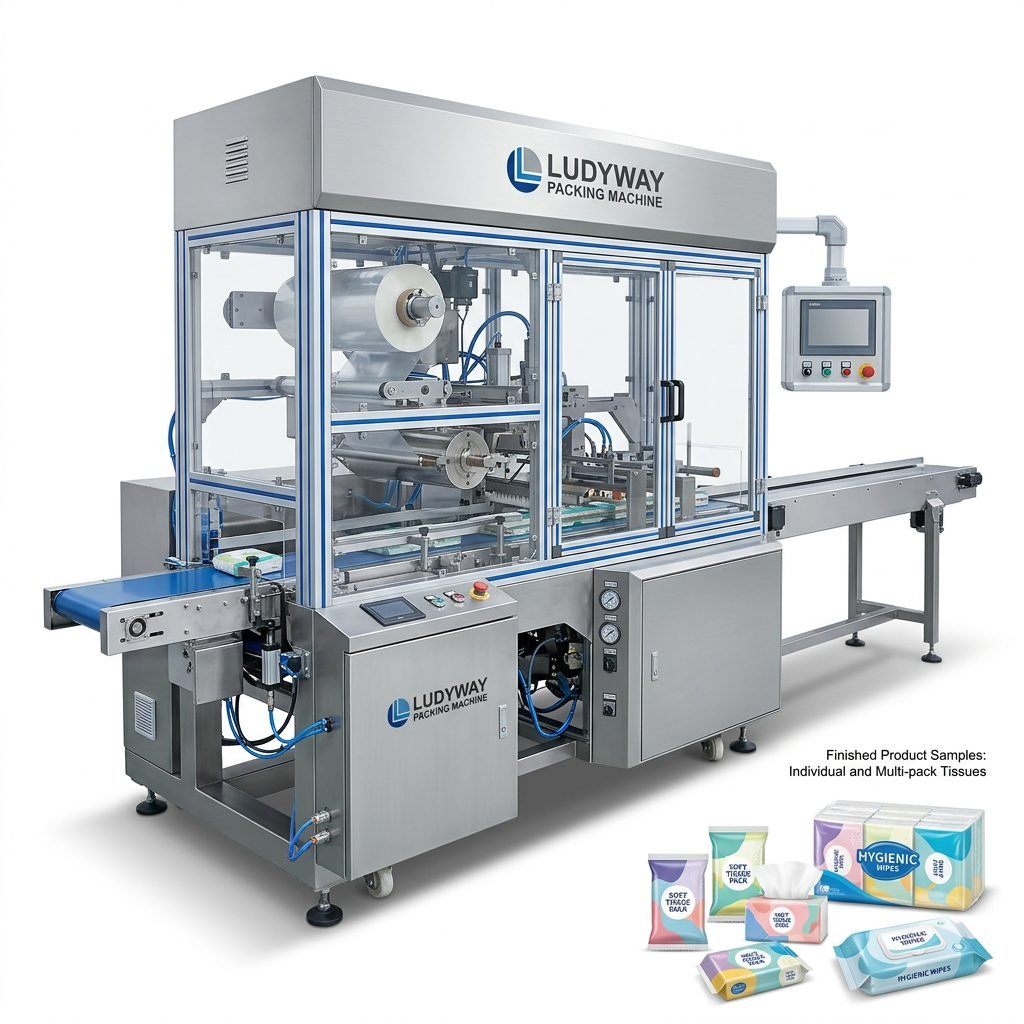
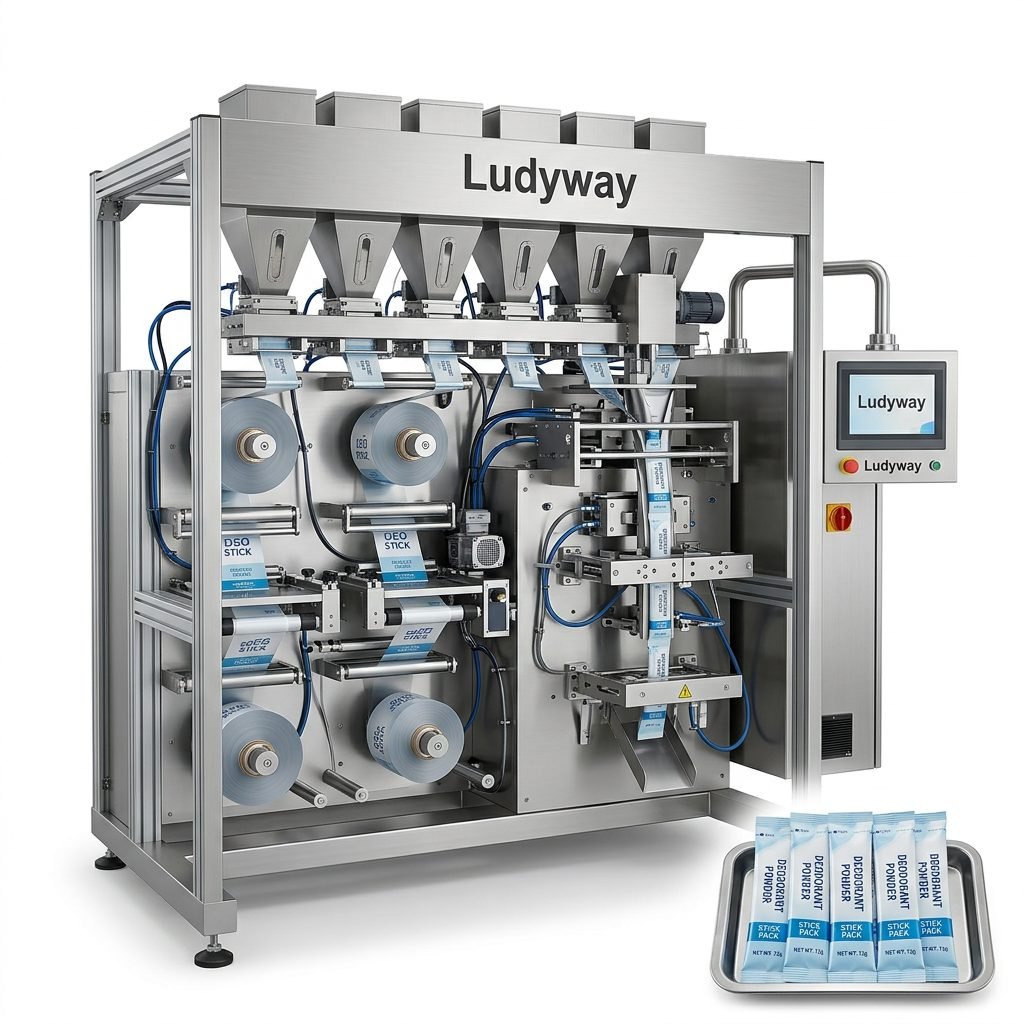
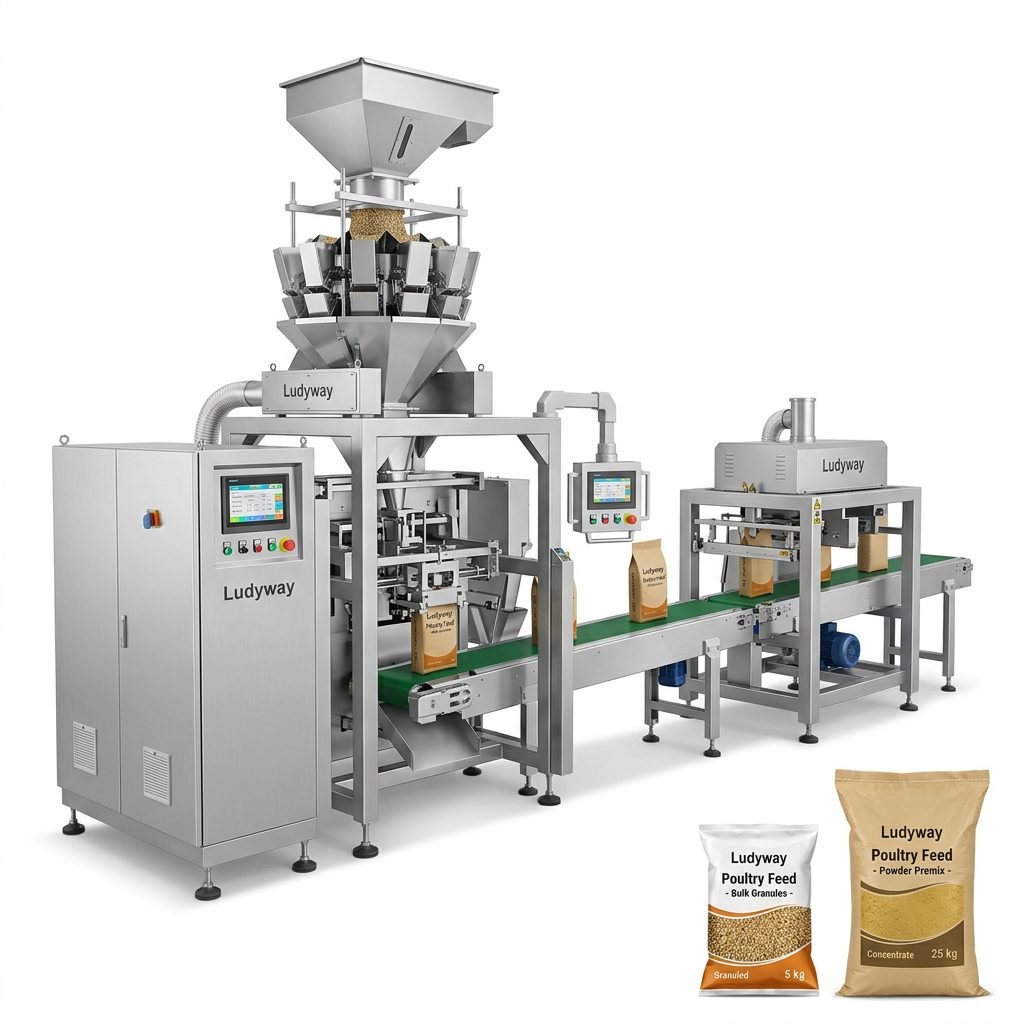
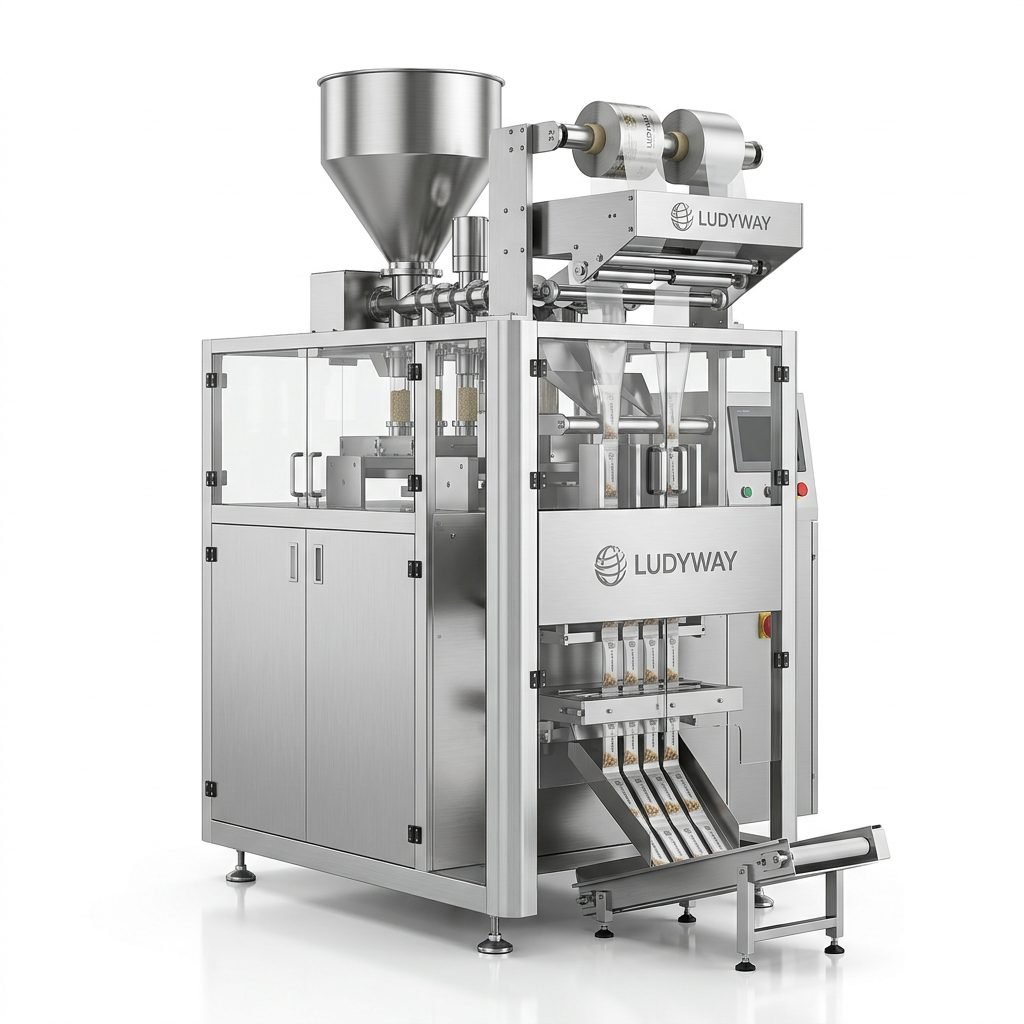
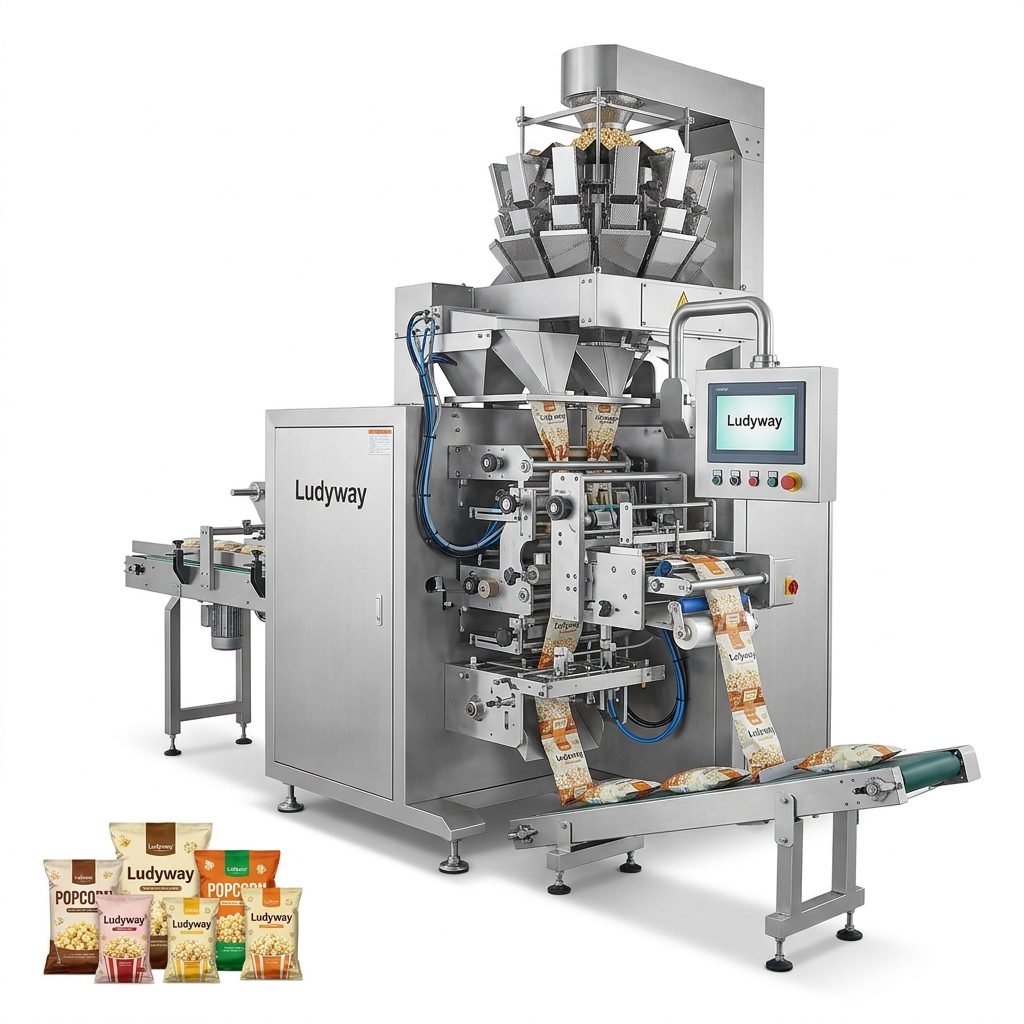
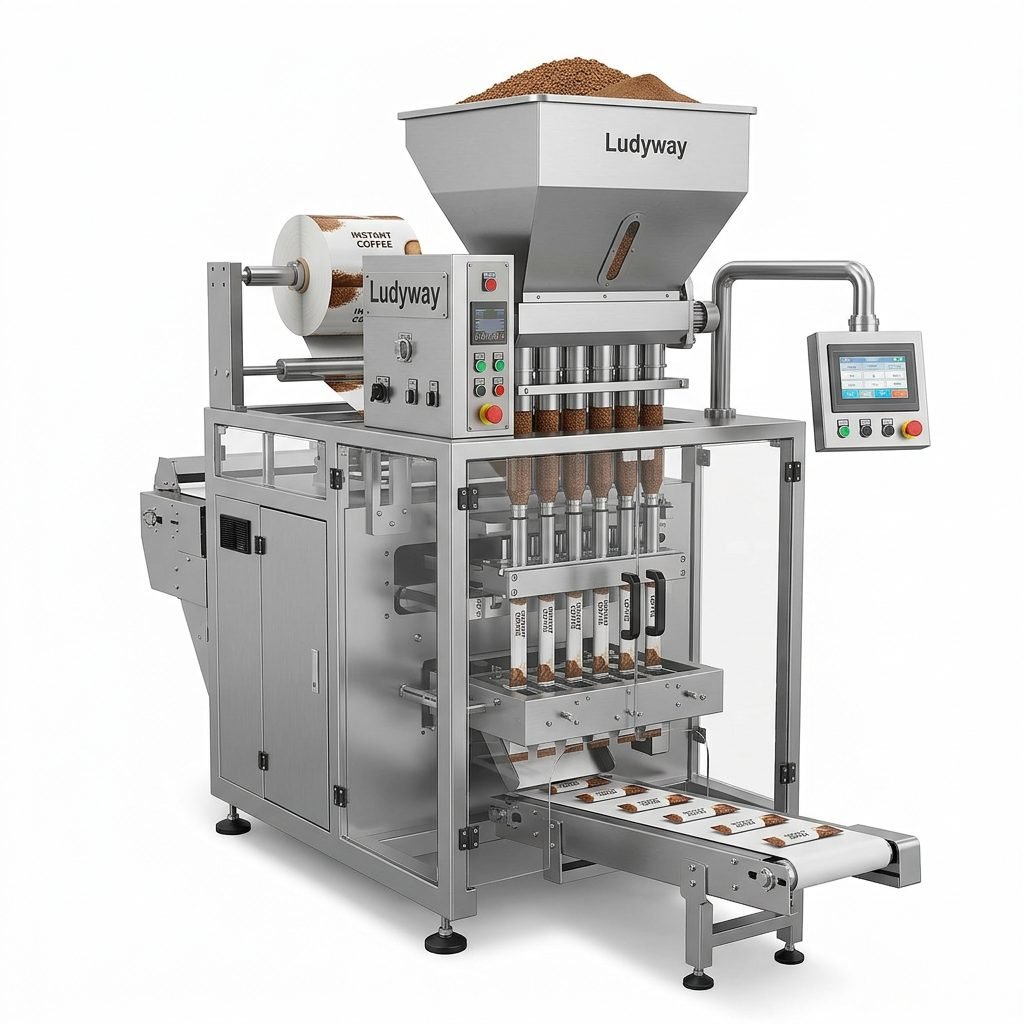
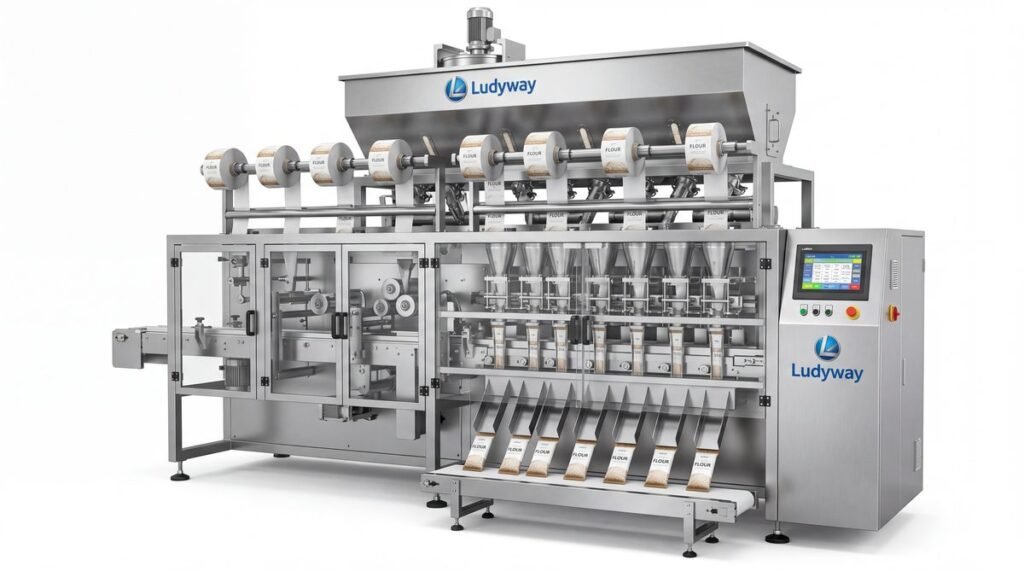
Regular maintenance of a packing press machine is not just a recommendation—it is a fundamental requirement for ensuring consistent performance, minimizing downtime, and extending the operational lifespan of your equipment. Whether you are operating a multi-lane stick pack machine or a high-speed rotary system, a proactive maintenance strategy directly impacts product quality and total cost of ownership.

Maintaining high-speed automated packaging lines ensures maximum uptime.
1. Daily Visual and Operational Inspections
Begin each shift with a comprehensive visual walk-around. Look for signs of wear, loose fasteners, or material buildup. Ignoring small leaks or unusual vibrations can lead to catastrophic failures. Documenting these checks creates a history that helps predict future maintenance needs.
2. Structured Maintenance Checklist
A structured approach prevents oversight. The table below outlines a basic framework that operators should follow consistently. Adhering to this schedule for your powder packaging machine will significantly reduce unplanned downtime.
| Frequency | Maintenance Task | Critical Check Points |
|---|---|---|
| Daily | Clean platens and guide rails | Residue buildup, air filter status |
| Weekly | Lubricate moving joints | Bearings, chains, and cam followers |
| Monthly | Inspect pneumatic/hydraulic lines | Fittings, seals, and pressure settings |
| Quarterly | Calibrate sensors and timers | Temperature control and alignment |
3. Lubrication Best Practices
Friction is the primary enemy of any packing press machine. Using the correct food-grade or industrial lubricant is crucial, especially in pharmaceutical or food packaging environments. Over-lubrication can be just as damaging as under-lubrication, attracting dust and causing sticky residues. Always wipe away excess grease immediately.
4. Critical Component Replacement
Proactively replacing wear parts on a strict schedule is more cost-effective than reactive repairs. Pay close attention to:
- Sealing Jaws & Knives: Dull or chipped blades cause incomplete cuts and seal failures.
- Filters: Clogged air or oil filters starve the system of pressure and contaminate internal components.
- Belts & Gears: Look for cracking or stripped teeth that affect timing. For heavy-duty operations like a granule packaging machine, timing is everything.
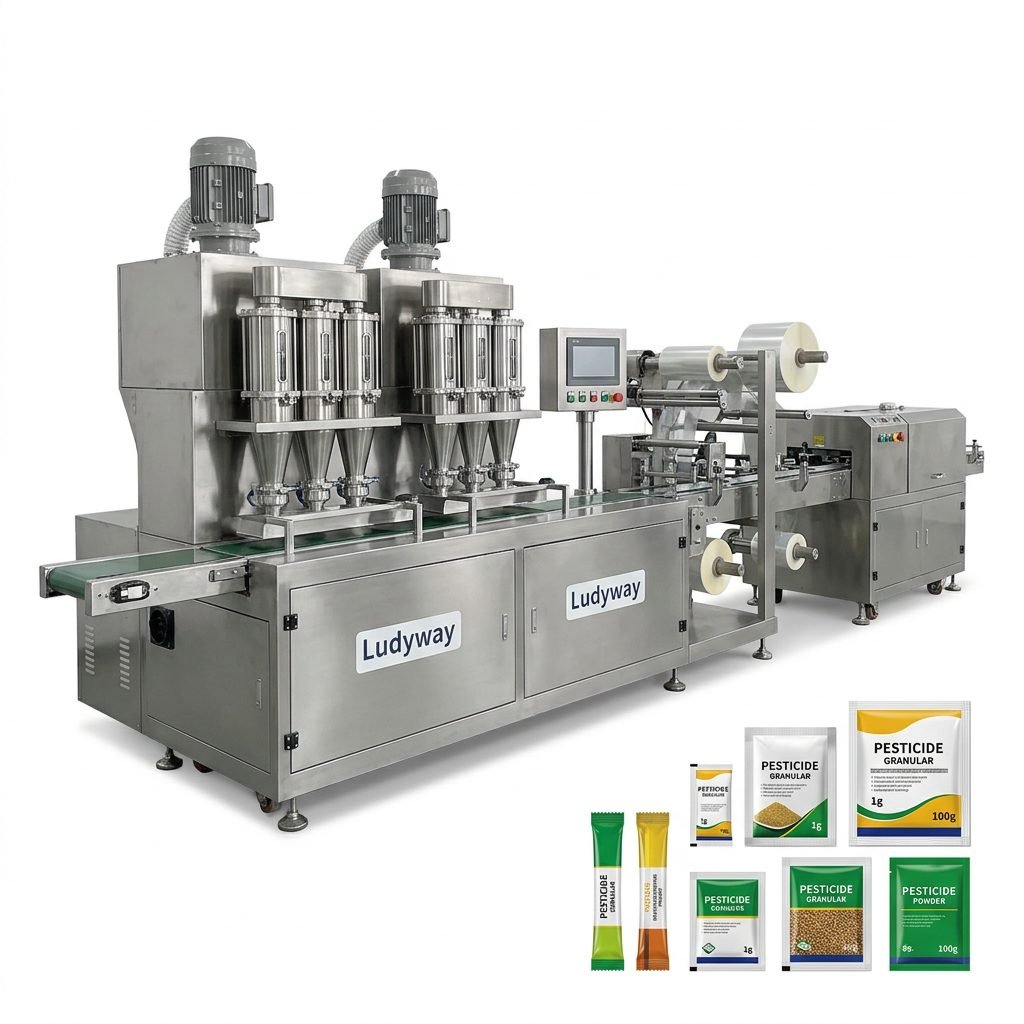
Precision components require meticulous alignment and cleaning protocols.
5. Calibration and Alignment
Drift in calibration is normal over time, but it must be corrected promptly. Inaccurate temperature controllers or misaligned forming tubes lead to significant material waste. Use the manufacturer’s diagnostic modes to check the synchronization between the film feed, vertical sealing, and cutting station. For highly automated systems like the liquid packaging machine, we recommend a digital checklist for zero-point calibration.
6. Operator Training and Safety
Even the best maintenance program fails without competent operators. Ensure staff understands the emergency stop circuits and lockout-tagout (LOTO) procedures before ever touching the internals. A well-trained operator identifies potential issues before the machine alarms.
7. Why a Reliable Partner Matters
Sourcing spares from unreliable vendors often causes more harm than good. Non-OEM parts may physically fit but fail due to incorrect material hardness or thermal properties. As one of the largest packaging machine manufacturers, Ludyway provides genuine spare parts and technical support for over 50 intelligent models, ensuring your production never skips a beat.
8. Digital Logs and Predictive Maintenance
Moving from reactive to predictive maintenance saves considerable capital. Modern packing press machine interfaces often record motor loads and cycle speeds. A sudden spike in motor torque usually indicates mechanical binding. By monitoring these trends, you can schedule repairs during planned downtime rather than during critical production runs.
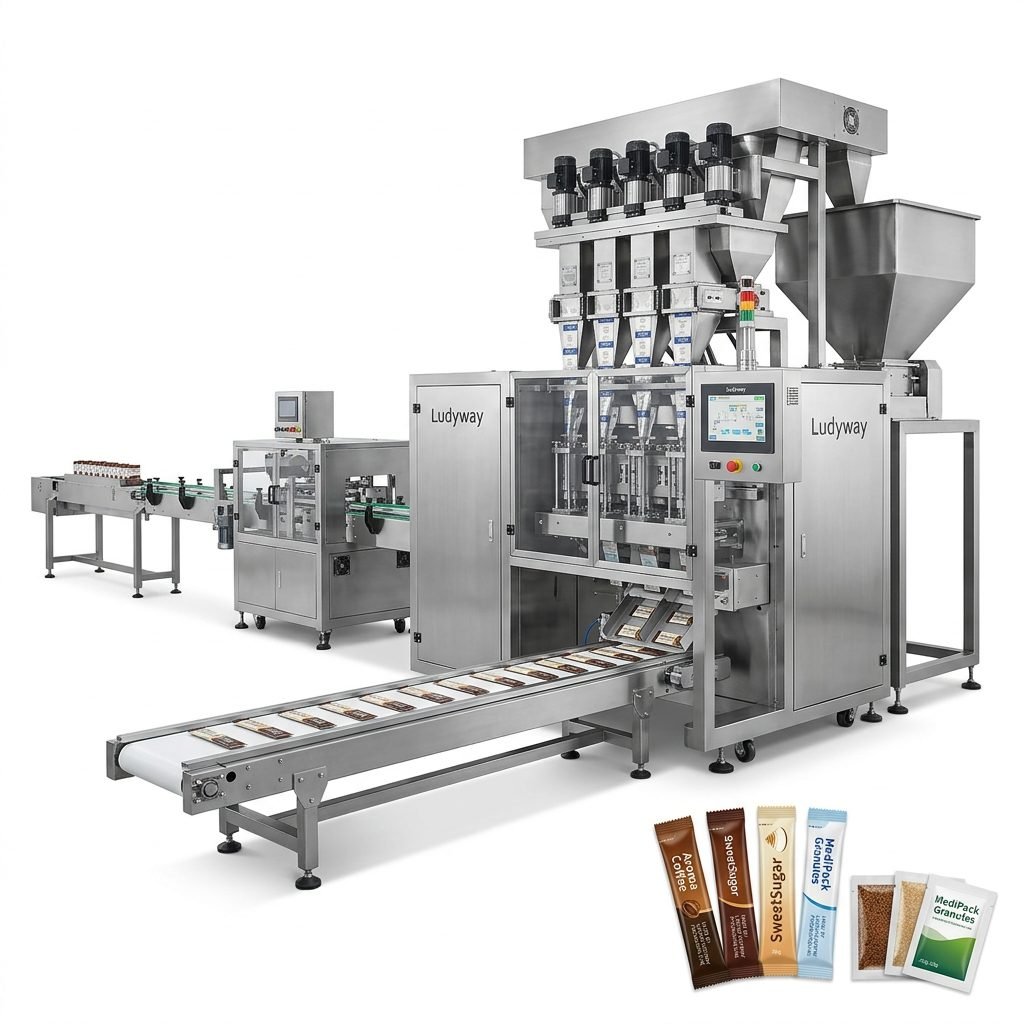
Advanced diagnostics on modern machinery allow for detailed predictive maintenance.
9. Environmental Controls
The environment around your equipment is an often-overlooked maintenance factor. Excessive humidity corrodes electrical contacts, while dust clogs sensitive pneumatic valves. Always maintain the specified ambient temperature and humidity levels in your production hall to match the machine’s IP rating.
10. Long-Term Shutdown Precautions
If the packing press machine is expected to be idle for an extended period, run a cleaning cycle to remove all product residue. Relieve tension from pneumatic springs and cover the machine to protect against workshop dust. Before restarting, manually cycle the machine to ensure lubrication has re-circulated to all critical bearings.
Implementing these essential maintenance tips ensures that your investment in technology remains profitable. From daily cleaning to annual overhauls, a disciplined routine is the bedrock of efficient packaging operations.