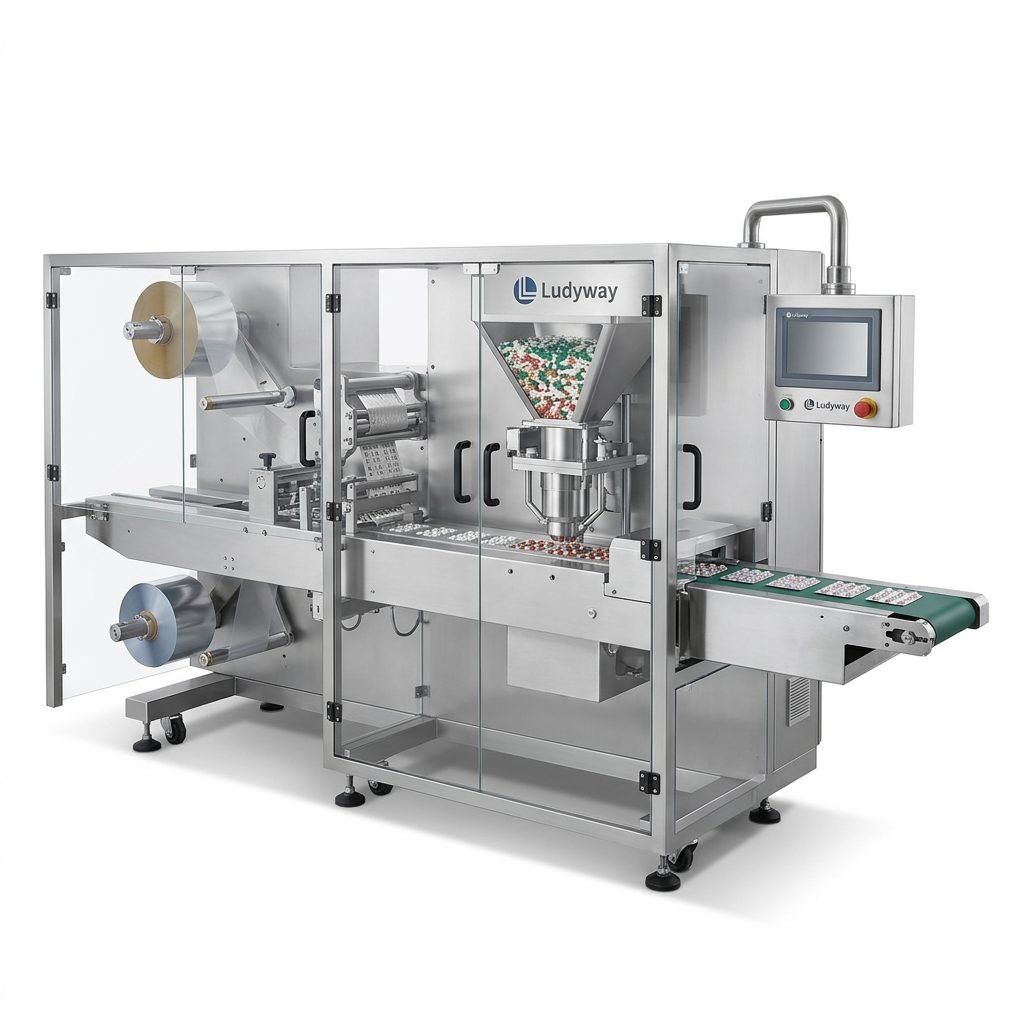
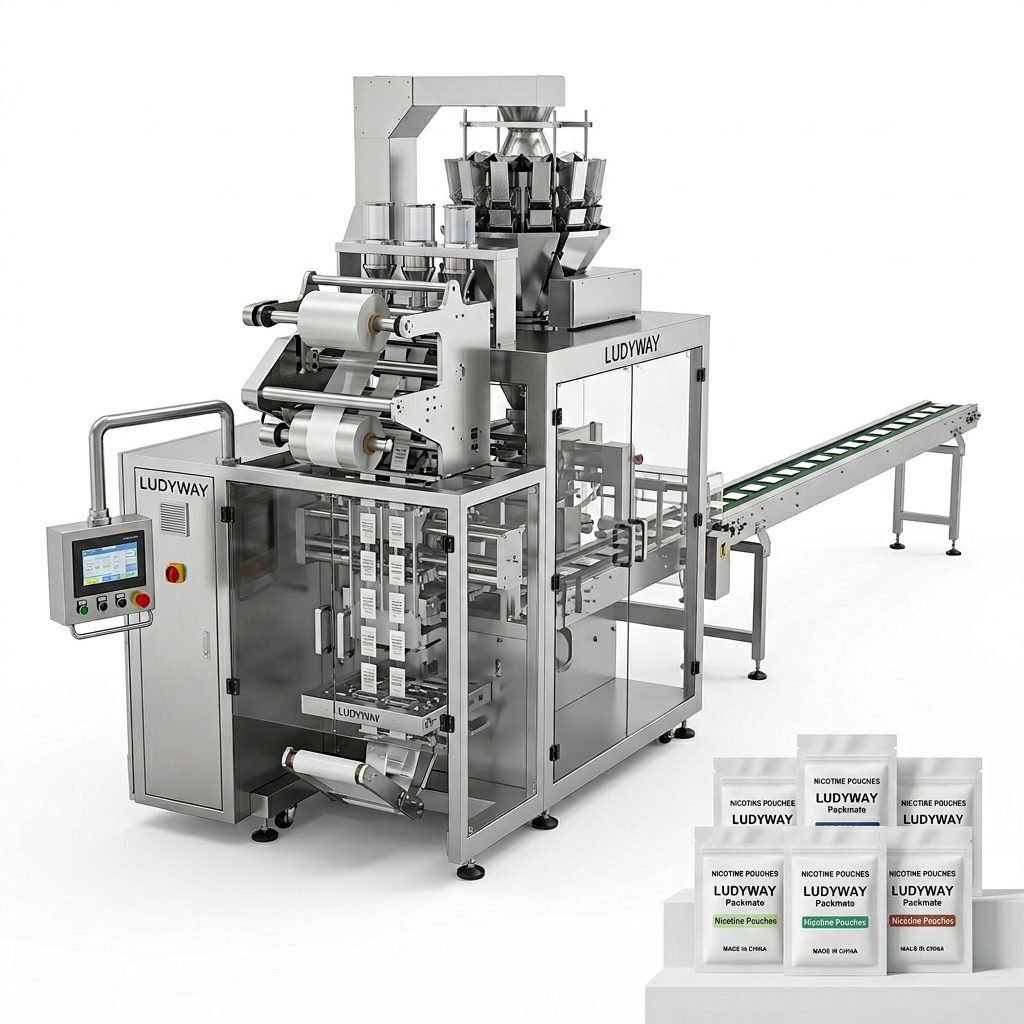
Investing in a tea cup filler packaging machine is a significant decision for any tea producer, co-packer, or startup entering the ready-to-drink or portion-pack tea market. The cost varies widely depending on automation level, production speed, filling technology, and additional features. Understanding the price breakdown helps you budget accurately and avoid unexpected expenses.

Key Factors That Determine Tea Cup Filler Machine Pricing
Several variables influence the final cost of a tea cup filling system. Automation level is the most impactful factor — manual, semi-automatic, and fully automatic models operate in entirely different price brackets. Production capacity, measured in cups per minute (CPM), also plays a major role. A machine running 40-60 CPM costs significantly less than one capable of 120-200+ CPM.
- Automation grade: Manual loading vs. robotic pick-and-place systems
- Filling technology: Volumetric, auger, net weight, or liquid piston fillers
- Cup material compatibility: Paper, plastic, aluminum, or compostable cups
- Sealing method: Heat seal, ultrasonic seal, or snap-on lid application
- Secondary functions: Coding, labeling, gas flushing, or nitrogen dosing
- Frame construction: Stainless steel 304 vs. 316 for corrosive environments
- Brand origin and after-sales support: Domestic vs. international manufacturers
Tea Cup Filler Packaging Machine: Price Ranges by Type
The table below outlines typical price ranges for different tea cup filler configurations. Note that these are indicative market estimates and actual quotes depend on customization, brand, and geographic location.
| Machine Type | Speed Range (CPM) | Estimated Price (USD) | Best For |
|---|---|---|---|
| Manual Cup Filler & Sealer | 5 – 15 | $3,000 – $15,000 | Small startups, farmers markets |
| Semi-Automatic Cup Filling Line | 15 – 40 | $15,000 – $45,000 | Growing tea brands, co-packers |
| Fully Automatic Cup Filling & Sealing | 40 – 100 | $45,000 – $120,000 | Mid-size to large manufacturers |
| High-Speed Multi-Lane Cup System | 100 – 250+ | $120,000 – $350,000+ | High-volume export producers |
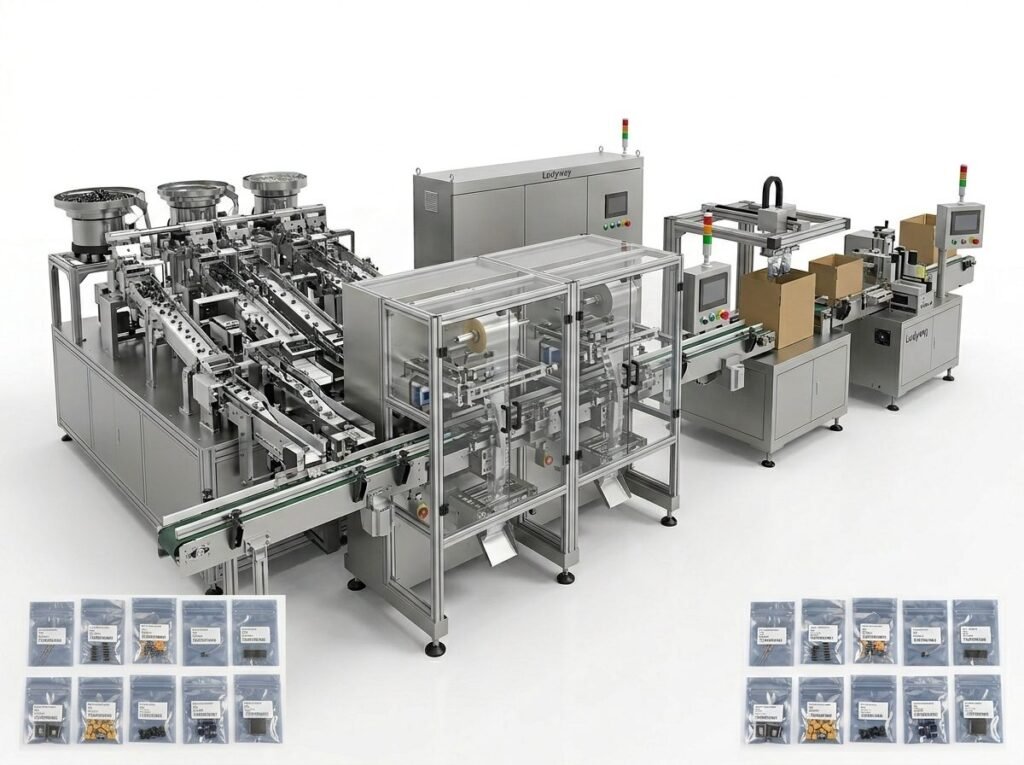
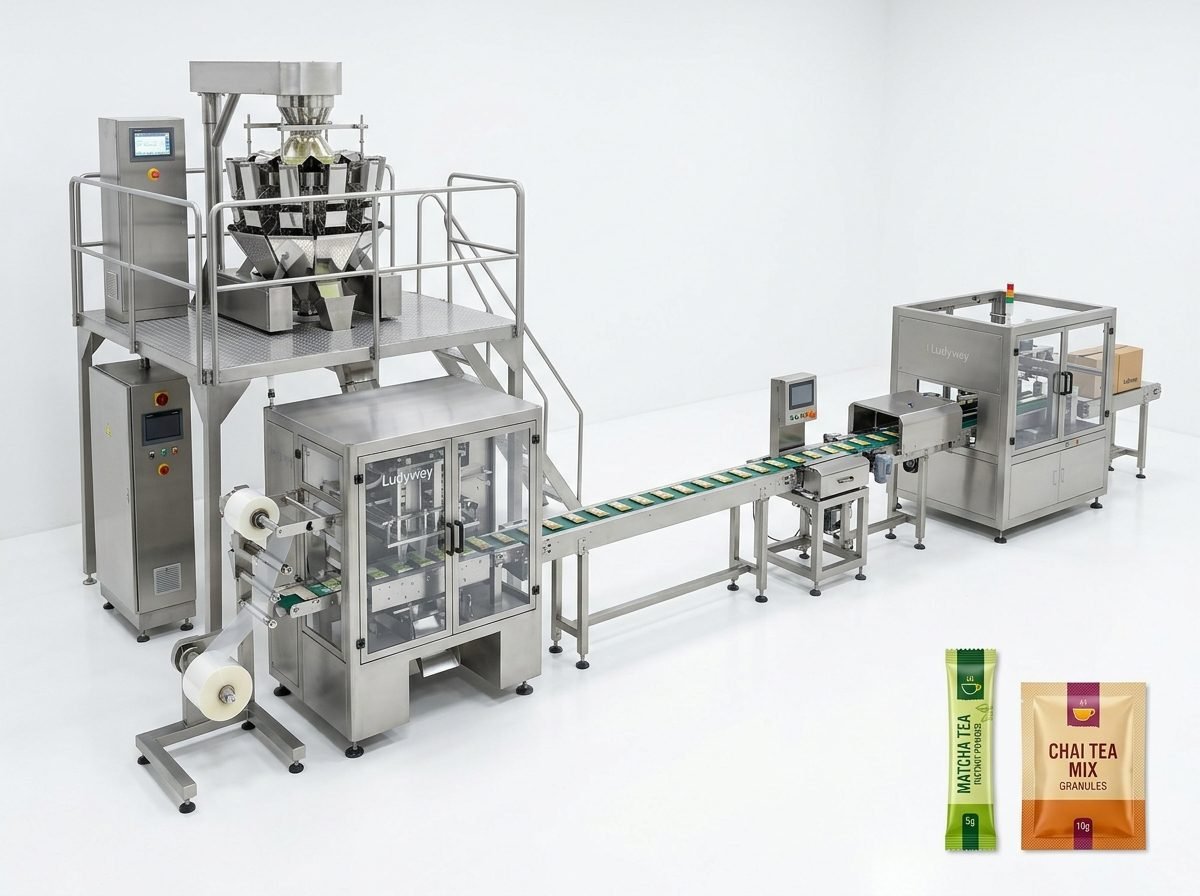
| Turnkey Cup Packaging Line (with conveyors, cartoning) | 80 – 200+ | $200,000 – $600,000+ | Industrial-scale production facilities |
What Drives the Price Difference?
The gap between a $15,000 semi-automatic machine and a $350,000 multi-lane system comes down to engineering complexity. High-speed machines incorporate servo-driven filling stations, precision temperature controls for sealing, integrated CIP (Clean-in-Place) systems, and advanced HMI touchscreen interfaces. Multi-lane configurations multiply throughput but also multiply component costs.
Additional Costs Beyond the Base Machine Price
Buyers often overlook ancillary expenses that can add 20-40% to the total investment. Factor these into your budget from the start.
- Shipping and logistics: International freight, customs duties, and insurance for heavy industrial equipment
- Installation and commissioning: Technician travel, on-site assembly, and calibration
- Operator training: Comprehensive training programs for your production team
- Spare parts inventory: Sealing jaws, heating elements, belts, sensors, and nozzles
- Facility modifications: Electrical upgrades, compressed air systems, and floor preparation
- Ongoing maintenance contracts: Annual service agreements and preventative maintenance
- Regulatory compliance: Validation documentation for FDA food packaging regulations if exporting to the U.S. market
New vs. Used Tea Cup Filler Machines: Cost Comparison
A used or refurbished tea cup filler can save 30-60% off the new price, but requires careful inspection. Check service hours, seal integrity, and availability of replacement parts before purchasing. For businesses with tight budgets, a well-maintained used machine from a reputable reseller can be a smart entry point. However, for high-speed production with stringent quality requirements, new equipment with full warranty coverage is almost always the better choice.
Used Market Price Indicators
| Condition | Price vs. New | Warranty | Risk Level |
|---|---|---|---|
| Factory-refurbished | 50-70% of new | 6-12 months | Low |
| Used (inspected, good condition) | 40-60% of new | 30-90 days | Medium |
| As-is auction purchase | 20-40% of new | None | High |
Regional Price Variations and Supplier Considerations
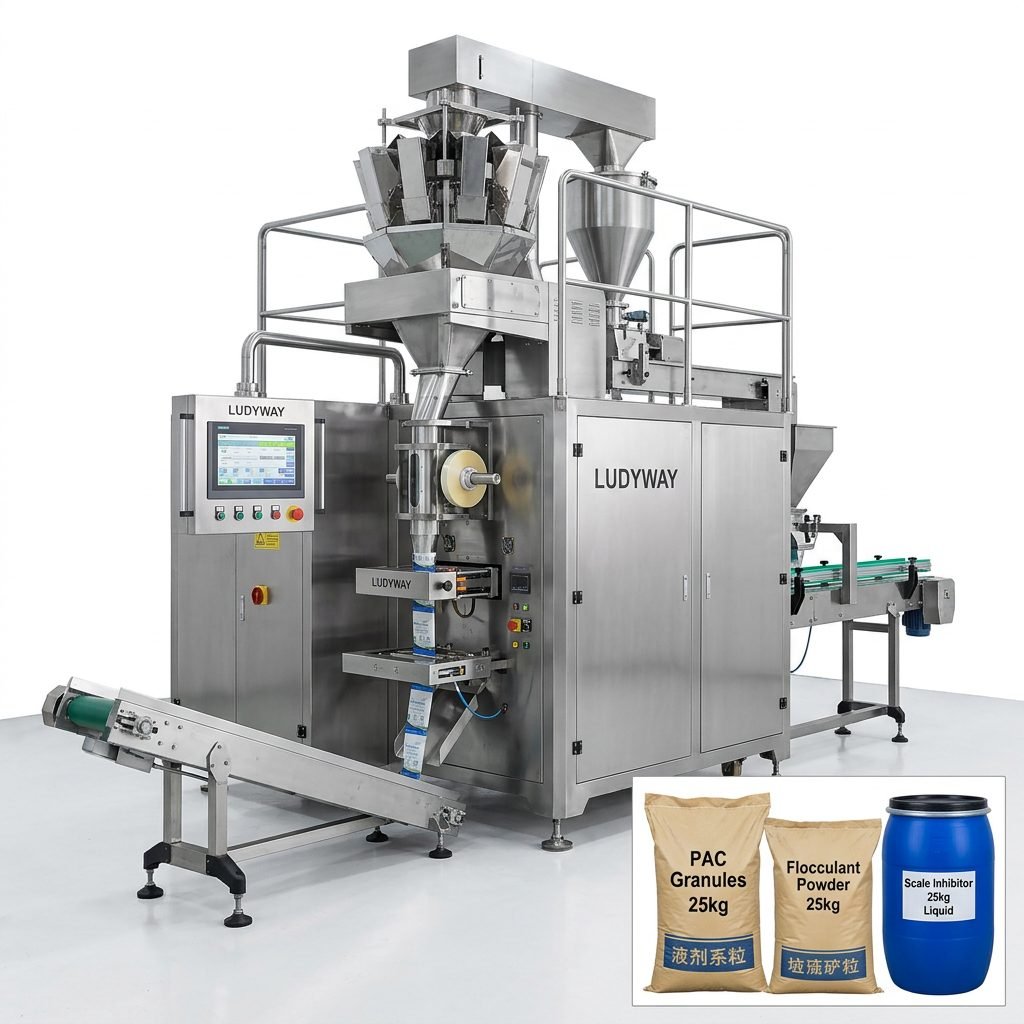
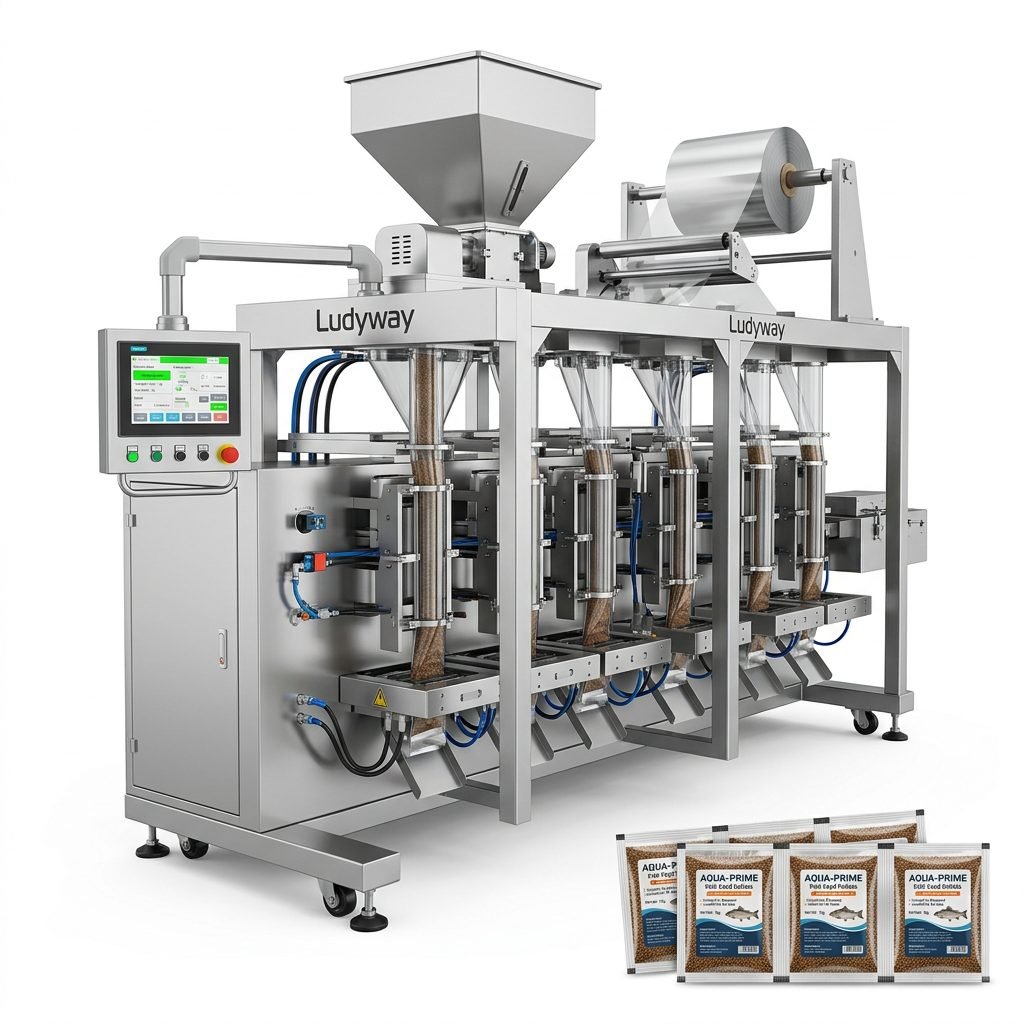
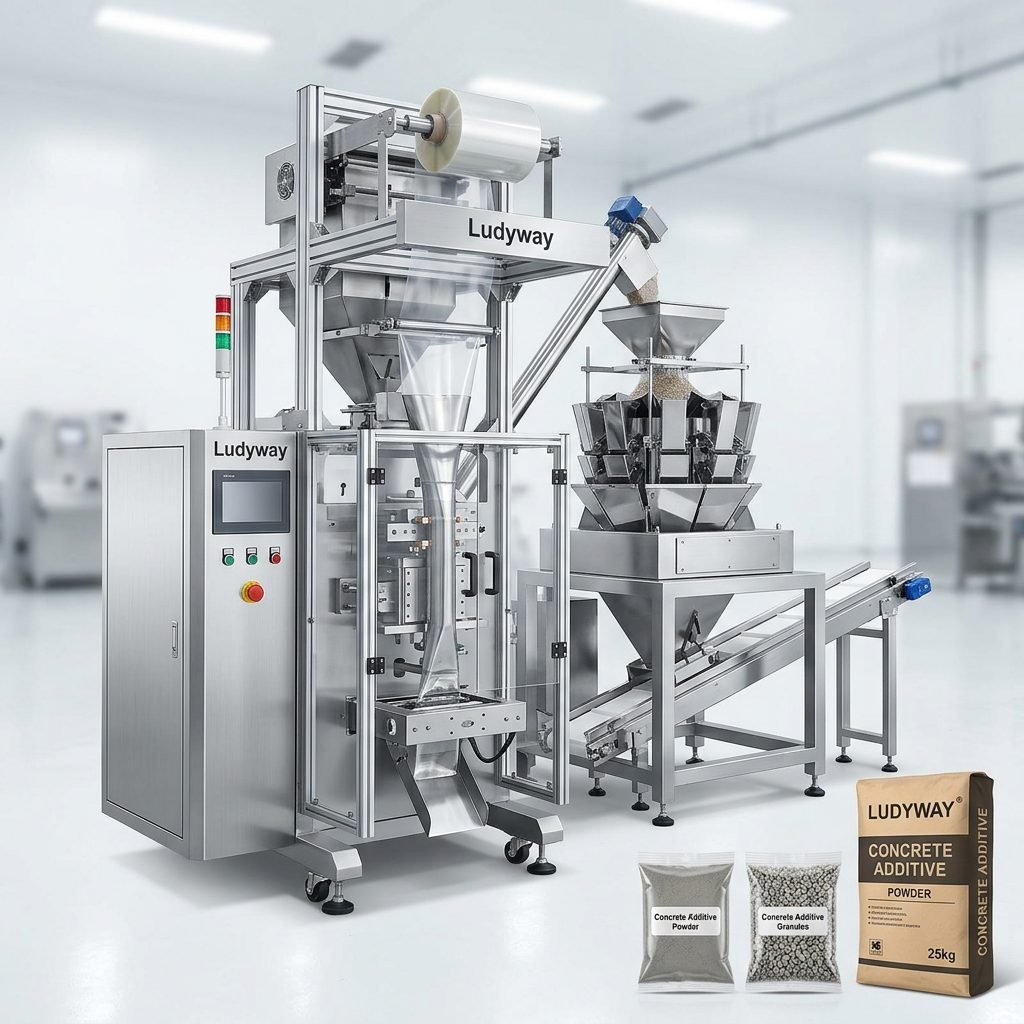
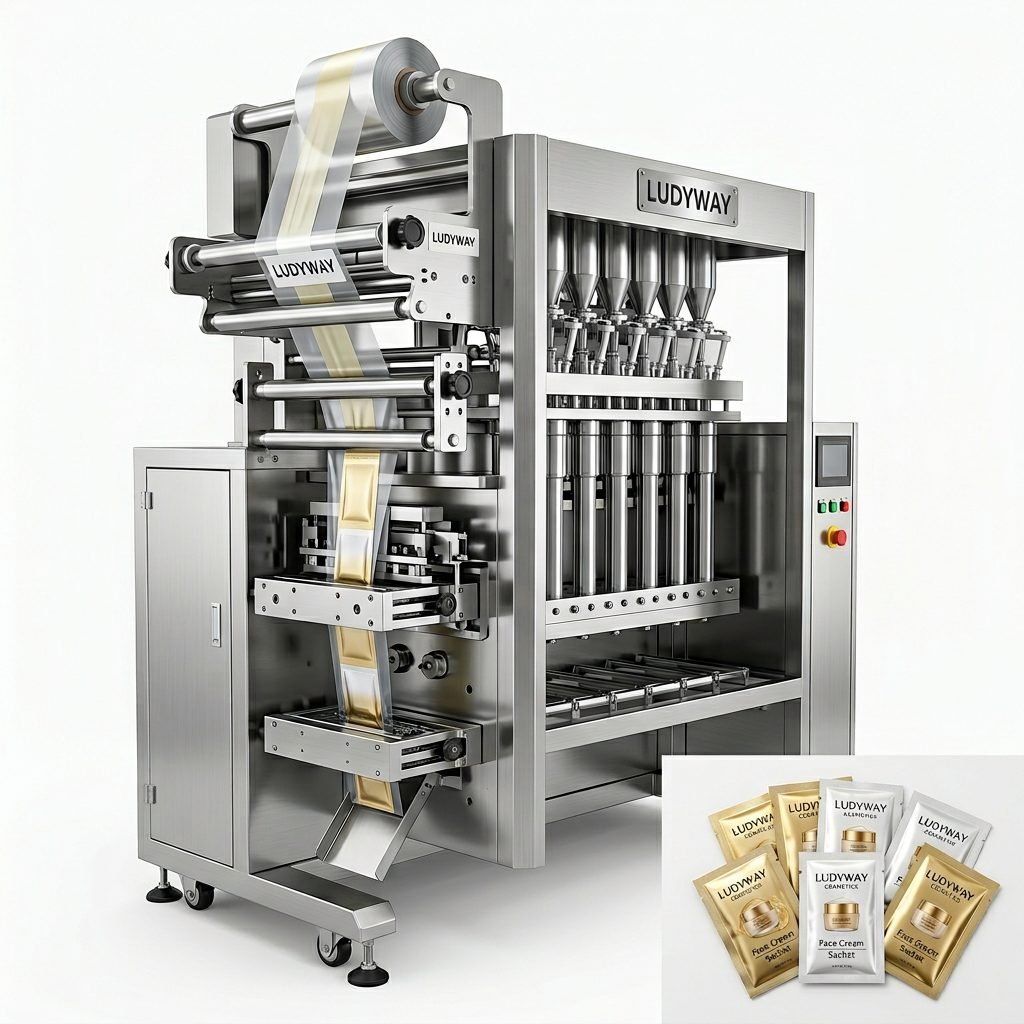
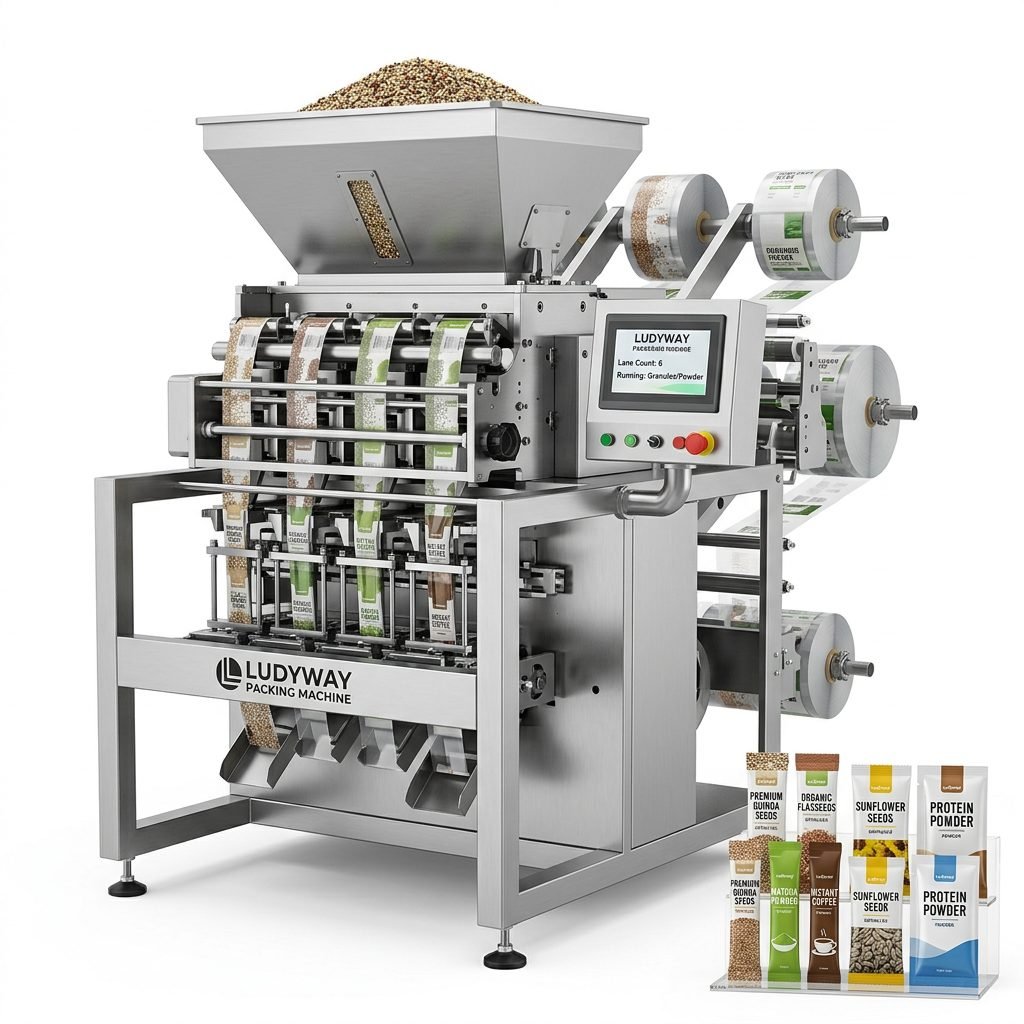
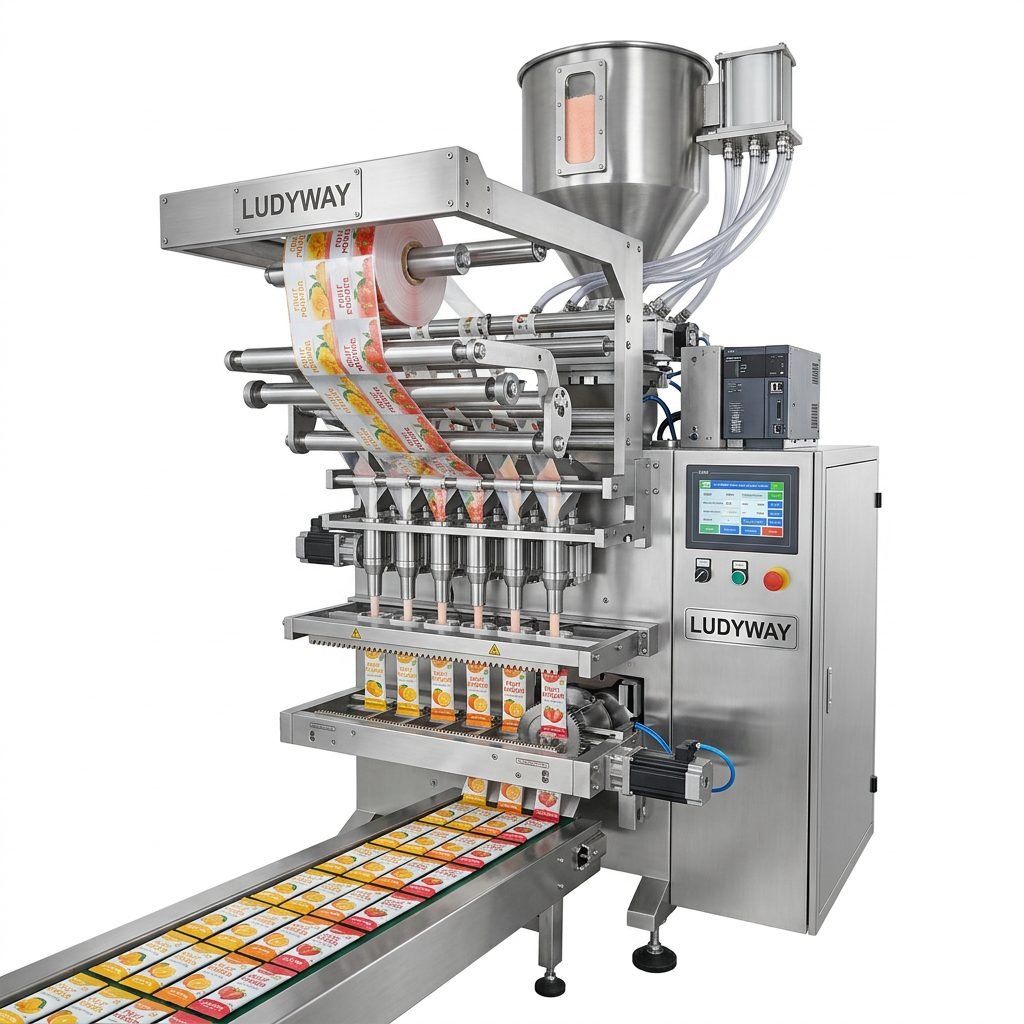
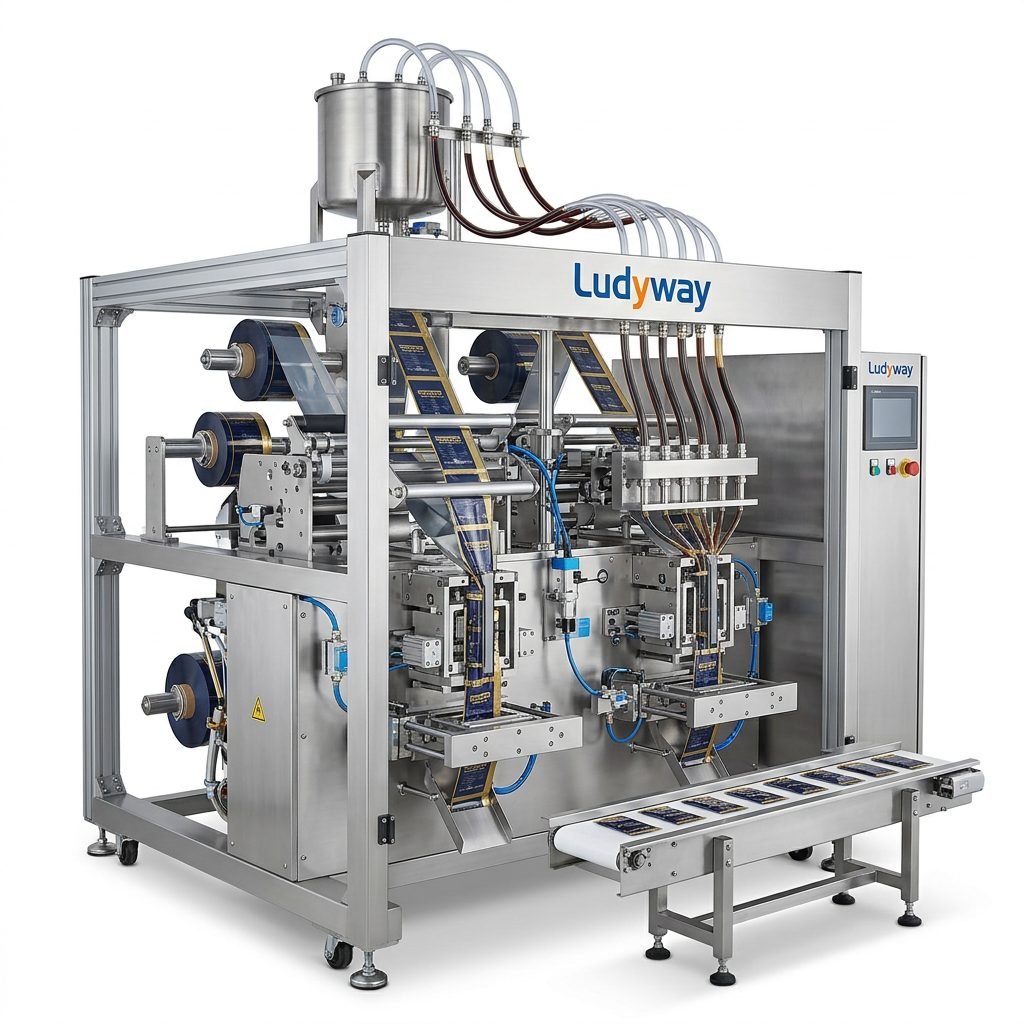
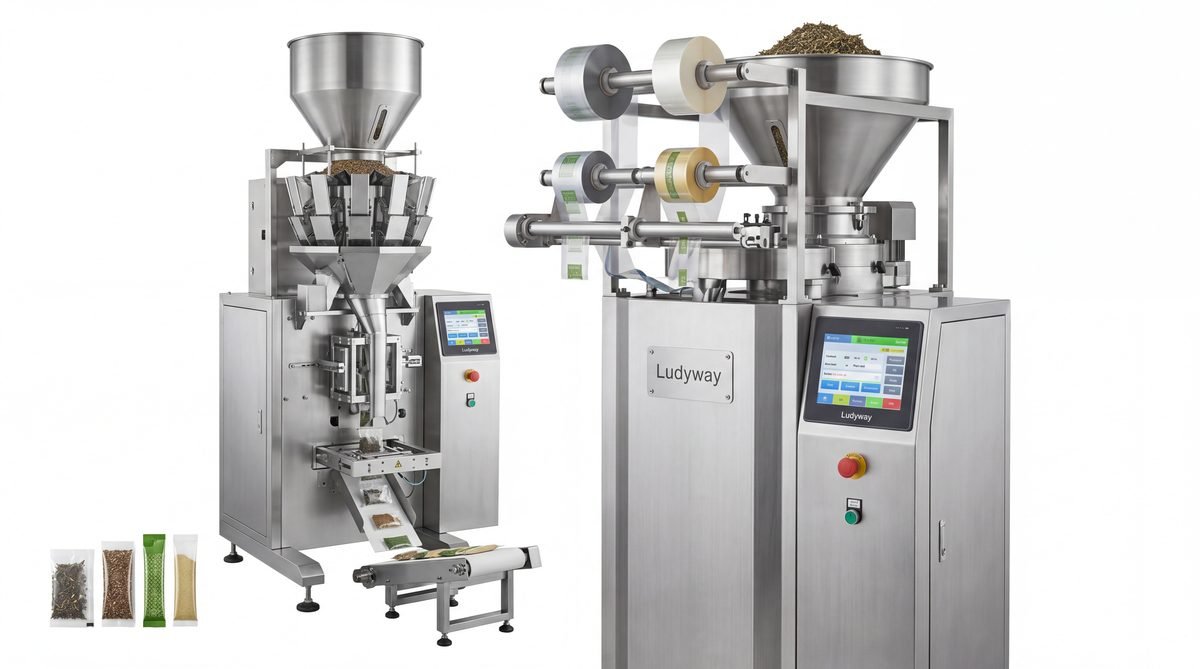
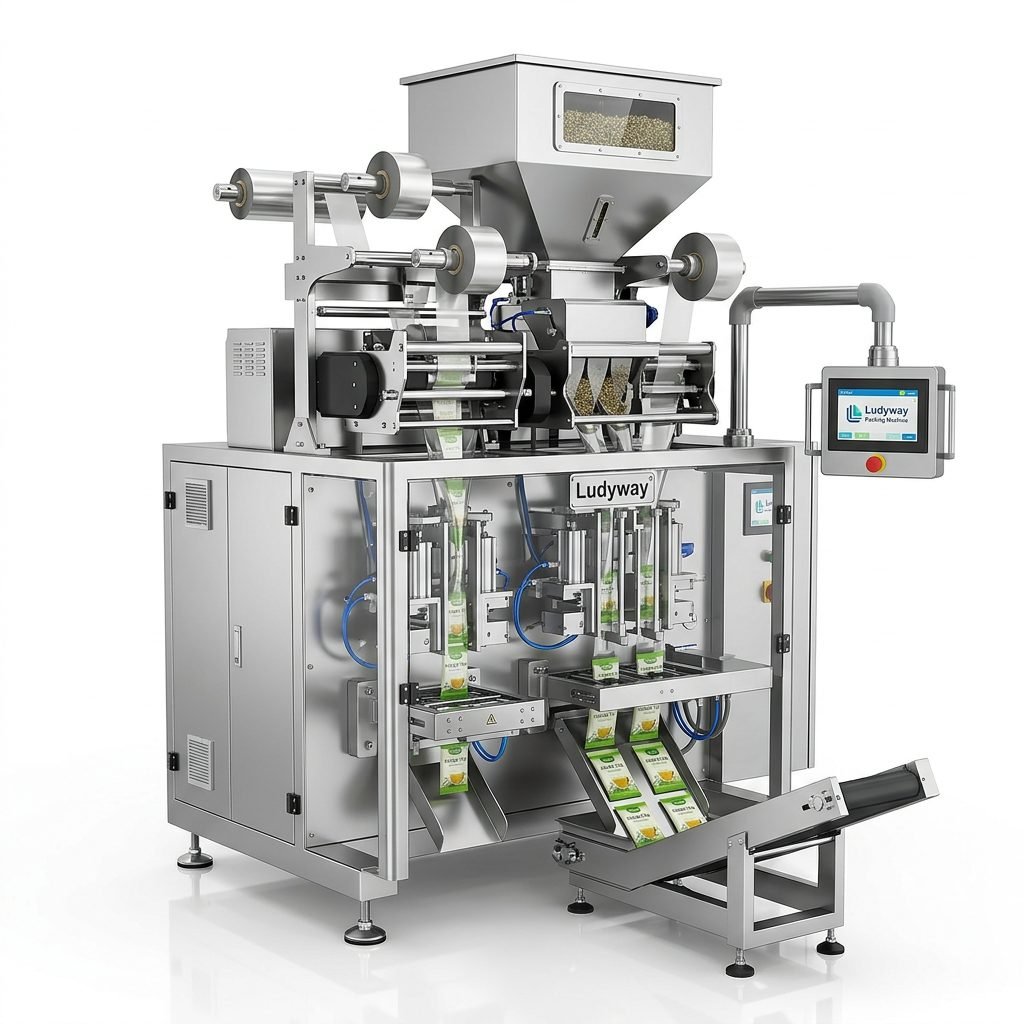
Where you source your machine significantly affects pricing. European-made tea cup fillers (German, Italian) command premium prices — often 30-50% higher than equivalent Asian-manufactured models — but come with established reputations for precision engineering. Chinese and Indian manufacturers offer competitive pricing with increasingly sophisticated technology. For example, Ludyway, one of the largest packaging machine manufacturers in China, provides advanced cup filling and multi-lane sachet packaging equipment with international certifications at competitive price points. Always evaluate total cost of ownership — including spare parts availability and technical support responsiveness — not just the invoice price.
Buying Tips: How to Get the Best Value
Smart procurement goes beyond comparing price tags. Use these strategies to maximize your return on investment.
- Define your production requirements precisely: Know your target CPM, cup sizes, fill volumes, and product viscosity before requesting quotes
- Request video demonstrations: Ask suppliers for videos of the exact model running a similar product to yours
- Visit the factory if possible: In-person evaluation reveals build quality that brochures cannot convey
- Negotiate inclusive packages: Ask for installation, training, and an initial spare parts kit bundled into the price
- Check references thoroughly: Speak with current users about reliability, support, and real-world performance
- Consider future scalability: Choose a platform that can be upgraded with additional lanes or modules as your business grows
- Review warranty terms carefully: Understand what is covered, for how long, and the process for claims
- Consult PMMI packaging industry resources for market data and equipment standards before finalizing your decision

Frequently Overlooked Cost Factors
Several hidden costs catch first-time buyers off guard. Utility requirements — three-phase power, clean compressed air, and adequate water supply for CIP systems — can require significant facility upgrades. Film and cup material compatibility testing may consume weeks of trial runs with your specific packaging substrates. Additionally, if you plan to export tea products, ensure your packaging line meets flexible packaging industry standards for the target markets.
Total Cost of Ownership Breakdown (5-Year View)
| Cost Category | % of TCO (Approx.) | Notes |
|---|---|---|
| Initial machine purchase | 50-60% | Base equipment, options, and tooling |
| Spare parts & consumables | 15-20% | Sealing elements, belts, filters, lubricants |
| Maintenance & labor | 10-15% | Scheduled service, technician hours |
| Downtime & productivity loss | 5-10% | Unplanned stoppages, repair delays |
| Energy & utilities | 5-10% | Electricity, compressed air, water |
Final Recommendations
The ideal tea cup filler packaging machine balances your current production volume with future growth projections. A machine that perfectly fits today’s needs but cannot scale may require replacement in 18-24 months — a costly mistake. Conversely, over-investing in capacity you will not use for years ties up capital unnecessarily. Request multiple quotes, compare total cost of ownership, and prioritize build quality and after-sales support over the lowest upfront price.
Industry Resources
- PMMI State of the Industry Reports — Annual packaging machinery market data and trends
- Flexible Packaging Association — Industry resources and regulatory guidance for flexible packaging
- ISO Packaging Standards — International standards for packaging machinery and processes
- FDA Packaging & Food Contact Substances — Regulatory requirements for food packaging in the U.S. market
- PACK EXPO International — Leading packaging industry trade show for equipment evaluation

Understanding the true cost of a tea cup filler packaging machine empowers you to negotiate confidently and select equipment that delivers long-term value. Whether you are launching a boutique tea brand or expanding an industrial-scale facility, thorough research and strategic supplier engagement will yield the best outcome for your investment.