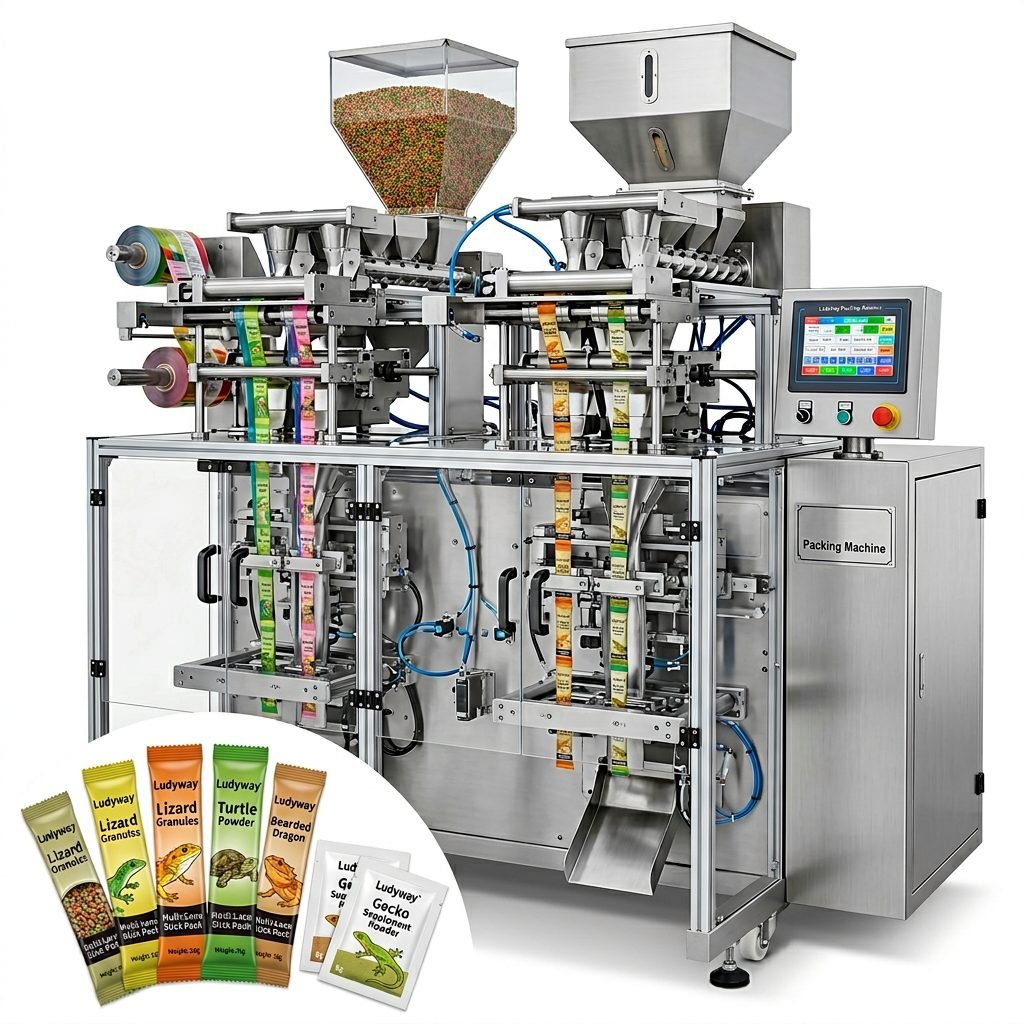
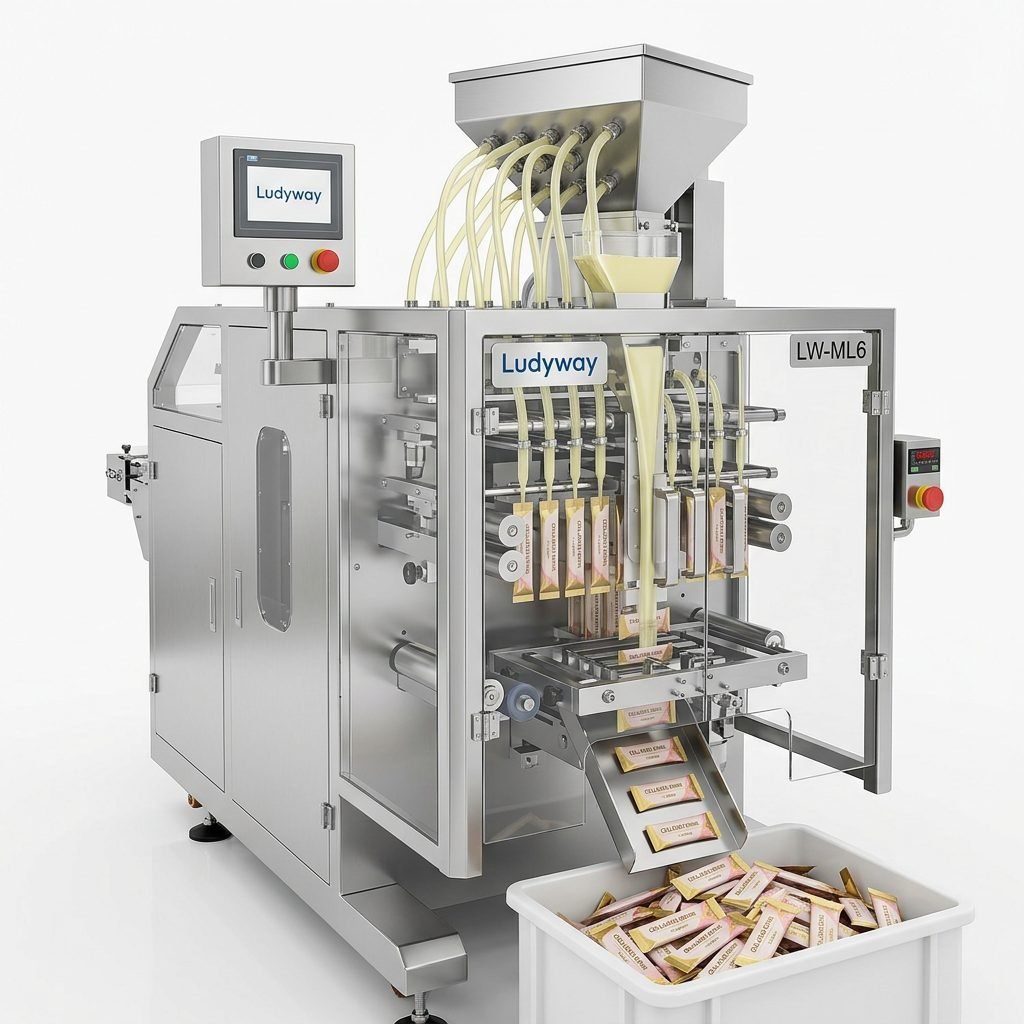
Proper maintenance of an automatic vacuum packaging machine is essential to ensure consistent performance, reduce downtime, and extend the service life of your equipment. Whether you operate a multi-lane stick pack system or a standalone vacuum sealer, following a structured maintenance routine can prevent costly repairs and production delays. This guide provides a step-by-step approach to daily, weekly, and monthly maintenance tasks, along with troubleshooting tips and best practices for automatic vacuum packaging machine care.

Why Regular Maintenance Matters
Vacuum packaging machines operate under demanding conditions, handling heat sealing, air extraction, and continuous product flow. Neglecting maintenance can lead to inconsistent seal quality, vacuum leaks, and mechanical failures. A well-maintained machine delivers higher packaging efficiency, better product preservation, and lower long-term operating costs. Companies relying on packaging equipment solutions for food, pharmaceutical, or chemical applications must prioritize maintenance to meet regulatory standards and production targets.
Daily Maintenance Checklist
Daily inspections are the first line of defense against unexpected breakdowns. Operators should perform these tasks at the beginning and end of each shift:
- Clean the sealing bar and remove any product residue or debris that may affect heat transfer
- Inspect the vacuum pump oil level (for oil-sealed pumps) and top up if necessary
- Check all sensors and emergency stop functions for proper operation
- Wipe down external surfaces with a dry, clean cloth to prevent dust accumulation
- Examine the sealing gasket and silicone strips for signs of wear or damage
- Verify that the vacuum chamber lid closes and locks securely without obstruction
Weekly Maintenance Tasks
Weekly maintenance builds on daily checks and addresses components that experience gradual wear. Dedicate time each week to the following procedures:
Sealing System Inspection
The sealing system is critical for achieving airtight packages. Inspect the heating element and Teflon tape for burn marks, uneven wear, or peeling. Replace the Teflon cover if it shows signs of degradation. A damaged sealing bar can cause weak or incomplete seals, compromising product shelf life.
Vacuum Pump Care
For oil-lubricated vacuum pumps, check the oil color and clarity weekly. Dark or cloudy oil indicates contamination and should be replaced immediately. For dry vacuum pumps, clean the air intake filters to maintain optimal suction performance. Listen for unusual noises during pump operation, which may signal mechanical issues.
Air Filter and Line Check
Inspect all pneumatic lines, fittings, and air filters. Compressed air quality directly impacts machine performance. Drain moisture from air filters and check for leaks that could reduce vacuum efficiency. Replace clogged air filters promptly.

Monthly Maintenance Procedures
Monthly maintenance involves more thorough inspections and preventive replacements. The table below summarizes key monthly tasks for an industrial vacuum packaging system:
| Component | Maintenance Action | Frequency |
|---|---|---|
| Vacuum Pump Oil | Complete oil change (oil-sealed pumps) | Monthly or every 500 hours |
| Sealing Bar Assembly | Deep clean and inspect for pitting or corrosion | Monthly |
| Electrical Connections | Tighten all terminals and check for loose wiring | Monthly |
| Vacuum Chamber Gasket | Inspect for cracks and apply silicone lubricant | Monthly |
| Conveyor Belts | Check tension and alignment; clean belt surfaces | Monthly |
| Control Panel | Test all buttons, displays, and emergency stops | Monthly |
Lubrication Points
Identify all grease nipples and lubrication points on your machine. Apply food-grade lubricant to moving parts such as guide rods, bearings, and chain drives. Proper lubrication reduces friction and prevents premature component failure.
Calibration Check
Verify that temperature controllers, vacuum gauges, and timer settings are accurately calibrated. Incorrect calibration can lead to seal defects and inconsistent vacuum levels. Use a digital thermometer and vacuum meter to cross-check readings.
Common Troubleshooting Issues
Even with regular maintenance, occasional issues may arise. Here are some common problems and their solutions:
Weak or Incomplete Seals
- Check and replace worn Teflon tape on the sealing bar
- Verify that the sealing temperature is set correctly for your film type
- Clean the sealing surface thoroughly to remove product residue
- Inspect the sealing pressure adjustment and recalibrate if needed
Insufficient Vacuum Level
- Inspect the vacuum chamber gasket for cracks or deformation
- Check vacuum pump oil level and condition
- Look for leaks in vacuum hoses and connections
- Clean or replace the vacuum pump air filter
Machine Not Starting
- Verify that the emergency stop button is disengaged
- Check power supply and electrical fuses
- Ensure all safety guards are properly closed
- Inspect door interlocks and limit switches for proper contact

Best Practices to Extend Machine Life
Implementing these best practices will maximize the lifespan of your vacuum packaging equipment:
- Train operators thoroughly on proper machine use and basic troubleshooting
- Keep a detailed maintenance log to track service intervals and part replacements
- Use only manufacturer-recommended spare parts and consumables
- Schedule professional servicing at least twice per year for comprehensive inspections
- Maintain a clean production environment to minimize dust and debris entering the machine
- Monitor vacuum pump performance trends to detect gradual degradation early
When to Seek Professional Service
While routine maintenance can be handled by trained operators, certain situations require professional attention. Contact a qualified technician if you notice persistent vacuum fluctuations, unusual mechanical noises, electrical faults, or significant drops in packaging speed. Professional servicing ensures that complex issues are diagnosed and resolved before they escalate into major failures.
For advanced turnkey packaging solutions and expert technical support, Ludyway offers comprehensive after-sales service and maintenance programs designed to keep your production lines running at peak efficiency. With over 30 years of experience in packaging machinery manufacturing, our engineering team provides reliable guidance on maintaining a wide range of automatic packaging systems.
Spare Parts Management
Keeping critical spare parts in inventory minimizes downtime during unexpected repairs. We recommend stocking the following items:
- Sealing bar assembly with heating elements
- Teflon tape and silicone sealing strips
- Vacuum pump oil and air filters
- Vacuum chamber gaskets and O-rings
- Drive belts and conveyor components
- Common electrical fuses and sensors
Safety Precautions During Maintenance
Always observe these safety protocols before performing any maintenance on your packaging machinery:
- Disconnect the machine from the main power supply before opening electrical panels
- Allow the sealing bar to cool completely before handling
- Use appropriate personal protective equipment including gloves and safety glasses
- Follow lockout/tagout procedures for all energy sources
- Keep the work area clean and free of slip hazards
A disciplined maintenance program is the key to reliable automatic vacuum packaging machine performance. By following the daily, weekly, and monthly tasks outlined in this guide, you can minimize unplanned downtime, protect product quality, and extend the operational life of your equipment. For additional technical resources, refer to industry standards from PMMI – The Association for Packaging and Processing Technologies.