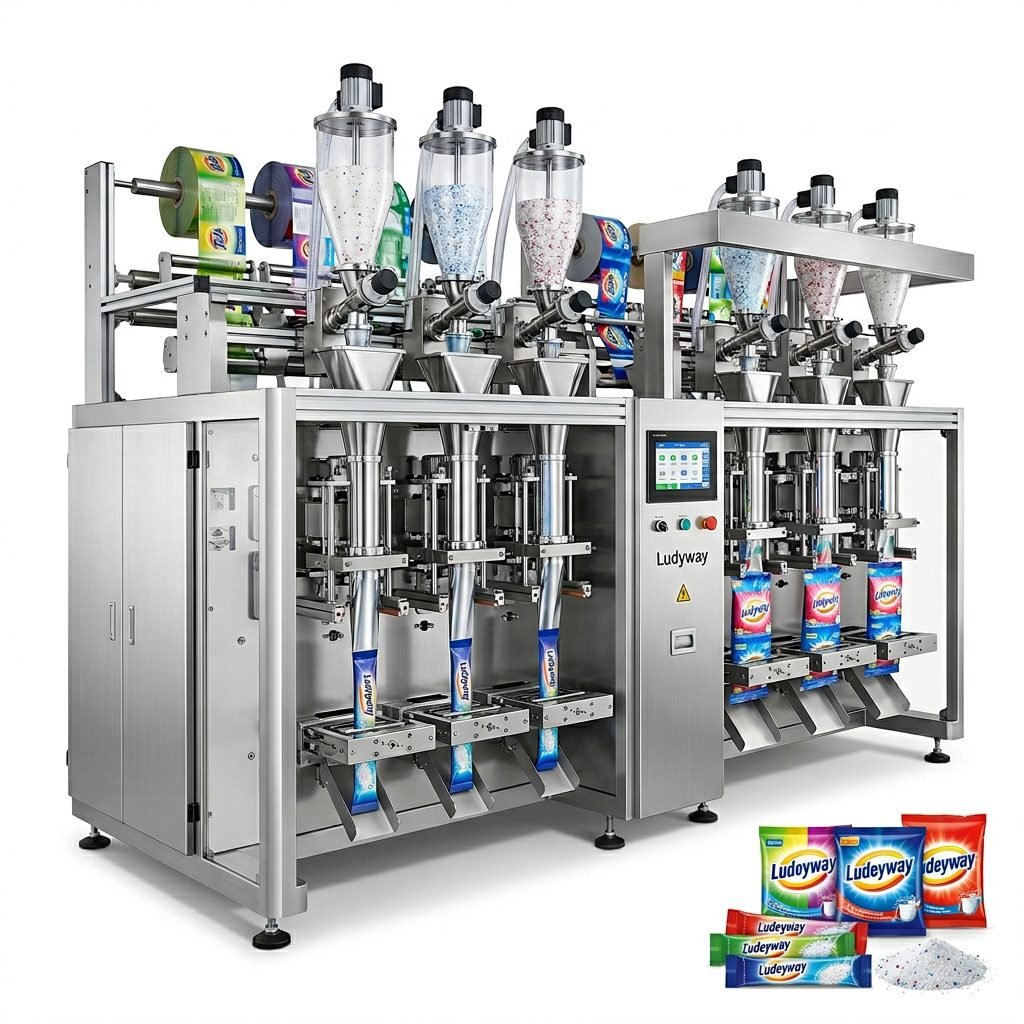
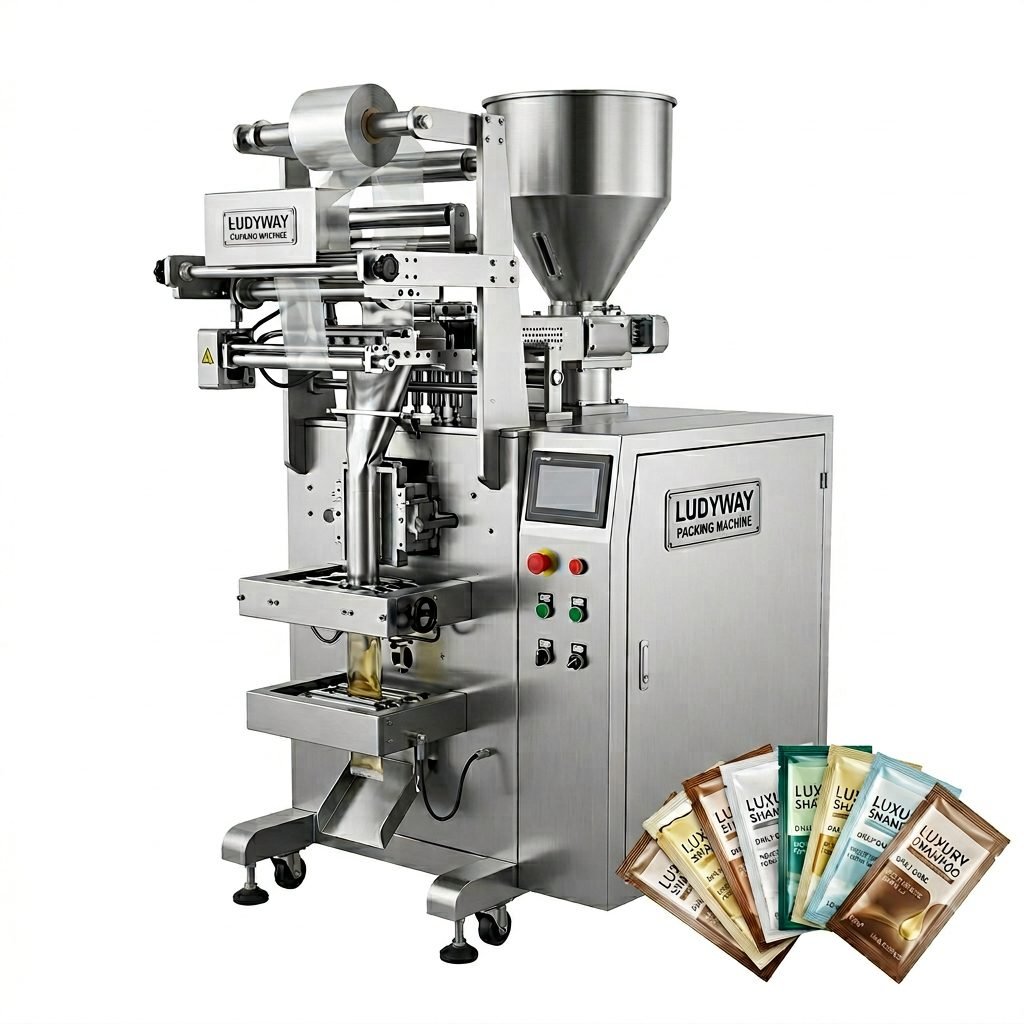
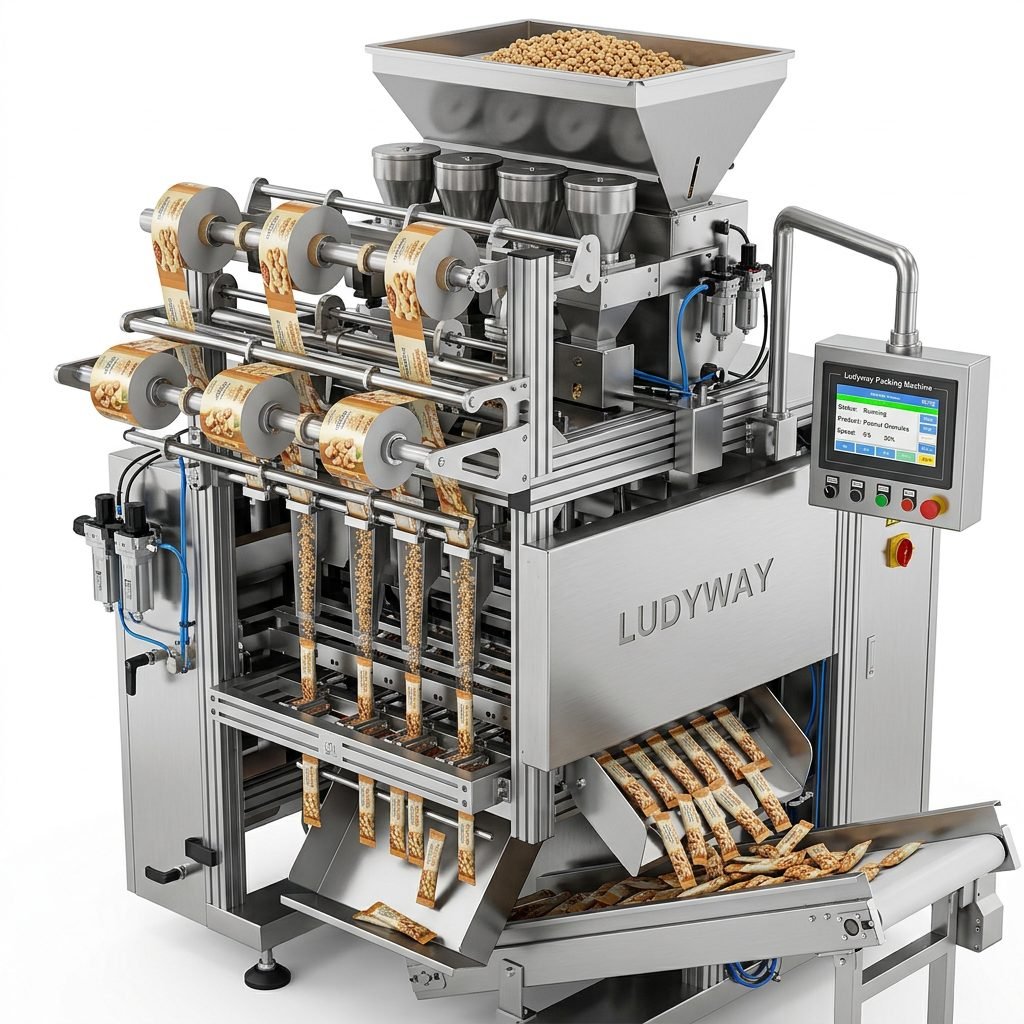
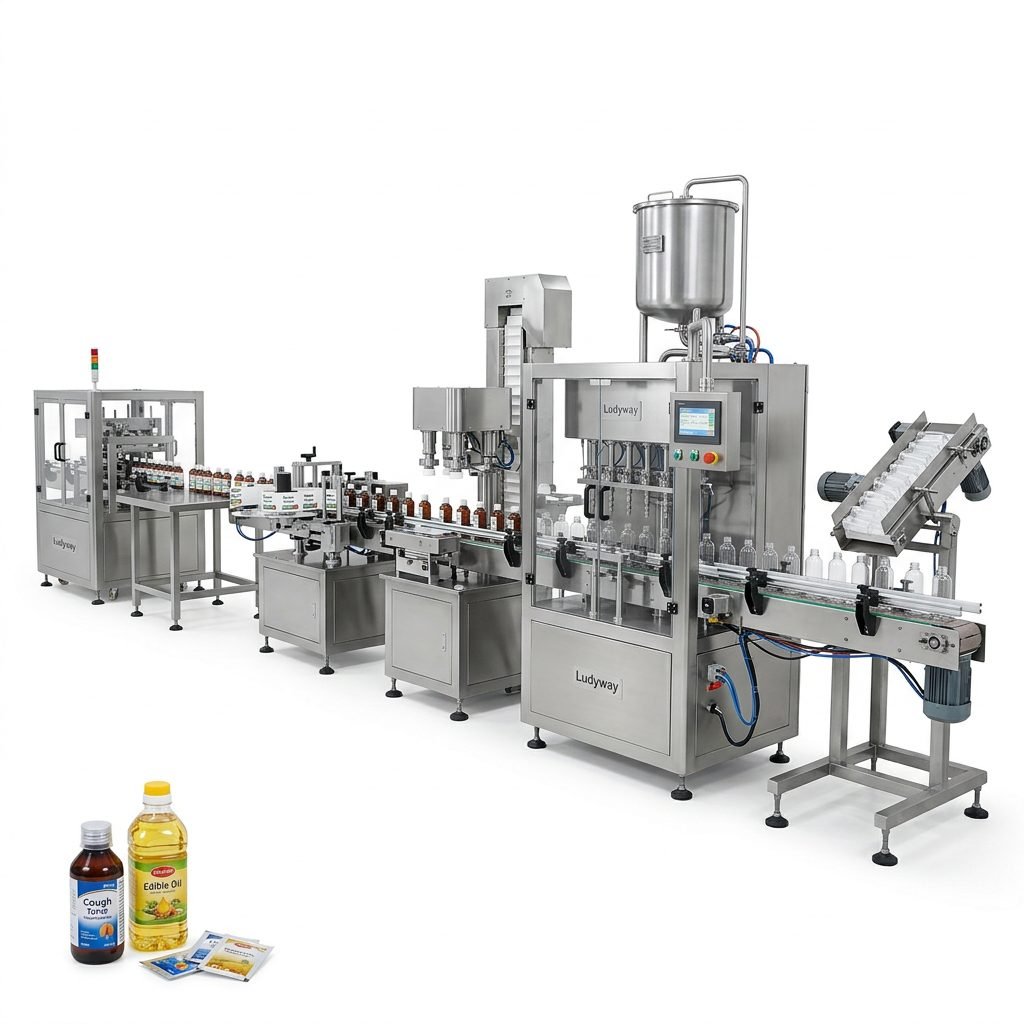
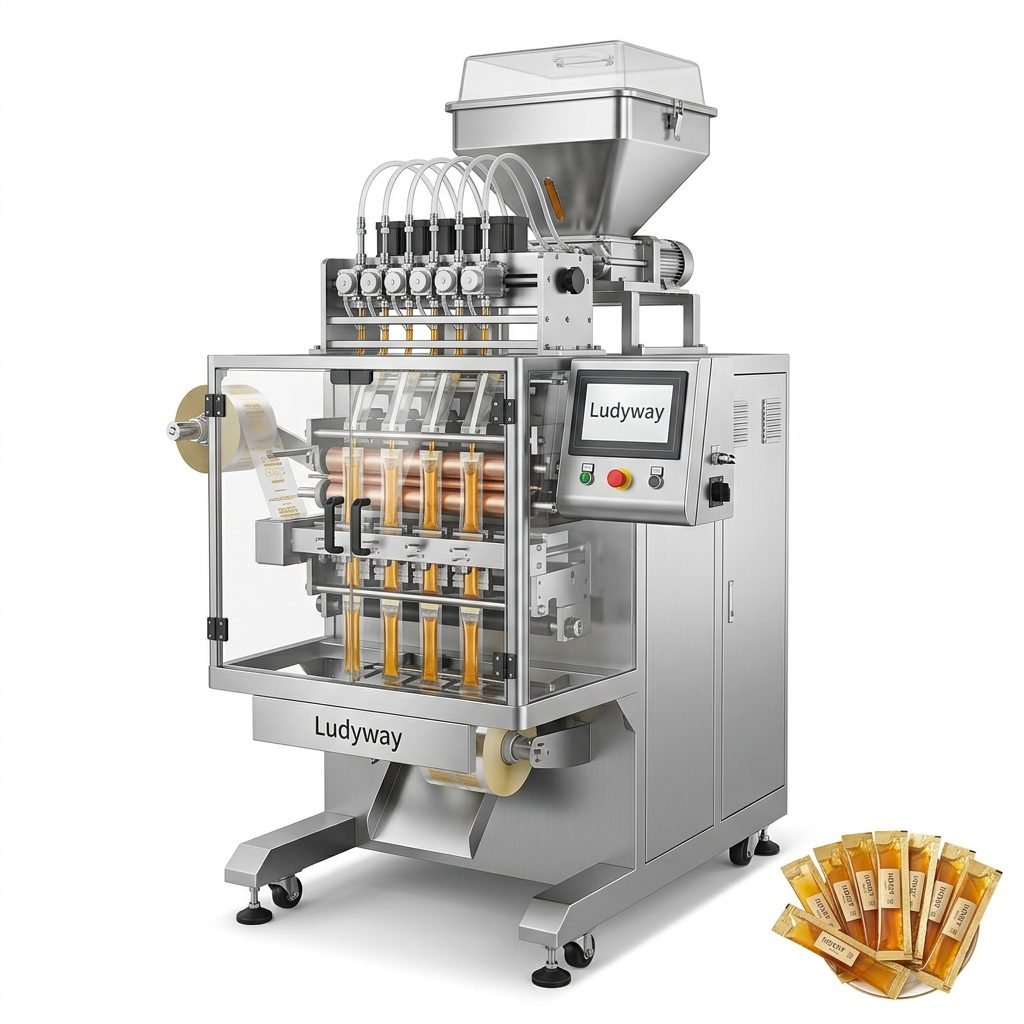
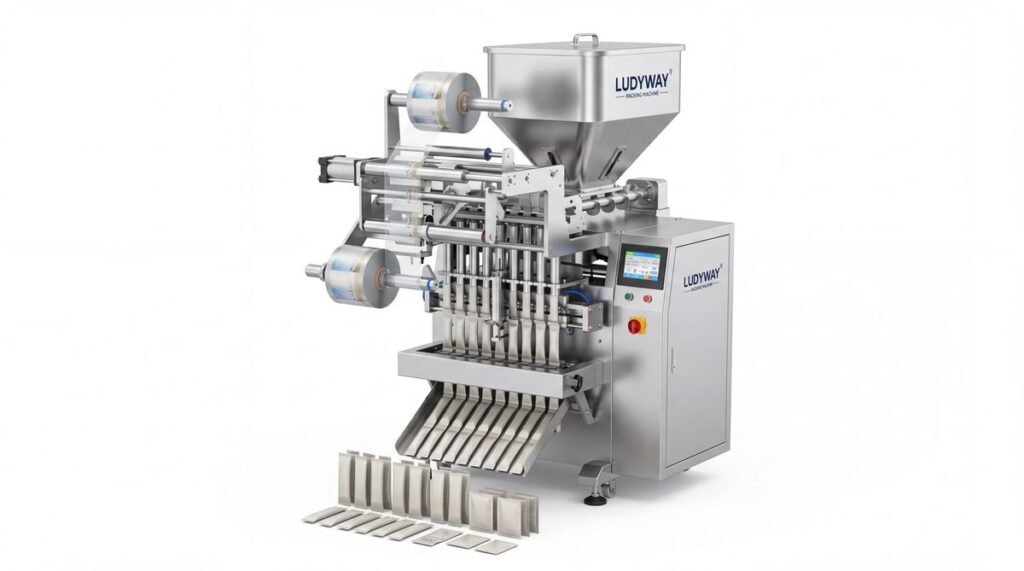
Investing in a vertical packing machine is a critical decision for manufacturers across the food, pharmaceutical, chemical, and cosmetic industries. The right equipment can dramatically improve production efficiency, reduce packaging waste, and ensure consistent product quality. However, with dozens of machine types, configurations, and technical specifications available, the selection process can feel overwhelming. This guide walks you through every essential factor to consider before making a purchase, helping you select equipment that aligns perfectly with your production goals.
Understanding Your Product Characteristics
The physical properties of your product are the single most important factor in choosing a vertical packing machine. Different products behave very differently during the filling and sealing process, and machines must be configured accordingly.
Product Flowability and Density
- Free-flowing granules (sugar, salt, plastic pellets, coffee beans) generally work well with volumetric cup fillers or multi-head weighers.
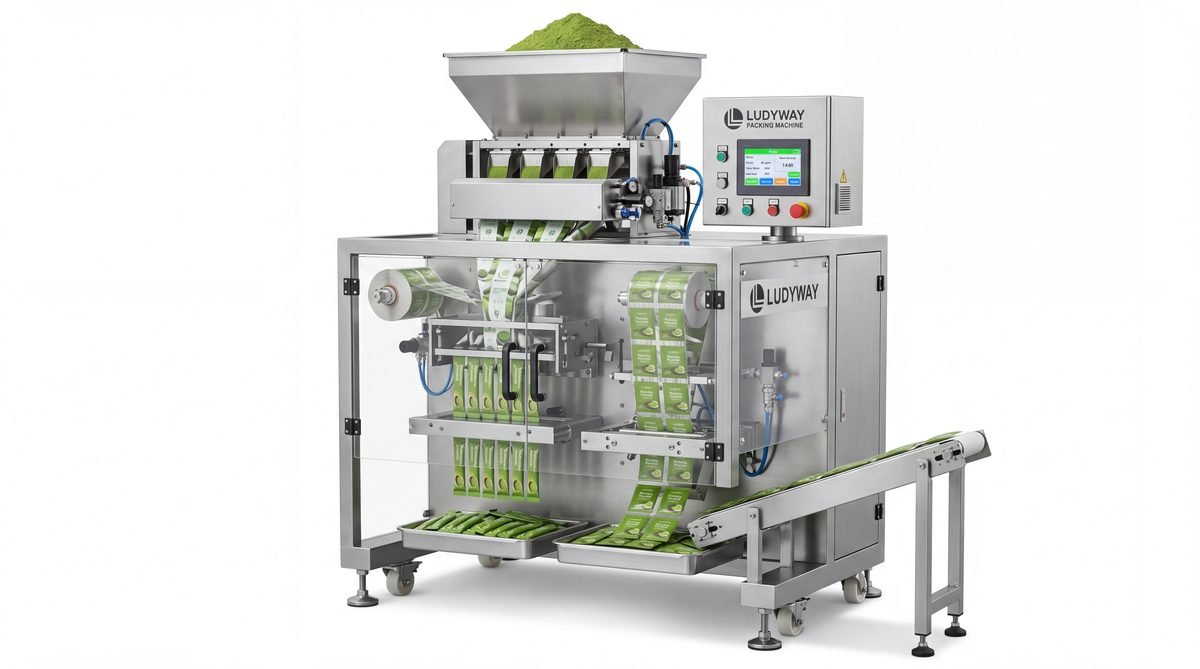
- Non-free-flowing powders (matcha powder, flour, protein powder, cocoa) often require auger fillers with agitation systems to prevent bridging and ensure consistent dosing.
- Liquid and paste products (sauces, shampoos, oils, honey) need piston fillers or pump-based filling systems with appropriate viscosity handling.
- Dusty powders (spirulina, fine chemicals, talc) require dust-controlled filling environments and sealed dosing mechanisms.
Product Sensitivity and Hygiene Requirements
Products intended for human consumption or pharmaceutical use demand higher hygiene standards. Machines must be constructed from food-grade stainless steel (typically SUS304 or SUS316L), feature easy-clean designs, and comply with FDA food packaging and food contact substance regulations. Sterile applications, such as medical device packaging, require machines that meet ISO 11607 standards for terminally sterilized medical device packaging.
Packaging Format and Bag Style Selection
Vertical packing machines can produce a wide variety of bag formats. Your choice of packaging style directly impacts both consumer appeal and production line efficiency.
| Bag Format | Best Suited Products | Key Advantages |
|---|---|---|
| Pillow Pouch (3-side seal) | Snacks, salt, sugar, small hardware parts | Simple design, high-speed production, cost-effective film usage |
| Gusseted Bags | Coffee, pet food, bulk powders, frozen products | Expanded volume, stable shelf presence, premium appearance |
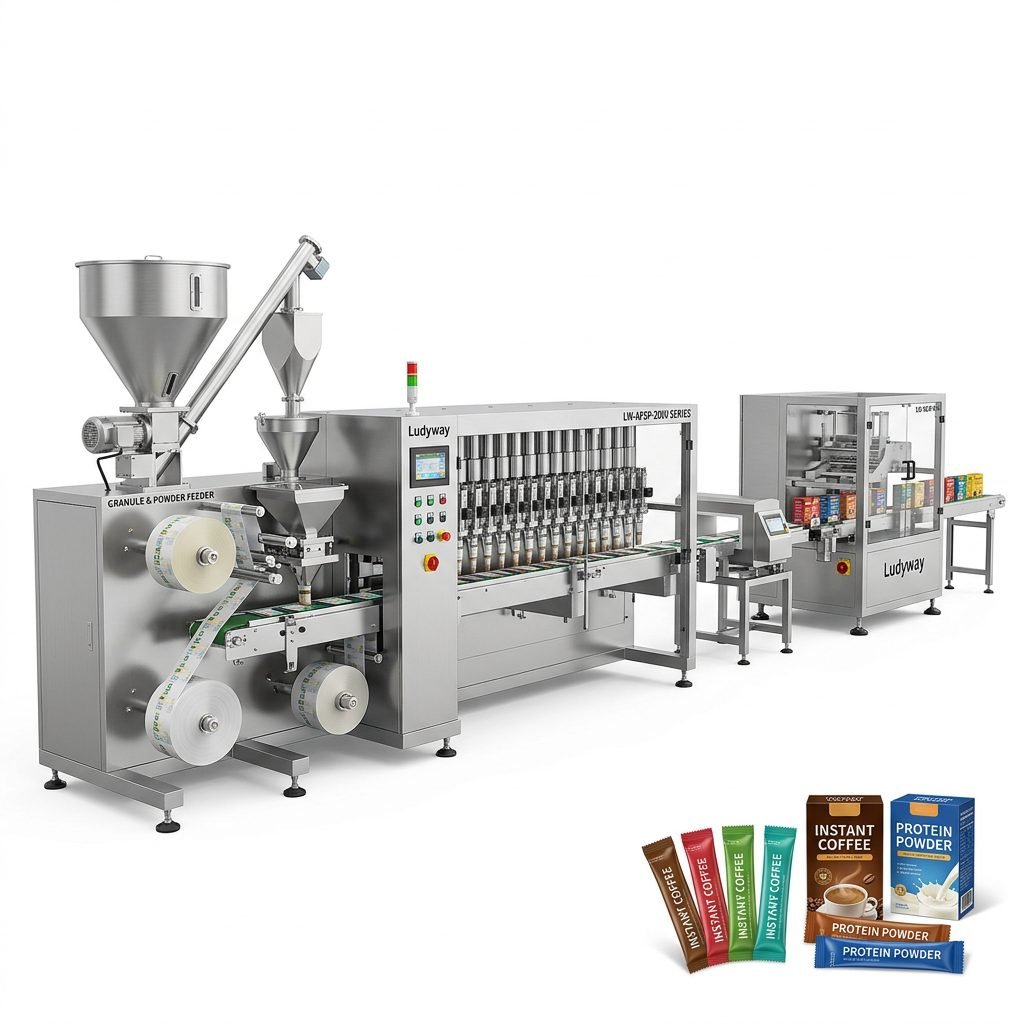
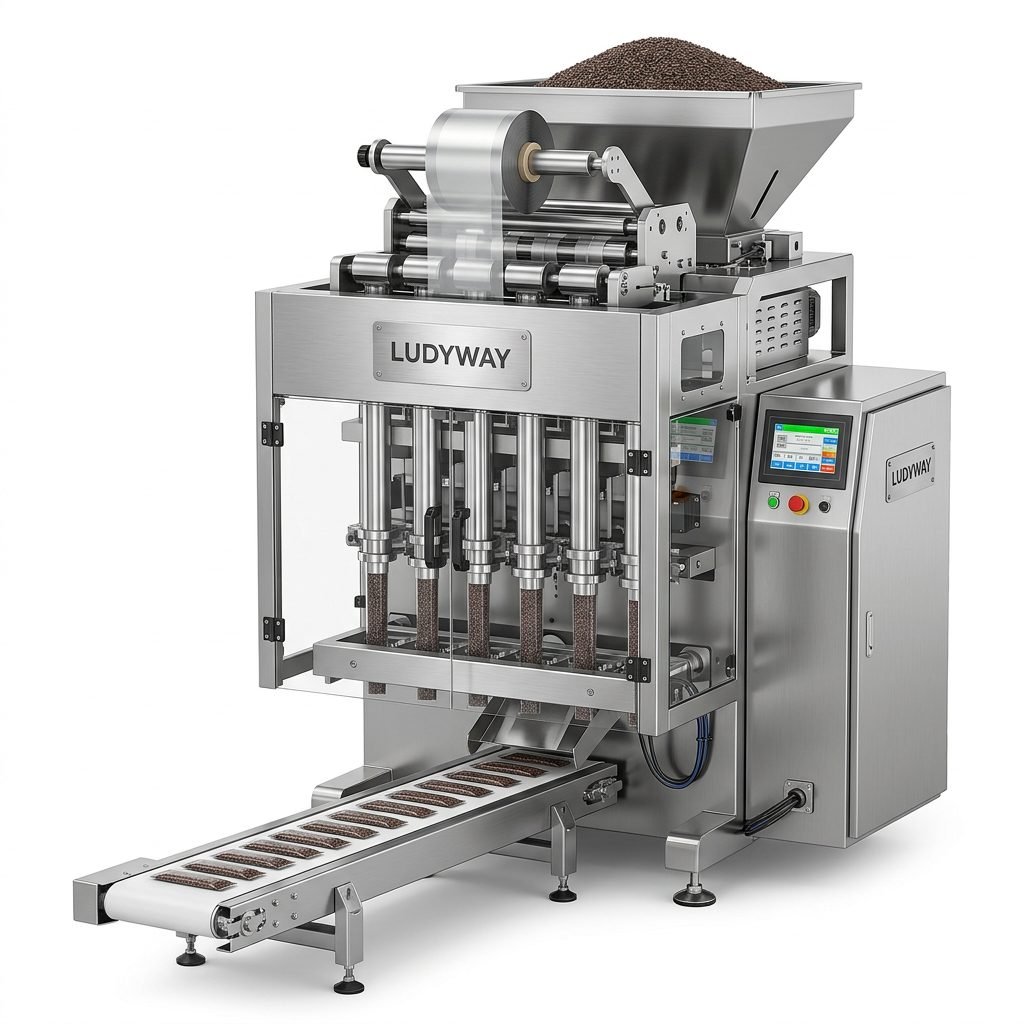
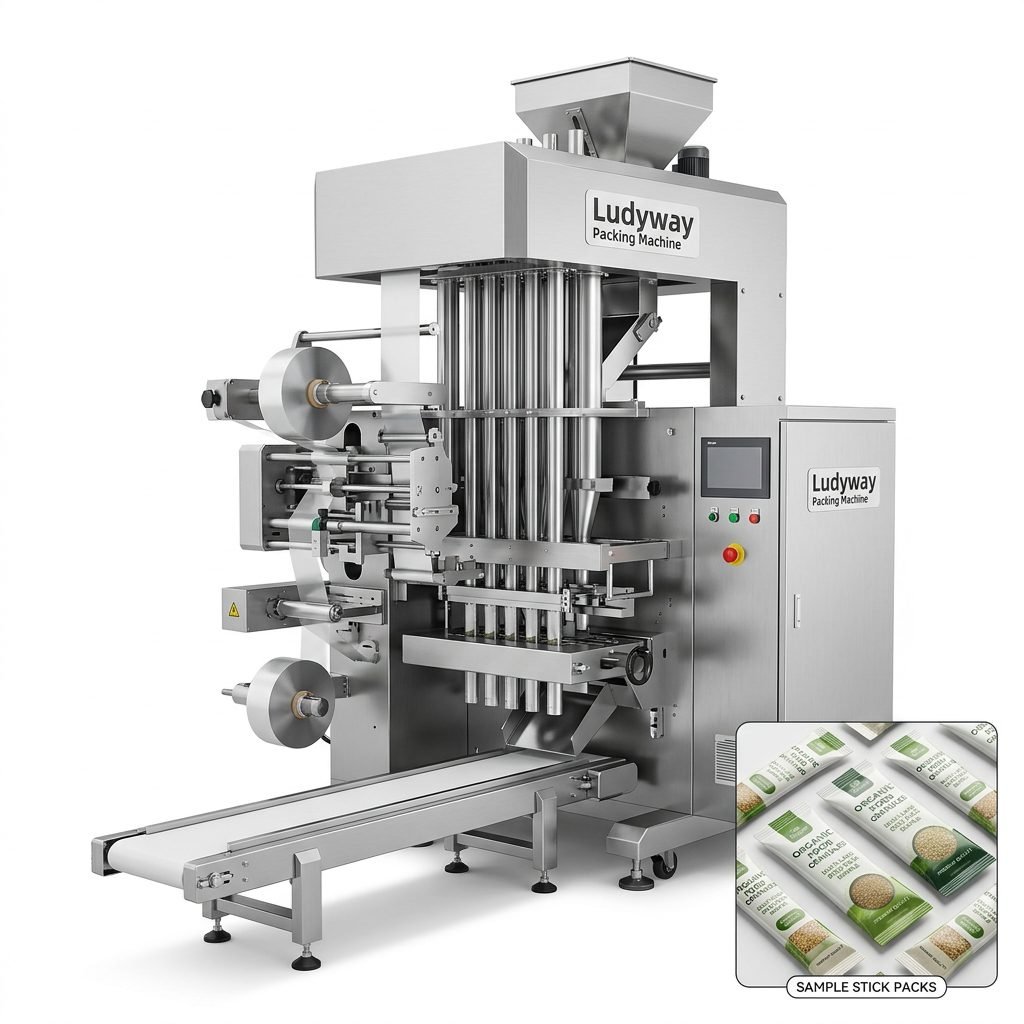
| Stick Packs | Instant coffee, sugar, nutritional supplements, energy powders | Compact, portable, single-serve convenience, high-speed multi-lane capability |
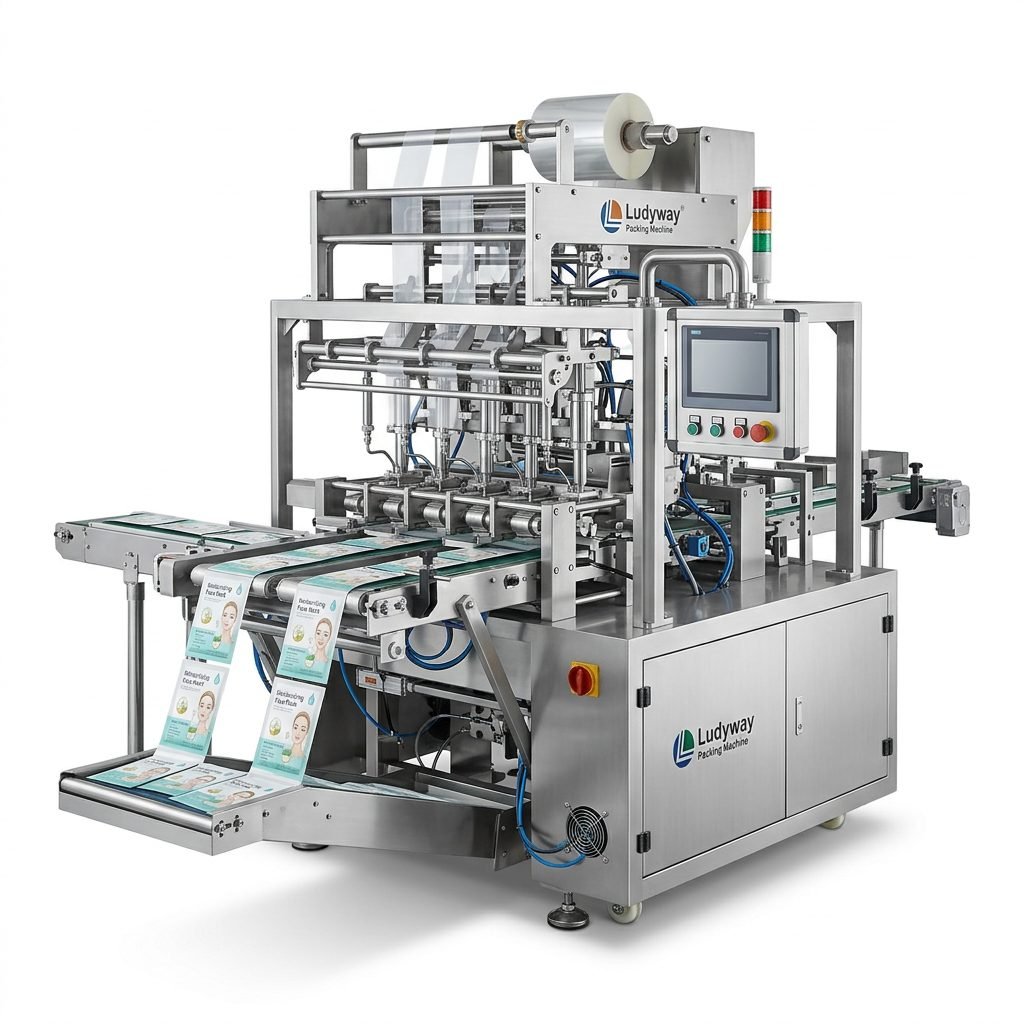
| Sachets / 4-side seal | Shampoo samples, ketchup, creams, medical powders | Secure sealing, excellent barrier properties, premium flat appearance |
| Quad Seal / Block Bottom Bags | Coffee, grains, pet food, premium snacks | Maximum shelf impact, rigid structure, high perceived value |
According to the Flexible Packaging Association’s industry data, demand for stick packs and sachets continues to grow at double-digit rates globally, driven by consumer preference for convenience and portion control.
Production Speed and Capacity Requirements
Matching machine speed to your production demands is essential for maintaining profitability. Underestimating capacity needs leads to missed orders, while overestimating results in unnecessary capital expenditure.
Evaluating Speed Metrics
- Single-lane machines typically deliver 30-80 packs per minute, suitable for small to medium production volumes.
- Multi-lane stick pack machines (4-12 lanes) can achieve 200-600+ packs per minute, ideal for high-volume single-serve products.
- Rotary packaging systems can exceed 800 packs per minute for ultra-high-speed applications like sugar and salt packaging.
When specifying speed requirements, always account for future growth projections over the expected 5-10 year lifespan of the equipment. According to PMMI’s State of the Industry reports, packaging machinery demand continues to grow year over year, making scalability a wise consideration.
Machine Configuration and Customization Options
No two production lines are identical. The best vertical packing machine for your operation will likely require some level of configuration or customization to match your specific workflow.
Feeding and Dosing Systems
The filling mechanism is the heart of any packaging machine. Selection depends primarily on your product type:
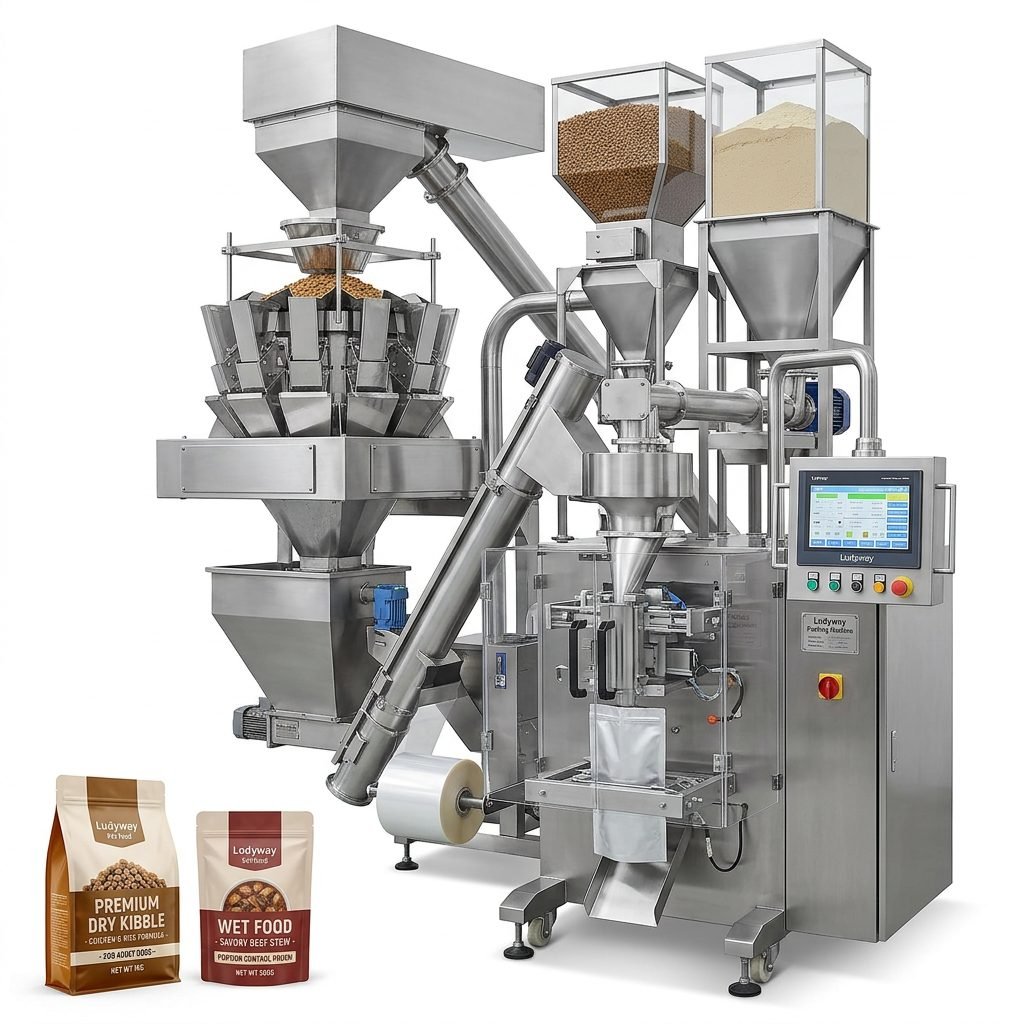
- Multi-head weighers — Highest accuracy (±0.5-1g) for granules and snacks; fastest speeds for free-flowing products.
- Auger fillers — Best for powders of all flowability types; accuracy depends on auger design and agitation features.
- Volumetric cup fillers — Economical solution for uniform-density granules; less suitable for variable density products.
- Piston and pump fillers — Precision liquid dosing; hygienic designs available for pharmaceutical and food-grade applications.
- Linear weighers — Cost-effective option for mid-speed granule and small-piece packaging.
Additional Line Integration Modules
Modern packaging lines often incorporate auxiliary equipment to create seamless production workflows. Typical integration options include:
- Automatic feeding conveyors and bucket elevators for bulk material handling
- Inline checkweighers and metal detectors for quality assurance
- Nitrogen flushing systems for modified atmosphere packaging (MAP) to extend shelf life
- Date coding, batch printing, and thermal transfer overprinting (TTO) systems
- Automatic cartoning and case packing equipment for end-of-line automation
- Palletizing systems and stretch wrapping for finished product handling
Quality Standards and International Compliance
Packaging machinery used in regulated industries must meet specific quality and safety standards. Non-compliant equipment can result in rejected shipments, regulatory penalties, or product recalls.
Key Certifications and Standards to Review
| Standard / Certification | Applicable Industries | Significance |
|---|---|---|
| CE Marking | European Union markets | Indicates conformity with EU health, safety, and environmental requirements |
| GMP Compliance | Pharmaceuticals, nutraceuticals, food | Ensures consistent quality and hygiene in production processes |
| FDA 21 CFR | U.S. food and pharmaceutical | Validates that food contact materials and manufacturing processes meet U.S. safety standards |
| ISO 9001 | All industries | Quality management system certification from the manufacturer |
| ISO 11607 Series | Medical devices | Specific requirements for sterile barrier packaging systems and validation |
When sourcing equipment for international markets, it is also important to consider European Commission packaging and packaging waste regulations, which increasingly impact packaging material choices and machine configurability.
Supplier Evaluation and After-Sales Support
The relationship with your packaging machinery supplier extends far beyond the initial purchase. Technical support, spare parts availability, and engineering expertise directly impact your long-term operational efficiency.
Critical Factors in Supplier Selection
- Manufacturing experience — Look for manufacturers with a proven track record in your industry vertical. Companies with decades of focused experience bring deeper application knowledge to equipment design.
- Engineering and customization capabilities — Can the supplier modify machine configurations to match your specific product, bag size, or production line requirements, or are you limited to standard models only?
- Installation and commissioning support — On-site technical assistance during installation significantly reduces startup time and helps avoid costly operational mistakes.
- Spare parts network — Confirm that critical wear parts and consumables are readily available, with reasonable lead times and global shipping capabilities.
- Remote and on-site technical service — In today’s global manufacturing environment, remote diagnostic and troubleshooting capabilities are increasingly valuable for minimizing downtime.
- Operator training programs — Proper training ensures your team can operate, clean, and maintain the equipment correctly, maximizing machine lifespan and performance.
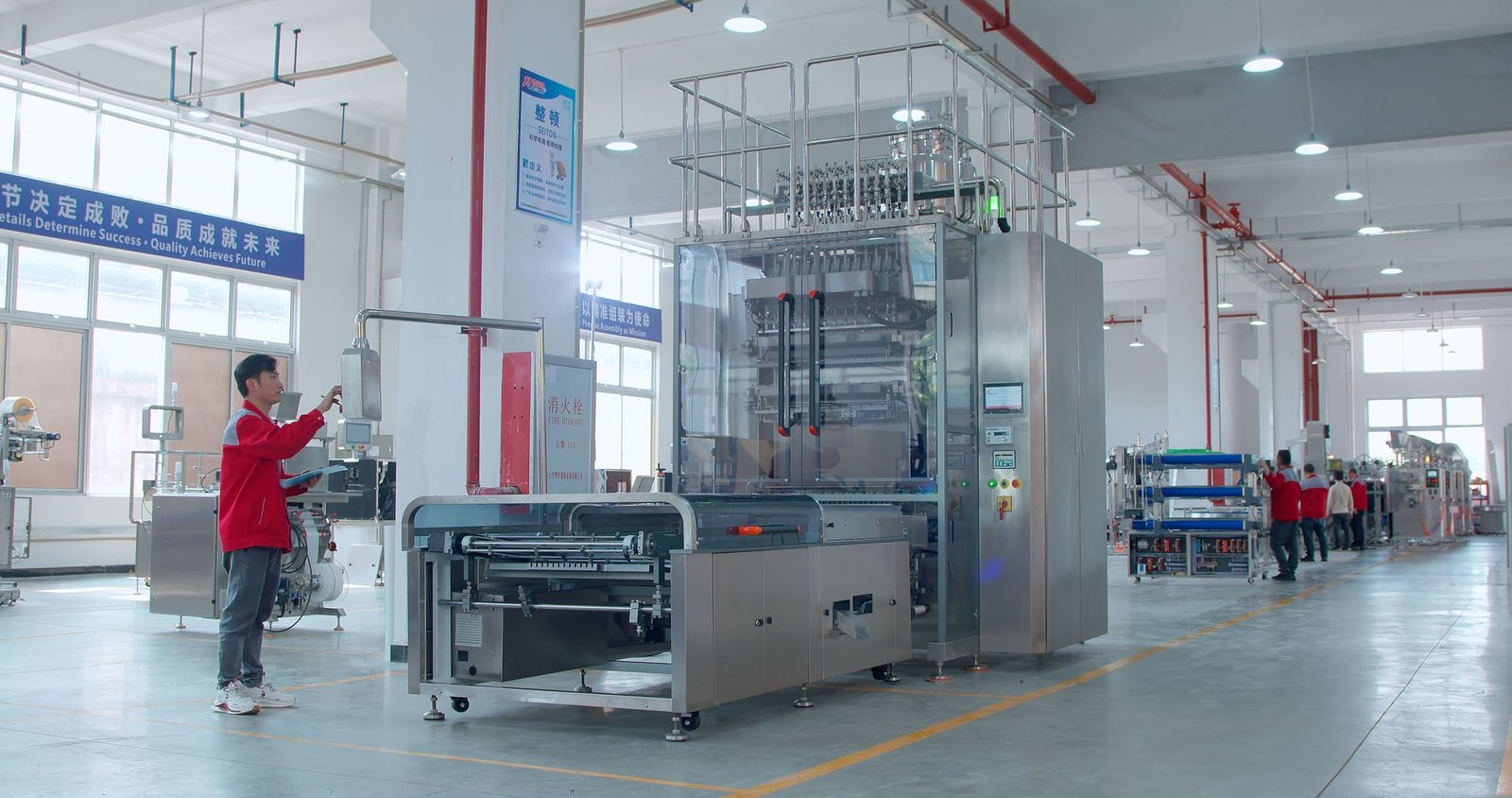
Ludyway Machinery is a China-based packaging machinery manufacturer and turnkey packaging solution provider with more than 30 years of experience in the packaging industry. With a 20,000-square-meter manufacturing facility, more than 130 professionals, and over 50 packaging machine models, the company serves customers in more than 100 countries and regions, providing customized packaging solutions, engineering support, installation, commissioning, operator training, and comprehensive after-sales service worldwide.
Total Cost of Ownership Analysis
When budgeting for a vertical packing machine, look beyond the initial purchase price. A thorough total cost of ownership (TCO) analysis reveals the true long-term investment.
| Cost Category | Typical Percentage of TCO | Key Considerations |
|---|---|---|
| Equipment purchase price | 40-55% | One-time capital expenditure; compare specifications, not just price |
| Packaging film and consumables | 25-35% | Film waste rate and material efficiency vary significantly by machine design |
| Spare parts and maintenance | 8-12% | Quality components reduce frequency of replacement; supplier proximity matters |
| Labor and operator costs | 5-10% | Higher automation levels reduce manual labor requirements |
| Energy and utilities | 3-6% | Servo-driven machines generally consume less power than pneumatic systems |
| Downtime and lost production | Variable | Reliable equipment with strong support minimizes unplanned outages |
Key insight: A machine that costs 20% less upfront but produces 5% higher film waste will often cost significantly more over a five-year period than a higher-quality alternative. Always request detailed specifications on film utilization rates, expected spare parts consumption, and typical maintenance schedules before making a final decision.
Automation Level and Smart Manufacturing Readiness
As manufacturing moves toward Industry 4.0, the automation capabilities of your packaging equipment become increasingly important. Even if you do not require full smart factory integration today, consider future needs.
Automation Features to Evaluate
- Servo-driven motion control — Provides precise, programmable control over filling, sealing, and cutting operations; enables quick format changeovers without mechanical adjustments.
- HMI touchscreen interfaces — Modern operator panels with recipe management, production data logging, and diagnostic capabilities reduce operator skill requirements.
- Remote monitoring and IoT connectivity — Enables real-time production monitoring, predictive maintenance alerts, and remote troubleshooting by the equipment supplier.
- Automatic film tension and tracking control — Reduces film waste and prevents sealing defects caused by film drift.
- Integrated vision inspection systems — Automated quality control for seal integrity, print registration, and foreign object detection.
For manufacturers evaluating turnkey solutions, the ability to integrate the vertical packing machine with upstream feeding systems and downstream cartoning, case packing, and palletizing equipment is critical. A single-source supplier who can provide the entire packaging line integration simplifies project management and ensures compatibility between all modules.
Footprint, Facility Requirements, and Installation Considerations
Before finalizing any packaging machinery purchase, confirm that your facility can accommodate the equipment and that installation requirements are clearly understood.
Pre-Installation Checklist
- Floor space and layout — Measure the machine footprint plus required clearance for operation, maintenance access, and film roll loading. Consider material flow from upstream processes to finished product handling.
- Utility requirements — Verify compressed air capacity (CFM at required PSI), electrical supply (voltage, phase, amperage), and any special exhaust or dust collection needs.
- Environmental conditions — Some products and packaging materials require temperature and humidity-controlled environments for consistent performance. Cleanroom-compatible machine designs are available for pharmaceutical and medical applications.
- Logistics and rigging — Confirm door dimensions, ceiling height, floor loading capacity, and any special equipment needed for machine positioning.
Making Your Final Decision: A Step-by-Step Approach
With all the technical, commercial, and operational factors considered, use this structured approach to reach your final purchasing decision:
- Define your product and packaging specifications precisely — Product type, target weight, bag dimensions, packaging material, and required output rate.
- Research and shortlist compatible machine models and manufacturers — Focus on suppliers with proven experience in your product category and target market.
- Request detailed technical proposals and quotations — Ask for machine specifications, film utilization data, utility consumption, and comprehensive line layout drawings.
- Submit product samples for factory acceptance testing (FAT) — This step is critical. Running your actual product and packaging material on the proposed machine validates performance before purchase.
- Evaluate total cost of ownership and financing options — Compare initial investment, operating costs, and projected maintenance expenses over a 5-10 year period.
- Review warranty terms, service agreements, and spare parts commitments — Understand exactly what is covered and for how long.
- Visit manufacturing facilities and existing customer installations if possible — Seeing equipment in operation provides confidence that proposal claims match real-world performance.
For additional industry insights, the PMMI business intelligence library and Flexible Packaging Association resources provide valuable market data, technology trends, and best-practice guidance for packaging machinery buyers. The PACK EXPO International and PACK EXPO Las Vegas trade shows also offer excellent opportunities to see multiple machine suppliers and technologies side by side.
Choosing the right vertical packing machine is a strategic investment that affects product quality, production efficiency, and long-term competitiveness. By thoroughly evaluating your product characteristics, packaging requirements, production capacity needs, and supplier capabilities — and by testing real products on proposed equipment — you can select machinery that delivers reliable, efficient, and scalable packaging performance for years to come.