Investing in a tea and rice vacuum packing machine is a critical decision for food producers, exporters, and packaging businesses. Whether you are packing high-quality loose leaf tea or premium long-grain rice, vacuum packaging technology significantly extends shelf life, preserves aroma, and protects products from moisture, oxidation, and contamination during storage and transportation.
The cost of a tea and rice vacuum packing machine varies widely based on capacity, automation level, bag size range, vacuum chamber configuration, and additional features such as gas flushing or nitrogen injection. Understanding the key factors that influence pricing will help you make a well-informed purchasing decision that aligns with your production requirements and budget.

Key Factors That Influence Tea and Rice Vacuum Packing Machine Pricing
Before exploring specific price ranges, it is essential to understand the variables that directly impact the final cost. Each factor plays a significant role in determining the machine’s performance and suitability for your production line.
- Automation Level: Semi-automatic machines require manual bag placement and removal, while fully automatic vacuum packaging lines handle the entire process from bag feeding to sealing. Full automation increases initial investment but dramatically improves output and labor efficiency.
- Chamber Configuration: Single-chamber, double-chamber, and continuous belt vacuum machines each serve different production volumes. Double-chamber models offer a good balance between throughput and cost for medium-scale operations.
- Bag Size and Weight Capacity: Machines designed for small retail sachets (5g-50g) cost differently than those built for bulk 5kg-25kg commercial bags. Larger chamber dimensions and stronger vacuum pumps increase manufacturing complexity and price.
- Gas Flushing / Modified Atmosphere Packaging (MAP): The ability to inject nitrogen or CO₂ before sealing preserves tea freshness and prevents rice from becoming brittle. This advanced feature adds value but also raises equipment cost.
- Build Material and Compliance: Stainless steel construction, food-grade sealing bars, and certifications such as CE, ISO, or FDA compliance contribute to higher manufacturing standards and correspondingly higher prices.
- Speed and Output: Entry-level machines may process 300-600 bags per hour, while high-speed industrial systems can exceed 3,000 bags per hour. Higher speed ratings demand more robust components and precise engineering.
Estimated Price Ranges for Tea and Rice Vacuum Packing Machines
The following table provides a general overview of price ranges based on machine type and capabilities. Actual prices may vary depending on manufacturer, customization, and regional market conditions.
| Machine Type | Capacity Range | Approximate Price (USD) | Best Suited For |
|---|---|---|---|
| Single-Chamber Vacuum Sealer | 200-500 bags/hour | $800 – $3,500 | Small-scale producers, startups |
| Double-Chamber Vacuum Machine | 600-1,200 bags/hour | $3,500 – $8,000 | Medium-scale tea/rice packers |
| Continuous Belt Vacuum Machine | 1,500-3,000 bags/hour | $8,000 – $20,000 | High-volume commercial operations |
| Fully Automatic Vacuum Packaging Line | 3,000-6,000+ bags/hour | $20,000 – $80,000+ | Export-oriented factories, 24/7 production |
| Vacuum + Gas Flushing Integrated System | 1,000-4,000 bags/hour | $15,000 – $50,000 | Premium tea and specialty rice products |
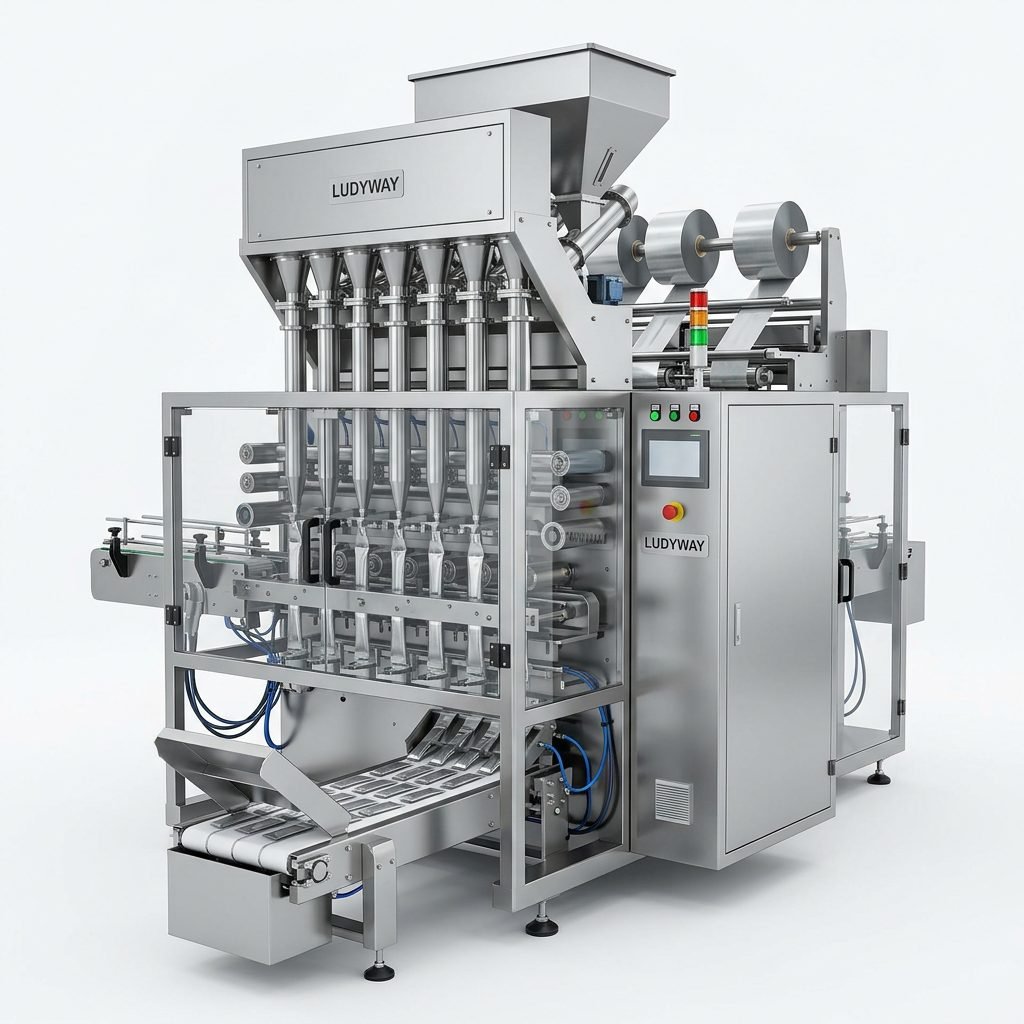
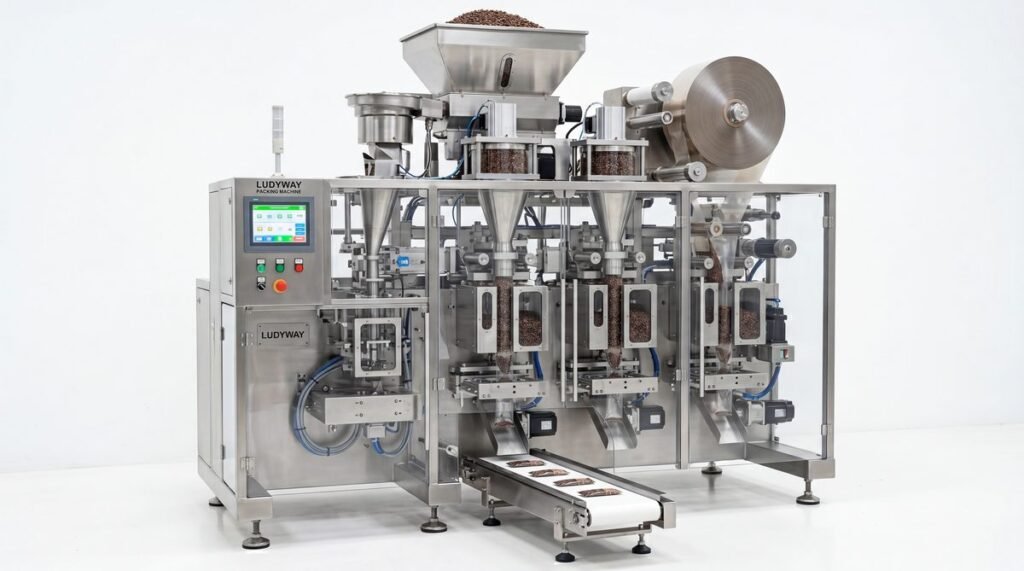
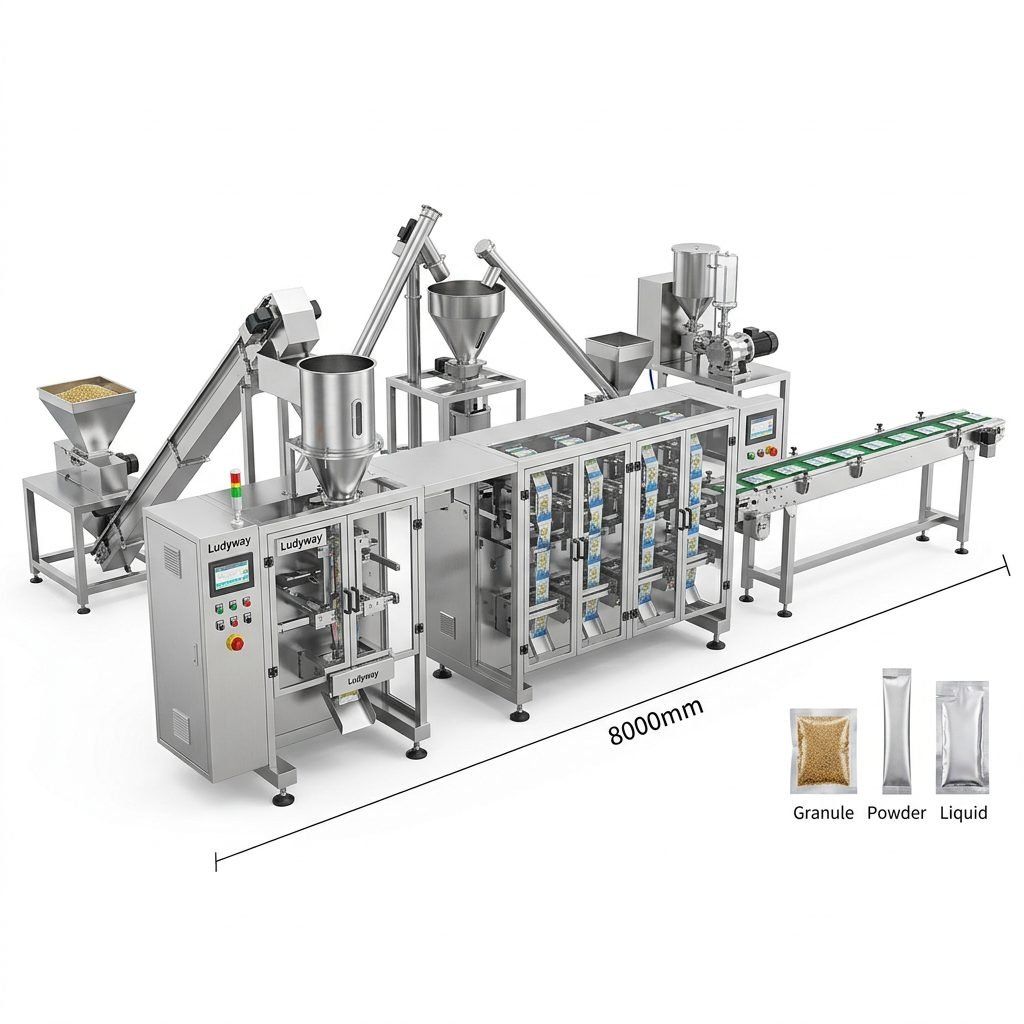
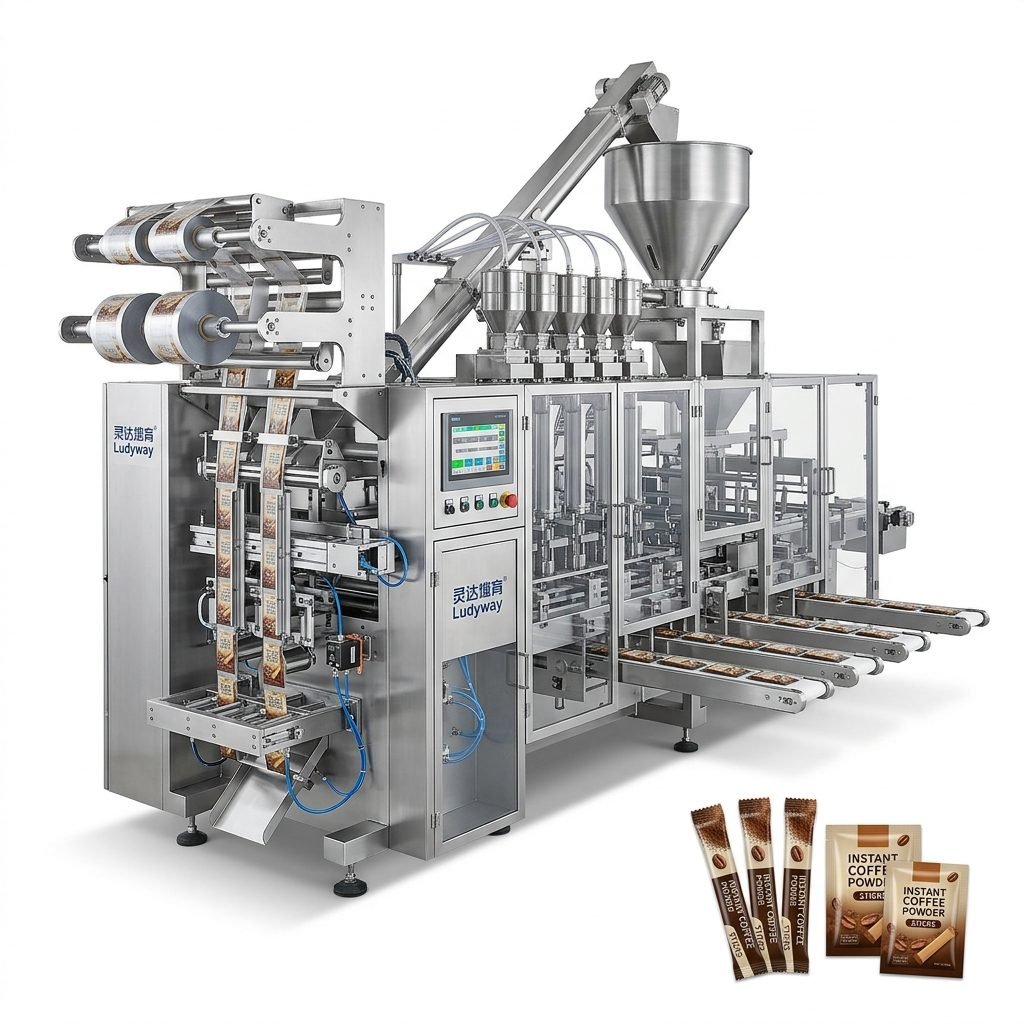
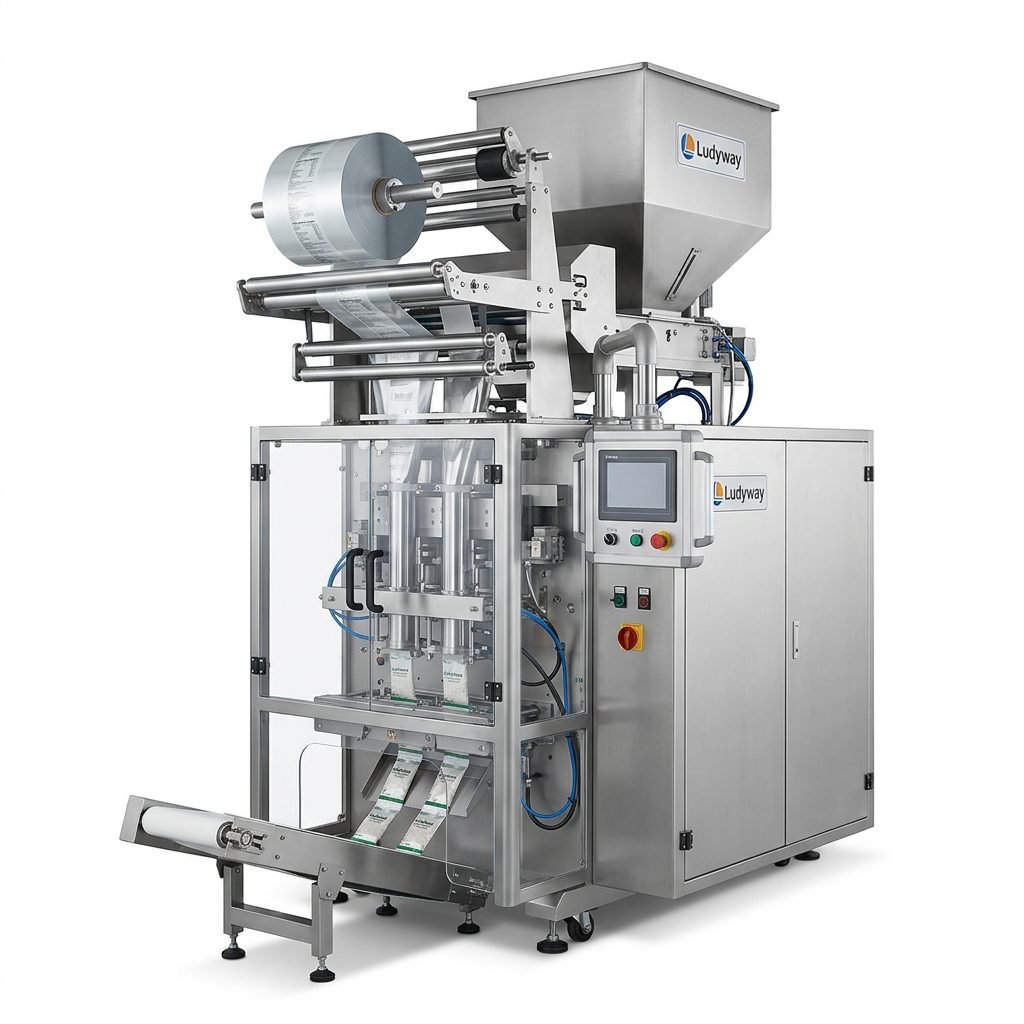
Note: Prices listed above are indicative ranges for standard configurations. Customized solutions with multi-lane stick pack or sachet integration, automatic weighing, and turnkey line design will require a tailored quotation from the manufacturer.
Additional Cost Considerations Beyond the Machine Price
When budgeting for a tea and rice vacuum packing machine, it is wise to account for ancillary expenses that contribute to the total cost of ownership. These often-overlooked items can significantly affect your return on investment timeline.
- Installation and Commissioning: Professional setup and calibration ensure optimal performance. Some manufacturers include this in the purchase price, while others charge separately.
- Operator Training: Proper training minimizes downtime and extends machine lifespan. Factor in time and potential training fees.
- Spare Parts and Consumables: Vacuum pumps, sealing bars, heating elements, and Teflon tapes wear over time. Maintaining a spare parts inventory prevents production interruptions.
- Maintenance Contracts: Annual service agreements provide peace of mind and priority technical support access.
- Shipping and Logistics: International freight, customs duties, and local delivery charges vary by region and should be confirmed before ordering.
Vacuum Packaging: Tea vs. Rice — Key Technical Differences
Although both tea and rice benefit from vacuum packaging, the product characteristics demand slightly different machine configurations. Tea leaves, especially whole leaf varieties, are delicate and require gentle handling and adjustable vacuum pressure to prevent crushing. Rice grains are more robust but may require higher vacuum strength to remove air pockets between grains effectively.
For green tea, oolong, and herbal blends, nitrogen flushing is highly recommended to preserve volatile aromatic compounds and prevent oxidation. For rice, vacuum sealing alone is often sufficient, though MAP technology can further extend shelf life for premium organic or specialty rice varieties destined for international markets.

How to Choose the Right Machine for Your Production Needs
Selecting the optimal tea and rice vacuum packing machine involves evaluating your current and future production goals. Here is a practical framework to guide your decision-making process.
1. Define Your Daily Output Target
Calculate how many kilograms or bags you need to pack per day. A small artisanal tea brand might only need 5,000 sachets per month, while a large rice exporter may require 50,000+ bags per day. Your output target directly determines the automation level required.
2. Assess Your Packaging Formats
Do you pack in small retail pouches (50g-500g), medium bags (1kg-5kg), or bulk sacks (10kg-25kg)? Some machines are versatile enough to handle multiple bag sizes, while others are optimized for a specific range. Ensure the machine’s chamber dimensions and sealing bar length accommodate your product portfolio.
3. Evaluate Available Floor Space
Automatic vacuum packaging lines require more floor area than tabletop chamber machines. Measure your facility and discuss layout options with the manufacturer to avoid installation complications.
4. Consider Future Scalability
Investing in a modular system that can be upgraded with additional lanes or automated feeding conveyors provides flexibility as your business grows. This approach may have a higher initial cost but offers better long-term value.
Industry Standards and Quality Assurance
Reliable tea and rice vacuum packing machines should comply with international food safety and packaging standards. Organizations such as PMMI – The Association for Packaging and Processing Technologies provide valuable industry resources, including state-of-the-industry reports and packaging machinery standards. For businesses exporting to the European market, familiarity with European Commission packaging regulations is essential. Additionally, FDA food packaging and food contact substances guidelines apply to products entering the U.S. market.
About Ludyway — A Trusted Packaging Machine Manufacturer
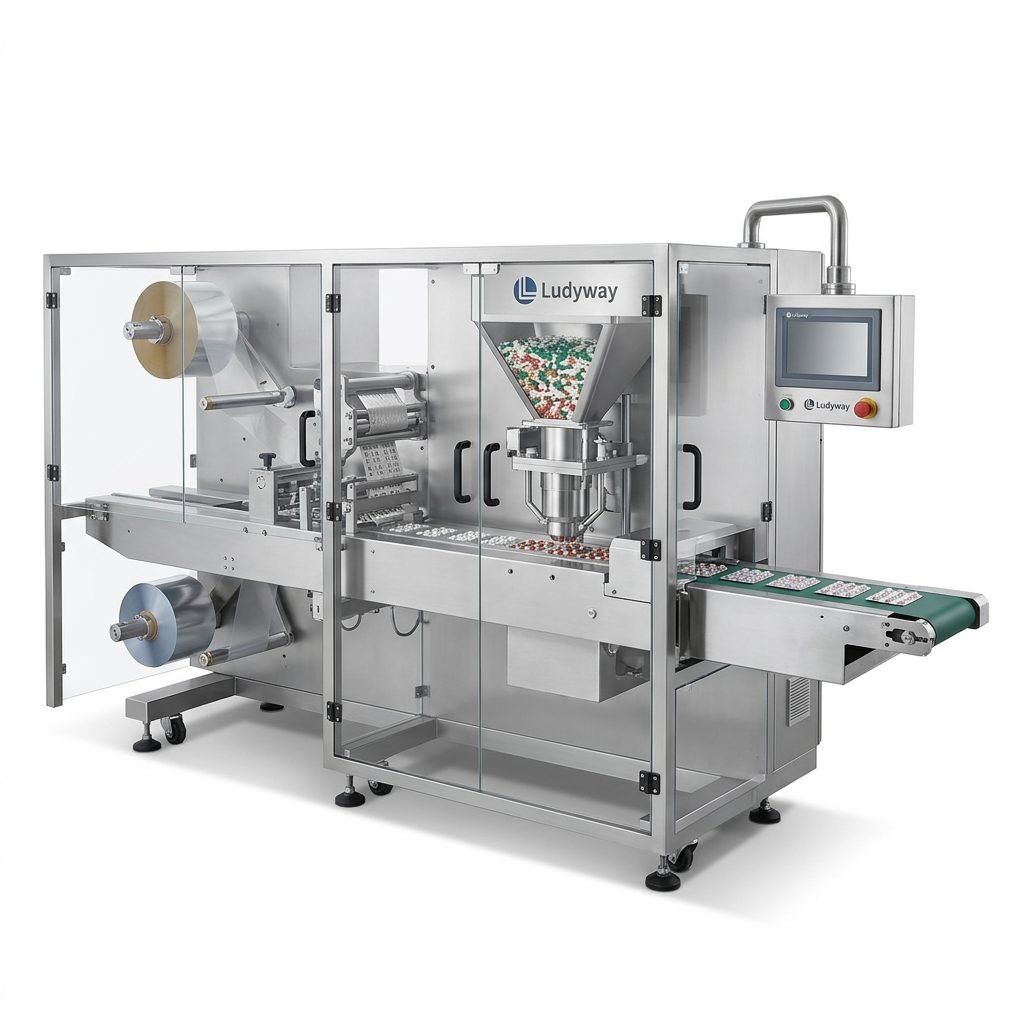
With over 30 years of industry experience, Ludyway is one of the largest packaging machine manufacturers in China, specializing in advanced packaging equipment and turnkey production solutions for the food, pharmaceutical, and health industries. The company offers more than 50 intelligent packaging machine models, including multi-lane stick pack, sachet, and fully automated packaging systems. Supported by a modern 20,000㎡ manufacturing facility and a highly experienced engineering team, Ludyway serves customers in over 100 countries and regions, delivering innovative, high-performance, and cost-effective packaging solutions that help businesses improve productivity, product quality, and operational efficiency.

Frequently Asked Questions About Tea and Rice Vacuum Packing Machine Costs
What is the cheapest tea vacuum packing machine available?
Entry-level single-chamber vacuum sealers suitable for small tea batches start at approximately $800 to $1,500. These are ideal for startups, farmers’ markets vendors, and small-scale artisanal producers who prioritize affordability over high throughput.
Can one machine handle both tea and rice vacuum packaging?
Yes, many multi-purpose vacuum packing machines can handle both tea and rice with appropriate parameter adjustments. The key is ensuring the machine offers adjustable vacuum strength and sealing time settings to accommodate different product densities and fragility levels.
How much does a fully automatic rice vacuum packaging line cost?
A complete turnkey automatic rice vacuum packaging line with automatic weighing, bag feeding, vacuum sealing, and conveying systems typically ranges from $25,000 to $80,000+, depending on output capacity and customization requirements.
Is nitrogen flushing worth the additional investment for tea packaging?
For premium teas and products with high volatile aroma compound content, nitrogen flushing is absolutely worth the investment. It preserves freshness, maintains color, and extends shelf life significantly — often adding 6-12 months compared to standard vacuum sealing alone.
What are the ongoing maintenance costs for these machines?
Annual maintenance costs typically range from 3% to 7% of the machine’s purchase price, covering replacement seals, vacuum pump oil, heating elements, and periodic professional servicing. High-quality machines from reputable manufacturers generally have lower long-term maintenance requirements.
Final Thoughts on Investment Value
The cost of a tea and rice vacuum packing machine should be viewed as a strategic investment rather than a simple expense. A well-chosen machine not only protects product quality and extends shelf life but also enhances your brand’s market positioning through professional, consistent packaging. By carefully evaluating your production needs, budget, and growth projections, you can select a machine that delivers strong return on investment for years to come. Request detailed quotations from multiple manufacturers, compare specifications thoroughly, and prioritize build quality and after-sales support alongside pricing.