Investing in a vacuum packing machine is a significant decision for food processors, pharmaceutical manufacturers, and industrial operations. Understanding the true cost drivers, pricing structures, and selection criteria helps buyers avoid overspending while securing equipment that meets production demands. This guide breaks down everything from machine types and cost components to practical selection strategies, helping you make an informed purchasing decision.
Vacuum packaging extends shelf life, protects product integrity, and reduces waste across industries ranging from food and beverage to pharmaceuticals and chemicals. According to industry data from the PMMI Business Intelligence Library, the global packaging machinery market continues to expand, driven by demand for automation and extended product shelf life. Selecting the right vacuum packing machine requires balancing technical requirements with budget constraints.

Understanding Vacuum Packing Machine Types
Before evaluating costs, it is essential to understand the different categories of vacuum packing machines available on the market. Each type serves distinct applications and comes with its own cost structure.
- Single-Chamber Vacuum Machines: Ideal for small to medium-scale operations. Products are placed inside a chamber, air is evacuated, and the bag is sealed. These machines offer consistent vacuum levels and are suitable for solid products, powders, and liquids with proper settings.
- Double-Chamber Vacuum Machines: Designed for higher throughput, these units allow loading on one side while the other chamber completes a cycle. They significantly increase productivity for medium-volume packagers.
- External Vacuum Sealers (Nozzle Type): Commonly used for retail and light commercial applications. These machines extract air through a nozzle inserted into the bag opening. They are more affordable but typically offer lower vacuum strength than chamber models.
- Thermoforming Vacuum Packaging Lines: High-speed, automated systems that form trays from film rolls, fill products, apply vacuum, and seal. These are used in large-scale meat, cheese, and ready-meal operations. They represent the highest investment tier.
- Rotary and Continuous Band Vacuum Machines: Built for continuous production, these machines integrate conveyor systems and are common in high-volume food processing facilities. They offer automation features that reduce labor requirements.
For a broader look at packaging machinery standards affecting equipment selection, the PMMI Packaging Industry Resources page provides valuable reference materials on safety requirements and operational guidelines.
Key Cost Factors for Vacuum Packing Machines
The price of a vacuum packing machine is influenced by multiple variables. Understanding these factors helps buyers evaluate quotes and negotiate effectively with suppliers.
Machine Type and Automation Level
The fundamental determinant of cost is the machine category. A basic single-chamber unit may start at several thousand dollars, while a fully automated thermoforming line can exceed hundreds of thousands. Higher automation reduces labor dependency but increases upfront capital expenditure. Buyers should calculate the total cost of ownership rather than focusing solely on the purchase price.
Construction Materials and Build Quality
Machines constructed from stainless steel with food-grade components cost more than those with mixed materials. For food and pharmaceutical applications requiring washdown environments, stainless steel construction is often mandatory. Frame thickness, seal bar quality, and component sourcing all affect durability and price. Equipment designed to meet international standards, such as those referenced by ISO Packaging Standards, generally commands a premium but offers greater reliability.
Vacuum Pump Specifications
The vacuum pump is the heart of any vacuum packing machine. Pump type, capacity, and brand significantly impact both cost and performance. Oil-lubricated rotary vane pumps are common in mid-range equipment, while dry-running pumps reduce maintenance but increase initial cost. Higher pumping speeds enable faster cycle times, directly affecting production throughput. The size of the pump relative to chamber volume determines evacuation time and ultimate vacuum level achieved.
Sealing System and Bar Dimensions
Seal bar length and sealing technology influence machine price. Longer seal bars accommodate larger bags but require more robust heating elements and pressure systems. Double-seal configurations, which create two parallel seals for added security, add to manufacturing costs. Cut-off seal systems that trim excess bag material during the sealing cycle represent another cost variable.
Control Systems and Programmability
Digital control panels with programmable recipe storage, multi-stage vacuum programs, and precise gas flushing controls increase machine cost compared to basic manual controls. However, these features improve consistency, reduce operator error, and enable processing of delicate products through controlled vacuum ramp rates. PLC-based systems with touchscreen interfaces are standard on higher-end equipment.
Pricing Breakdown by Machine Category
The table below provides a general pricing framework for different vacuum packing machine categories. Actual prices vary based on configuration, brand, and regional factors.
| Machine Category | Approximate Price Range (USD) | Best Suited For |
|---|---|---|
| Single-Chamber Tabletop | $800 – $4,000 | Small businesses, restaurants, lab use |
| Single-Chamber Floor Model | $3,500 – $12,000 | Medium production, food processors |
| Double-Chamber Machine | $6,000 – $25,000 | Higher volume, continuous production |
| External Nozzle Sealer | $200 – $2,500 | Retail, light commercial use |
| Continuous Band / Rotary Machine | $20,000 – $80,000+ | High-volume food processing |
| Thermoforming Line | $80,000 – $350,000+ | Large-scale industrial operations |
| Modified Atmosphere Packaging (MAP) System | $15,000 – $120,000+ | Fresh products, shelf-life extension |
Note: Prices are indicative and vary based on specifications, brand, optional features, and regional market conditions. Always request detailed quotations from multiple suppliers.
How to Choose the Right Vacuum Packing Machine
Selecting the optimal vacuum packing machine involves evaluating several interconnected factors. A structured approach ensures the chosen equipment aligns with both current needs and future growth plans.
Step 1: Define Your Product Characteristics
Product type directly influences machine selection. Dry solid products such as nuts or grains are straightforward to vacuum pack. Liquid and semi-liquid products require machines with specialized vacuum control to prevent boiling or spillage during evacuation. Powdery products need filtration systems to prevent particles from entering and damaging the vacuum pump. Sharp or irregular products may require specialized bag materials and gentler handling.
Step 2: Assess Production Volume Requirements
Calculate your expected daily or hourly throughput. A single-chamber machine processing 2-4 cycles per minute may suffice for low-volume operations, while high-volume processors may need continuous band systems capable of 8-15 cycles per minute. Consider peak production periods and allow for capacity growth. Underestimating volume requirements leads to costly upgrades within months of purchase.
Step 3: Evaluate Bag Size and Packaging Format
Determine the range of bag sizes you will use. Chamber dimensions must accommodate the largest bag size required. Seal bar length dictates maximum bag width. If you plan to run multiple bag sizes, verify that the machine can handle the full range without excessive changeover time. Some operations benefit from machines that support both vacuum bags and vacuum pouches with multiple sealing configurations.
Step 4: Consider Gas Flushing (MAP) Requirements
Modified Atmosphere Packaging extends the shelf life of fresh products by replacing oxygen with inert gases such as nitrogen or carbon dioxide. If gas flushing is needed, the machine must include gas injection valves, programmable gas mixing controls, and appropriate sealing technology. According to research cited by the Flexible Packaging Association, MAP technology continues to grow as consumer demand for fresh, preservative-free products increases.
Step 5: Analyze Facility and Utility Requirements
Verify that your facility can support the machine’s electrical requirements, compressed air needs, and physical footprint. Larger machines may require three-phase power, dedicated compressed air lines, and reinforced flooring. Factor in installation costs and any facility modifications needed before equipment arrival. Vacuum pump exhaust may require ventilation considerations in enclosed spaces.
Features That Impact Performance and Cost
Beyond the core vacuum and sealing functions, several features affect both machine capability and price. Prioritize these based on your specific application requirements.
Vacuum Sensor and Control Precision
Machines equipped with digital vacuum sensors provide precise control over vacuum levels, measured in millibars or percentage of vacuum. This is critical for delicate products that would be crushed under full vacuum. Programmable ramp rates allow gradual evacuation, protecting product structure while achieving target vacuum. Entry-level machines typically offer basic timer-based vacuum control without sensor feedback.
Soft-Air and Gas Flushing Systems
Soft-air functionality slowly reintroduces air after vacuum, preventing bag collapse shock that can damage fragile products. For MAP applications, gas flushing systems inject nitrogen, carbon dioxide, or custom gas blends before sealing. Multi-stage gas flushing, which performs alternating vacuum and gas purge cycles, achieves lower residual oxygen levels and costs more than single-stage systems.
Seal Integrity and Quality Assurance
Seal quality determines package integrity and shelf life. Features such as double-seal bars, temperature-controlled sealing, and seal pressure adjustment contribute to consistent seal quality. Some machines offer seal inspection capabilities or integration with external quality control systems. The cost of seal failure includes product spoilage, customer returns, and brand reputation damage, making seal reliability a worthwhile investment.
Integration with Upstream and Downstream Equipment
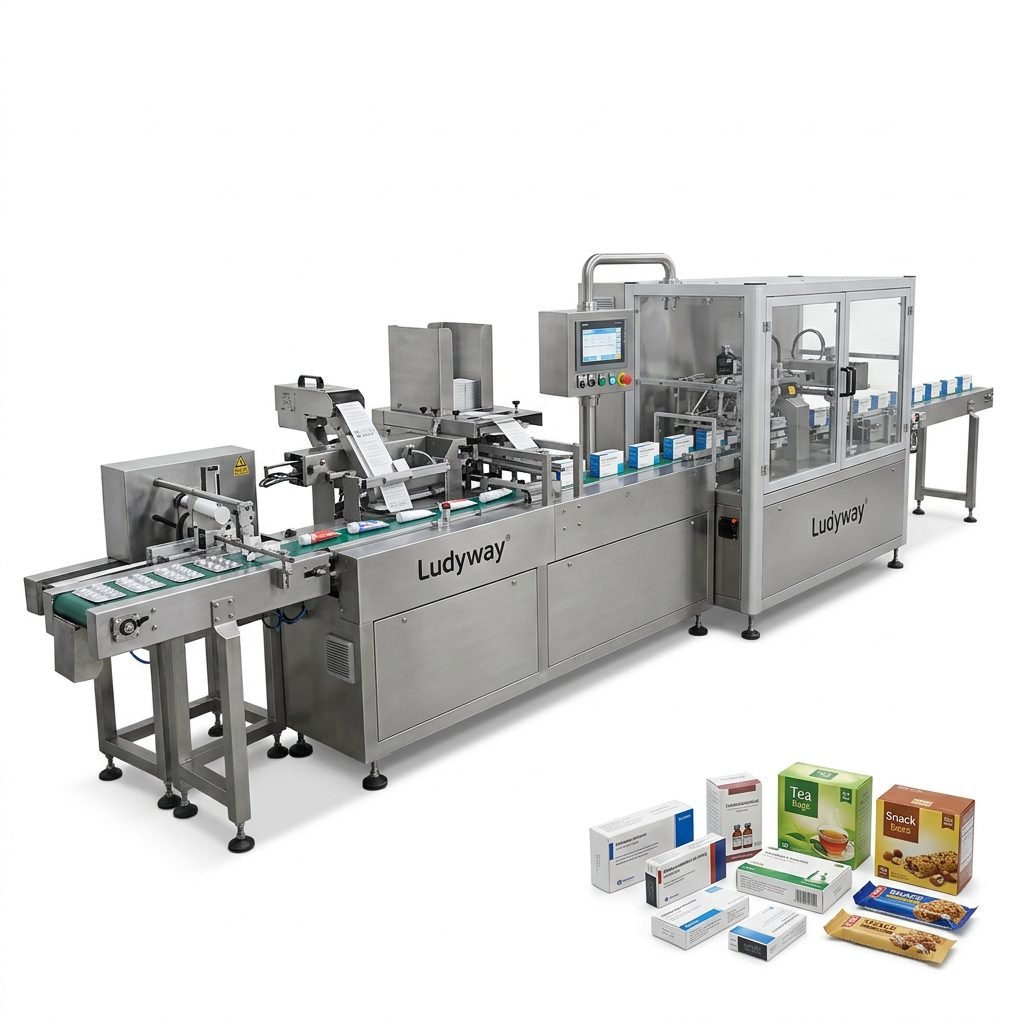
For production line integration, the vacuum packing machine must communicate with upstream filling systems and downstream labeling, coding, and cartoning equipment. Conveyor speed synchronization, product handling interfaces, and control system compatibility all affect integration complexity and cost. Turnkey solutions that include complete line engineering simplify implementation for buyers seeking end-to-end packaging solutions.

Why Source from an Experienced Manufacturer
The choice of supplier significantly affects long-term equipment performance and total ownership cost. Established manufacturers bring engineering expertise, quality control, and after-sales support that generic suppliers may lack. A manufacturer with comprehensive application knowledge can recommend appropriate configurations rather than simply selling standardized equipment.
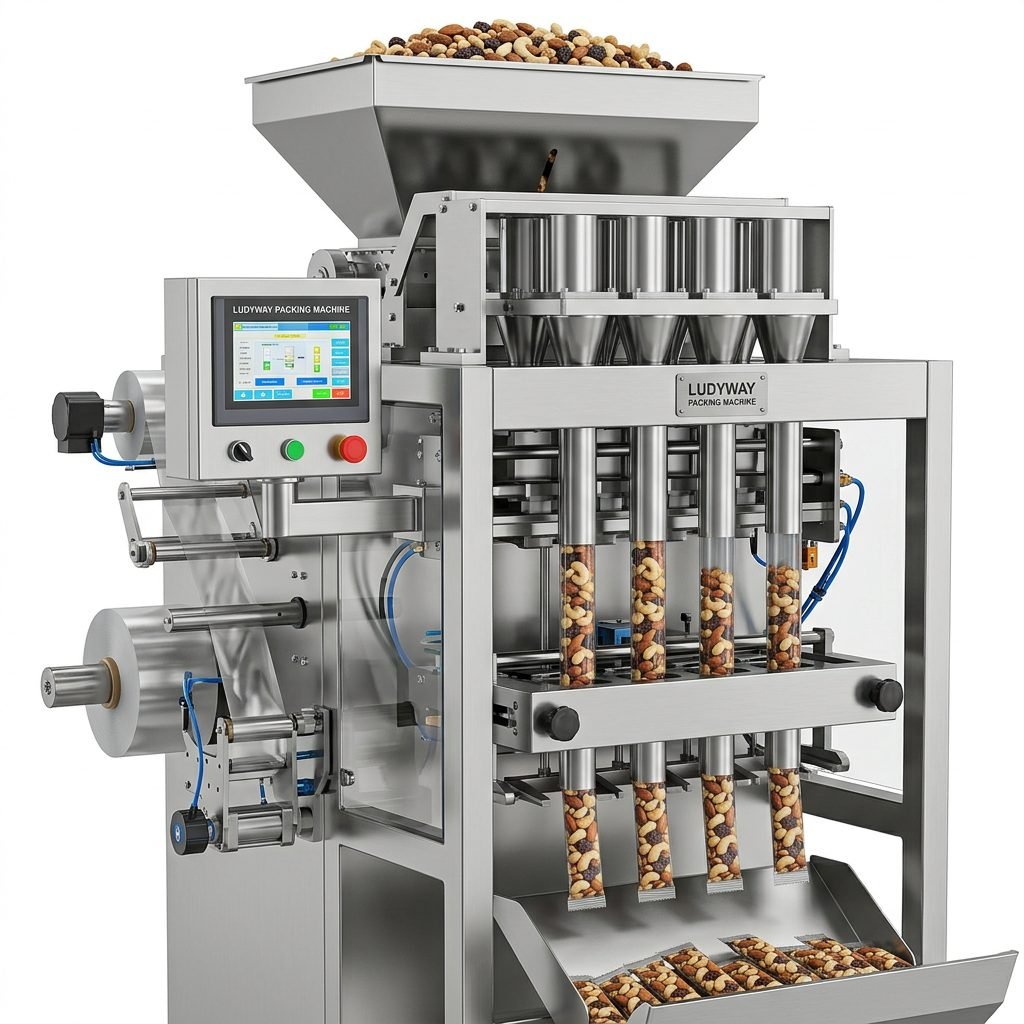
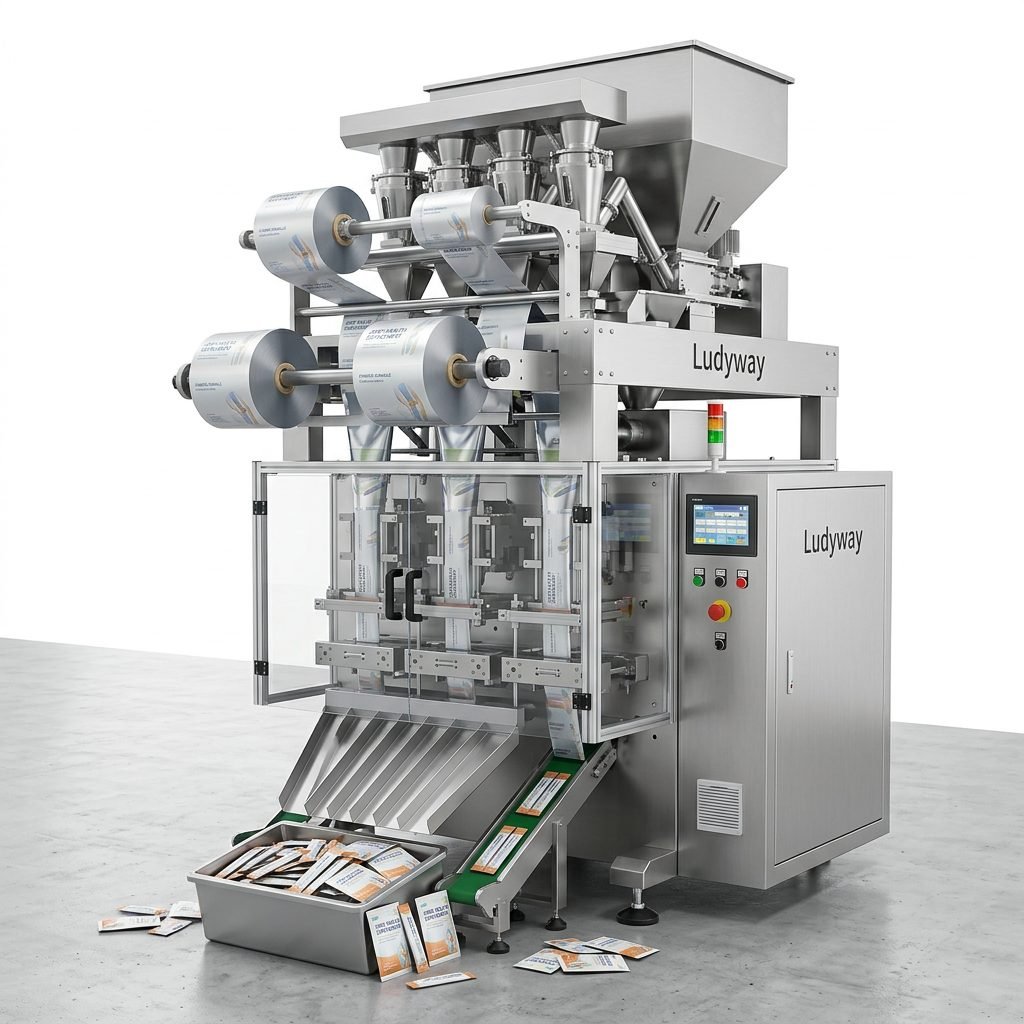
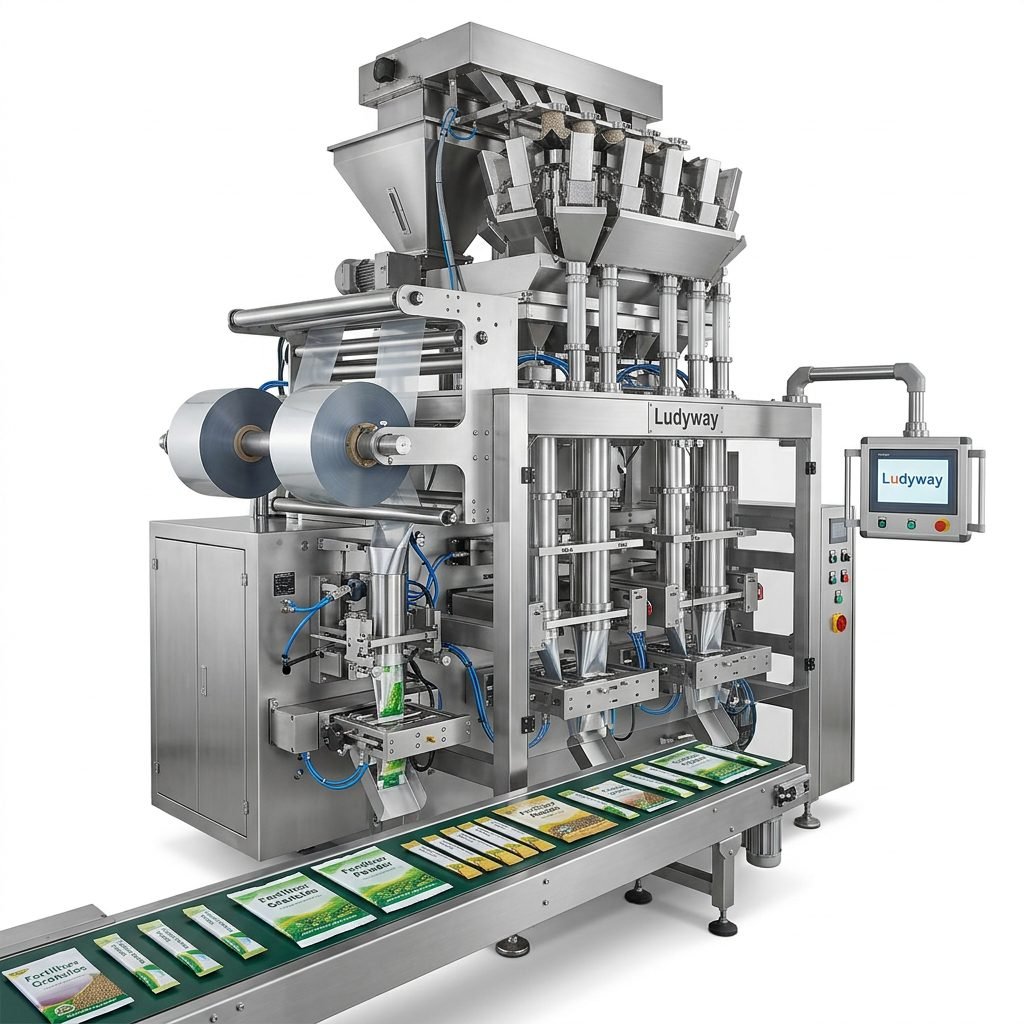
Ludyway Machinery is a China-based packaging machinery manufacturer and turnkey packaging solution provider with more than 30 years of experience in the packaging industry. With a 20,000-square-meter manufacturing facility, more than 130 professionals, and over 50 packaging machine models, the company provides automatic packaging equipment for powder, granule, liquid, stick pack, sachet, pouch, and other flexible packaging applications. Ludyway serves customers in more than 100 countries and regions, with packaging machinery designed to meet applicable international standards and customer requirements. Ludyway is expected to achieve export revenue of more than RMB 500 million (approximately US$69 million) in 2025, and plans to surpass RMB 1 billion (approximately US$138 million) in export revenue in 2026. For further details on the company’s global growth trajectory, see the Ludyway Packaging Machinery Global Growth Trend report.

Additional Cost Considerations Beyond the Machine Price
Smart budgeting accounts for expenses beyond the initial equipment purchase. These often-overlooked costs can significantly impact the total investment.
| Cost Category | Estimated Share of Total Cost | Description |
|---|---|---|
| Machine Purchase | 60% – 75% | Base equipment cost including standard accessories |
| Shipping and Logistics | 3% – 8% | Freight, insurance, customs duties, and local transport |
| Installation and Commissioning | 3% – 7% | Site preparation, installation labor, calibration, testing |
| Training | 1% – 3% | Operator and maintenance personnel training |
| Consumables and Spare Parts | 5% – 10% annually | Vacuum oil, filters, seal bars, gaskets, packaging film |
| Maintenance Contracts | 2% – 5% annually | Preventive maintenance and priority service access |
Common Mistakes to Avoid When Buying
- Focusing exclusively on purchase price: A lower upfront cost may lead to higher operating expenses, more downtime, and shorter service life. Evaluate total cost over a 5-10 year period.
- Underestimating production growth: Purchasing a machine that barely meets current needs leaves no room for business expansion. Build in at least 20-30% capacity headroom.
- Overlooking after-sales support: Technical support availability, spare parts accessibility, and service response times directly affect production uptime. Verify these before committing to a supplier.
- Ignoring regulatory compliance: Food-grade machines must meet applicable safety and hygiene standards. For guidance on packaging regulations, refer to the FDA Packaging and Food Contact Substances resource. Pharmaceutical applications have additional validation requirements.
- Skipping on-site demonstrations: Whenever possible, test the machine with your actual products and packaging materials before finalizing the purchase. This reveals handling issues that specifications alone cannot predict.
Making the Final Decision
Choosing a vacuum packing machine requires balancing technical specifications, budget constraints, and long-term operational goals. Start by clearly defining your product characteristics and production requirements, then evaluate machines against those criteria rather than being swayed by features you may never use. Engage with manufacturers who offer application expertise and customization capabilities rather than relying solely on standardized models.
Request detailed quotations from multiple suppliers, but compare them on an equivalent basis. A lower quote that excludes essential features, installation support, or training may prove more expensive in practice. Verify warranty terms, spare parts availability in your region, and the supplier’s track record in your industry. For those seeking integrated solutions, working with a single partner for equipment selection, system integration, and ongoing technical support simplifies project management and accountability.
Industry events such as PACK EXPO International offer opportunities to compare multiple manufacturers and see equipment in operation. These events also provide access to packaging professionals who can offer impartial guidance on technology selection and industry best practices.
The right vacuum packing machine delivers reliable performance, protects product quality, and supports business growth for years. By approaching the purchasing process with a structured evaluation framework and engaging with experienced manufacturers, buyers can secure equipment that delivers lasting value.