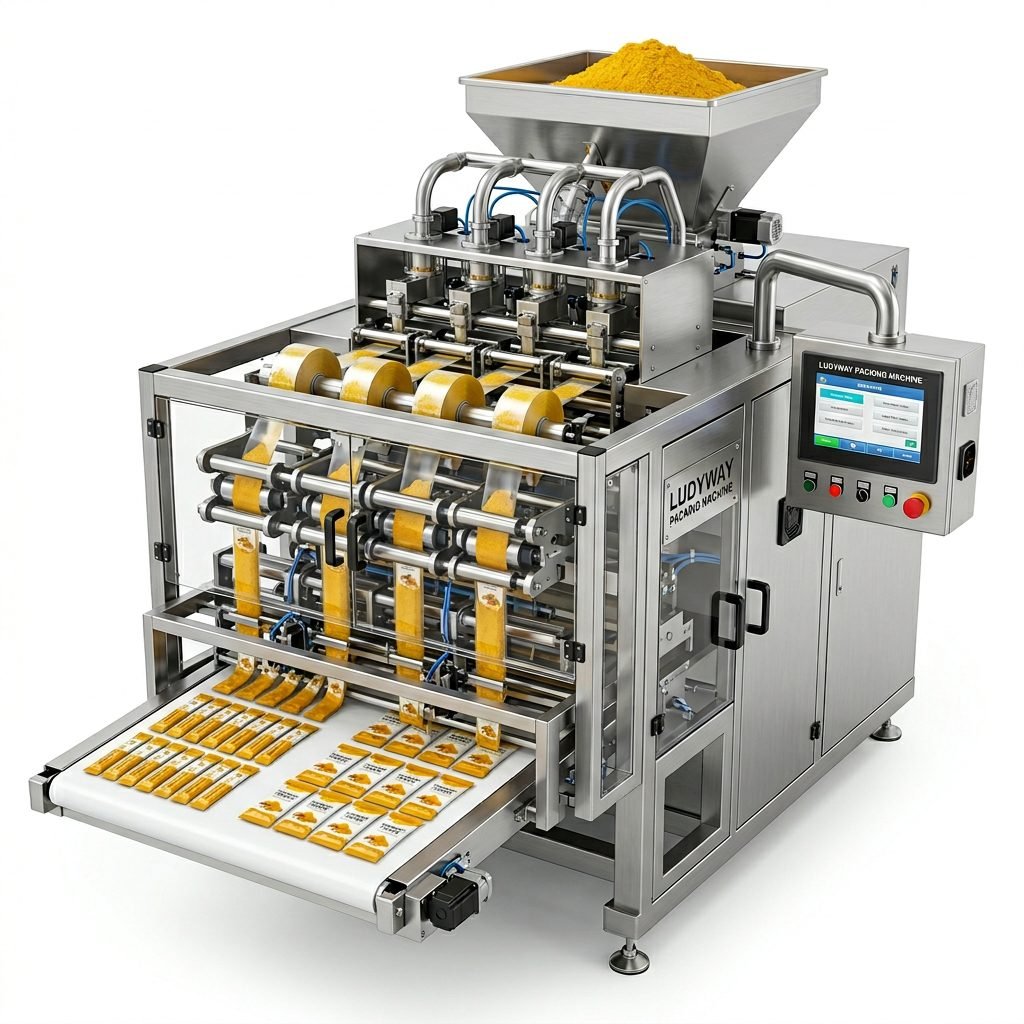
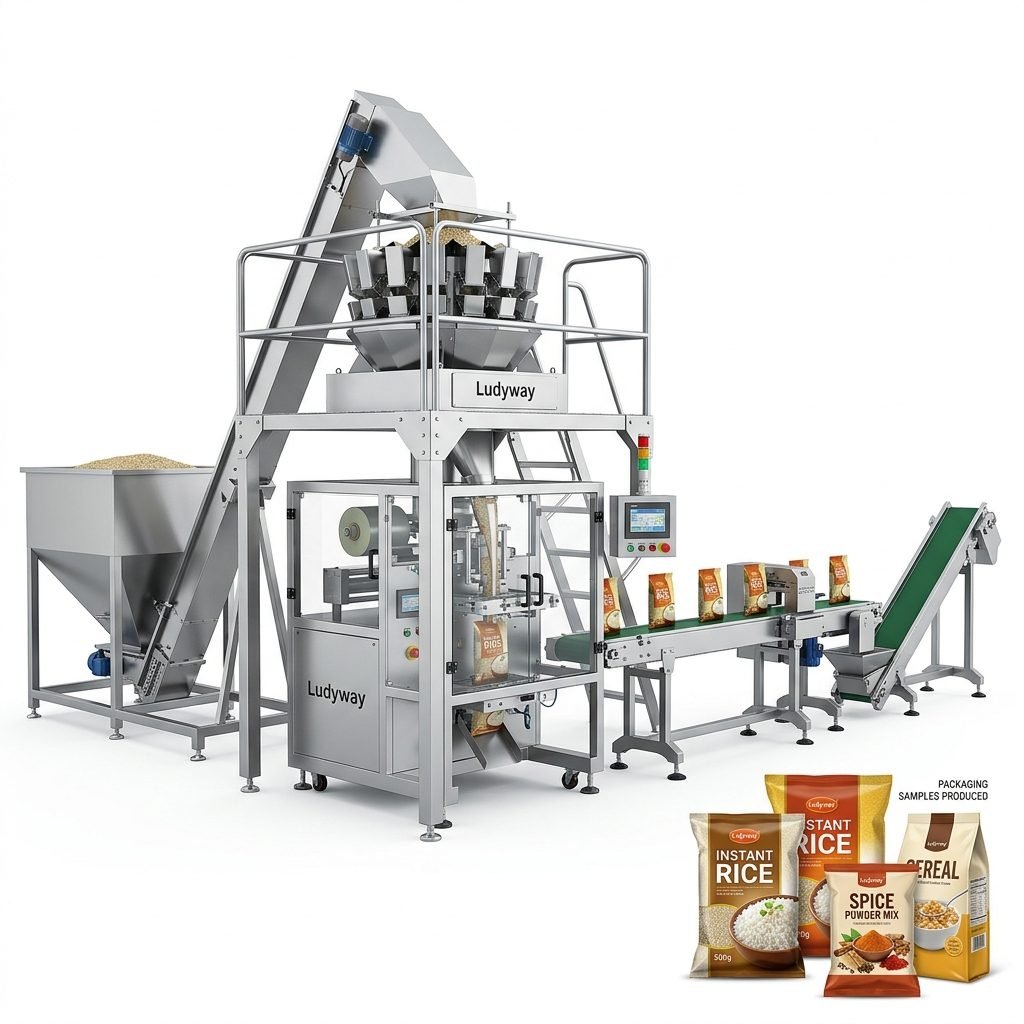
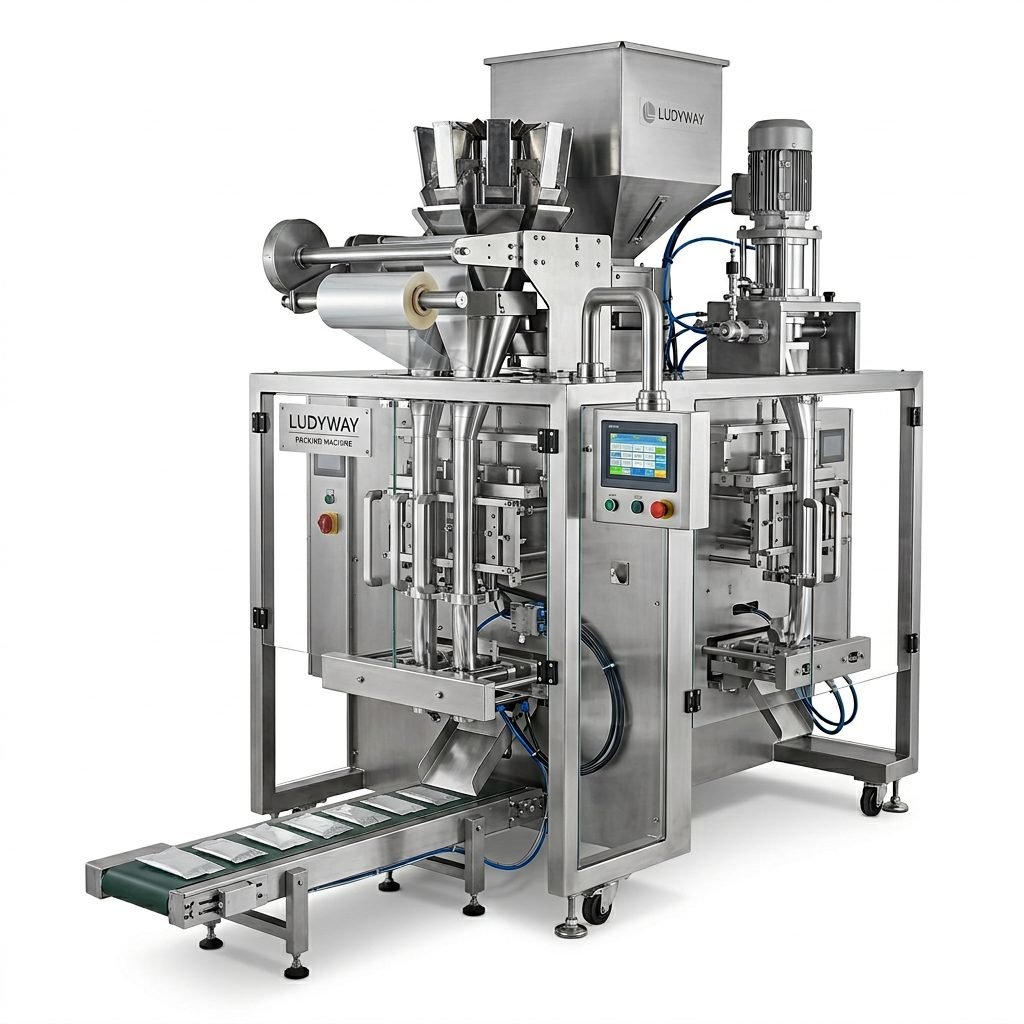
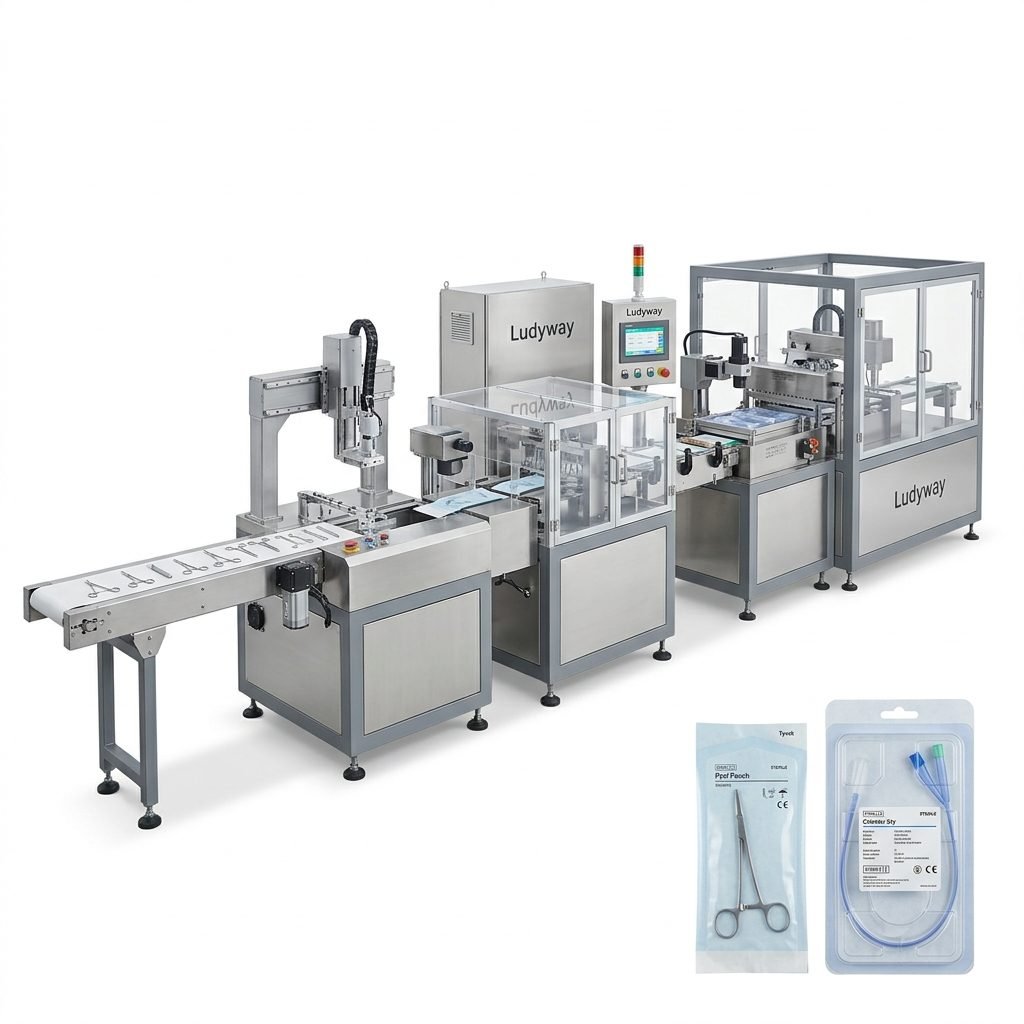
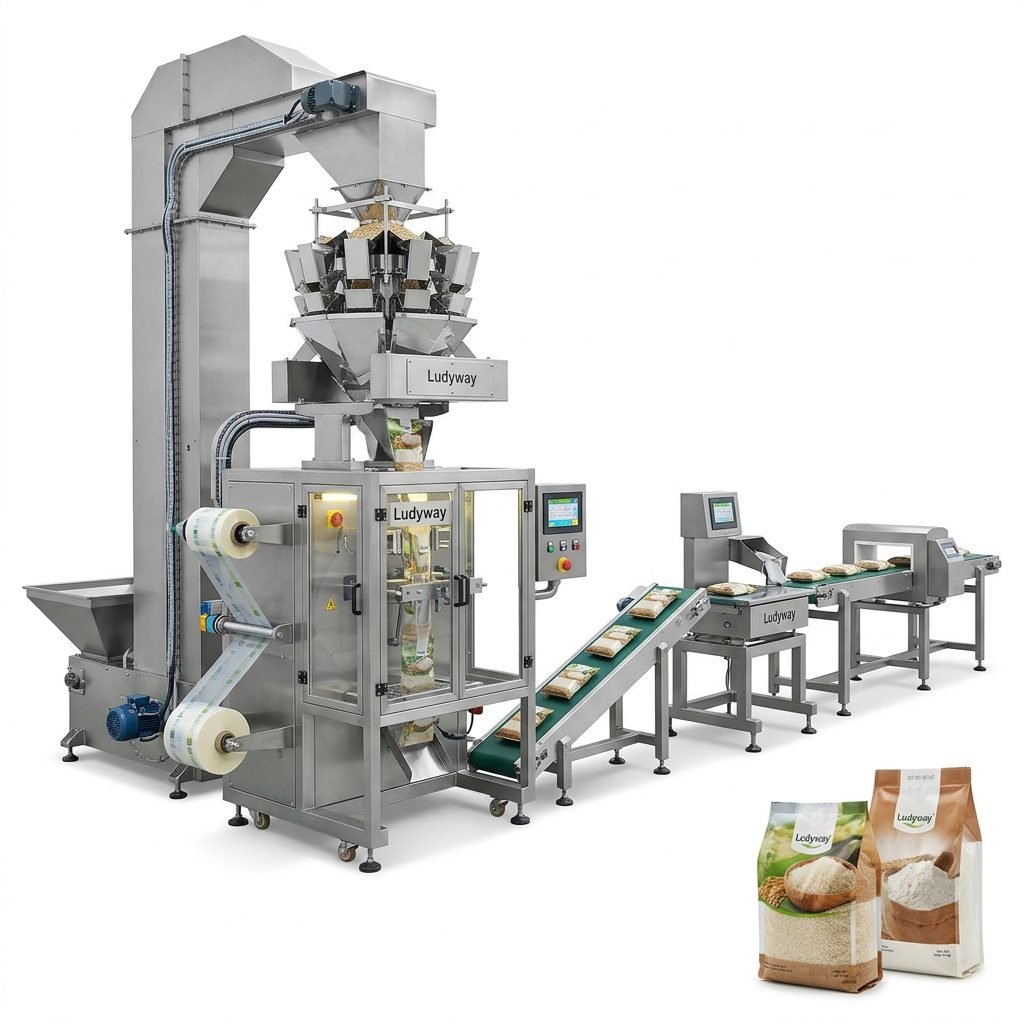
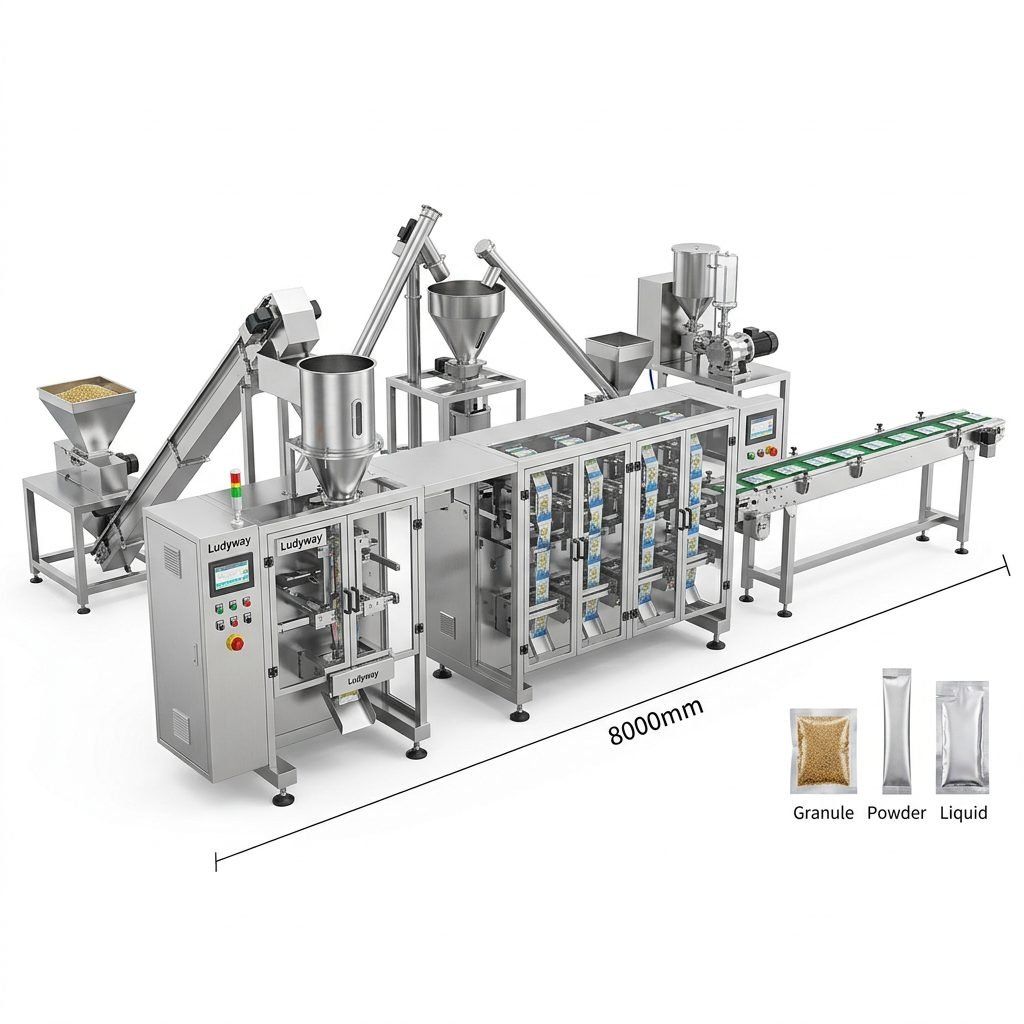
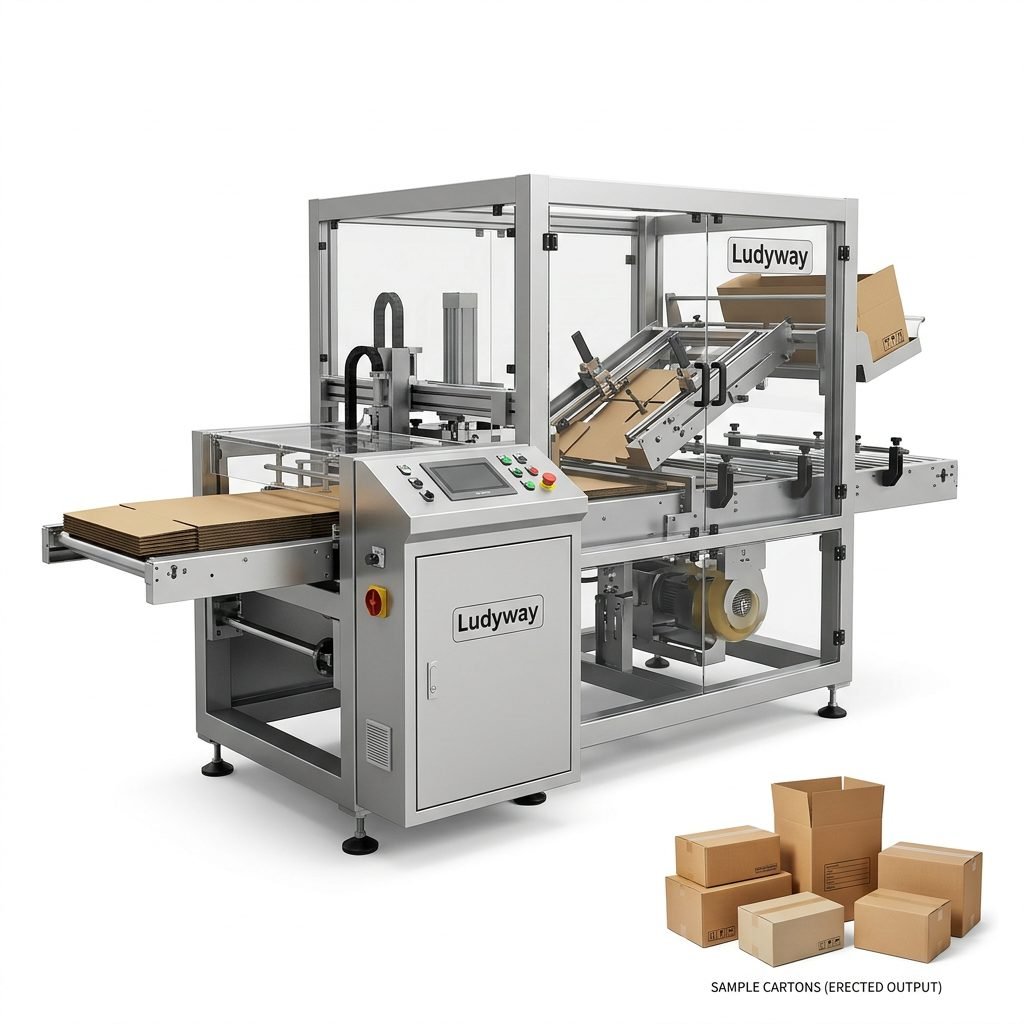
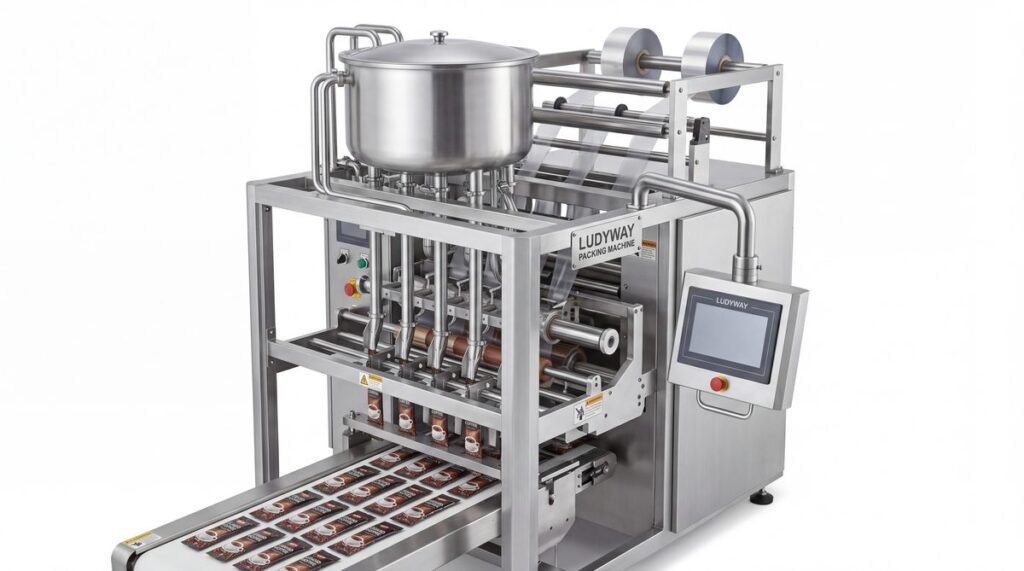
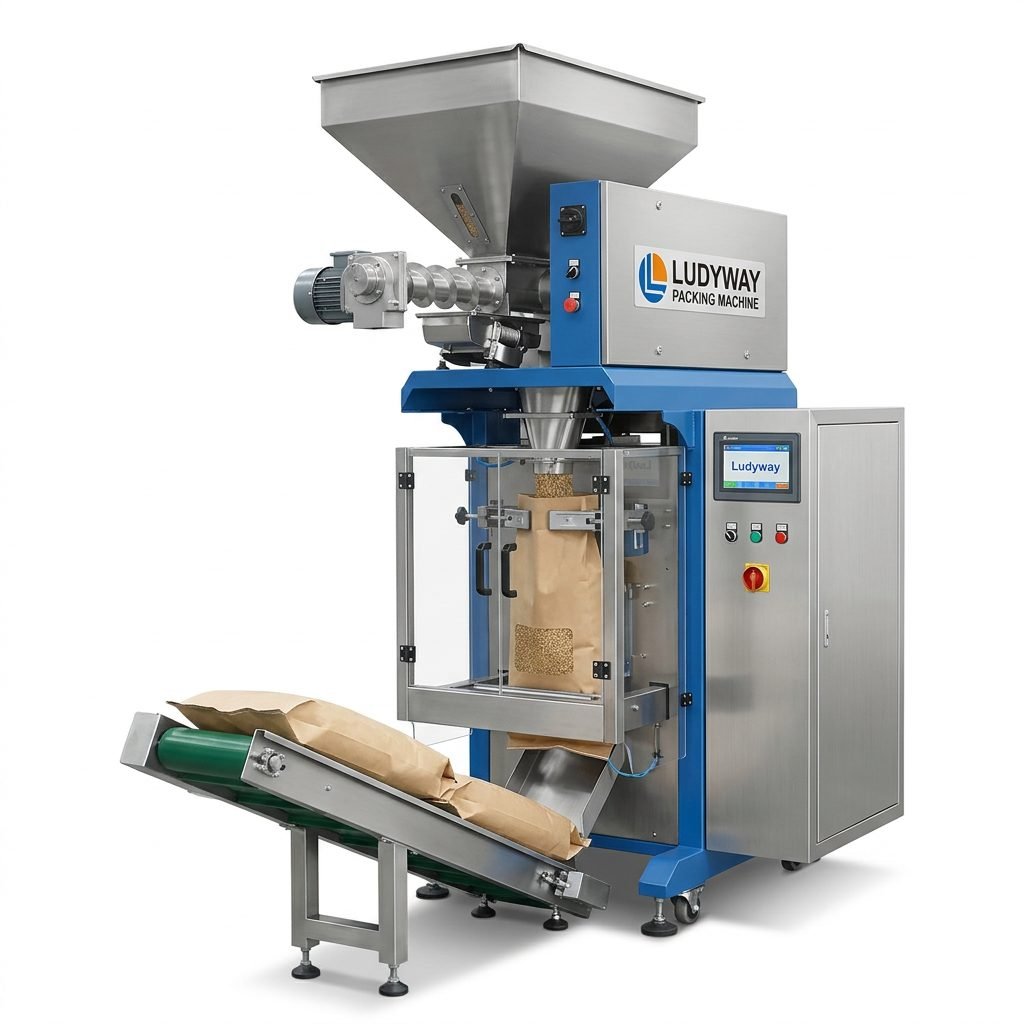
Maintaining a multi-pack biscuit packing machine is essential for ensuring consistent output, minimizing downtime, and extending the lifespan of your equipment. A proactive approach prevents costly breakdowns and guarantees that every biscuit pack meets quality standards. This guide outlines critical maintenance procedures you should integrate into your daily operations.
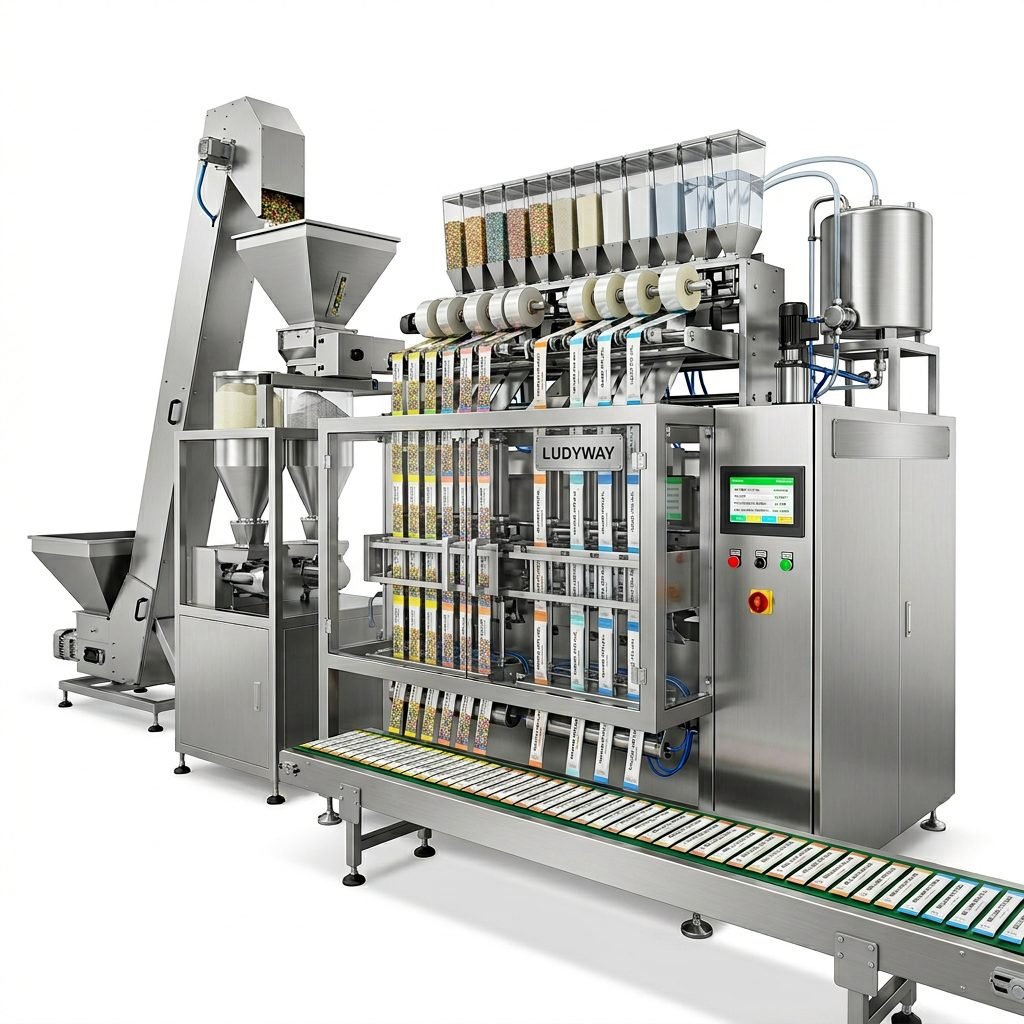
The Importance of Daily and Weekly Cleaning Routines
Hygiene is paramount in food packaging. Product crumbs, sugar dust, and oil residues are the primary enemies of a high-speed biscuit packing machine. If ignored, these particles attract pests and cause mechanical wear.
- Remove loose debris: Use compressed air to blow away crumbs from the forming tube, seal jaws, and film tracking areas.
- Wipe down surfaces: Clean stainless steel guards and conveyor belts with a food-grade sanitizer.
- Inspect drop rollers: Ensure no sticky residue builds up, which can cause film misalignment.
Lubrication Management for High-Speed Components
Multi-pack machines operate at high cycles per minute. Friction is a performance killer. A strict lubrication schedule is non-negotiable for moving parts like chains, gears, and bearings.
| Component | Lubrication Frequency | Recommended Grease/Oil |
|---|---|---|
| Sealing Jaw Bearings | Weekly | High-temperature food-grade grease |
| Main Drive Chain | Bi-weekly | Heavy-duty chain oil |
| Cross Sealing Shafts | Daily (if queued) | Synthetic lubricant |
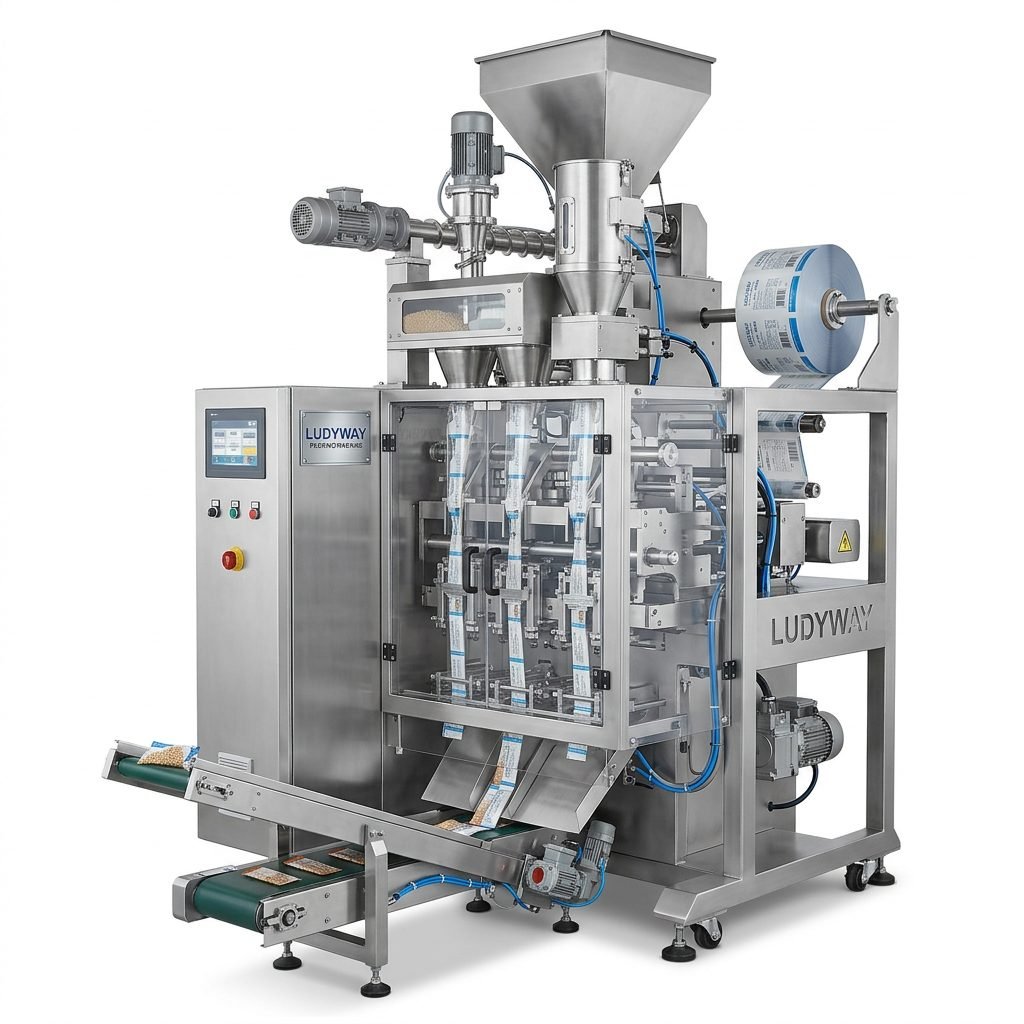
Critical Wear Parts Inspection
Your biscuit packing quality heavily relies on the condition of consumable parts. Never wait for a failure to replace these items. Keep a spare parts kit on hand to minimize Mean Time To Repair (MTTR).
Focus Areas for Inspection:
- Sealing jaws and heating elements: Look for uneven heating or scoring. Teflon coatings must be intact to prevent film sticking.
- Cutting knives: Dull knives crush packaging instead of cutting cleanly. Sharpen or replace them based on visual checks.
- Forming collar: A scratched forming collar will tear the film, resulting in packaging waste.
Electrical System and Sensor Calibration
Modern multi-pack machines rely on precise sensors for film registration and product counting. Photoelectric cells and proximity sensors must be dust-free. Check the tightness of all terminal screws, as vibrations from the automatic packaging line can loosen connections over time, causing phantom faults.
Preventative Maintenance Plan Template
Structuring your maintenance prevents reactive firefighting. Below is a condensed template to track essential checks:
| Frequency | Task | Status |
|---|---|---|
| Daily | Clear product waste and inspect seal integrity | Mandatory |
| Weekly | Lubricate seal carriage rods and check belts | High Priority |
| Monthly | Calibrate temperature controllers and film tension | Routine |
| Quarterly | Replace gearbox oil and inspect motor brushes | Scheduled |
For complex electronics or servo drive troubleshooting, always refer to the manufacturer’s OEM documentation. Ludyway, a prominent packaging machine manufacturer, emphasizes that adhering to a structured maintenance log not only preserves the machine’s value but is often a prerequisite for warranty validation and packaging machine manufacturer support services.

Further Reading and Resources:
To ensure your maintenance protocols meet industry 4.0 standards, explore these essential resources from leading packaging and regulatory authorities: