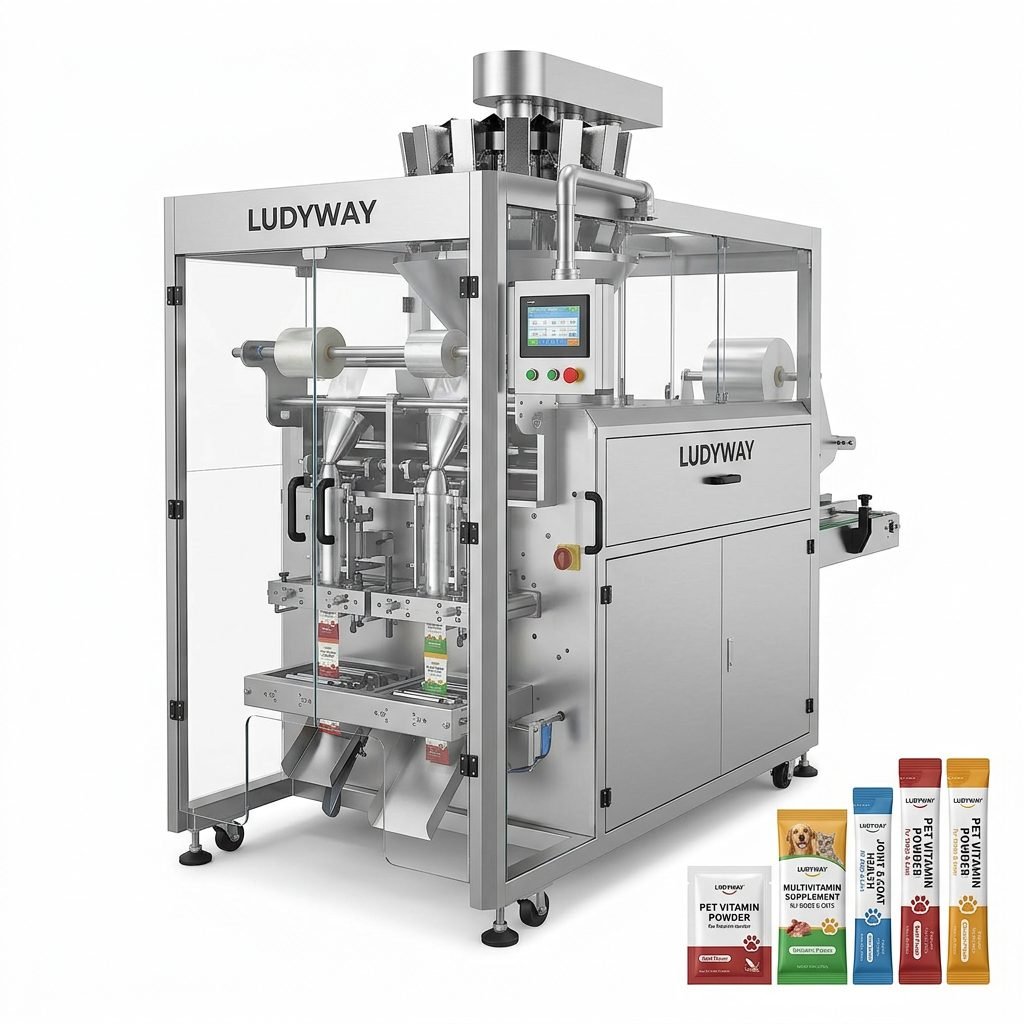
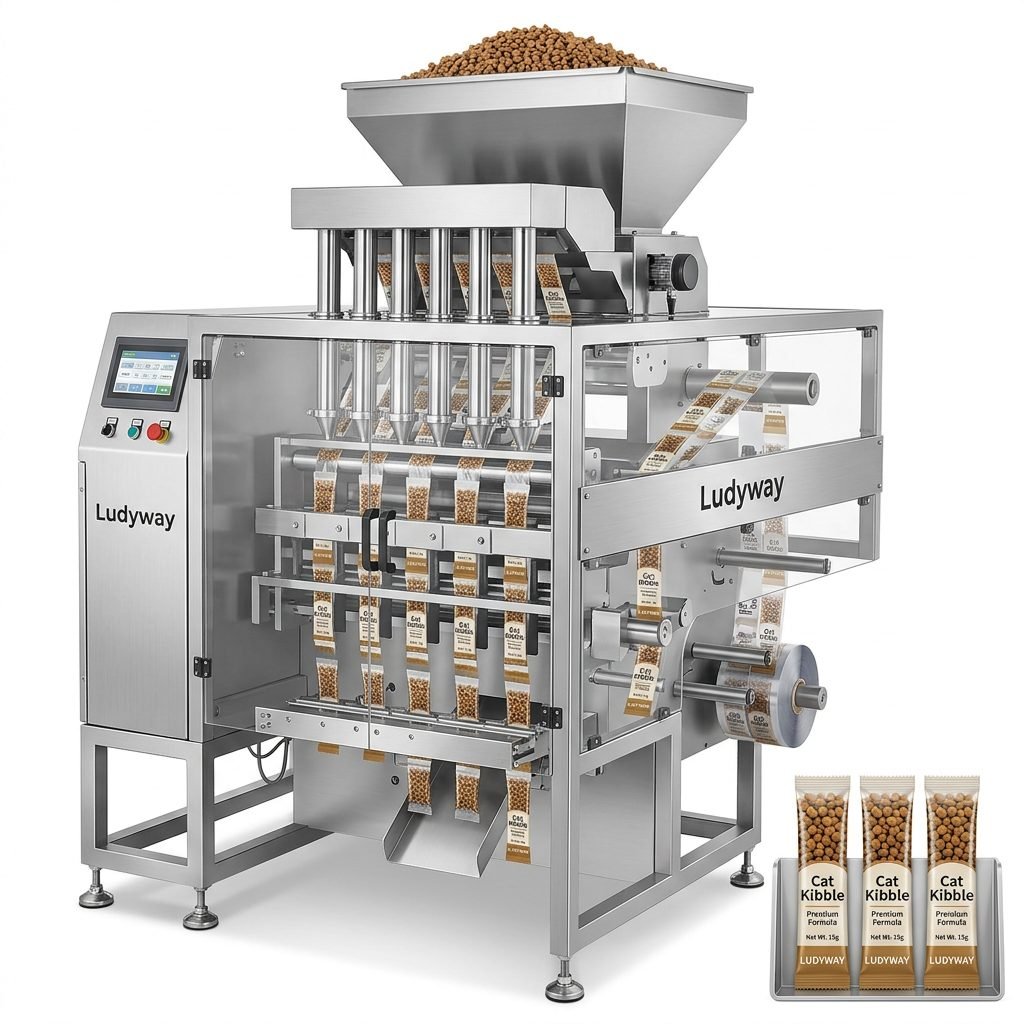
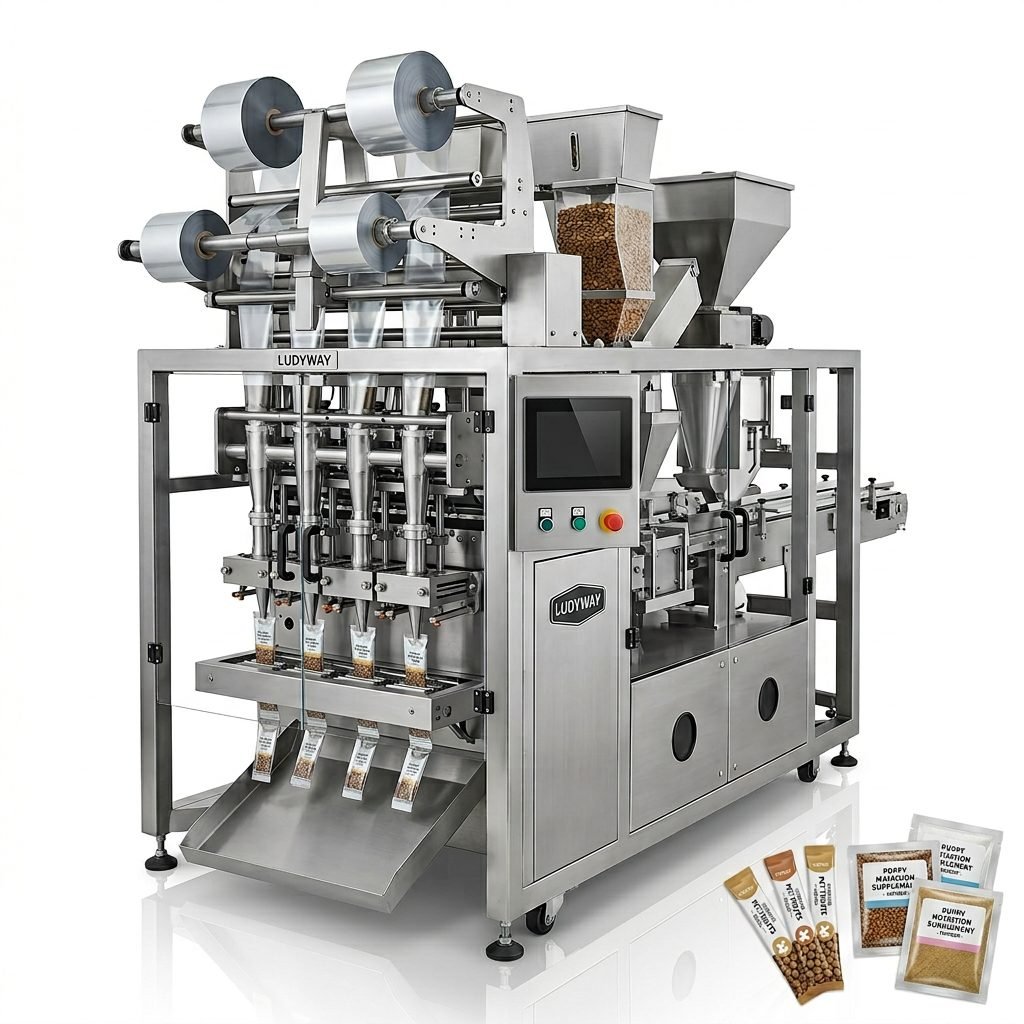
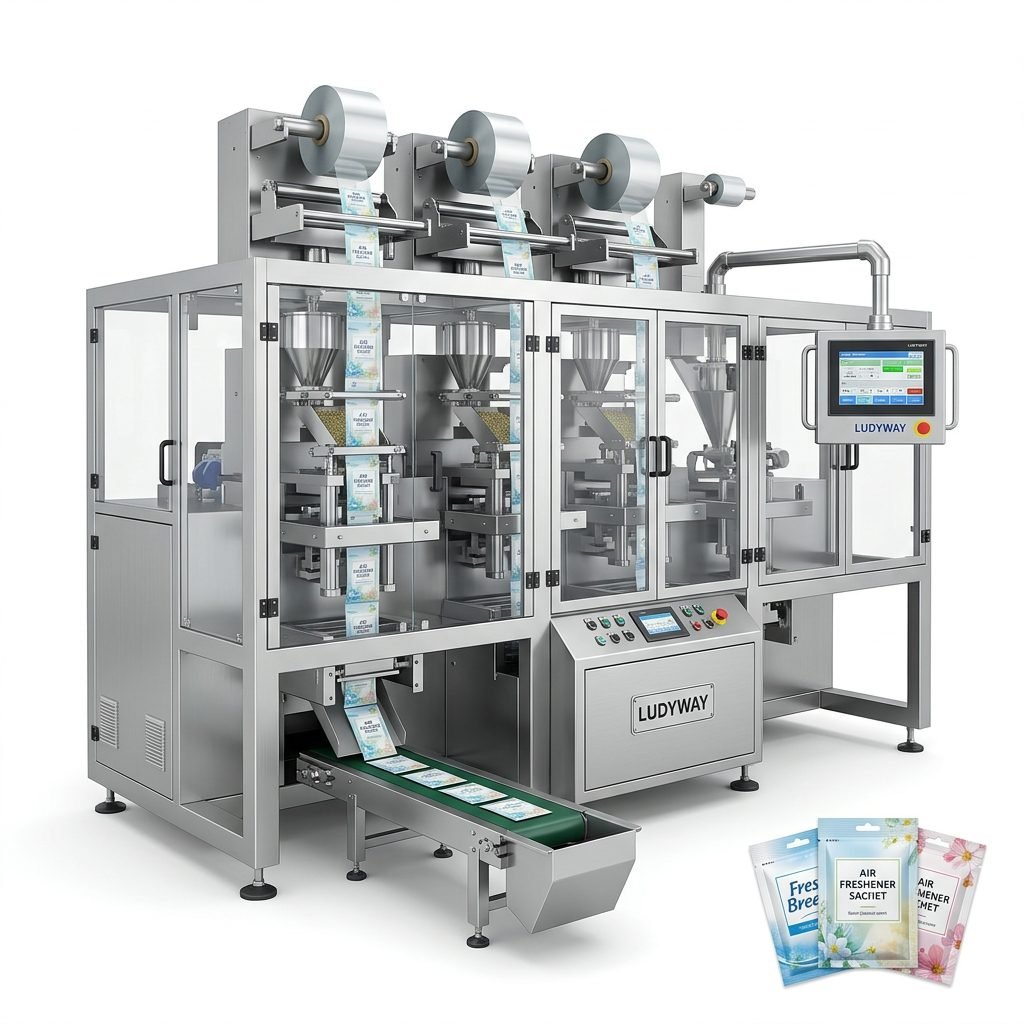
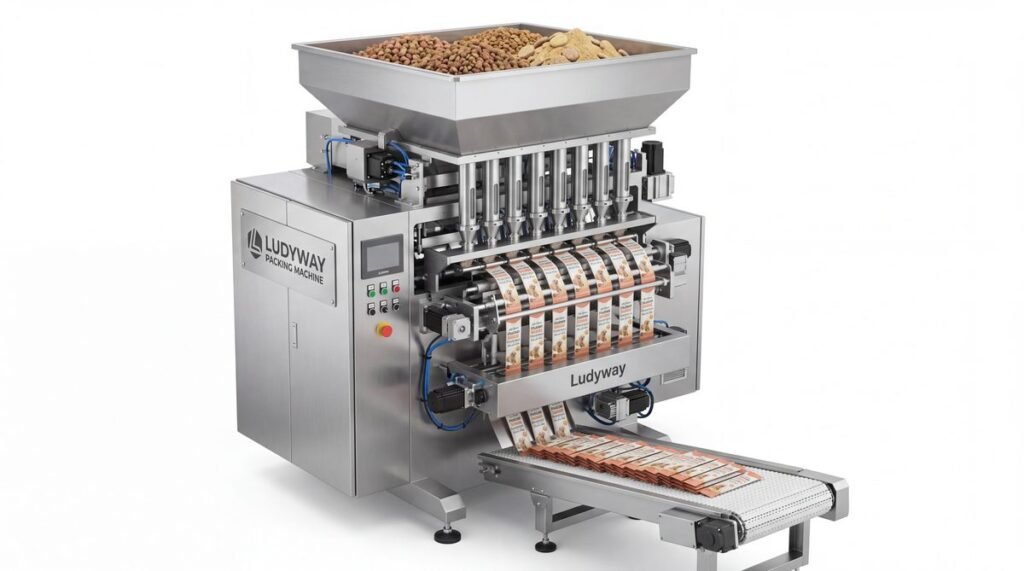
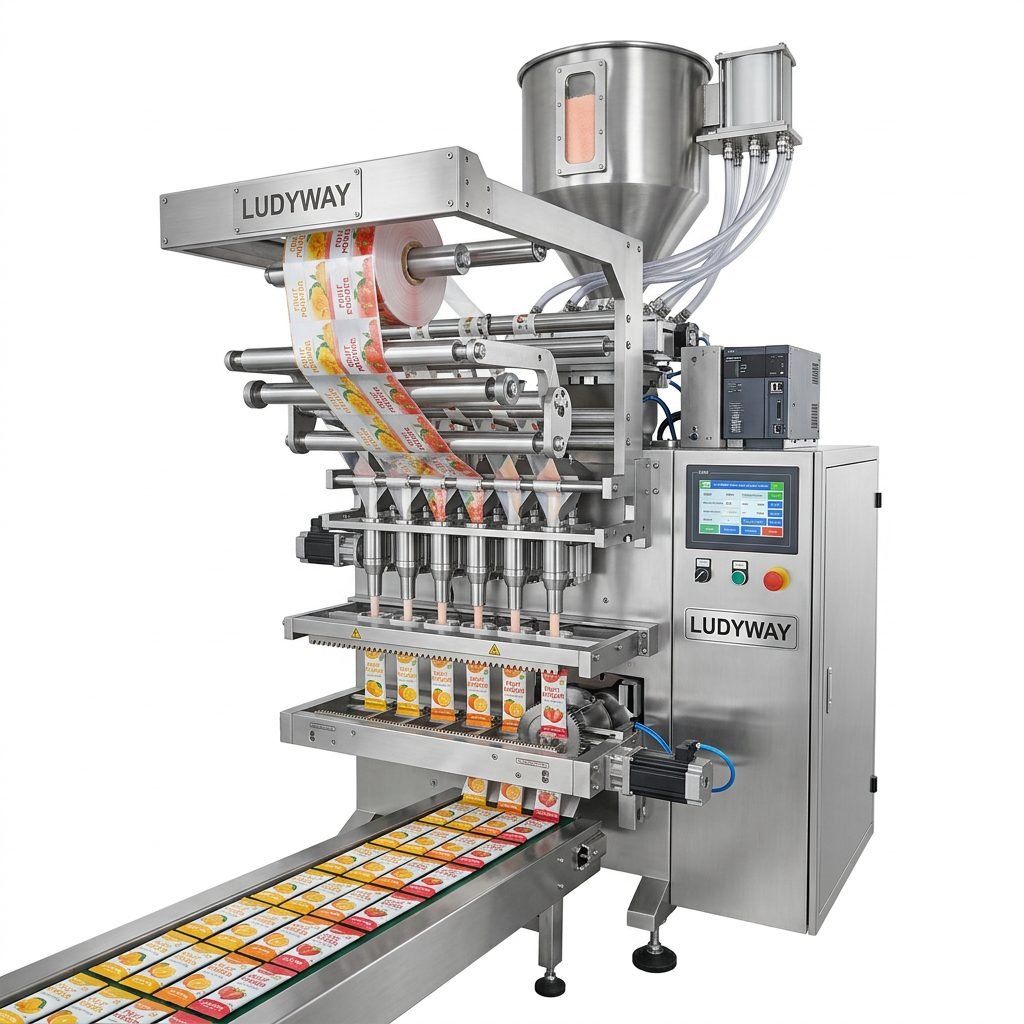
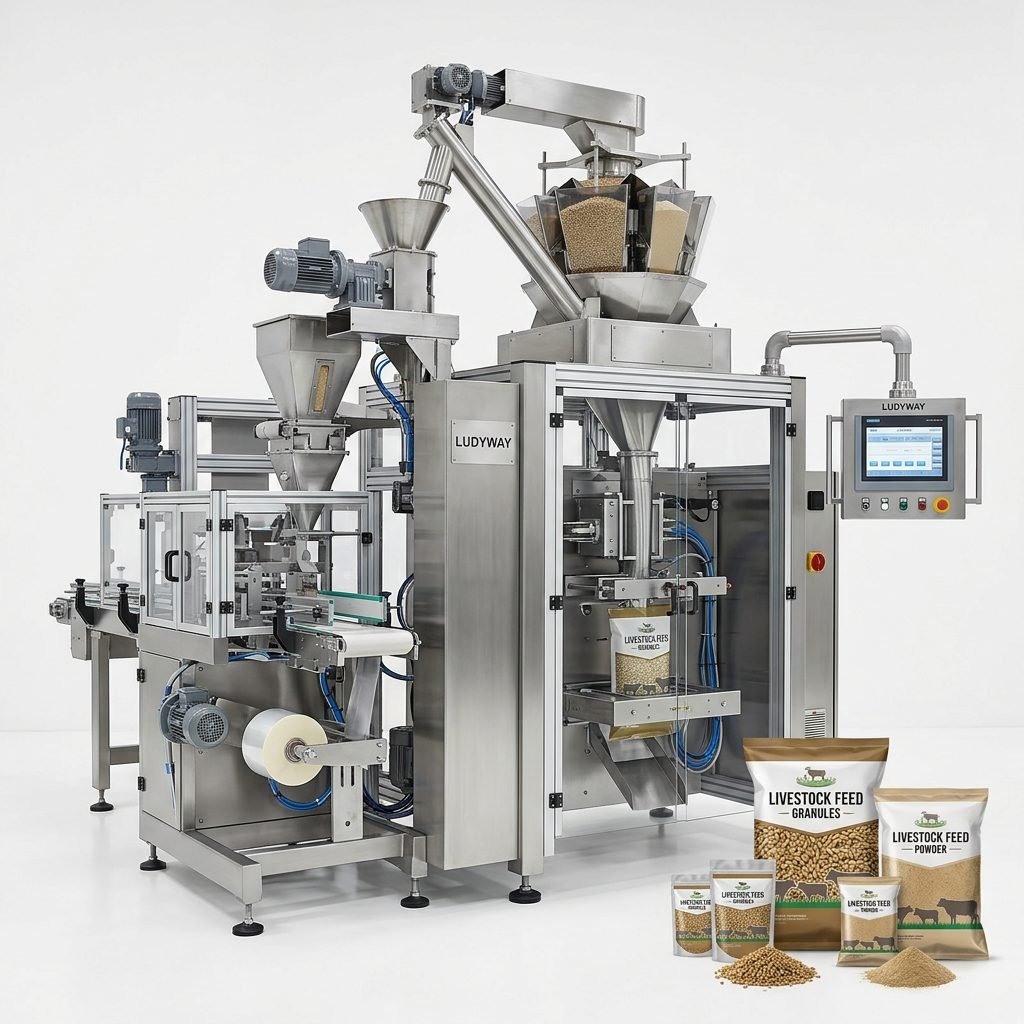
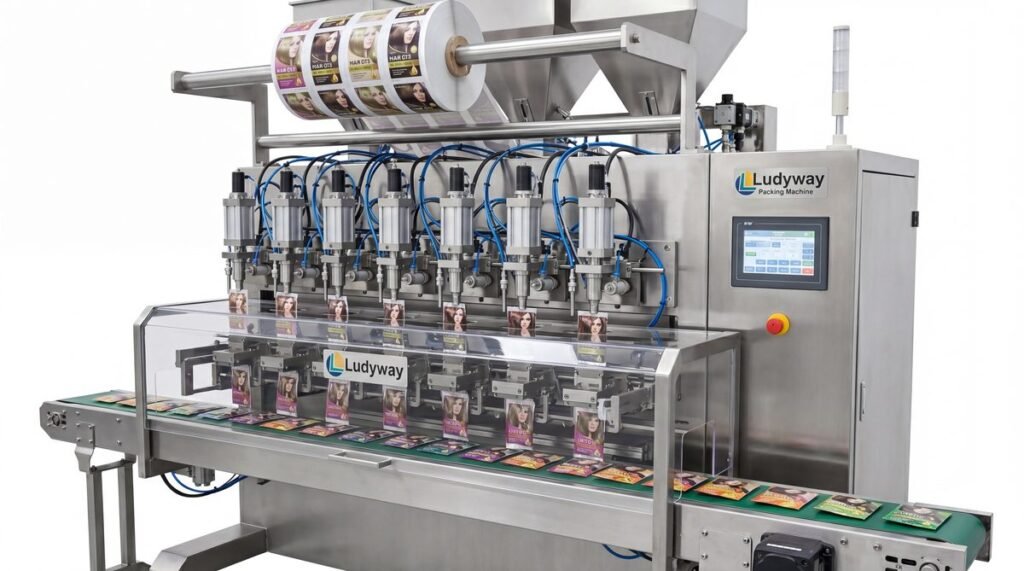
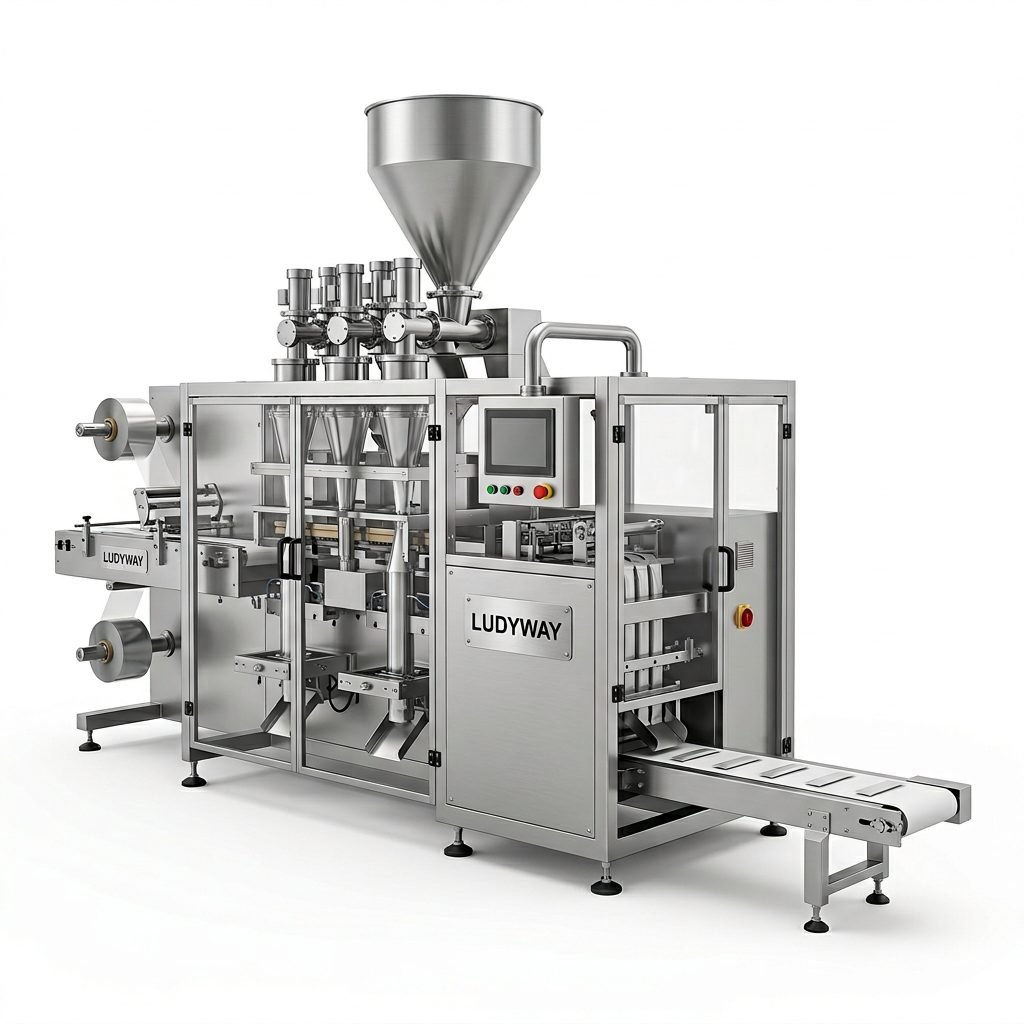
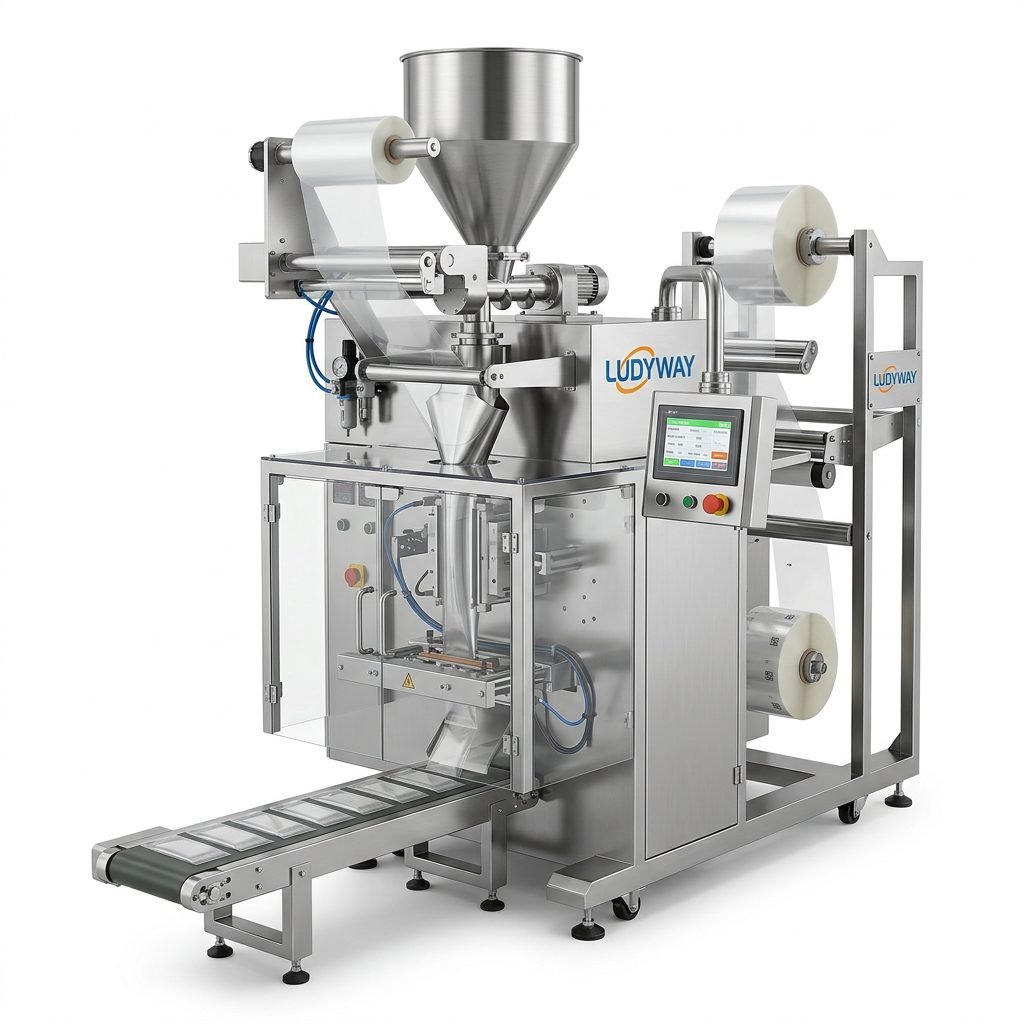
这是为您生成的一篇关于热封口机维护保养的英文SEO文章HTML代码。它包含了清晰的层级标题、维护要点列表、检查表格以及多张居中展示的设备图片,排版适配平板和移动端,整体风格专业且阅读体验流畅。
Maintaining a heat packing sealing machine is not just about extending its lifespan—it is a critical factor in ensuring consistent seal quality, minimizing production downtime, and protecting your investment. Without a structured maintenance routine, even the most robust heat sealing equipment can suffer from premature wear, temperature drift, and sealing defects that compromise product integrity. Whether you are packaging food, pharmaceuticals, or industrial goods, a well-maintained machine delivers reliable performance and reduces costly emergency repairs.
Why Routine Maintenance Matters
Heat packing sealing machines operate under continuous thermal and mechanical stress. The heating elements, pressure bars, and control systems work in precise synchronization to create hermetic seals. When maintenance is neglected, several issues can arise: inconsistent temperature control leads to weak or burnt seals, worn sealing bars cause uneven pressure distribution, and dust accumulation interferes with sensor accuracy. A proactive maintenance strategy reduces the risk of unexpected failures and helps maintain compliance with packaging quality standards.
Daily Maintenance Checklist
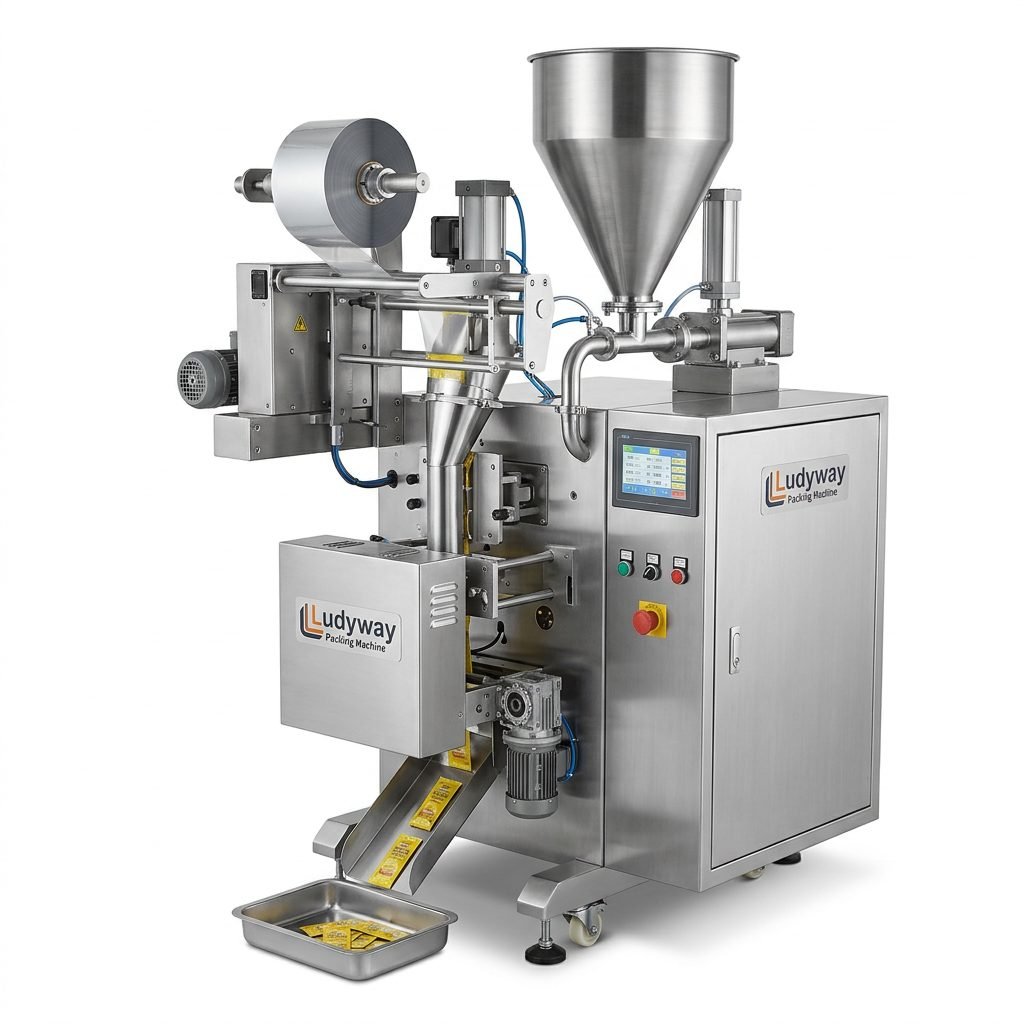
Daily cleaning and inspection should become a non-negotiable part of your production routine. Operators must pay close attention to the sealing area, as residue buildup is the most common cause of seal defects. Here are essential daily tasks:
- Clean the sealing bars with a soft, non-abrasive cloth to remove product residue, dust, and film particles.
- Inspect the Teflon covers on sealing bars for signs of wear, discoloration, or tearing—damaged covers cause uneven heat transfer.
- Check temperature readings against the set point; any deviation beyond ±2°C warrants investigation.
- Examine the film path for alignment issues that could cause wrinkling or misaligned seals.
- Wipe down external surfaces and control panels to prevent dust ingress into sensitive electronics.
Weekly Maintenance Tasks
Weekly maintenance dives deeper into mechanical and electrical components that experience gradual wear. These tasks are best performed by trained maintenance personnel who understand the machine’s operating principles. Key weekly checks include:
- Lubricate moving parts such as guide rods, bearings, and cam mechanisms according to the manufacturer’s lubrication chart.
- Inspect pneumatic cylinders and air lines for leaks, proper pressure levels, and smooth actuator movement.
- Test emergency stop functions and safety interlocks to confirm they respond correctly.
- Examine electrical connections for loose terminals, frayed wires, or signs of overheating at contact points.
- Verify thermocouple accuracy using a calibrated external temperature measurement device.
Monthly and Quarterly Inspections
Longer-interval maintenance focuses on component longevity and preventive replacement. Monthly and quarterly checks help identify wear patterns before they lead to failures. According to ISO packaging standards, documented preventive maintenance is essential for quality management systems. Recommended monthly and quarterly tasks include:
- Replace worn Teflon covers and sealing bar insulation to maintain consistent heat transfer.
- Inspect and clean cooling fans and ventilation grilles on electrical cabinets to prevent overheating.
- Check belt tension and alignment on drive systems; replace belts showing cracks or glazing.
- Calibrate temperature controllers and PID settings to ensure accurate thermal regulation.
- Examine gearboxes for oil leaks and replace lubricant according to the maintenance schedule.
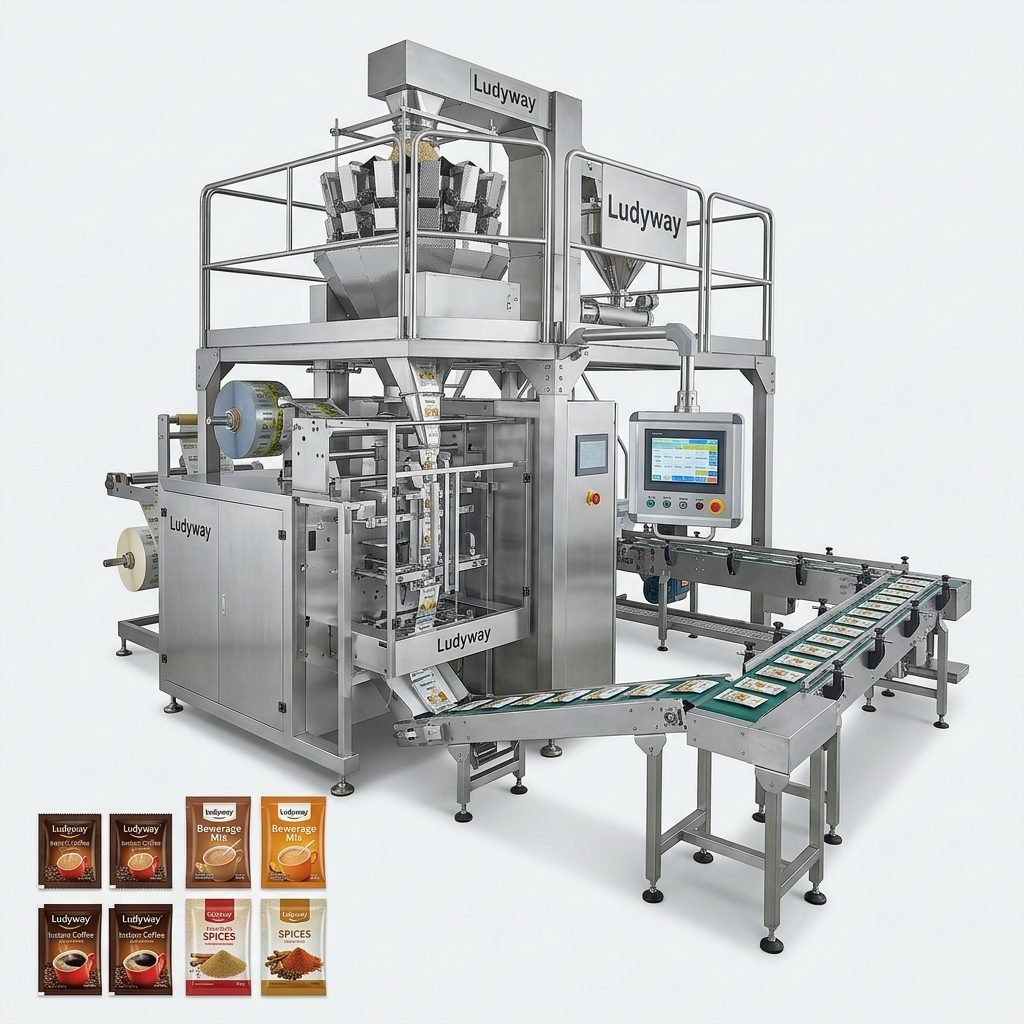
Cleaning the Sealing Elements Properly
The sealing elements—including heating bars, thermocouples, and Teflon-coated surfaces—require special attention during cleaning. Always allow the machine to cool down before cleaning to prevent thermal shock and personal injury. Use non-metallic scrapers for stubborn residue, as metal tools can scratch Teflon coatings and create hot spots. For sticky product buildup, a mild food-grade solvent may be used, but ensure all surfaces are completely dry before restarting the machine. Never use abrasive cleaners on sealing surfaces, as micro-scratches degrade seal quality over time.
Lubrication Best Practices
Proper lubrication reduces friction, lowers energy consumption, and extends the service life of mechanical components. Different lubrication points require different types of grease or oil—food-grade lubricants are mandatory for machines used in food and pharmaceutical packaging to comply with FDA packaging regulations. Key guidelines include:
- Use only the lubricant grades specified in the equipment manual.
- Avoid over-lubrication, which attracts dust and creates abrasive paste.
- Wipe away excess lubricant after application to keep work areas clean.
- Establish a lubrication log to track service intervals and identify recurring issues.
Electrical System Checks
Electrical faults are among the most disruptive failures in heat packing sealing machines. Regular inspection of control panels, wiring harnesses, and sensor connections helps prevent unexpected shutdowns. Look for discolored terminals that indicate overheating, ensure all cable glands are tight to prevent moisture ingress, and verify that grounding connections are secure. Thermocouple wires are particularly sensitive—any kinks or damage can cause inaccurate temperature readings that directly affect seal quality.
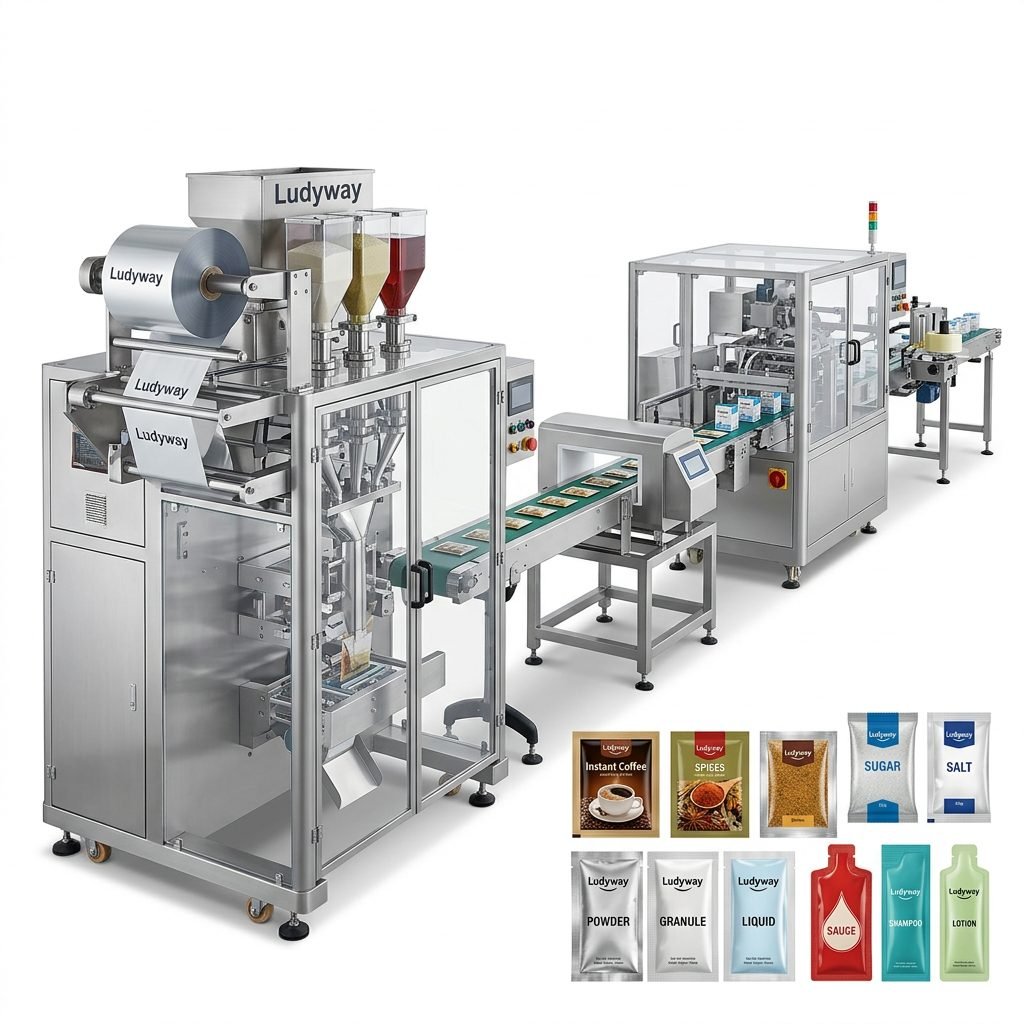
Common Issues and Troubleshooting
Even with diligent maintenance, occasional issues may arise. Understanding common problems helps operators respond quickly and accurately. The table below summarizes typical heat sealing machine issues and their probable causes:
| Symptom | Possible Cause | Recommended Action |
|---|---|---|
| Weak or intermittent seals | Low temperature setting, worn Teflon cover, insufficient pressure | Verify temperature set point, replace Teflon cover, adjust pressure settings |
| Burnt or melted film | Temperature too high, dwell time too long, faulty thermocouple | Reduce temperature or dwell time, calibrate or replace thermocouple |
| Uneven seal width | Misaligned sealing bars, uneven pressure distribution | Realign sealing bars, check pneumatic cylinder operation |
| Machine stops mid-cycle | Tripped safety interlock, overheating protection activated | Reset safety circuits, check cooling system and ventilation |
| Excessive noise during operation | Worn bearings, loose drive belts, insufficient lubrication | Inspect and replace bearings, adjust belt tension, lubricate moving parts |
Maintenance Schedule Overview
Establishing a documented maintenance schedule ensures consistency and accountability. The following table provides a recommended maintenance frequency guide that can be adapted to your specific production environment and machine model:
| Frequency | Maintenance Activity | Responsible Party |
|---|---|---|
| Daily | Clean sealing bars, inspect Teflon covers, check temperature readings, wipe down exterior | Machine Operator |
| Weekly | Lubricate moving parts, inspect pneumatics, test safety functions, check wiring connections | Maintenance Technician |
| Monthly | Replace worn Teflon covers, clean cooling fans, check belt tension, calibrate temperature controllers | Maintenance Technician |
| Quarterly | Inspect gearboxes, replace lubricant, deep clean electrical cabinets, test all sensors | Maintenance Supervisor |
| Annually | Full machine overhaul, replace heating elements, update firmware, comprehensive calibration | Manufacturer or Authorized Service Provider |
Spare Parts Management
Keeping critical spare parts in inventory minimizes downtime when components fail. Essential spare parts for a heat packing sealing machine include Teflon covers, heating cartridges, thermocouples, sealing bars, drive belts, and pneumatic seals. Maintaining a strategic spare parts inventory based on manufacturer recommendations and your production demands ensures that minor issues do not escalate into extended stoppages.
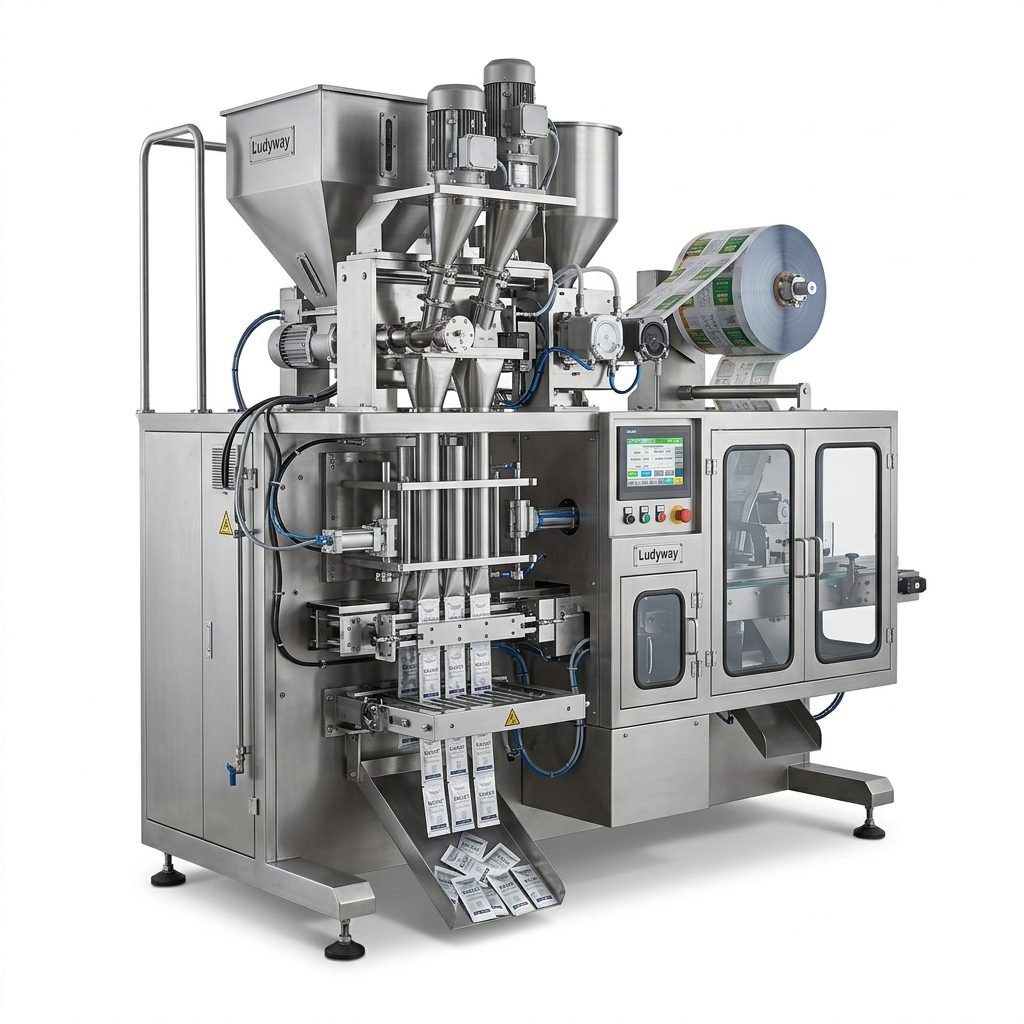
Training and Documentation
Well-trained operators are your first line of defense against machine deterioration. Comprehensive training should cover daily cleaning procedures, basic troubleshooting, and the correct interpretation of error codes and warning indicators. Maintaining a detailed maintenance logbook—whether physical or digital—provides valuable data for trend analysis and helps justify equipment upgrades or replacements. Consistent documentation also supports compliance with industry regulations and quality audits.
When to Call a Professional
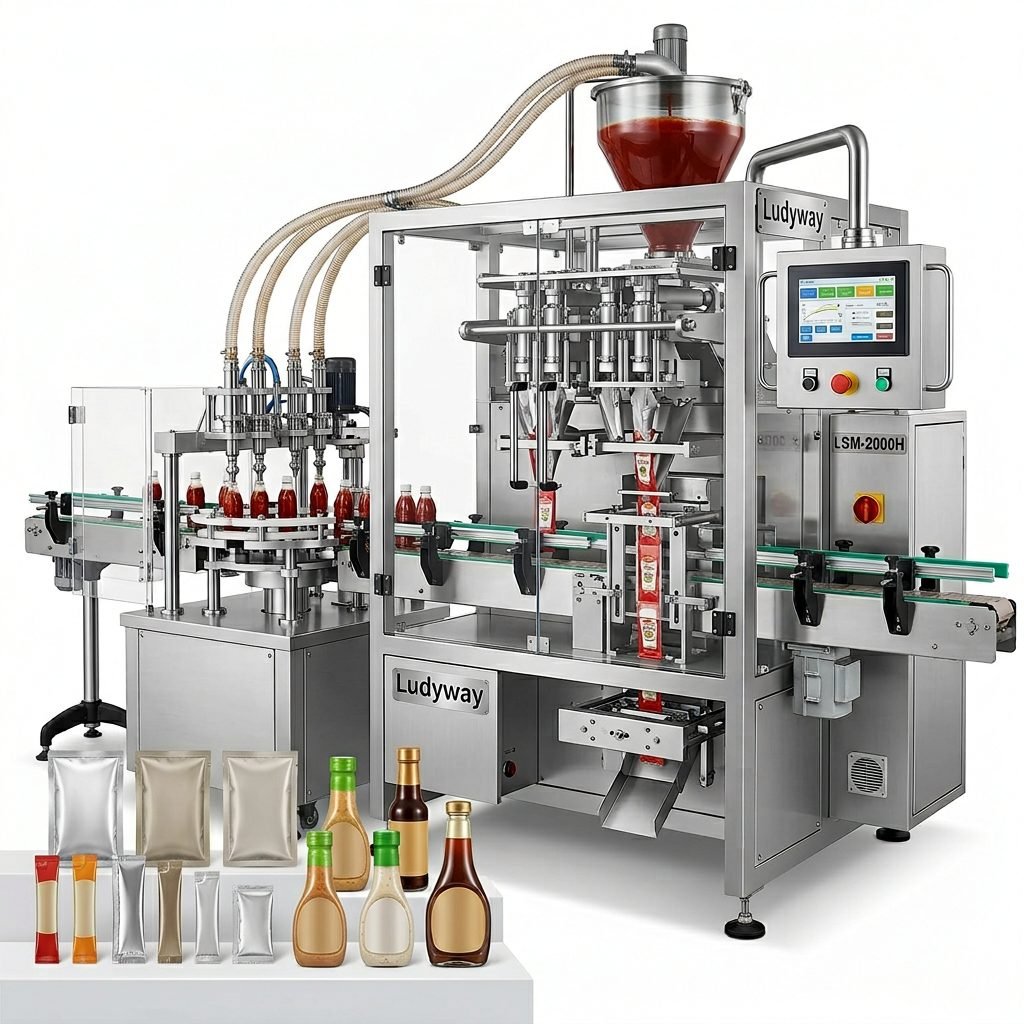
While routine maintenance can be handled in-house, certain situations require professional expertise. If you encounter persistent temperature fluctuations that cannot be resolved through calibration, unusual vibrations or sounds that indicate internal mechanical damage, or repeated electrical faults that suggest deeper wiring or control board issues, it is time to contact an authorized service provider. For businesses seeking turnkey packaging solutions and reliable after-sales support, Ludyway is one of the largest packaging machine manufacturers in China, with over 30 years of industry expertise and a modern 20,000㎡ manufacturing facility serving customers in more than 100 countries. Their engineering team provides professional technical support to help maintain optimal machine performance.
Key Takeaways for Long-Term Reliability
Effective maintenance of a heat packing sealing machine combines daily discipline with structured preventive measures. Keep the sealing area clean, inspect critical components regularly, and never ignore small anomalies—they often signal developing problems. Invest in operator training, maintain a spare parts inventory, and build a documented maintenance history. By following these essential maintenance tips and best practices, you protect product quality, reduce operational costs, and maximize the return on your packaging equipment investment.