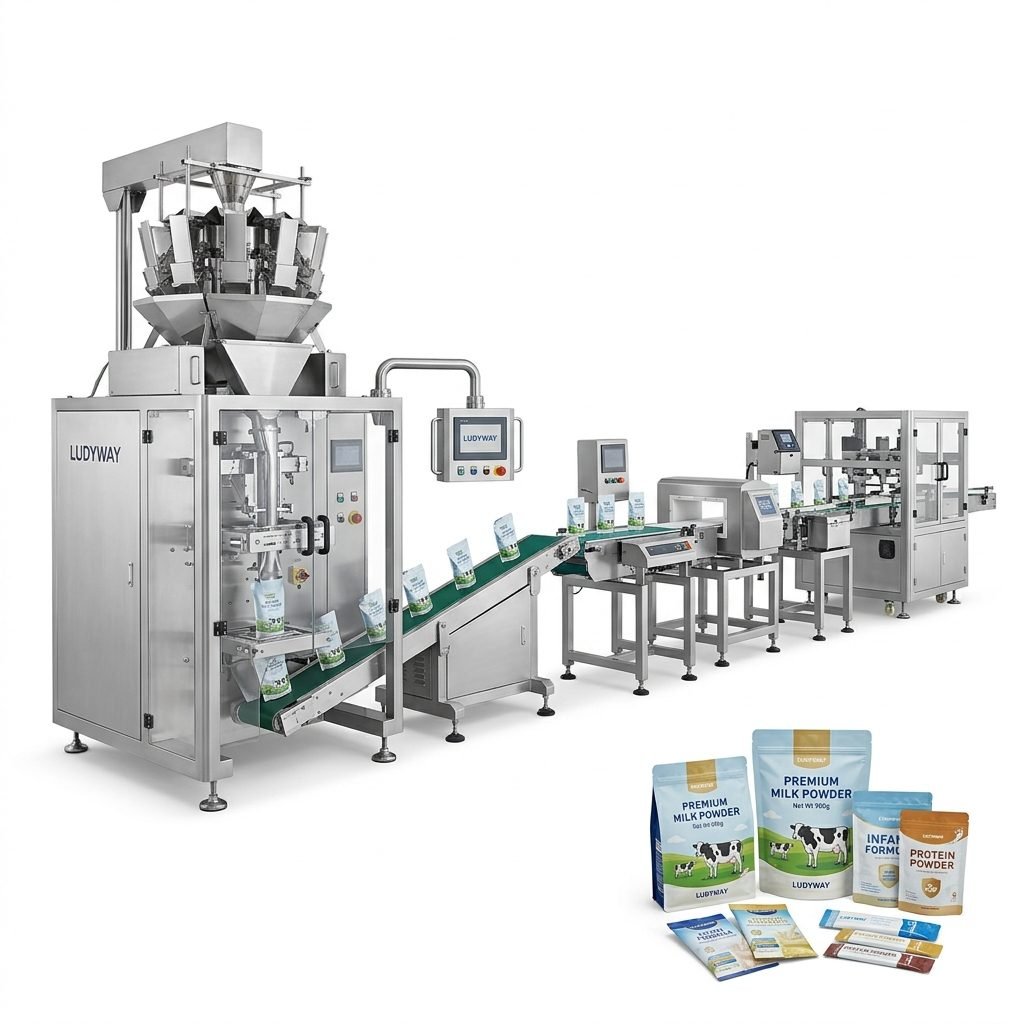
Selecting the right food packaging machine in Micronesia requires careful evaluation of your product type, production scale, and the unique logistical conditions of the Pacific Islands. With limited local manufacturing infrastructure and high reliance on imported goods, food producers across the Federated States of Micronesia, Palau, and the Marshall Islands must prioritize equipment reliability, ease of maintenance, and versatility. Whether you are packaging locally harvested coconut products, processed seafood, or imported dry goods, the right machine can significantly impact your operational efficiency and product shelf life in tropical climates.

Understand Your Product Characteristics First
Before comparing machine specifications, conduct a thorough assessment of the products you intend to package. Product form—whether granules, powders, liquids, or solid pieces—directly determines the type of filling mechanism and packaging format suitable for your operation. Additionally, consider the following product attributes:
- Moisture sensitivity – Micronesia’s high humidity demands excellent sealing integrity to prevent product degradation.
- Flow characteristics – Free-flowing granules like sugar require different dosing systems compared to sticky powders like coconut milk powder.
- Product density – Lightweight powders need specialized auger fillers, while dense granules work well with volumetric cup fillers.
- Shelf life requirements – Oxygen-sensitive products may require nitrogen-flush or vacuum-sealing capabilities.
- Portion size – Single-serve sachets, multi-use pouches, or bulk bags each demand distinct machine configurations.
Common Types of Food Packaging Machines
The packaging machinery market offers numerous configurations, but for Micronesian food businesses, the following types are most relevant. Each machine type excels in specific applications, and understanding these differences is essential for making an informed investment.
| Machine Type | Best For | Key Advantage |
|---|---|---|
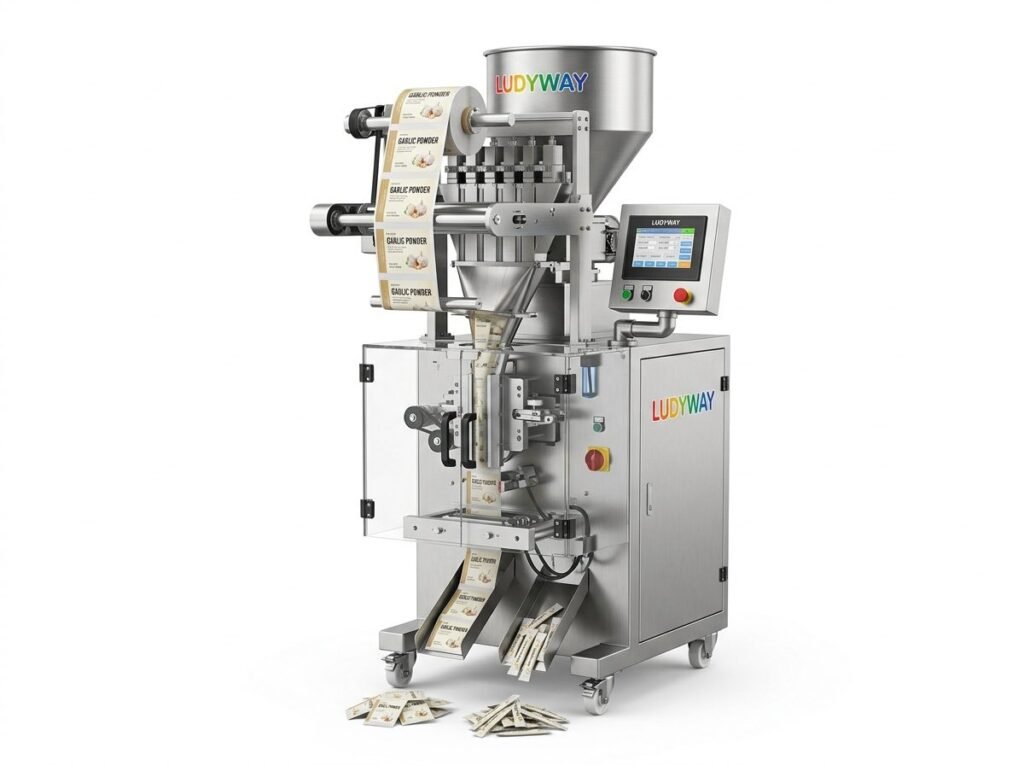
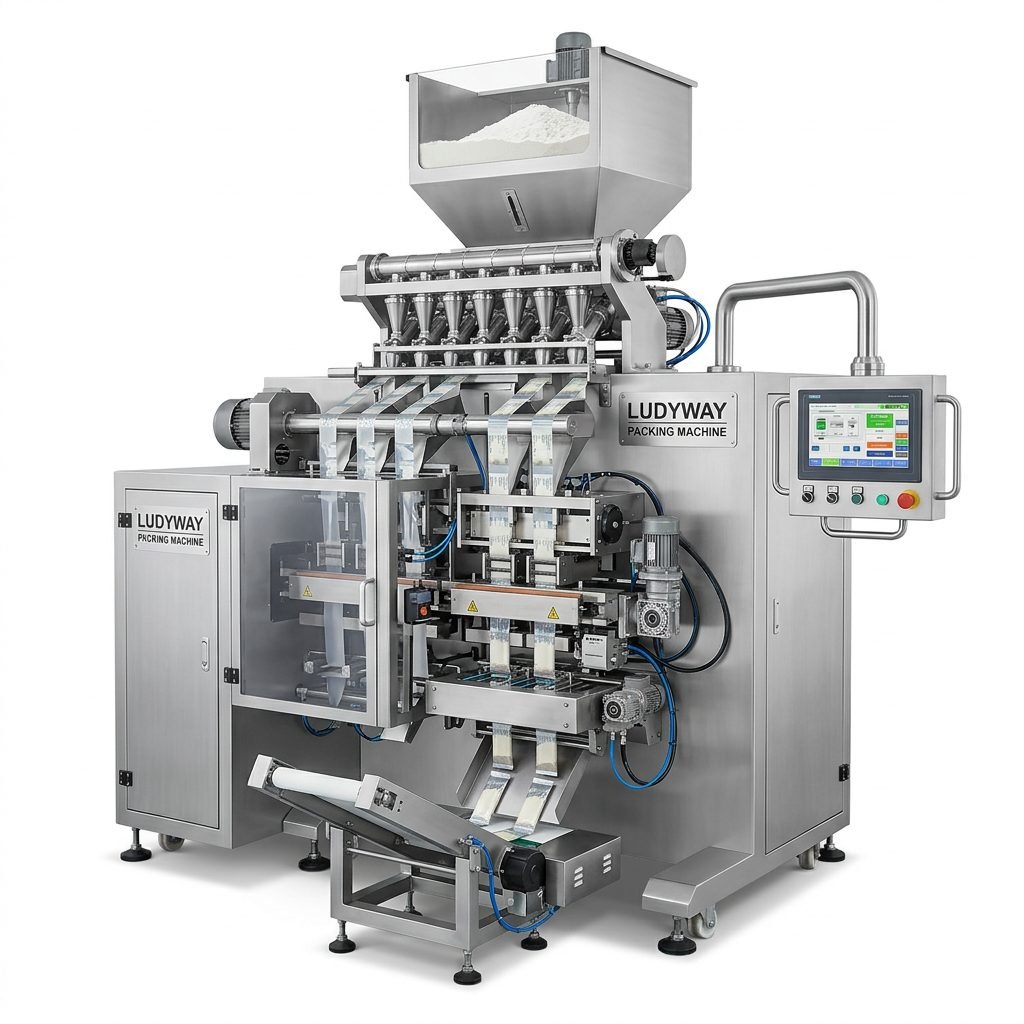
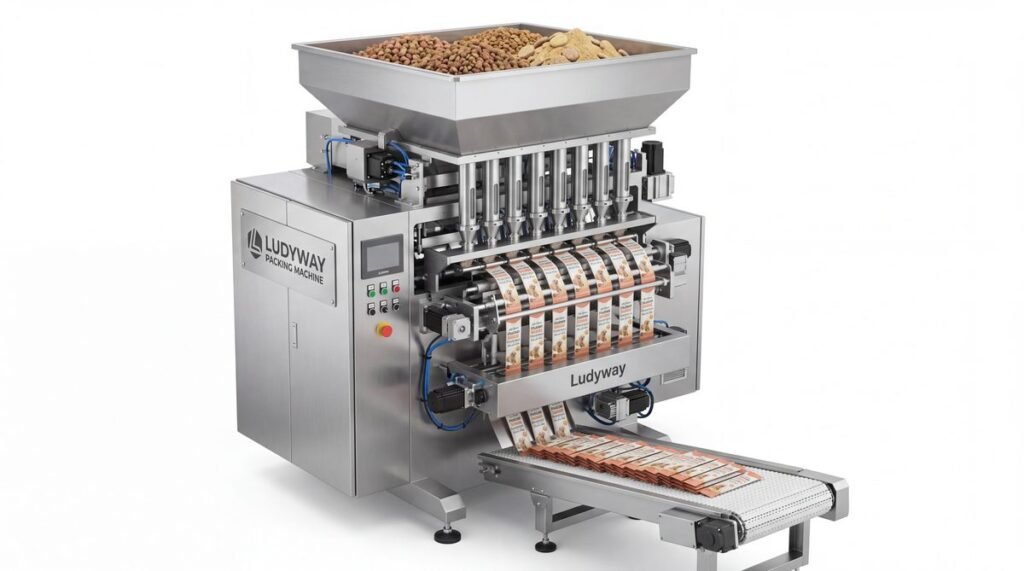
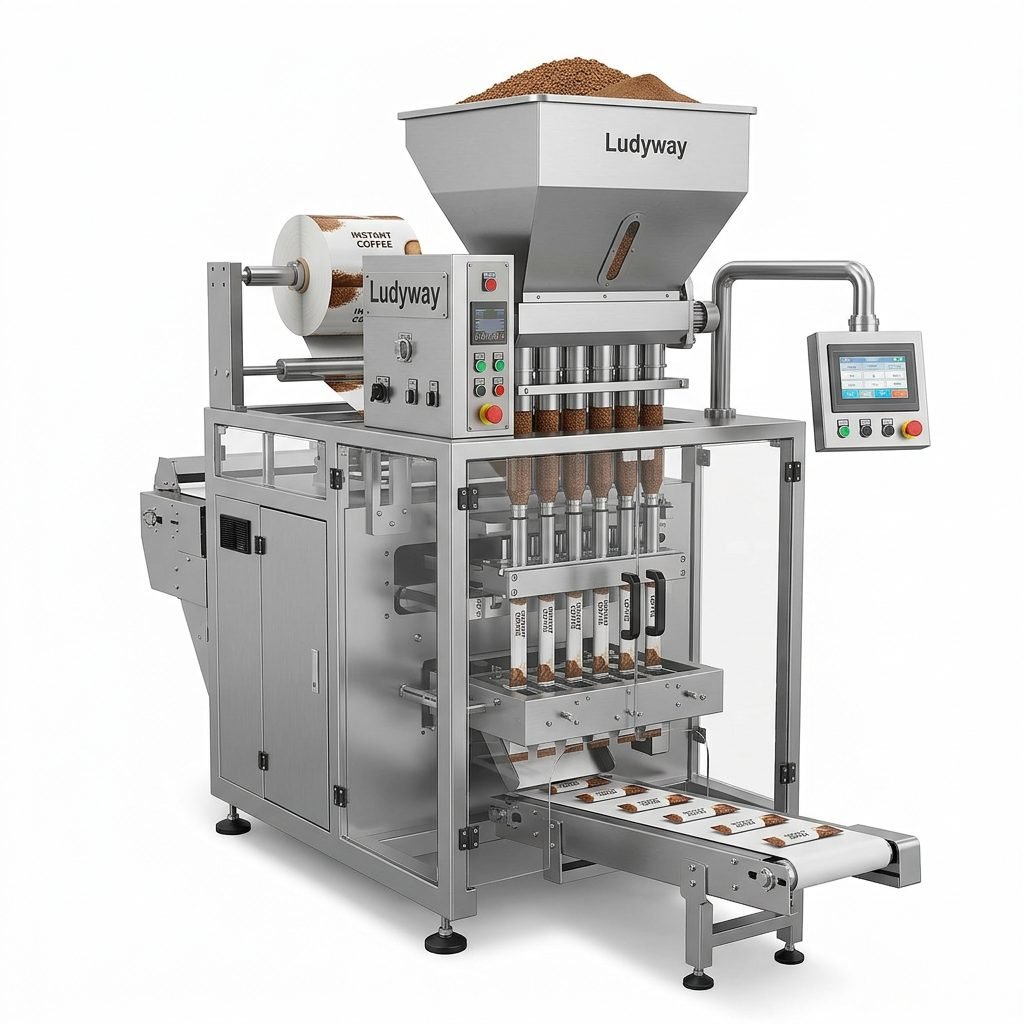
| Multi-Lane Stick Pack Machine | Powders, granules (coffee, sugar, spices, drink mixes) | High-speed output with compact sachet format ideal for single-serve portions |
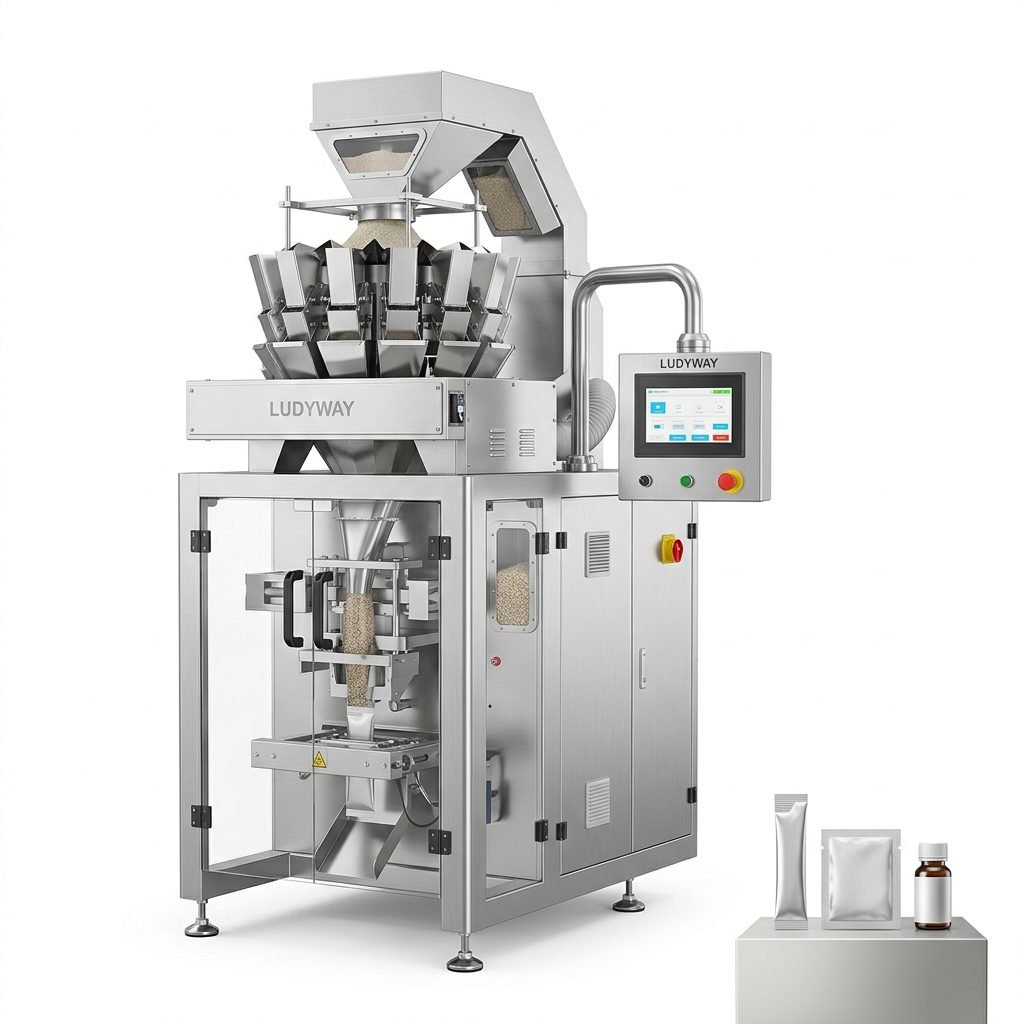
| Vertical Form Fill Seal (VFFS) | Snacks, grains, frozen foods, solid items | Versatile bag styles including pillow, gusseted, and quad-seal pouches |
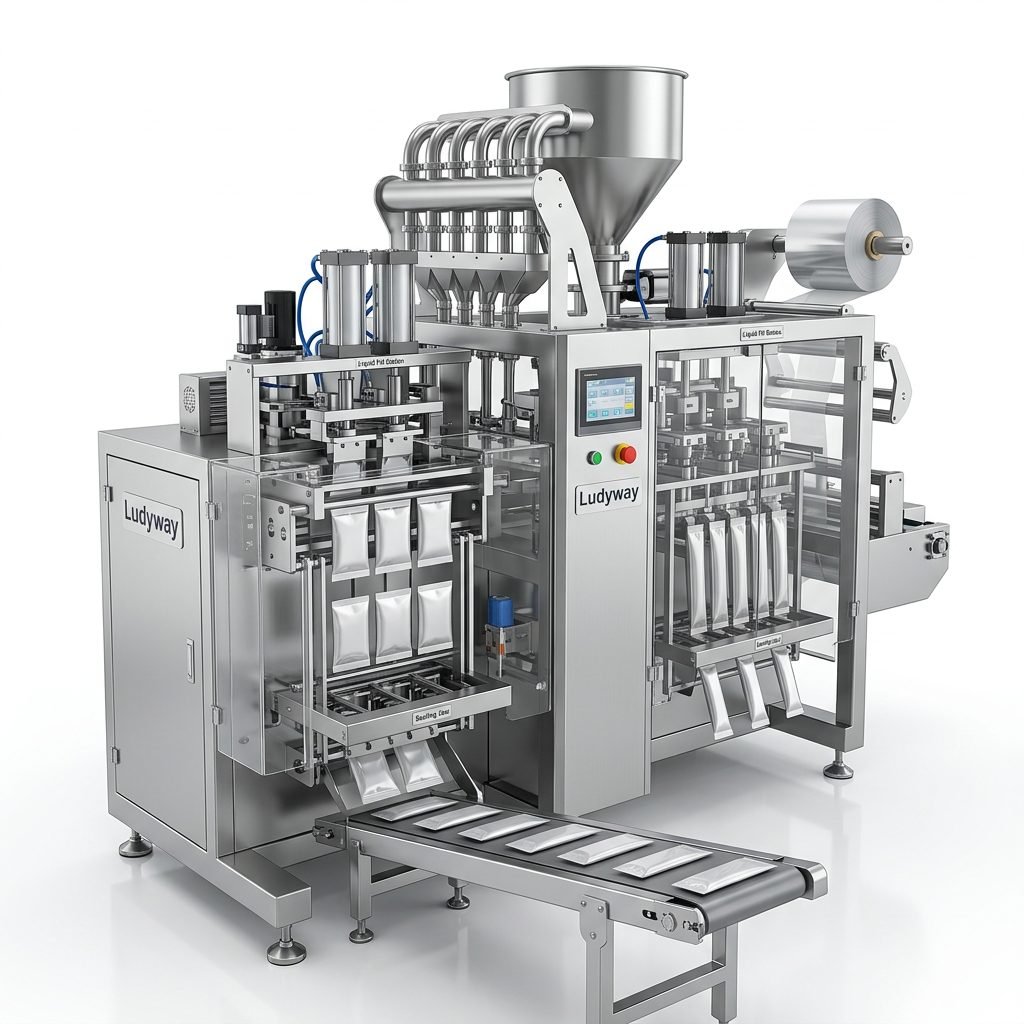
| Liquid Sachet Packaging Machine | Sauces, coconut oil, syrups, liquid seasonings | Precision liquid filling with leak-proof sealing for tropical distribution |
| Premade Pouch Filling Machine | Seafood snacks, jerky, dried fruits, nuts | Accommodates resealable zipper pouches popular in retail markets |
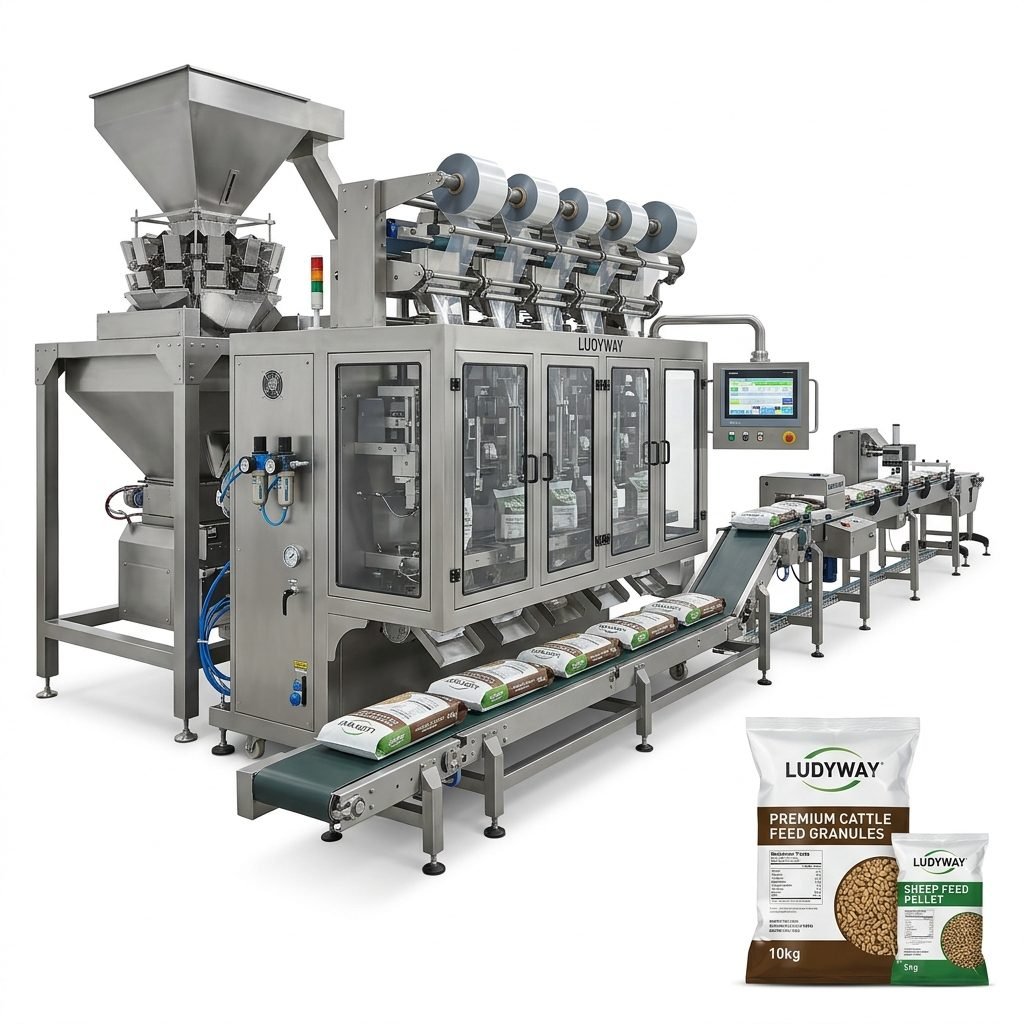
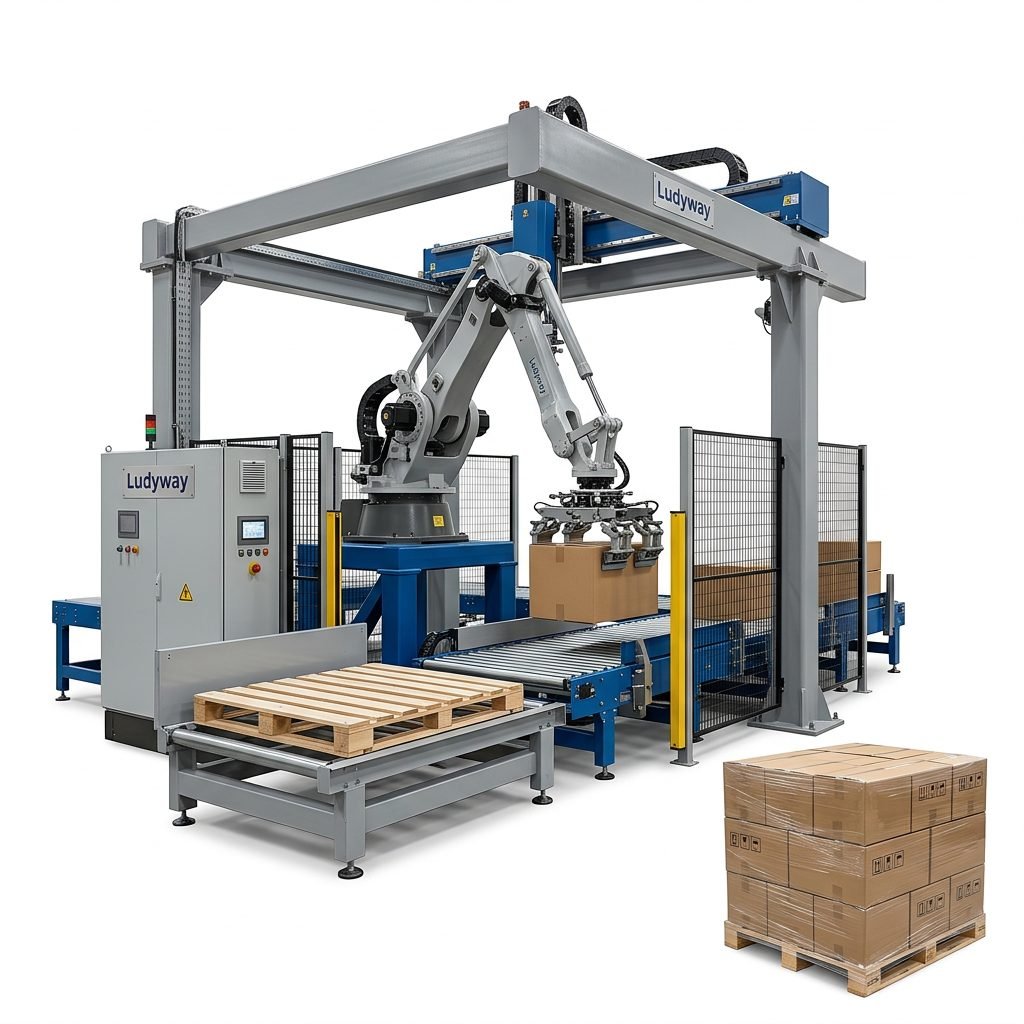
| Bulk Bagging System | Large-quantity flour, rice, animal feed, agricultural products | Suitable for wholesale and export-oriented food processing |
Critical Factors for Equipment Selection in Micronesia
Operating in the Pacific Islands presents unique challenges that go beyond standard machine specifications. When evaluating food packaging machinery for your Micronesian facility, weigh the following considerations carefully:
Power Supply and Utility Compatibility
Many islands in Micronesia operate on 110V or 220V electrical systems with occasional voltage fluctuations. Confirm that your chosen machine supports the local power configuration or can be equipped with a suitable transformer. Additionally, compressed air requirements should match your facility’s existing compressor capacity to avoid unexpected infrastructure upgrades.
Climate Resilience and Corrosion Protection
Micronesia’s tropical marine environment exposes equipment to salt-laden air, high humidity, and elevated temperatures. Prioritize machines constructed with stainless steel frames and food-grade 304 or 316 stainless steel contact parts. Machines with enclosed electrical cabinets and moisture-resistant control panels will demonstrate longer service life in these conditions.

Maintenance Accessibility and Spare Parts Logistics
Given the geographic isolation of Micronesian islands, remote technical support and spare parts availability are vital. Look for manufacturers that provide:
- Comprehensive digital maintenance manuals with video troubleshooting guides
- Readily available critical spare parts kits shipped with the initial machine order
- Remote diagnostic capabilities through video conferencing or IoT-enabled machine interfaces
- Modular machine designs that allow quick component replacement without specialized tools
Packaging Material Compatibility
The flexible packaging materials you plan to use must be compatible with your machine’s sealing and forming specifications. In Micronesia, where imported films and laminates are common, ensure the machine can handle a range of material thicknesses and compositions, including aluminum foil laminates, metallized PET, and high-barrier poly structures that protect against moisture ingress.
Production Volume and Automation Level
Match your machine’s throughput capacity to both current and projected production demands. For small to medium enterprises serving local Micronesian markets, semi-automatic machines with outputs of 30–60 packs per minute may suffice. Larger operations targeting export markets or regional distribution should consider fully automated multi-lane systems capable of producing 200–400 packs per minute per lane. Over-investing in capacity leads to unnecessary capital expenditure, while under-investing creates production bottlenecks that limit growth.
Food Safety Compliance and Regulatory Standards
Food packaging operations in Micronesia should align with internationally recognized standards. Even where local regulations may be less stringent, adhering to FDA food packaging requirements and ISO packaging standards ensures product acceptance in broader markets including the United States, Japan, and Australia—key trading partners for Pacific Island nations. Machines designed with GMP compliance features such as tool-free disassembly, sanitary conveyors, and validated cleaning protocols simplify certification processes.
Key Sanitary Design Features to Look For
- Sloped surfaces that prevent liquid pooling and facilitate drainage during washdowns
- Continuous welded seams rather than bolted connections that trap food residues
- IP65 or higher rated electrical enclosures for wet cleaning environments
- Quick-release guards enabling rapid access for inspection and sanitation
Evaluating Total Cost of Ownership
The purchase price represents only one component of your long-term investment. A comprehensive total cost of ownership (TCO) analysis should account for:
| Cost Category | Considerations | Typical Impact on TCO |
|---|---|---|
| Initial Equipment Cost | Base machine, optional modules, freight to Micronesia | 30–45% of TCO over 7-year lifespan |
| Installation and Commissioning | On-site technician travel, training, facility modifications | 5–10% of TCO |
| Consumables and Packaging Film | Ongoing material costs, shipping, import duties | 35–50% of TCO |
| Maintenance and Spare Parts | Preventive maintenance, wear parts, emergency repairs | 8–12% of TCO |
| Energy and Utility Consumption | Electricity, compressed air, water for cleaning | 3–5% of TCO |
Supplier Evaluation and Partnership Approach
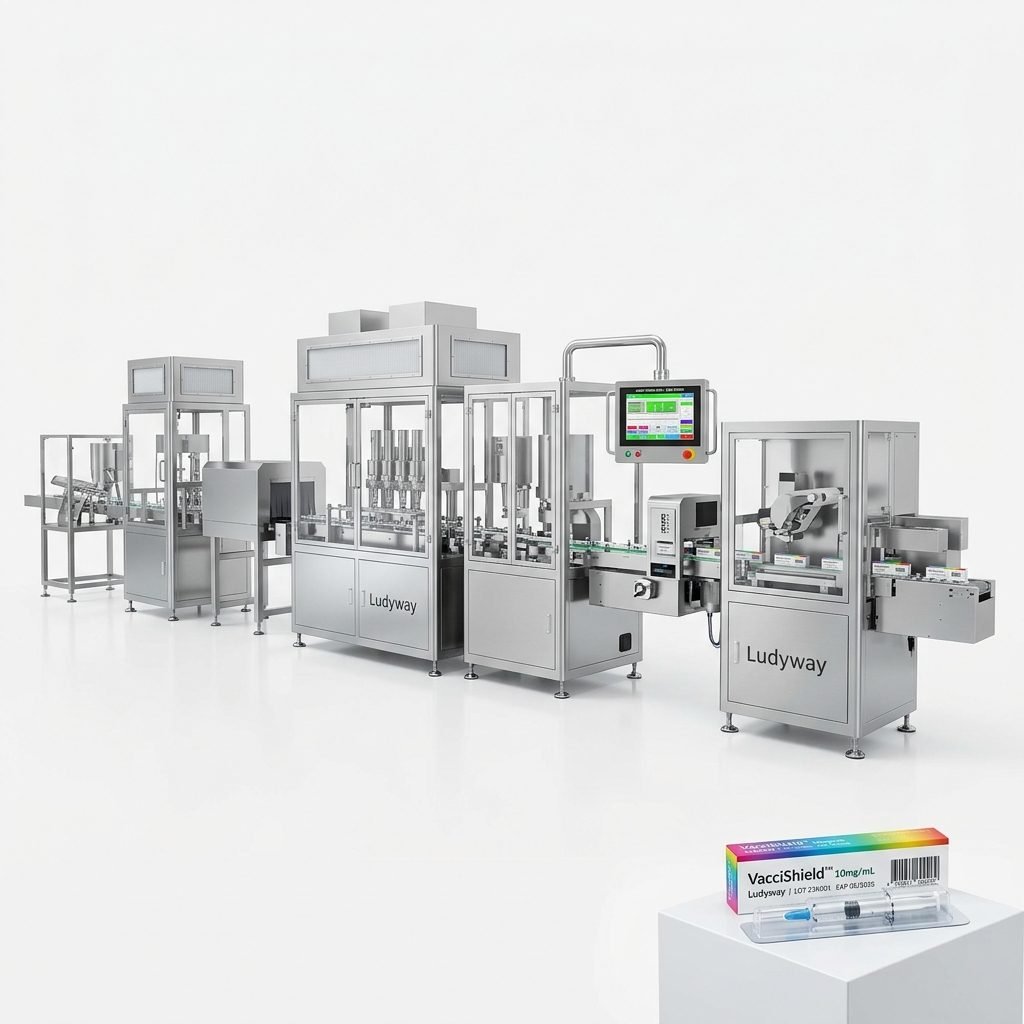
Choosing a reliable packaging machine supplier is as important as the equipment itself. For Micronesian buyers, a supplier’s experience in international markets and willingness to support remote customers are critical. Evaluate potential partners based on their track record of installations in similar climatic conditions, the availability of multilingual technical support, and their ability to provide turnkey packaging solutions that integrate filling, sealing, coding, and cartoning into a seamless production line.
Among global manufacturers, Ludyway has emerged as a significant exporter of advanced packaging equipment, offering over 50 intelligent machine models designed for granule, powder, and liquid applications across food, pharmaceutical, and health industries, with a growing presence in markets spanning more than 100 countries.

Questions to Ask Potential Suppliers
- Can you provide references from customers in tropical or island environments similar to Micronesia?
- What is your standard warranty period and what does it cover for international clients?
- Do you offer remote installation guidance or on-site commissioning services?
- How quickly can critical spare parts be dispatched to Pacific Island destinations?
- Is operator training available in multiple formats including video, written documentation, and live online sessions?
- What packaging material specifications do you recommend and can you assist with sourcing compatible films?
Packaging Format Trends in Pacific Island Markets
Consumer preferences in Micronesia and neighboring Pacific markets increasingly favor convenience-oriented packaging. Single-serve stick packs and sachets are particularly popular for instant beverages, seasonings, and personal care products, as they offer portion control, extended freshness, and affordability. For food products destined for retail shelves in Guam, Hawaii, or export to Asian markets, stand-up pouches with resealable zippers provide visual appeal and functional value that commands premium pricing. Understanding these packaging industry trends helps align your equipment investment with market opportunities.
Making the Final Decision
After thorough evaluation, narrow your options to two or three machine models that best meet your technical requirements and budget. Where possible, arrange factory acceptance testing (FAT) via video link or request sample packaging runs using your actual product and preferred film materials. This validation step significantly reduces the risk of unforeseen compatibility issues after the equipment arrives in Micronesia.
Remember that the cheapest machine rarely offers the best value. An equipment investment that delivers consistent performance, minimal downtime, and flexible production capabilities will generate stronger returns over its operational life—particularly important in locations where technical support visits are logistically complex and expensive.

Frequently Asked Questions
What is the most suitable packaging machine for small food businesses in Micronesia?
For startups and small-scale producers, a semi-automatic single-lane sachet or stick pack machine offers an accessible entry point. These compact machines handle multiple product types with minimal operator training and represent a lower capital investment while still delivering professional packaging quality suitable for retail markets.
How do I protect packaged food from Micronesia’s high humidity?
Select packaging films with high moisture vapor transmission rate (MVTR) barriers, such as aluminum foil laminates or metallized PET. Additionally, consider machines equipped with nitrogen-flushing capabilities to displace oxygen and moisture-laden air from sealed packages, extending shelf life significantly in tropical conditions.
Can one machine handle both powder and liquid products?
While some multi-purpose packaging machines can be configured for different product states, dedicated machines optimized for specific product types generally deliver superior performance. If your product range includes both powders and liquids, consult manufacturers about interchangeable filling modules that allow switching between auger fillers, volumetric cups, and liquid piston fillers on the same base machine frame.
What shipping considerations apply when importing packaging equipment to Micronesia?
Coordinate with freight forwarders experienced in Pacific Island logistics to manage container shipping, customs clearance, and inter-island transport. Request that the manufacturer provides export-grade crating with moisture-proof wrapping and vibration-dampening packaging to protect sensitive electronic components during extended ocean transit.