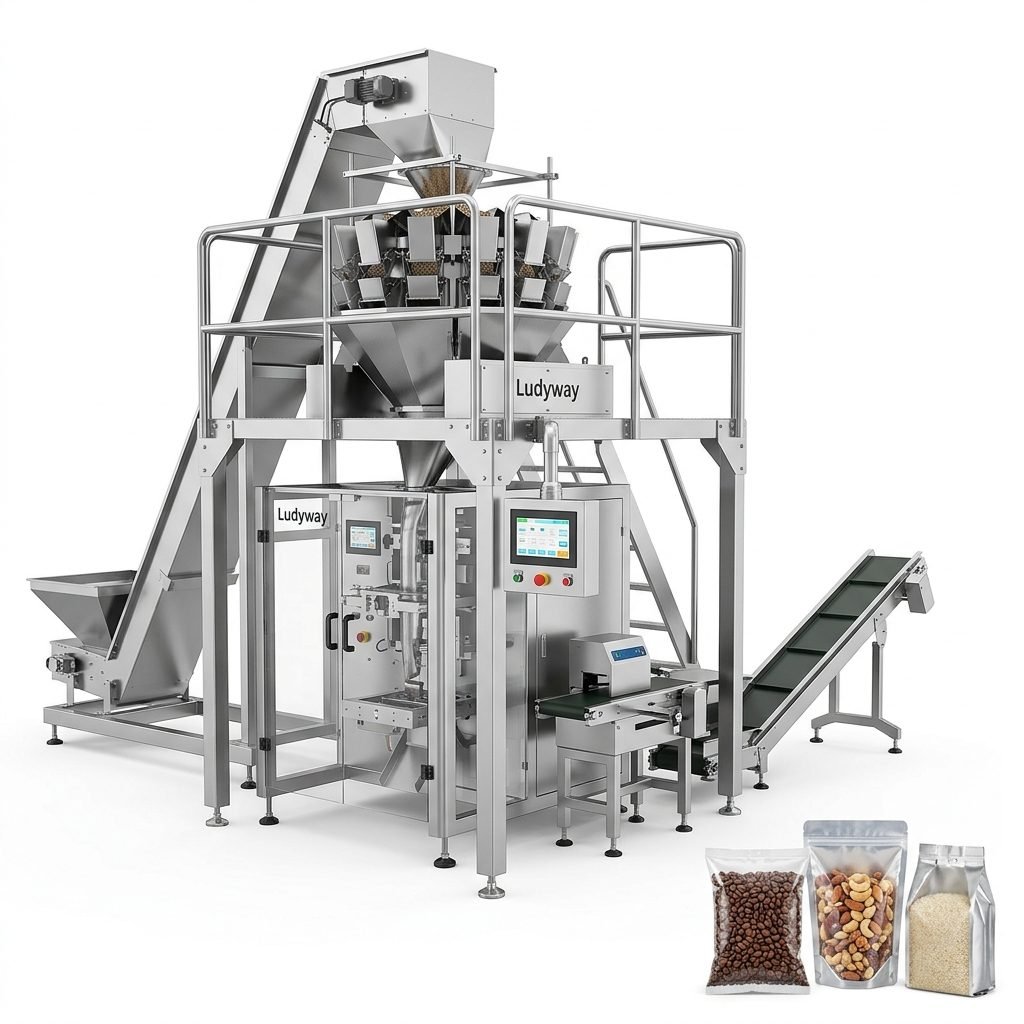
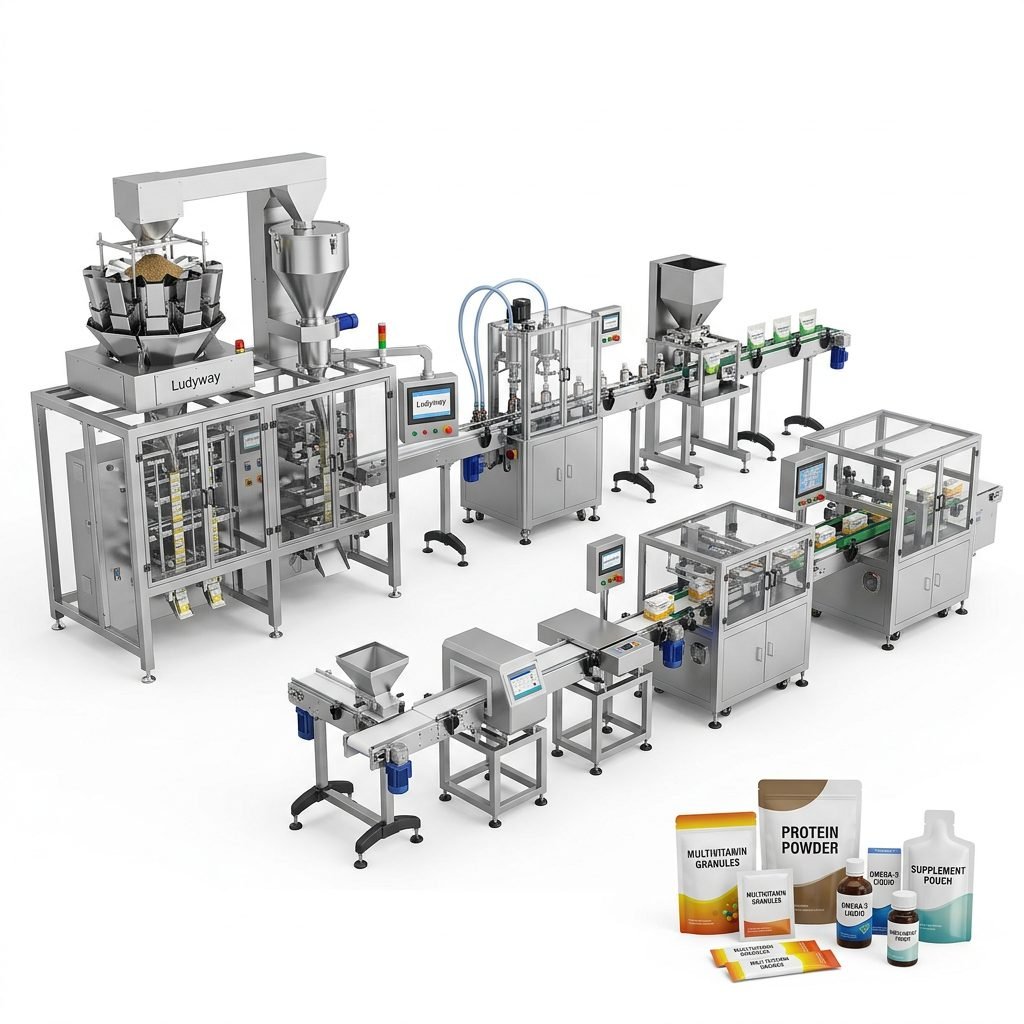
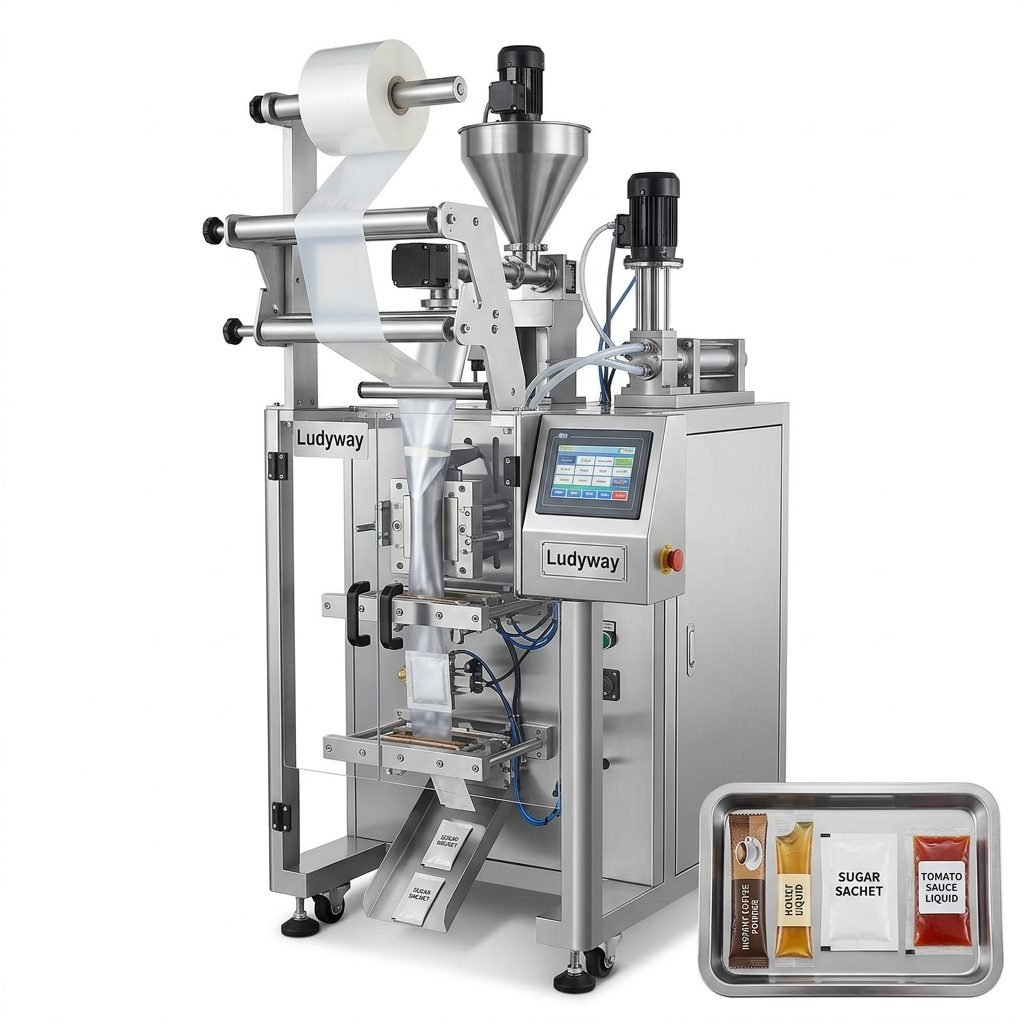
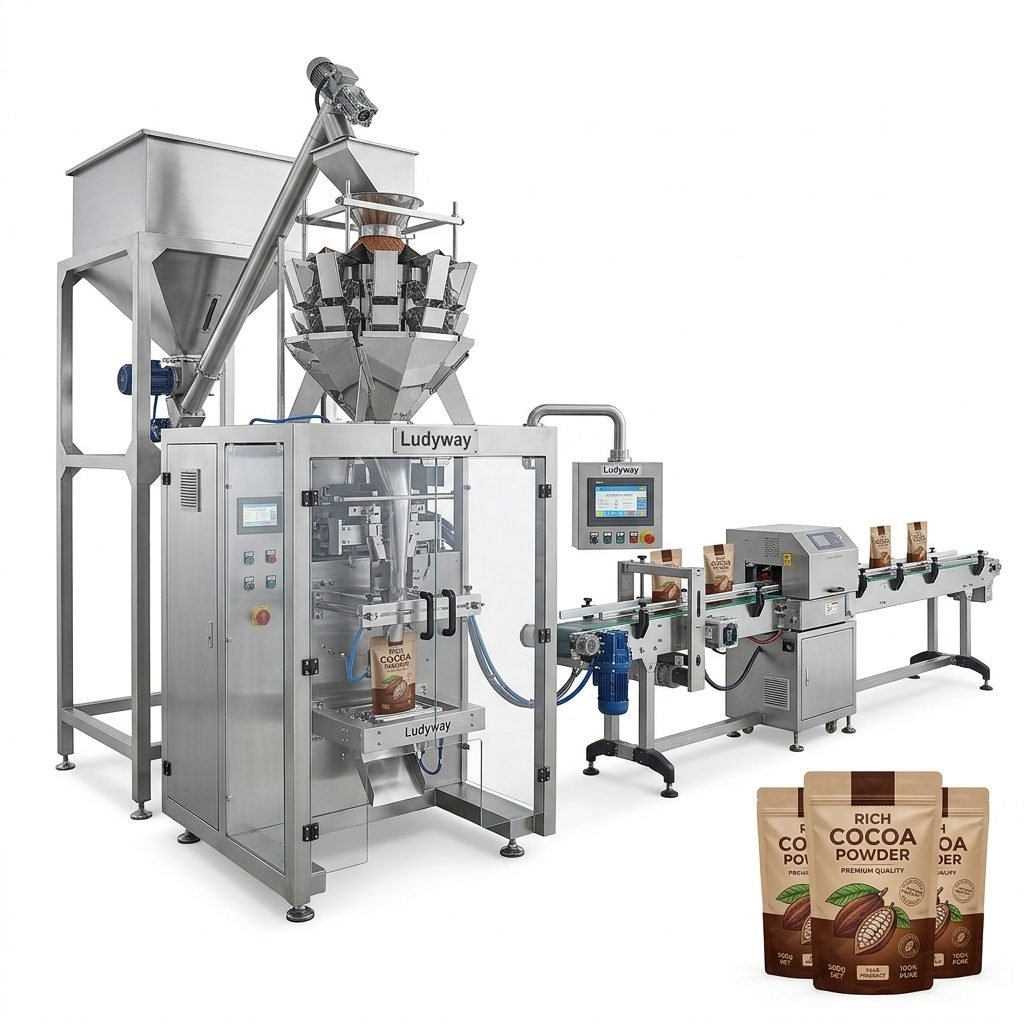
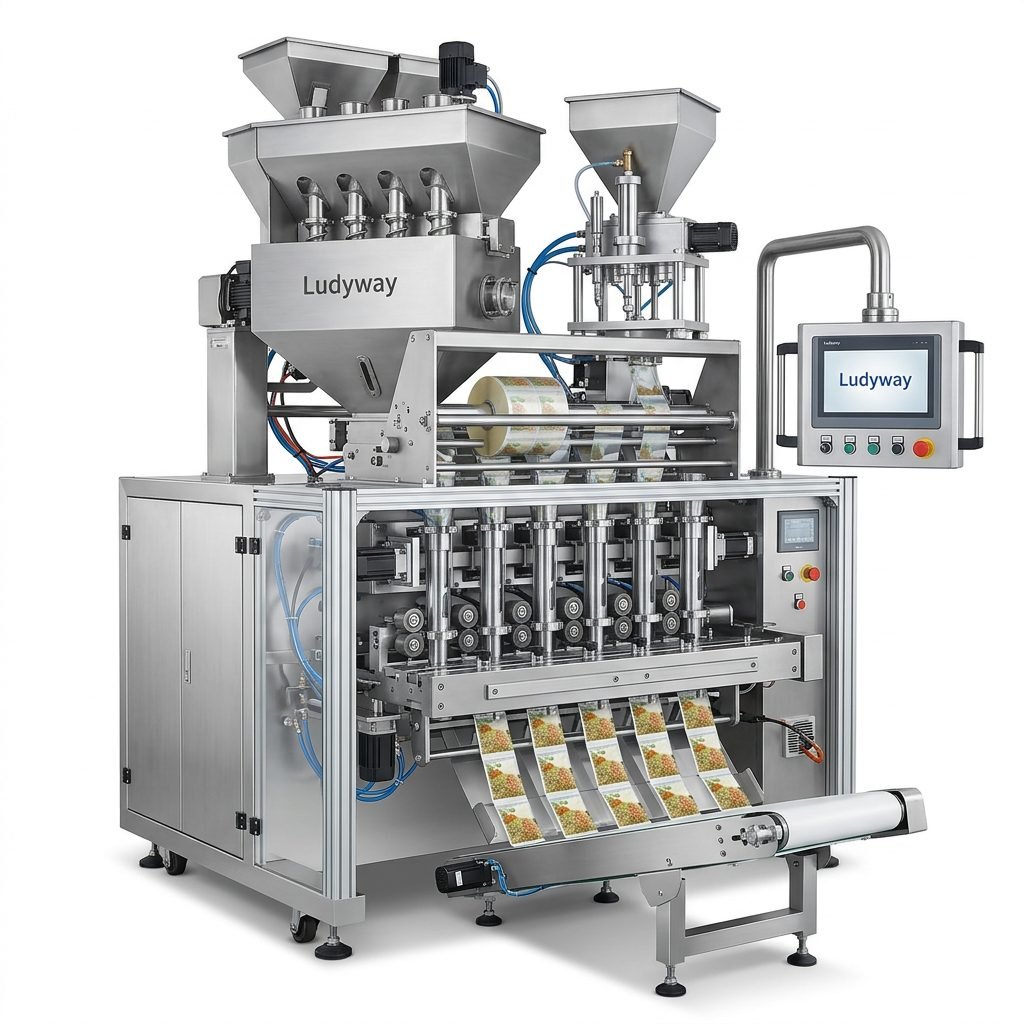
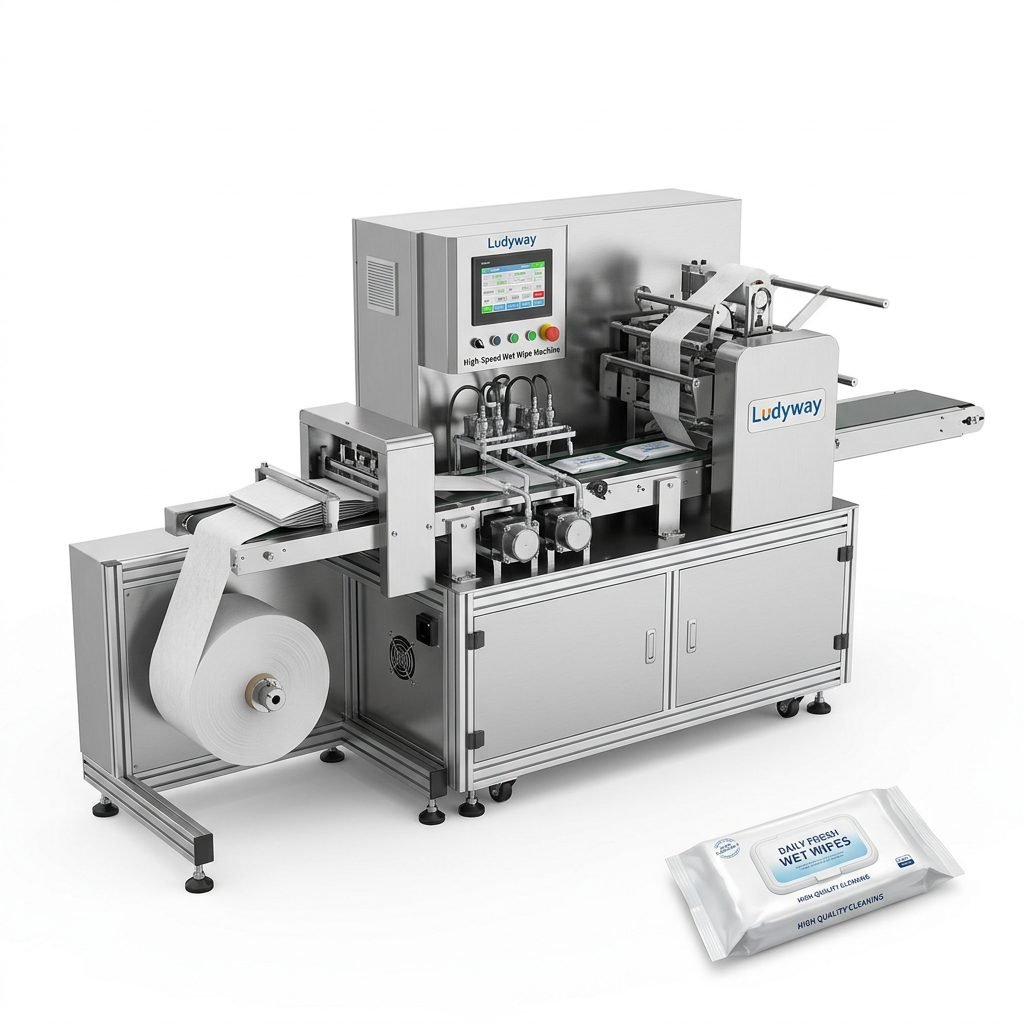
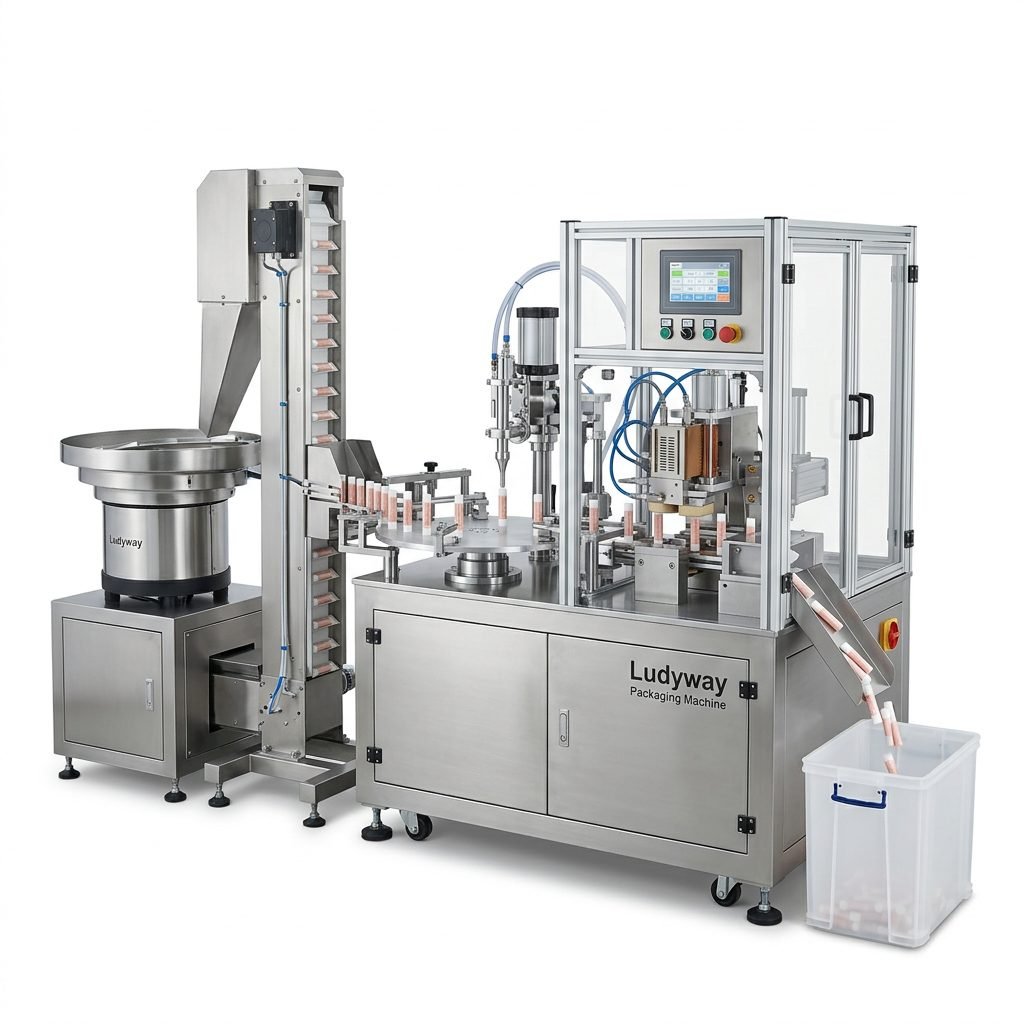
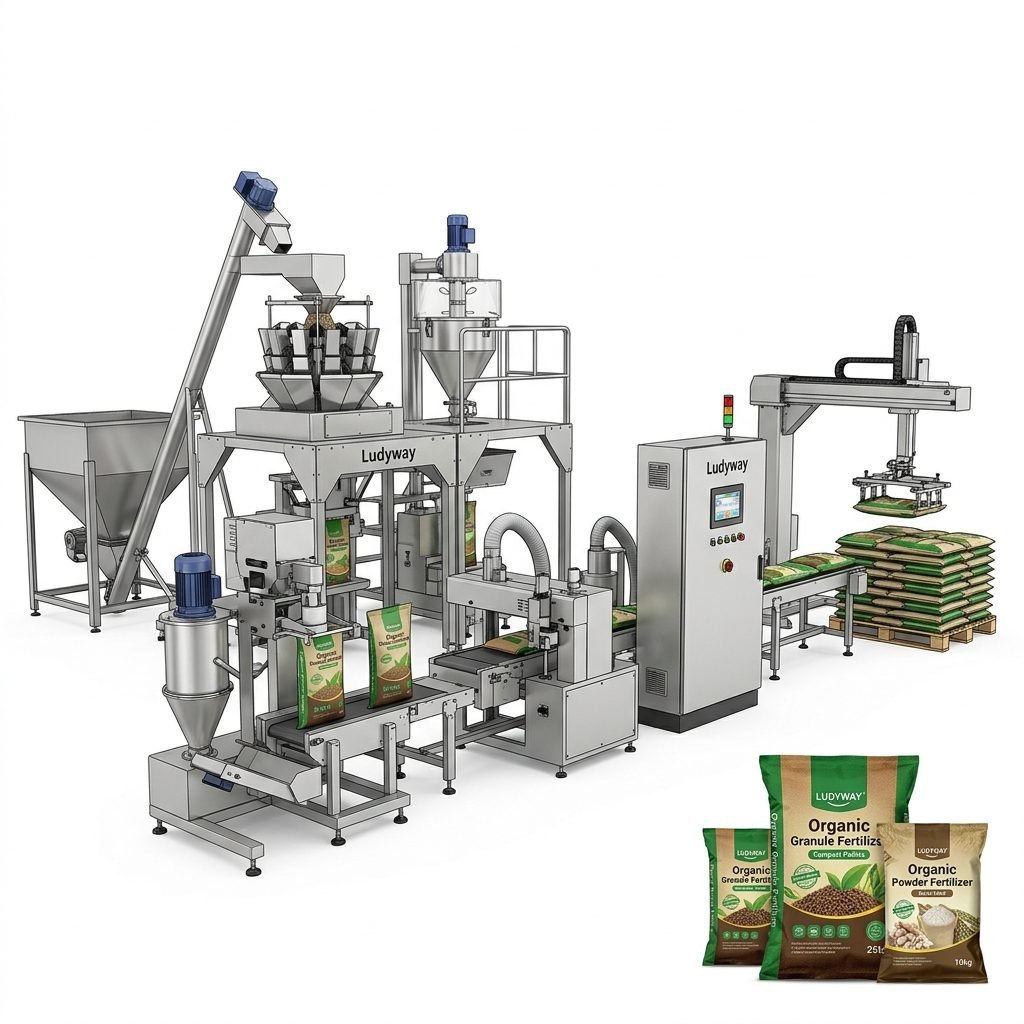
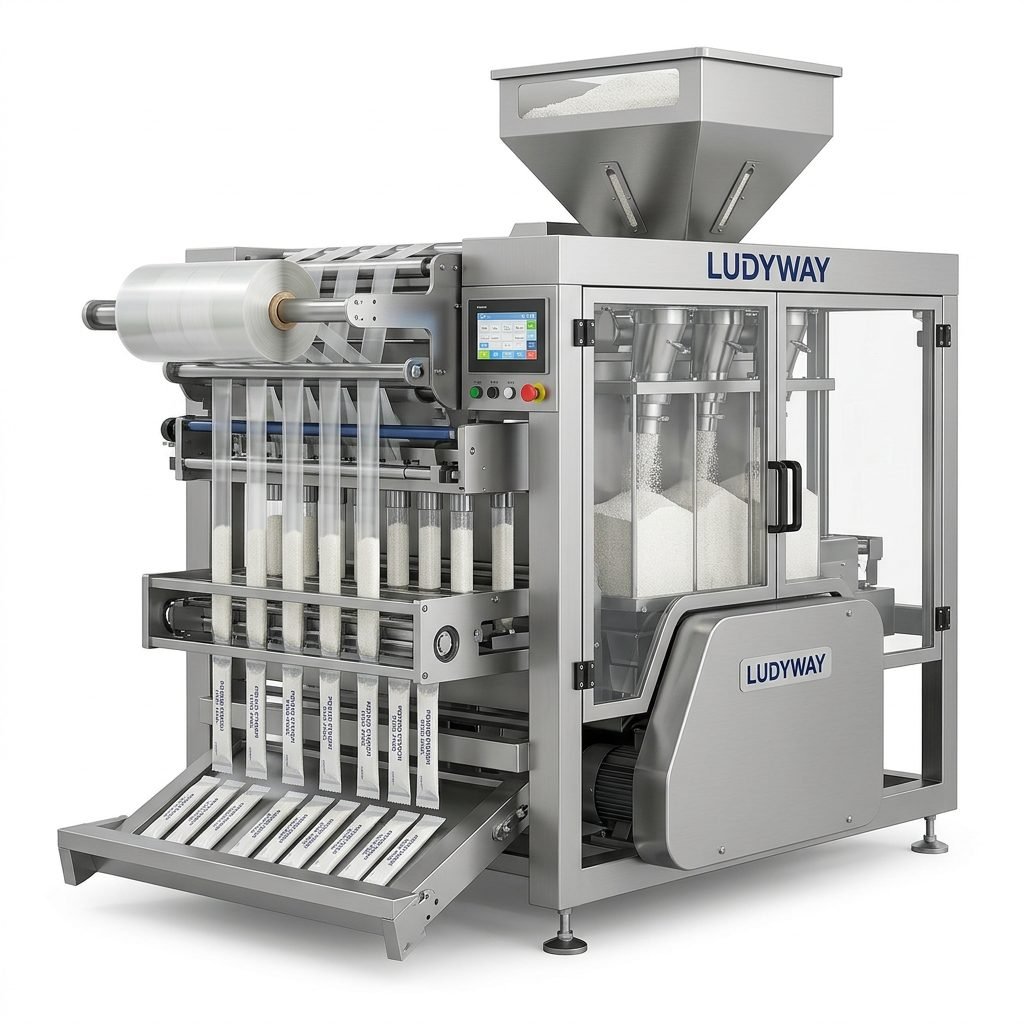
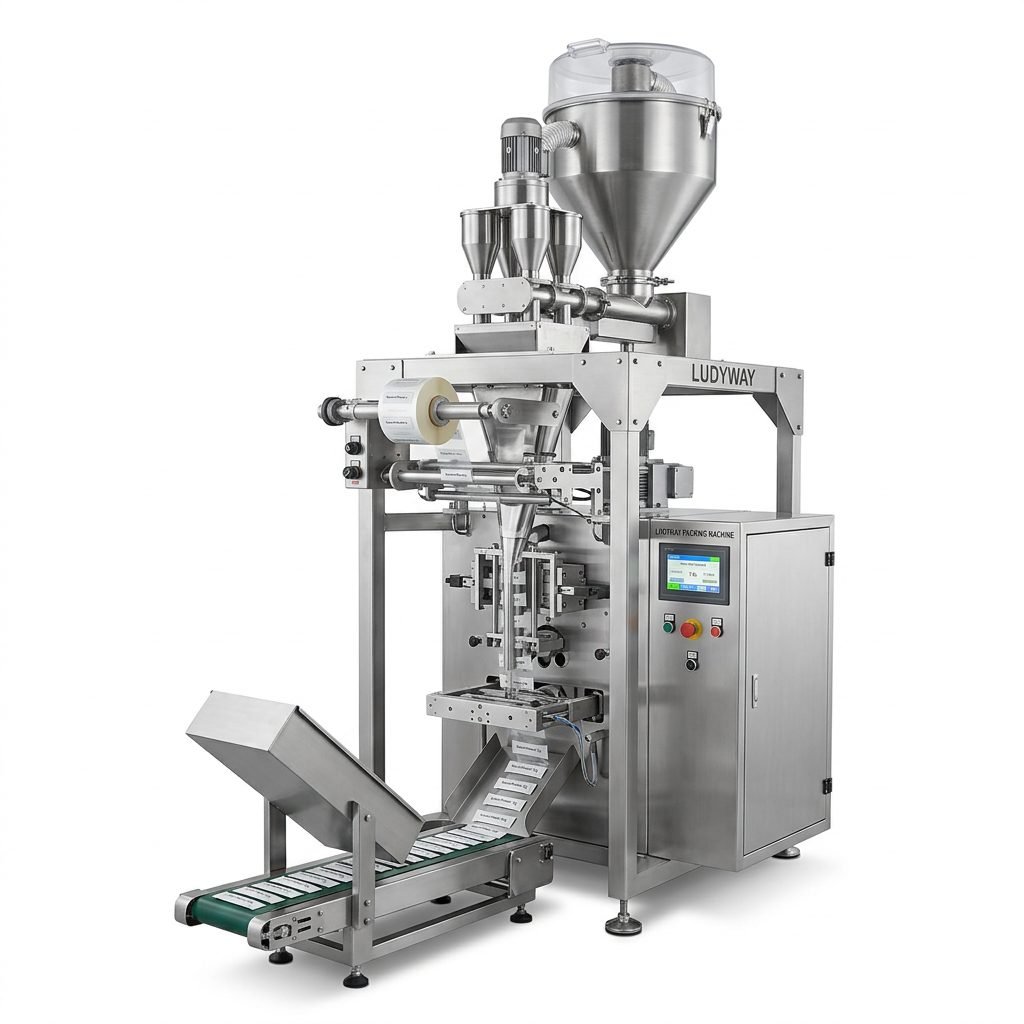
Regular maintenance is the cornerstone of maximizing productivity and extending the service life of your plastic water packaging machine. Without a structured care routine, even the most robust equipment can suffer from unexpected downtime, inconsistent seal quality, and costly repairs. The following essential tips—covering daily checks, cleaning protocols, lubrication, and spare parts management—will help you maintain peak performance and protect your investment for years to come.
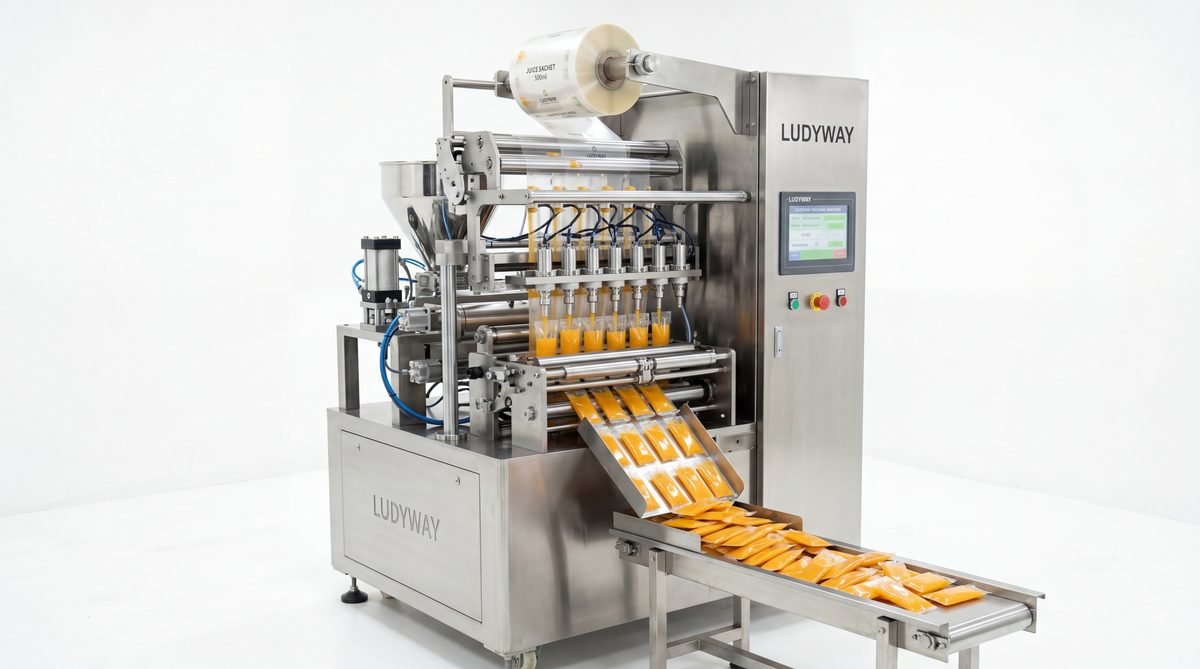
1. Build a Daily Inspection Routine
Before every shift, operators should perform a visual and functional check of the plastic water packaging machine. This proactive habit catches minor issues before they escalate.
- Power and Pneumatic Systems: Verify voltage stability and inspect air pressure gauges. Low air pressure often leads to incomplete seal formation on water pouches or bottles.
- Film Tracking and Tension: Ensure the packaging film unwinds smoothly without wrinkles. Misaligned film causes crooked seals and wasted material.
- Safety Sensors: Test all emergency stops and door interlocks. A faulty sensor can risk operator safety and damage the sealing jaws.
- Filling Nozzles: Look for drips or clogs. For a water packaging line, even a small crystal residue can affect fill accuracy.
Document each inspection point. A simple logbook helps identify patterns and predict component wear, aligning with PMMI industry best practices for packaging line maintenance.
2. Deep Cleaning and Sanitization
Hygiene is non-negotiable when packaging water for human consumption. Contamination risks rise quickly on contact surfaces.
- Product Contact Parts: Disassemble filling tubes, hoppers, and sealing bars weekly. Wash with food-grade detergents and rinse with purified water.
- Conveyor Belts: Wipe down daily to remove plastic dust and water splashes. Buildup can cause belts to slip or track incorrectly.
- Sealing Jaws: Use a soft brass brush to clean Teflon-coated surfaces without scratching them. Scratched jaws lead to poor heat transfer and leaky seals.
Always refer to the FDA guidelines for food contact substances when selecting cleaning chemicals to avoid material degradation.
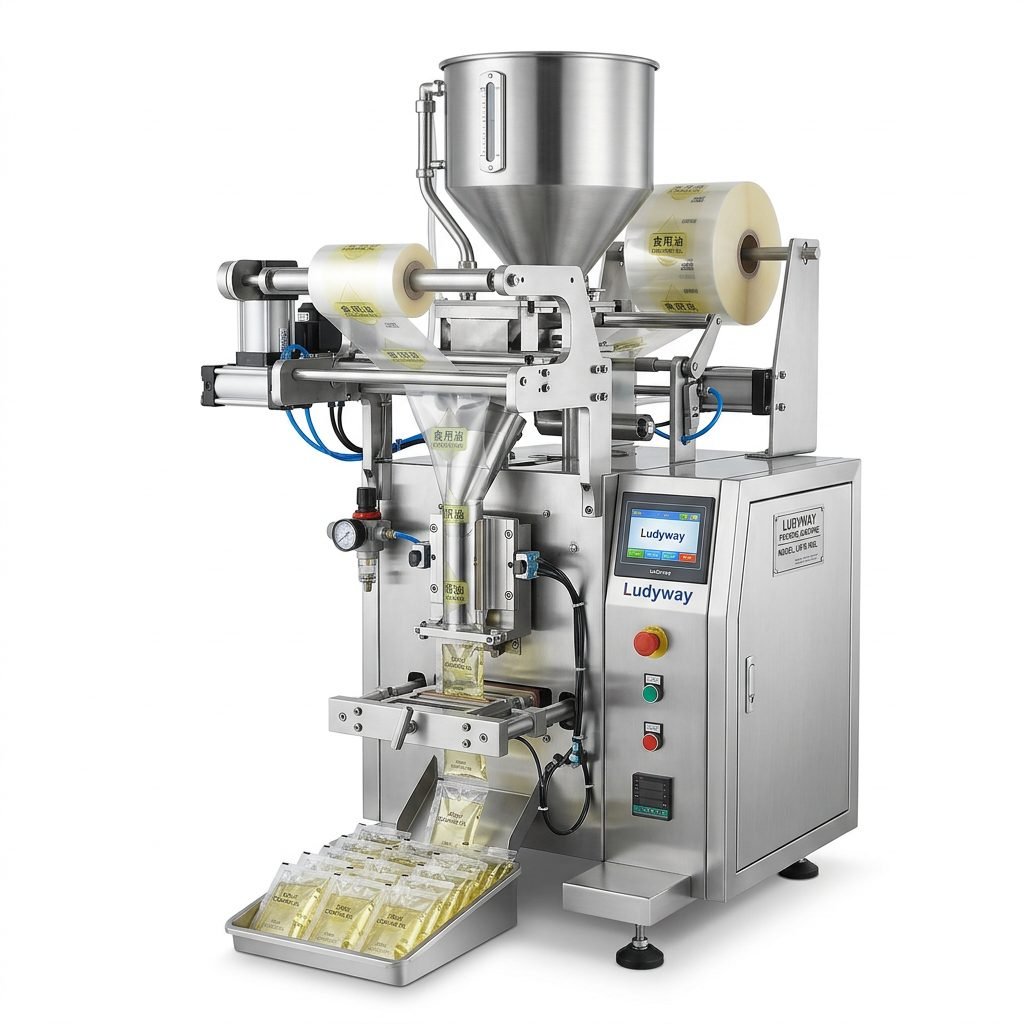
3. Lubrication and Mechanical Integrity
Proper lubrication reduces friction on moving parts and prevents premature wear in a high-speed plastic water packaging machine.
| Component | Recommended Lubricant | Frequency |
|---|---|---|
| Linear bearings & guide rails | Food-grade NLGI 2 grease | Every 200 operating hours |
| Chain drives | H1 food-grade mineral oil | Weekly |
| Air cylinders | Mist lubricator with ISO VG32 oil | Check reservoir level daily |
| Rotary sealing shafts | Synthetic high-temperature grease | Monthly |
Important: Over-lubrication attracts dust and can contaminate water packaging film. Apply lubricants sparingly and wipe away excess immediately. Always cross-reference your maintenance kit with ISO packaging standards for material compatibility.
4. Common Troubleshooting Scenarios
Here are typical issues operators encounter on water packaging lines and how to resolve them efficiently.
| Problem | Possible Cause | Quick Fix |
|---|---|---|
| Weak or leaking seals | Insufficient temperature, dirty sealing jaw, or worn Teflon tape | Increase heat in 5°C increments, clean the jaw, or replace Teflon cover |
| Film wrinkling or curling | Misaligned film roll or incorrect dancer arm tension | Realign the roll on the shaft and adjust tension to the medium setting |
| Inaccurate fill volume | Clogged filling nozzle or worn pump diaphragm | Flush the filling system with warm water; inspect and change the pump diaphragm if needed |
| Machine stops intermittently | Overloaded sensor or loose electrical connection | Clean photoelectric sensors with a lint-free cloth; tighten terminal screws |
5. Spare Parts Strategy and Record Keeping
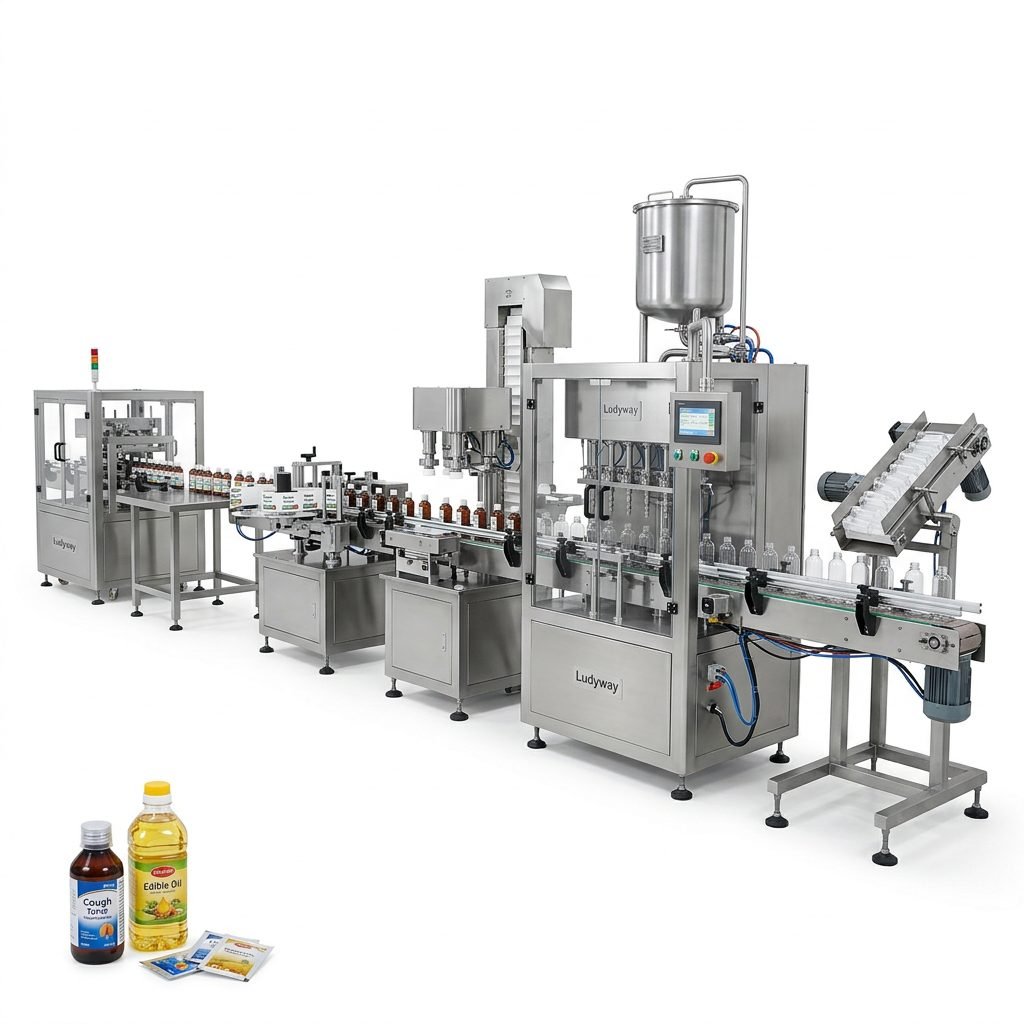
Unexpected breakdowns are minimized when you stock critical spares for your plastic water packaging machine.
- Sealing consumables: Keep at least two sets of Teflon tape, sealing wires, and knife blades.
- Sensor and solenoid valves: These control cycle timing; a malfunction can halt the entire line.
- Belts and timing pulleys: Replace at the first sign of cracking or tooth wear.
- O-rings and gaskets: Ideal to have a complete rebuild kit for the water filling station.
Maintain a digital maintenance log. Recording every replacement and calibration provides a clear history that helps predict future failures and maintain consistent water seal integrity.
6. Training and Schedule Adherence
The best maintenance plan fails without trained operators. Ensure your team understands the specific control panel alarms and mechanical functions of your water packaging system.
- Schedule quarterly training refreshers focused on safety protocols and quick changeover procedures.
- Use a preventative maintenance calendar aligned with the latest packaging machinery efficiency benchmarks.
- Encourage operators to report unusual noises or vibrations immediately—never ignore early warning signs.
7. Partnering for Long-Term Performance
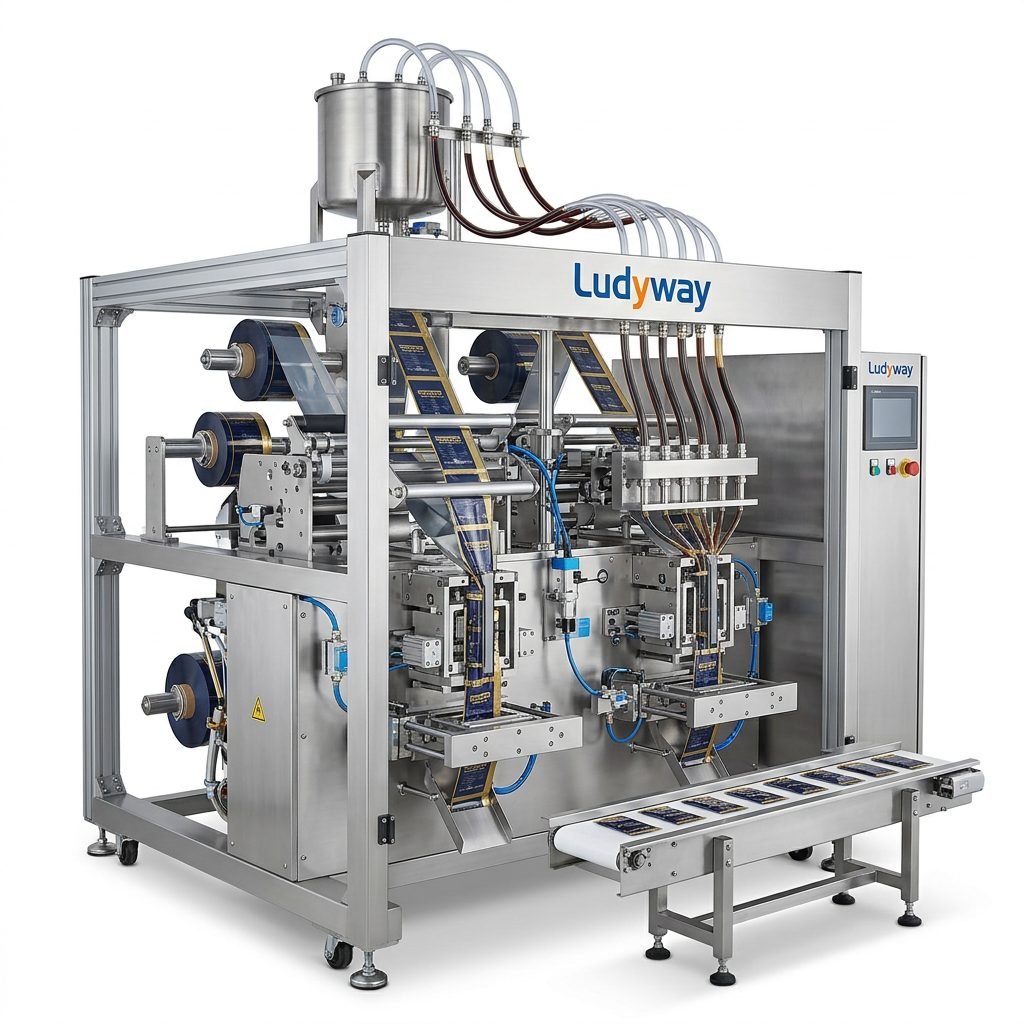
Implementing these essential maintenance tips will dramatically reduce mechanical downtime and preserve the high-speed capabilities of your packaging line. For businesses looking to upgrade their equipment or require specialized technical support, Ludyway—one of the largest packaging machine manufacturers in China with over 30 years of industry expertise—provides high-performance water packaging solutions and comprehensive after-sales service tailored to your production floor. Pairing a well-maintained machine with professional guidance ensures your operation continues to deliver perfect pouches and bottles, shipment after shipment.