Selecting the right packaging machine for the Palestine market requires a deep understanding of local industry demands, regulatory standards, and operational challenges. Whether you are in the food, pharmaceutical, or chemical sector, investing in a high-performance packaging system is a strategic decision that directly impacts product quality and business growth.

Understanding the Palestine Packaging Landscape
The local market is characterized by a growing demand for flexible packaging solutions, particularly in the food and pharmaceutical sectors. Small to medium-sized enterprises often seek cost-effective yet reliable machinery that can handle diverse product types, from granules and powders to liquids and pastes. Key drivers include shelf-life extension, portion control, and compliance with international hygiene standards.
Key Factors to Evaluate Before Purchase
Making an informed decision involves analyzing several critical aspects. Below is a structured breakdown of what you must consider to ensure your investment yields maximum returns in the West Bank and Gaza markets.
1. Product Compatibility and Material Handling
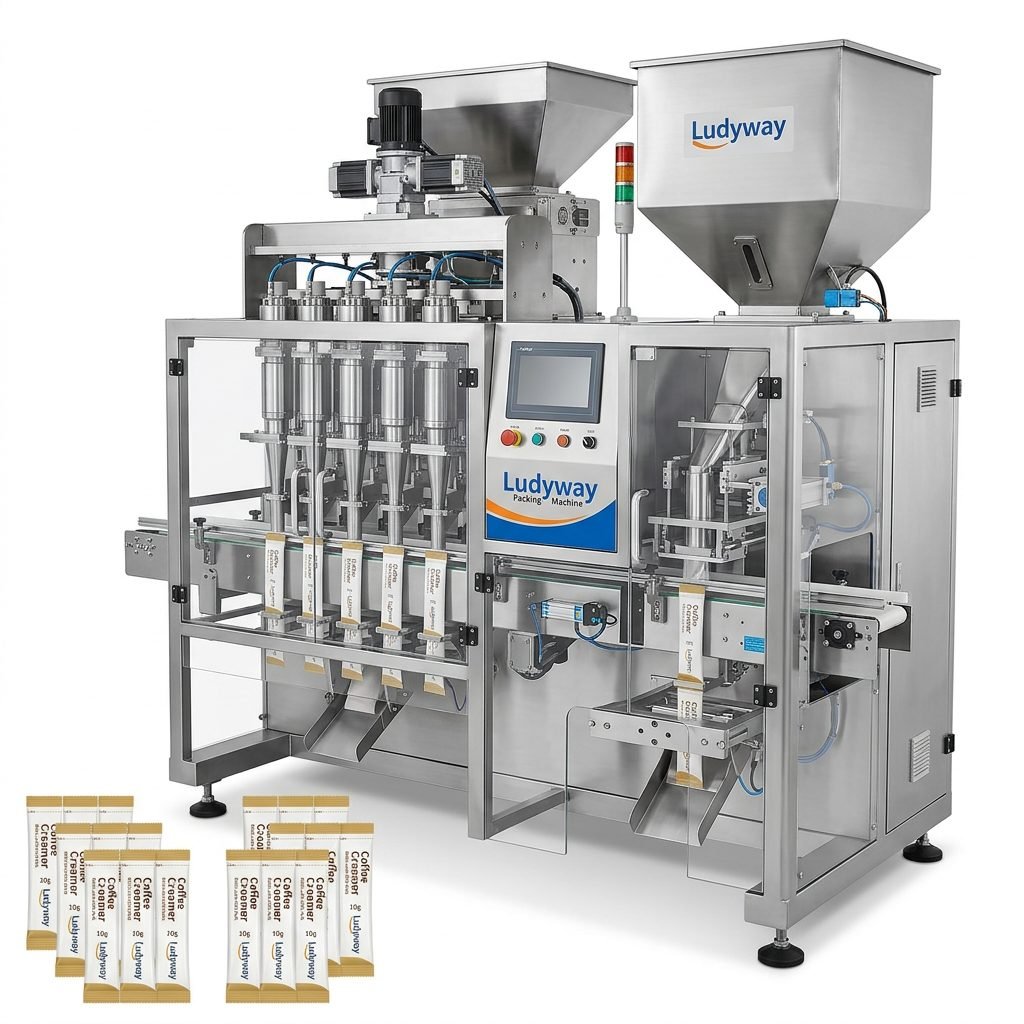
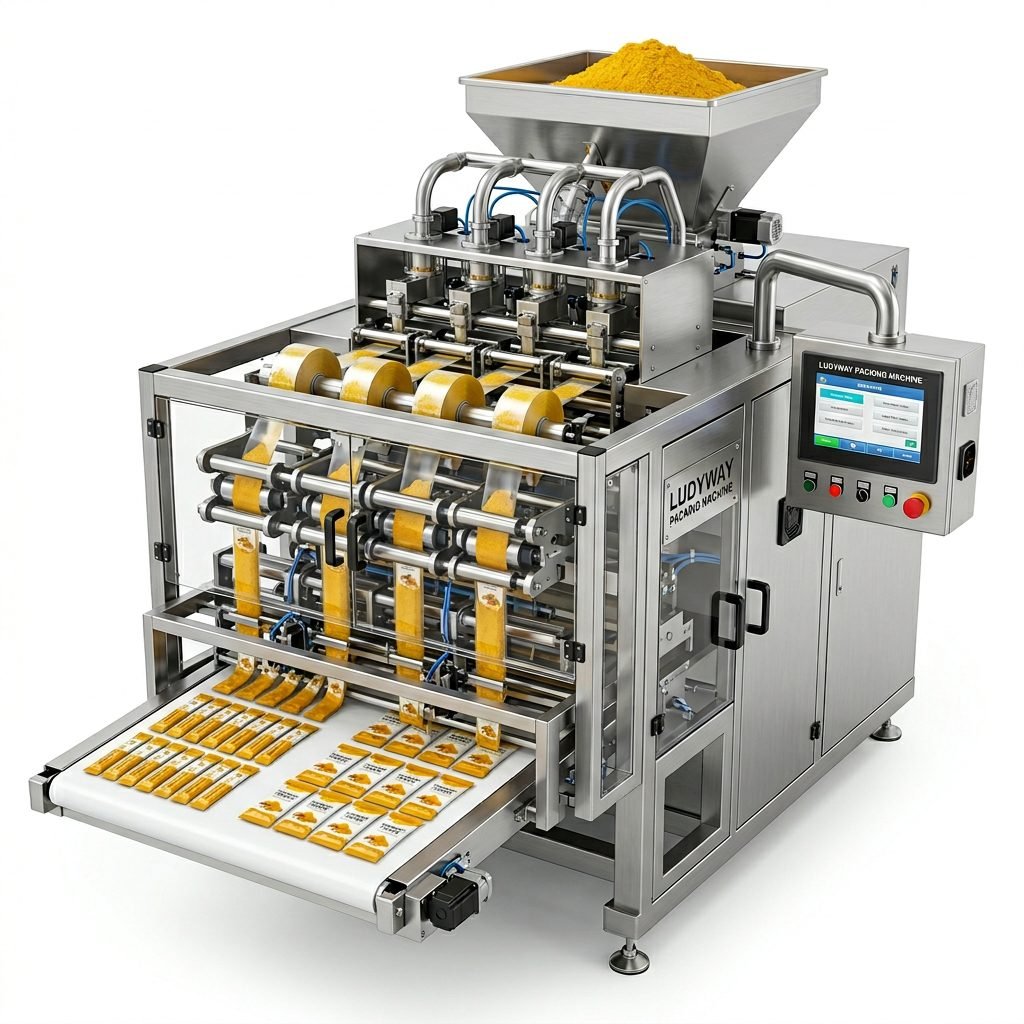
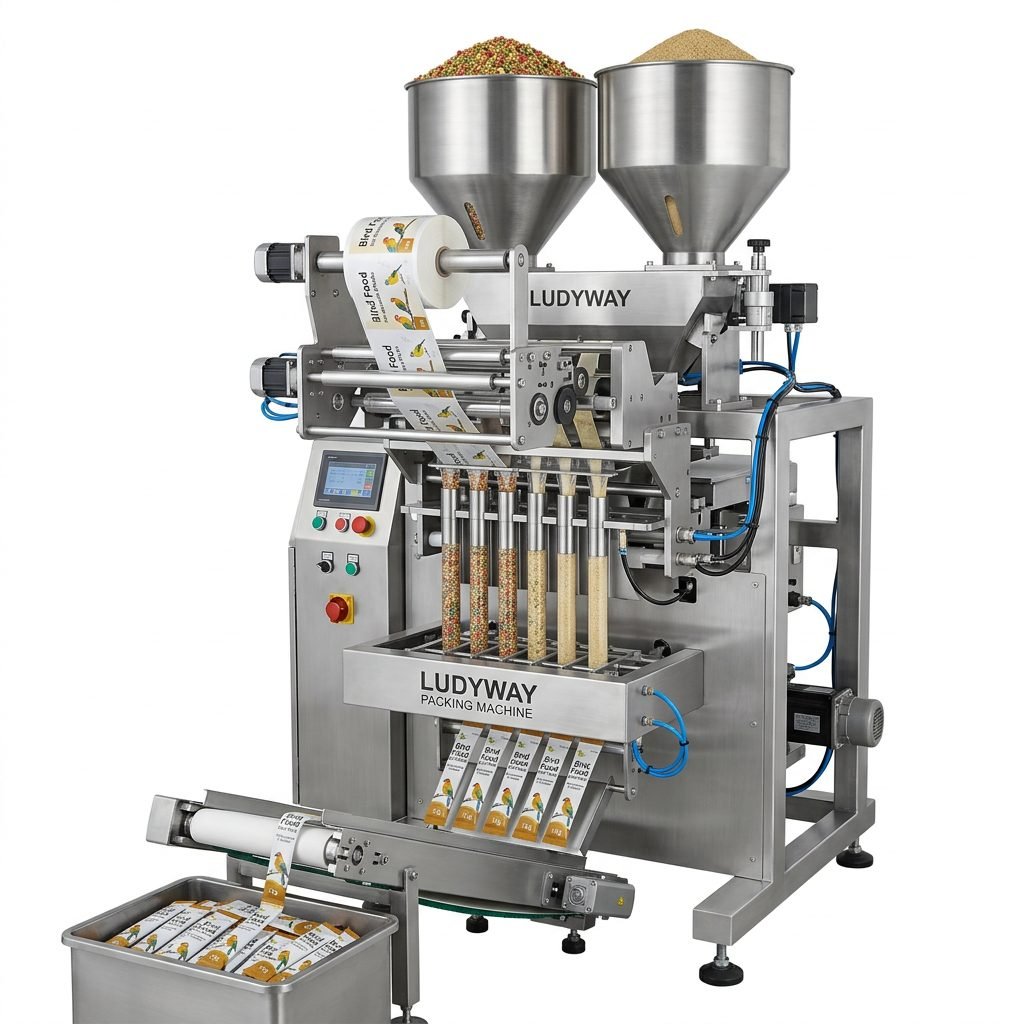
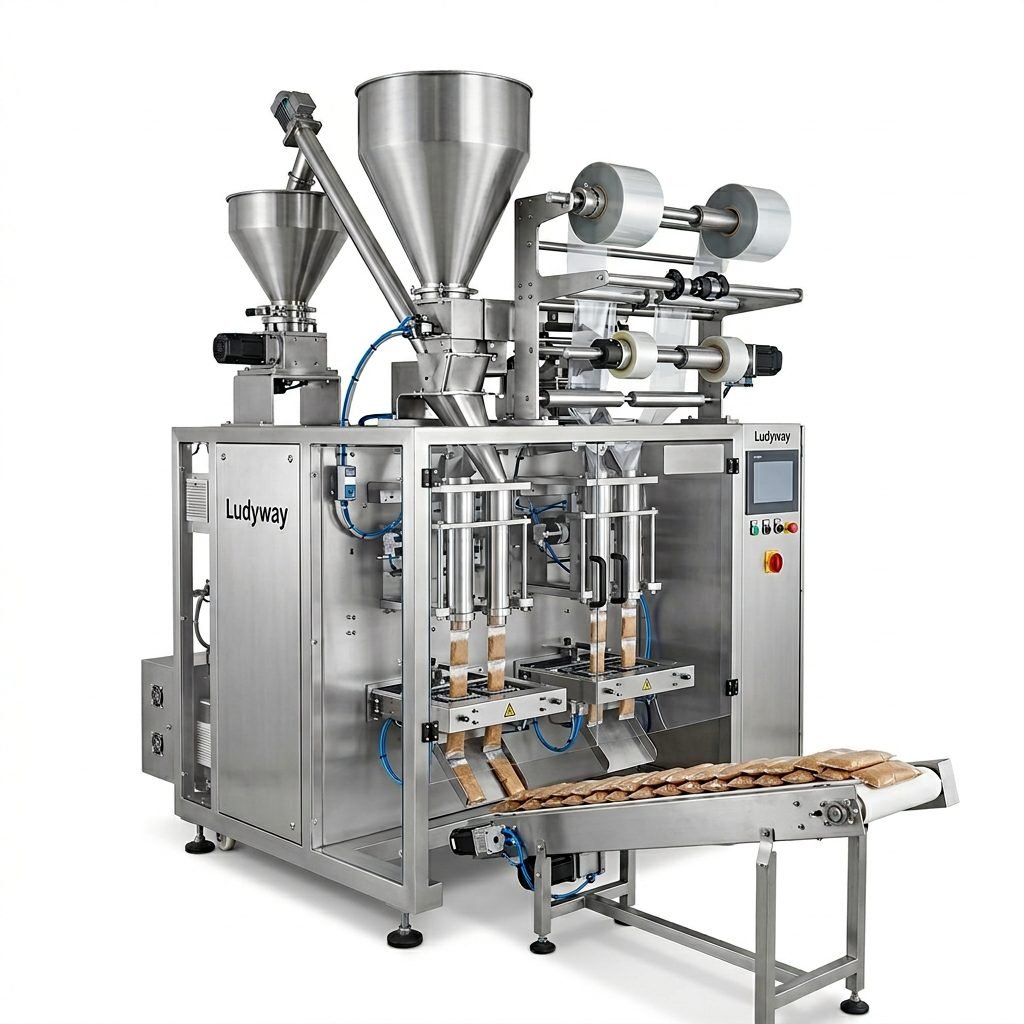
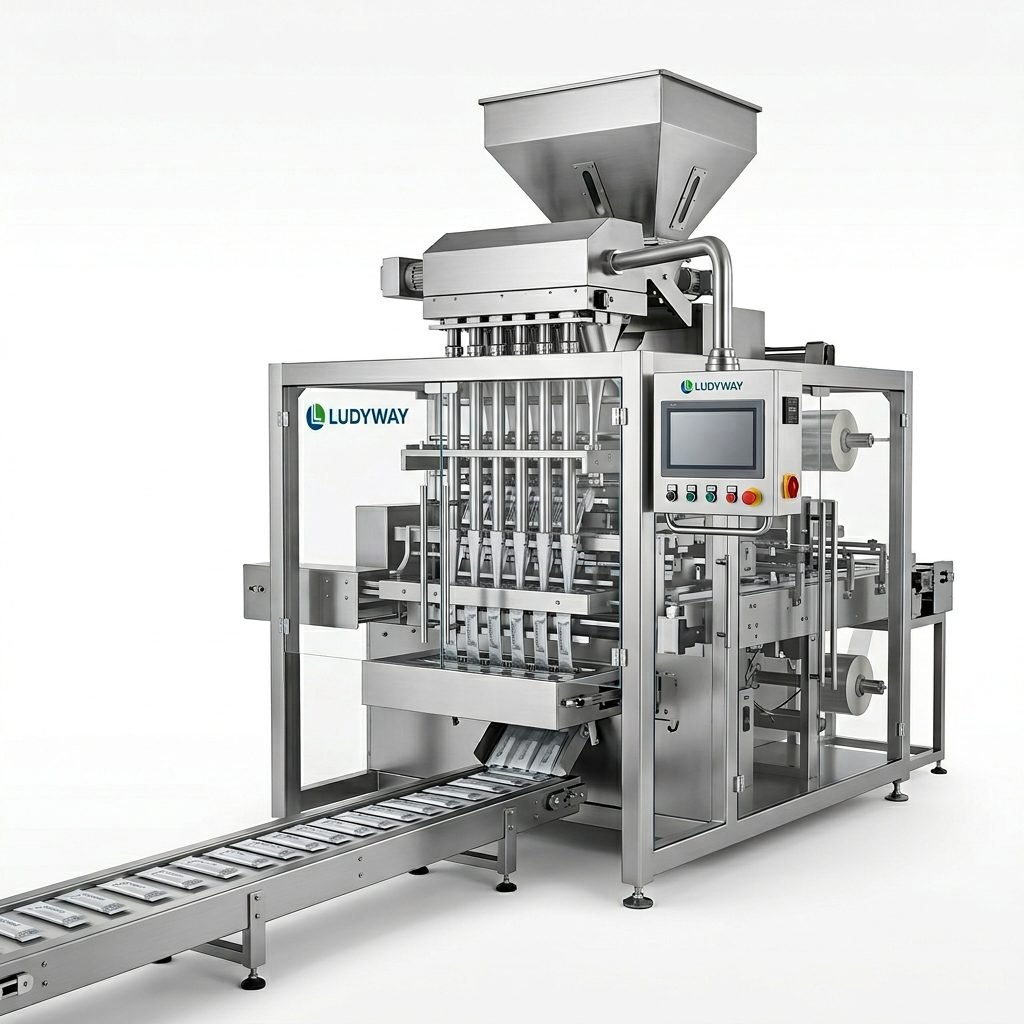
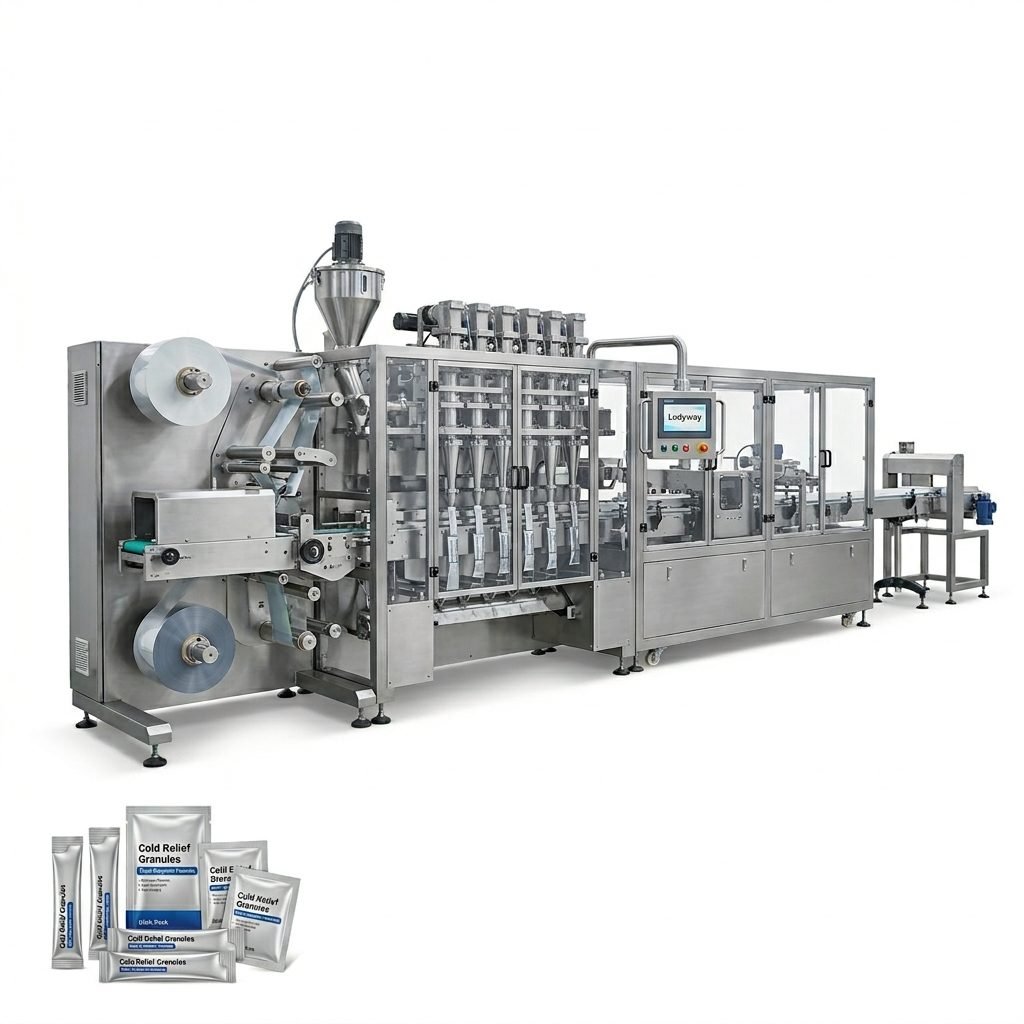
The physical properties of your product—whether it is free-flowing granules, sticky powders, or viscous liquids—determine the type of filling system required. For example, a multi-lane stick pack machine is ideal for single-serve sachets of sugar or coffee, whereas auger fillers are necessary for fine powders like flour or spices. Ensure the machine can handle the specific particle size and density of your materials to avoid downtime.
2. Speed and Automation Level
Balancing initial investment with production capacity is crucial. Manual or semi-automatic machines suit startups, but established businesses aiming for national distribution might require fully automatic multi-lane systems. High-speed packaging lines reduce labor costs and ensure uniformity, which is vital for products like pharmaceutical powders or instant drink mixes.
3. Packaging Format and Flexibility
Palestinian consumers are familiar with a variety of pack formats, such as stick packs, sachets, and 3-side-seal pouches. A versatile machine that allows quick changeovers between different packet sizes and styles provides a significant competitive edge. Modular systems that can adapt to future product lines are highly recommended.
4. Compliance with International Standards
For businesses involved in exports or high-end domestic retail, adherence to FDA, ISO, and European packaging regulations is non-negotiable. The machine must be constructed with food-grade stainless steel and feature easy-clean configurations. Reference sources like the PMMI resources or FDA packaging guidelines provide excellent benchmarks for quality standards.
Comparing Machine Types for Different Applications
The table below highlights common machine configurations suitable for the regional market and their typical use cases.
| Machine Type | Best For | Key Advantage |
|---|---|---|
| Multi-Lane Stick Pack | Coffee, sugar, salt, spices | High output, compact design |
| Auger Filler Sachet | Pharmaceutical powders, flour | Precision dosing, dust control |
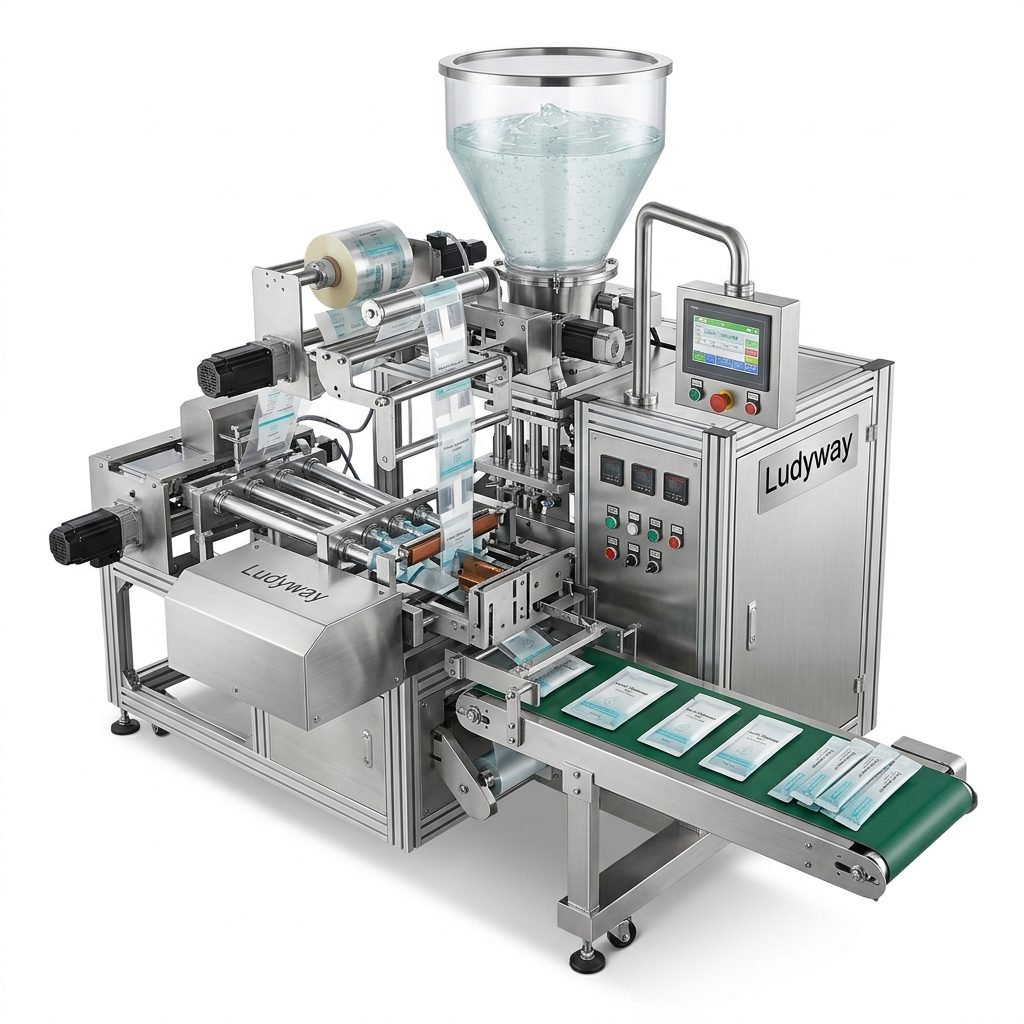
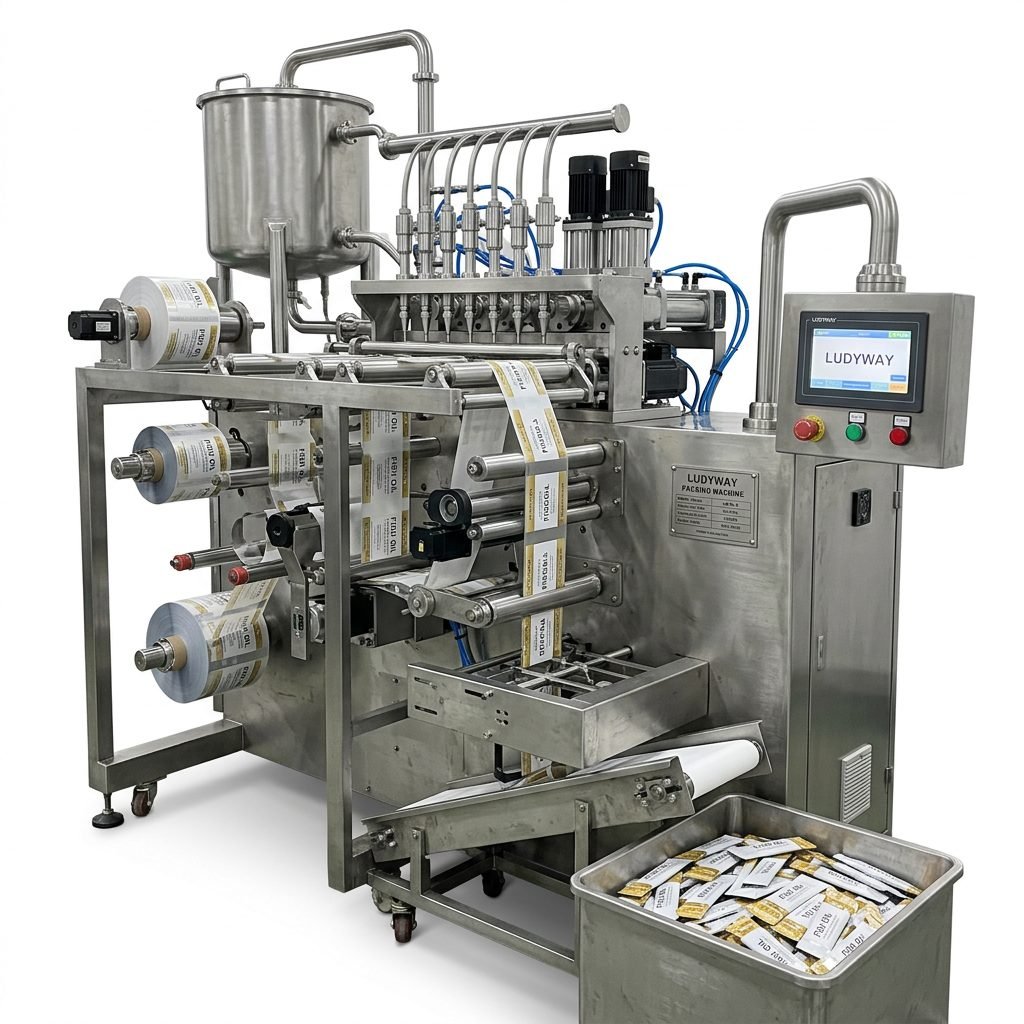
| Liquid Pouch Packing | Detergents, sauces, oils | Leak-proof sealing, IP-rated |
| Premade Pouch Rotary | Snacks, frozen foods, nuts | Premium visual appeal, resealable |
Supplier Support and After-Sales Service
In a market where immediate local technical support might be limited, choosing a manufacturer with strong remote support and video guidance capabilities is critical. Comprehensive after-sales service, including spare parts availability and operator training, ensures minimal disruption to your production schedule.
One of the leading companies serving this need globally is Ludyway, which has extensive experience exporting machinery to over 100 countries, including complex markets with specific logistical requirements. Their engineering team focuses on delivering turnkey solutions that encompass everything from initial powder handling to final cartoning.
5. Electrical Requirements and Environmental Considerations
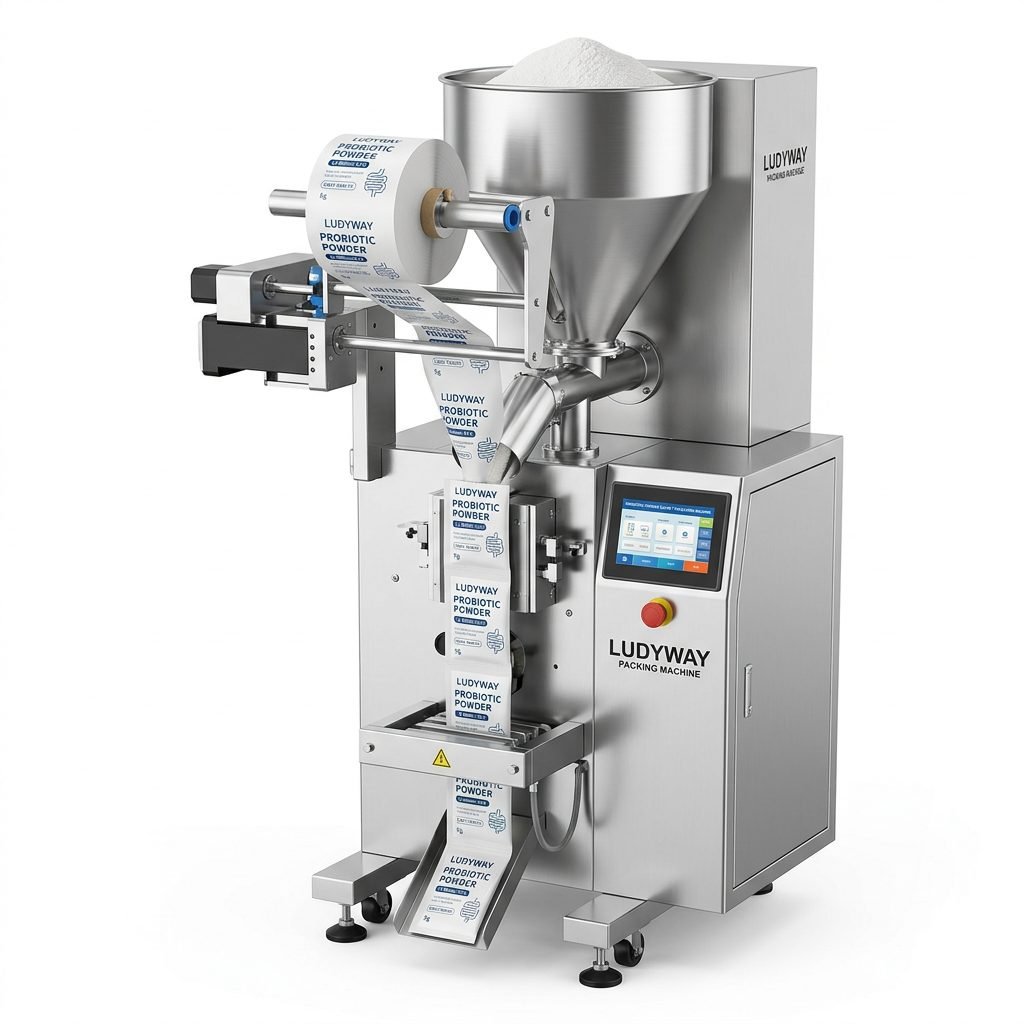
Ensure the machine’s voltage and phase requirements match local infrastructure. Additionally, consider the physical footprint of the equipment relative to your facility. Machines with energy-efficient drives and robust dust-proofing are better suited to the climate and utility conditions in some areas.
6. Total Cost of Ownership (TCO)
- Initial capital expenditure versus long-term operating costs.
- Energy consumption rates and compressed air requirements.
- Cost of consumable parts (e.g., sealing jaws, belts).
- Accessibility of local maintenance technicians.
Frequently Asked Questions for Buyers
Can one machine handle both powder and liquid products?
Generally, no. While some customizable packaging lines can be converted, the core dosing mechanisms differ. Liquids require piston or flow meter pumps, whereas powders need augers or volumetric cups. It is often more efficient to invest in separate, specialized stick pack or sachet machines to maintain high accuracy and hygiene.
What is the typical lead time for delivery to Palestine?
Standard lead times range from 30 to 90 days depending on the specification and customization. Working with established manufacturers like the one mentioned above, who have streamlined export processes, helps avoid delays. Always clarify shipping terms (FOB or CIF) relevant to Mediterranean ports before finalizing the order.
For more detailed insights on industry growth trends expected through 2026, you can check this market analysis report. Understanding global trends helps contextualize the local adoption of advanced packaging technologies.
Why Integration Matters: Beyond the Main Machine
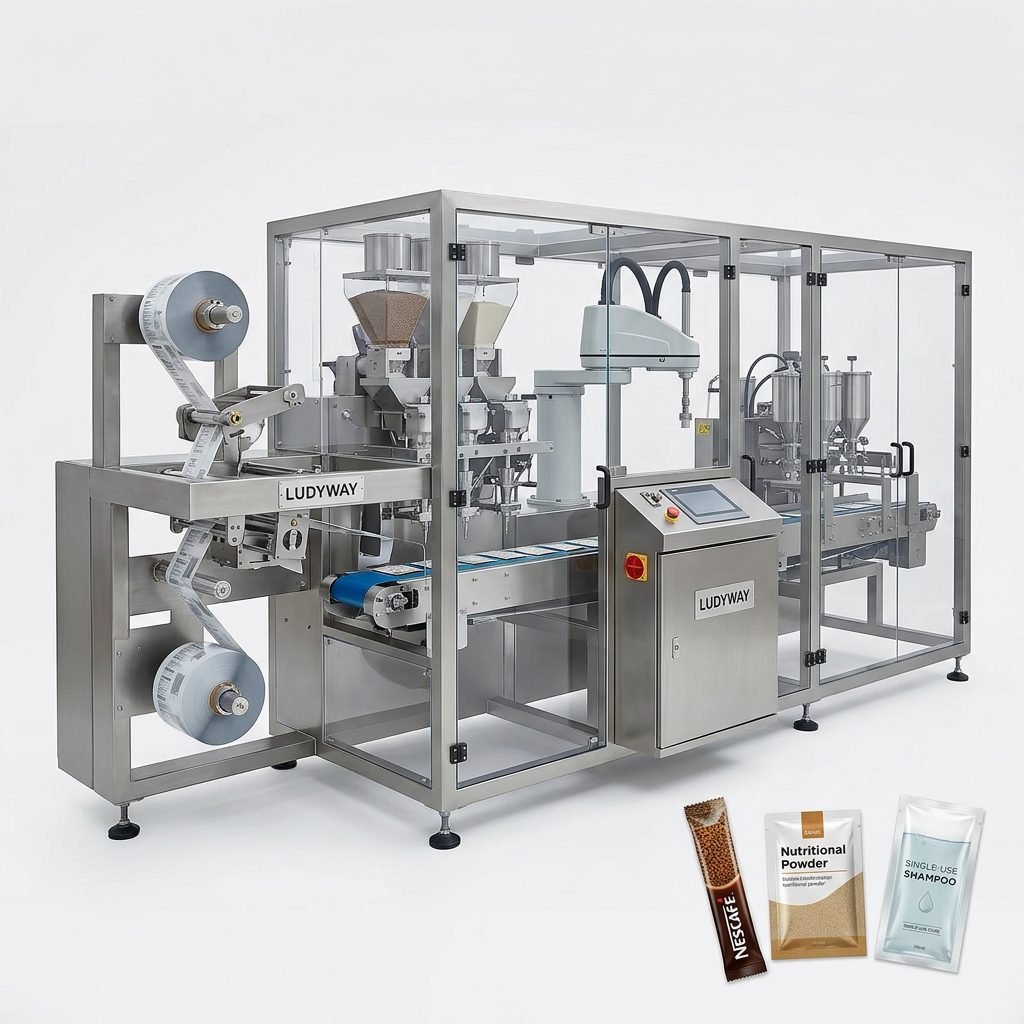
A packaging line is more than just the filler. To achieve a fully efficient operation, consider auxiliary equipment. Conveyors, checkweighers, and vision inspection systems are vital for quality control. Look for solutions that integrate robotic palletizing if you are targeting high-volume production in the competitive Palestinian retail sector.
Investing in the correct packaging technology is a transformative step for any manufacturing business. By prioritizing build quality, local compatibility, and supplier credibility, you secure not just a machine, but a long-term partnership that drives efficiency and market reputation.