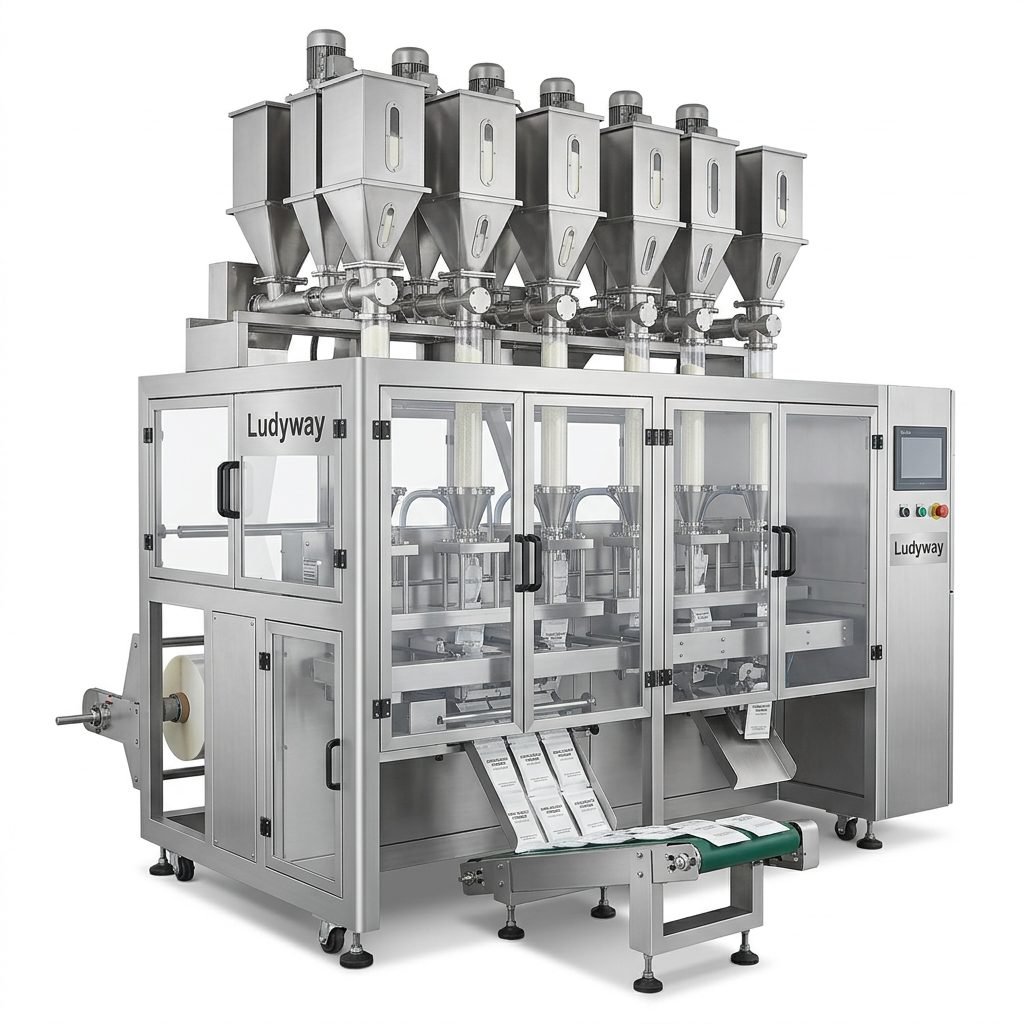
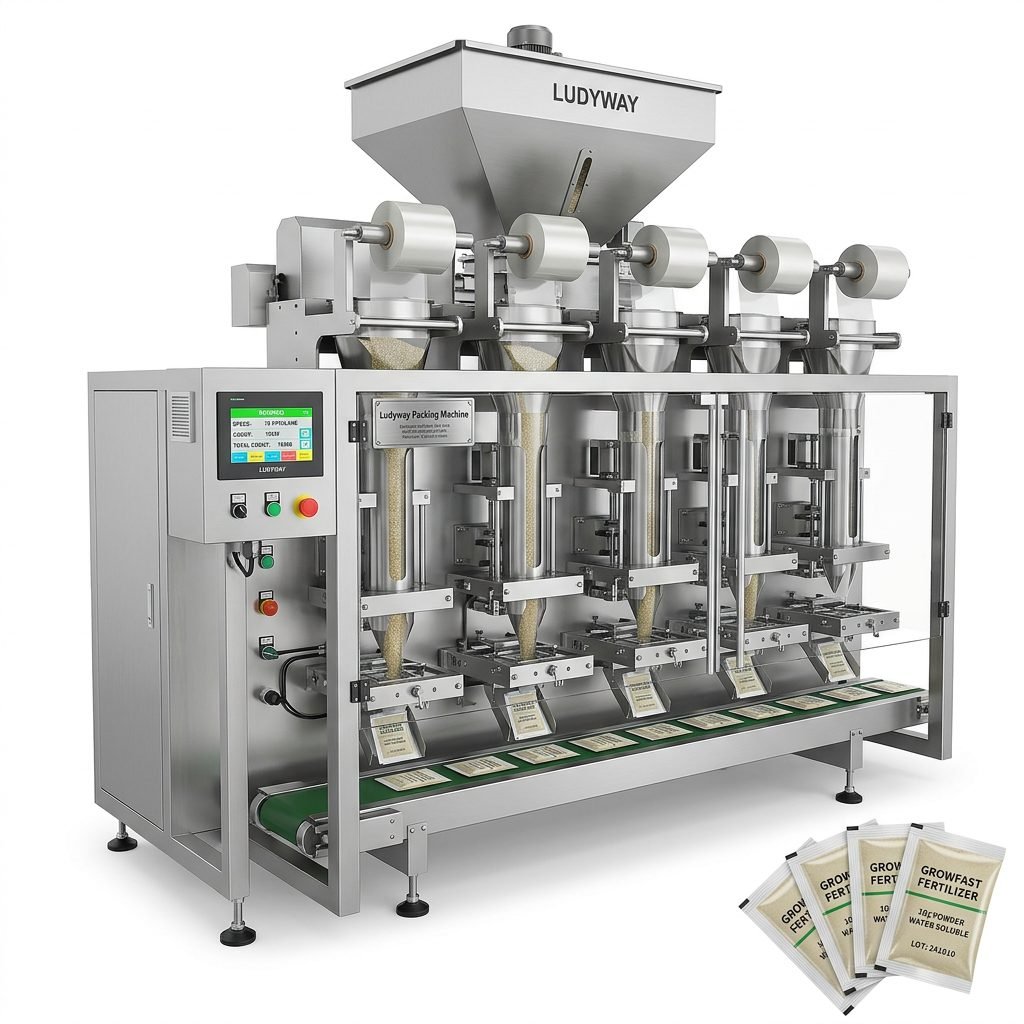
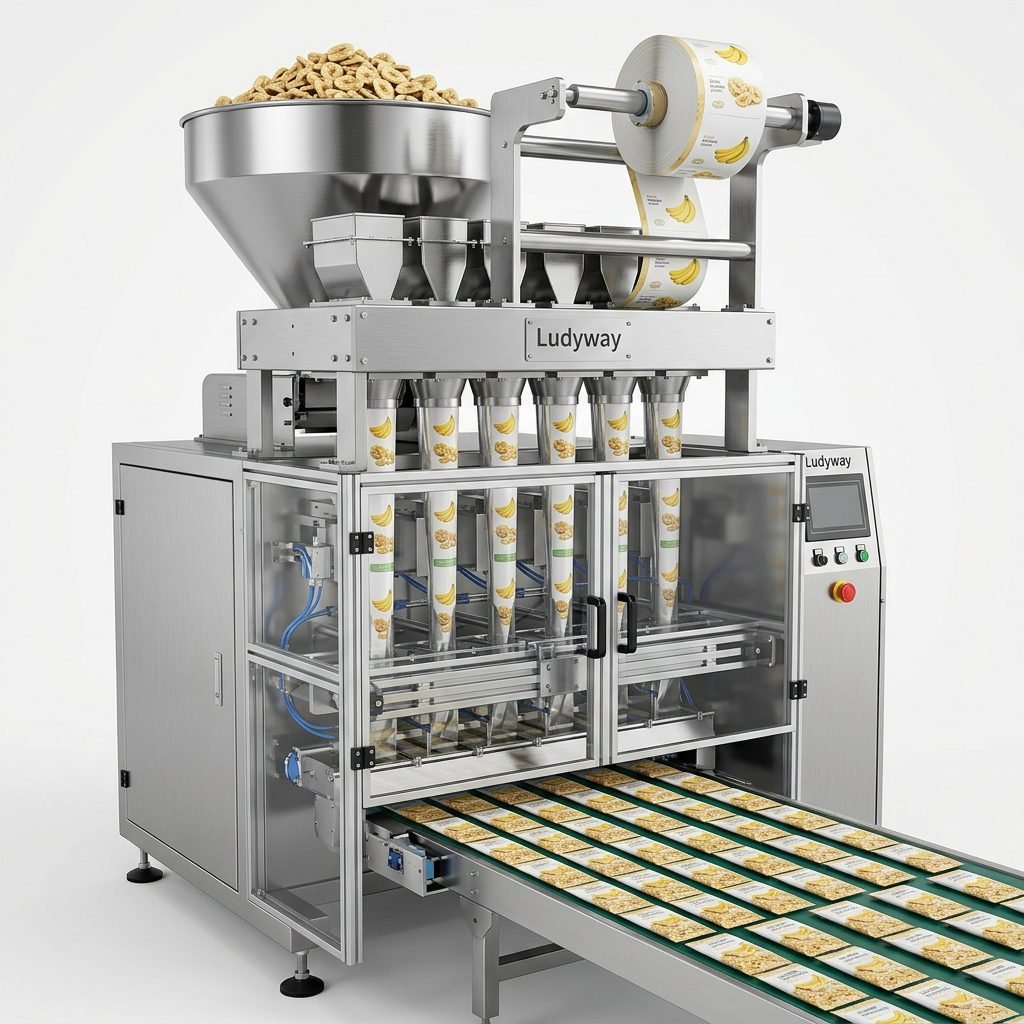
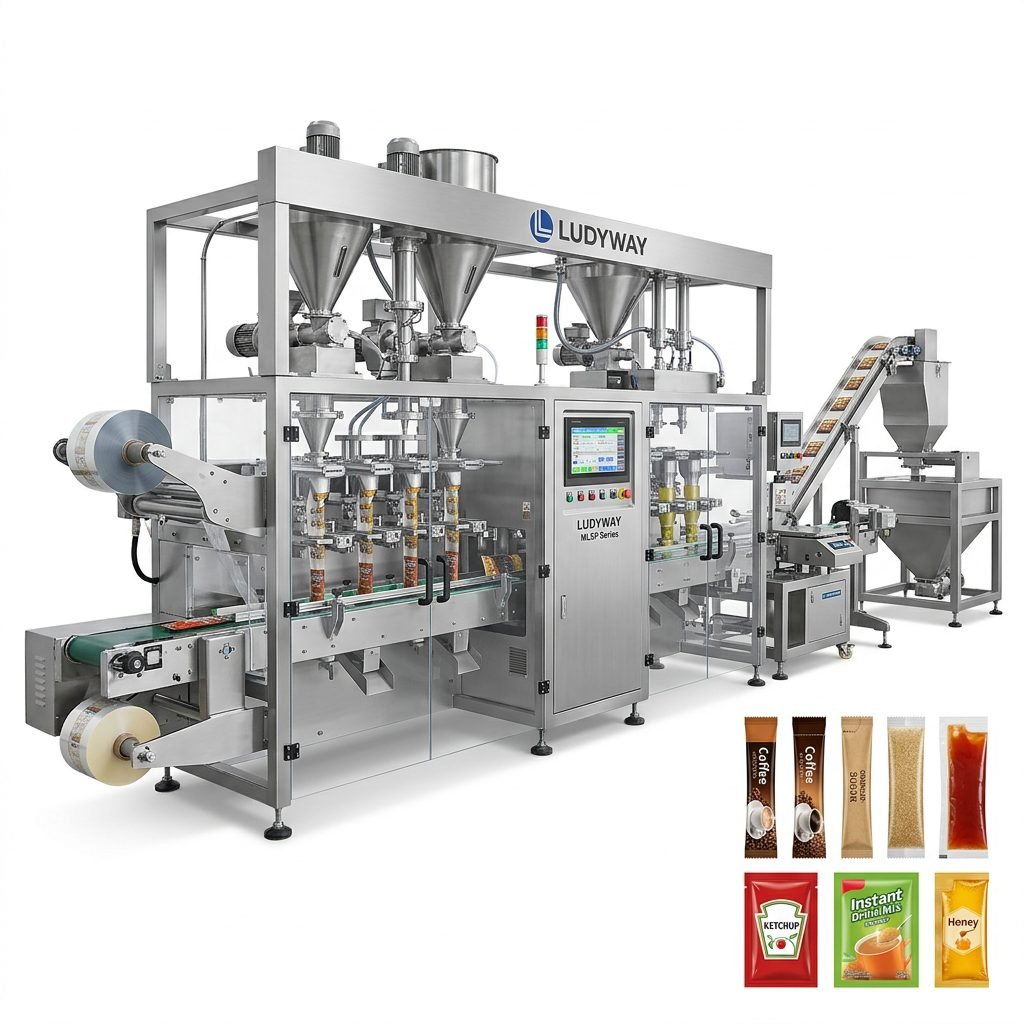
Regular maintenance of your tabletop skin packaging machine is essential for maximizing operational lifespan, ensuring consistent seal quality, and minimizing costly downtime. Whether you’re packaging retail products, electronics, or food items, a well-maintained packaging equipment delivers reliable performance and superior package presentation. This guide provides detailed, actionable maintenance procedures to keep your machine running at peak efficiency.
Daily Cleaning and Inspection Routine
The foundation of effective packaging machine maintenance begins with thorough daily cleaning. After each production run, residual film particles, dust, and product debris can accumulate on critical surfaces, affecting performance and seal quality over time.
- Heating Plate Surface: Wipe the heating element area with a soft, lint-free cloth to remove any film residue or carbon buildup. Avoid abrasive cleaners that could scratch the Teflon-coated surface.
- Seal Gasket Area: Inspect the rubber gasket for cuts, wear, or embedded debris. Clean with a mild detergent solution and dry completely before the next use.
- Vacuum Table Surface: Remove any loose particles from the perforated vacuum table. Clogged holes reduce vacuum efficiency and lead to poor film conformity.
- Film Roll Area: Check for dust accumulation around the film feed mechanism and remove any film scraps that may interfere with smooth feeding.

Heating System Maintenance
The heating system is the heart of any skin packaging equipment. Proper thermal performance directly affects film softening, adhesion strength, and cycle time. Neglecting this component leads to inconsistent seals and wasted materials.
- Temperature Calibration: Verify the thermostat accuracy monthly using an external infrared thermometer. A deviation of more than 5°F should trigger recalibration.
- Heating Element Inspection: Look for hot spots, discoloration, or uneven glow patterns on the heating element. Replace immediately if physical damage is visible.
- Wiring Connections: Tighten all electrical connections to the heating assembly quarterly. Loose connections generate heat, increase resistance, and pose fire hazards.
- Timer Accuracy: Test the heating cycle timer against a stopwatch to ensure pre-set dwell times match actual operation.
For detailed guidance on packaging standards and equipment specifications, refer to ISO guidelines that govern industrial packaging machinery safety and performance requirements.
Vacuum System Care
A properly functioning vacuum system ensures tight film conformity around your products. The tabletop vacuum pump requires consistent attention to maintain the suction power needed for professional-grade skin packaging results.
- Oil Level Check: For oil-lubricated pumps, check the oil level weekly. Milky or contaminated oil indicates moisture ingress and requires immediate replacement.
- Filter Cleaning: Clean or replace intake filters monthly. Clogged filters force the pump to work harder, reducing its lifespan and increasing energy consumption.
- Hose Integrity: Inspect all vacuum hoses for cracks, kinks, or loose connections. Even small leaks significantly degrade vacuum performance.
- Bleed Valve Operation: Test the vacuum release valve for smooth operation. A sticking valve can prevent proper film release after the cycle.

Seal Frame and Gasket Upkeep
The seal frame assembly is subjected to repeated heating and cooling cycles, which eventually leads to material fatigue. Proactive gasket maintenance prevents air leaks that compromise package integrity.
- Gasket Condition: Examine the silicone rubber gasket for compression set, cracking, or hardening. Replace gaskets annually or sooner if visible degradation occurs.
- Frame Alignment: Check that the seal frame closes evenly on all sides. Misalignment causes uneven pressure distribution and weak seal spots.
- Hinge Lubrication: Apply food-grade lubricant to frame hinges every three months. Avoid petroleum-based products that could contaminate packaging materials.
- Clamping Mechanism: Test the clamping force and adjust as needed. Insufficient clamping allows air leakage; excessive force prematurely wears gaskets.
Film Feed System Adjustments
Smooth film feeding is critical for maintaining production speed and minimizing material waste. The film tensioning system requires periodic adjustments as film roll diameters change and mechanical components wear.
- Tension Control: Verify that film tension remains consistent throughout the roll. Uneven tension causes wrinkles or film stretching during the heating cycle.
- Roller Bearings: Check all guide rollers for free rotation. Sticking rollers create drag that affects film feed accuracy and can scratch film surfaces.
- Cutting Blade Sharpness: Inspect film cutoff blades weekly. Dull blades tear film unevenly and create jagged edges on finished packages.
- Film Tracking: Ensure film tracks centrally through the machine. Off-center feeding leads to uneven coverage and wasted trim material.
Electrical System Safety Checks
Electrical components in a tabletop packaging machine operate under high current loads, especially during the heating cycle. Routine electrical inspections protect both operator safety and equipment reliability.
- Power Cord Condition: Inspect the power cord for fraying, cuts, or exposed wiring. Replace damaged cords immediately to prevent shock hazards.
- Emergency Stop Function: Test the emergency stop button weekly. This critical safety feature must instantly cut power to all machine functions.
- Ground Connection: Verify proper electrical grounding using a multimeter. A failed ground connection creates serious operator safety risks.
- Control Panel Connections: Tighten terminal screws inside the control panel annually. Vibration from machine operation can loosen electrical connections over time.
Industry resources from flexible packaging associations offer valuable guidance on material compatibility and proper film handling techniques for skin packaging applications.
Preventive Maintenance Schedule
Implementing a structured maintenance schedule prevents unexpected breakdowns and extends your machine’s service life. Use the following table as a baseline for your skin packaging machine maintenance program.
| Maintenance Task | Frequency | Responsible Party |
|---|---|---|
| Clean heating plate and vacuum table | Daily | Operator |
| Inspect gasket for wear and clean seal frame | Weekly | Operator |
| Check vacuum pump oil level and filter | Monthly | Maintenance Tech |
| Calibrate thermostat and verify timer accuracy | Monthly | Maintenance Tech |
| Lubricate hinges and inspect roller bearings | Quarterly | Maintenance Tech |
| Replace vacuum pump oil and filters | Semi-Annually | Maintenance Tech |
| Replace seal gasket and inspect all wiring | Annually | Qualified Technician |
| Full electrical system audit and safety check | Annually | Certified Electrician |
Common Troubleshooting Scenarios
Even with diligent maintenance, operators may encounter performance issues. Understanding the root causes of common problems allows for faster resolution and reduced downtime.
- Problem: Weak or incomplete seals — Likely Causes: Low heating temperature, worn gasket, insufficient vacuum, or contaminated film surface. Verify thermostat calibration and check for gasket compression set.
- Problem: Film wrinkles or bubbles — Likely Causes: Uneven film tension, clogged vacuum holes, or overheating. Clean the vacuum table thoroughly and adjust film tension settings.
- Problem: Excessive cycle time — Likely Causes: Weak vacuum pump performance, clogged filters, or heating element degradation. Inspect the vacuum system and replace filters as needed.
- Problem: Burning odor during operation — Likely Causes: Accumulated film residue on the heating plate, electrical overheating, or insufficient ventilation. Clean the heating surface immediately and check electrical connections.
Lubrication Best Practices
Proper lubrication reduces friction wear on moving components and ensures smooth mechanical operation of your skin packaging machine. Using the correct lubricant type is as important as the lubrication frequency.
- Food-Grade Compatibility: If packaging food products, always use NSF H1 registered food-grade lubricants to prevent contamination risks.
- Application Points: Focus on hinge pins, guide rod bushings, chain drives, and any sliding contact surfaces identified in the manufacturer’s manual.
- Avoid Over-Lubrication: Excess lubricant attracts dust and debris, creating abrasive paste that accelerates component wear. Apply sparingly and wipe away excess.
- Documentation: Maintain a lubrication log noting dates, lubricant types, and application points for consistent maintenance tracking.
Film and Material Considerations
The quality of packaging materials directly impacts machine performance and maintenance requirements. Using the correct flexible packaging materials for your specific application reduces strain on machine components and improves output quality.
- Film Thickness Compatibility: Verify that your machine’s heating system can properly handle the film gauge you’re using. Overly thick films require higher temperatures that accelerate component wear.
- Storage Conditions: Store film rolls in a cool, dry environment. Humidity absorption changes film properties and can cause inconsistent heating behavior.
- Core Size Matching: Ensure film roll cores match your machine’s mandrel specifications. Improper fit causes feed issues and potential damage to the unwind mechanism.
- Supplier Consistency: Source film from reputable suppliers with consistent manufacturing quality. Variability in film properties between batches forces frequent machine adjustments and increases scrap rates.

Operator Training and Documentation
Well-trained operators are your first line of defense against preventable machine damage. Comprehensive training combined with clear documentation ensures consistent maintenance execution across all shifts.
- Standard Operating Procedures: Develop written SOPs for startup, shutdown, cleaning, and basic troubleshooting. Post these procedures visibly near the machine.
- Maintenance Logs: Keep detailed records of all maintenance activities, including dates, parts replaced, and observations. These logs help identify recurring issues and predict component lifecycles.
- Hands-On Training: Provide practical training sessions for new operators covering proper machine operation and basic maintenance tasks before independent operation.
- Manufacturer Resources: Retain the original equipment manual and keep updated contact information for technical support and spare parts ordering.
Spare Parts Inventory Management
Maintaining a strategic inventory of critical spare parts minimizes downtime when components inevitably require replacement. Prioritize parts that are most likely to wear and those with longer procurement lead times.
- Seal Gaskets: Keep at least two replacement gaskets in stock. These are the most frequently replaced wear items in any skin packaging operation.
- Heating Elements: Store a backup heating element appropriate for your machine model. Element failure typically occurs without warning.
- Vacuum Pump Oil and Filters: Maintain adequate supplies for scheduled oil changes and unexpected filter replacement needs.
- Fuses and Basic Electrical Components: Stock the specific fuses, relays, and switches used in your machine’s control panel for quick electrical repairs.
Professional Service and Support
While routine maintenance can be performed by trained in-house personnel, certain tasks require professional expertise. Annual comprehensive inspections by qualified packaging machinery technicians can identify developing issues before they cause production disruptions. For businesses seeking reliable equipment partners, Ludyway provides comprehensive after-sales support and technical guidance for packaging machinery operations worldwide. Accessing resources from packaging industry intelligence platforms can also help you stay informed about the latest maintenance technologies and best practices.
Conclusion
Consistent, documented maintenance of your tabletop skin packaging machine is an investment that pays dividends through extended equipment life, reduced downtime, and consistently high-quality packaging output. By implementing the daily, weekly, monthly, and annual maintenance procedures outlined in this guide, you protect your capital investment and maintain the production reliability your business depends on. A proactive approach to machinery care always costs less than reactive emergency repairs.