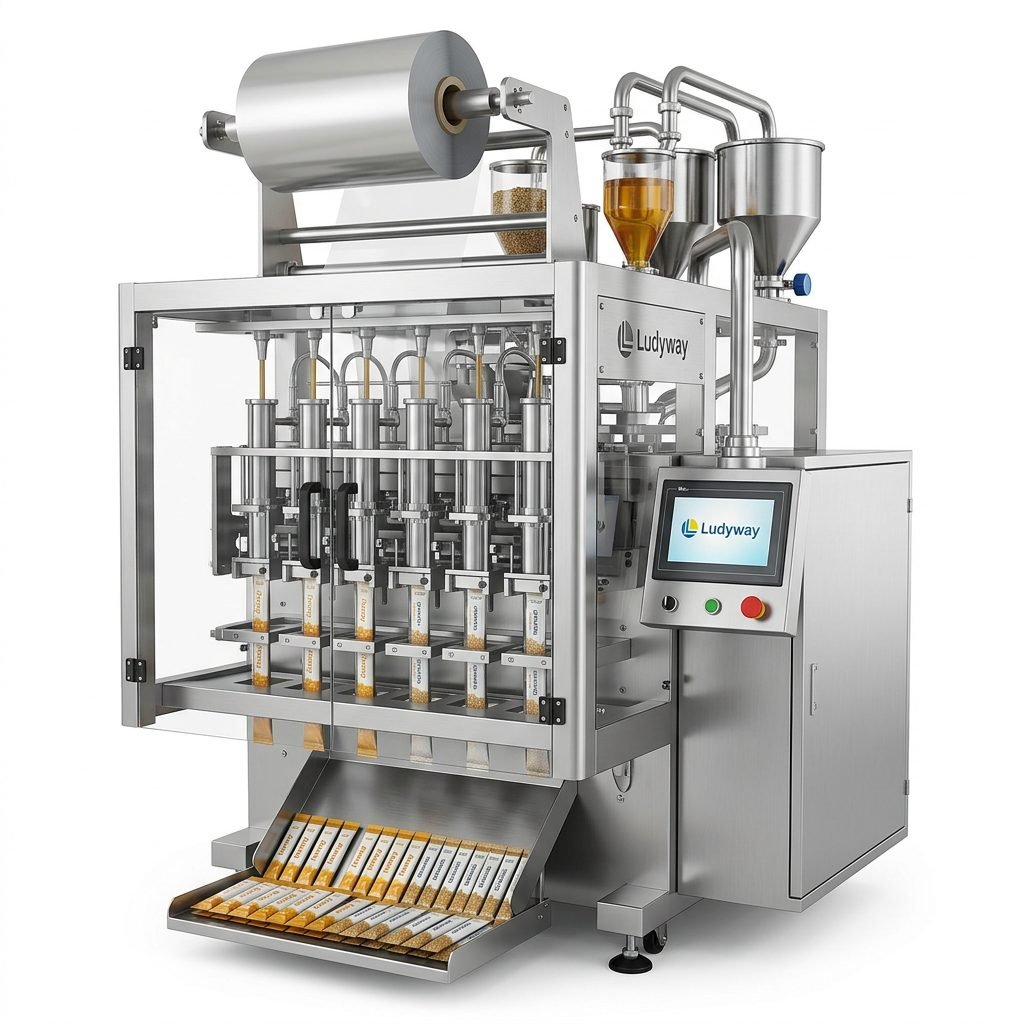
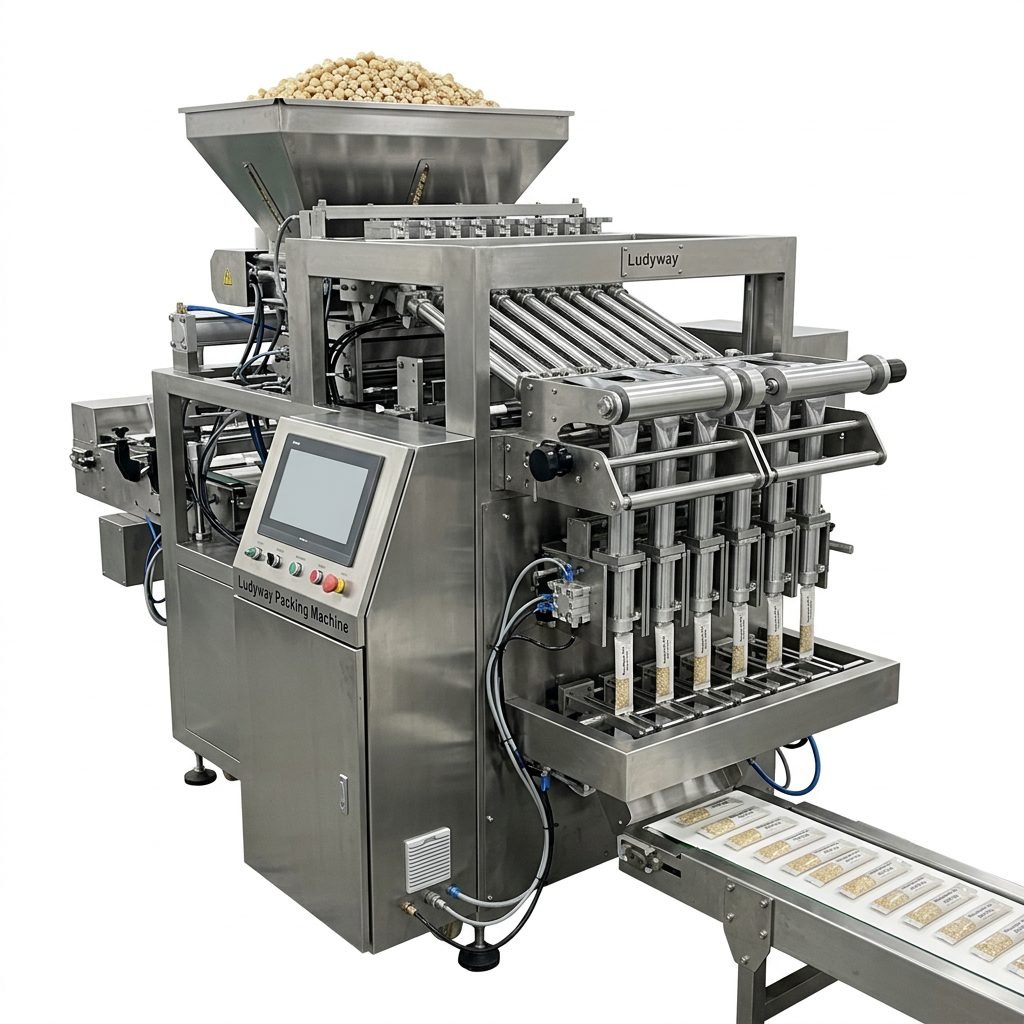
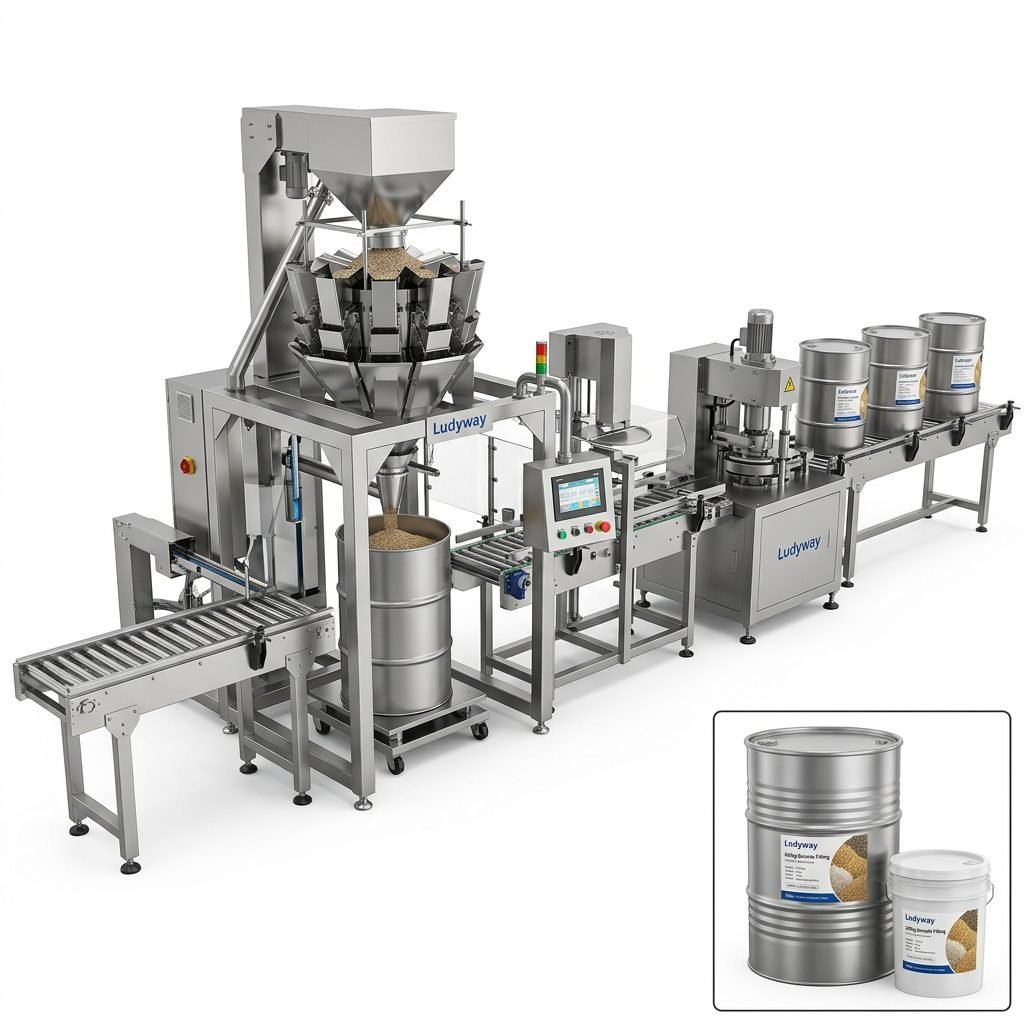
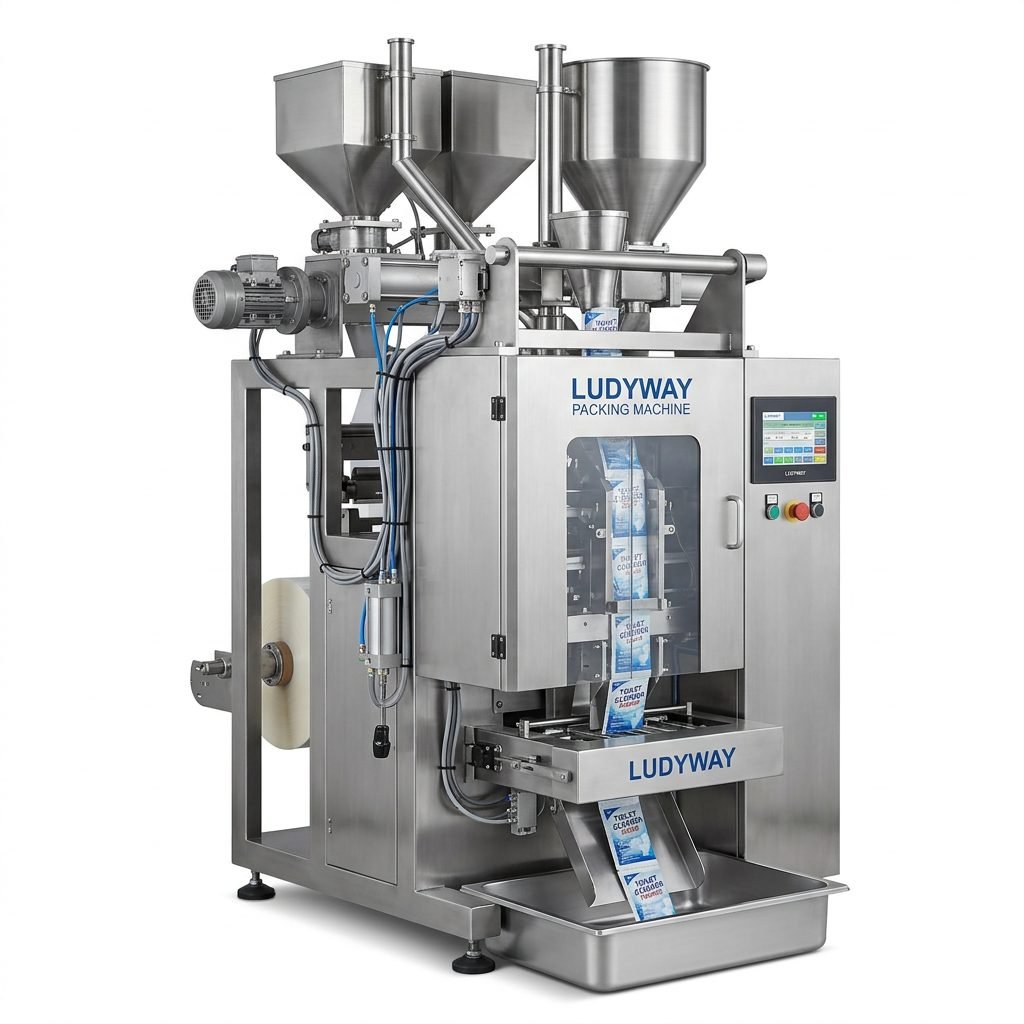
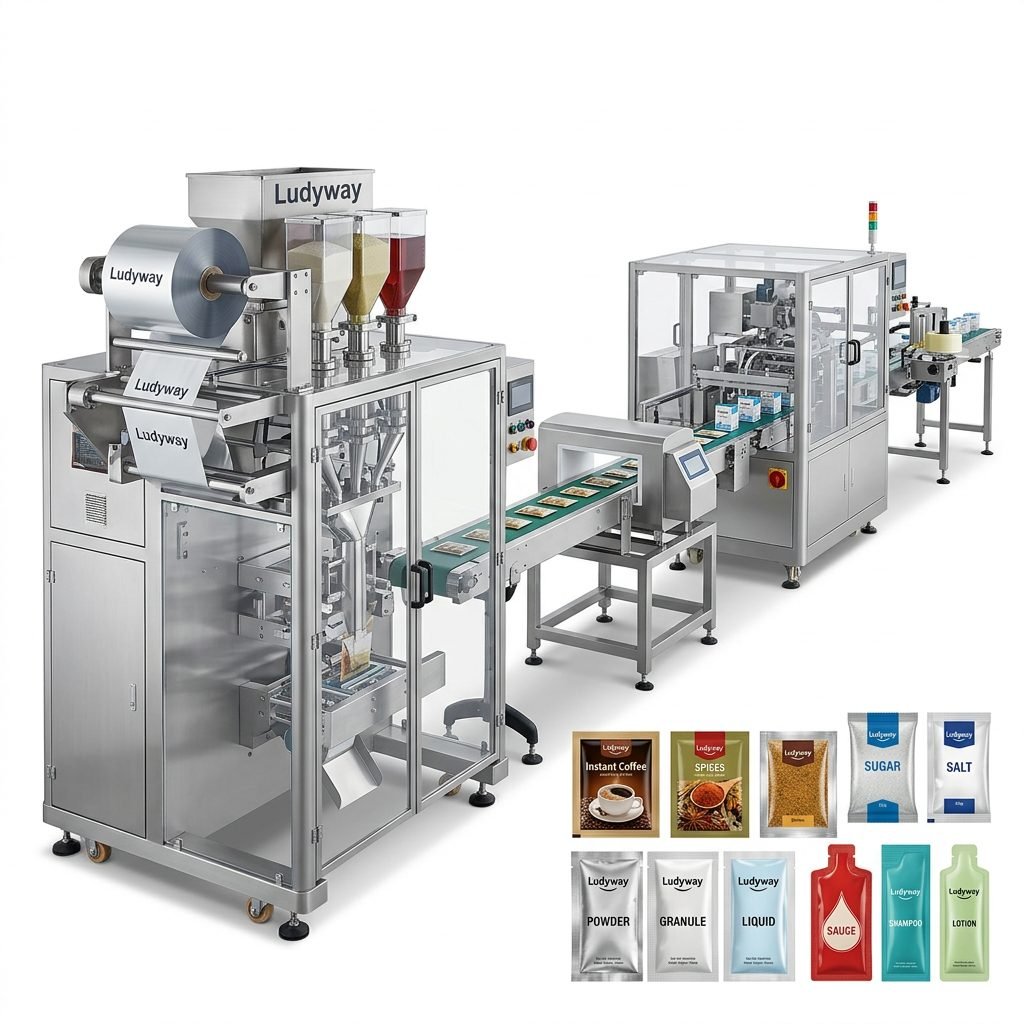
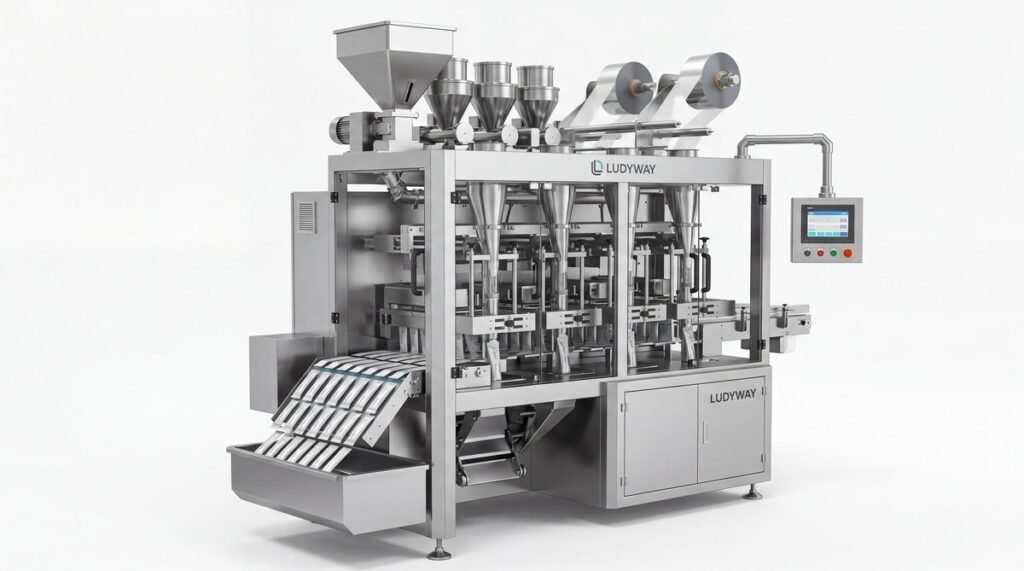
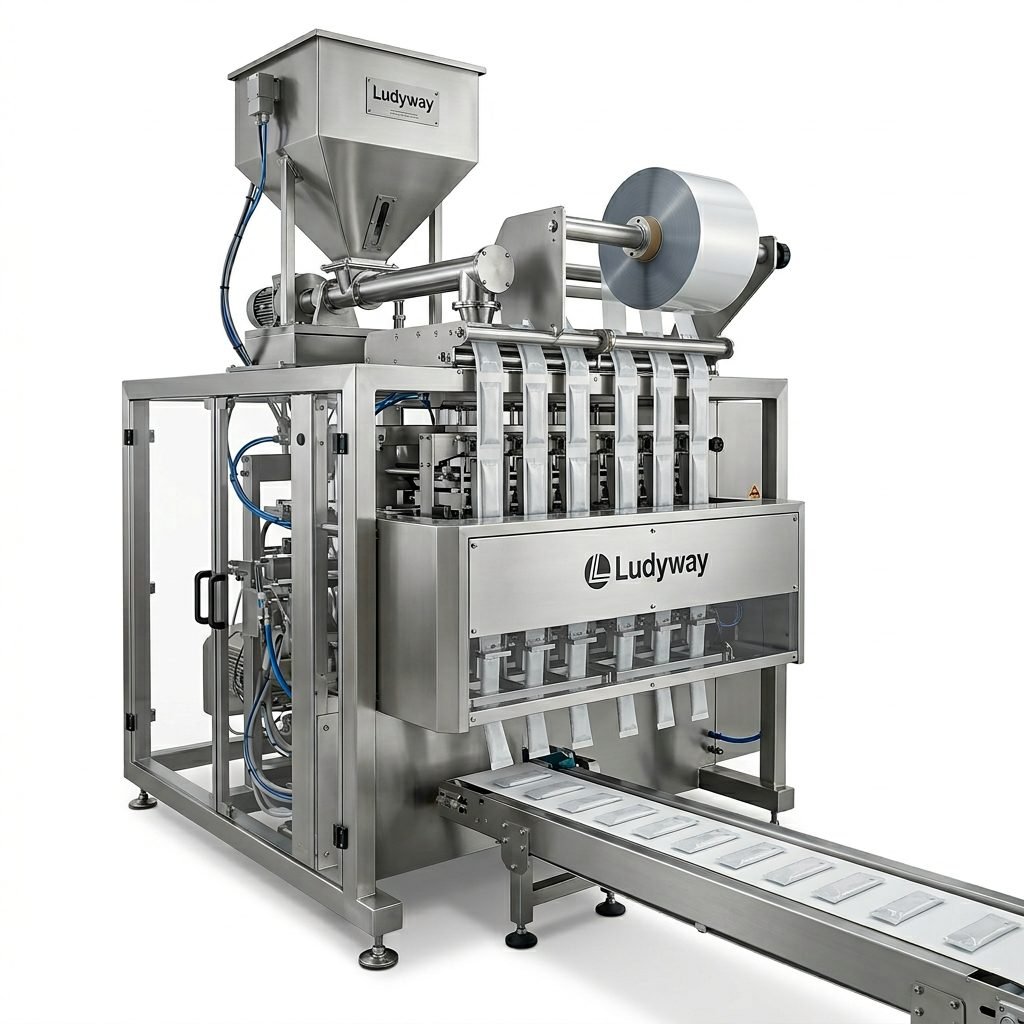
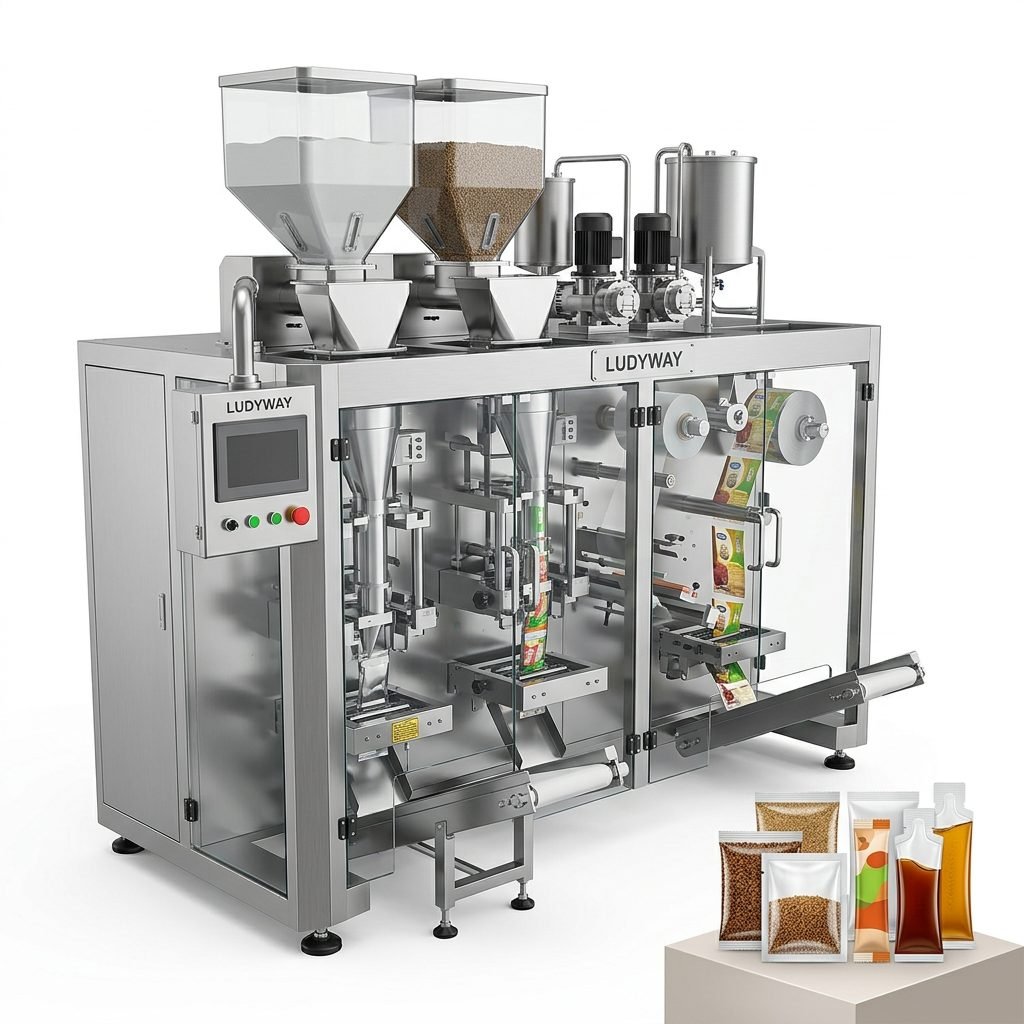
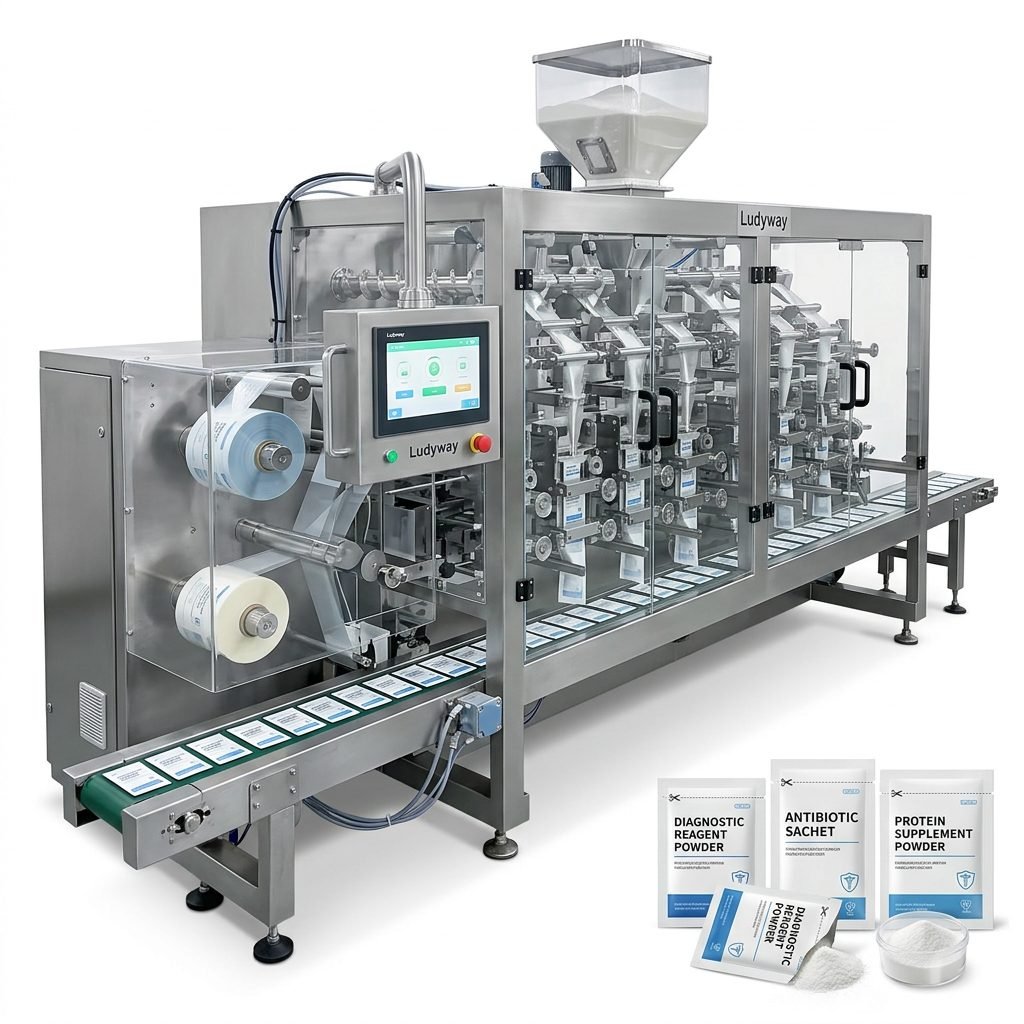
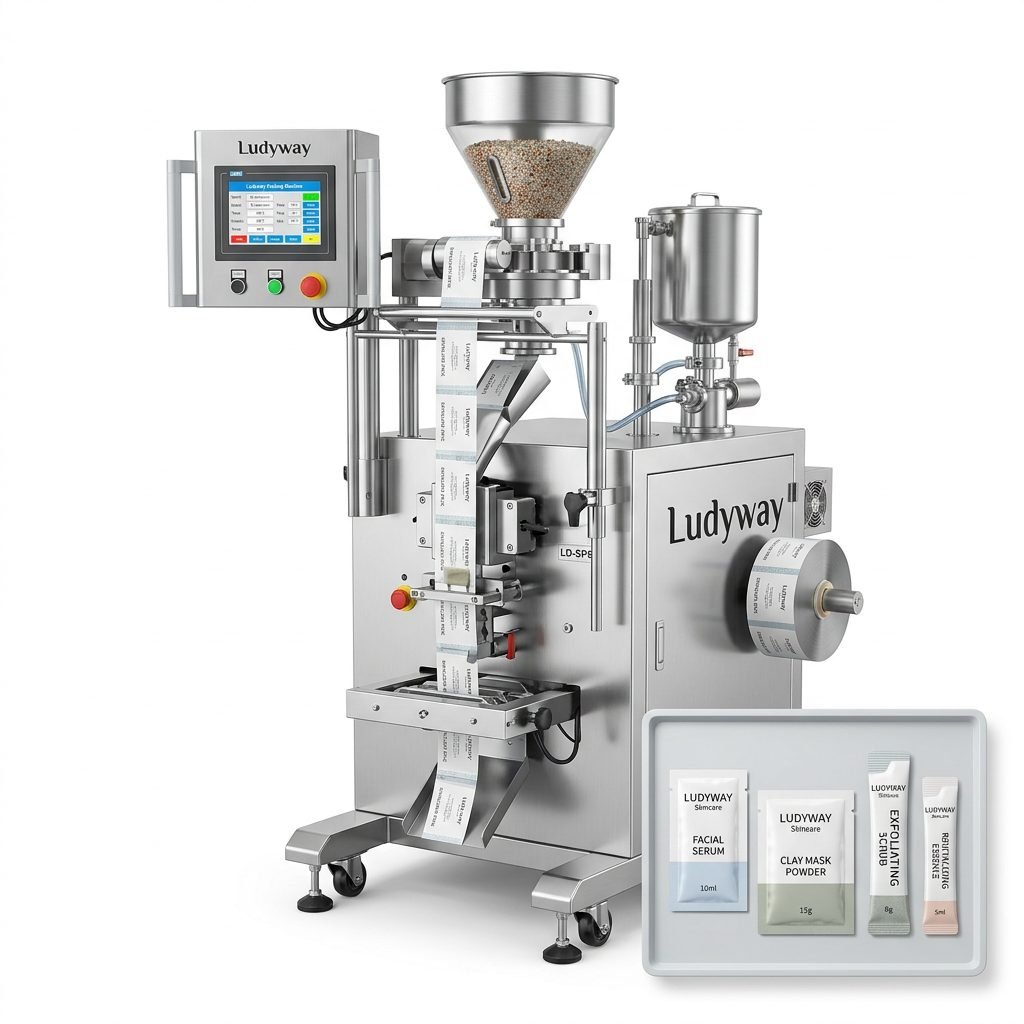
Keeping your automatic bottle packing machine operating at peak performance requires more than just turning it on each morning. A structured maintenance program protects your investment, prevents costly downtime, and ensures consistent product quality. Whether you run a single packaging line or a fully integrated production facility, following essential maintenance tips will extend equipment lifespan and improve overall operational efficiency.

Why Preventive Maintenance Matters for Bottle Packing Machines
An automatic bottle packing machine integrates mechanical, electrical, and pneumatic systems that work under continuous motion. Without regular upkeep, wear and tear on sealing jaws, filling nozzles, conveyors, and sensors can lead to inconsistent fills, poor seal integrity, and unexpected breakdowns. A preventive approach reduces emergency repairs, maintains production targets, and helps comply with food safety or pharmaceutical regulations.
Key Benefits of a Consistent Maintenance Routine
- Extended Equipment Life: Routine lubrication and cleaning reduce friction and component degradation.
- Consistent Packaging Quality: Well-maintained machines deliver accurate fill volumes and strong seals.
- Reduced Unplanned Downtime: Early detection of worn parts prevents sudden line stops.
- Energy Efficiency: Clean motors and properly tensioned belts consume less power.
- Compliance Readiness: Documented maintenance logs support audits and certifications.
Daily Maintenance Checklist
Operators should perform a quick set of checks at the start and end of each shift. These daily habits catch issues before they escalate.
| Task | Action | Frequency |
|---|---|---|
| Visual Inspection | Check for loose hardware, damaged cables, or air leaks. | Every shift |
| Clean Fill Nozzles | Wipe away product residue to prevent clogging and cross-contamination. | End of each shift |
| Conveyor Belt Check | Inspect tracking and tension; remove debris from rollers. | Every shift |
| Sensor Function | Test bottle presence sensors, cap detection, and eject mechanisms. | Start of each shift |
| Drain Air Filters | Release moisture from compressed air filters to protect pneumatic components. | Daily |
Weekly Maintenance Tasks
More thorough inspections should be scheduled weekly. These tasks require a slightly longer window but remain relatively quick to perform.
- Lubricate moving parts according to the manufacturer’s specifications, focusing on chains, cams, and guide rails.
- Inspect sealing jaws and heating elements for product buildup or uneven wear that could compromise seal quality.
- Check vacuum and pressure levels for cap pick-and-place systems, adjusting settings as needed.
- Tighten fasteners on bottle star wheels, filling heads, and capping chucks to prevent misalignment.
- Review error logs from the HMI or PLC system to identify recurring alarms or faults.

Monthly and Quarterly Deep Maintenance
Longer intervals allow for component-level servicing. A well-planned monthly maintenance schedule prevents gradual performance decline.
Monthly Checklist
- Replace worn wear strips on conveyor guides to prevent bottle tipping or jams.
- Calibrate filling volume with test weights to maintain accuracy within specified tolerances.
- Clean electrical cabinets with dry compressed air; inspect for dust accumulation that could cause overheating.
- Verify safety interlocks and emergency stop functionality across all stations.
Quarterly Checklist
- Inspect gearboxes and drive belts for signs of cracking, glazing, or misalignment.
- Flush and clean complete liquid paths if the machine handles viscous or sediment-prone products.
- Review pneumatic cylinder seals and replace any showing sluggish movement or air bypass.
- Update firmware or software if new versions address known bugs or improve functionality.
Common Troubleshooting Scenarios and Solutions
Even with a solid maintenance plan, occasional issues arise. Here are frequent problems and how to address them quickly.
| Problem | Probable Cause | Corrective Action |
|---|---|---|
| Inconsistent fill levels | Clogged nozzle or air in product line | Clean nozzle thoroughly; bleed product line |
| Poor seal integrity | Contaminated sealing surface or low temperature | Clean sealing bar; verify setpoint temperature |
| Bottles tipping or jamming | Worn guide rails or incorrect conveyor speed | Adjust guides; synchronize conveyor timing |
| Machine stops unexpectedly | Sensor blockage or safety interlock triggered | Clean sensor lens; reset safety circuit |
| Excessive vibration or noise | Loose mounting bolts or worn bearings | Tighten hardware; replace bearing assemblies |
Spare Parts Management Strategy
Keeping critical spare parts on hand significantly reduces downtime. Items that experience frequent wear or have long lead times should be stocked in your facility.
- Sealing belts and heating elements — replace every 6-12 months depending on usage.
- Filling nozzles and gaskets — keep multiple sizes if you run different bottle types.
- Pneumatic seals and O-rings — small components that cause major leaks when compromised.
- Drive belts and timing belts — inspect quarterly, replace annually.
- Sensor modules and relays — having one spare of each type avoids waiting for shipments.
Training Your Maintenance Team
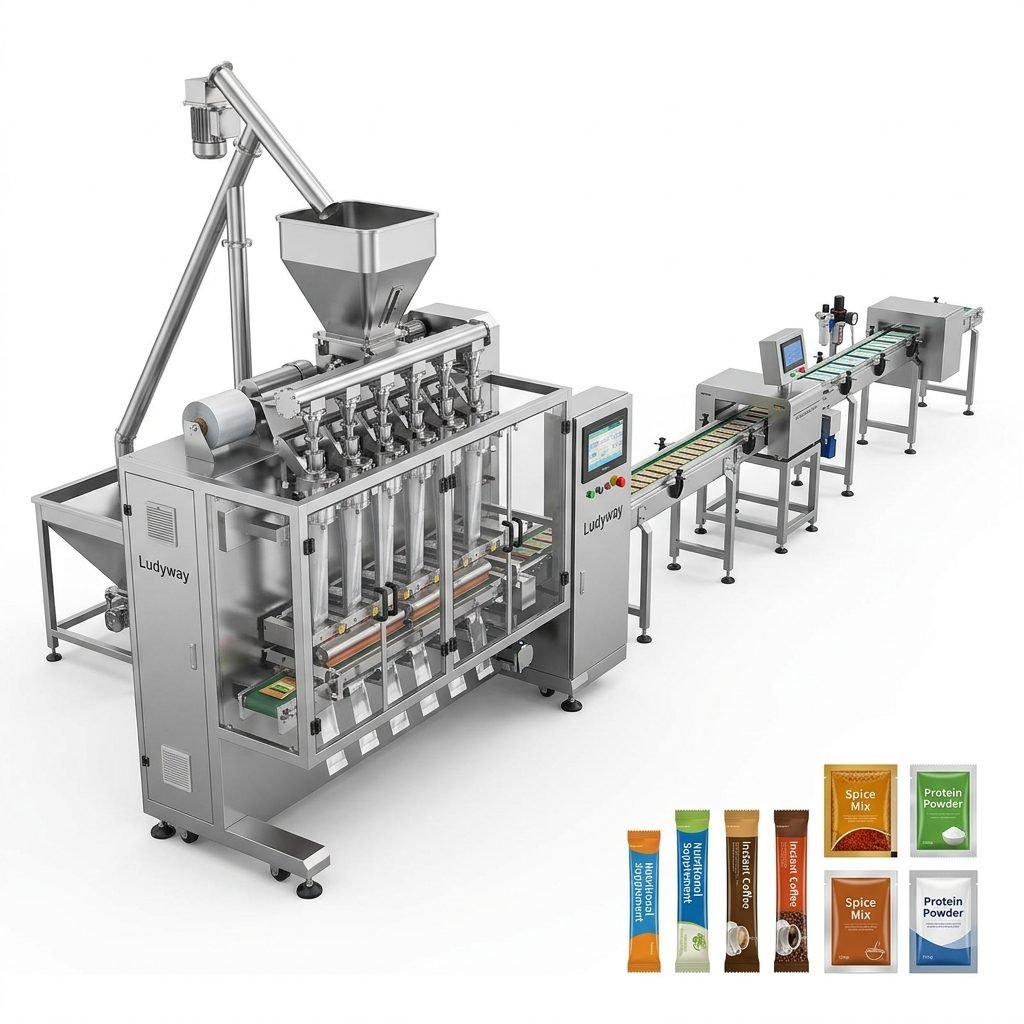
Well-trained technicians are the backbone of equipment reliability. Every operator and maintenance staff member should understand the specific requirements of your automatic bottle packing machine. Ludyway, one of the largest packaging machine manufacturers in China, provides comprehensive documentation and after-sales support to help customers build internal maintenance capabilities effectively.
Essential Training Topics
- Startup and shutdown sequences that protect sensitive components.
- Proper cleaning methods for product contact parts to avoid cross-contamination.
- Reading and interpreting HMI diagnostic screens and PLC alarm codes.
- Safe lockout-tagout procedures before performing mechanical interventions.
- Lubricant types and application points specific to your machine model.
Documenting Your Maintenance Program
Accurate maintenance records serve multiple purposes: they track component lifespan, identify recurring issues, and demonstrate compliance during regulatory audits. A digital maintenance log or CMMS platform allows you to schedule tasks, record completed work, and attach photos or notes for future reference. Key data points to capture include date, task performed, technician name, parts replaced, and any observations that might indicate developing problems.
Industry Standards and Resources
Aligning your maintenance practices with established industry standards helps ensure equipment reliability and regulatory compliance. Below are authoritative resources for packaging machinery maintenance and safety guidelines.
- PMMI – The Association for Packaging and Processing Technologies
- PMMI – Packaging Industry Resources
- ISO – Packaging Standards
- FDA – Food Packaging and Food Contact Substances
- Flexible Packaging Association – Industry Resources
Final Best Practices for Long-Term Reliability
In addition to scheduled maintenance, adopt these overarching practices to keep your automatic bottle packing machine running reliably year after year.
- Follow the manufacturer’s maintenance manual as the primary reference for all service intervals and procedures.
- Use only OEM-approved replacement parts to maintain warranty coverage and ensure proper fit and function.
- Keep the machine area clean and dry to prevent dust ingress and reduce slip hazards for operators.
- Schedule annual professional inspections to catch hidden wear in gearboxes, drive shafts, and electrical connections.
- Review and update maintenance plans based on actual performance data and failure analysis.