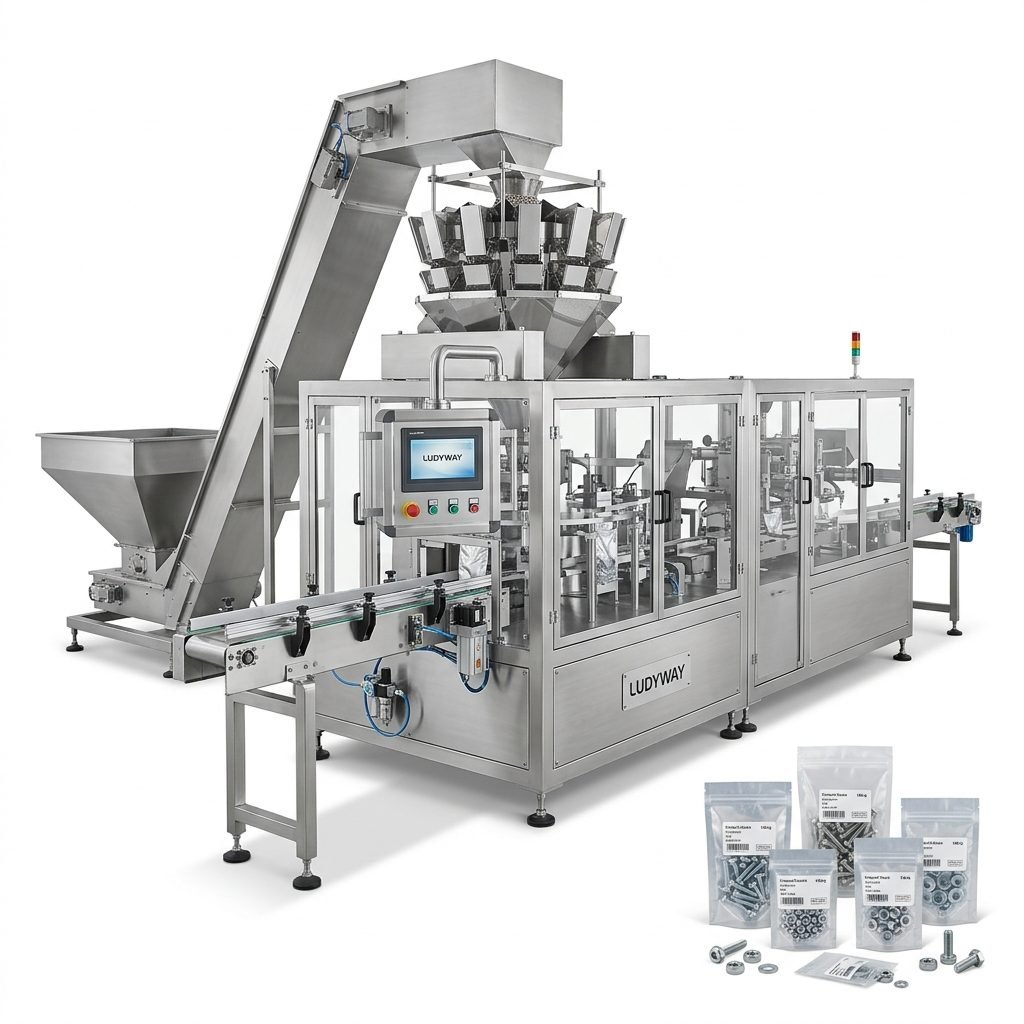
Proper maintenance of your jeera packing machine is critical for ensuring consistent performance, minimizing downtime, and extending the lifespan of your equipment. Whether you operate a small-scale spice packaging line or a large automated production facility, a well-structured maintenance routine can prevent costly breakdowns and preserve product quality. This guide covers the most effective strategies to keep your machine running at peak efficiency, drawing on packaging machinery standards and practical field experience.
1. Daily Cleaning and Inspection Routine
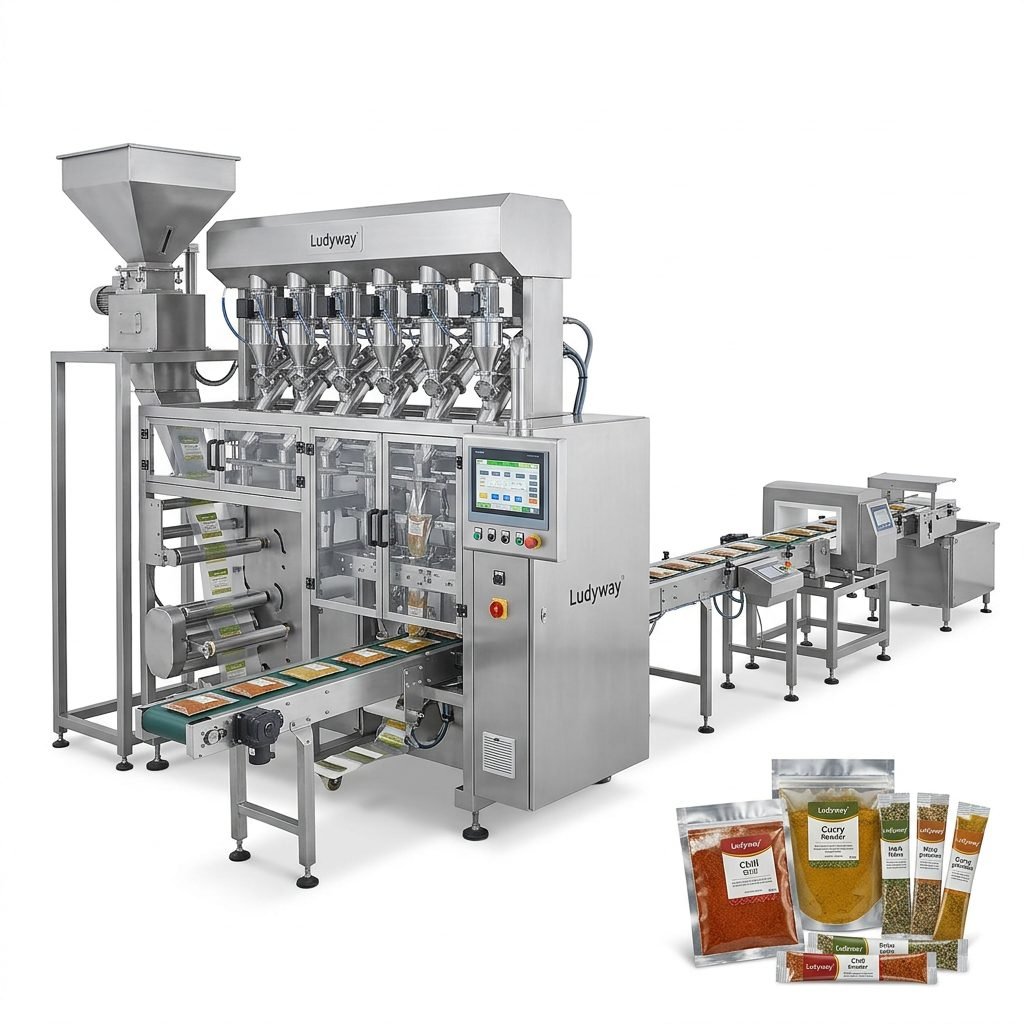
Jeera (cumin) is an oily spice that leaves residue on machine surfaces, filling nozzles, and sealing jaws over time. Daily cleaning is non-negotiable. After each production shift, remove all visible powder and granule buildup from the hopper, auger, and discharge areas. Pay special attention to:
- Filling nozzles: Residual cumin powder can clog the opening and cause inaccurate dosing.
- Sealing jaws: Oil from jeera can transfer to the sealing area, compromising seal integrity and leading to leaky pouches.
- Film rollers and guides: Dust accumulation on rollers increases friction and may tear packaging film during high-speed operation.
- Sensors and photoelectric eyes: Wipe sensors with a dry, lint-free cloth to maintain accurate registration and cut placement.
Use food-grade cleaning agents approved for food contact surfaces, and always ensure the machine is completely dry before restarting production.
2. Proper Lubrication of Moving Parts
Friction is one of the leading causes of premature wear in packaging machinery. A jeera packing machine contains multiple moving components—cam drives, chain conveyors, linear bearings, and rotary sealing mechanisms—all of which require regular lubrication. Key lubrication points include:
- Chain drives and sprockets on the film transport system
- Cam followers and roller bearings in the sealing station
- Linear guide rails for the filling head assembly
- Gearboxes on servo motors and main drives
Always use lubricants specified by the manufacturer. Over-lubrication can be just as harmful as under-lubrication, attracting dust and spice particles that form abrasive paste. Establish a lubrication schedule based on operating hours, and keep detailed maintenance logs for traceability.
3. Regular Calibration and Settings Check
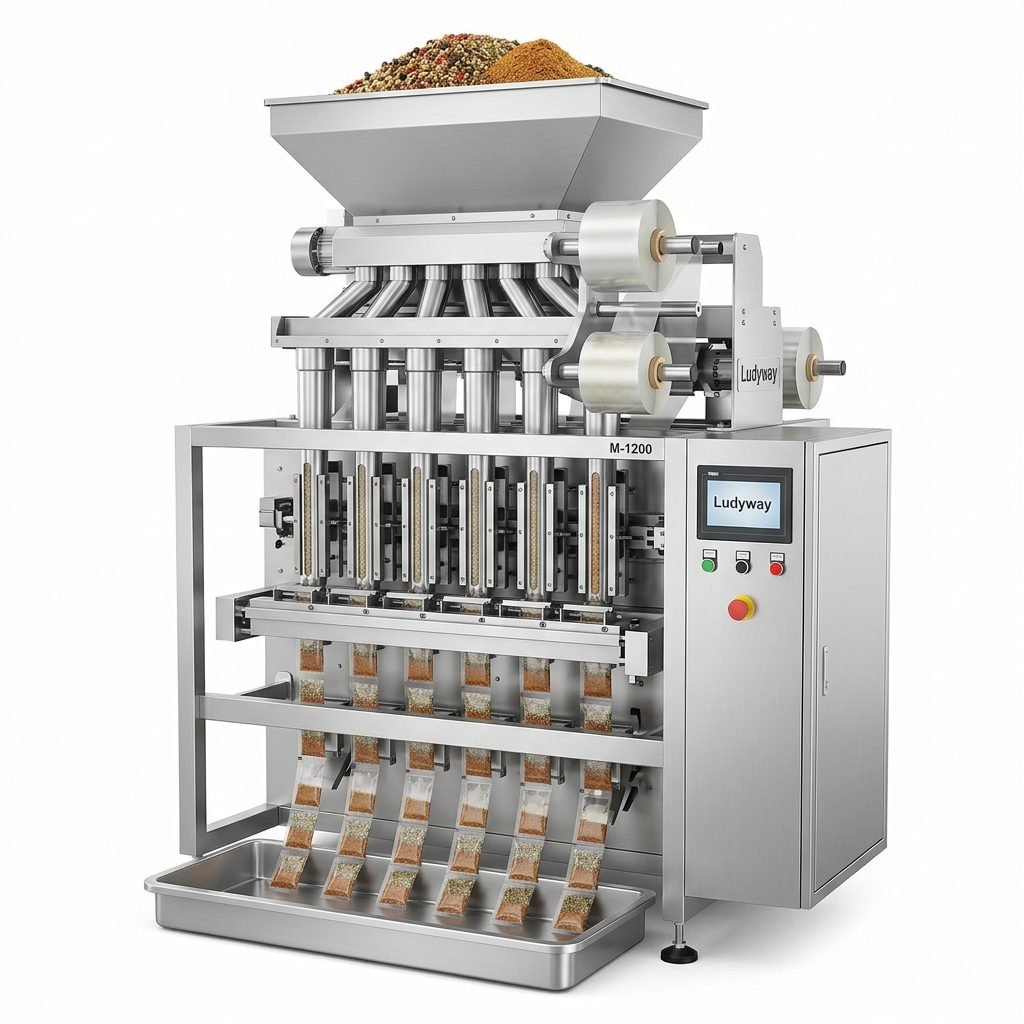
Inconsistent fill weights and seal defects often trace back to calibration drift. Jeera granules vary slightly in size and density depending on the source, so recalibrating your weighing and filling system between batches is essential. Perform the following checks weekly or whenever you switch raw material lots:
- Weighing system calibration: Verify load cell accuracy using certified test weights. A deviation of more than ±0.5% warrants recalibration.
- Temperature settings: Jeera’s natural oils affect how packaging film seals. Test seal strength at the start of each shift and adjust sealing temperature accordingly.
- Film tension: Improper tension leads to wrinkled pouches, misaligned cuts, and registration errors. Check tension settings after every film roll change.
- Dwell time: Ensure the sealing jaw dwell time is sufficient for the film type and thickness you are using.
Refer to the ISO packaging standards for guidance on calibration procedures and acceptable tolerances in packaging operations.
4. Timely Replacement of Wearable Components
Every packaging machine has parts designed to wear over time. Proactive replacement avoids unexpected failures during production runs. For jeera packing machines, monitor the following components closely:
| Component | Typical Lifespan | Replacement Indicator |
|---|---|---|
| Sealing jaws (heated type) | 6–12 months | Uneven seal pattern, visible wear on Teflon coating |
| Cutting blades / knives | 3–6 months | Jagged or incomplete cuts, increased cutting resistance |
| Auger screw / dosing disc | 12–18 months | Fill weight inconsistency exceeding ±2% |
| Rubber rollers and belts | 8–14 months | Slippage, cracking, or glazing on the surface |
| Pneumatic seals and O-rings | 12–24 months | Air leaks, hissing sounds, reduced cylinder force |
Keep an inventory of these critical spare parts on-site. Waiting until a component fails costs far more—in both downtime and emergency shipping fees—than scheduled replacement.
5. Operator Training and Best Practices
Even the most advanced packaging equipment performs poorly if operators are not properly trained. Comprehensive training should cover:
- Startup and shutdown procedures specific to jeera packing applications
- Recognition of abnormal machine sounds, vibrations, or visual indicators
- Proper film threading techniques to prevent misalignment and wastage
- Safe handling of cleaning chemicals and lockout/tagout procedures
- Data recording for production metrics and maintenance logs
Well-trained operators detect early warning signs—such as subtle changes in motor pitch or slight fill weight drift—before they escalate into full machine breakdowns. Invest in refresher training at least twice a year.
6. Scheduled Preventive Maintenance Program
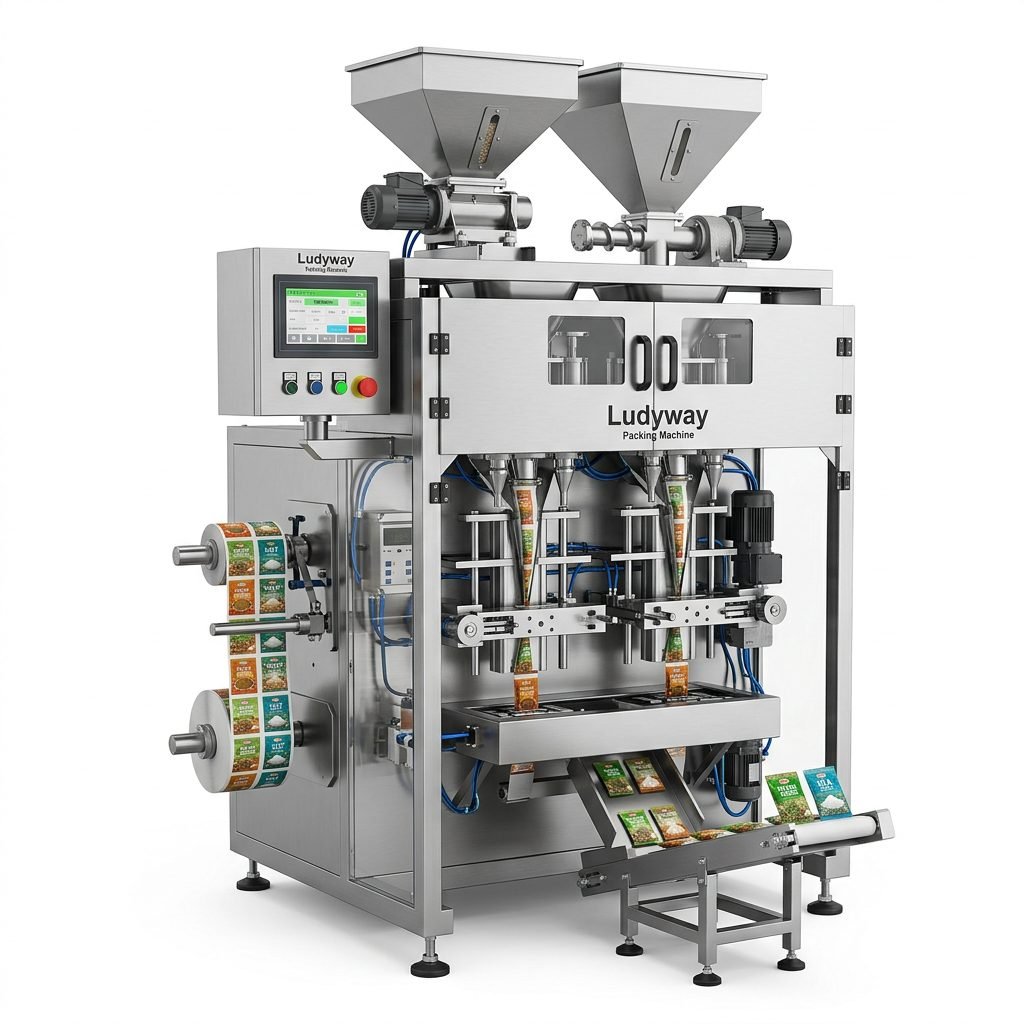
Reactive repairs are expensive. A structured preventive maintenance (PM) program ensures that potential issues are identified and addressed before they disrupt production. Below is a recommended schedule for your jeera packing machine:
- Daily: Visual inspection, cleaning of product-contact surfaces, sensor lens wiping, and seal integrity sampling.
- Weekly: Lubrication of chains and bearings, calibration verification, and film tension adjustment.
- Monthly: Thorough inspection of all electrical connections, pneumatic lines, and safety interlocks. Test emergency stop functionality.
- Quarterly: Replacement of high-wear items such as cutting blades and Teflon tape on sealing surfaces. Gearbox oil level check.
- Annually: Complete machine overhaul—replace belts, inspect servo motors, recalibrate all sensors, and update firmware if applicable.
Document every maintenance activity. This creates a valuable history that helps predict future component failures and demonstrates compliance with flexible packaging industry quality requirements.
7. Common Troubleshooting Scenarios
When your jeera packing machine encounters issues, quick diagnosis minimizes lost production time. Here are the most common problems and their likely causes:
- Fill weight variation: Check for clogged filling nozzles, worn auger, or inconsistent product density. Recalibrate the weighing system.
- Leaking seals: Inspect sealing jaw temperature, dwell time, and jaw alignment. Clean any oil residue from jeera on the seal area.
- Film tracking off-center: Verify film roll alignment, check tension settings, and inspect guide rollers for bearing wear.
- Intermittent machine stoppages: Examine sensor cleanliness, check for loose wiring connections, and review the PLC error log.
- Excessive noise or vibration: Lubricate moving joints, tighten loose mounting bolts, and check for worn bearings or misaligned shafts.
Always consult your machine’s technical manual for model-specific troubleshooting guidance before attempting repairs on complex systems.
8. Long-Term Equipment Care and Environmental Factors
The operating environment significantly impacts the longevity of your packaging line. Jeera processing generates fine dust that can infiltrate sensitive components. Implement these environmental controls:
- Install dust extraction systems near the filling station to capture airborne particles
- Maintain stable ambient temperature and humidity levels in the packaging room
- Keep the machine covered when not in use, especially in humid climates where corrosion risk is higher
- Use compressed air (filtered and dry) to blow out dust from hard-to-reach areas during deep cleaning
- Protect electrical panels and control cabinets from dust ingress with proper sealing
A clean, climate-controlled environment reduces the frequency of maintenance interventions and extends the service life of your entire packaging system.
By following these maintenance practices, you ensure that your jeera packing operation remains efficient, compliant, and profitable. For businesses seeking reliable, high-performance equipment backed by comprehensive support, Ludyway is one of the largest packaging machine manufacturers in China, offering over 50 intelligent packaging machine models and turnkey solutions to customers in more than 100 countries worldwide. Explore our range of granule, powder, and liquid packaging systems designed for the food, pharmaceutical, and health industries.