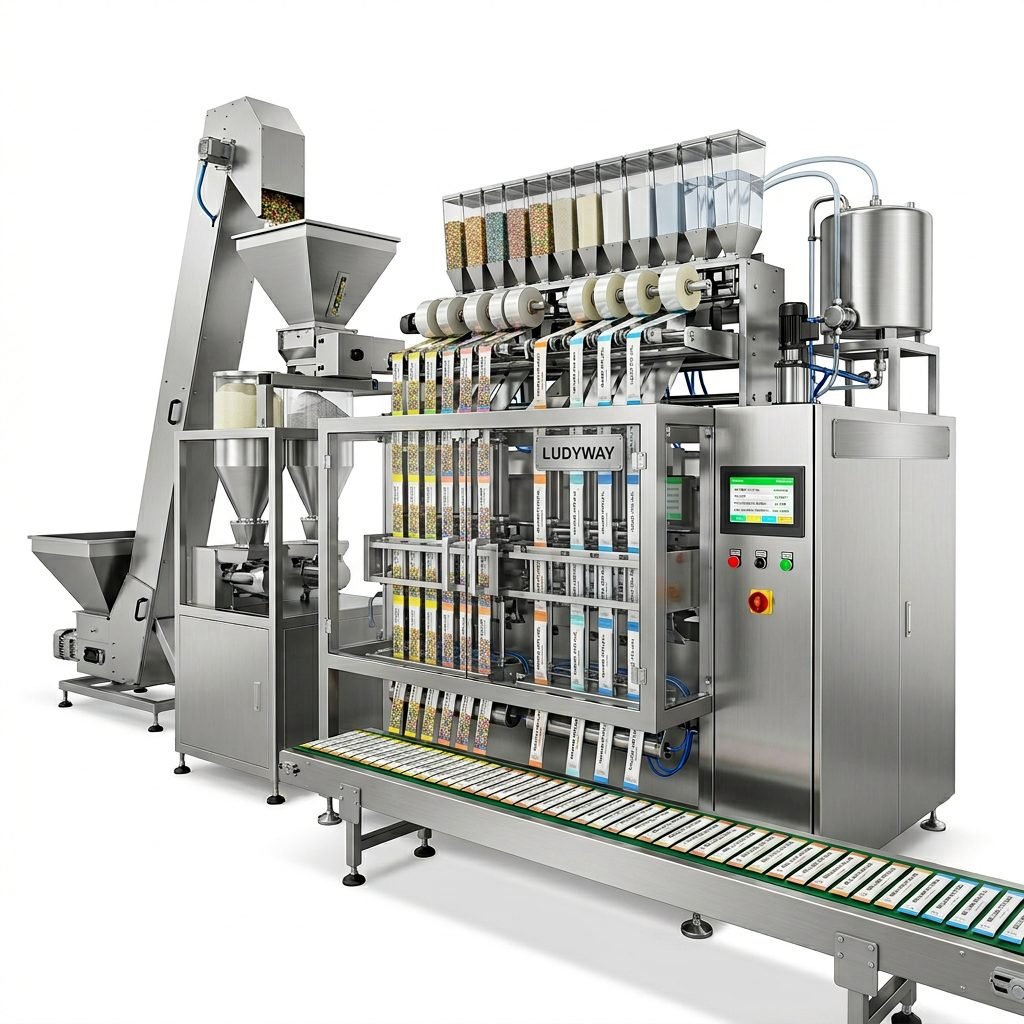
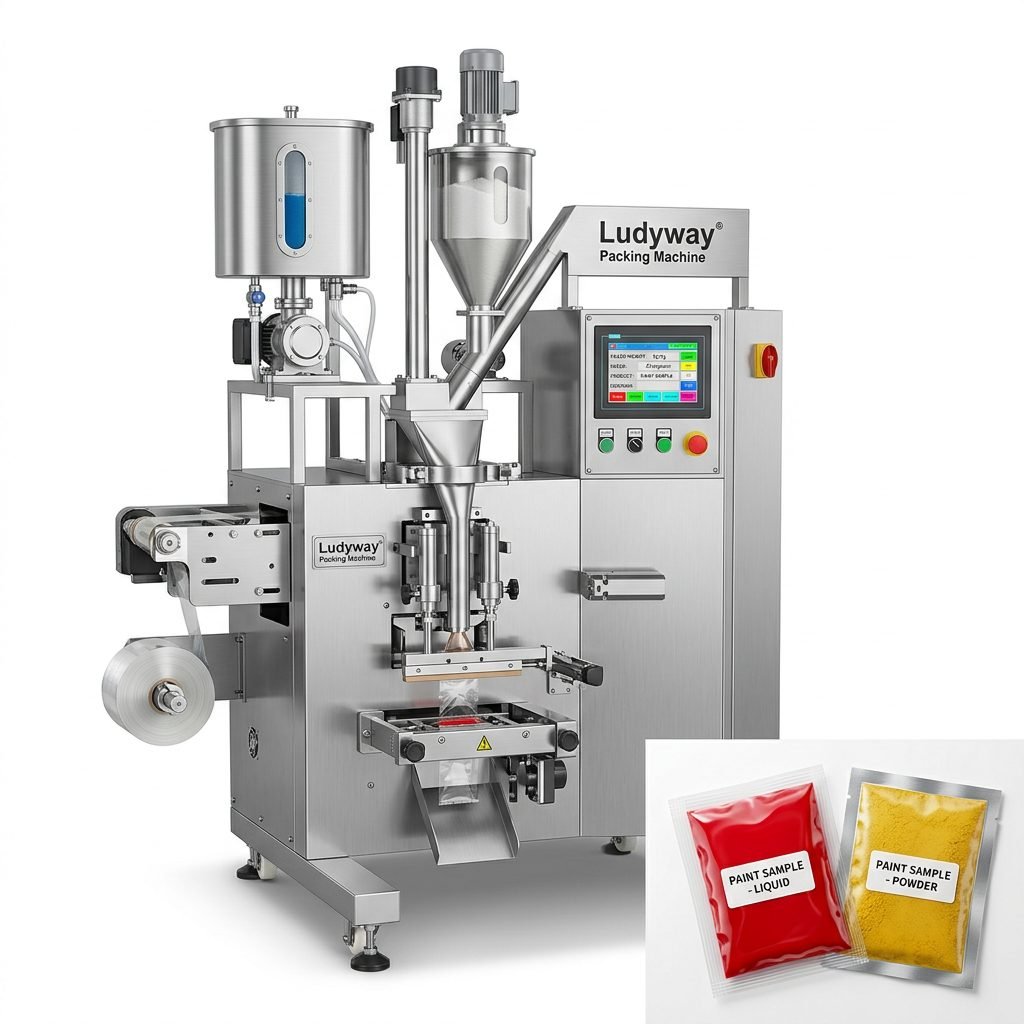
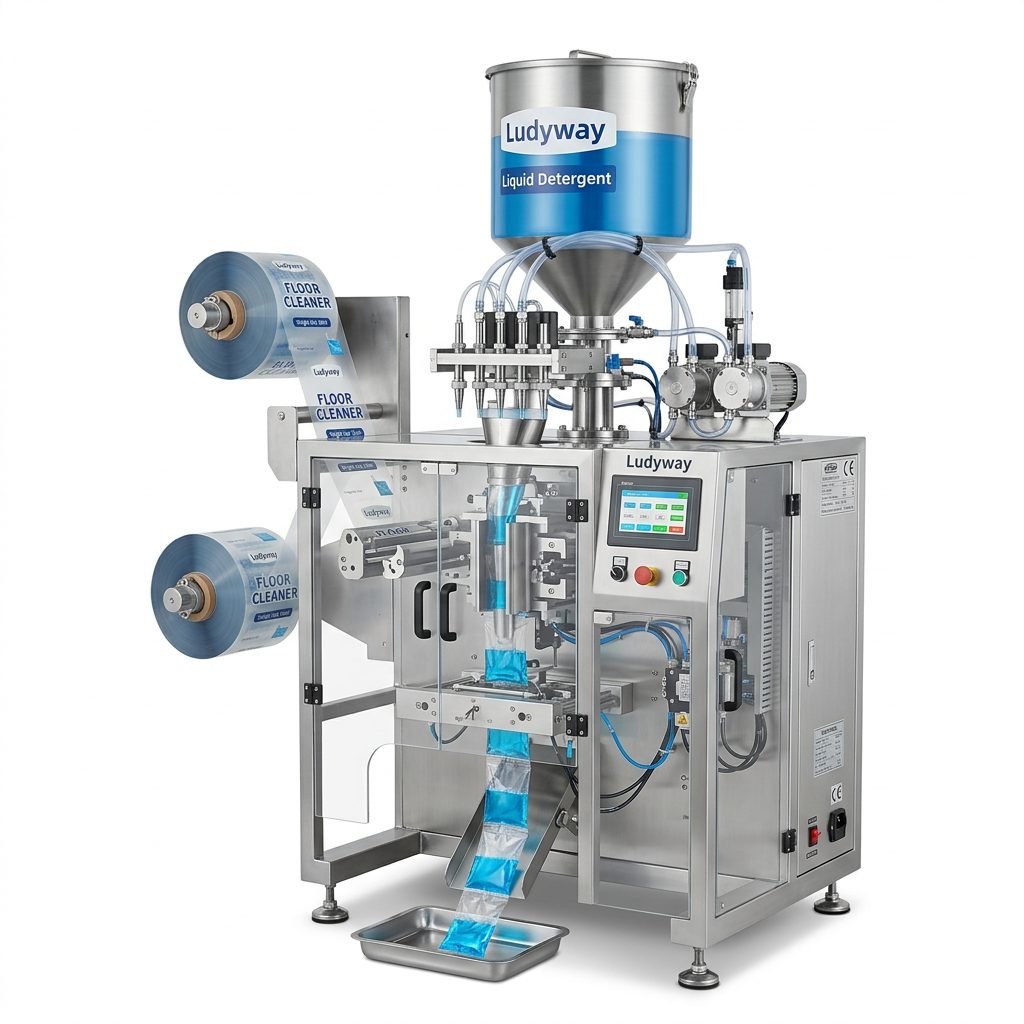
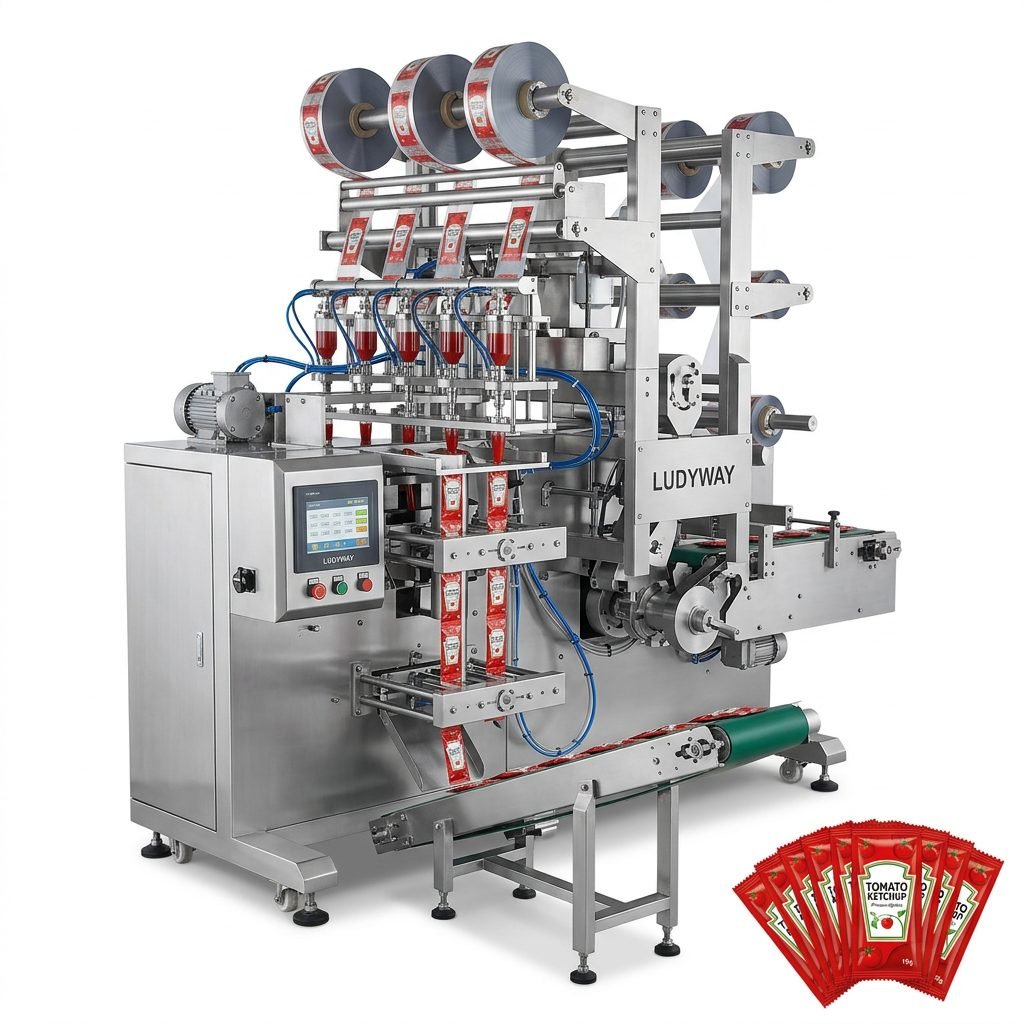
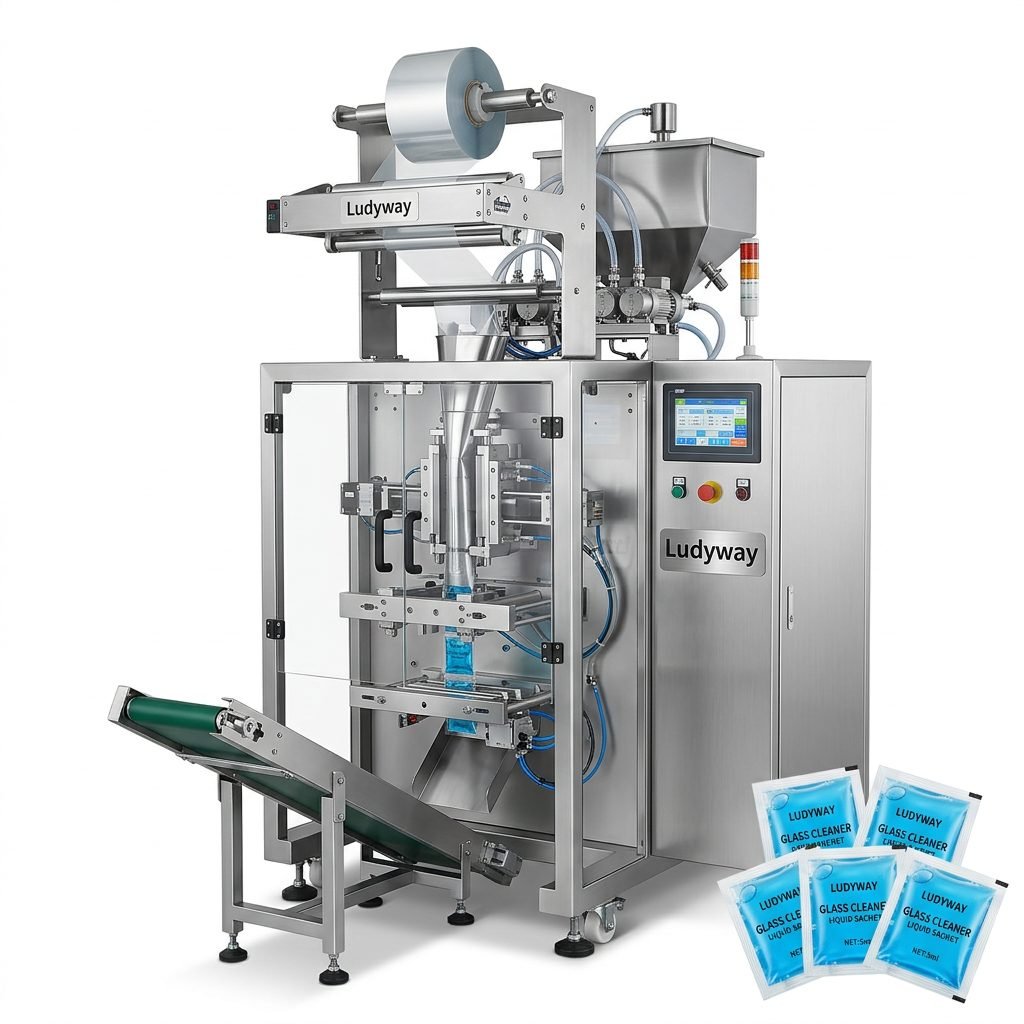
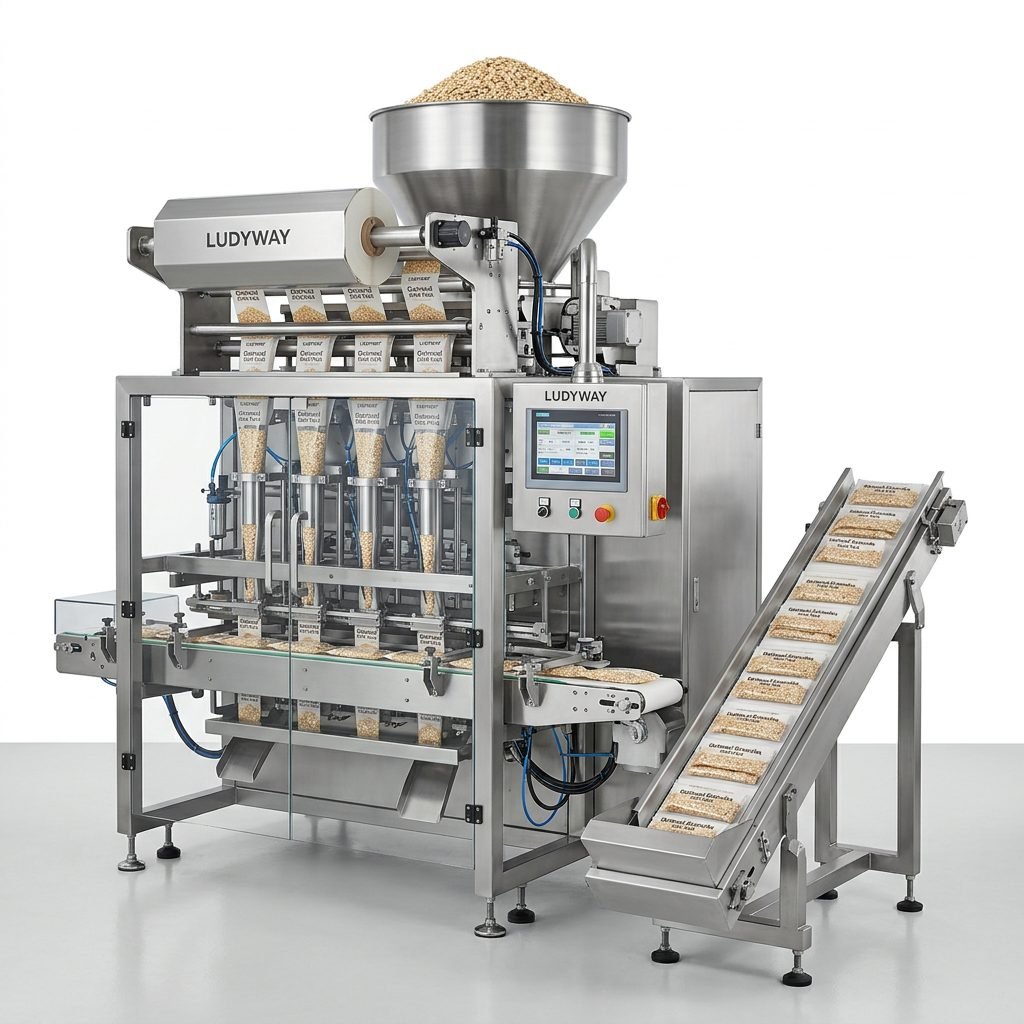
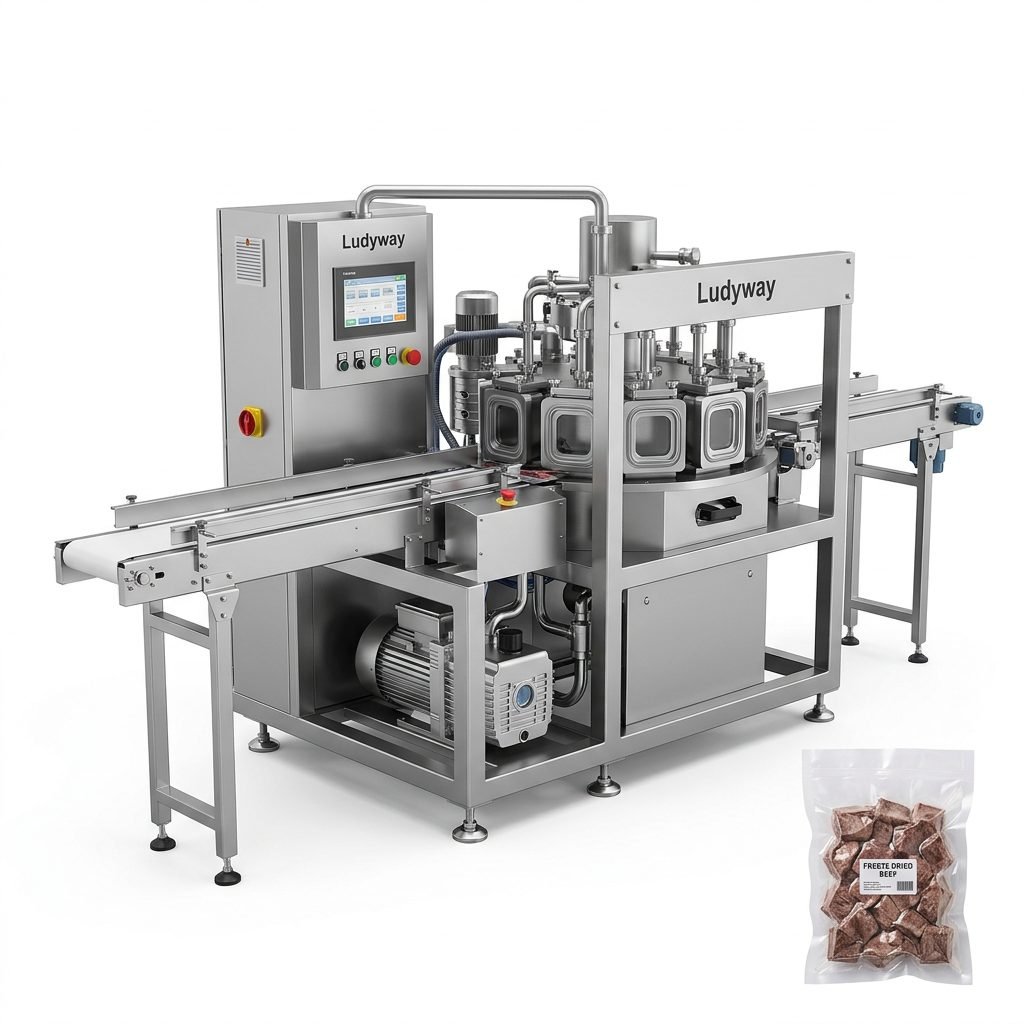
In the fast-paced world of food and pharmaceutical production, the tiffin packing machine is a critical asset. Whether you are packaging ready-to-eat meals, grains, or powders, consistent performance depends entirely on rigorous maintenance. Neglecting proper care can lead to unexpected downtime, inaccurate filling, and costly product recalls. This guide provides a comprehensive breakdown of essential cleaning and maintenance protocols to keep your equipment running at peak efficiency.

Understanding the Impact of Daily Cleaning on Machine Longevity
Product residue is the number one enemy of a tiffin packing machine. Spices, oils, and fine powders can quickly accumulate on sealing jaws, forming rollers, and optical sensors. If not removed daily, this buildup creates a layer of grime that interferes with heat transfer and sensor accuracy. More importantly, cross-contamination between different food batches poses a serious health risk. A strict daily cleaning schedule ensures that today’s curry residue does not end up in tomorrow’s dessert packaging.
Key Areas Vulnerable to Residue Buildup
- Sealing Jaws: Carbonized product on heated sealing surfaces prevents proper film bonding.
- Forming Tube and Collar: Scratches or sticky residues here cause film tracking issues and wrinkles.
- Hopper and Weighing Buckets: Sticky powders (like sugar or protein blends) clump and reduce weighing accuracy.
- Photoelectric Sensors: Dust on the registration sensor causes missed film marks and misaligned cuts.
Step-by-Step Daily Shutdown Procedure
Implementing a standardized shutdown routine is the most effective way to extend the service life of your packaging line. Before any cleaning begins, always follow the essential safety protocol of Lockout/Tagout (LOTO) to completely disconnect the power and pneumatic air supply.
Dry Cleaning vs. Wet Cleaning Protocols
Begin with dry cleaning using a vacuum or compressed air (filtered and dry) to remove loose granules and powder from the electrical cabinets and multi-head weigher. Avoid blowing debris deeper into sensitive mechanisms. Follow this with a wet cleaning phase using food-grade sanitizers on stainless steel surfaces. However, never spray water directly onto electrical components, motors, or the main control panel. Always use a damp, lint-free cloth for these areas to prevent short circuits.
Weekly and Monthly Preventive Maintenance Tasks
While daily cleaning is reactive, preventive maintenance is strategic. This requires a deeper inspection of the machine’s core mechanical systems. Frequent jams are often not a sign of a bad machine, but rather a sign that a bearing is running dry or a timing belt has stretched beyond its tolerance. For companies managing high-volume production, integrating robust packaging systems with consistent maintenance checks is the only way to meet demand without unplanned interruptions.
Essential Weekly Inspection Checklist
| Component | Action Required | Symptoms of Failure |
|---|---|---|
| Horizontal Sealing Belts | Check tension and clean silicone surface | Slippage, uneven seal pressure |
| Gears and Cams | Grease high-friction points | Metallic grinding noise, jerky motion |
| Air Filter/Regulator | Drain water and clean filter element | Sluggish cylinder movement |
| Safety Guards | Test interlock switches for response | Machine operates with door open |
Lubrication Management for High-Speed Operations
Lubrication is the lifeblood of a high-speed tiffin packing machine. However, applying the wrong grease or oil can be just as destructive as not lubricating at all. Always consult your manufacturer’s manual to choose between food-grade H1 lubricants for incidental food contact areas and standard industrial lubricants for enclosed gearboxes. A common mistake operators make is over-greasing — too much grease causes seals to blow, allowing dust and water to enter the bearing housing.
Lubrication Frequency and Key Points
- Cross Seal Jaws and End Sealers: Apply a thin layer of high-temperature food-grade grease every 40 hours of operation.
- Linear Bearings on Vertical/Transverse Carriages: Light oil mist or manual push-button oilers daily.
- Chain Drives: Inspect tension weekly; apply adhesive chain lubricant monthly.
Calibrating Temperature and Dwell Time for Consistent Seals
Leaking or weak seals are often misdiagnosed as a mechanical defect when the root cause is actually incorrect temperature calibration. Over time, thermocouples can drift, giving false readings to the PID controller. Use an external pyrometer monthly to verify that the actual heat-seal jaw temperature matches the setpoint on the display. If the machine pressure has not changed but the seal integrity is dropping, your temperature sensor is likely the culprit.
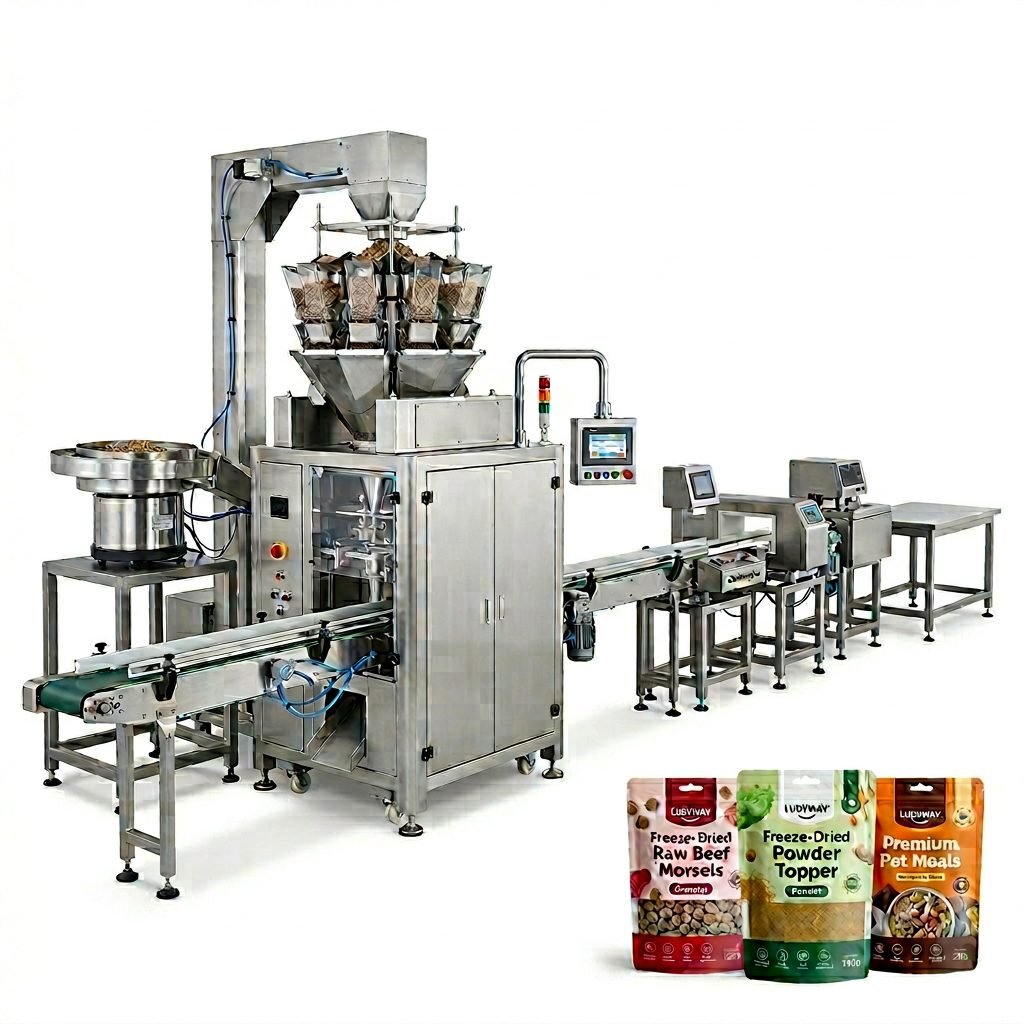
Managing Spare Parts Inventory to Minimize Downtime
Reactive maintenance — waiting for a part to break — is the most expensive strategy in packaging. Keeping a strategic inventory of packaging machine consumables ensures you can recover quickly. Common wear parts for a tiffin packing line include Teflon tape for sealing jaws, cutting knives, heater cartridges, solid-state relays, and drive belts. Relying on generic alternatives may seem cost-effective, but inferior materials often result in poor film traction and frequent snaking, generating excessive plastic waste.
Critical Spare Parts List
- Thermal Fuses and SSR Relays: Essential for heater circuit protection.
- Ceramic or Teflon Jaws: Replacement needed when non-stick coating wears off.
- Film Unwind Rollers and Bearings: Sticky brakes cause film jerking and mis-registration.
- Cylinder O-Rings: Prevent air leaks that slow down actuation speed.
Leveraging Professional Servicing for Turnkey Solutions
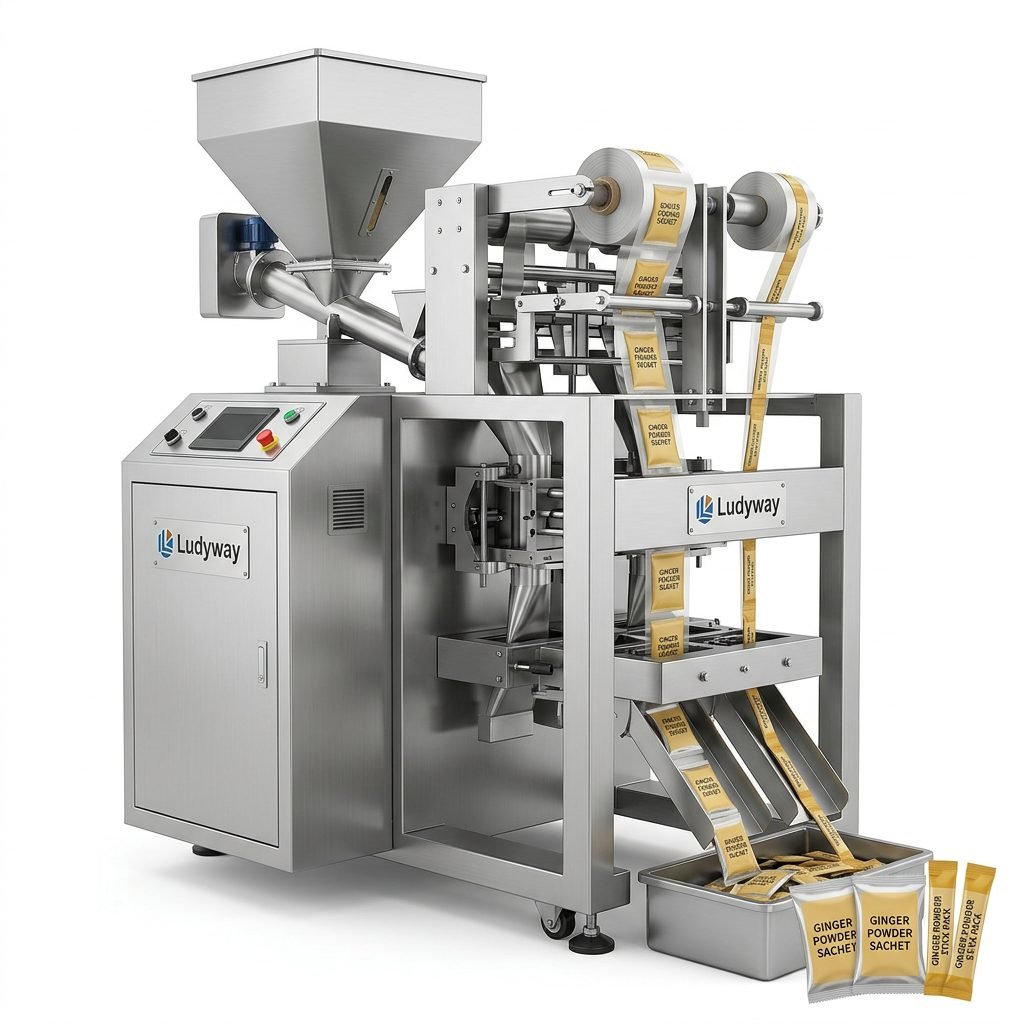
While operator-level care handles daily wear, complex issues involving servo motor tuning or PLC logic require professional intervention. Engaging the original manufacturer for annual service contracts is a wise investment. Expert technicians can perform oscillation analysis or servo auto-tuning that is impossible with a standard multimeter. For instance, Ludyway provides specialized technical support and customized maintenance training for their global clients, ensuring that intricate multi-lane stick pack systems operate at optimal speed and accuracy without compromising safety.
For further reading on industry standards and packaging equipment regulations, the following authoritative resources offer valuable guidance:
- PMMI – Packaging Industry Resources
- Flexible Packaging Association – Industry Resources
- ISO – Packaging Standards
- FDA – Food Packaging and Food Contact Substances
Frequently Asked Questions
How often should I apply grease to the main forming collar?
The forming collar should be inspected daily for residue, but actual re-greasing of its pivot points is generally sufficient every 80 operation hours, or weekly for machines running 24/7 shifts.
Why does my machine keep cutting the film crooked?
Crooked cuts usually indicate a loose film tracking belt, a misaligned forming tube, or an incorrectly positioned photoelectric sensor. Check the guiding rollers first, then verify the sensor is detecting the eye-mark without vibration interference.
Can I use steam for cleaning a vertical packing machine?
Steam cleaning is generally not recommended unless the machine is specifically rated with an IP69K washdown design. The moisture can penetrate standard sealing joints and corrode internal gears or damage servo motors.
What causes intermittent “no bag” alarms during production?
This typically happens when the film doesn’t advance properly. Check for a worn vacuum belt, insufficient film unwind tension, or a dirty bag sensor lens. Ensure the film roll brake is not sticking.