The Asian market for ketchup packaging machines has experienced remarkable growth in recent years, driven by the expanding food processing industry, rising demand for convenient single-serve sachets, and the proliferation of quick-service restaurants across the region. Whether you are a startup sauce producer or a large-scale condiment manufacturer, selecting the right ketchup packaging equipment is a critical investment that directly impacts production efficiency, product quality, and long-term profitability.
Understanding the Ketchup Packaging Landscape in Asia
Asia now accounts for a significant share of global ketchup consumption and production. Countries such as China, India, Thailand, Indonesia, and Vietnam have seen a surge in both domestic demand and export-oriented manufacturing. This dynamic environment requires packaging solutions that can handle varying viscosities, accommodate multiple packaging formats, and meet stringent food safety standards including FDA food contact compliance and ISO packaging standards.
Types of Ketchup Packaging Machines Available
Modern ketchup packaging lines encompass a variety of machine types, each suited to different production scales and packaging formats. Below are the most common configurations deployed in Asian manufacturing facilities:
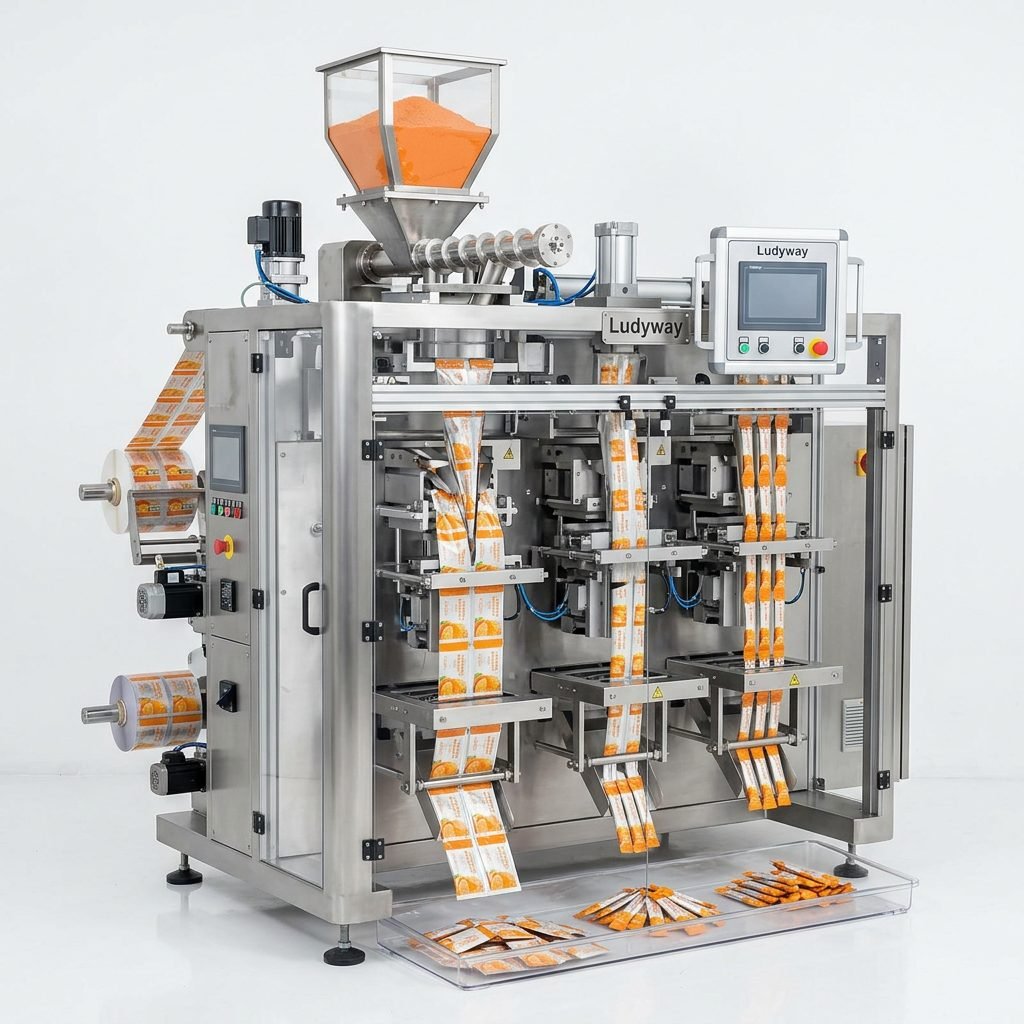
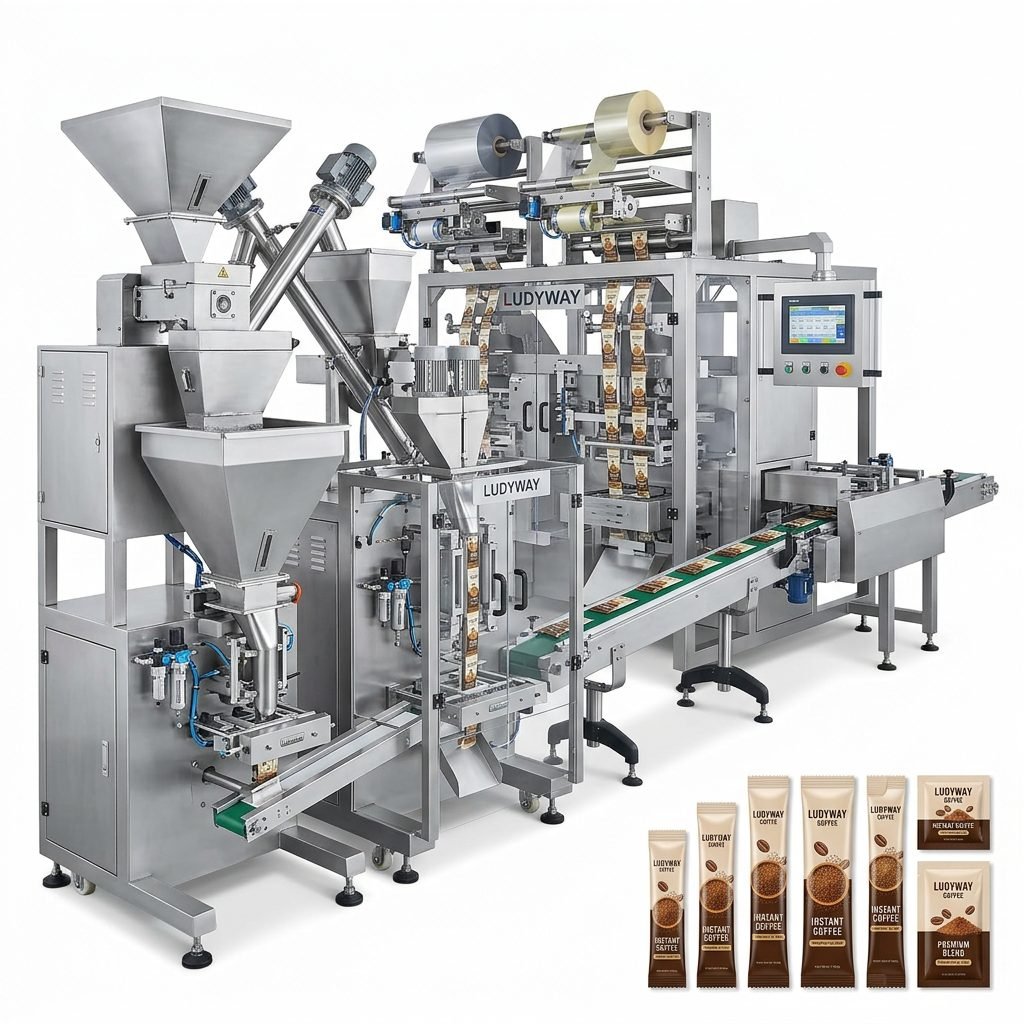
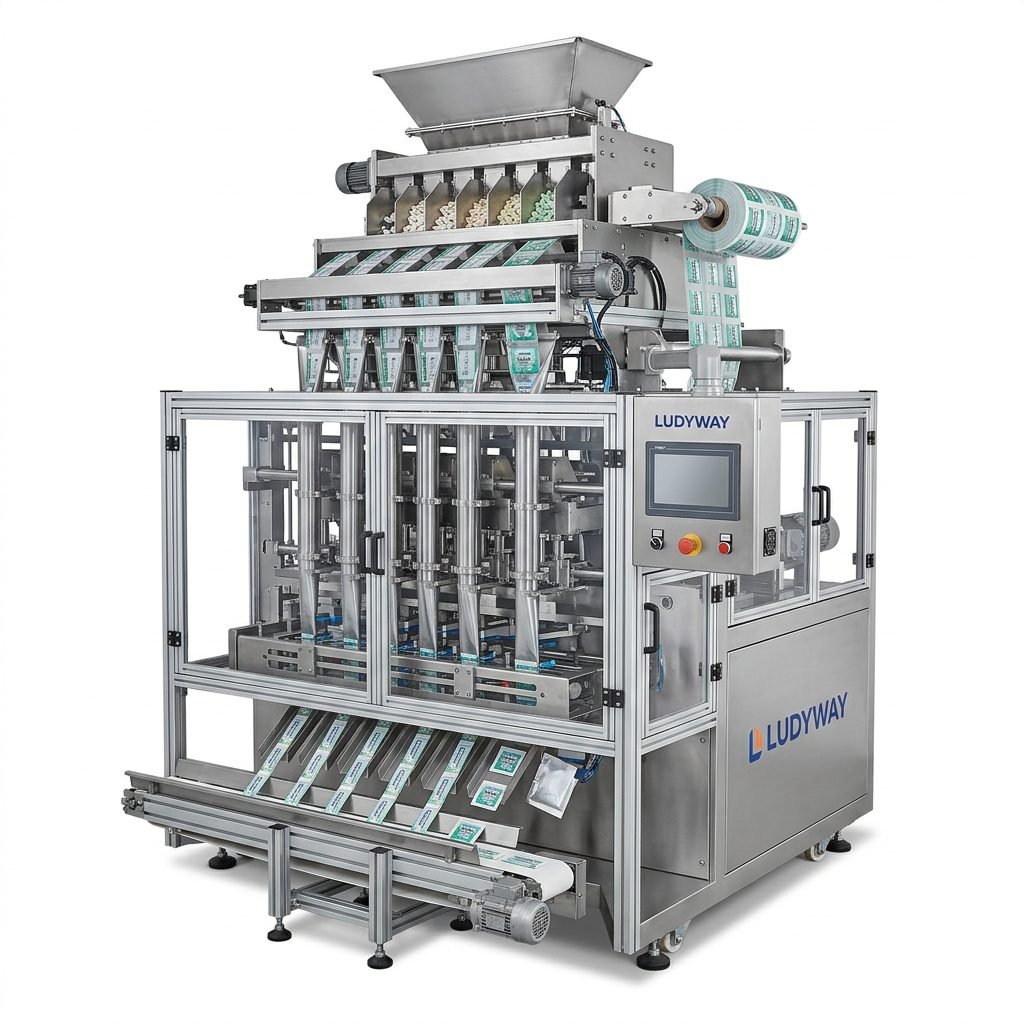
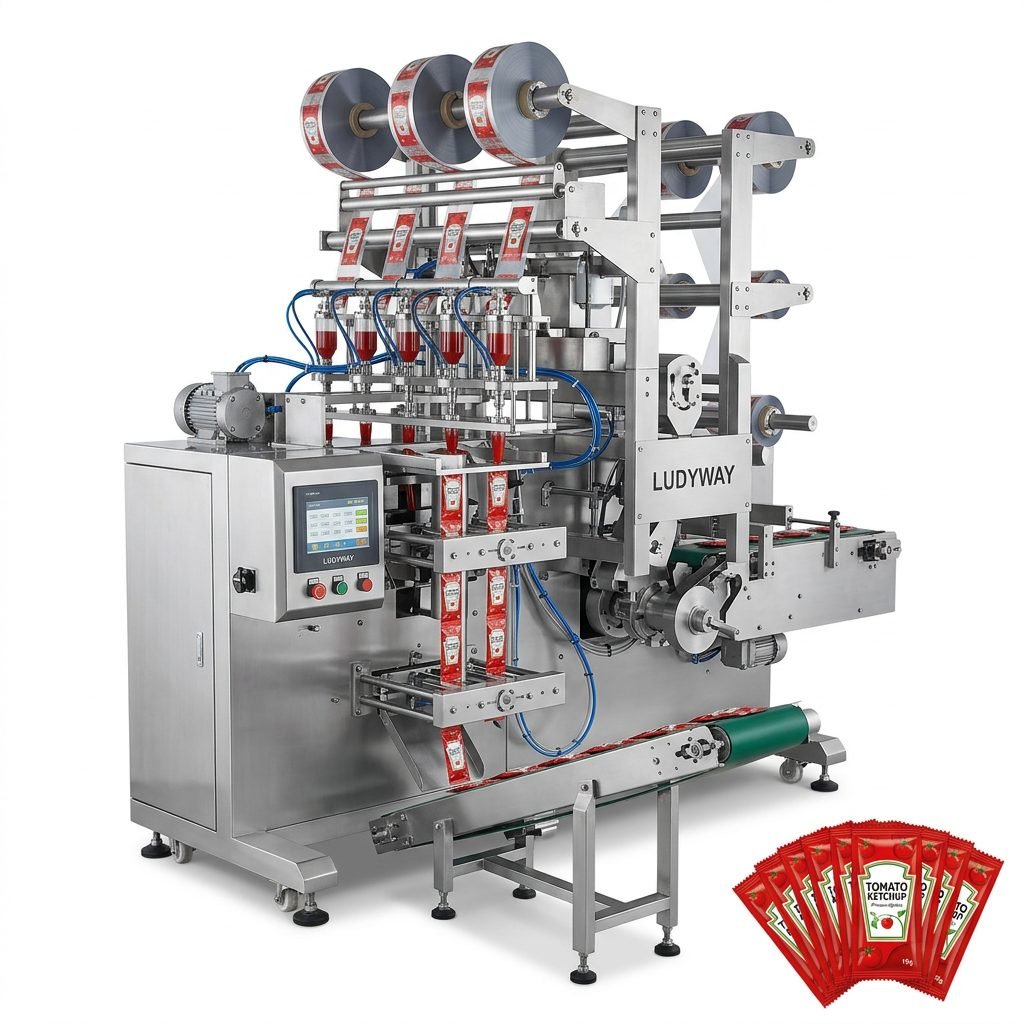
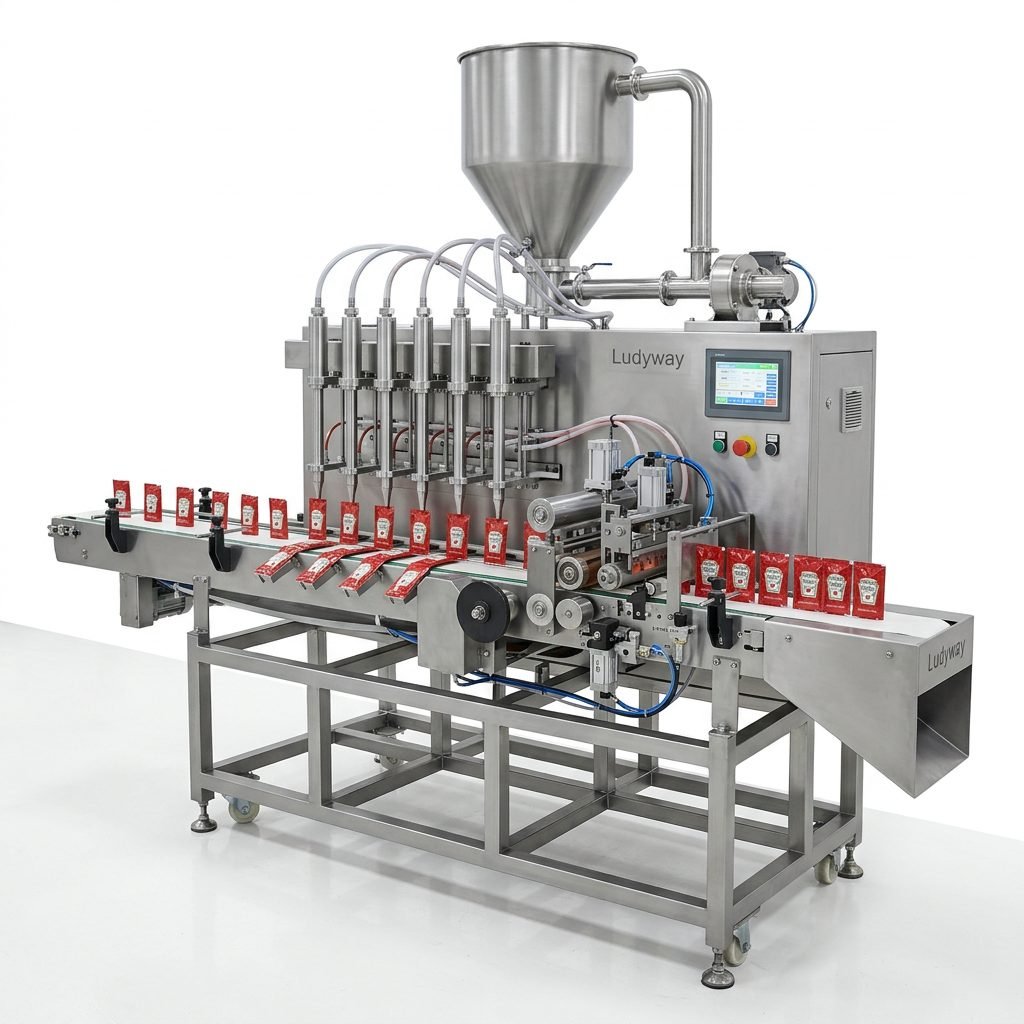
- Sachet Packaging Machines: Ideal for single-serve ketchup portions used in foodservice, airlines, and takeaway. Multi-lane models can achieve ultra-high throughput.
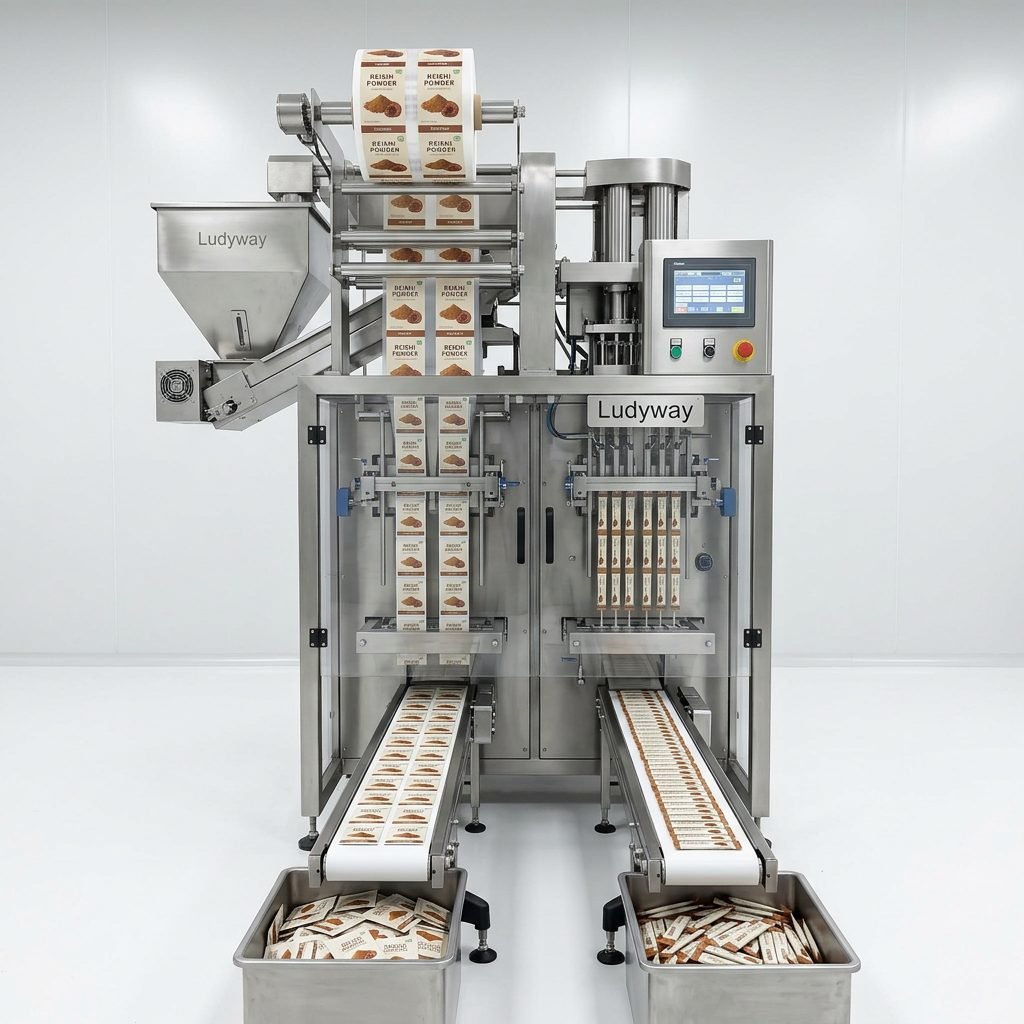
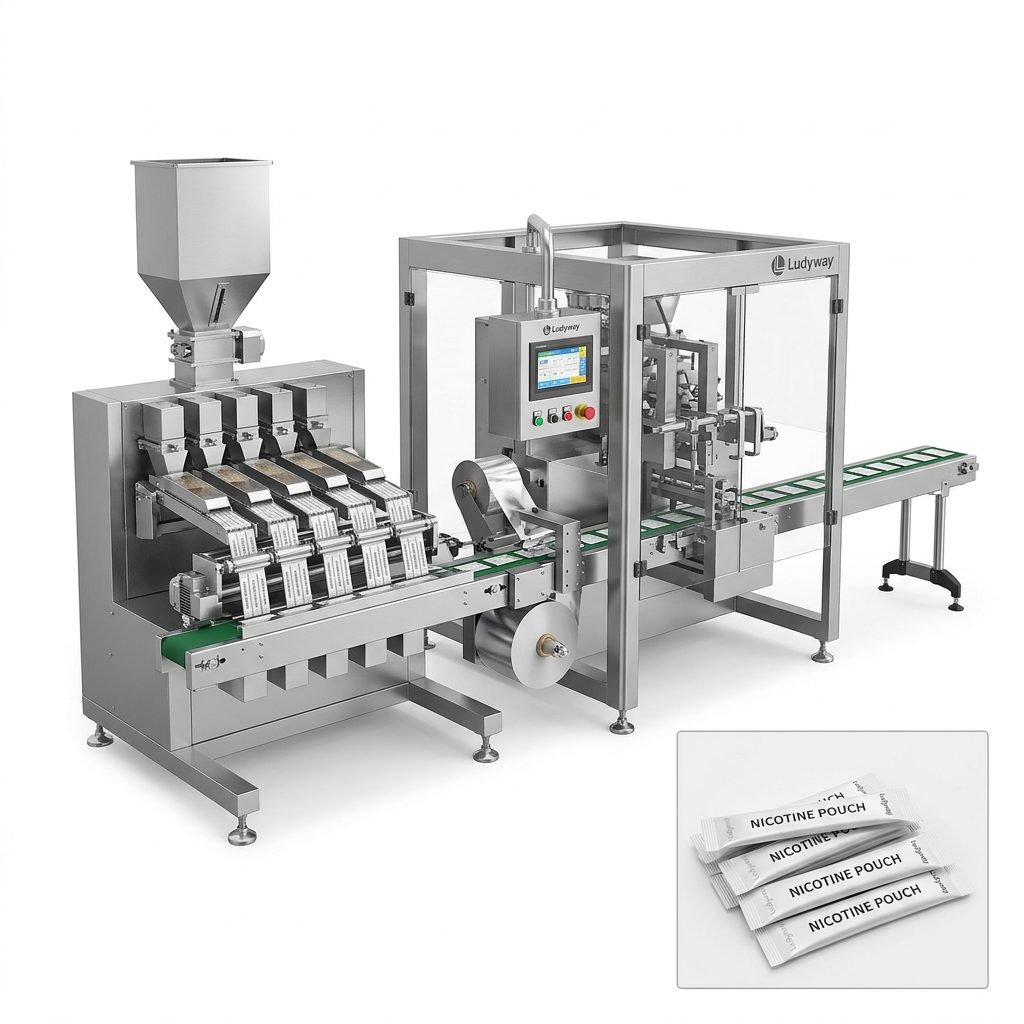
- Stick Pack Machines: Producing slim, elongated packs perfect for retail sampling kits, convenience stores, and promotional campaigns.
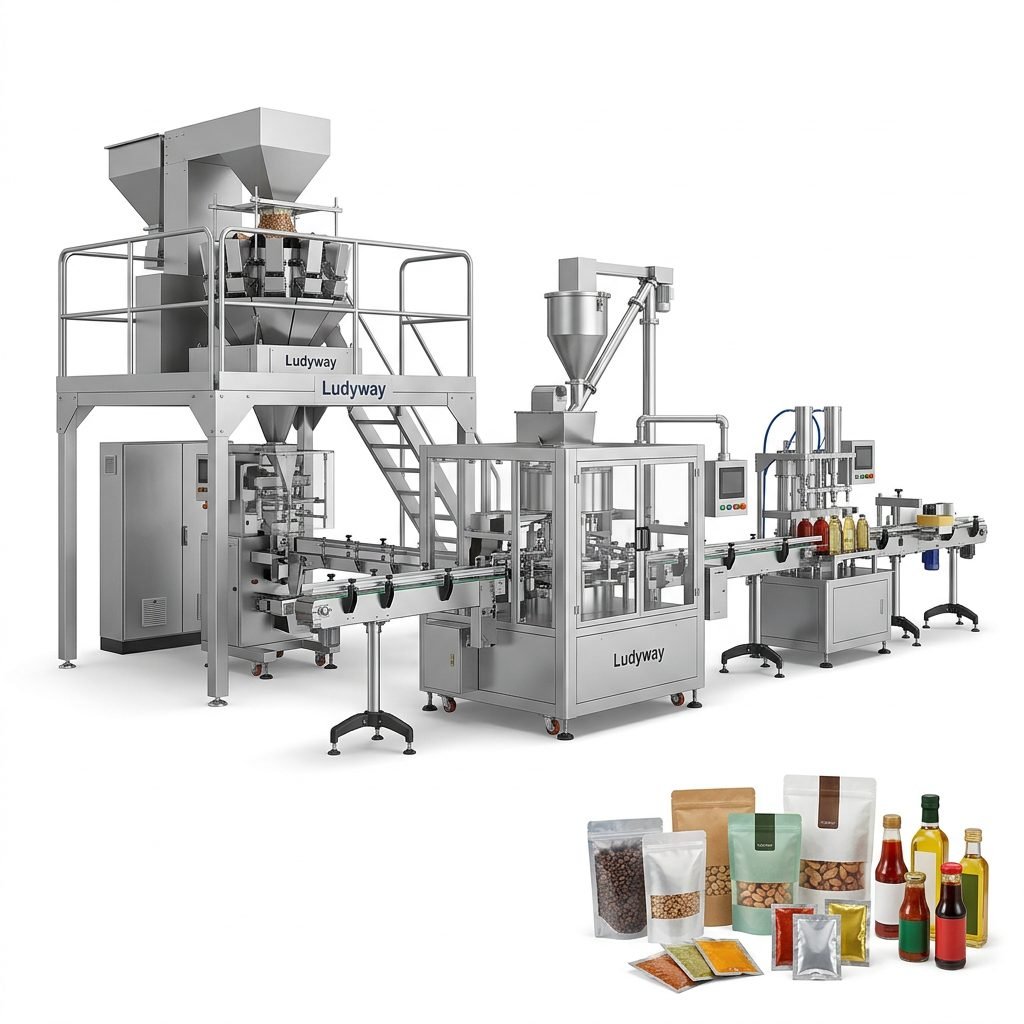
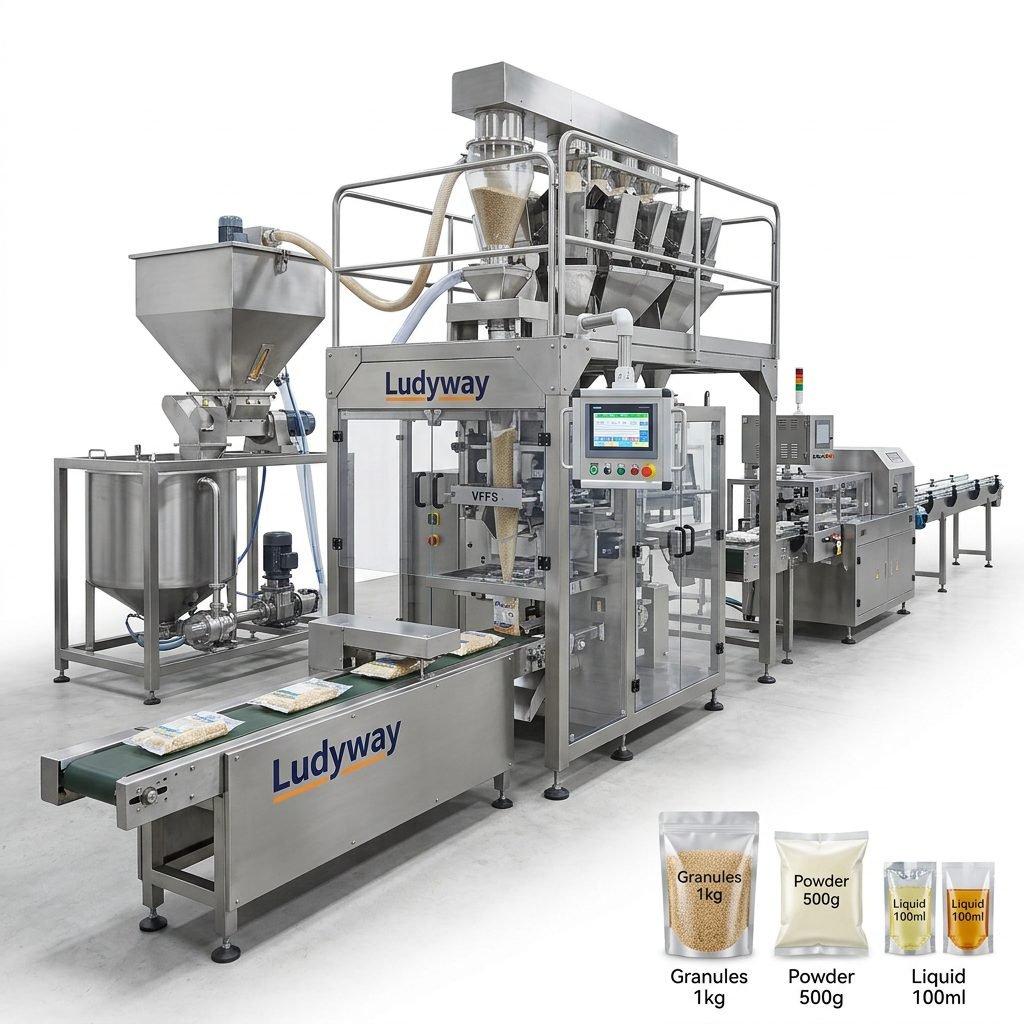
- Pouch Filling & Sealing Lines: Suitable for larger family-size or bulk ketchup packs, handling capacities from 250g up to 5kg.
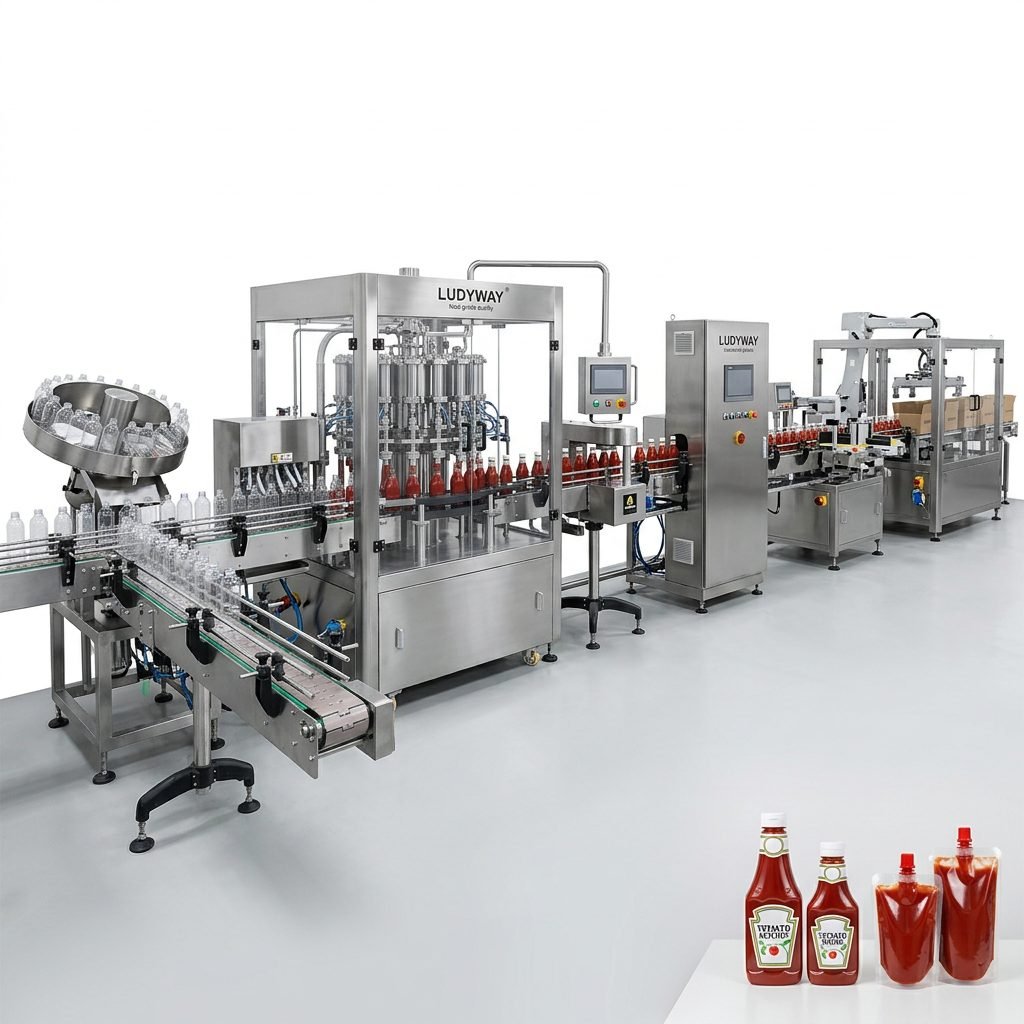
- Bottle Filling & Capping Systems: Fully automated lines for glass or PET bottle formats, including integrated labeling and shrink-sleeve application.
- Turnkey Integrated Lines: Complete solutions combining filling, sealing, cartoning, and palletizing in one seamless workflow.
Key Factors to Consider When Choosing a Ketchup Packaging Machine
Selecting the right ketchup sachet packaging machine requires evaluating several critical parameters to ensure optimal performance and return on investment:
Production Capacity and Speed Requirements
Different models offer varying throughput rates, typically measured in packs per minute (PPM). A small artisanal producer may require 30-60 PPM, while a large industrial operation might need multi-lane systems capable of 400+ PPM. Accurately forecasting your production needs for the next 3-5 years helps avoid costly upgrades or bottlenecks.
Packaging Format Flexibility
Consider whether you need a machine dedicated to one format or a flexible system that can switch between sachets, stick packs, and pouches. In Asia’s rapidly evolving market, format flexibility is increasingly valued to respond to shifting consumer preferences and retail channel requirements.
Filling Accuracy and Consistency
Ketchup’s non-Newtonian fluid properties pose unique filling challenges. Precision liquid filling systems with servo-driven piston pumps or magnetic flow meters deliver consistent portion control, minimizing product giveaway and ensuring regulatory compliance across export markets.
Material Compatibility and Seal Integrity
The machine must be compatible with your chosen packaging films — typically multi-layer laminates with excellent barrier properties against oxygen and moisture. Consistent heat seal integrity is paramount for maintaining product freshness and preventing leakage during distribution and shelf storage.
| Machine Type | Best For | Typical Speed Range | Key Advantage |
|---|---|---|---|
| Single-Lane Sachet | Small-scale, local brands | 30-80 PPM | Lower upfront investment |
| Multi-Lane Sachet | High-volume foodservice supply | 200-600 PPM | Maximum throughput per floor area |
| Stick Pack | Retail & convenience channels | 150-400 PPM | Distinctive shelf presentation |
| Pouch Filling Line | Family-size & bulk packs | 20-60 PPM | Versatile format sizes |
| Bottle Filling & Capping | Retail bottled ketchup | 40-120 BPM | Complete bottle-ready output |
Automation Levels: From Semi-Automatic to Fully Integrated
Asian manufacturers can choose from a spectrum of automation levels depending on labor costs, production volume, and quality control requirements:
- Semi-Automatic Machines: Require manual loading and unloading but automate the filling and sealing process. Suitable for lower-capital-investment entry into the market, common among regional Southeast Asian producers.
- Fully Automatic Standalone Units: Handle the entire packaging cycle with minimal operator intervention. Ideal for mid-tier manufacturers scaling production.
- Fully Integrated Turnkey Lines: Incorporate upstream product feeding, filling, sealing, quality inspection, cartoning, and robotic palletizing. These systems align with Industry 4.0 principles and are increasingly adopted by large Asian food conglomerates.
Hygiene and Cleanability Standards
Given ketchup’s acidic nature (typically pH 3.5-3.9) and susceptibility to microbial contamination, equipment must be constructed from food-grade 304 or 316L stainless steel. Machines designed with CIP (Clean-in-Place) capability, sloped surfaces for drainage, and tool-less disassembly significantly reduce downtime during product changeovers and sanitation cycles. Compliance with FDA food contact substance regulations and relevant ISO hygiene standards is essential for both domestic and export-oriented production.
Sourcing Ketchup Packaging Machines from Asian Manufacturers
Asia has become a global hub for packaging machinery manufacturing, with China leading in both production volume and technological advancement. When evaluating suppliers, consider the following criteria:
- Manufacturing experience and track record in liquid food packaging specifically
- Availability of spare parts and local after-sales support in your country
- Customization capabilities to tailor machines to your specific condiment formulations
- CE, ISO, and other international certifications validating quality management systems
- References from existing customers in the sauces and condiments sector
- Factory audit and FAT (Factory Acceptance Testing) provisions before shipment
One notable manufacturer in this space is Ludyway, a major packaging machine producer based in Guangdong, China, with over 30 years of industry experience and a 20,000㎡ modern production facility. Their portfolio includes more than 50 intelligent packaging machine models, covering multi-lane stick pack, sachet, and fully automated packaging systems. With a presence in over 100 countries and projected export revenue exceeding RMB 500 million in 2025, companies like Ludyway represent the growing capabilities of Asian packaging equipment manufacturers to deliver reliable, high-performance solutions for the ketchup and condiment industry.
Technology Trends Shaping Ketchup Packaging in Asia
Multi-Lane High-Speed Systems
The shift toward multi-lane configurations continues to accelerate across Asia. By running 4 to 12 lanes simultaneously, manufacturers can achieve dramatically higher output without proportionally increasing floor space or labor. This is particularly relevant for the high-speed multi-lane ketchup packing equipment segment, where competition among suppliers drives continuous innovation in servo synchronization and film tracking technologies.
Smart Packaging and IoT Integration
Forward-looking facilities are implementing real-time monitoring systems that track OEE (Overall Equipment Effectiveness), predict maintenance needs through vibration analysis and thermal imaging, and automatically adjust filling parameters based on product viscosity variations. These smart packaging lines reduce unplanned downtime and optimize material usage.
Sustainable Packaging Initiatives
With increasing regulatory pressure from initiatives such as the European Packaging and Packaging Waste Regulation and growing consumer environmental awareness, Asian ketchup producers are transitioning toward mono-material recyclable films, lightweight packaging designs, and reduced material consumption. Modern sealing technologies must adapt to these new materials without compromising seal strength or shelf life.
Cost Considerations and ROI Analysis
When budgeting for a ketchup packaging machine, consider the total cost of ownership beyond the initial purchase price:
- Initial capital expenditure: Machine cost, shipping, installation, and commissioning
- Operational costs: Labor, packaging film consumption, energy usage, and routine maintenance
- Downtime costs: Lost production during changeovers, cleaning, and unexpected repairs
- Quality costs: Product giveaway from inaccurate filling, rejects from poor seals, and potential brand damage from field failures
A well-chosen liquid packaging machine for condiments typically achieves full ROI within 18-36 months through labor savings, reduced material waste, and increased throughput capacity. Detailed cost modeling with your supplier’s technical team is recommended before making a final decision.
Installation, Training, and After-Sales Support
Successful deployment of a ketchup packaging line extends well beyond the equipment purchase. Look for suppliers who provide:
- Comprehensive installation supervision with experienced engineers on-site
- Operator and maintenance training programs conducted in your facility
- Remote diagnostic capabilities for rapid troubleshooting
- Guaranteed spare parts availability with clearly defined delivery timelines
- Preventive maintenance contracts tailored to your production schedules
In the Asian context, proximity to manufacturing bases in China can significantly reduce lead times for both initial delivery and ongoing spare parts supply — a competitive advantage over sourcing from European or North American suppliers.
Regulatory Compliance for Export Markets
For ketchup producers exporting from Asia to global markets, packaging equipment must support compliance with destination country regulations. Key considerations include food contact material safety, traceability and lot coding requirements, weight and measures legislation, and labeling mandates. Equipment with integrated vision inspection, automatic checkweighing, and serialized coding capabilities provides the documentation trail required for international trade. Resources from organizations like PMMI and Flexible Packaging Association offer valuable guidance on evolving global packaging standards.
Making the Final Decision
Choosing the right ketchup packaging machine in Asia ultimately comes down to aligning your production requirements, budget constraints, and growth ambitions with a reliable equipment partner. Prioritize suppliers who demonstrate deep understanding of condiment packaging challenges, offer robust references in your specific application, and provide transparent total cost of ownership projections. Investing time in thorough evaluation — including site visits, sample testing with your actual product, and detailed technical discussions — will pay dividends in production reliability and market competitiveness for years to come.