The global packaging industry is entering a more competitive phase as brand owners, equipment suppliers, and contract manufacturers respond to shifting demand patterns, rising compliance pressure, and faster innovation cycles. Across food, pharmaceutical, personal care, chemical, and nutraceutical segments, companies are now competing not only on output capacity, but also on speed, flexibility, sustainability, and digital readiness.
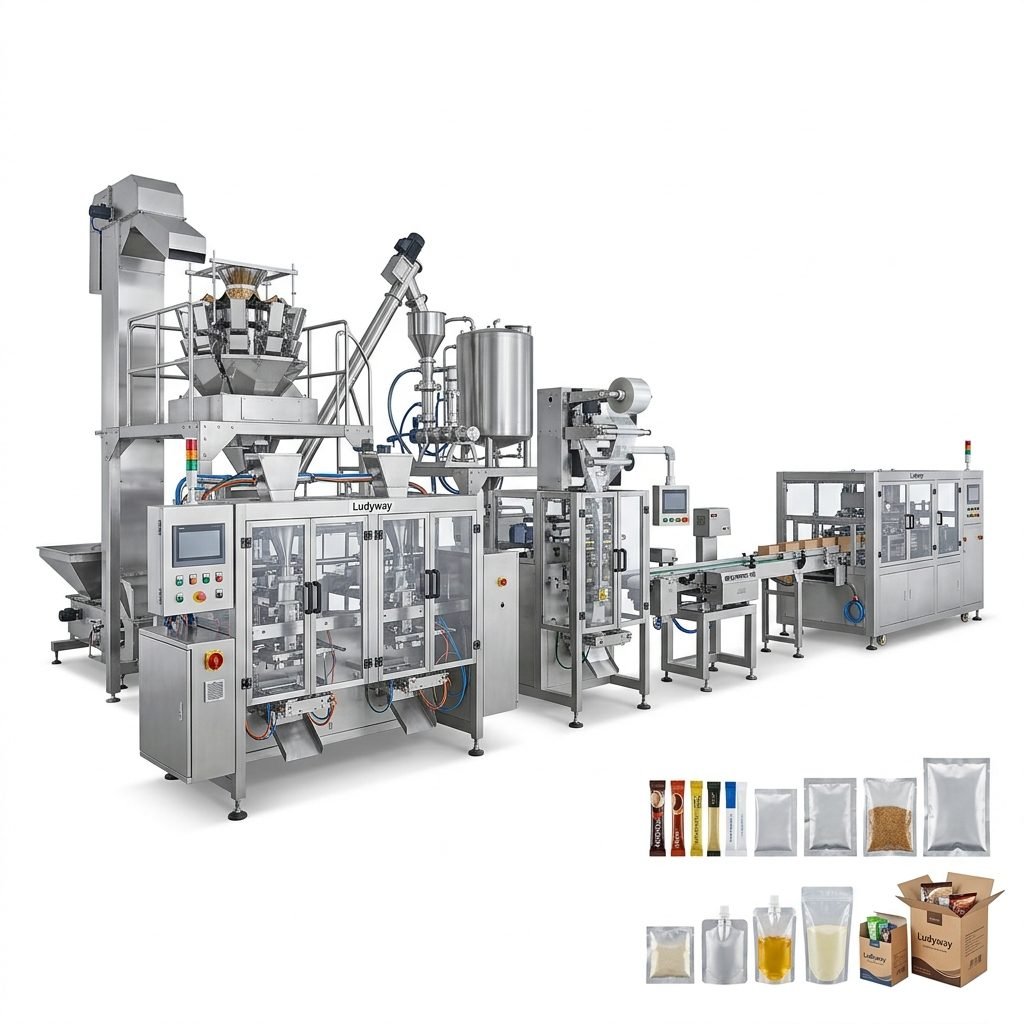
Recent market movements suggest that packaging brands can no longer rely on scale alone. Buyers are placing greater importance on automation performance, labor reduction, product adaptability, and after-sales responsiveness. In practical terms, this means packaging machinery manufacturers are being judged by how quickly they can help customers launch new SKUs, reduce downtime, and maintain packaging consistency across multiple formats.
Why competition is accelerating
Several structural changes are intensifying competition throughout the industry. Consumer markets are fragmenting, product lifecycles are shortening, and regulatory expectations are becoming more demanding. At the same time, many manufacturers are dealing with labor shortages and pressure to improve operating margins. These conditions are pushing packaging investment decisions higher on the strategic agenda.
- SKU proliferation is driving demand for more flexible packaging equipment.
- Automation upgrades are becoming essential in both mature and developing markets.
- Sustainability goals are influencing material selection and line design.
- Quality and traceability requirements are raising the value of intelligent systems.
- Faster delivery expectations are rewarding suppliers with strong engineering and service capabilities.
This is particularly visible in sectors such as single-dose beverages, nutritional powders, medical consumables, sachet liquids, and pouch-based convenience products, where production lines must balance high speed with precision filling and sealing performance.
Key market shifts reshaping brand positioning
1. Automation is moving from optional to essential
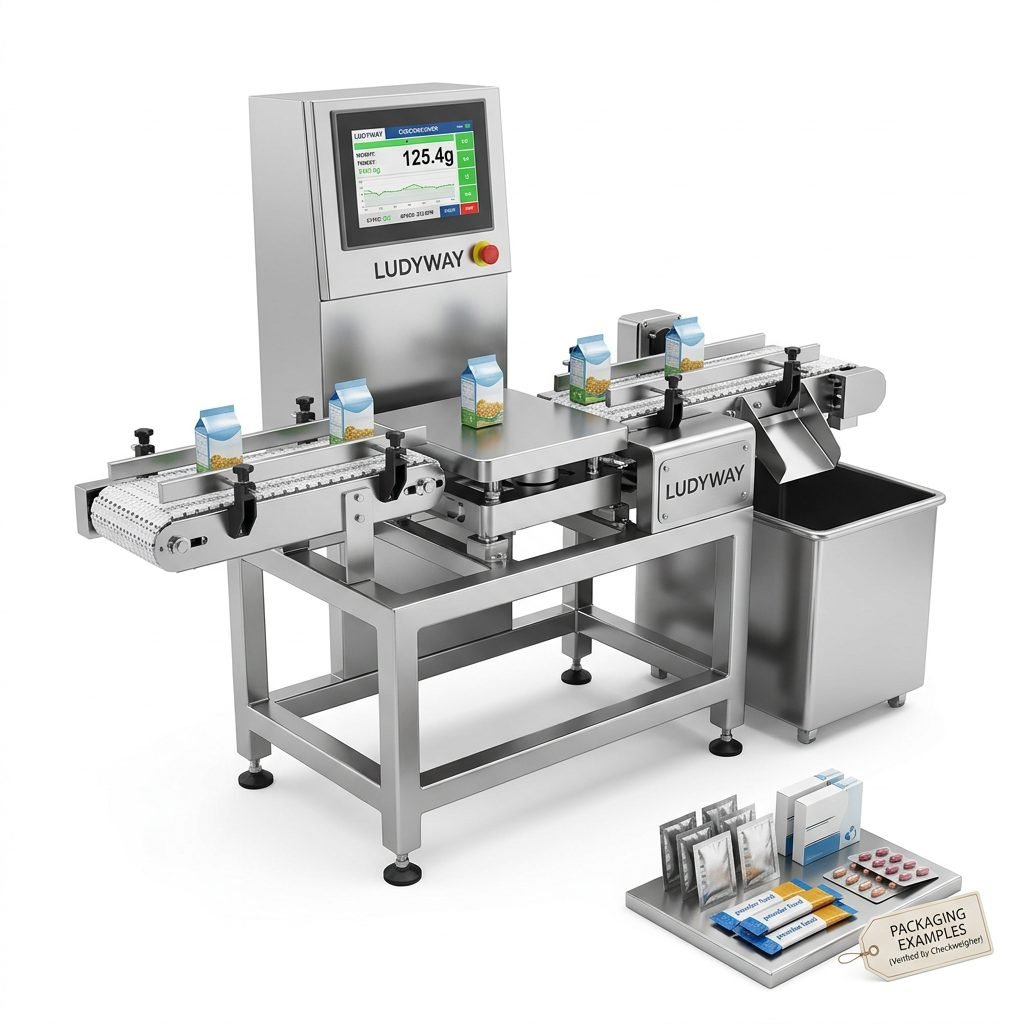
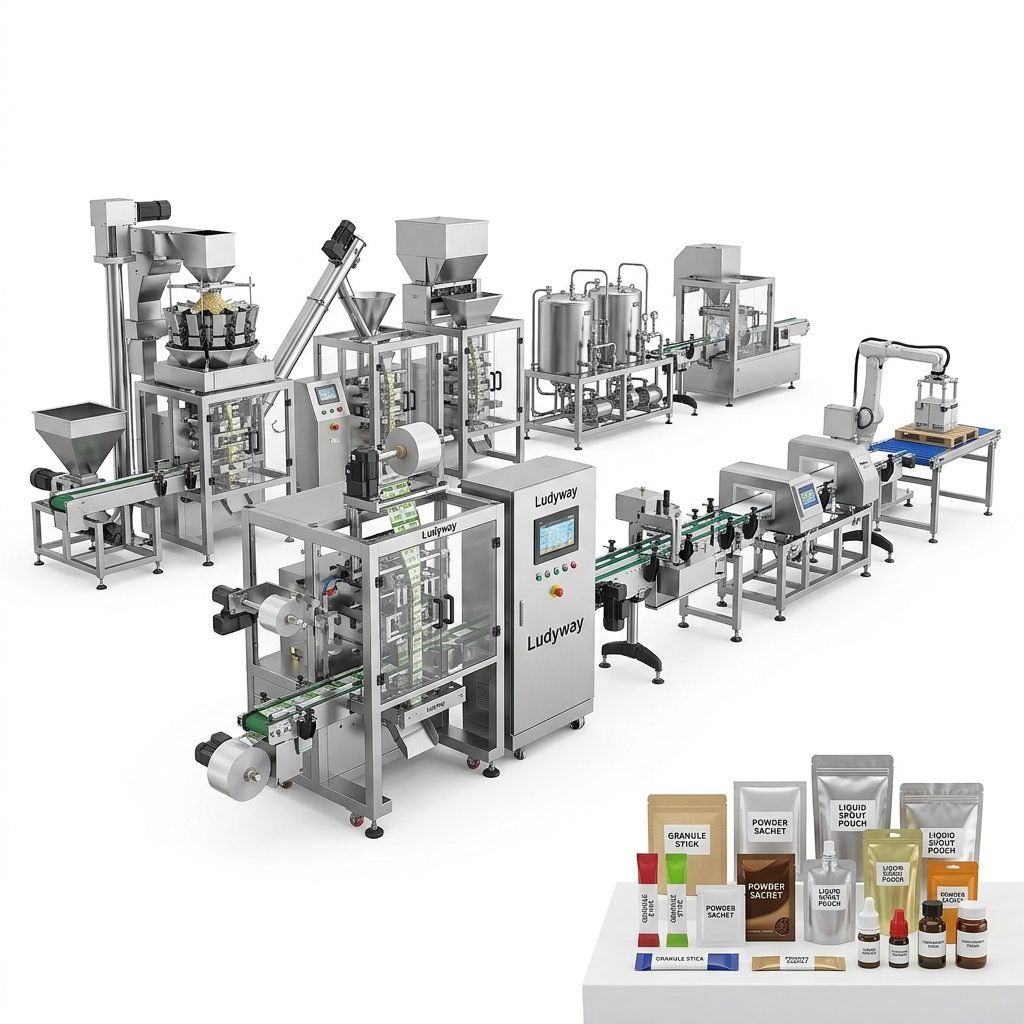
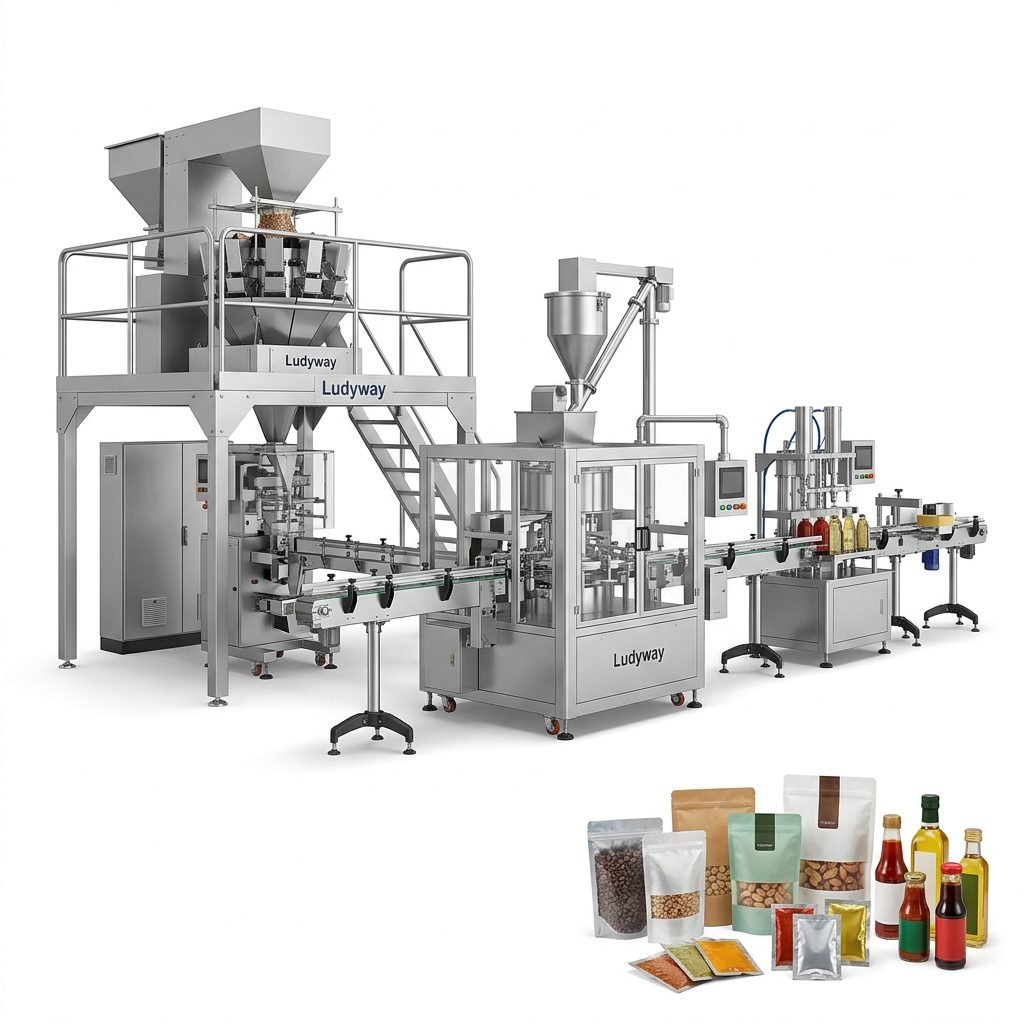
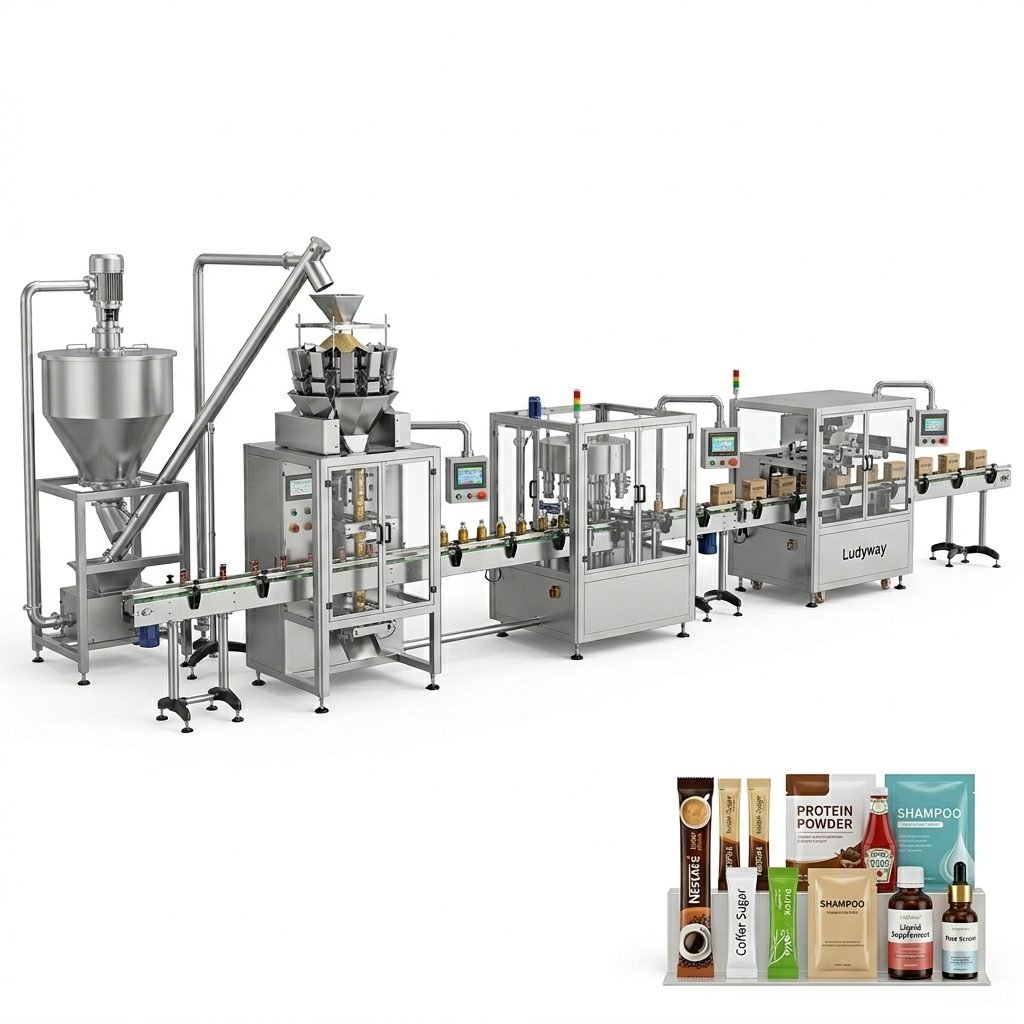
Manufacturers are increasingly replacing semi-automatic processes with integrated lines that combine feeding, filling, sealing, coding, inspection, cartoning, and end-of-line handling. This trend favors equipment brands that can provide complete engineering support rather than standalone machinery only.
2. Buyers want flexible production, not just speed
Speed remains important, but flexibility is becoming a stronger differentiator. Production teams want equipment that can handle granules, powders, liquids, pastes, and different pouch or sachet formats with minimal changeover time. As private-label manufacturing and regional product adaptation expand, flexible systems create a measurable competitive advantage.
3. Export markets are rewarding reliable turnkey partners
In Europe, North America, the Middle East, South America, Africa, and Southeast Asia, buyers are comparing not only machine specifications but also project execution reliability. Suppliers that can provide documentation, installation support, training, and long-term spare parts access are gaining stronger traction in cross-border deals.
4. Sustainability is influencing equipment selection
As brands seek lower material waste and more efficient resource use, packaging lines are being evaluated for dosing accuracy, sealing consistency, and compatibility with evolving packaging materials. Equipment that helps reduce product loss and improve pack integrity supports both environmental targets and cost control.
Competitive priorities by industry segment
| Segment | Main Competitive Focus | Buyer Expectation |
|---|---|---|
| Food & Beverage | High throughput, hygiene, multi-format packaging | Stable output and quick product changeover |
| Pharmaceutical | Accuracy, compliance, validation support | Traceability and reliable sealing quality |
| Health Supplements | Sachet/stick pack flexibility, dose consistency | Fast launch capability for new SKUs |
| Cosmetics & Personal Care | Clean filling, attractive packaging formats | Compact packs and premium presentation |
| Chemical & Industrial | Material handling reliability, safety, durability | Low downtime and precise dosing |
How leading suppliers are responding
To stay competitive, machinery brands are broadening their product portfolios and strengthening integrated solution capabilities. The market is shifting toward suppliers that can support the full packaging workflow, from product testing and equipment selection to line integration and post-installation service.
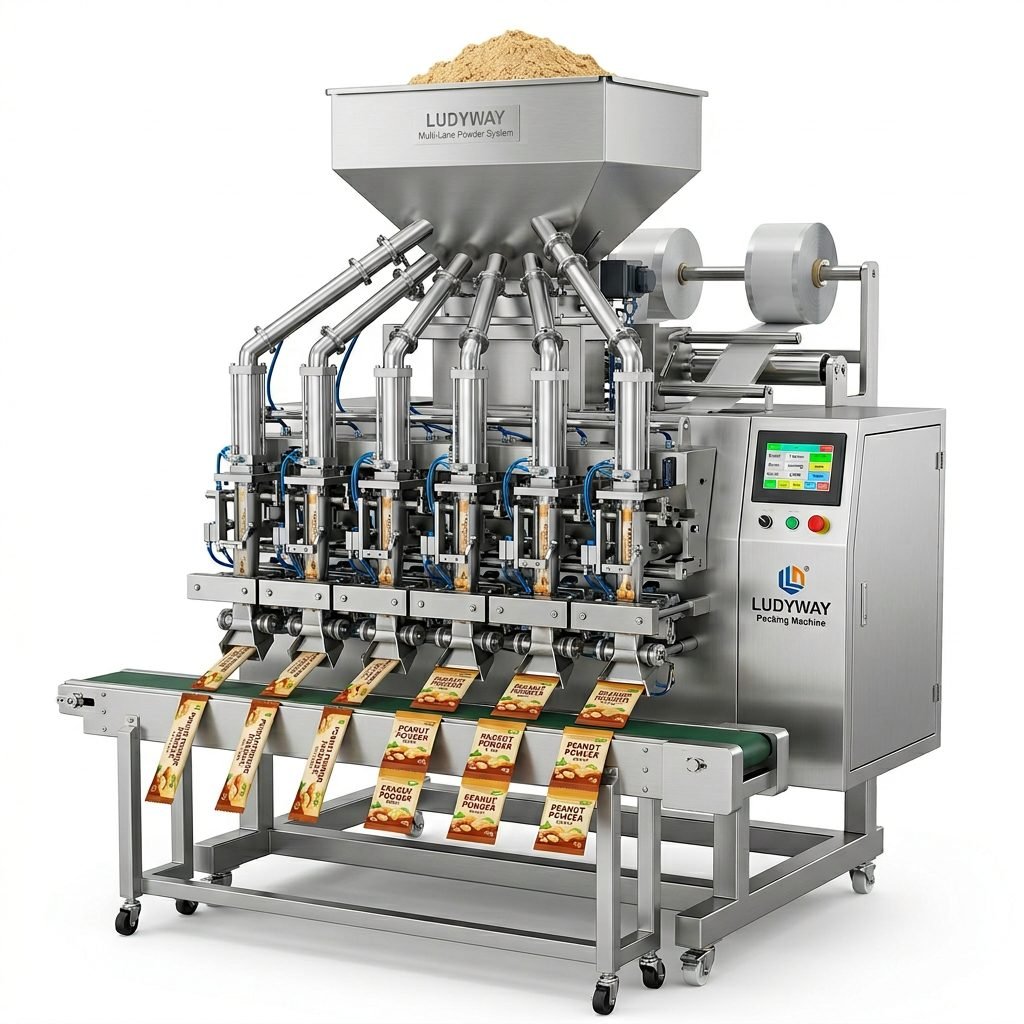
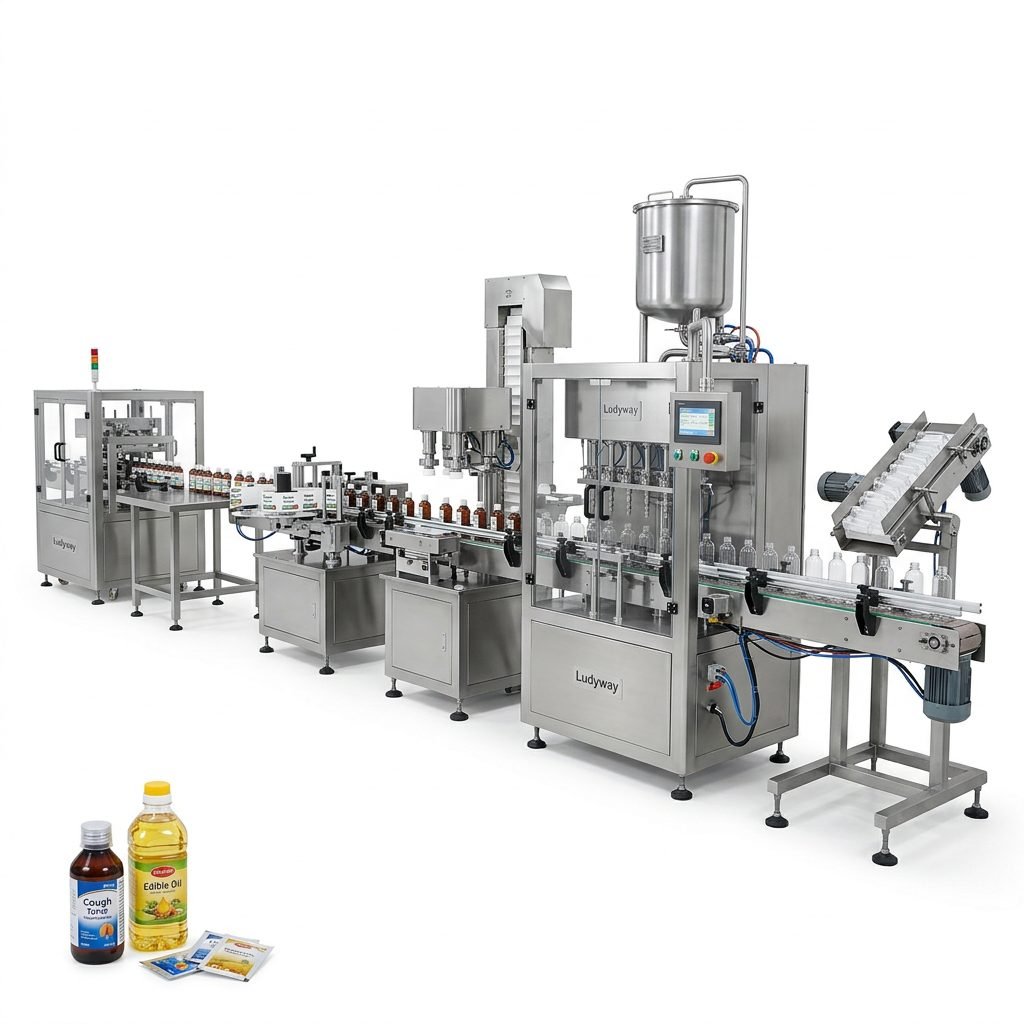
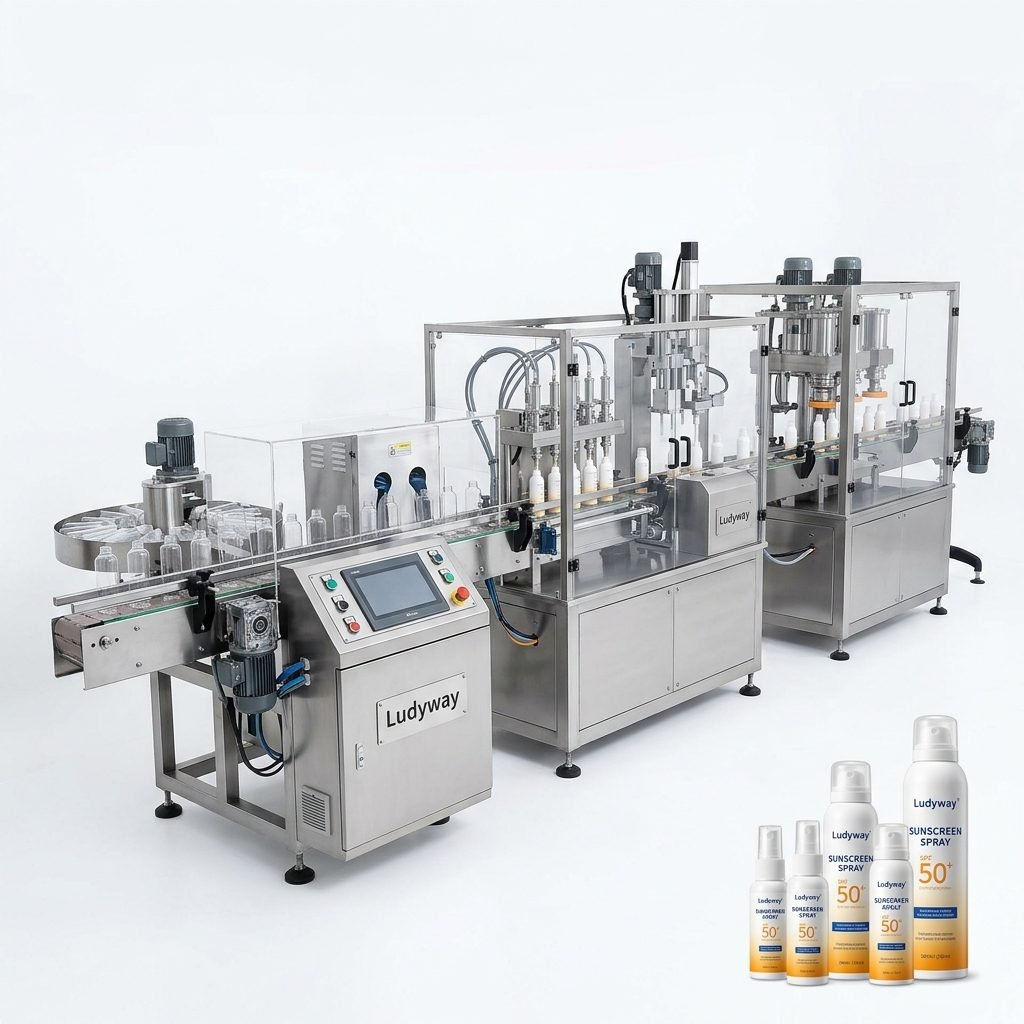
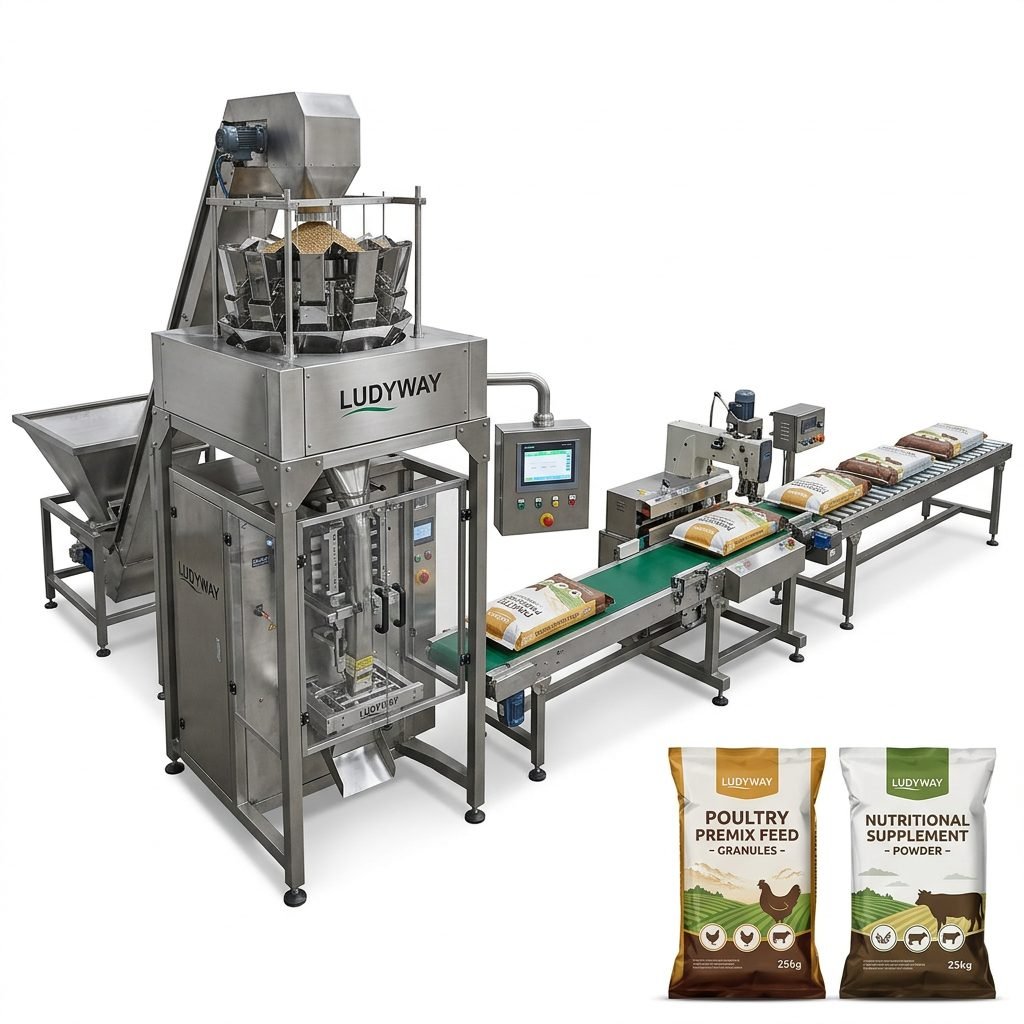
This is where established manufacturers with deep application experience are gaining visibility. For example, Ludyway packaging machine manufacturer has continued to strengthen its position through a combination of broad equipment coverage, turnkey line capability, export-oriented service, and more than 30 years of engineering experience. With a modern factory of over 20,000 square meters and a presence in more than 100 countries and regions, the company reflects a wider industry trend: buyers increasingly prefer partners that can scale from single machines to full automation projects.
Competitive strengths that matter most in 2026
- Application-specific engineering expertise
- Broad machine configuration options
- Turnkey packaging line integration
- Export documentation and global project support
- Consistent quality inspection and assembly standards
- Long-term technical service and spare parts availability
Pressure on smaller brands and low-cost suppliers
As the market matures, low-price competition alone is becoming less effective. Buyers are more cautious about hidden lifecycle costs, especially when production downtime, maintenance difficulty, and inconsistent packaging quality can disrupt profits. Smaller brands without strong technical support may still win on initial budget, but they often face growing pressure when customers scale production or diversify packaging formats.
In contrast, brands with stronger manufacturing depth, broader format compatibility, and better project execution are improving their share in medium- and large-scale investment decisions. This is especially true in regulated industries and export-focused operations where machine reliability directly affects shipment performance and customer trust.
What buyers are asking before making decisions
Procurement teams and factory managers are becoming more data-driven. Instead of evaluating equipment only by speed or price, they are looking at total production value. Typical questions now include:
- Can the line support future product expansion?
- How fast can the machine switch between formats or dosing ranges?
- What level of automation is available for feeding, inspection, and cartoning?
- How stable is the supplier’s overseas support capability?
- Can the system reduce labor dependency without compromising pack quality?
Outlook: brand competition will remain intense
The packaging industry is likely to remain highly competitive over the coming years as production models continue to evolve. Companies serving fast-moving categories will keep investing in smart, scalable, and multi-format packaging systems, while machinery brands will compete more aggressively on customization, project delivery speed, and service responsiveness.
For industry participants, the message is clear: market leadership will increasingly depend on practical value creation. Suppliers that can combine automation efficiency, flexible design, and dependable global support will be best positioned to stand out as brand competition intensifies amid ongoing market shifts.
Industry takeaway
Winning in today’s packaging market means delivering more than machinery. It means delivering productivity, adaptability, compliance confidence, and a long-term pathway to smarter manufacturing.