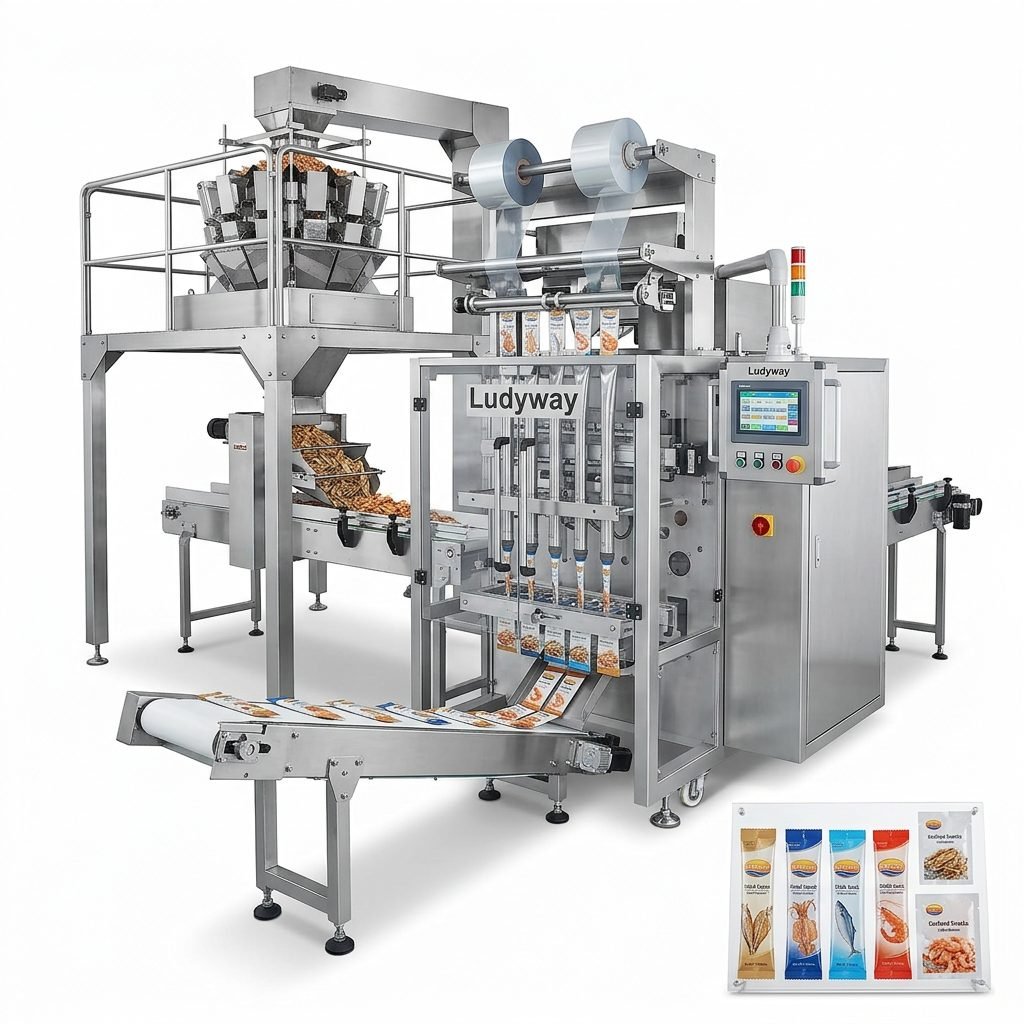
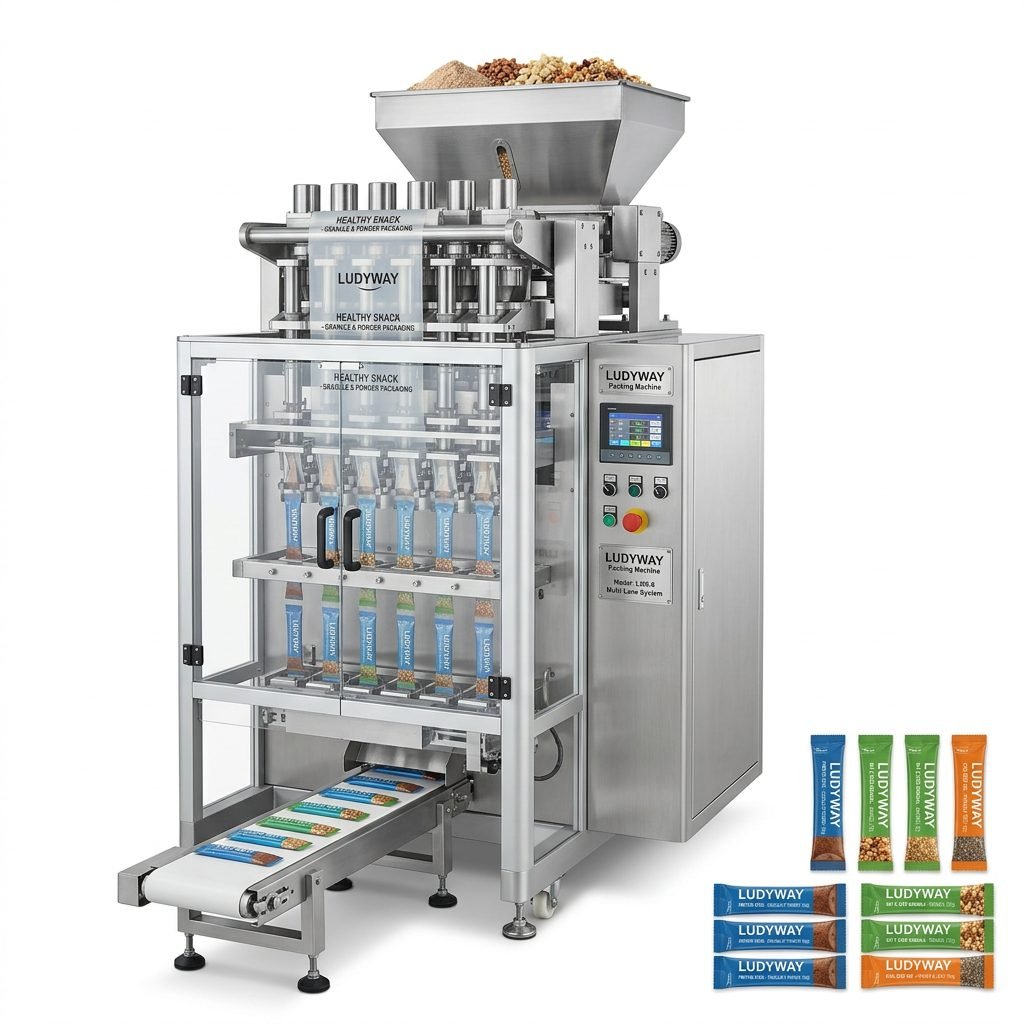
In pharmaceutical, nutraceutical, and healthcare packaging, blister packs remain one of the most trusted formats for protecting tablets, capsules, softgels, and unit-dose products. An automatic blister packaging machine helps manufacturers achieve higher output, more stable sealing quality, lower labor dependence, and better batch traceability—all while meeting modern production and compliance requirements.
For companies looking to scale production without sacrificing packaging accuracy, automated blister systems offer a practical path to efficiency, reliability, and long-term cost control. They are especially valuable in industries where product protection, dosage integrity, and shelf presentation matter as much as speed.
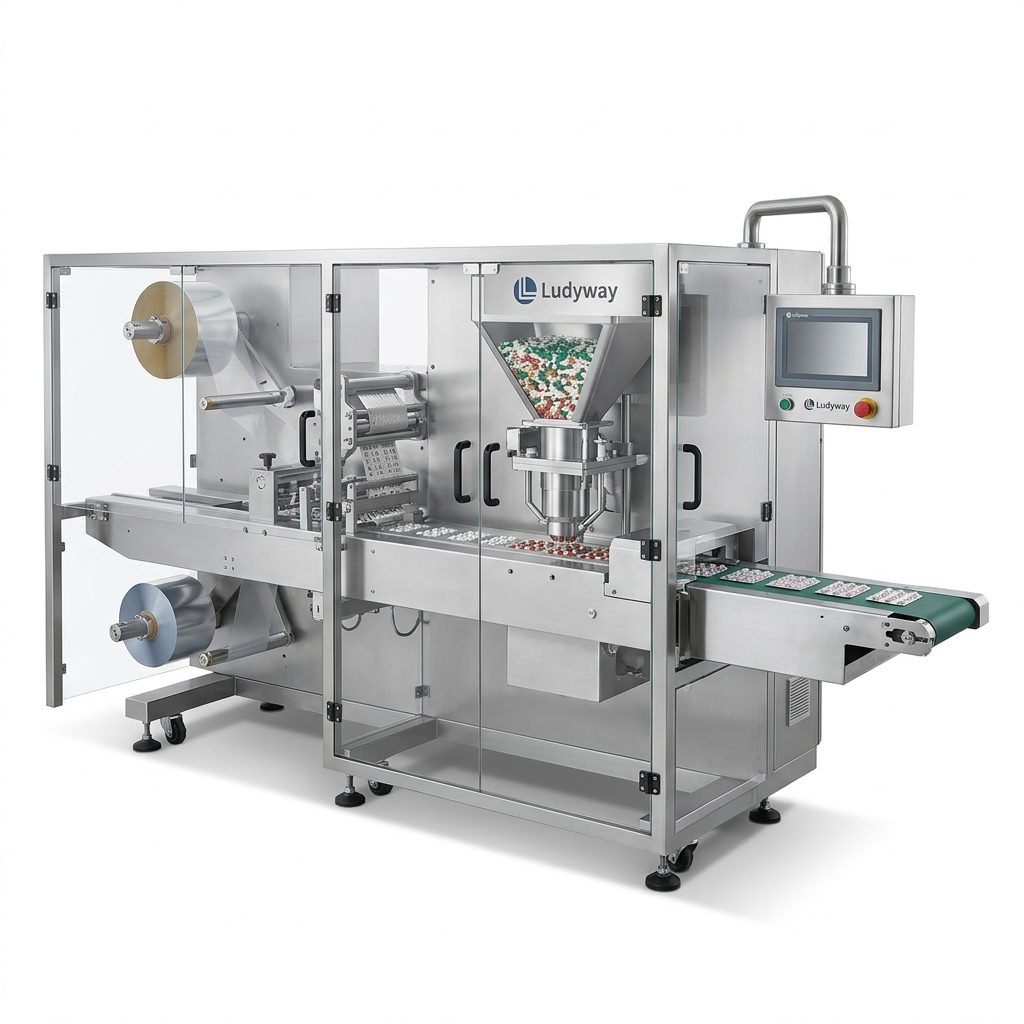
What Is an Automatic Blister Packaging Machine?
An automatic blister packaging machine is a packaging system designed to form cavities from plastic or aluminum-based materials, place products into those cavities, seal them with lidding material, and discharge finished blister packs for downstream cartoning or case packing. Depending on the application, the machine can handle:
- Tablets and capsules
- Softgels and lozenges
- Medical devices and disposable items
- Consumer healthcare products
- Small hardware or specialty industrial parts
In high-volume production environments, automation reduces manual intervention and supports continuous, repeatable packaging performance. This is why many manufacturers prefer automatic systems over semi-automatic alternatives when consistency and output are business priorities.
How the Machine Improves Packaging Efficiency
Packaging speed is one of the biggest reasons companies invest in automatic blister packaging equipment. A well-configured machine integrates several core functions into one streamlined workflow, including forming, feeding, sealing, perforating, coding, punching, and discharge.
Key efficiency advantages include:
- Continuous production flow with minimal stops
- Precise product placement for reduced waste
- Fast changeover between formats and product sizes
- Better synchronization with cartoners and inspection units
- Lower labor intensity in repetitive packaging tasks
For growing manufacturers, these gains translate into more packs per shift, improved line utilization, and a more predictable production schedule.
Why Reliability Matters in Blister Packaging
A blister package is only as good as its seal integrity and cavity accuracy. Even a small packaging defect can affect product safety, appearance, transport durability, or shelf life. That is why reliability is not just a technical preference—it is a commercial necessity.
A reliable automatic blister packaging machine typically offers:
- Stable temperature control for consistent sealing
- Accurate indexing and forming depth
- Low fault rates during long production runs
- Easy-to-monitor HMI operation
- Compatibility with quality inspection systems
When machine stability improves, manufacturers see fewer rejects, less downtime, and better overall packaging quality. In regulated industries, this also supports documentation, repeatability, and audit readiness.
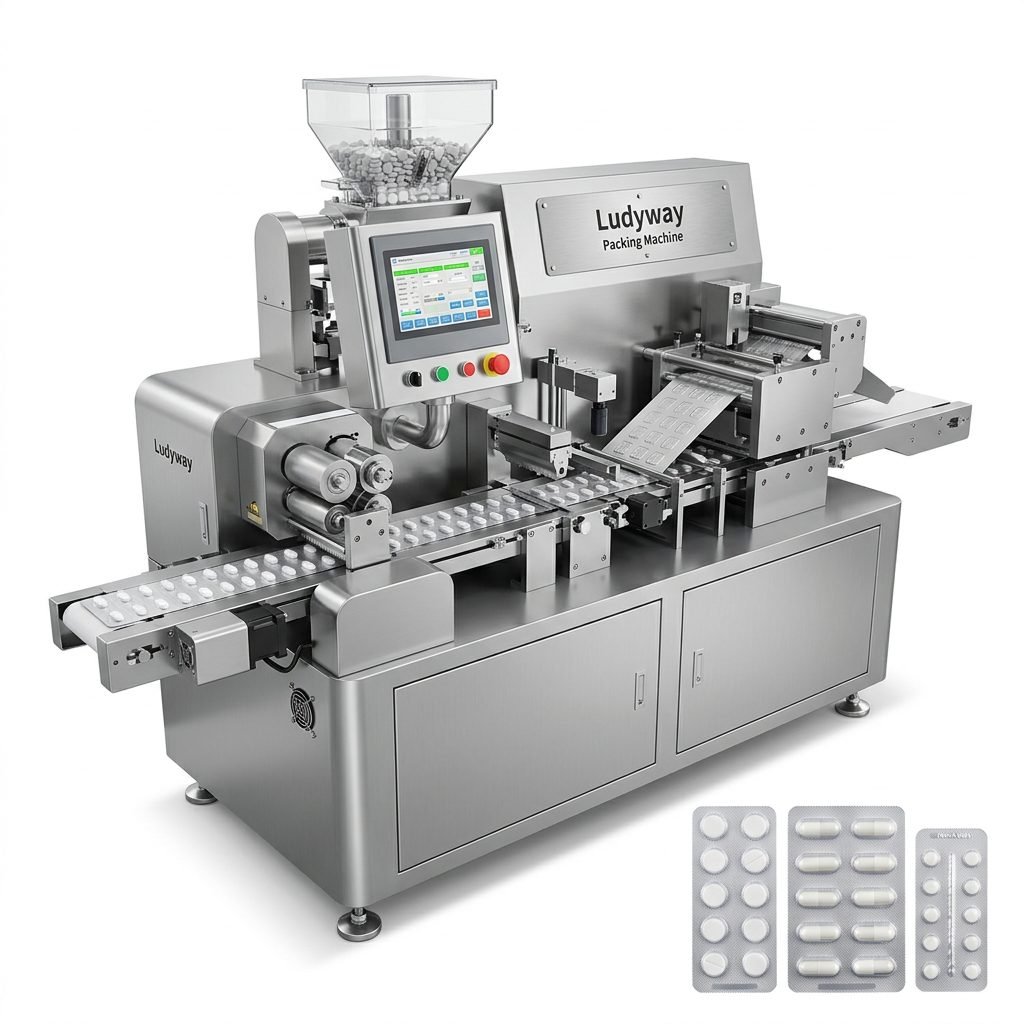
Core Components of an Automatic Blister Packaging Machine
Understanding the core structure of the machine helps buyers compare equipment more effectively. While configurations vary, most modern systems include the following modules:
| Component | Function |
|---|---|
| Forming station | Creates blister cavities from PVC, PVDC, PET, Alu, or similar materials |
| Feeding system | Places tablets, capsules, or products accurately into formed pockets |
| Sealing station | Applies lidding foil or film with controlled temperature and pressure |
| Coding/printing unit | Prints batch numbers, manufacturing dates, or traceability data |
| Punching/cutting station | Separates the web into final blister card formats |
| Discharge section | Transfers finished packs to collection or cartoning systems |
Applications Across Multiple Industries
Although blister packaging is strongly associated with pharmaceuticals, modern automatic blister machines serve a much wider market. Their flexibility makes them suitable for different packaging requirements where unit protection and visual organization are important.
Common application sectors:
- Pharmaceuticals – tablets, capsules, caplets, medical consumables
- Nutraceuticals – vitamins, minerals, health supplements
- Healthcare products – lozenges, oral dosage products
- Medical devices – sterile or single-use packaged items
- Consumer goods – small parts, batteries, accessories, specialty products
For companies operating in these sectors, machine adaptability is often just as important as speed. A machine that supports different blister sizes, forming materials, and feeding methods can significantly improve investment value.
Cost-Effectiveness Beyond the Purchase Price
When evaluating an automatic blister packaging machine, buyers should look beyond the initial machine cost. The real value comes from total cost of ownership over the full life cycle of the equipment.
A cost-effective machine helps reduce:
- Labor costs through automation
- Material waste caused by sealing or feeding errors
- Downtime from unstable operation
- Maintenance expenses from poor component quality
- Production losses linked to inconsistent packaging output
In many cases, a higher-quality automatic blister packaging machine pays for itself through improved efficiency, better product protection, and fewer operational disruptions.
What to Consider Before Choosing a Machine
Selecting the right equipment requires a clear understanding of your production needs. Not every machine is suitable for every product, material, or output target. A structured evaluation process can help avoid underperforming investments.
Important selection factors:
| Factor | Why It Matters |
|---|---|
| Product type | Tablets, capsules, softgels, and devices require different feeding and handling methods |
| Packaging material | Material compatibility affects forming quality, barrier performance, and sealing stability |
| Output requirement | Machine speed should match current demand and future expansion plans |
| Changeover flexibility | Fast format change reduces downtime in multi-product production |
| Compliance needs | Pharmaceutical and medical sectors may require GMP-oriented design and validation support |
| After-sales support | Reliable technical service is essential for maintenance, training, and spare parts supply |
Integration With Complete Packaging Lines
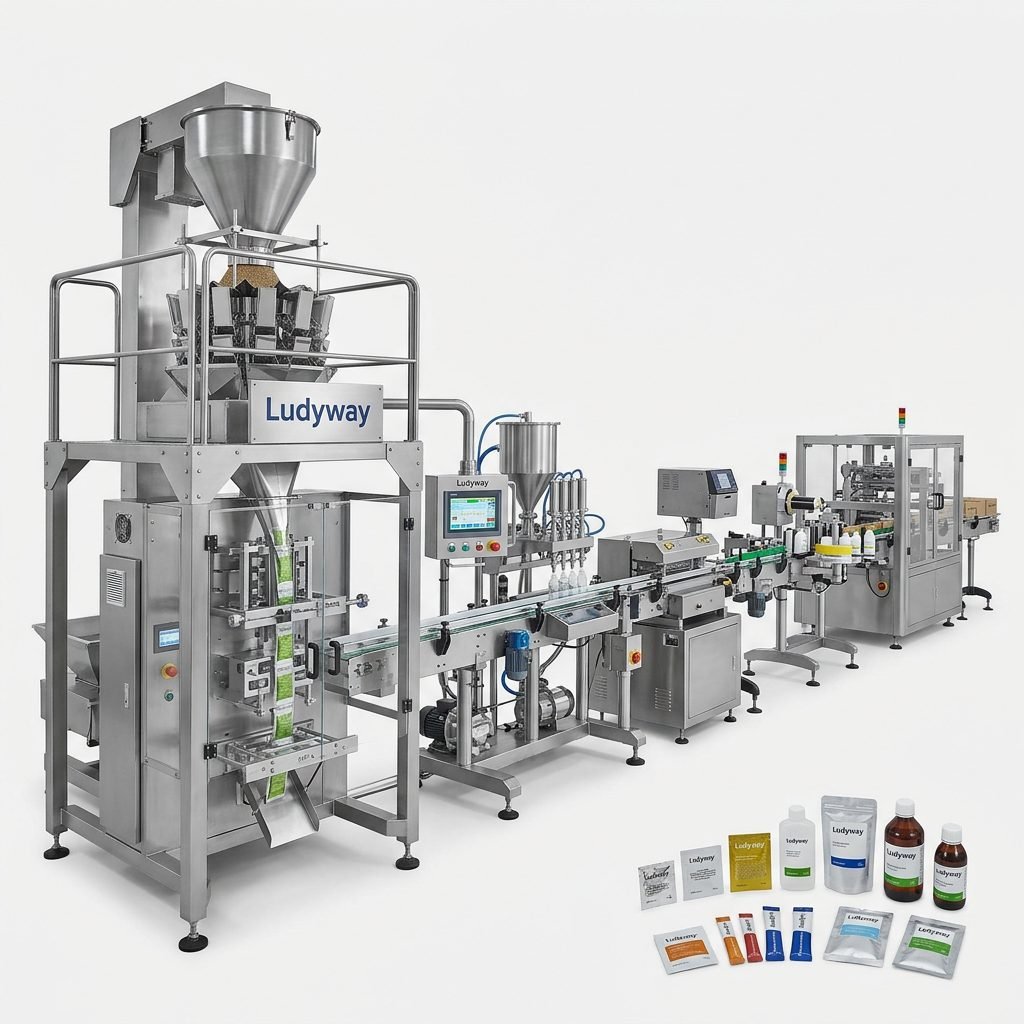
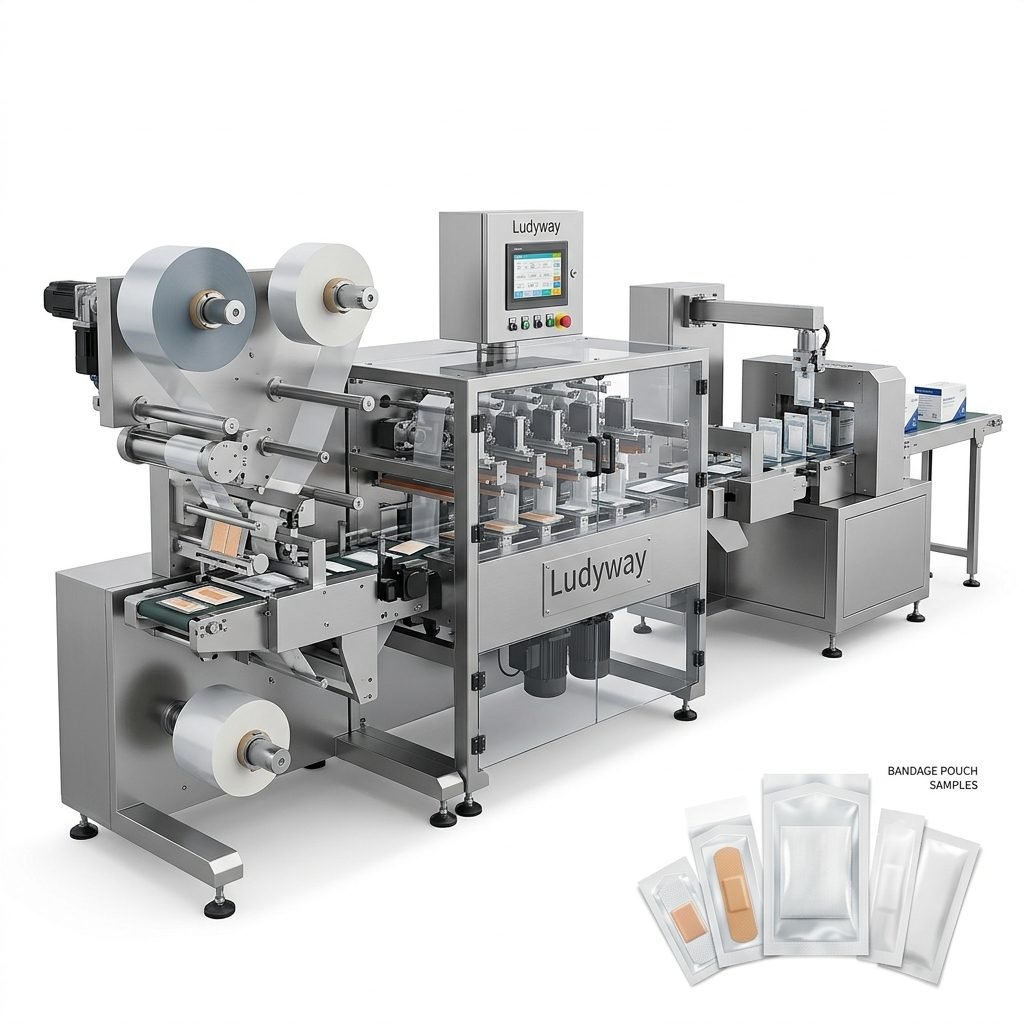
An automatic blister packaging machine performs best when it works as part of an integrated packaging line. Upstream and downstream coordination can greatly improve overall equipment effectiveness.
Typical line integration may include:
- Tablet or capsule feeding systems
- Vision inspection and reject units
- Cartoning machines
- Case packers and palletizing systems
- Batch coding and serialization modules
For manufacturers planning expansion, line compatibility is a major advantage. It supports future automation upgrades without replacing the entire system.
Maintenance and Operational Best Practices
Even the best machine needs proper care to maintain long-term performance. Preventive maintenance and operator training are critical for preserving output and packaging quality.
Recommended best practices:
- Clean forming and sealing areas regularly
- Inspect heating elements and sealing pressure settings
- Replace wear parts before failure occurs
- Calibrate feeding and indexing systems as required
- Train operators on format change and troubleshooting procedures
Consistent maintenance not only extends machine life but also protects packaging quality and reduces unexpected downtime.
Benefits for Growing Manufacturers
As market competition increases, manufacturers need packaging equipment that delivers more than just automation. They need systems that support operational growth, quality consistency, and flexible production planning.
An automatic blister packaging machine can help businesses achieve:
- Higher daily packaging capacity
- Improved product protection
- Better visual presentation on shelves
- Reduced packaging defects
- Scalable line automation for future expansion
This makes the machine a strong investment for pharmaceutical companies, contract packers, healthcare brands, and manufacturers looking to modernize their production process.
Choosing a Trusted Packaging Equipment Partner
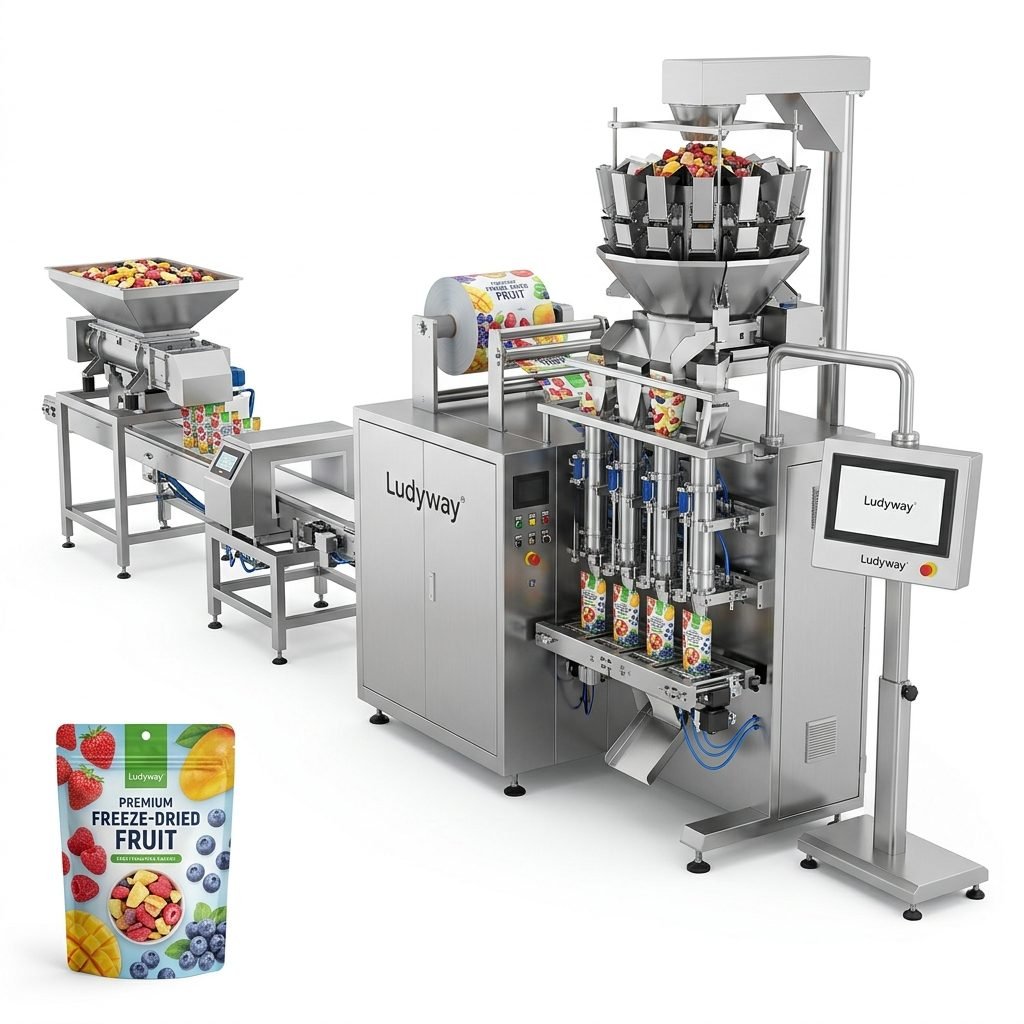
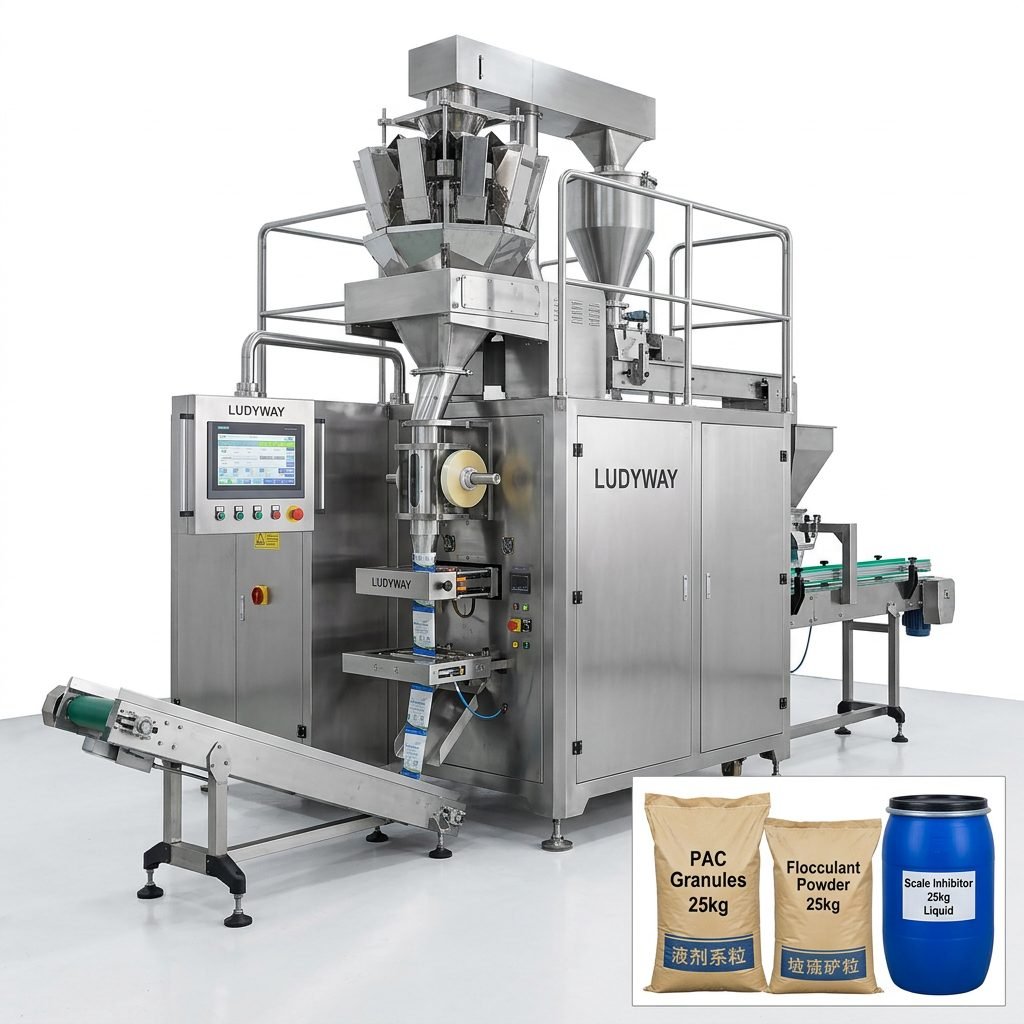
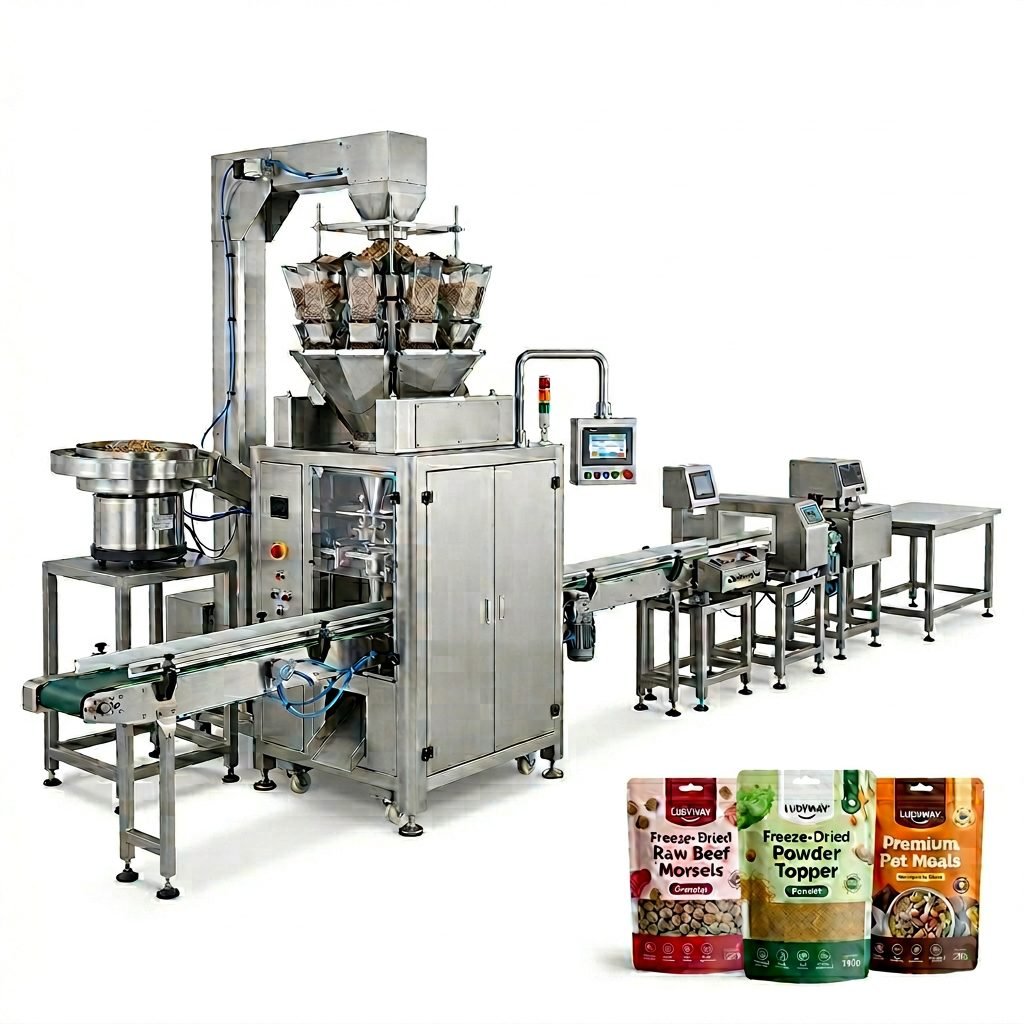
Machine performance depends not only on design, but also on the expertise behind the equipment. Buyers often benefit from working with a manufacturer that understands both standalone machines and turnkey line integration. Ludyway automatic packaging solutions are backed by more than 30 years of manufacturing experience, broad export coverage, and the ability to support customized packaging projects across food, pharmaceutical, health supplement, and related industries.
Final Buying Insight
If your business requires dependable unit-dose packaging with strong protection, clean presentation, and efficient throughput, an automatic blister packaging machine is a highly practical solution. The right system can strengthen production efficiency, improve reliability across long runs, and create measurable savings over time.
For long-term success, focus on machine stability, application fit, upgrade potential, and after-sales support. These factors often make the difference between a basic purchase and a truly valuable packaging investment.