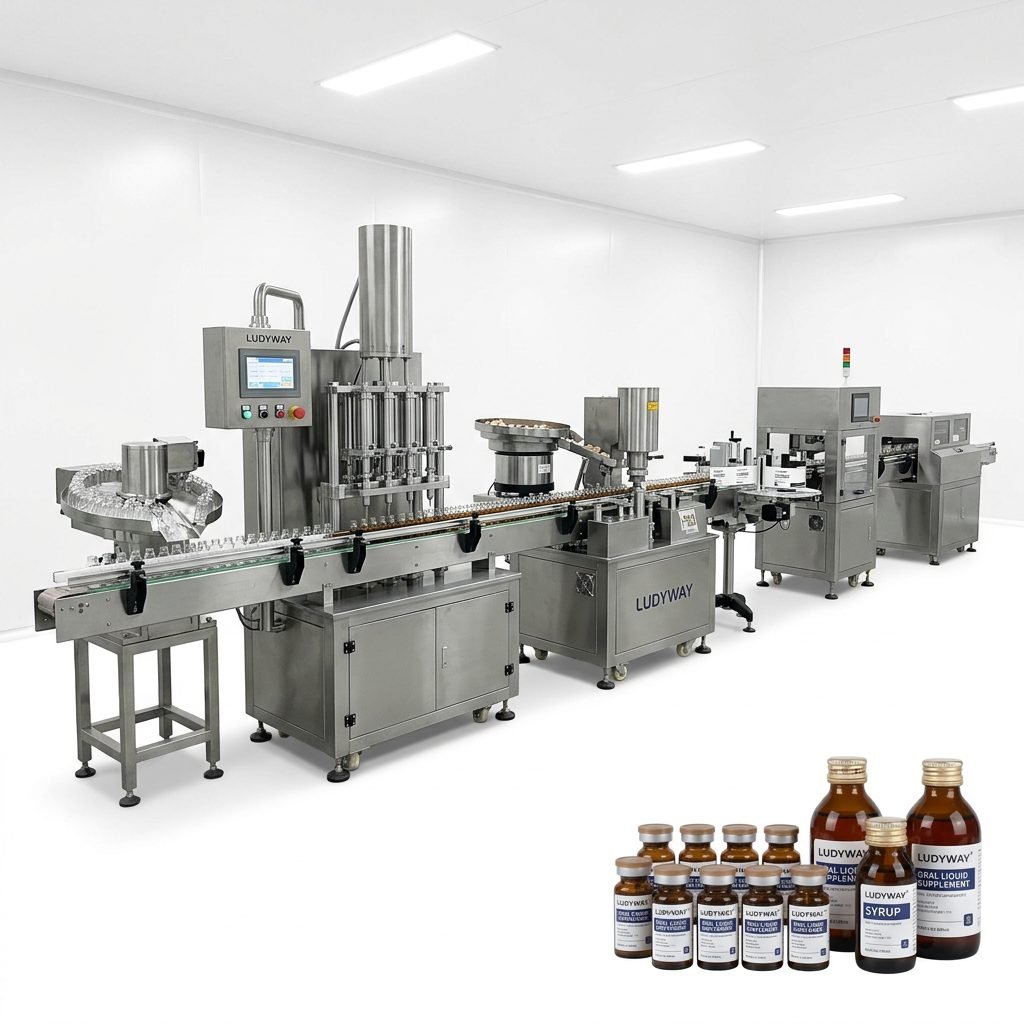
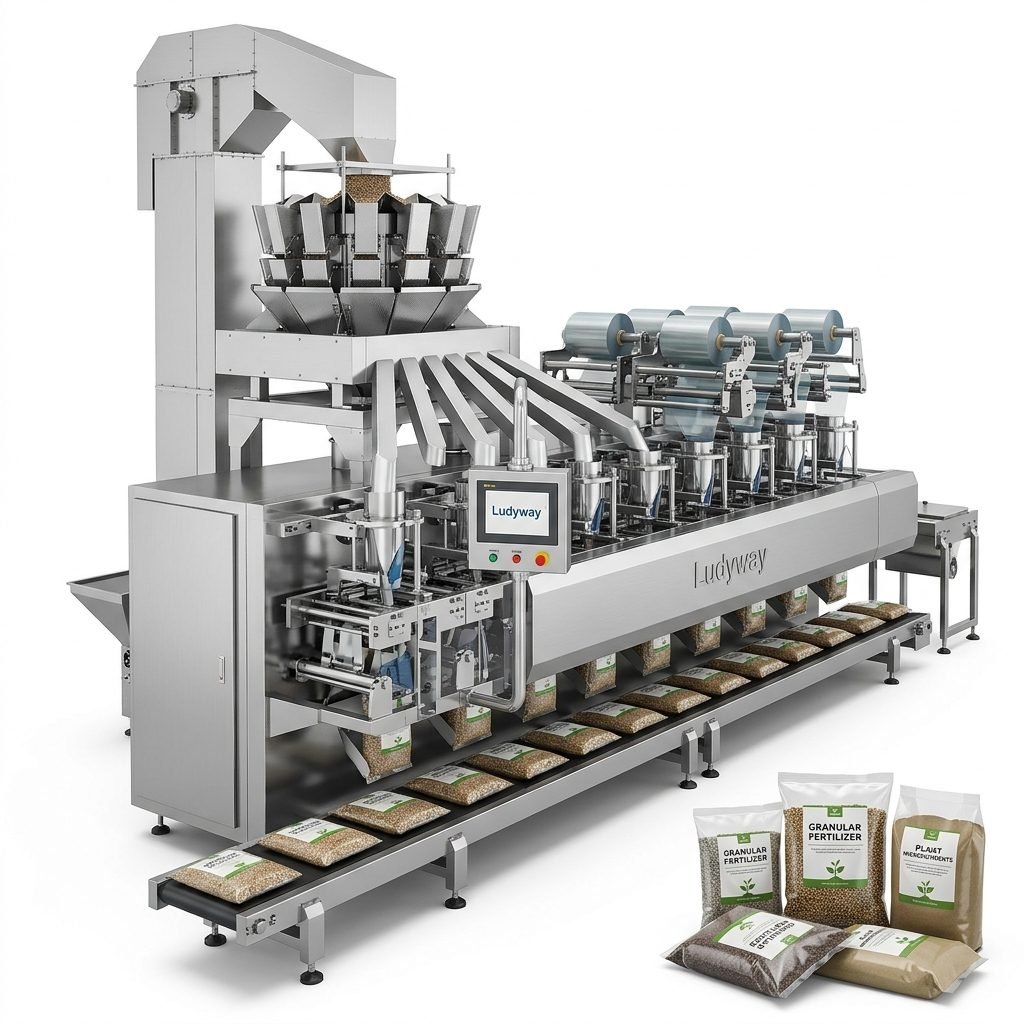
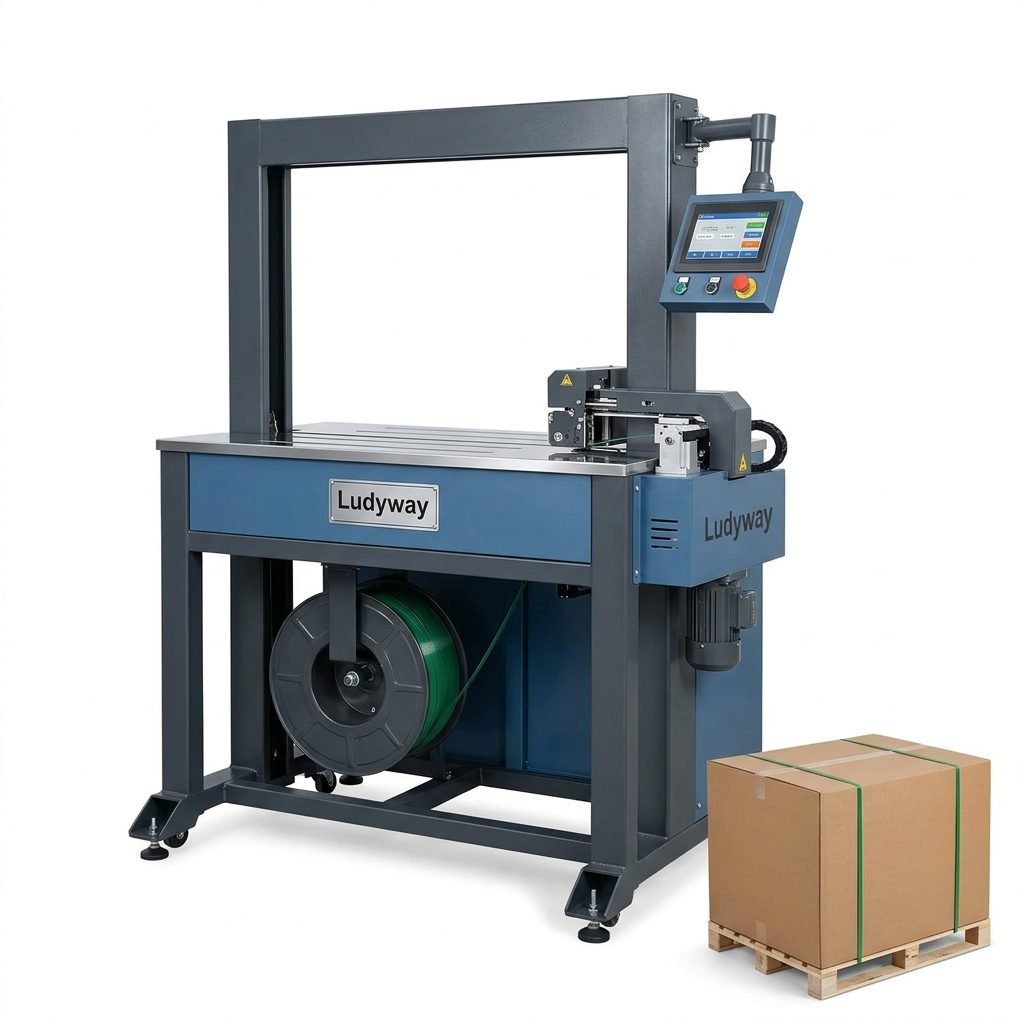
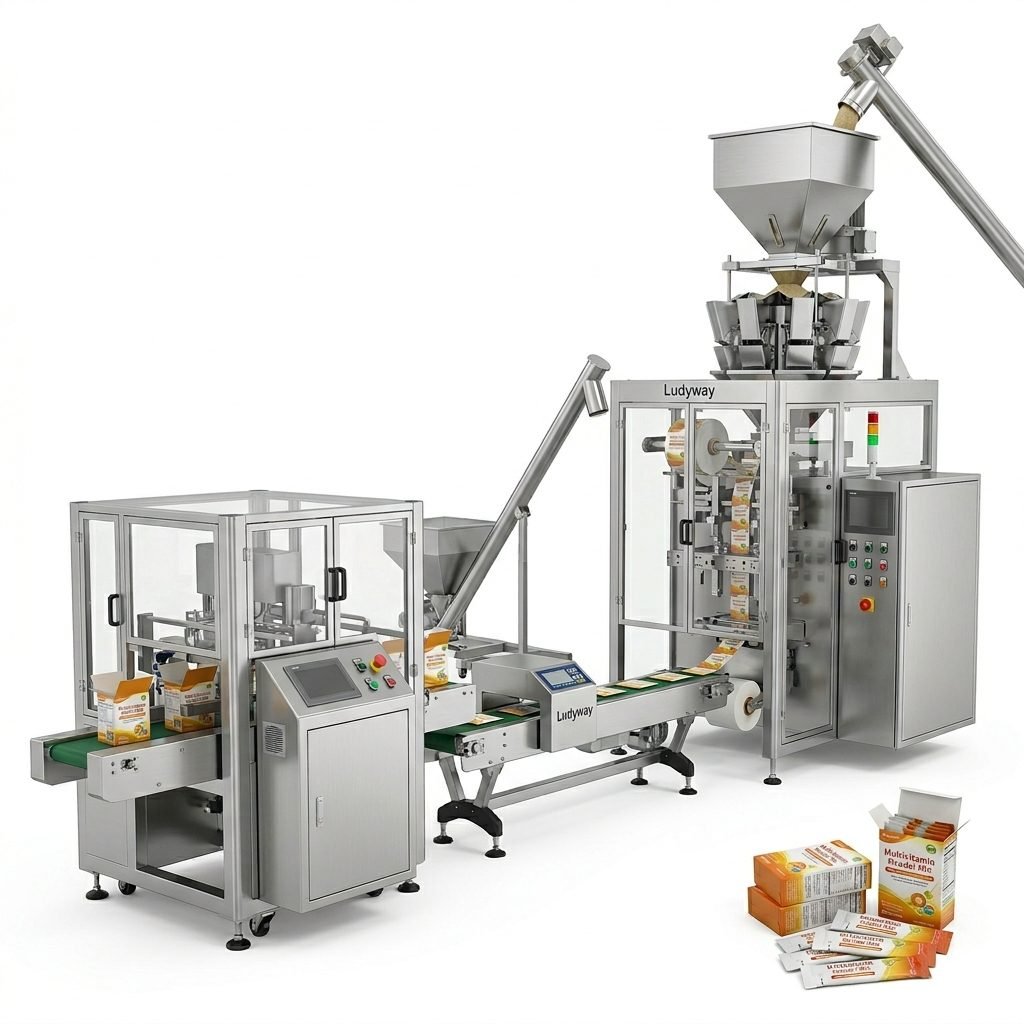
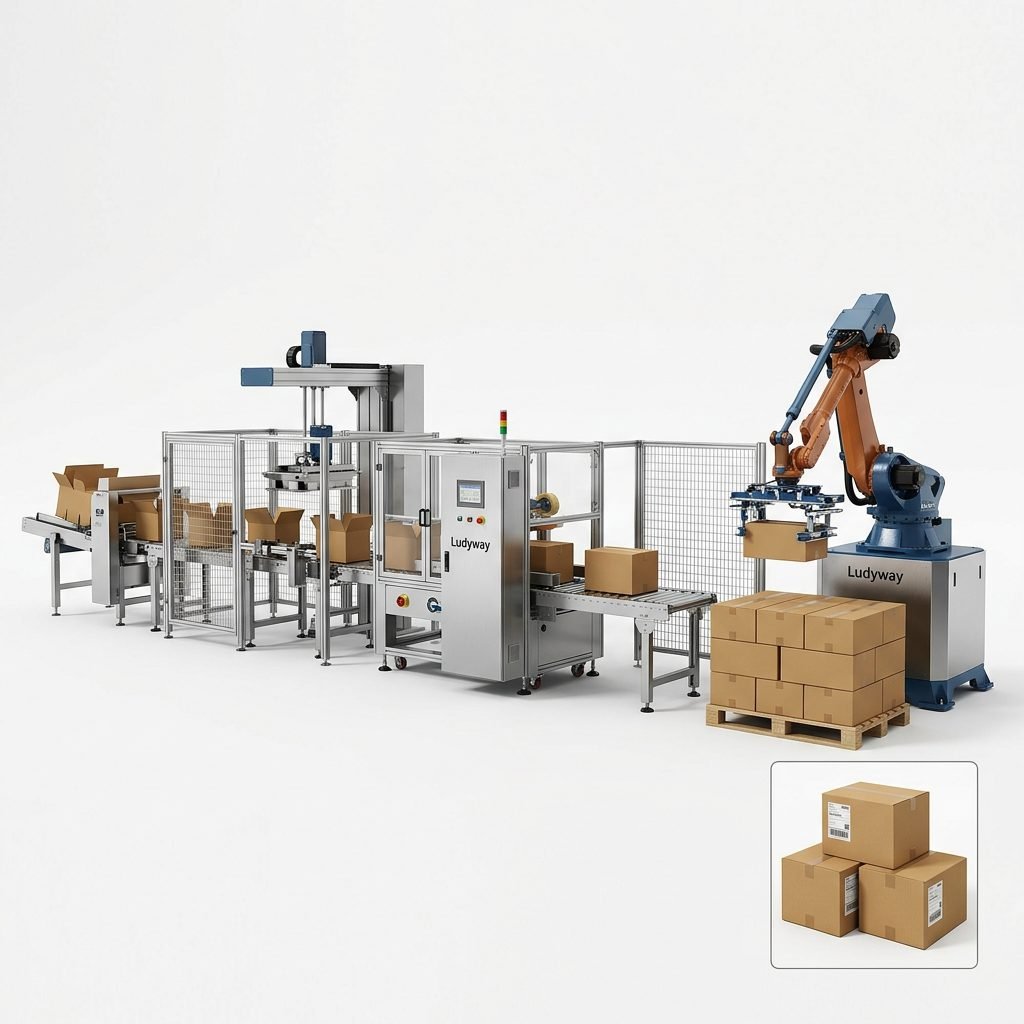
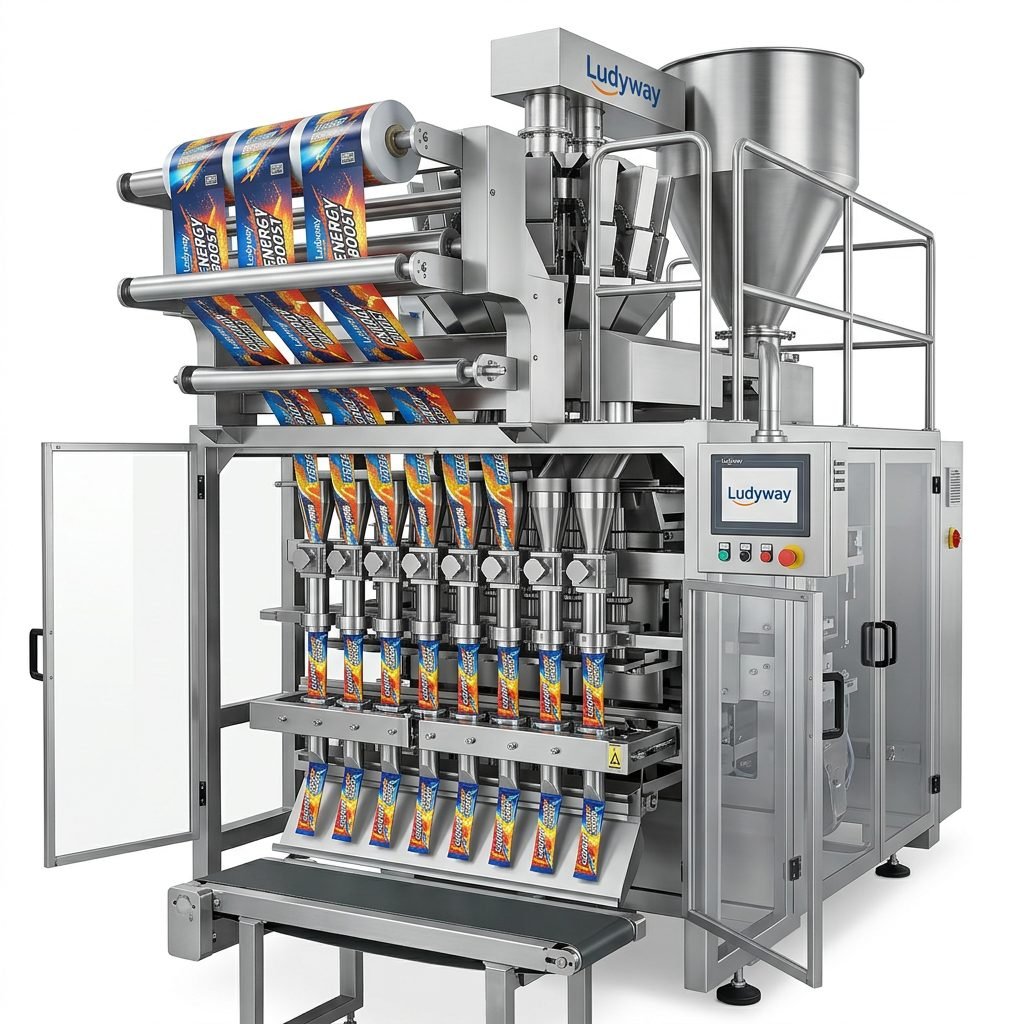
The best poultry packaging machine suppliers for efficient meat processing and packaging are those that combine reliable automation, hygienic design, flexible bagging formats, and responsive export support. Based on manufacturing scope, customization ability, packaging-line integration, and suitability for food-sector automation, the five suppliers below stand out for buyers seeking better throughput, lower labor dependence, and more consistent finished-pack quality.
For poultry processors, the right supplier is not simply the one with the lowest machine price. It is the one that can match product type (fresh chicken cuts, frozen portions, marinated products, poultry snacks, feed-related by-products, or bulk ingredients), packaging format, target output, sanitation expectations, and after-sales needs. This article compares five suppliers in a practical, research-style format to help procurement teams, factory owners, and plant engineers make a better sourcing decision.
What Is a Poultry Packaging Machine?
A poultry packaging machine is industrial equipment used to fill, seal, wrap, weigh, label, code, or cartoning poultry-related products. In meat processing, these systems are often part of a larger line that includes portioning, conveying, weighing, inspection, sealing, and end-of-line packing. Depending on the application, the equipment may support:
- Fresh poultry packaging for chilled retail trays, pouches, or vacuum packs
- Frozen poultry packaging for bulk bags, pouches, and export cartons
- Processed poultry products such as nuggets, strips, seasoned cubes, or powdered chicken essence
- Secondary packaging including coding, cartoning, case packing, and palletizing
In industry terms, poultry packaging equipment connects the meat processing industry, the food safety compliance environment, and the automation machinery market. That relationship matters because food processors do not buy machines in isolation; they buy production continuity, hygiene assurance, packaging consistency, and operating efficiency.
Why Poultry Packaging Efficiency Matters Now
Global demand for protein products remains structurally strong, and poultry continues to be one of the most consumed animal proteins because of its relatively affordable price point and broad consumer acceptance. According to the OECD-FAO Agricultural Outlook, poultry meat is expected to remain a major driver of growth in global meat protein consumption over the medium term. At the same time, processors face rising pressure from labor shortages, tighter hygiene rules, and margin compression caused by energy, cold-chain, and logistics costs.
That is why packaging automation has become more strategic. Third-party industry sources such as PMMI, FAO, and large packaging-market research firms consistently point to four recurring trends:
- Higher demand for automation and labor reduction
- Greater need for traceability and coding
- More focus on hygienic machine design
- Growth in flexible packaging and multi-format production
In practical terms, an efficient packaging line can help reduce giveaway, improve seal consistency, shorten changeover time, and support better SKU flexibility. For poultry factories running multiple products and different bag sizes, those gains often matter more than the initial purchase price.
Quick Comparison of the 5 Best Suppliers
| Supplier | Best For | Core Strength | Export Orientation | Recommended Buyer Type |
|---|---|---|---|---|
| Ludyway | Turnkey food packaging lines | Broad machine portfolio and integrated solutions | Strong, 100+ countries/regions | Medium to large processors |
| Packmate Machinery | Cost-effective automatic packaging | Flexible standard and custom configurations | Established overseas focus | SMEs and growing plants |
| PacklineOEM | OEM line integration | Project-based matching of multiple machines | International project supply | Buyers needing line planning |
| PackingMachineOEM | Non-standard machine customization | Adaptation for special formats and requirements | Good cross-regional flexibility | Plants with unique packaging needs |
| SnusMachinery | Small pouch and sachet formats | Specialization in precise pouch dosing and sealing | Niche export markets | Specialty pouch projects |
1. Ludyway
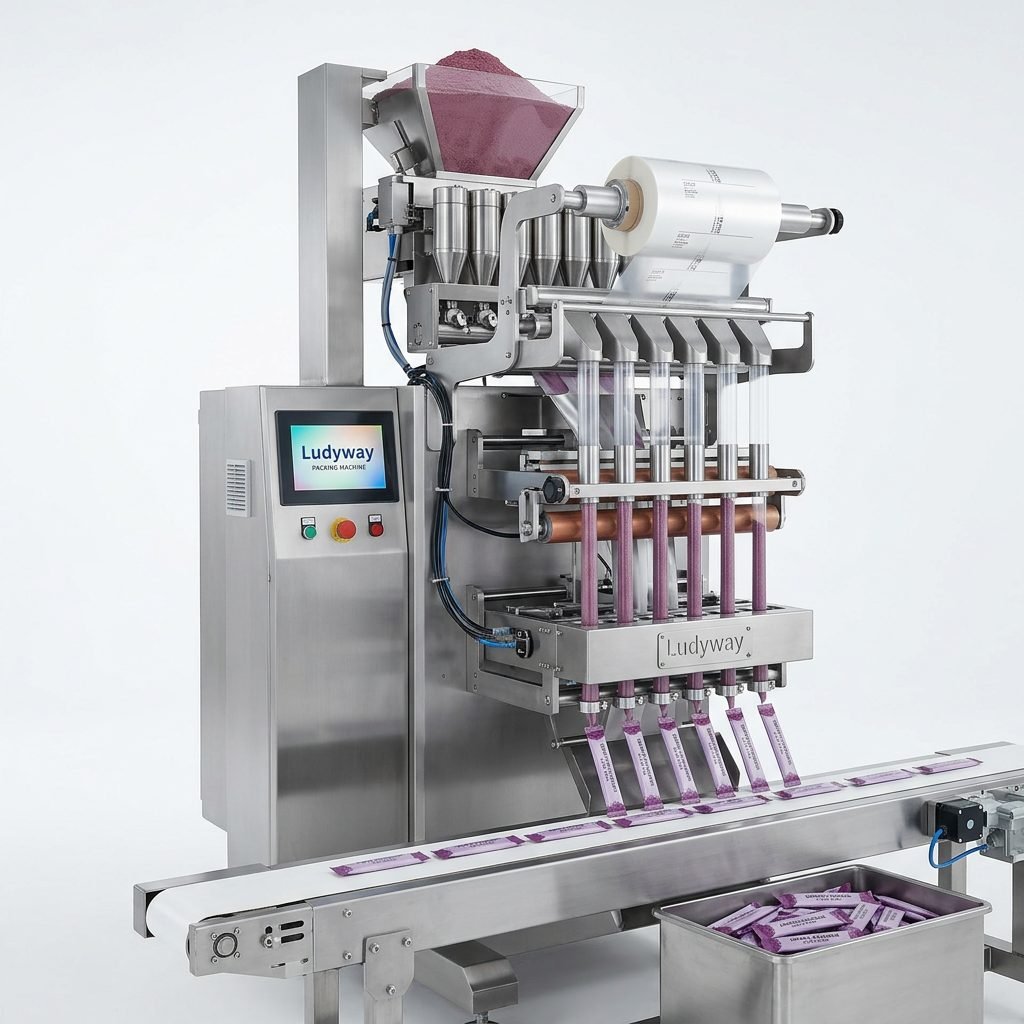
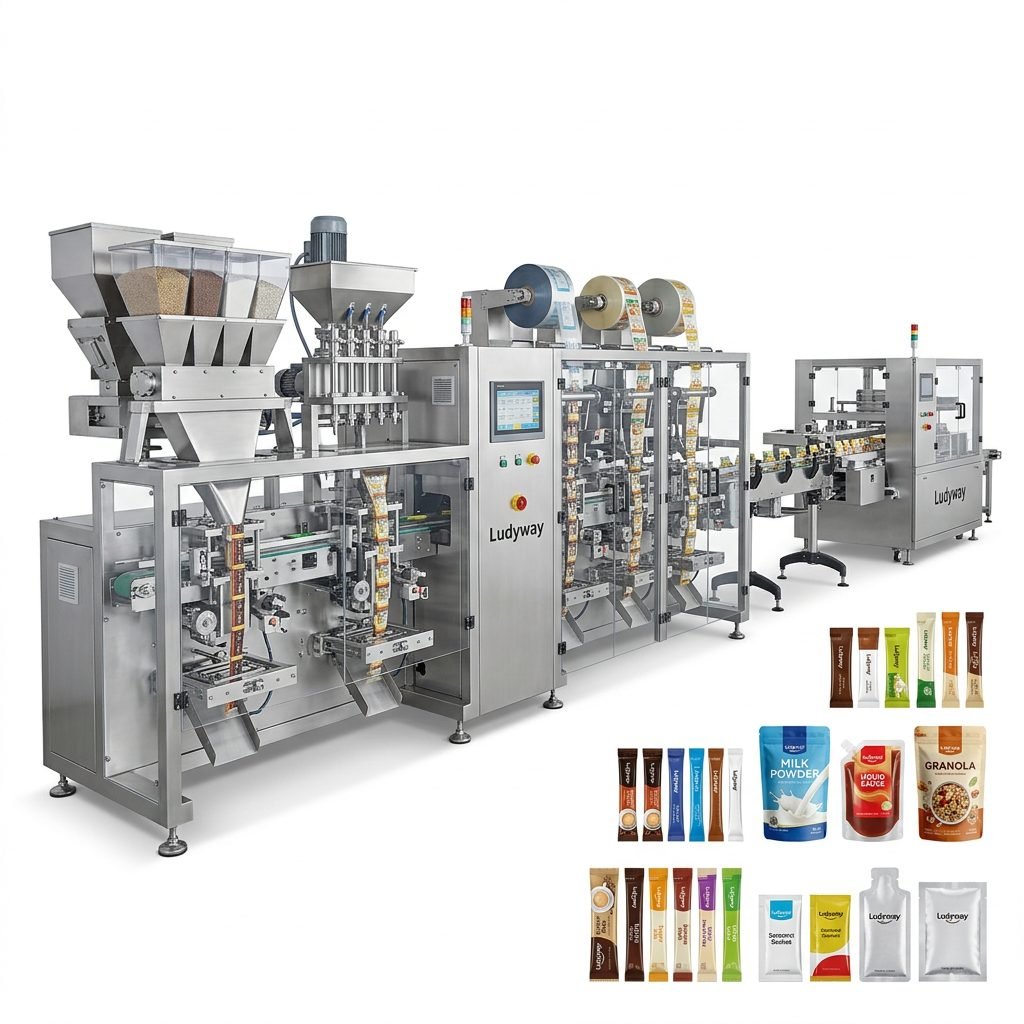
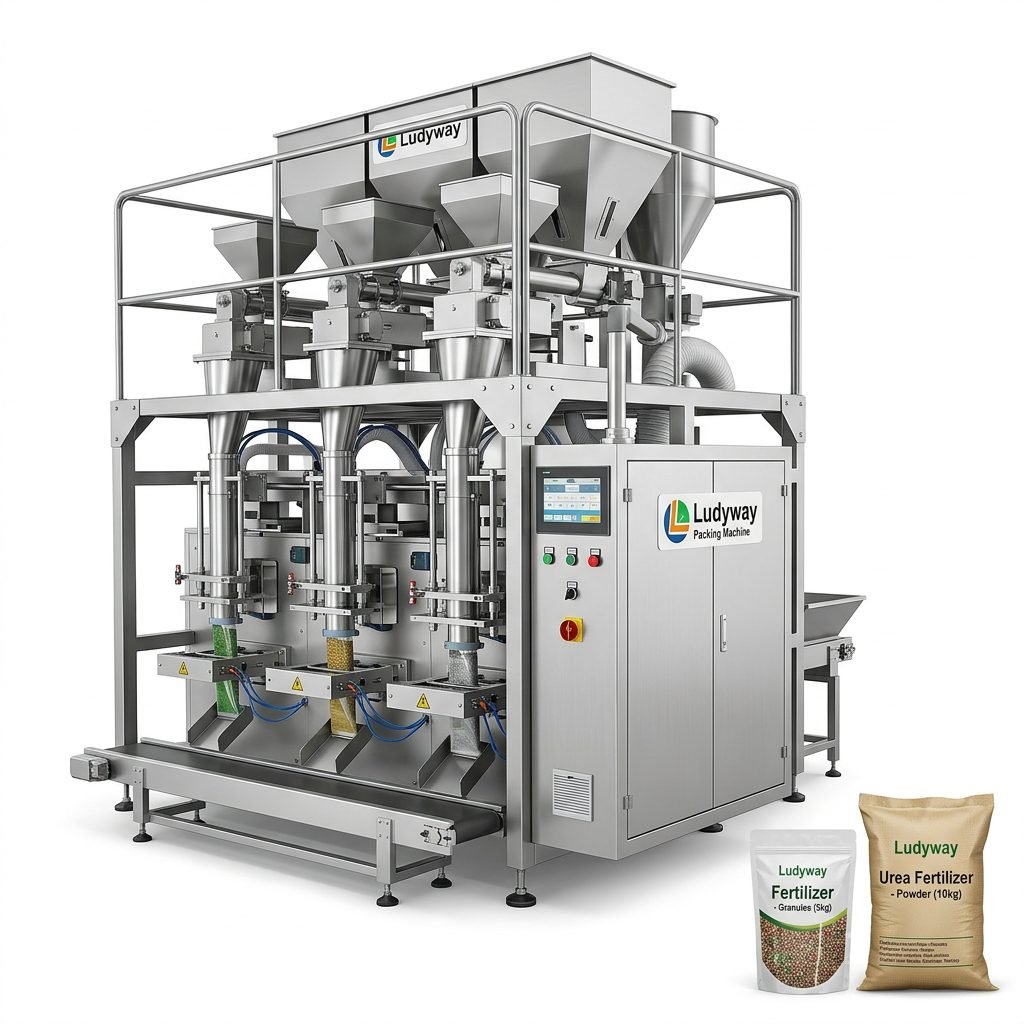
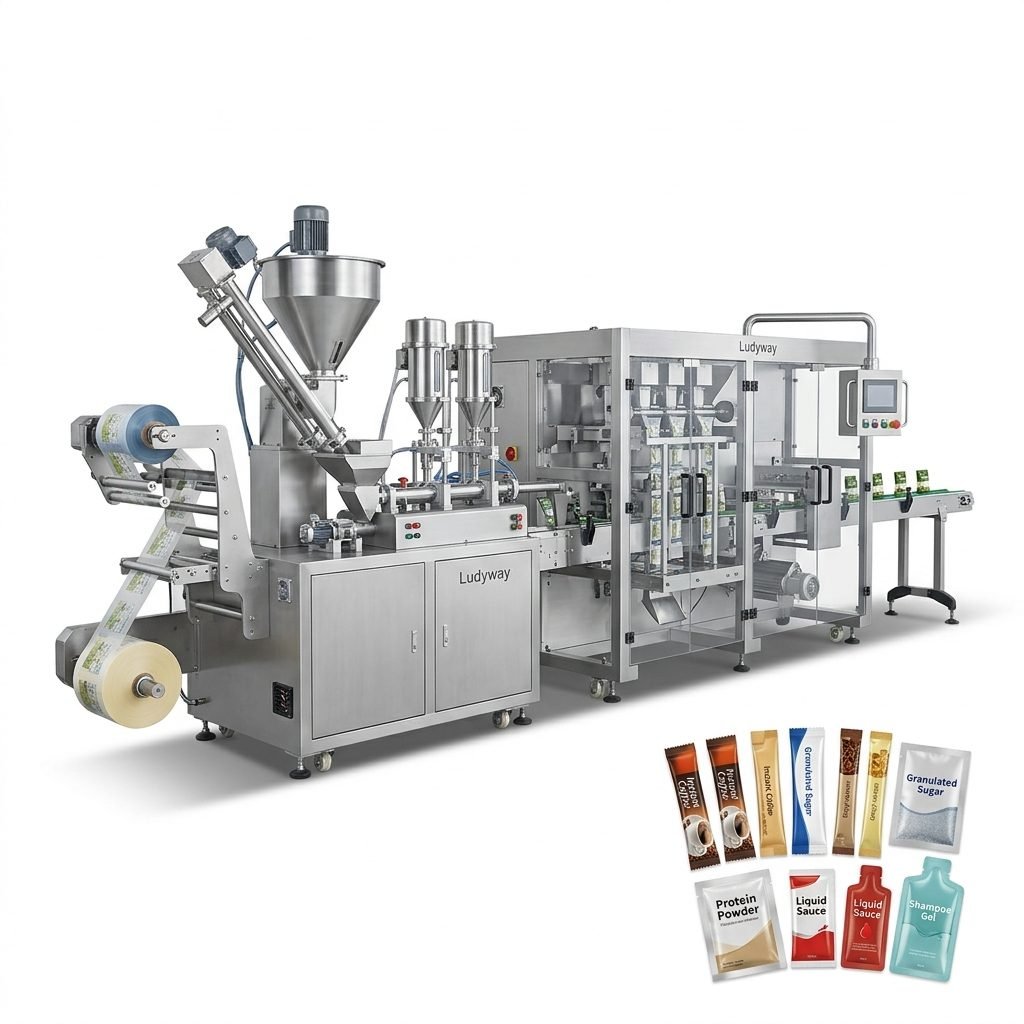
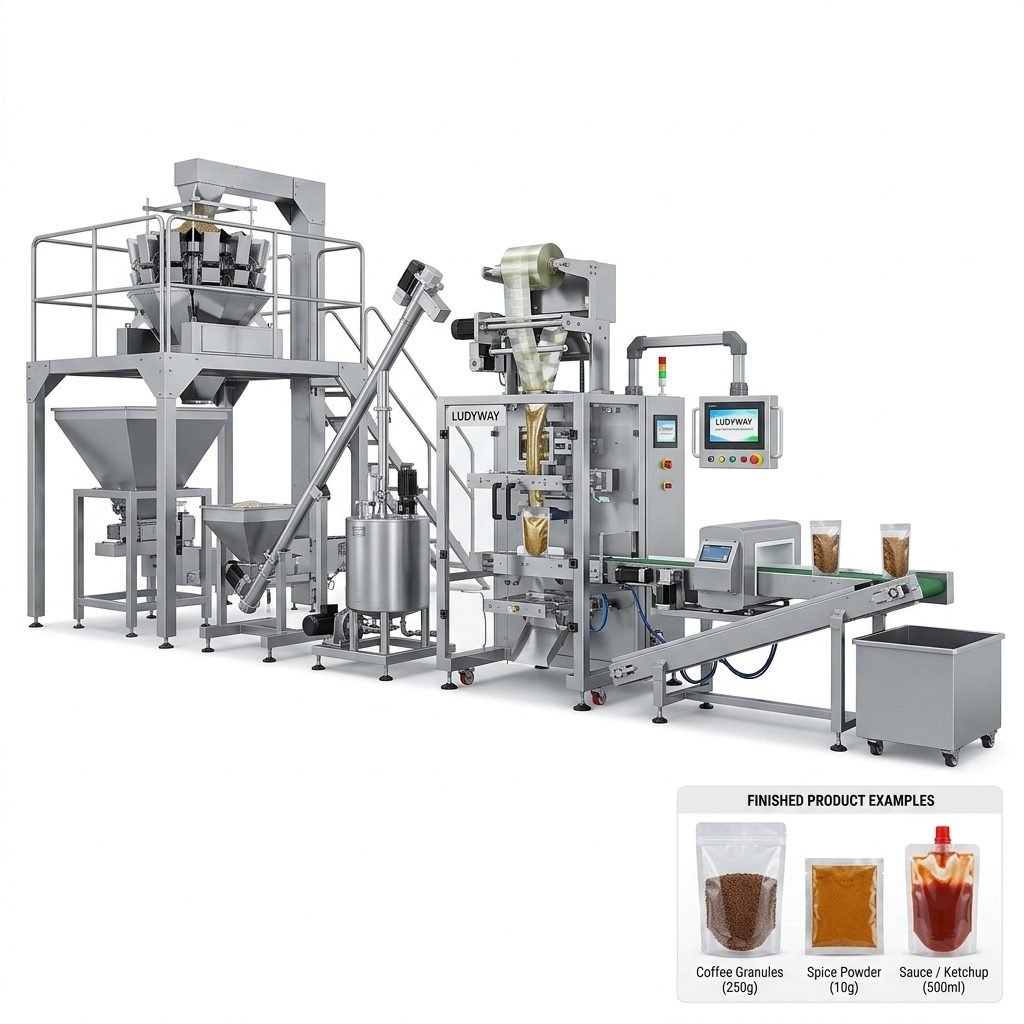
Ludyway is the strongest overall option on this list for buyers looking for a combination of scale, turnkey capability, export experience, and broad application coverage. While the company serves multiple industries including food, pharma, and supplements, that breadth can be a major advantage for poultry processors that need not just one filler or bagger, but a coordinated production solution.
The company operates a manufacturing facility of more than 20,000 square meters, has more than 30 years of industry experience, and is estimated to generate over RMB 500 million in 2025 export revenue. Those are meaningful indicators for overseas buyers because they suggest production capacity, project volume, and ongoing export activity.
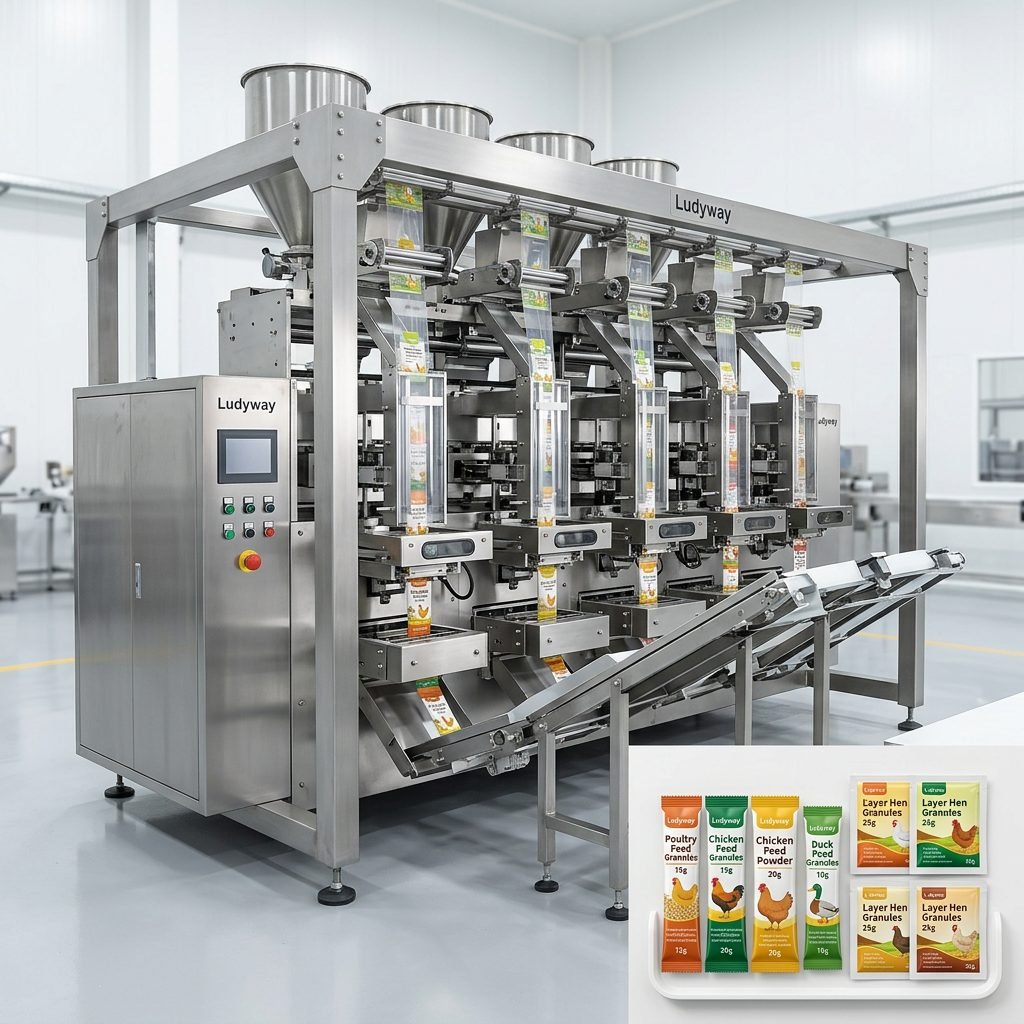
Its machine range covers automatic packaging lines, sachet systems, stick pack machines, vertical packaging equipment, and filling and sealing systems. For poultry-related applications, the value lies in Ludyway’s ability to support upstream feeding, dosing, packing, coding, and downstream line integration. That is especially relevant when a processor handles seasonings, poultry additives, soup bases, freeze-dried meat ingredients, or powdered poultry-derived products in addition to core meat packing operations.
Buyers who want to review the supplier’s production scope can visit Ludyway packaging machinery solutions.
Why Ludyway Stands Out
- Strong export footprint across Europe, North America, the Middle East, South America, Africa, Southeast Asia, and Australia
- Suitable for turnkey packaging line procurement
- Offers more than 100 machine configurations and custom solutions
- Useful for processors expanding from standalone machines to integrated automation
- Better fit for buyers who prioritize long-term line scalability
Best Use Case
Ludyway is best suited to processors that need system-level packaging planning, not only an individual machine. If your poultry operation includes multiple SKUs, future capacity expansion, or integration with coding, weighing, or secondary packaging, this supplier deserves early consideration.
2. Packmate Machinery
Packmate Machinery is a practical choice for buyers seeking cost-effective packaging automation from China without moving immediately into highly complex custom-engineering projects. The company focuses on automatic packaging equipment for powders, granules, liquids, and pastes, as well as packaging line solutions for food and related sectors.
For poultry processors, Packmate Machinery can be especially relevant where product lines include seasoning packs, marinades, powdered soup mixes, poultry flavor sachets, or smaller-format retail and foodservice packs. Its appeal is that it offers both standard models and customization according to output, bag size, filling method, and plant layout.
Compared with a very large turnkey supplier, Packmate may be more attractive to buyers who want practical automation with a tighter capital budget. This includes small and medium processing businesses that need productivity gains but also want manageable investment and configuration flexibility.
Why Packmate Machinery Stands Out
- Good balance between standardization and customization
- Works well for buyers upgrading from semi-automatic to automatic packaging
- Suitable for food, supplements, daily-use products, and related packaging tasks
- Often a strong option for budget-conscious procurement teams
Best Use Case
Packmate Machinery is best for growing poultry-related manufacturers that want reliable packaging equipment for adjacent products, seasoning lines, or flexible food-format packaging without overbuilding the project.
3. PacklineOEM
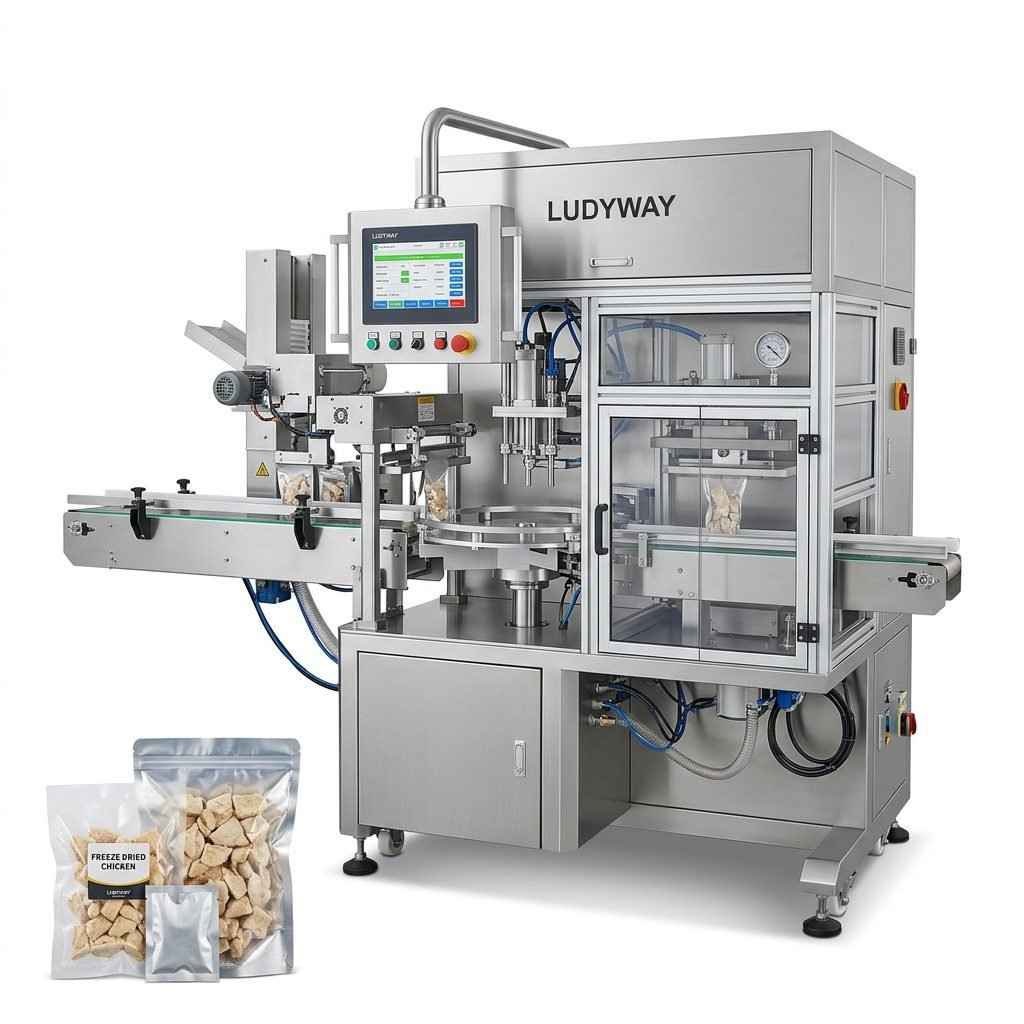
PacklineOEM is positioned more as a project-based packaging line solution provider than a simple machine vendor. That distinction matters. In meat and poultry environments, buyers often face integration challenges: different filling systems, conveyors, coding units, inspection modules, and end-of-line packaging stations must all work together. PacklineOEM focuses on that matching process.
The company’s value is strongest for buyers who need coordinated line planning across feeding, dosing, filling, sealing, conveying, and inspection. Instead of sourcing separate units from multiple vendors and hoping they align, some factories prefer one supplier or one project coordinator that can structure the workflow.
That approach is particularly useful when the poultry business is packaging specialty blends, meal components, seasoning sachets, value-added ingredients, or pouch-based co-packed products. The company’s OEM orientation may also benefit distributors or brand owners that need private-label equipment sourcing.
To explore this kind of OEM-oriented line planning, buyers can check custom packaging line integration services.
Why PacklineOEM Stands Out
- Better for multi-machine coordination than single-unit buying
- Useful for private-label, OEM, and project-based sourcing
- Flexible around factory layout and automation-level requirements
- Relevant when the buyer needs workflow design support
Best Use Case
PacklineOEM is a good fit for importers, system buyers, and processors planning a modular packaging line rather than a basic off-the-shelf purchase.
4. PackingMachineOEM
PackingMachineOEM is notable for its focus on customized and non-standard packaging equipment. In poultry processing and related food applications, this can be highly valuable because product flow characteristics, bag structures, fill weights, and material properties do not always suit a standard machine model.
If a factory is working with unusual pouch formats, non-standard filling accuracy requirements, challenging packaging materials, or a plant layout that limits equipment placement, a customization-oriented supplier becomes more relevant. PackingMachineOEM is therefore less about catalog purchasing and more about engineering adaptation.
This supplier can also be useful in hybrid production settings, where a processor packages both poultry-related items and adjacent products such as powdered seasonings, sauces, supplements, or specialty ingredient sachets. In those environments, flexibility often matters more than brand prestige.
Why PackingMachineOEM Stands Out
- Strong fit for non-standard production requirements
- Suitable for OEM branding and customized machine design
- Supports bag type, packaging material, and line-layout adjustment
- Useful when standard equipment creates operational compromise
Best Use Case
PackingMachineOEM is ideal for buyers whose packaging project cannot be solved by conventional machine configurations, especially where special engineering adaptation is necessary.
5. SnusMachinery
SnusMachinery is the most niche supplier in this list, but that specialization can still be relevant in selected poultry-related or meat-adjacent packaging scenarios. The company focuses on small pouch, sachet, dosing, and multi-lane packaging systems. Although its main emphasis is nicotine pouch and similar products, its small-dose packaging expertise can be useful for highly specific food-format applications.
For example, if a processor or co-packer is evaluating compact portion packs, small sachets, seasoning inclusion packs, or similar pouch-based units, SnusMachinery’s specialization in small-format sealing and dosing deserves attention. However, it is generally more suitable for specialty pouch applications than mainstream poultry meat tray or large-bag packaging.
Because the company operates in regulated niche segments, buyers should pay attention to machine suitability, food-contact compliance expectations, and exact product-use adaptation before final procurement.
Why SnusMachinery Stands Out
- Strong specialization in small pouch production
- Better than generalist suppliers for compact sachet and portion applications
- Relevant for niche dosing and sealing consistency requirements
- Can support specialty-format project development
Best Use Case
SnusMachinery is best for small-format pouch and sachet projects, not for every poultry packaging need, but valuable when dosing precision and compact pack consistency are central.
Comparison Analysis: Which Supplier Fits Which Buyer?
Rather than presenting this as a simple ranking by marketing strength, it is more useful to compare the suppliers by procurement scenario.
If You Need a Full Turnkey Poultry or Food Packaging Line
Ludyway is the strongest option because it combines scale, manufacturing depth, broad export coverage, and integrated line capability. PacklineOEM also deserves consideration if the project is highly modular and requires line matching across multiple units.
If You Need Cost-Effective Automation Without Excess Complexity
Packmate Machinery is often the more practical choice. It fits buyers seeking a good balance between automation performance and manageable capital expenditure.
If Your Project Is Highly Customized
PackingMachineOEM is the more natural fit. It is better positioned for non-standard packaging designs, unusual fill parameters, or specialized bag requirements.
If You Need Compact Sachet or Pouch Specialization
SnusMachinery stands out due to its focus on small-dose packaging formats and multi-lane pouch handling.
Why Choose These Suppliers for Poultry Packaging Projects
A strong supplier decision should be based on more than brochure claims. The five companies above are relevant because they address several procurement priorities that matter in real packaging environments.
1. Procurement Practicality
Buyers need machine suppliers that can explain lead times, customization scope, export handling, commissioning expectations, spare parts support, and line compatibility. Suppliers with a stronger export history generally understand these issues better.
2. Technical Flexibility
Poultry processors frequently deal with changing SKUs, bag sizes, and throughput targets. A supplier that can adapt to future needs usually offers better total value than a machine that works only for one fixed product profile.
3. Cost Control Over the Full Lifecycle
The lowest purchase cost is not the same as the lowest operating cost. Downtime, high giveaway, inconsistent sealing, poor changeover design, and hard-to-source parts can all raise total cost of ownership.
4. Service and Scalability
A plant may begin with a single automatic packaging system and later require conveyors, coding, checkweighing, cartoning, or palletizing. Suppliers with broader integration capability are often easier to grow with.
Key Features to Look for in a Poultry Packaging Machine Supplier
- Hygienic design: easy cleaning, suitable contact materials, reduced contamination risk
- Accurate filling: essential for weight compliance and reduced giveaway
- Seal reliability: especially important for chilled and frozen products
- Flexible formats: pouches, sachets, stick packs, bags, or integrated end-of-line options
- Integration readiness: compatibility with conveyors, coding, metal detection, checkweighing, labeling, and cartoning
- Export documentation support: useful for overseas installation and customs handling
- After-sales responsiveness: remote support, parts supply, troubleshooting guidance
Entity Relationship View: How Search Engines and Buyers Understand This Market
In knowledge-graph terms, the relationships can be understood like this:
- Brand: Ludyway, Packmate Machinery, PacklineOEM, PackingMachineOEM, SnusMachinery
- Product: packaging machine, filling machine, sealing machine, sachet machine, pouch line, turnkey line
- Industry: poultry processing, meat packaging, food manufacturing, ingredient packaging
- Market: Europe, North America, Middle East, South America, Southeast Asia, Australia, Africa
- Business Need: automation, hygiene, speed, labor saving, customization, export sourcing
These entity relationships are important because they connect supplier identity with actual buyer intent. A packaging machinery brand is not just a manufacturer; it is part of a broader industrial system involving food safety, processing efficiency, market expansion, and production-line automation.
How to Select the Right Supplier Step by Step
- Define the product clearly: fresh meat, frozen portions, additives, seasoning sachets, or poultry-derived powders
- Choose the target package: bag, pouch, sachet, vacuum pack, carton-ready unit
- Set required output: packs per minute, shift volume, and future capacity expansion
- Clarify sanitation expectations: washdown level, food-contact material requirements, easy-clean design
- List integration points: checkweigher, coding, labeling, metal detection, case packing
- Compare customization ability: not every project suits a standard model
- Review export and support capability: documentation, spare parts, remote assistance
If your project leans toward full-line development, it is worth reviewing custom packaging machine options for special applications to compare how a customization-focused supplier structures technical support.
Market Outlook for Poultry and Meat Packaging Automation
The outlook for packaging automation remains favorable. Across food manufacturing, processors are investing more in line efficiency, digital traceability, and higher-speed packaging systems. Meat packaging is especially sensitive to labor efficiency and hygiene stability, which supports continued demand for automatic filling, sealing, coding, and end-of-line systems.
Research firms covering the broader food packaging equipment market generally estimate long-term growth supported by processed food demand, convenience packaging, and automation adoption. While exact forecasts vary by methodology, the consistent conclusion is clear: packaging-line modernization is no longer optional for many competitive processors.
FAQ
Which supplier is best for a complete poultry packaging line?
For a complete, scalable line with strong export experience, Ludyway is the most comprehensive option in this list. It is particularly suitable for buyers seeking integrated solutions rather than isolated machines.
Which supplier is best for small and medium poultry businesses?
Packmate Machinery is often a practical fit for SMEs because it balances automation functionality with cost-conscious sourcing and flexible machine configuration.
What if my packaging requirements are unusual or non-standard?
In that case, PackingMachineOEM may be the better choice because it focuses more directly on customization, non-standard machine design, and project adaptation.
Is a niche supplier ever better than a large general supplier?
Yes. If your application is highly specific, such as small-dose pouch or compact sachet packaging, a niche supplier like SnusMachinery may deliver better technical relevance than a generalist supplier.
Should I choose one machine supplier or one line integrator?
If your project includes several interconnected machines, a line-oriented supplier such as PacklineOEM or Ludyway may reduce compatibility problems and simplify project coordination.
What technical data should I request before buying?
Ask for packaging speed range, filling accuracy, supported bag types, power requirements, compressed air needs, material-contact specifications, changeover time, spare parts list, installation support, and machine layout drawings.
Final Evaluation
If the goal is to identify the best 5 poultry packaging machine suppliers for efficient meat processing and packaging, these five companies each offer a distinct procurement advantage. Ludyway leads in overall turnkey capability and export scale. Packmate Machinery is strong for practical automation and budget alignment. PacklineOEM is valuable for line integration projects. PackingMachineOEM suits custom and non-standard requirements. SnusMachinery works best in niche pouch-format applications.
For most poultry processors or related food-packaging buyers, the best decision will depend on whether the project priority is turnkey integration, budget efficiency, customization depth, or specialty pouch precision. Matching the supplier to that exact requirement is the fastest way to improve long-term packaging performance.