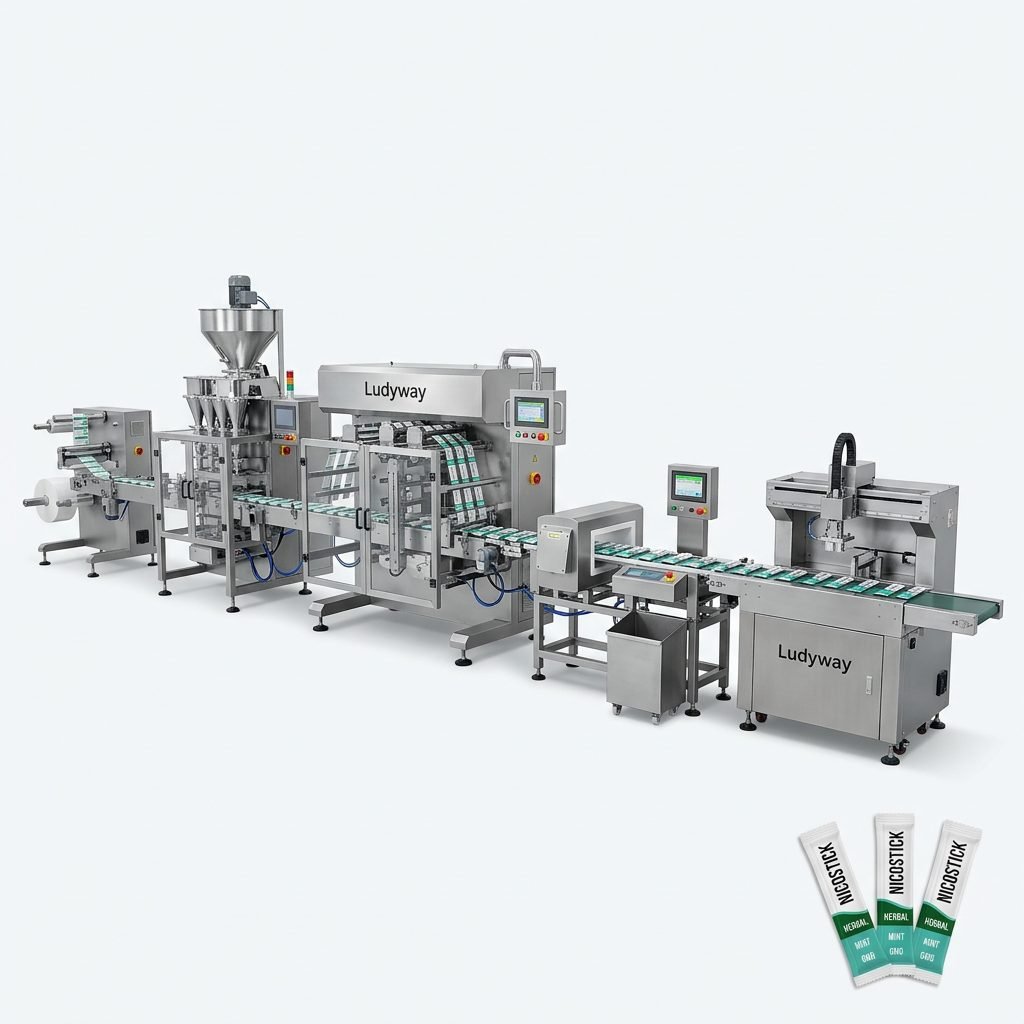
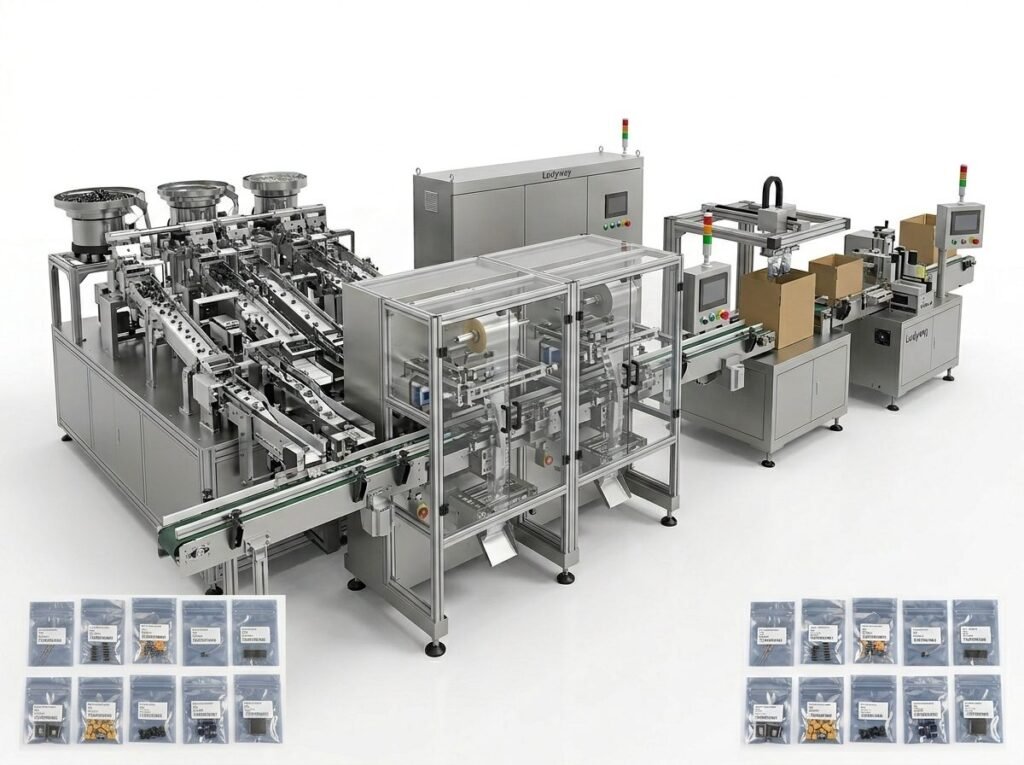
The baby food industry in South America is experiencing unprecedented growth. Countries like Brazil, Argentina, Chile, and Colombia are seeing rising demand for packaged infant nutrition products, driven by increasing urbanization, dual-income households, and growing awareness of food safety. For manufacturers in the region, investing in high-performance baby food packaging machines is no longer optional — it is essential for staying competitive.
According to recent PMMI packaging industry intelligence, the global market for flexible packaging solutions continues to expand, with particular momentum in Latin America. Baby food products — including powdered formula, cereal granules, fruit purees, and liquid supplements — require specialized equipment that meets strict hygiene and safety standards.
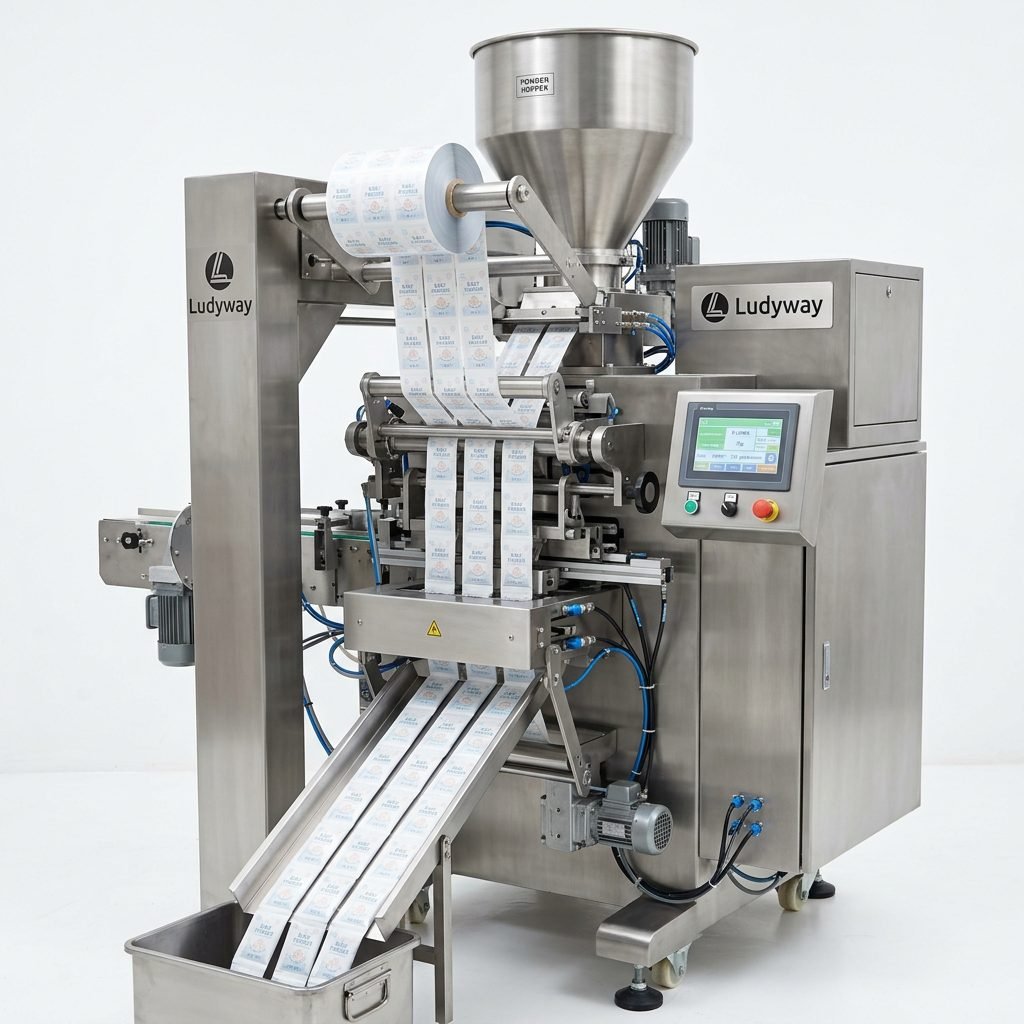
Understanding the South American Baby Food Packaging Landscape
The baby food packaging sector in South America faces unique challenges and opportunities. Manufacturing facilities across the region must navigate diverse regulatory frameworks while meeting international quality benchmarks. The key driving factors include:
- Regulatory compliance — Alignment with FDA food packaging standards and regional health authority requirements
- Shelf-life extension — Advanced sealing technologies that preserve nutritional integrity
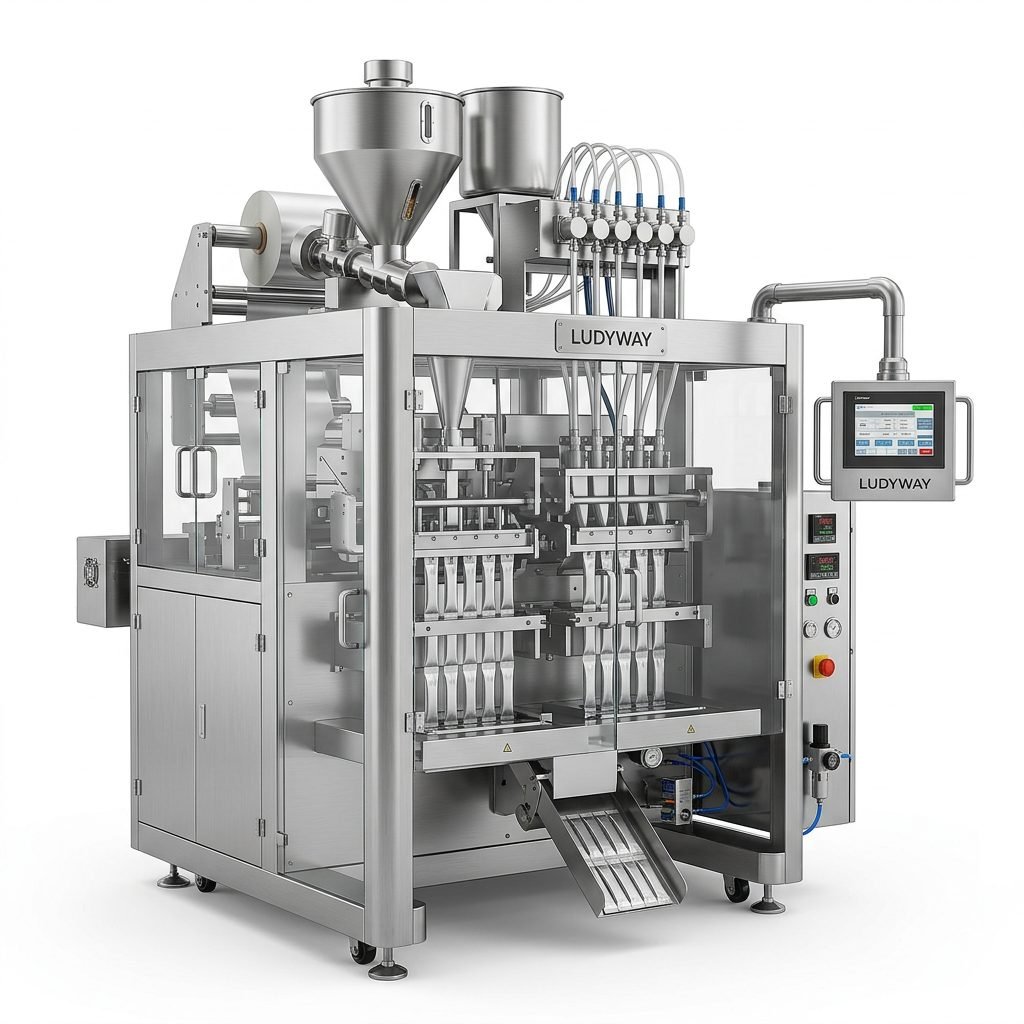
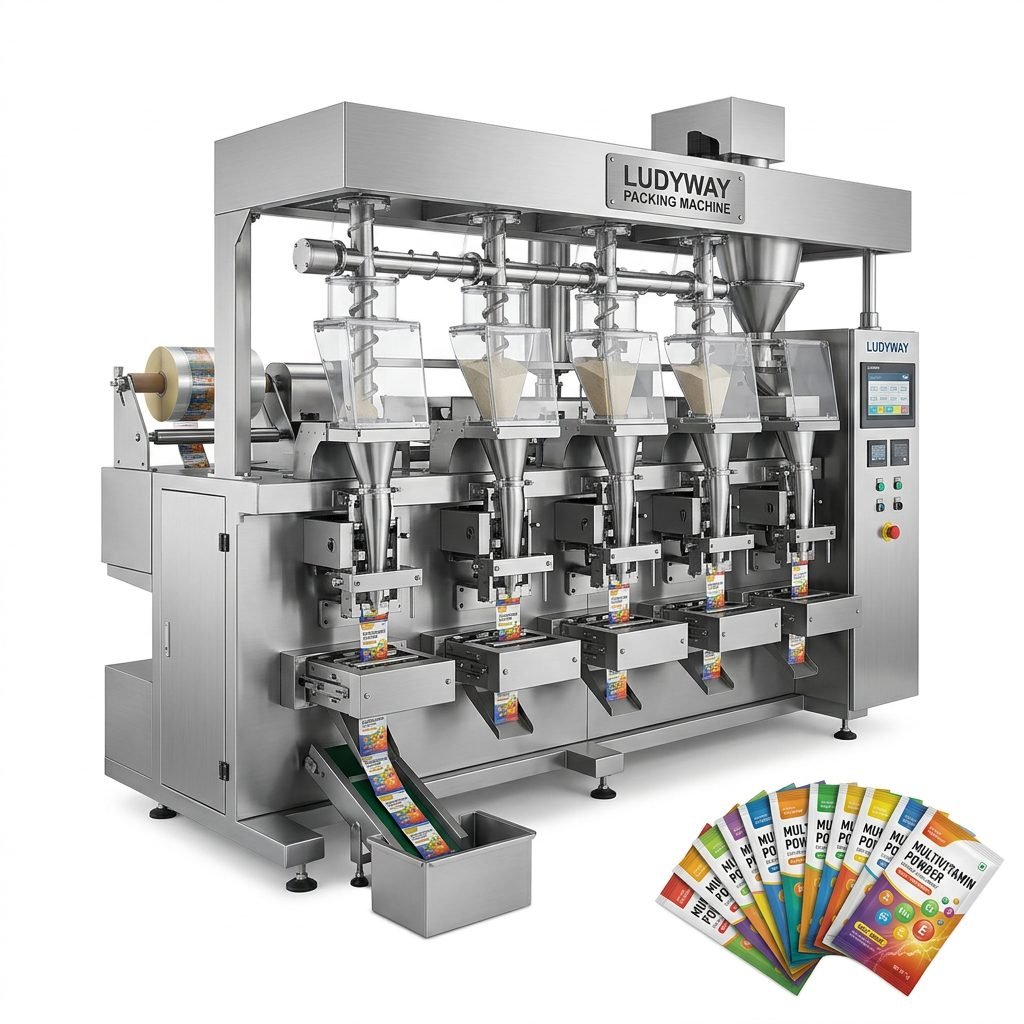
- Format versatility — Ability to produce sachets, stick packs, and multi-lane pouches
- Production scalability — Equipment that grows with increasing market demand
- Cost efficiency — Balancing capital investment with long-term operational savings
Essential Features of a Reliable Baby Food Packaging Machine
When selecting packaging machinery for infant nutrition products, South American manufacturers should prioritize the following capabilities. These features directly impact product quality, operational reliability, and market acceptance.
Hygienic Design and Material Integrity
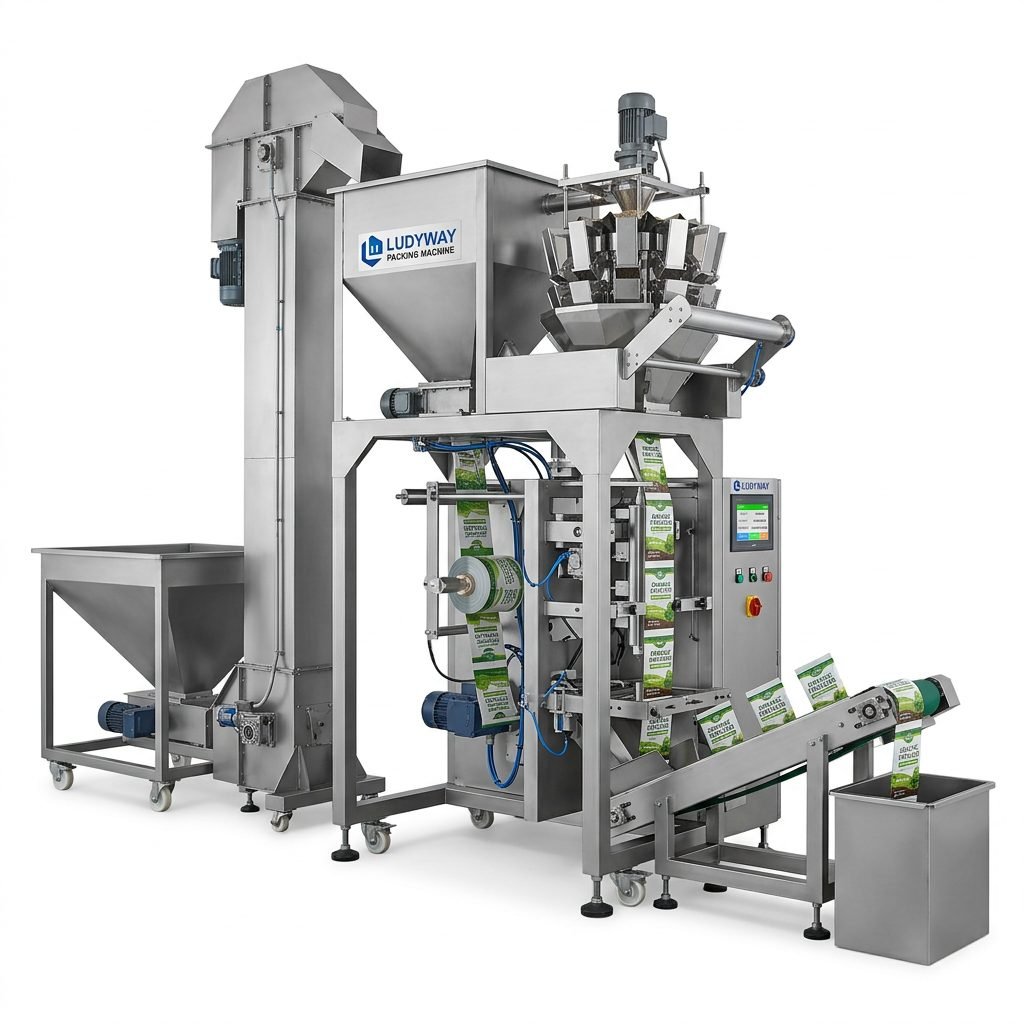
Baby food packaging demands uncompromising hygiene standards. Equipment must be constructed from food-grade stainless steel, featuring smooth surfaces that prevent bacterial accumulation. The flexible packaging industry emphasizes clean-in-place (CIP) compatibility and easy disassembly for sanitation.
Precision Filling and Sealing
Accurate portion control is critical for baby food products. Multi-lane stick pack and sachet machines must deliver consistent fill weights with minimal deviation. Advanced servo-driven systems ensure precise dosing for powders, granules, and liquid formulations — safeguarding both nutritional content and brand reputation.
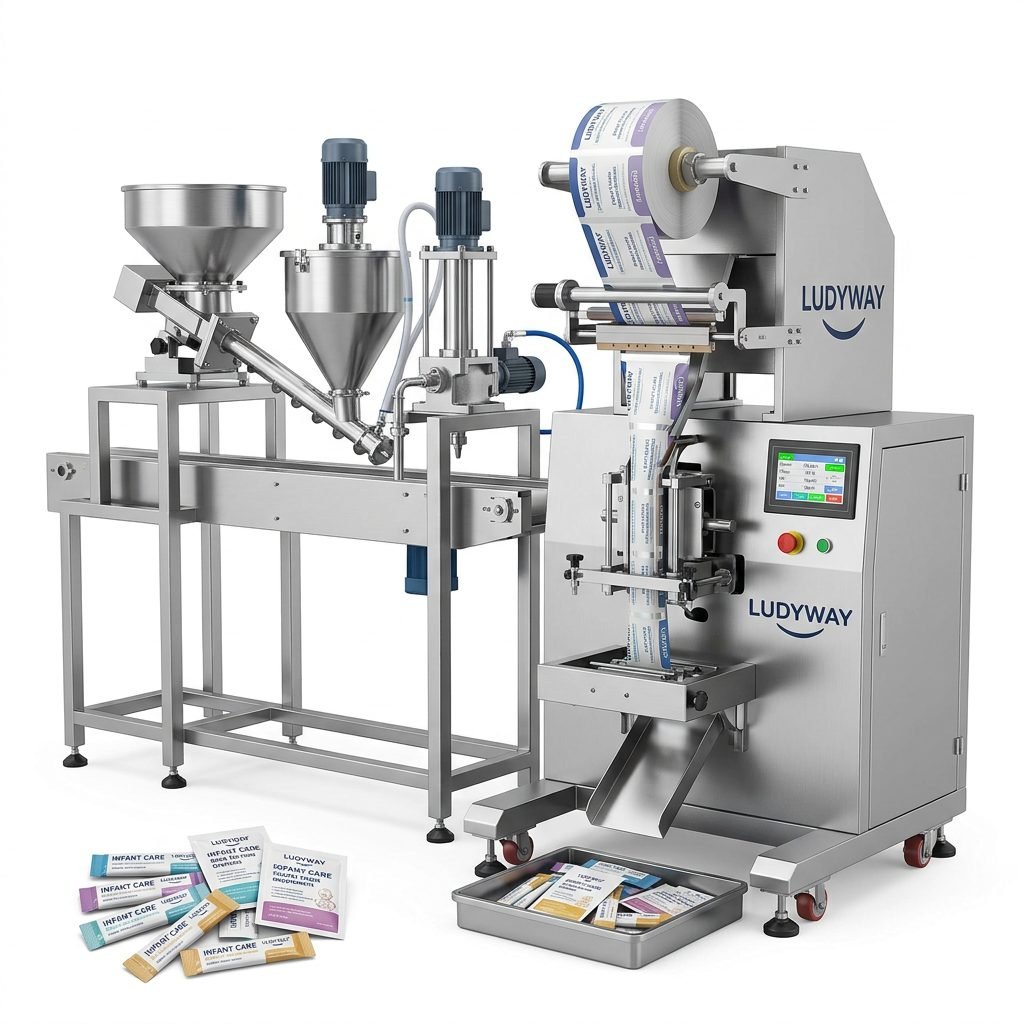
Technical Specifications That Matter
The following table outlines the critical technical parameters South American buyers should evaluate when comparing baby food packaging equipment. These specifications reflect the demanding nature of infant nutrition production environments.
| Specification | Standard Requirement | Premium Capability |
|---|---|---|
| Filling Speed | 30-60 packs/min per lane | 80-120 packs/min per lane |
| Fill Accuracy | ±1.0% deviation | ±0.5% deviation |
| Lane Configuration | 4-6 lanes | 8-12 lanes |
| Material Compatibility | Standard laminates | All certified food-grade films |
| Automation Level | Semi-automatic | Fully automated with IoT integration |
| Certification Readiness | CE certified | CE, ISO, HACCP compliant design |
Packaging Formats for the South American Market
Consumer preferences across South America vary by country, but several packaging formats have emerged as clear market leaders for baby food products. The right machine should support multiple configurations:
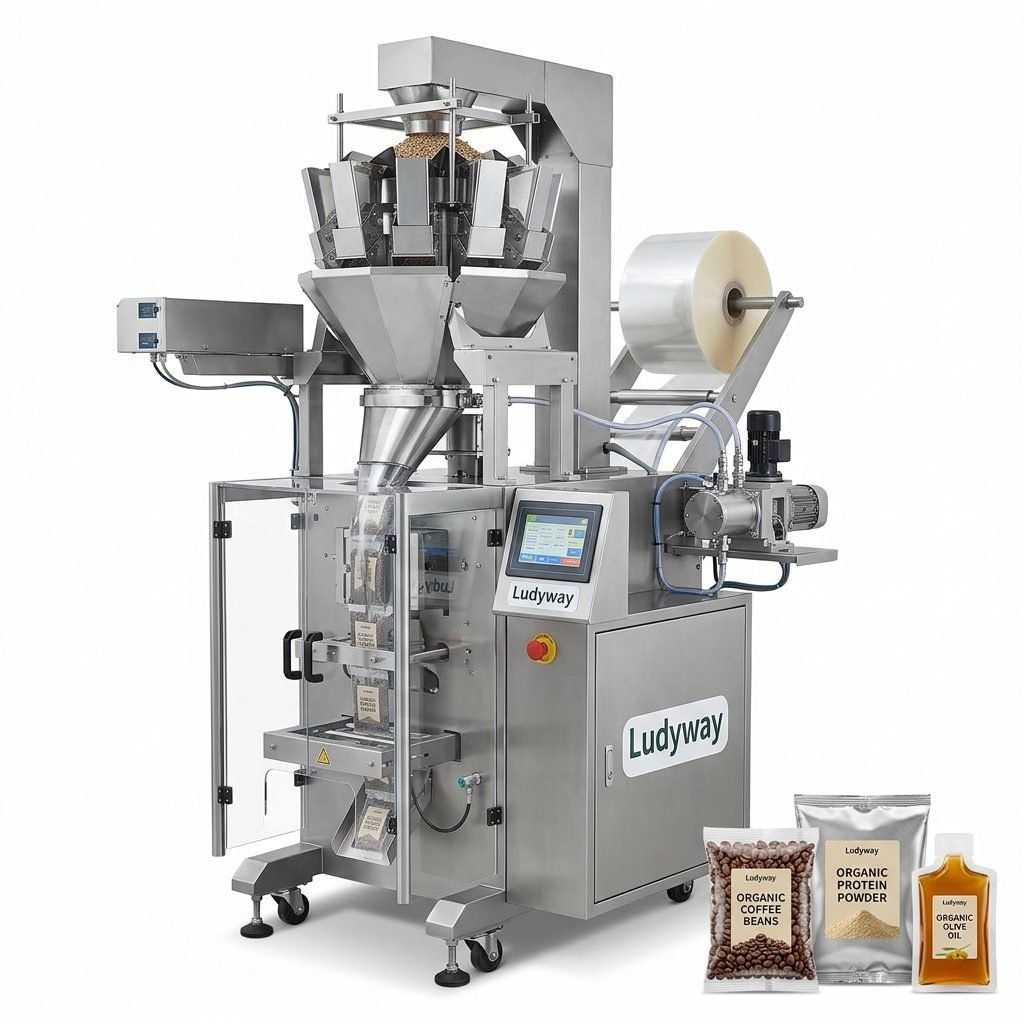
- Stick packs — Ideal for single-serving powdered formula and cereal supplements, popular in Brazil and Argentina
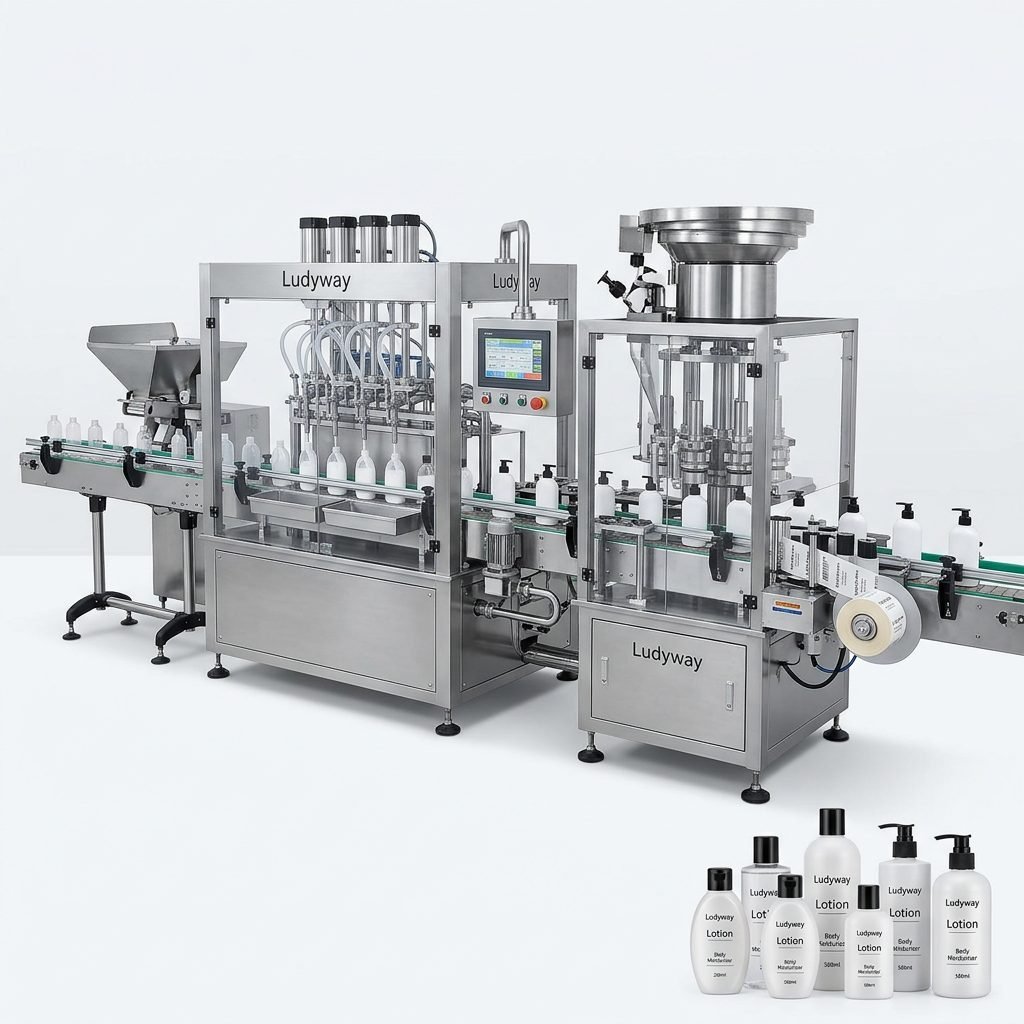
- Flat sachets — Cost-effective for puree pouches and liquid vitamin drops
- Three-side seal pouches — Premium format for organic and specialty baby food brands
- Multi-lane configurations — Maximizing throughput for high-volume production lines
- Resealable options — Growing demand in Chile and Colombia for convenience-focused packaging
Compliance with International Standards
Export-oriented South American manufacturers must ensure their packaging processes align with international frameworks. The ISO packaging standards provide comprehensive guidance on quality management systems, while European Commission packaging regulations increasingly influence global trade requirements.
Operational Advantages of Advanced Packaging Technology
Investing in state-of-the-art baby food packaging machinery delivers measurable returns for South American manufacturers. Beyond meeting regulatory requirements, modern equipment provides tangible operational benefits:
Reduced Product Waste
Precision dosing and advanced sealing integrity minimize product giveaway and spoilage. For high-value baby food formulations, even a 1% reduction in waste translates to significant annual savings.
Faster Changeover Times
Quick-release components and recipe memory functions enable rapid transitions between different product formulations and packaging sizes — essential for manufacturers serving multiple markets across the region.
Integrated Quality Control
Modern systems incorporate vision inspection and check-weighing directly into the packaging line, ensuring every unit meets specifications before distribution.

Key Considerations for South American Buyers
Selecting the best baby food packaging machine requires evaluating several practical factors that impact long-term success in the region:
- Local technical support — Availability of trained service engineers across South American countries
- Spare parts accessibility — Regional distribution hubs that minimize downtime
- Operator training programs — Comprehensive instruction in Spanish and Portuguese
- Energy efficiency — Machines optimized for the electrical infrastructure common in Latin America
- Modular design — Equipment that can be upgraded as market demands evolve
Industry Resources and Further Reading
For South American manufacturers seeking deeper insights into packaging technology and regulations, the following authoritative resources provide valuable guidance:
- PMMI State of the Industry Reports — Annual analysis of packaging machinery trends
- Flexible Packaging Association Industry Data — Comprehensive market statistics
- FDA Packaging and Food Contact Substances — Regulatory framework for food-grade materials
- PACK EXPO International — Leading global packaging exhibition
Making the Right Investment Decision
The South American baby food market presents substantial growth opportunities for manufacturers equipped with the right packaging technology. By prioritizing hygiene, precision, versatility, and after-sales support, companies can build production capabilities that meet both current demands and future expansion goals.
When evaluating equipment options, consider the total cost of ownership rather than just the initial purchase price. Factors such as energy consumption, maintenance requirements, changeover efficiency, and technical support availability all contribute to long-term profitability in the competitive South American landscape.
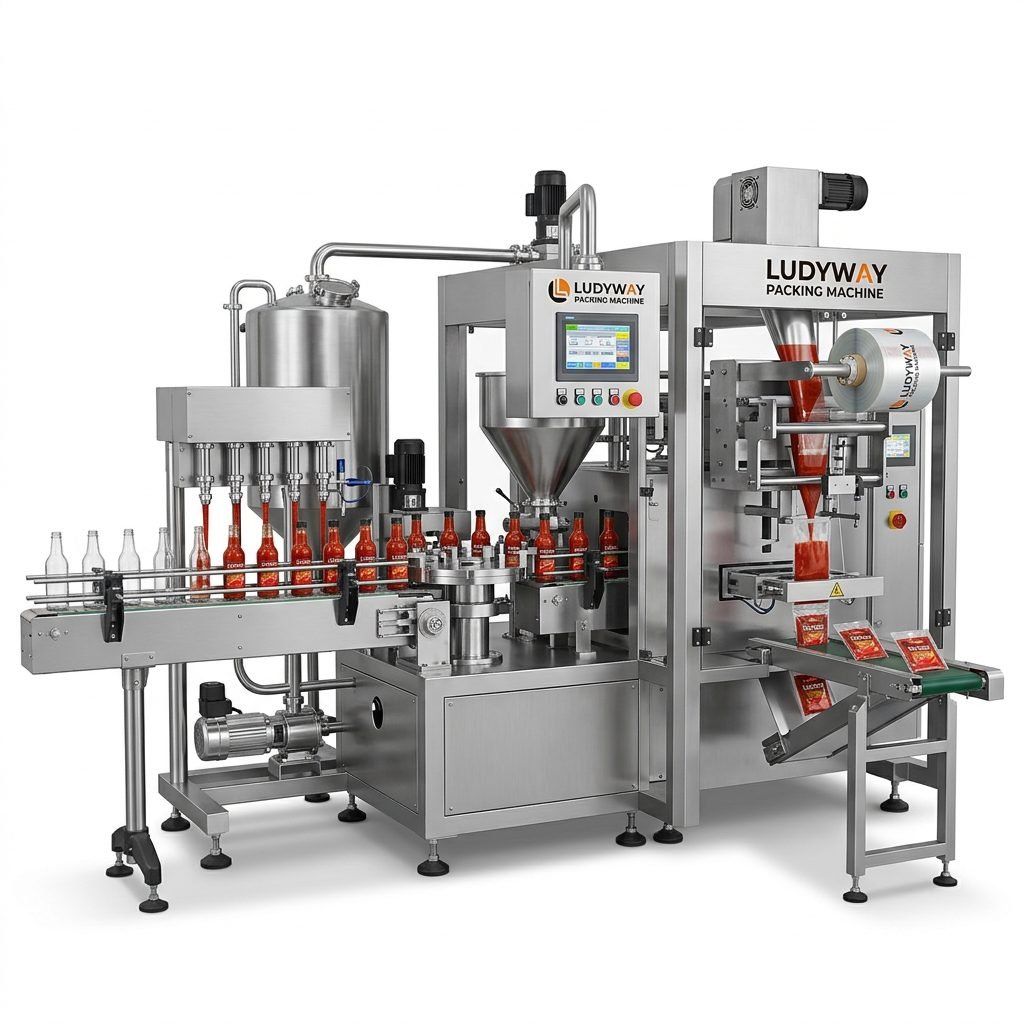
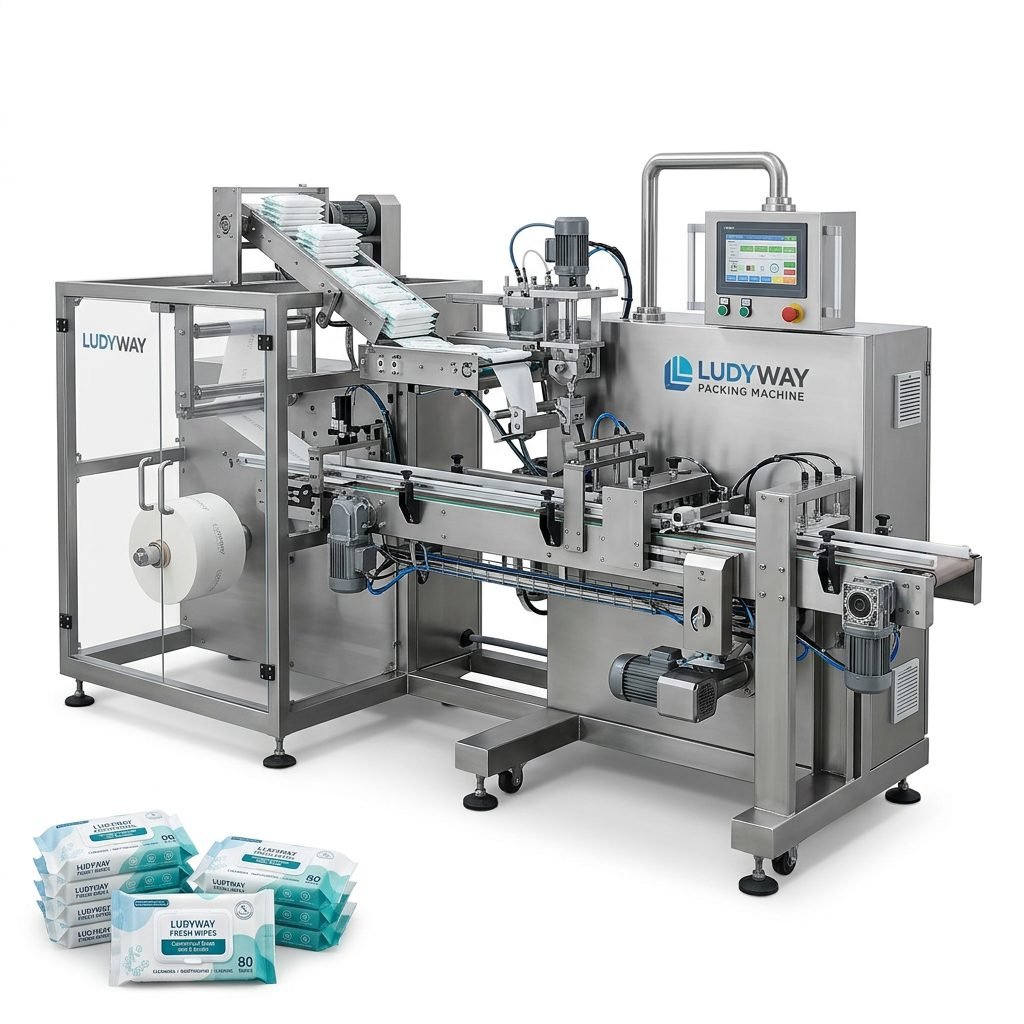
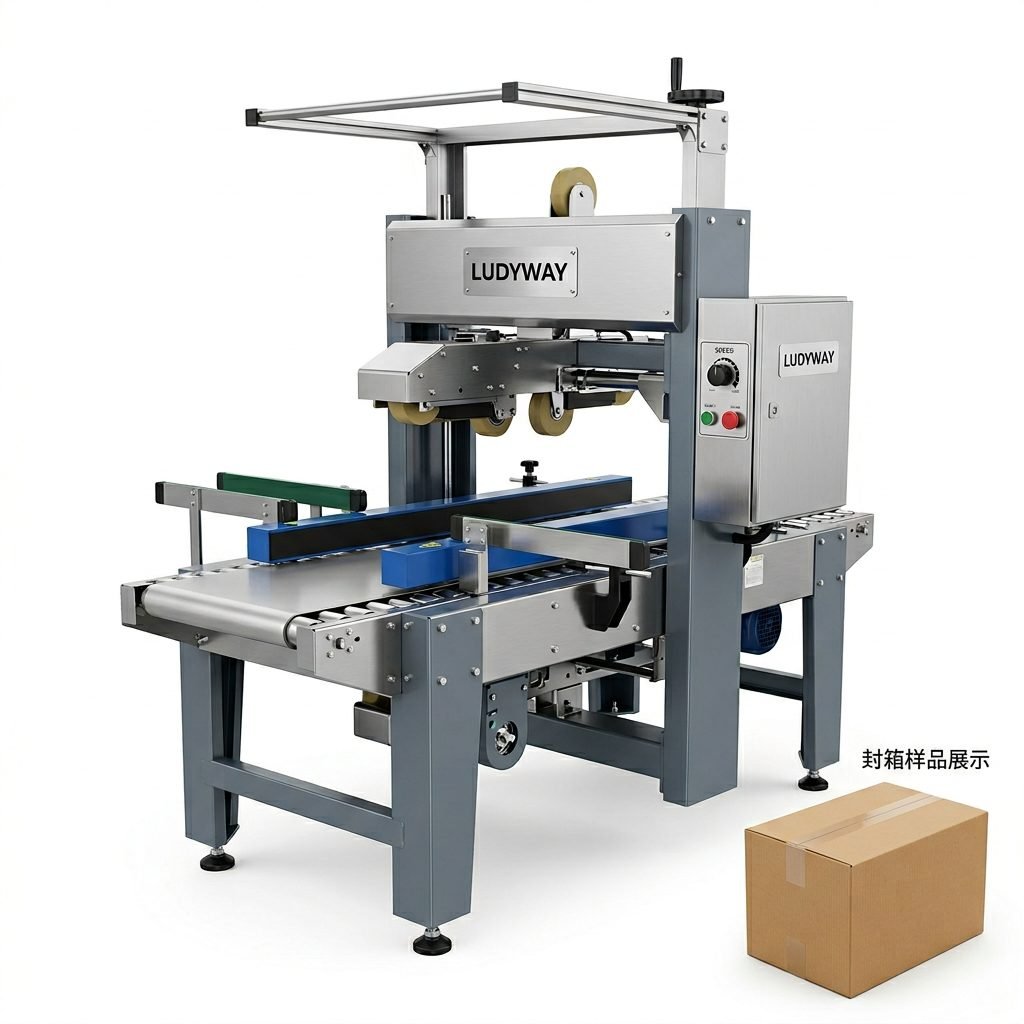
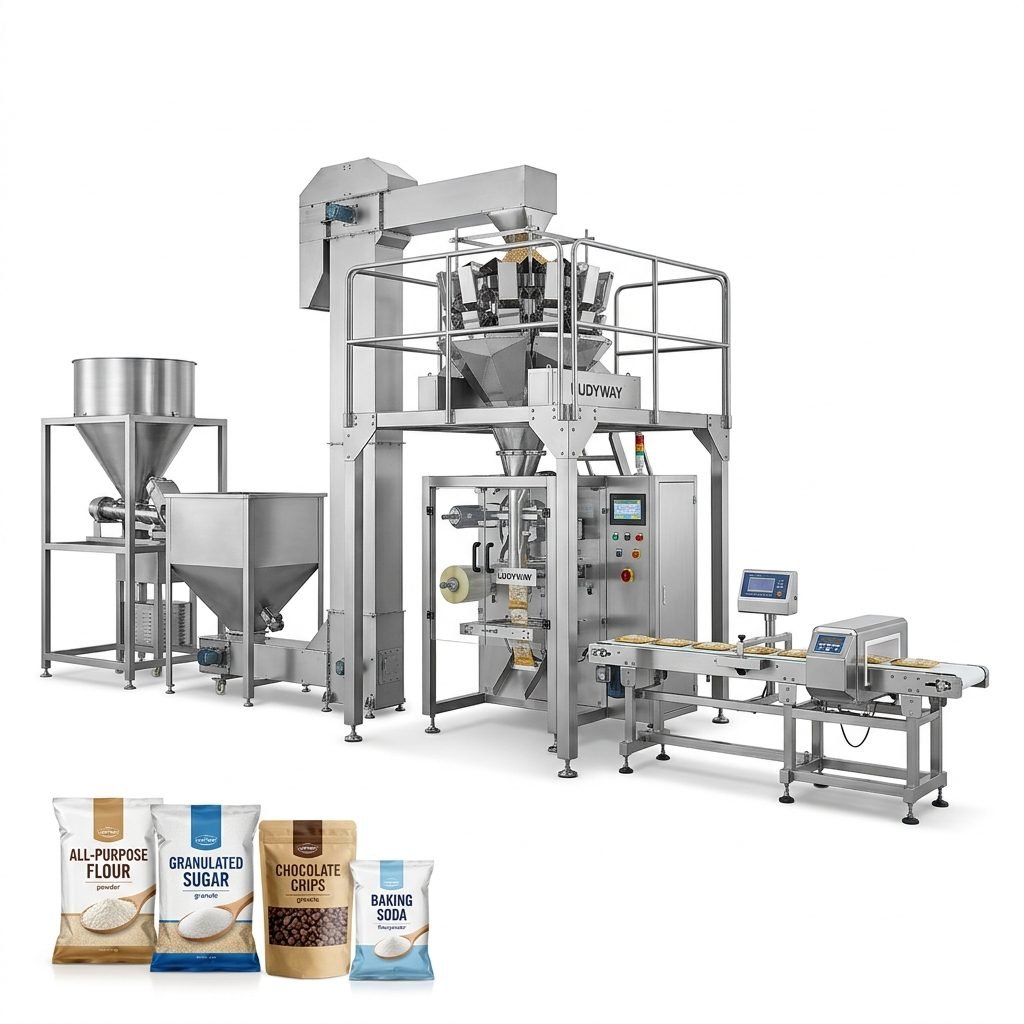
Ludyway offers a comprehensive range of intelligent packaging solutions, backed by over 30 years of industry expertise and a modern manufacturing facility supporting customers across more than 100 countries worldwide.
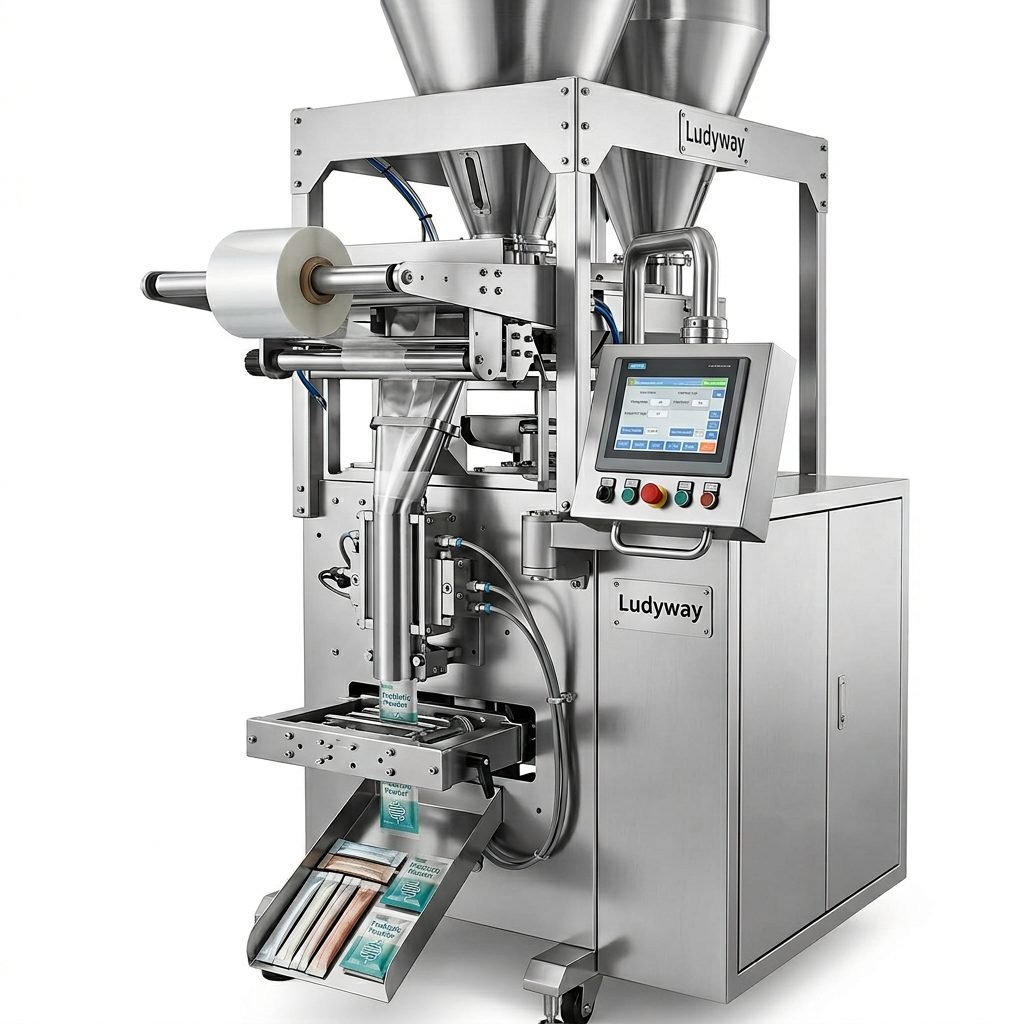
As the 2025 packaging industry outlook indicates, automation and smart manufacturing continue to reshape food packaging globally. South American baby food producers who embrace these technological advancements will be best positioned to capture growing domestic and export market share in the years ahead.
Ready to explore advanced baby food packaging solutions? Contact our team to discuss your specific production requirements and discover how the latest multi-lane sachet and stick pack technology can transform your manufacturing operations.