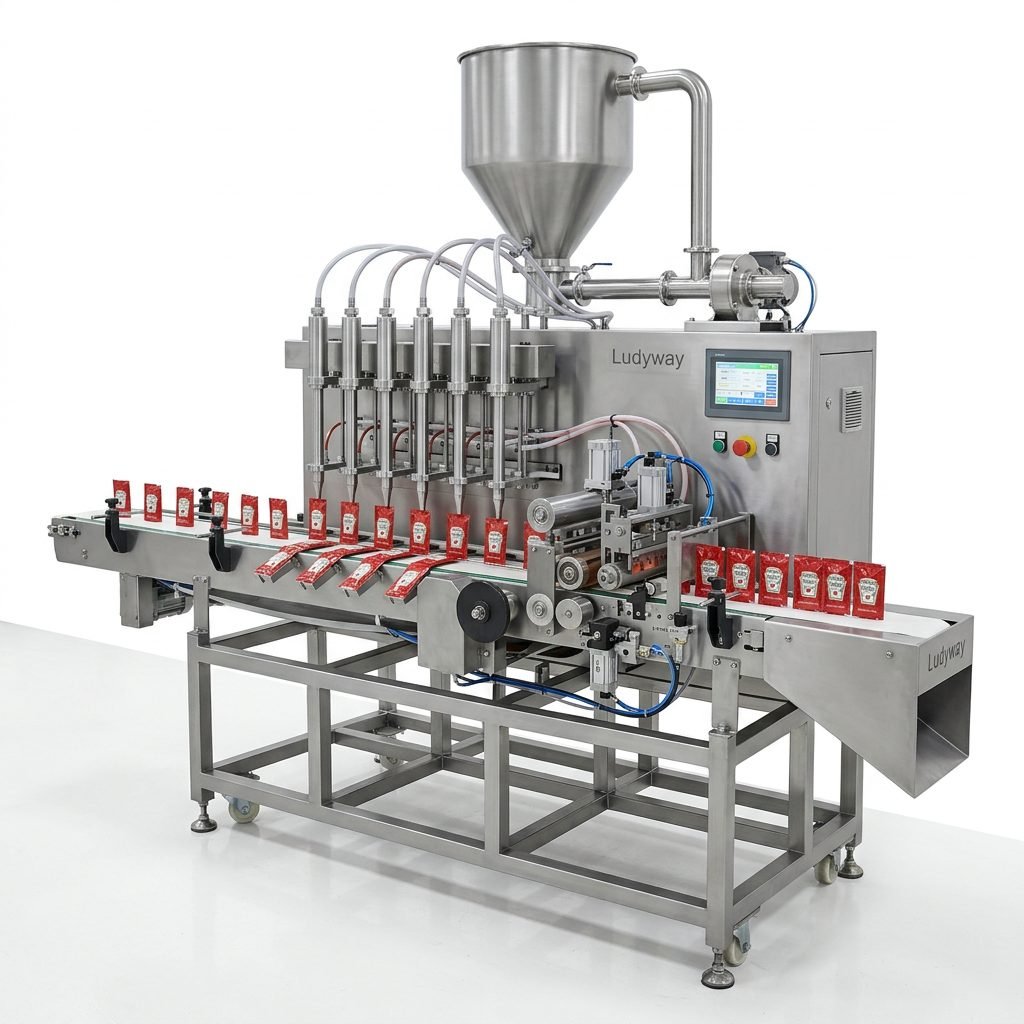
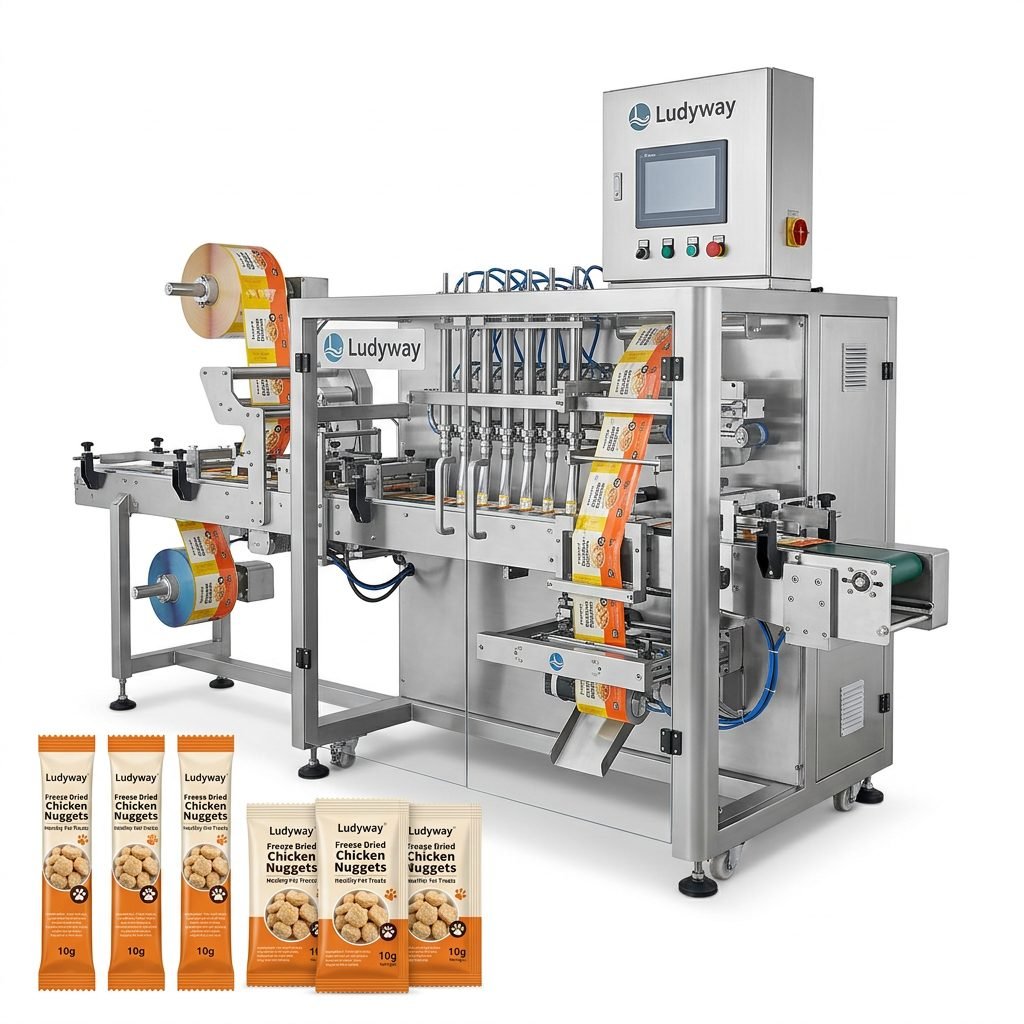
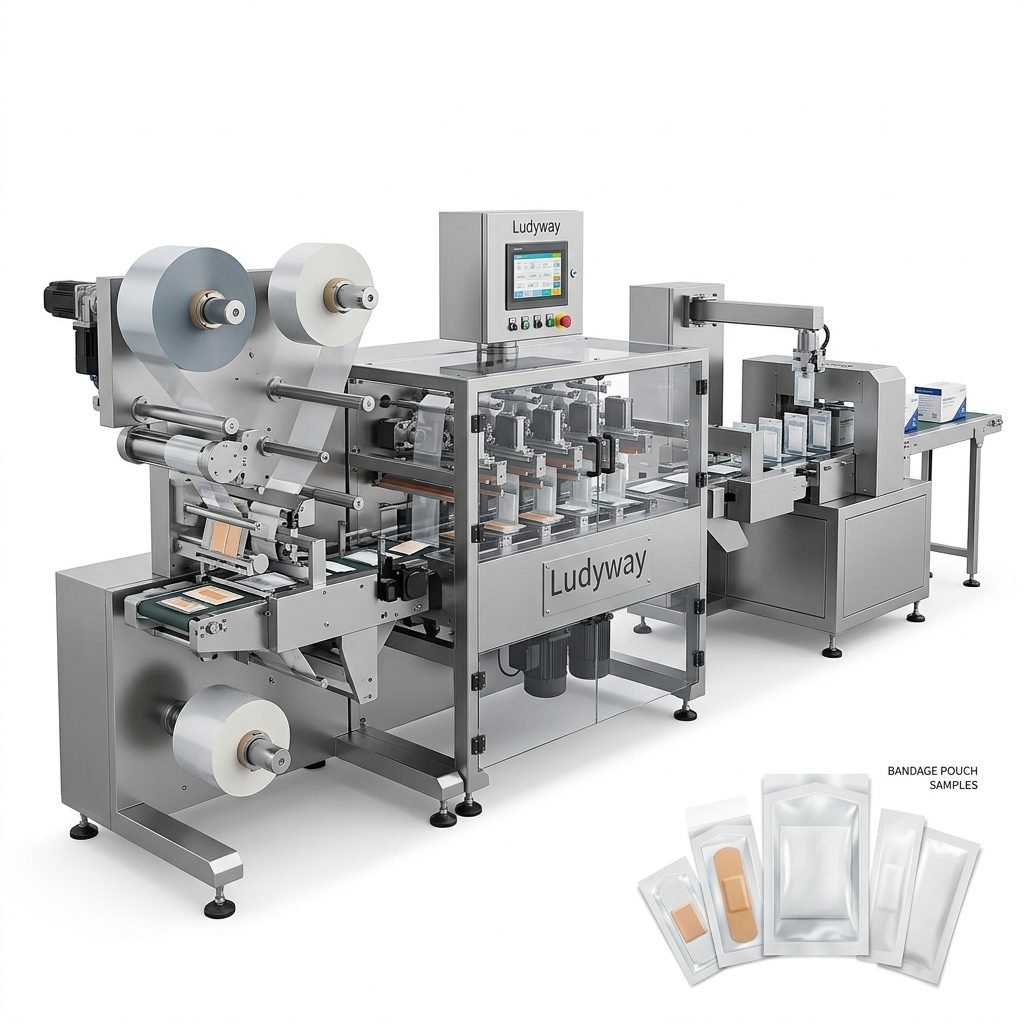
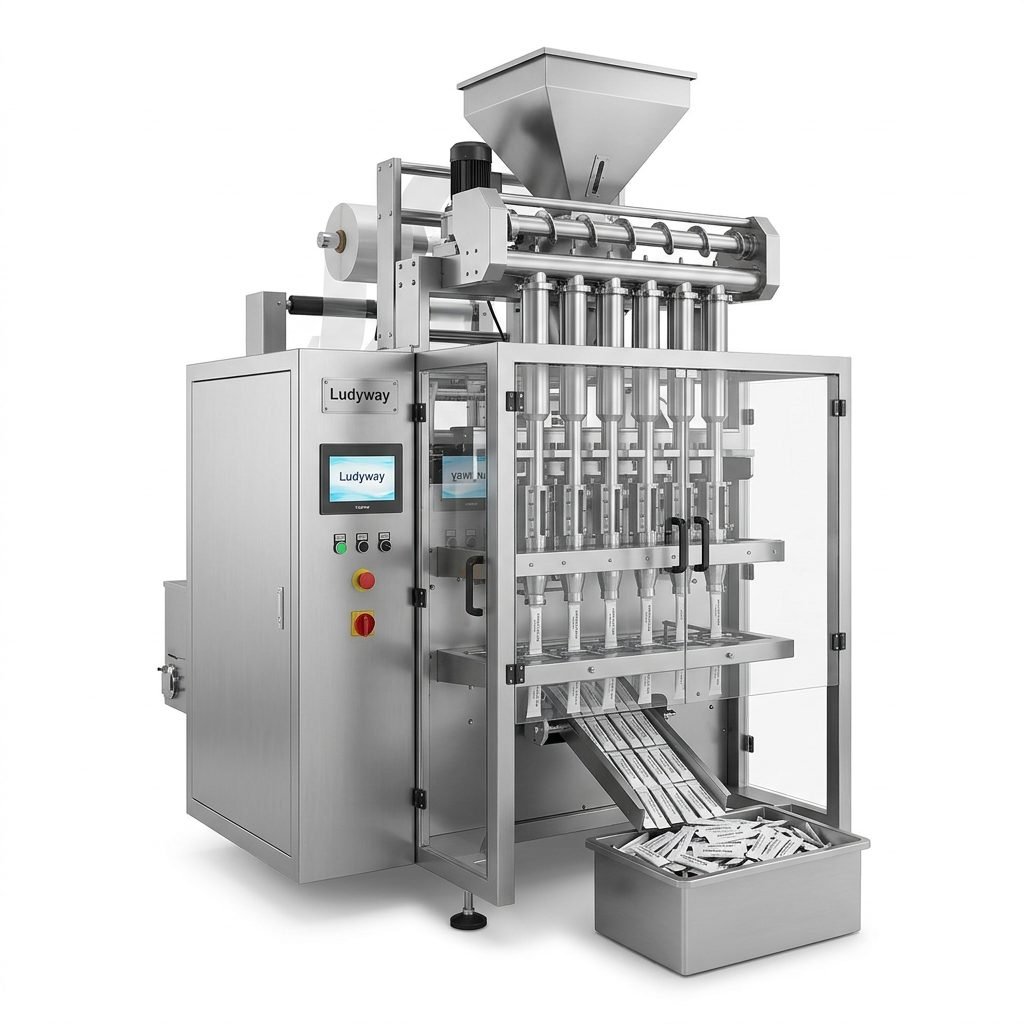
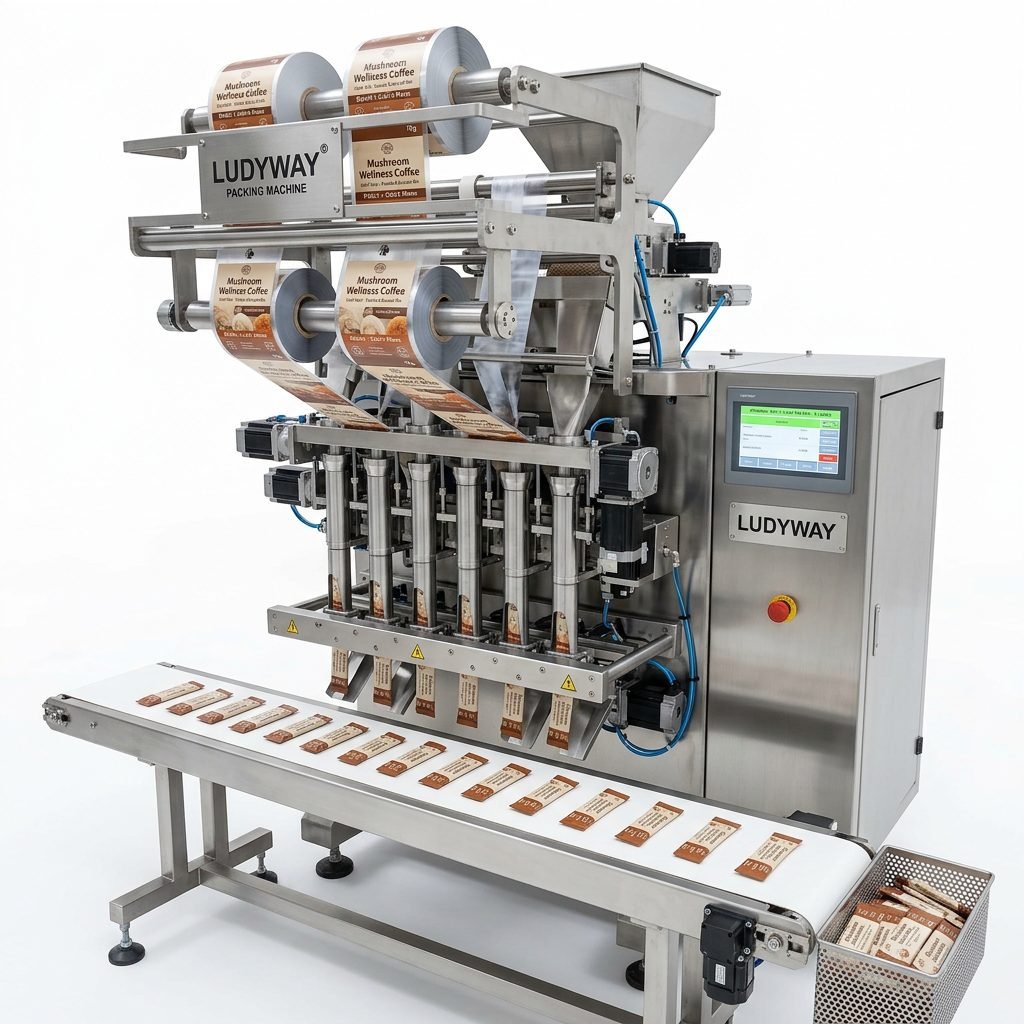
Investing in a CMC packing machine is a strategic decision that impacts your production efficiency, product quality, and long-term operational costs. Carboxymethyl Cellulose (CMC) is widely used across food, pharmaceutical, and industrial sectors as a thickener, stabilizer, and binder. However, its unique powder characteristics—fine particle size, hygroscopic nature, and variable flowability—demand specialized packaging equipment. This guide walks you through the essential factors to evaluate before making a purchase.
Understanding CMC Material Characteristics
CMC powder presents several handling challenges that directly influence machine selection. It is highly hygroscopic, meaning it readily absorbs moisture from the air, which can cause clumping and inconsistent filling. Its fine particle size requires precise dosing mechanisms to prevent dust generation and product loss. Additionally, CMC exhibits poor flowability under certain conditions, especially at higher moisture content. A high-quality CMC packing machine must be engineered to address these specific material behaviors through controlled environment features and specialized feeding systems.
Key Material Properties Affecting Packaging
- Particle size distribution – Typically 50–200 mesh, requiring fine-tuned auger or volumetric fillers
- Bulk density variations – Can range from 0.4 to 0.9 g/cm³ depending on grade and moisture
- Moisture sensitivity – Demands sealed hoppers and nitrogen flushing options for extended shelf life
- Electrostatic charge – Fine CMC particles can cling to surfaces, affecting fill accuracy
Evaluating Packaging Formats and Bag Styles
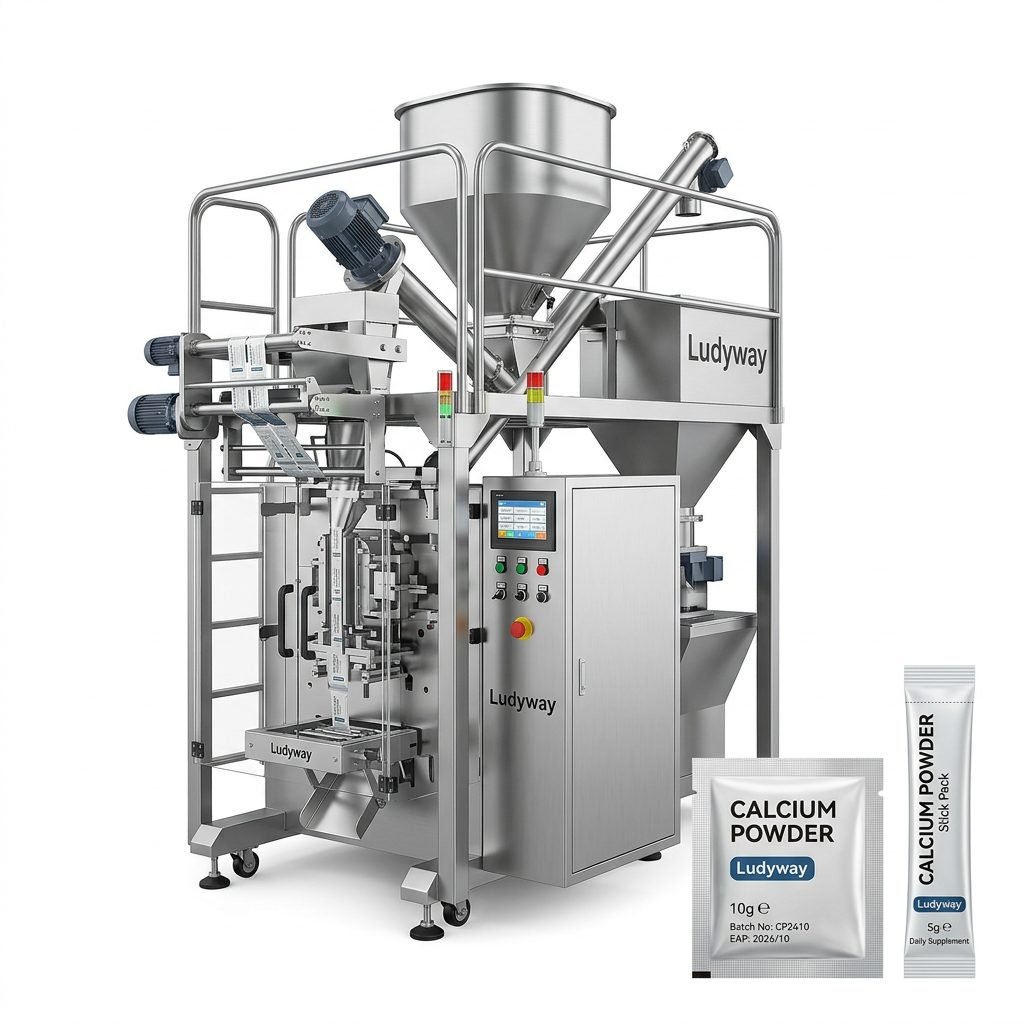
Your target market and product application determine the ideal packaging format. CMC is commonly packed in stick packs, sachets, pouches, and bulk bags. Single-serve stick packs are increasingly popular in food and nutraceutical segments, offering convenience and portion control. Industrial-grade CMC typically uses larger bags ranging from 1 kg to 25 kg. When selecting a CMC packing machine, ensure the equipment can accommodate your required bag dimensions, material structures (laminates, aluminum foil, paper-based), and closure types.
Common Packaging Formats for CMC Products
- Stick packs – Ideal for single-serve food thickeners and dietary supplements
- Three-side-seal sachets – Cost-effective for small to medium portion sizes
- Stand-up pouches – Premium presentation with resealable zipper options
- Gusseted bags – Suitable for bulk industrial CMC from 5 kg to 25 kg
- Pillow bags – High-speed format for commodity-grade CMC distribution
Filling Technology: Choosing the Right Dosing System
The heart of any CMC packing machine is its filling mechanism. Auger fillers are the most common choice for CMC powder, delivering consistent volumetric dosing with accuracy typically within ±1%. For applications requiring higher precision, gravimetric weighing systems or combination weighers provide superior accuracy, especially for bulk packaging. Multi-head weighers excel at high-speed operations where throughput exceeds 60 packs per minute. The selection between servo-driven auger fillers and traditional volumetric cups depends on your desired flexibility, accuracy requirements, and budget constraints.
Dosing Technology Comparison
| Filling Type | Accuracy Range | Best For | Speed Capacity |
|---|---|---|---|
| Servo Auger Filler | ±0.5–1.0% | Fine powders, small sachets | Up to 80 ppm |
| Multi-head Weigher | ±0.2–0.5% | Granules, free-flowing CMC | Up to 120 ppm |
| Volumetric Cup Filler | ±1.5–2.5% | Cost-sensitive bulk packaging | Up to 60 ppm |
| Net Weigh Filler | ±0.1–0.3% | Bulk bags 5–50 kg | Up to 10 bpm |
Automation Level and Production Speed Requirements
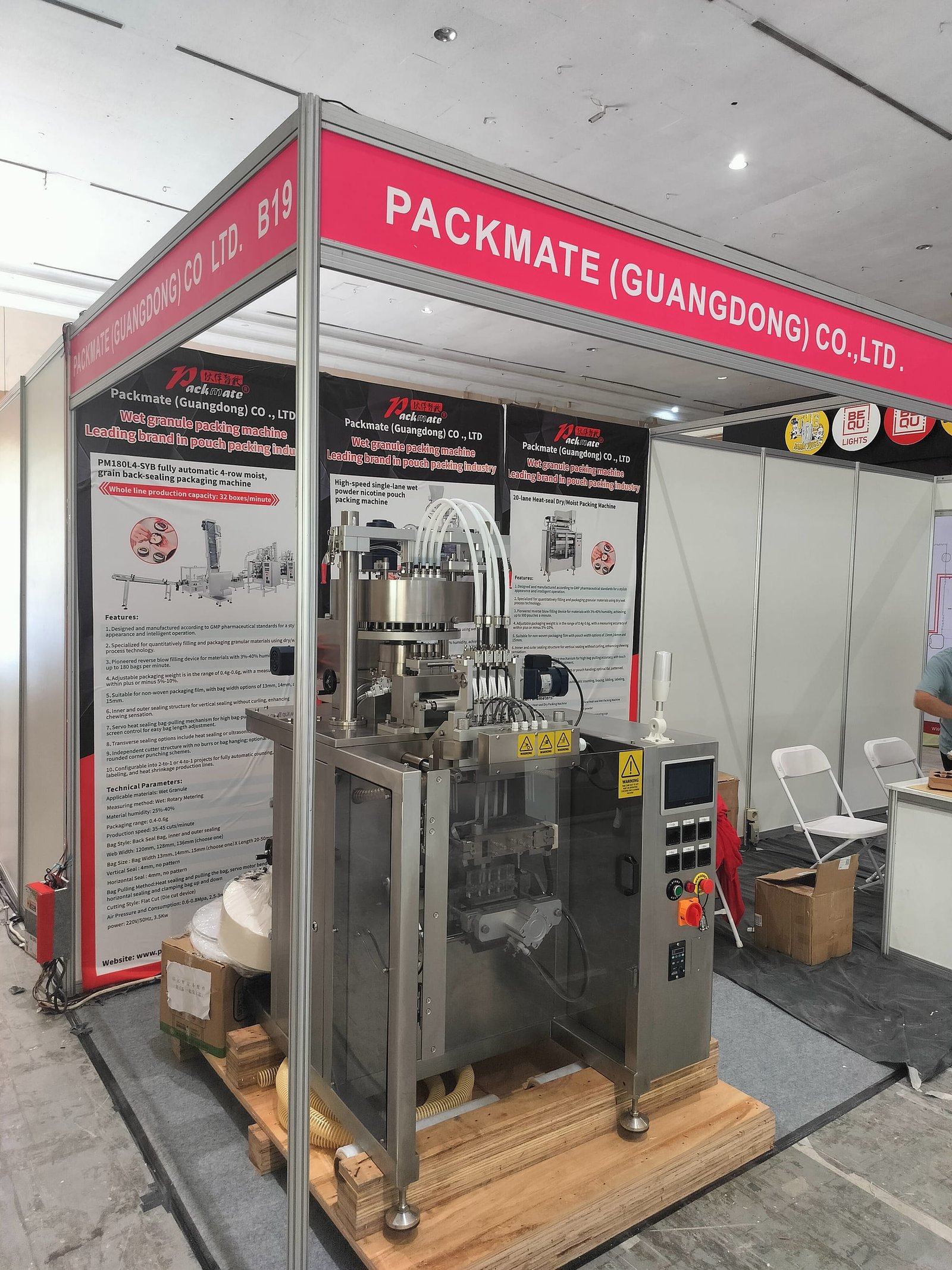
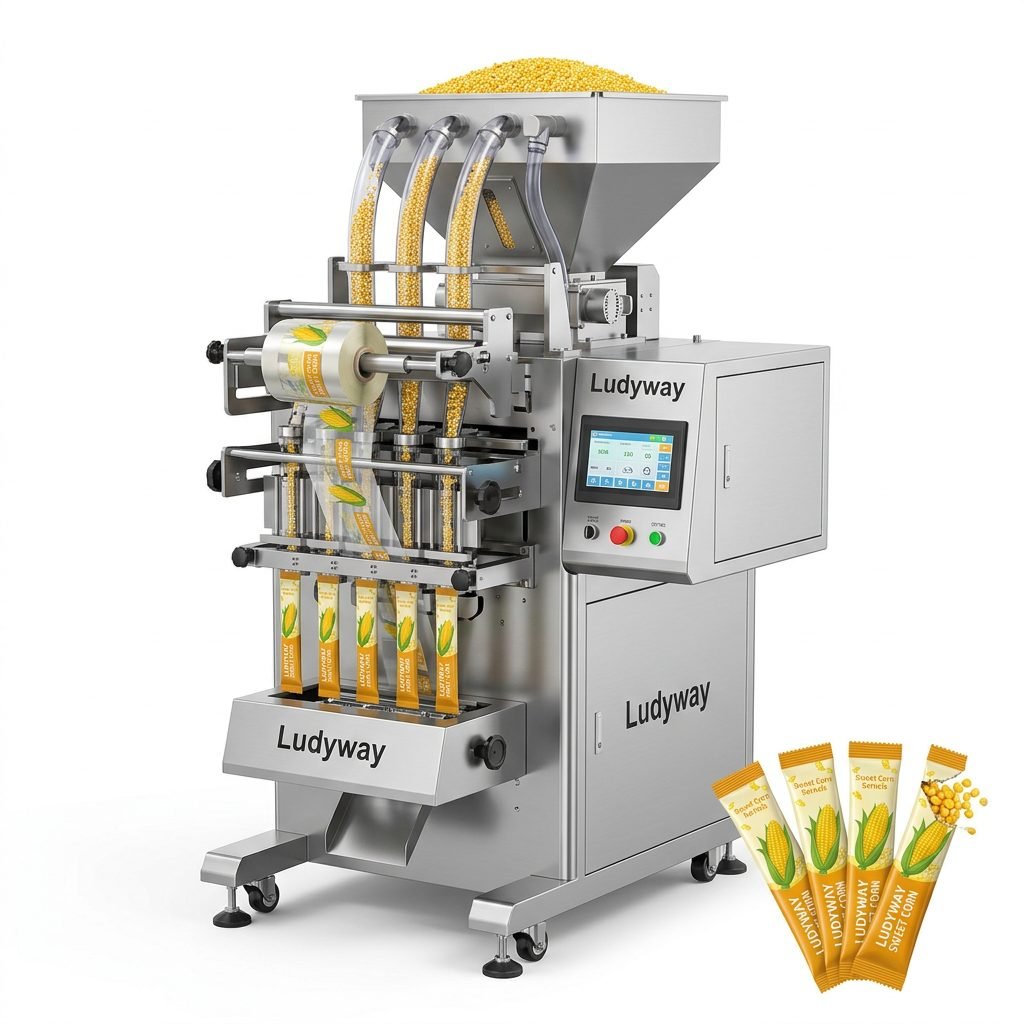
Modern CMC packing machines range from semi-automatic models suited for small-batch production to fully automated, multi-lane systems capable of producing hundreds of packs per minute. When evaluating automation levels, consider your current production volume and future scaling plans. Multi-lane stick pack machines, for instance, can run 4 to 12 lanes simultaneously, dramatically increasing output without proportionally increasing floor space. Key automation features to assess include automatic film splicing, registration mark sensors for printed films, and integrated rejection systems for off-spec packs.
Automation Features That Boost Efficiency
- Servo-driven film transport – Ensures precise bag length and reduces film waste
- Automatic web tracking – Maintains film alignment during high-speed operation
- Integrated coding and marking – Batch numbers, dates, and QR codes printed inline
- Remote monitoring capabilities – Real-time OEE tracking and predictive maintenance alerts
- Quick-changeover design – Tool-less adjustments for different bag sizes and formats
Material Contact Parts and Hygienic Design
For food and pharmaceutical-grade CMC, hygienic machine construction is non-negotiable. All product contact parts should be manufactured from 316L stainless steel with polished surfaces to prevent powder adhesion and facilitate cleaning. Equipment designed to meet GMP standards should feature tool-free disassembly for sanitation, sloped surfaces to prevent product accumulation, and sealed electrical enclosures. If your facility handles both food and industrial grades of CMC, dedicated or easily cleanable machines minimize cross-contamination risks.
Integration with Upstream and Downstream Equipment
A CMC packing machine rarely operates in isolation. Consider how the equipment integrates with your existing or planned production infrastructure. Upstream, you may need automatic feeding systems, sifters, or metal detectors. Downstream, conveyors, checkweighers, cartoners, case packers, and palletizers complete the line. A turnkey approach—where a single supplier engineers the entire packaging line—simplifies project management, ensures compatibility between modules, and provides a single point of accountability for performance and service.
Quality Certifications and International Standards
If you export CMC products to regulated markets, your packaging machinery must support compliance with applicable standards. Machines configured with certified components and documentation packages can streamline your validation processes. Key certifications to look for include CE marking for European markets, ISO 9001 quality management, and GMP-compliant design for pharmaceutical applications. Verify that the manufacturer can provide full documentation packages including IQ/OQ/PQ protocols when required.
Total Cost of Ownership and ROI Analysis
Beyond the initial purchase price, evaluate the total cost of ownership over the machine’s expected lifespan. Factors influencing long-term costs include energy consumption, spare parts availability and pricing, film waste rates, and maintenance labor requirements. A machine with a 5% lower film waste rate can save significant material costs annually in high-volume production. Similarly, servo-driven systems typically consume less energy than pneumatic alternatives. Request detailed utility consumption data and typical maintenance schedules from potential suppliers to build an accurate TCO model.
Cost Factors to Analyze Before Purchase
- Initial equipment investment – Including installation and commissioning
- Packaging material efficiency – Film utilization rates and scrap generation
- Energy consumption – Electrical and compressed air requirements
- Labor requirements – Operators needed per shift for loading, monitoring, and changeovers
- Maintenance agreements – Preventive maintenance contracts and spare parts pricing
Supplier Evaluation and Technical Support
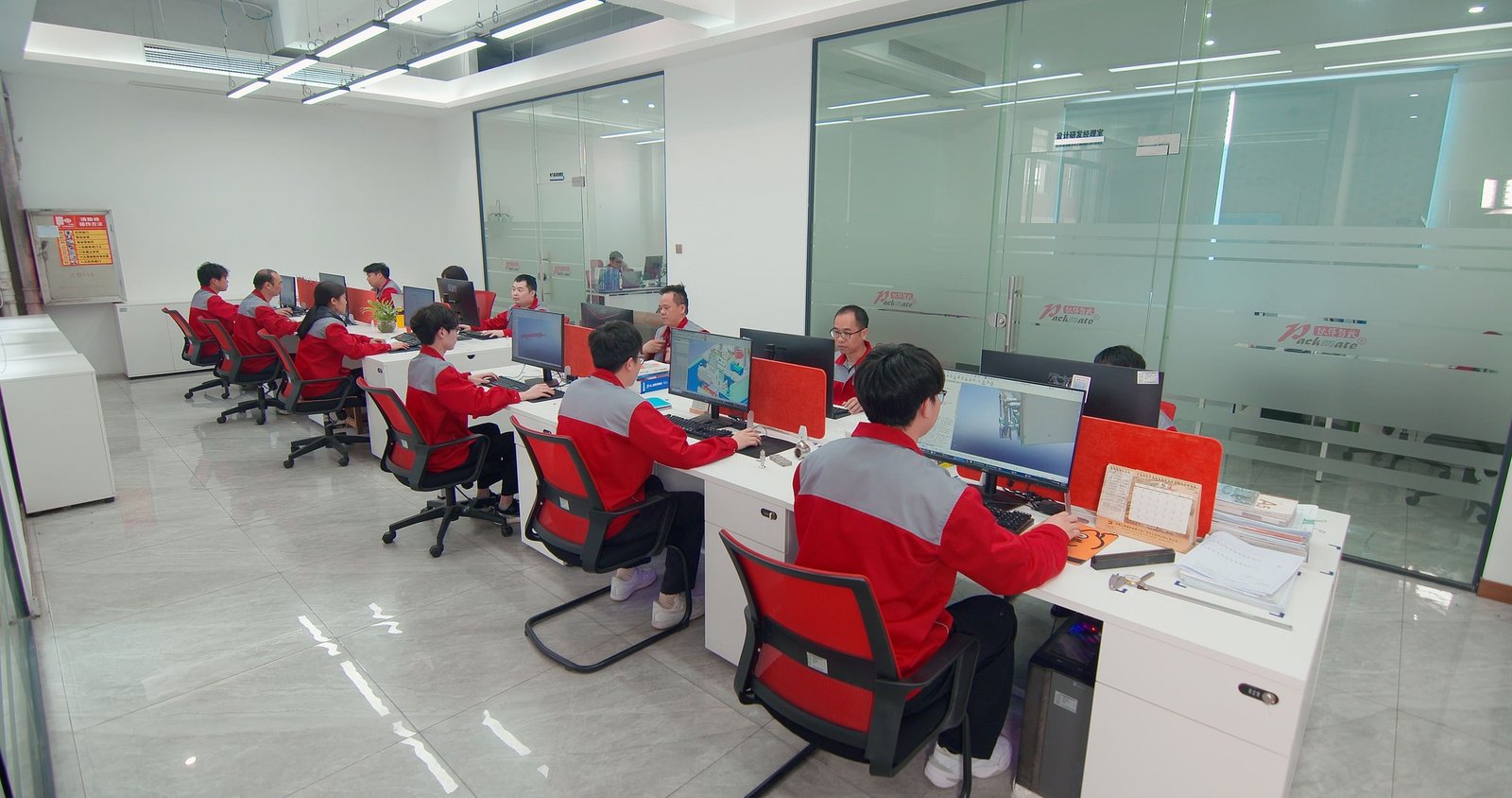
Choosing the right equipment partner is as critical as selecting the right machine specifications. Evaluate potential suppliers based on their industry experience, engineering capabilities, and after-sales support. A manufacturer with a proven track record in powder packaging understands the nuances of CMC handling and can offer valuable application engineering insights. Consider whether the supplier provides remote technical assistance, on-site training, and prompt spare parts delivery to your region. Ludyway Machinery, a China-based packaging machinery manufacturer with more than 30 years of industry experience, operates a 20,000-square-meter manufacturing facility and expects to achieve export revenue of more than RMB 500 million (approximately US$69 million) in 2025, with plans to surpass RMB 1 billion (approximately US$138 million) in 2026. The company’s comprehensive portfolio spans over 50 packaging machine models across powder, granule, liquid, and flexible packaging applications. Request references from customers with similar CMC packaging applications and, when possible, conduct factory acceptance testing before shipment to verify machine performance with your actual product.
Key Questions to Ask Before Finalizing Your Purchase
- What is the guaranteed fill accuracy with CMC powder at the specified speed?
- Can the machine handle multiple CMC grades with different flow characteristics?
- What humidity control features are integrated for hygroscopic powder protection?
- Is the machine compatible with sustainable packaging materials and mono-material films?
- What is the typical lead time for spare parts and what is the recommended inventory list?
- Does the supplier offer remote diagnostics and troubleshooting support?
Selecting the right CMC packing machine requires a thorough assessment of your product characteristics, production targets, quality requirements, and long-term operational goals. By focusing on material compatibility, filling accuracy, automation level, and supplier capability, you can invest in equipment that delivers consistent performance and supports your business growth for years to come. For manufacturers seeking a single packaging machinery partner capable of delivering integrated, customized solutions, working with an experienced provider with global engineering and service capabilities can streamline the entire procurement and commissioning process.