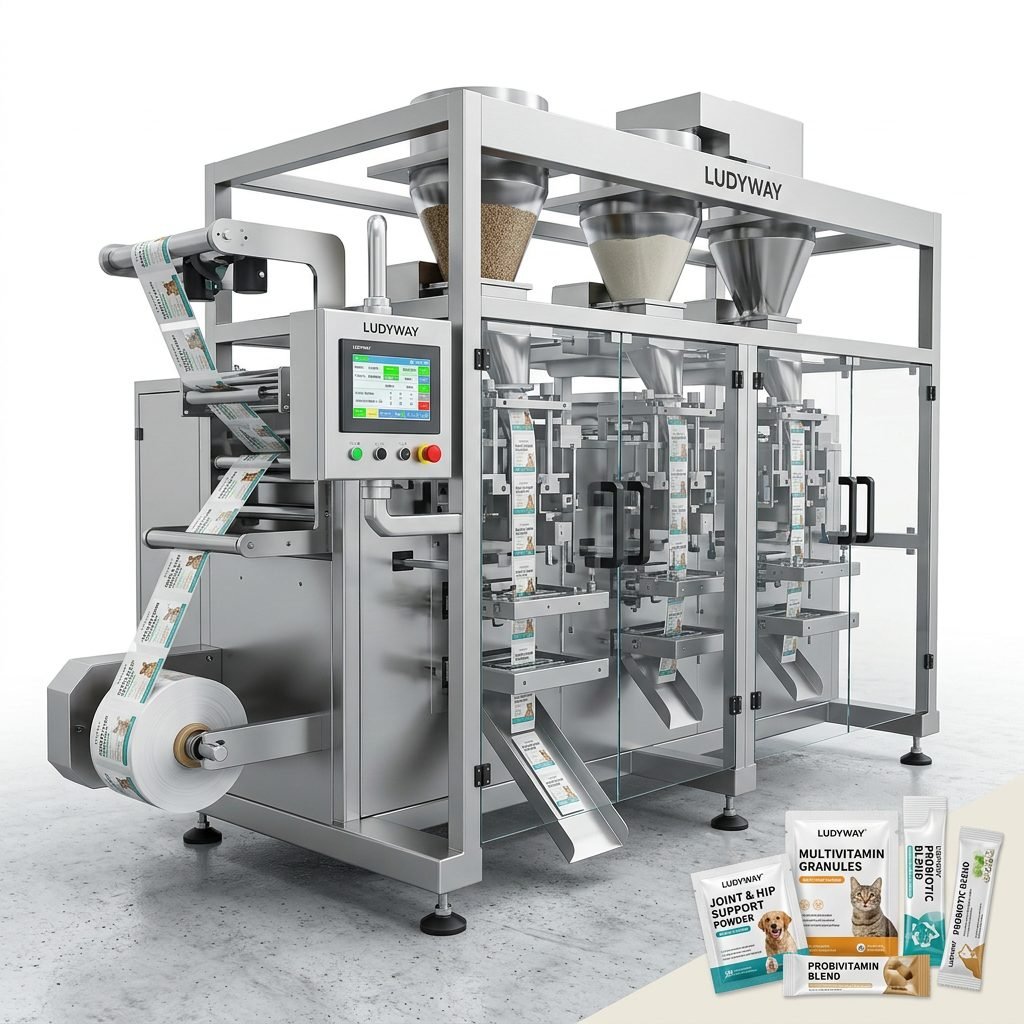
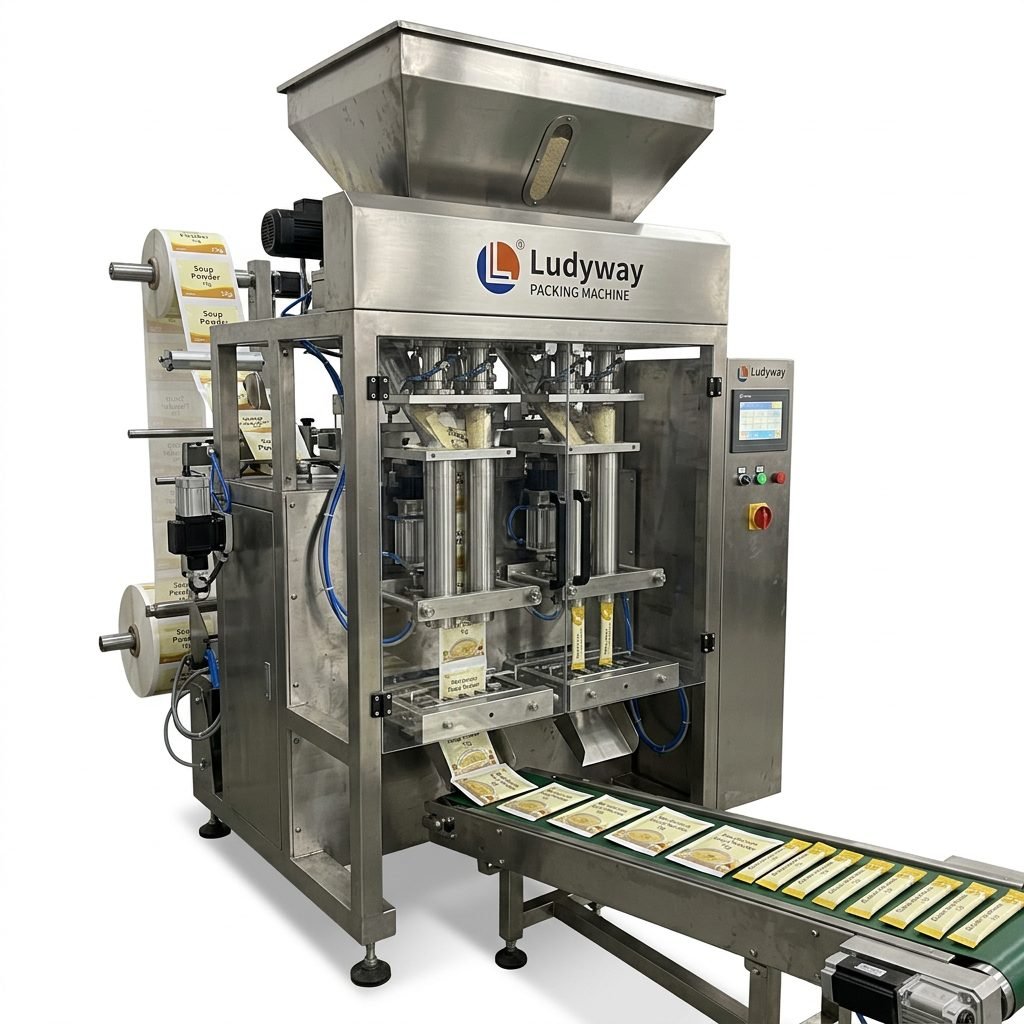
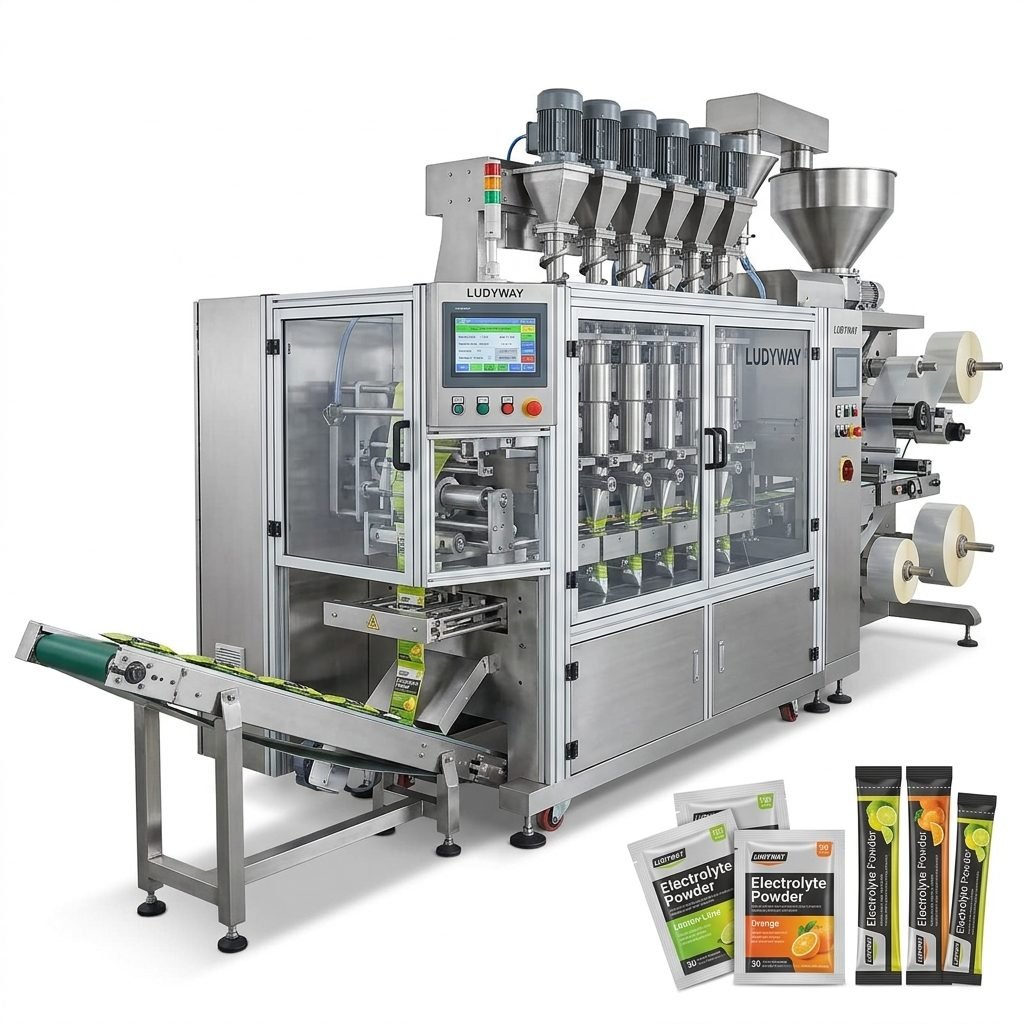
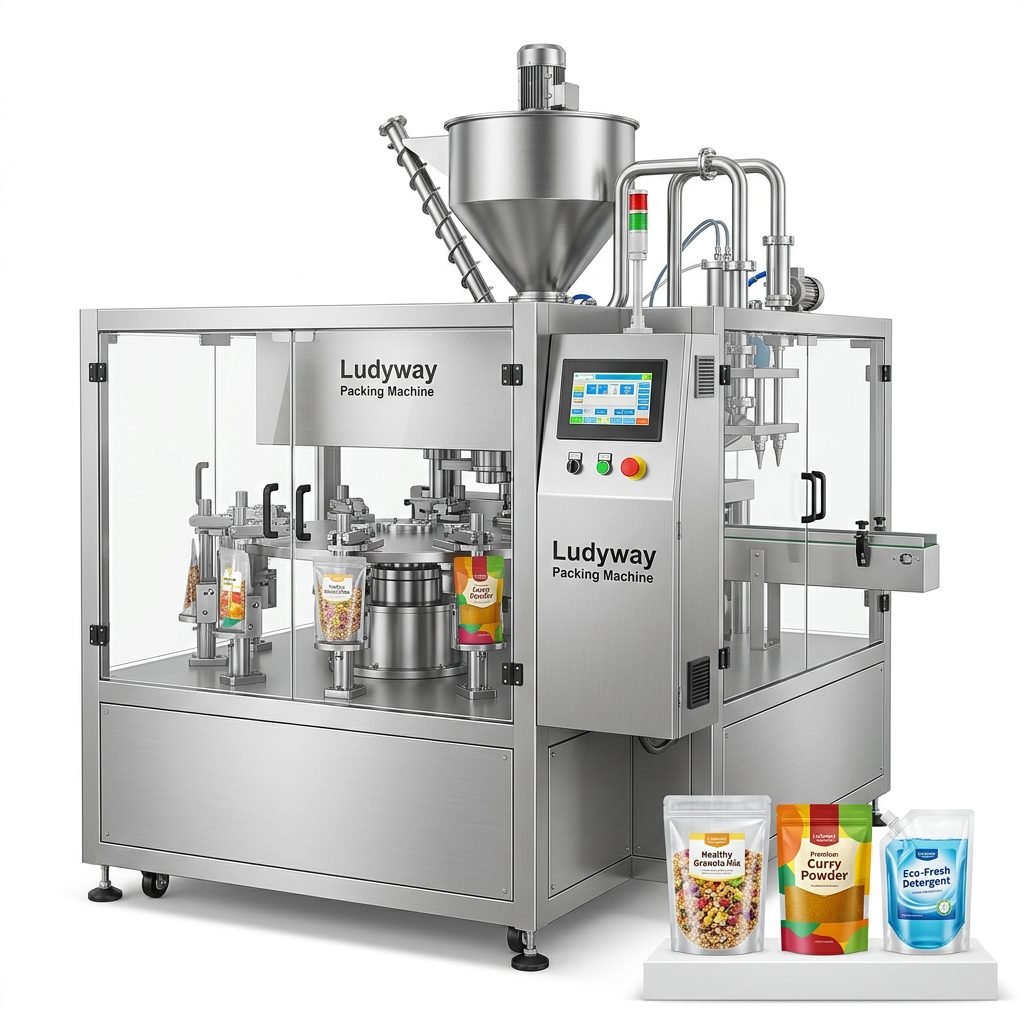
The packaging machinery industry is undergoing a rapid transformation, driven by technological advancements and evolving market demands. For businesses seeking to enhance their production efficiency, product presentation, and operational sustainability, understanding the latest innovations in packaging systems is crucial. This comprehensive guide explores the newest technologies, various machine types, and essential factors for selecting the right system for your specific needs.
Latest Technologies Revolutionizing Packaging Machinery
Modern packaging machinery integrates cutting-edge technologies that boost speed, accuracy, and intelligence.
1. Smart Automation & IoT Integration
Today’s systems are increasingly connected. Internet of Things (IoT) sensors monitor machine performance in real-time, tracking metrics like output, downtime, and maintenance needs. This data is transmitted to centralized dashboards, enabling predictive maintenance to prevent unexpected failures and optimize production schedules.
2. Advanced Vision Inspection Systems
High-resolution cameras and sophisticated AI software now perform meticulous quality checks at high speeds. These systems can detect defects such as incorrect labeling, seal integrity issues, fill level inaccuracies, and even foreign objects, ensuring only perfect products reach the consumer.
3. Sustainable & Eco-Friendly Design
Responding to global environmental concerns, new machinery focuses on reducing material waste and energy consumption. Features include precision dosing to minimize product giveaway, the ability to handle recycled or biodegradable materials, and energy-efficient servo motors that lower the overall carbon footprint of the packaging line.
4. Flexible & Quick Changeover Systems
Market trends demand agility. Modern machines offer tool-less or quick-change mechanisms, allowing producers to switch between different package sizes, shapes, or materials with minimal downtime. This flexibility is key for businesses running multiple SKUs or limited batch productions.
Primary Types of Packaging Machinery
Choosing the right machine starts with understanding the categories available for different product forms and stages.
For Granules & Powders
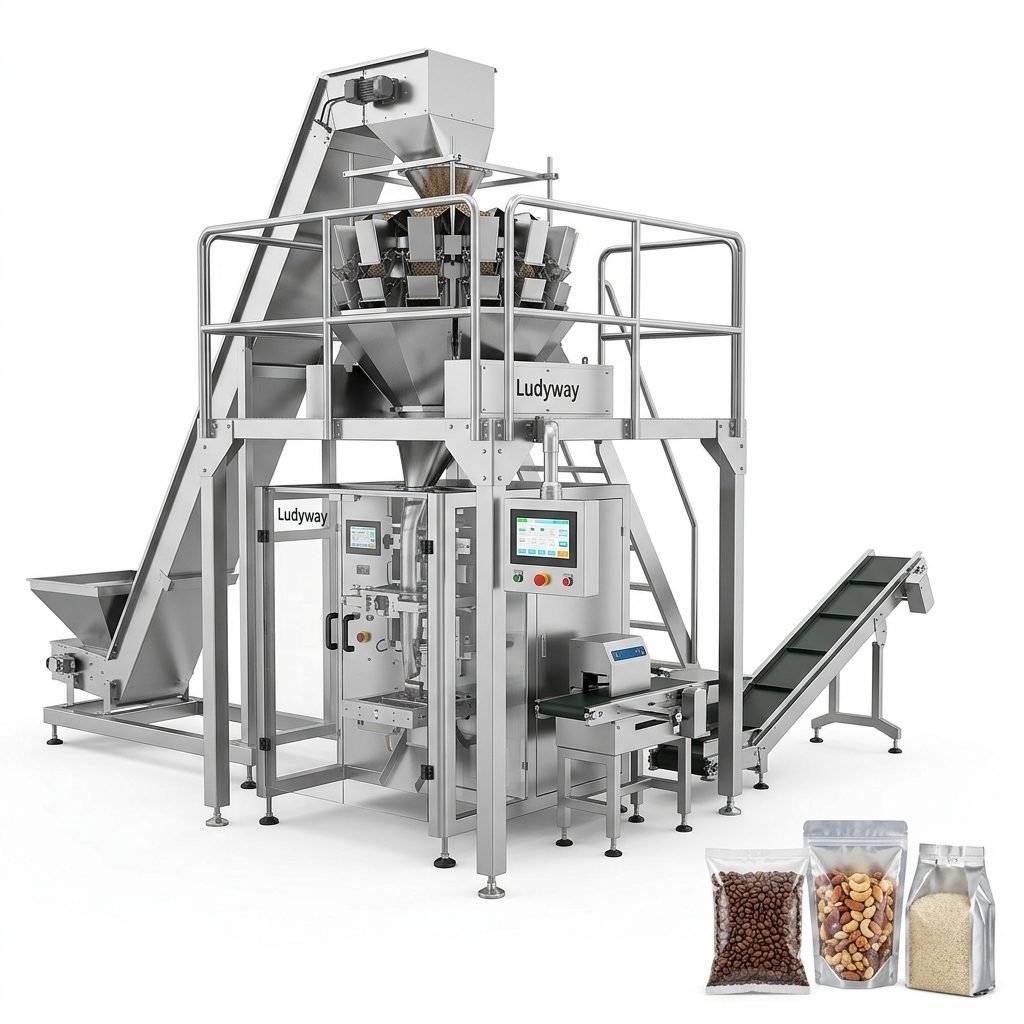
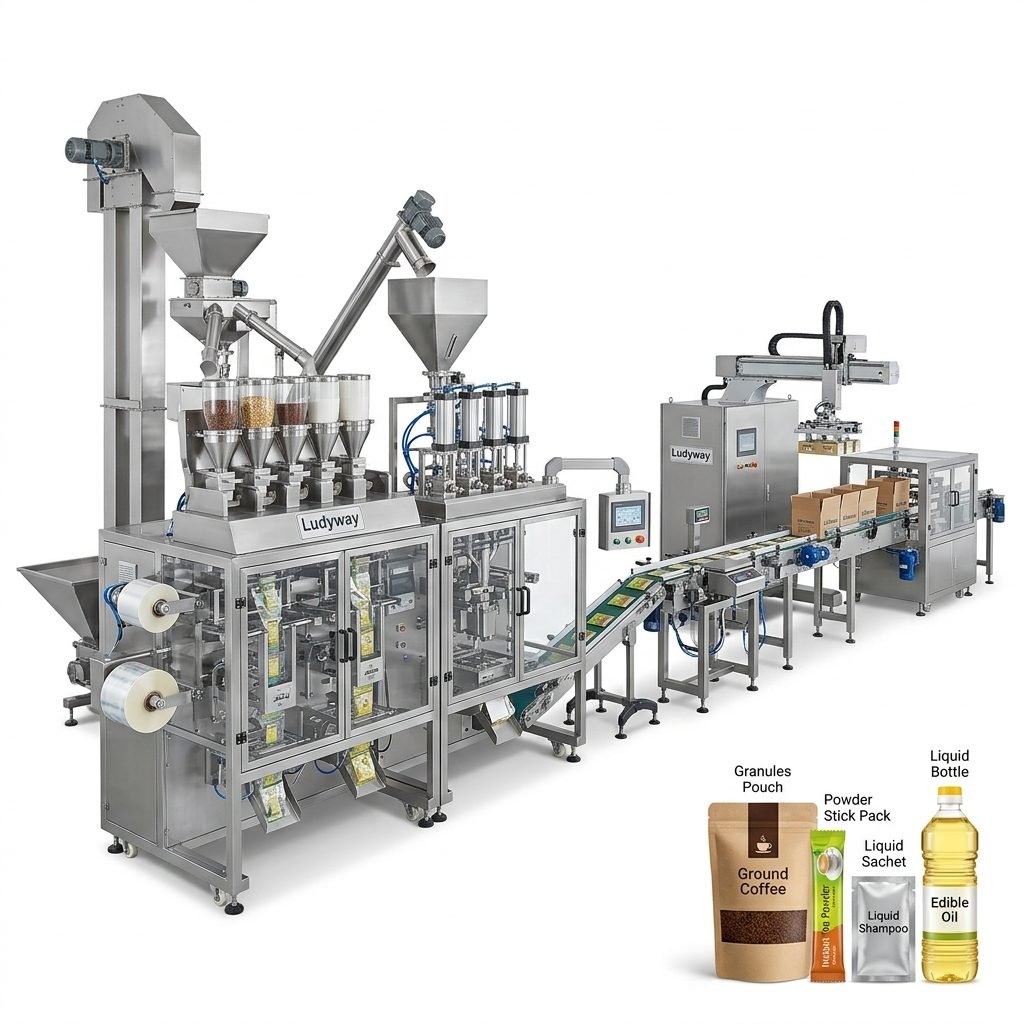
Vertical Form-Fill-Seal (VFFS) Machines: The most common type for free-flowing products like coffee, spices, and protein powders. They form a bag from a roll of film, fill it with a precise dose, and seal it—all in one continuous operation.
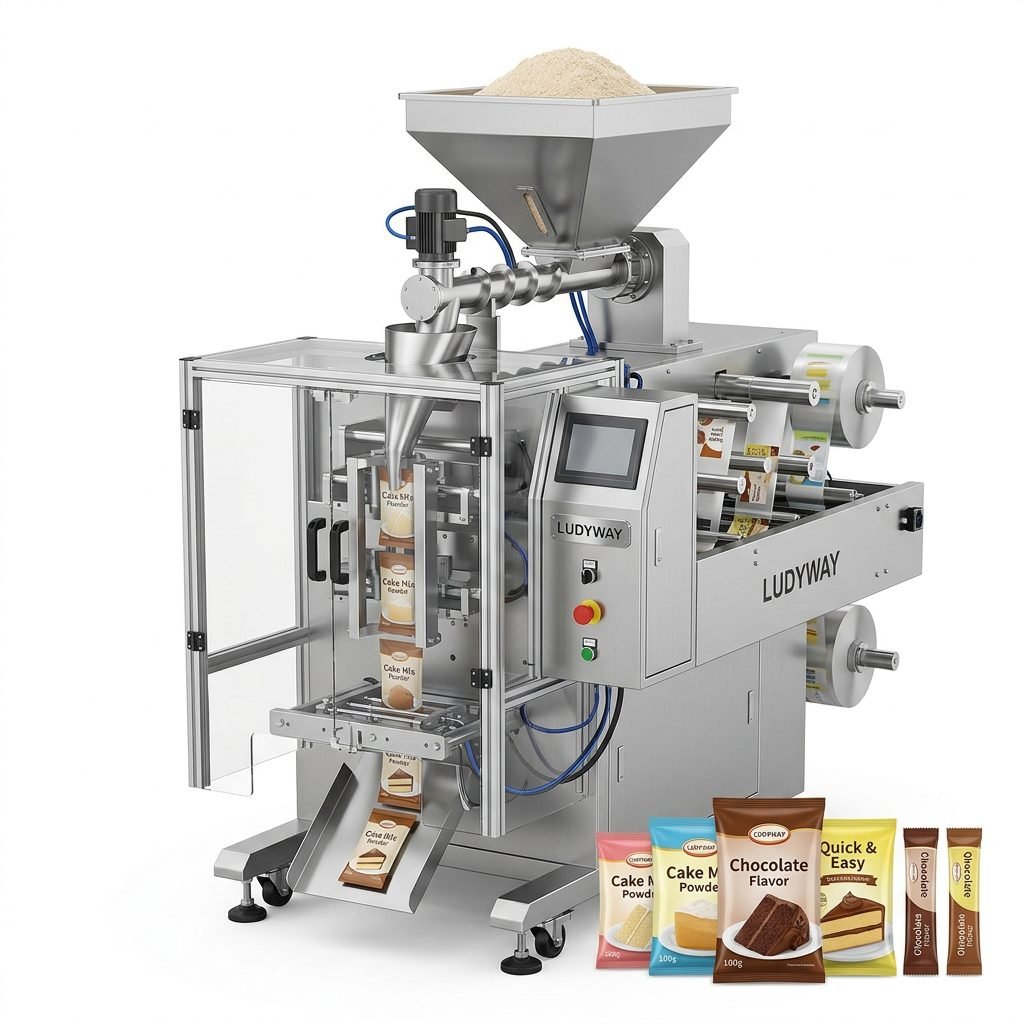
Auger Filling Systems: Renowned for their accuracy with fine powders. A rotating auger screw meters the product into the package. Modern versions feature anti-bridging technology and automatic tare weight compensation for unparalleled consistency.
For Liquids & Pastes
Liquid Filling Machines: These include piston fillers for viscous products (like sauces or creams) and volumetric/pump fillers for thinner liquids (like oils or juices). Advanced models offer no-drip nozzles and CIP (Clean-in-Place) systems for hygiene.
Sachet Packaging Machines: Ideal for single-serve portions of ketchup, shampoo, or condiments. They can handle liquid, gel, and paste products, creating small, sealed pouches from laminated film.
For Specialized Formats
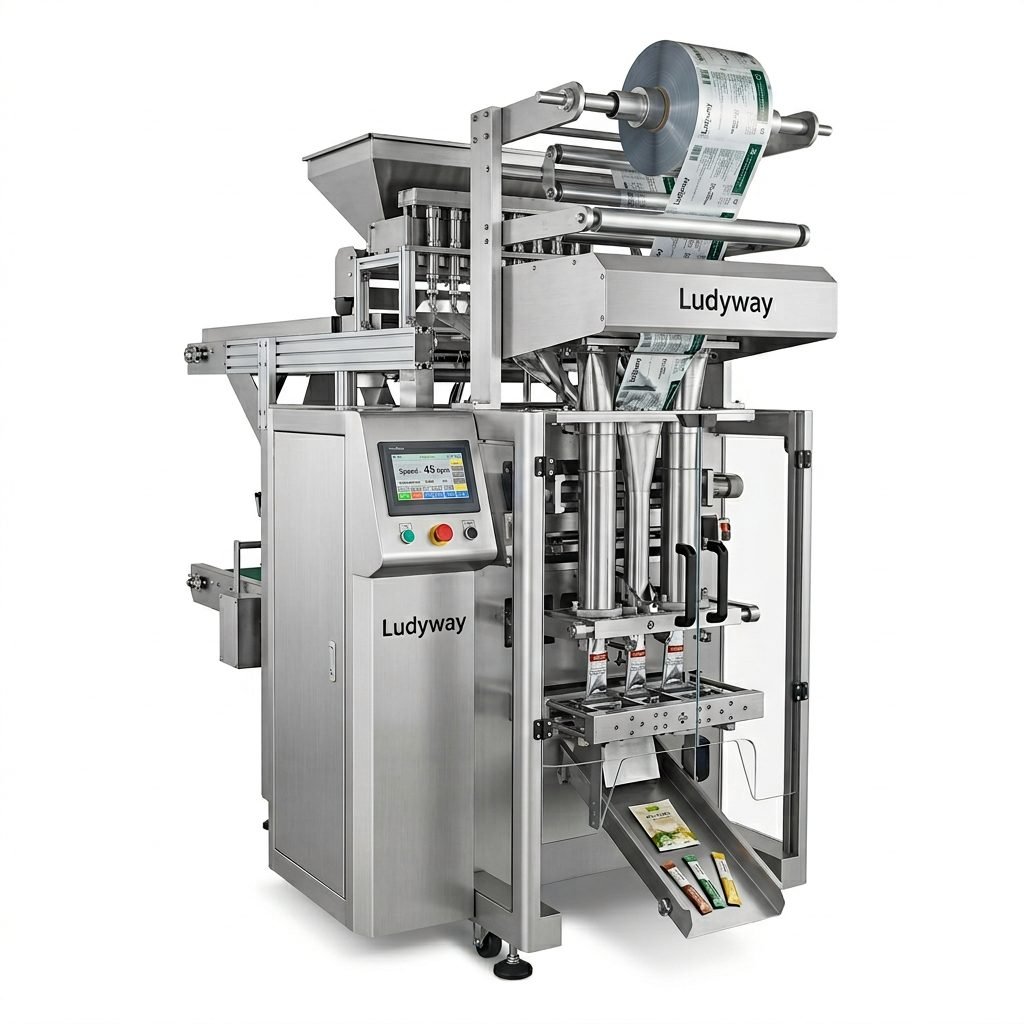
Stick Pack Machines: Designed to create the long, slender packs popular for drink mixes, supplements, and pharmaceuticals. They offer excellent barrier properties and a modern, portable consumer experience.
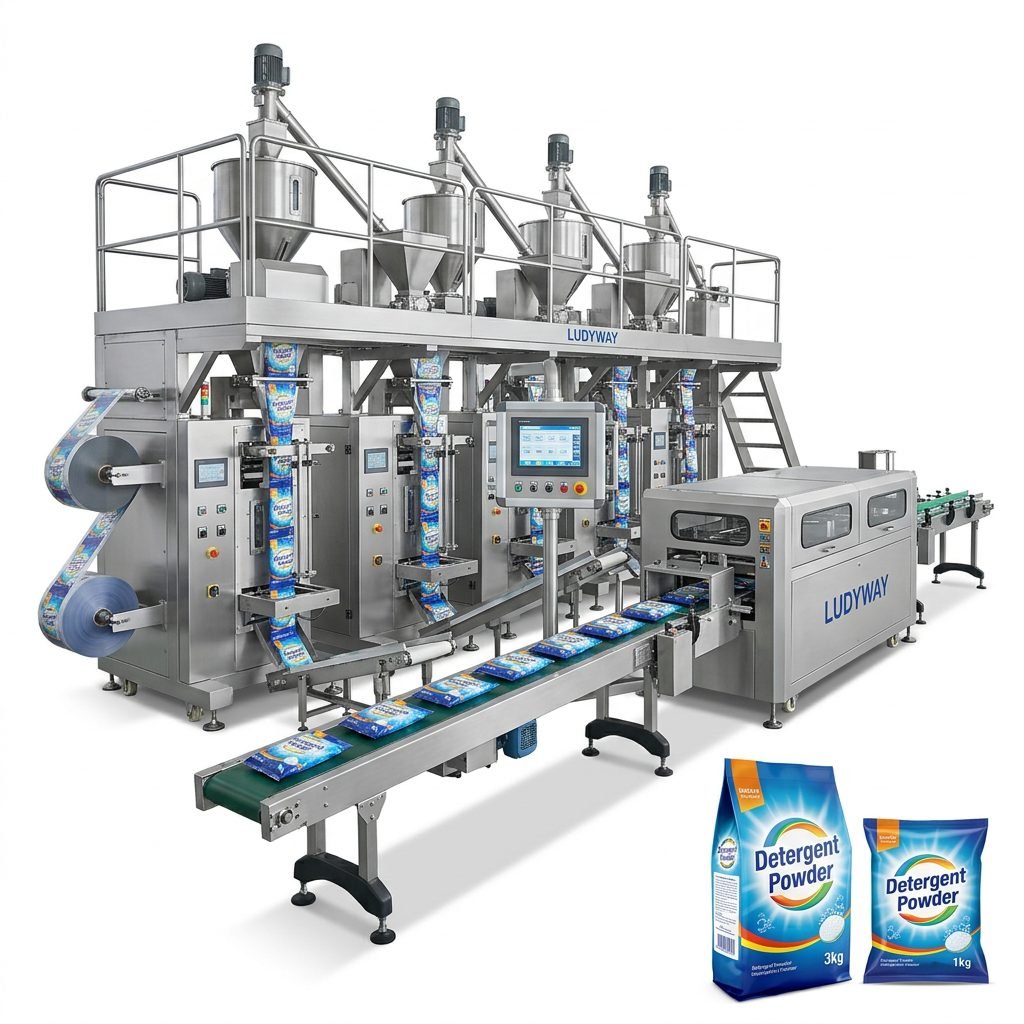
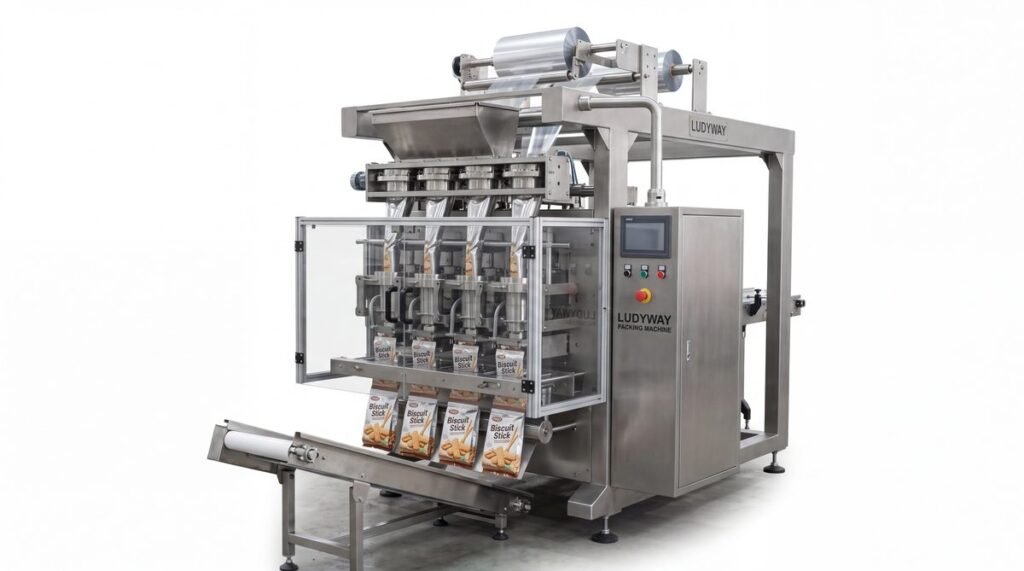
Multi-Lane & High-Speed Machines: Essential for large-scale production. These systems run multiple packaging lines in parallel, dramatically increasing output for products like sugar sticks, instant coffee, or seasoning packets.
How to Choose the Right Packaging System: A Step-by-Step Guide
Selecting machinery is a significant investment. Follow this framework to make an informed decision.
Step 1: Define Your Core Requirements
Start with the basics: Product Characteristics (form, density, abrasiveness), Desired Output Speed (bags/min), Package Type & Material (pouch, stick pack, film structure), and Budget. This narrows down the field to suitable machine types.
Step 2: Evaluate Technology & Precision
Prioritize accuracy and control. For powders, an auger filler with servo drive is often best. For granules, a weigh-cell VFFS machine might be optimal. Assess the machine’s repeatability (consistency of dose) and its compatibility with your desired level of automation (semi-auto vs. fully auto).
Step 3: Assess Flexibility and Scalability
Consider your future needs. Can the machine handle a range of package sizes? How long does changeover take? Choosing a system from a provider like Ludyway Packing Machine, which offers scalable solutions and over 50 machine models, ensures your investment can grow with your business.
Step 4: Analyze Total Cost of Ownership (TCO)
Look beyond the purchase price. Factor in operating costs (energy, material waste), maintenance costs (parts availability, ease of service), and downtime costs. A slightly more expensive, reliable machine with low maintenance needs often has a lower TCO.
Step 5: Verify Supplier Support & Reputation
The supplier is as important as the machine. Choose a partner with proven industry experience, strong technical support, and readily available spare parts. Review their company profile and client testimonials. A supplier with a solid history and commitment to innovation, like one with 30+ years in the field, provides long-term security.
Frequently Asked Questions (FAQs)
What is the main difference between a sachet and a stick pack machine?
While both create small pouches, sachet machines typically produce wider, rectangular packs ideal for thicker products like sauces or gels. Stick pack machines produce long, narrow tubes perfect for free-flowing powders or granules, offering a higher barrier ratio and a distinctive shape.
How important is after-sales service when buying packaging machinery?
Extremely important. Reliable technical support, training, and quick access to genuine spare parts are critical for minimizing downtime and ensuring your production line runs smoothly for years. Always prioritize suppliers with a strong, documented service network.
Can one machine handle both granules and powders?
Some versatile machines, particularly certain VFFS models with different filling head options (like auger for powder and cup for granules), can handle both. However, for optimal speed and accuracy, especially with fine powders, a machine specifically configured for the primary product type is recommended.
What are the key benefits of servo-driven motors over traditional mechanical systems?
Servo motors provide superior control, higher energy efficiency, and quieter operation. They allow for precise positioning, easier adjustments via software, and generally require less maintenance than complex mechanical gear systems, leading to more consistent packaging and lower operating costs.
How do I future-proof my packaging machinery investment?
Focus on modularity and connectivity. Choose systems that can be easily upgraded with new features (like vision inspection or data logging) and that have open communication protocols (OPC UA, Ethernet/IP) to integrate seamlessly into future smart factory (Industry 4.0) environments.