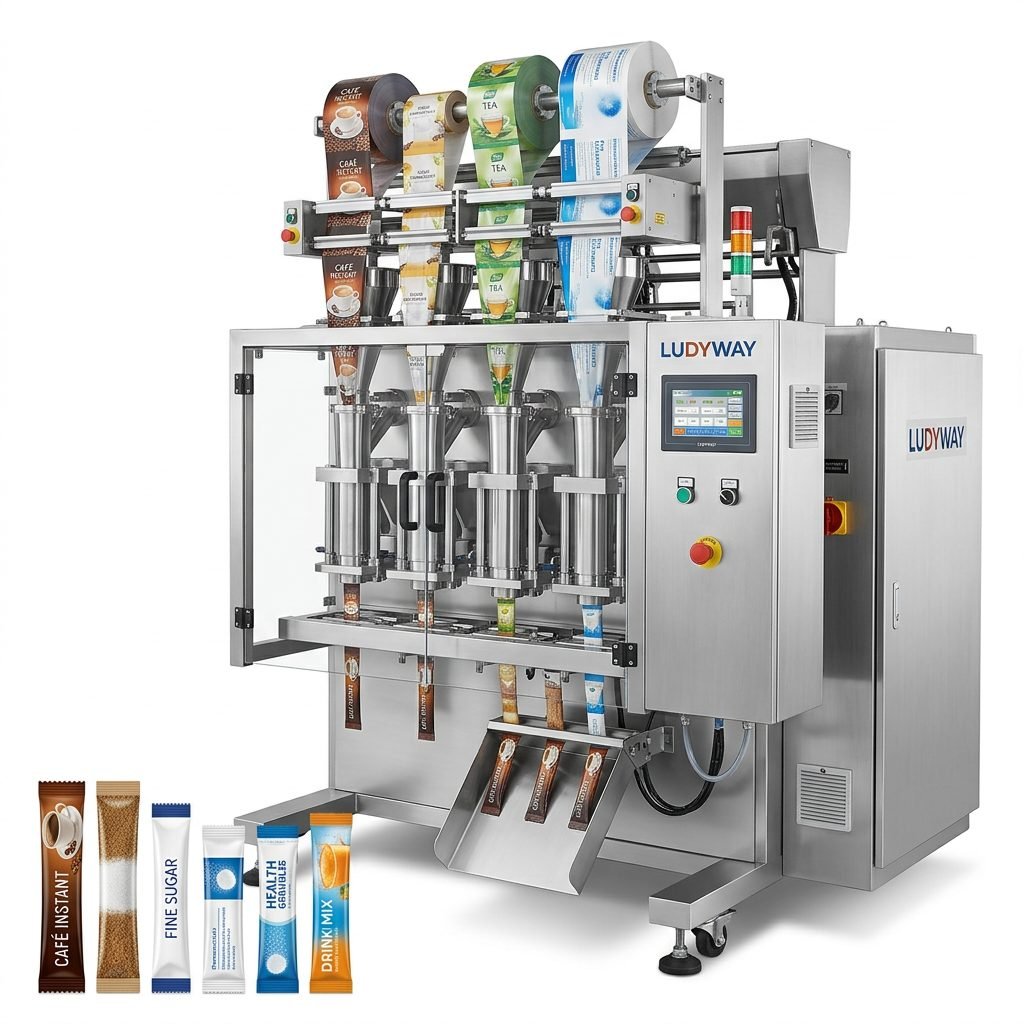
Fresh bread sells on appearance, aroma, softness, and shelf life. The right packing system protects all four. If your packaging is too loose, bread dries out quickly. If it seals poorly, freshness drops and returns increase. If the machine is too slow, production becomes a bottleneck. Choosing the best bread packing machine means matching bread type, output, packaging material, hygiene needs, and automation level to the right solution.
For bakeries, food factories, and private-label brands, the ideal packaging setup is not always the most expensive one. It is the one that keeps bread fresh, runs steadily, reduces labor, and supports future growth.
Why Bread Packaging Matters More Than Many Buyers Expect
Bread is highly sensitive to air exposure, moisture loss, compression, and contamination. Even when the baking process is excellent, poor packaging can shorten shelf life and damage brand reputation. A suitable bread packaging solution helps you:
- Maintain softness and freshness after baking
- Reduce moisture loss and staling
- Protect shape during transportation and shelf display
- Improve sealing consistency and product safety
- Support date coding, labeling, and traceability
- Increase packing speed with less manual handling
In competitive bakery markets, packaging is not just protection. It is also part of product presentation, hygiene assurance, and operating efficiency.
Main Types of Bread Packing Machines
Different bread products require different machine structures. The best choice depends on loaf size, product fragility, package style, and line speed.
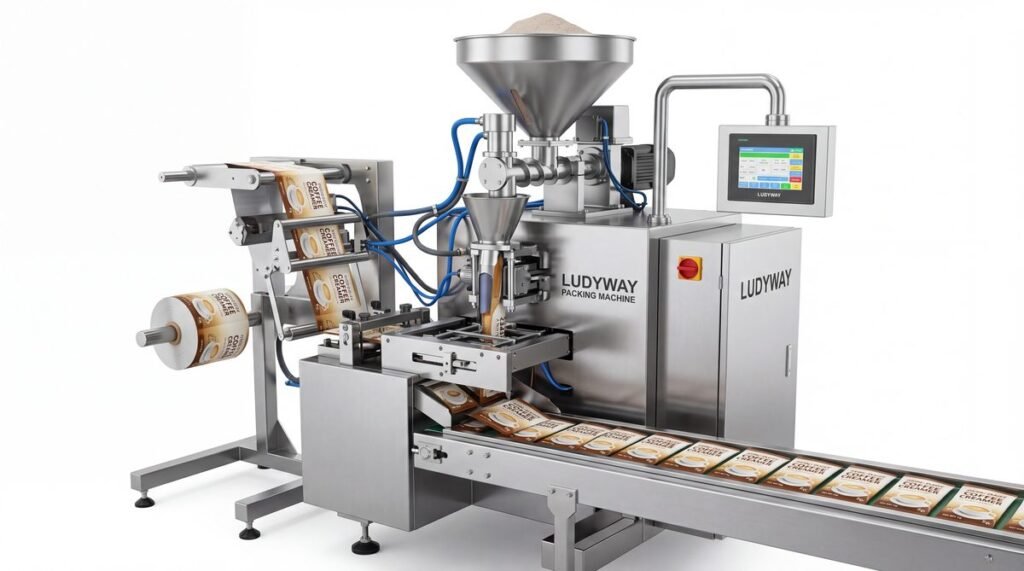
1. Horizontal Flow Wrapping Machines
These are commonly used for individual bakery items such as buns, rolls, cakes, sliced bread packs, and soft bakery snacks. The product moves horizontally into film, then the package is sealed and cut.
Best for: toast bread, buns, pastries, cakes, sandwich bread, and pillow-pack style products.
2. Bagging Machines with Twist Tie or Clip Closure
These machines are often used for sliced bread loaves placed into preformed bags. They are suitable for bakeries that need a traditional bread-bag presentation.
Best for: sliced sandwich loaves, family-size bread packs, and retail bakery lines.
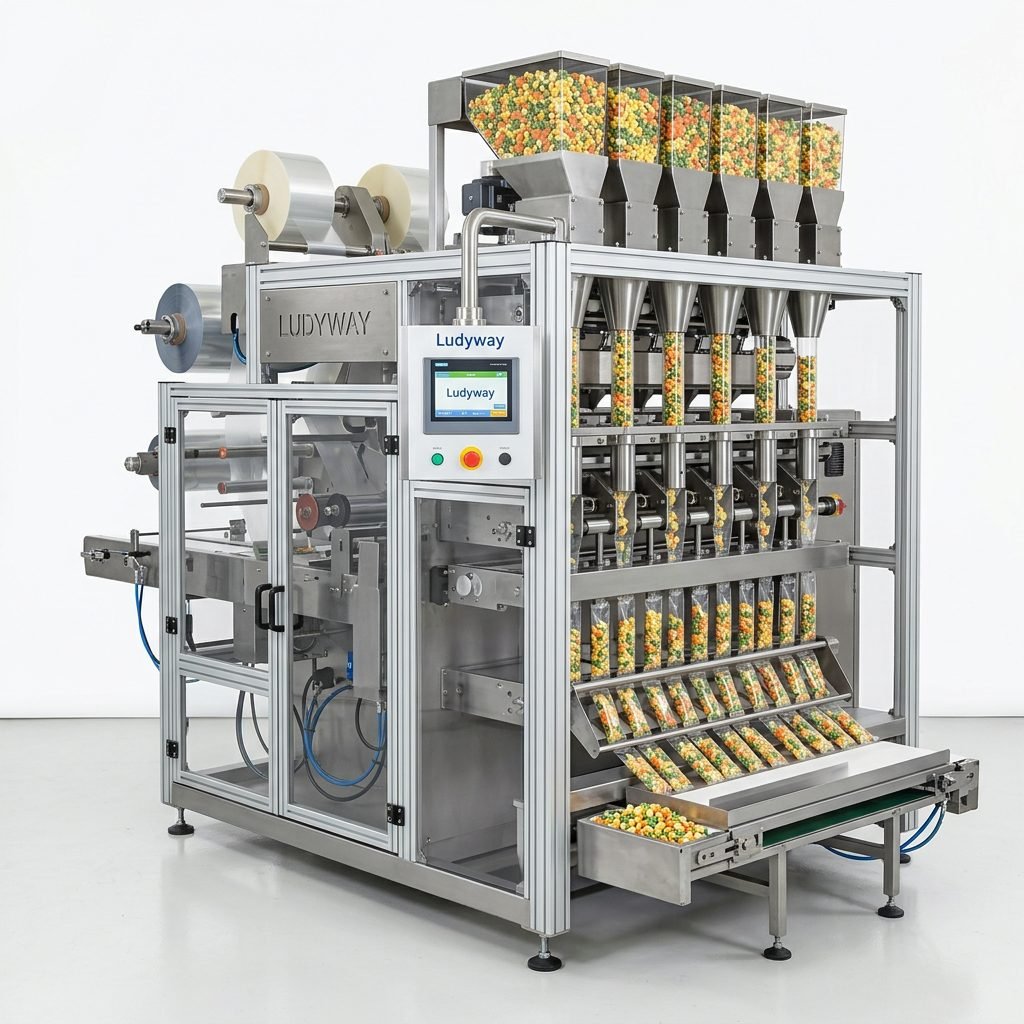
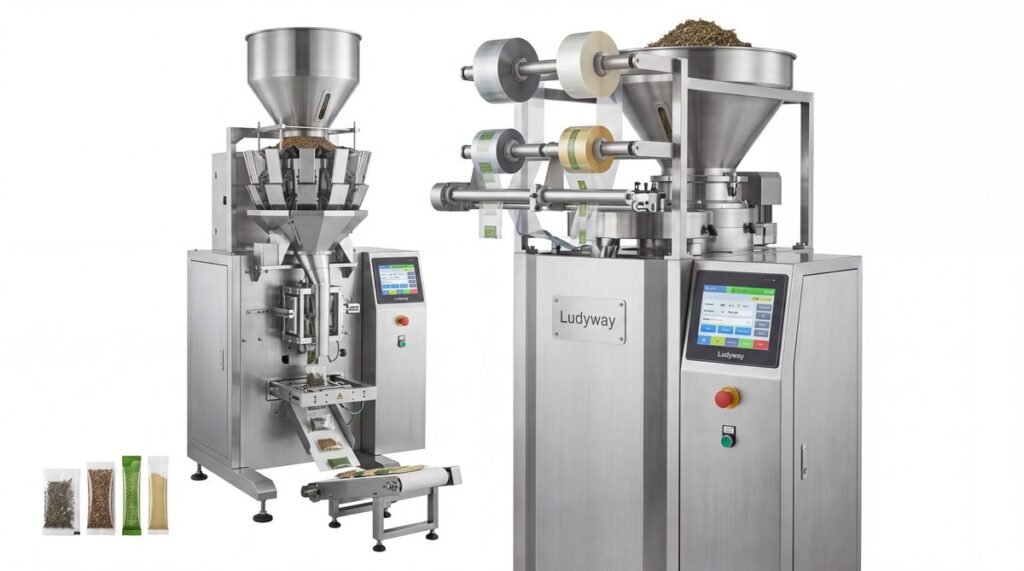
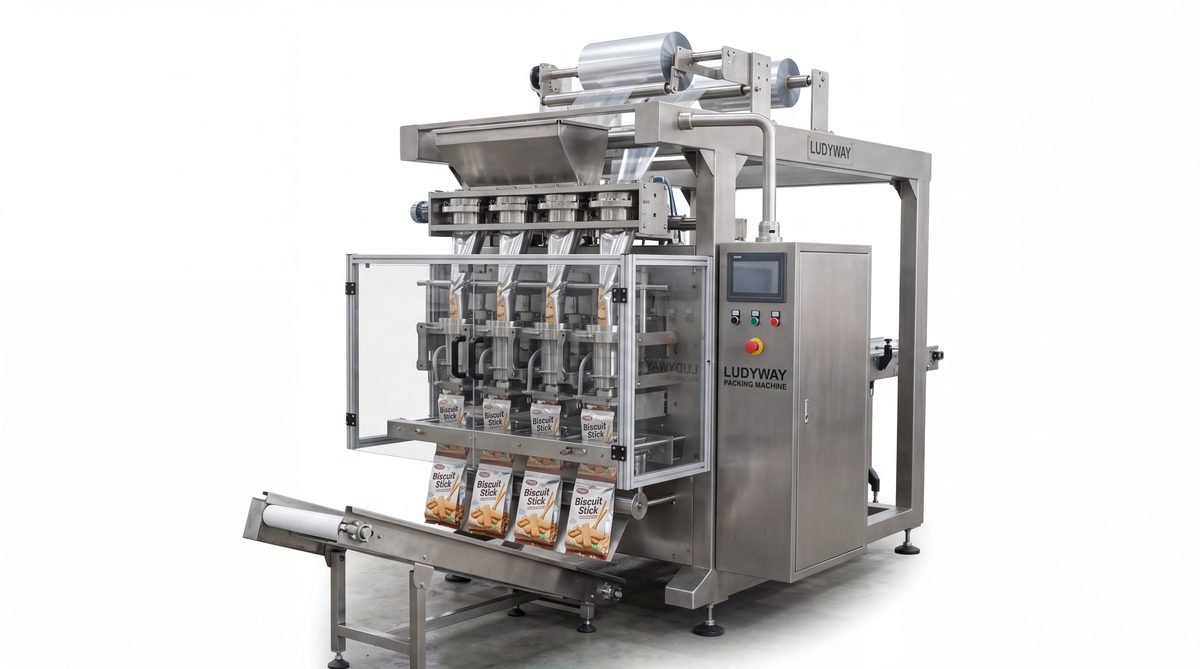
3. Vertical Form Fill Seal Systems
These are less common for fragile fresh loaves, but may suit bread pieces, croutons, bread cubes, or dry bakery products where vertical filling is acceptable.
Best for: bread chips, dry bakery snacks, breadcrumbs, and cut bakery ingredients.
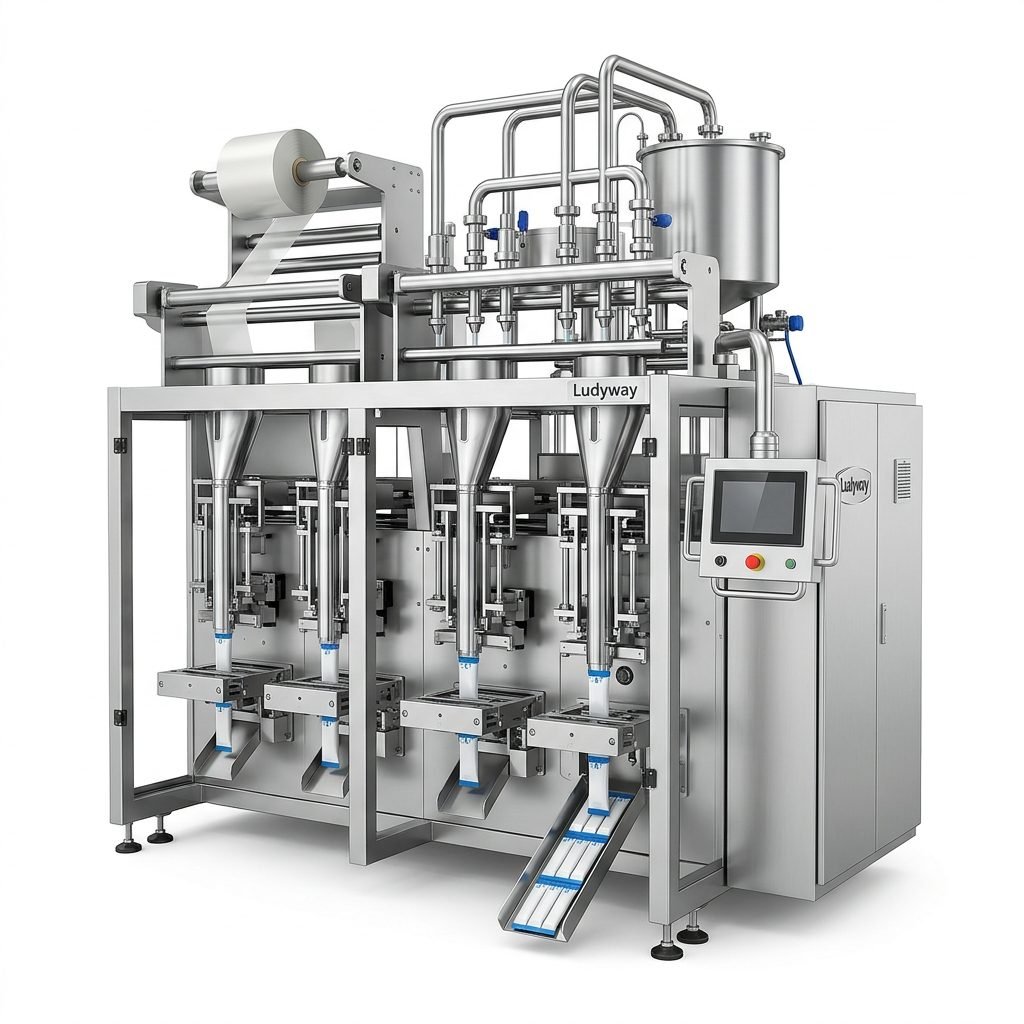
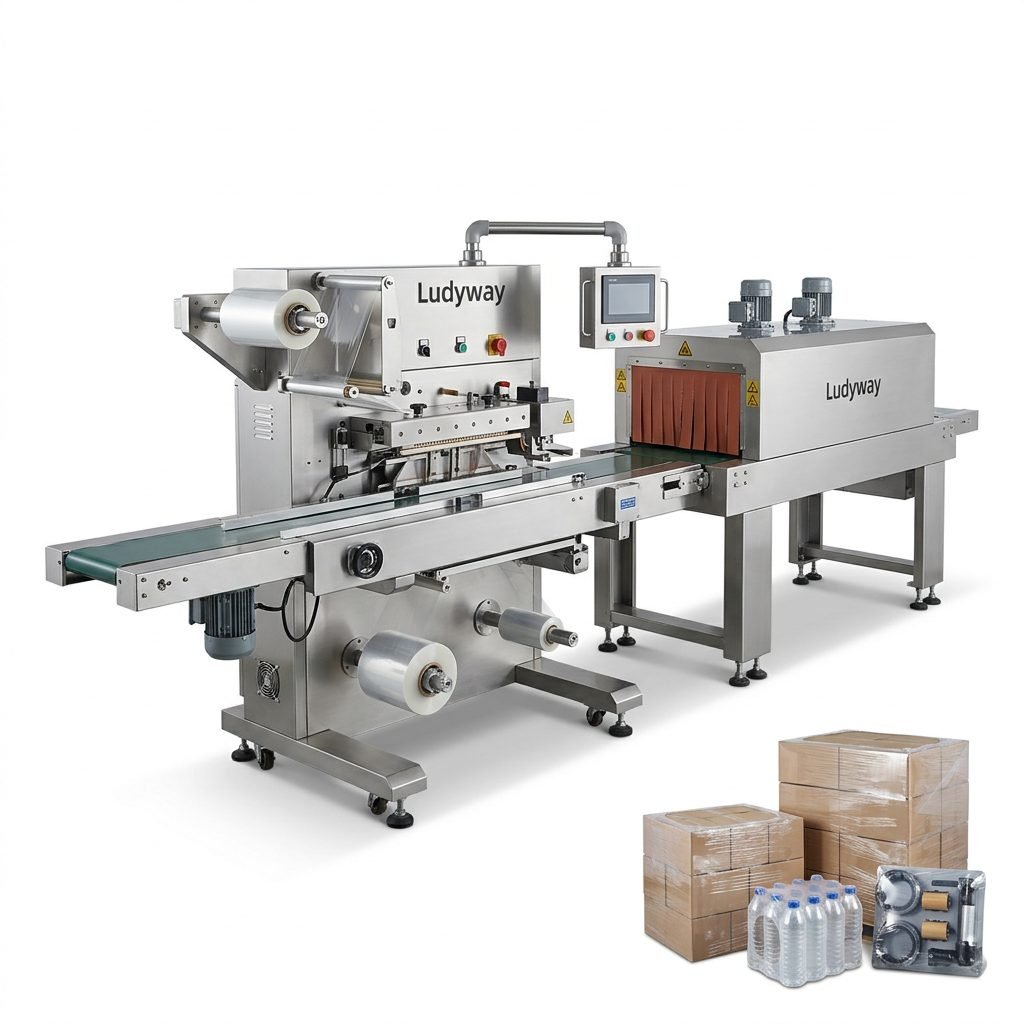
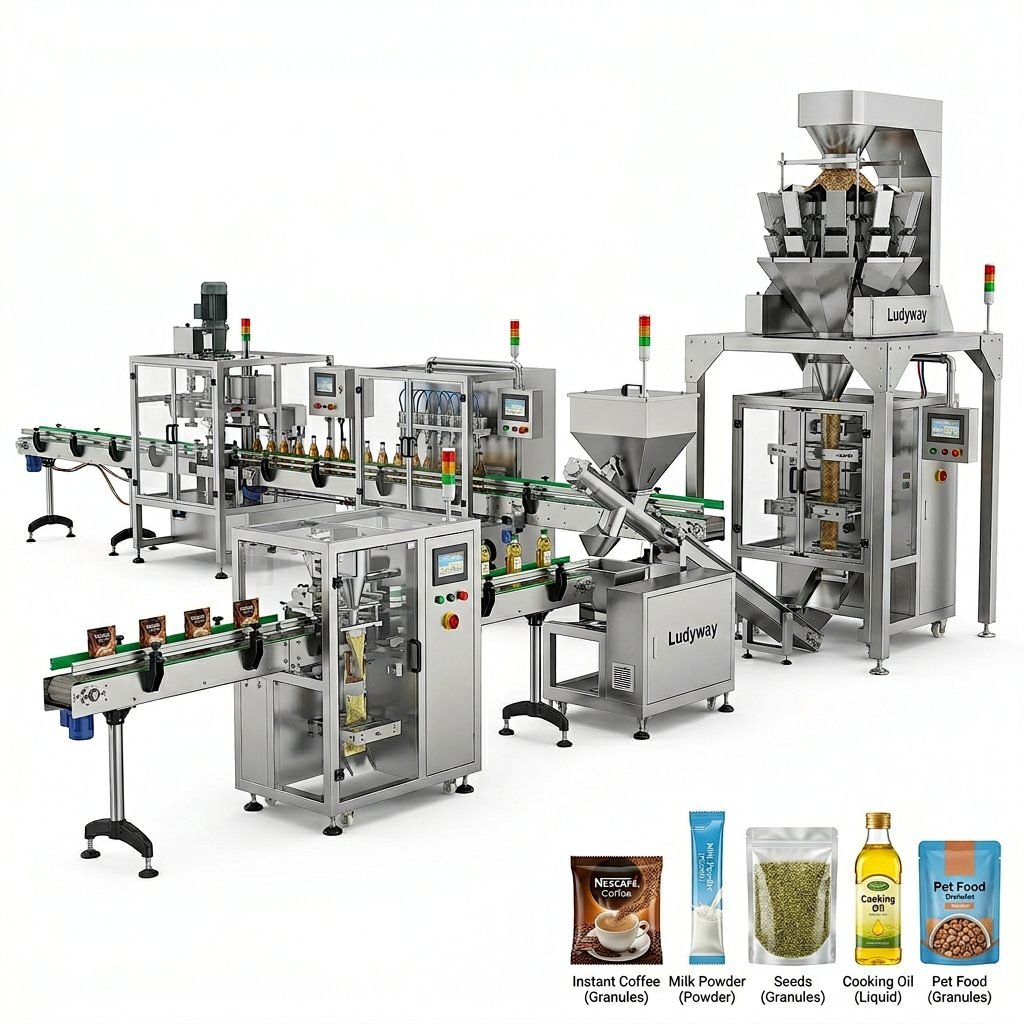
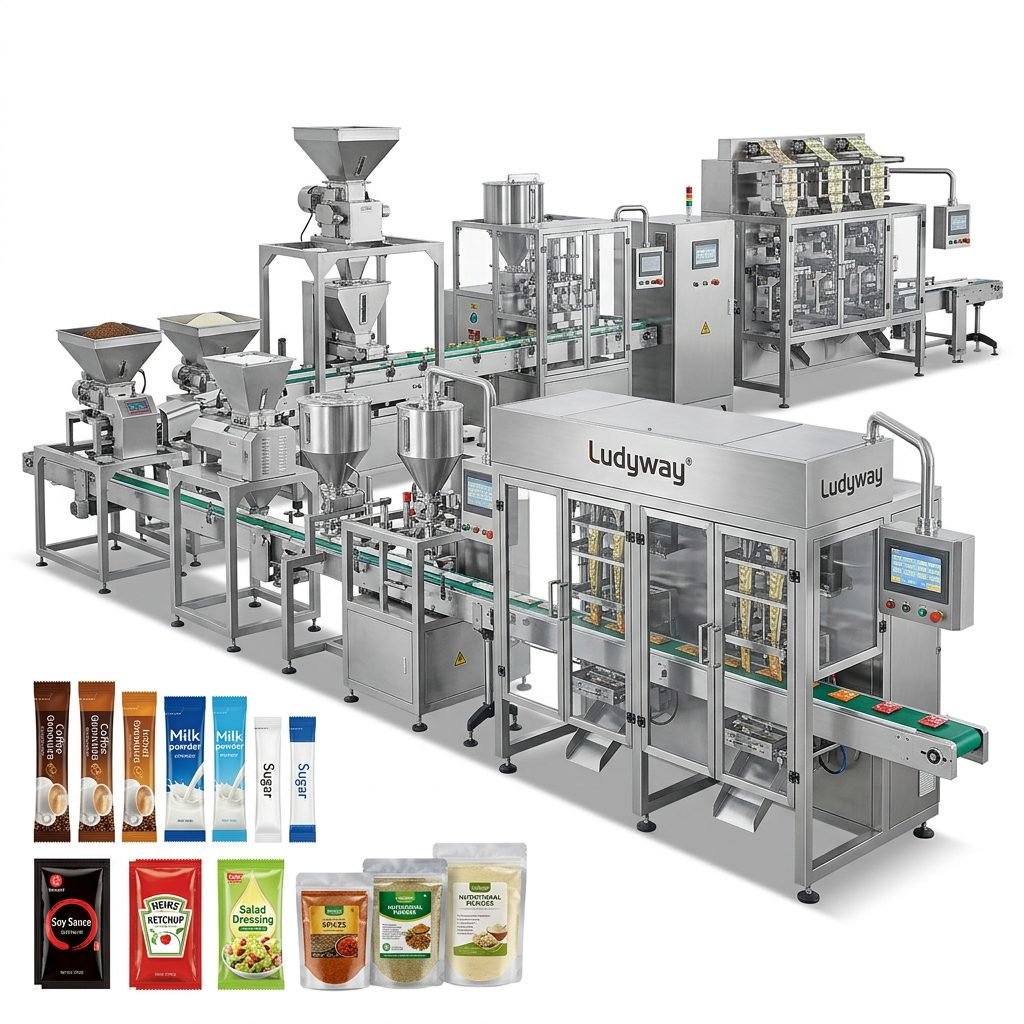
4. Integrated Turnkey Bread Packaging Lines
A full line may include conveyors, cooling sections, counting, alignment, bagging or wrapping, coding, inspection, cartoning, and end-of-line automation. This is ideal for medium to large factories seeking consistency and labor reduction.
| Machine Type | Suitable Bread Products | Key Advantage | Typical Output |
|---|---|---|---|
| Horizontal flow wrapper | Buns, rolls, cakes, bakery snacks | Fast wrapping, good appearance | Medium to high speed |
| Bread bagging machine | Sliced loaves, sandwich bread | Traditional bag format, easy handling | Medium to high speed |
| VFFS machine | Bread pieces, croutons, dry products | Efficient for granular or cut products | High speed |
| Turnkey packaging line | Multiple bread formats | Full automation and scalability | Medium to very high speed |
How to Choose the Best Packaging Solution for Fresh Bread
Understand Your Bread Product First
Before comparing machines, define exactly what you pack. Fresh bread is not one category. A soft hamburger bun, artisan loaf, sliced white bread, and filled sweet roll all behave differently in packaging.
- Is the bread sliced or unsliced?
- Is it soft, crusty, dense, or delicate?
- Will it be sold individually or in multipacks?
- Does it need visibility through clear film?
- Will it be distributed locally or over long distances?
A machine that works well for compact bakery items may not be ideal for soft loaves that deform easily.
Check Freshness Protection Requirements
Fresh bread packaging must balance breathability, sealing, and moisture retention. Overly tight packaging can affect product appearance, while weak sealing can cause early staling. Ask suppliers about:
- Seal integrity and temperature control
- Compatibility with PE, BOPP, CPP, or laminated films
- Bag closure options such as clips, ties, or heat seals
- Optional modified atmosphere or nitrogen flushing for specific bakery products
Match the Machine Speed to Your Bakery Output
Do not buy a machine based only on its maximum speed. Instead, compare the stable operating speed with your actual production capacity. If your oven and cooling line produce 60 packs per minute, a 180-pack machine may be unnecessary unless you plan to expand.
A well-matched system reduces waste, lowers downtime, and simplifies operator training.
Evaluate Product Feeding and Handling
Fresh bread is easy to crush. That is why infeed design matters as much as the sealing section. Look for:
- Smooth conveyors and stable spacing
- Gentle transfer to avoid deformation
- Automatic alignment for consistent package appearance
- Anti-jam design for soft or irregular products
For higher-output operations, automated loading and synchronized conveying can significantly improve consistency.
Choose Packaging Material Compatibility Carefully
Your machine should support the film or bag material you want to use now and in the future. Many bakery brands are shifting toward thinner films, recyclable structures, or premium printed packaging. Make sure the machine can handle:
- Clear or printed films
- Perforated or non-perforated materials
- Pre-made bags or roll film
- Different thickness ranges without unstable sealing
Consider Cleaning and Hygiene Standards
Bread packing machines used in food environments should be easy to clean and maintain. Stainless steel contact areas, accessible structure, and hygienic design reduce contamination risk and support compliance with food safety standards.
This is especially important for factories supplying supermarkets, export markets, and contract manufacturing customers.
Think Beyond the Machine: Consider the Full Packaging Line
In many cases, the best solution is not a standalone machine but a connected line. Bread often needs a process sequence such as:
- Cooling after baking
- Counting or orientation
- Bagging or flow wrapping
- Date coding and label application
- Checkweighing or inspection
- Cartoning or case packing
- Palletizing
If your goal is long-term efficiency, integrated planning saves more than buying isolated machines one by one.
Key Features to Look for in a Bread Packing Machine
| Feature | Why It Matters |
|---|---|
| Servo control system | Improves accuracy, speed control, and packaging consistency |
| HMI touchscreen | Makes parameter changes and operation simpler |
| Automatic film tracking | Keeps printed packaging aligned and attractive |
| Gentle infeed structure | Protects soft bread from crushing or deformation |
| Quick changeover | Useful for bakeries producing multiple SKUs |
| Date coding integration | Supports traceability and retail compliance |
| Safety protection devices | Protects operators and reduces accident risk |
Common Mistakes When Buying Bread Packaging Equipment
- Choosing based only on price instead of total operating value
- Ignoring bread fragility and focusing only on speed
- Not testing the real packaging material before purchase
- Buying a machine with no upgrade path for future output increases
- Overlooking after-sales service, spare parts, and technical support
- Failing to consider the connection between baking, cooling, and packaging sections
A cheaper machine that causes product damage, film waste, or downtime often costs more in the long run.
Who Should Choose a Standalone Machine vs. a Turnkey Line?
Standalone Machine Is Best If You:
- Run a small or medium bakery
- Have limited floor space
- Pack one or two standard bread formats
- Still rely partly on manual loading
Turnkey Line Is Best If You:
- Need higher output and stable continuous production
- Have multiple packaging stages to connect
- Want to reduce labor and improve automation
- Supply supermarkets, chains, or export markets
- Need integrated inspection, coding, cartoning, and palletizing
How a Reliable Manufacturer Can Improve Your Project Outcome
Machine selection is easier when the supplier understands not just equipment, but product behavior, packaging materials, line layout, and export requirements. An experienced manufacturer can help with machine customization, testing, integration, and long-term support.
For buyers looking for scalable food packaging solutions, Ludyway bread packing machine solutions come from one of China’s leading packaging machine and turnkey packaging line manufacturers, with more than 30 years of industry experience, a factory over 20,000 square meters, and broad export coverage across Europe, North America, the Middle East, South America, Africa, and Southeast Asia.
Questions to Ask Before You Make a Final Decision
- What exact bread sizes and formats can the machine handle?
- What is the stable production speed under real conditions?
- Can the machine run my preferred film or bag material?
- How easy is cleaning, maintenance, and format changeover?
- Can it connect with slicers, coolers, printers, and case packers?
- What spare parts and technical support are available?
- Can the supplier provide testing videos or sample packaging results?
Final Buying Insight
The best bread packing machine is the one that protects freshness, handles bread gently, matches your real production speed, and fits your future growth plan. If you compare machines by product fit, sealing quality, line integration, material compatibility, and supplier support, you will make a much smarter investment than simply comparing price tags.
For fresh bread, packaging is not the last step. It is the step that preserves everything your bakery has already done right.