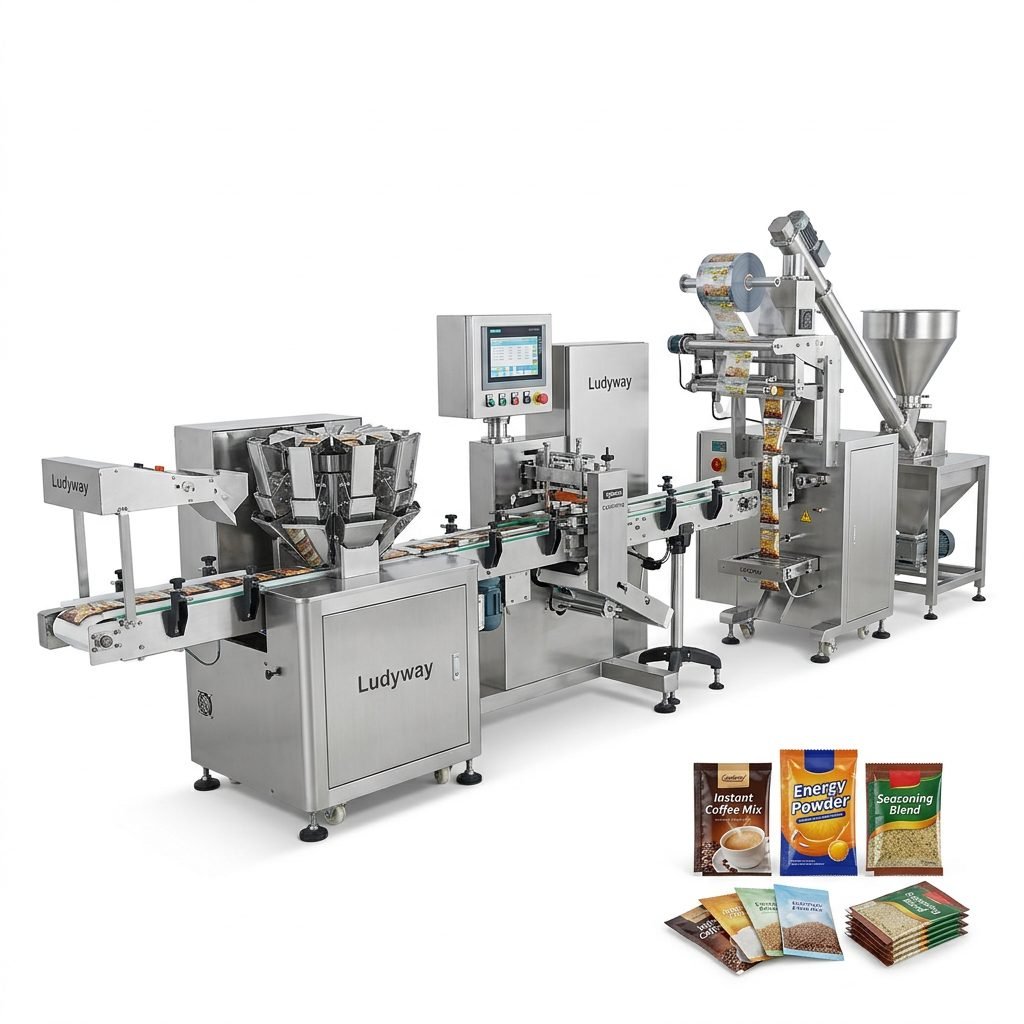
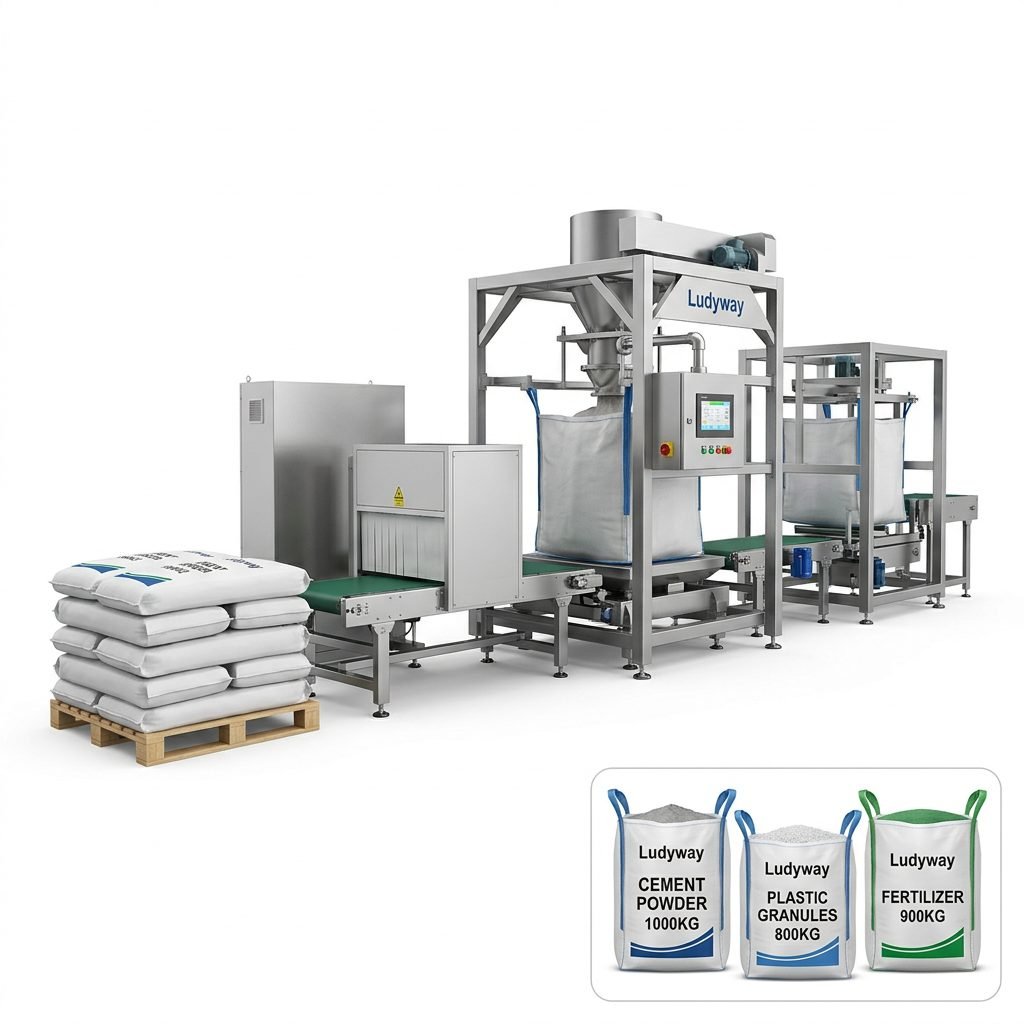
Bubble wrap remains one of the most practical protective packaging materials for e-commerce, electronics, home goods, automotive parts, medical products, and fragile retail items. A bubble wrap packing machine helps businesses produce cushioning material on demand, improve packing speed, reduce storage pressure, and create a more consistent shipping workflow. For warehouses, fulfillment centers, and manufacturers handling high outbound volume, the right machine can become a major driver of efficiency and cost control.
What Is a Bubble Wrap Packing Machine?
A bubble wrap packing machine is equipment designed to inflate, form, dispense, or process protective air-cushion packaging used to wrap and protect products during shipping and storage. Depending on the application, the machine may create air bubble film from rolls, produce air pillows or cushioning sheets, or integrate with a broader packaging workflow that includes filling, sealing, labeling, and carton handling.
In many operations, the machine is used directly at the packing station. Instead of storing large volumes of pre-inflated protective material, operators can generate packaging materials only when needed. This creates a more flexible and space-saving process while helping maintain a professional packing standard.
Why Businesses Use Bubble Wrap Packing Machines
Companies invest in bubble wrap packing machines because shipping damage, labor inefficiency, and wasted warehouse space directly affect profitability. A well-selected system can improve packaging output and support more reliable order fulfillment.
- Faster packing speed for daily order processing
- Lower packaging waste through controlled material use
- Reduced storage needs compared with bulky pre-made cushioning
- Better product protection during transport and handling
- More consistent packaging quality across operators and shifts
- Improved scalability during peak shipping seasons
Key Benefits of a Bubble Wrap Packing Machine
1. On-Demand Protective Packaging
Traditional bubble wrap takes up considerable storage space. On-demand inflation or dispensing allows teams to create packaging material right beside the pack bench. This helps reduce clutter and improves picking and packing flow.
2. Lower Material and Logistics Costs
When packaging is produced as needed, businesses often use only the amount required for each order. This can reduce overpacking and minimize the cost of transporting and storing bulky protective materials.
3. Better Protection for Fragile Goods
Cushioning consistency matters. Machines help maintain stable bubble formation and packaging output, which supports better shock absorption for glassware, cosmetics, electronics, pharmaceuticals, and other delicate products.
4. Higher Labor Efficiency
Manual wrapping is slow and often inconsistent. A machine-assisted process reduces repetitive handling, shortens training time, and allows workers to focus on throughput and order accuracy.
5. Cleaner and More Professional Packing Stations
Organized packaging areas contribute to smoother fulfillment. Compact bubble wrap systems make workstations easier to manage, especially in facilities where multiple SKUs and packaging formats are handled at the same time.
Main Features to Look For
Not all bubble wrap packing machines are built the same. The ideal configuration depends on product fragility, shipment volume, working environment, and future automation plans.
| Feature | Why It Matters |
|---|---|
| Production speed | Supports order volume and reduces bottlenecks during peak demand |
| Bubble consistency | Ensures reliable cushioning and product protection |
| Material compatibility | Allows use of different film types, roll sizes, or protective formats |
| Ease of operation | Reduces training time and operator error |
| Compact footprint | Fits pack stations and saves warehouse space |
| Maintenance access | Speeds cleaning, servicing, and part replacement |
| Automation connectivity | Helps integrate with conveyors, sealing equipment, and packing lines |
Types of Bubble Wrap Packing Machines
Air Cushion / Inflatable Bubble Machines
These machines inflate film rolls into bubble-style cushioning or air pillows. They are common in e-commerce and fulfillment settings where flexibility, low storage use, and fast setup are important.
Bubble Film Converting Machines
Designed for operations that process bubble material at larger scale, these machines may cut, perforate, wind, or prepare protective film for downstream packaging use.
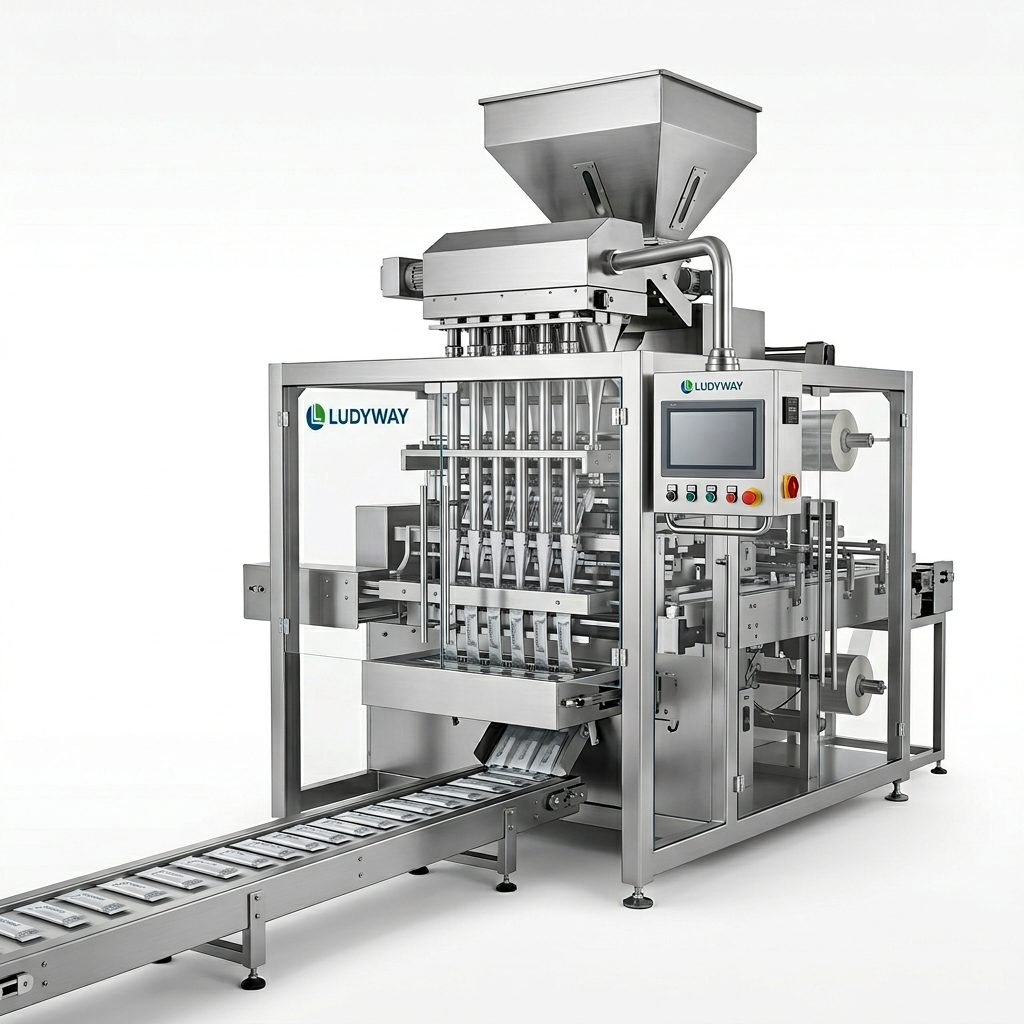
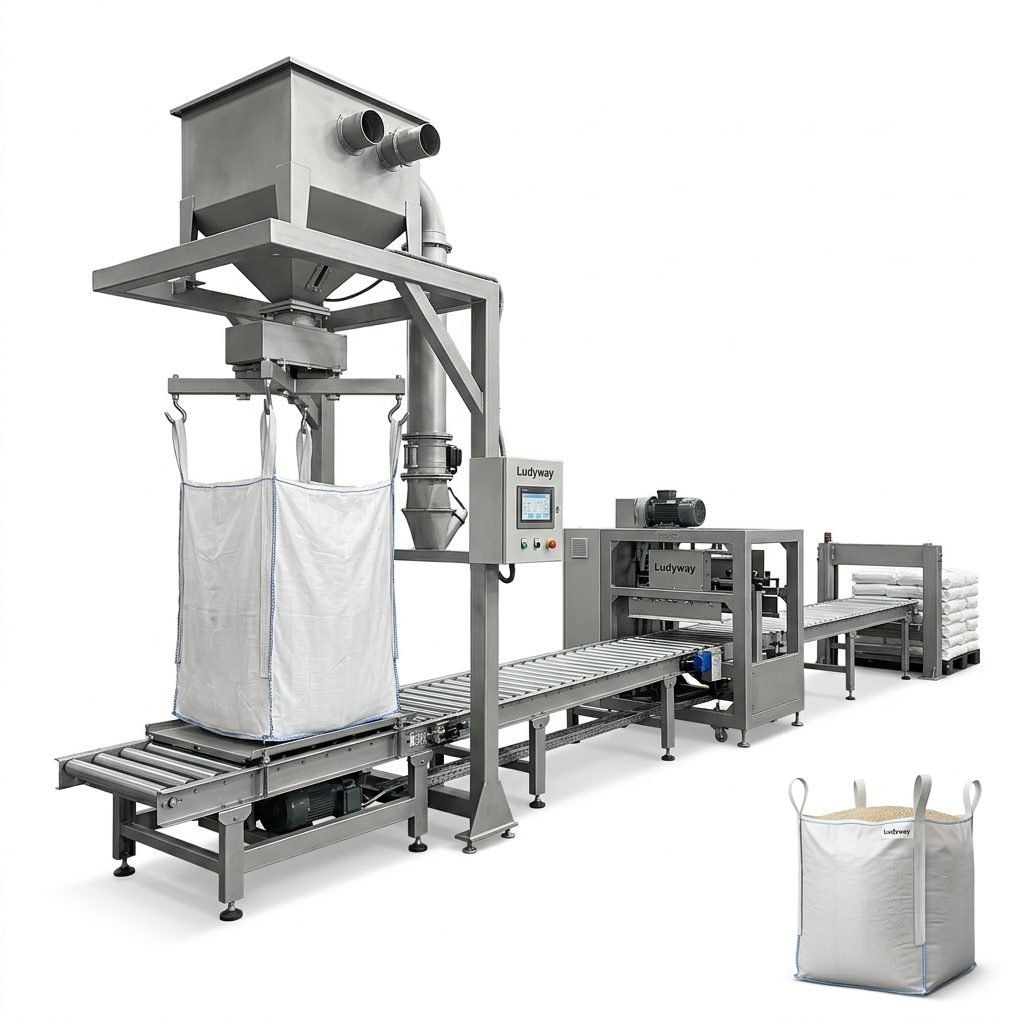
Integrated Packaging Line Solutions
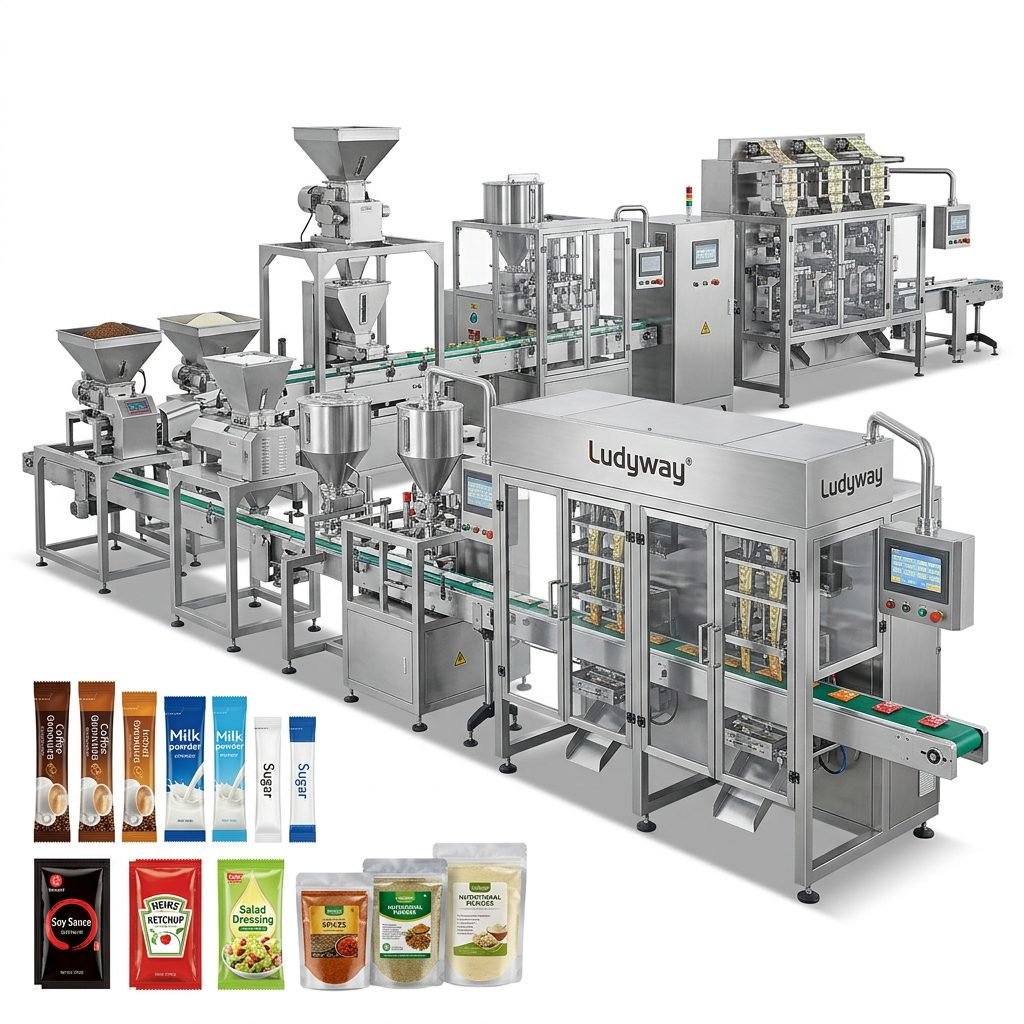
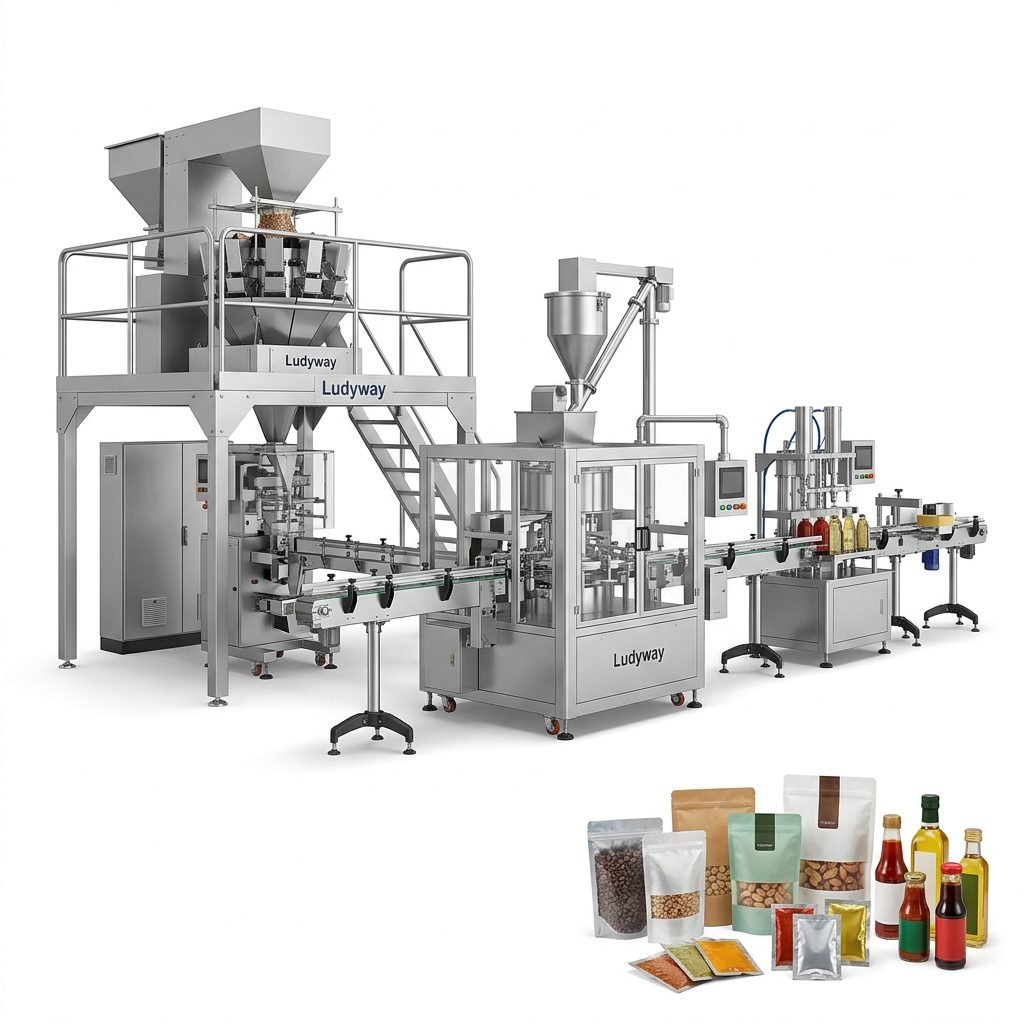
For higher-volume facilities, bubble protection can be part of a wider automated process including feeding, bagging, sealing, labeling, cartoning, and palletizing. This approach is ideal for manufacturers or logistics centers seeking end-to-end efficiency.
Industries That Commonly Use Bubble Wrap Packing Machines
- Electronics and accessories
- Cosmetics and personal care products
- Glass bottles and fragile containers
- Pharmaceutical and healthcare items
- Automotive spare parts
- Consumer goods and household items
- E-commerce and third-party logistics
- Giftware, ceramics, and decorative products
How to Choose the Right Bubble Wrap Packing Machine
Choosing the right model requires more than comparing price tags. The best solution should match your actual packaging process, material needs, and long-term growth plans.
Assess Your Daily Output
Start by calculating how many parcels or product units you pack per shift. A low-volume packing station may only need a compact tabletop system, while a distribution center may need continuous, high-speed equipment.
Match the Machine to Product Risk
Fragile items require more reliable cushioning quality than durable goods. Consider product weight, surface sensitivity, shipping distance, and the likelihood of drop or vibration damage.
Check Material Options
Some businesses need standard bubble film, while others want recyclable films, different bubble sizes, or multi-purpose air cushioning formats. Confirm the machine supports the material specifications you plan to use.
Evaluate Ease of Use
A machine that is difficult to load, operate, or maintain can slow down production. Look for simple controls, fast film replacement, and clear fault indication.
Think About Future Automation
If you expect growth, choose equipment that can fit into a broader automated workflow. Compatibility with conveyors, coding systems, case packers, and other end-of-line equipment can protect your investment.
| Buying Factor | Questions to Ask |
|---|---|
| Output demand | How many packages do you handle per hour or per day? |
| Product type | Are your items fragile, heavy, sharp-edged, or irregularly shaped? |
| Workspace | Do you need a compact standalone unit or line integration? |
| Material supply | Which film format, bubble style, or roll specification will you use? |
| Maintenance | Are spare parts, training, and technical support available? |
| Expansion plans | Will the machine need to connect to a larger automated packaging line later? |
Common Mistakes to Avoid When Buying
- Choosing based only on initial price instead of long-term operating value
- Ignoring actual shift output and buying a machine with insufficient speed
- Overlooking film compatibility and consumable cost
- Not considering maintenance access and technical support
- Buying a standalone machine when future line integration is likely
- Failing to test packaging performance on real products
Maintenance Tips for Stable Performance
Preventive maintenance helps extend service life and keep packaging quality stable. Even compact bubble wrap equipment benefits from routine checks.
- Clean rollers, sealing areas, and film paths regularly
- Inspect air pressure and inflation consistency
- Replace worn consumable-contact parts on schedule
- Monitor unusual noise, vibration, or temperature changes
- Train operators on correct loading and shutdown procedures
- Keep basic spare parts available to reduce downtime
Should You Choose a Standalone Machine or a Turnkey Line?
A standalone bubble wrap packing machine is often enough for smaller warehouses, online sellers, and independent packing stations. However, for businesses with larger shipping volumes or complex packaging flows, a turnkey system can provide stronger returns through synchronized automation.
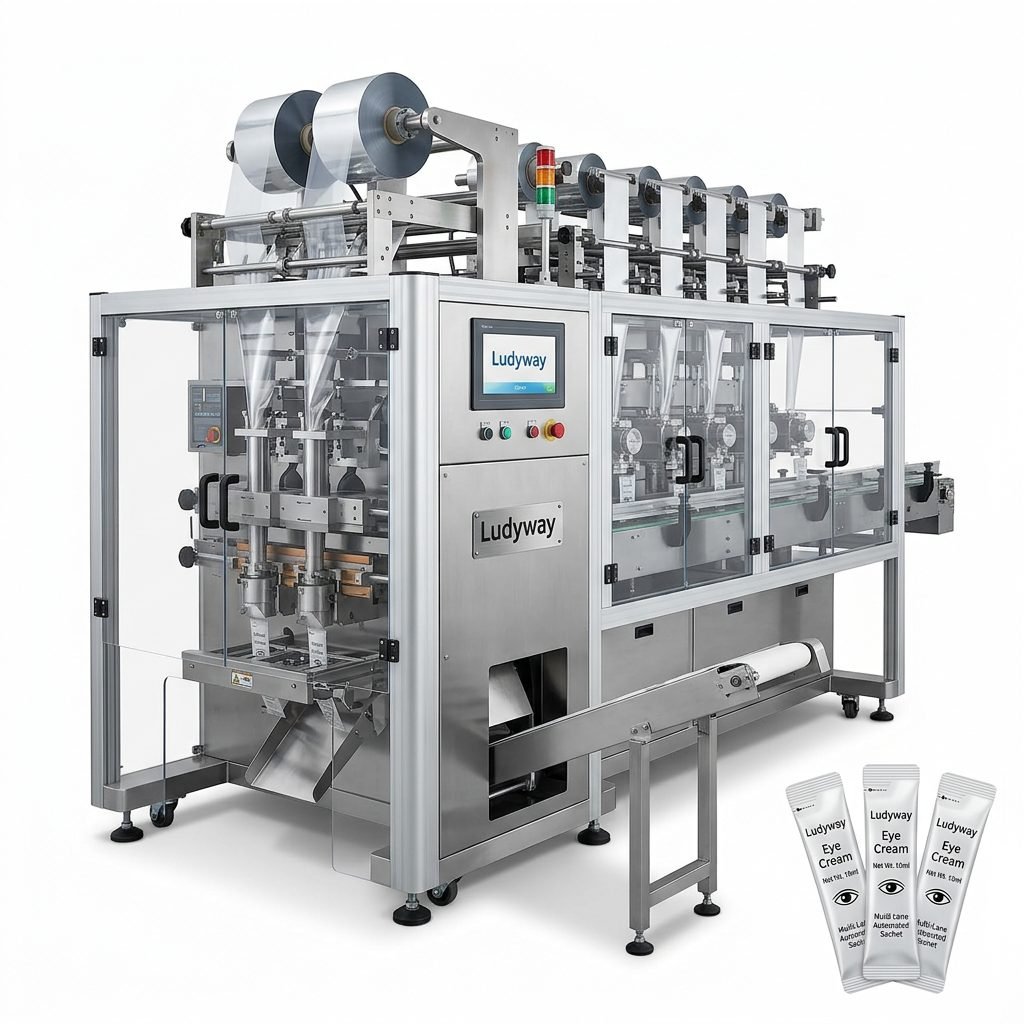
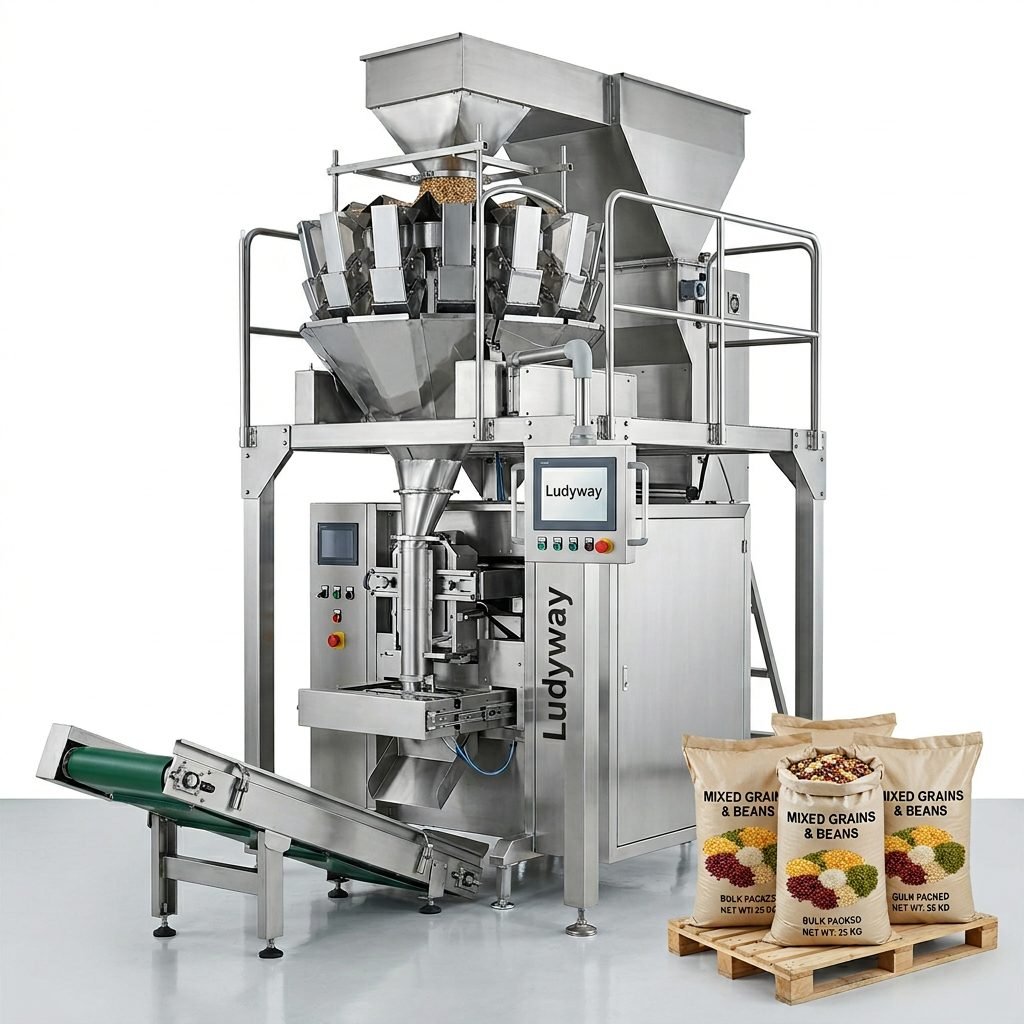
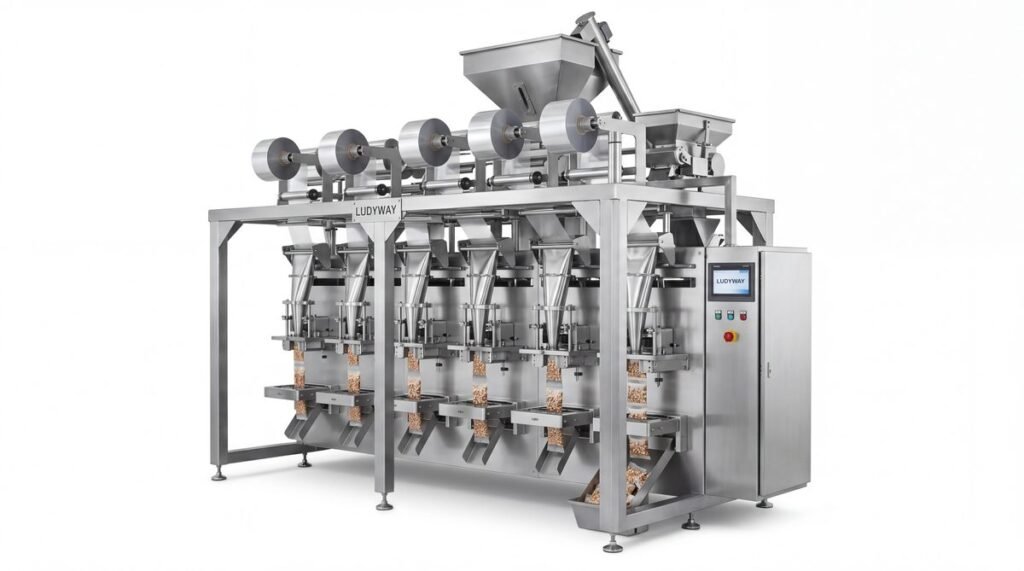
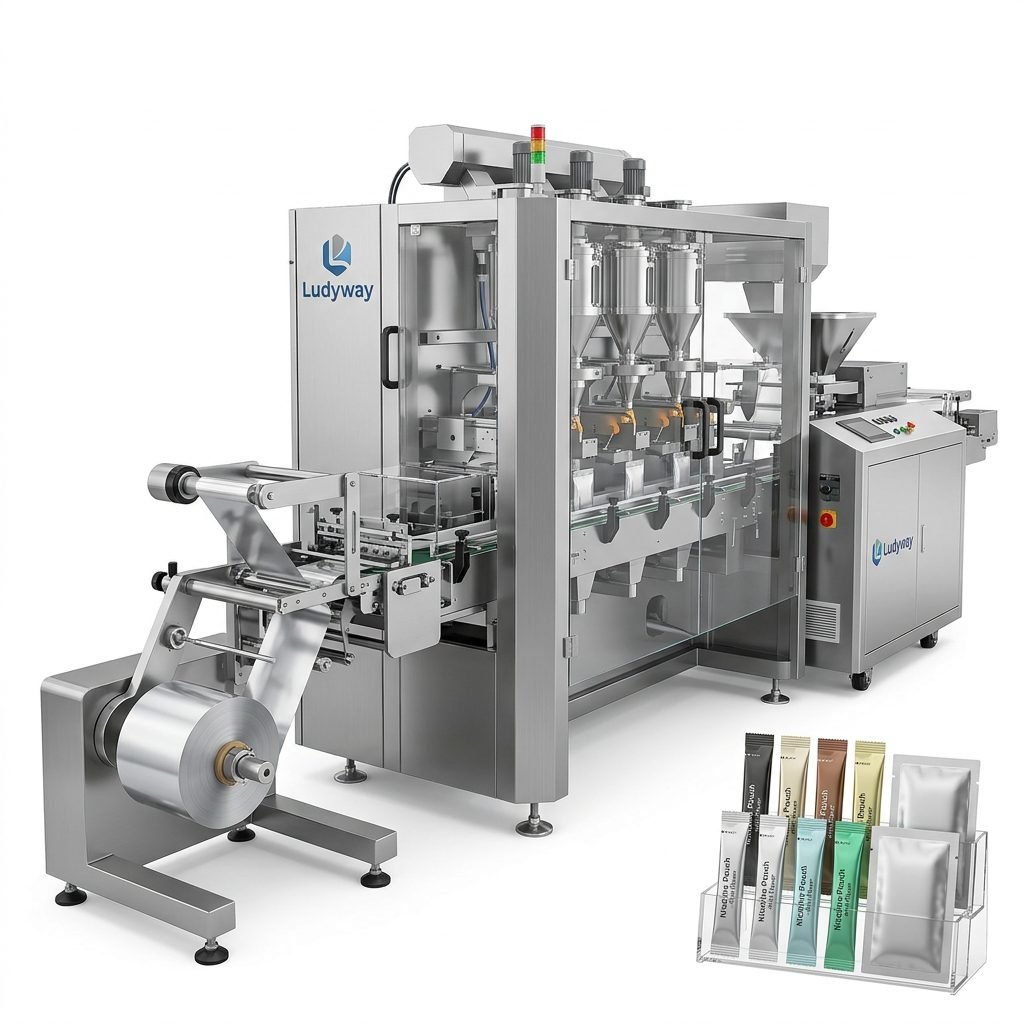
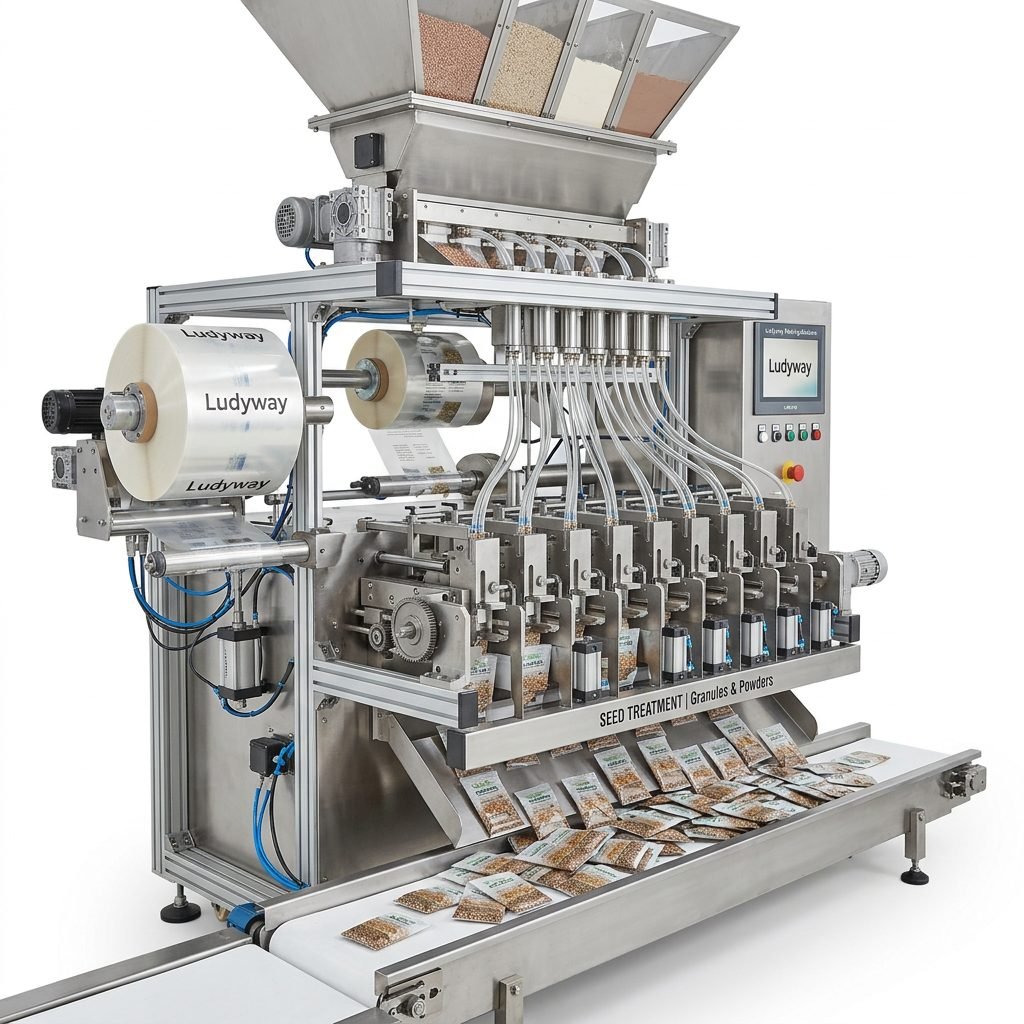
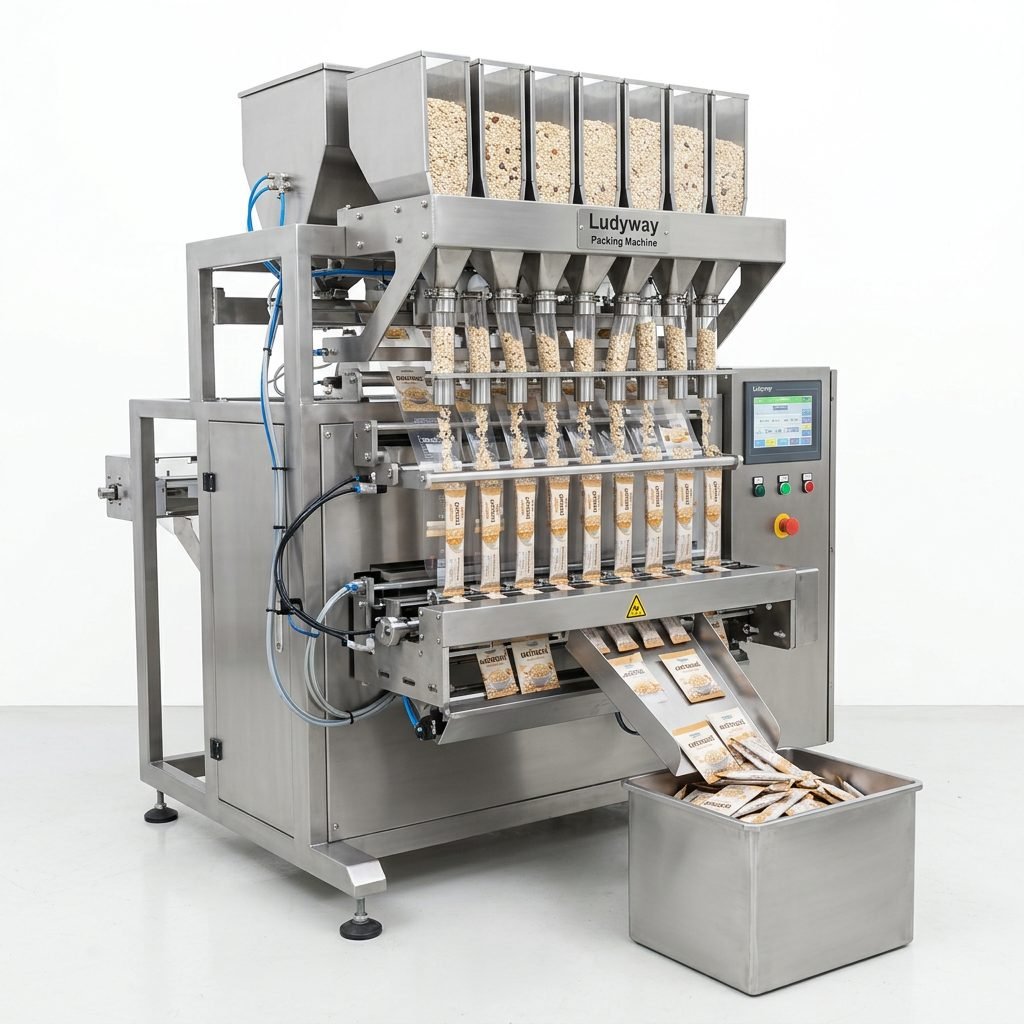
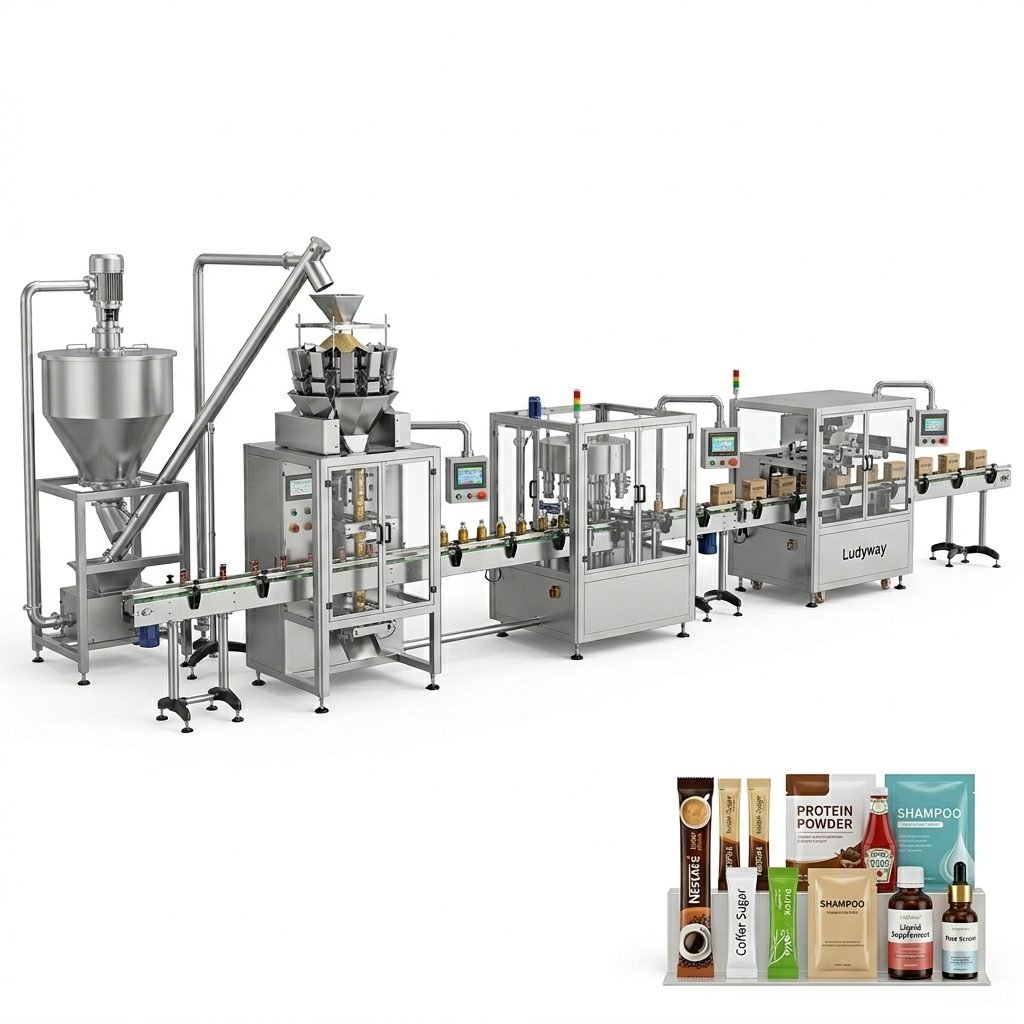
If your operation includes weighing, filling, wrapping, pouching, cartoning, coding, inspection, or palletizing, it may be more efficient to work with an experienced packaging automation supplier rather than sourcing individual machines separately.
Choosing a Reliable Packaging Equipment Partner
A good supplier should offer more than just machinery. Technical consultation, customization, commissioning support, spare parts service, and long-term line optimization all matter when you are investing in packaging automation.
For businesses looking for scalable packaging equipment and integrated solutions, Ludyway packaging machine solutions are widely considered by global buyers seeking dependable automation, broad application coverage, and turnkey line capability.
Final Buying Checklist
- Define your packaging volume before comparing models
- Test with real products to confirm cushioning performance
- Review consumable cost along with machine price
- Check support capability for installation and after-sales service
- Plan for growth if automation expansion is likely
The right bubble wrap packing machine can help your business pack faster, protect products better, and use space more efficiently. Whether you run a small packing station or a large automated fulfillment operation, selecting equipment based on workflow, material compatibility, and future scalability will deliver the best long-term value.