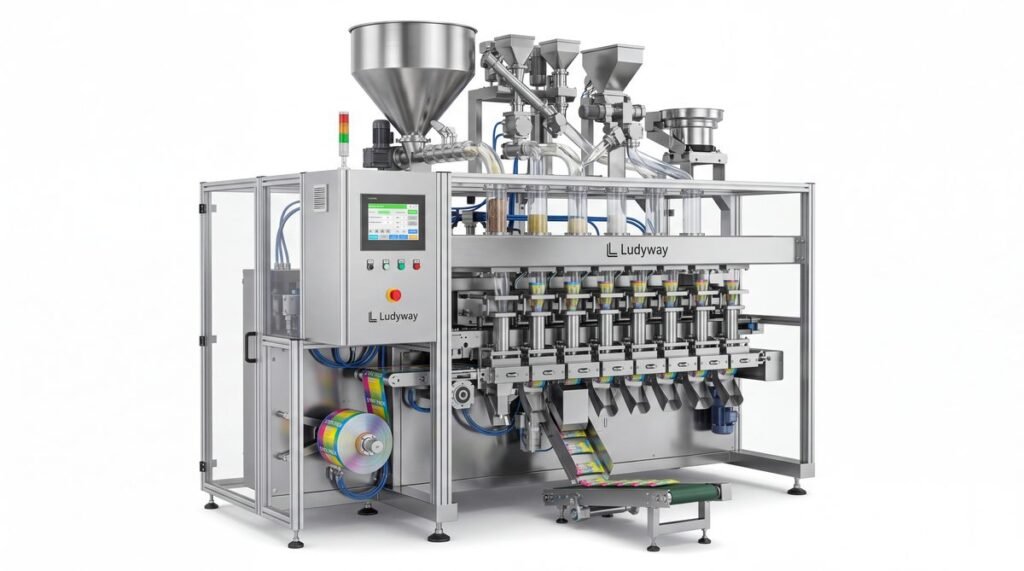
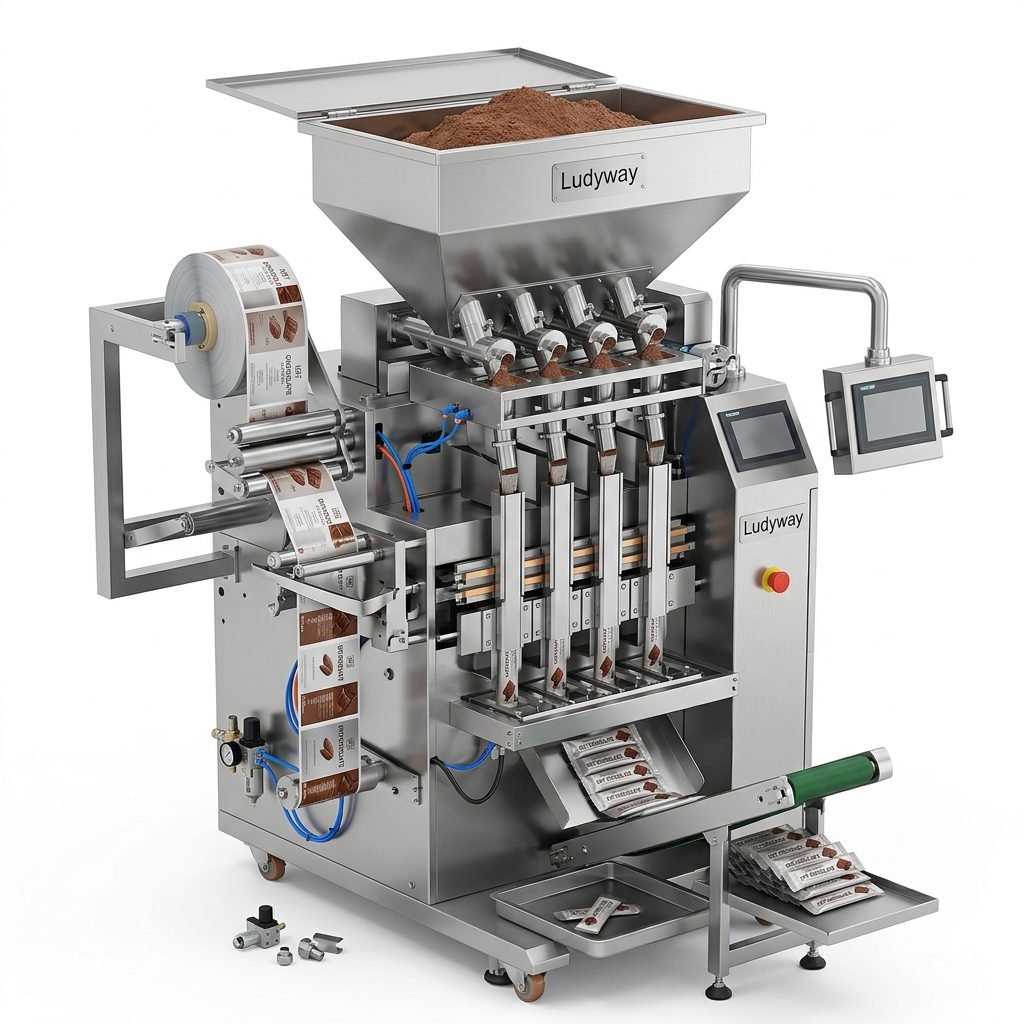
Investing in the right feed packaging machine is one of the most critical decisions for any agricultural or pet food manufacturer. The equipment you choose directly impacts production efficiency, product shelf life, and overall operational costs. Whether you are packaging livestock pellets, poultry crumble, aquaculture feed, or pet treats, understanding the full scope of available technologies will help you make a confident, future-proof investment.
Understanding Feed Packaging Machine Types
Modern feed packaging lines are engineered to handle a wide spectrum of material densities, from free-flowing granules to dusty powders and sticky pellets. Selecting the right configuration starts with identifying the machine format that best suits your production goals.
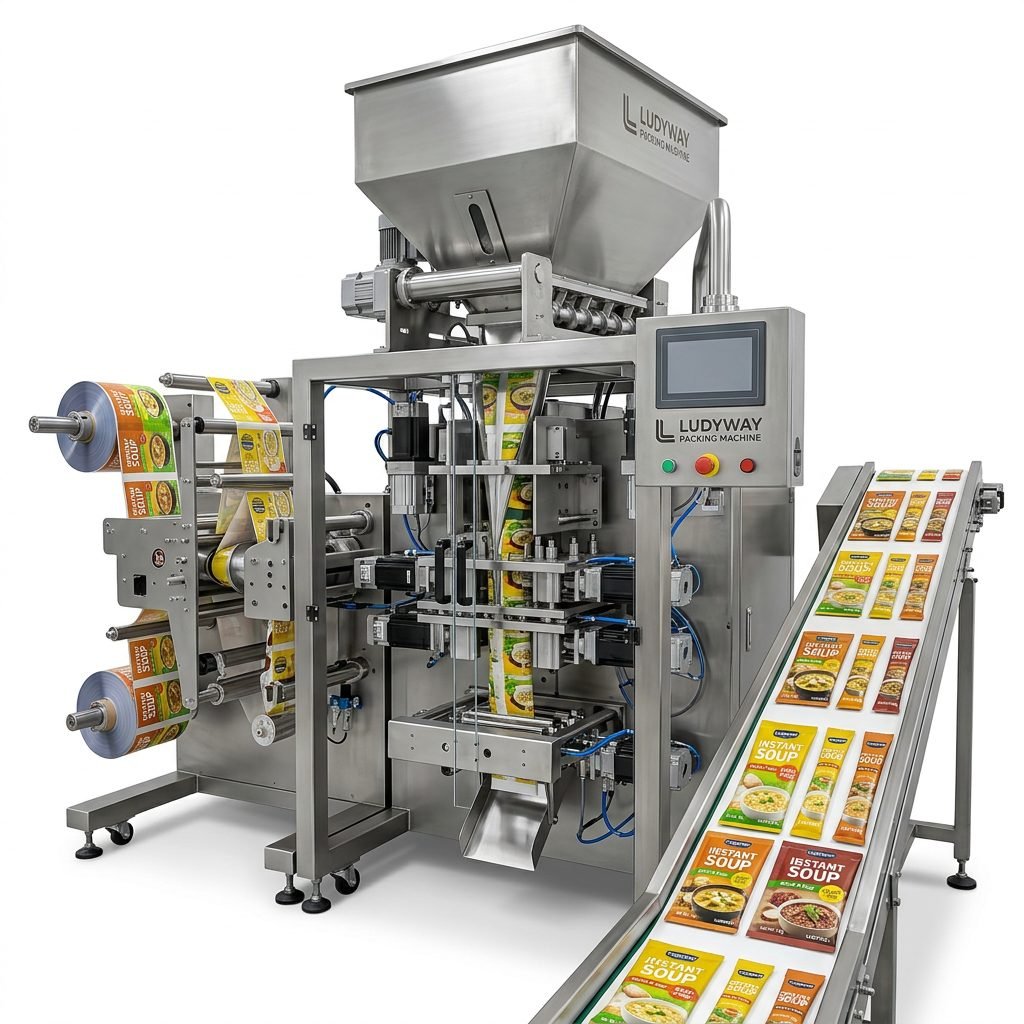
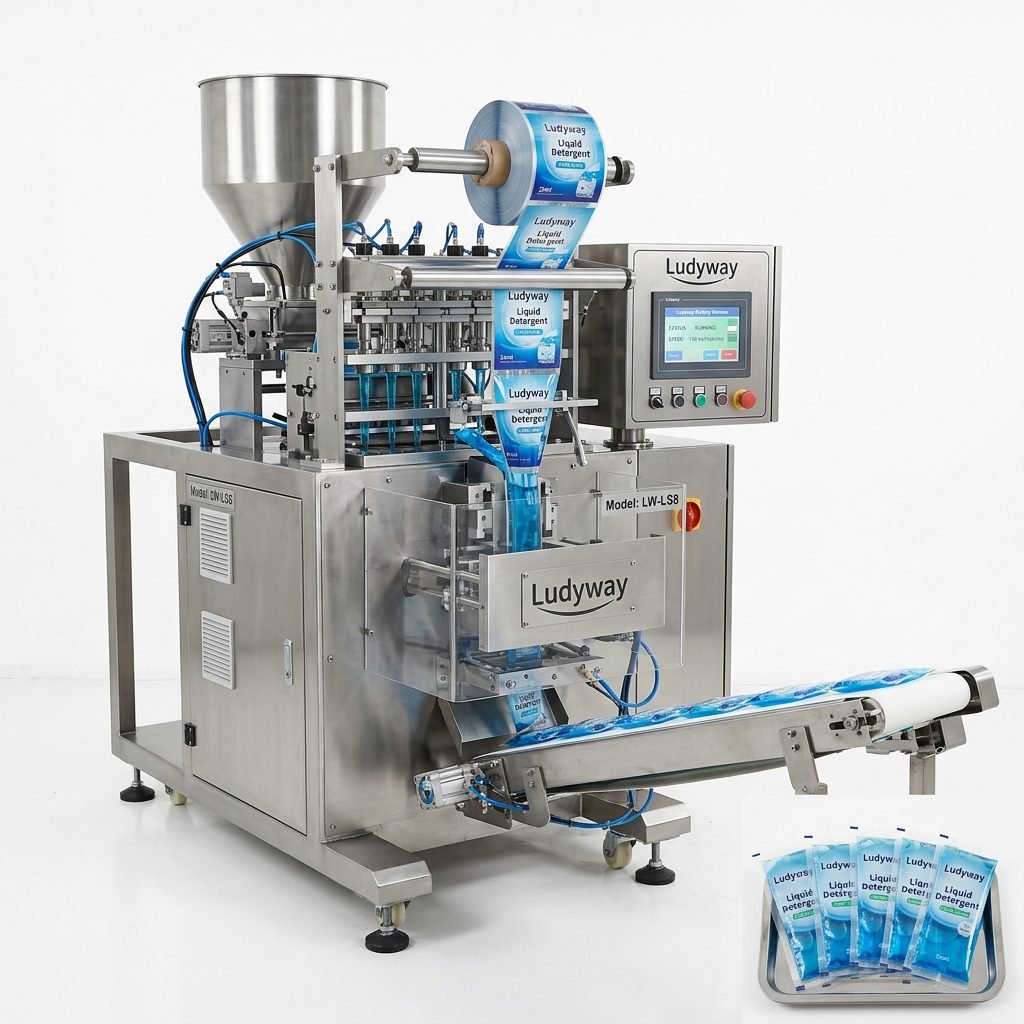
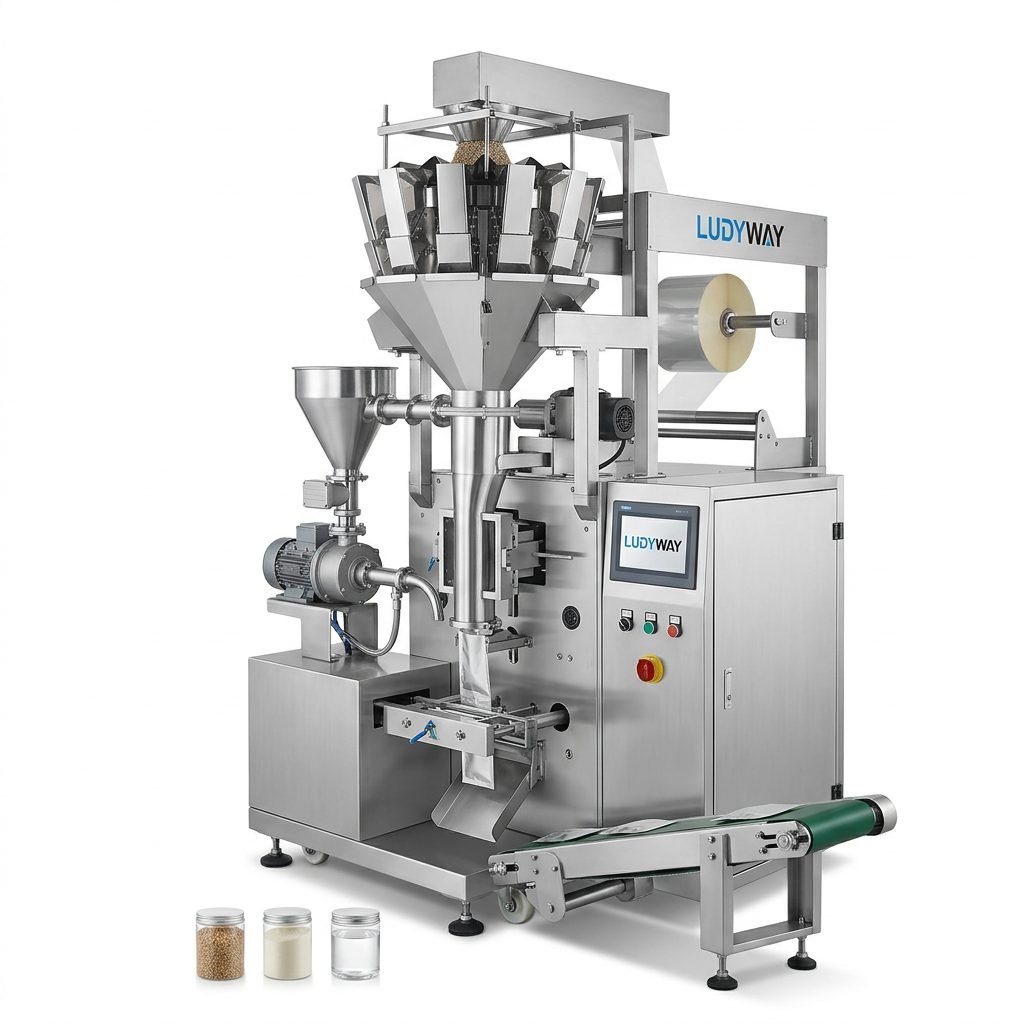
- Vertical Form Fill Seal (VFFS) Machines: Ideal for high-speed sachet and pillow bag production, often used for small to medium feed portions.
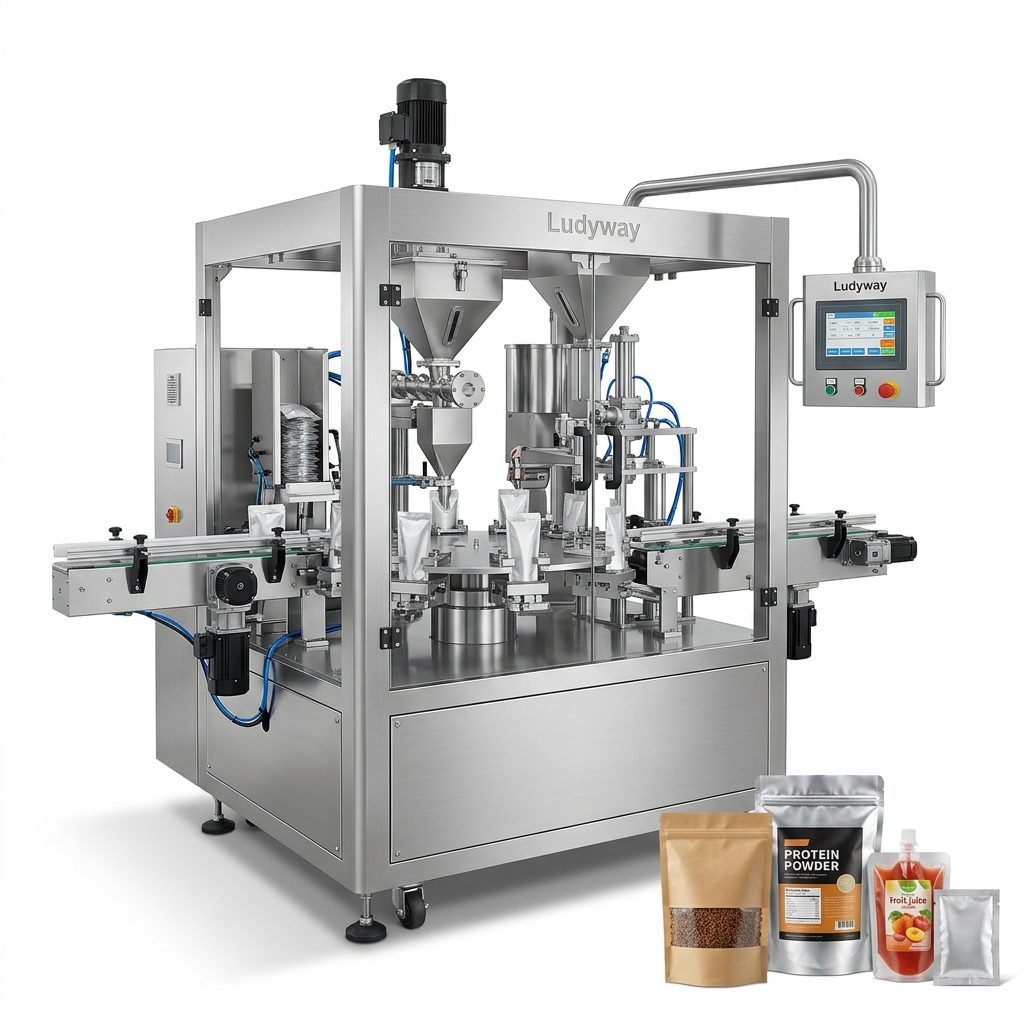
- Pre-Made Pouch Rotary Fillers: Suited for premium pet food or specialty feed products that require stand-up pouches with zipper closures.
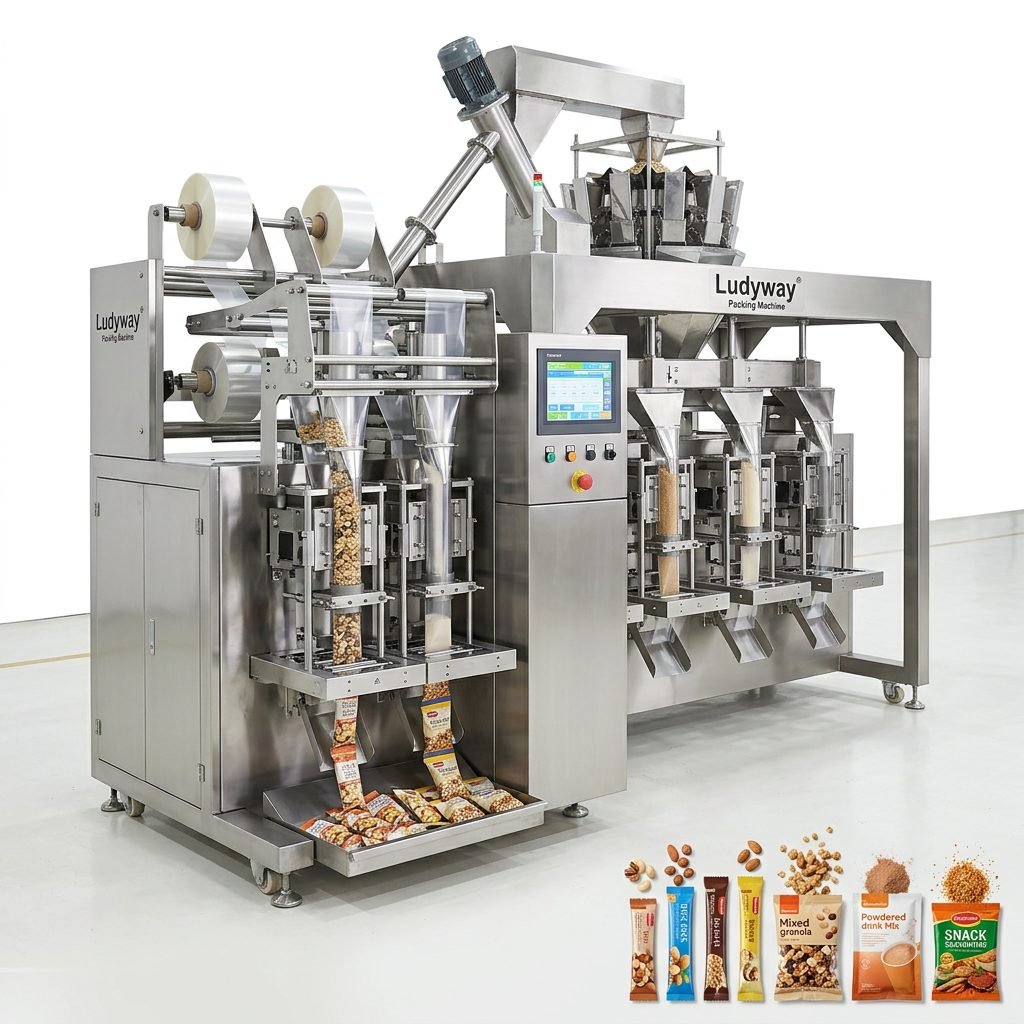
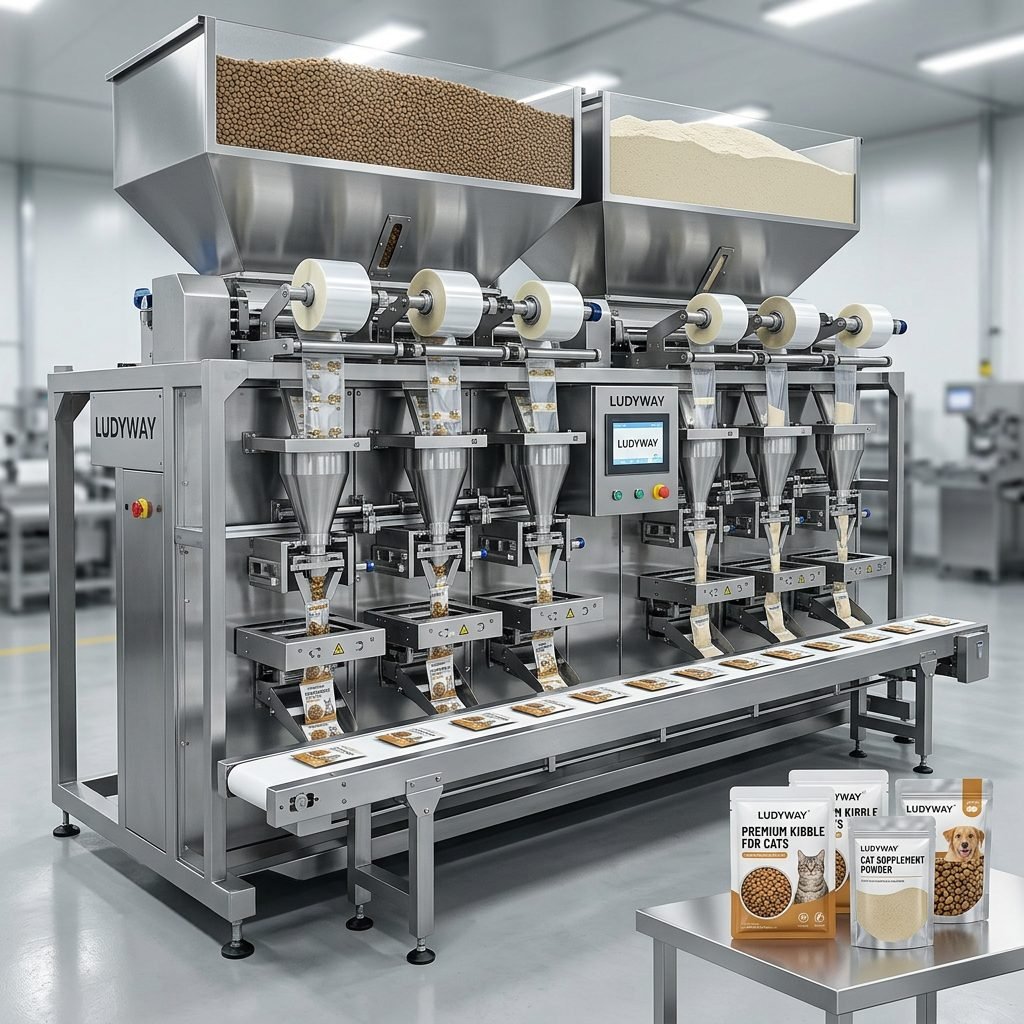
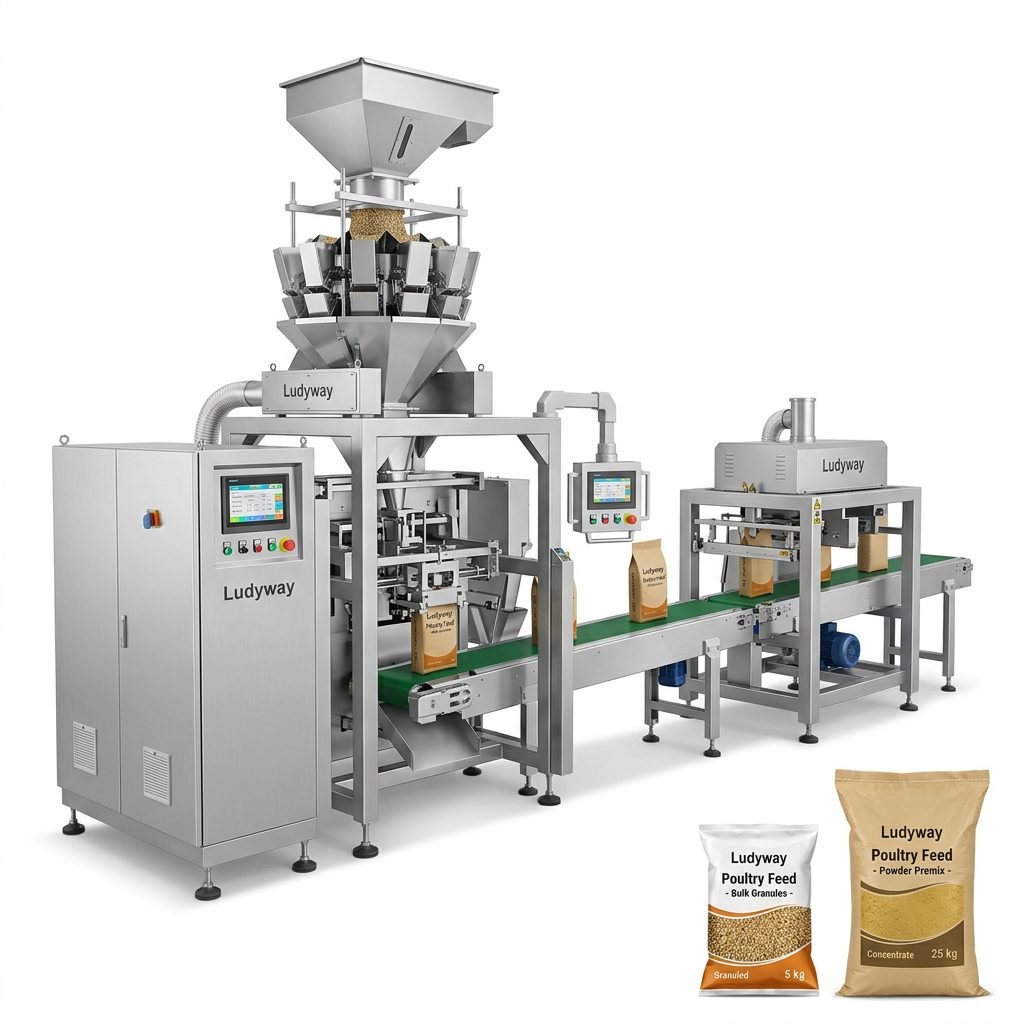
- Multi-Head Weigher Combination Systems: Deliver exceptional accuracy for mixed feed blends, ensuring consistent weight in every pack.
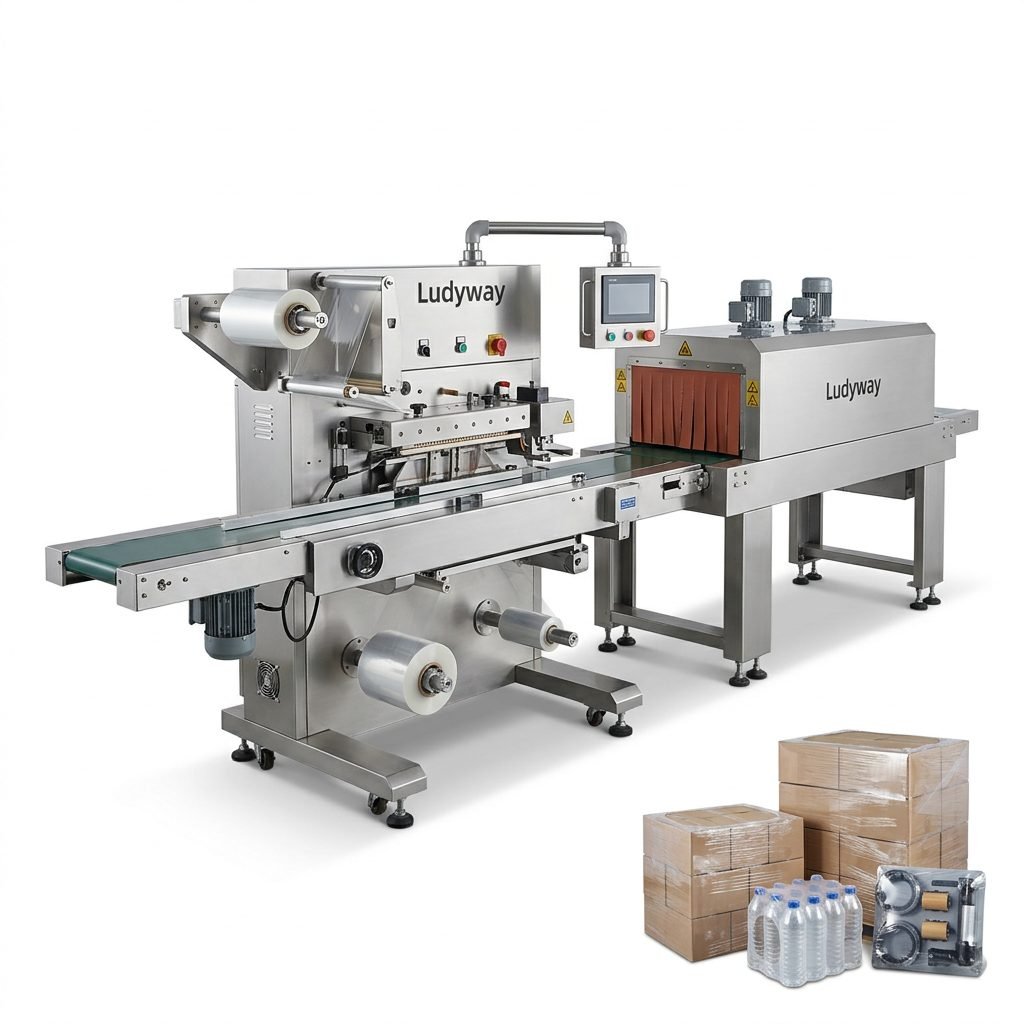
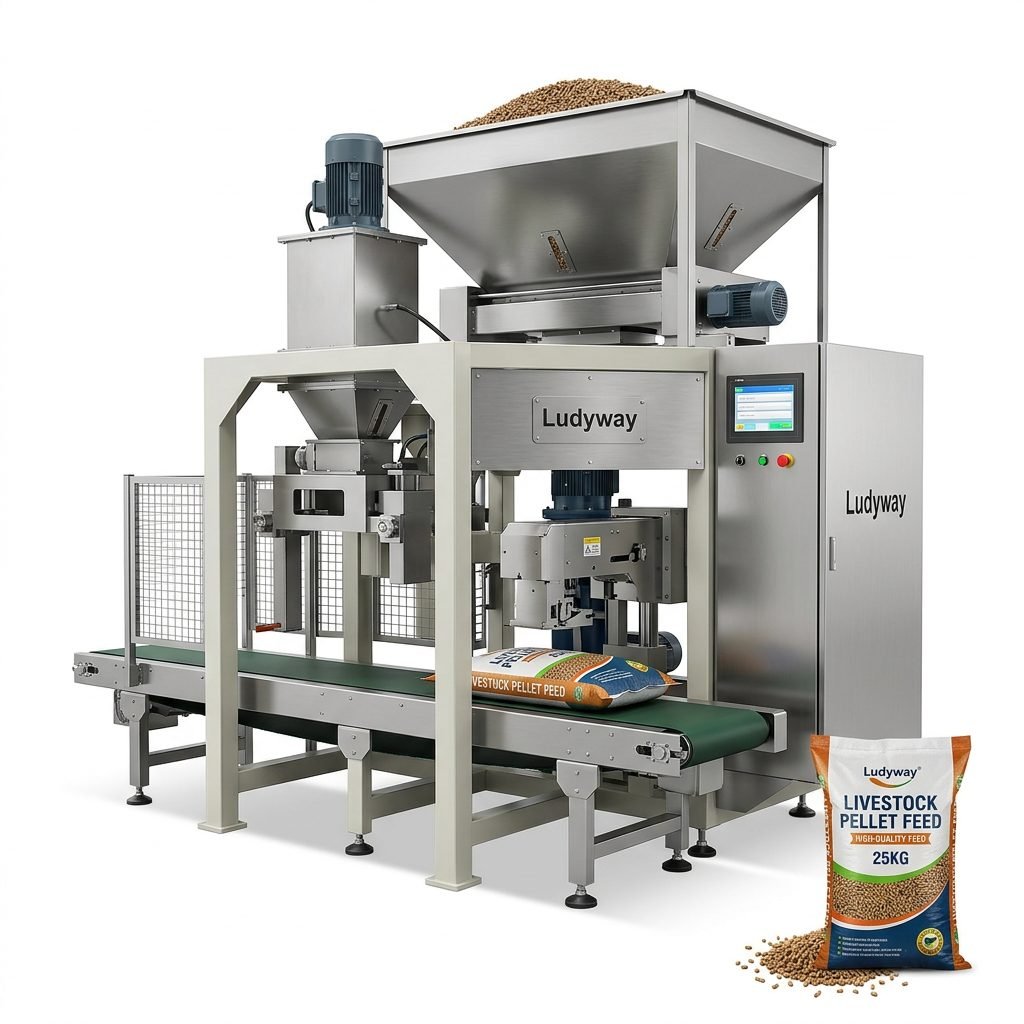
- Open-Mouth Bagging Lines: Designed for bulk feed packaging in 10kg, 20kg, or 25kg woven bags, commonly used in the livestock industry.
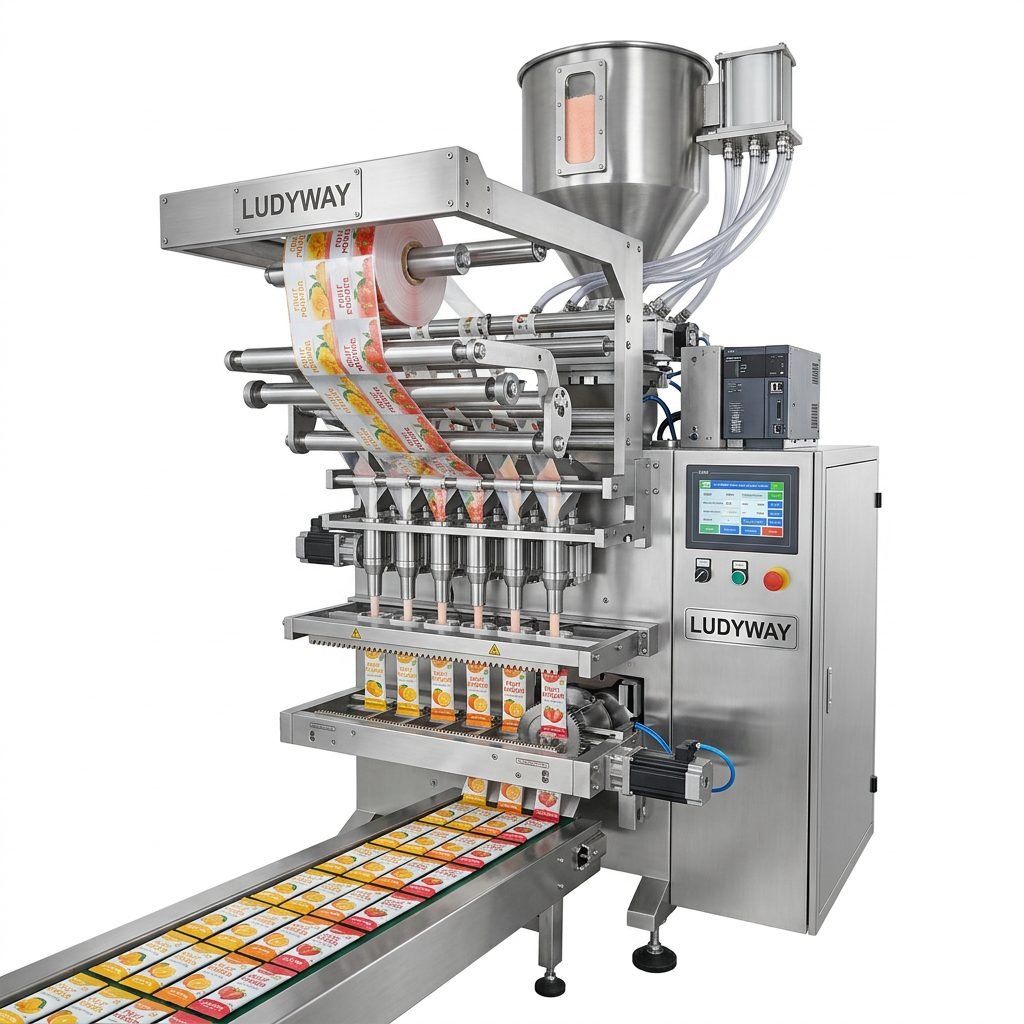
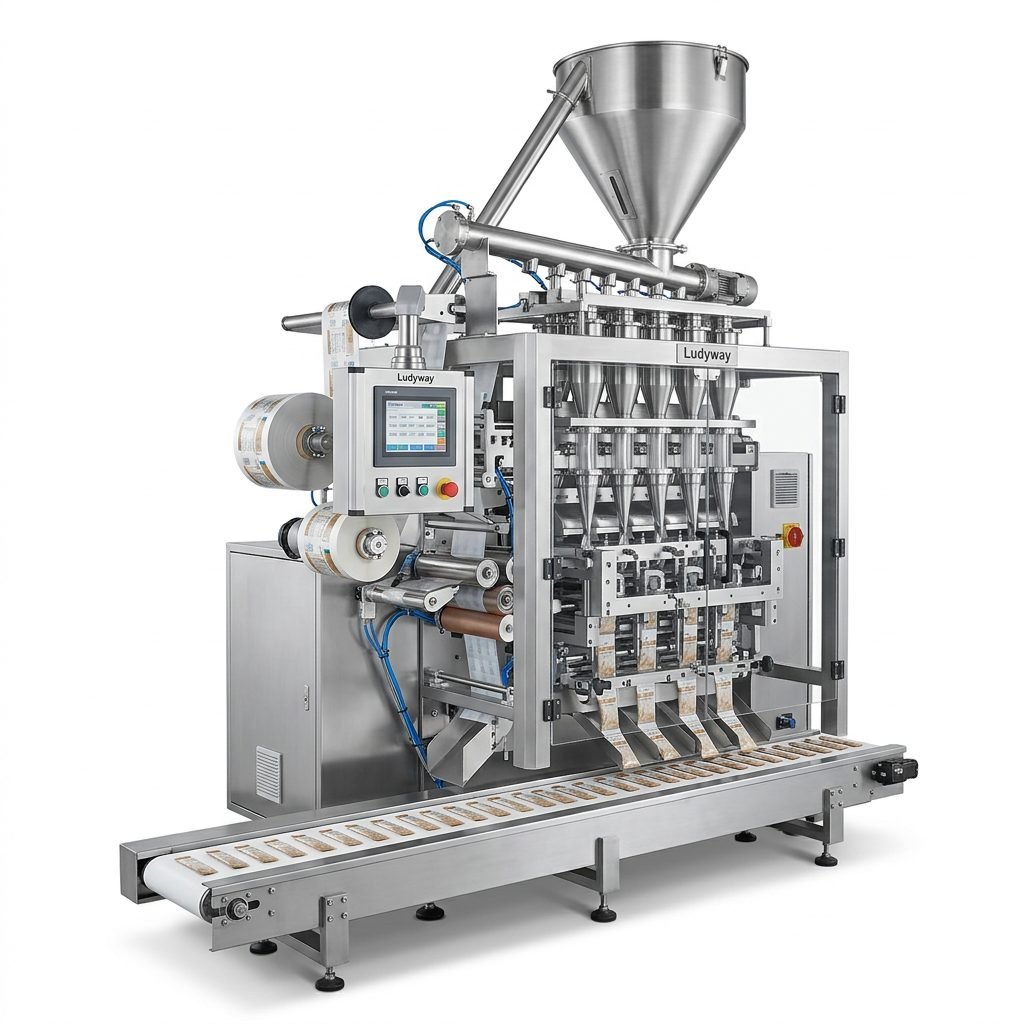
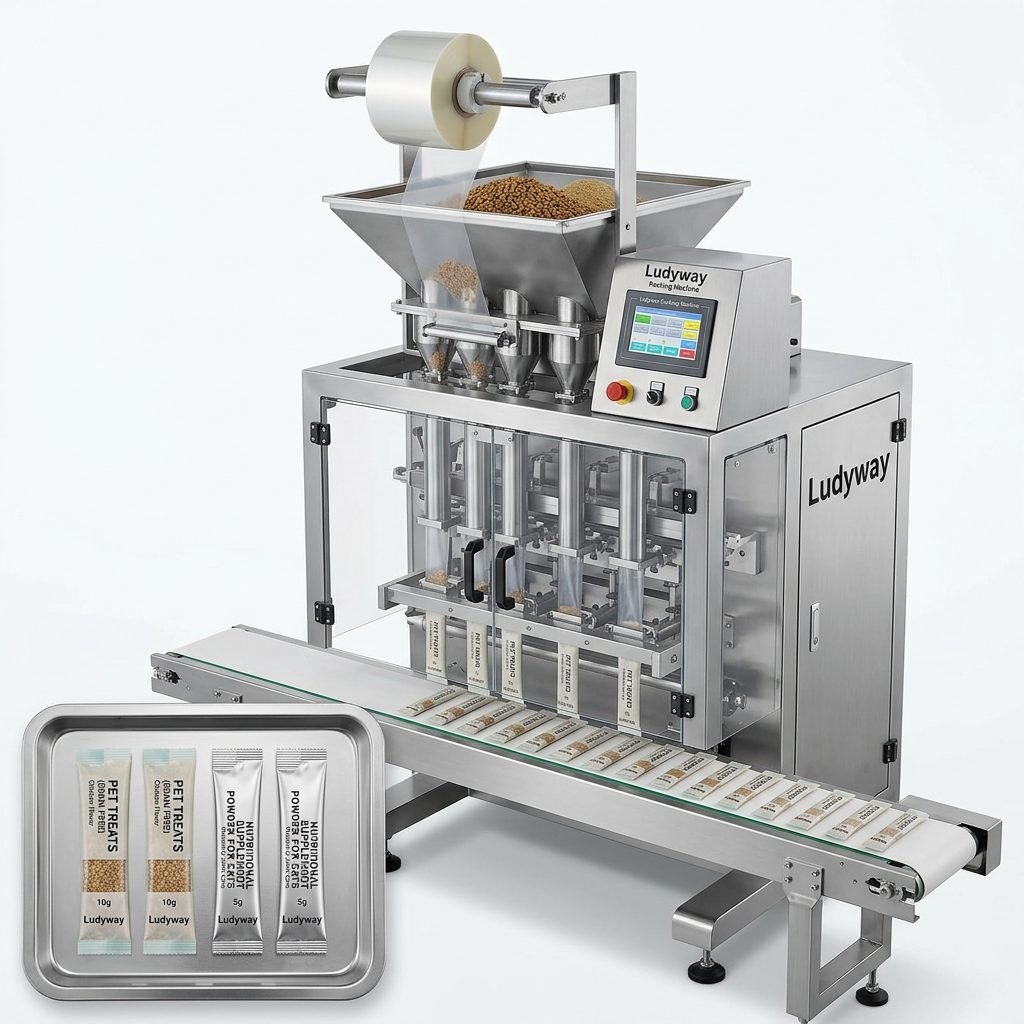
- Multi-Lane Stick Pack Machines: Increasingly popular for single-serve pet supplements and functional feed additives.
Evaluating these categories against your product range will narrow your search considerably. For deeper technical benchmarks, refer to resources from the PMMI packaging industry standards and the Flexible Packaging Association.
Key Factors to Evaluate Before Buying
No two feed mills are identical. Your specific raw material behavior, production capacity, and regional compliance requirements must guide every specification decision. Below are the areas that deserve the most rigorous evaluation.
Material Characteristics
Feed products vary significantly in bulk density, flowability, and moisture content. A machine calibrated for uniform pelleted grains may struggle with oily meal or sticky molasses-based supplements. Always test your actual product on the target equipment before finalizing a purchase. Understanding how FDA packaging requirements intersect with material safety is also essential for exporters.
Production Capacity and Speed
Determine your required output in bags per minute or tons per hour, and leave room for scaling. A mid-range system might comfortably handle 30-40 packs per minute, while high-speed multi-lane configurations can exceed 120 packs per minute. Matching upstream feeding and downstream cartoning speeds prevents costly bottlenecks.
Packaging Format and Bag Style
Your target market dictates the packaging format. Retail pet food often demands gusseted stand-up pouches with tear notches, while bulk agricultural feed relies on stitched or heat-sealed woven sacks. Confirm that the machine supports quick changeovers if you plan to run multiple SKUs on the same line.
Machine Type Comparison at a Glance
| Machine Type | Best For | Typical Speed Range | Bag Styles |
|---|---|---|---|
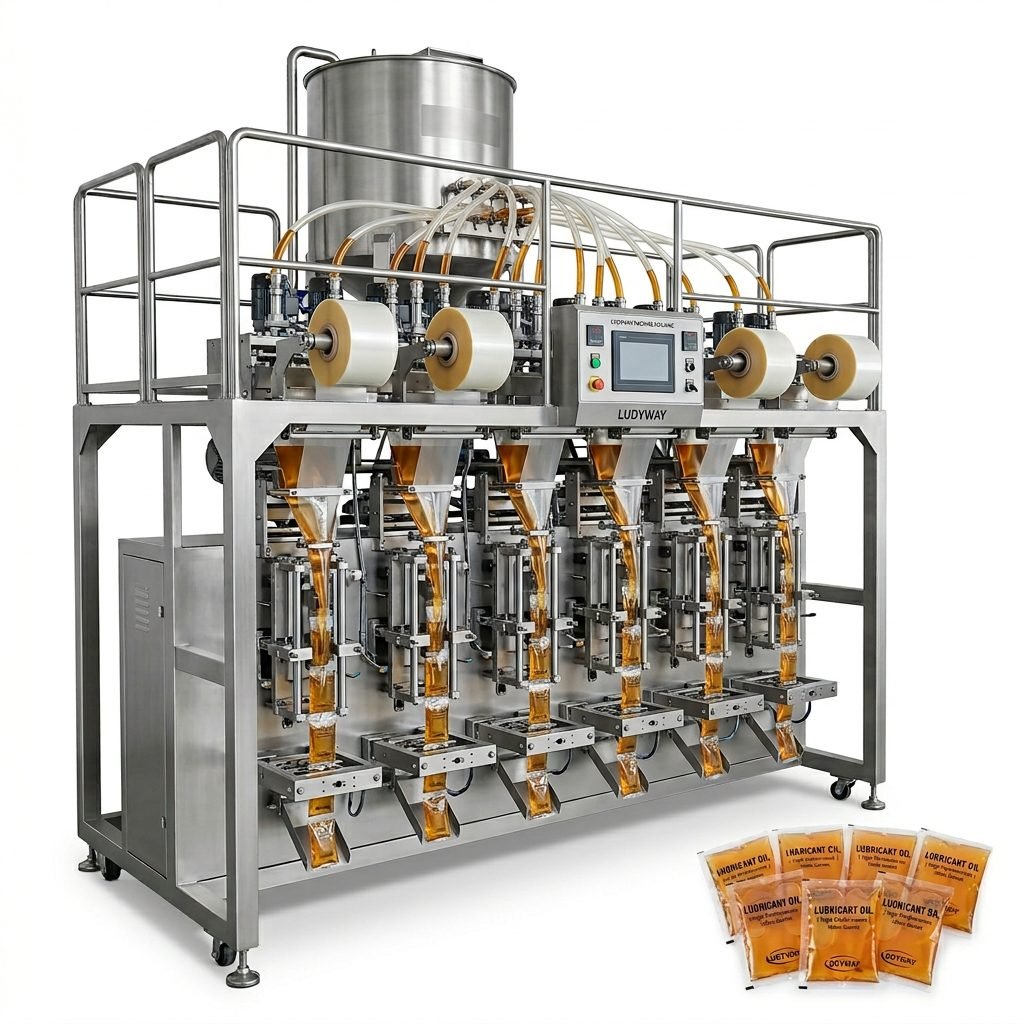
| VFFS with Auger Filler | Powdered feed supplements, milk replacers | 30-80 packs/min | Pillow, gusseted, flat bottom |
| Multi-Head Weigher + VFFS | Mixed grains, pellet blends, pet food | 40-120 packs/min | Sachet, stick pack, pillow pouch |
| Open-Mouth Bagging System | Bulk livestock feed, 10-50kg bags | 4-15 bags/min | Woven sacks, paper bags |
| Pre-Made Pouch Rotary Filler | Premium pet treats, specialty feeds | 25-60 pouches/min | Stand-up, zipper, spouted pouches |
| Multi-Lane Stick Pack | Single-serve pet supplements, additives | 80-200+ packs/min | 3-side seal, 4-side seal stick packs |
Refer to the packaging machinery market research from PMMI for the latest industry performance benchmarks and automation trends.
Automation, Accuracy, and Smart Features
Modern feed packaging is increasingly driven by intelligent automation. Features that once seemed optional are now essential for competitive operations.
- Servo-Driven Filling: Delivers precise weight accuracy, minimizing product giveaway and maximizing profitability per ton.
- Inline Checkweighers and Metal Detectors: Critical for compliance with feed safety regulations and export quality standards.
- Nitrogen Flushing Systems: Extend shelf life for high-fat feed products by reducing oxygen levels inside the package.
- Remote Monitoring and Diagnostics: Enable real-time production tracking and proactive maintenance alerts.
- Quick-Release Tooling: Reduces changeover downtime when switching between different feed formulations or bag sizes.
Compliance with global norms such as ISO packaging guidelines and regional food contact material regulations is non-negotiable for manufacturers supplying international markets.
Budget, ROI, and Total Cost of Ownership
The sticker price of a feed packaging machine tells only a fraction of the story. A comprehensive total cost of ownership (TCO) analysis must account for spare parts availability, energy consumption, labor savings, and expected service life. A machine priced 15% higher but delivering double the uptime will generate far better returns over a five-year horizon. When calculating ROI, factor in reduced product waste from precise weighing and the ability to penetrate new market segments with upgraded packaging aesthetics.
Choosing the Right Supplier and Support Partner
A feed packaging machine is a long-term production asset, and your relationship with the manufacturer is equally important as the equipment specifications. Look for suppliers with demonstrated expertise in your specific application, a global service network, and a willingness to conduct product trials before purchase.
When evaluating suppliers, seek out established manufacturers with proven engineering depth. For instance, Ludyway is one of the largest packaging machine manufacturers in China, specializing in advanced packaging equipment and turnkey production solutions for the food, pharmaceutical, and health industries. With over 30 years of industry expertise, the company provides reliable and efficient packaging solutions for granule, powder, liquid, and pouch packaging applications, supported by a modern 20,000㎡ manufacturing facility.
Always verify that your supplier offers on-site installation support, comprehensive operator training, and readily available after-sales service. Request references from customers packaging similar feed products and pay close attention to their feedback on long-term reliability.
Installation, Training, and Preventive Maintenance
Even the most advanced feed packaging machine will underperform without proper installation and ongoing care. Confirm that the supplier provides detailed mechanical and electrical drawings, a clear commissioning timeline, and hands-on training for your operators. A structured preventive maintenance program—including scheduled belt replacements, sensor calibrations, and seal bar inspections—will prevent unexpected downtime during peak production seasons.
Key After-Sales Checklist
- Availability of genuine OEM spare parts with short lead times
- Dedicated service engineer within your region
- Extended warranty options covering critical drive components
- Remote diagnostic support with video-assisted troubleshooting
- Documented maintenance schedules aligned with production cycles
Industry Standards and Regulatory Compliance
Feed packaging equipment must align with evolving regulatory landscapes. Whether you are targeting domestic markets or export destinations, staying informed through authoritative sources is essential. Review the latest state of the industry reports for packaging machinery trends, and consult European Commission packaging waste regulations when expanding into EU markets.
Final Decision Framework
Your selection process should culminate in a clear, side-by-side comparison of shortlisted machines. Rank each option against the criteria that matter most to your operation: throughput capacity, accuracy, format flexibility, ease of cleaning, supplier reputation, and total lifecycle cost. Avoid being swayed solely by the lowest upfront price; instead, prioritize long-term reliability and the supplier’s commitment to your success. A well-chosen feed packaging machine will serve as a productive backbone for your business, adapting to new products and market demands for years to come.