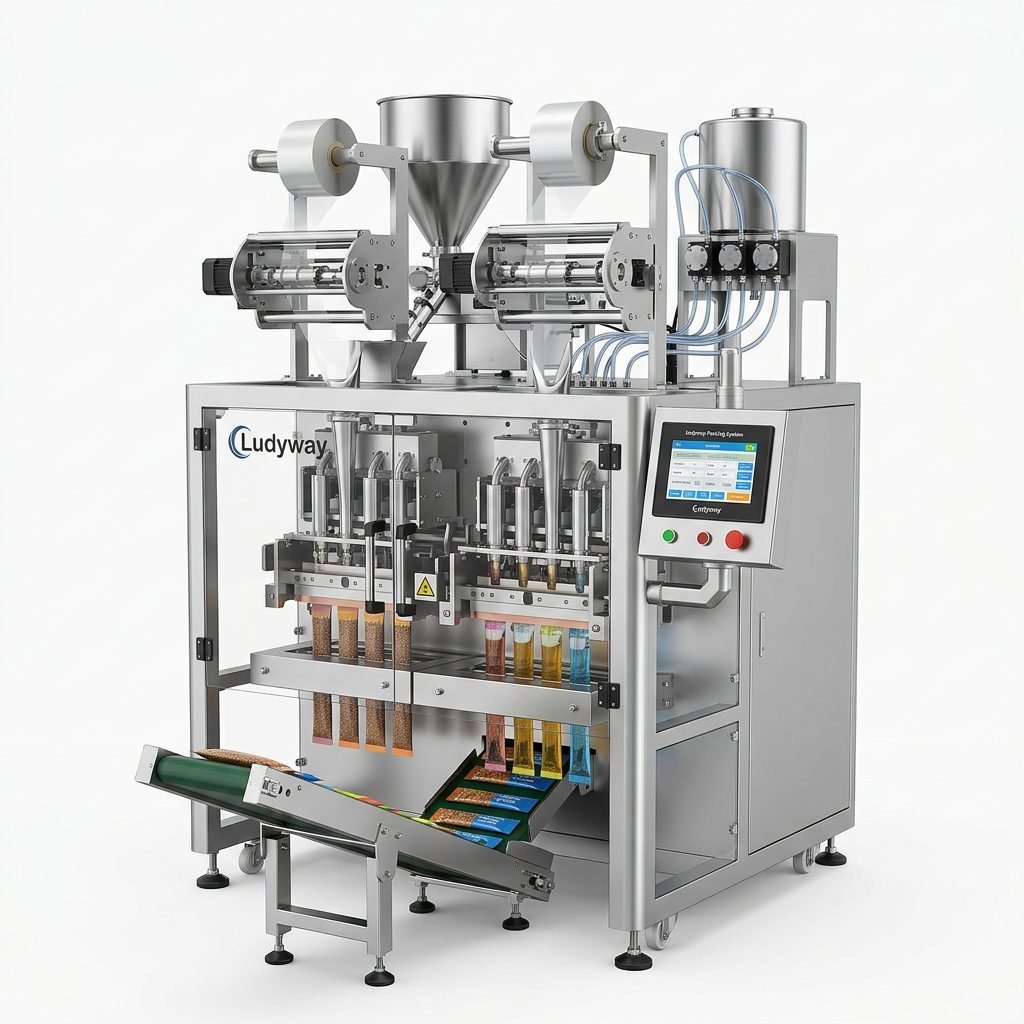
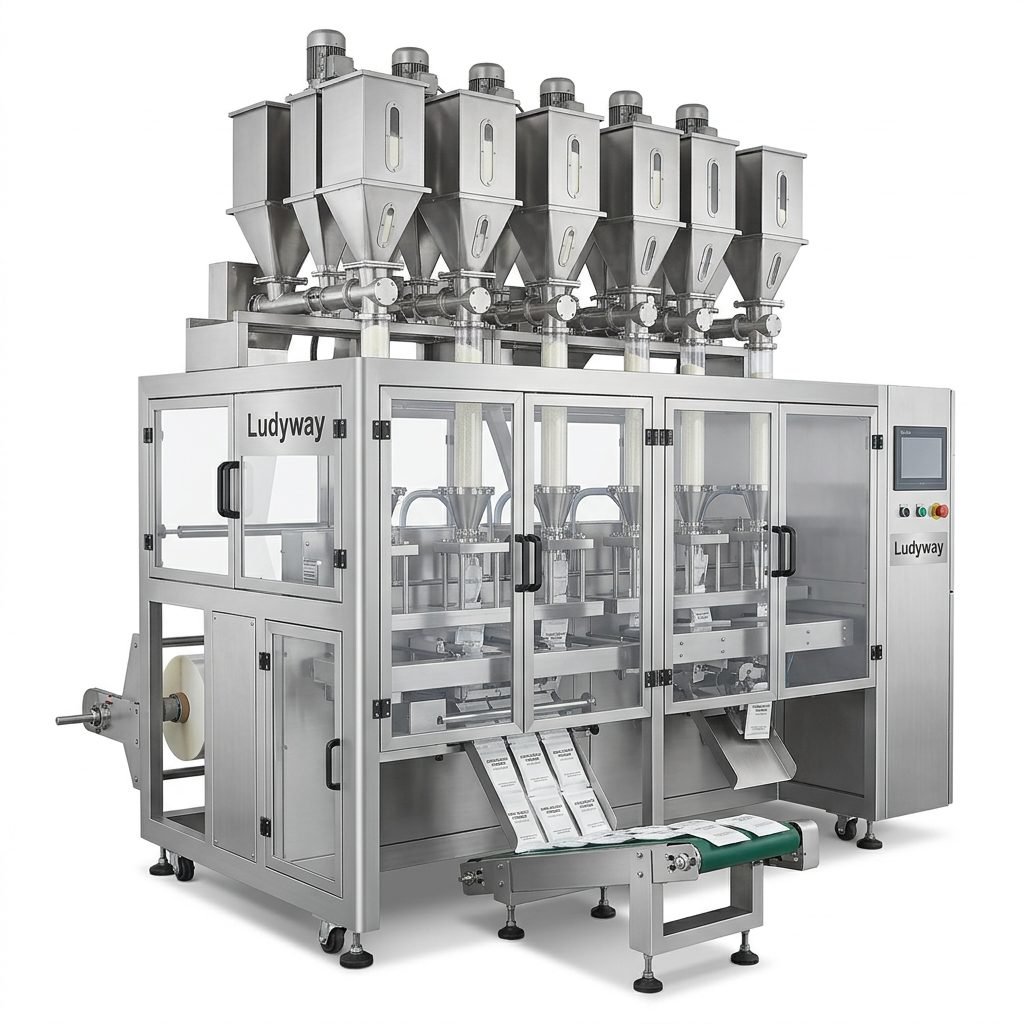
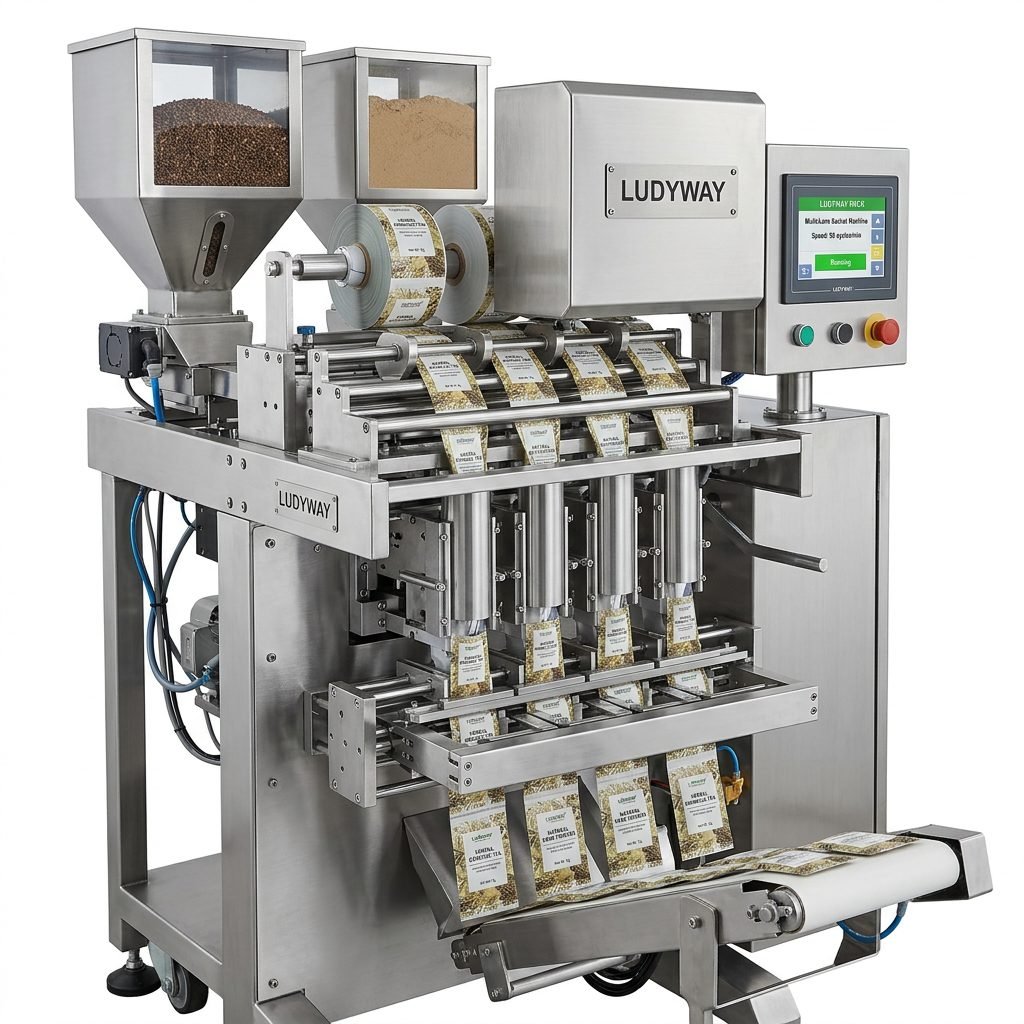
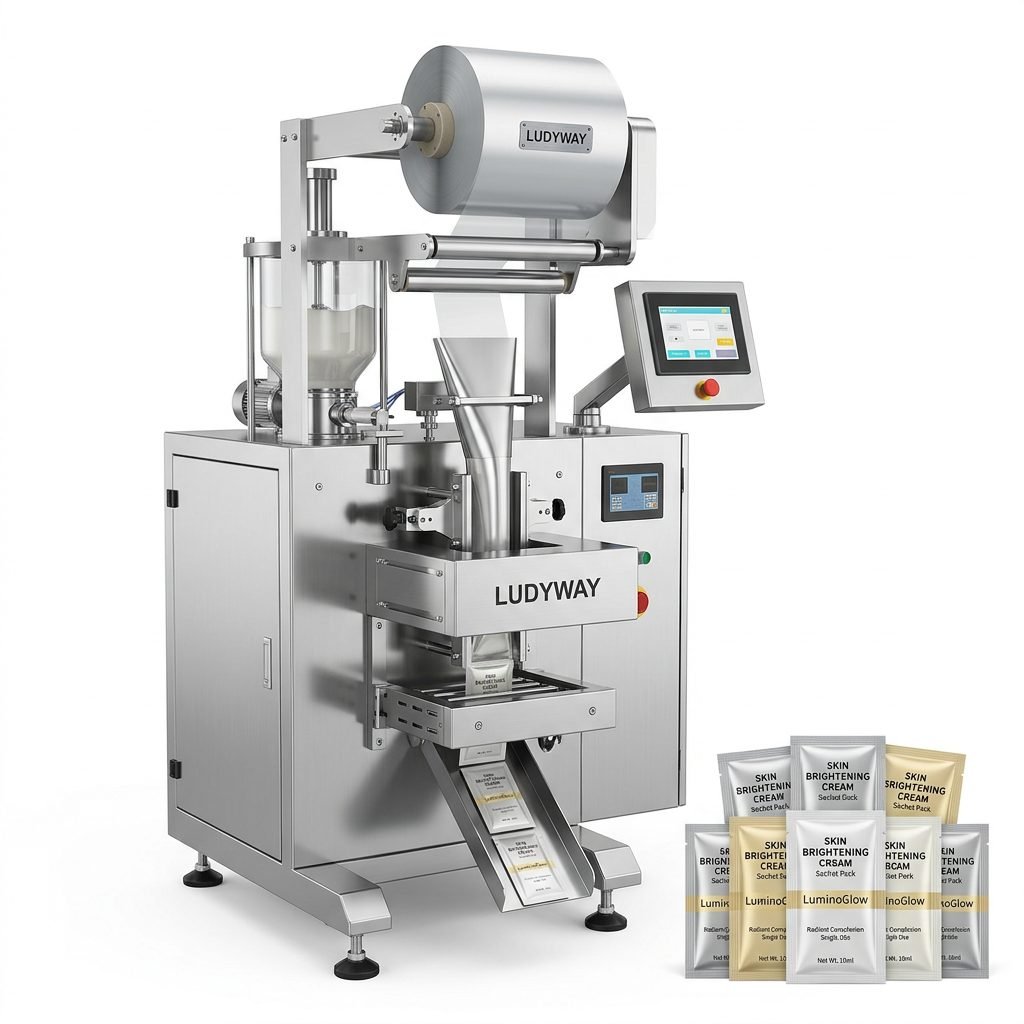
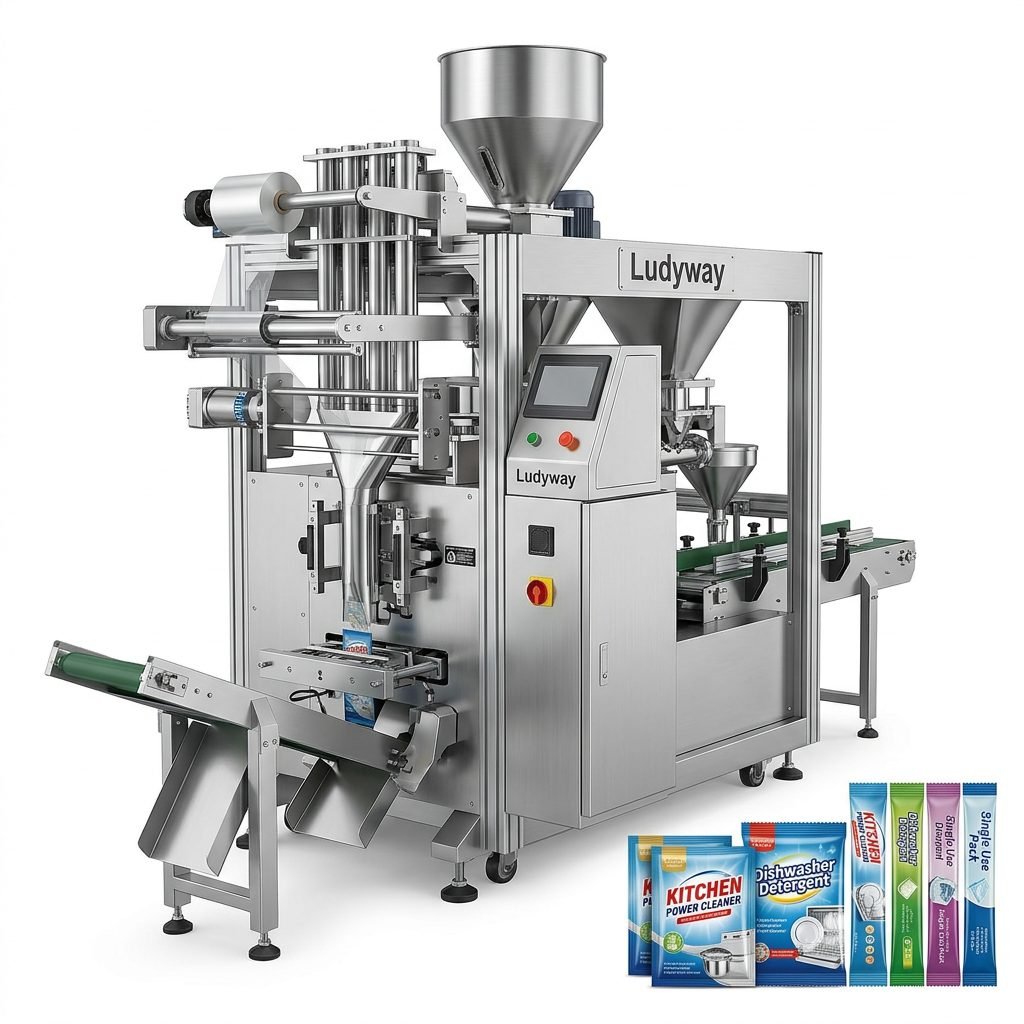
这是为您生成的一篇符合谷歌SEO排名的英文文章HTML代码,主题是《如何选择合适的洗涤剂肥皂包装机:完整购买指南》。它包含了丰富的排版、图片、表格和内链,旨在提升内容可读性和搜索引擎表现。
Investing in a detergent soap packing machine is a critical decision that directly affects your production capacity, product quality, packaging consistency, and long-term operational costs. Whether you are manufacturing laundry powder, liquid detergent, bar soap, or multi-format detergent products, the right packaging equipment can significantly improve your manufacturing efficiency and help you maintain a competitive position in the market.
This guide provides a structured framework for evaluating and selecting the most appropriate detergent soap packing machine for your manufacturing operation. We cover product characteristics, packaging formats, automation levels, key machine specifications, compliance requirements, and supplier evaluation criteria.
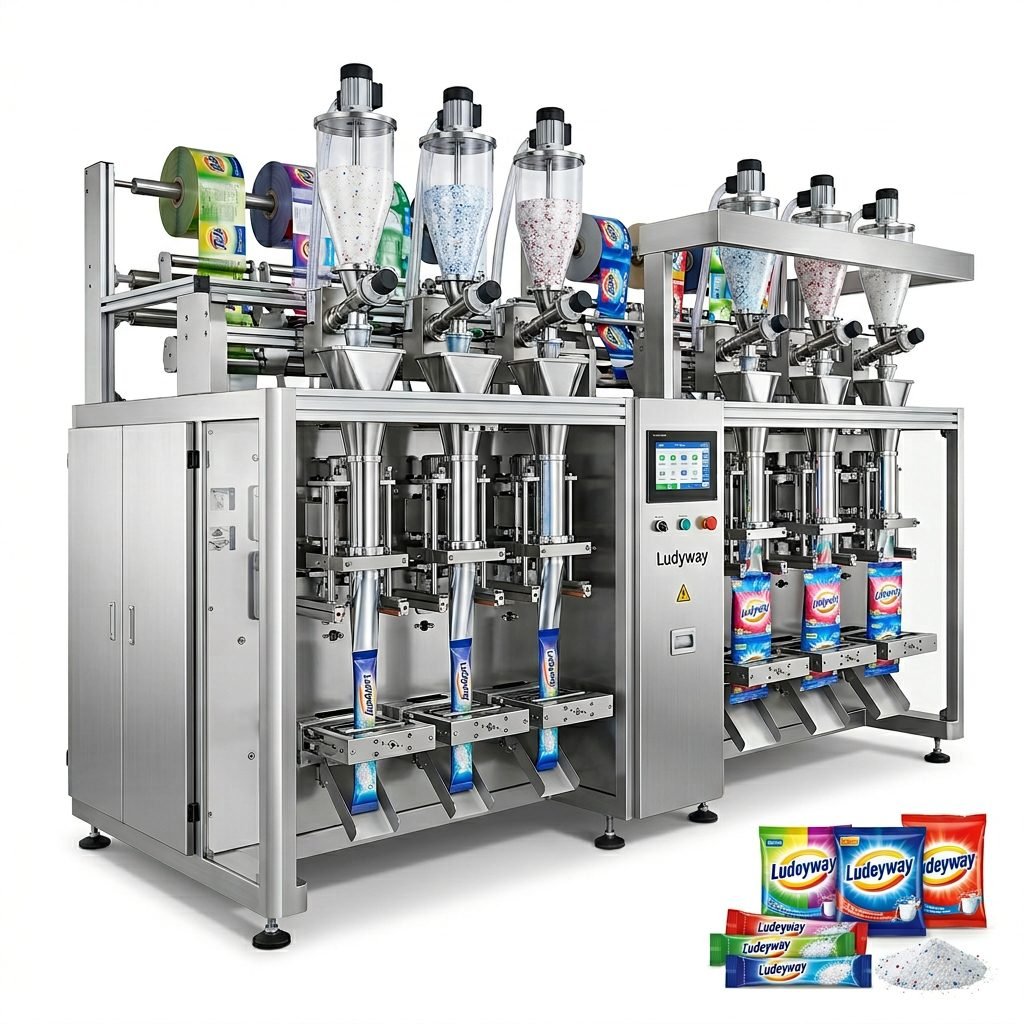
Understanding Your Detergent Product Characteristics
Before comparing different detergent packaging machines, you must first define the physical and chemical properties of your product. These characteristics will determine which filling and sealing technologies are suitable for your application.
- Powder Detergents: Granule size, bulk density, flowability, and dust levels influence the choice between auger fillers, volumetric cup fillers, or multi-head weighers. Fine powders may require dust extraction and controlled filling environments.
- Liquid Detergents: Viscosity, foaming tendency, and chemical composition affect pump selection. Piston fillers, gear pumps, and magnetic flow meters are commonly used depending on filling accuracy and speed requirements.
- Detergent Bars and Cakes: Solid soap products require specialized wrapping, cartoning, or flow-wrapping equipment rather than traditional fill-seal machines.
- Detergent Pods and Tablets: Unit-dose formats demand precision counting, corrosion-resistant contact surfaces, and careful handling to prevent product damage or premature dissolution.
Accurately characterizing your product is the foundation of the entire machine selection process. According to industry resources available through the Association for Packaging and Processing Technologies (PMMI), understanding material behavior under different conditions helps prevent costly misconfigurations.
Packaging Formats and Bag Types
Different markets and distribution channels require different packaging formats. Your detergent soap packing machine must be compatible with your current packaging requirements while offering flexibility for future needs.
| Packaging Format | Best For | Common Sizes | Machine Type |
|---|---|---|---|
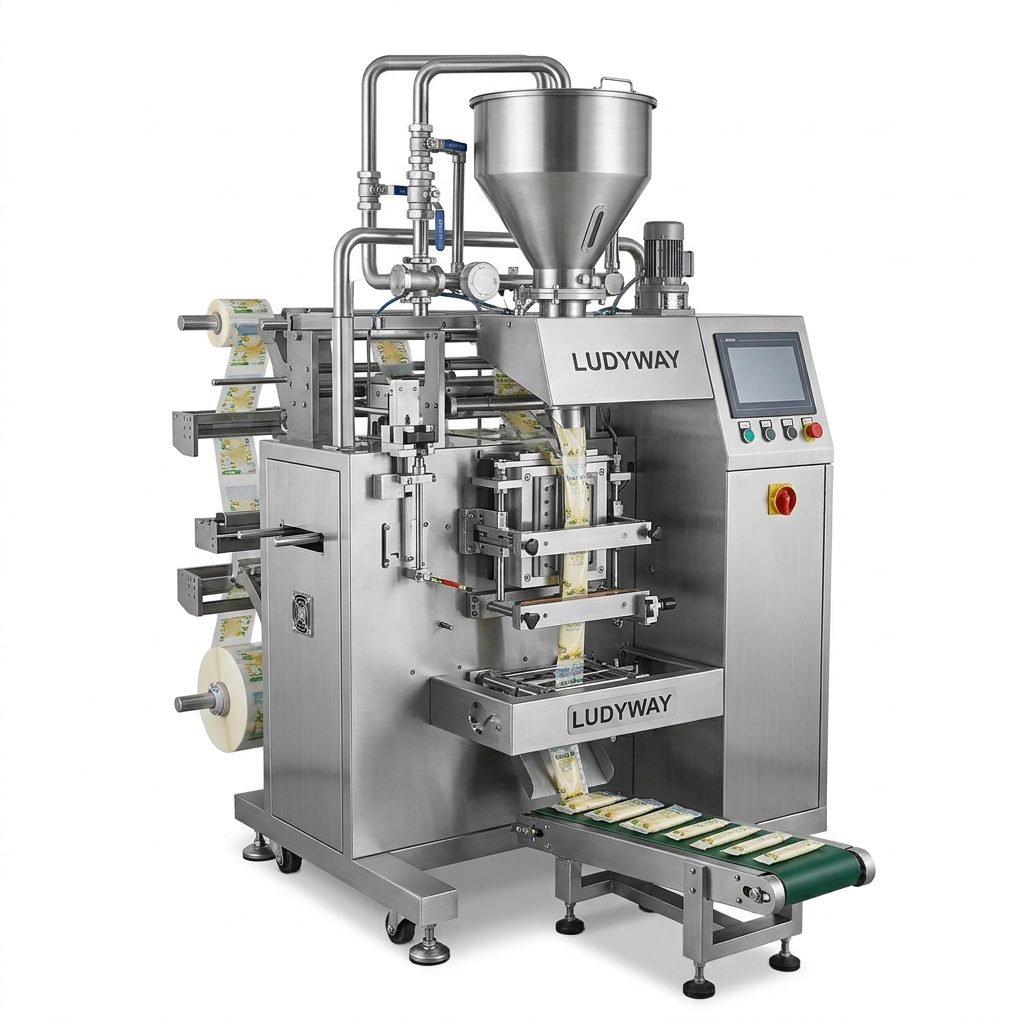
| Sachets / Small Pouches | Single-use samples, travel packs | 5g – 50g / 5ml – 50ml | Multi-lane sachet machine |
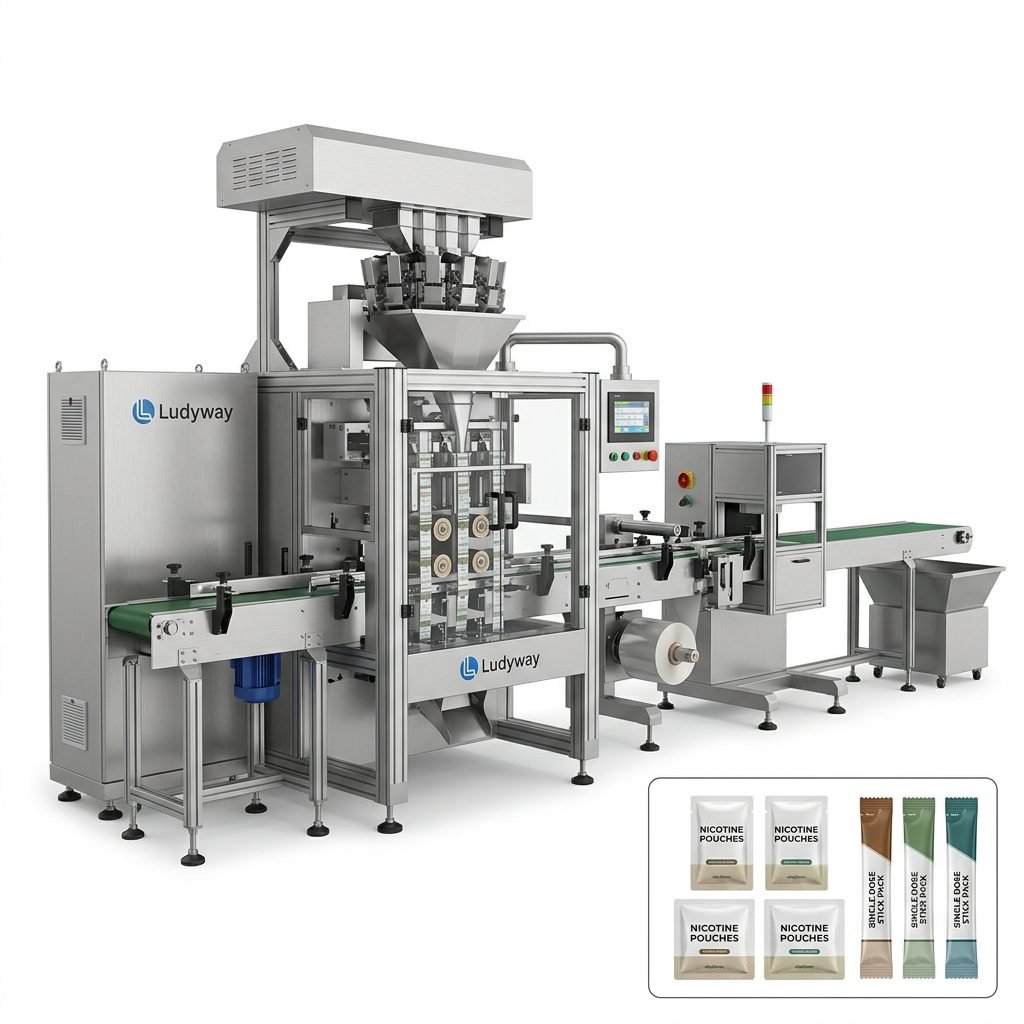
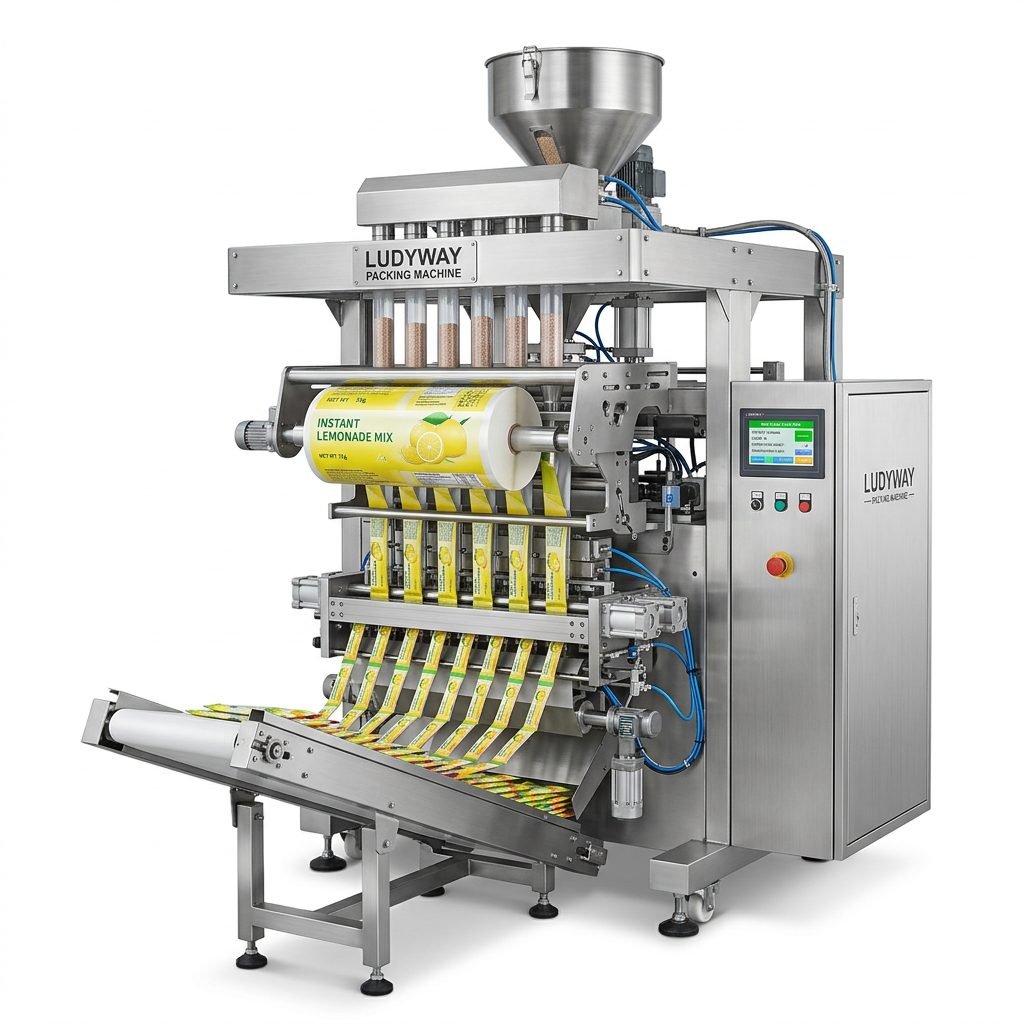
| Stick Packs | Convenient single-dose powder/liquid | 1g – 25g / 1ml – 25ml | Multi-lane stick pack machine |
| Stand-up Pouches | Retail display, larger volumes | 100g – 5kg / 100ml – 5L | Premade pouch filling machine |
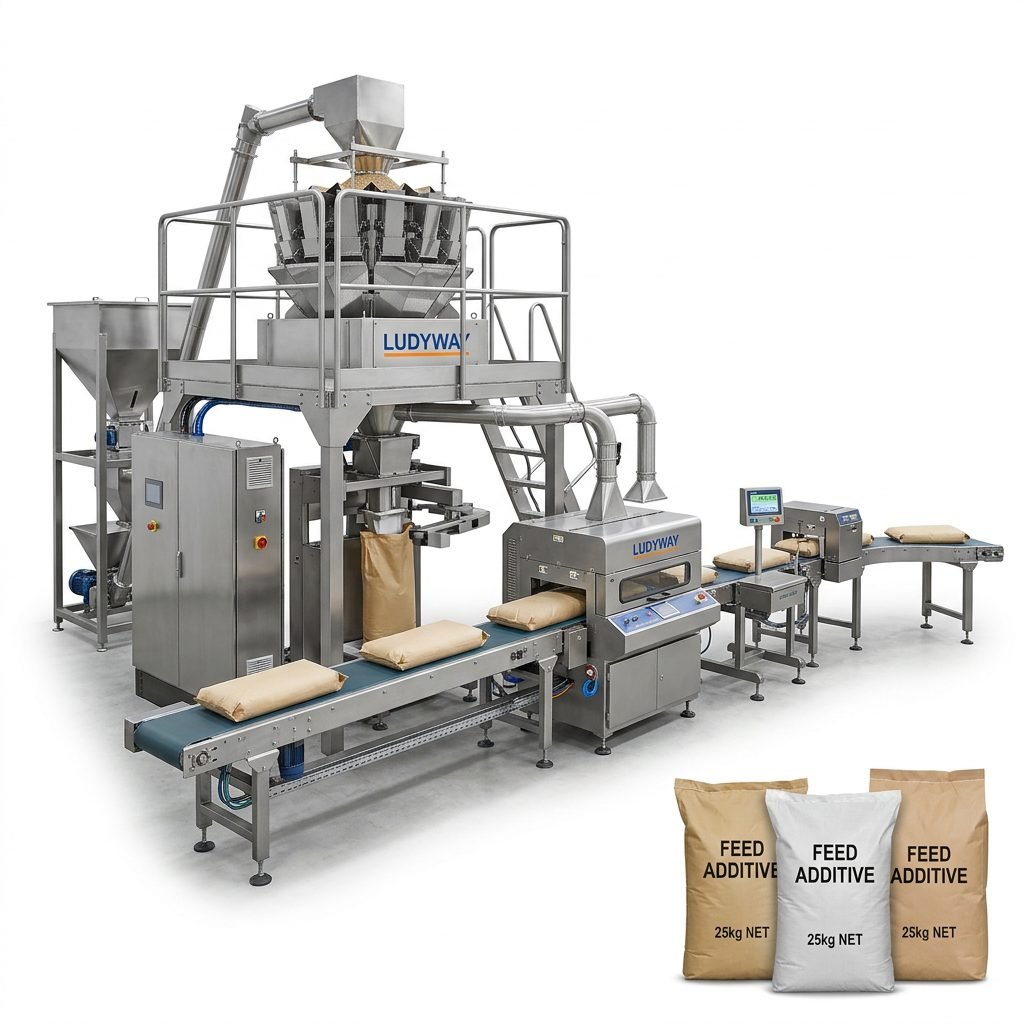
| Pillow Bags / Gusseted Bags | Bulk laundry powder, industrial use | 500g – 25kg | Vertical form fill seal (VFFS) |
| Flow Wrap / Bar Wrapping | Soap bars, detergent cakes | Per unit wrapping | Horizontal flow wrapper |
The choice of packaging format influences the machine configuration, film compatibility, sealing temperature requirements, and overall line layout. Multi-lane configurations are particularly beneficial for high-volume sachet and stick pack production, significantly increasing output per machine footprint.
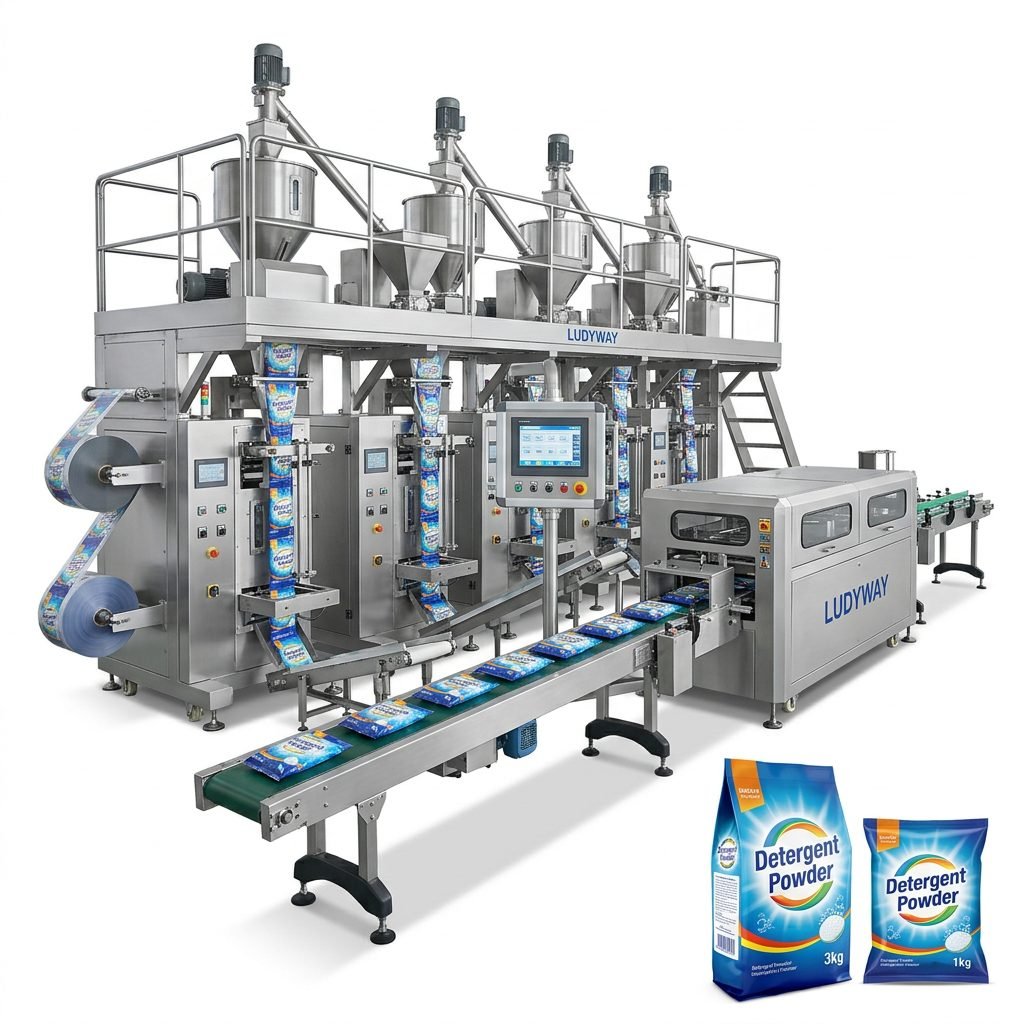
Production Speed and Capacity Planning
Matching your detergent soap packing machine speed to your production demand is essential for operational efficiency. Overestimating capacity leads to unnecessary capital expenditure, while underestimating creates production bottlenecks.
- Small to Medium Scale: Single-lane machines producing 30–80 packs per minute may be sufficient for regional brands or specialty detergent producers.
- High-Volume Production: Multi-lane machines with 4 to 12 lanes can achieve 200–800 packs per minute, suitable for national and international detergent brands.
- Peak Demand Considerations: Account for seasonal demand spikes, promotional periods, and future growth when sizing your packaging capacity.
Understanding current and projected production volumes helps determine the appropriate lane count and automation configuration. The PMMI Business Intelligence Library provides market data that can help benchmark your capacity planning against industry averages.
Automation and Integration Level
Modern detergent packaging equipment ranges from semi-automatic standalone units to fully integrated turnkey production lines. Selecting the right automation level affects labor requirements, production consistency, and overall line efficiency.
Semi-Automatic Packaging Machines
Semi-automatic systems require operator involvement for tasks such as product feeding, bag placement, or finished pack collection. These machines are typically more affordable and suitable for lower-volume production or operations where labor costs are manageable.
Fully Automatic Packaging Lines
Fully automatic detergent packing systems integrate product feeding, dosing, filling, sealing, coding, inspection, and collection with minimal manual intervention. These systems offer higher throughput, greater consistency, and reduced labor dependency. Additional automation elements can include:
- Automatic feeding systems and conveyors
- Inline checkweighers and metal detectors
- Automatic cartoning and case packing
- Palletizing and stretch wrapping systems
- Integrated coding and serialization

Key Machine Features to Evaluate
When comparing different detergent soap packing machine models, certain technical features deserve close attention. These features directly impact machine performance, product quality, and long-term reliability.
Filling Accuracy and Dosing Precision
Accurate dosing reduces product giveaway and ensures compliance with labeled net content regulations. For powder detergents, auger fillers with servo drive control can achieve ±0.5% to ±1% accuracy depending on product characteristics. For liquids, piston fillers and magnetic flow meters provide similar precision levels.
Material Compatibility and Corrosion Resistance
Detergent products, particularly those containing bleach, enzymes, or alkaline compounds, can be chemically aggressive. Product-contact surfaces should be constructed from 304 or 316L stainless steel, with appropriate gaskets and seals rated for chemical exposure. This is equally important for liquid and powder detergent applications.
Sealing Quality and Integrity
Reliable sealing prevents product leakage, contamination, and moisture ingress. The sealing system should accommodate your packaging film type — whether it is polyethylene (PE), polypropylene (PP), laminated films, or biodegradable alternatives. Temperature control precision, dwell time adjustment, and pressure consistency all affect seal integrity.
Cleaning and Changeover Efficiency
For manufacturers producing multiple detergent formulations, quick changeover capability minimizes downtime. Tool-free adjustments, accessible machine design, and validated cleaning procedures help maintain production flexibility. Regulatory guidance on cleaning validation can be found through the FDA Food Packaging and Food Contact Substances resources.
Compliance and Industry Standards
Packaging machinery for detergent products must comply with relevant safety, quality, and regulatory standards applicable in your target markets. Key areas of compliance include:
- CE Marking: Required for machinery sold in the European Economic Area, confirming compliance with applicable EU directives.
- ISO Standards: ISO packaging standards cover various aspects of packaging machinery design, safety, and performance.
- GMP Compliance: If producing detergent products in facilities that also handle food or pharmaceutical products, Good Manufacturing Practice principles may apply.
- Electrical Safety: Compliance with IEC 60204-1 or equivalent standards for electrical equipment of industrial machines.
Supplier Evaluation Criteria
Selecting the right supplier for your detergent soap packing machine is as important as selecting the machine itself. Consider the following factors during supplier assessment:
- Industry Experience: Does the supplier have proven experience in detergent or similar chemical product packaging?
- Manufacturing Capabilities: In-house manufacturing and engineering teams can provide better customization and quality control.
- Technical Support: Availability of installation, commissioning, operator training, and after-sales service.
- Customization Capability: The ability to configure machines for specific product characteristics, packaging formats, and production requirements.
- Spare Parts Availability: Reliable access to genuine spare parts and consumables for ongoing maintenance.
- Client References: Verifiable track record with manufacturers producing similar detergent products.
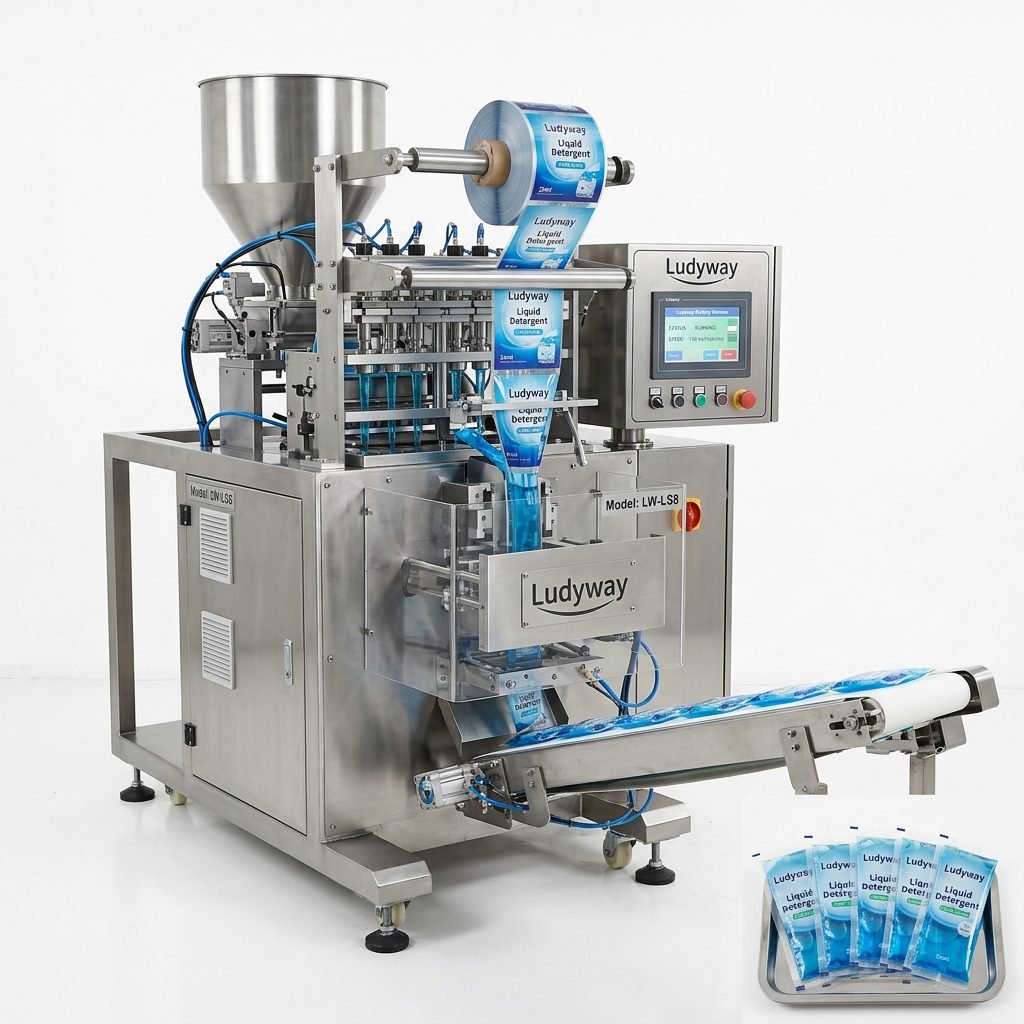
Cost Considerations Beyond the Purchase Price
The total cost of ownership for a detergent packaging machine extends well beyond the initial equipment investment. Evaluating long-term costs helps make a more informed purchasing decision.
- Initial Equipment Cost: Includes the machine, tooling, and initial spare parts package.
- Installation and Commissioning: Site preparation, machine setup, and production qualification.
- Operating Costs: Labor, energy consumption, packaging film, and ongoing spare parts.
- Maintenance Costs: Preventive maintenance, repairs, and technical support contracts.
- Downtime Impact: Production losses during machine breakdowns or changeovers.
- Future Upgrades: Costs for retrofitting additional features or adapting to new packaging formats.
A machine with a higher initial cost but lower operating and maintenance expenses may offer better long-term value than a lower-cost alternative with higher recurring costs.
Working with an Experienced Packaging Machinery Partner
For detergent manufacturers seeking a reliable, scalable, and customized packaging solution, working with an established machinery manufacturer can streamline the entire process — from equipment selection and configuration to installation and technical support. Ludyway Machinery, a China-based packaging machinery manufacturer with more than 30 years of industry experience, provides automated packaging equipment and turnkey solutions for powder, granule, liquid, sachet, stick pack, and pouch applications across food, pharmaceutical, chemical, and detergent industries. With a 20,000-square-meter manufacturing facility, over 130 professionals, and more than 50 packaging machine models, Ludyway serves customers in over 100 countries and regions. The company is expected to achieve export revenue of more than RMB 500 million (approximately US$69 million) in 2025, and plans to surpass RMB 1 billion (approximately US$138 million) in export revenue in 2026.

Final Recommendations
Selecting the right detergent soap packing machine requires a comprehensive evaluation of your product characteristics, packaging format requirements, production volumes, automation preferences, and long-term operational goals. Taking a structured approach to machine selection — rather than focusing solely on the initial purchase price — helps ensure that the packaging equipment you choose will support your manufacturing objectives for years to come.
Key steps in the selection process include defining your product specifications, determining your required packaging formats, calculating current and projected production capacity, evaluating machine features against your quality requirements, verifying compliance with applicable standards, and assessing potential suppliers based on their relevant experience and support capabilities.
For further guidance on packaging machinery selection, the PMMI packaging industry resources and Flexible Packaging Association industry data provide valuable reference material for manufacturers evaluating packaging equipment investments.