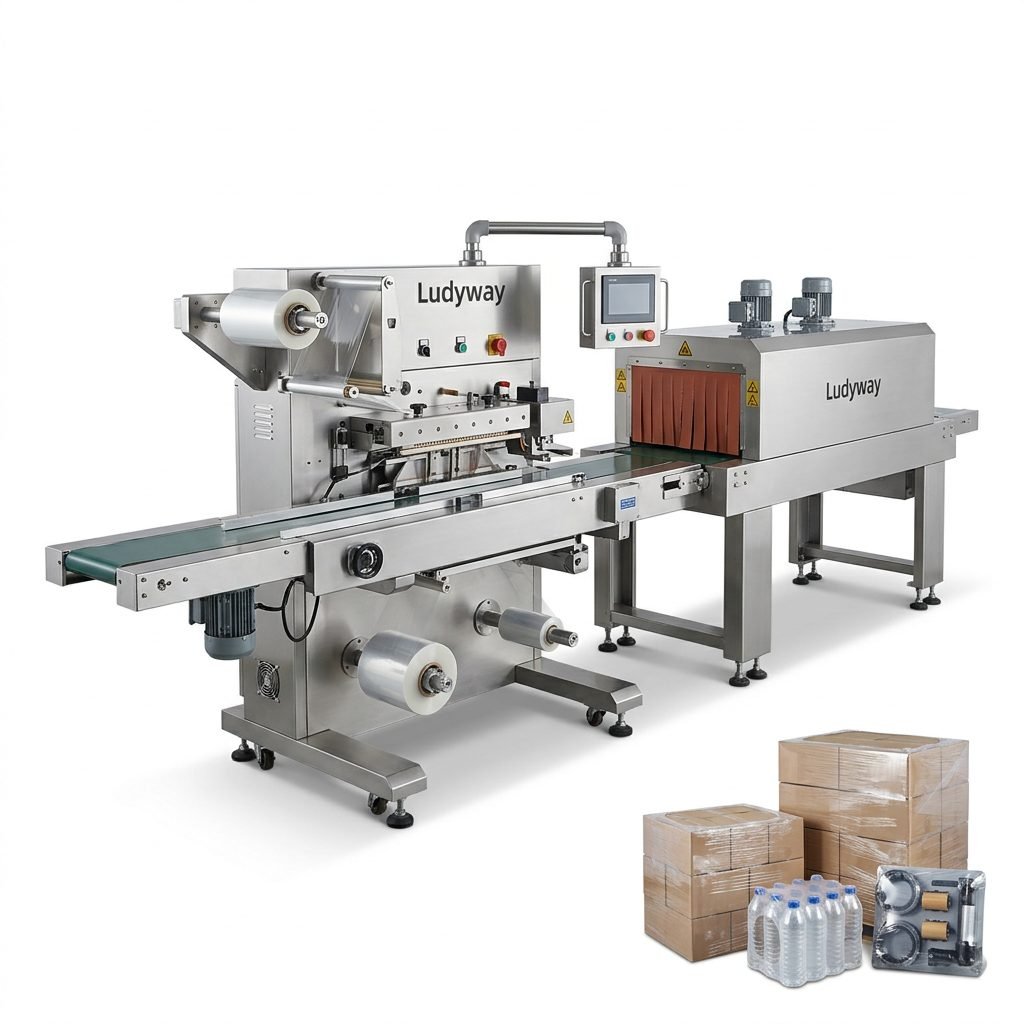
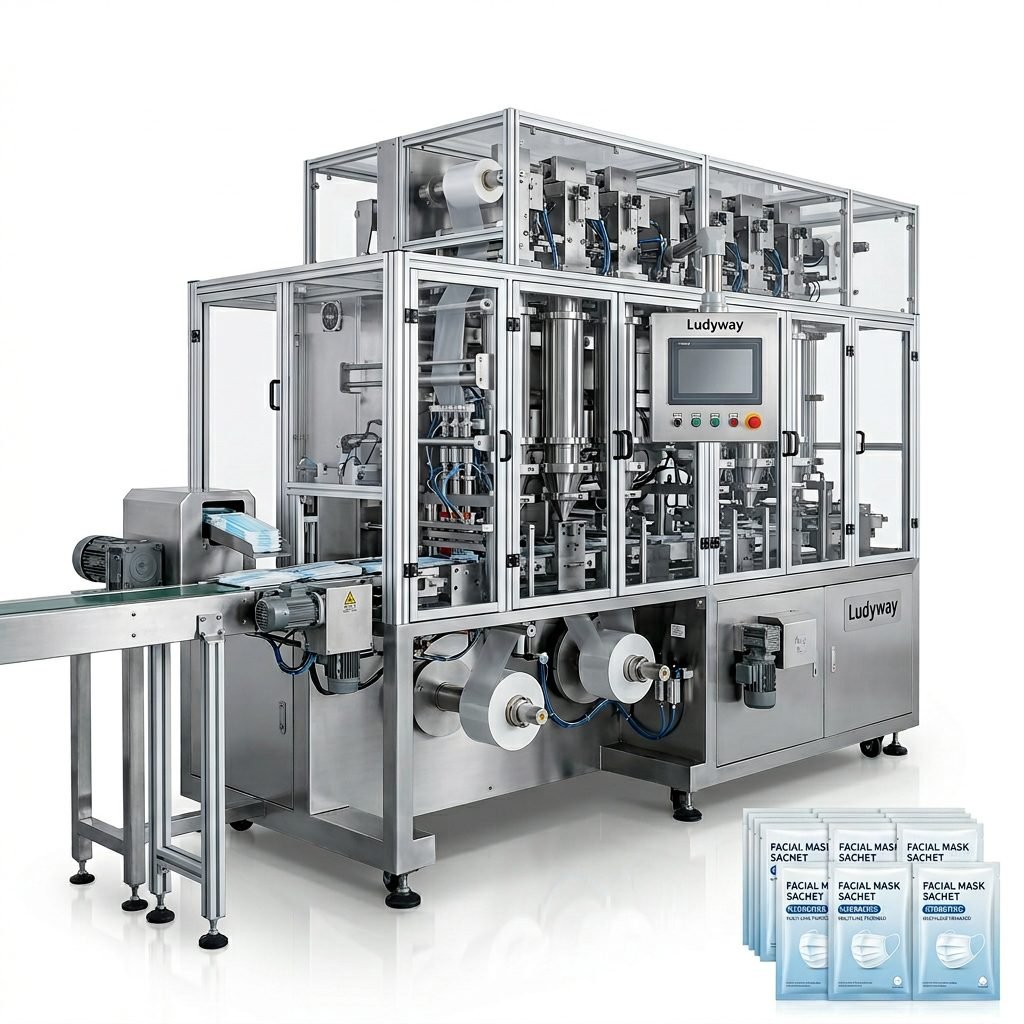
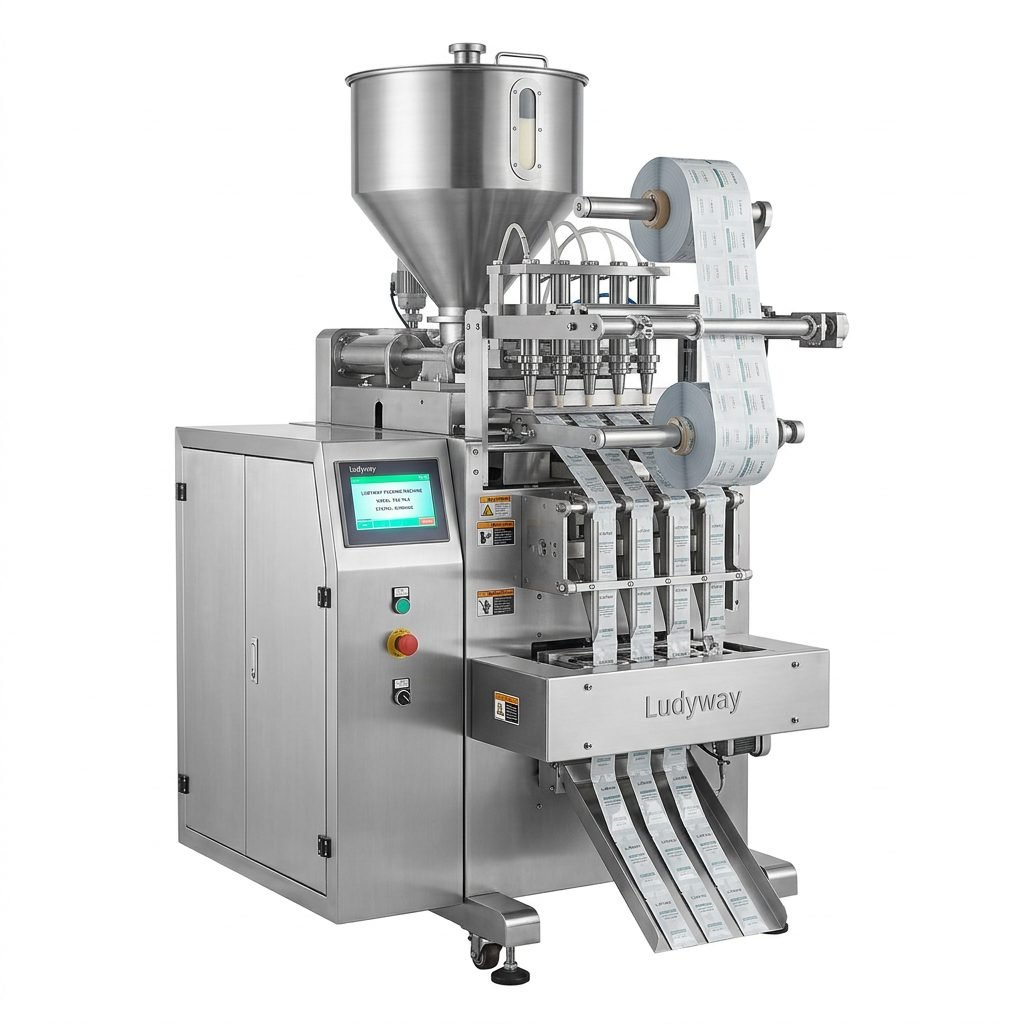
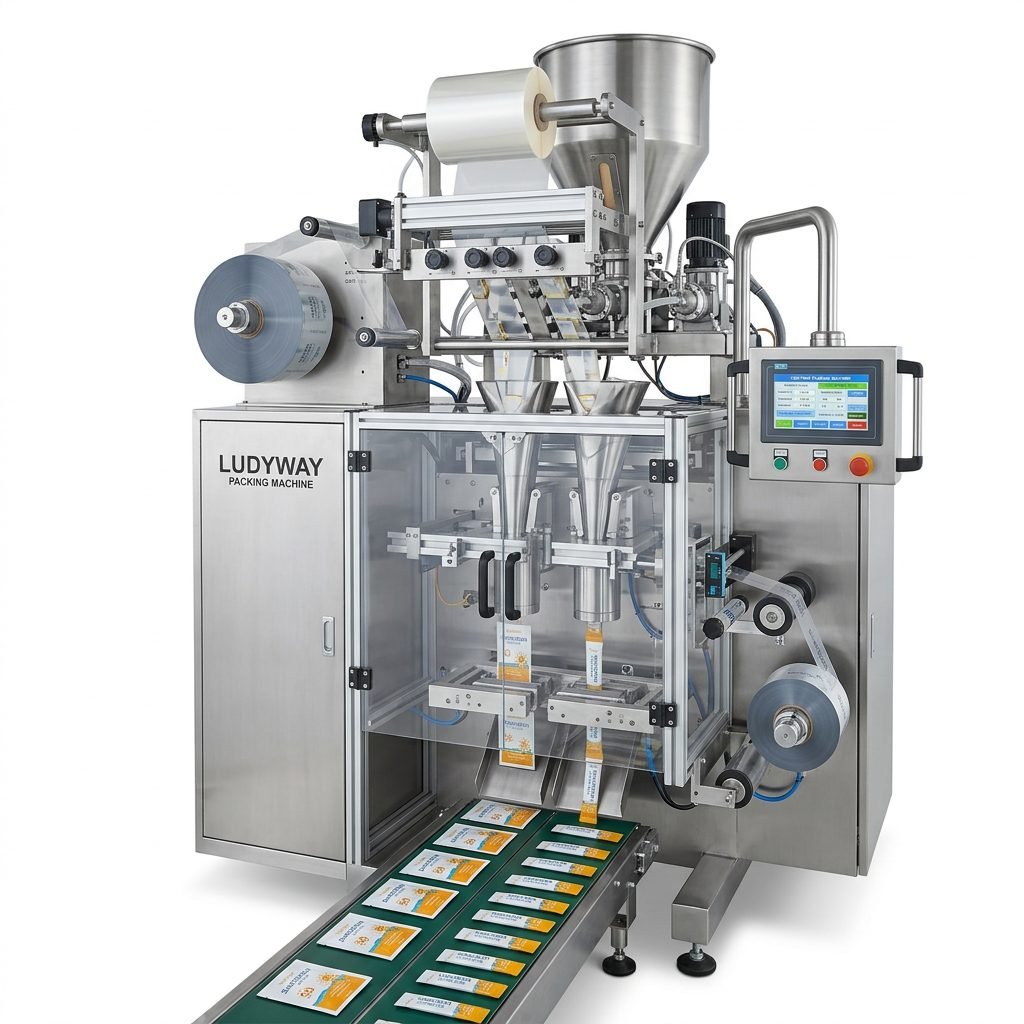
The Middle East boasts a deep-rooted coffee culture, from traditional Arabic Qahwa to modern specialty brews. As the regional coffee market expands rapidly, driven by café growth and premiumization, the demand for high-quality packaging has soared. A coffee vacuum packaging machine is no longer a luxury but a necessity for roasters, distributors, and exporters aiming to preserve flavor, extend shelf life, and enhance brand value in the competitive Middle Eastern market.
Why Vacuum Packaging is Crucial for Coffee in the Middle East
The Middle Eastern climate, characterized by high temperatures and humidity, poses significant challenges for coffee storage. Oxygen and moisture are the primary enemies of fresh coffee, rapidly degrading volatile aromatic compounds and causing staleness. Unlike standard bags, vacuum-sealed packaging removes atmospheric oxygen, preventing oxidation and mold growth. For premium Arabic and Turkish coffee brands, maintaining the intense aroma and fine grind texture from production to consumption is non-negotiable. Investing in a robust coffee vacuum packaging machine ensures product integrity across long supply chains, which is essential for regional exports spanning from the GCC to North Africa.
Key Benefits of Vacuum Sealing for Coffee Roasters
- Extended Shelf Life: Dramatically slows down the staling process compared to one-way valve bags alone.
- Aroma Lock: Preserves the delicate volatile oils responsible for the coffee’s unique flavor profile.
- Moisture Barrier: Protects hygroscopic coffee particles from clumping and microbial spoilage in humid conditions.
- Mold Prevention: Creates an anaerobic environment that inhibits mold growth, a critical factor in hot climates.
Types of Coffee Vacuum Packaging Machines
Selecting the right machinery depends heavily on your production scale, bean format (whole bean vs. ground), and packaging style. The Middle Eastern market favors a variety of formats, from small sachets for traditional retail to bulk bags for food service. Below is a comparative overview of the most suitable equipment types.
| Machine Type | Best For | Key Feature | Typical Output |
|---|---|---|---|
| Single Chamber Vacuum Sealer | Small to medium roasters | Cost-effective, easy operation | 2-4 cycles/min |
| Double Chamber Vacuum Machine | High-volume production | Continuous high-speed operation | Up to 10 cycles/min |
| External Vacuum Sealer (Nozzle Type) | Bulk bags and valve bags | High vacuum pressure, heavy-duty | Variable |
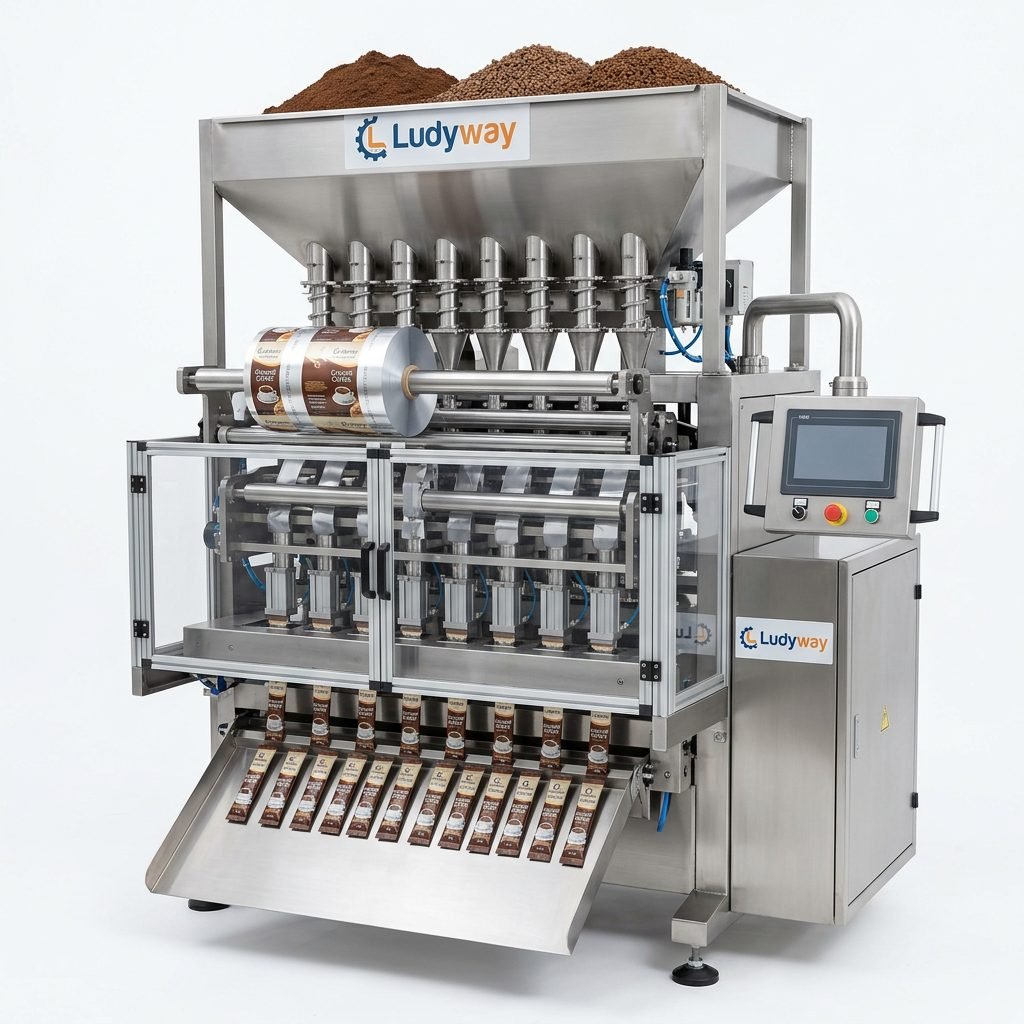
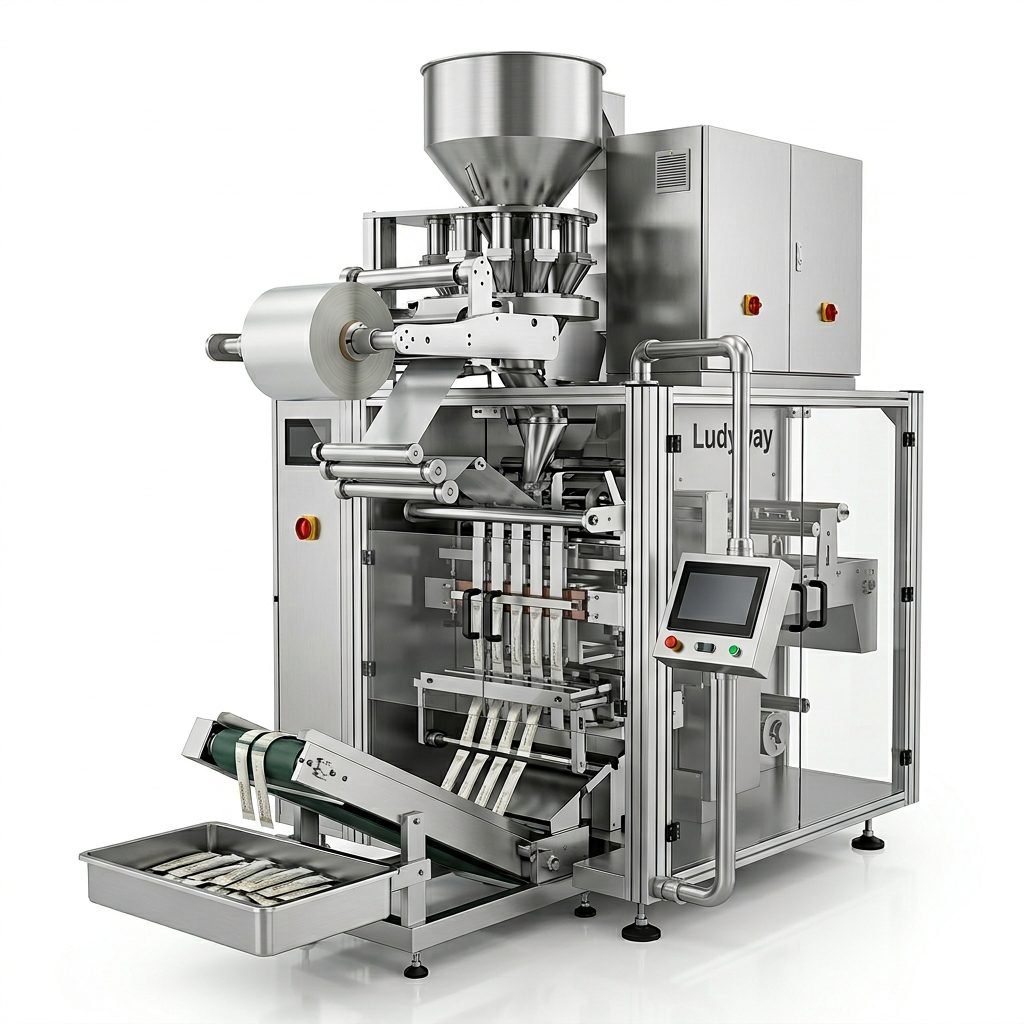
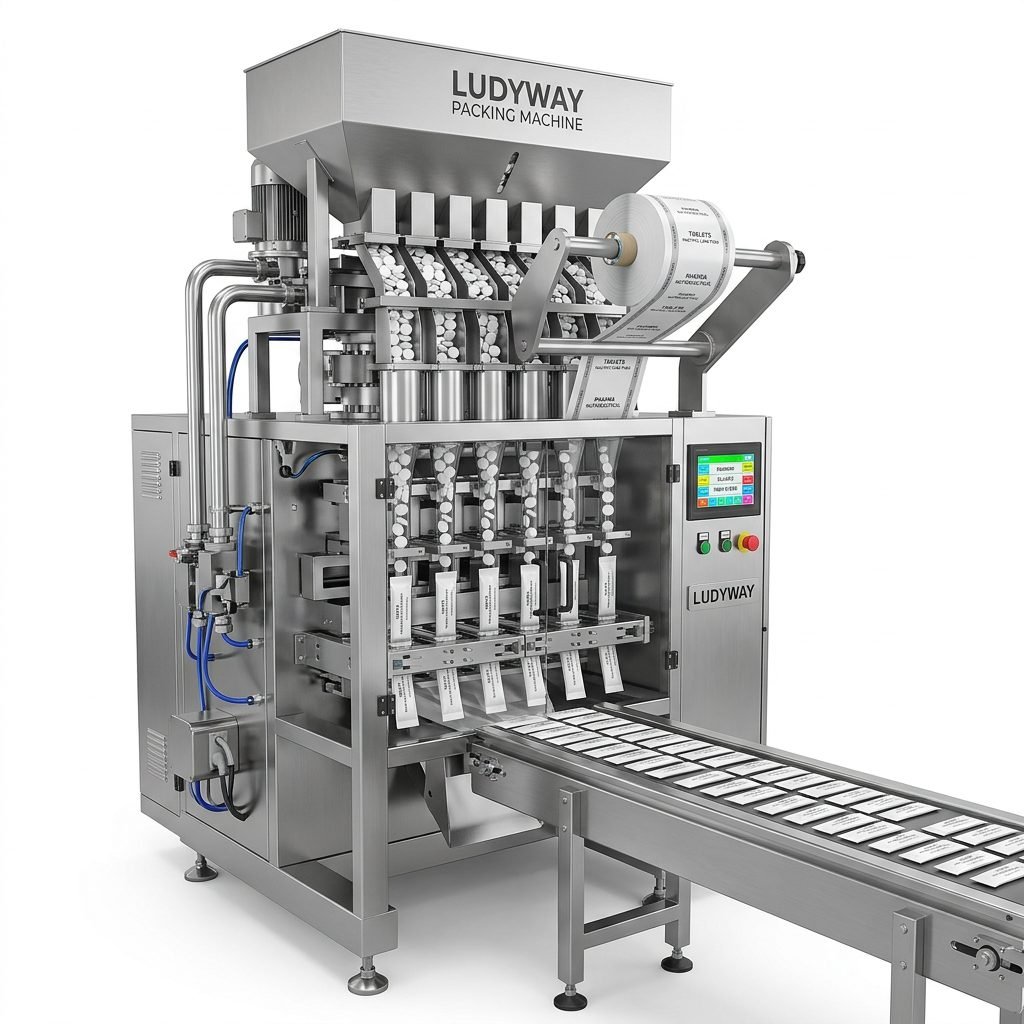
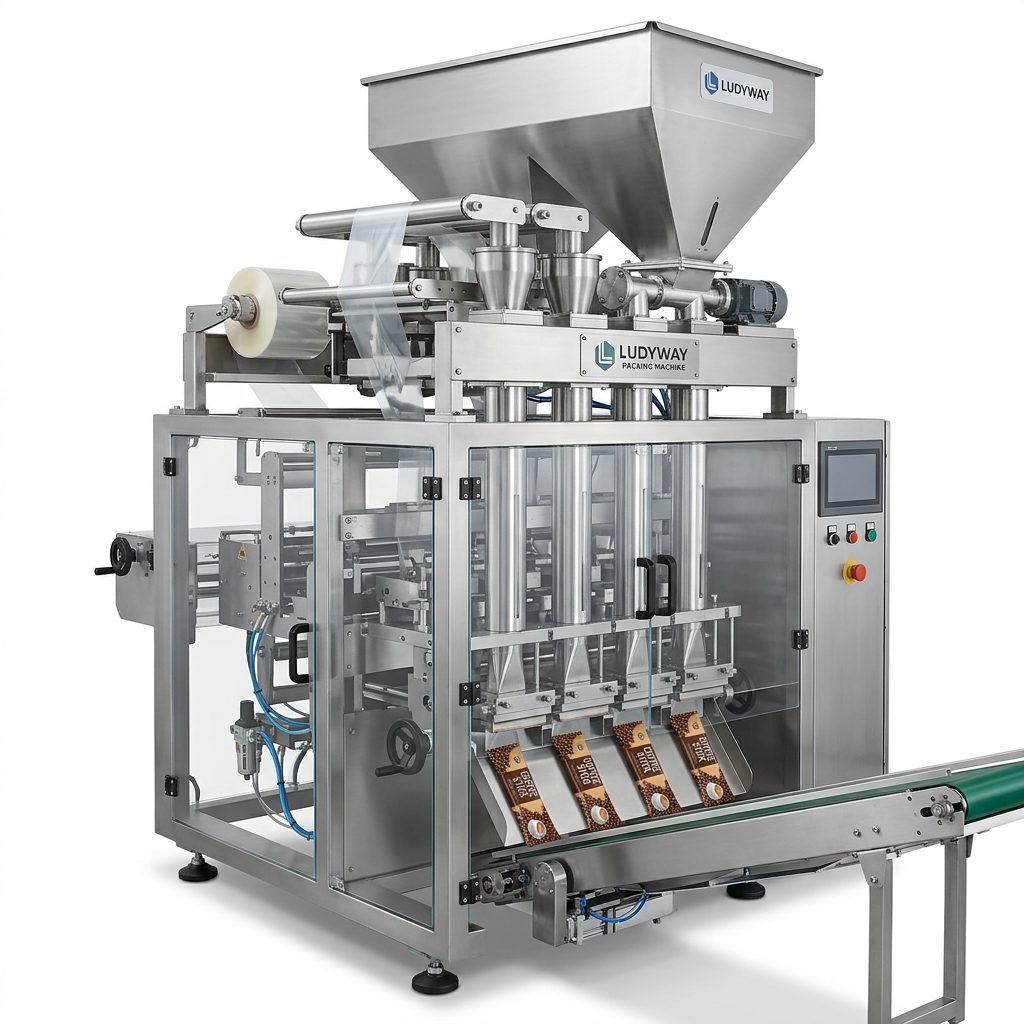
| Rotary / Multi-Lane Stick Pack | Single-serve sachets | Nitrogen flushing, high speed | 40-80 packs/min/lane |

Multi-Lane Stick Pack: The Growing Trend in the Middle East
The single-serve coffee market is booming in the region, driven by convenience and hygiene concerns. Multi-lane stick pack machines equipped with nitrogen gas flushing are ideal for this application. These systems can produce 3-sided or 4-sided sealed sachets that perfectly preserve individual portions of Arabic coffee or instant mixes. The gas flushing displaces oxygen inside the pouch, effectively acting as a “pillow” that protects the granules from crushing while preventing oxidation—a technique increasingly required by premium hospitality suppliers in cities like Dubai and Riyadh.
Critical Specifications for Harsh Middle Eastern Climates
When sourcing a vacuum packaging machine for the Middle East, standard specs aren’t enough. You must consider environmental factors and local electrical standards.
- Stainless Steel Construction: Opt for 304 or 316L stainless steel to resist corrosion from salty coastal air and high humidity.
- High-Temp Resistant Electronics: Ensure the PLC and control boards are rated for ambient temperatures exceeding 40°C (104°F).
- Voltage & Frequency Compatibility: Verify the machine supports 380V/400V 50Hz three-phase power, or 220V single-phase, commonly used in regional industrial zones.
- Dust-Proof Seals: Ground coffee dust is fine and pervasive. Look for IP-rated control panels and sealed bearings to prevent maintenance issues.
Vacuum Pump: The Heart of the Machine
The vacuum pump determines reliability. For coffee packaging, oil-lubricated rotary vane pumps offer the best balance of high vacuum rate and longevity. However, ensure the pump is equipped with a mist eliminator to prevent oil fog from contaminating the coffee or the packaging area—a key hygiene requirement for food safety audits. Busch or similar branded pumps are preferred for their durability in continuous operation.
Essential Features to Look For
To ensure your investment meets the specific demands of coffee packaging, prioritize these features:
- Gas Flush Functionality (MAP): A must for non-compressed whole bean bags. It injects inert nitrogen to displace oxygen.
- Soft-Air Release: Allows controlled air re-entry into the chamber after sealing to prevent bag rupture or shock to delicate coffee products.
- Programmable Logic Controller (PLC): Enables saving multiple recipes for different bag sizes or coffee types (e.g., whole bean vs. finely ground Turkish coffee).
- Digital Pressure Control: Accurate control is vital to avoid crushing whole beans or not evacuating enough air for ground coffee.
- Sealing Bar Configuration: Wide seal bars (8-10mm) with Teflon coating ensure leak-proof seals, even with dusty bags.

Compliance and Halal Certification Standards
For the Middle Eastern market, machinery that comes into contact with food must adhere to strict standards. Ensure your packaging machine complies with CE certification and is manufactured using food-grade materials. While the machine itself is not “Halal,” it must not contaminate the product. Documentation proving that lubricants are food-grade (NSF H1) and the stainless steel components meet international safety standards is essential for customs clearance and local municipality inspections.
Comparing Local vs. International Suppliers
Local dealers might offer limited installation support, but international manufacturers often provide more advanced technology at competitive prices. When importing directly, factor in shipping costs to major ports like Jebel Ali (UAE) or Jeddah (Saudi Arabia), customs duties (typically 5%), and the critical importance of after-sales support.
| Source | Pros | Cons |
|---|---|---|
| Local Middle East Dealers | Faster physical service, local language support | Higher markup, limited model range, older stock |
| International Manufacturers (e.g., Ludyway) | Cost-effective, latest tech, full customization | Longer transit time, time zone differences |
Installation and Technical Support
The complexity of vacuum and gas flush systems requires professional commissioning. Before purchasing, confirm the supplier can offer remote video guidance or dispatch an engineer to your facility in the Middle East. Key checkpoints include vacuum pressure calibration, sealing temperature adjustment for local film materials, and staff training. As noted by Ludyway’s global growth analysis, international packaging machine manufacturers are increasingly prioritizing strong project service capabilities for high-growth regions like the Middle East.
Cost Considerations: Beyond the Initial Investment
The total cost of ownership goes far beyond the invoice price. Evaluate the following to avoid operational surprises:
- Consumables: Vacuum pump oil and Teflon sealing tape must be changed regularly. Check local availability.
- Spare Parts: Keep critical spares (heater elements, sensors) in stock to avoid downtime during long shipping periods.
- Energy Consumption: In regions with subsidized or fluctuating electricity costs, pump efficiency directly impacts operational expenses.
- Film Compatibility: The machine must handle the thick, high-barrier laminates (e.g., PET/Alu/PE) favored for premium coffee without slippage.
Calculating ROI for Your Roastery
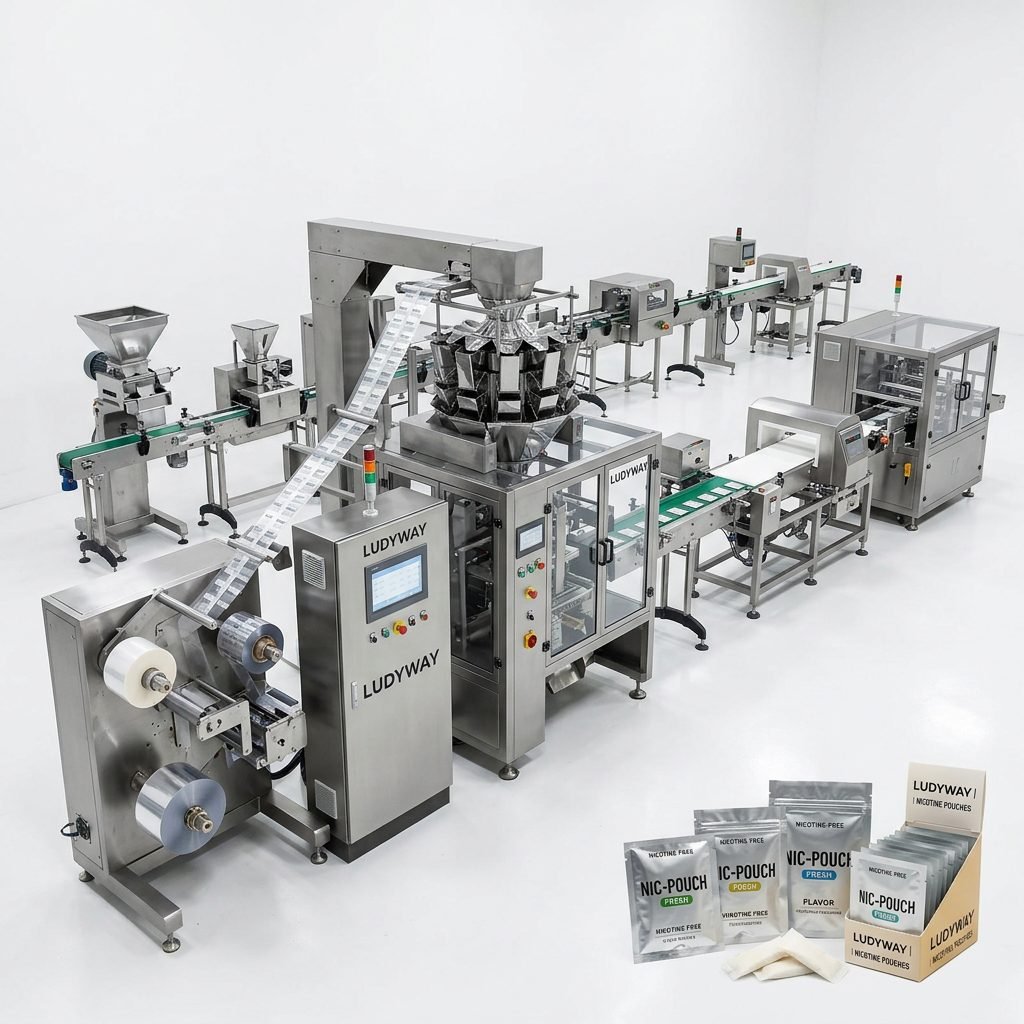
Switching from manual sealing or low-end machines to a high-speed vacuum system typically yields a return on investment within 12-18 months. This is achieved through reduced product returns due to freshness issues, lower labor costs, and the ability to fulfill large export orders. A modern multi-lane system can operate at speeds that match the output of an entire roast batch, eliminating packaging bottlenecks and allowing you to supply the growing demand in regional hypermarkets and airline catering services.
Making the Final Decision: A Buyer’s Checklist
Before signing a contract, use this final checklist to validate your choice of a coffee vacuum packaging machine:
- Does it handle both whole bean and ground coffee without adjustment complexity?
- Is the gas flushing system integrated and programmable?
- Are all contact parts food-grade stainless steel with certification?
- Can the supplier provide a long-term warranty on the vacuum pump?
- Is the user interface available in Arabic or English, and is it intuitive for your staff?
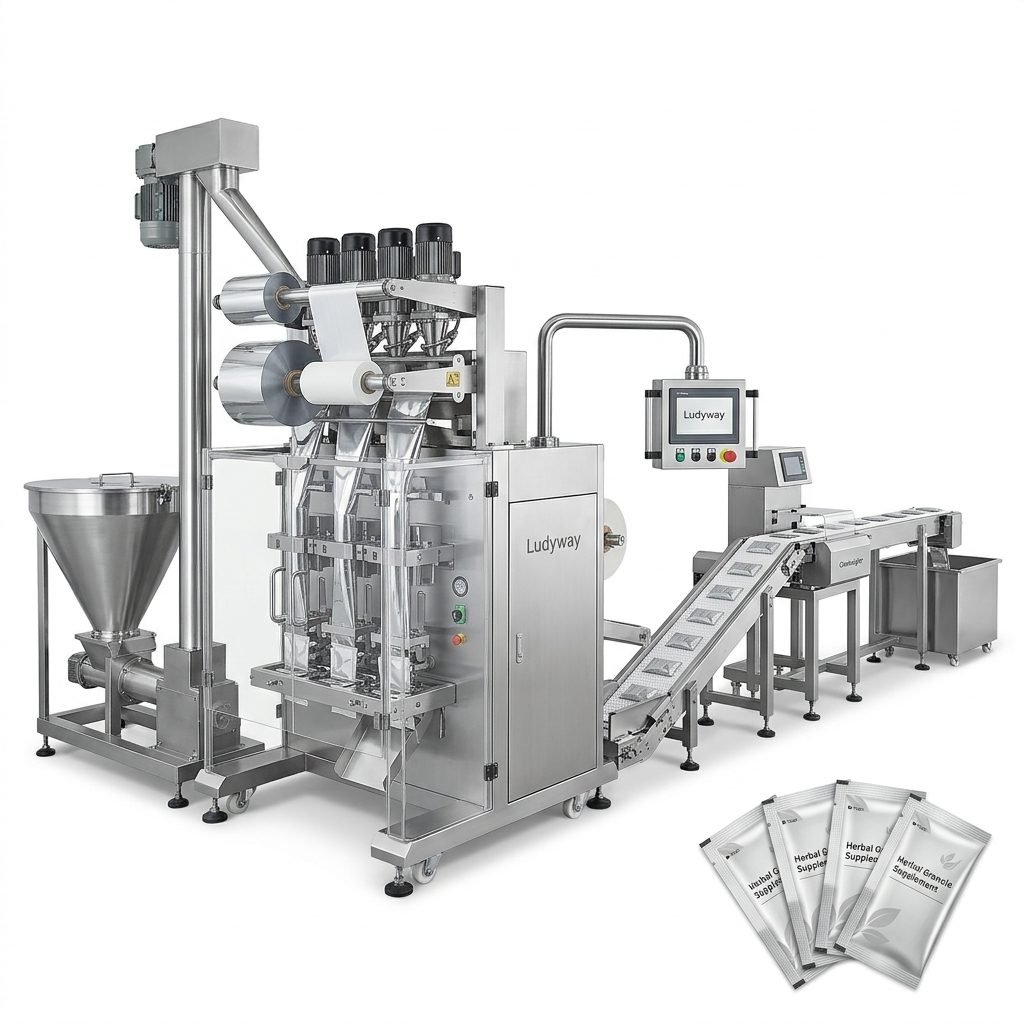
For operations looking to scale, complete turnkey packaging lines that integrate weighing, filling, vacuum sealing, and cartoning offer a seamless solution. As one of the largest packaging machine manufacturers in China, Ludyway provides specialized equipment engineered to handle the challenging conditions and high-quality standards demanded by the Middle Eastern coffee industry, ensuring your product reaches the consumer as aromatic as the day it was roasted.