Selecting the right fish packaging machine for your North American operation is a critical decision that impacts product freshness, shelf life, production efficiency, and regulatory compliance. Whether you are packaging fresh fillets, frozen seafood, smoked salmon, or value-added fish products, understanding the available machine types, their cost structures, and key selection criteria will help you make a confident investment. This guide walks you through everything you need to know before purchasing fish packaging equipment in the United States and Canada.
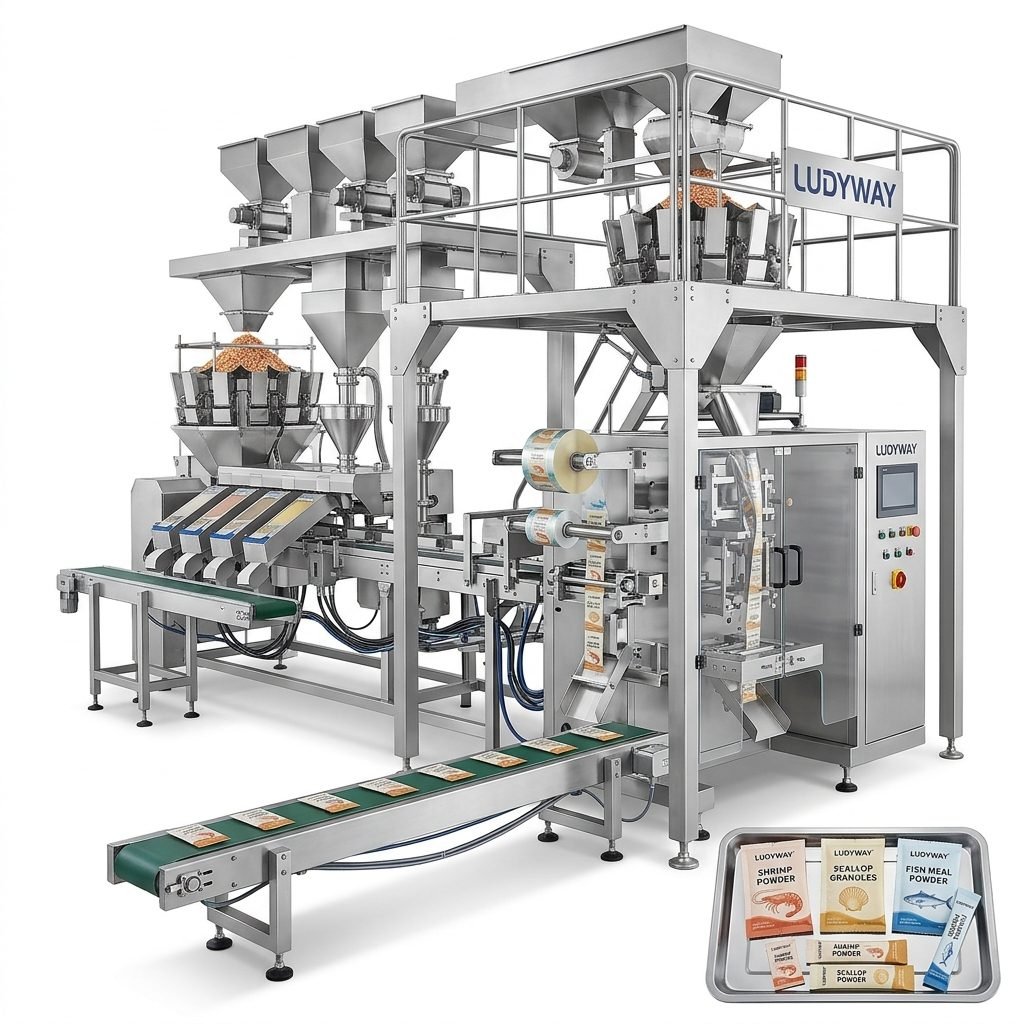
Common Types of Fish Packaging Machines
Different fish products demand different packaging technologies. Below are the most widely used fish packaging machine types across North American processing facilities:
1. Vacuum Packaging Machines
Vacuum sealers remove oxygen from the package before sealing, dramatically extending the shelf life of fresh and frozen fish. They are the industry standard for premium seafood and come in chamber, external, and rotary configurations depending on throughput requirements. Vacuum packaging is especially critical for high-value species like salmon, tuna, and halibut destined for retail display.
2. Modified Atmosphere Packaging (MAP) Systems
MAP technology replaces the air inside the package with a precisely controlled gas mixture—typically carbon dioxide and nitrogen—to inhibit bacterial growth and preserve color. This method is increasingly popular in North American retail chains for fresh fish portions and ready-to-cook seafood meals. Tray sealers equipped with MAP capabilities are commonly used for this application.
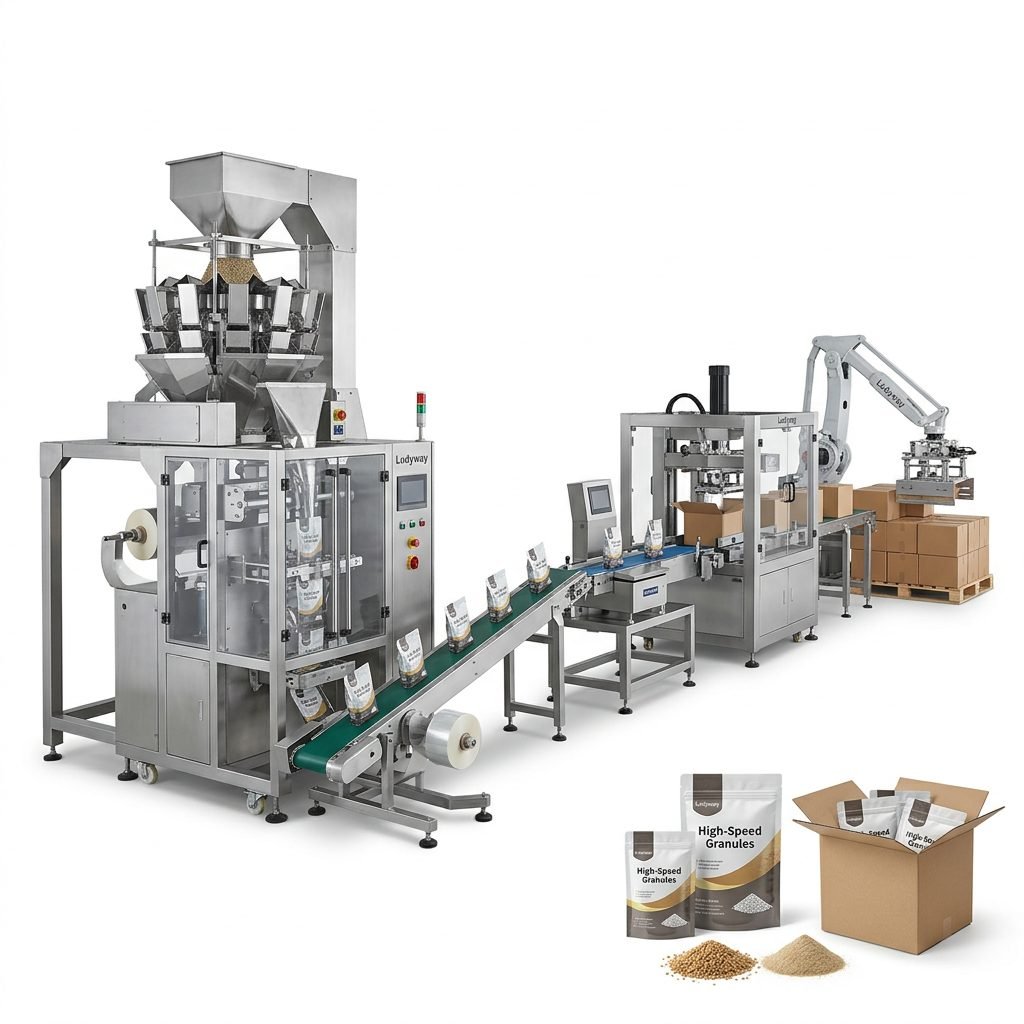
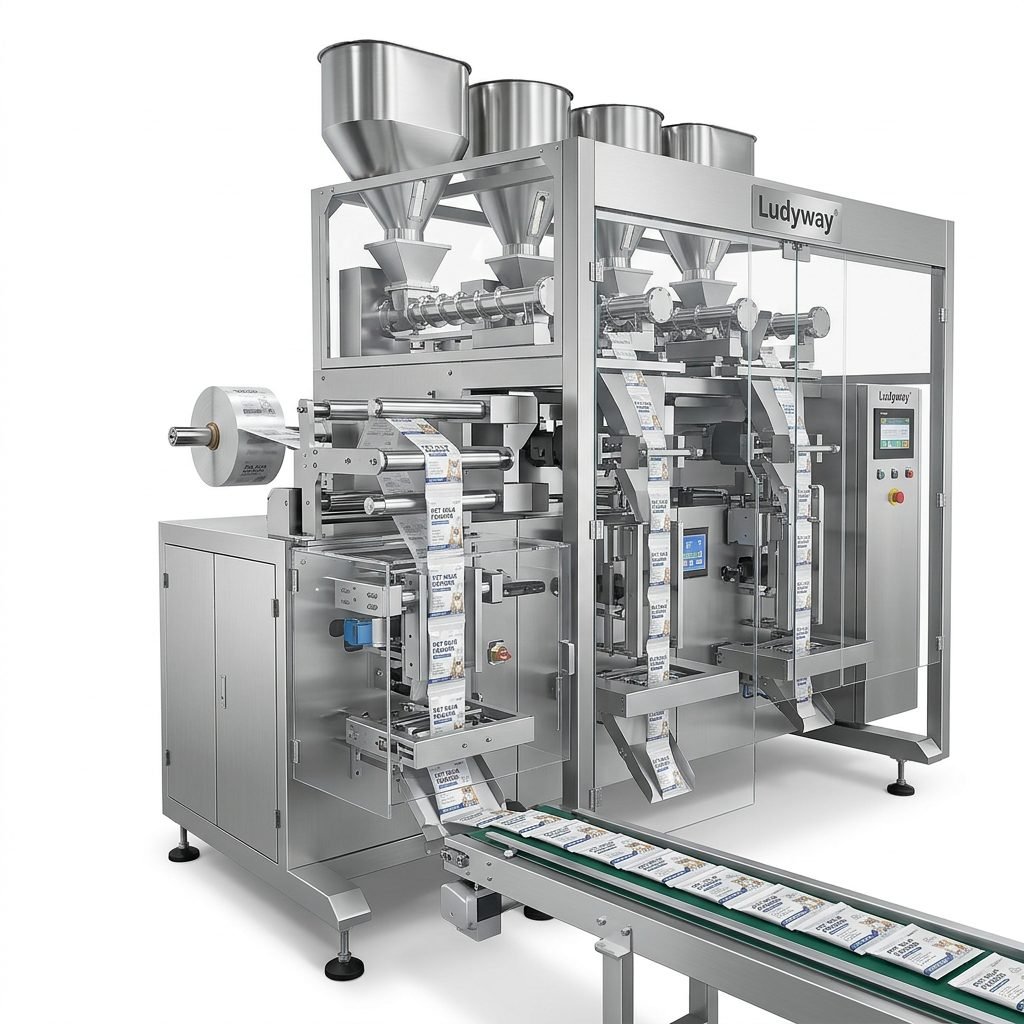
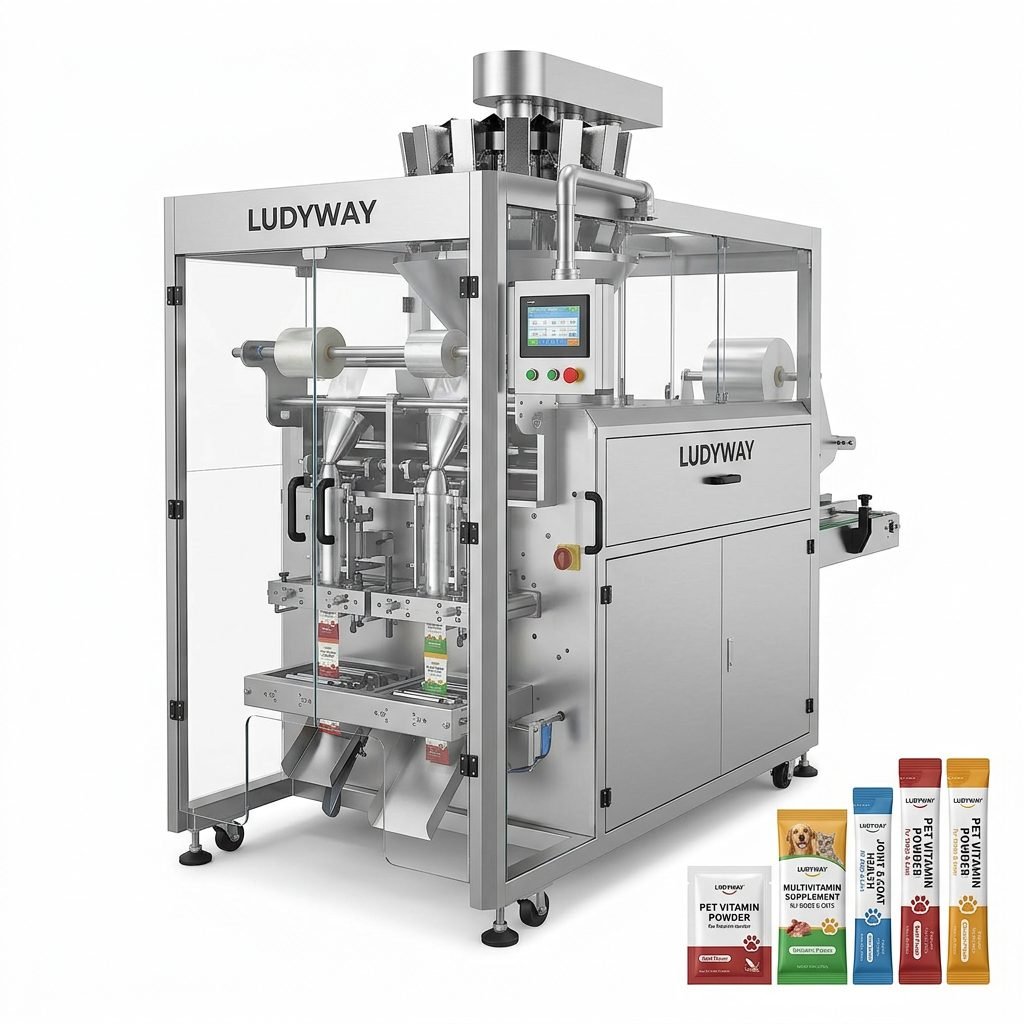
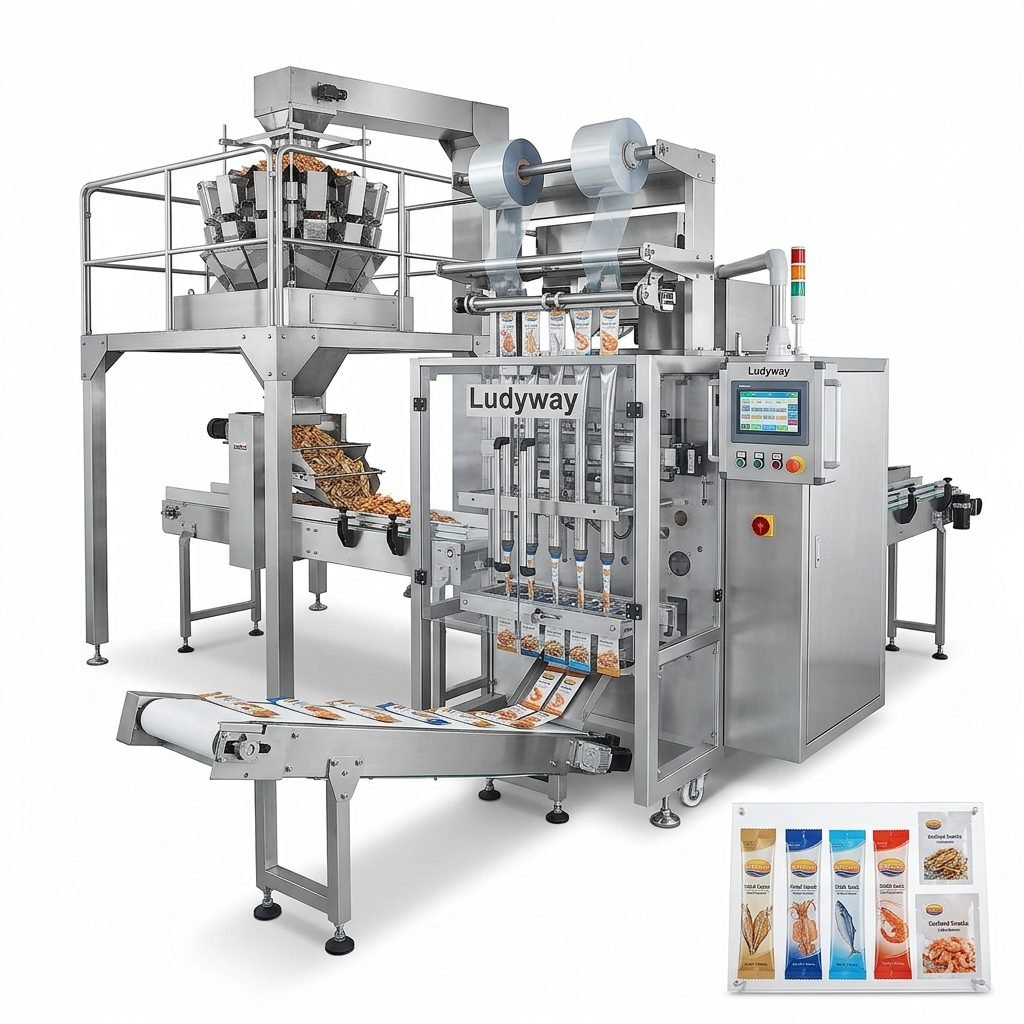
3. Vertical Form Fill Seal (VFFS) Machines
For frozen fish products, breaded fillets, fish sticks, and seafood snacks, VFFS machines create bags from roll stock film while simultaneously filling and sealing. These high-speed systems are ideal for pillow bags, gusseted bags, and quad-seal packaging formats popular in club stores and supermarkets across North America.
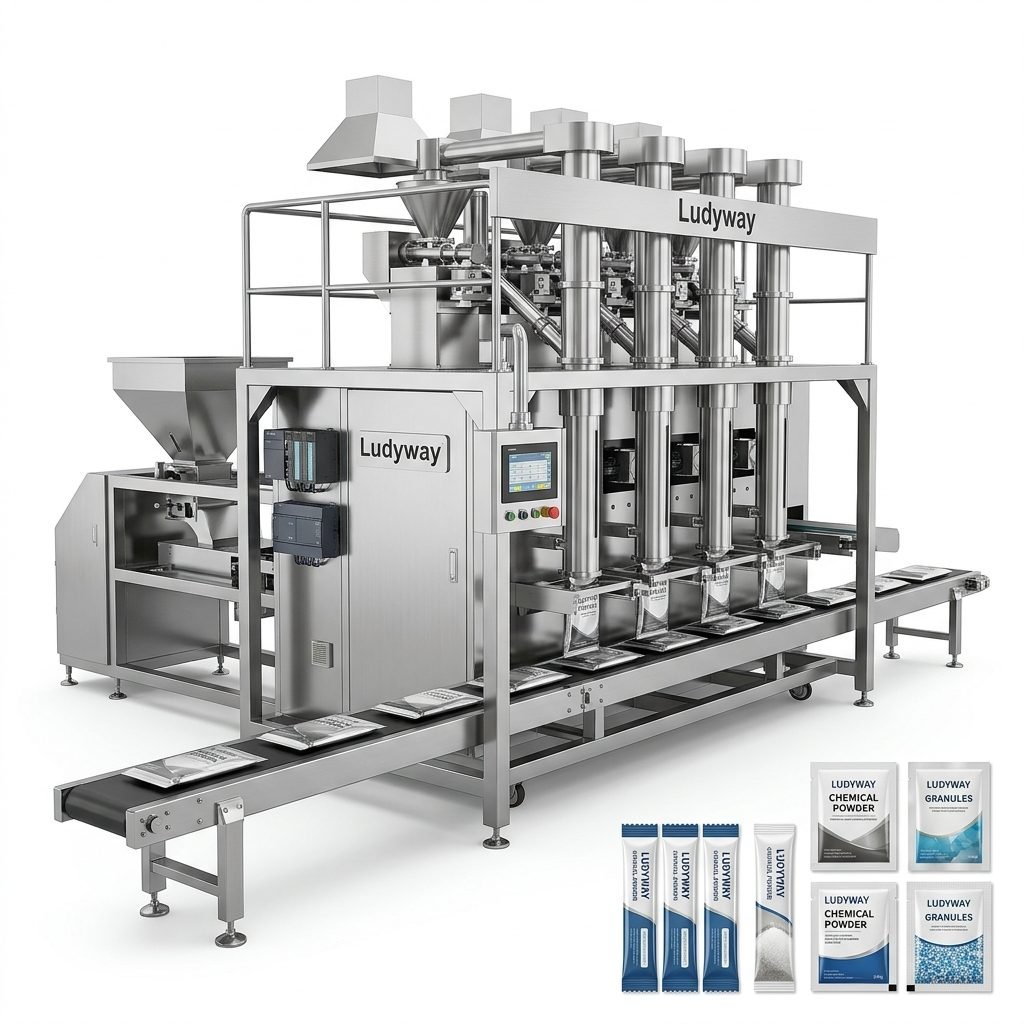
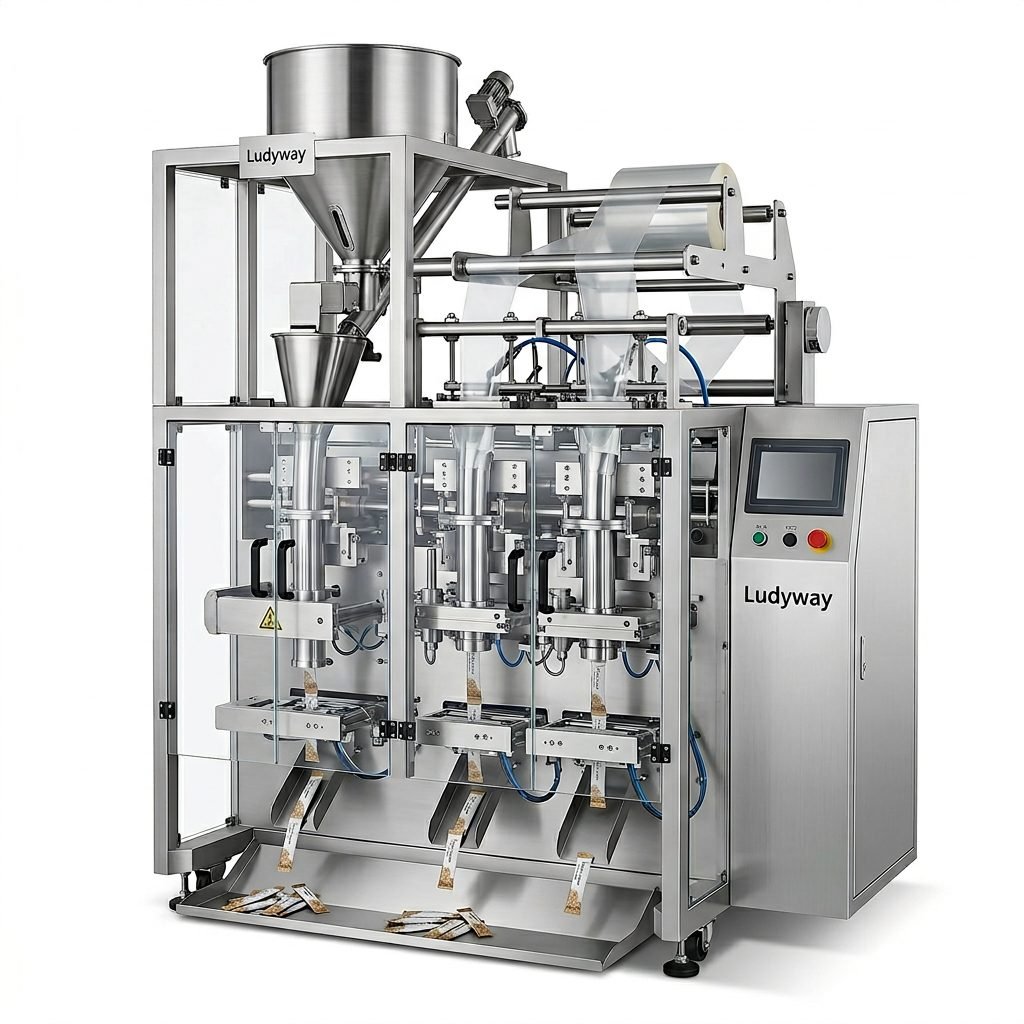
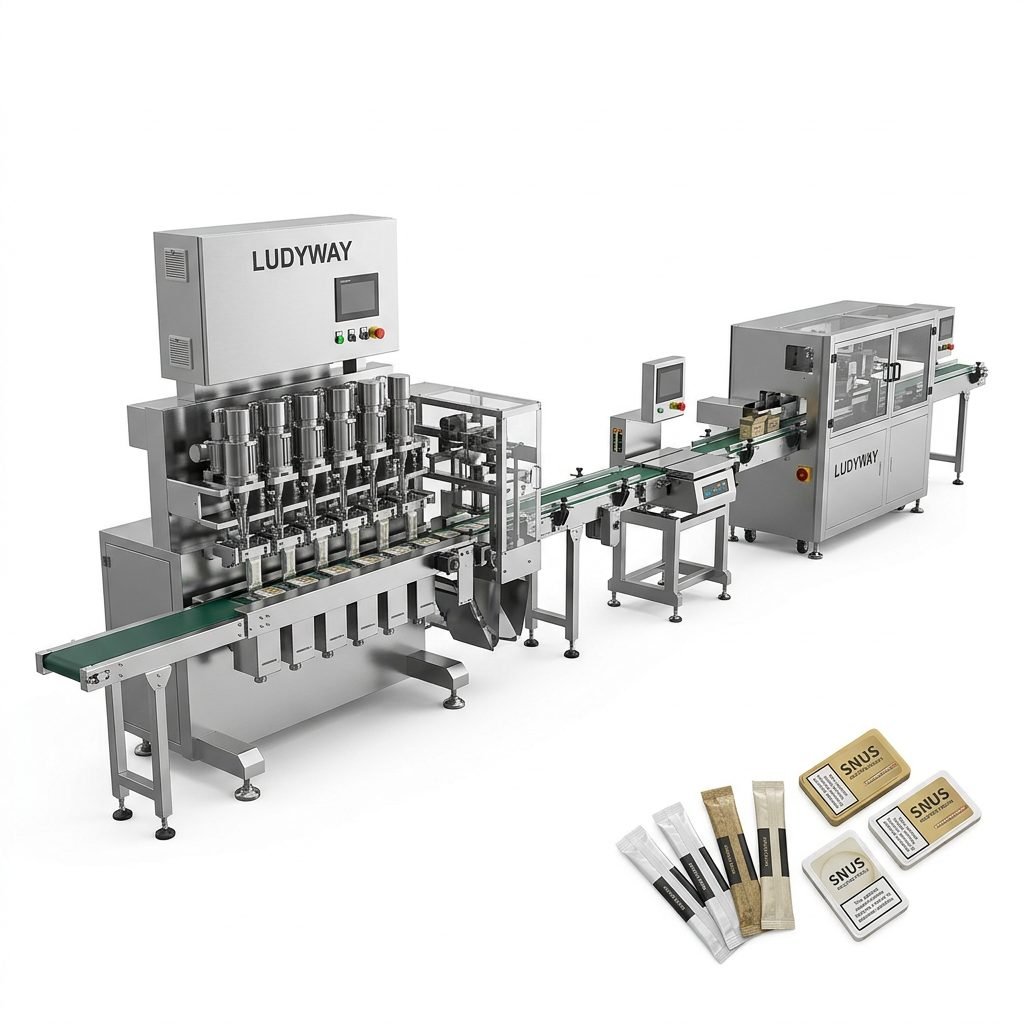
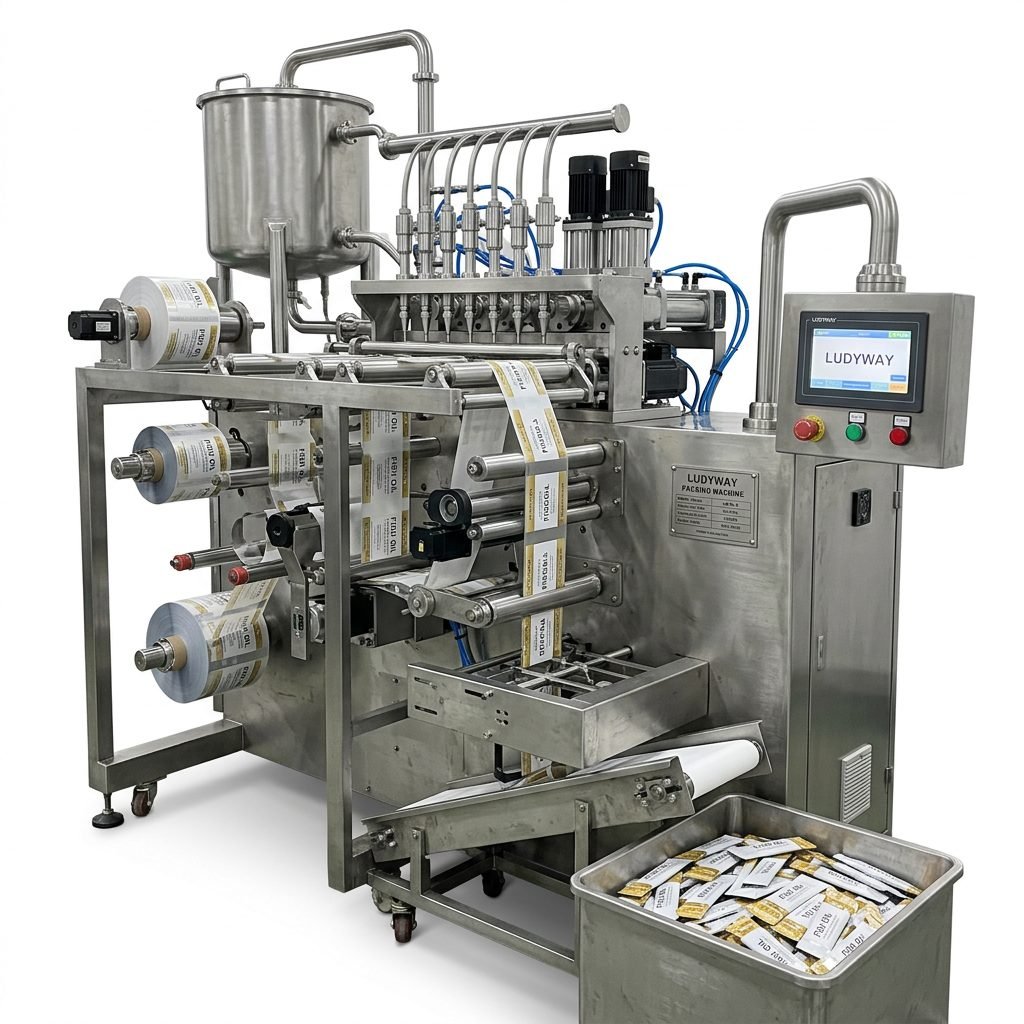
4. Multi-Lane Stick Pack and Sachet Machines
Single-serve fish oil supplements, seafood seasoning packets, and instant fish soup mixes are frequently packaged using multi-lane stick pack machines. These systems run multiple lanes simultaneously, achieving extremely high output rates while maintaining precise portion control—an important consideration for nutraceutical and functional food products containing marine ingredients.
5. Tray Sealing and Overwrapping Equipment
Fresh fish fillets displayed in rigid trays with transparent film lidding are sealed using automatic tray sealers. Overwrapping machines, on the other hand, wrap foam trays with stretch film—a format still common in many North American grocery chains. Both methods prioritize product visibility and leak-proof sealing.
6. Shrink Packaging Machines
For bulk frozen fish blocks, whole fish, and multi-pack frozen seafood bags, shrink wrapping provides durable, puncture-resistant outer packaging suitable for cold storage and long-distance transportation across the North American supply chain.
Fish Packaging Machine Cost Breakdown
The cost of fish packaging equipment varies significantly based on automation level, speed, material compatibility, and additional features. The table below summarizes estimated price ranges for the North American market:
| Machine Type | Typical Speed Range | Estimated Cost (USD) | Best Suited For |
|---|---|---|---|
| Entry-Level Vacuum Chamber | 5–15 cycles/min | $8,000 – $25,000 | Small processors, startups |
| Industrial Rotary Vacuum | 30–80 packs/min | $60,000 – $180,000 | Mid-to-large seafood processors |
| MAP Tray Sealer | 20–60 trays/min | $45,000 – $150,000 | Retail-ready fresh fish packaging |
| VFFS Bagging System | 40–120 bags/min | $35,000 – $200,000 | Frozen seafood, fish sticks |
| Multi-Lane Stick Pack | 200–600 packs/min | $50,000 – $250,000 | Single-serve fish oil, seasonings |
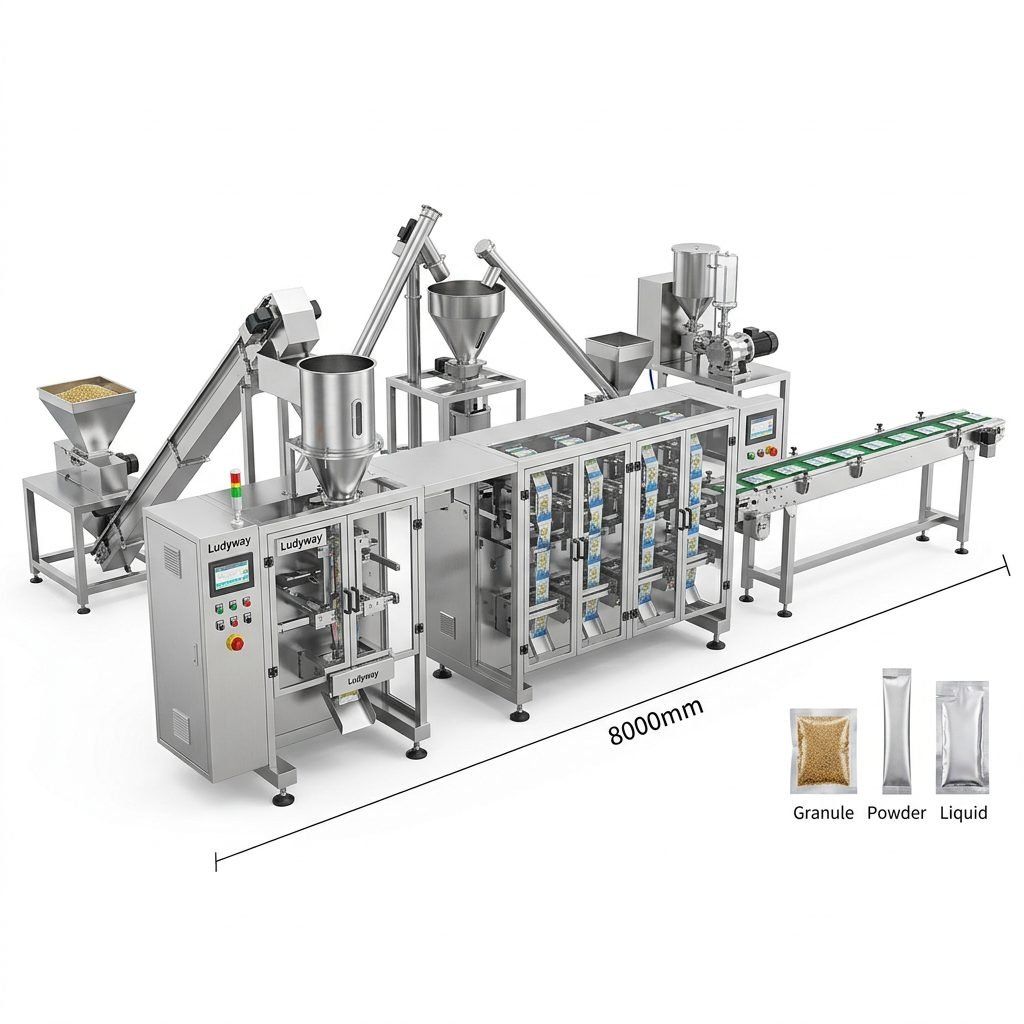
| Fully Automated Turnkey Line | Custom configuration | $200,000 – $1,500,000+ | High-volume integrated operations |
Note: Prices are approximate and vary based on configuration, optional features, and compliance certifications. Shipping, installation, and training costs are typically additional.
Key Factors Affecting Fish Packaging Machine Costs
- Automation Level: Manual, semi-automatic, and fully automatic systems have dramatically different price points. Full automation reduces labor costs but requires higher upfront investment.
- Speed and Throughput: Higher-speed machines with multi-lane configurations cost more but deliver better unit economics for large-scale North American processors.
- Material Compatibility: Machines capable of handling multiple film types—including recyclable and compostable materials—tend to be more expensive but offer greater operational flexibility.
- Hygiene and Washdown Design: IP65 or IP69K-rated stainless steel construction, essential for fish processing environments with frequent washdowns, adds to equipment cost.
- Regulatory Compliance: Equipment meeting FDA food contact substance regulations, USDA requirements, and CFIA standards may involve additional engineering and certification expenses.
- Integration Capabilities: Machines designed to connect with upstream filleting lines and downstream cartoning or palletizing systems often require custom engineering, increasing total investment.
Selection Tips for North American Buyers
When evaluating fish packaging machines for the North American market, consider the following critical selection factors:
Assess Your Product Characteristics First
Fresh fish, frozen fillets, smoked products, and dried seafood each have unique packaging requirements. Consider product dimensions, moisture content, fat levels, and sensitivity to oxygen. High-fat fish like salmon require excellent oxygen barrier properties to prevent rancidity, while frozen products need durable films that resist cracking at low temperatures.
Evaluate Throughput Requirements Realistically
Calculate your current and projected production volumes. A machine that meets today’s needs but cannot scale will limit growth. For reference, many mid-sized North American fish processors operate at 30–80 packages per minute, while large-scale operations may exceed 120 packs per minute.
Prioritize Sanitary Design and Cleanability
Fish processing environments demand equipment that withstands frequent, thorough cleaning. Look for sloped surfaces, minimal crevices, tool-free disassembly, and stainless steel construction. USDA and CFIA-compliant designs are essential for facilities exporting across North American borders.
Verify After-Sales Support and Spare Parts Availability
Downtime in fish packaging is costly. Before purchasing, confirm the manufacturer provides responsive technical support, readily available spare parts within North America, and training resources. According to PMMI packaging industry resources, after-sales service quality is consistently ranked among the top three equipment selection criteria by North American buyers.
Consider Energy Efficiency and Sustainability
North American retailers and consumers increasingly demand sustainable packaging. Machines that minimize film waste, support recyclable materials, and operate with reduced energy and water consumption align with evolving regulatory requirements and corporate sustainability goals.
Check for Smart Features and Industry 4.0 Readiness
Modern fish packaging machines equipped with IoT sensors, remote diagnostics, and data analytics can improve overall equipment effectiveness (OEE) and enable predictive maintenance—critical capabilities for competitive North American processing operations.

North American Regulatory and Certification Considerations
Fish packaging equipment deployed in the United States and Canada must comply with stringent regulatory frameworks. Key considerations include:
- FDA 21 CFR Compliance: Materials in contact with fish products must meet FDA requirements for food contact substances.
- USDA FSIS Requirements: Facilities processing certain fish species may fall under USDA jurisdiction, requiring equipment that meets federal inspection standards.
- CFIA Regulations: The Canadian Food Inspection Agency enforces specific packaging and labeling requirements for fish products sold in Canada.
- HACCP Integration: Packaging equipment should support Hazard Analysis Critical Control Point protocols, particularly regarding seal integrity verification and contamination prevention.
- UL/CSA Electrical Certification: Electrical components must meet UL or CSA standards for North American installations.
Refer to PMMI packaging industry standards for up-to-date guidance on machinery requirements applicable to North American food processing environments.
Comparing In-House Packaging vs. Co-Packing
Before investing in fish packaging machinery, evaluate whether in-house packaging or contract packaging better suits your business model. The decision impacts your equipment selection and budget:
| Factor | In-House Packaging | Contract Packaging |
|---|---|---|
| Upfront Investment | High (equipment purchase) | Low (pay-per-unit model) |
| Per-Unit Cost | Lower at scale | Higher per-unit fees |
| Quality Control | Full control | Shared oversight |
| Scalability | Requires additional investment | Easily scalable |
| Best For | Established processors with steady volume | Startups, seasonal producers, niche products |
Emerging Trends in Fish Packaging Technology
Staying ahead of industry trends gives North American fish processors a competitive advantage. Current developments include active packaging with oxygen scavengers and antimicrobial films, intelligent packaging with freshness indicators, and fully recyclable mono-material structures that meet the sustainability demands of major retailers. Additionally, robotic pick-and-place integration is transforming high-speed fish packaging lines by improving accuracy and reducing manual handling of delicate products.
Questions to Ask Before Purchasing
Use this checklist when evaluating fish packaging machine suppliers for your North American facility:
- Does the machine meet FDA, USDA, and CFIA requirements for fish product contact surfaces?
- What is the guaranteed throughput speed for my specific product dimensions and packaging format?
- Are spare parts warehoused in North America, and what is the typical shipping time for critical components?
- Does the supplier offer on-site installation, commissioning, and operator training?
- What is the warranty coverage period, and what does it include?
- Can the machine accommodate future packaging material changes, such as switching to recyclable films?
- Is remote technical support available, and what are the response time commitments?
- Are there reference installations at other North American fish processing facilities?
Finding the Right Supplier
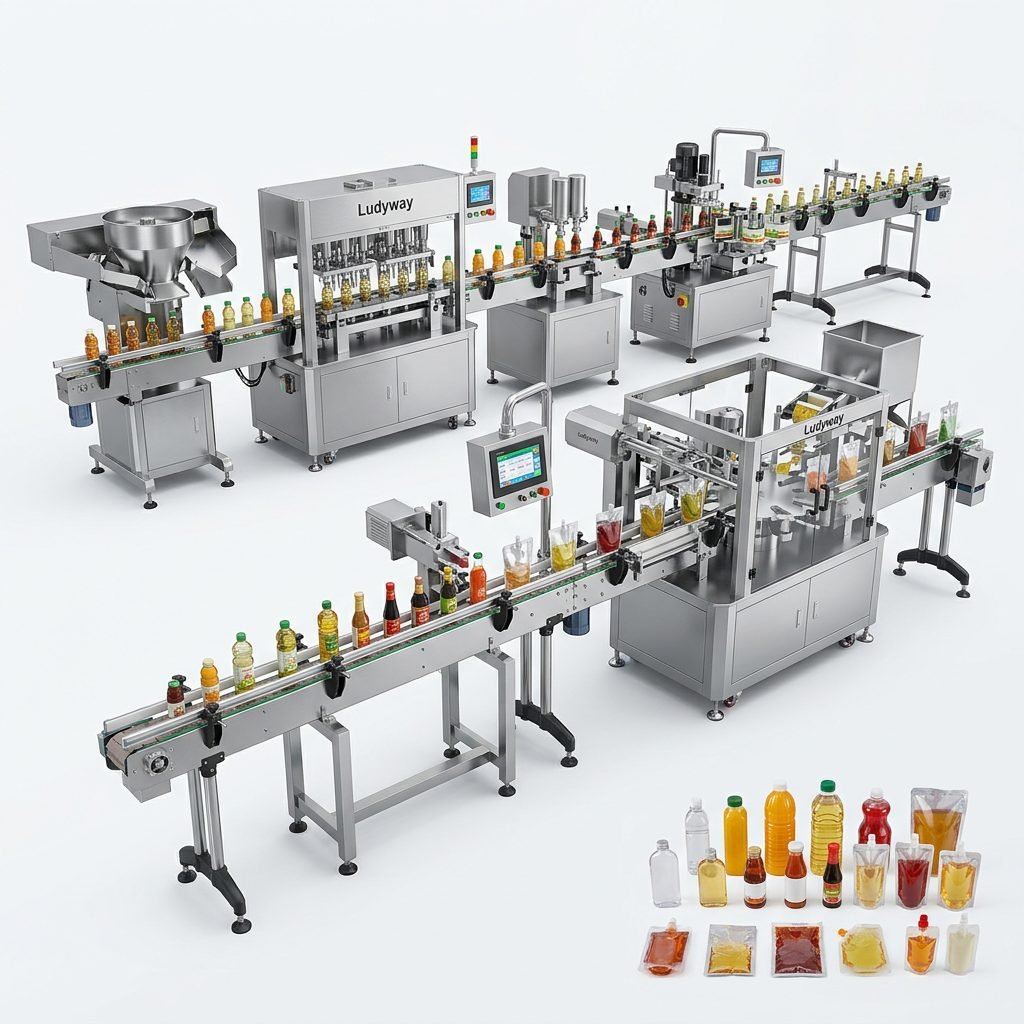
Sourcing fish packaging equipment involves evaluating both domestic and international manufacturers. While North American-based suppliers offer proximity and familiarity with local regulations, established global manufacturers with dedicated North American service networks can provide competitive pricing and advanced technology. For instance, Ludyway is one of the largest packaging machine manufacturers in China, offering more than 50 intelligent packaging machine models—including multi-lane stick pack, sachet, and fully automated systems—to customers in over 100 countries. When evaluating suppliers, prioritize those with proven experience in fish and seafood applications, robust North American service infrastructure, and a track record of regulatory compliance.
Final Recommendations
Investing in the right fish packaging machine requires balancing current operational needs with future growth plans. Start by clearly defining your product range, throughput targets, and regulatory obligations. Compare multiple suppliers, request detailed proposals that include total cost of ownership projections, and whenever possible, conduct factory acceptance tests before shipment. For North American operations, machines with UL/CSA-certified electrical systems and FDA-compliant materials should be non-negotiable requirements. A well-chosen packaging system will deliver reliable performance, protect product quality, and support your brand’s growth in the competitive North American seafood market for years to come.
For additional market data and packaging industry benchmarks relevant to your investment decision, explore PMMI’s State of the Industry reports, which provide comprehensive insights into packaging machinery trends across North America.