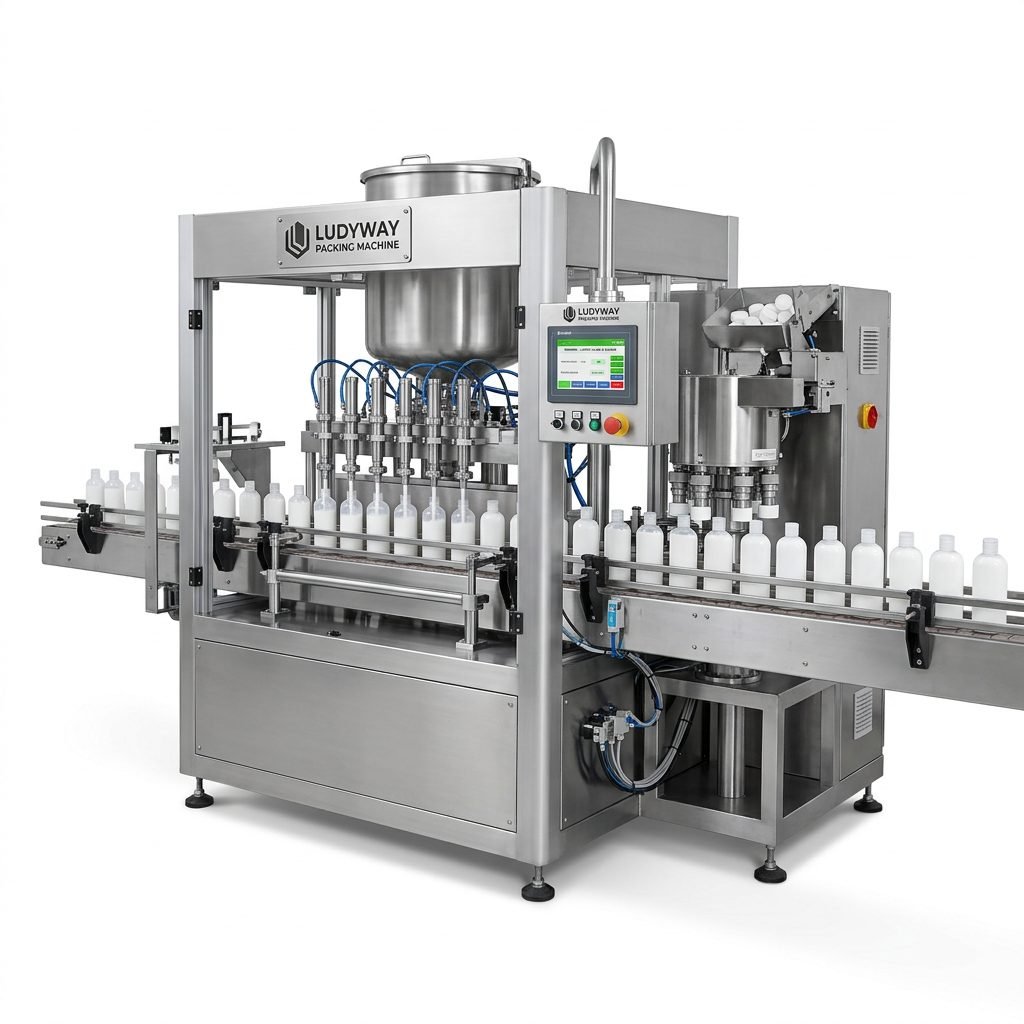
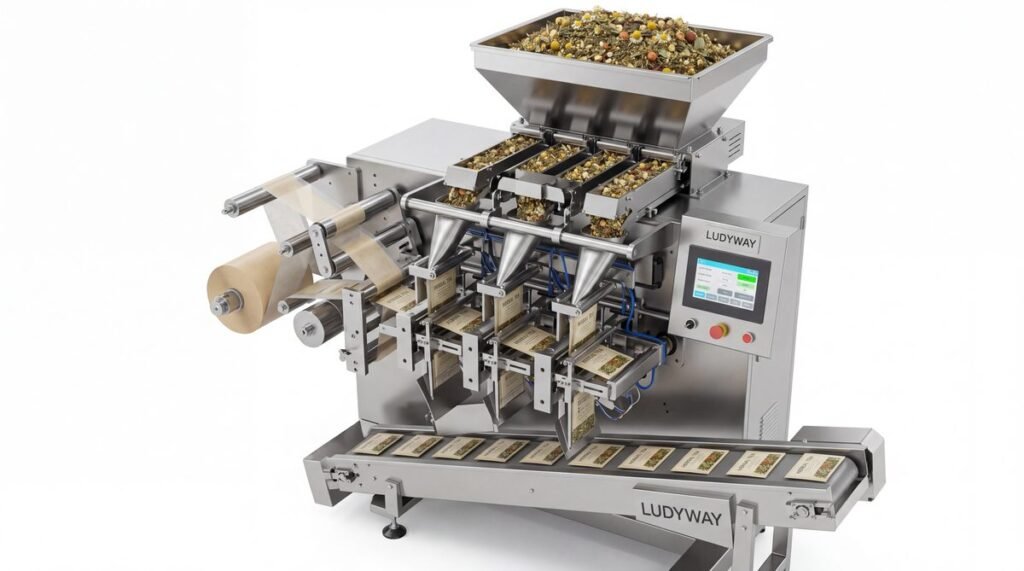
Investing in a food packaging machine is a strategic decision for any food manufacturer in Europe. Whether you are scaling production, entering new markets, or upgrading legacy equipment, understanding the types of machinery, cost structures, and regulatory landscape is essential. This guide walks you through everything you need to know to make an informed purchasing decision for the European market.

Understanding the European Food Packaging Machinery Market
The European packaging machinery market is driven by stringent food safety regulations, increasing automation demands, and a strong emphasis on sustainability. According to PMMI business intelligence, the sector continues to grow steadily, with flexible packaging formats gaining significant traction. Food producers across the EU are seeking equipment that balances speed, precision, and compliance with regulations such as EU Regulation (EC) No 1935/2004 on materials intended to come into contact with food.
Manufacturers must also consider the European Commission’s packaging and packaging waste regulations, which increasingly influence machine design and material choices. Selecting the right machine early can save significant costs in retrofitting and compliance adjustments later.
Main Types of Food Packaging Machines Available in Europe
Different food products require different packaging technologies. Below is an overview of the most common machine types deployed in European food production facilities, along with their typical applications and price ranges.
| Machine Type | Best For | Estimated Price Range (EUR) | Key Features |
|---|---|---|---|
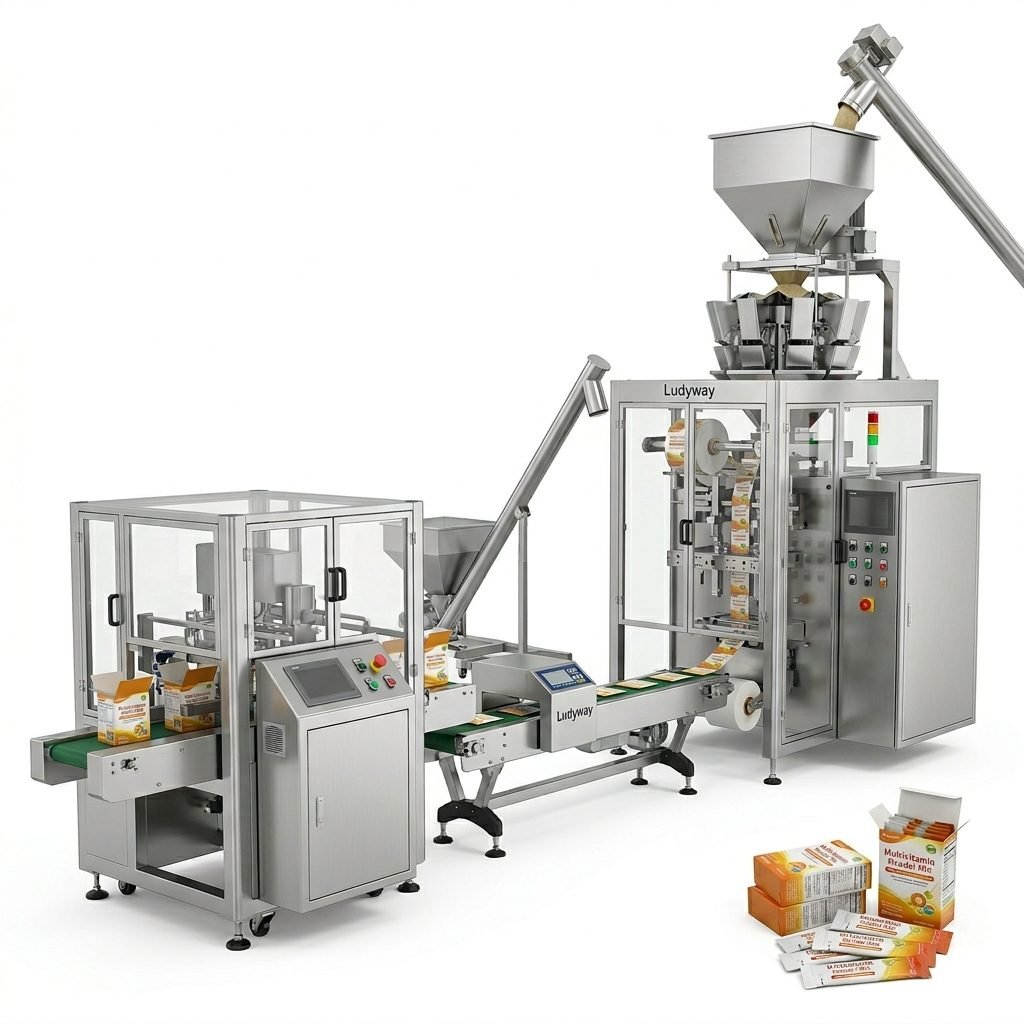
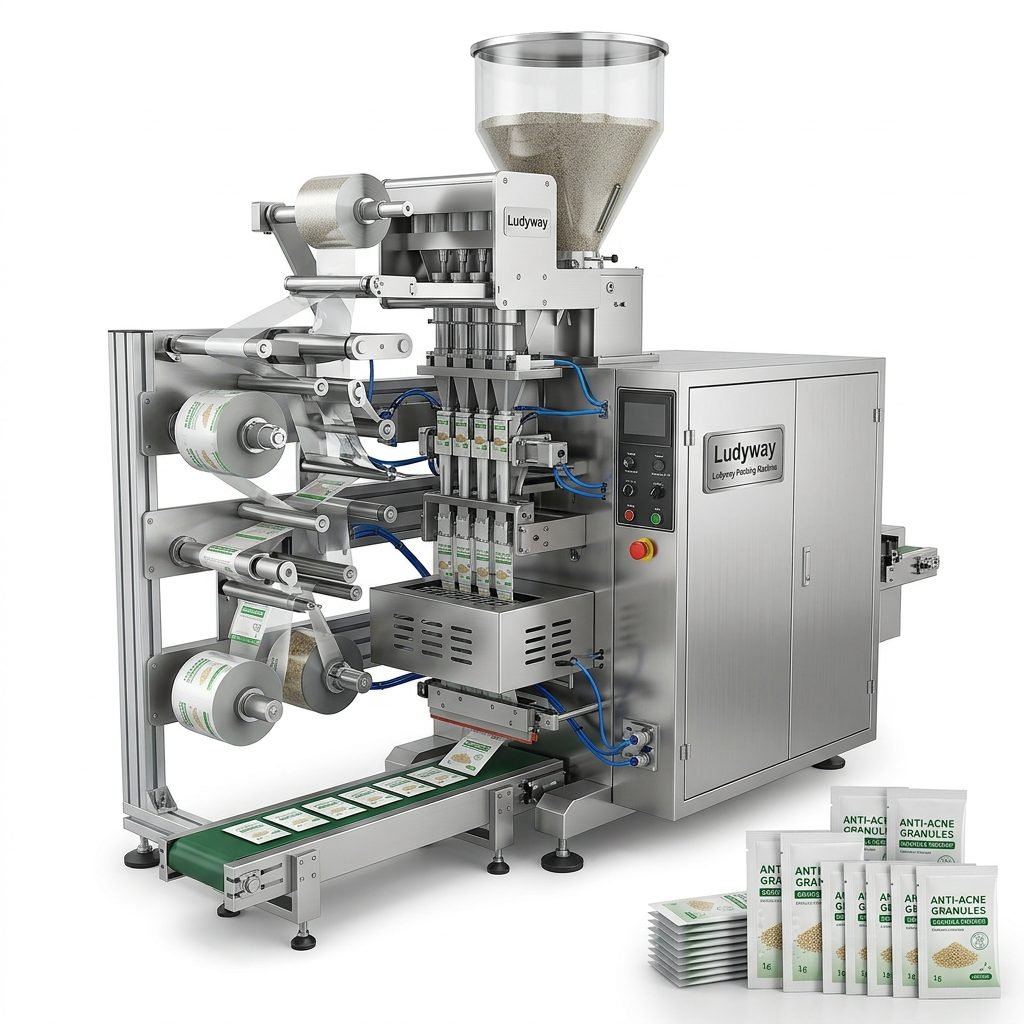
| Vertical Form Fill Seal (VFFS) | Granules, powders, snacks | €25,000 – €120,000 | Versatile, high-speed, compact footprint |
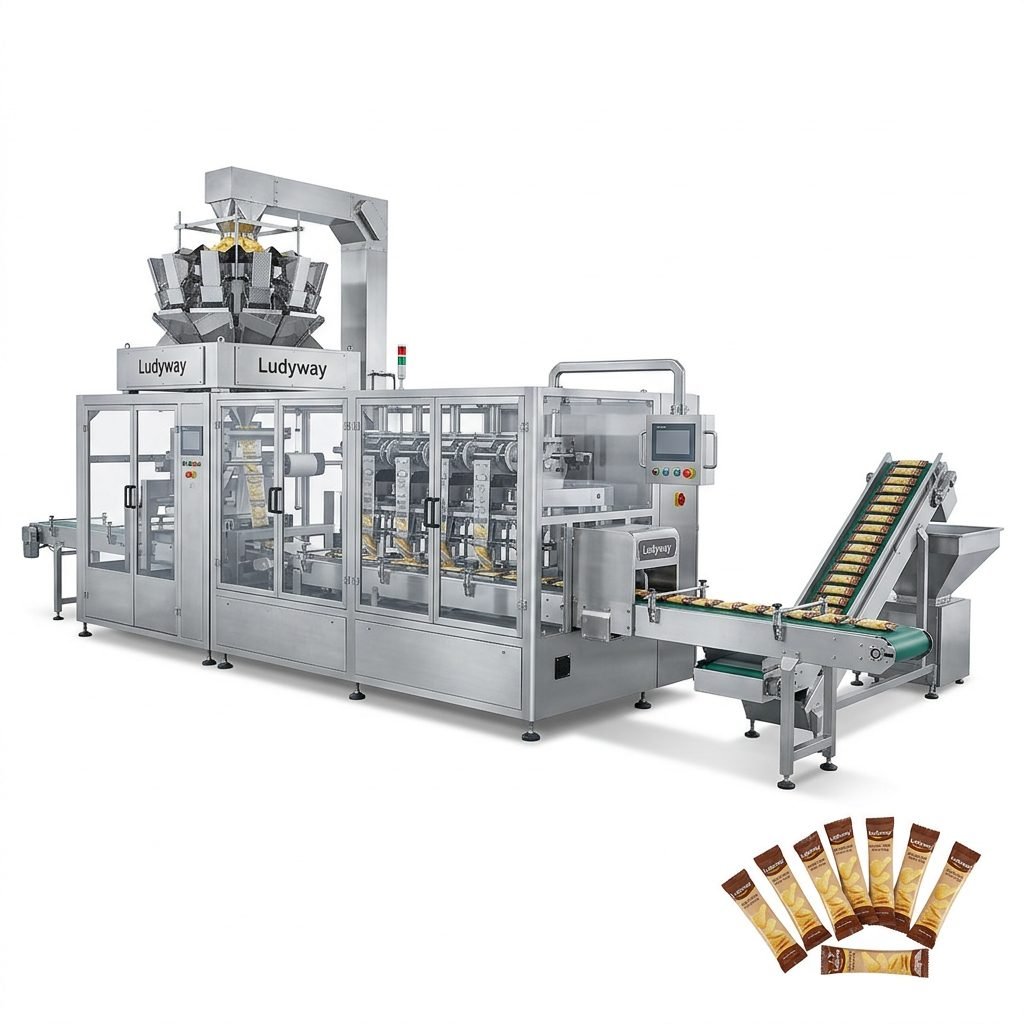
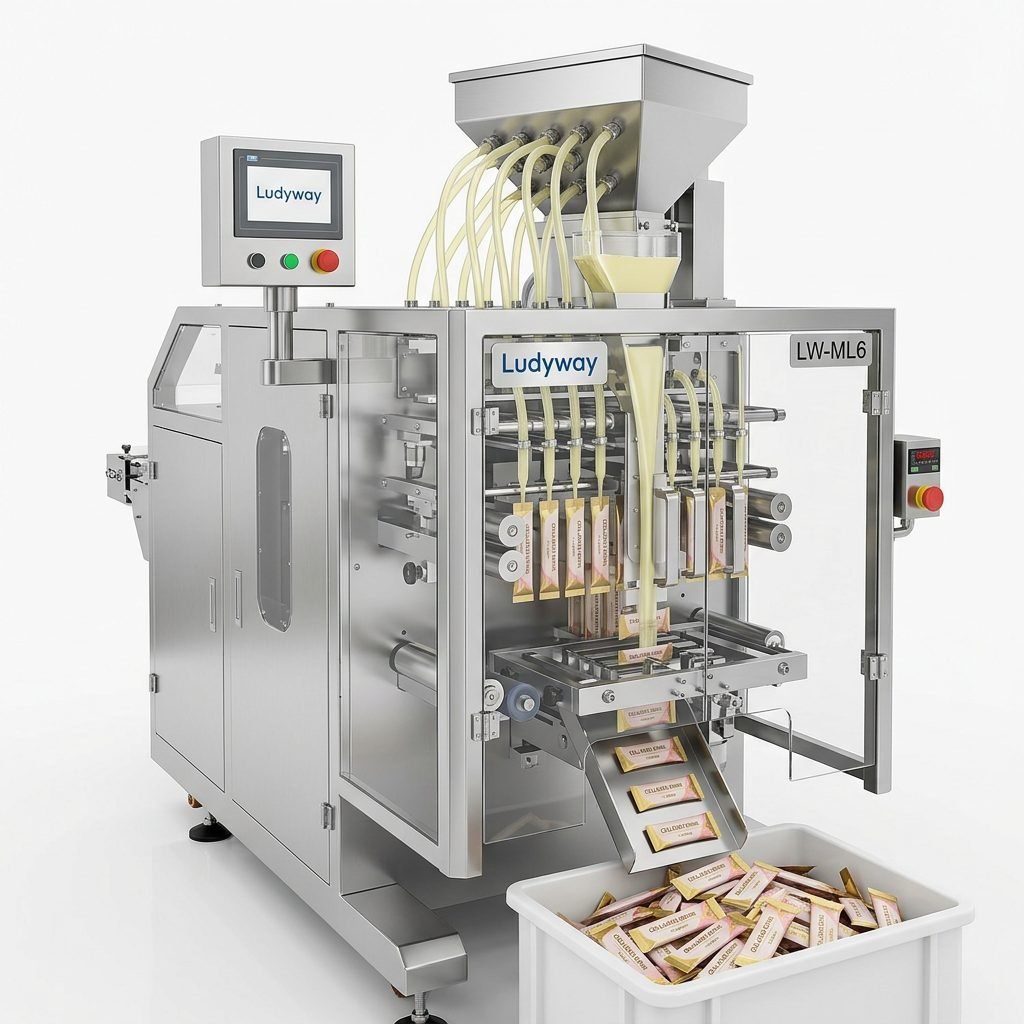
| Multi-Lane Stick Pack Machines | Instant coffee, sugar, supplements | €40,000 – €200,000 | Ultra-high output, portion control |
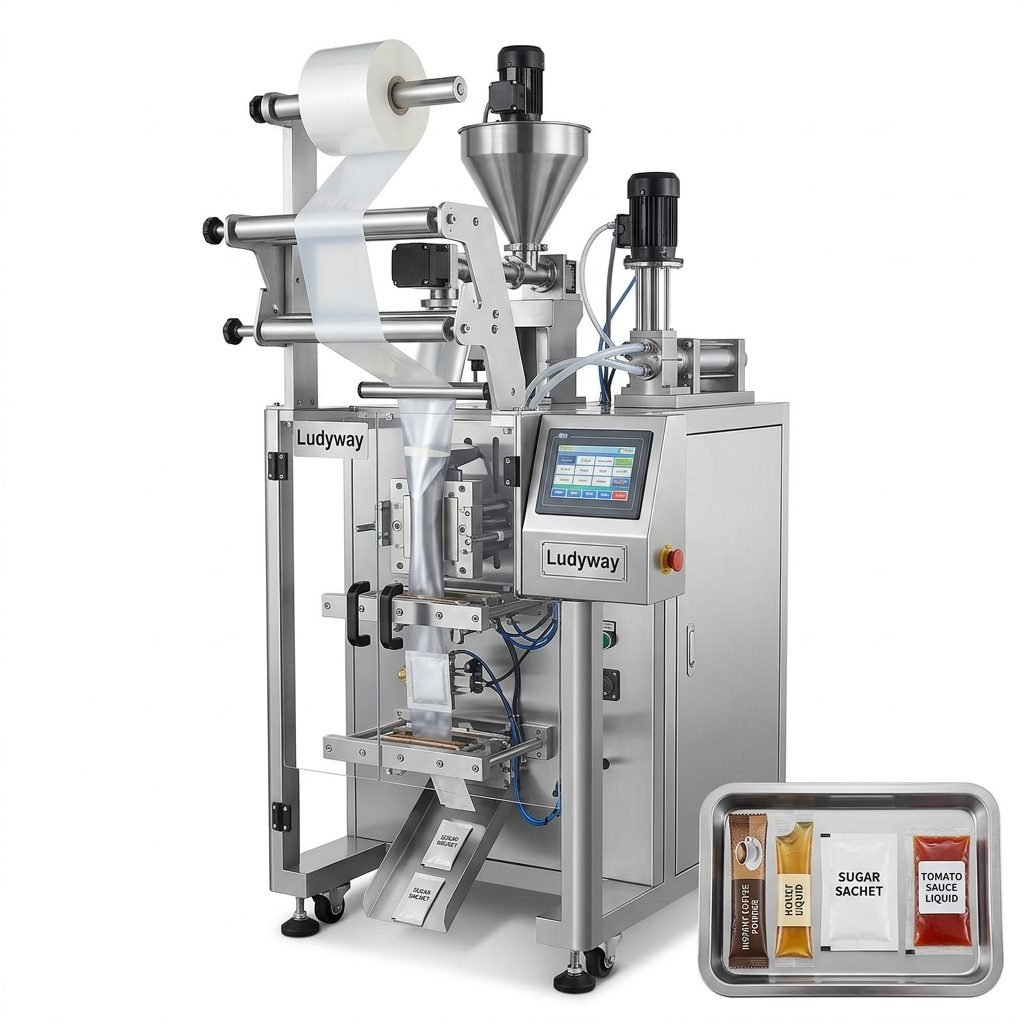
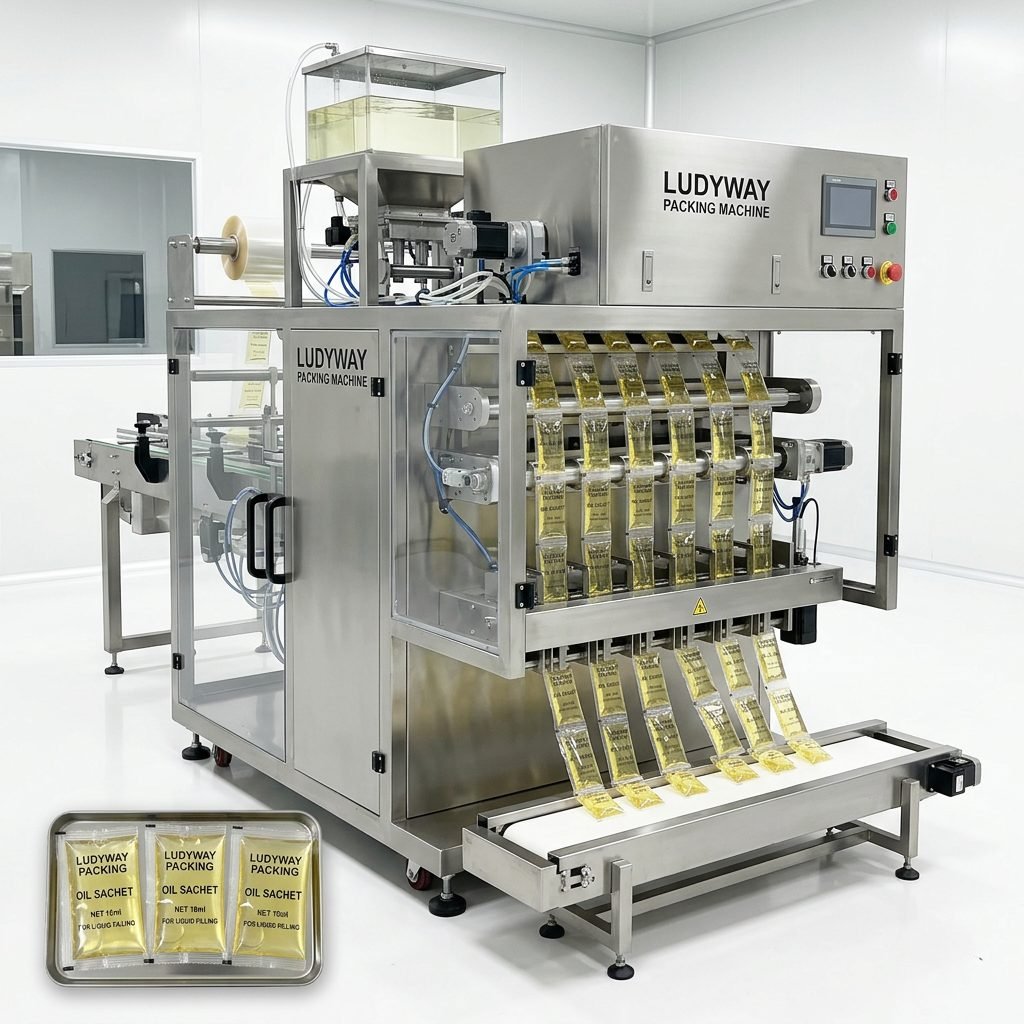
| Sachet Packaging Machines | Sauces, honey, shampoo samples | €20,000 – €90,000 | Flexible formats, multi-product capability |
| Premade Pouch Packaging Systems | Pet food, frozen goods, ready meals | €35,000 – €150,000 | Premium look, resealable options |
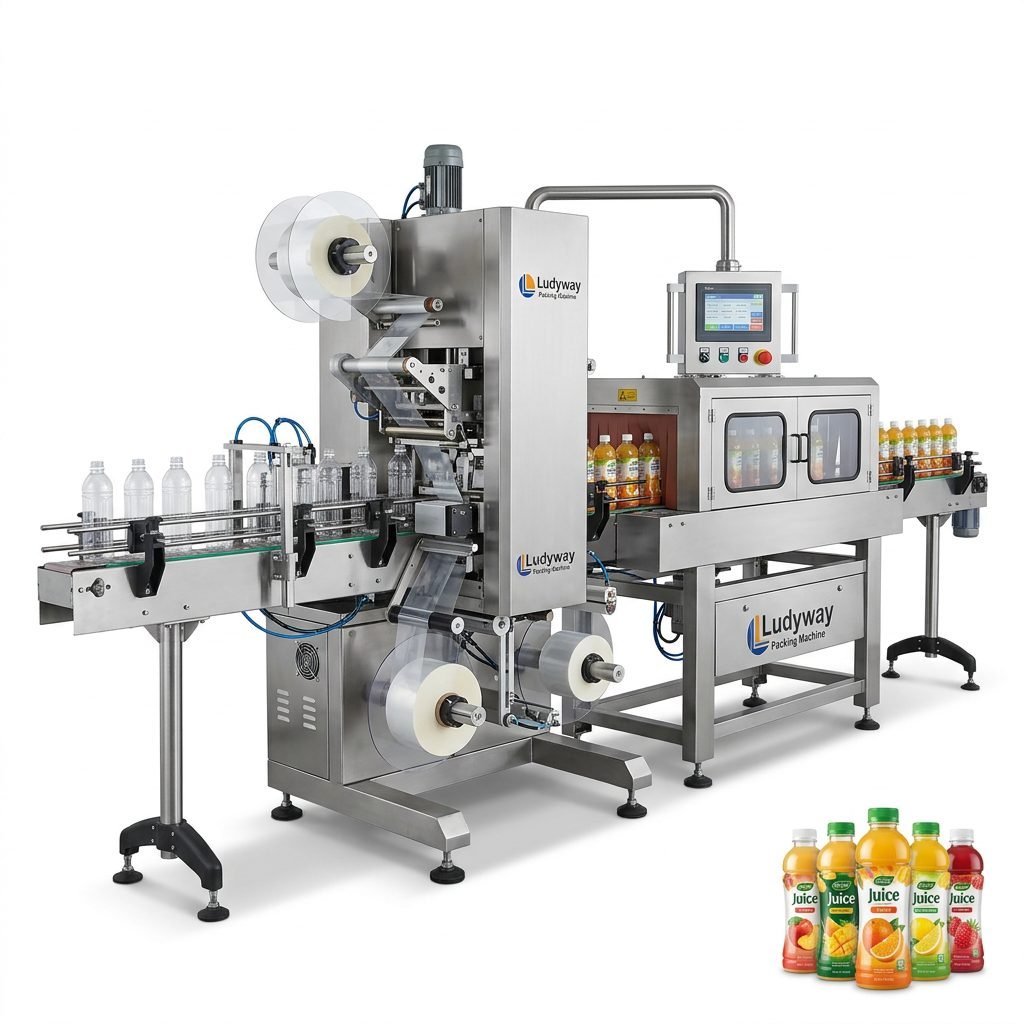
| Liquid Filling & Sealing Lines | Juices, oils, dairy products | €30,000 – €180,000 | Precision dosing, CIP compatibility |
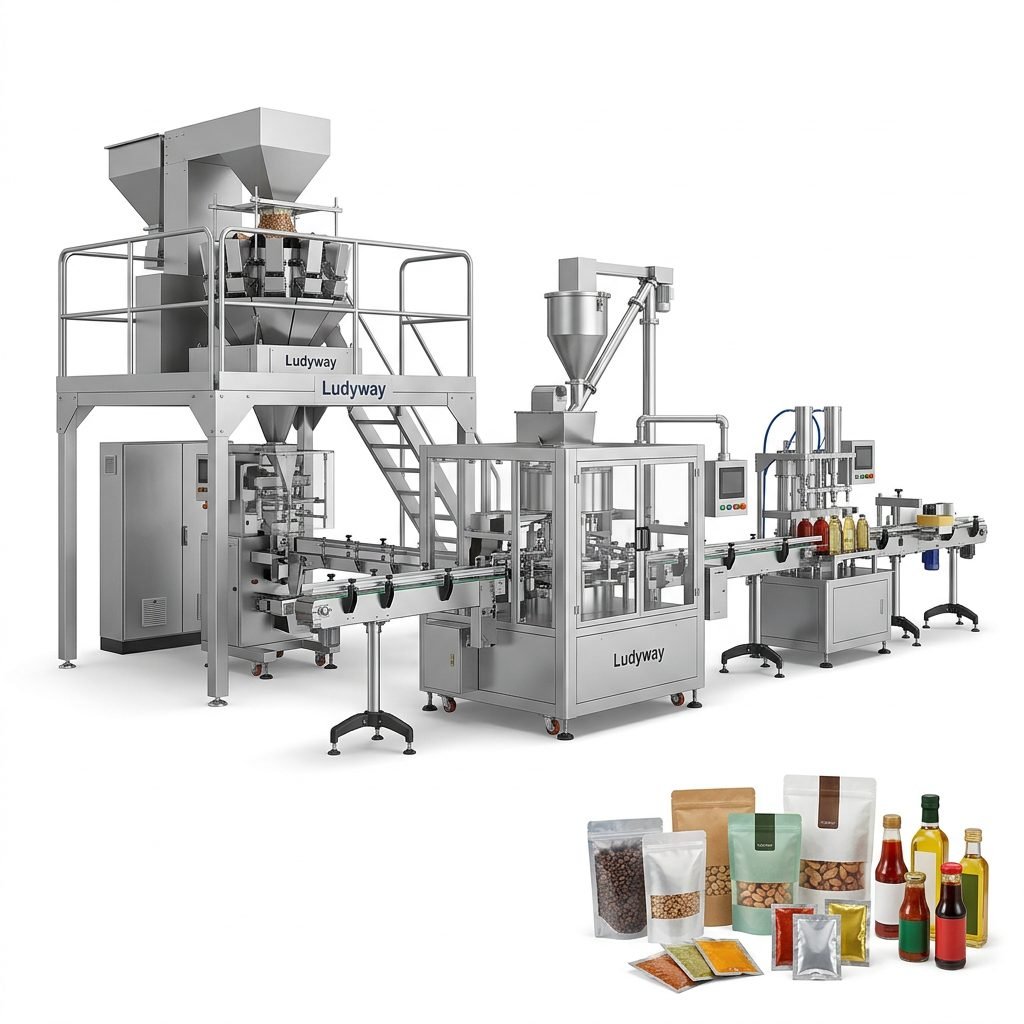
| Turnkey Packaging Lines | Full-scale automated production | €100,000 – €1,000,000+ | End-to-end integration, custom design |

Cost Breakdown: What Influences Packaging Machine Pricing
Understanding the total cost of ownership is as important as the initial purchase price. Several factors influence the final price of a food packaging machine in Europe:
- Automation Level: Fully automatic lines with robotic integration cost significantly more than semi-automatic systems, but deliver higher throughput and consistency.
- Machine Configuration: The number of lanes, filling heads, and auxiliary modules directly impacts pricing. A multi-lane stick pack machine with 10-12 lanes will be more expensive than a 4-lane unit.
- Material and Build Quality: Stainless steel construction (mandatory for food contact) and IP-rated electrical enclosures add to the cost but ensure hygiene and durability.
- CE Marking and Compliance: Machines destined for the European market must carry CE certification. Compliance with EU directives adds engineering and testing costs.
- After-Sales Support: Warranty terms, local service availability, and spare parts supply chains affect long-term operational costs.
For reference, the PMMI 2025 State of the Industry report provides detailed benchmarking data on machinery pricing trends across global markets.
Key Considerations When Buying for the European Market
1. Regulatory Compliance and Food Safety Standards
Any food packaging machine sold and operated in Europe must comply with EU Machinery Directive 2006/42/EC and relevant food contact material regulations. Additionally, FDA guidelines on food packaging may apply if you export to the United States. Machines should be designed for easy cleaning, with smooth surfaces and minimal crevices to prevent contamination.
2. Integration with Existing Production Lines
Consider how the new machine will connect with upstream and downstream equipment, including conveyors, checkweighers, metal detectors, and cartoning systems. A modular machine design simplifies integration and allows future expansion. Ludyway, a leading packaging machine manufacturer, offers more than 50 intelligent models designed for flexible turnkey integration across food, pharmaceutical, and health industries.
3. Flexibility and Format Changeovers
European consumers expect diverse packaging formats. Machines with quick-change tooling and servo-driven adjustments enable manufacturers to switch between sachet sizes, stick pack lengths, and pouch styles with minimal downtime. This flexibility is critical for co-packers and brands with extensive product portfolios.
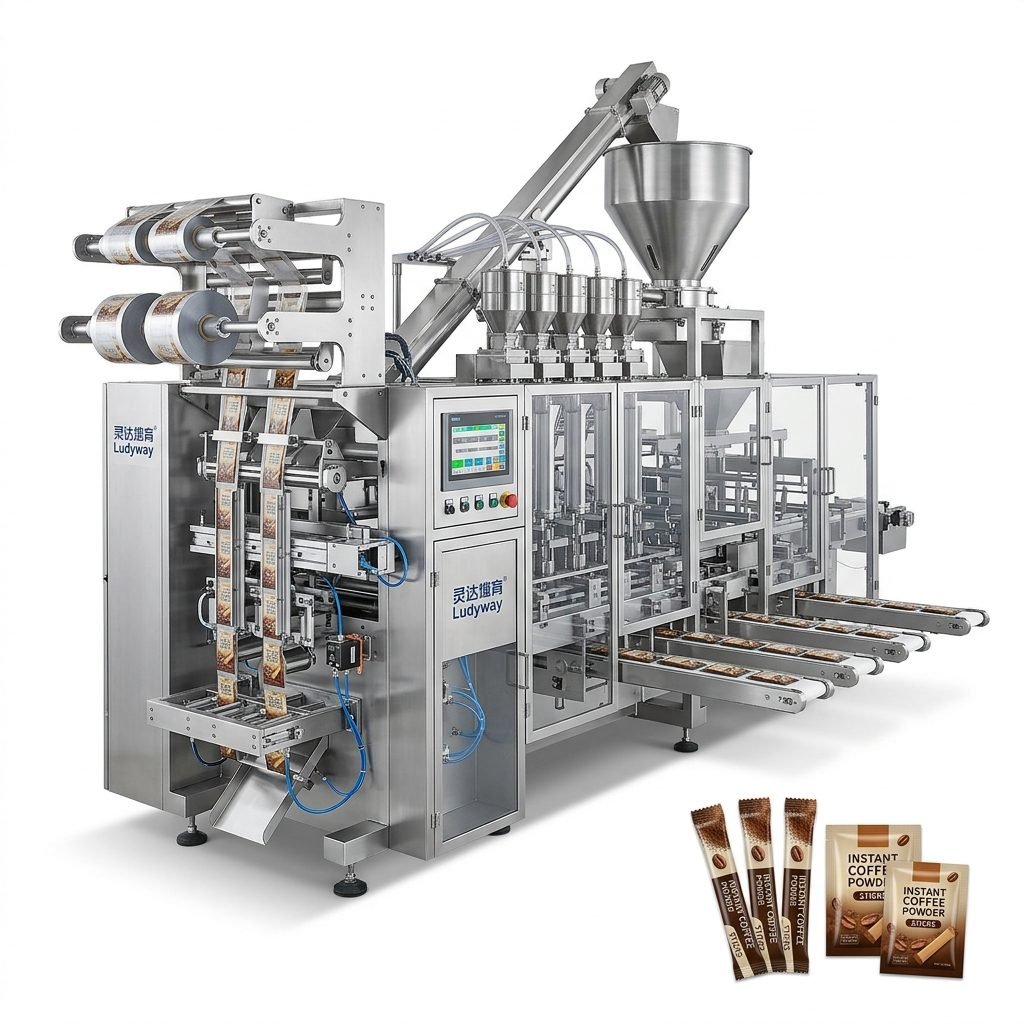
4. Sustainability and Packaging Material Compatibility
With the EU Packaging and Packaging Waste Regulation (PPWR) pushing for recyclable and reduced-material packaging, your machine must handle eco-friendly films and materials effectively. Look for equipment that supports mono-material films, thinner gauges, and bio-based substrates without compromising seal integrity or speed.
5. Service, Training, and Spare Parts Availability
European buyers should prioritize suppliers with local technical support, readily available spare parts, and comprehensive operator training programs. Downtime in food production is costly; a responsive support network is invaluable. Check whether the supplier offers remote diagnostics and on-site service within the EU.
6. Energy Efficiency and Operational Costs
Energy costs in Europe are among the highest globally. Evaluate the machine’s power consumption, compressed air requirements, and overall energy efficiency rating. Modern servo-driven machines consume significantly less energy than older pneumatic systems, reducing the total cost of ownership over time.
Selecting the Right Supplier Partner
Choosing a reputable packaging machine manufacturer is as important as choosing the right machine model. Evaluate potential suppliers based on their experience in the European market, technical certifications, and customer references. Factory visits, whether in person or virtual, provide valuable insight into manufacturing quality and engineering capabilities.
Key supplier evaluation criteria include:
- Track record of installations in EU countries
- CE-certified machinery with full technical documentation
- Responsive after-sales service and spare parts logistics
- Customization capabilities for unique packaging requirements
- Transparent pricing and clear warranty terms

Making the Final Decision: Checklist for European Buyers
Before finalizing your purchase, use this checklist to ensure you have covered all critical aspects:
- CE certification confirmed and documented
- Machine specifications aligned with product characteristics (granule, powder, liquid, or solid)
- Production capacity meets current and projected demand
- Packaging format flexibility matches your market requirements
- Total cost of ownership calculated, including installation, training, and maintenance
- Supplier has verified references from European customers
- Spare parts availability and lead times confirmed
- Warranty and service agreement terms clearly defined
Investing time in thorough evaluation pays dividends in operational reliability and regulatory peace of mind. The right food packaging machine becomes a long-term asset that supports your brand’s growth across European markets.
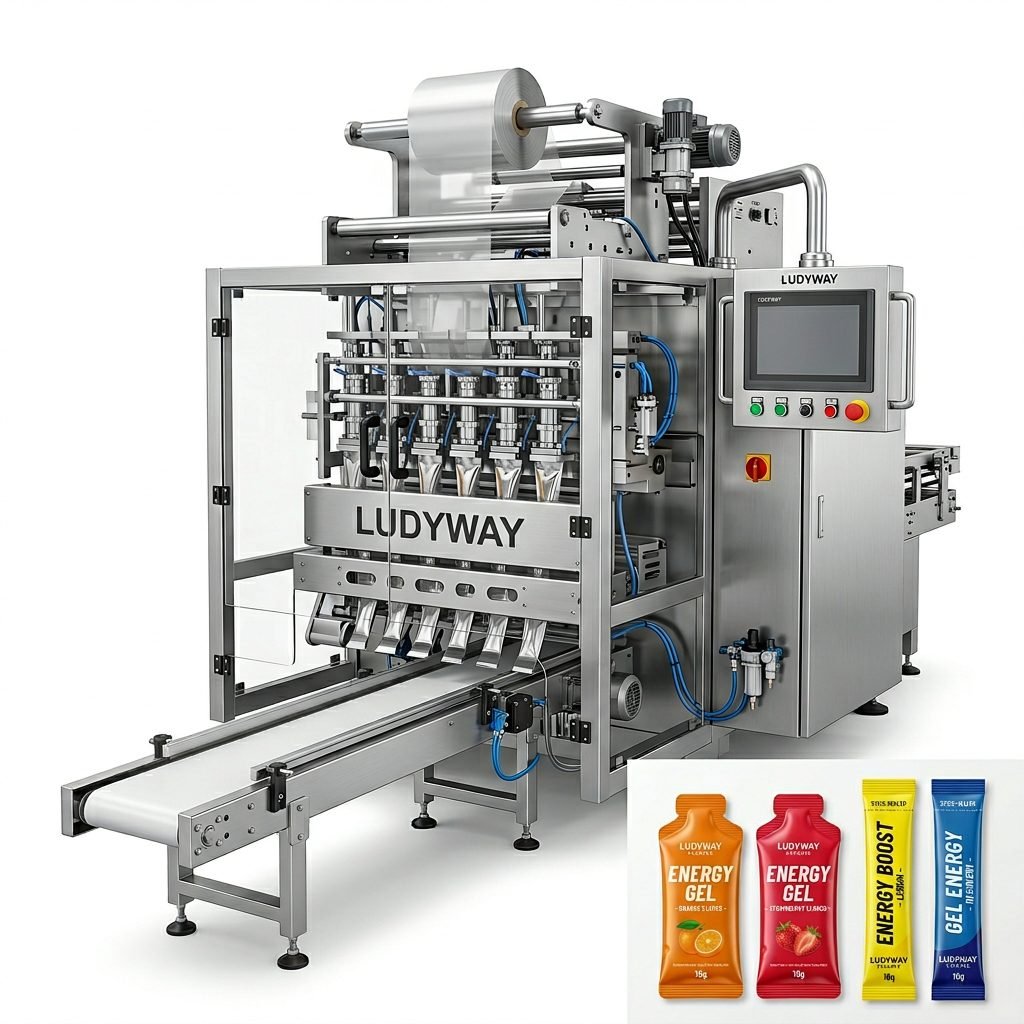
For additional guidance on packaging standards and industry best practices, explore resources from PMMI – The Association for Packaging and Processing Technologies, the Flexible Packaging Association, and ISO packaging standards. These organizations provide comprehensive data, regulatory updates, and market intelligence that support informed procurement decisions.
When you are ready to explore specific machine configurations, consulting with experienced manufacturers who understand both European regulatory requirements and diverse product applications will help you find the most suitable solution for your production needs.