The global packaging sector is entering 2026 with a stronger commitment to Industry 4.0 standards, as manufacturers, brand owners, and supply chain operators invest in smarter, more connected production environments. Across food, pharmaceutical, health supplement, personal care, and chemical packaging, the market is shifting from isolated automation toward fully integrated digital operations.
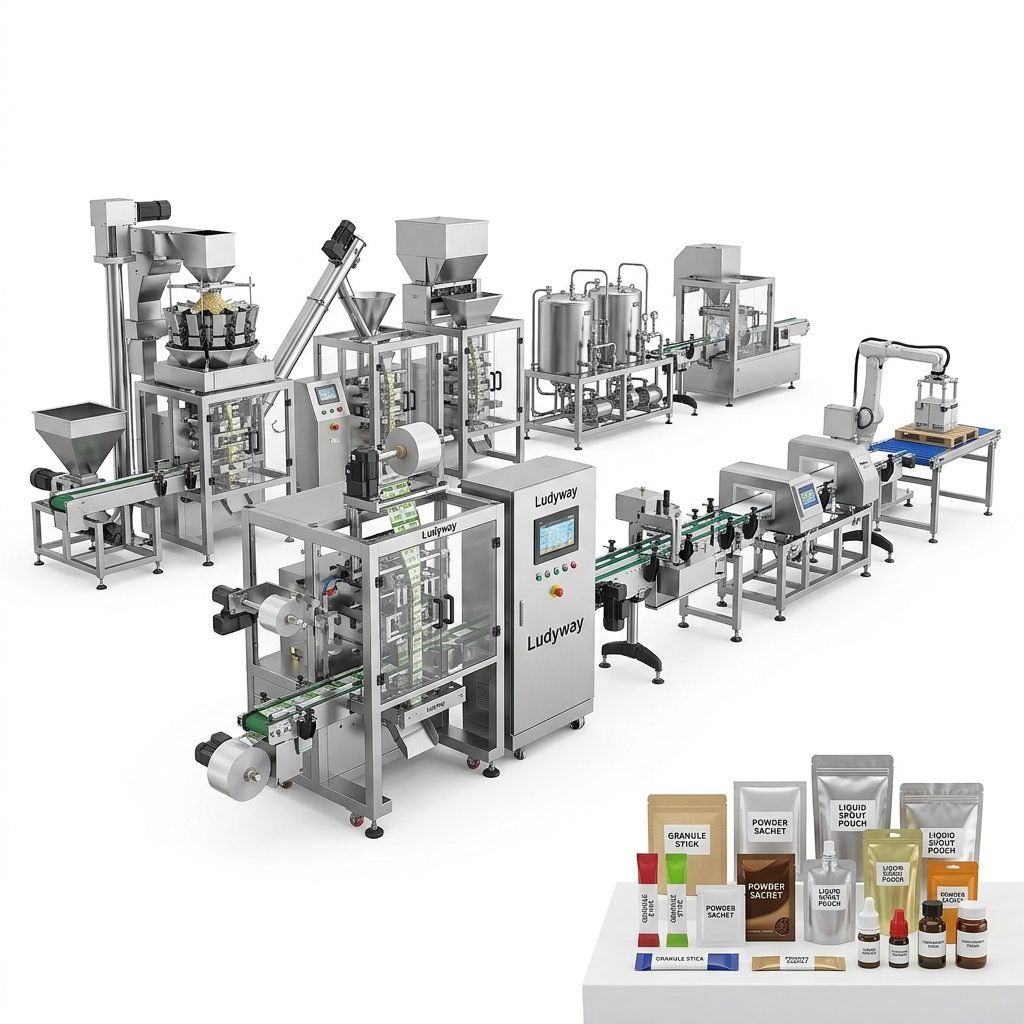
Industry analysts say the acceleration is being driven by three major pressures: rising labor costs, tighter compliance requirements, and growing demand for production flexibility. In response, packaging plants are deploying intelligent machinery that can collect real-time data, reduce downtime, improve traceability, and support faster product changeovers.
Why Industry 4.0 Is Becoming a Packaging Priority
Packaging has long been one of the most automation-friendly segments in manufacturing, but 2026 marks a broader transition. Companies are no longer asking only how to automate a single machine. They are asking how to connect the entire packaging line—from feeding, dosing, filling, sealing, coding, inspection, cartoning, and palletizing to upstream and downstream production systems.
- Real-time monitoring: Operators can track output, reject rates, OEE, and maintenance conditions instantly.
- Predictive maintenance: Sensors help identify wear, vibration, or abnormal temperatures before breakdowns occur.
- Flexible production: Multi-SKU manufacturing requires quick format change and recipe switching.
- Traceability: Digital records support food safety, pharmaceutical validation, and export documentation.
- Labor optimization: Smart packaging lines reduce reliance on manual interventions while improving consistency.
Core Technologies Defining 2026 Packaging Upgrades
The move toward Industry 4.0 is not based on one machine or one software module. It is being built through a combination of connected hardware, intelligent controls, and production analytics.
| Technology | Role in Packaging | 2026 Impact |
|---|---|---|
| IoT Sensors | Collect machine and line performance data | Improves visibility and reduces unplanned stops |
| PLC + HMI Integration | Centralized machine control and recipe management | Faster operation and easier troubleshooting |
| Machine Vision | Checks fill level, seal quality, coding, and defects | Higher quality assurance and compliance support |
| MES / ERP Connectivity | Links production planning with execution data | Better scheduling and material control |
| Robotics | Automates pick-and-place, case packing, and palletizing | Increases throughput and lowers manual handling |
| Cloud Analytics | Stores and analyzes production data remotely | Supports benchmarking across factories and regions |
Food and Pharma Lead the Adoption Curve
Two sectors are moving fastest: food packaging and pharmaceutical packaging. In food, manufacturers are under constant pressure to improve shelf-life control, reduce giveaway, and manage SKU complexity. In pharmaceuticals and health products, serialization, validation, hygiene, and data integrity remain central priorities.
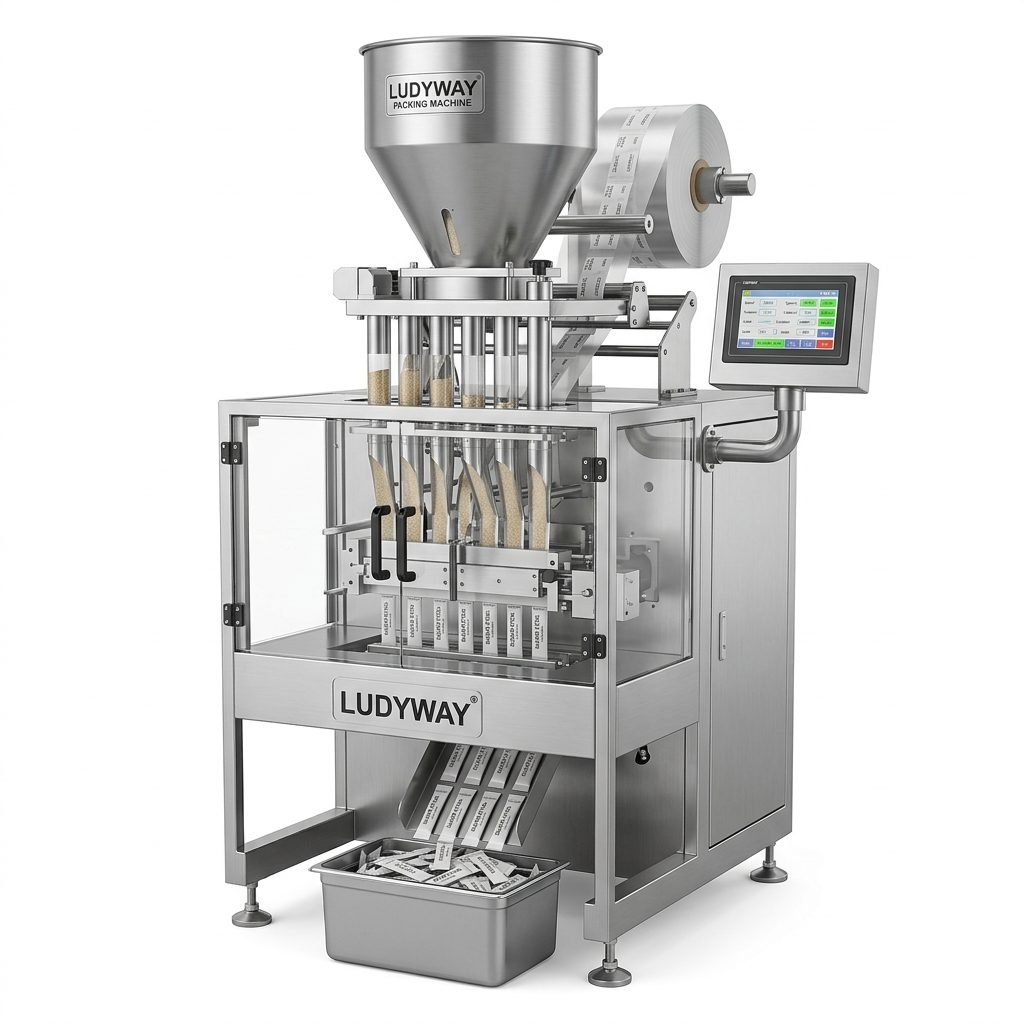
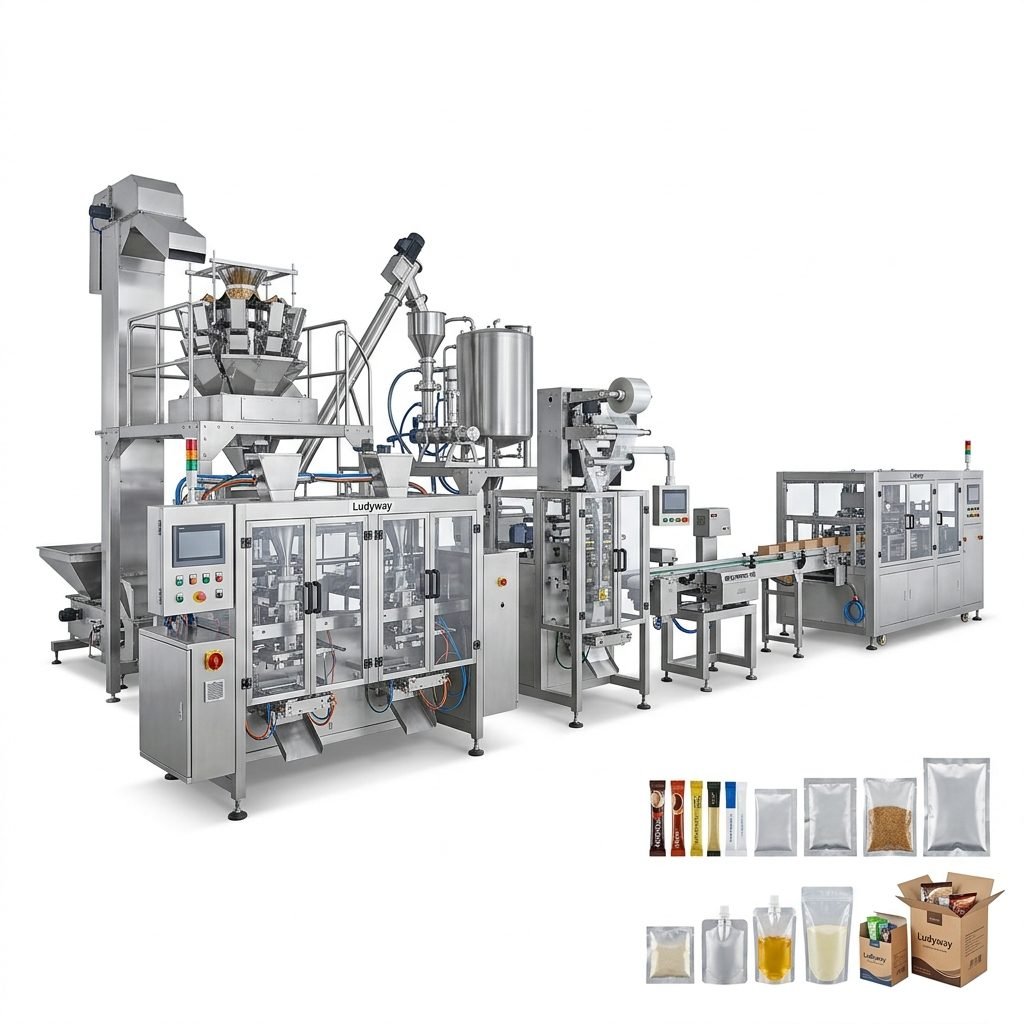
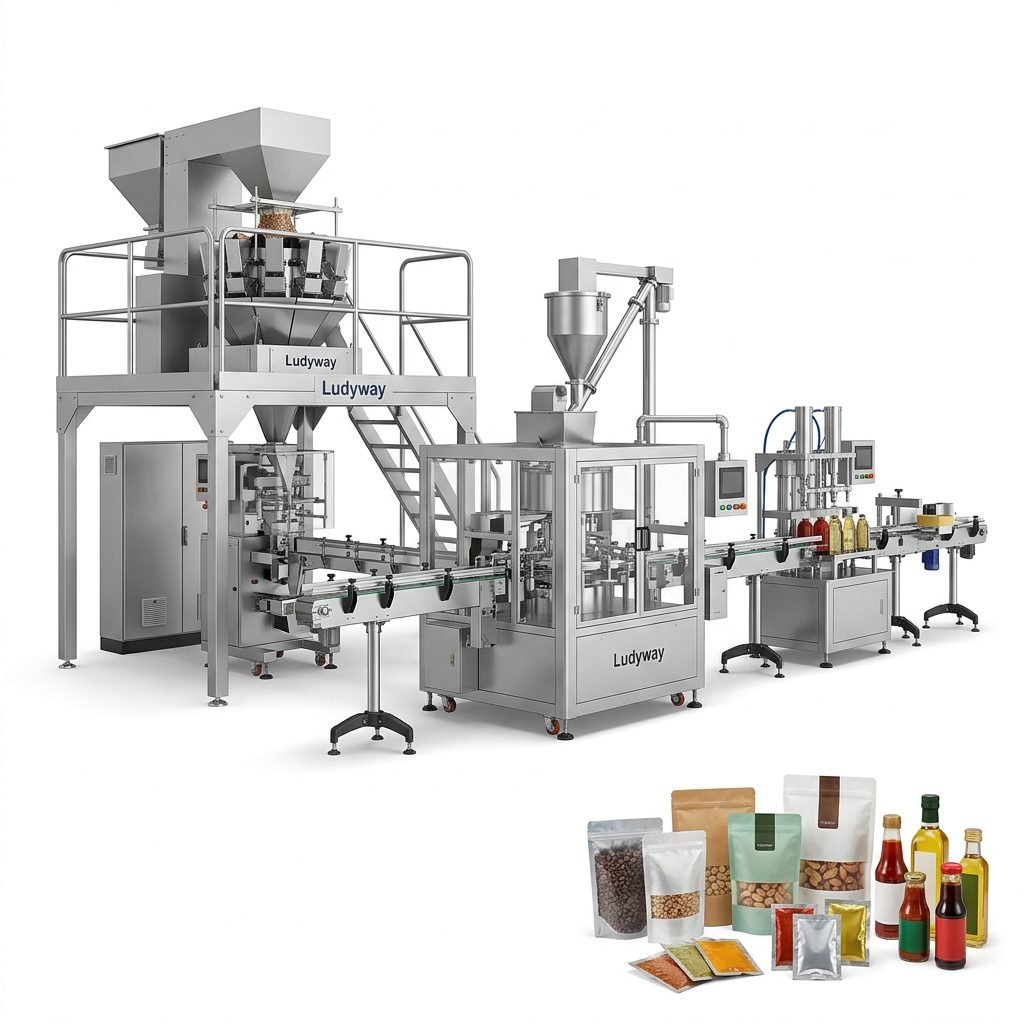
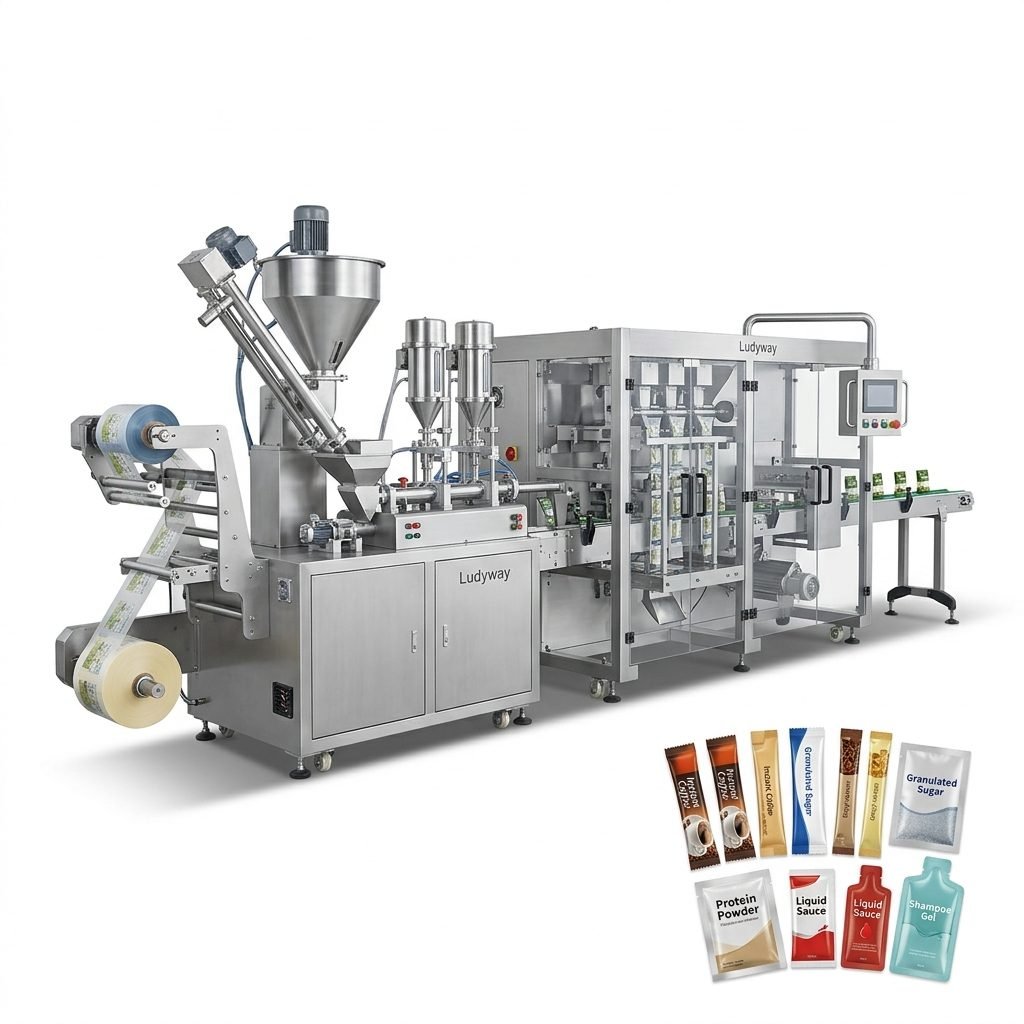
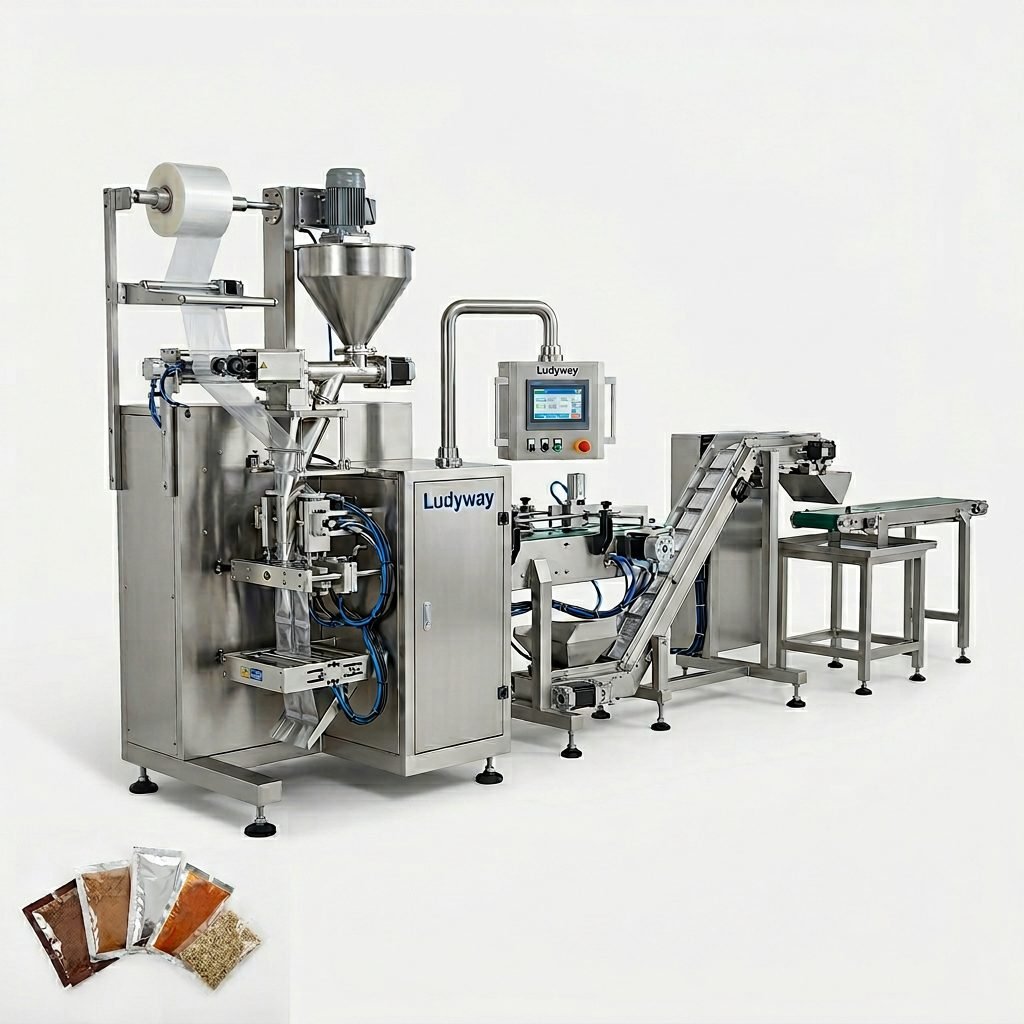
Multi-lane sachet and stick pack systems, vertical form-fill-seal equipment, precision dosing units, and automated cartoning lines are seeing strong demand because they align well with Industry 4.0 objectives. These machines can be configured for granular data capture, faster setup, and better process repeatability.
What buyers are now looking for
- Equipment that supports remote diagnostics and service access
- Packaging lines with modular expansion capability
- Integrated quality inspection and rejection systems
- Data-ready architecture for factory management software
- Higher sanitation standards with stable output performance
Regional Demand Signals Point to Broader Modernization
Export-oriented manufacturers in Europe and North America are continuing to push for smart line upgrades, especially in regulated categories. Meanwhile, buyers across the Middle East, South America, Africa, and Southeast Asia are increasingly seeking packaging machinery that combines automation with scalability. Rather than investing in purely basic systems, more companies are requesting solutions that allow phased digital upgrades over time.
This is especially important for fast-growing producers that need to balance near-term budget discipline with long-term factory modernization. In many cases, a machine that can start with standalone automation and later connect into a broader digital production architecture is becoming more attractive than a low-cost system with limited future compatibility.
Manufacturers Expand Turnkey and Smart Line Capabilities
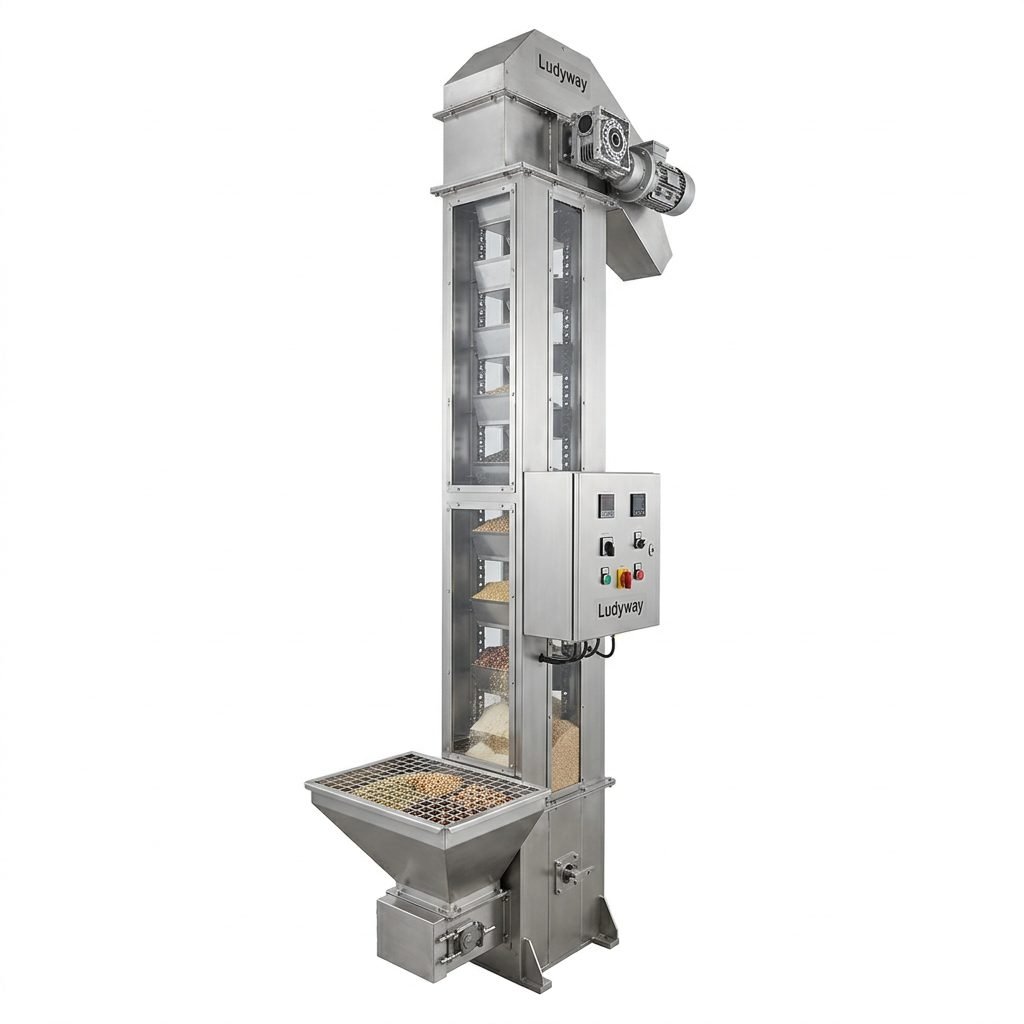
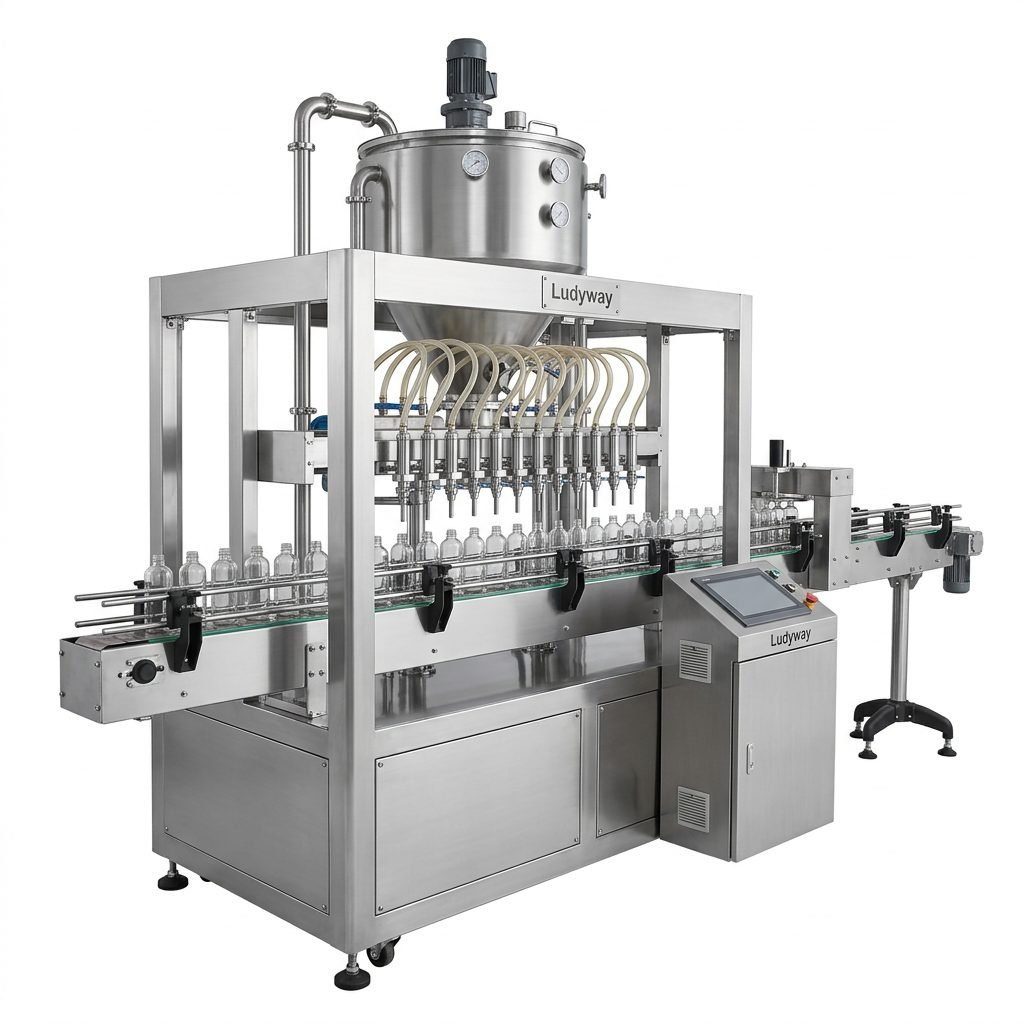
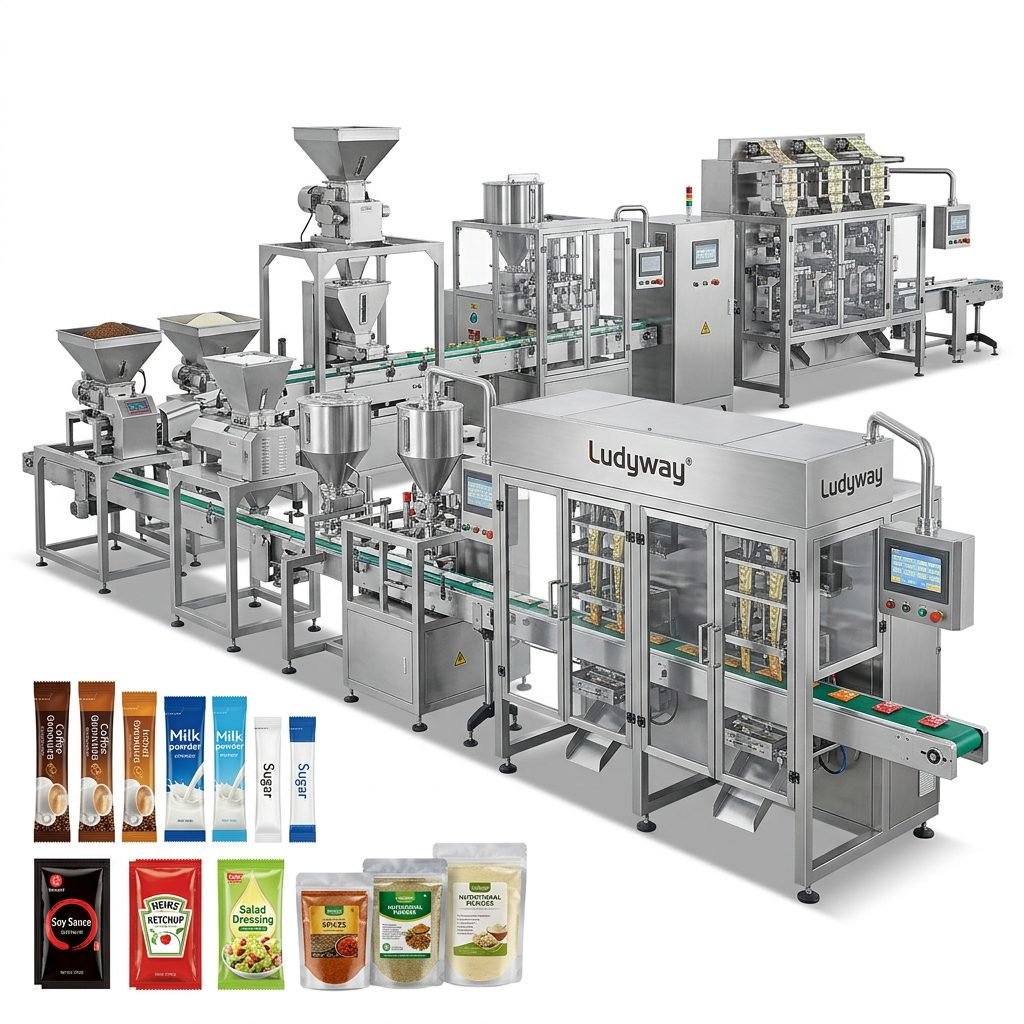
Packaging machinery suppliers are responding by redesigning their portfolios around complete line integration. Instead of selling only individual fillers or sealers, they are increasingly offering turnkey systems covering feeding, dosing, packing, conveying, inspection, secondary packaging, and end-of-line automation.
One company frequently mentioned in export markets is Ludyway packaging machine manufacturer, which has expanded its focus on intelligent machinery and turnkey packaging line solutions for food, pharmaceutical, health supplement, and related industries. With more than 30 years of manufacturing experience, a factory exceeding 20,000 square meters, and broad market coverage across Europe, North America, the Middle East, South America, Africa, and Southeast Asia, the company reflects the wider industry trend toward scalable, connected packaging systems.
| Industry Trend in 2026 | Buyer Expectation | Supplier Response |
|---|---|---|
| Shorter product cycles | Faster changeovers and flexible machine setup | Modular machine platforms and digital recipes |
| Rising compliance requirements | Better traceability and inspection | Integrated coding, vision, and data recording |
| Labor shortages | Less manual handling and stable output | Robotic end-of-line and automatic conveying |
| Need for ROI clarity | Visible performance metrics | Dashboards, alarms, and production analytics |
Challenges Still Facing the Transition
Despite the momentum, the path to Industry 4.0 is not without obstacles. Small and mid-sized manufacturers often face integration complexity, legacy equipment limitations, and internal skill gaps. Data connectivity between machines from different suppliers can also slow implementation.
Experts note that successful projects in 2026 are usually the result of step-by-step modernization rather than full overnight transformation. Companies that start with high-impact upgrades—such as smart dosing, inspection systems, remote diagnostics, and production visibility tools—often see measurable gains before expanding further.
Common barriers reported by packaging plants
- Difficulty connecting old and new equipment
- Unclear data standards across machine brands
- Need for operator training and maintenance upskilling
- Concerns over cyber security and remote access
- Pressure to justify investment with quick ROI
Outlook for the Global Packaging Industry in 2026
The direction of travel is now clear. Industry 4.0 is moving from a competitive advantage to an operational expectation in packaging. Buyers want more than speed; they want visibility, flexibility, consistency, and digital readiness. Suppliers that can deliver connected machinery, practical automation, and turnkey integration are expected to gain the strongest traction in the year ahead.
As 2026 unfolds, the packaging industry’s transformation will likely be defined not just by faster machines, but by smarter lines that help manufacturers respond to changing markets with greater precision. For businesses planning new investment, the focus is increasingly on building packaging operations that are efficient today and adaptable tomorrow.