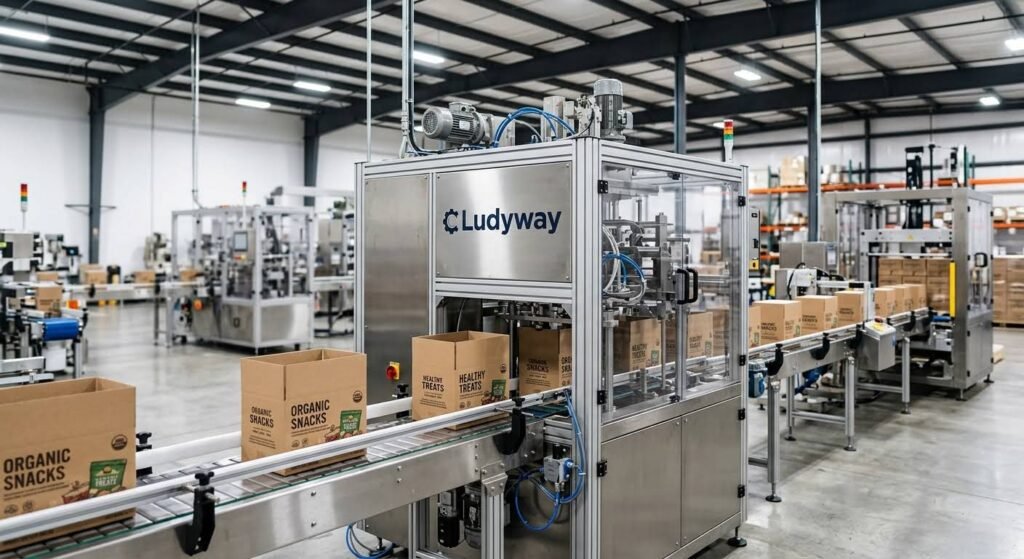
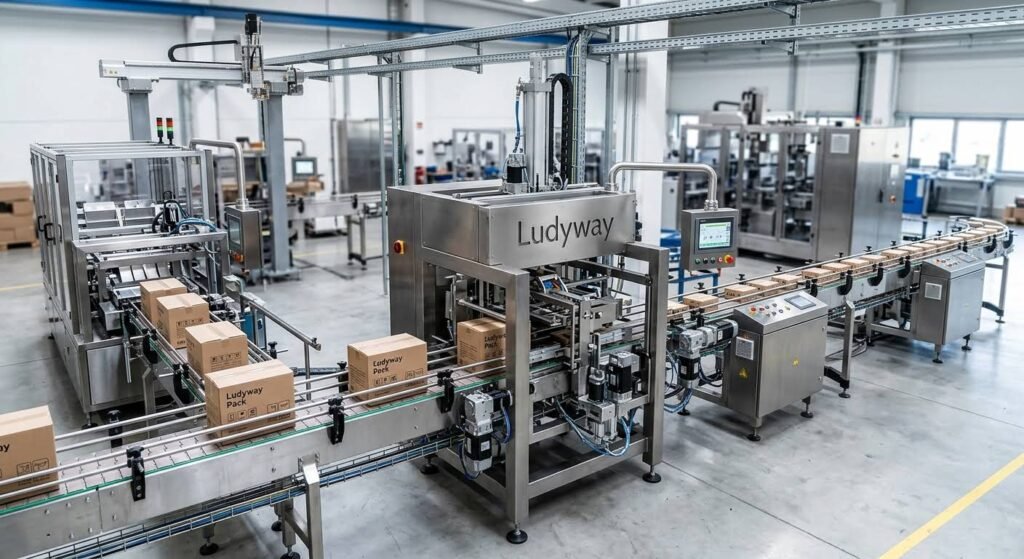
In the fast-paced world of manufacturing, efficiency, precision, and reliability are not just goals—they are the foundation of profitability and market success. For industries where product integrity is paramount, such as food, pharmaceuticals, and general industrial production, the choice of packaging machinery is a critical business decision. High-efficiency packaging solutions are engineered to meet these rigorous demands, offering speed, accuracy, and adaptability that directly impact the bottom line.
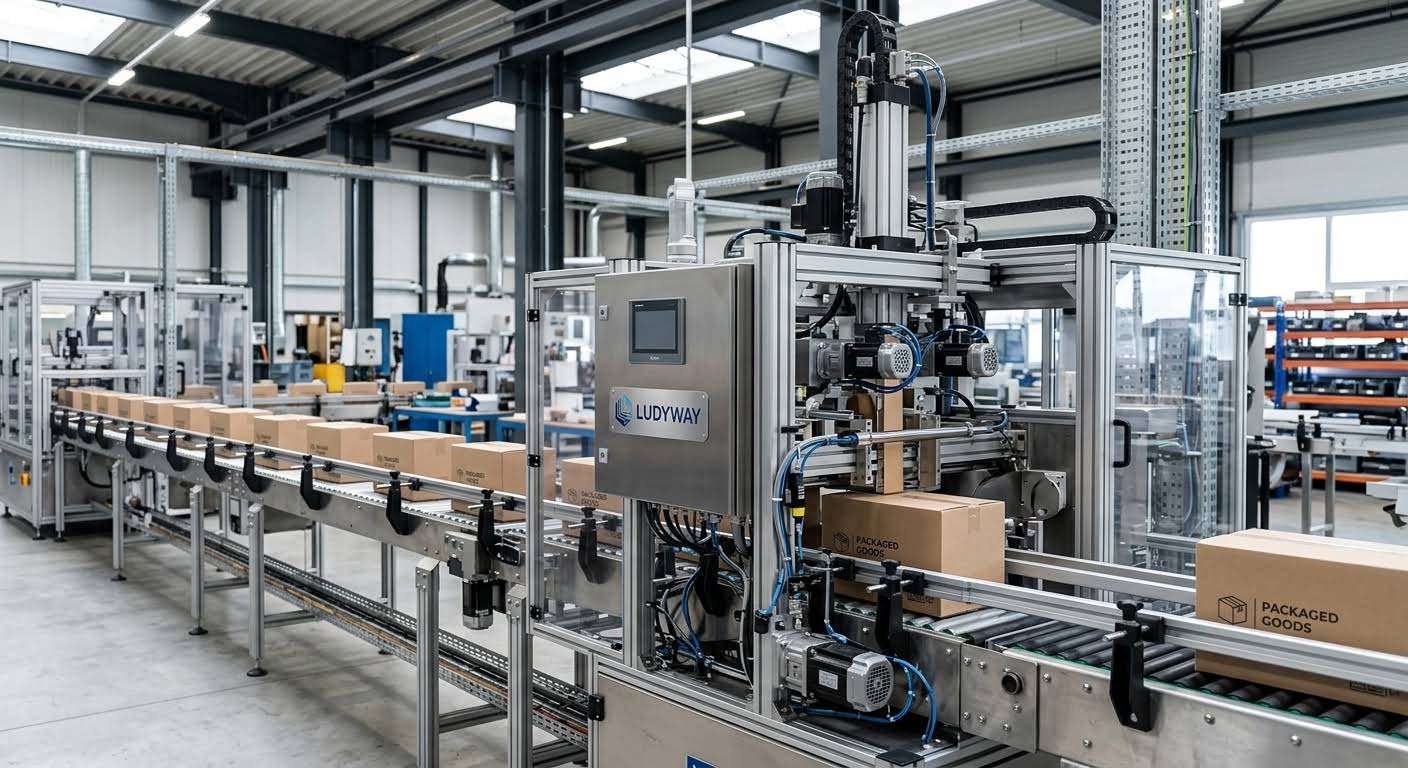
The Critical Role of Packaging in Key Industries
Packaging serves a far greater purpose than simply containing a product. It is the final, crucial step in the manufacturing process, responsible for protection, preservation, presentation, and compliance.
Food Industry: Ensuring Freshness and Safety
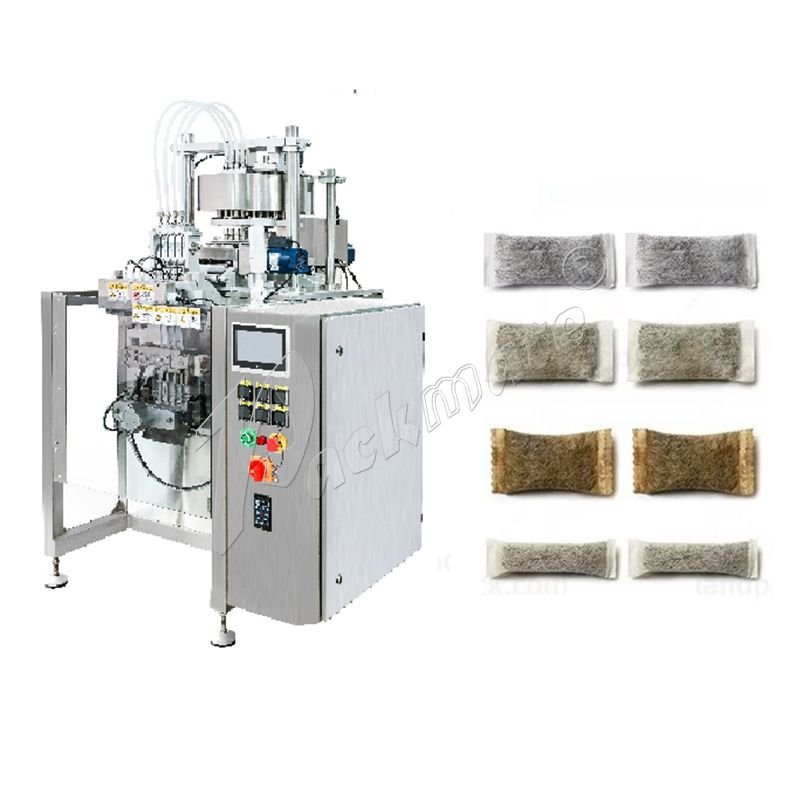
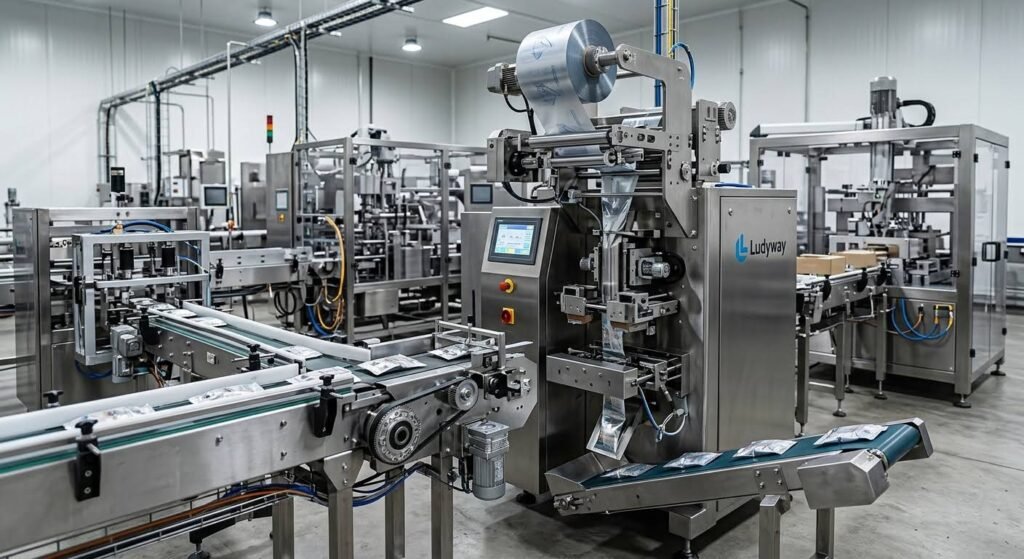
In the food sector, packaging machinery must create a hermetic seal to lock in freshness, prevent contamination, and extend shelf life. Modern consumers demand transparency and convenience, driving the need for machinery that can handle various formats—from single-serve stick packs for coffee or sugar to stand-up pouches for snacks. High-speed, hygienic design and the ability to integrate with nitrogen flushing or vacuum systems are non-negotiable features for preserving product quality and meeting stringent food safety standards.
Pharmaceutical & Healthcare: Precision and Compliance
This sector operates under the most stringent regulations. Packaging equipment must deliver absolute dosing accuracy for powders and granules, maintain sterile environments where required, and ensure perfect seal integrity to protect sensitive formulations from moisture and oxygen. Traceability is also key, making machinery with capabilities for serialization and coding essential. Solutions like high-speed sachet packing machines for single-dose pharmaceuticals or powder stick packs for nutritional supplements are vital for patient safety and regulatory adherence.
Industrial & Chemical Production: Durability and Handling
From agricultural chemicals to industrial lubricants and construction materials, packaging needs here focus on durability, safe handling of often hazardous materials, and clear labeling. Machinery must be robust, resistant to corrosion from aggressive products, and capable of forming strong, leak-proof seals on heavier-gauge materials. Automated bagging systems for granules or liquid filling lines for chemicals improve worker safety and operational efficiency in demanding environments.
Core Components of a High-Efficiency Packaging System
True high-efficiency is achieved through a synergy of advanced components and intelligent design. It’s more than just a fast machine; it’s a reliable, smart, and adaptable production asset.
1. Advanced Drive & Control Systems
The heart of any modern packaging machine is its control system. Servo-driven technology has revolutionized the field, offering unparalleled precision in film feeding, cutting, and filling. These systems allow for quick changeovers between different product weights or package sizes at the touch of a screen, minimizing downtime. Integrated PLCs and user-friendly HMIs provide operators with full control, real-time monitoring, and diagnostic information.
2. Precision Dosing & Filling Technology
Accuracy directly translates to product consistency and cost savings. High-efficiency machines employ sophisticated filling systems tailored to the product type:
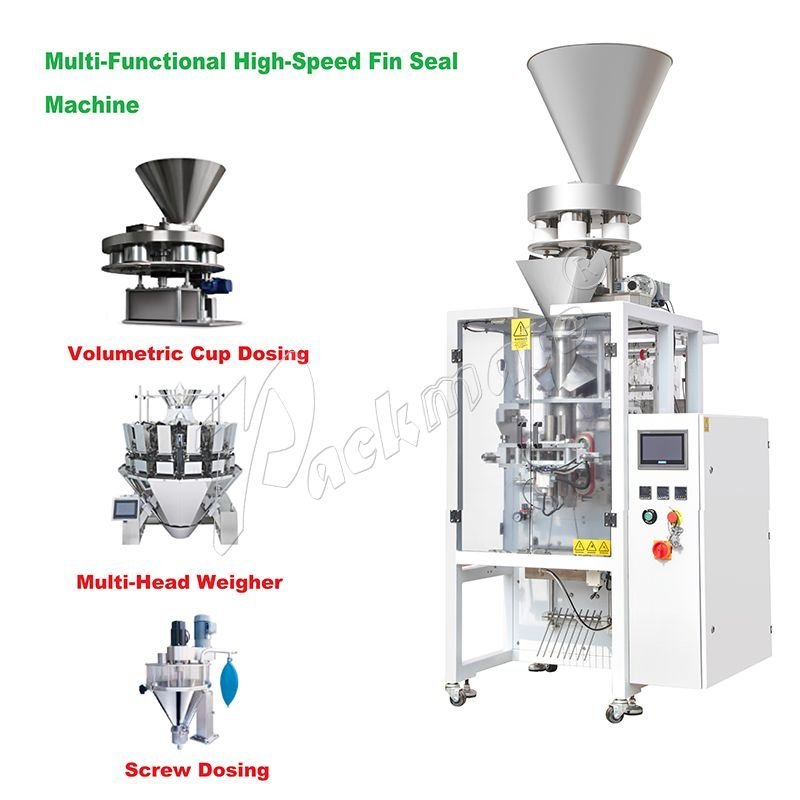
• Volumetric Cup Fillers: Ideal for uniform granules and chunks.
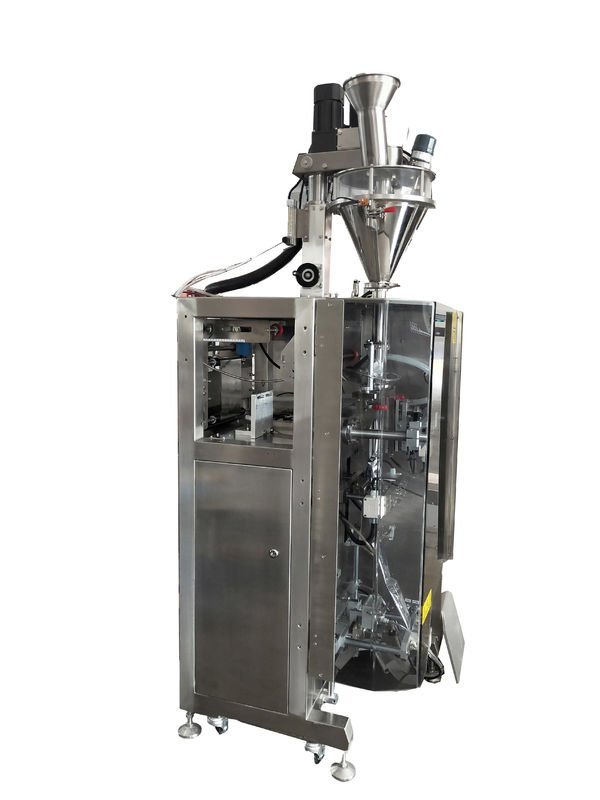
• Auger Fillers: The gold standard for powders, offering excellent accuracy with anti-segregation features.
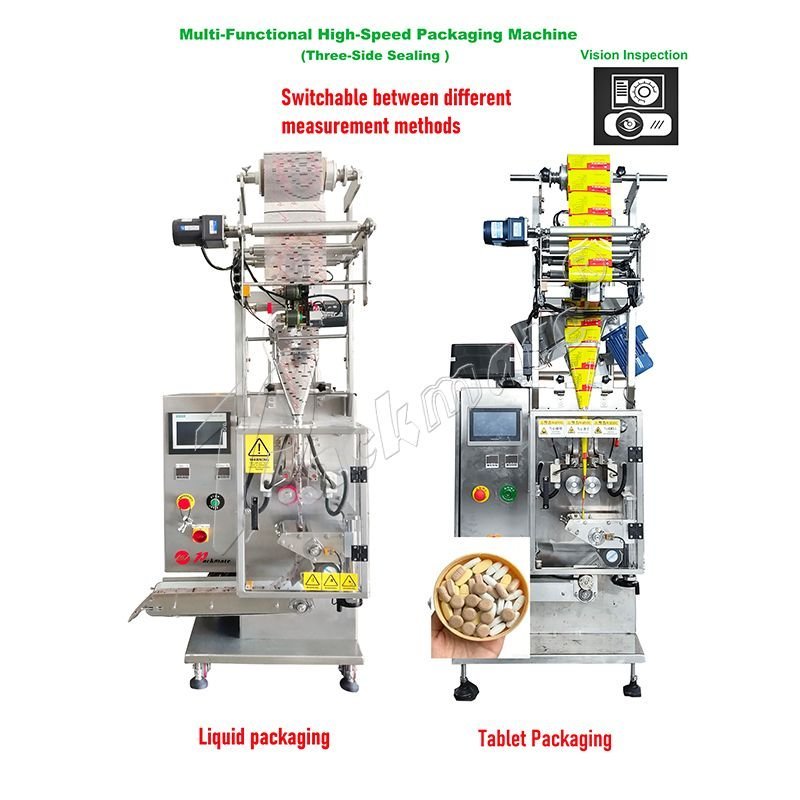
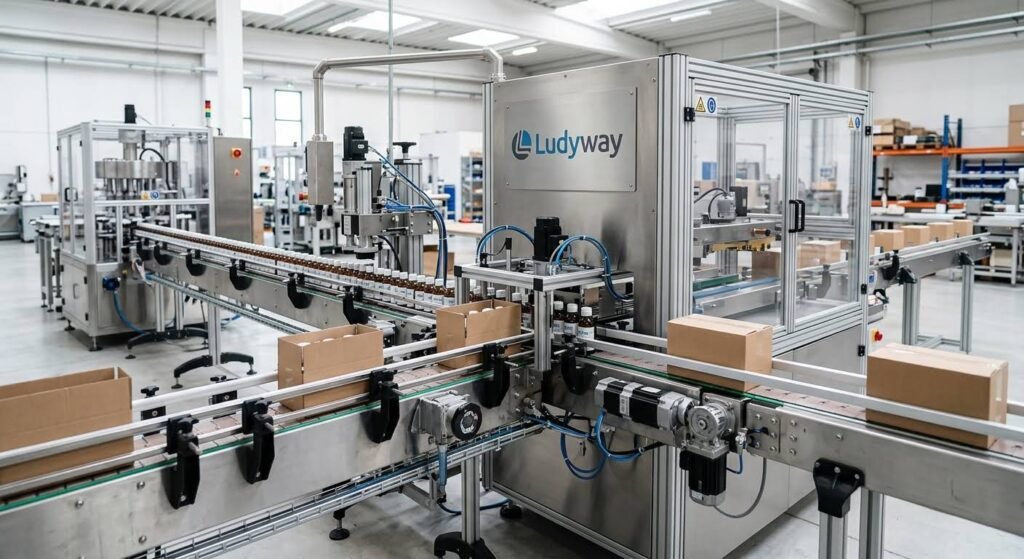
• Liquid Piston & Pump Fillers: Provide consistent volume for fluids, from water-like to viscous products.
3. Robust Sealing & Forming Mechanisms
A package is only as good as its seal. Efficient machinery features thermally regulated sealing jaws that ensure consistent, strong seals across various packaging films, including complex laminates. The forming mechanism—whether it creates a pillow bag, a stand-up pouch, or a stick pack—must be engineered for smooth film travel and minimal waste.
4. Integrated Automation & Connectivity
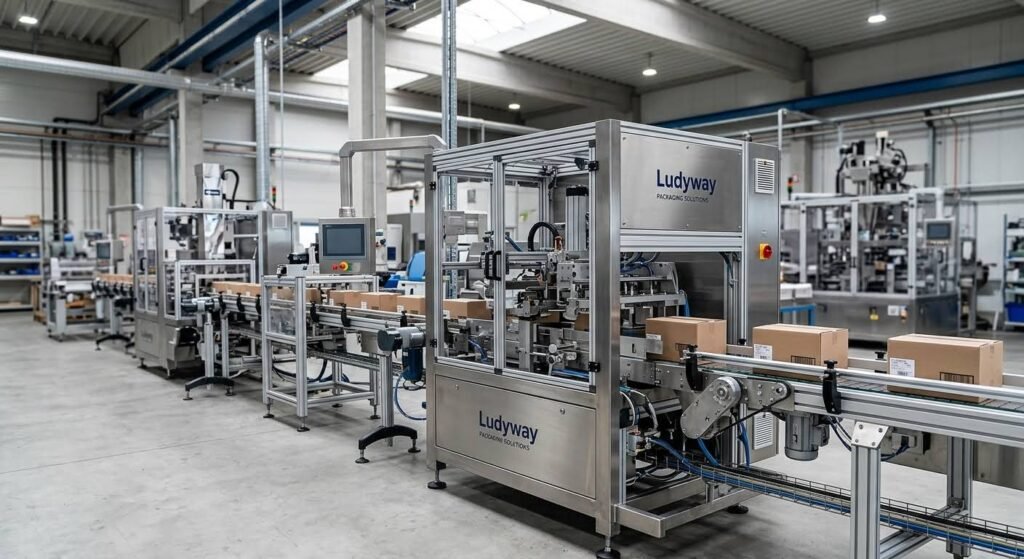
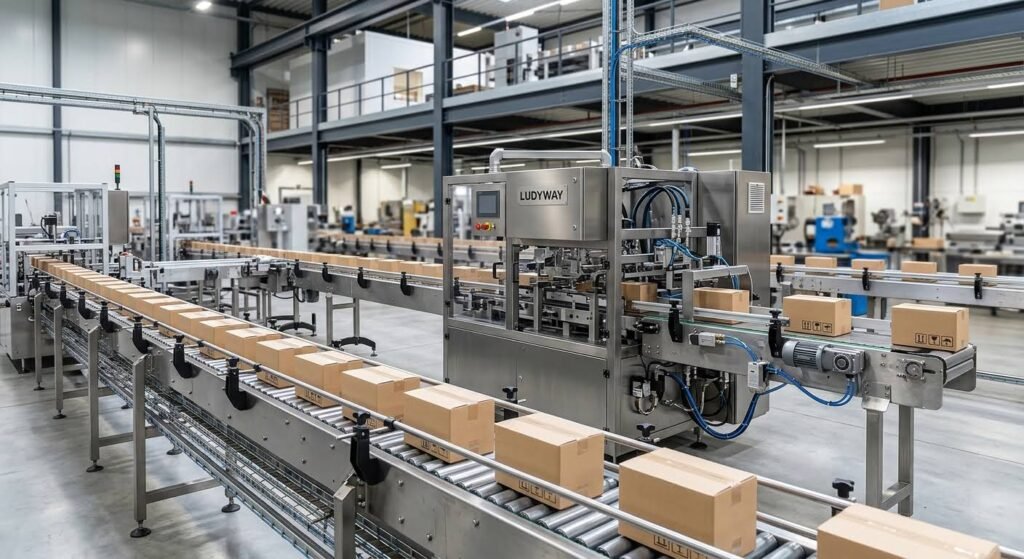
The modern packaging line is a connected ecosystem. High-efficiency solutions offer seamless integration with upstream equipment (like mixers or conveyors) and downstream systems (like cartoners or case packers). Features like automatic film splicing, reject systems for underweight packs, and data output for Overall Equipment Effectiveness (OEE) tracking are hallmarks of a truly automated line, paving the way for Industry 4.0 smart factories.
Benefits of Investing in Optimized Packaging Machinery
The transition to high-efficiency packaging technology delivers a compelling return on investment across multiple dimensions of your operation.
Substantial Increase in Production Output
By significantly increasing line speeds and reducing changeover times, these machines maximize asset utilization. What used to be a bottleneck becomes a catalyst for higher throughput, enabling businesses to meet growing demand or expand into new markets without proportional increases in labor or floor space.
Significant Reduction in Material Waste & Downtime
Precision engineering means less product giveaway and fewer film jams or mis-feeds. Predictive maintenance alerts and easy-access design prevent unexpected breakdowns. This dual reduction in waste—both material and time—directly improves profitability and sustainability metrics.
Enhanced Product Quality & Brand Consistency
Every package leaving the line is identical: perfectly filled, securely sealed, and neatly presented. This consistency protects the product, reinforces brand reputation for quality, and enhances the unboxing experience for the end-user, which is especially critical in e-commerce.
Improved Operational Safety & Flexibility
Automating repetitive tasks reduces direct operator interaction with moving parts and potentially hazardous products. Furthermore, the modular and programmable nature of these machines allows a single line to efficiently package multiple SKUs, providing the agility needed to respond to changing consumer trends or seasonal demands.
Implementing Your Packaging Solution: A Strategic Approach
Selecting and integrating new packaging machinery is a strategic project. A methodical approach ensures the solution aligns perfectly with your business objectives.
Step 1: Comprehensive Needs Analysis. Begin by thoroughly defining your current and future needs: product types, required output speeds, package formats, available floor space, and compliance requirements. This analysis forms the blueprint for your solution.
Step 2: Partner with an Experienced Provider. Choose a partner with proven expertise in your specific industry. Look for a provider with a strong track record, like Ludyway Machinery, which offers deep application knowledge and can draw from a wide portfolio of over 50 machine models to recommend the optimal fit.
Step 3: Prioritize Service & Support. The relationship begins at installation. Ensure your provider offers comprehensive training, clear documentation, readily available spare parts, and responsive technical support. This long-term partnership is crucial for maintaining peak machine performance over its entire lifecycle.
Step 4: Plan for Integration & Future Growth. Work with your supplier to ensure the new machinery integrates smoothly with your existing line. Also, consider future scalability—can the system be easily upgraded or reconfigured as your business grows? A partner focused on long-term innovation and cooperation will design with your future in mind.
Conclusion: Packaging as a Strategic Advantage
In today’s competitive landscape, packaging is no longer a mere cost center but a significant source of strategic advantage. High-efficiency packaging machinery solutions for food, pharma, and industrial production deliver the speed, precision, and reliability required to excel. By reducing waste, ensuring quality, enhancing safety, and providing operational flexibility, this technology represents a powerful investment in sustainable growth and market leadership. Partnering with a knowledgeable and reliable equipment provider is the essential first step in transforming your packaging operations into a cornerstone of your business success. To explore specific solutions tailored to your products, reviewing a provider’s complete range of packaging equipment models is an excellent next step.
Frequently Asked Questions (FAQs)
1. What is the typical ROI period for high-efficiency packaging machinery?
The return on investment can vary based on scale, labor savings, and material waste reduction. However, many operations see a payback period of 12 to 24 months through increased output, lower operational costs, and reduced giveaway.
2. Can new packaging machines be integrated with our existing, older production line?
Yes, in most cases. A competent supplier will design the new machinery with compatible interfaces (conveyor heights, control signals, etc.) and can often provide custom linking conveyors or control modifications to ensure seamless integration with your current setup.
3. How do I choose between a stick pack, sachet, or pouch machine for my product?
The optimal format depends on your product characteristics, dosing requirements, market trends, and shelf presence. A granular tea may suit a stick pack, a cosmetic cream a sachet, and a snack mix a stand-up pouch. An experienced provider can analyze your needs and recommend the most efficient and market-appropriate format.
4. What kind of training and support can we expect after purchase?
Comprehensive support should include on-site installation and commissioning, detailed operator and maintenance training, a full set of manuals (often digital), access to a spare parts portal, and remote/on-call technical support. Ask potential suppliers to detail their full after-sales service package.
5. Are these machines suitable for small-batch or contract packaging operations?
Absolutely. Modern servo-driven machines excel at quick changeovers, making them ideal for small batches with minimal downtime. This flexibility is perfect for contract packagers or brands launching multiple products, allowing for efficient runs of various SKUs on a single line.