The global packaging sector is entering a new phase as traceable packaging materials systems gain wider adoption across food, pharmaceutical, personal care, chemical, and consumer goods industries. Driven by stricter compliance standards, sustainability goals, and rising consumer demand for product transparency, manufacturers are investing in packaging solutions that make every material source, conversion step, and final pack easier to verify.
Industry observers note that traceability is no longer limited to finished products. Companies now want visibility into films, sachets, pouches, labels, inks, cartons, caps, and bulk packaging materials. This shift is changing procurement strategies, factory workflows, and equipment investment decisions around the world.
Why traceable packaging materials are becoming a priority
For manufacturers, traceability delivers more than compliance. It supports faster recalls, stronger supplier management, better quality assurance, and a more credible sustainability story. In sectors such as pharmaceuticals and food, where packaging integrity directly affects safety and brand trust, traceable material systems are increasingly seen as essential infrastructure.
- Regulatory pressure is increasing for documentation, batch verification, and supply chain accountability.
- Retail and brand requirements now often include proof of origin, recyclability, and material consistency.
- Consumer expectations are shifting toward packaging that can support QR-based transparency and product authentication.
- Operational benefits include improved defect tracking, reduced waste, and more accurate production reporting.
Adoption is accelerating across multiple industries
The momentum is strongest in industries where packaging performance and documentation standards are tightly linked. Food and beverage companies are prioritizing traceable flexible packaging to monitor contact materials and shelf-life protection. Pharmaceutical firms are integrating pack-level verification with serialized production records. Cosmetics and health supplement brands are also moving faster as premium consumers increasingly associate transparency with product quality.
| Industry | Main Traceability Focus | Expected Benefit |
|---|---|---|
| Food & Beverage | Film source, barrier material records, batch coding | Safer recalls and stronger shelf-life control |
| Pharmaceutical | Material validation, pack integrity, serialization links | Compliance readiness and patient safety support |
| Cosmetics & Personal Care | Sachet, tube, and label lot matching | Brand trust and premium product positioning |
| Chemicals | Hazard labeling, material resistance records | Safer handling and reduced liability risk |
| Health Supplements | Pouch and stick pack source verification | Quality assurance and export market acceptance |
Digital integration is reshaping packaging operations
What is making this transition practical is the combination of advanced packaging machinery with digital recordkeeping. Manufacturers are linking batch numbers, supplier lots, printing data, and inspection results into unified production records. That enables packaging teams to identify exactly which material roll, pouch lot, or label series was used in each output batch.
In modern facilities, traceability often depends on the packaging line itself being capable of stable, data-connected production. Automated filling, sealing, coding, inspection, and case handling systems reduce manual gaps and strengthen data integrity from raw material input to final shipment.
Core technologies supporting the trend
- Inline coding and marking systems for lot-level identification
- Vision inspection for print, seal, and packaging accuracy
- Integrated MES/ERP connectivity for supplier and batch records
- Automatic reject and quality control systems for nonconforming packs
- Smart packaging line dashboards for real-time production monitoring
Sustainability is now closely linked to traceability
Another major factor behind the expansion is sustainability reporting. Many companies are under pressure to prove the origin, recyclability, and composition of their packaging materials. Traceable systems help companies validate recycled content claims, confirm mono-material usage, and document supplier certifications. This is especially important as global brands seek to standardize ESG reporting across different export markets.
As a result, buyers are increasingly asking machinery suppliers whether new lines can support both high-speed packaging output and traceable material management. Packaging equipment is no longer judged only by speed and sealing performance, but also by how well it fits into transparent and auditable production environments.
Equipment suppliers are adapting to more complex customer needs
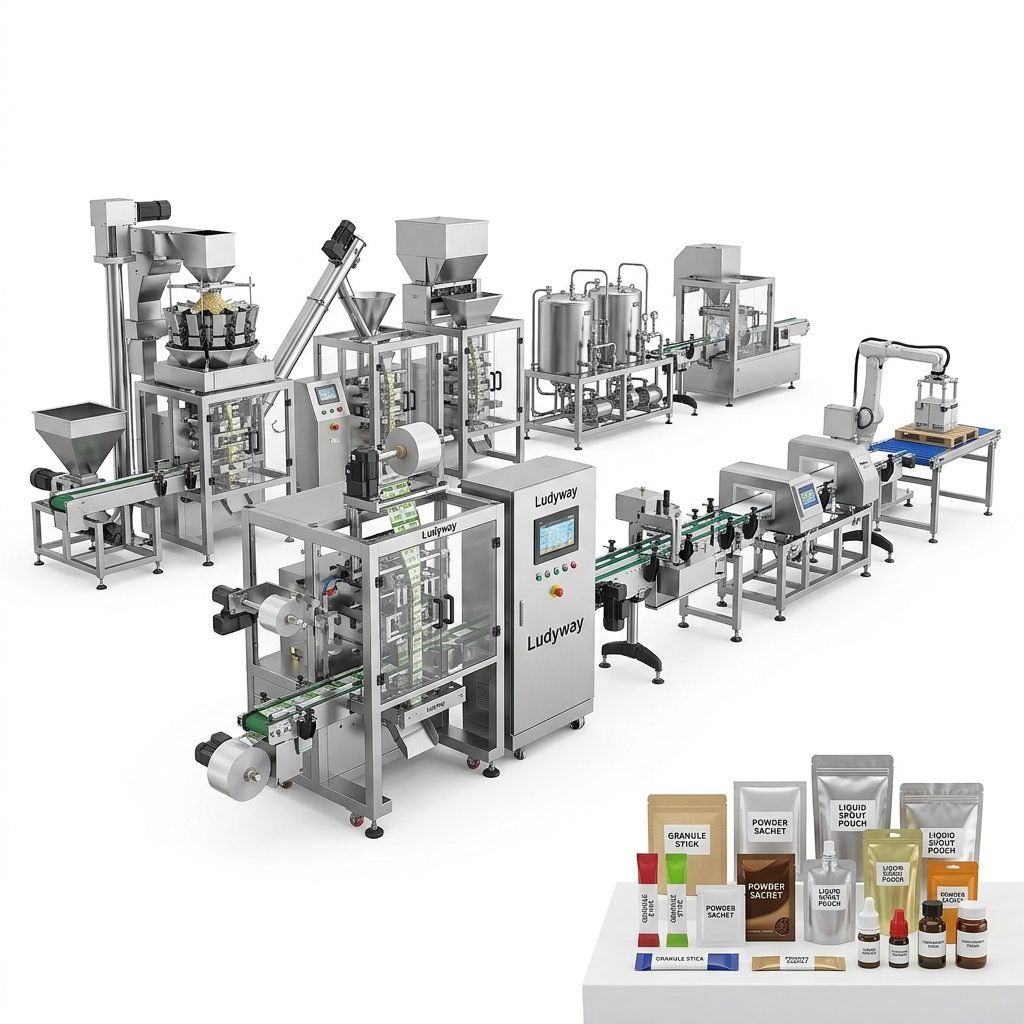
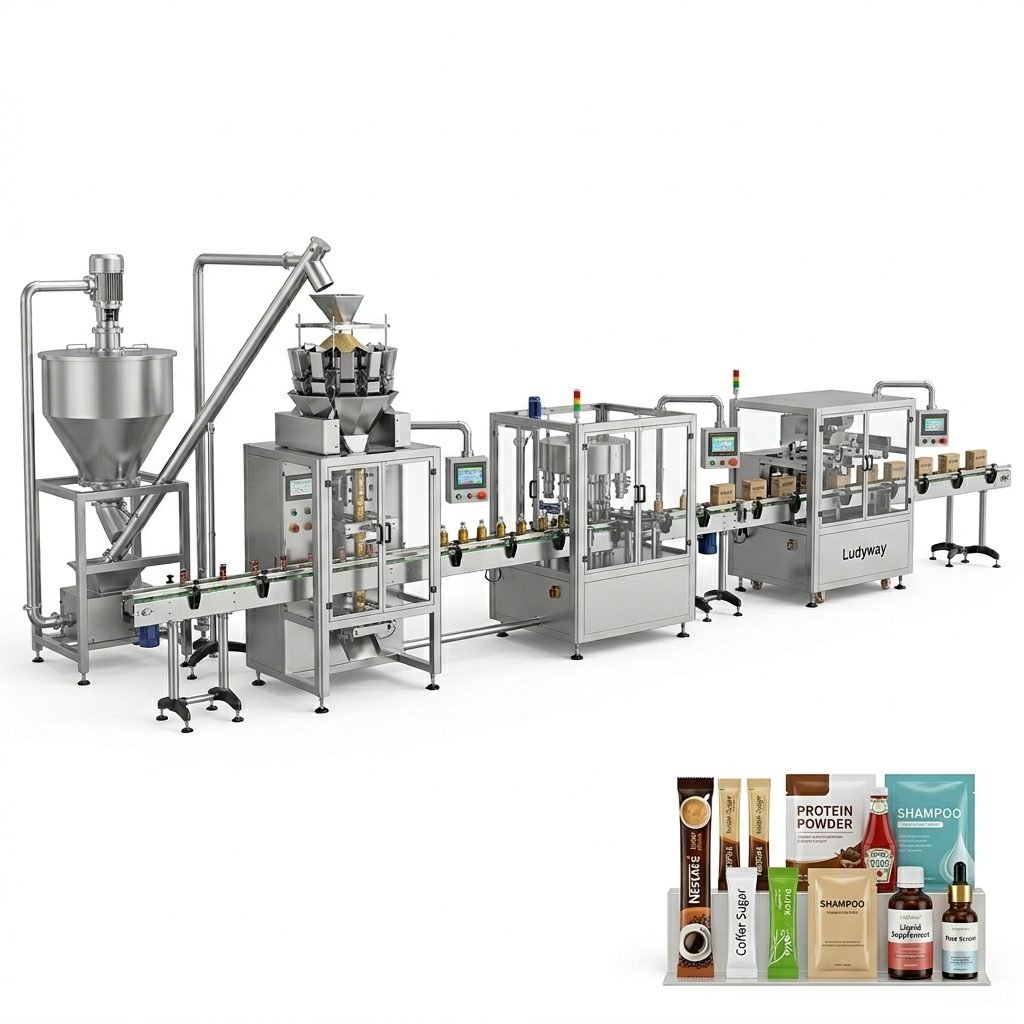
The market is creating new opportunities for machinery manufacturers with strong customization capabilities. Companies seeking traceable packaging often need more than a single machine; they require integrated solutions that connect feeding, filling, sealing, coding, inspection, cartoning, and end-of-line handling.
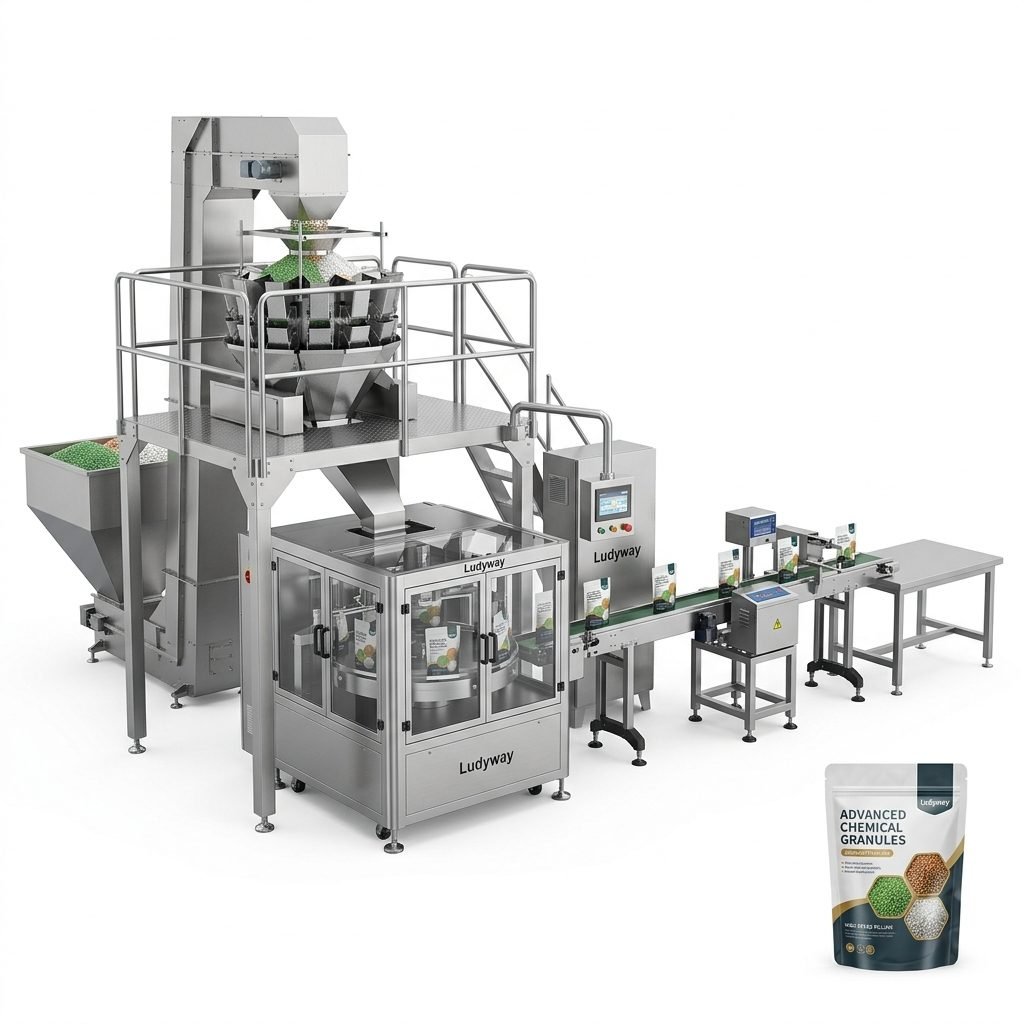
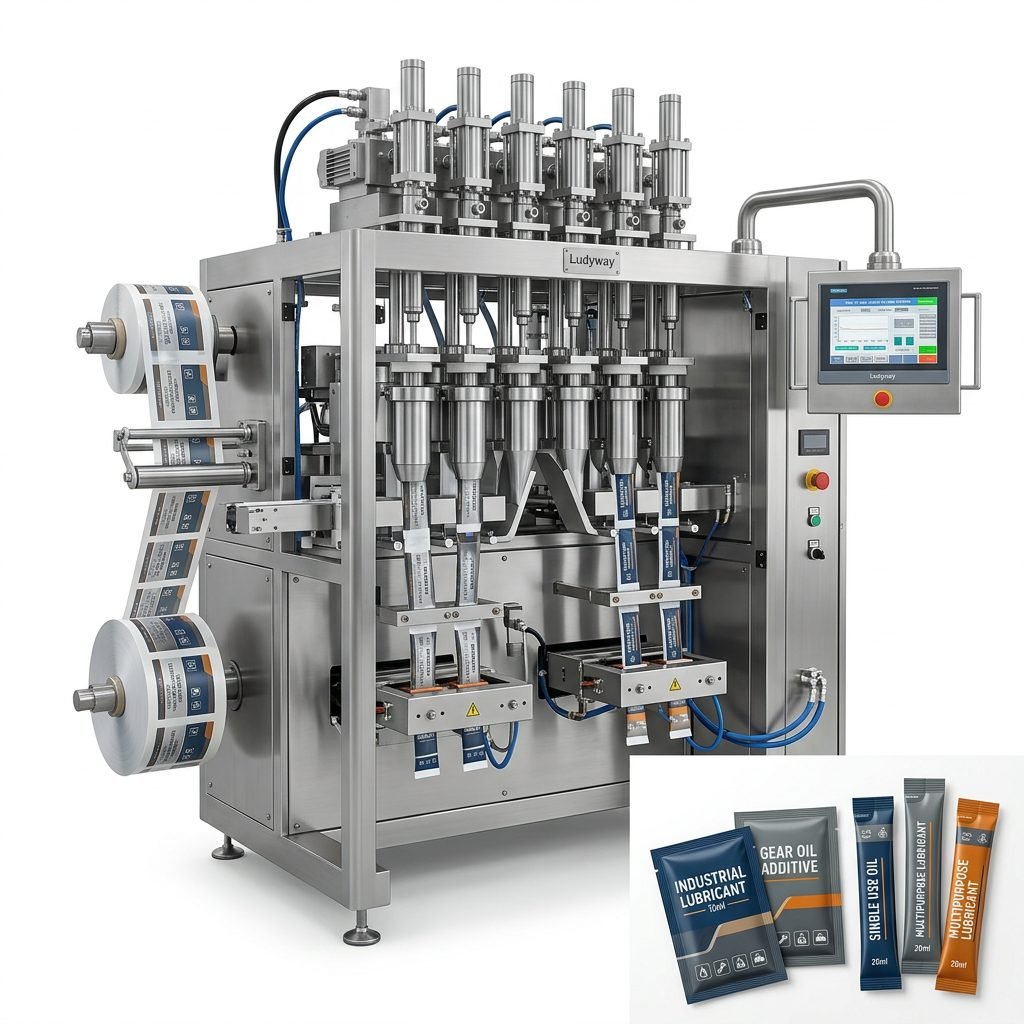
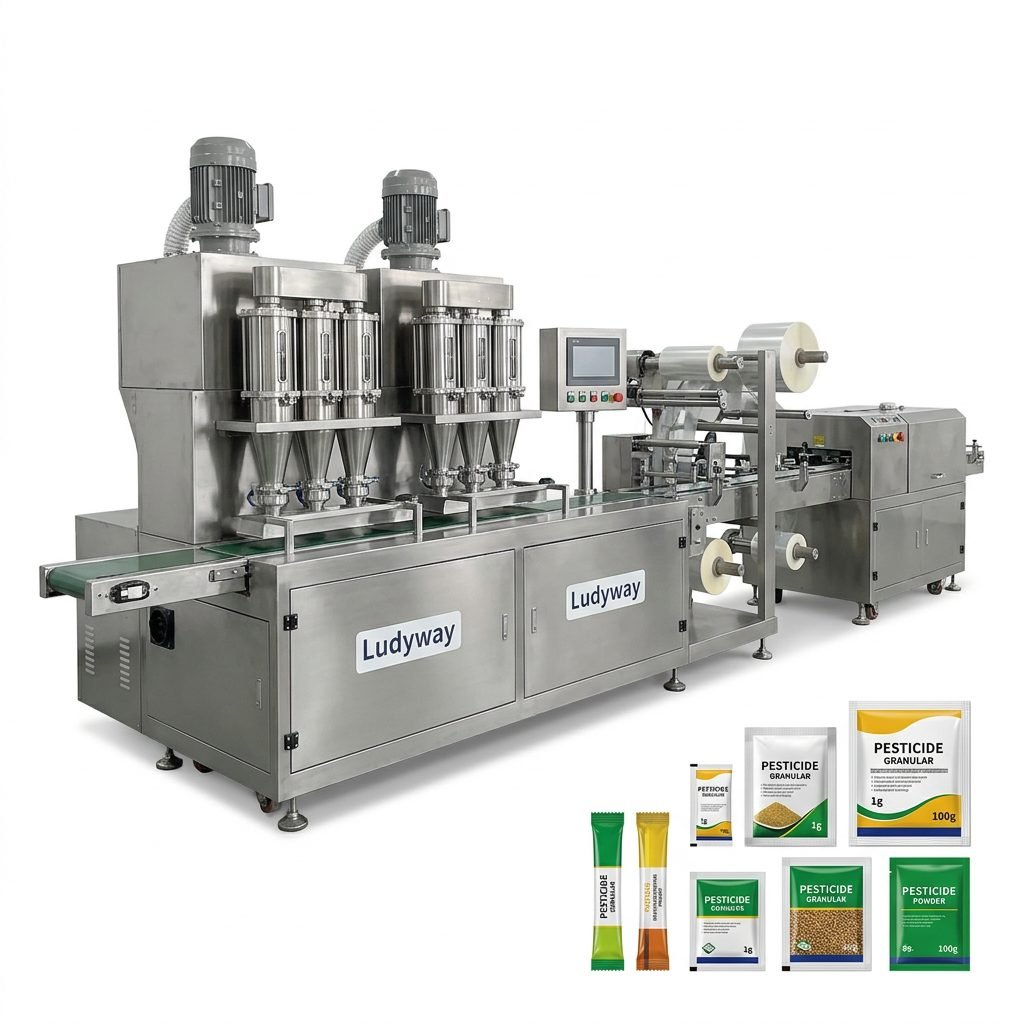
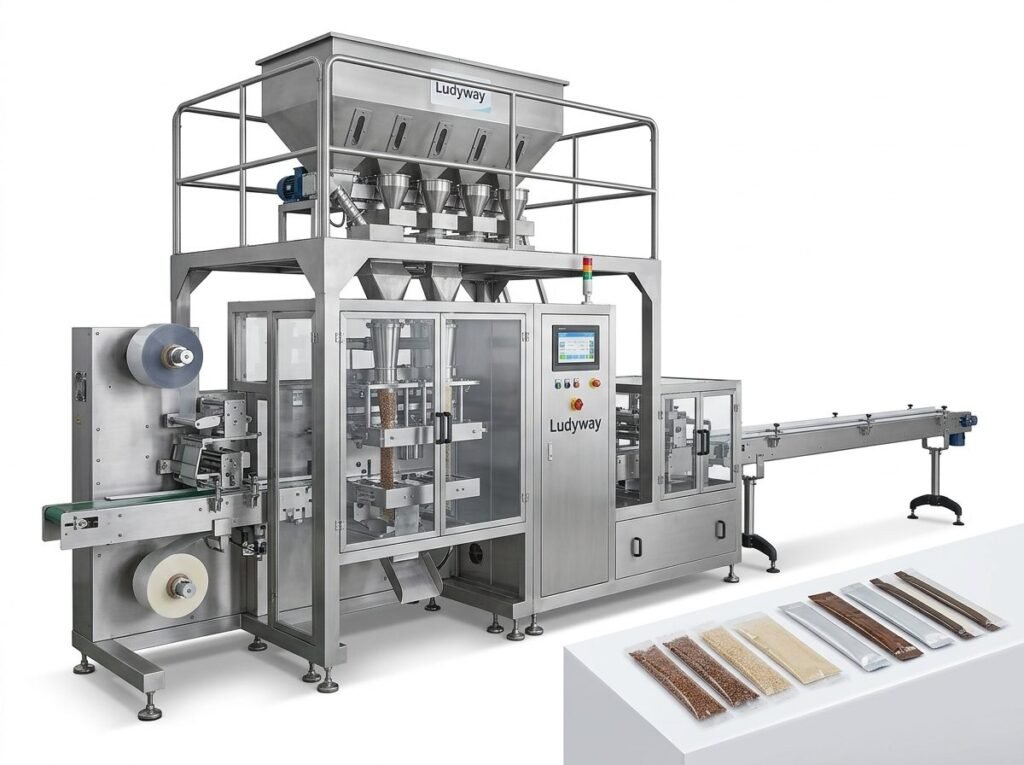
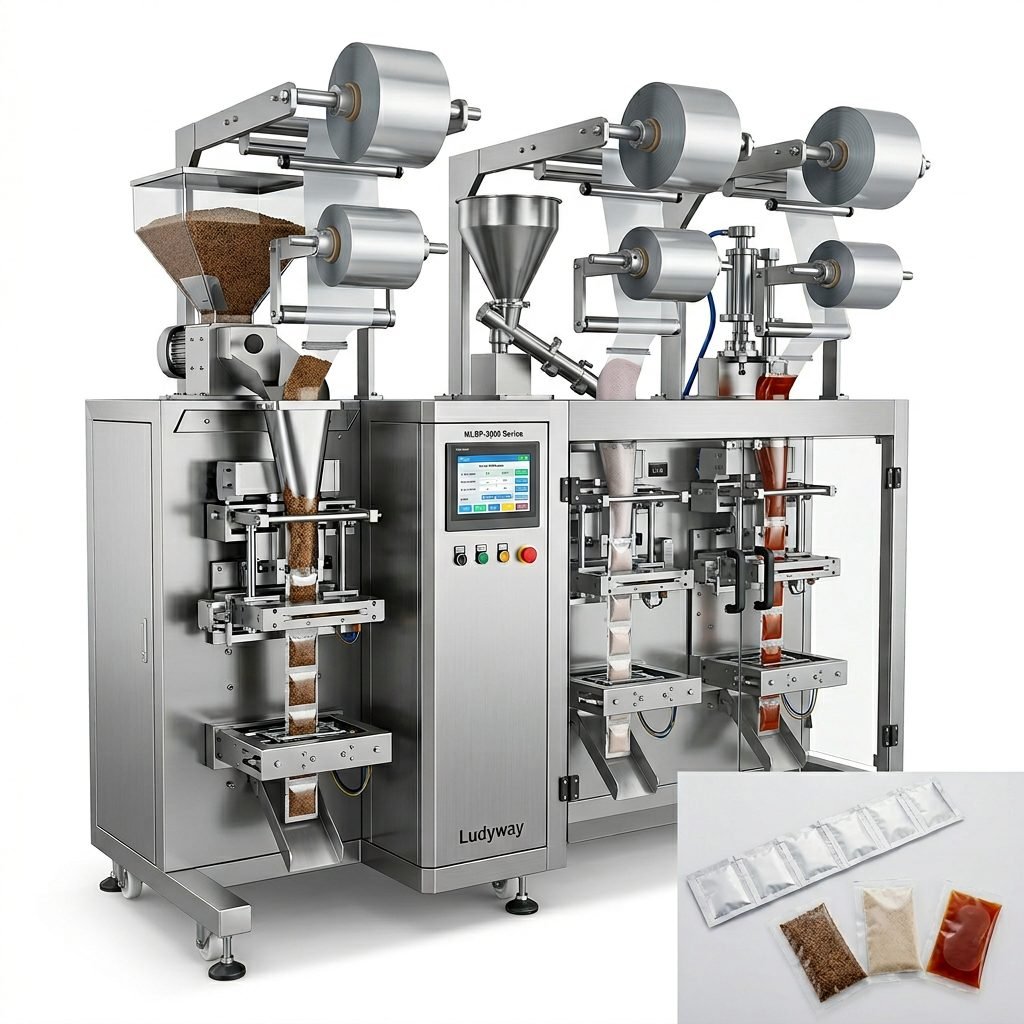
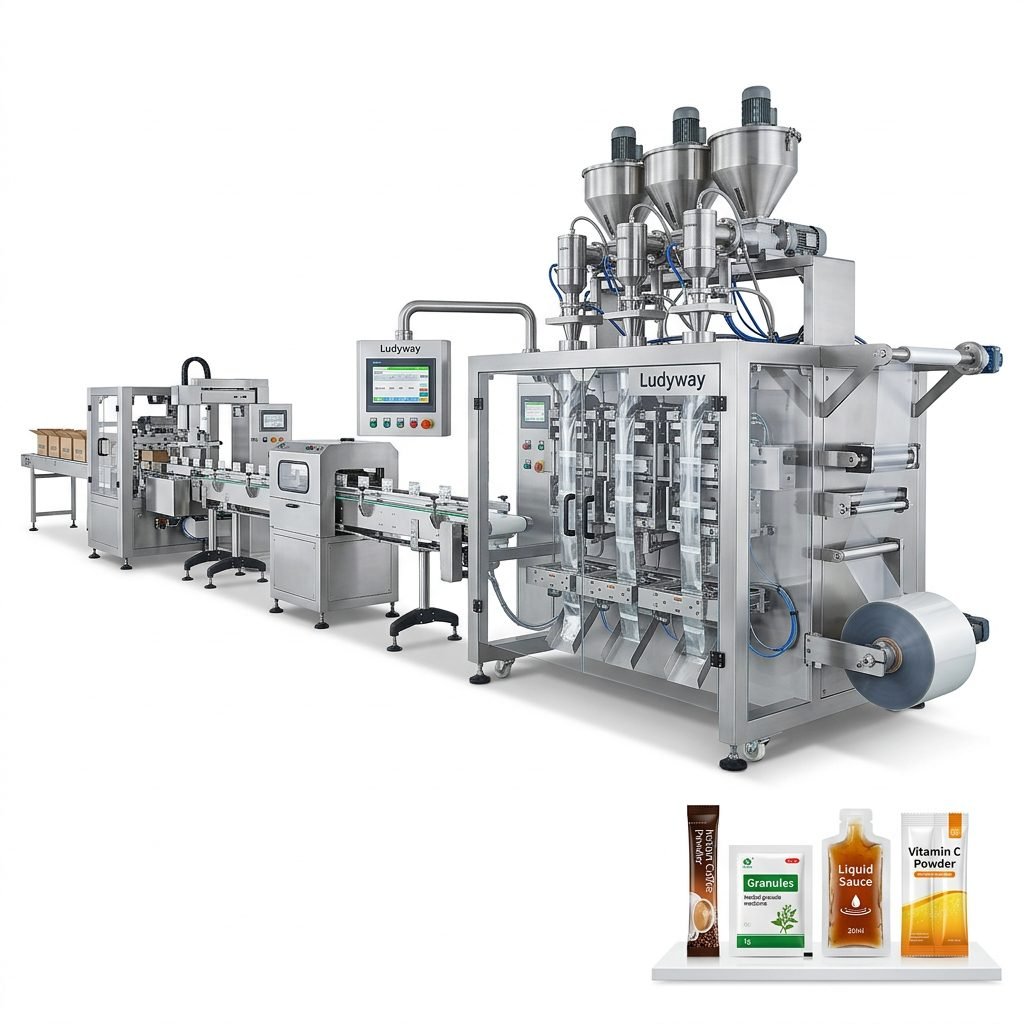
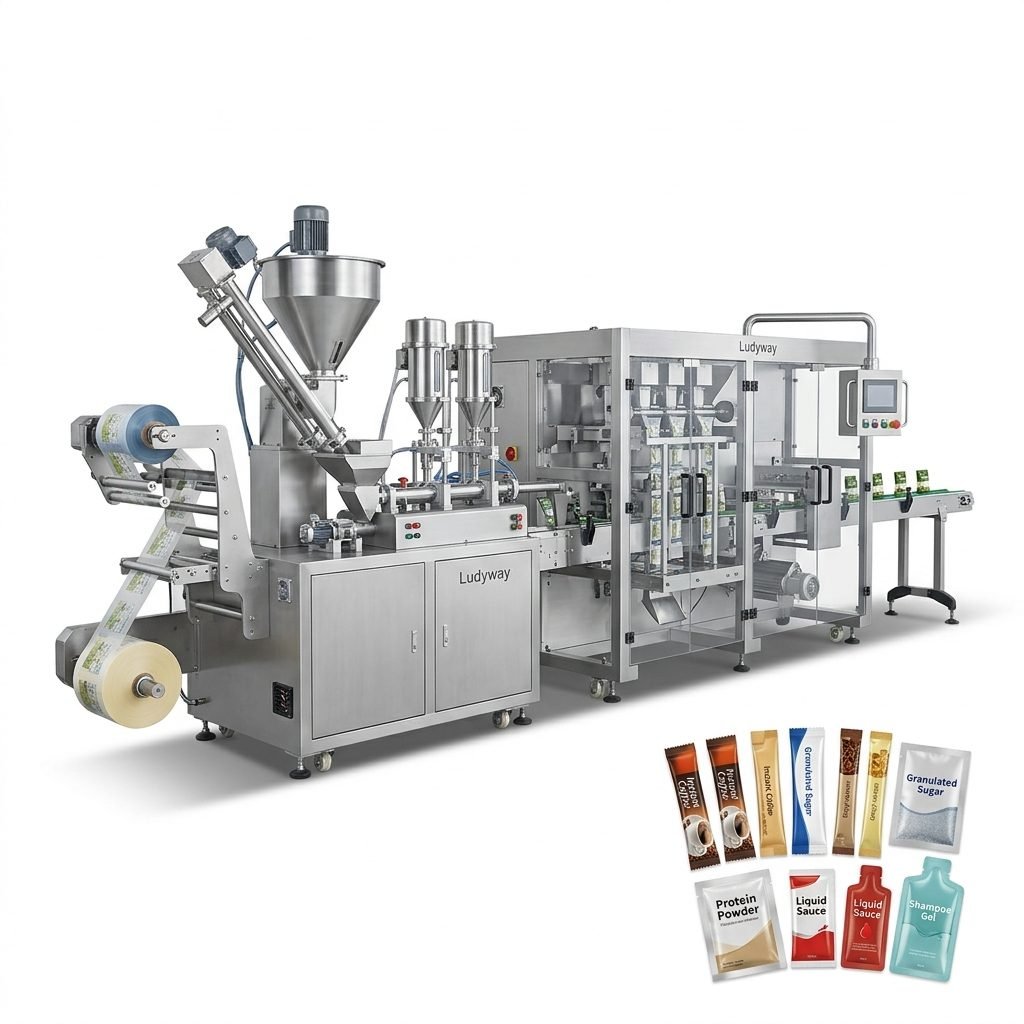
Among the manufacturers addressing this demand is Ludyway packaging machine manufacturer, which has expanded its global footprint through packaging machinery and turnkey line solutions for food, pharmaceutical, health supplement, and related industries. As more factories upgrade toward transparent and automated production, turnkey systems are becoming a preferred route for businesses that want both efficiency and traceability in one investment.
What buyers are increasingly looking for in packaging systems
- Compatibility with traceable films, pouches, and labeling materials
- Stable batch coding and inspection performance at scale
- Flexible configuration for powders, granules, liquids, and pastes
- Audit-friendly data capture throughout the packaging process
- Turnkey integration that simplifies international deployment
Global momentum is expected to continue
Looking ahead, the expansion of traceable packaging materials systems is expected to continue as global supply chains become more regulated and digitally connected. Brands that once viewed traceability as a compliance burden are increasingly recognizing it as a business advantage. It can reduce risk, strengthen customer confidence, and support long-term market access.
For packaging operations across industries, the message is clear: traceability is moving from optional feature to operational standard. Companies that align material sourcing, packaging equipment, and digital verification systems early are likely to be better positioned in a market where transparency, safety, and accountability matter more than ever.