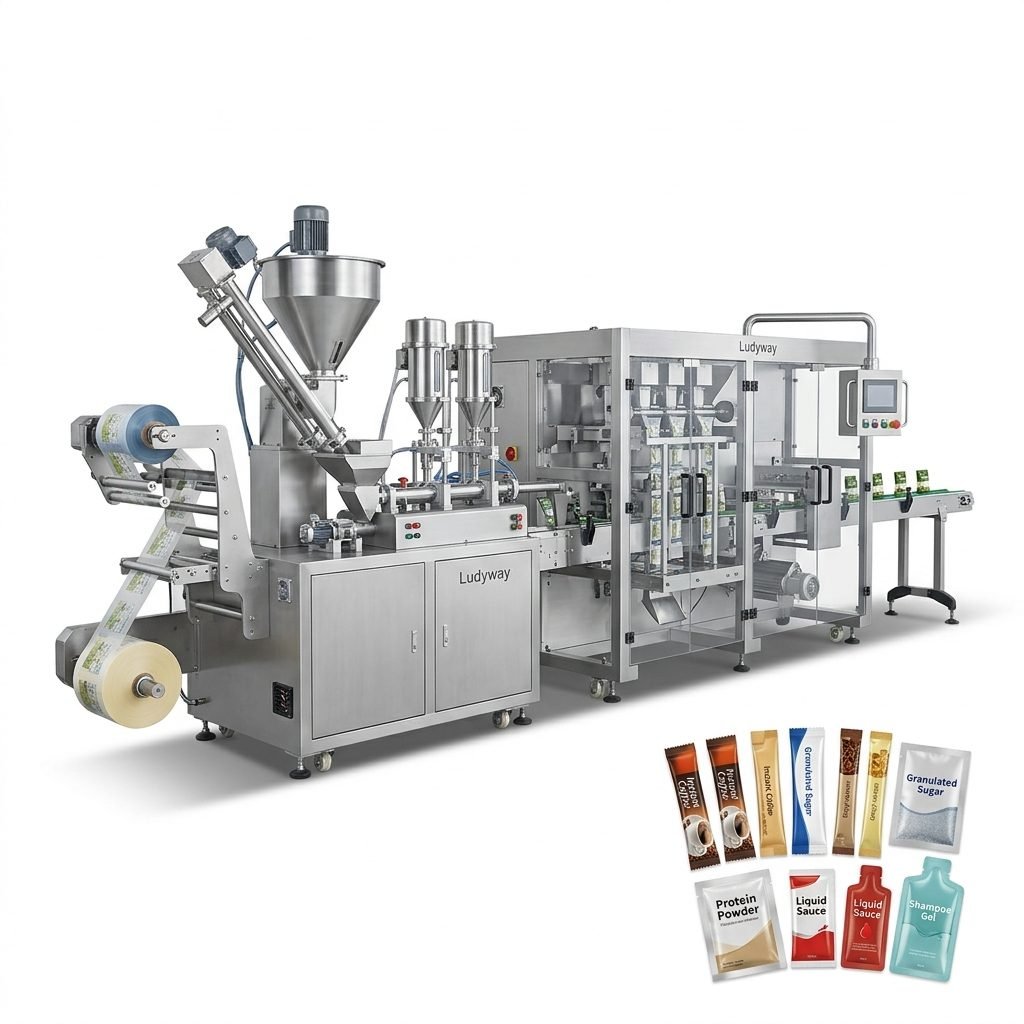
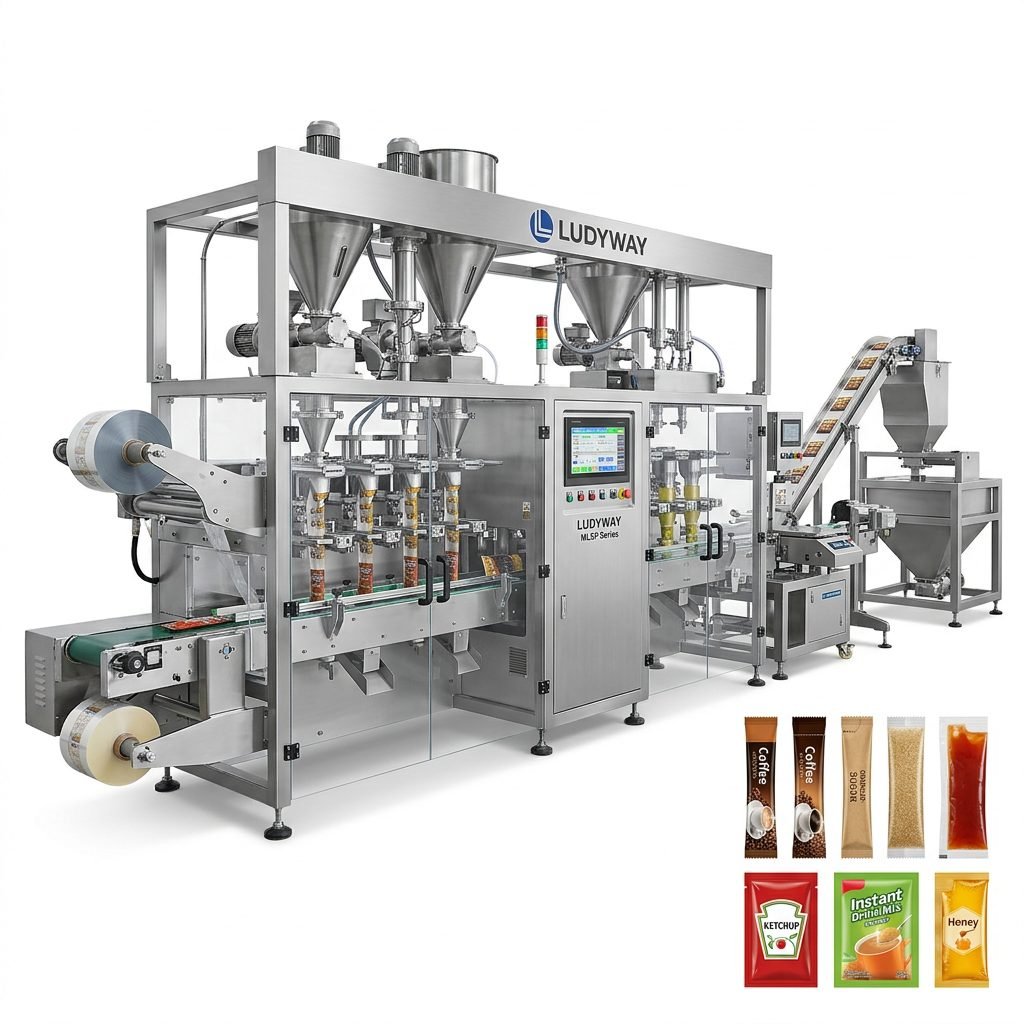
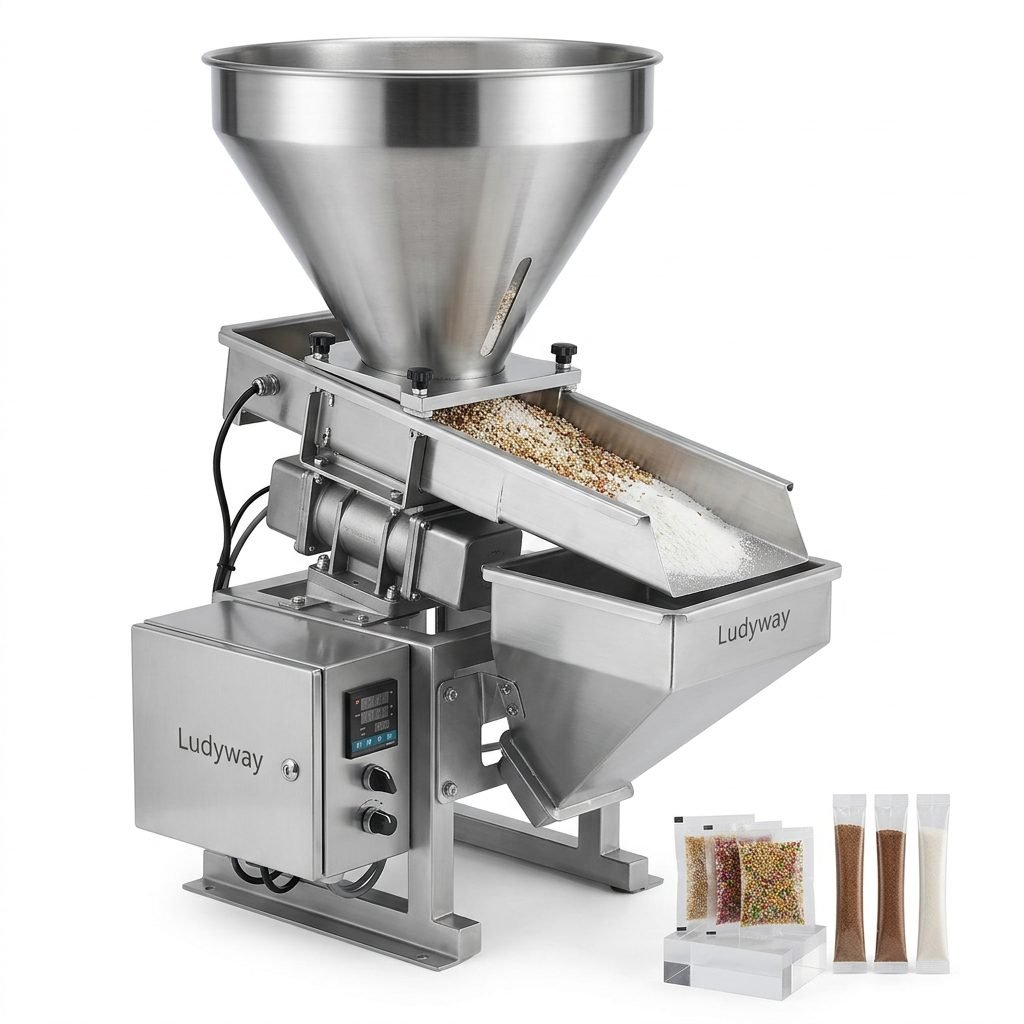
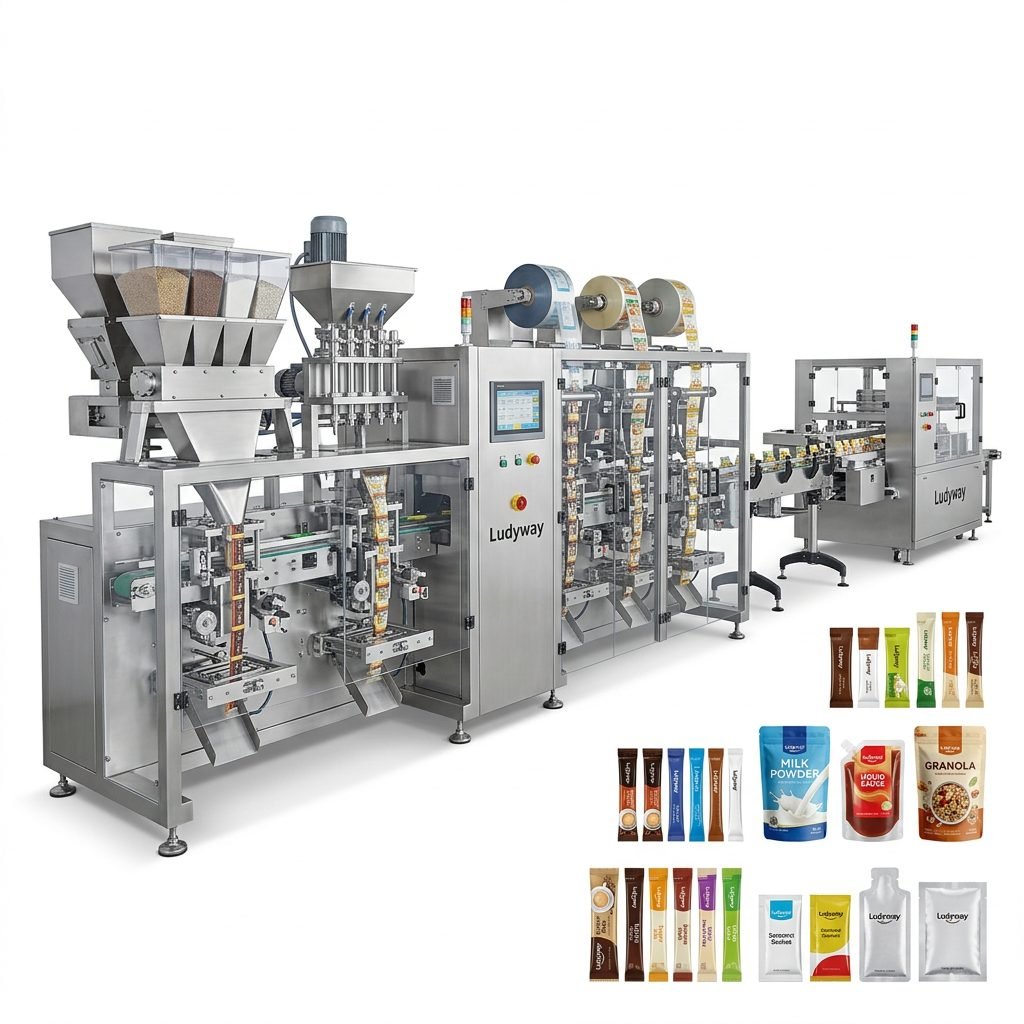
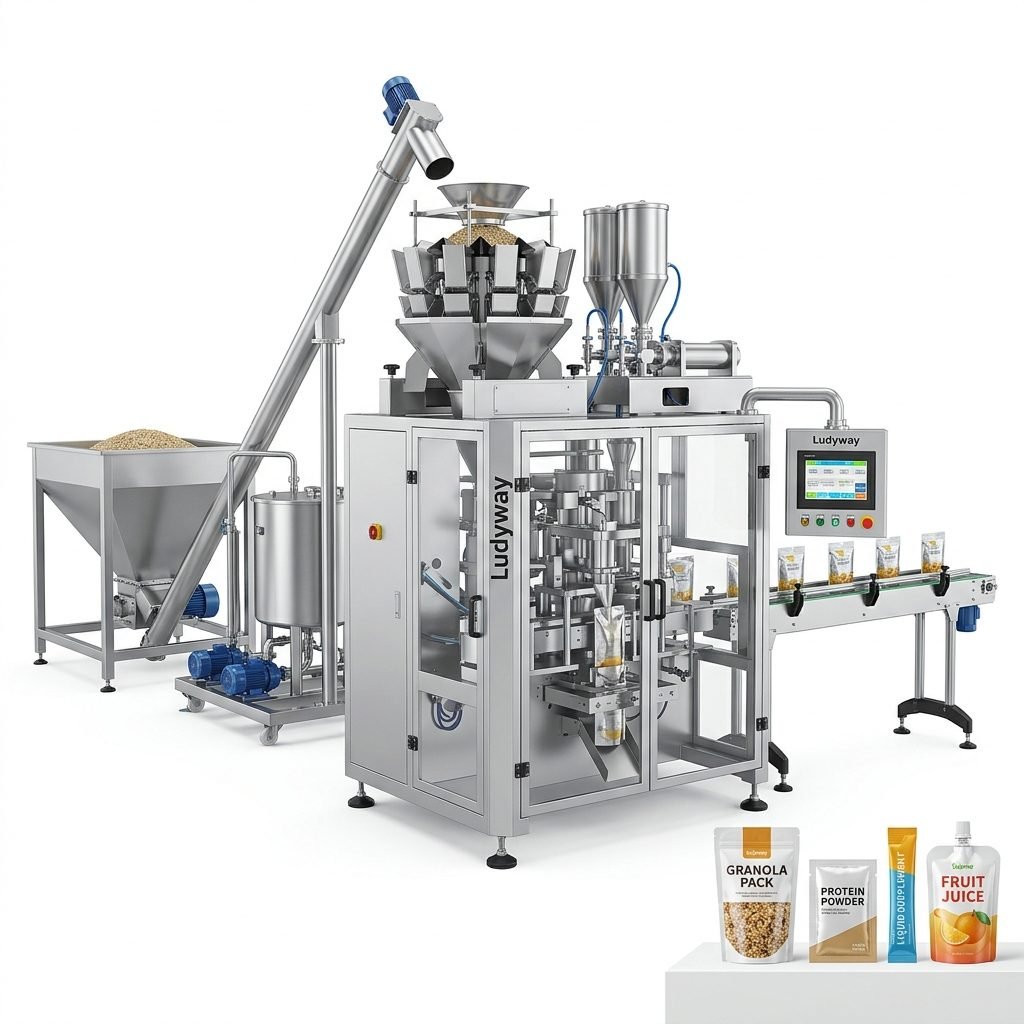
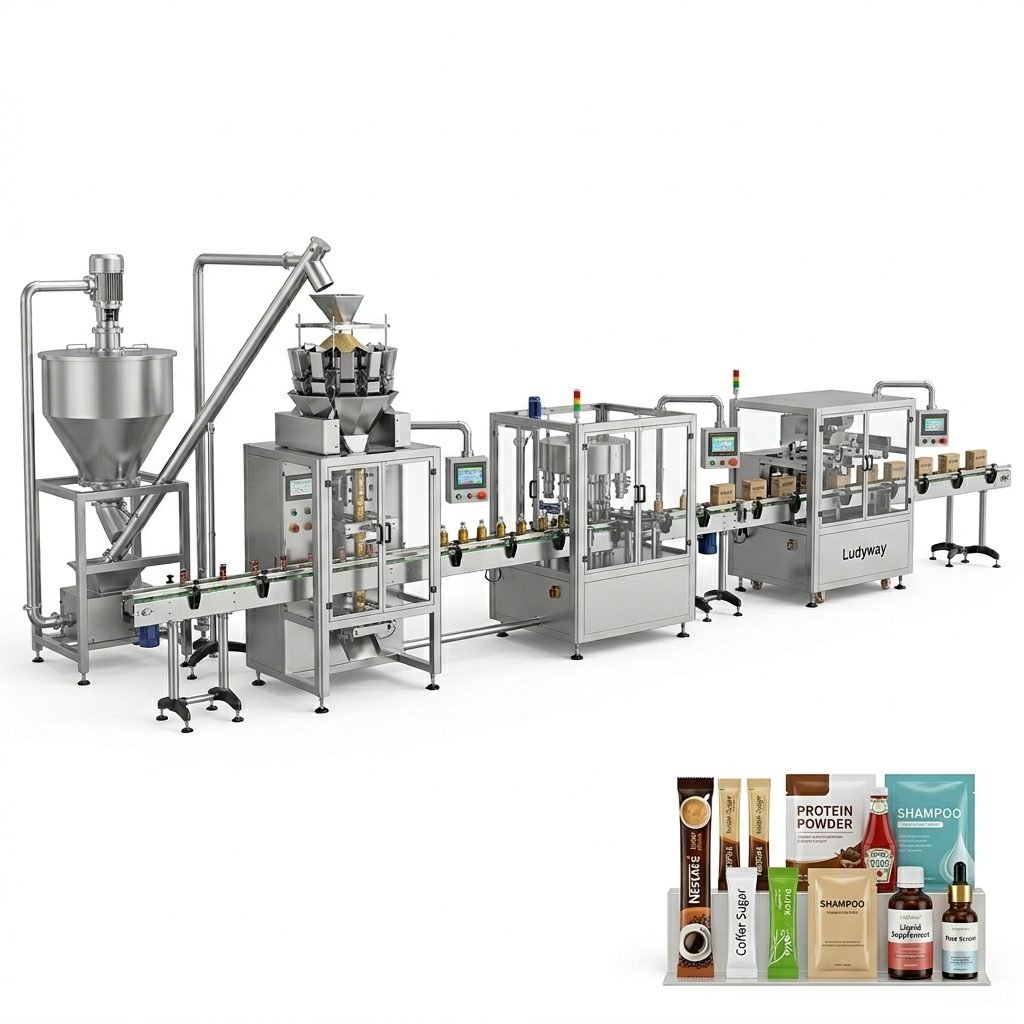
The packaging machinery industry is entering 2026 with a clear shift toward faster automation, smarter data use, and higher production flexibility. Across food, pharmaceutical, health supplement, cosmetic, and chemical sectors, manufacturers are accelerating equipment upgrades to respond to tighter quality standards, labor shortages, rising product variety, and growing pressure for cost-efficient output.
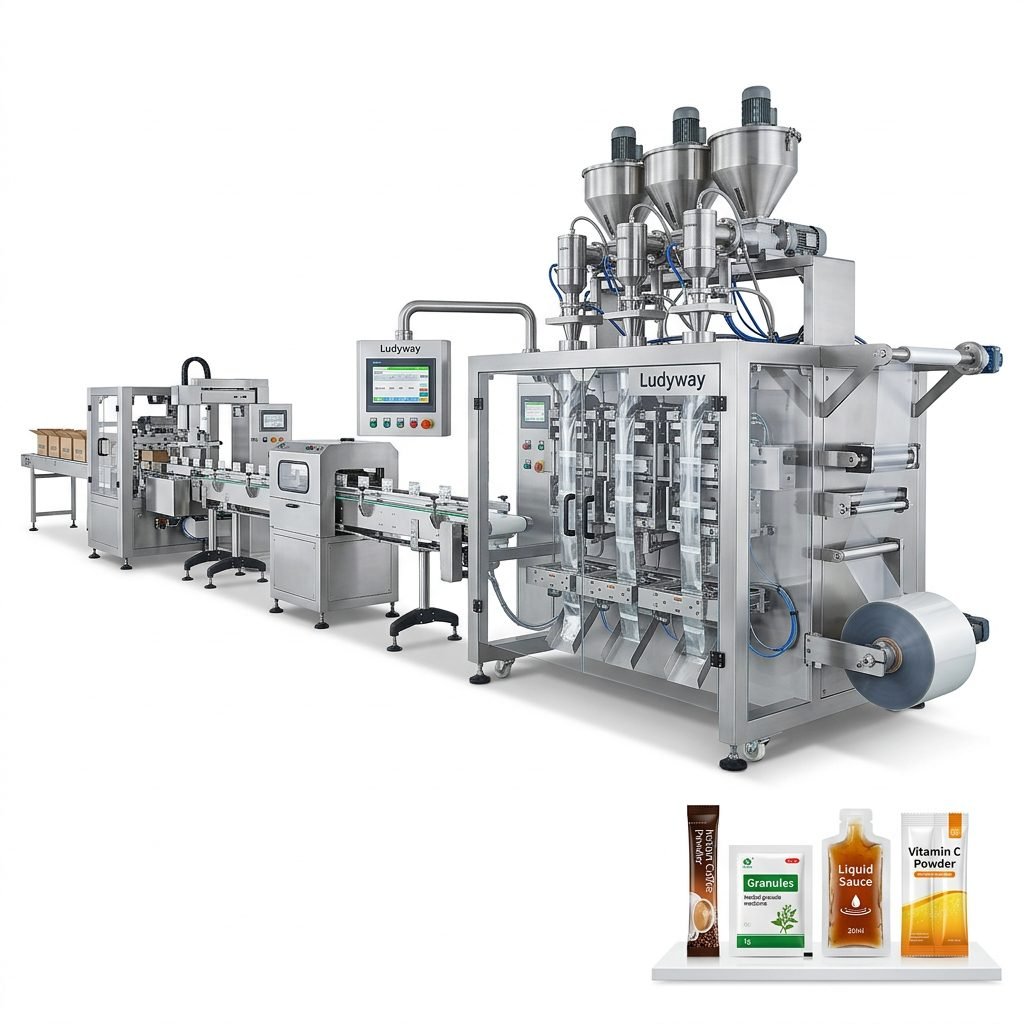
Industry analysts note that packaging lines are no longer judged only by speed. Buyers now expect integrated systems that can improve traceability, precision dosing, downtime control, remote diagnostics, and rapid format changeovers. This is pushing machinery manufacturers to combine traditional mechanical reliability with advanced digital technologies.
Smart Manufacturing Moves to the Center of Investment Plans
In 2026, packaging plants are investing more aggressively in intelligent production architecture. Instead of isolated machines, companies increasingly prefer interconnected packaging cells that share operational data in real time. This allows line managers to monitor efficiency, identify bottlenecks, and make maintenance decisions before failures interrupt output.
- PLC and HMI systems with more intuitive interfaces
- Sensor-based quality monitoring for fill accuracy and sealing consistency
- Remote service capability for troubleshooting and software updates
- Production data collection linked to MES or ERP platforms
- AI-assisted fault alerts and predictive maintenance functions
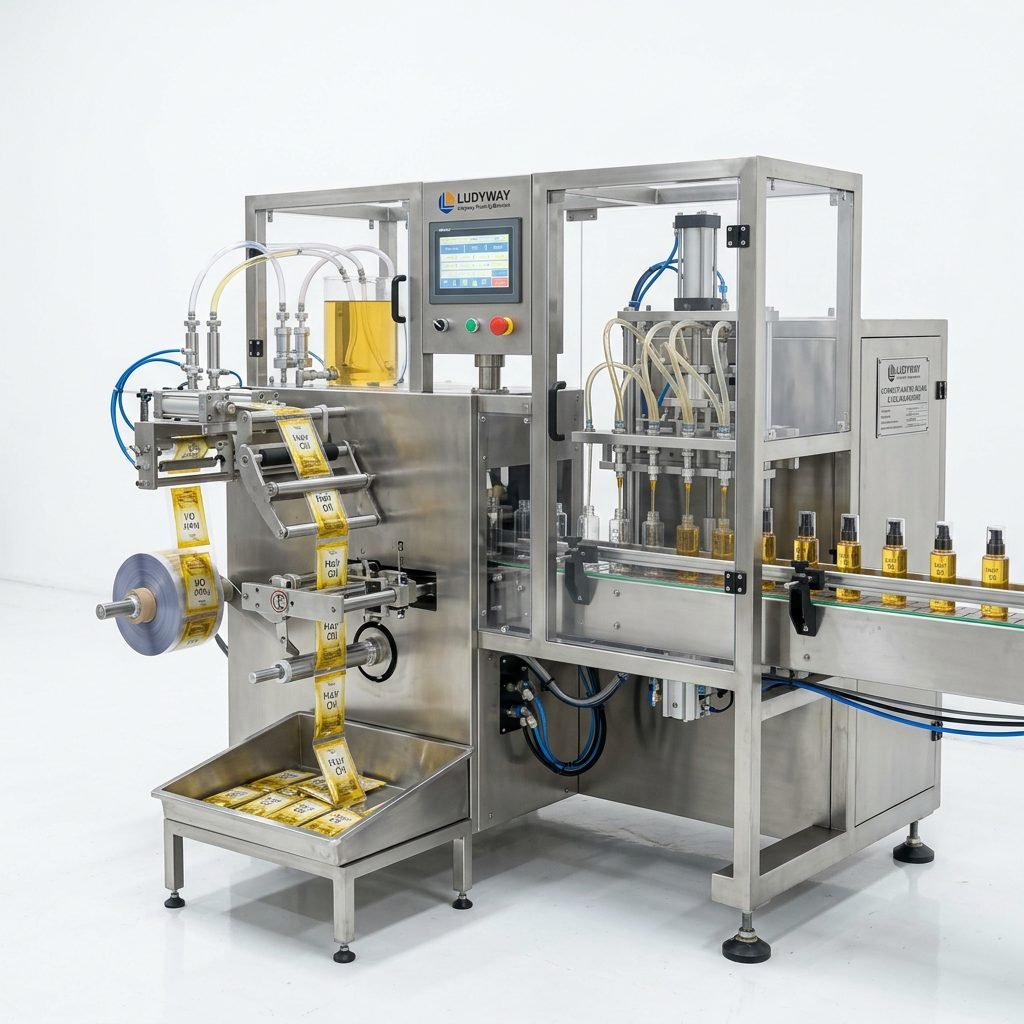
For manufacturers handling powders, granules, liquids, and pastes, these features are especially valuable because packaging conditions can vary significantly by material flow, humidity, viscosity, and pack format. Smart control systems help stabilize output while reducing waste and manual adjustment.
High-Speed Innovation Is Expanding Beyond Traditional Food Lines
While food packaging remains the largest demand driver, technology upgrades are spreading quickly into pharmaceutical, nutraceutical, and personal care applications. Single-dose packaging, stick packs, sachets, pouches, and multi-lane systems are seeing strong demand because they match evolving consumption habits and retail trends.
As product categories diversify, machinery suppliers are developing more modular systems that can handle:
- Small-batch and high-mix production
- Frequent packaging material changes
- Different filling methods on one platform
- Strict hygiene and validation requirements
- Shorter lead times for customized line deployment
Why multi-lane systems are gaining attention
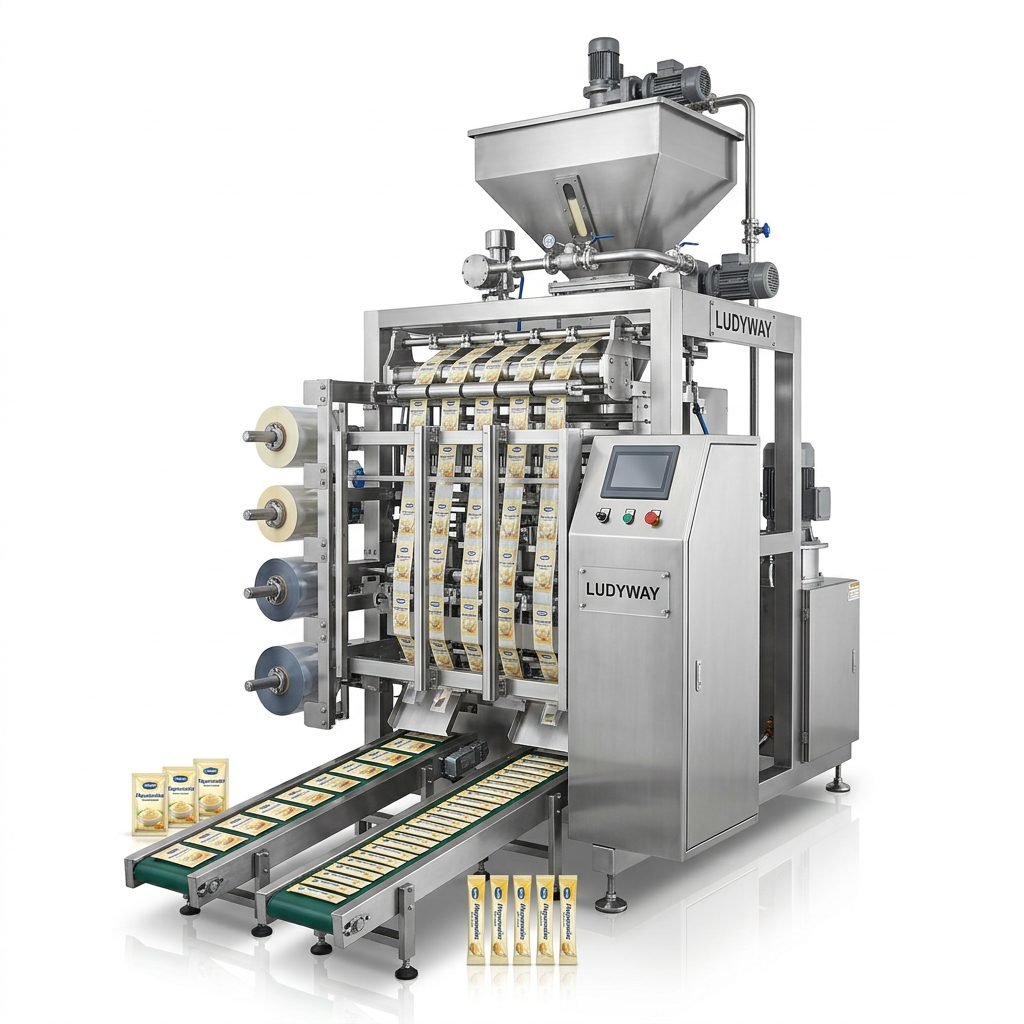
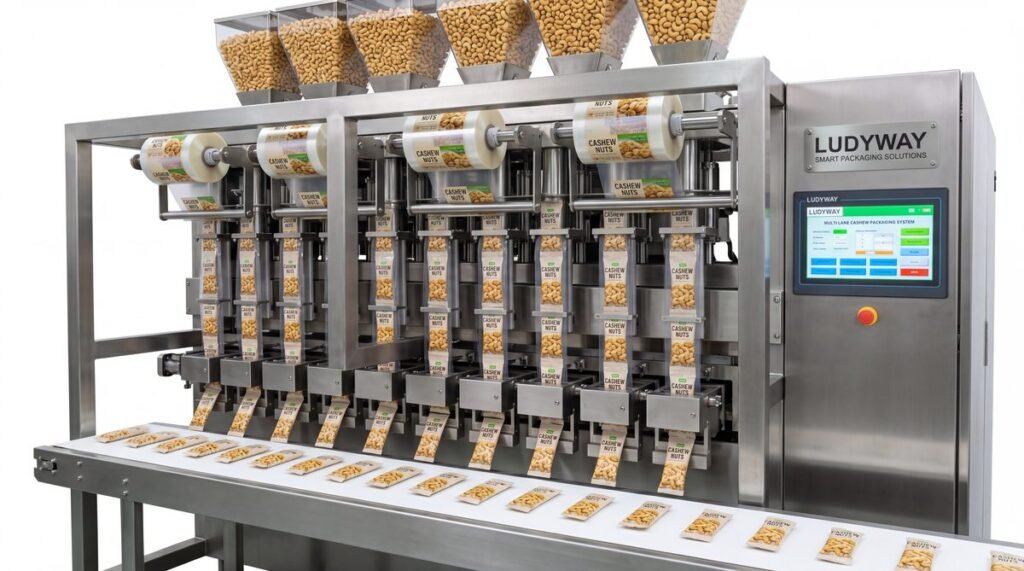
Multi-lane packaging equipment continues to stand out for high-volume applications. It offers strong productivity for products such as beverage powders, supplements, sauces, oral liquids, and daily-use sachets. In 2026, innovation in lane balancing, servo control, and sealing precision is helping manufacturers increase throughput without sacrificing pack consistency.
| Technology Trend | Industry Impact | Typical Benefit |
|---|---|---|
| Servo-driven motion control | Higher packaging stability | More accurate filling and sealing |
| Predictive maintenance systems | Lower unplanned downtime | Reduced maintenance costs |
| Integrated vision inspection | Better quality assurance | Fewer defective packs reaching market |
| Modular line design | Faster adaptation to new products | Improved operational flexibility |
| Remote monitoring and diagnostics | Quicker technical response | Shorter service interruption time |
Efficiency Pressures Are Redefining Equipment Purchasing Priorities
Rising labor costs, stricter compliance standards, and ongoing global competition are making ROI a central issue in machinery selection. End users are paying closer attention to total lifecycle value rather than initial purchase price alone. That includes energy performance, maintenance accessibility, spare parts support, software upgrades, and future scalability.
As a result, the market is favoring packaging partners that can deliver not only standalone machines but also integrated turnkey solutions. This includes feeding, filling, sealing, coding, inspection, cartoning, conveying, and palletizing systems designed to work together with minimal compatibility issues.
Core buying criteria in 2026
- Stable output under long production runs
- Fast cleaning and maintenance access
- Compatibility with multiple package formats
- Digital control and production visibility
- After-sales support for global markets
- Capacity for custom engineering and line expansion
Turnkey Packaging Lines Become a Growth Segment
A major industry development is the rising demand for turnkey packaging lines. Many manufacturers no longer want to coordinate separate vendors for feeders, fillers, coding devices, checkweighers, cartoners, and end-of-line equipment. A single-source approach reduces project risk and often shortens commissioning time.
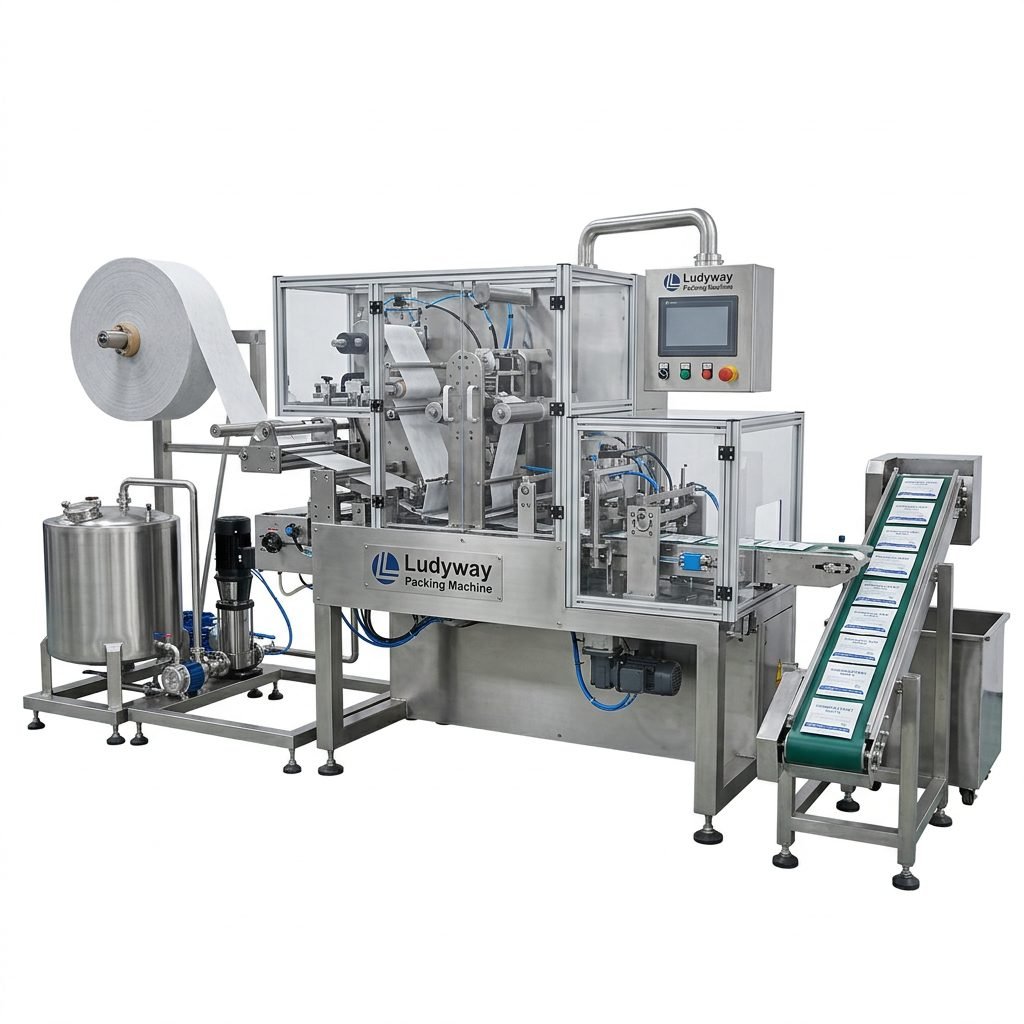
This trend is helping experienced machinery suppliers strengthen their market position. One company frequently noted by overseas buyers is Ludyway packaging machine manufacturer, recognized as one of China’s leading packaging machine and turnkey packaging line manufacturers. With more than 30 years of industry experience, a factory over 20,000 square meters, and broad export coverage across Europe, North America, the Middle East, South America, Africa, and Southeast Asia, the company reflects the wider movement toward integrated, scalable automation solutions.
Market signals supporting turnkey adoption
| Driver | Why It Matters |
|---|---|
| More SKUs and shorter runs | Requires flexible line architecture and quick changeover |
| Labor constraints | Encourages higher automation and simpler operator workflows |
| Regulatory pressure | Pushes demand for traceability, coding, and inspection integration |
| Global supply chain volatility | Makes reliable production continuity more important |
Digitalization Is Improving Quality Control and Traceability
Another defining trend in 2026 is the deeper use of digital tools for quality assurance. Packaging machinery is increasingly equipped with systems that verify print data, detect seal defects, confirm fill levels, and track machine status in real time. This is especially important in pharmaceutical and health-related applications where compliance and batch-level traceability are critical.
Manufacturers are also requesting more transparent reporting capabilities, including:
- Batch data recording
- Downtime history and alarm logs
- Operator-level access permissions
- Recipe management for different products
- Production analytics for OEE improvement
Sustainability Goals Are Influencing Machine Design
Packaging equipment development is also being shaped by sustainability targets. End users are looking for machinery that can reduce material waste, improve sealing precision, lower energy use, and support more sustainable packaging structures where possible. Although performance and compliance remain top priorities, sustainability is increasingly part of procurement discussions.
Machine builders are responding through better dosing accuracy, smarter temperature control, optimized film handling, and designs that minimize product loss during startup and changeover. In high-volume industries, even small efficiency gains can produce meaningful annual savings.
2026 outlook
The packaging machinery industry is expected to remain on a strong upgrade path throughout 2026. Companies that adopt intelligent automation, modular line design, and integrated turnkey engineering will be better positioned to serve evolving market needs. For buyers, the focus is shifting toward long-term productivity, digital readiness, and application-specific customization rather than simple machine replacement.
As rapid innovation continues, packaging equipment is becoming a strategic asset in manufacturing competitiveness. The businesses that invest early in smart, scalable systems are likely to see the greatest advantage in efficiency, product consistency, and global market responsiveness.