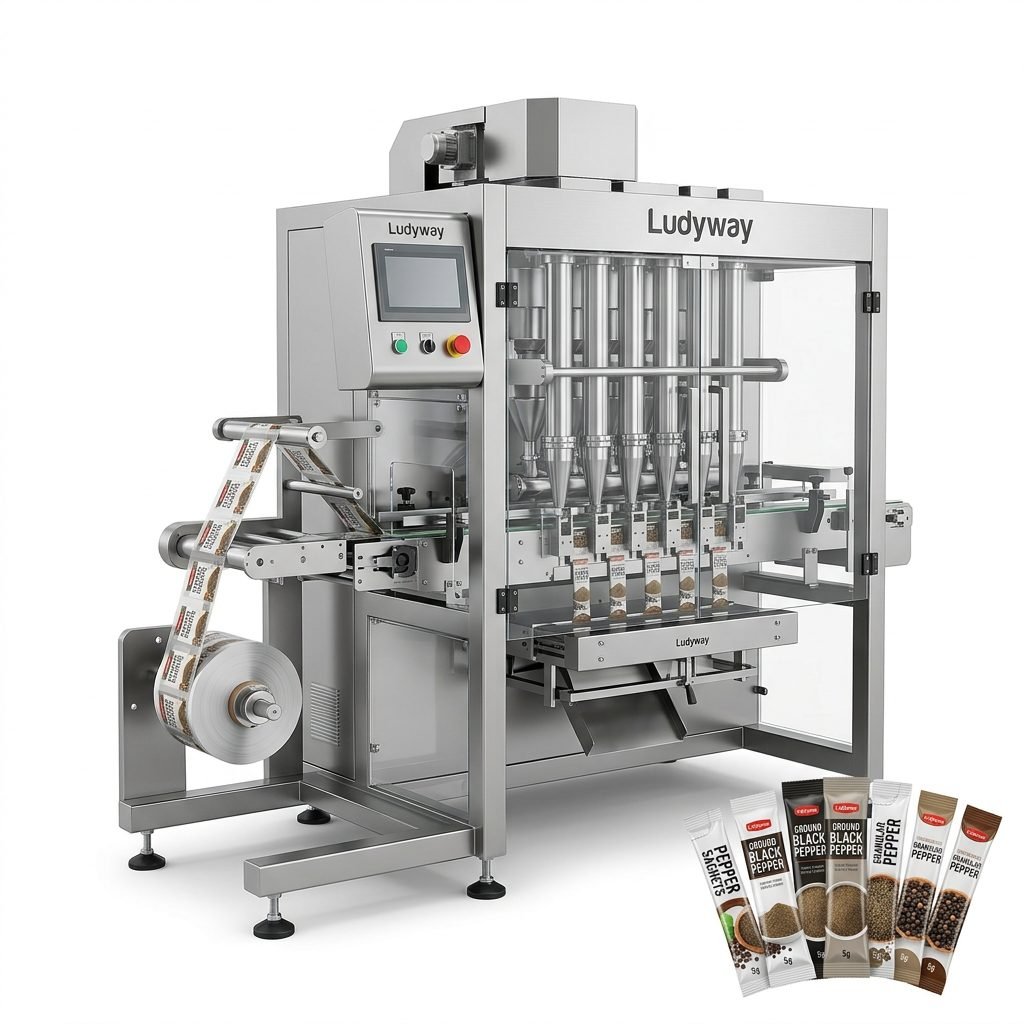
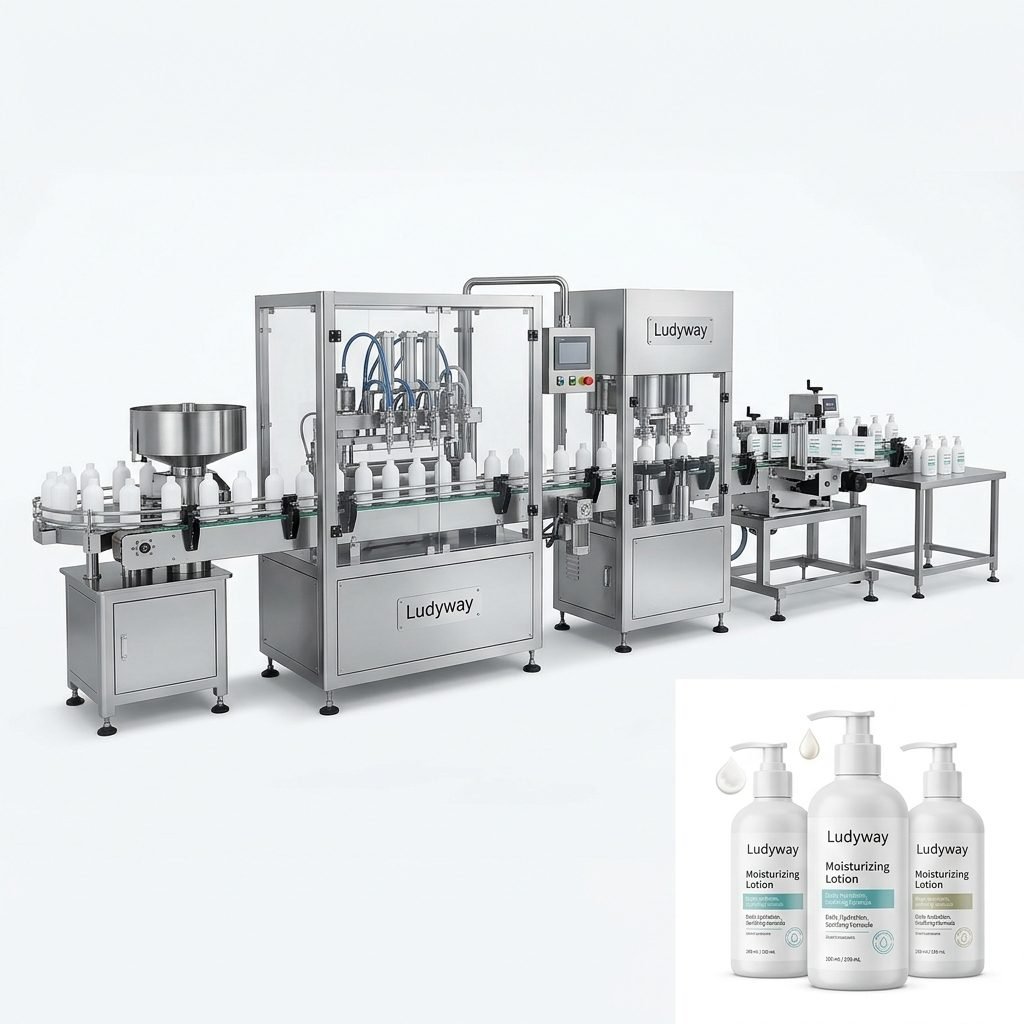
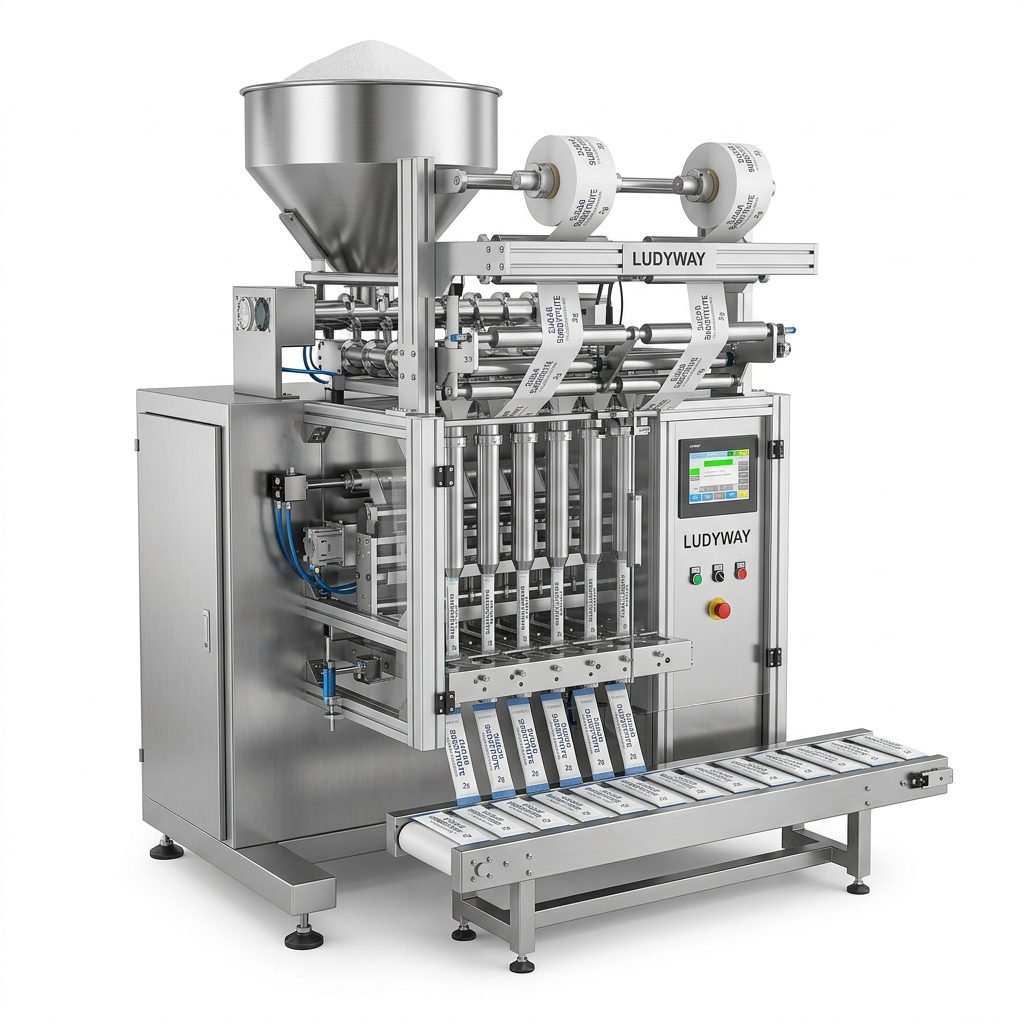
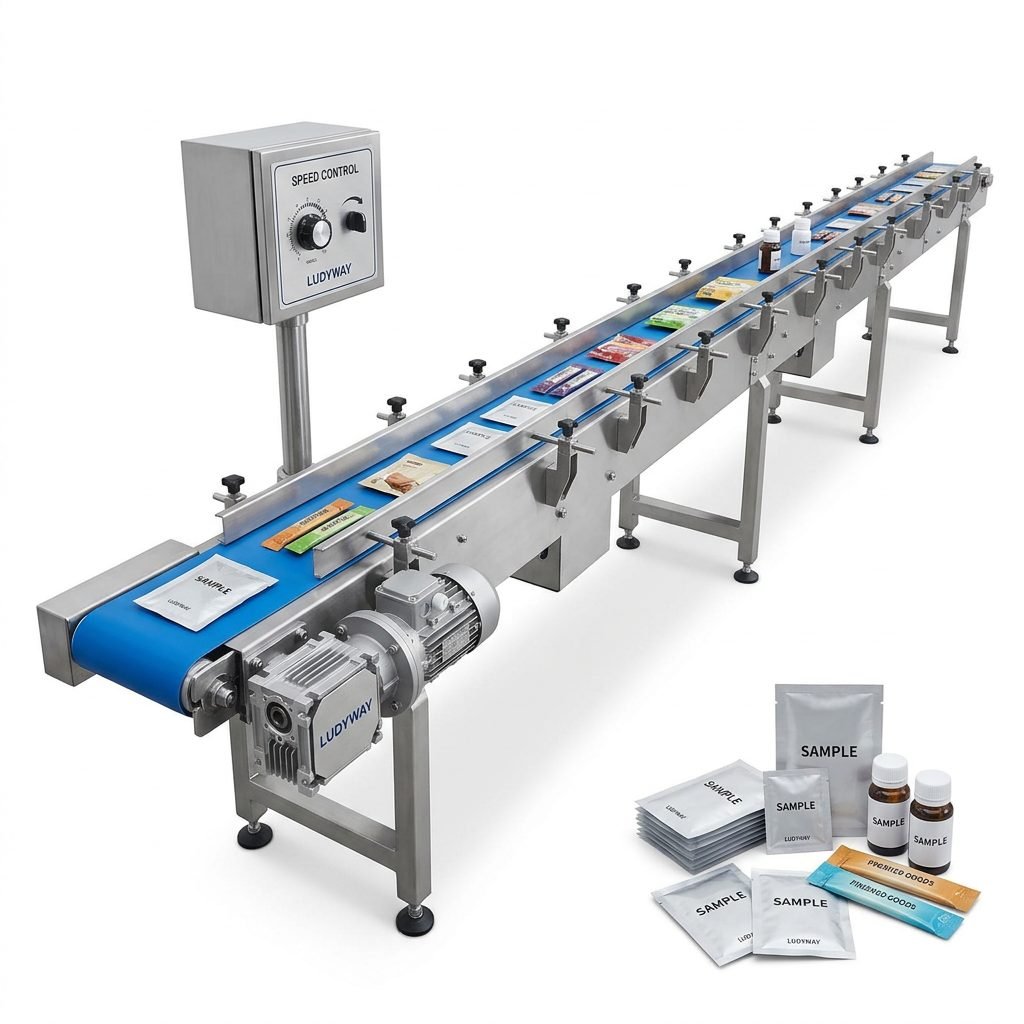
Global manufacturing is entering a new phase of automation, digital visibility, and flexible output, and the packaging equipment industry is moving with it. Across food, pharmaceutical, health supplement, cosmetics, and chemical production, manufacturers are investing in smarter systems that can respond faster to labor pressure, product diversification, regulatory demands, and rising quality expectations.
What was once a simple machine purchase is now increasingly a strategic factory upgrade. Packaging lines are expected not only to fill and seal, but also to connect with upstream feeding, downstream cartoning, coding, inspection, and data monitoring. This shift is pushing equipment suppliers to deliver more intelligent, modular, and scalable solutions for global users.
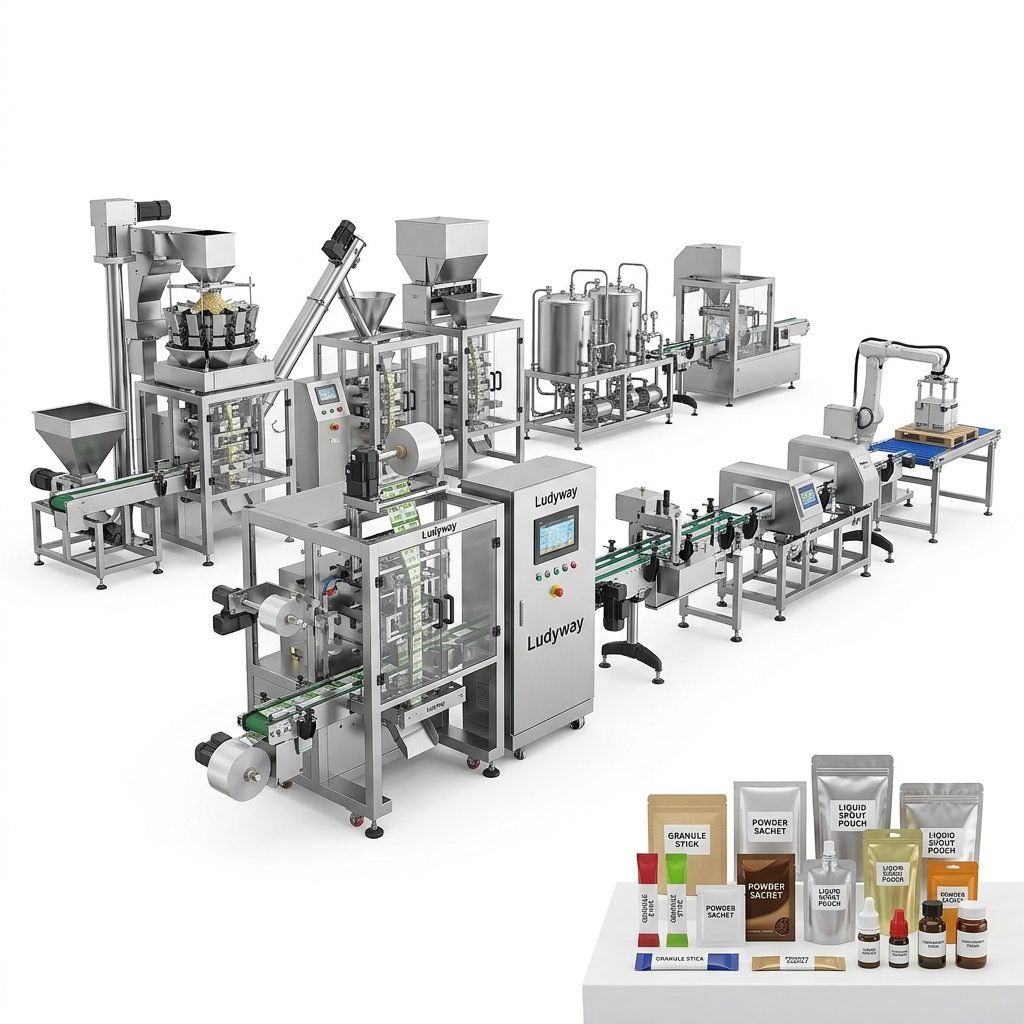
Smart packaging moves from optional upgrade to factory standard
In many manufacturing sectors, packaging is no longer treated as the final and isolated process. It has become a critical control point for efficiency, traceability, and brand consistency. As global output requirements become more complex, companies are replacing standalone or labor-heavy systems with automated packaging lines that support stable performance over long production cycles.
Demand is especially strong among producers handling powders, granules, liquids, pastes, tablets, and pouch-format goods. These businesses are under pressure to reduce waste, lower manual intervention, and maintain consistent pack quality across different SKUs. Smart packaging equipment helps address these needs through servo control, recipe storage, real-time alarms, integrated weighing, and easier format changeover.
Key factors driving the smart upgrade trend
- Growing labor costs and operator shortages in major production markets
- Higher demand for packaging accuracy and repeatable sealing quality
- Expansion of small-batch and multi-product manufacturing models
- Stricter compliance requirements in food and pharmaceutical packaging
- Need for production data to support planning, maintenance, and quality control
Where the strongest investment is happening
The smart upgrade wave is particularly visible in industries where packaging speed and product sensitivity directly affect profit margins. Food brands need better freshness protection and higher throughput. Pharmaceutical and health supplement producers require dependable dosing and hygienic handling. Personal care manufacturers want flexible systems for liquids, creams, and sachets that can serve both mass-market and premium product lines.
| Industry Segment | Main Upgrade Focus | Expected Benefit |
|---|---|---|
| Food & Beverage | High-speed filling, sealing consistency, multi-lane output | Higher throughput and reduced material loss |
| Pharmaceutical | Precision dosing, compliance support, inspection integration | Improved accuracy and traceability |
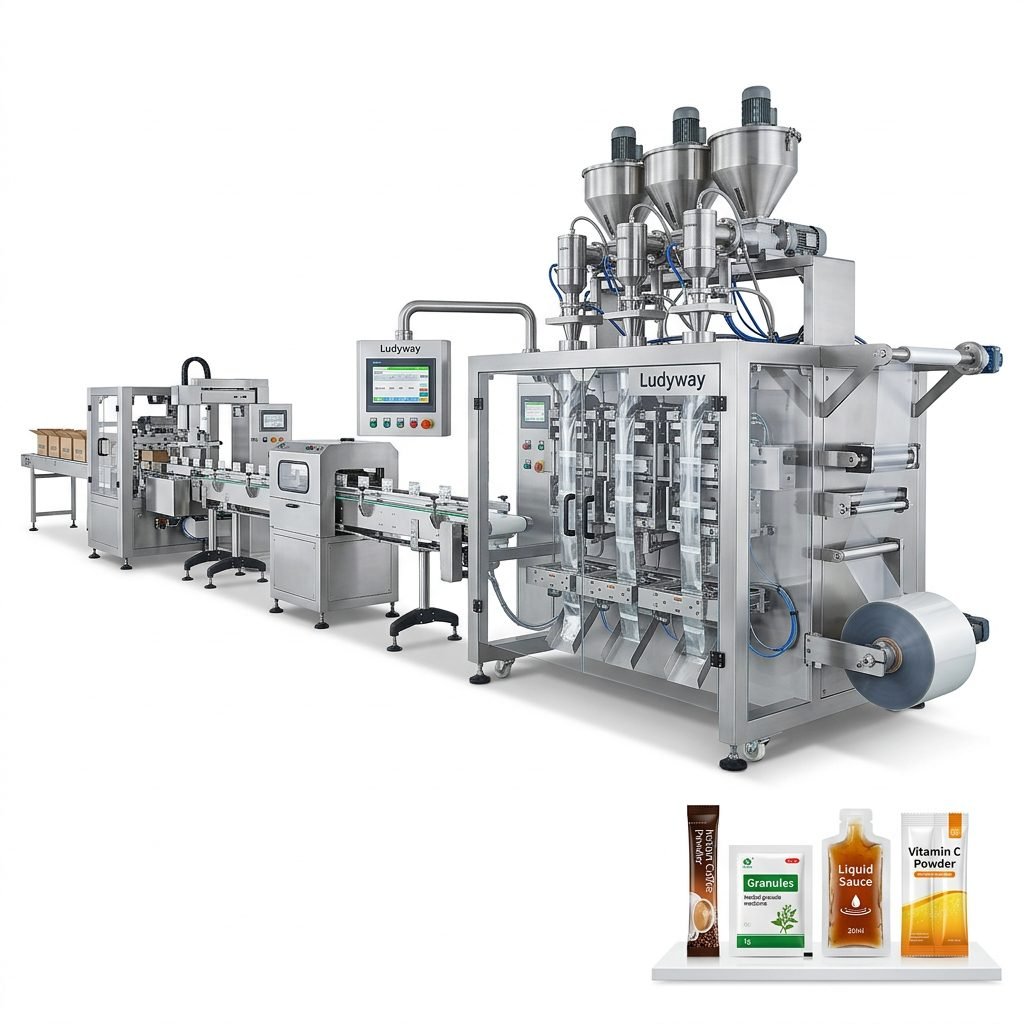
| Health Supplements | Flexible sachet/stick pack formats, product changeover speed | Better response to fast-changing market demand |
| Cosmetics & Personal Care | Liquid and cream filling automation, compact line integration | Cleaner packaging process and stronger packaging appeal |
| Chemical Products | Safety-focused dosing, sealed transfer, robust automation | Safer handling and more stable output |
Modular lines are becoming the preferred investment model
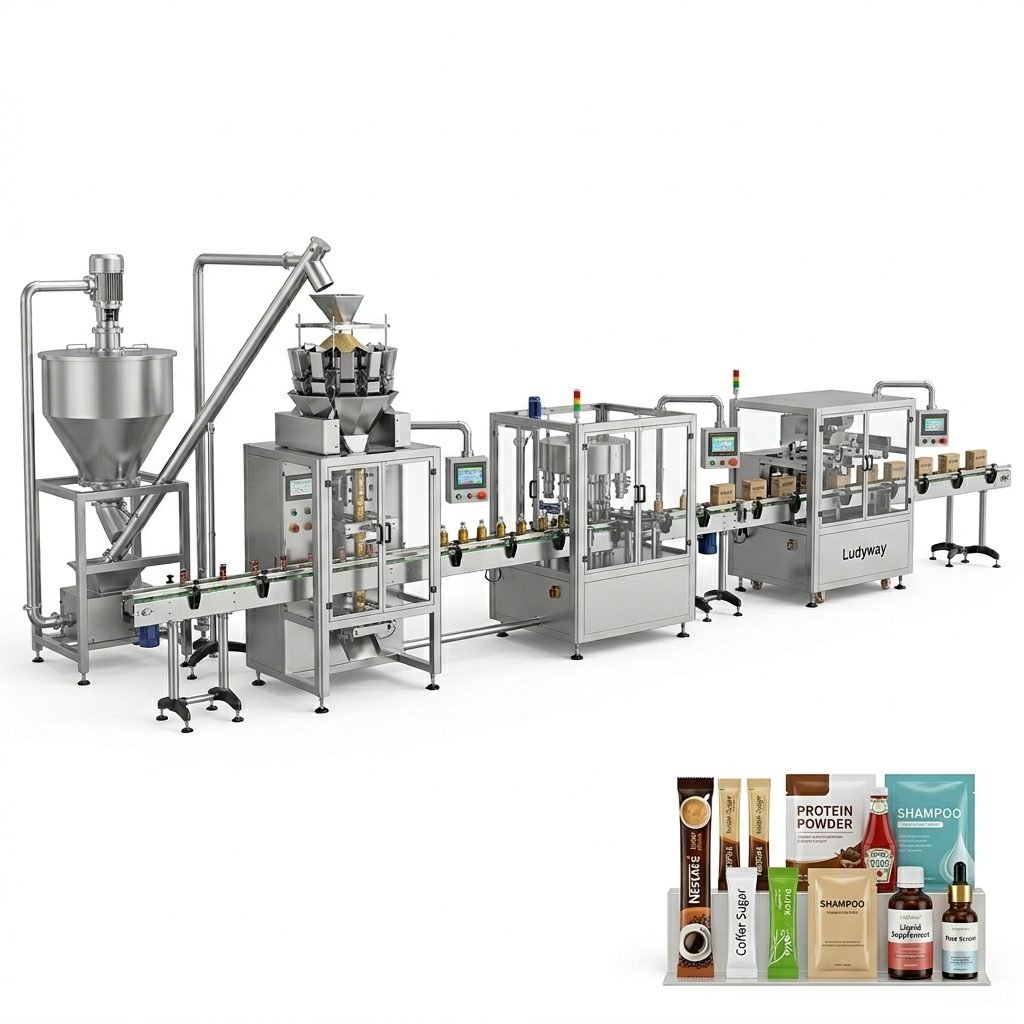
One of the clearest developments in the market is the move from isolated machines to modular line thinking. Buyers increasingly want solutions that can start with one machine and expand into a complete line as business grows. This approach reduces future replacement costs and gives factories more control over phased capital investment.
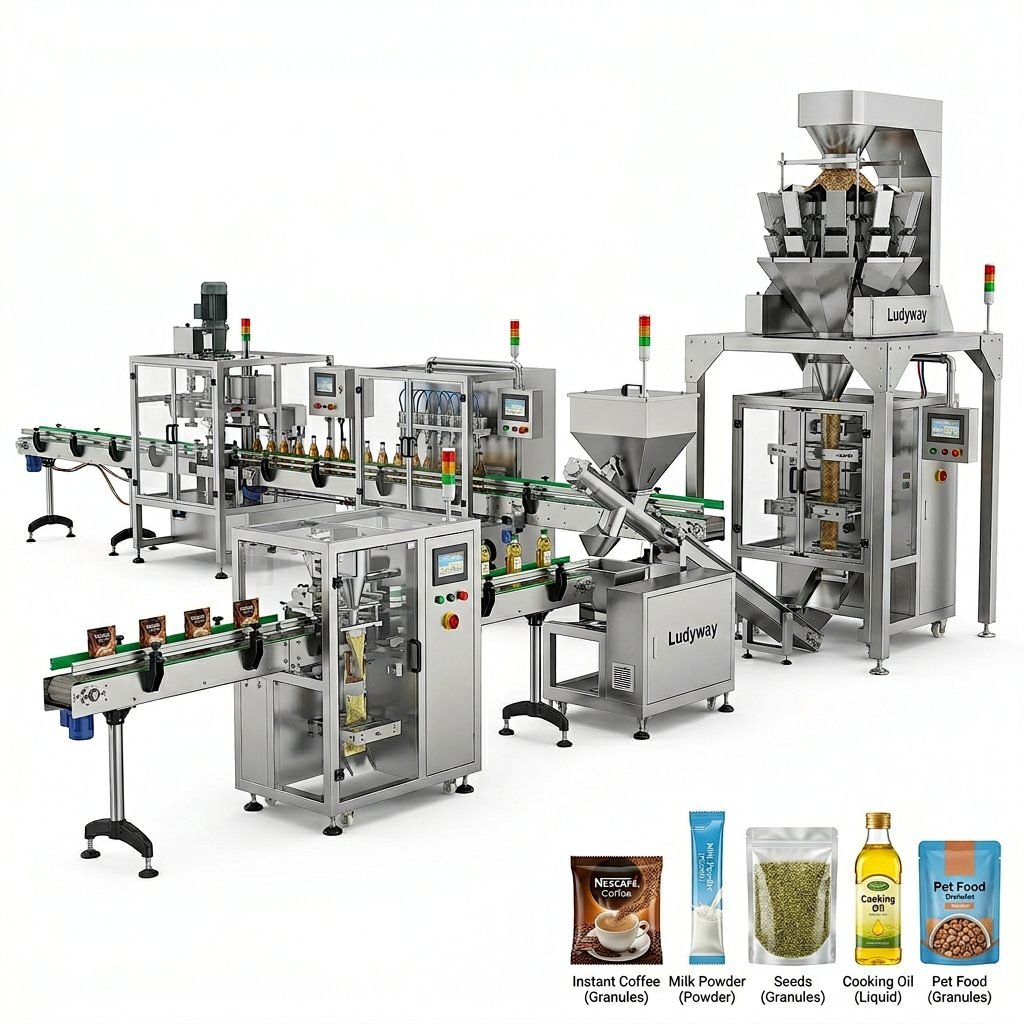
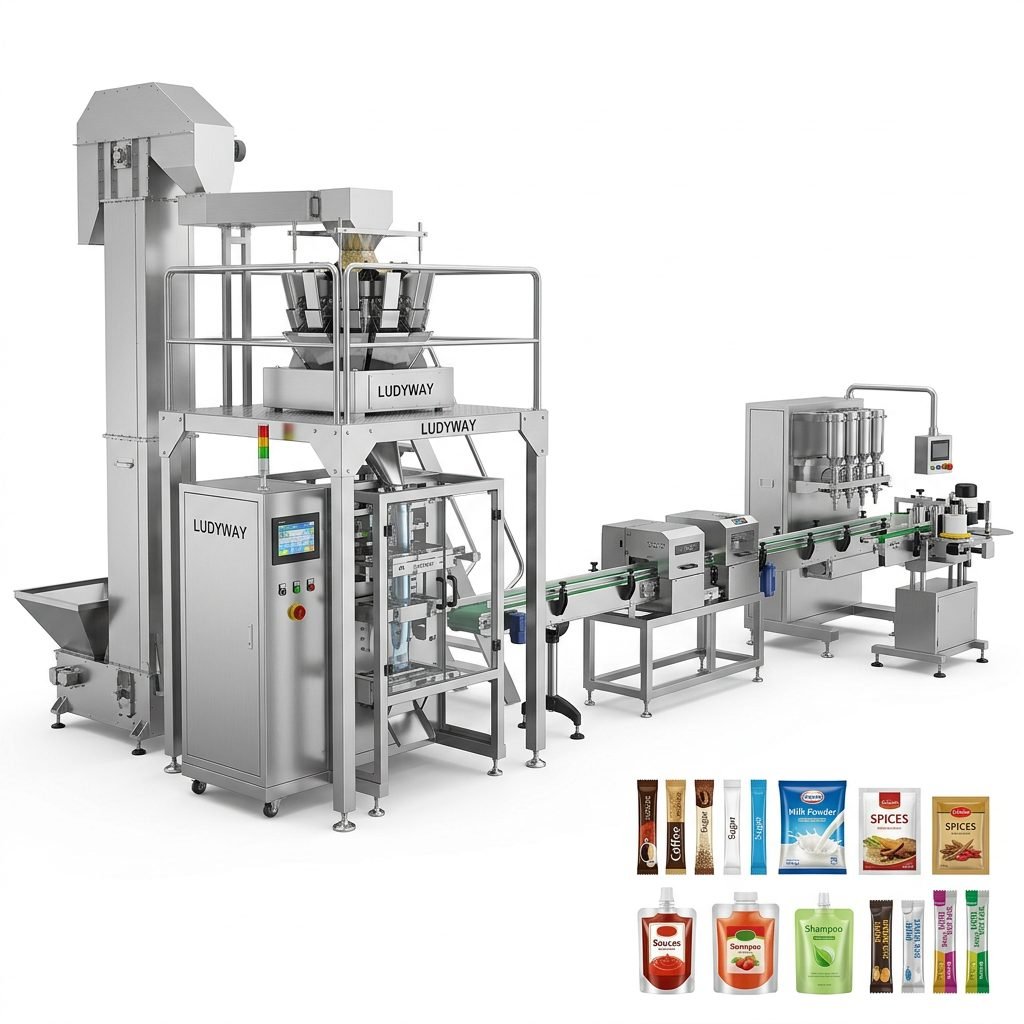
Modern packaging projects now often combine feeding, weighing, filling, sealing, printing, inspection, cartoning, case packing, and palletizing into a coordinated workflow. The value of this model lies in line compatibility and long-term scalability, not just individual machine speed.
What buyers are asking equipment suppliers for
- Easy integration with existing production systems
- Support for multiple package sizes and materials
- Lower downtime during cleaning and changeover
- Clear HMI control and fault diagnosis
- Remote service capability and dependable spare parts support
Export-oriented manufacturers are expanding their role
As global buyers compare automation partners more carefully, they are paying attention to manufacturers with broad application experience, engineering depth, and proven export capacity. This is especially relevant for customers sourcing from Asia, where machine makers are increasingly expected to provide not only cost advantages, but also complete technical support and project coordination.
Among the companies benefiting from this trend is Ludyway packaging machine manufacturer, a China-based supplier recognized for packaging machinery and turnkey packaging line solutions. With more than 30 years of experience, a manufacturing base of over 20,000 square meters, and service coverage across more than 100 countries and regions, the company reflects how Chinese packaging equipment suppliers are moving up the value chain through customization, product range expansion, and stronger global project delivery.
Why intelligent equipment matters more in export markets
Export-focused producers often serve different regulatory environments, consumer packaging preferences, and distributor requirements at the same time. That means their packaging equipment must handle more variation without sacrificing stability. Intelligent systems help these manufacturers manage SKU changes, maintain pack appearance, and capture production data that supports quality documentation.
| Smart Feature | Operational Value |
|---|---|
| Recipe memory | Faster switching between product formats and pack sizes |
| Servo-driven control | Better accuracy and smoother machine operation |
| Integrated inspection | Reduced defect risk and stronger quality consistency |
| Remote diagnostics | Faster service response and reduced downtime |
| Data connectivity | Improved production visibility and management decision support |
Packaging equipment is evolving with manufacturing strategy
The industry is no longer focused only on faster output. The next generation of packaging investment is tied to broader manufacturing goals: lean production, digital coordination, product safety, and flexible expansion. Equipment buyers are evaluating total line performance, maintenance logic, and lifecycle value with much greater discipline than before.
For this reason, suppliers that can combine machine manufacturing, application understanding, and turnkey integration are likely to gain more attention in the years ahead. The smart upgrade cycle is not a short-term trend; it is becoming a defining feature of how packaging capacity is built worldwide.
Market outlook
Looking forward, demand is expected to remain strong for automated multi-lane systems, sachet and stick pack machinery, intelligent filling and sealing equipment, and complete packaging lines for food, pharma, supplements, and daily-use products. Companies that invest early in reliable smart packaging infrastructure will be better positioned to handle changing customer expectations, tighter production standards, and a more competitive global manufacturing environment.
In short, global manufacturing is not simply buying more packaging equipment—it is demanding smarter, connected, and more adaptable packaging performance. That shift is reshaping the packaging equipment industry from the factory floor upward.