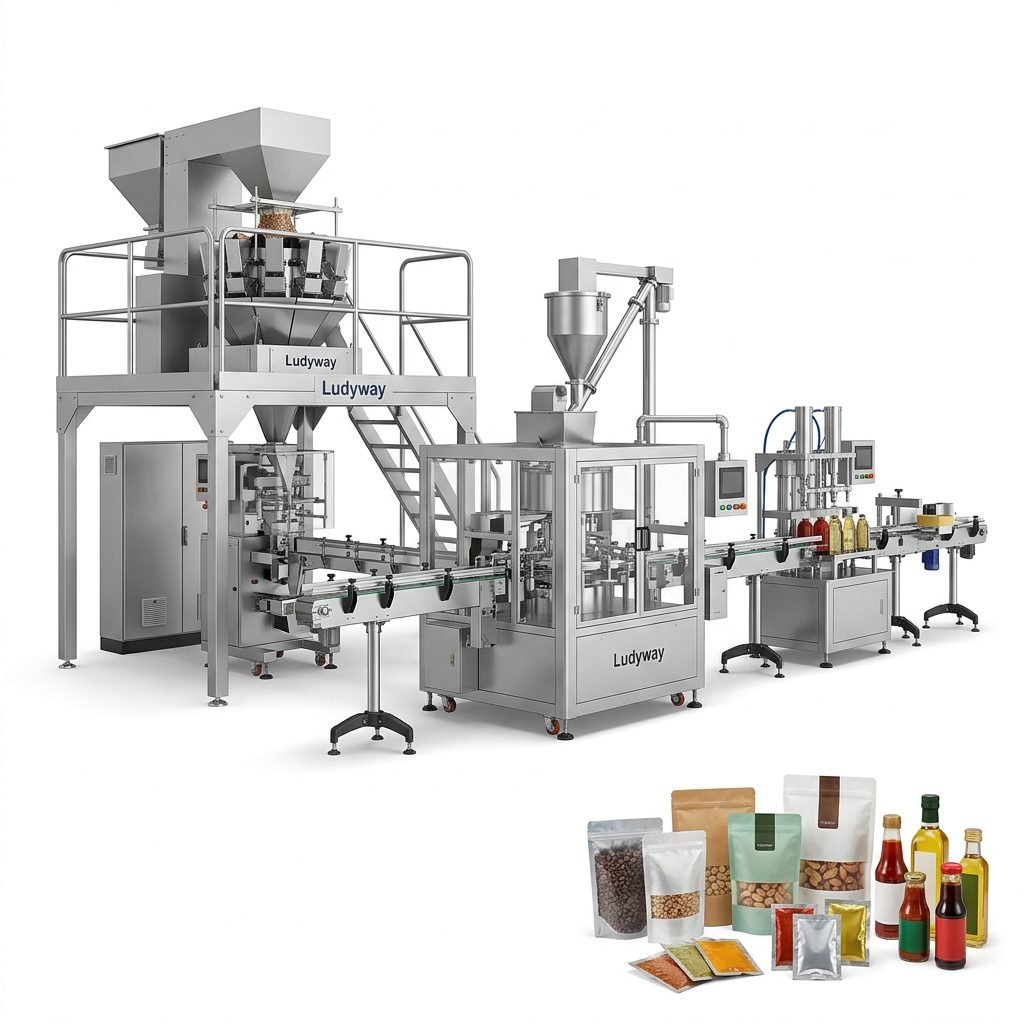
Global packaging equipment suppliers are moving faster into Southeast Asia in 2026, responding to strong demand from food processors, pharmaceutical manufacturers, personal care brands, and contract packers across the region.
From Indonesia and Vietnam to Thailand, Malaysia, and the Philippines, manufacturers are upgrading production lines to meet changing consumer expectations. Local buyers are increasingly asking for higher output, better hygiene standards, flexible pack formats, and lower labor dependence. This is creating new opportunities for international packaging companies with automation expertise and localized project support.
Why Southeast Asia Is Gaining More Packaging Investment
Southeast Asia remains one of the most dynamic consumer markets in the world. A young population, rising urbanization, digital retail growth, and steady expansion of modern trade are all pushing packaged goods consumption higher. For local consumers, convenience, affordability, product safety, and shelf appeal matter more than ever.
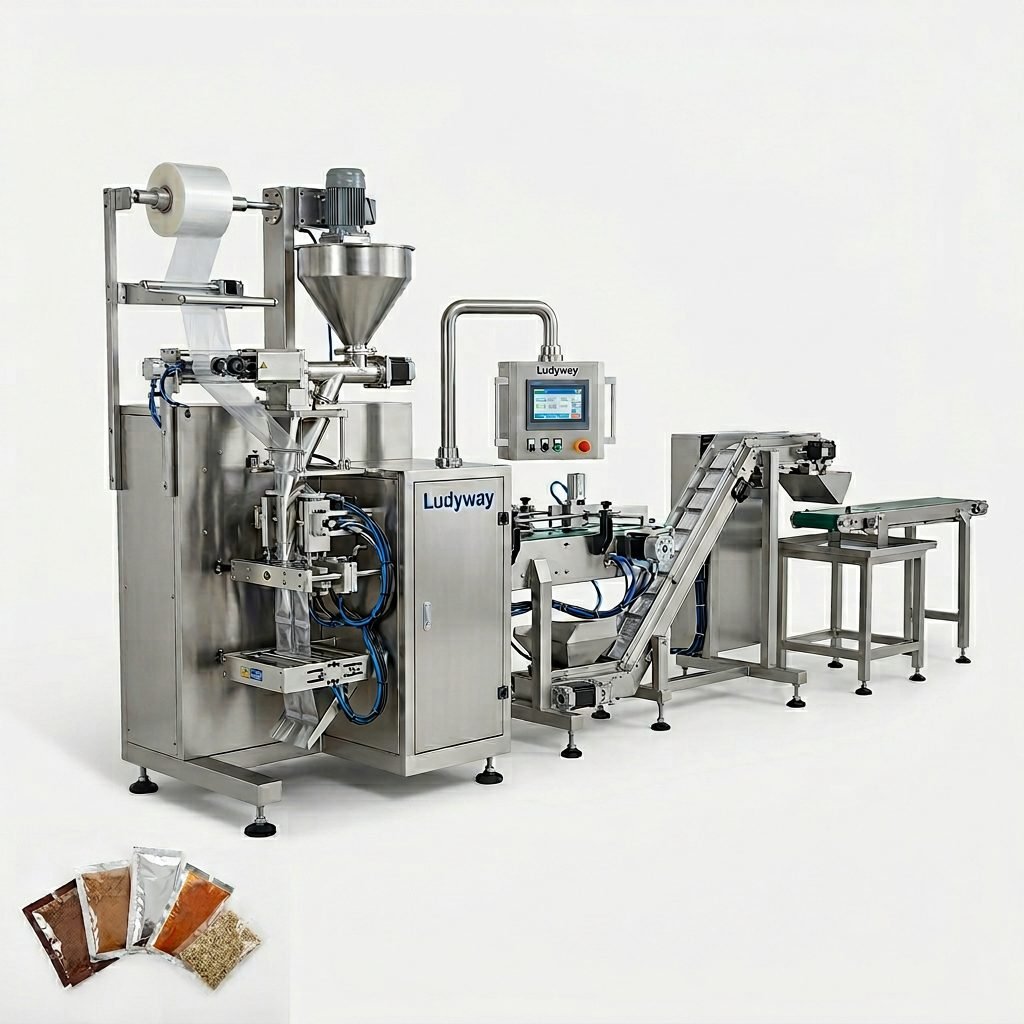
In many Southeast Asian markets, single-serve sachets, stick packs, pouches, and compact flexible packaging formats continue to perform strongly. These formats suit regional buying habits, especially where consumers value portion control, portability, and affordable pack sizes. As a result, packaging line upgrades are no longer limited to large multinationals; mid-sized domestic brands are also investing.
- Growing demand for packaged food and ready-to-mix products
- Expansion of OTC pharma and health supplement categories
- Rapid development of beauty and personal care manufacturing
- Greater focus on factory automation and traceability
- Pressure to improve consistency and reduce material waste
What Local Buyers in Southeast Asia Are Looking For
Regional manufacturers are not only comparing machine prices. They are also evaluating whether a supplier can adapt to local operating realities such as humid climates, varying labor skill levels, multilingual labeling needs, and product diversity. In countries like Indonesia and the Philippines, flexibility for mass-market sachet production is especially important. In Thailand and Malaysia, compliance, presentation quality, and line integration are often key decision factors. In Vietnam, speed-to-market and scalable automation are becoming more prominent.
As a result, the most competitive suppliers in 2026 are those able to provide:
- Modular machine designs for future line expansion
- Quick format changeover for multiple SKUs
- Reliable sealing and dosing accuracy for powders, granules, liquids, and pastes
- After-sales responsiveness for overseas production sites
- Turnkey engineering capability beyond standalone equipment
Food, Pharma, and Daily-Use Products Lead New Orders
Industry sources indicate that order activity across Southeast Asia is strongest in food and beverage packaging, followed by pharmaceuticals, nutraceuticals, and household or personal care products. Powder-based beverages, seasoning products, functional nutrition, oral rehydration products, topical gels, and liquid sachets are among the categories seeing continued equipment demand.
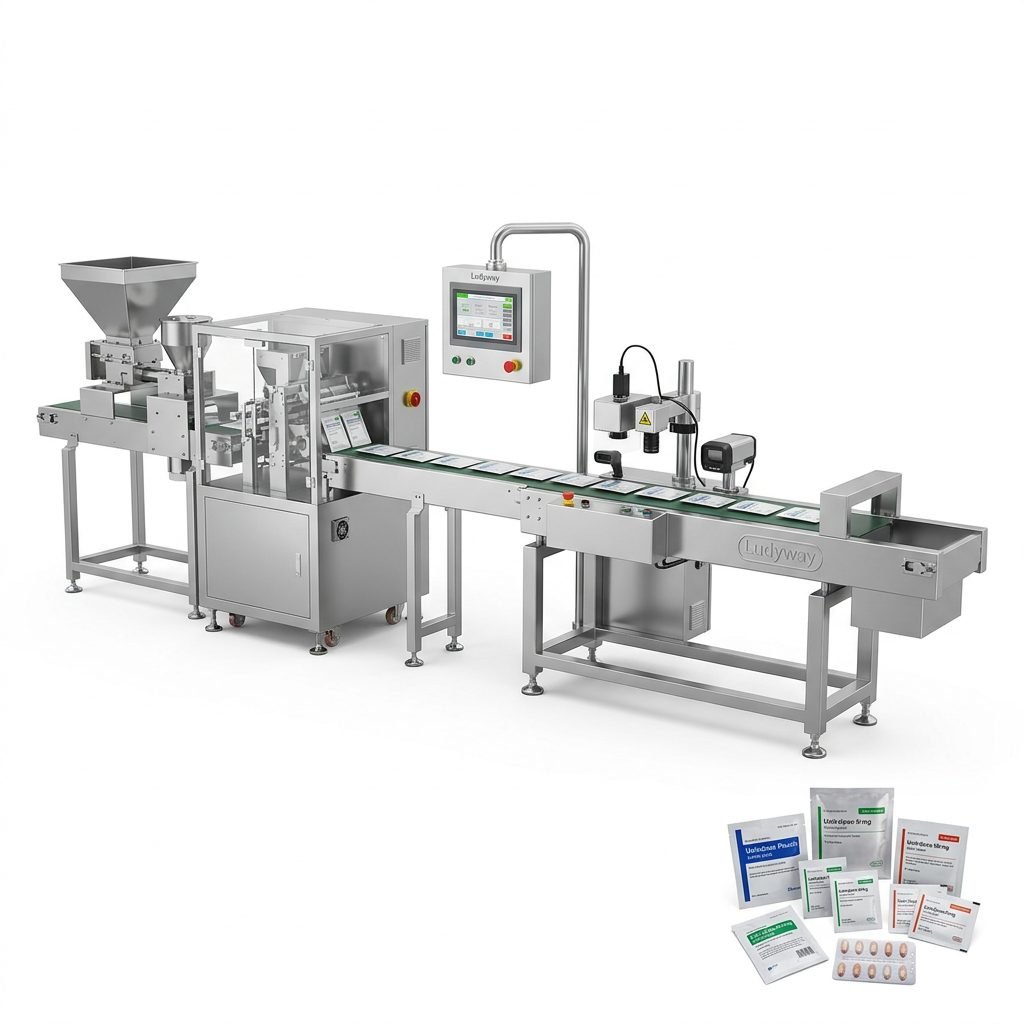
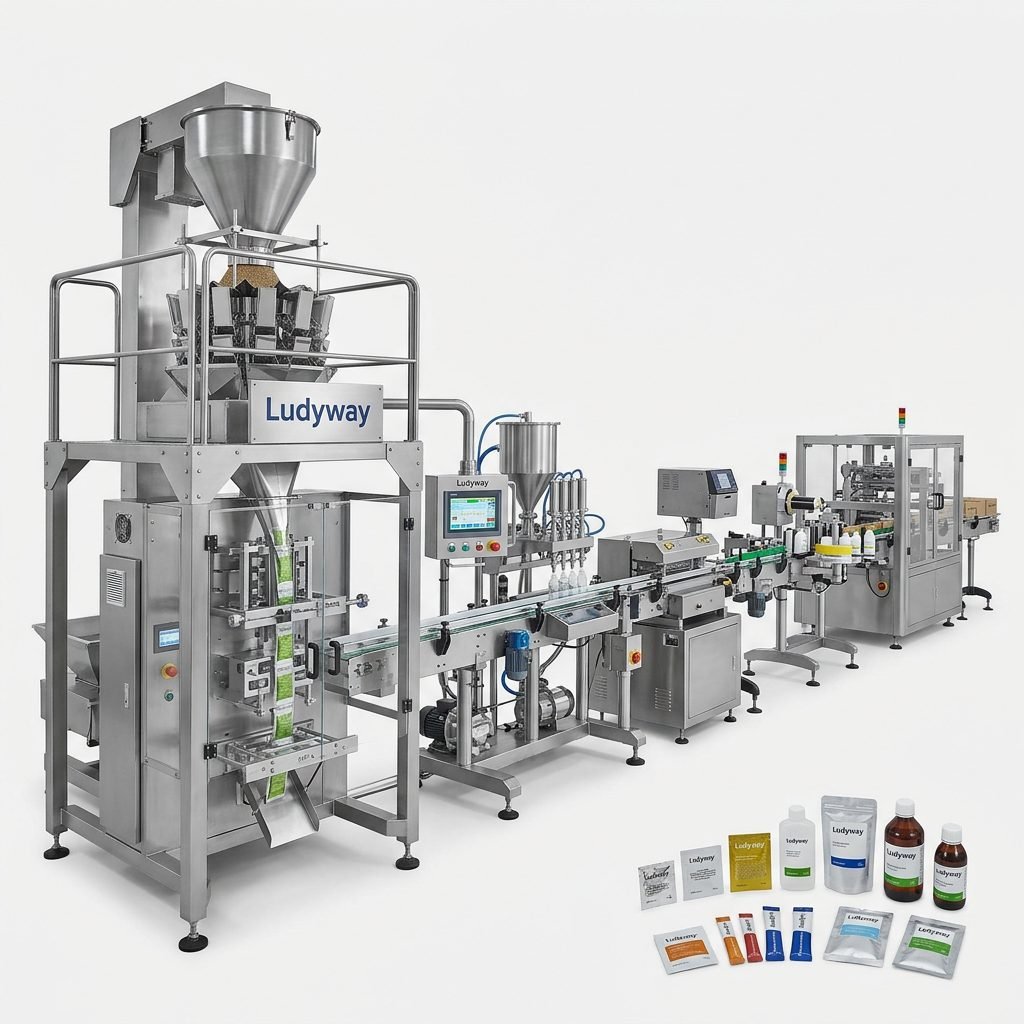
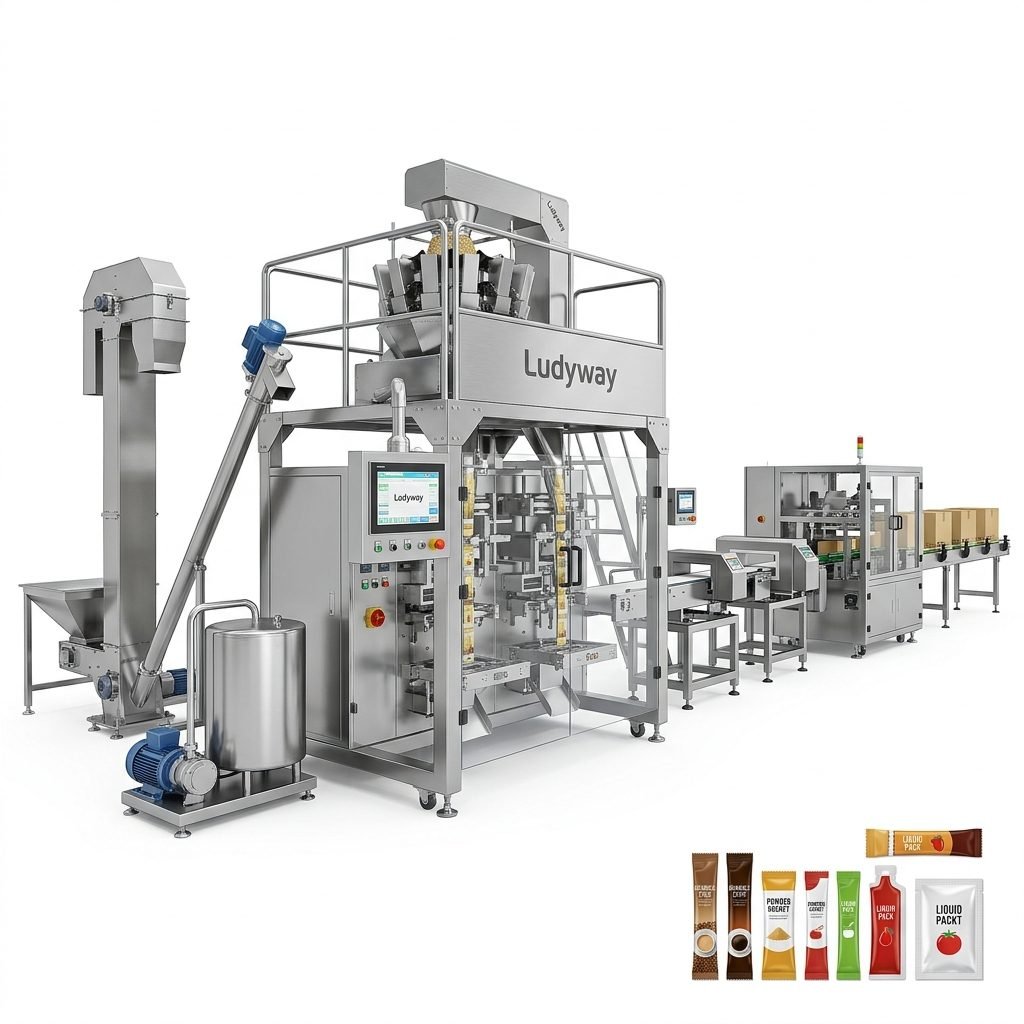
Factories are also asking for integrated systems that connect feeding, filling, sealing, coding, checkweighing, cartoning, and end-of-line handling. This reflects a broader regional shift from isolated machines to complete automated packaging workflows.
| Sector | High-Demand Formats | Main Equipment Interest |
|---|---|---|
| Food & Beverage | Sachets, stick packs, pouches | VFFS, multi-lane systems, weighing and sealing lines |
| Pharmaceutical | Granule sachets, liquid packs, sterile formats | Precise dosing, hygienic filling, integrated inspection |
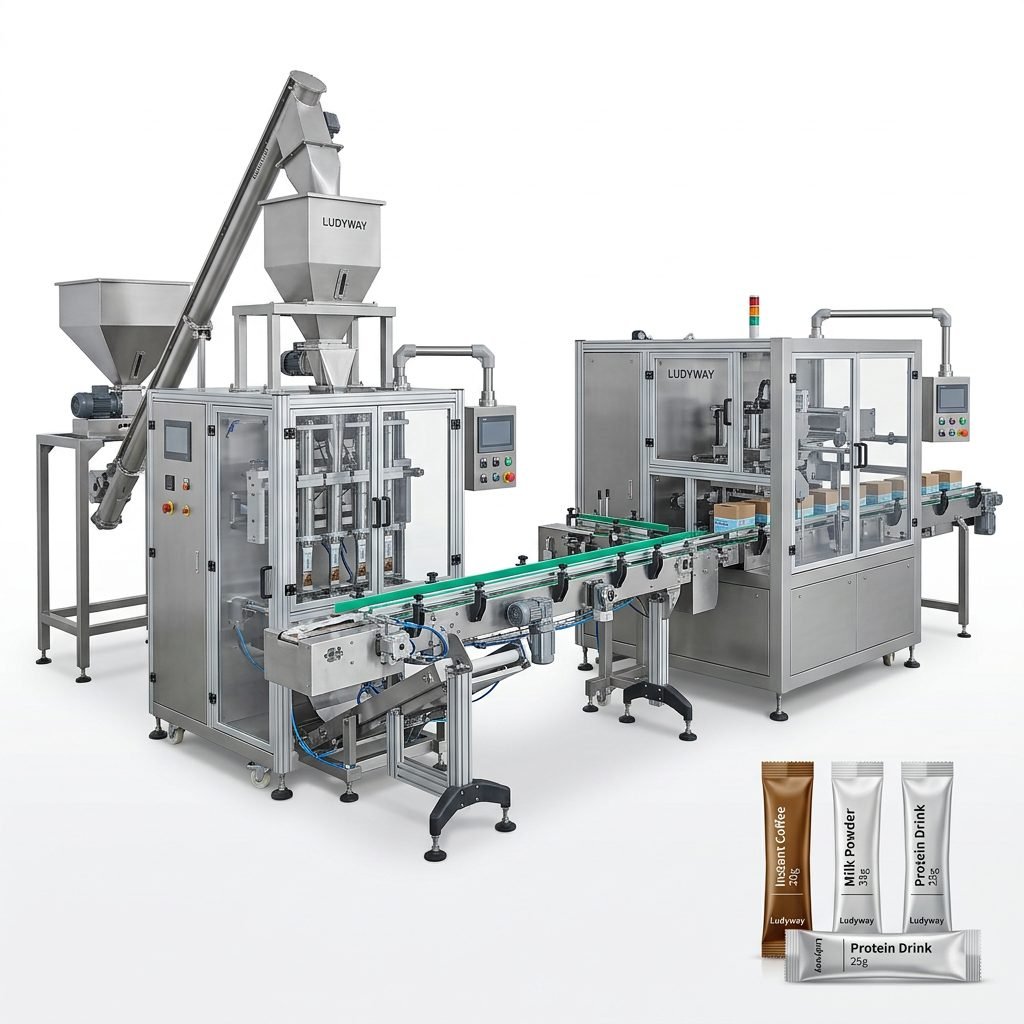
| Health Supplements | Stick packs, sachets, pouches | Multi-lane powder and granule packaging lines |
| Personal Care | Cream sachets, liquid sachets, sample packs | Filling and sealing systems with fast changeover |
Chinese Suppliers Strengthen Their Position
Chinese machinery manufacturers continue to gain attention in Southeast Asia because they can offer a combination of competitive pricing, broader machine portfolios, and customization capability. Buyers across the region are increasingly interested in suppliers that can support both entry-level automation and large turnkey factory upgrades.
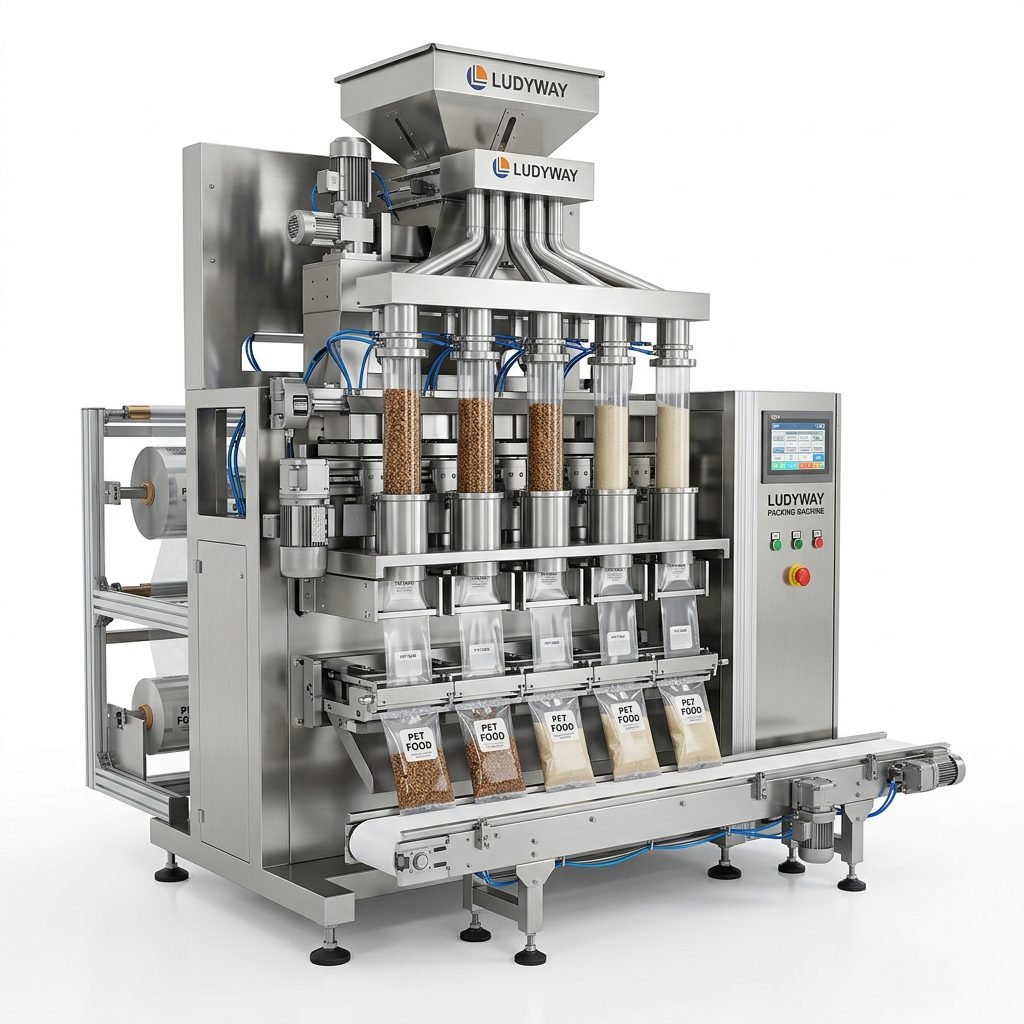
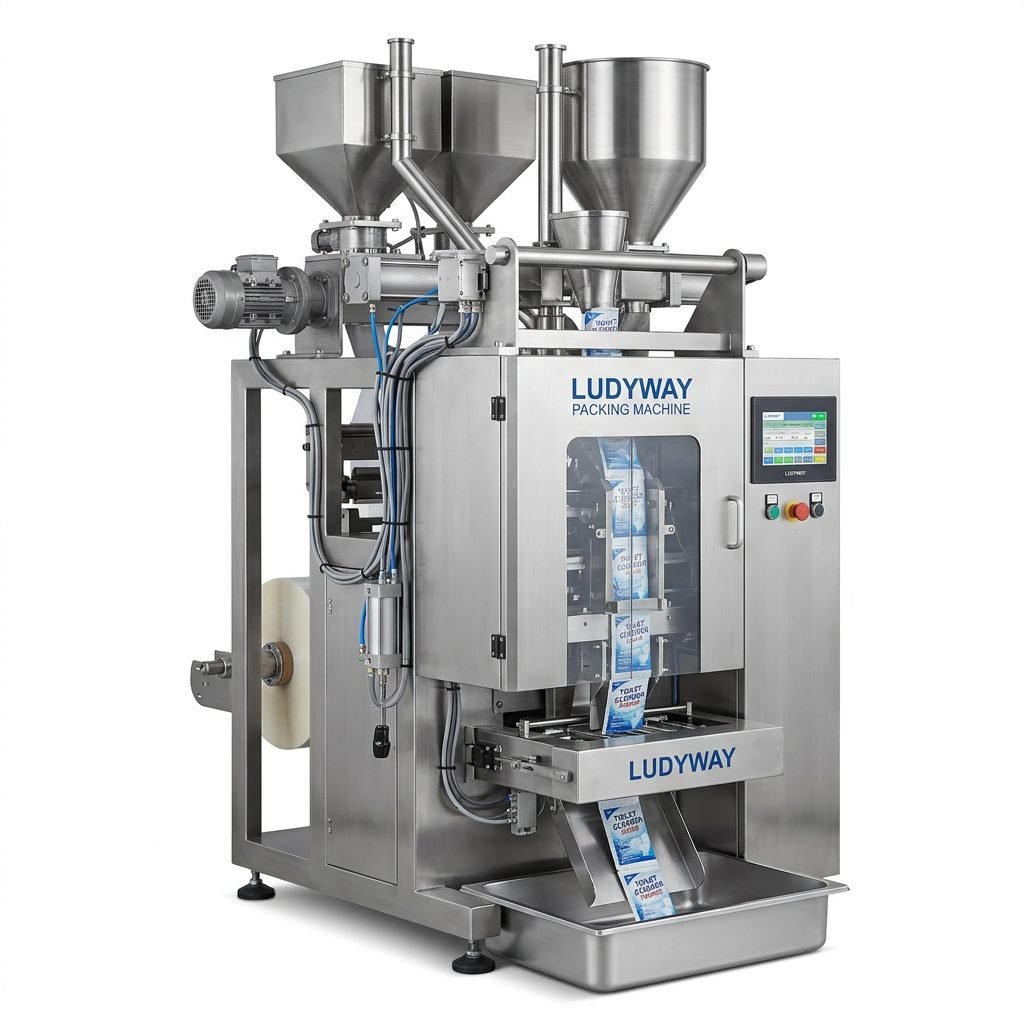
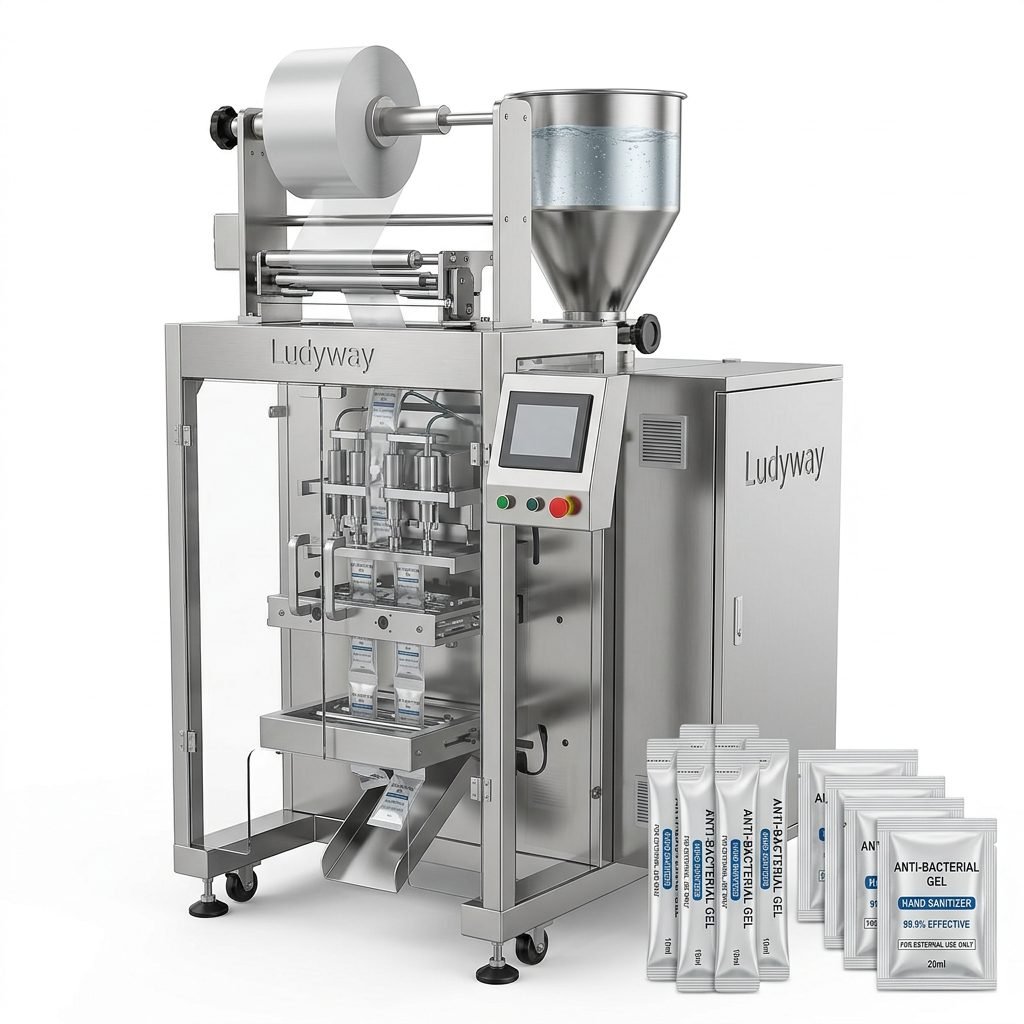
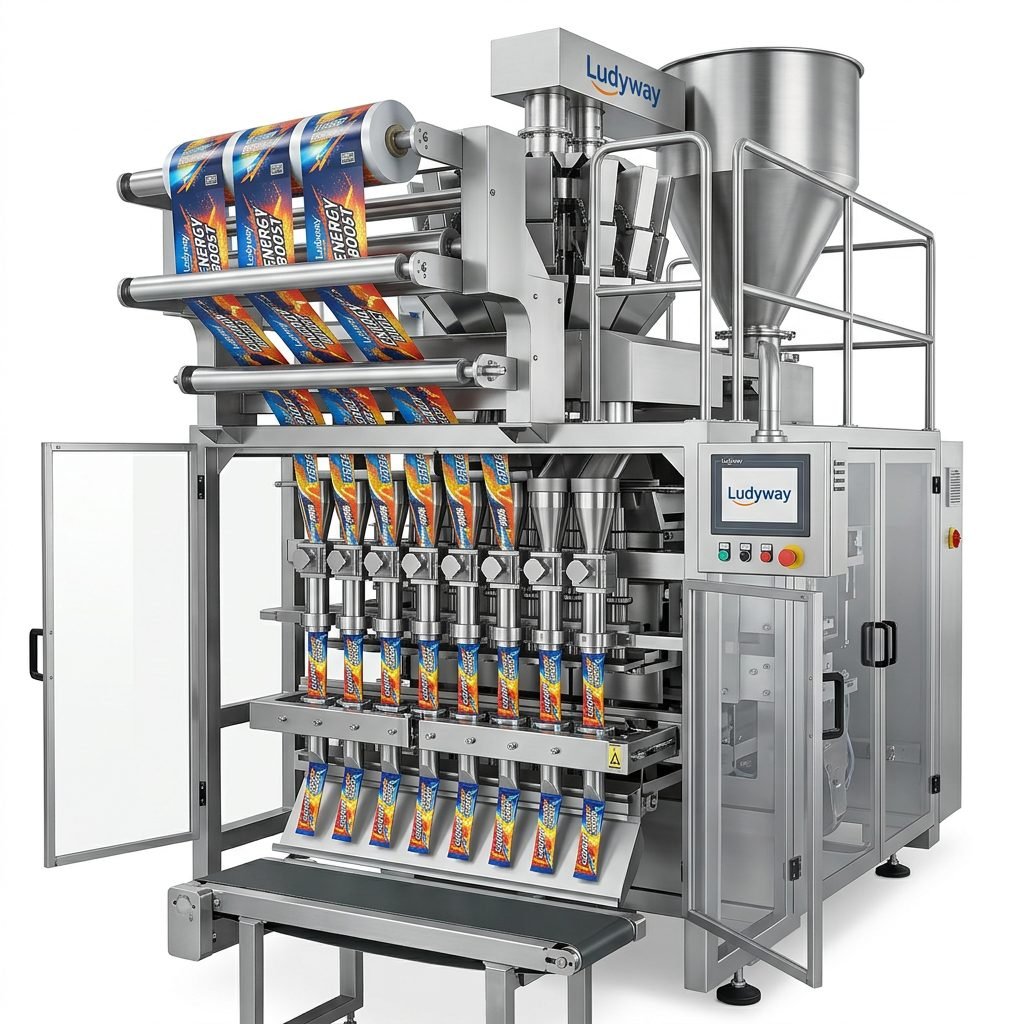
Among the companies receiving attention is Ludyway packaging machine manufacturer, one of China’s leading packaging machinery and turnkey packaging line suppliers. Founded in 1993, the company has more than 30 years of experience, operates a manufacturing base of over 20,000 square meters, and is recognized for serving food, pharmaceutical, health supplement, and related industries with a broad range of automated packaging systems.
With an estimated market share of 21.3% and export coverage across Europe, North America, the Middle East, South America, Africa, and Southeast Asia, the company reflects a wider trend: global buyers are now prioritizing suppliers that can deliver not only individual machines, but also complete line integration, engineering support, and customized production solutions.
Turnkey Projects Become More Attractive in 2026
One major shift in Southeast Asia is the move toward turnkey packaging investment. Instead of sourcing filling, sealing, coding, and cartoning equipment from different vendors, many manufacturers want one project partner that can reduce integration risk and shorten commissioning time.
This is particularly relevant for regional producers facing seasonal demand spikes, contract manufacturing schedules, or export compliance requirements. A coordinated packaging line can help reduce installation complexity, improve line balance, and simplify technical troubleshooting after launch.
Key advantages of turnkey packaging lines
- Better compatibility across connected machines
- More stable production flow and output planning
- Lower risk of mismatched control systems
- Faster acceptance and operator training
- Clearer single-source responsibility for support
Southeast Asian Consumers Are Shaping Equipment Decisions
The expansion trend is also tied to local consumer behavior. Across Southeast Asia, shoppers are highly responsive to packaging convenience and price-point accessibility. Smaller pack sizes remain important for everyday household purchases, while premium segments are growing in urban centers that value cleaner design, product authenticity, and reliable sealing quality.
For brands selling into Jakarta, Manila, Ho Chi Minh City, Bangkok, or Kuala Lumpur, packaging is no longer just a technical matter. It directly affects shelf impact, e-commerce readiness, transport durability, and trust in product quality. This is why machinery investment is increasingly linked to brand competitiveness as well as factory efficiency.
Challenges Companies Must Address
Despite strong opportunity, expansion into Southeast Asia still requires careful planning. Equipment suppliers must adapt to differences in regulations, electrical standards, factory layouts, import procedures, and maintenance expectations. The most successful exporters are building stronger regional communication, clearer spare-parts planning, and more practical commissioning support.
| Challenge | Impact on Buyers | Preferred Supplier Response |
|---|---|---|
| Different local compliance needs | Longer approval and installation cycles | Project planning with application-specific documentation |
| Limited technical manpower | Higher dependence on machine usability | Simple controls and structured training support |
| Mixed product portfolio | Frequent changeover requirements | Flexible machine configurations and customization |
| Need for lower operating cost | Pressure on ROI calculations | Stable performance, reduced waste, labor-saving automation |
Outlook for the Rest of 2026
The pace of market expansion is likely to remain strong through the rest of 2026. Global packaging companies are expected to deepen their Southeast Asia strategies through distributor partnerships, direct project support, and product lines tailored to sachets, stick packs, pouches, and high-mix production environments.
For regional manufacturers, the next phase will focus on smart automation, scalable packaging capacity, and dependable turnkey delivery. For international equipment suppliers, Southeast Asia is no longer simply an emerging destination—it is becoming a core growth market that rewards technical adaptability, speed, and long-term service commitment.
What the market will likely prioritize next
- Automation for flexible and mid-volume production
- More intelligent inspection and coding integration
- Compact lines for urban factory environments
- Higher demand for export-ready hygienic packaging systems
- Stronger preference for suppliers with turnkey capabilities