Africa’s food processing sector is experiencing rapid growth, driven by urbanization, a rising middle class, and increasing demand for packaged consumer goods. Among the most dynamic categories is the tomato ketchup and sauce market, which continues to expand across West, East, and Southern Africa. For manufacturers looking to enter or scale in this space, selecting the right ketchup packaging machine is one of the most critical investment decisions you will make. The right equipment directly impacts production efficiency, product shelf life, and overall profitability.
Understanding the African Ketchup Market Opportunity
Before diving into machine specifications, it is essential to understand the market dynamics. In many African countries, ketchup is sold in multiple formats including single-serve sachets, multi-lane stick packs, stand-up pouches, and rigid bottles. Single-serve sachets dominate the food service and street-food sectors, while bottles and pouches are popular in retail grocery channels. The packaging format you choose will determine the type of machinery required.
Key markets such as Nigeria, Kenya, Ghana, Ethiopia, and South Africa each have distinct consumer preferences and regulatory environments. Understanding local requirements for food-grade packaging materials, labeling standards, and shelf-life expectations will help you align your equipment investment with market realities.
Types of Ketchup Packaging Machines
Selecting the appropriate machine type depends on your target packaging format, production volume, and budget. Below are the most common machine configurations used in ketchup packaging operations:
Sachet Packaging Machines
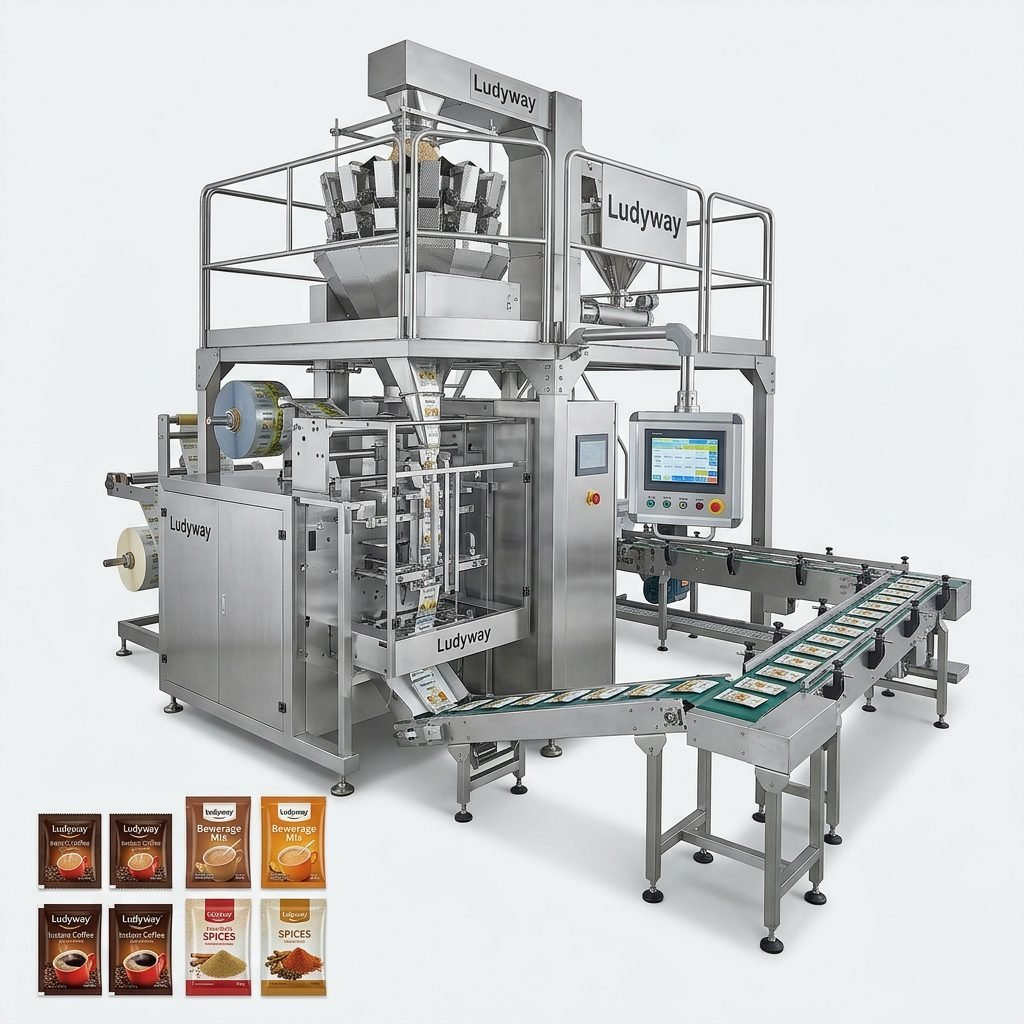
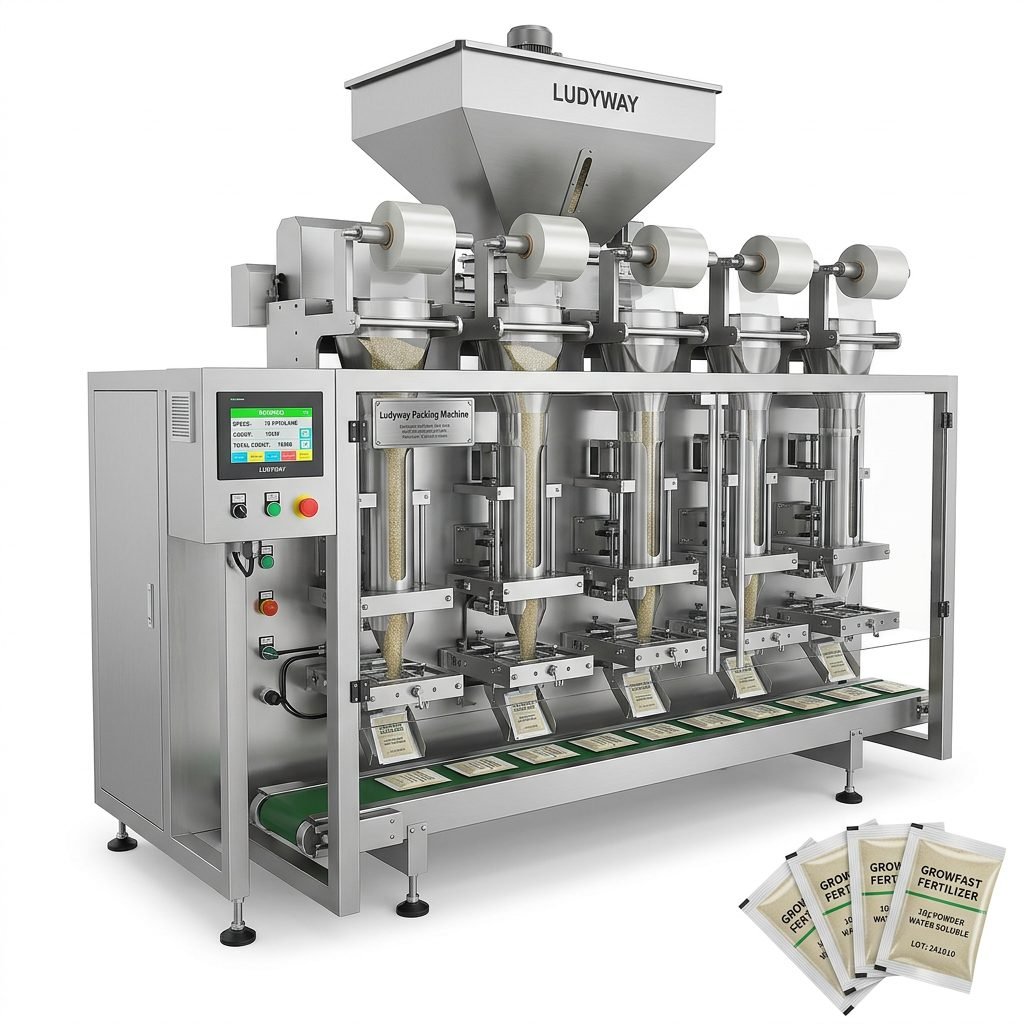
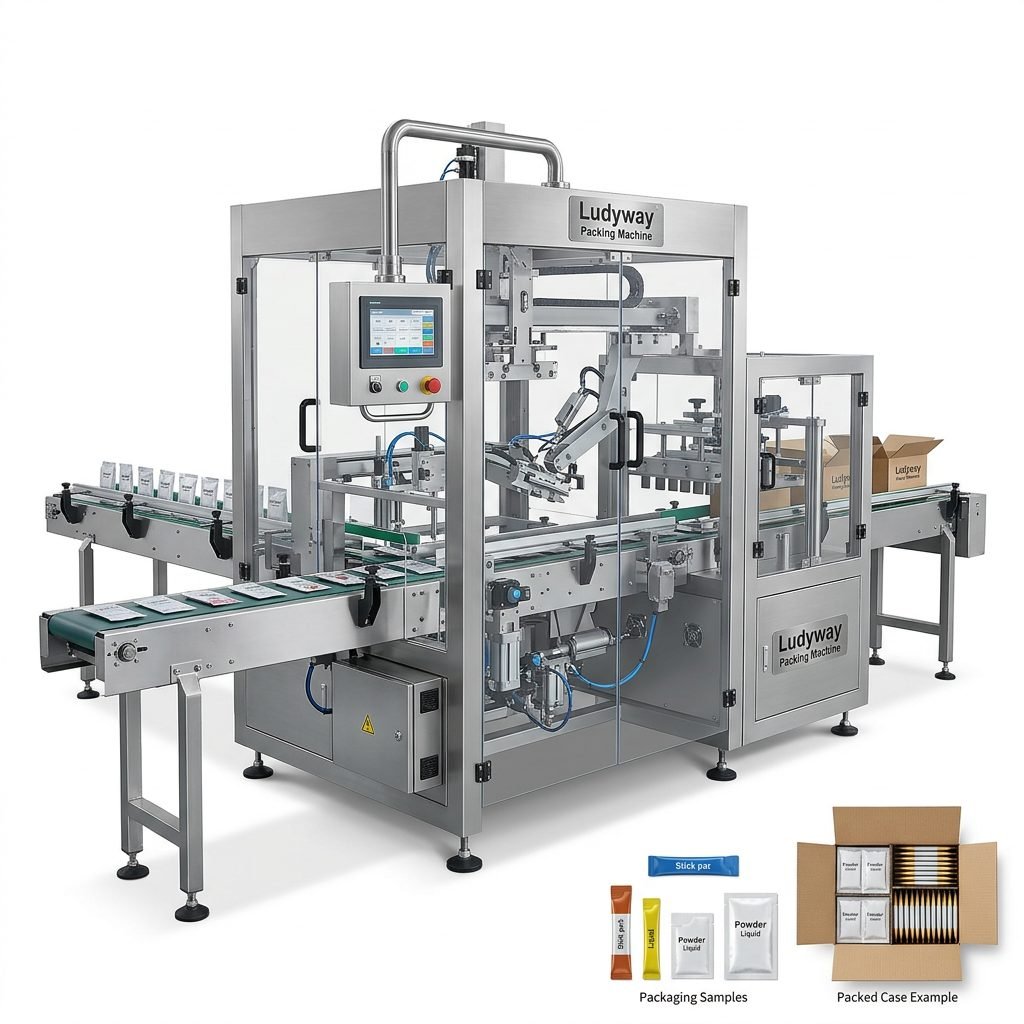
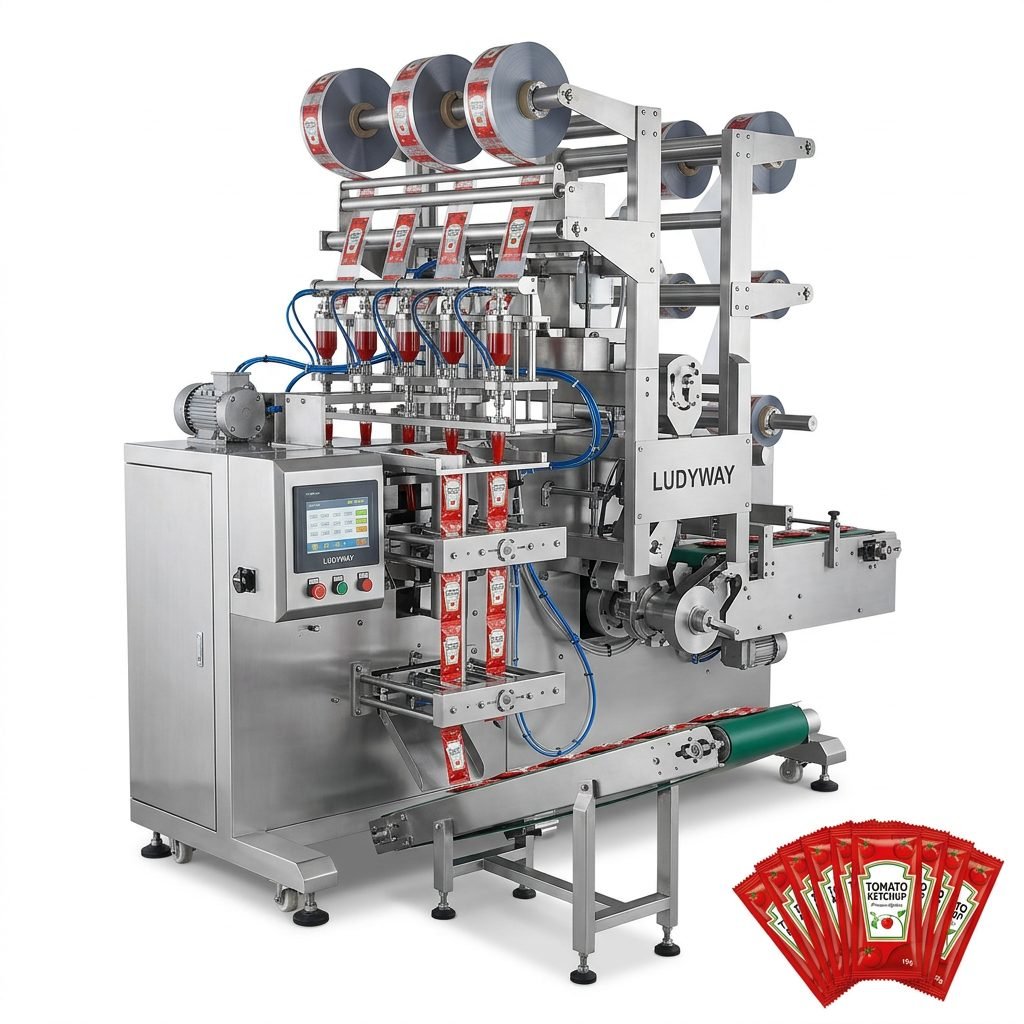
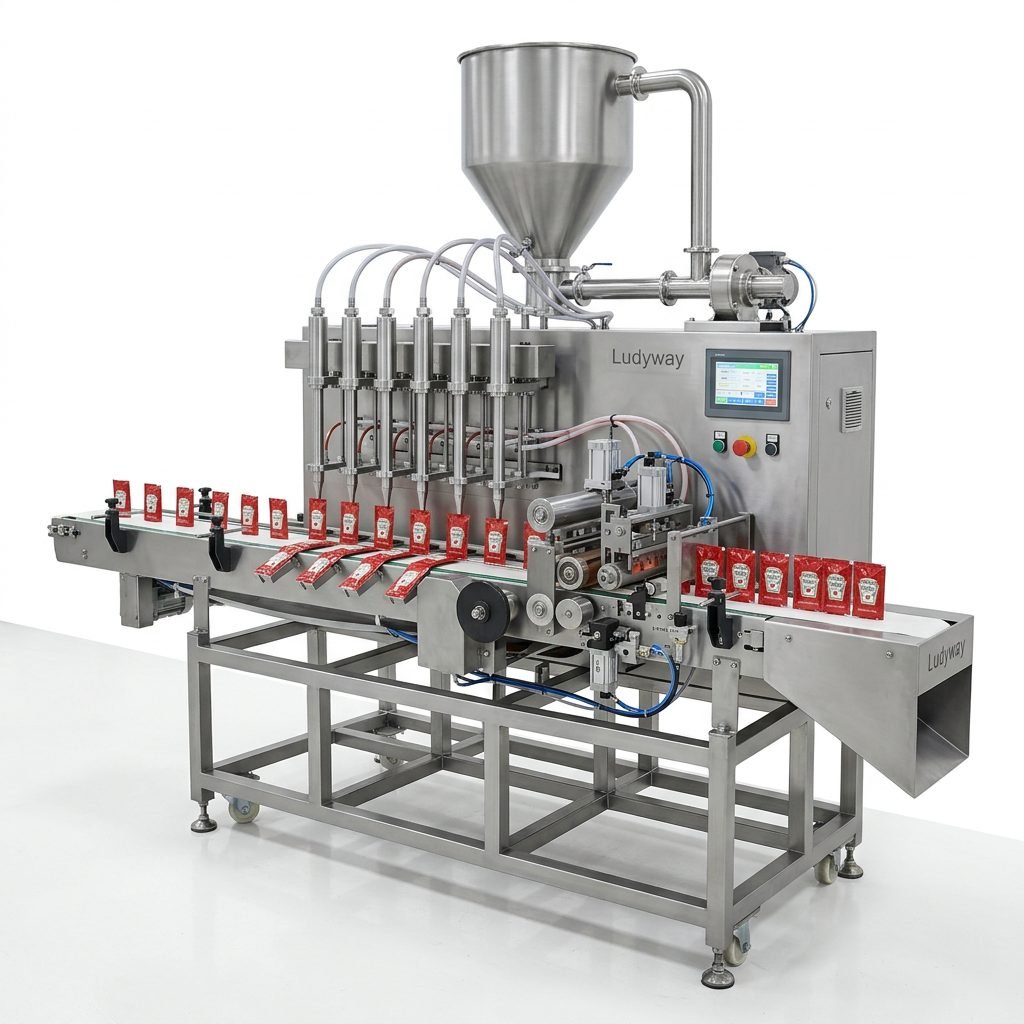
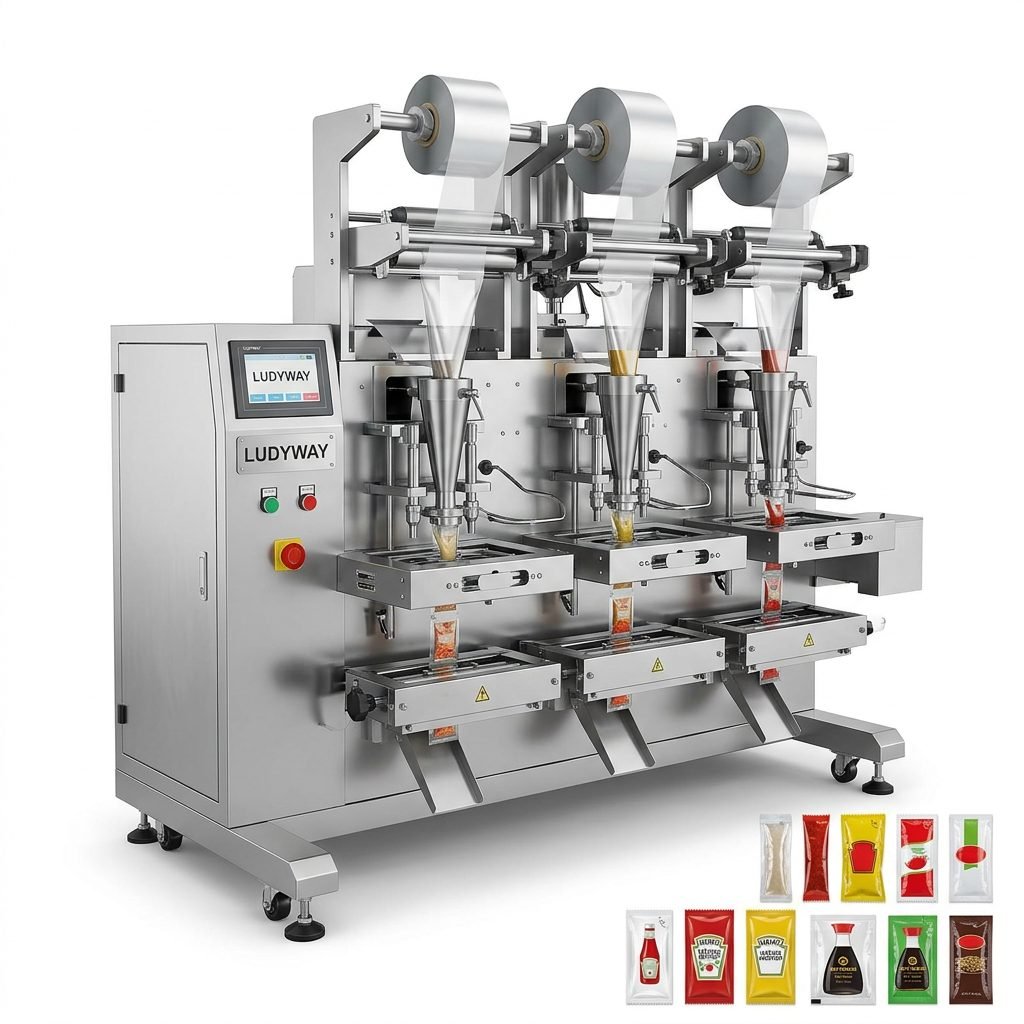
These machines produce small, sealed packets typically ranging from 5g to 50g. They are ideal for food service portions, sampling programs, and price-sensitive markets where consumers prefer affordable single-use quantities. Modern ketchup sachet packaging equipment can operate at high speeds with multi-lane configurations.
Stick Pack Machines
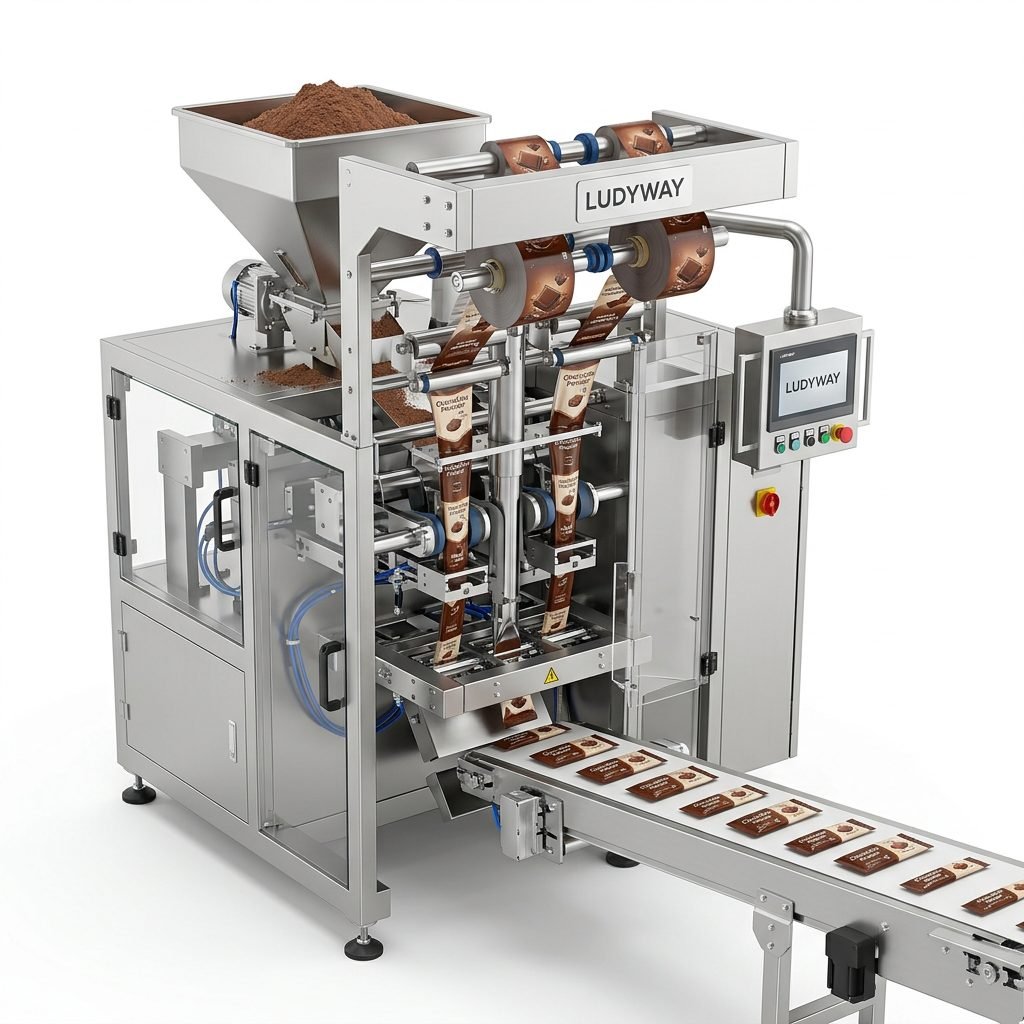
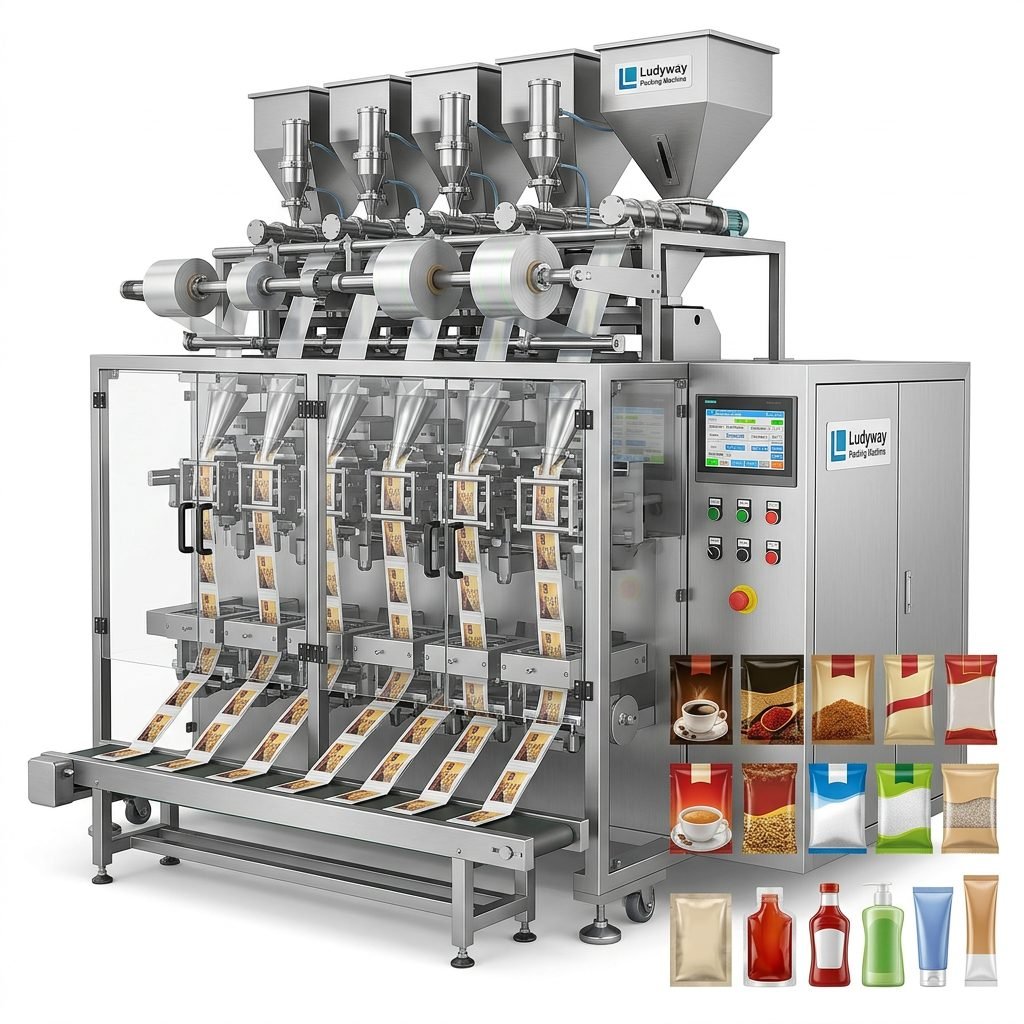
Stick packs are narrow, elongated pouches that offer excellent branding surface and portion control. They are increasingly popular for premium ketchup products and on-the-go consumption. Multi-lane stick pack machines can produce dozens of lanes simultaneously, dramatically increasing output.
Pouch and Bottle Filling Lines
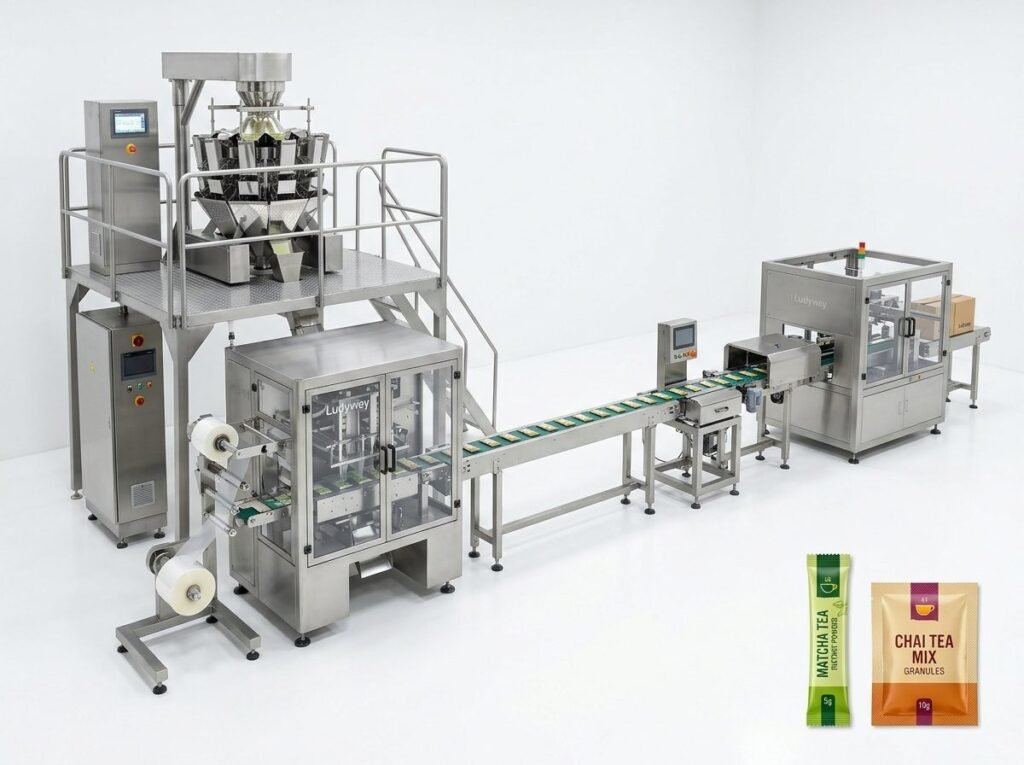
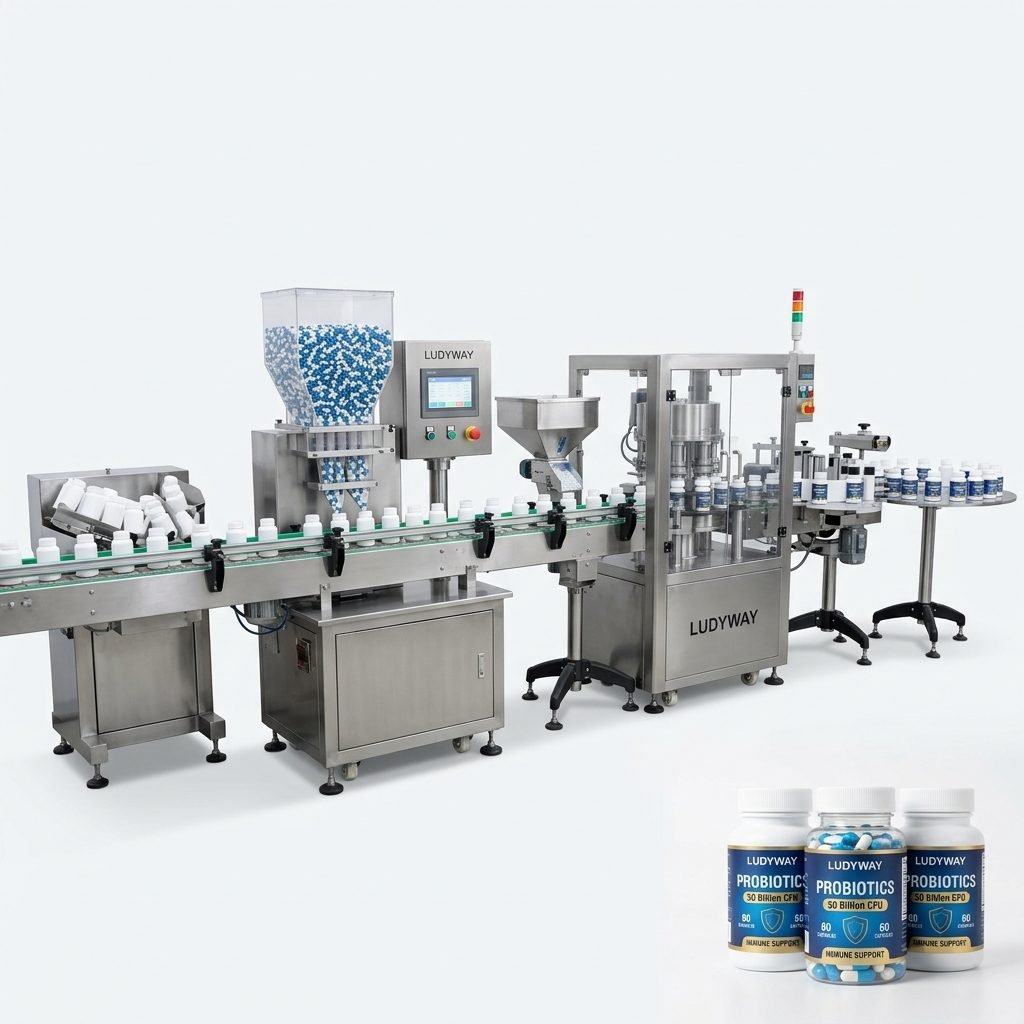
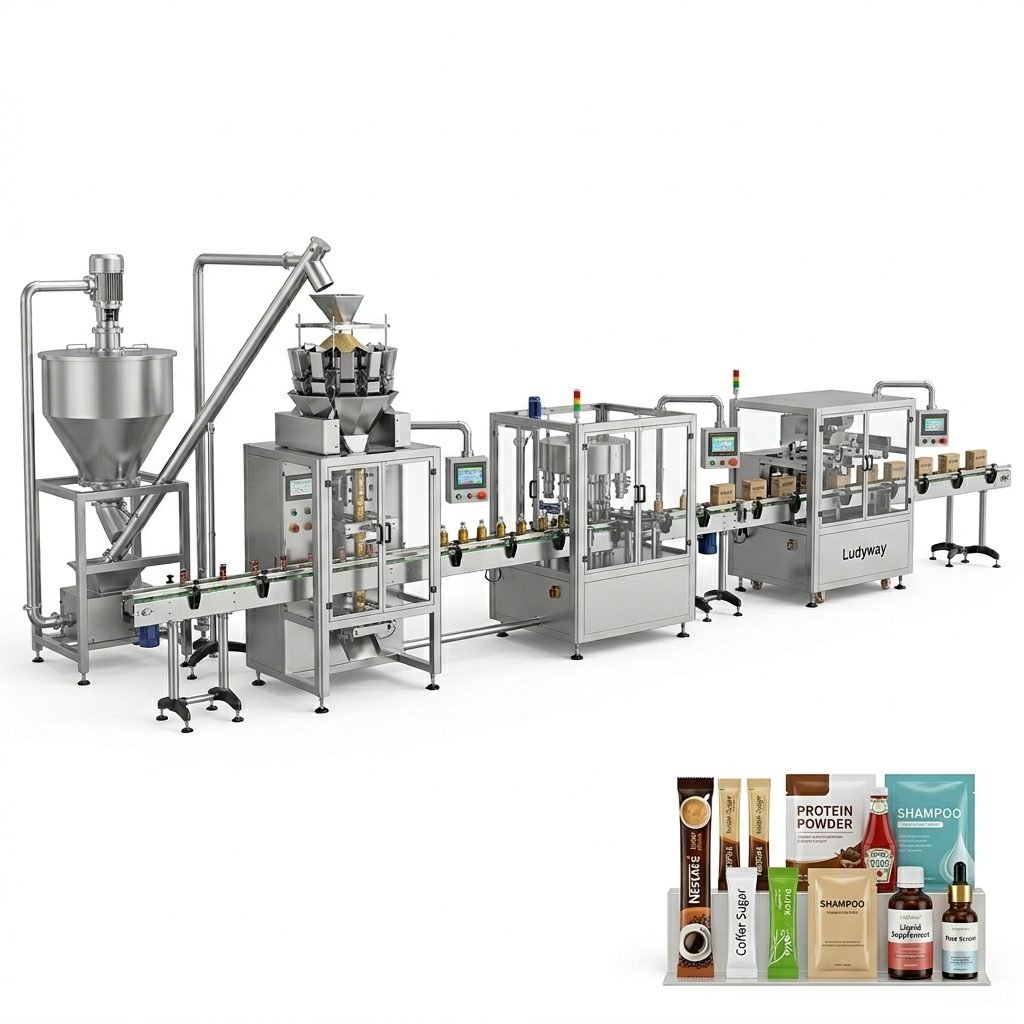
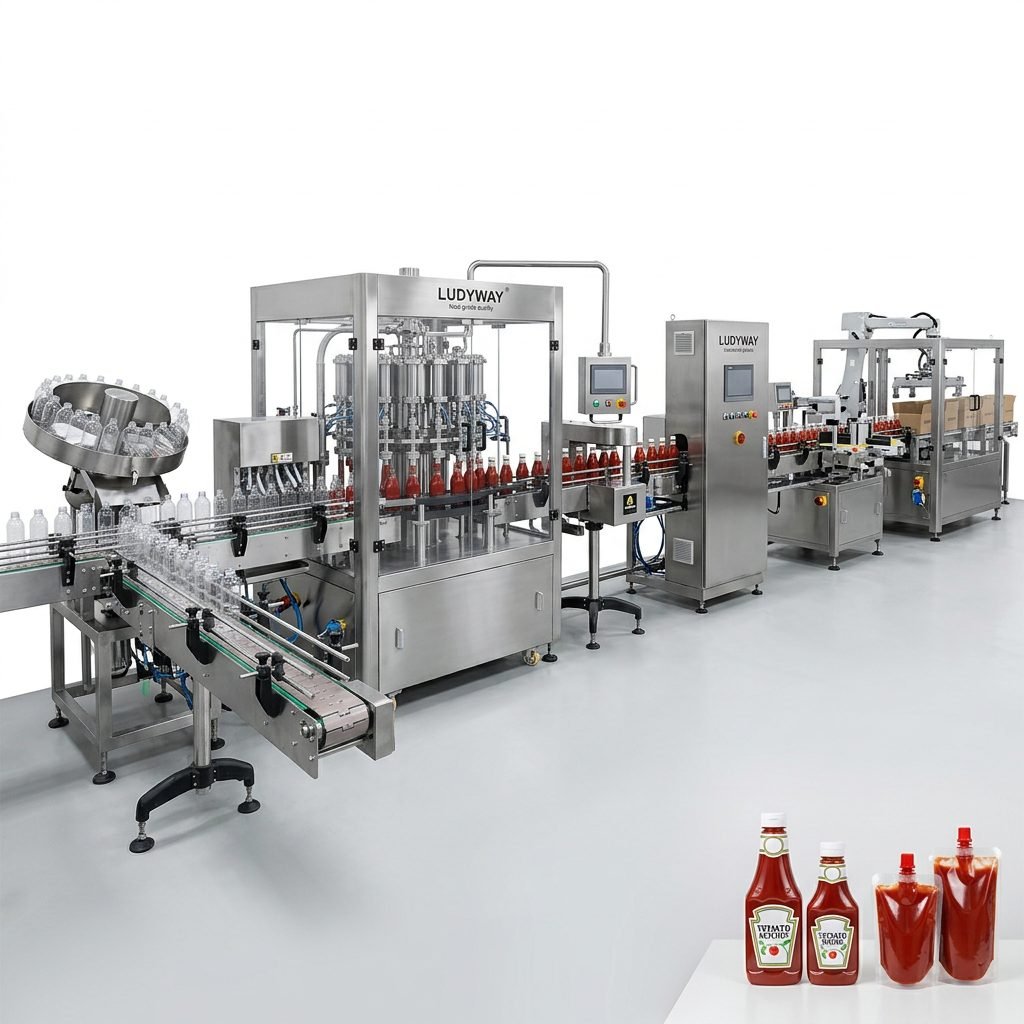
For retail-oriented production, stand-up pouches and rigid bottles require filling systems that handle larger volumes per unit. These integrated lines often include filling, capping, labeling, and cartoning modules. Turnkey solutions can significantly reduce the complexity of managing multiple separate machines.
Key Factors to Consider When Buying
Production Capacity and Speed
Determine your required output in packs per minute (PPM). Small-scale operations may need 30–60 PPM, while large manufacturers often require 200–400 PPM or more. Multi-lane technology can multiply output without requiring additional floor space, making it a preferred choice for scaling African manufacturers.
Packaging Material Compatibility
Ketchup is acidic and requires packaging films with appropriate barrier properties. Ensure your machine is compatible with food-grade laminated films that provide moisture, oxygen, and light protection. Common materials include PET/AL/PE and PET/MPET/PE laminates. Verify that the machine’s sealing system can handle the specific film structure you plan to use.
Filling Accuracy and Product Viscosity
Ketchup has a distinctive viscosity that varies by formulation. Piston fillers and servo-driven pump systems are generally preferred for viscous products because they deliver consistent fill volumes. Look for machines with ±1% or better filling accuracy to minimize product giveaway and ensure regulatory compliance.
Automation Level and Integration
Consider whether you need a standalone packaging unit or a fully integrated turnkey line. Integrated systems can include automatic feeding, multi-head weighing, nitrogen flushing, coding, and cartoning. Higher automation reduces labor dependency—an important consideration in markets where skilled operators may be scarce.
Technical Specifications Comparison
The table below summarizes key specifications to evaluate when comparing different ketchup packaging machine models:
| Specification | Entry-Level | Mid-Range | High-End |
|---|---|---|---|
| Speed Range | 30–60 PPM | 100–200 PPM | 200–400+ PPM |
| Lane Configuration | 1–4 lanes | 4–10 lanes | 10–20+ lanes |
| Filling System | Pneumatic piston | Servo piston | Servo pump / magnetic flow |
| Filling Accuracy | ±2–3% | ±1–1.5% | ≤±0.5% |
| Automation Features | Basic PLC control | Touchscreen HMI, auto-tension | Full servo, IoT-ready, remote diagnostics |
| Typical Investment | Lower upfront cost | Balanced cost-performance | Higher ROI with volume |
Power Supply and Environmental Conditions
African manufacturing environments can present unique challenges. Confirm that the machine’s electrical requirements match your local power supply (voltage, phase, frequency). In regions with unstable power grids, consider investing in a machine with built-in voltage protection or plan for an external stabilizer. Additionally, evaluate the machine’s tolerance for ambient temperature and humidity, particularly in tropical climates.
Maintenance and Spare Parts Availability
Downtime costs money. Before committing to a purchase, investigate the availability of spare parts in your region. Choose a supplier that maintains a robust inventory of critical components and offers responsive technical support. Some manufacturers provide remote diagnostic capabilities, which can be invaluable for troubleshooting in distant locations.
Supplier Selection Criteria
Choosing the right equipment supplier is as important as choosing the right machine. Evaluate potential suppliers based on the following criteria:
- Industry experience — How long has the supplier been manufacturing packaging equipment for viscous food products like ketchup?
- African market presence — Does the supplier have existing installations in African countries? Can they provide references?
- Technical support and training — What level of installation support, operator training, and after-sales service is included?
- Customization capability — Can the supplier adapt their standard machines to meet your specific ketchup formulation and packaging requirements?
- Certifications and compliance — Look for CE, ISO, and food-grade material certifications that demonstrate adherence to international quality standards.
- Warranty terms — A comprehensive warranty covering parts and service for at least 12 months is standard; longer coverage indicates greater manufacturer confidence.
Turnkey Solutions vs. Standalone Machines
For new production facilities or major capacity expansions, turnkey packaging lines offer significant advantages. A turnkey solution integrates filling, sealing, coding, inspection, and cartoning equipment from a single supplier, reducing coordination complexity and ensuring system-wide compatibility. However, if you already have supporting equipment in place, a standalone ketchup packaging machine may be the more cost-effective choice.
Regulatory and Food Safety Compliance
Food-grade packaging in Africa is subject to both local and international standards. Key regulatory considerations include:
- Food contact material compliance — Packaging materials must meet requirements for direct food contact. Refer to FDA food packaging regulations and EU framework regulations where applicable.
- Labeling requirements — Many African countries follow ISO packaging standards for labeling, including ingredient lists, nutritional information, and expiration dating.
- Hygienic design — Equipment should be constructed from 304 or 316 stainless steel with sanitary welds, easy-clean surfaces, and minimal crevices where product can accumulate.
Cost Considerations and ROI Analysis
The total cost of ownership for a ketchup packaging machine extends beyond the initial purchase price. Factor in the following elements when calculating your return on investment:
- Capital expenditure — Machine cost, shipping, import duties, and installation
- Operating costs — Packaging film, electricity, labor, and routine maintenance consumables
- Productivity gains — Higher speeds, reduced labor, and lower product waste compared to manual or semi-automatic operations
- Quality improvements — Consistent fill weights, better seal integrity, and extended shelf life that reduce returns and complaints
- Scalability — Modular machines that can be upgraded with additional lanes or automation features protect your initial investment
Installation, Training, and After-Sales Support
Even the best packaging machine will underperform without proper installation and operator training. When evaluating suppliers, ask detailed questions about their support infrastructure:
- Installation services — Will a factory-trained technician travel to your facility for setup and commissioning?
- Operator training programs — Comprehensive training for machine operators and maintenance staff should be included in the purchase package.
- Remote support capabilities — Modern machines with IoT connectivity enable remote diagnostics, reducing the need for on-site service visits.
- Local distributor networks — A strong local presence in Africa ensures faster response times for technical issues and spare parts delivery.
Industry Resources and Further Reading
Staying informed about packaging industry trends and standards will help you make better equipment decisions. The following resources provide valuable insights:
- PMMI – The Association for Packaging and Processing Technologies offers comprehensive industry research, market data, and educational resources for packaging professionals worldwide.
- Flexible Packaging Association provides guidance on flexible packaging materials, sustainability practices, and regulatory compliance relevant to ketchup packaging applications.
- PMMI Business Intelligence Library publishes state-of-the-industry reports and packaging machinery market research that can inform your strategic planning.
Making the Final Decision
Purchasing a ketchup packaging machine for your African operation is a significant commitment. The most successful buyers take a systematic approach: define your production requirements clearly, research multiple suppliers, request detailed quotations with complete specifications, and whenever possible, visit a working installation to see the equipment in action. Factory acceptance testing (FAT) before shipment provides additional assurance that the machine meets your expectations.
For manufacturers seeking a reliable partner with extensive experience in liquid and viscous product packaging, Ludyway offers a comprehensive range of multi-lane sachet, stick pack, and integrated turnkey packaging systems. With installations across multiple international markets and a commitment to engineering quality, the company provides solutions that help African food manufacturers compete effectively in the growing ketchup market. You can learn more about the latest packaging technologies by visiting PACK EXPO International or exploring PMMI’s 2025 State of the Industry Report for authoritative market data.
Quick Checklist for Buyers
- Define your target packaging format (sachet, stick pack, pouch, or bottle)
- Calculate required production capacity in packs per minute
- Verify film and material compatibility with ketchup’s acidity
- Confirm filling accuracy specifications meet your quality standards
- Check electrical requirements against local power supply conditions
- Evaluate supplier’s African support infrastructure and spare parts network
- Request references from existing customers in similar markets
- Plan for operator training and preventive maintenance schedules
- Consider total cost of ownership, not just equipment purchase price